

Velyka Slobidka (Muksha) and its “non-standard” palace
Velyka Slobidka (until 1946 Velyka Muksha) is a village in the Slobidka-Kulchiivtsi rural territorial community of Kamianets-Podilskyi district, Khmelnytskyi Oblast.
According to one version, the name Muksha comes from the ancient Slavic goddess Mokosh. Before the revolution there were many Mukshas, and now there is not a single one. “Futory Muksha” was the area around the city weaving factory, “Muksha Panivetska” merged with Panivtsi. There were also “Muksha Boryshkovetska”, “Muksha Kulchiivetska” and “Muksha Kolubaivska”. All the villages along this small tributary of the Dniester shared the same name, and all of them have been renamed. The queen of all the Mukshas, “Muksha Velyka”, was renamed Velyka Slobidka; incidentally, a slobidka in 16th–18th-century Eastern Europe was a kind of colony settlement or newly founded settlement.
Most likely, though, the village owes its ancient name to the small river Muksha, because it lies where the Muksha flows into the Dniester. In the same way, the famous Zhvanets took its name from the small river Zhvanchyk. But the origin of the hydronym “Muksha” has yet to be investigated.
The first mention of the village dates from 1460 (Muksha is listed among the settlements from which the king allowed the tithe to be collected for the benefit of the Bishop of Kamianets). In the 16th century Muksha suffered greatly from Tatar raids: in 1530–1542 there were only two ploughs and a mill here. There is some confusion about the owners. From 1565 to 1783 the settlement allegedly belonged to the Chocimirski family, at least according to Yukhym Sitsynskyi. At the same time, in 1678 (just under Turkish rule) the owners are the Dąbrowski and Kazakowski families. Józef Dąbrowski is listed as an owner in 1702 as well. In 1790 the owners of Muksha were Jan Makowiecki and Wojciech Chlebowski.
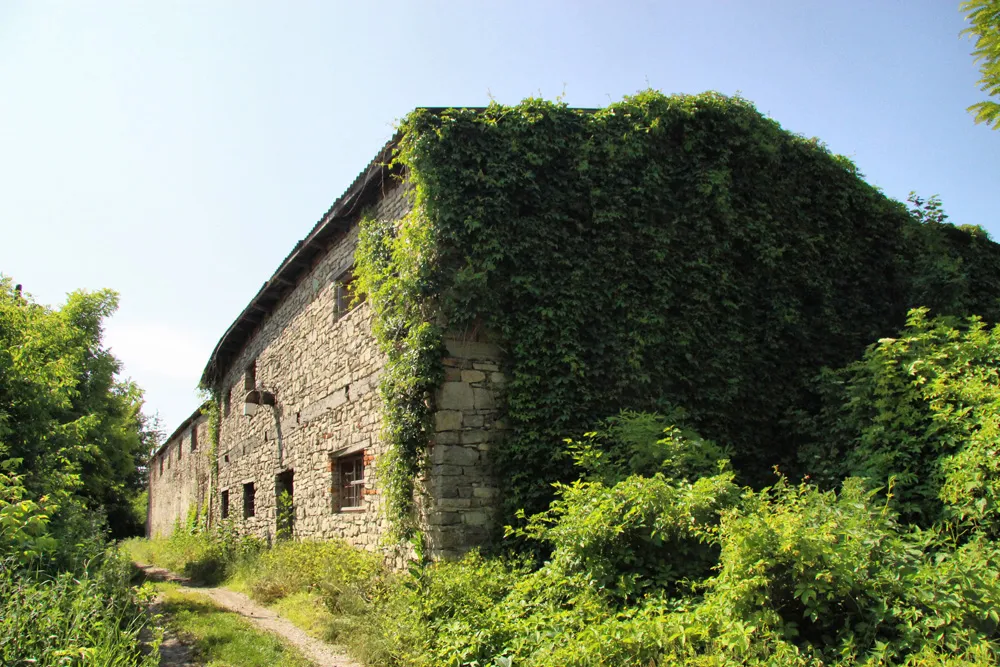
The old mill
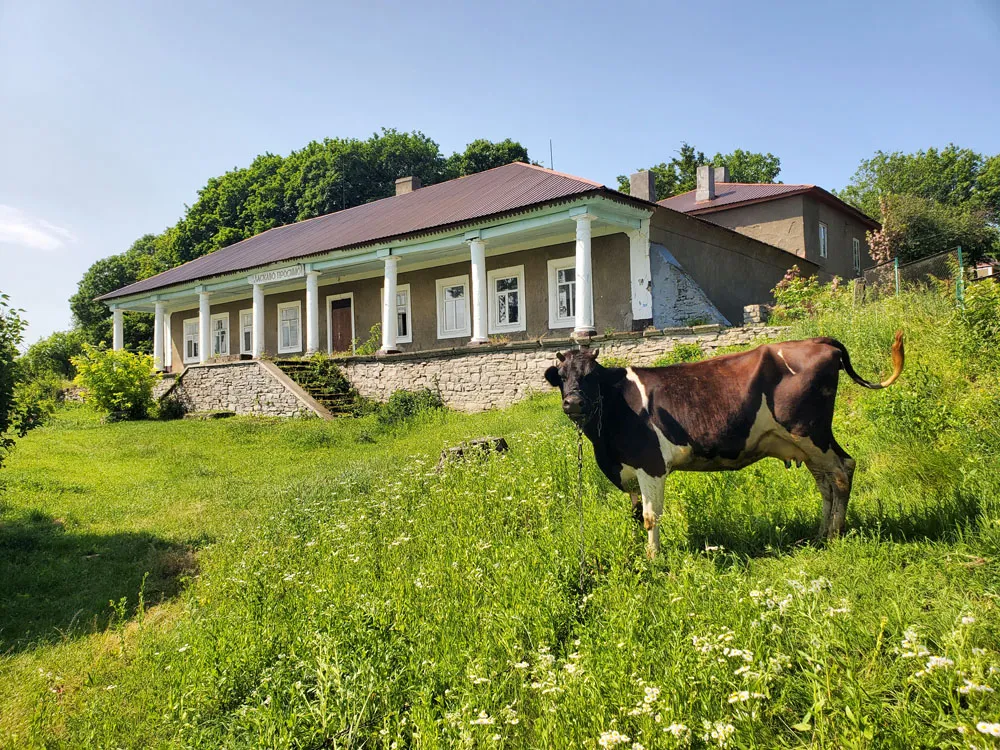
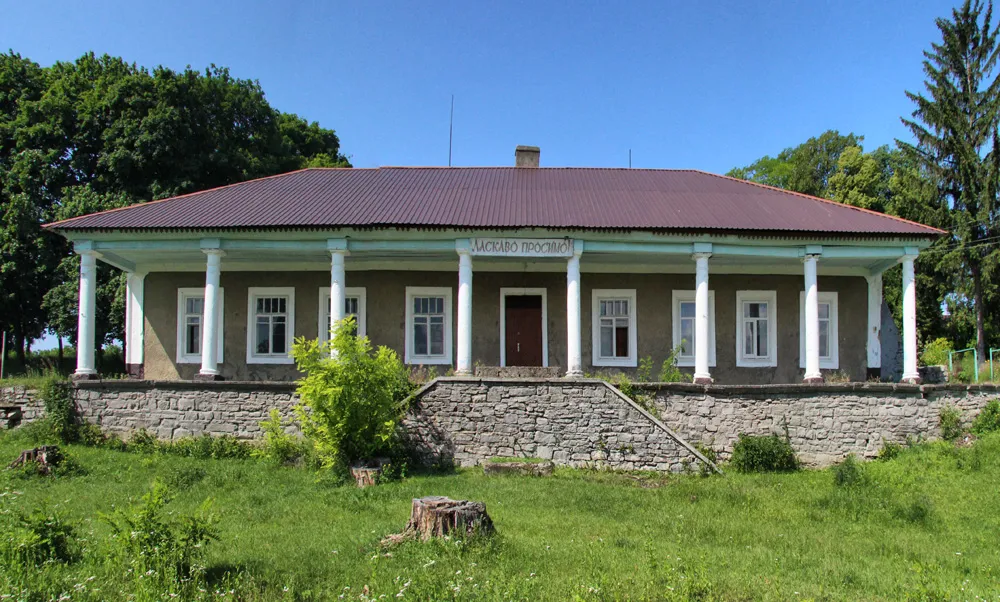
From the 18th century until the early 20th century Muksha belonged to the Leśniewicz family. They left behind a very interesting and unusual “palace”. In fact, it is a large, long one-storey house with a colonnade along the façade, which appeared at the turn of the 18th and 19th centuries. In the 1830s Wincenty Leśniewicz extended the house, adding a two-storey wing with a ballroom to it. Roman Aftanazy classifies the columns as Tuscan.
The palace is unique in that it departs from the “standard” of provincial country palaces of the time. The latter are rather monotonous: a one-storey house with about six windows on the façade and a classic four-column portico over the entrance in the centre. Here, by contrast, we have a colonnade along the entire façade.
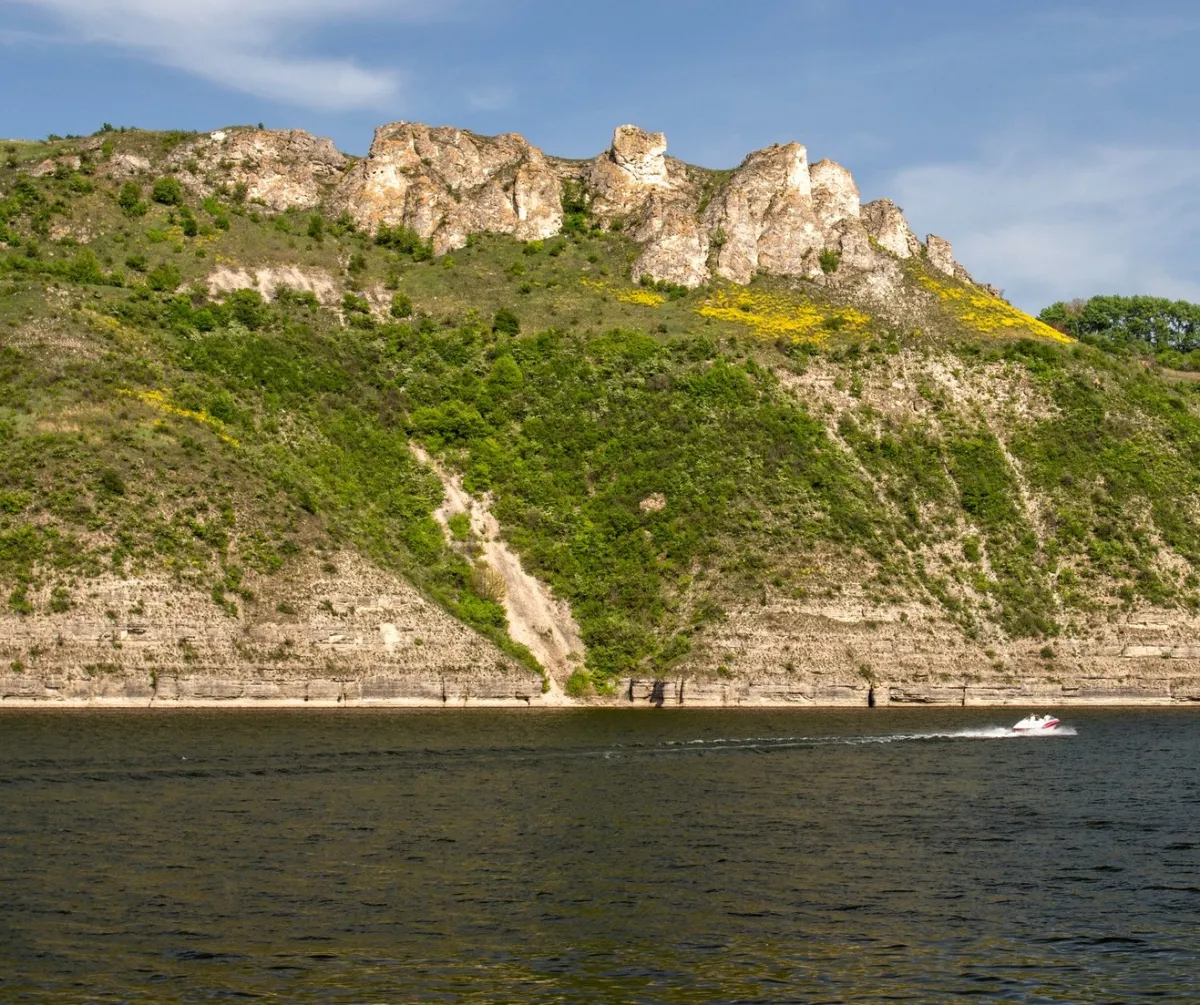
The village is also known for the fact that on its outskirts, above the Dniester, rises one of the most beautiful Tovtry, called Kozyna Tserkva (the Goat’s Church).
The relevant article on Wikipedia was used in preparing this text


