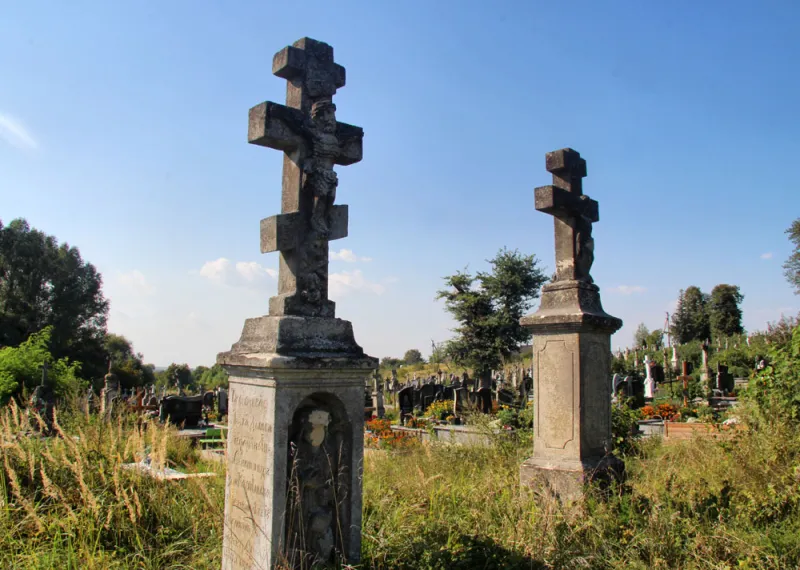
Dzyhivka. Stone crosses and the Catholic church

· 4 min read
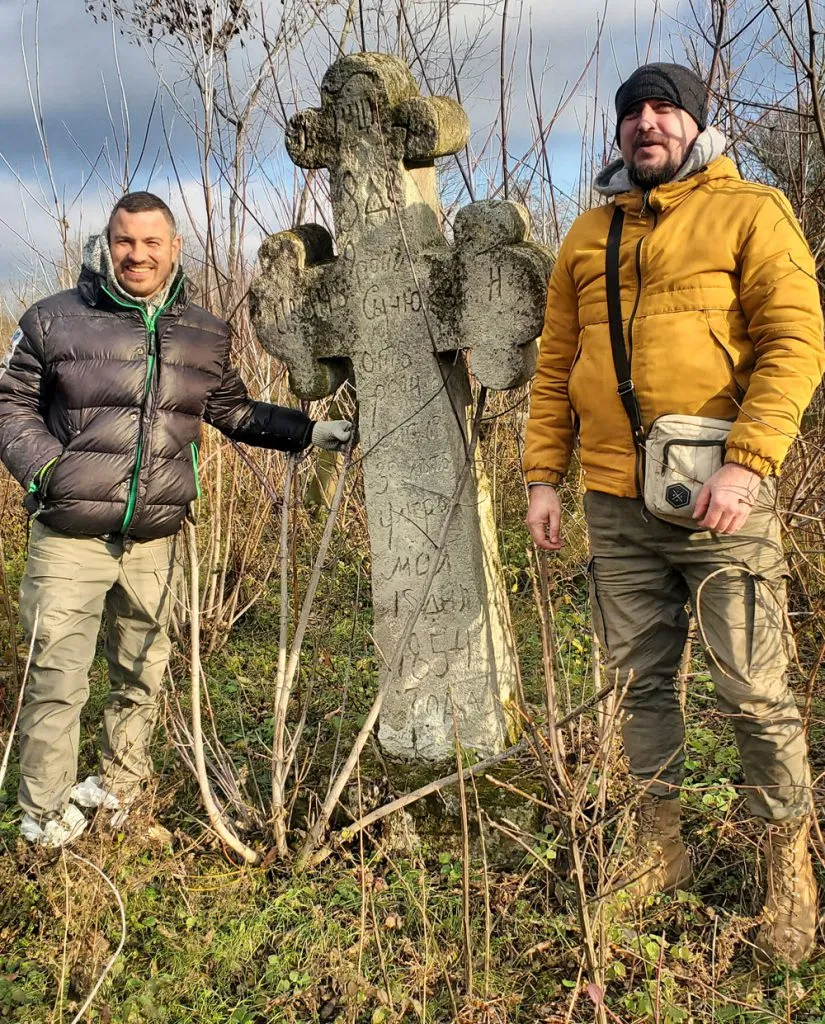
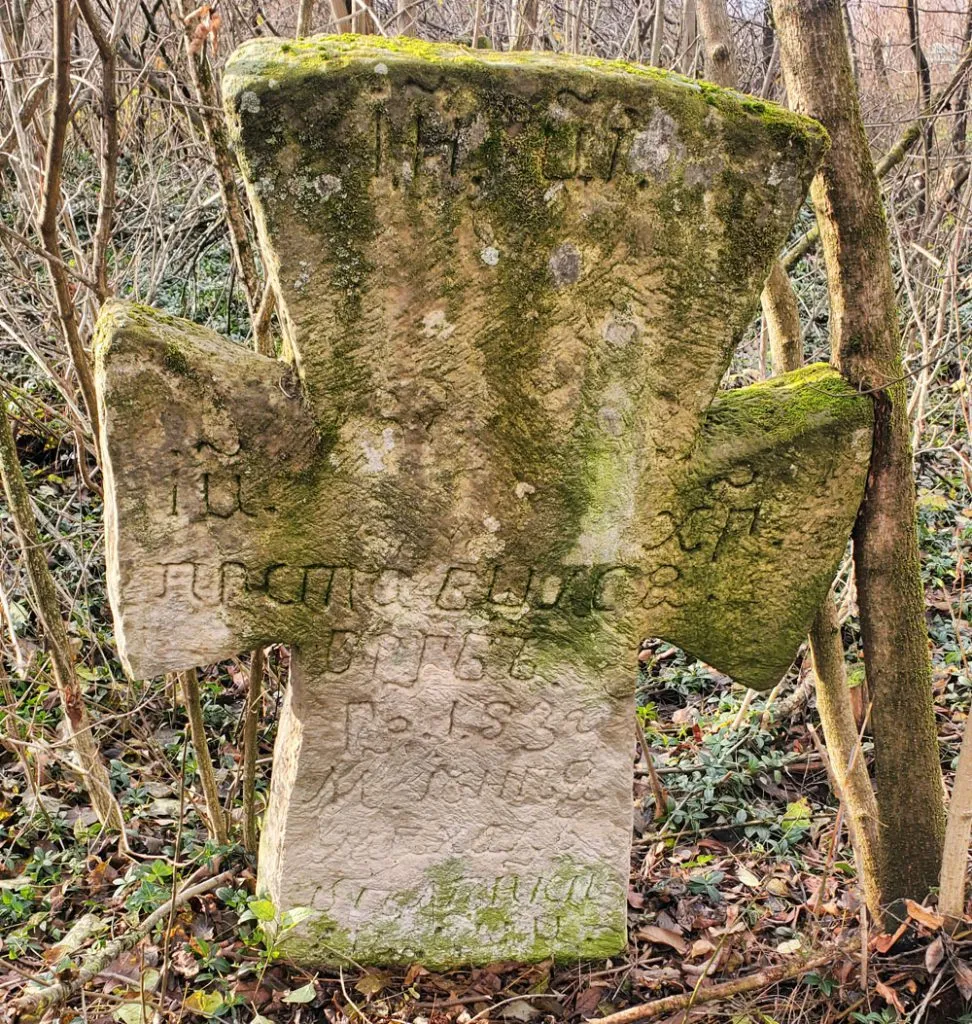
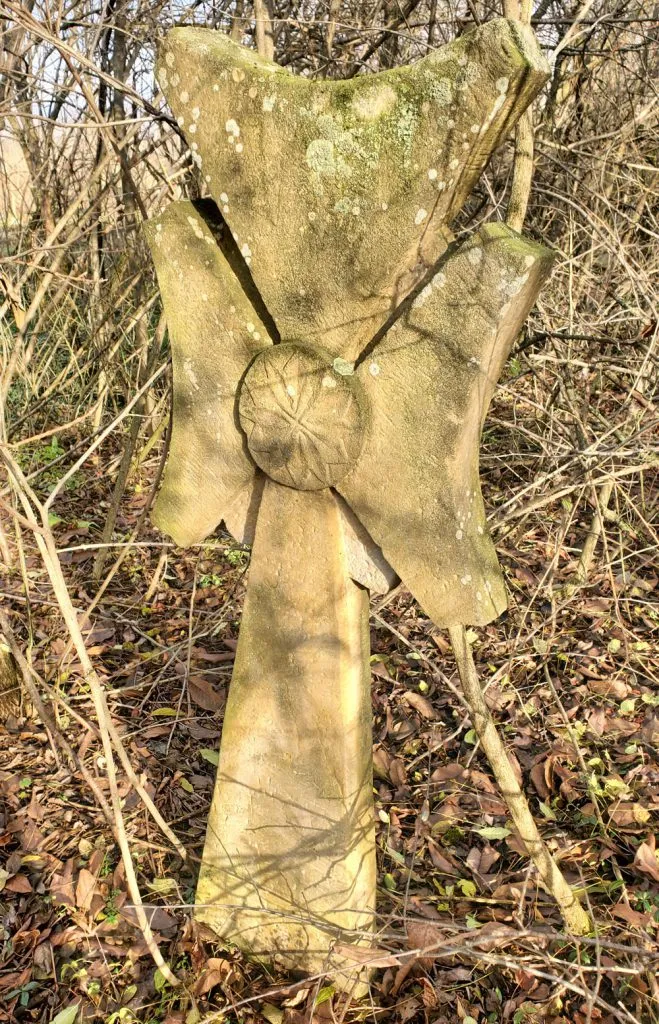
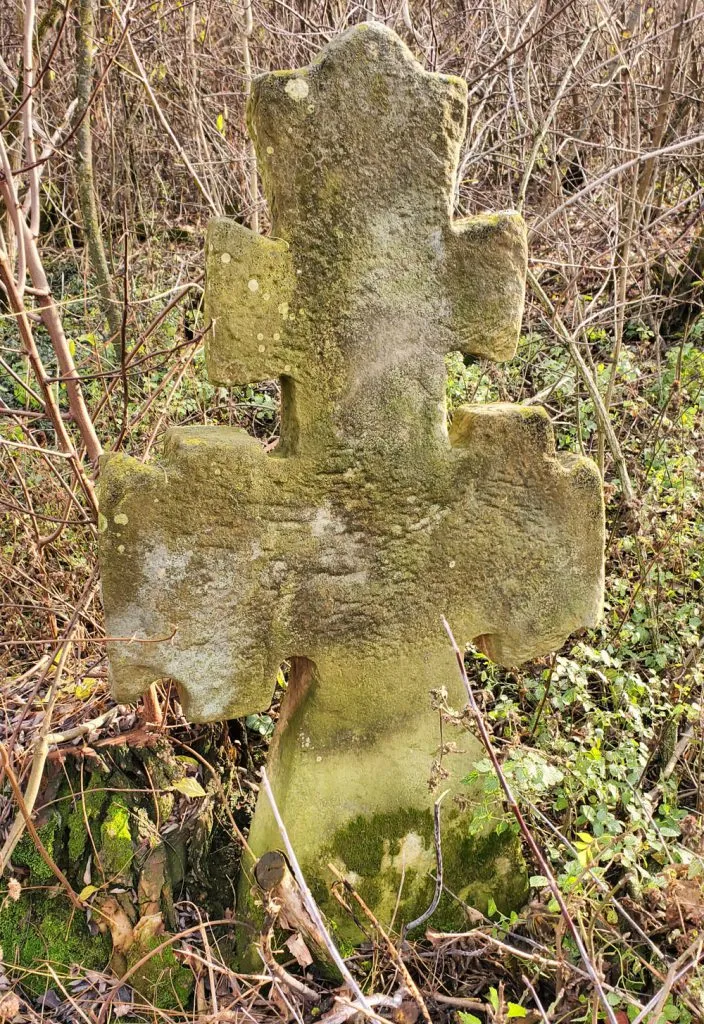
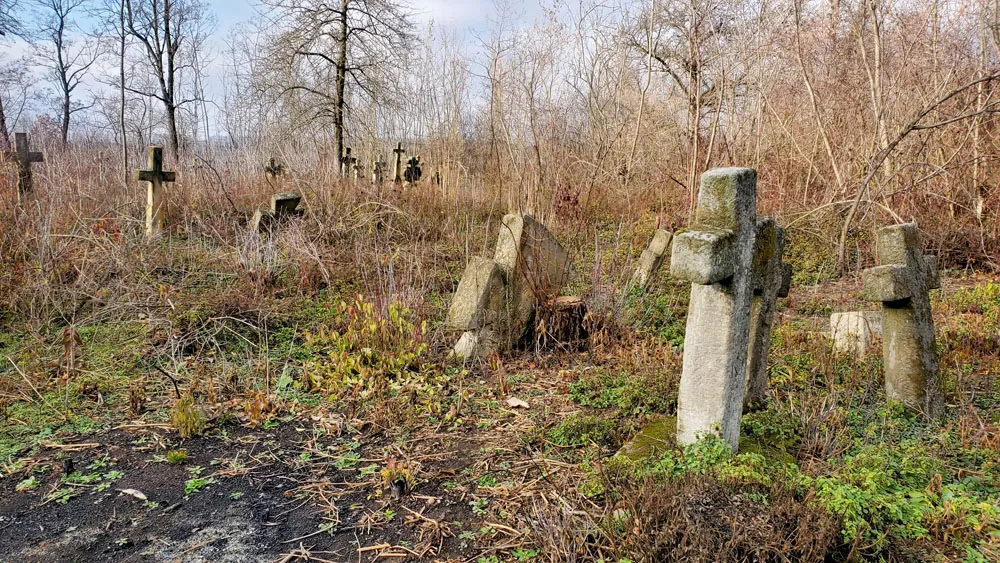
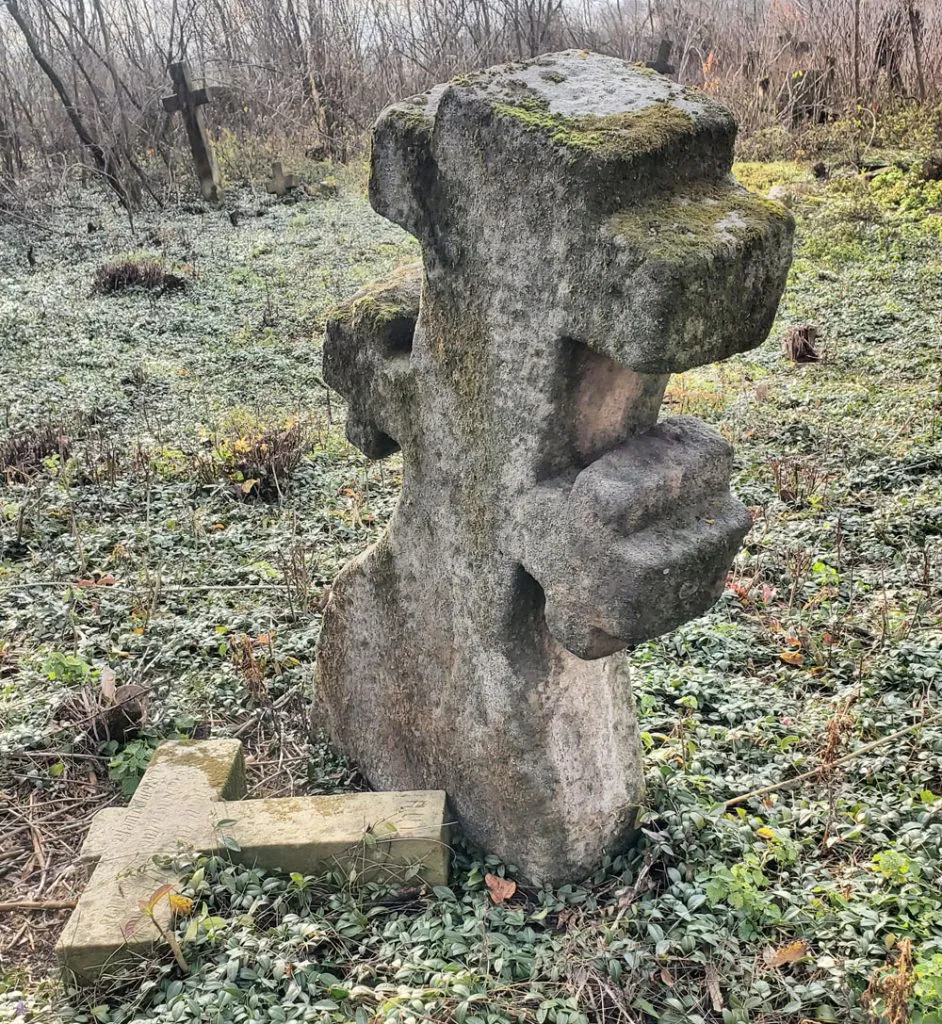
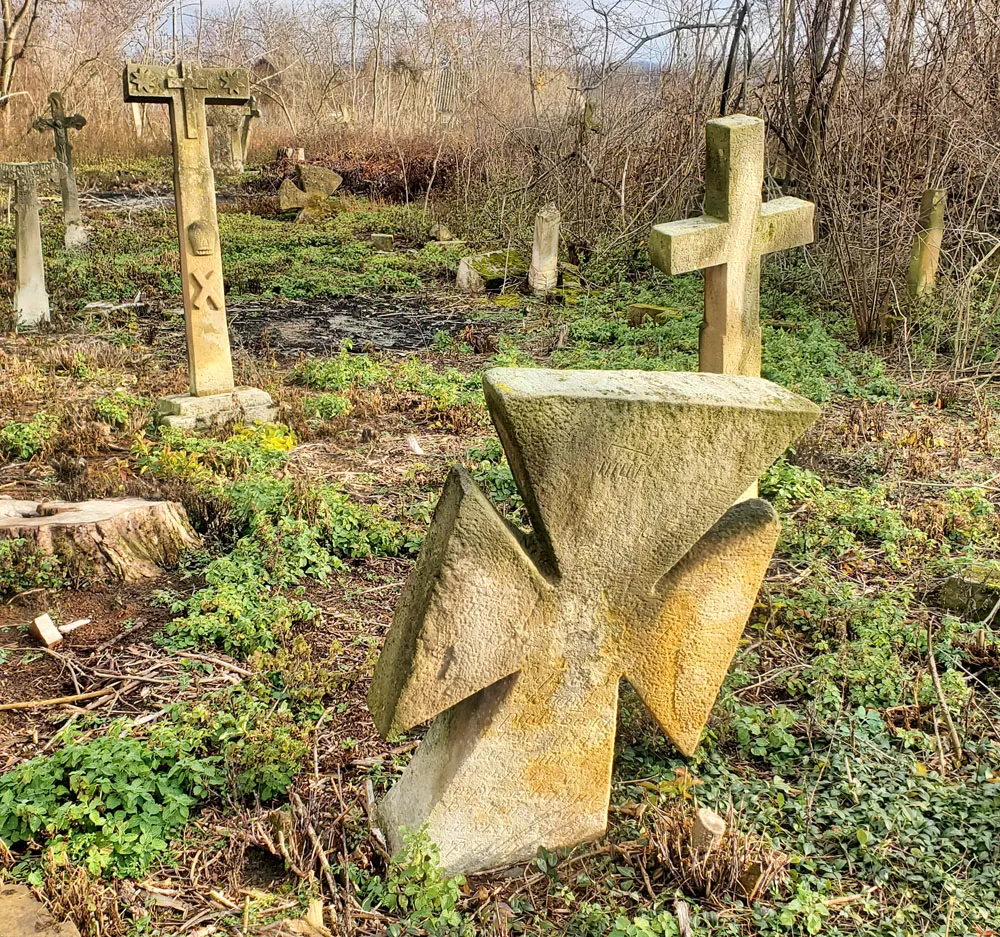
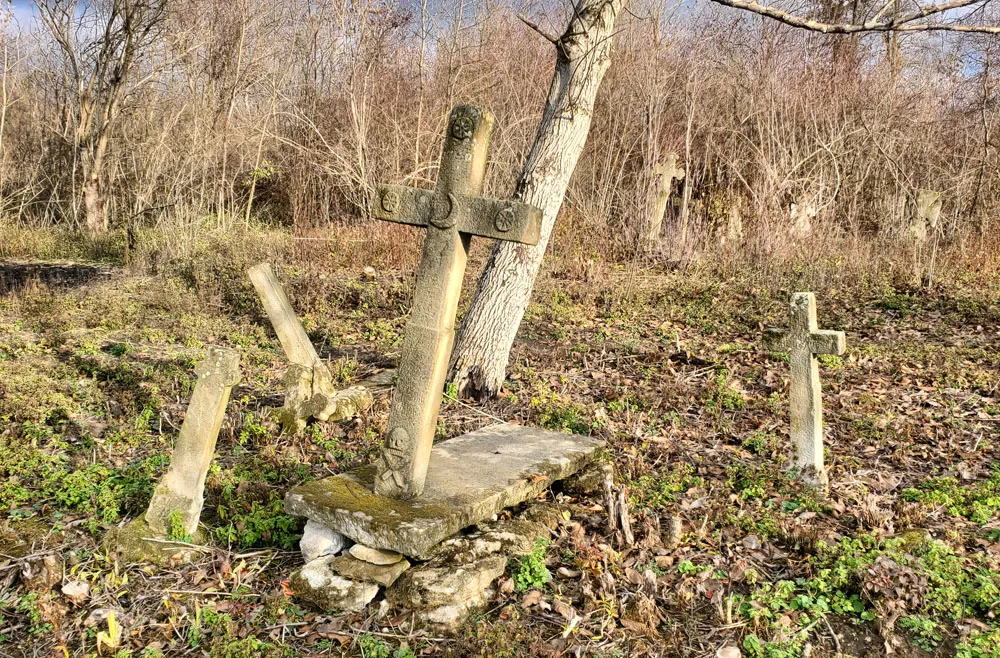
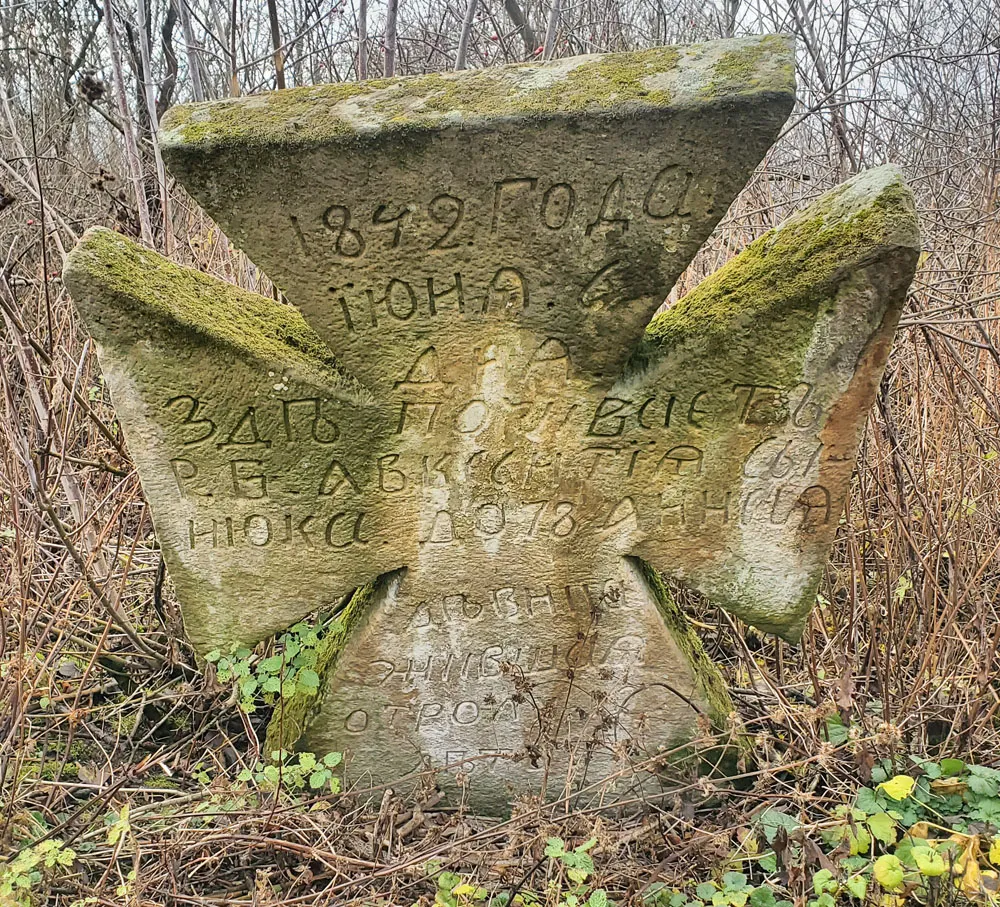
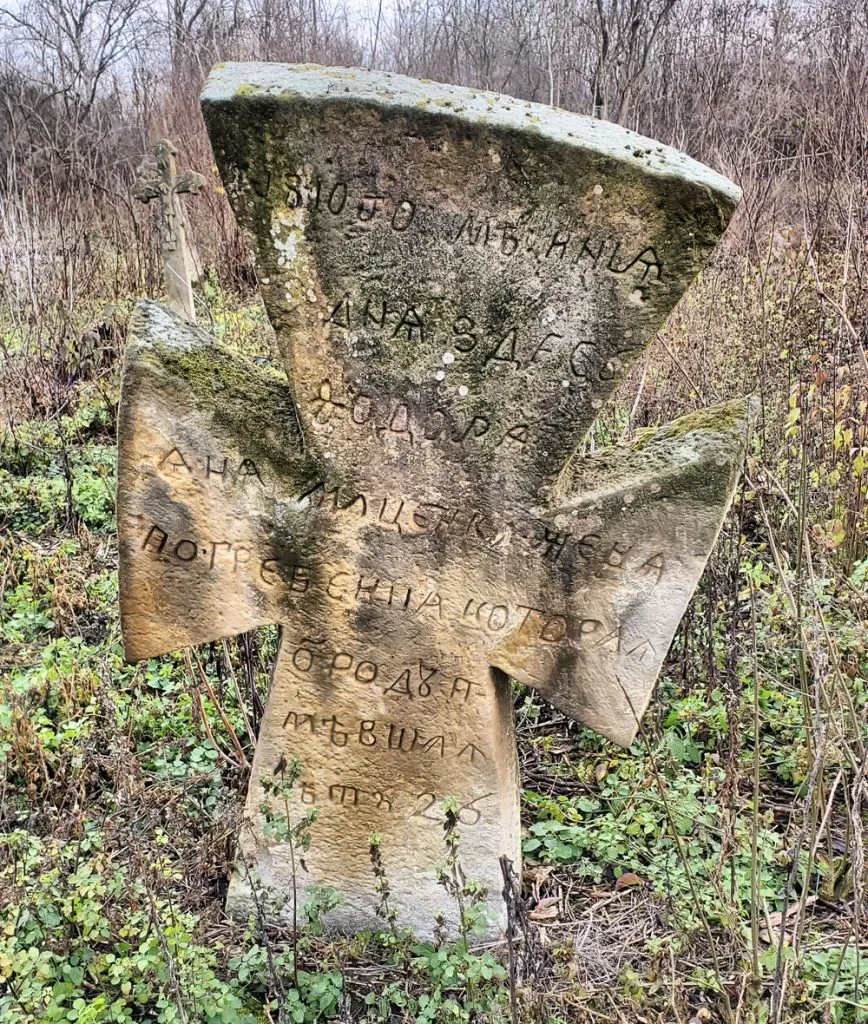
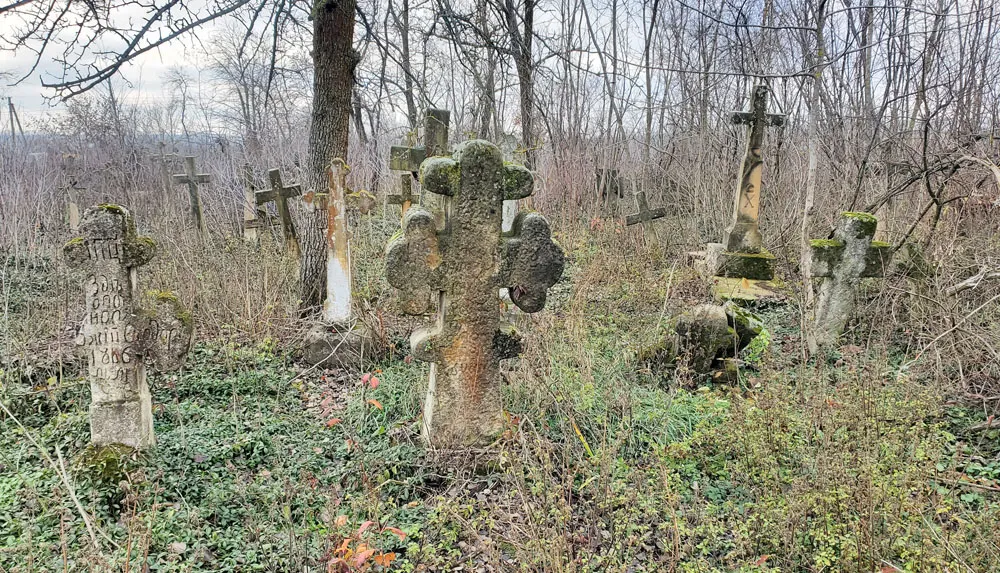
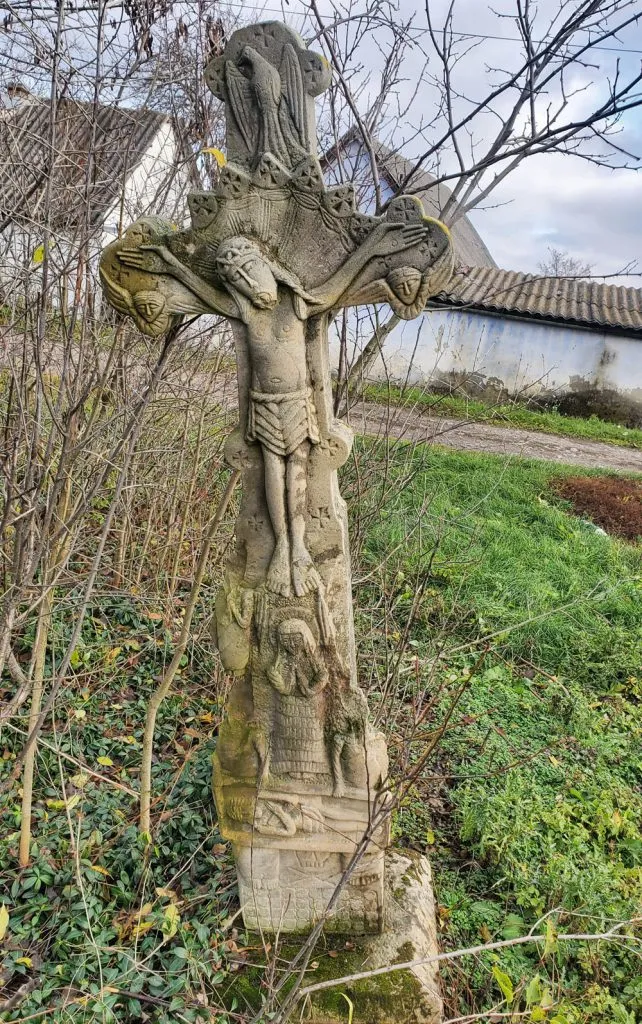
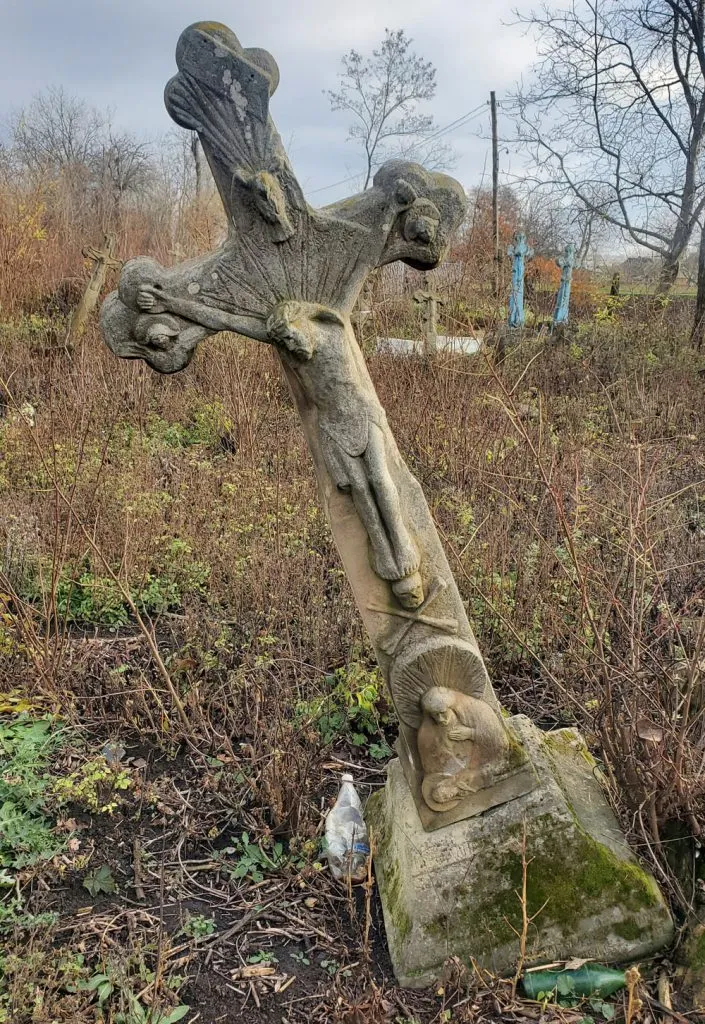
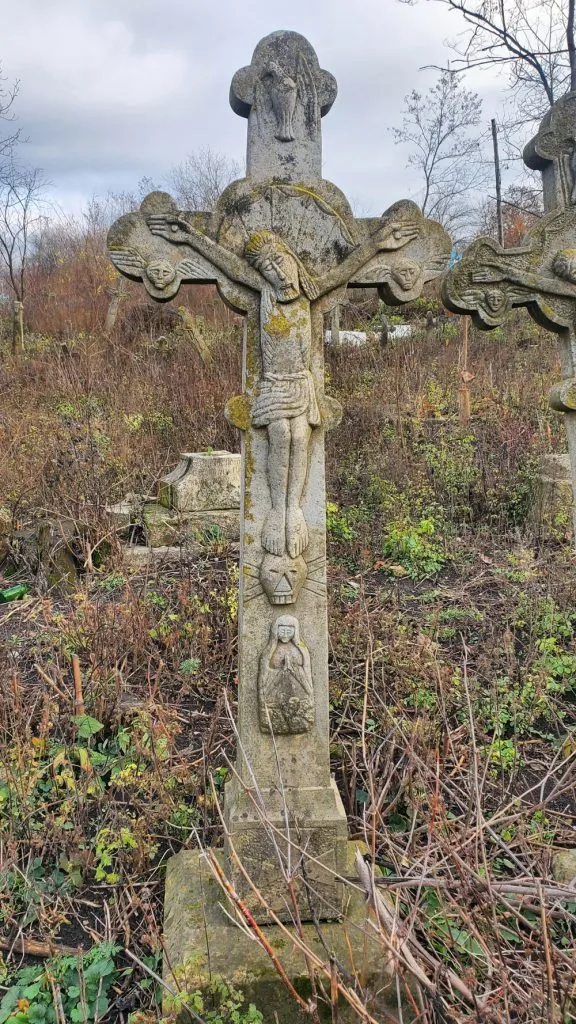
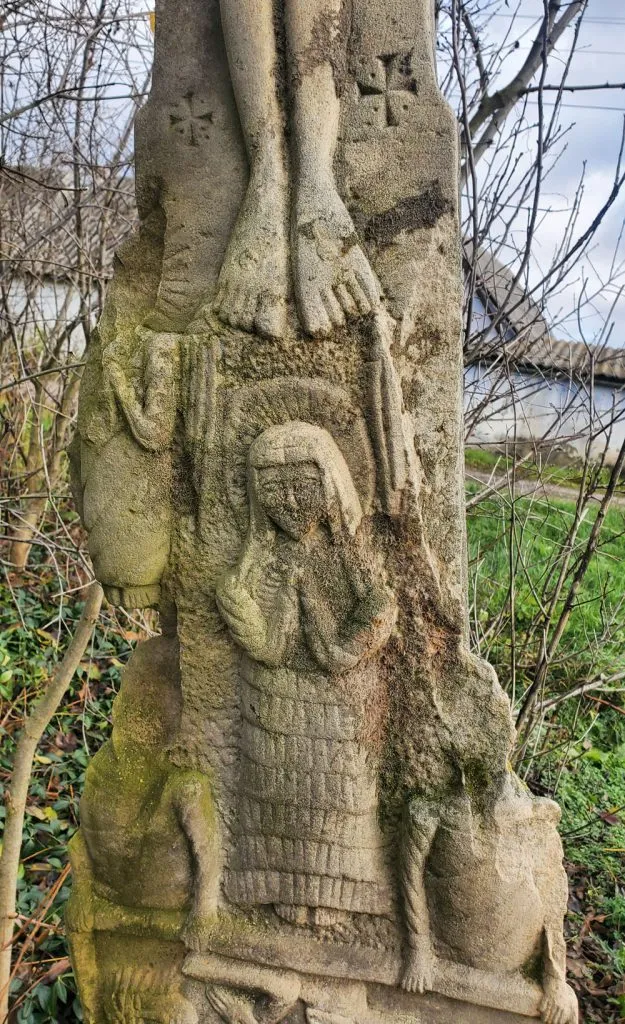
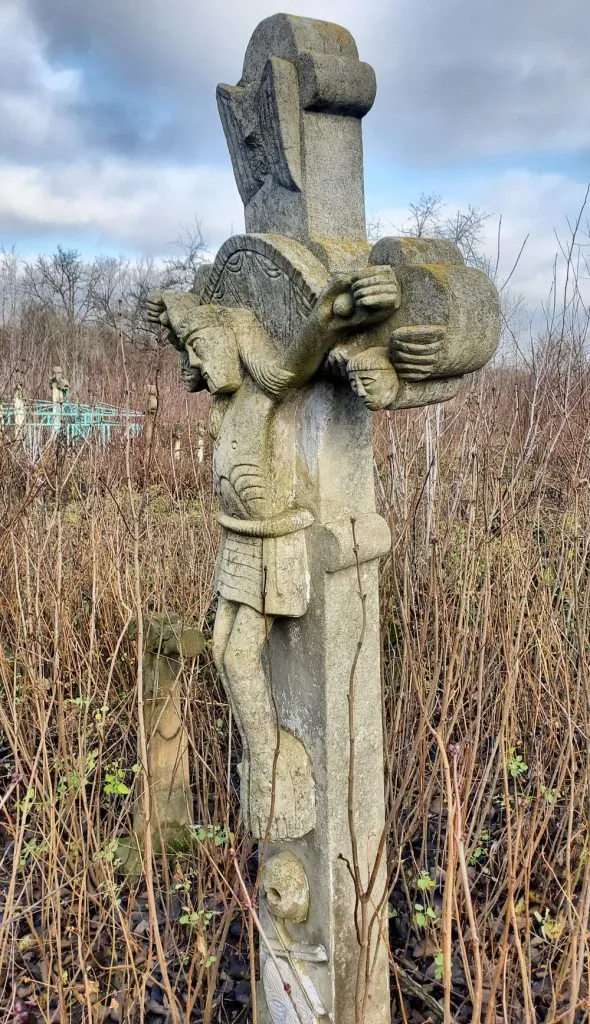
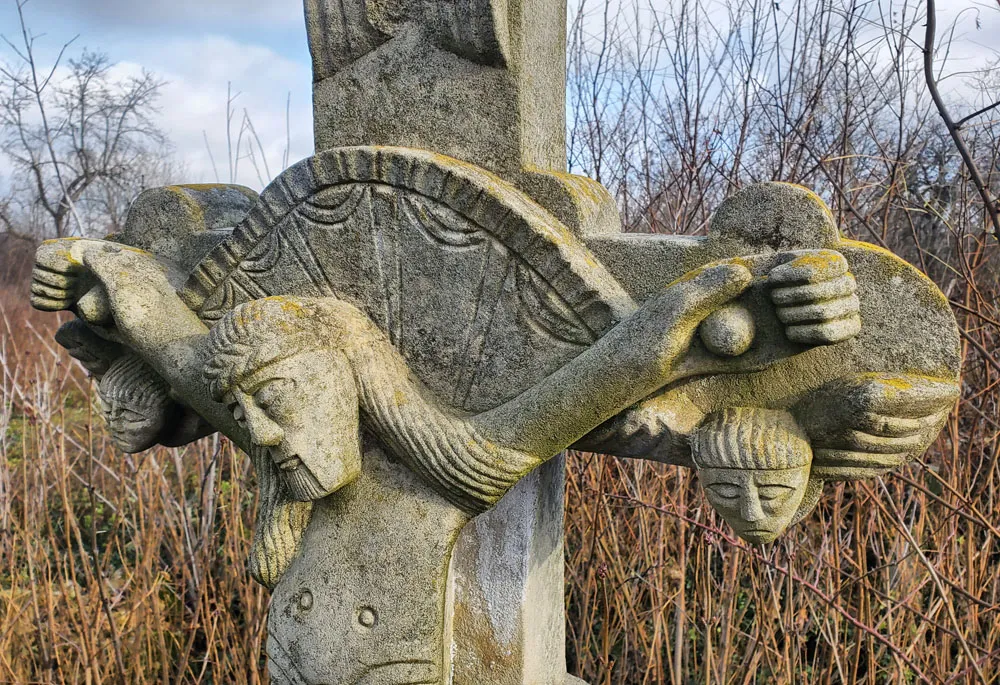
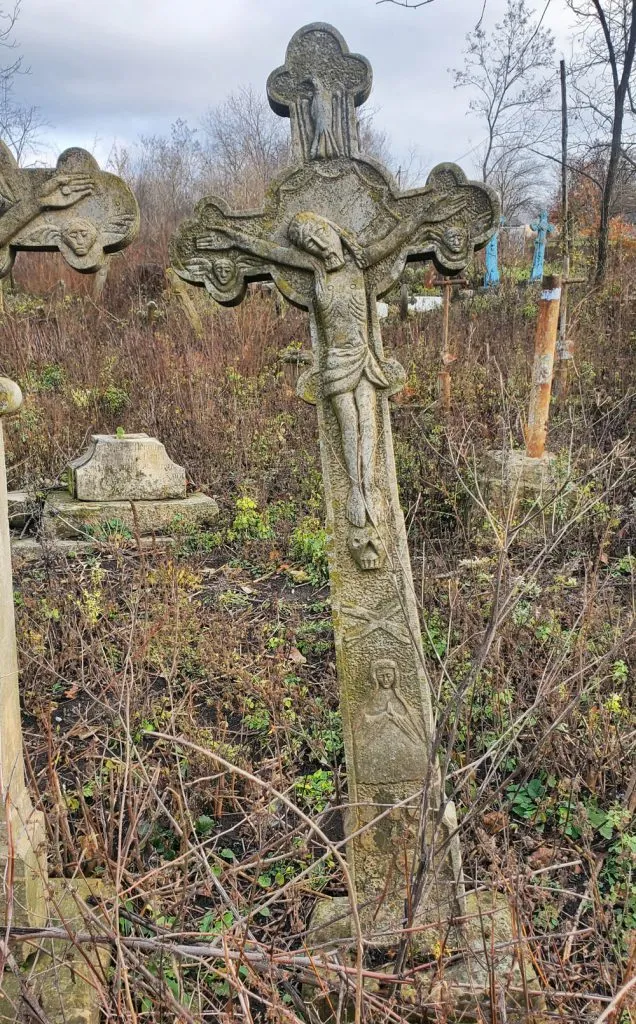
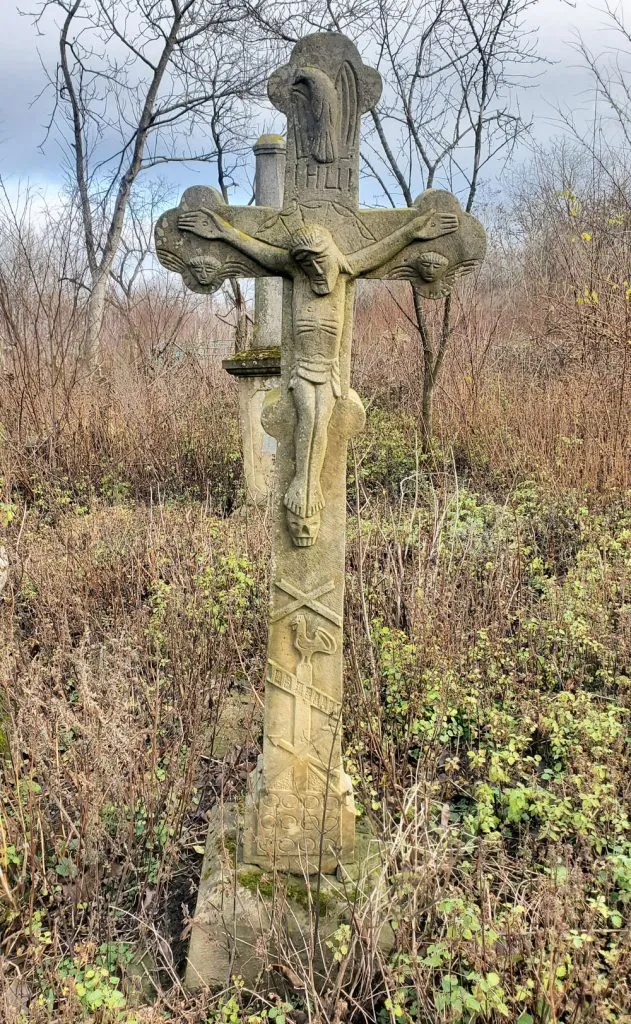
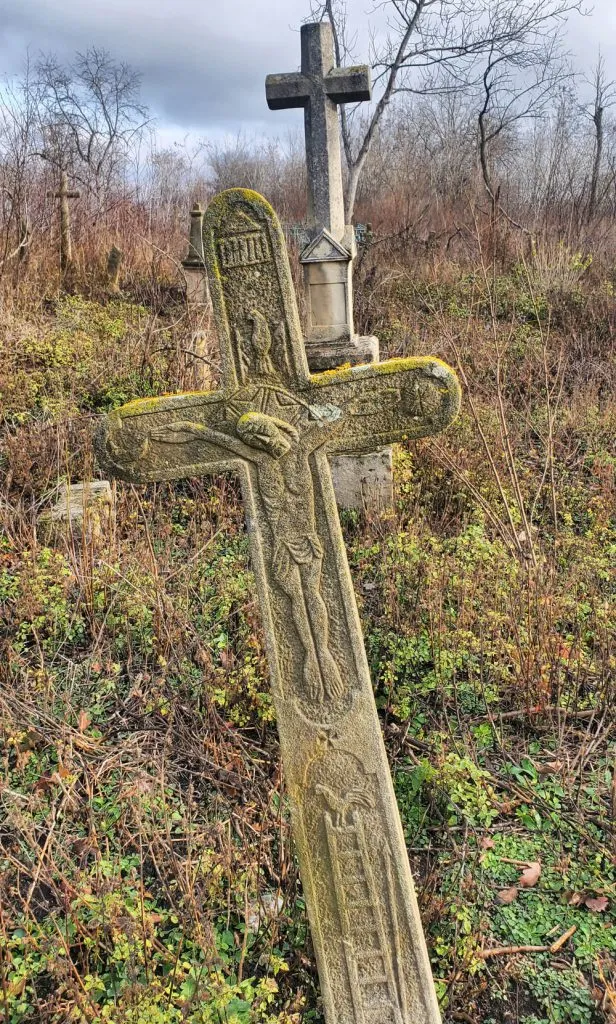
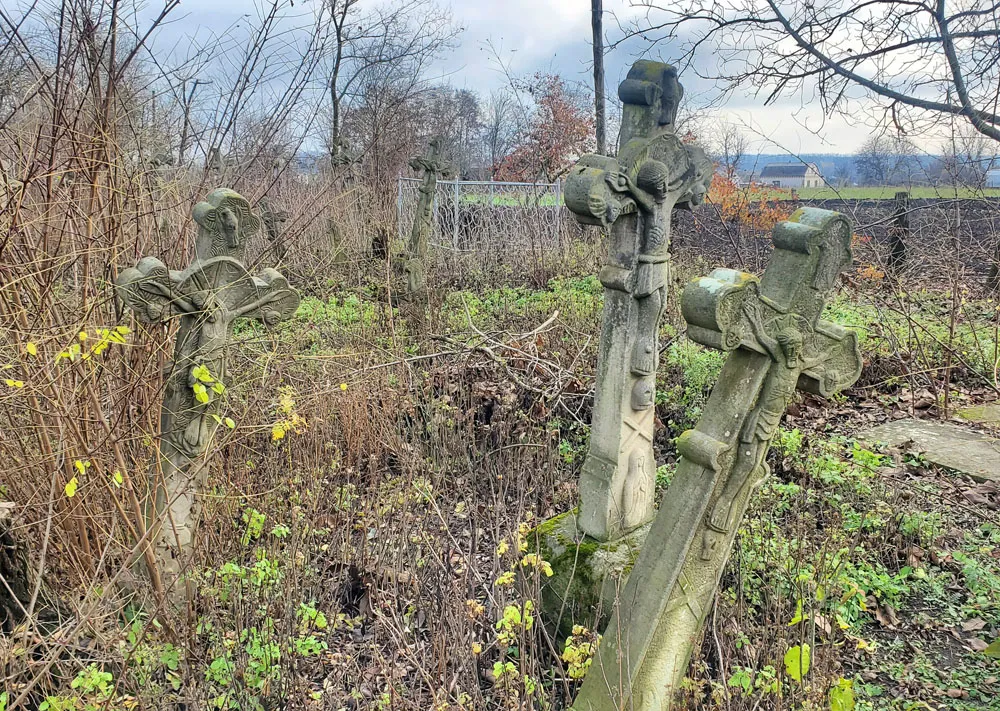
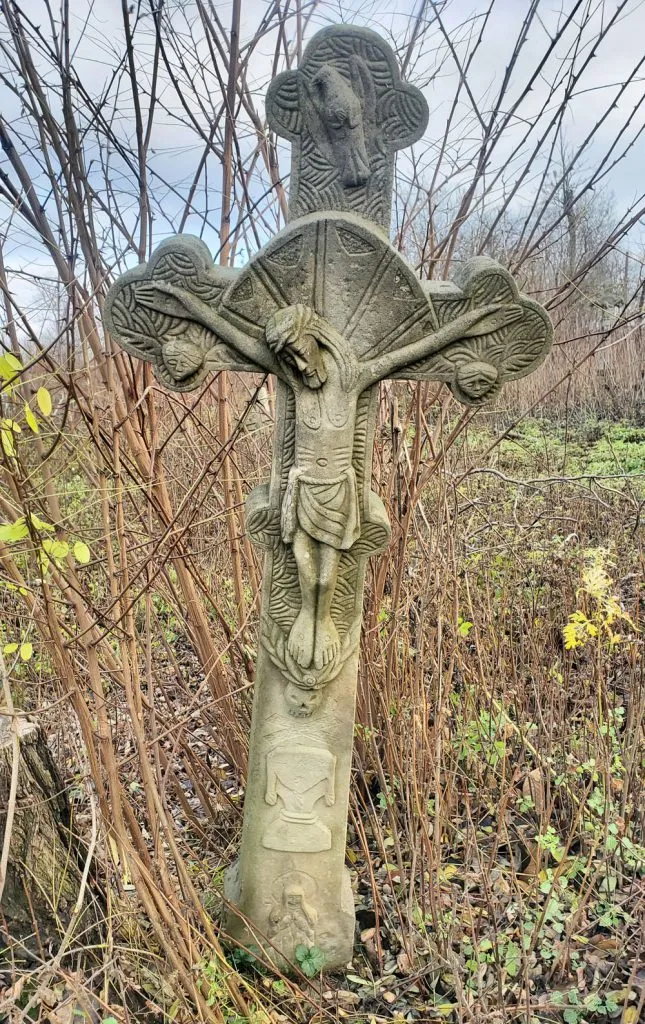
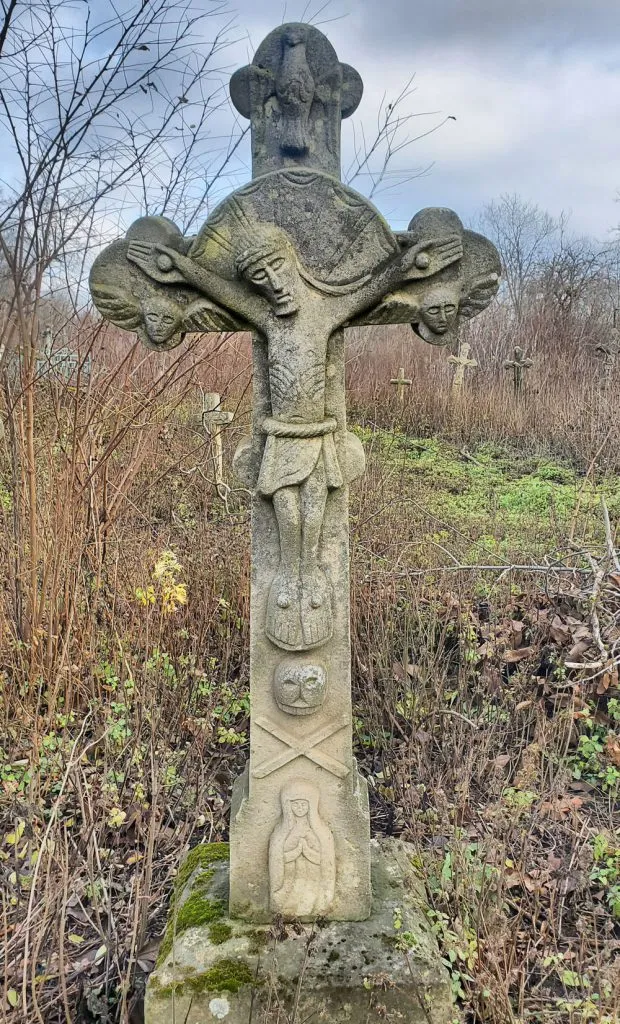
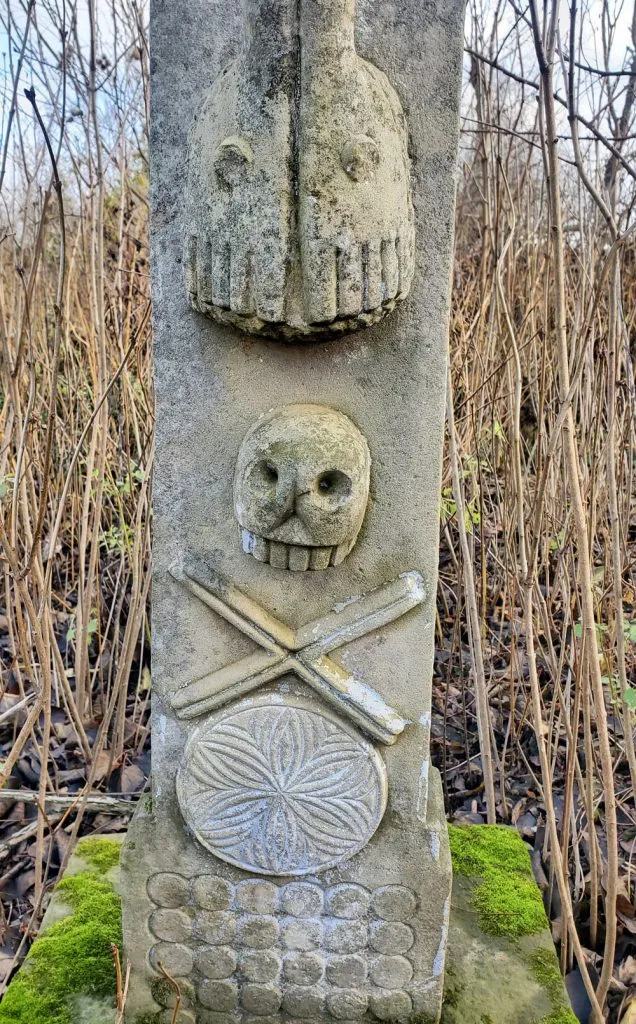
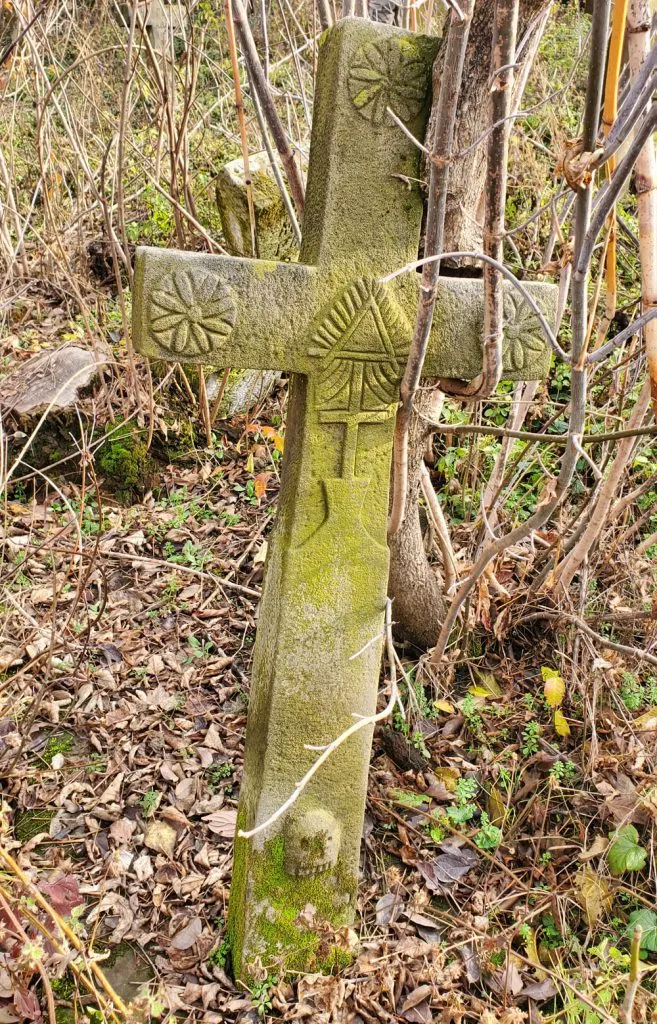
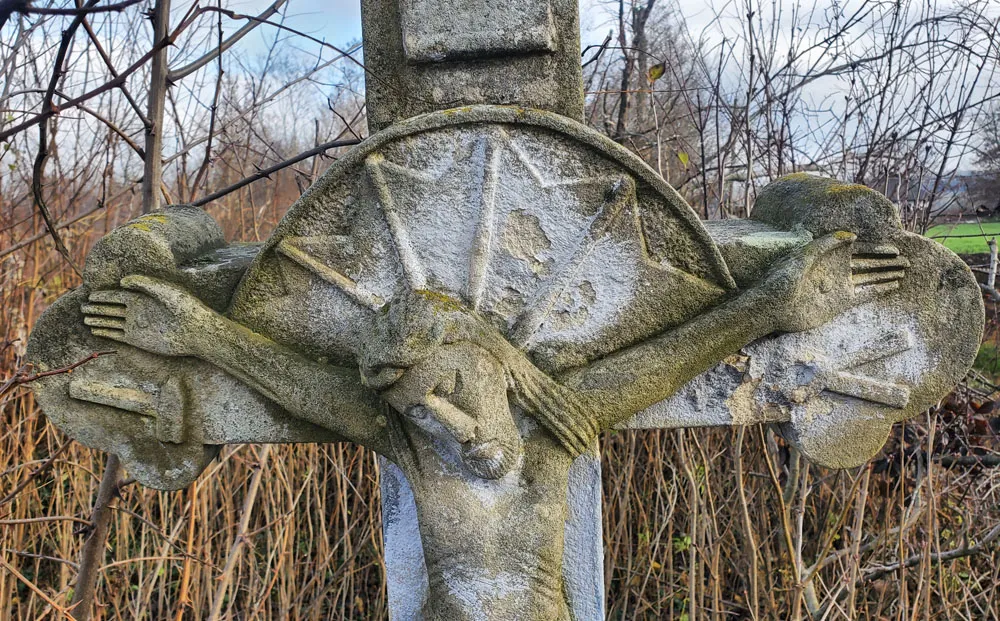
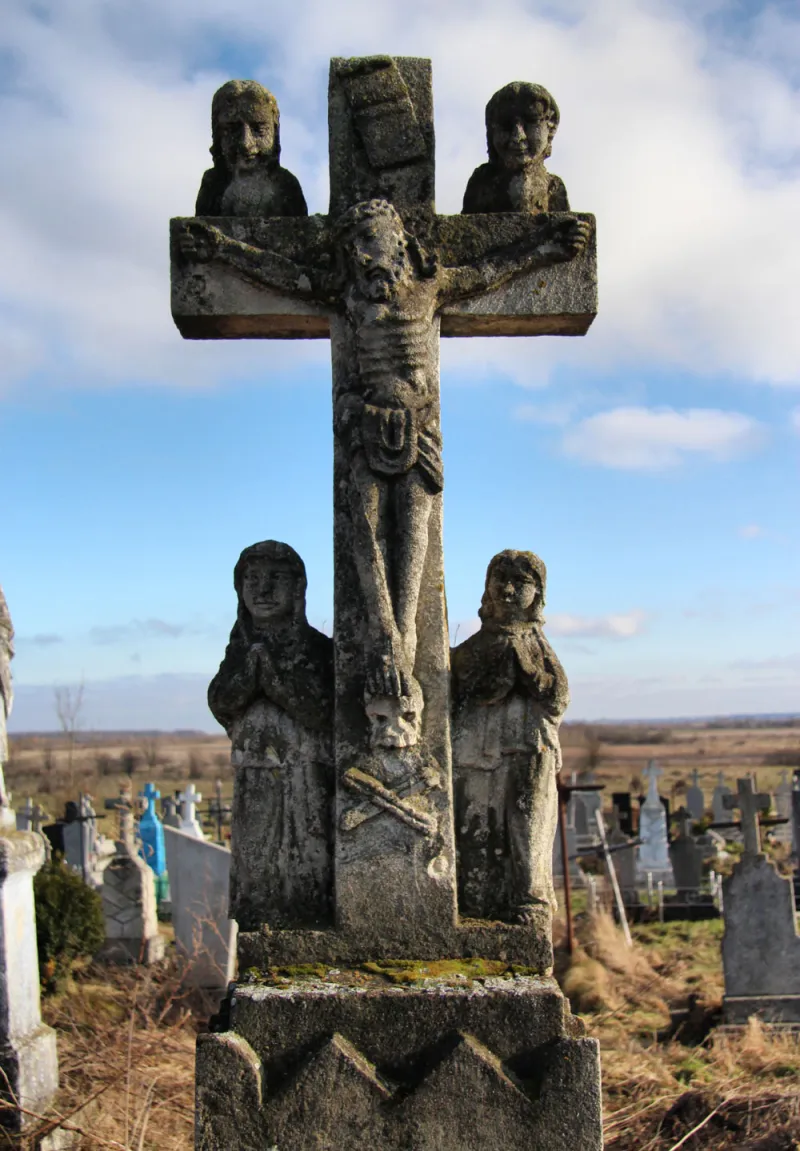
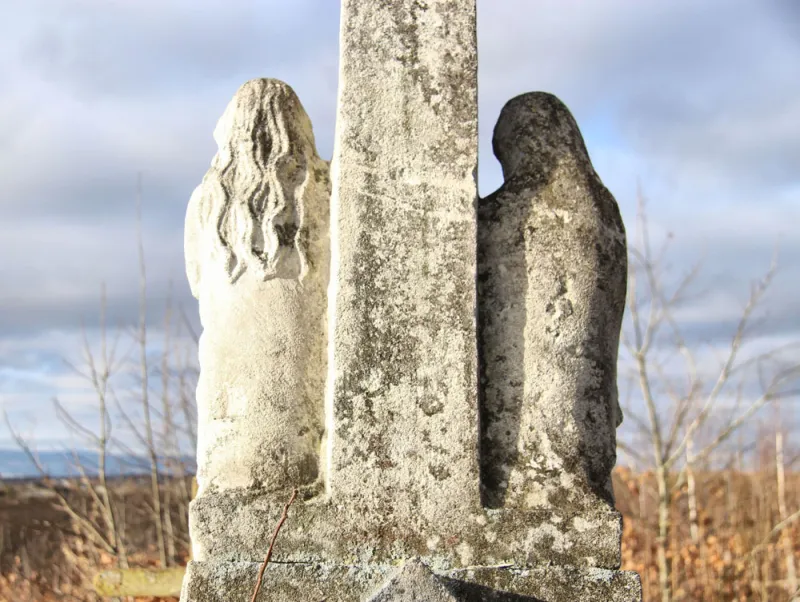
The main landmark of Dzyhivka, the object that should be its tourist magnet, is an old Orthodox cemetery (necropolis) with incredible stone crosses. It was founded as early as the 18th century, but most of the burials date from the 19th. The cemetery has crosses of various forms, including Cossack ones (by shape), but the real masterpieces are the crosses with crucifixes dating from the end of the 19th century.
Next to Dzyhivka there was a sandstone quarry and stonecutters’ workshops. The works of the local craftsmen can be called some of the most accomplished in Ukraine.
Next is a text about Dzyhivka from Wikipedia:
Dzyhivka is a village in Ukraine, in the Yampil urban community of Mohyliv-Podilskyi district, Vinnytsia Oblast. Its population is 3,003.
Dzyhivka is a former privately owned town, the centre of the Dzyhivka volost of Yampil county in the Podillia Governorate.
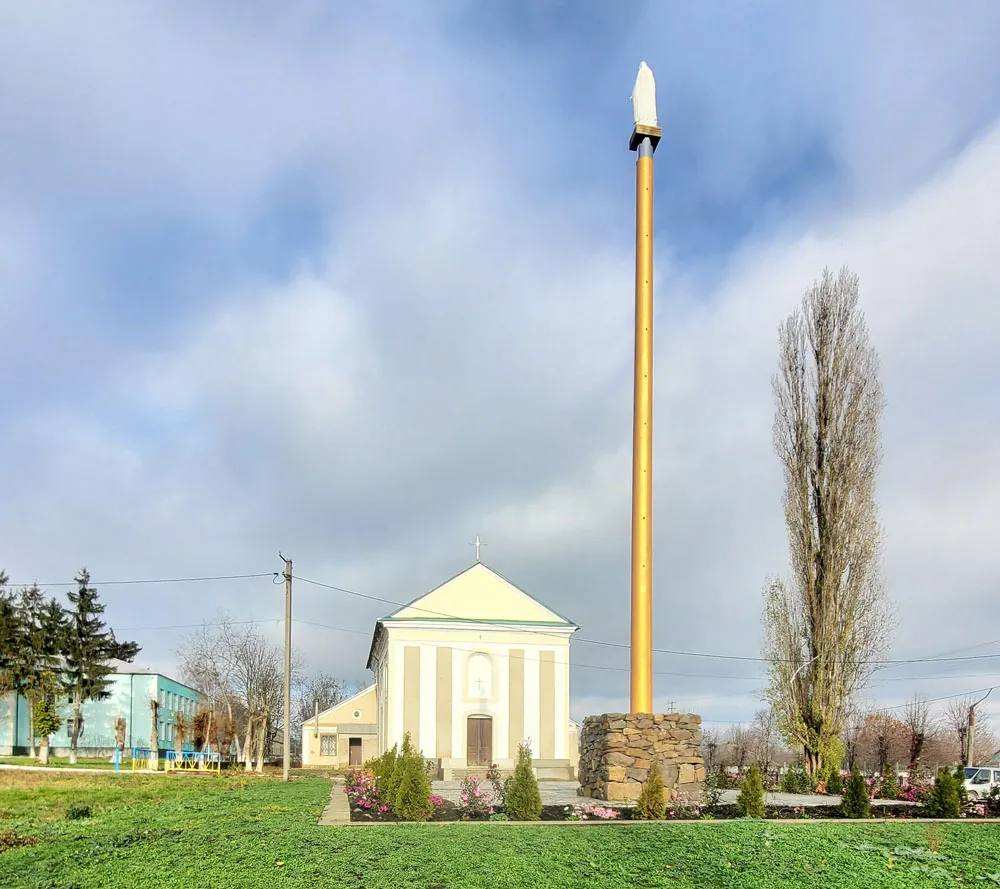
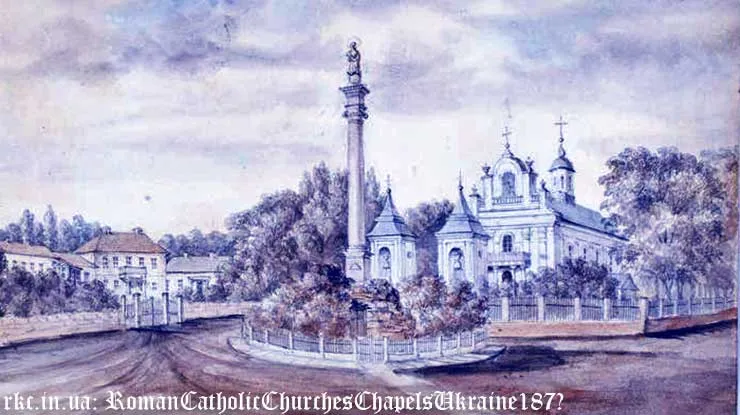
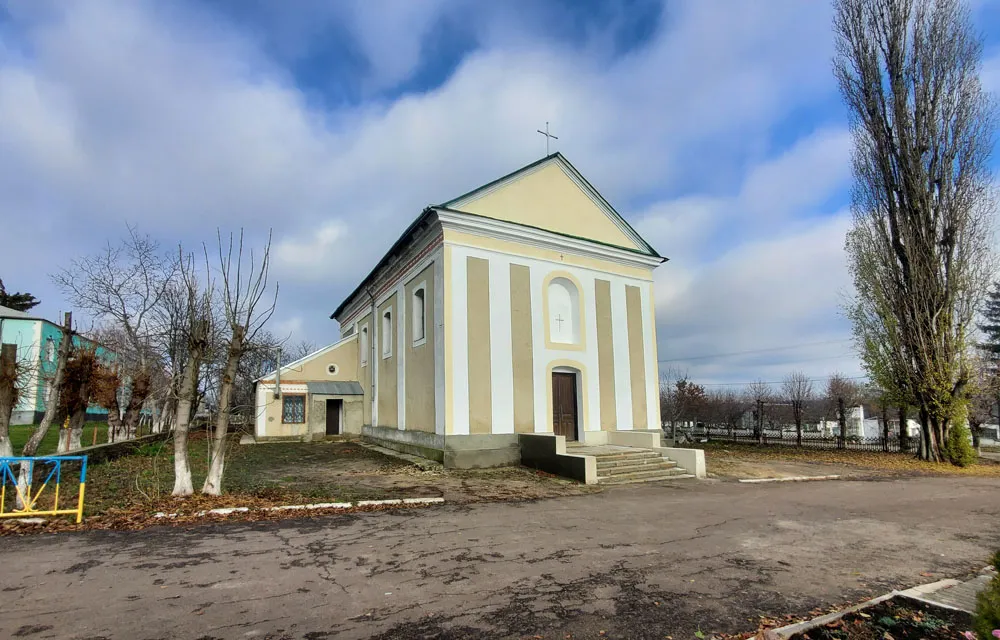
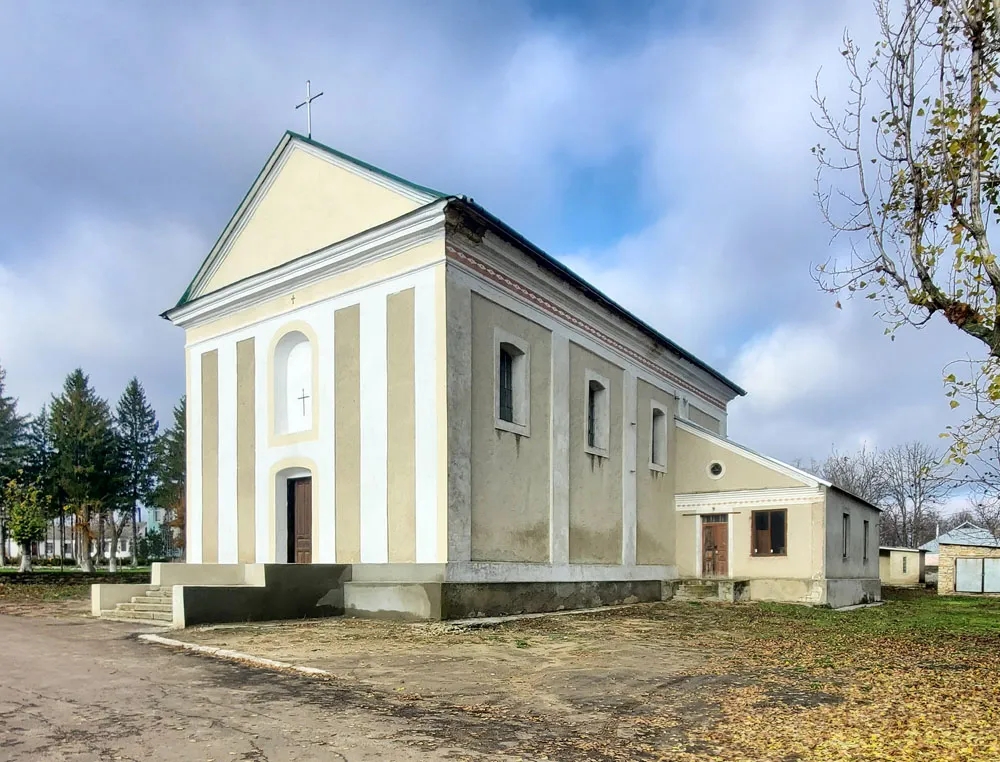
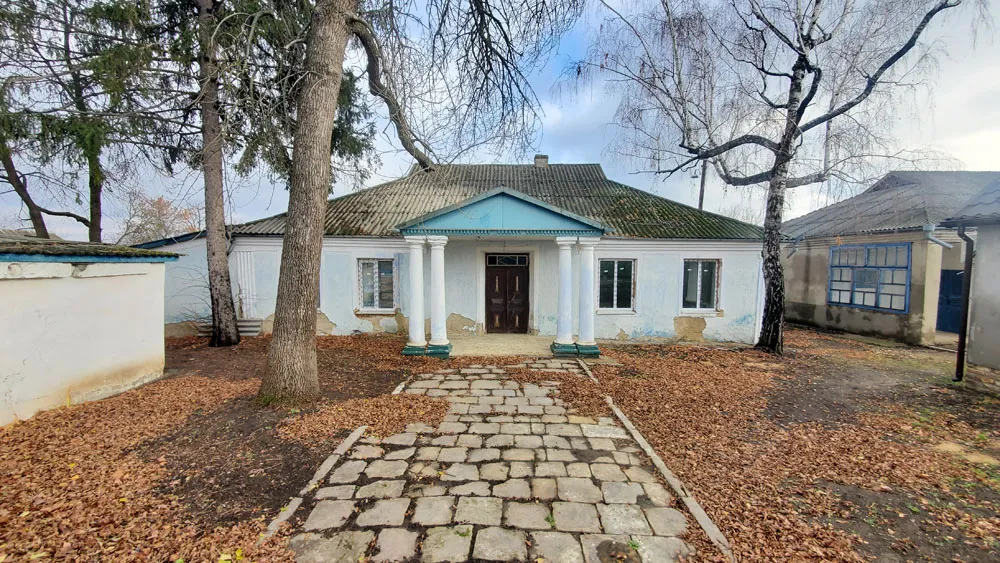
Dzyhivka is a pretty village situated in the deep gully of the Korytna River and its tributary, the Dzyhivka. According to folk legends, it got its name from its founder, a Cossack named Dzyha, who settled on the bank of the Korytna many centuries ago. Direct descendants of the founding Cossack still live in the village and bear the surname Dzyhovskyi. So it can be said that the village began its existence as a Cossack winter camp. On the map of the Bratslav Voivodeship compiled at the beginning of the 17th century by the French engineer Beauplan, who was then in the service of the Polish government, the village of Dzyhivka is shown as a fairly large settlement. When Ukrainian lands were seized by the Polish nobility after the Union of Lublin of 1569, the village of Dzyhivka with the surrounding villages passed into the feudal possessions of the Counts Potocki. There is information that the Dzyhivka Cossacks took an active part in the national liberation struggles of the mid-17th century under the leadership of Bohdan Khmelnytskyi. Dzyhivka Cossacks and ordinary peasants were in the detachments of Maksym Kryvonis, Danylo Nechai and Ivan Bohun. On 21 November 1764, the day when the whole Orthodox world celebrated the Synaxis of the Archangel Michael, the Church of St. Michael was founded in the village. In the 18th century Dzyhivka belonged to the possessions of the Princes Lubomirski. And in 1787 the Polish king Stanisław August granted the village a privilege and it became a town, receiving at the same time the right to hold fairs, which usually took place here every two weeks. From 1793, as a result of the Second Partition of Poland, the Ukrainian lands from the Southern Buh to the Dniester, including the town of Dzyhivka, became part of the Russian Empire. From the beginning of the 19th century the town is associated with the name of Jaroszyński. In 1804 a Catholic church was opened in Dzyhivka, adorned with a sculpture of the Mother of God 16 metres high that stood on the square in front of the church building. There is evidence that this sculpture was installed by the town’s steward as a gift to Jaroszyński. The church you see in the photo can be visited today; it is a pity that the aforementioned monument has not survived (it was destroyed in 1919). The church and the sculpture of the Mother of God became the town’s calling card. In addition, the town was later incredibly famous for its crowded fairs with a wide choice of various goods. The opening in 1912 of a zemstvo hospital with 10 beds was of great importance not only for Dzyhivka: it also served 12 surrounding villages. The first doctor of this hospital was Kostiantyn Mytrofanovych Rohozynskyi. The villagers zealously protected the hospital building; it has survived to our days and is a good example of Russian classicism in provincial architecture. To this day the village keeps its ancient fair tradition, the church has been restored, which has revitalised the Catholic community, and old cemeteries and other objects of historical significance are being cleared.
Source: Wikipedia
Church of the Holy Spirit / Descent of the Holy Spirit (1803–1804).
The settlement of Dzyhivka is considered to have been founded in 1500. In 1787 it became a town; today it is a village with a population of over 4,000, of whom only about a hundred are Roman Catholics.
In 1803–1804 the present brick church was built in Dzyhivka at the expense of W. Jaroszyński. A column with a sculpture of the Mother of God 16 metres high was erected on the square in front of the shrine; it was destroyed in 1919. The furnishing of the church went on for a long time, and only in 1841 was it consecrated under the title of the Descent of the Holy Spirit by Bishop Franciszek Mackiewicz. In 1913 the shrine was restored through the efforts of Fr. Miodushevskyi.
From the 1920s until 1990 the church was closed by the Soviet authorities. The parish is served by diocesan priests.
Source: Churches and chapels of Ukraine
Photos by Roman Malenkov