Village of Rivne. The Rostsyshevski manor and the old cemetery

· 1 min read
Arriving in Rivne (the name means “flat” or “even”), we were surprised by its name: it is not flat at all but quite uneven, with considerable hills, and quite a lot of them. Rivne resembles foothills, and why it was given such a name we do not know.
There is very little material on the history of Rivne, apart from reports of a battle here between local insurgents (anti-Hetman fighters) and Austro-Hungarian troops in August 1918. It is also known that in the late 19th century the Polish Rostsyshevski family had a manor here. In Soviet times a school was housed in the manor house, but in time it became too cramped, so a new school was built. The manor house was abandoned. Local residents tore out the doors, smashed the windows and partly stripped the slate roof. Today it is an abandoned half-ruin.
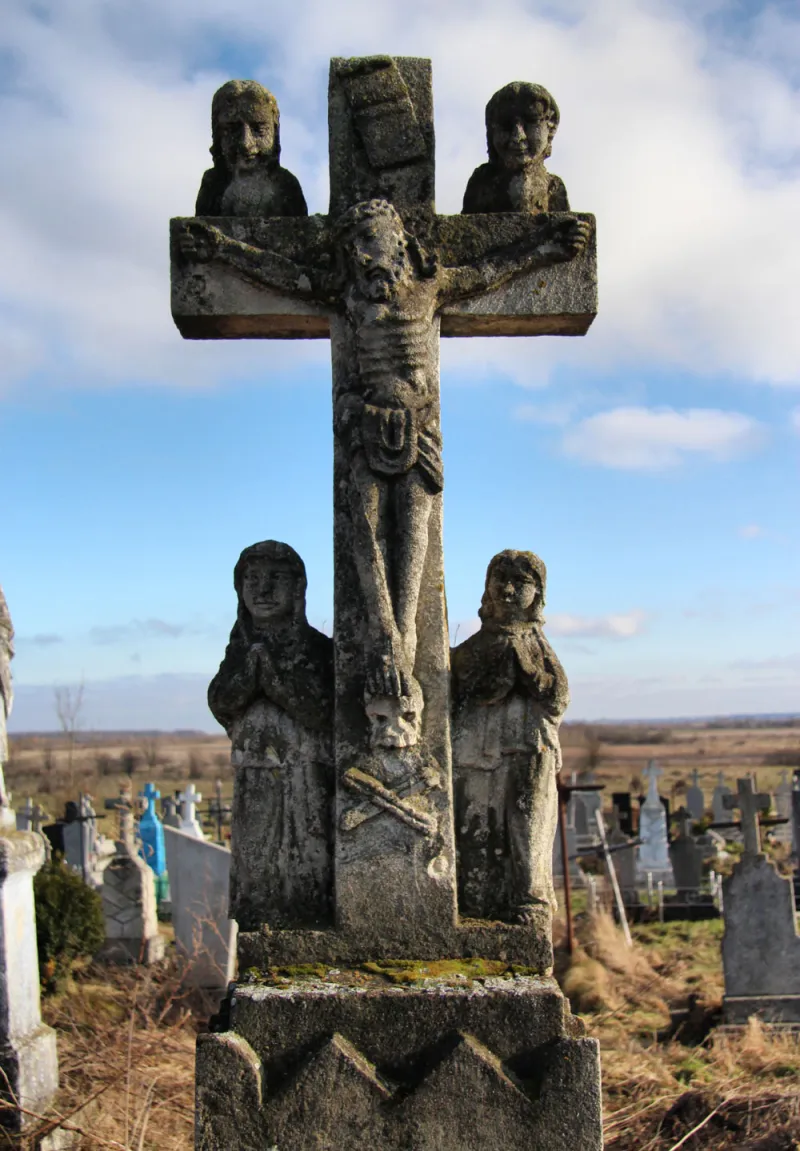
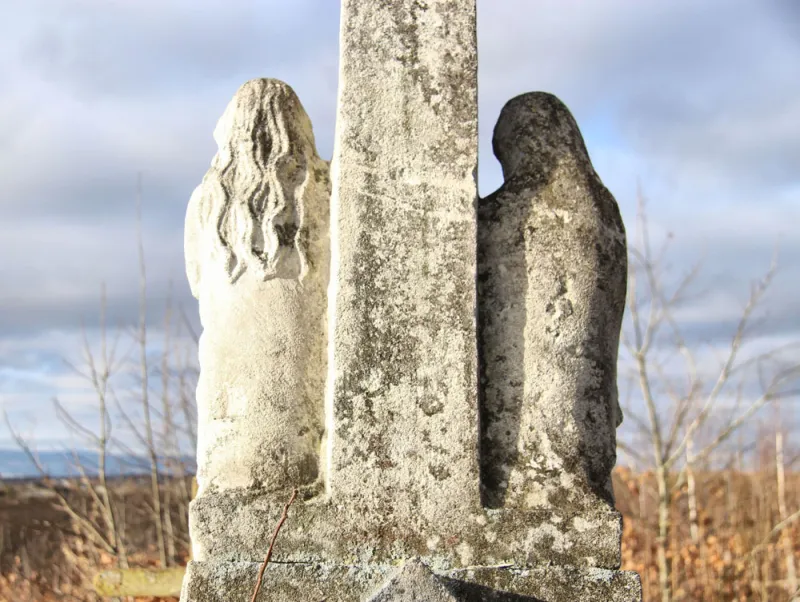
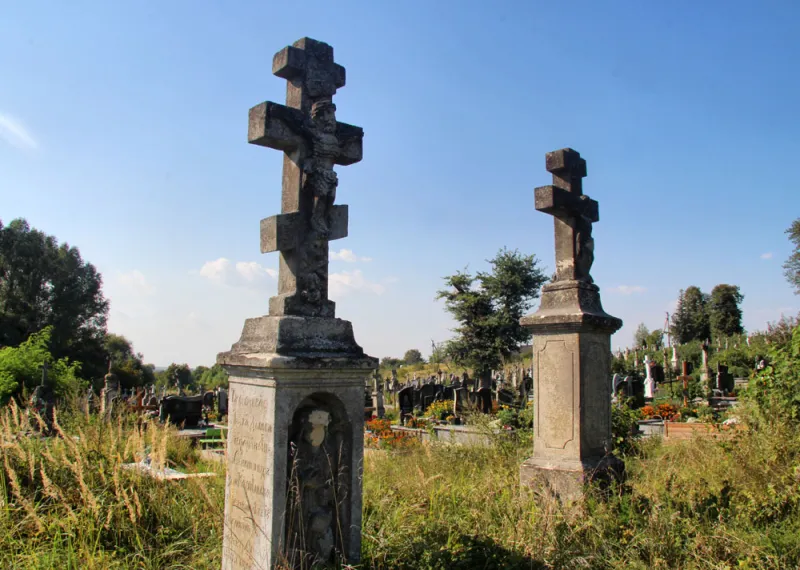
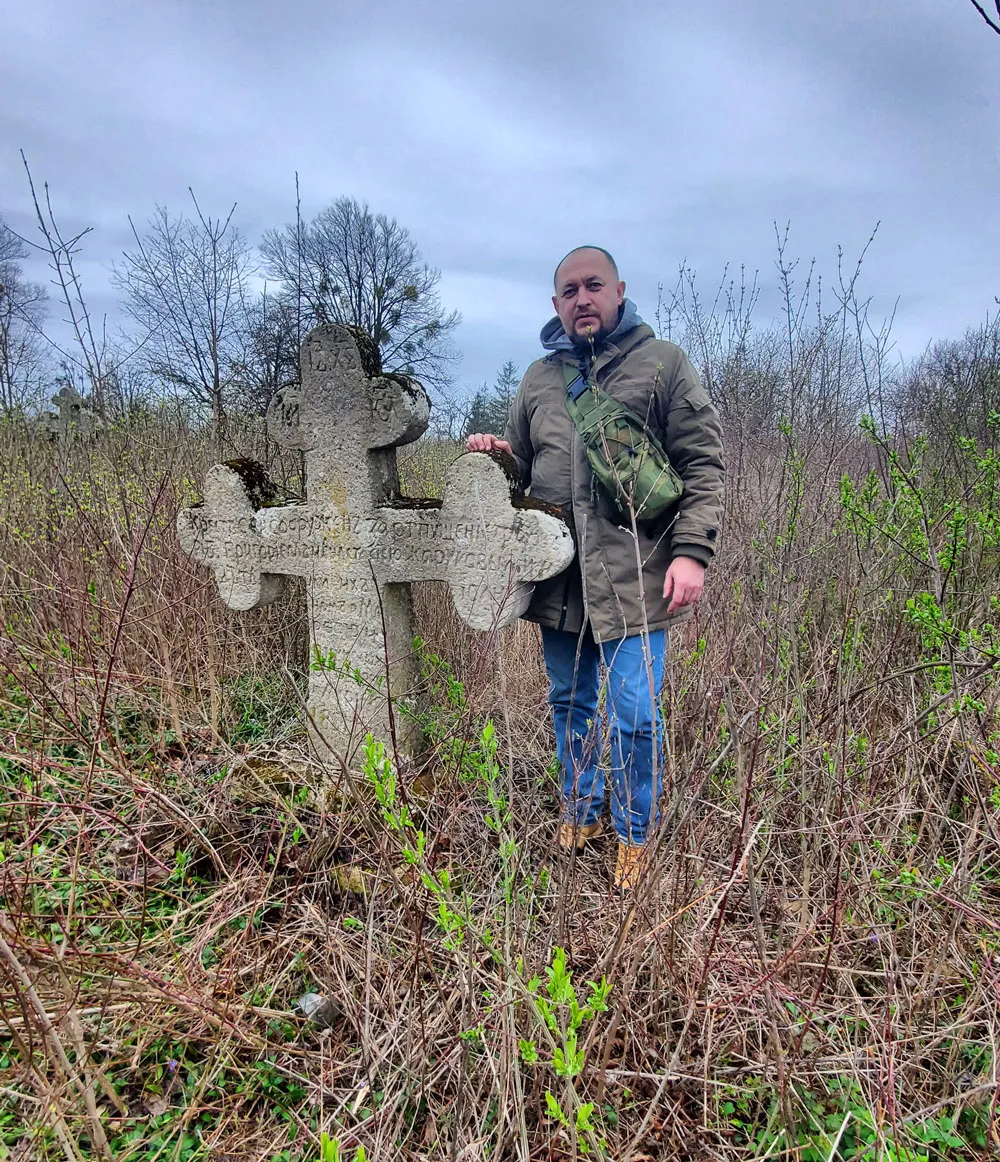
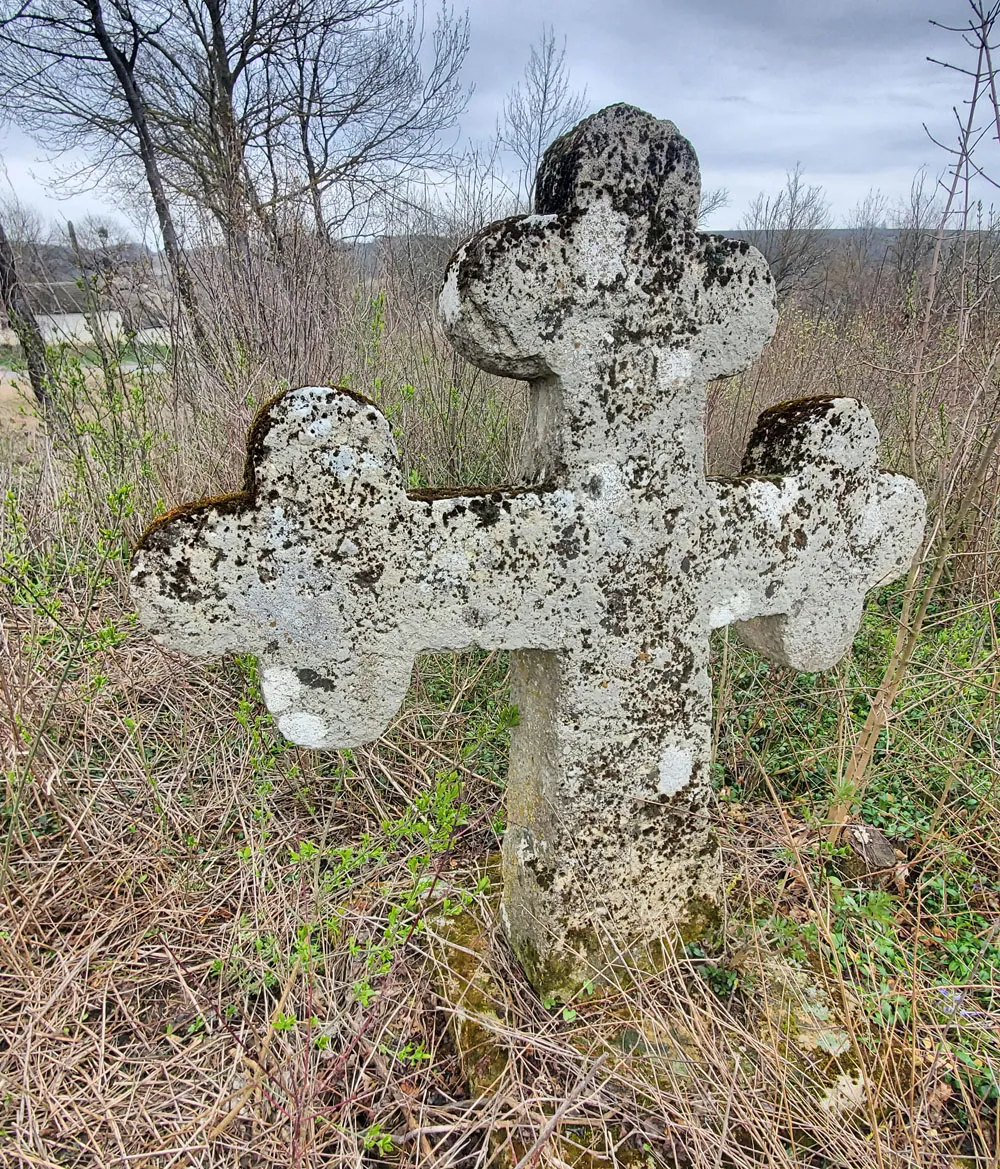
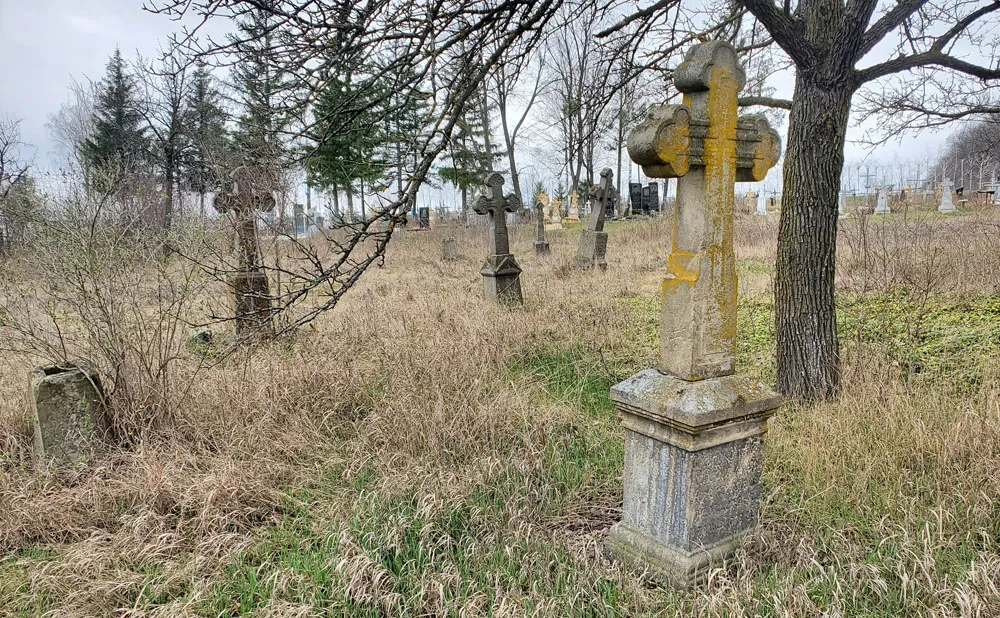
At the entrance to the village from Murovani Kurylivtsi, on the right, a cemetery spreads out. In fact there are two: a new (modern) one and an old one. The old cemetery preserves several dozen stone crosses from the 19th century. Whether they were made by local masters or by stonecutters from neighbouring villages is not known for certain. Some of the crosses can be called quite accomplished: they are valuable monuments of Ukrainian sacred art, especially one, the largest. Unfortunately, the state bodies for the protection of cultural heritage have no interest in the old cemetery.
Text and photos by Roman Malenkov.
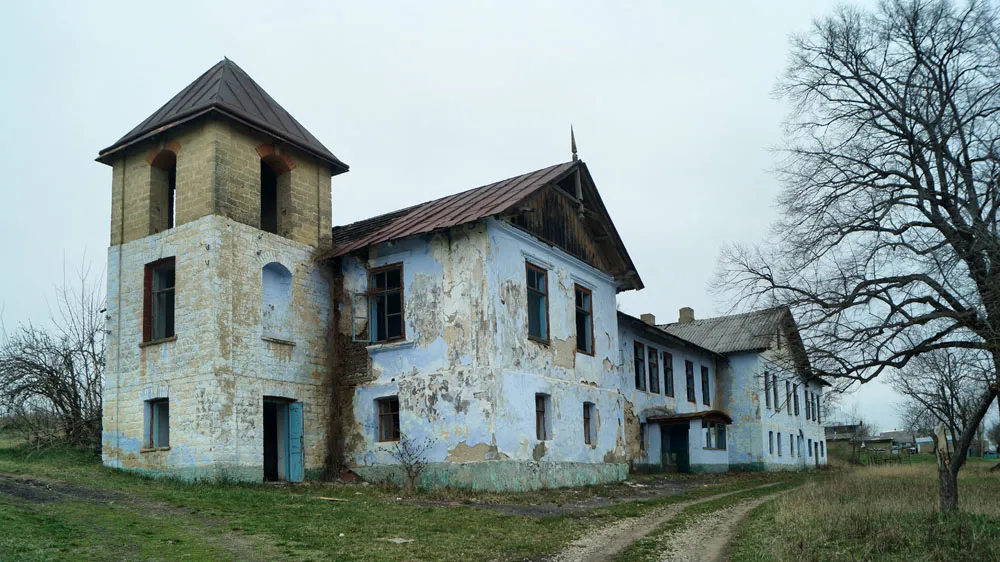
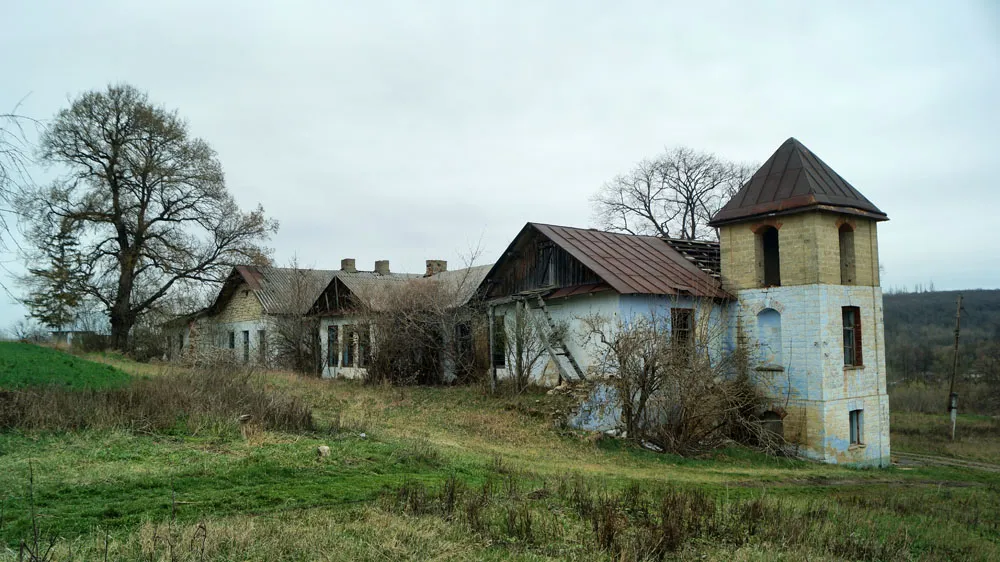
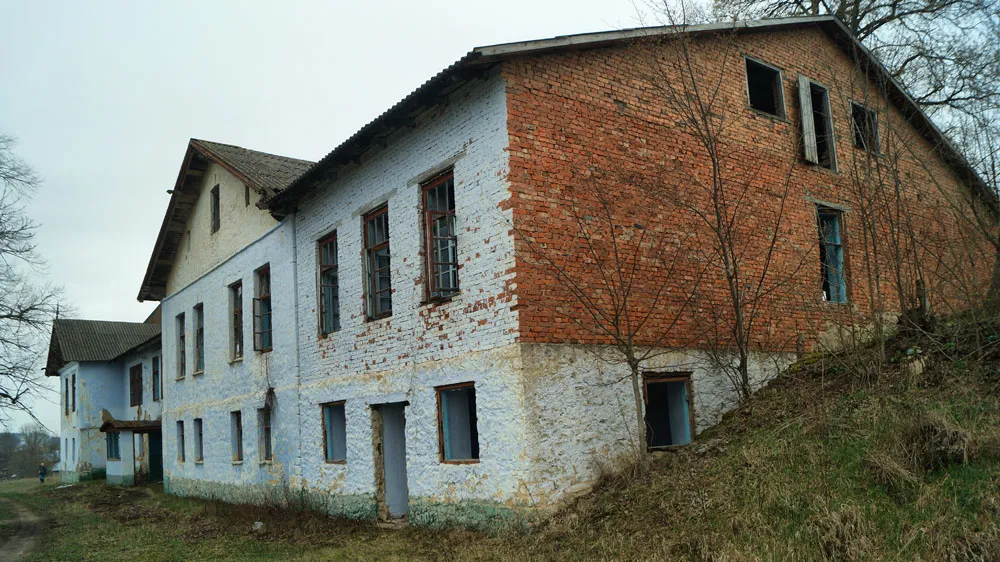
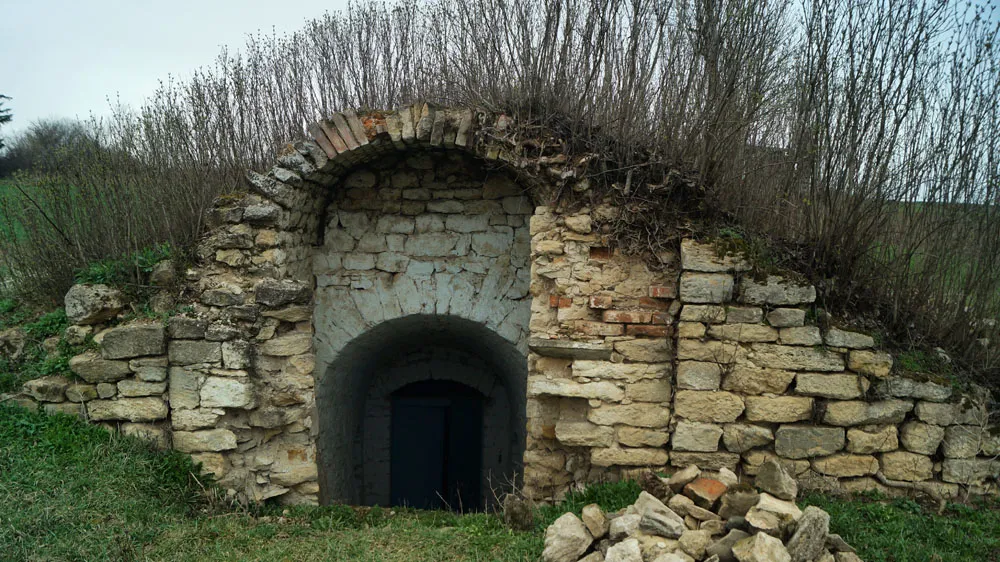
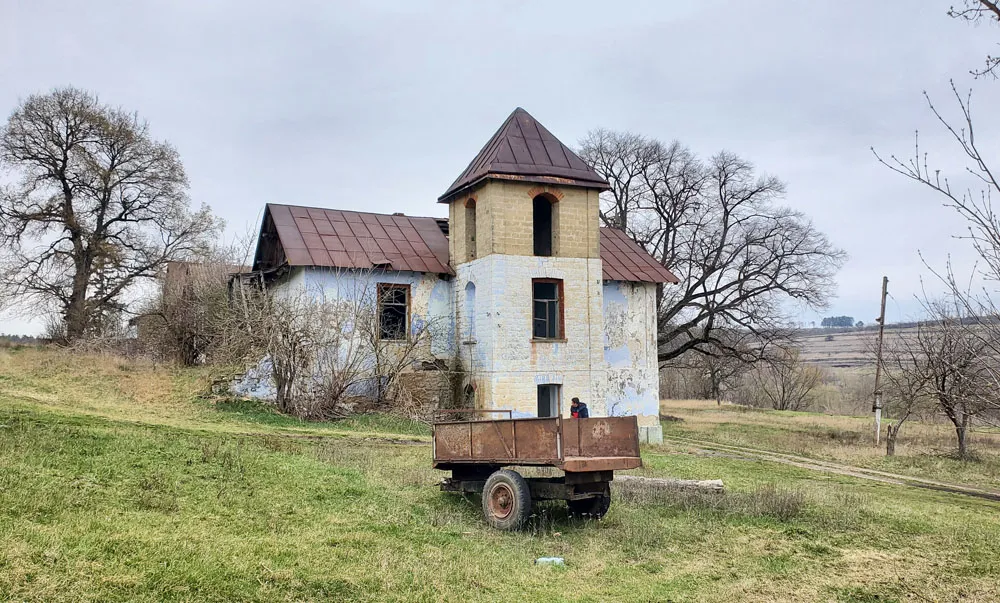
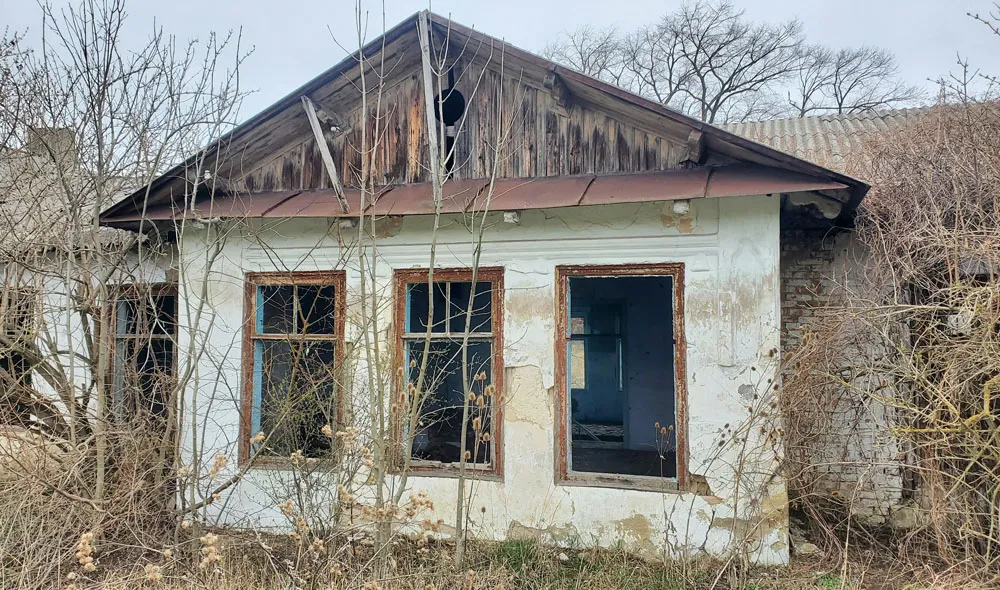
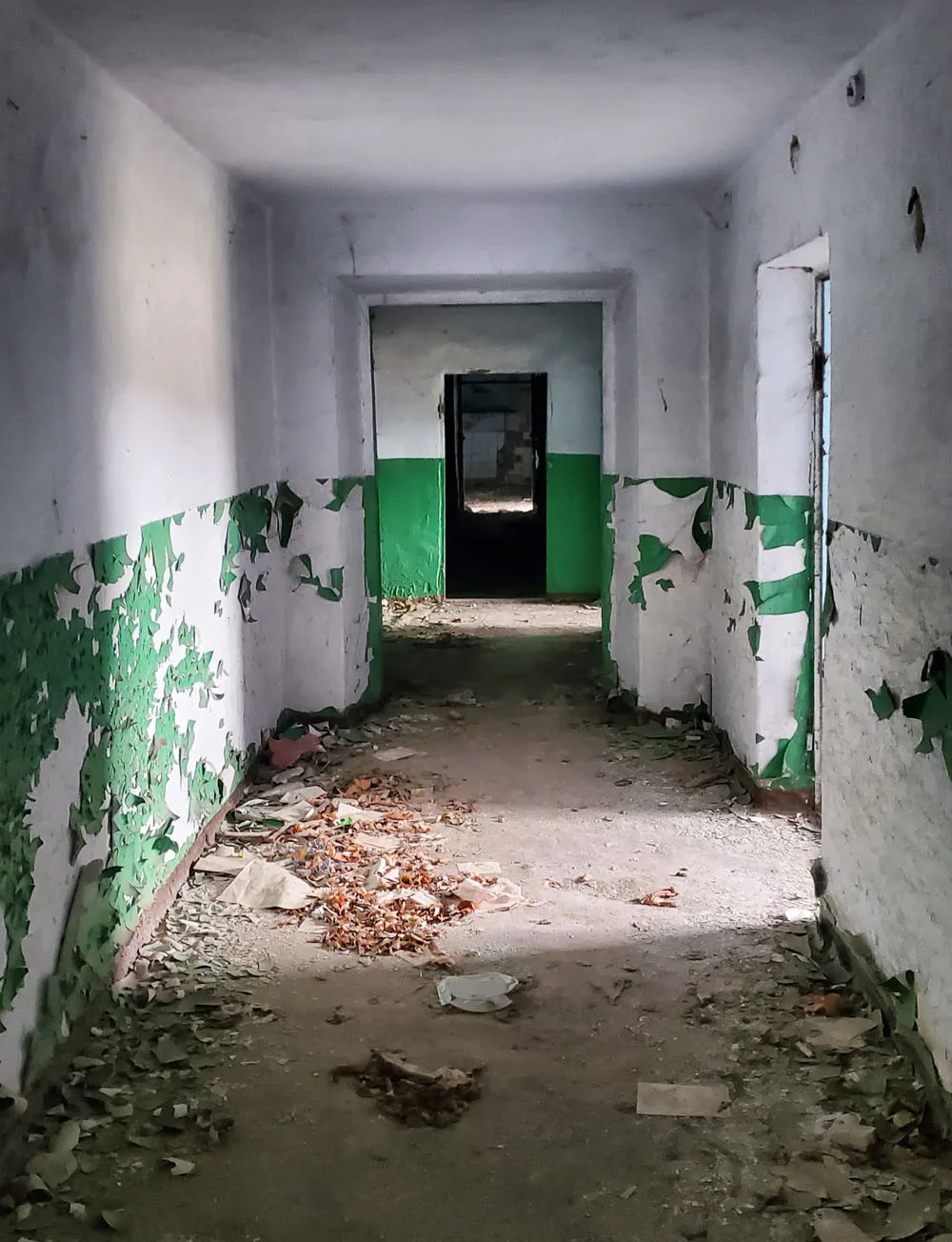
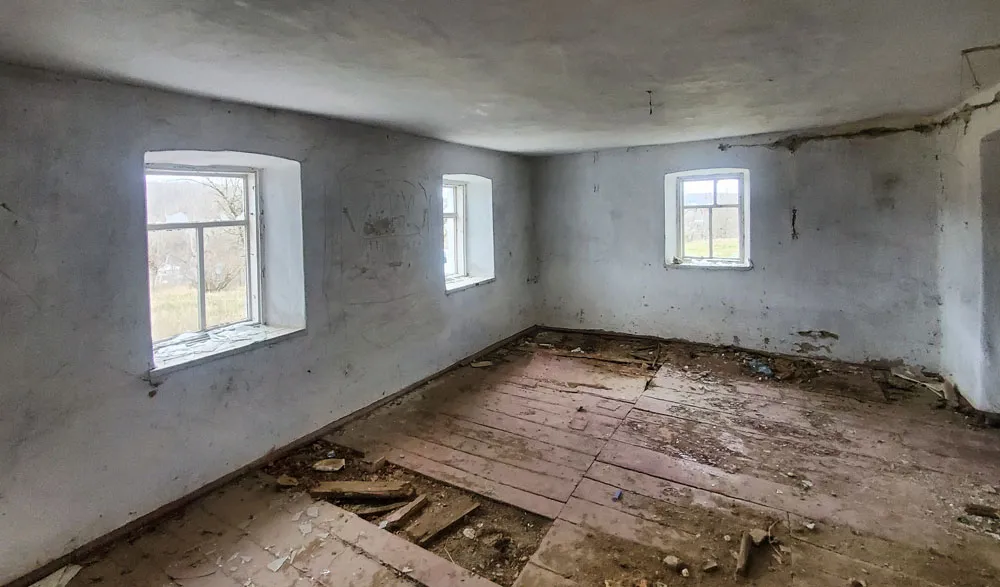
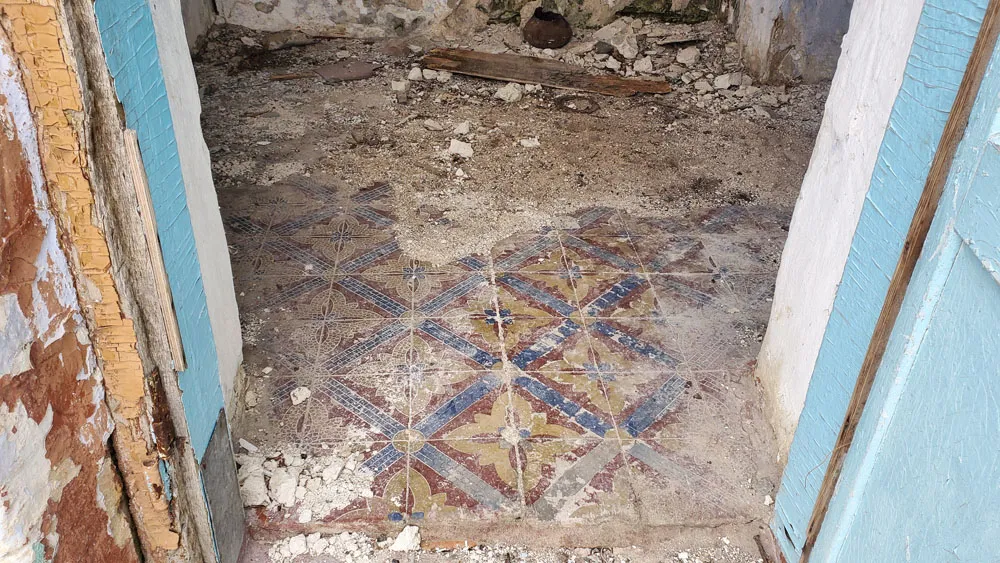
The Rostsyshevski manor house
See more photos of the cemetery in our gallery “Village of Rivne. The old cemetery”