Kolodiazhne. Lesia Ukrainka Museum

· 4 min read
It is located 8 km east of the district centre and nearest railway station, Kovel, on both sides of the Kovel–Lutsk highway, in one of the picturesque corners of Volhynia. From the village to the regional centre Lutsk it is 55 km, and the railway passes through the village.
Kolodiazhne is one of the ancient Slavic settlements. It is known that this village existed as early as the 12th century as a small settlement. In its centre there were two large wells, whose water was famous for its taste. Merchants travelling the road through the settlement from Kyiv to Warsaw, and later Cossack officers, Muscovite envoys and chumaks, always stopped in it to drink from the famed wells of magical water, which supposedly brought luck in all undertakings. Evidently the name of the village, Kolodiazhne, comes from these wells (“kolodiazi”).
Kolodiazhne has an official birth date: the first written mention of it, namely it is first mentioned in historical documents in 1240.
Then a mention of Kolodiazhne appeared at the beginning of the 16th century. In that period it belonged to the nobleman Zadworski.
In 1564 the Polish-Lithuanian king Sigismund Augustus “for special services” transferred the Kovel starosty, including Kolodiazhne, to the Russian prince A. M. Kurbsky.
In 1583 the village had about 40 inhabitants, including 3 families of craftsmen; the residents cultivated 5 lans (hides) of land.
In 1795 the village was owned by the feudal lord Kaczkowski, and in 1881 one of Kaczkowski’s sons sold his estate to Petro Antonovych Kosach (the father of Lesia Ukrainka).
In 1906 it was a village of Liubytiv volost, Kovel county, Volhynia Governorate. The distance from the county town was 8 versts, from the volost centre 4. There were 57 households and 360 inhabitants.
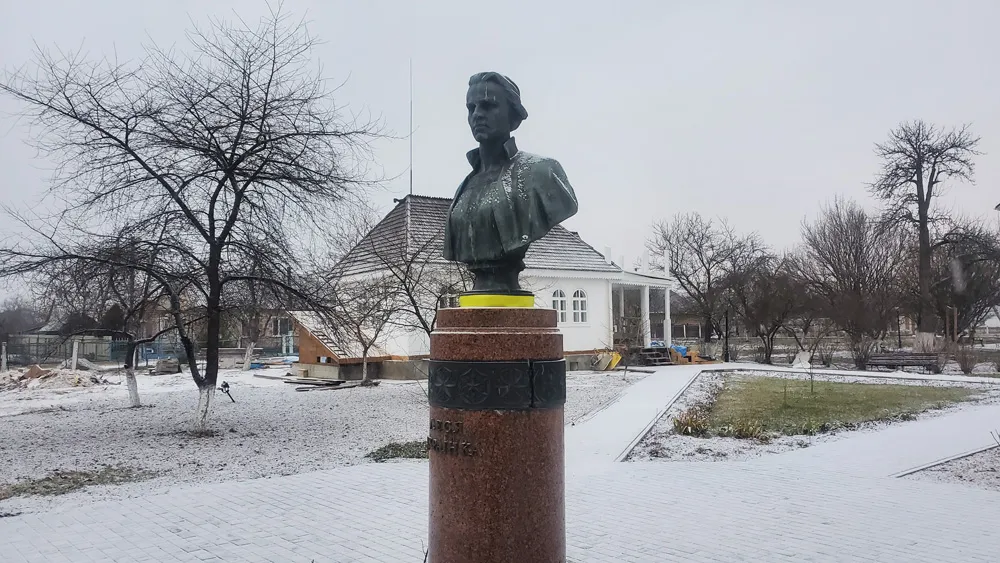
The glorious daughter of the Ukrainian people, the outstanding writer Lesia Ukrainka (Larysa Petrivna Kosach), spent her childhood and youth in Kolodiazhne. Her mother, the well-known writer Olena Pchilka, also lived here.
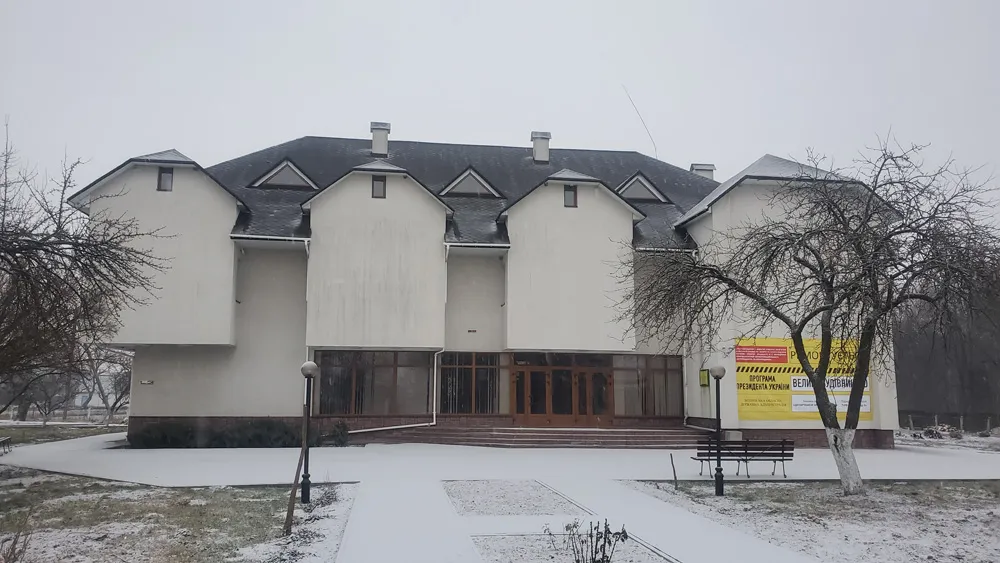
On 10 July 1949 the Lesia Ukrainka Literary Memorial Museum was opened in the village of Kolodiazhne in honour of the outstanding poet, a fellow countrywoman, and it is today the pride of the village.
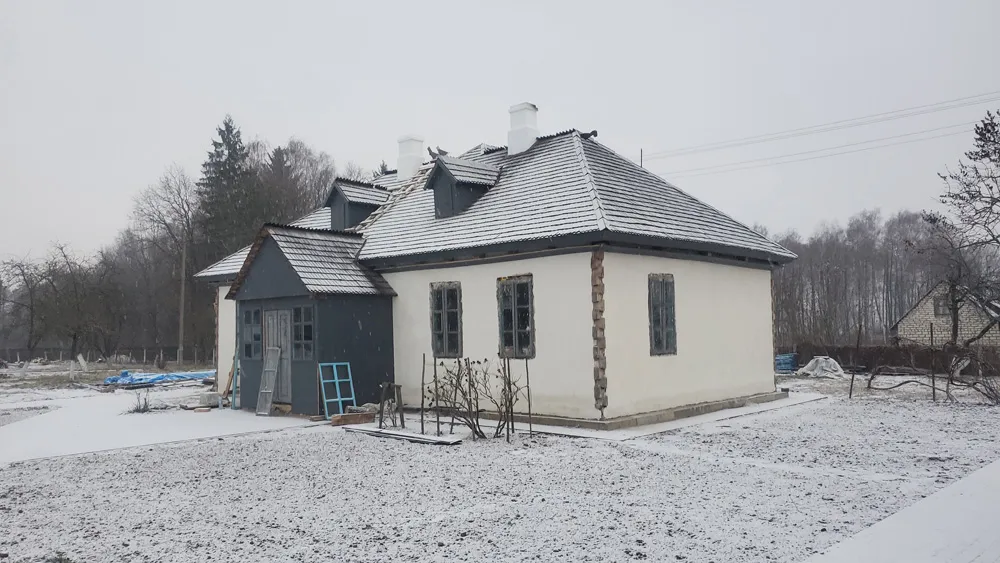
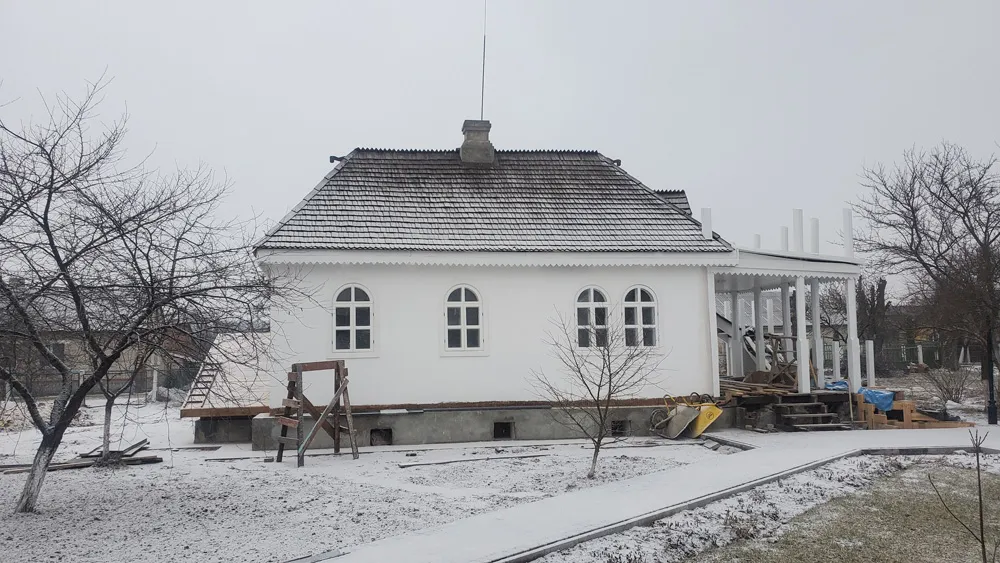
The Lesia Ukrainka Museum in Kolodiazhne is a literary memorial museum in the village of Kolodiazhne, Kovel district, Volyn Oblast, founded in 1949 on the estate where Lesia Ukrainka spent her childhood and youth.
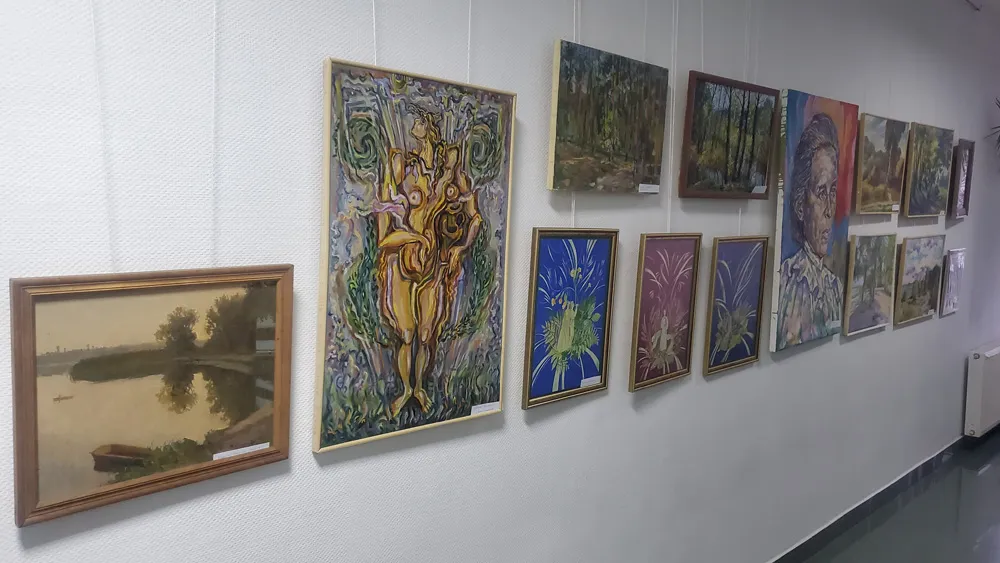
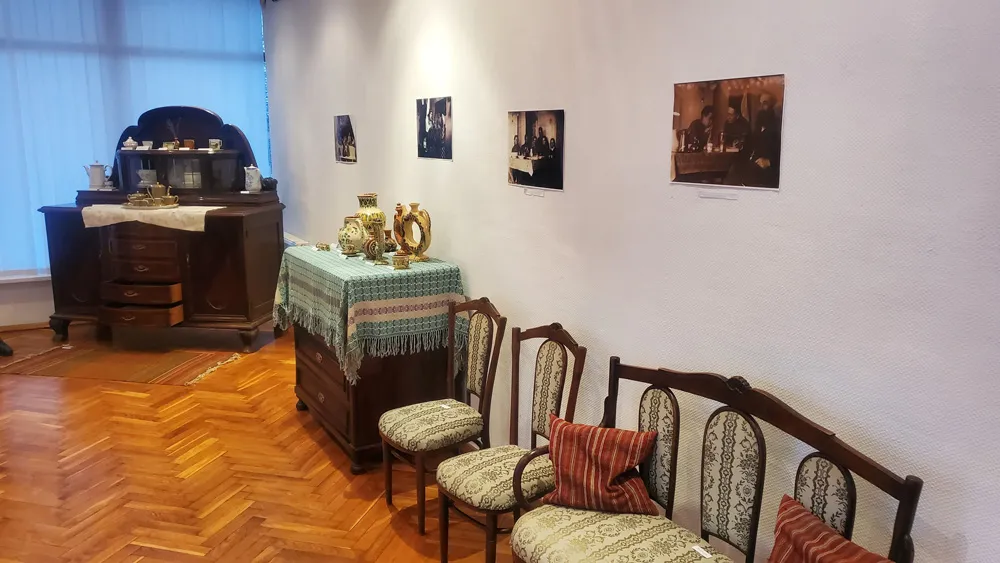
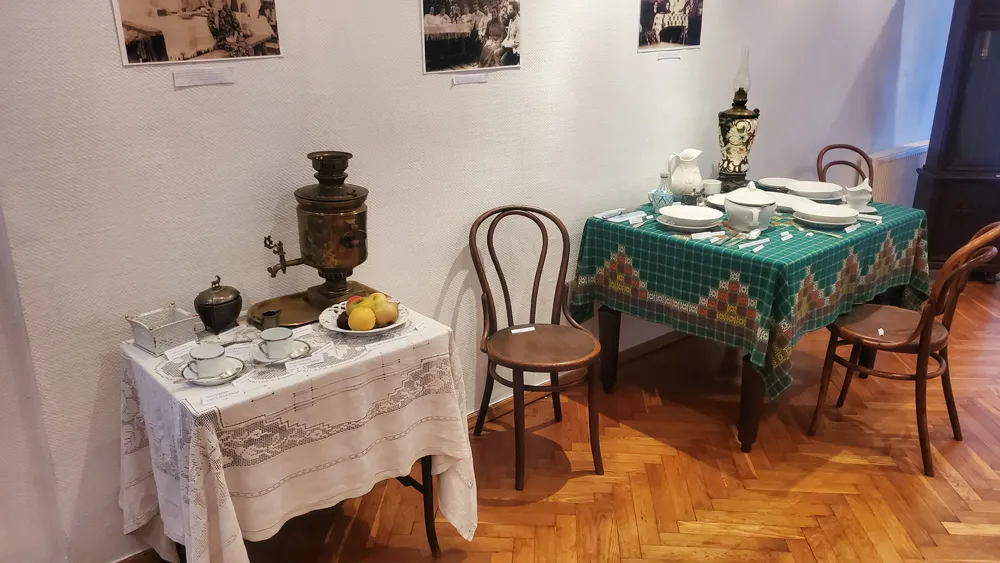
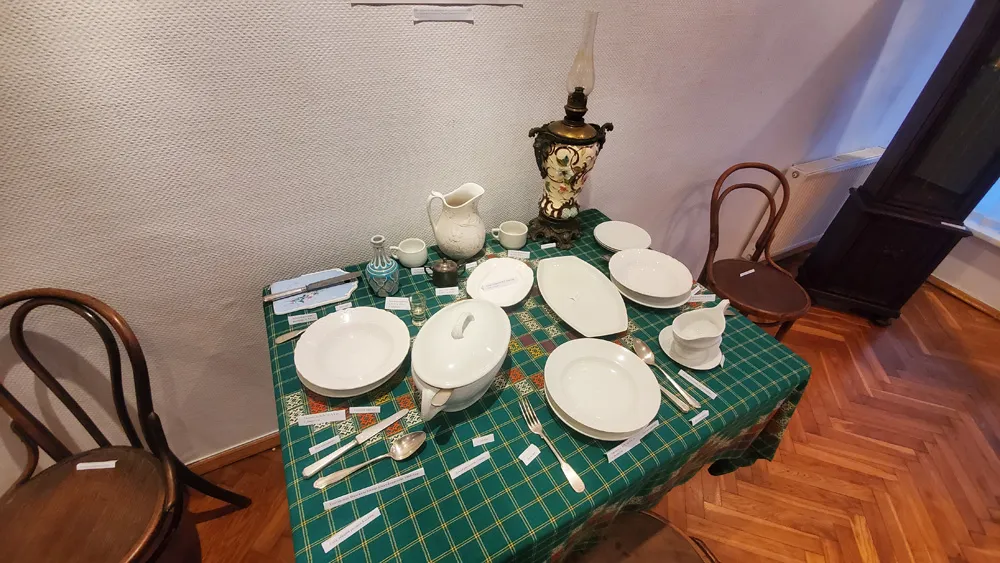
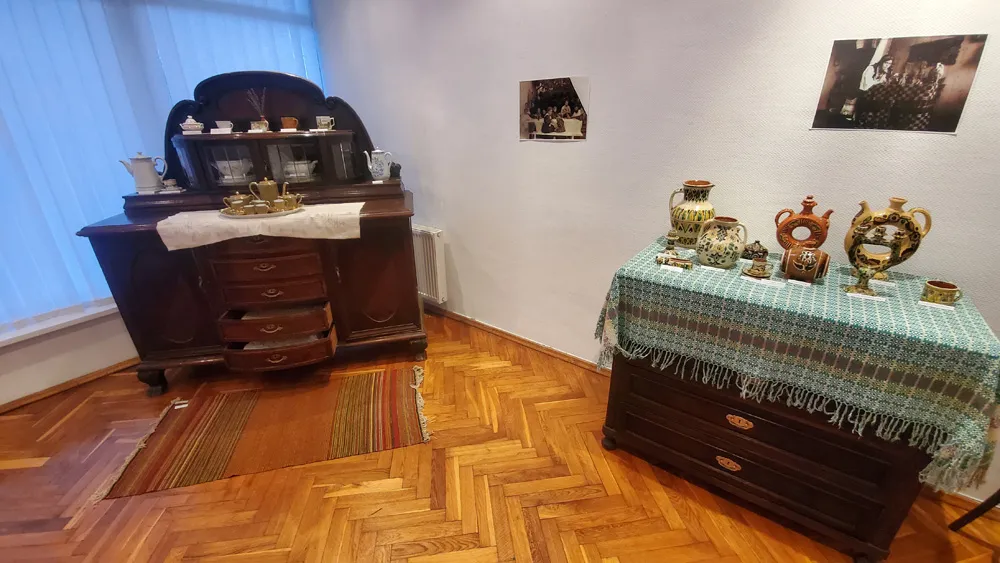
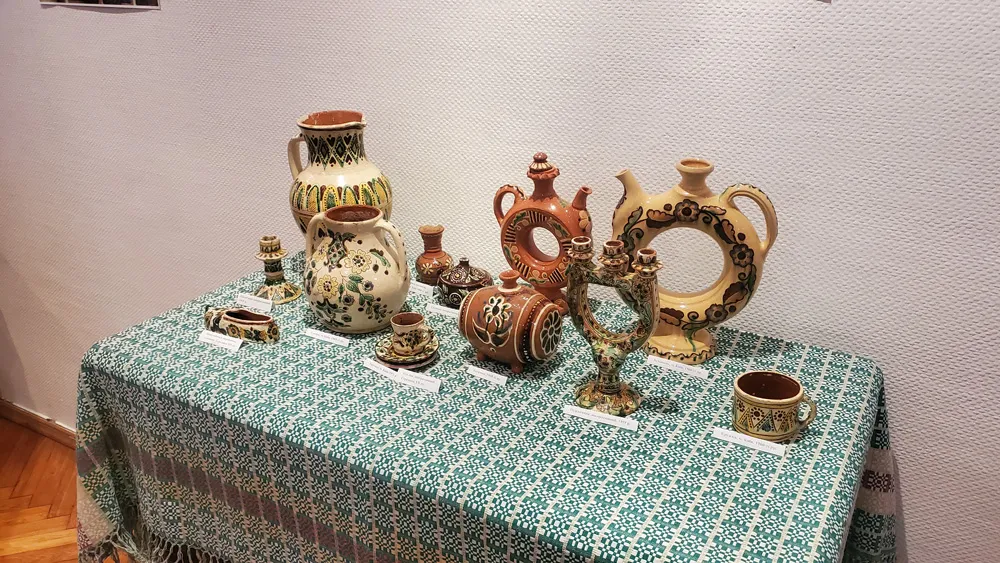
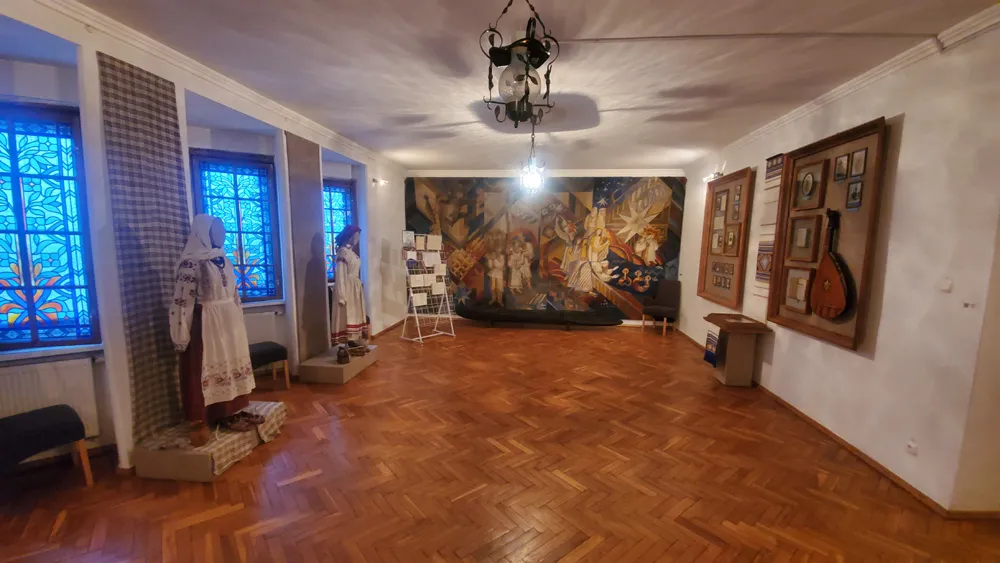
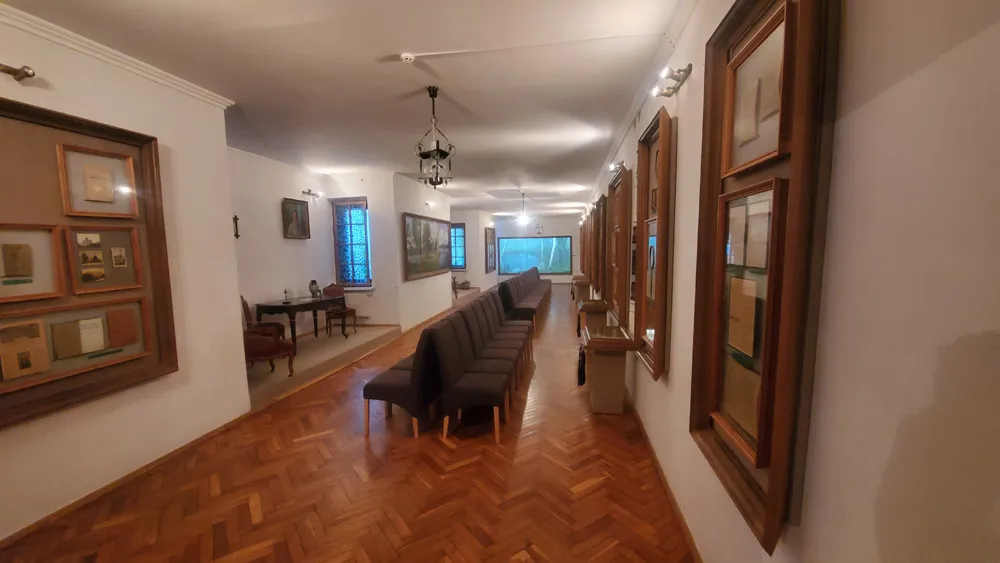
The exhibition presents memorial items of Lesia Ukrainka and her family, lifetime editions of the works of the poet and her mother Olena Pchilka, photographs, everyday and ethnographic items of Volhynia, and recreated fragments of a study and a village house.
The museum is open from 9:00 to 17:00.
Days off: Monday and Tuesday.
In 1991 the exhibition was renewed, and today it consists of the following sections:
“Along Lesia Ukrainka’s Volhynian paths”;
“Kolodiazhne, the cradle of Lesia’s talent”;
“Through the whole of life to ‘The Forest Song’”;
“History of the museum. The tragedy of the Kosach family.”
In May 1882 the Kosach family moved from Lutsk to the village of Kolodiazhne and settled in the house that the family called “the big one”. Here Lesia’s younger sisters and brothers, Oksana, Mykola and Izydora, were born. The children grew up, so in 1890 Lesia’s “white” house was built on the estate, and in 1896 construction of the “grey” house (which the family also called the parental one) began.
The Kosaches loved Kolodiazhne very much and more than once expressed their feelings in letters to friends:
“Kolodiazhne is, properly speaking, home, and the rest is all just so-so, incidental. For our whole family this apartment (Kyiv, 97 Saksahanskoho Street) was not our ‘home’; it was earlier in Kolodiazhne, while we still lived there as a whole family, and afterwards everything was temporary, accidental and not our own.”
From Kolodiazhne Lesia Ukrainka gave her brother Mykhailo instructions on creating a small library of the best works of world literature in Ukrainian, which included over seventy writers’ names in accordance with the advice and sources sent by M. Drahomanov, in 1890. Lesia compiled a course “Ancient History of the Eastern Peoples”, and her first collection of poems was being prepared for print here, in Kolodiazhne.
In February 1907 Lesia visited the village for the last time.
During the Second World War the estate was destroyed, and the museum was in effect created in a new building.
The political reason for creating the museum was the Stalinist authorities’ attempt to mark the recently Polish territories with the names of Ukrainian cultural figures who, in turn, were citizens of the Russian Empire.
Text from Wikipedia, photos by Roman Malenkov.