Lukiv. Treasures on the border

· 4 min read
During our latest local-history expedition (2022) we ended up in this urban-type settlement, located 25 kilometres from the Polish border on the highway that in Kyiv is called the “Warsaw road”, and we were pleasantly struck by the number of sights, and also by how little we had known about Lukiv. It could have been a tourist gem, and on the highway near the border at that, but to us Lukiv seemed a deep, deep backwater. No one here has ever seen tourists, and most of the sights do not look like tourist magnets at all.
Lukiv is known from 1537; at that time it was the village of Lukove, which belonged to the Polish Maciejowski family. In 1557 the owners received royal permission and renamed the village Maciejowice. After some time it received the status of a town and Magdeburg rights and came to be called Maciejów, and in 1568 it was bought by the Wiśniowiecki family. From 1680 the owners of Maciejów were the Polish nobles Mączyński, who owned the town for more than two centuries, and it was under them that its main sights appeared in Maciejów. After the partition of Poland at the end of the 18th century the town was seized by the Muscovites; in 1920 the territory ended up within the new Poland, and then came the USSR (from 1939), the German occupation, and the renaming of Maciejów to Lukiv in 1946.
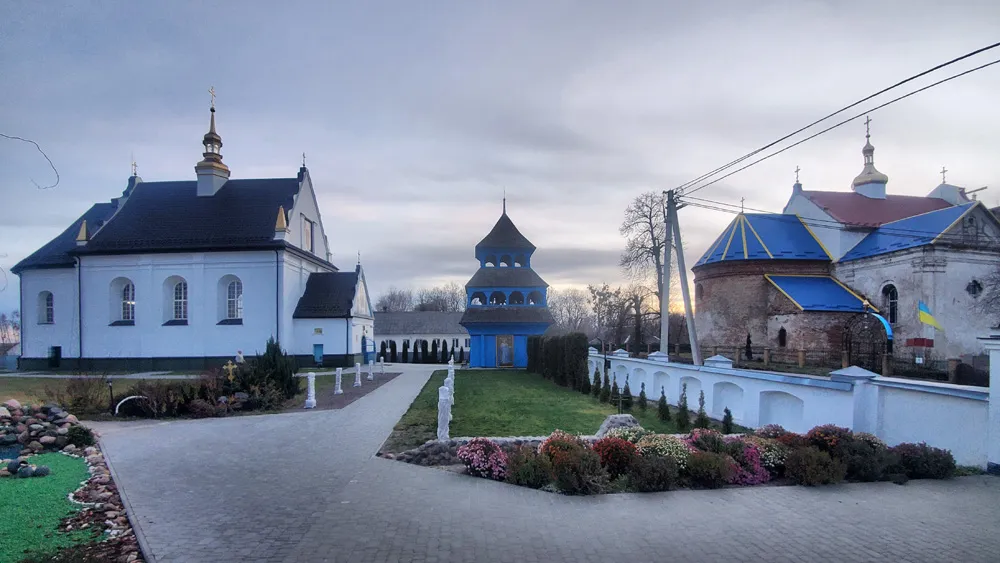
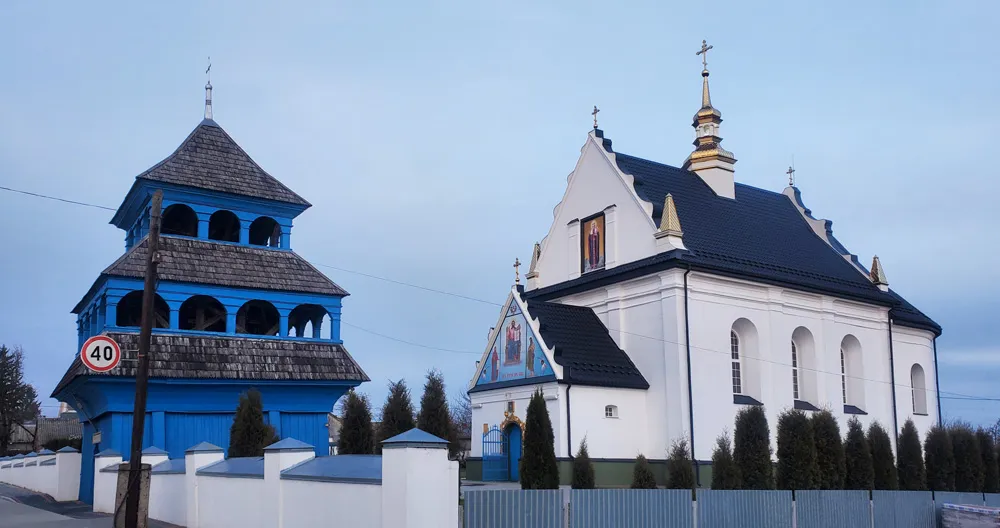
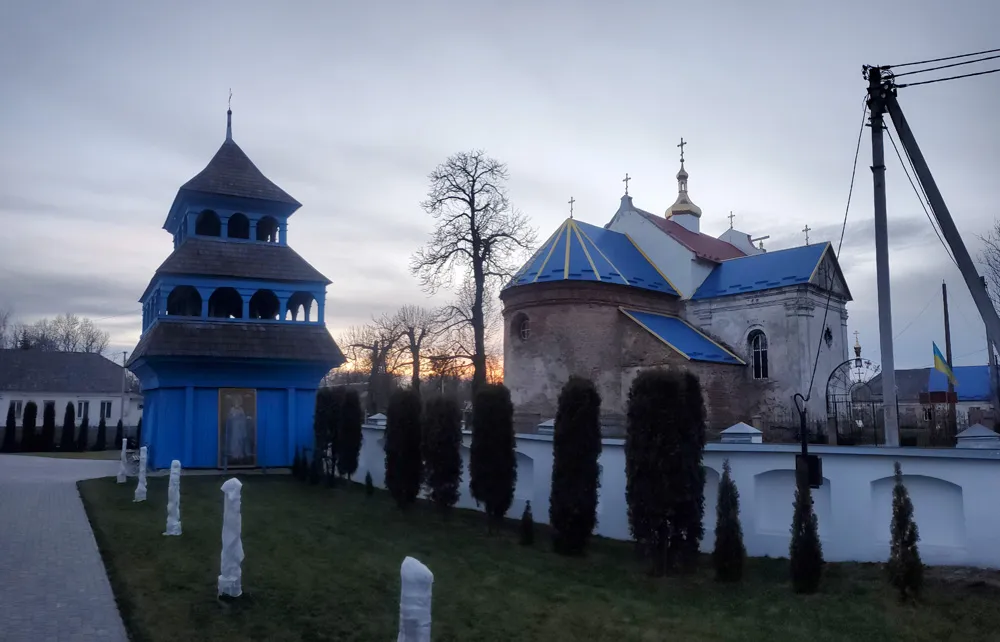
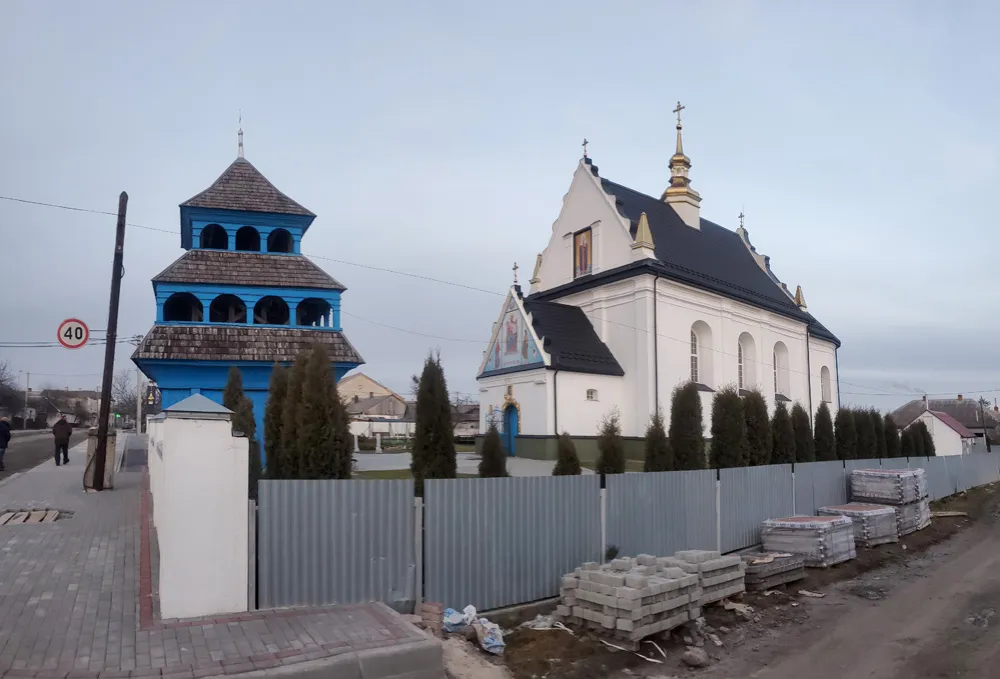
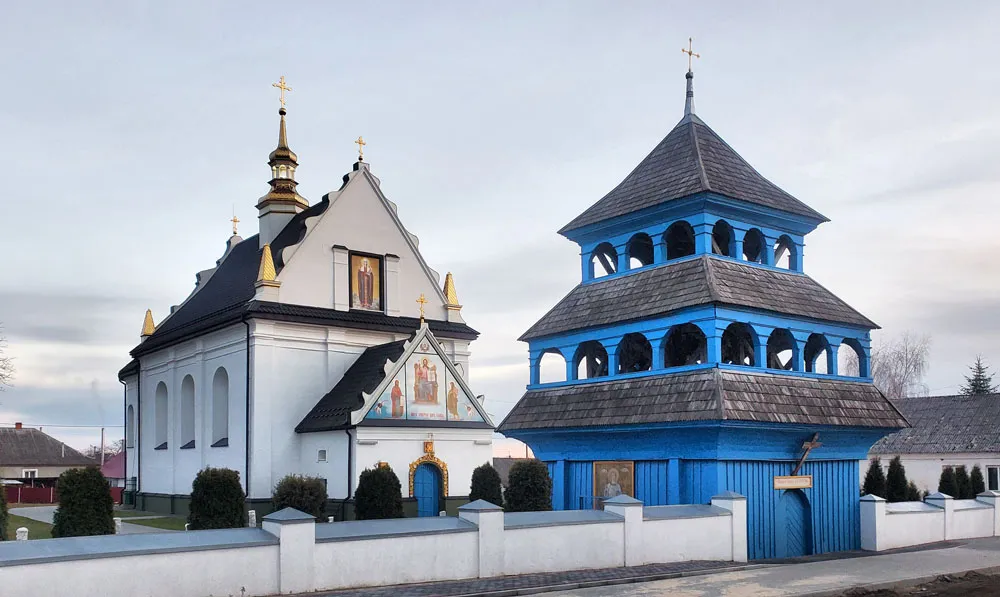
St. Paraskeva Church
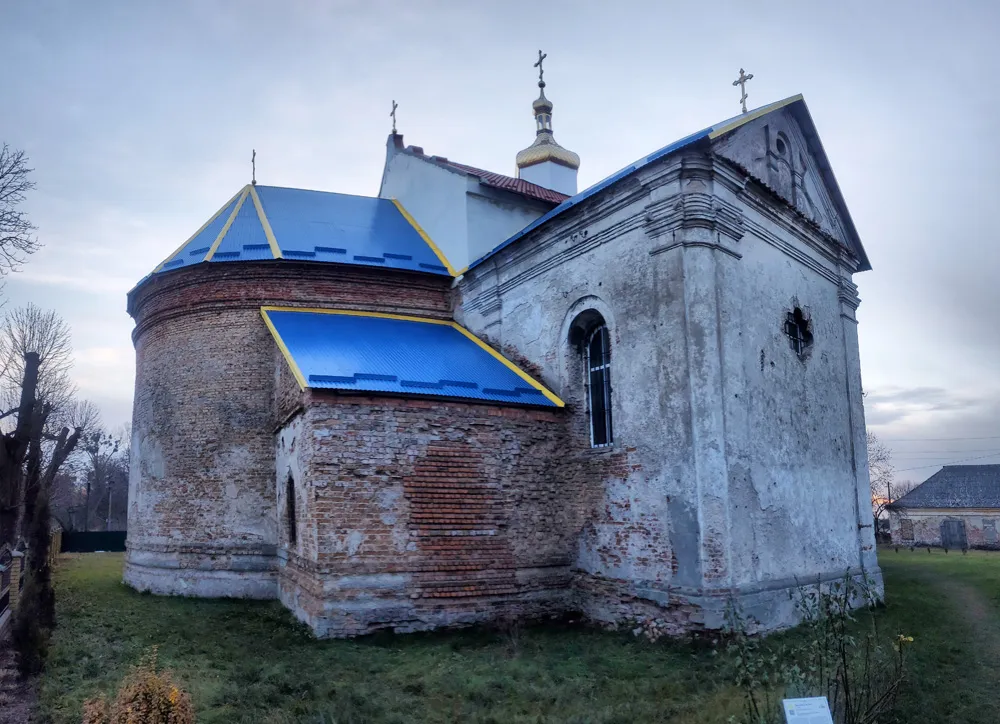
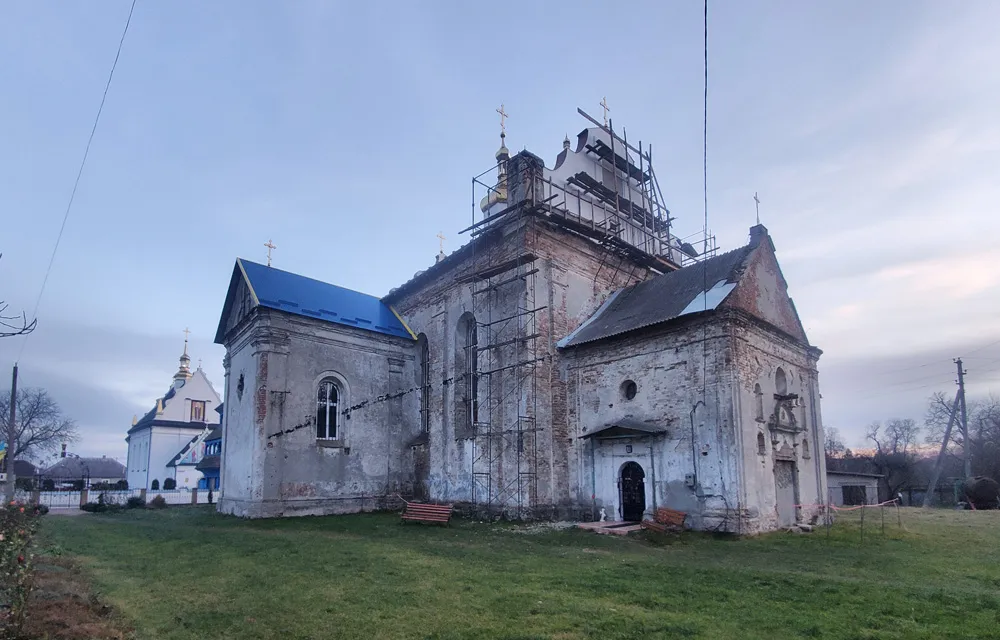
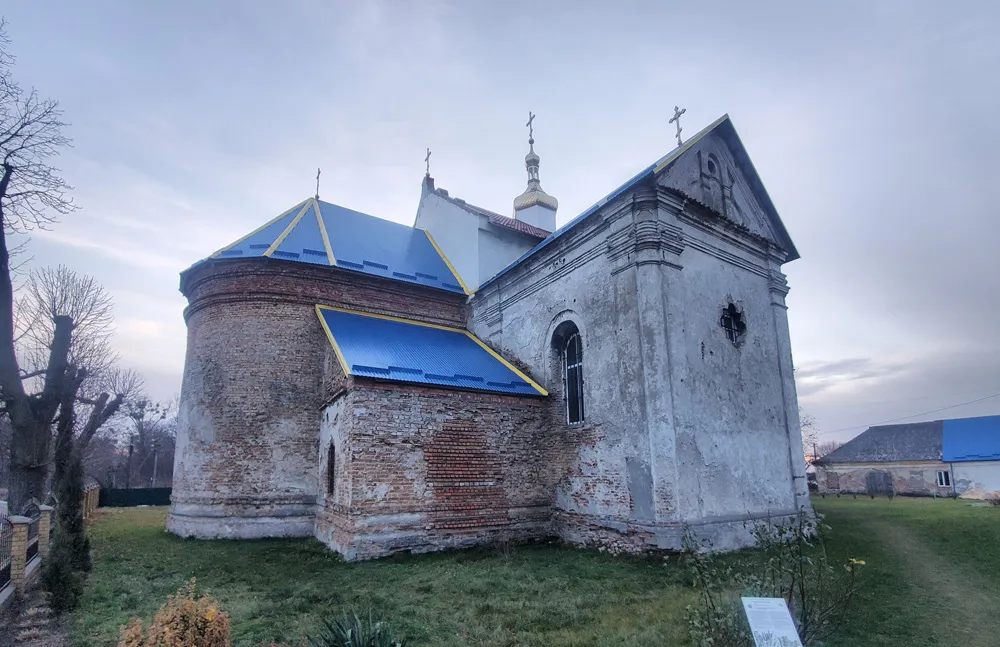
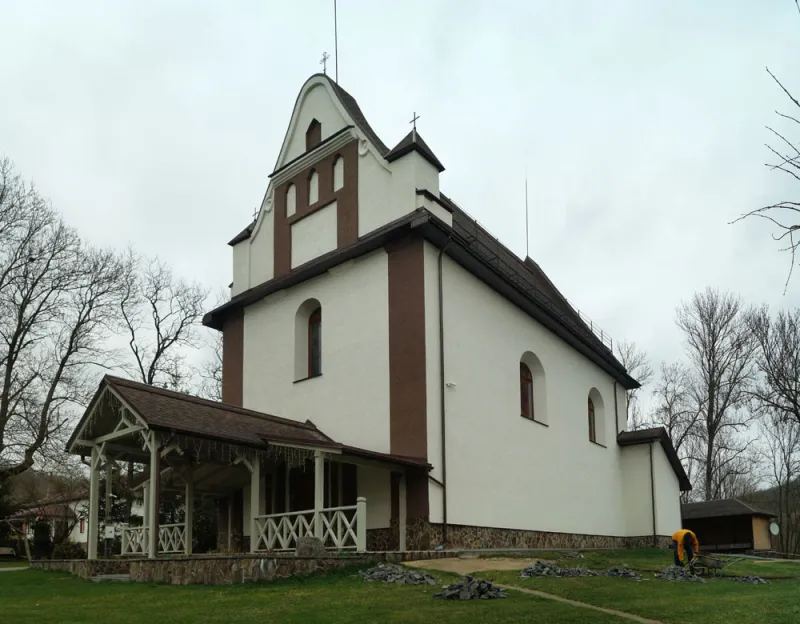
St. Anne Church
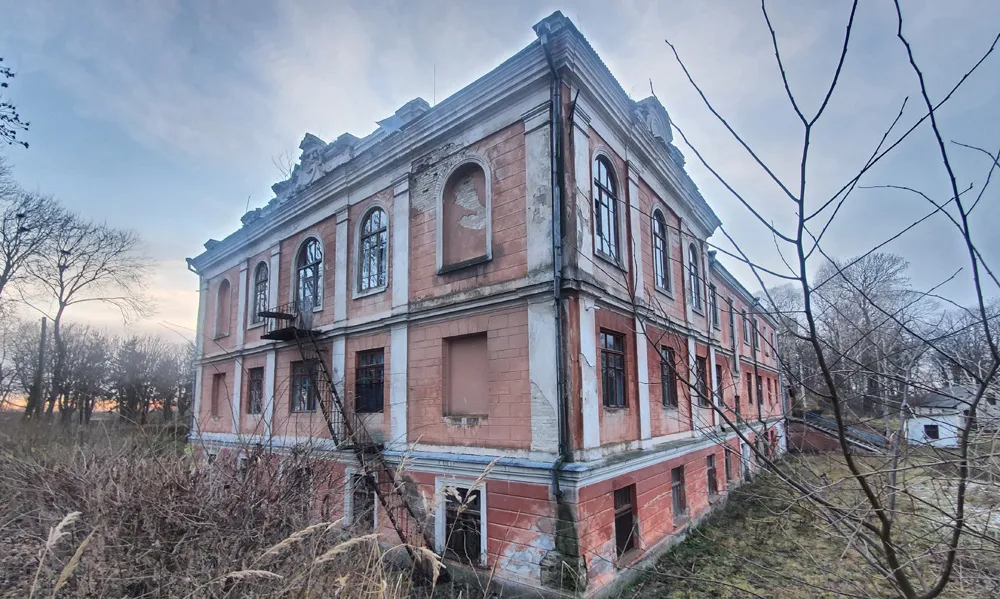
The Mączyński Palace
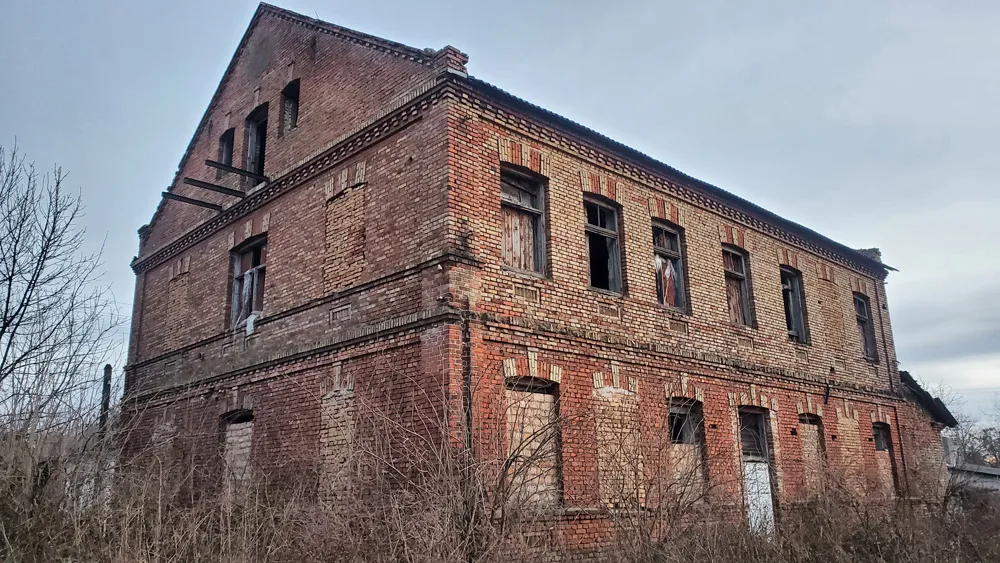
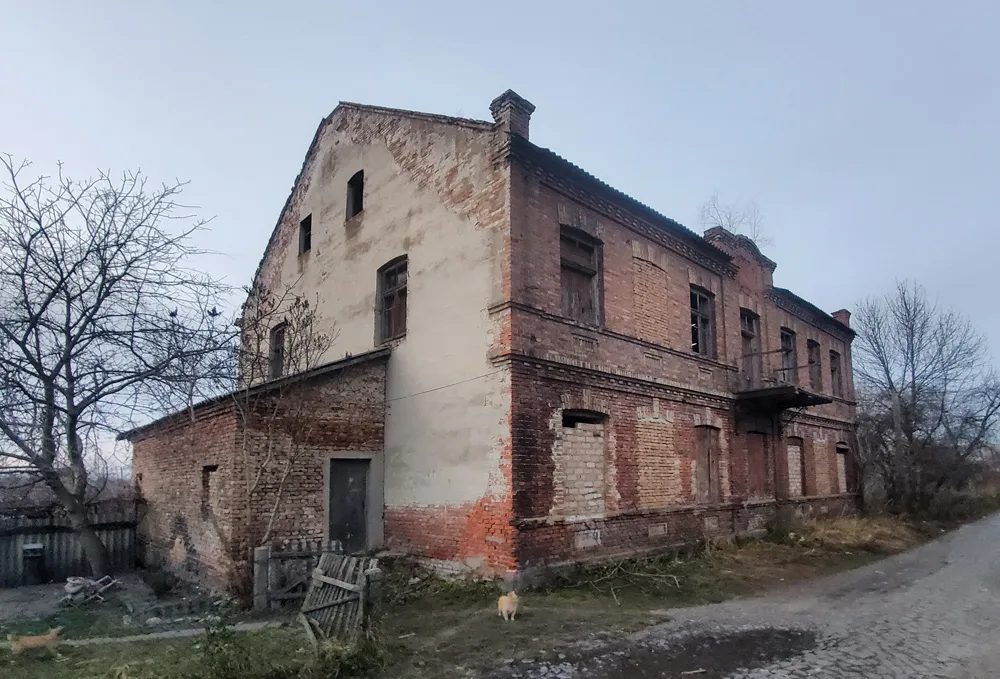
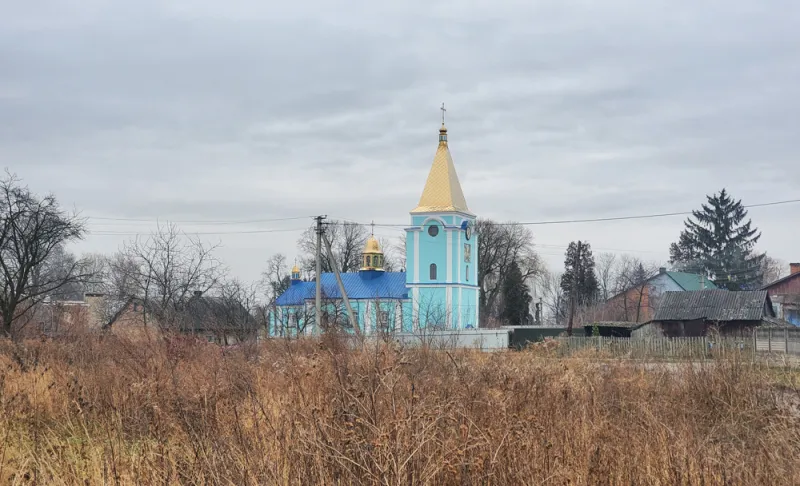
Synagogue
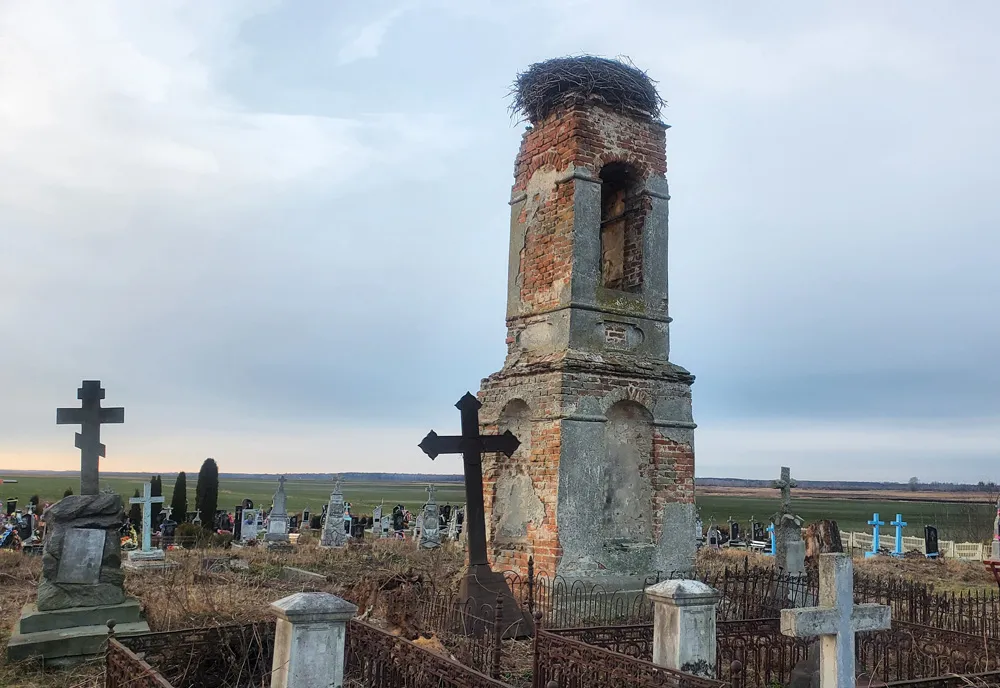
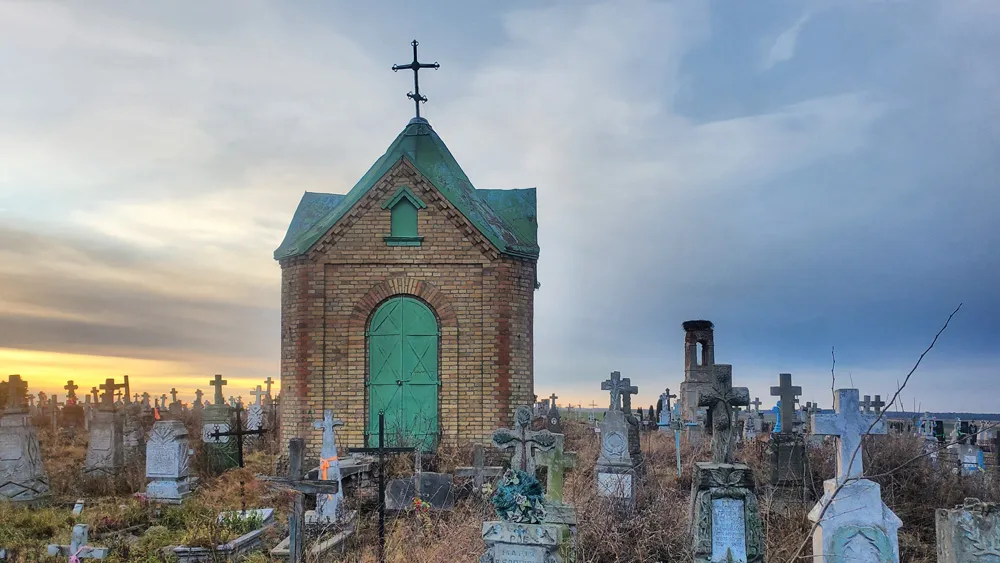
Right after the turn to Lukiv from the highway we meet an old cemetery, which has a chapel, several family tombs and very many ancient crosses. A wide brick column above one of the tombs draws attention.
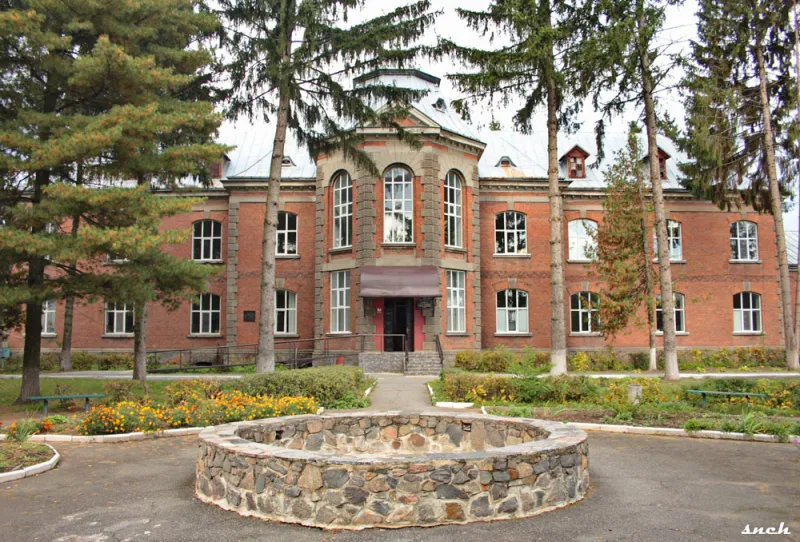
After entering the village, on the left, we see a large park, in the middle of which a water canal forms an island, and on the island the former palace complex of the Mączyński family: a palace, a large wing, and the remains of outbuildings. The complex is quite large; both the palace and the wing (I never worked out which is which) are very big for the residence of minor landowners, so it is evident that the Mączyńskis were not poor nobles: during the more than century-long Russian occupation they held the title of count, and the palace was built on the site of an old castle (hence the moat) on ramparts, which are also well preserved. Several bridges span the water-filled moat, which the Mączyńskis turned into a beautiful ornamental park pond, leading to the palace… But do not think that the palace and park complex receives thousands of tourists, impressing them with its dazzling beauty: in Soviet times there was a hospital here, and now the buildings are abandoned and have begun to decay, like the park… What a pity: a beautiful and majestic site that seems to be needed by no one.
The Mączyński Palace was built at the end of the 18th century to a design by the German architect Matthäus Pöppelmann.
Lukiv has two fine churches: St. Anne’s church (kostiol) and St. Paraskeva Church, with a beautiful wooden bell tower. St. Anne’s church was built as early as the 16th century, in the 18th it was reconstructed, and in the 19th century it was handed over to the Orthodox community, which added two side wings. It is a Baroque church with features of defensive architecture, and it now belongs to the Orthodox Church of Ukraine. Construction and restoration work is under way there now.
St. Paraskeva Church was built in 1723. Originally it was a Greek Catholic building, but from the 19th century it has been Orthodox. It now belongs to the Moscow Patriarchate, which became clear at once when a couple of women in the yard asked whether we had the “blessing to photograph” (in Russian: blagoslovenie fotografirovat). But the church with its bell tower is in excellent condition.
In the 19th century Lukiv had a large Jewish community, of which a synagogue building has survived. Although residents of the neighbouring houses told us it was a Jewish school. Probably it was two in one.
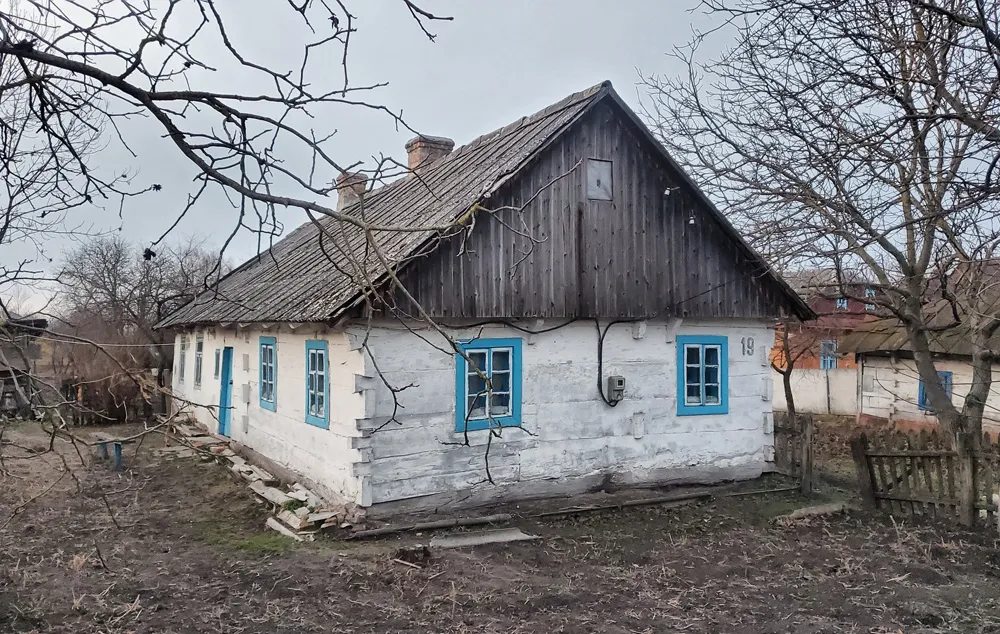
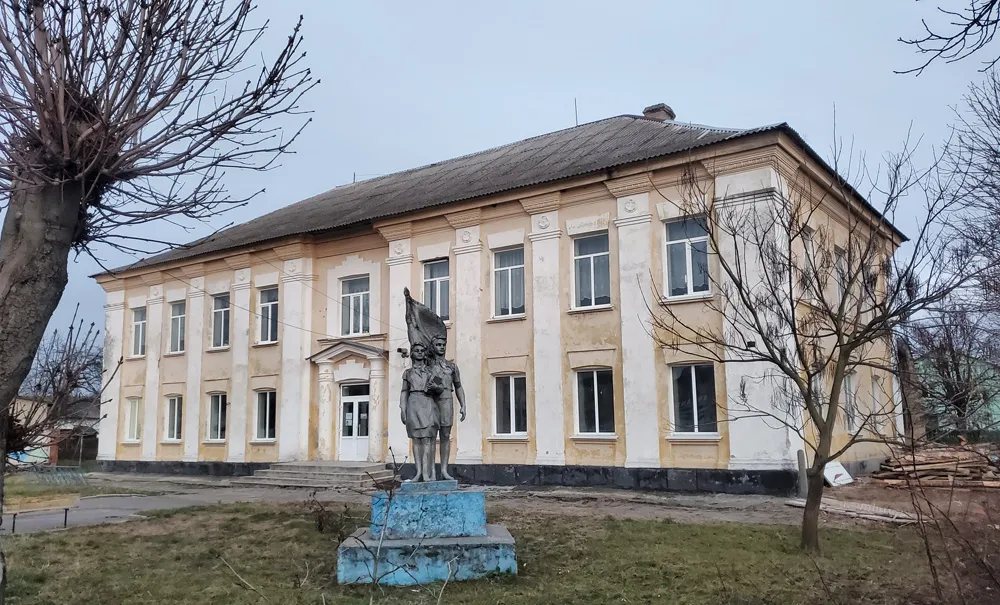
The settlement has very old wooden houses, in effect museum exhibits, and old warehouse buildings, and residential and administrative buildings from the early 20th century. There is something to see, but it is all somehow neglected, covered with a layer of Soviet dust, often abandoned and needed by nobody. But what tourists, indeed…
Text and photos by Roman Malenkov.
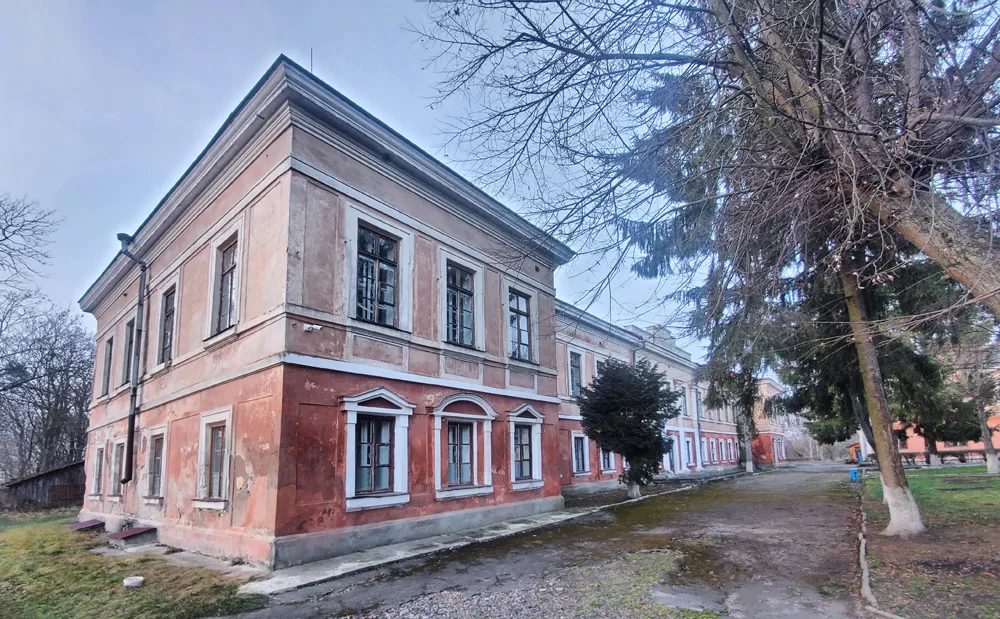
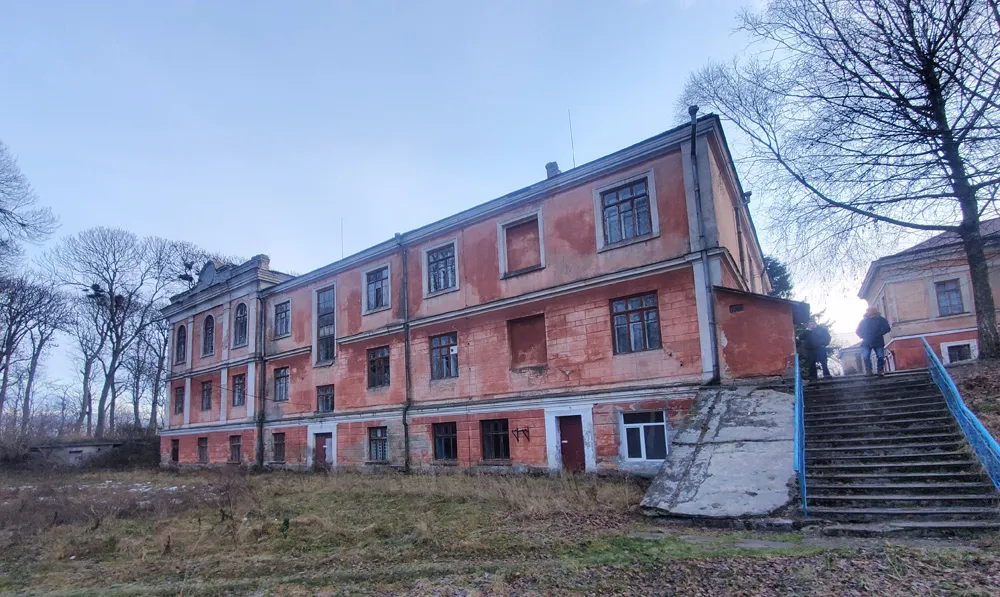
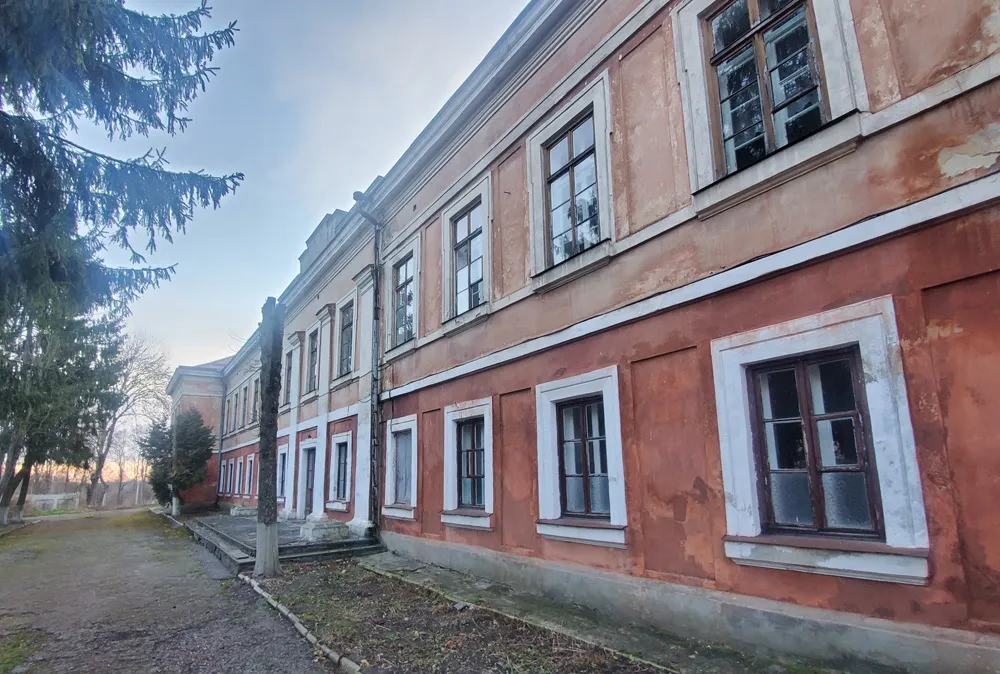
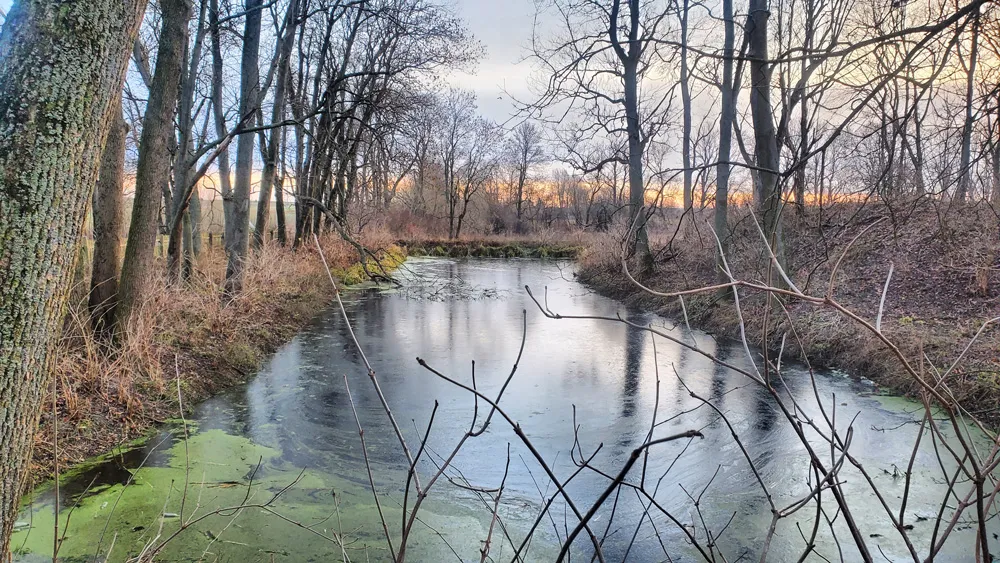
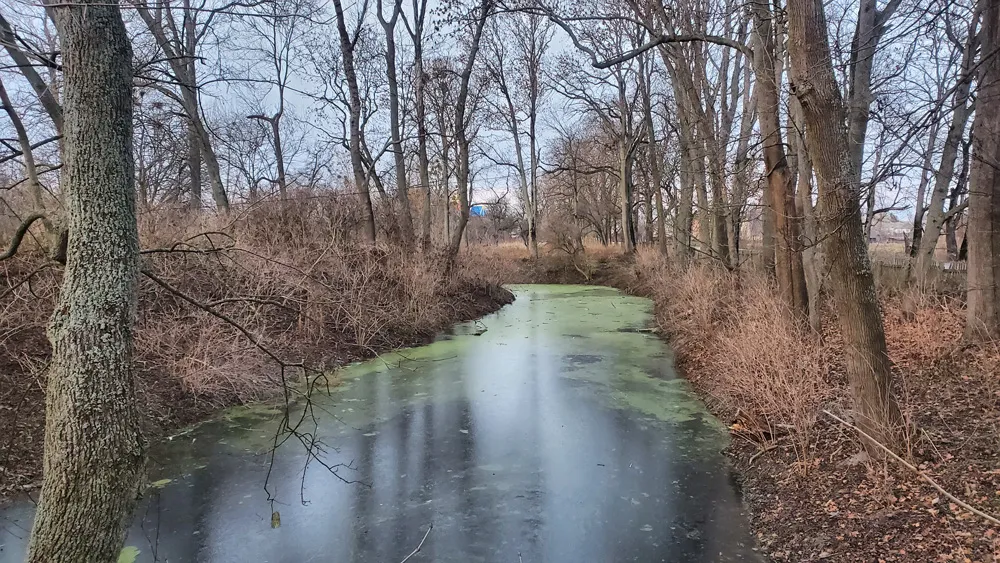
The Mączyński palace and park complex