Rokyni. Volyn open-air museum

· 2 min read
The Museum of the History of Agriculture of Volyn, an ethnographic museum and open-air museum (skansen), is located in the settlement of Rokyni, 12 kilometres from Lutsk.
The initiator and founder of the museum, as well as of the Rokyni Arboretum, was Petro Tesliuk, former director of the Volyn Agricultural Research Station. Through the efforts of the historian and local lore researcher Oleksandr Seredyuk and enthusiasts, in 1977–1979 a series of tourist and local-lore hikes and excavations, journeys and meetings with the region’s old-timers were carried out. The museum opened in 1979 with an exhibition housed in 8 halls, reflecting the history of the Volyn village, the development of Volyn agriculture in different periods, and the region’s nature and ecology. After Ukraine gained independence, one section of the exhibition was devoted to this period of Ukrainian statehood.
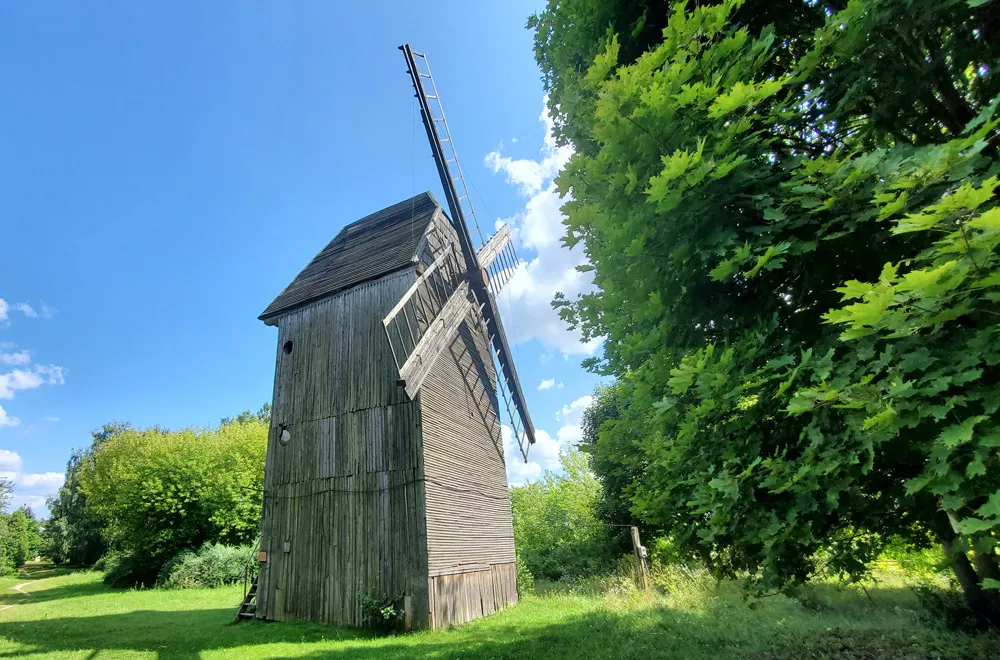
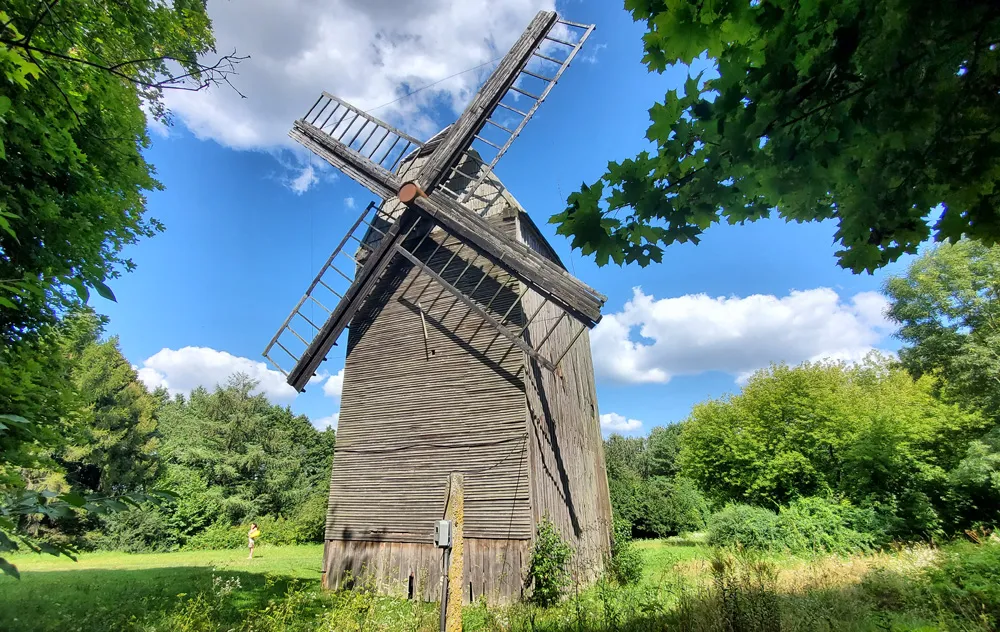
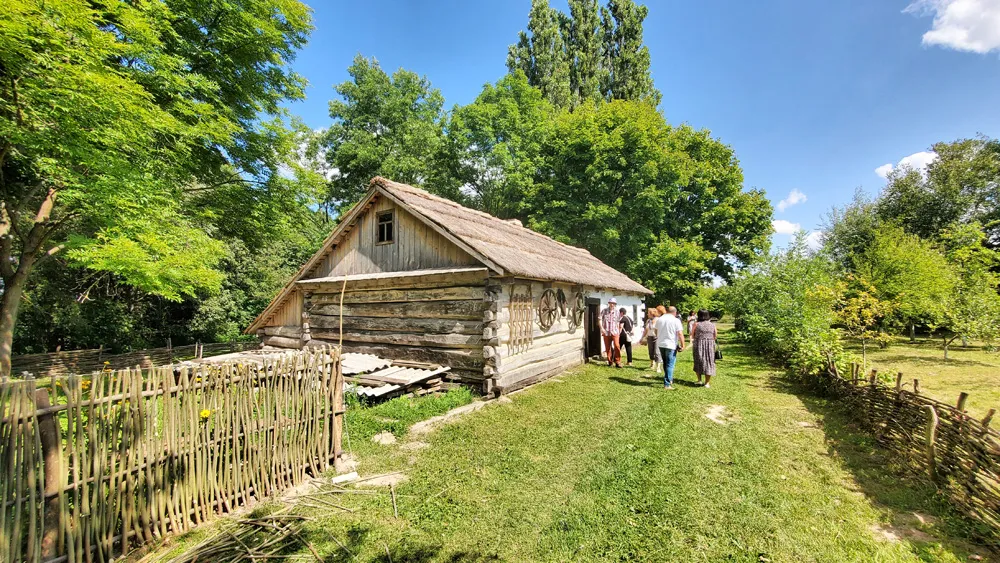
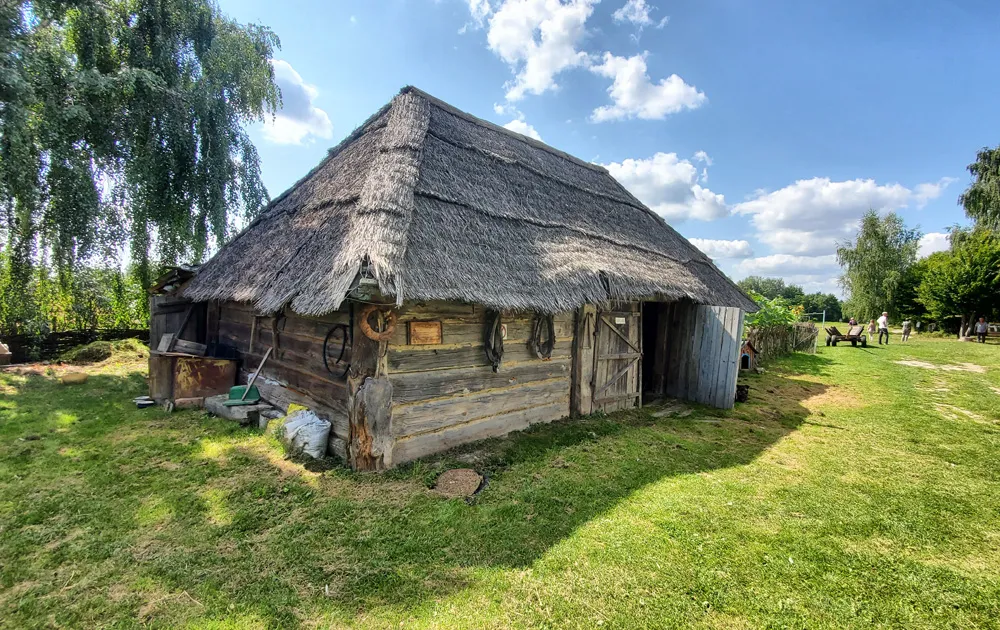
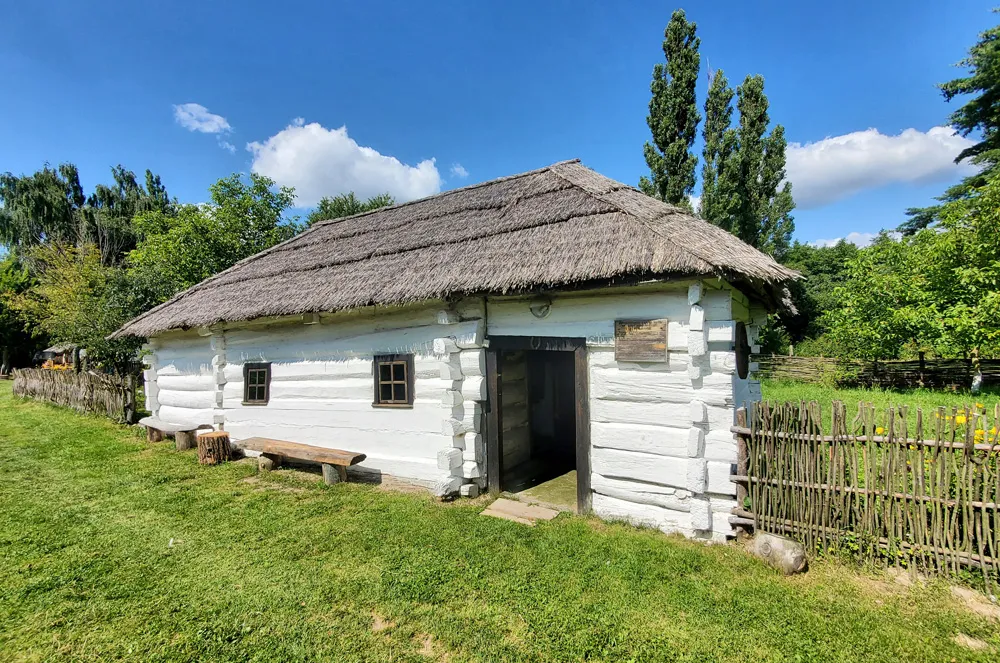
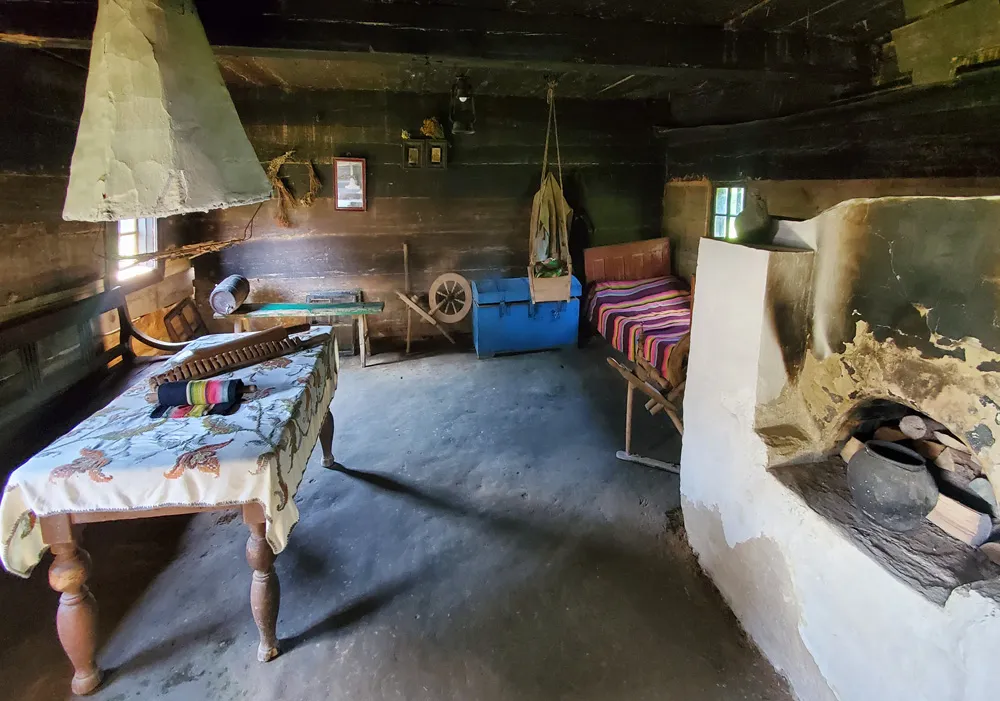
In 1989 an open-air museum was established on the grounds of the Rokyni Arboretum, to which residential, farm and homestead wooden buildings of the Ukrainian village were moved or recreated on site. These are mainly 19th-century structures: a windmill, a two-part house, a cattle shed, a threshing barn, a bathhouse, a cellar, a smoke-filled house, a barn and others. Construction of the open-air exhibition began in 1990. The master plan for the exhibition was developed by the architect Rostyslav Metelnytskyi.
In 2017 a fire damaged the two-part house, which was soon restored. At the end of the same year part of a Cossack Sich was recreated in the open-air museum. In May 2020, on the eve of International Museum Day, a new excursion site of the open-air exhibition, the “Cossack Winter Camp”, was restored and opened. Since 2021 the museum has been partly owned by the Lutsk urban territorial community and partly remains in the majority ownership of Oleksandr Seredyuk.
The permanent exhibition, housed in a separate building, occupies 8 halls and tells of the history of the Volyn village, the development of Volyn agriculture in different periods, and the nature and ecology of the region. One section of the exhibition is devoted to the history of Ukrainian statehood.
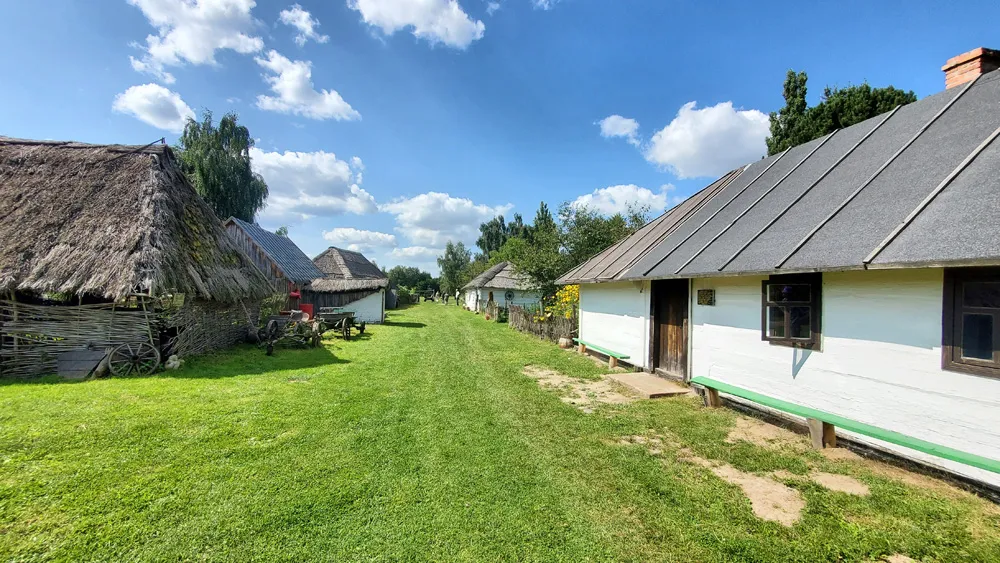
The open-air museum looks like the street of a small 19th-century Volyn village. The open-air exhibition presents several typical Volyn homesteads, around which peasant yards have been created with threshing barns, cattle sheds, wells and fences; there is a smithy and a small wooden church (chapel). Some of the structures were brought from villages of Volyn: 2 homesteads from the village of Berezovychi, Volodymyr-Volynskyi district, a homestead from the village of Komarove, Manevychi district, and a windmill from the village of Chetvertnia, Manevychi district. The buildings are used to recreate folk rituals and to hold educational events connected with traditional Ukrainian crafts.
The wooden chapel on the museum grounds was built in 2000 from the drawings of the chapel in the village of Zhaden (Rivne Oblast) and consecrated in honour of the Ascension of the Lord.
Text from Wikipedia, photos by Roman Malenkov.