Ivanychi and Yevhen Petrov-Khvatov

· 4 min read
Present-day Ivanychi is an urban-type settlement with about 7,000 inhabitants. It belongs to Volodymyr district of Volyn Oblast, although until 2019 it was the centre of a separate district.
The first mention of Ivanychi in historical documents dates from 1545. At that time the village was under the rule of the Grand Duchy of Lithuania. After the Union of Lublin in 1569 the village passed under the rule of noble Poland. According to the tax registers of 1629, the village then had 68 households. After the Third Partition of Poland in 1795, Ivanychi, together with all of western Volhynia, became part of the Russian Empire. In 1899 the first church parish school was opened in the village, attended by 36 pupils in 1911. During the First World War Ivanychi was seized by Austro-German troops, who stayed here until the end of 1918. From 22 January Ivanychi became part of the new independent state, the Ukrainian People’s Republic. And at the beginning of 1919 Ivanychi again passed under Polish rule. On 20 September 1939 the village, like all of Western Ukraine, was seized by Soviet troops.
If you want to read about the history of the settlement in more detail, visit Wikipedia.
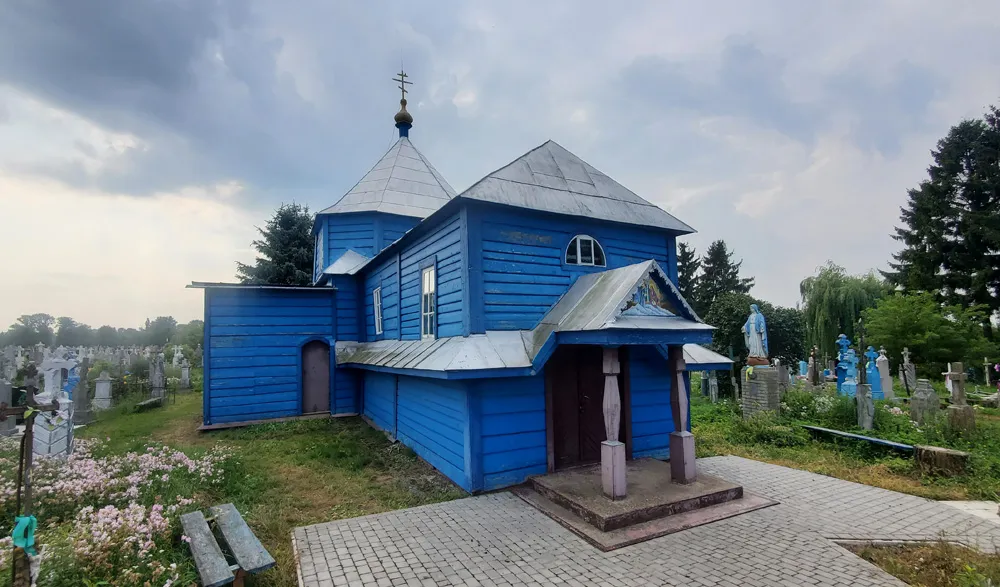
Church of the Forty Martyrs of Sebaste
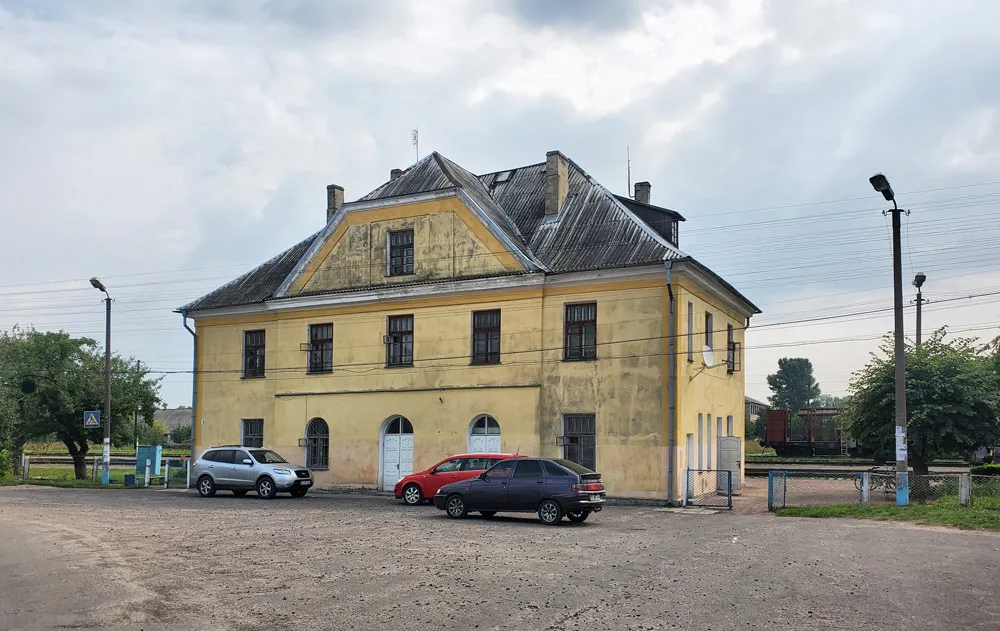
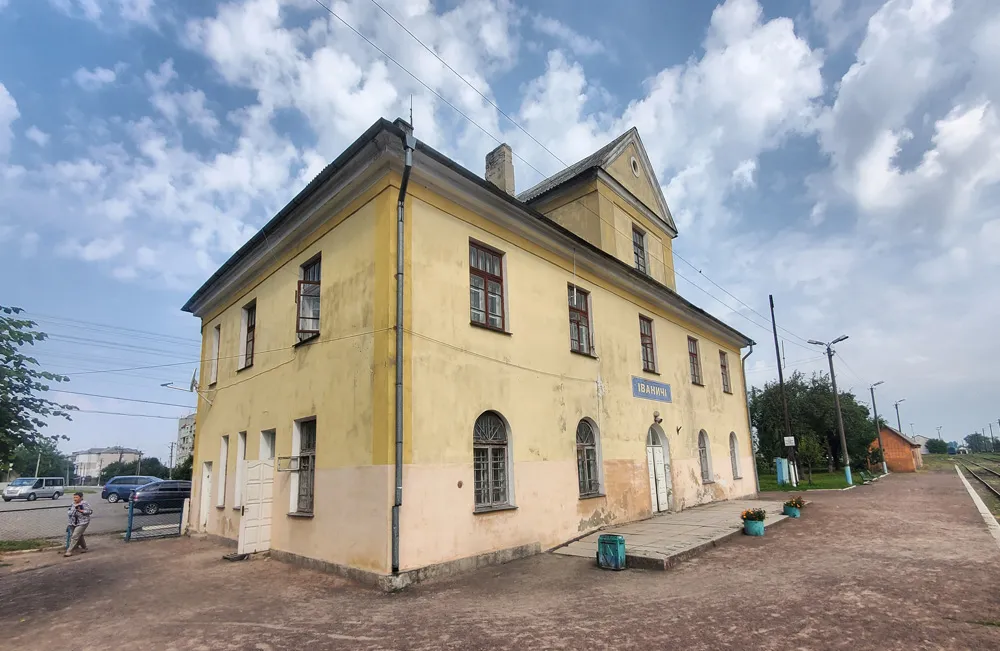
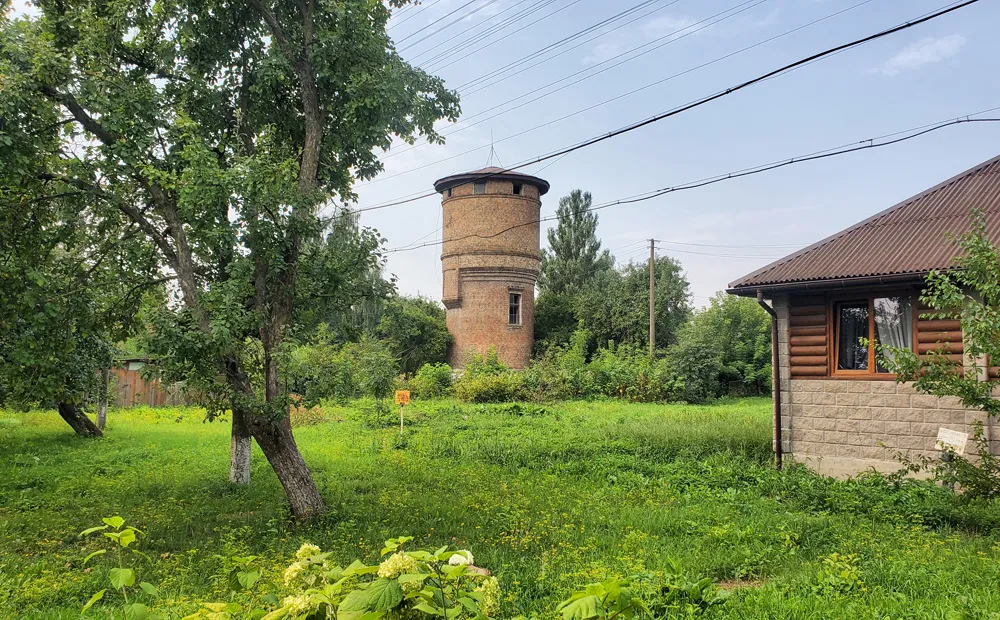
Railway station and water tower of the Polish interwar period
Last year, 2022, Ivanychi became known in the Volyn media thanks to several attempts to transfer its church parish from the Moscow Patriarchate to the OCU (Orthodox Church of Ukraine). The first time only the parishioners of the church voted, but for some reason they held a secret ballot and almost unanimously decided to remain loyal to the aggressor. The settlement community did not support this decision, so a repeat vote was scheduled, but on the day of the vote the church turned out to be closed: the priest did not show up. How things went after that, we did not follow. The church building itself is new. There are even two churches there at once: of the Kazan Icon of the Mother of God (where God is, and where Kazan is) and of St. Panteleimon.
Ivanychi has an interesting railway station building, built in 1925–1926 by the Poles, when this was Poland. And the oldest building in the settlement is the cemetery Church of the Forty Martyrs of Sebaste. Here is what the website “Wooden Churches of Western Ukraine” writes about it:
It is believed that on the site of the present shrine there once stood a Church of the Annunciation from the 16th century, founded by members of the Ivanytsky family. The new small church was built in the 19th century in place of the previous one as a cemetery church, because at that time a new Church of the Kazan Mother of God appeared in Ivanychi, which burned down in 1969. Parishioners of the UOC-MP community used the small church in the cemetery until 1993, after which the shrine began to be used by the Orthodox of the Kyiv Patriarchate.
It is located on the north-western outskirts of Ivanychi (the historic district of “Zahreblia”), in the western part of the cemetery. It is a low three-part, single-domed shrine, whose altar is oriented to the south-east. The narthex is somewhat elongated along the axis of the church, and there is a wooden annexe to the nave on the north side. A tent-shaped top crowns the octagon of the nave. The small church looks as if it has not been repaired for a long time.
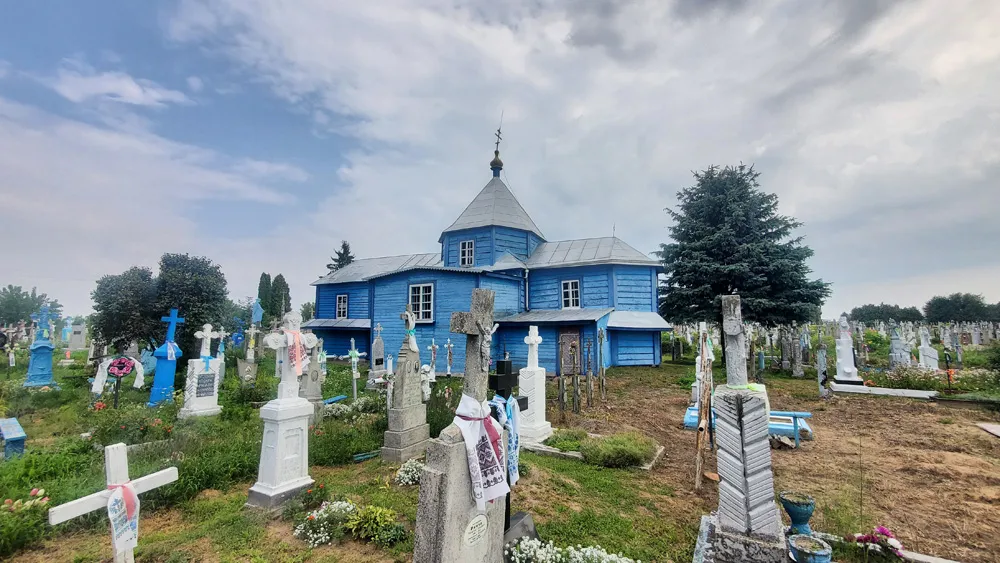
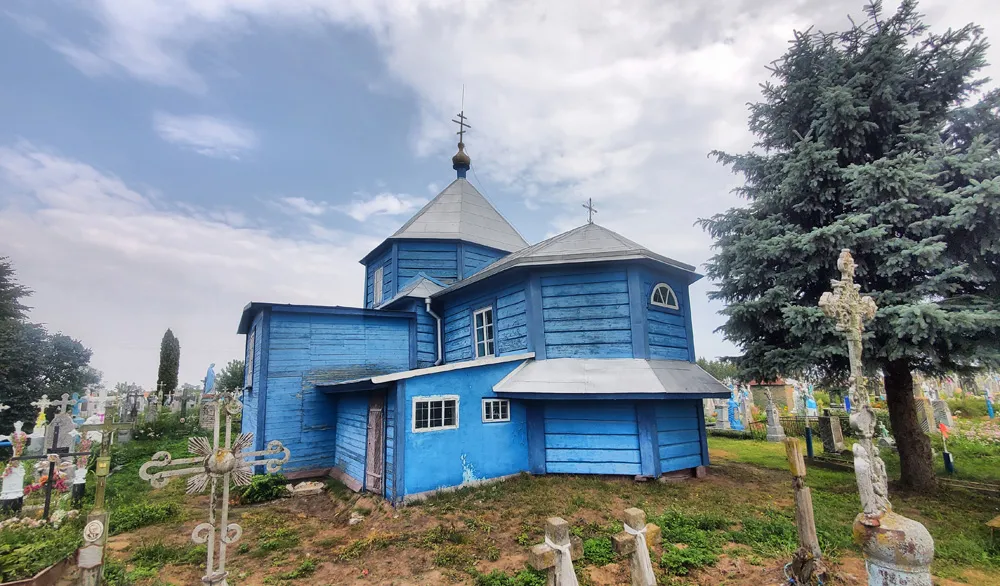
Church of the Forty Martyrs of Sebaste
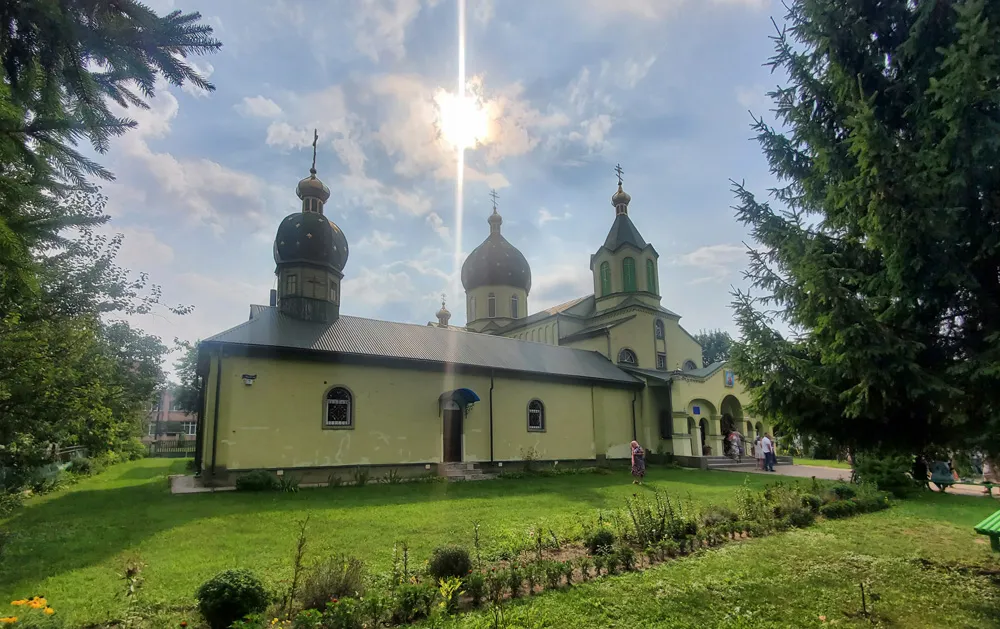
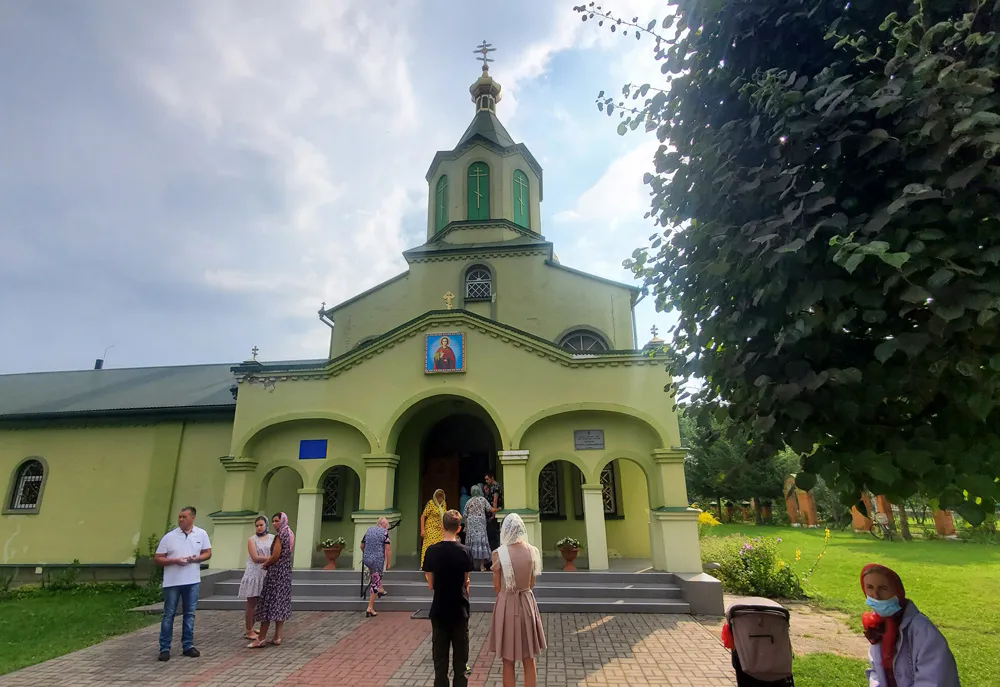
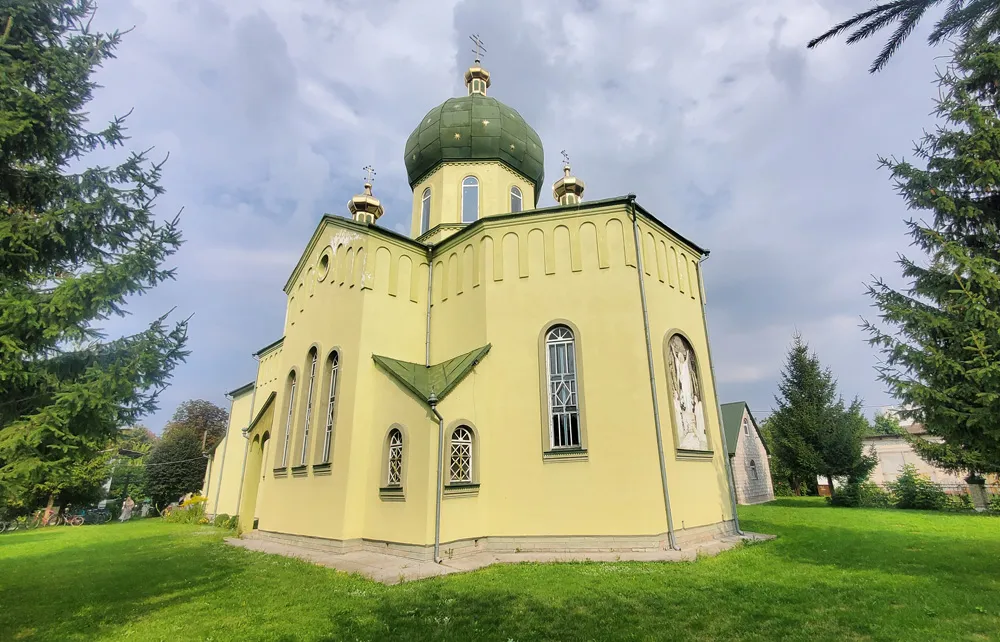
The new church (of St. Panteleimon and the Kazan Icon of the Mother of God) of the UOC-MP (2022)
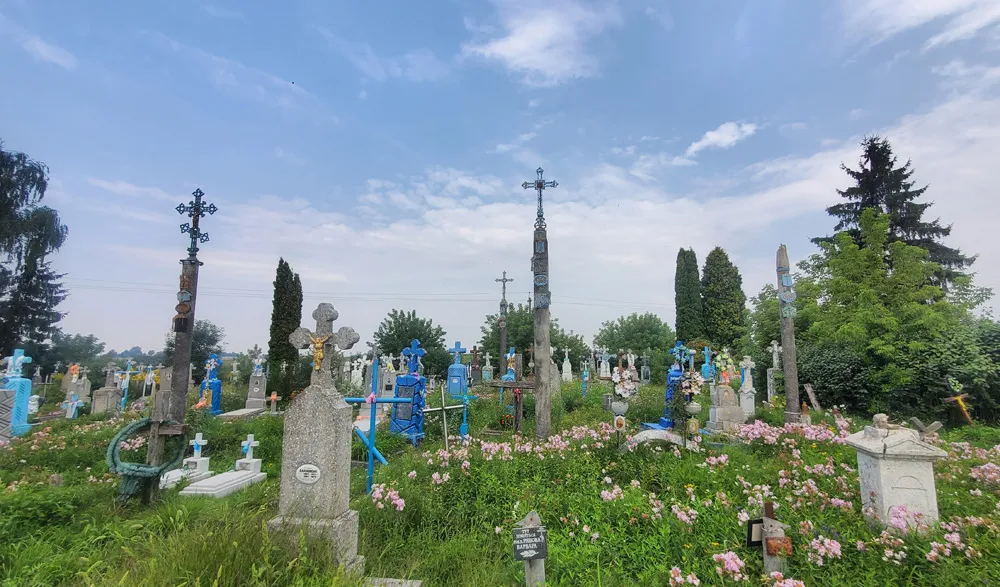
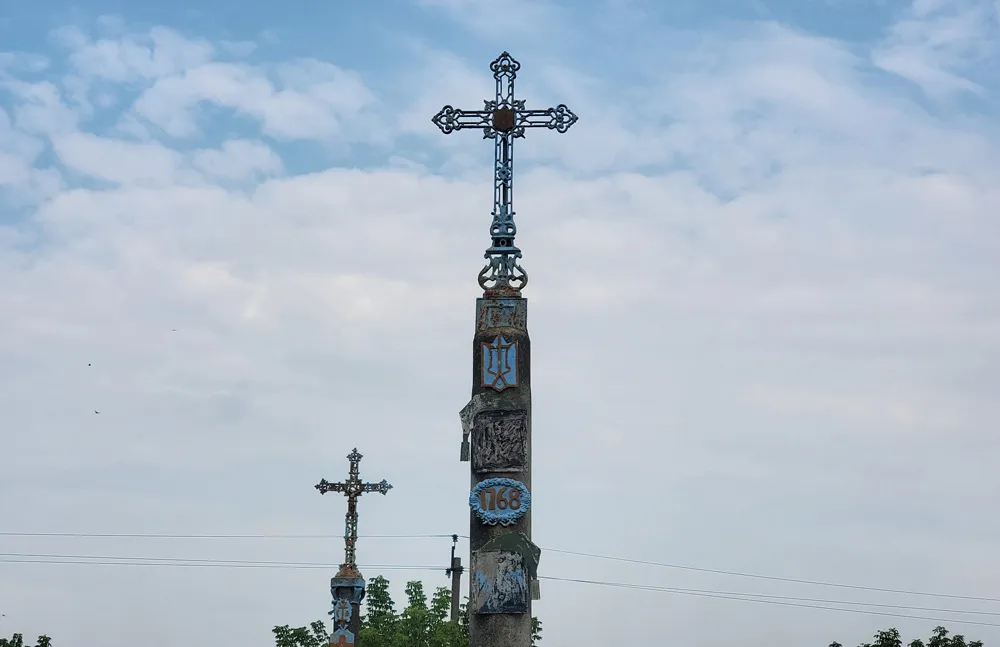
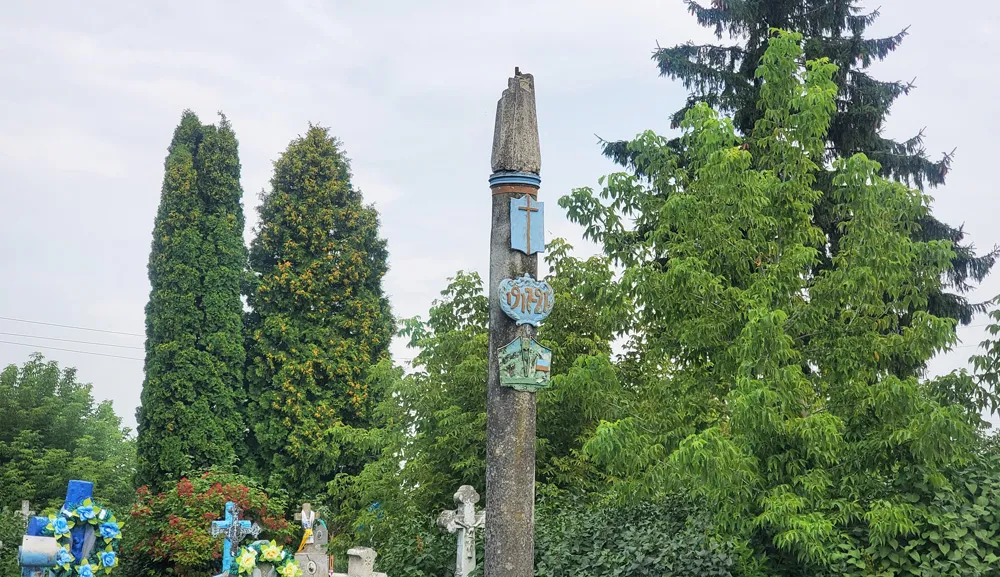
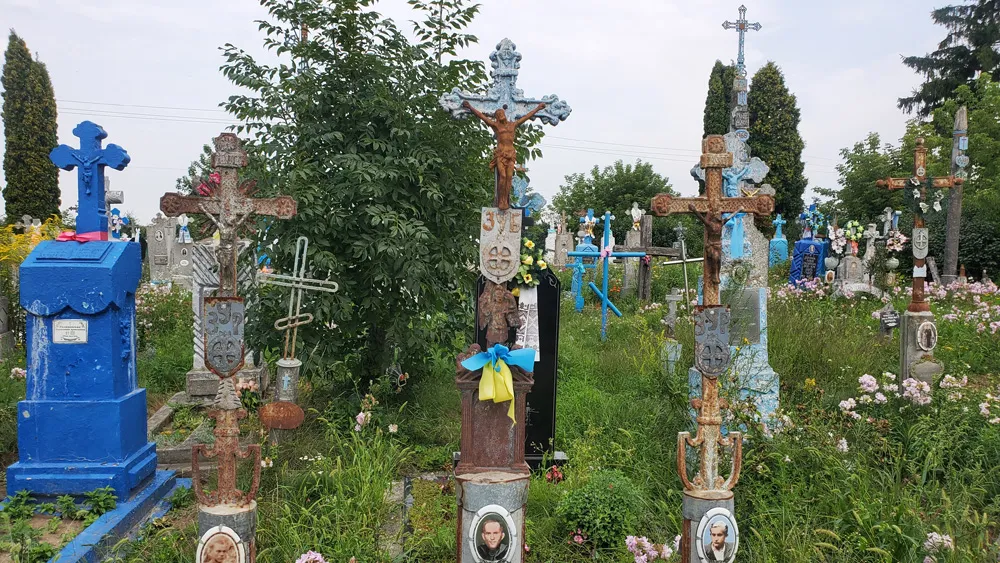
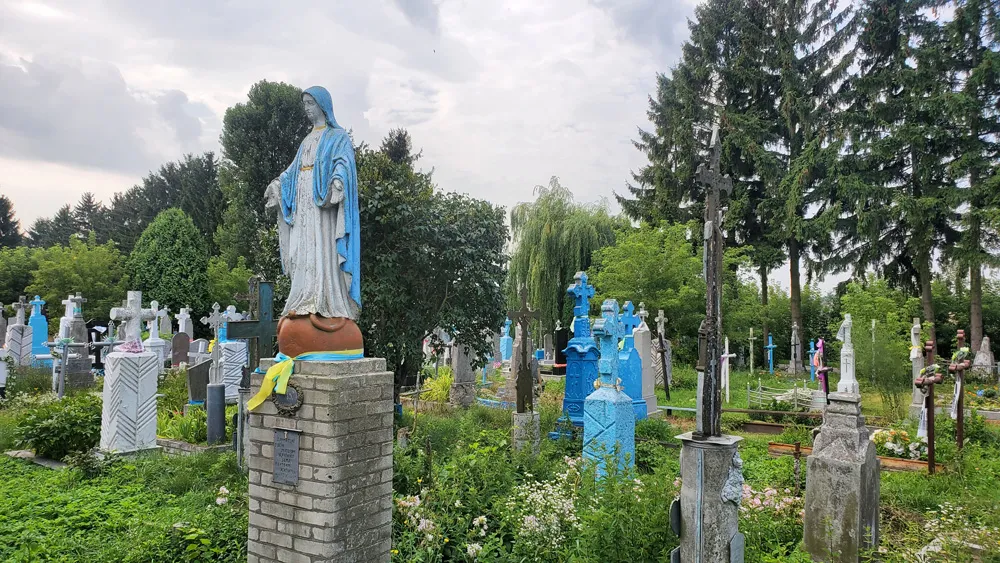
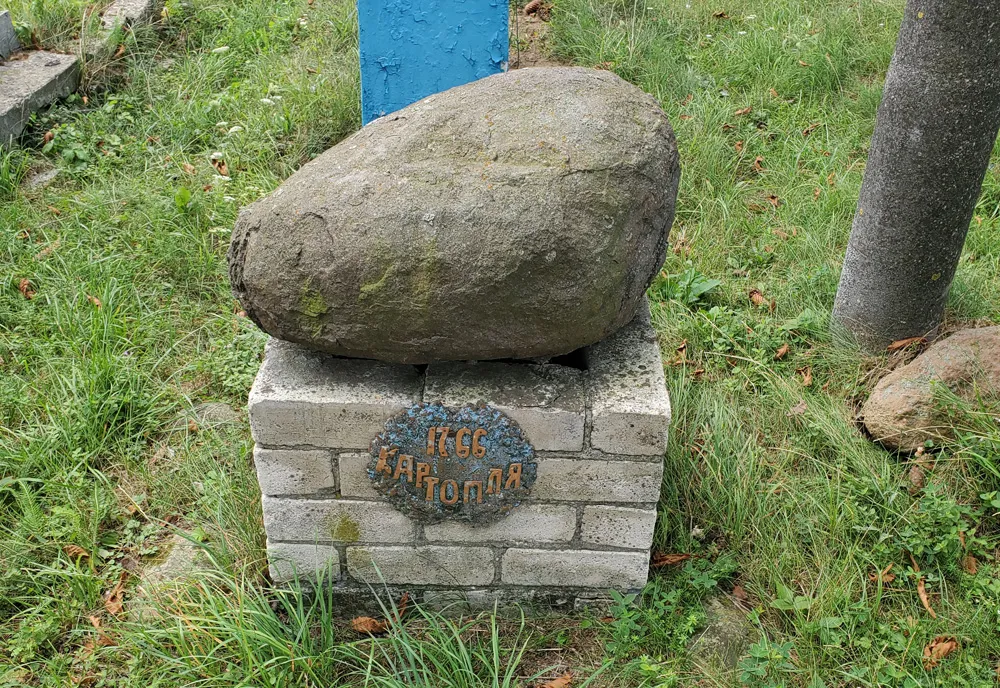
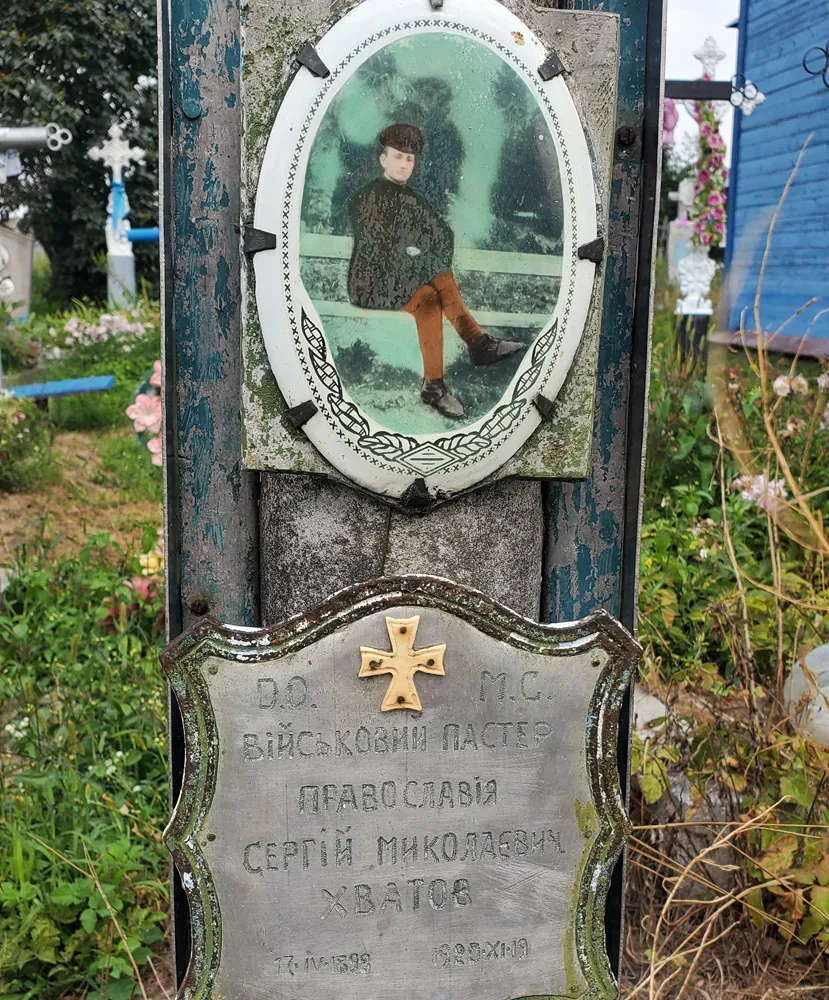
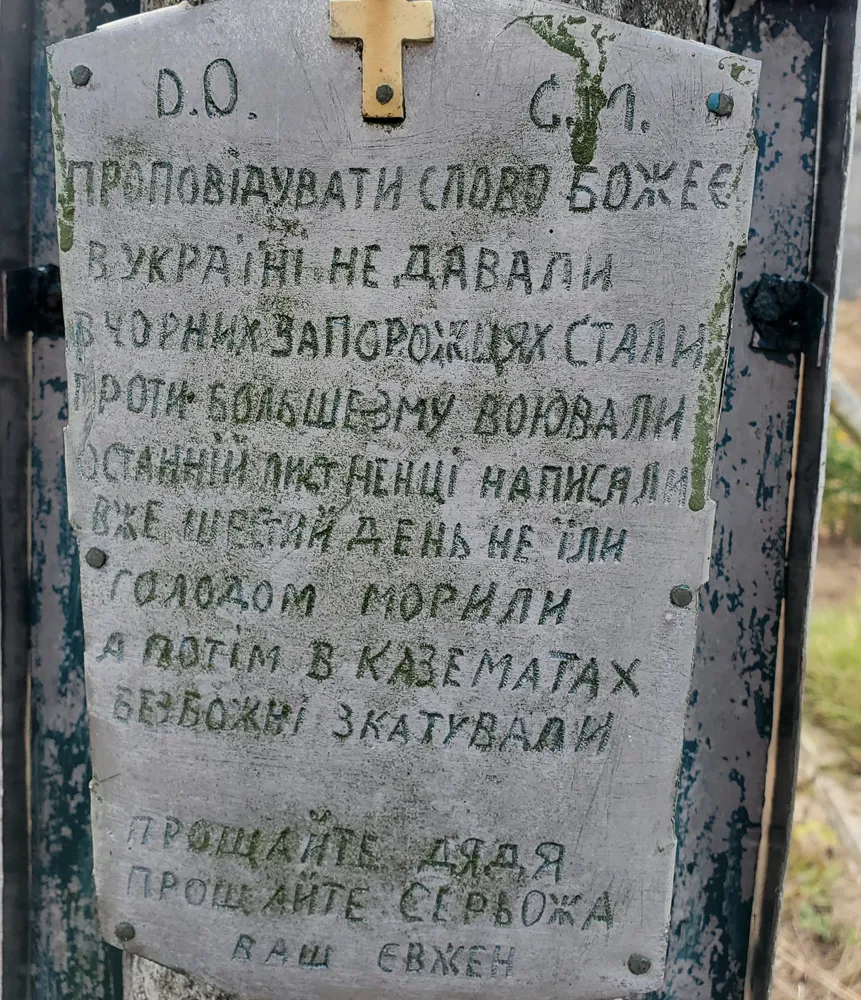
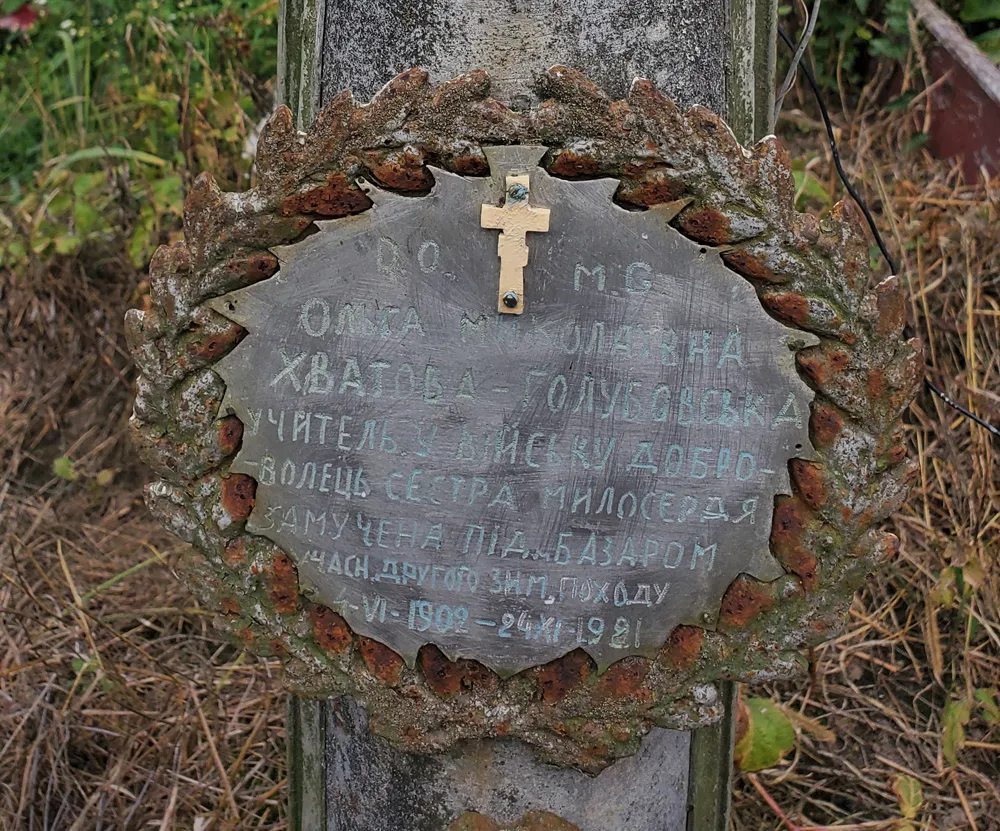
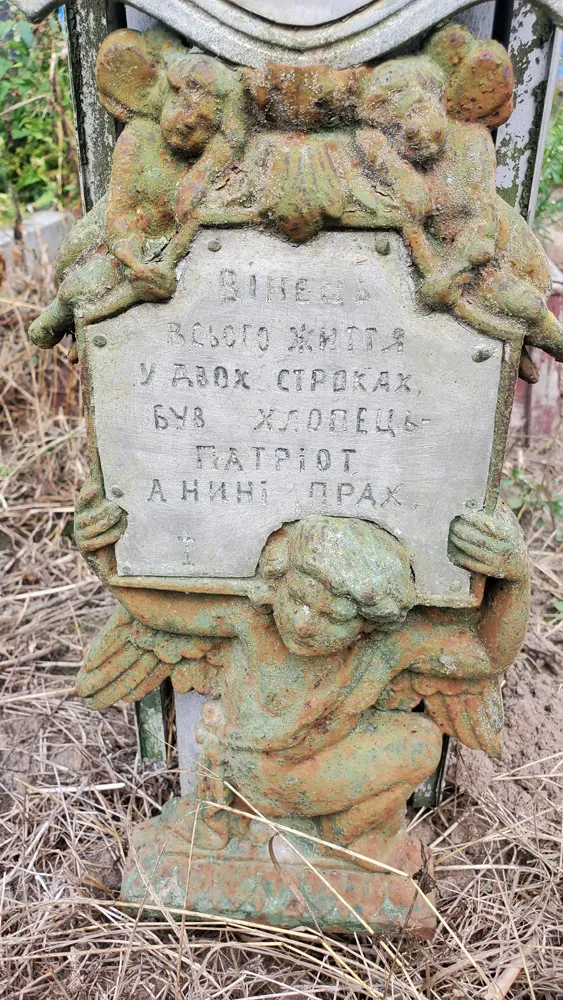
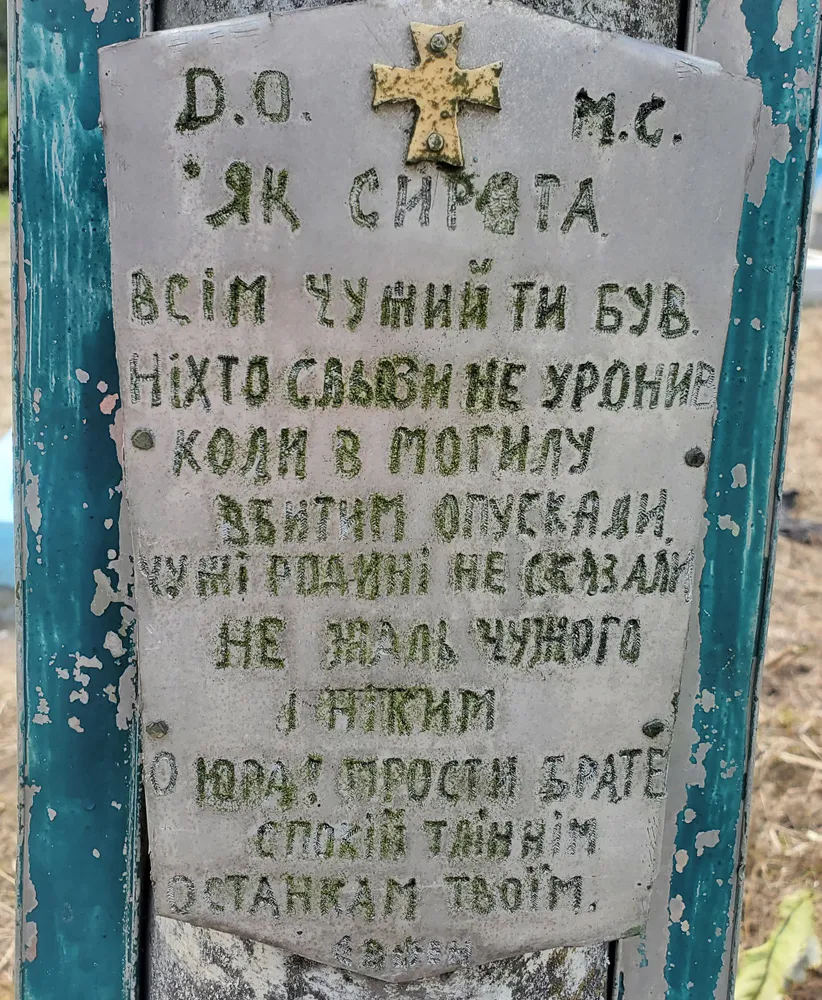
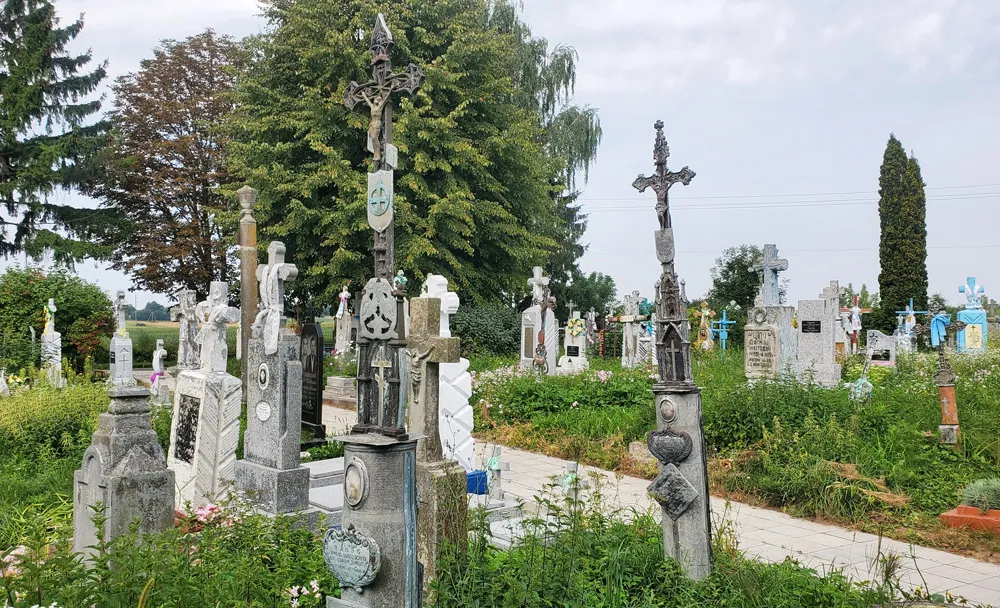
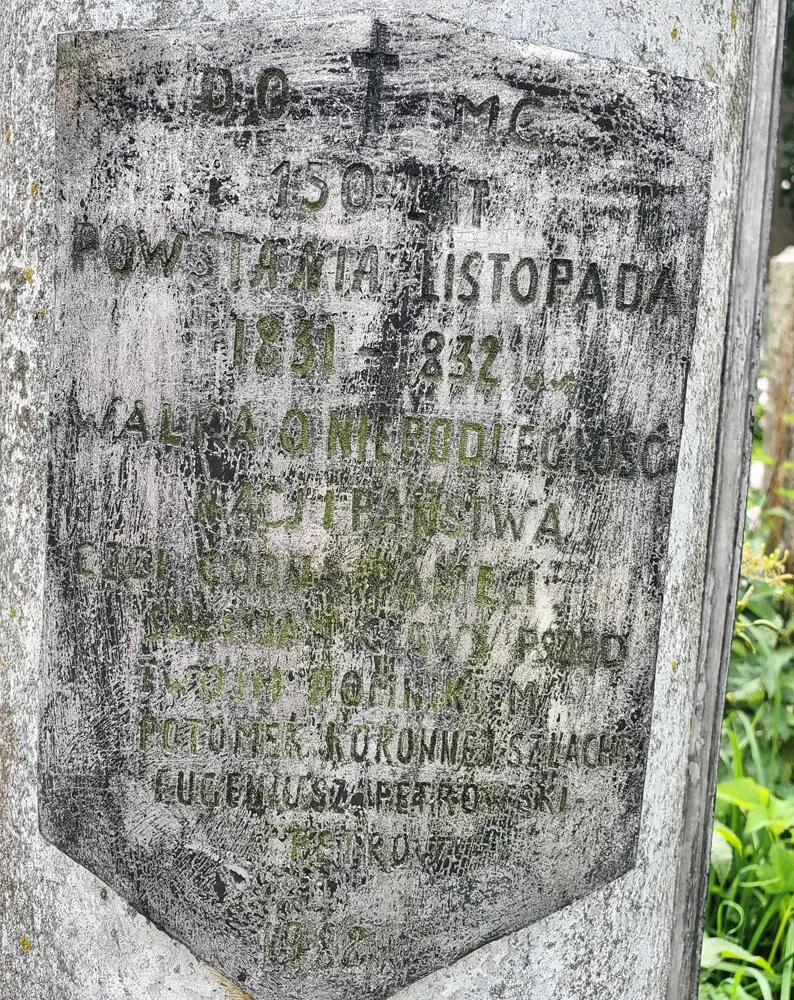
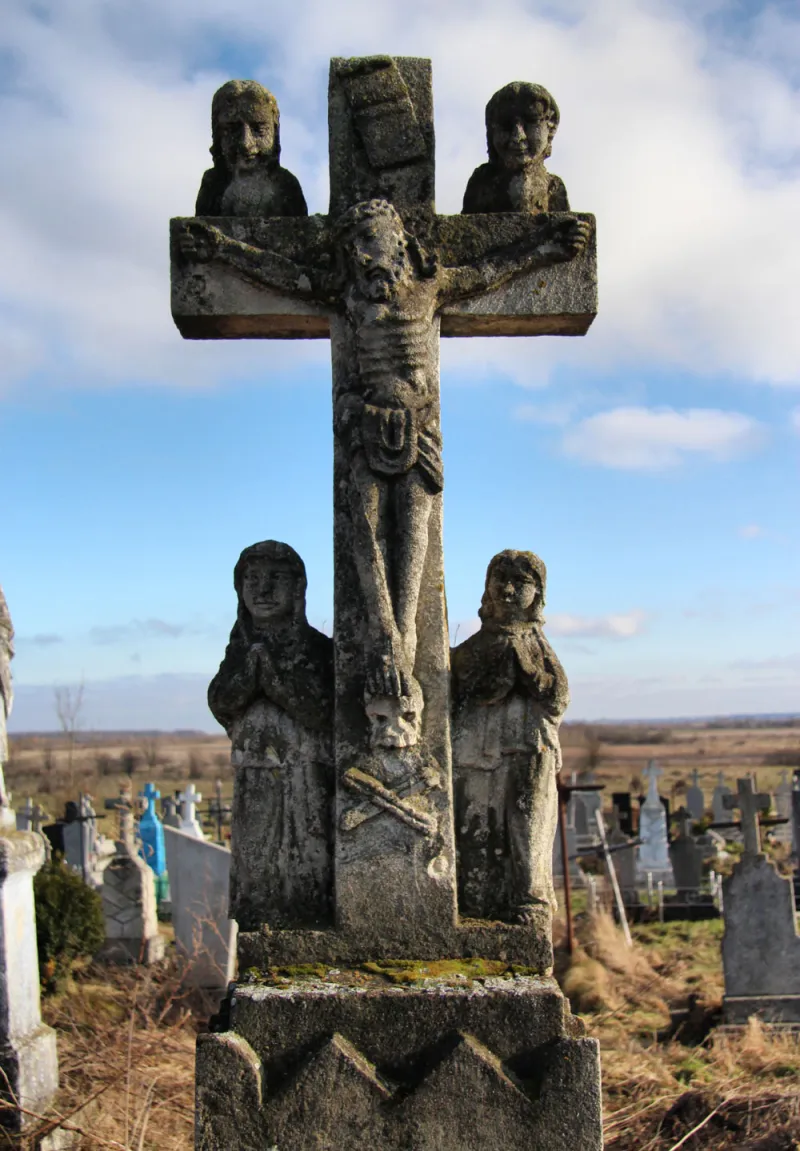
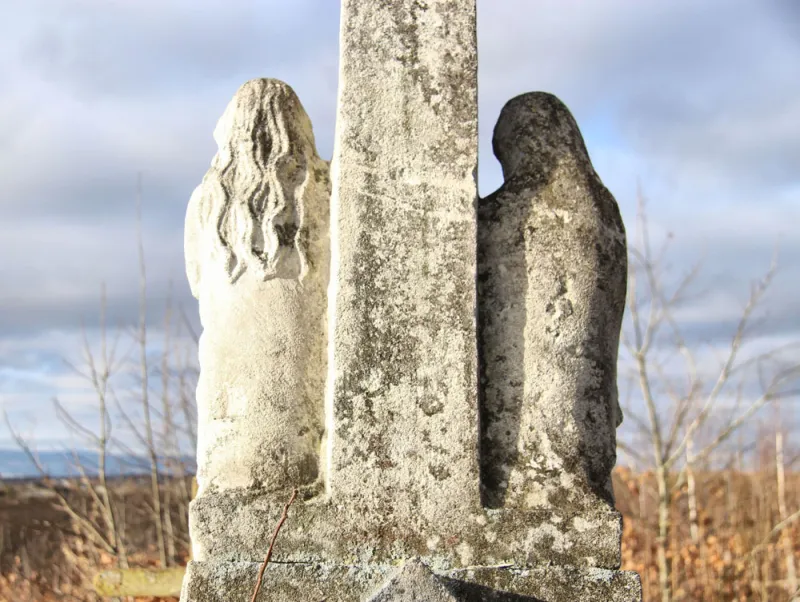
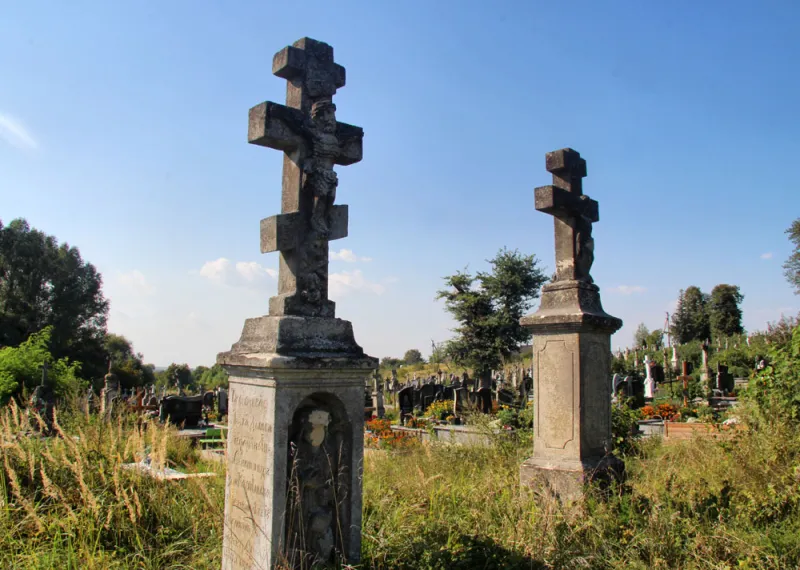
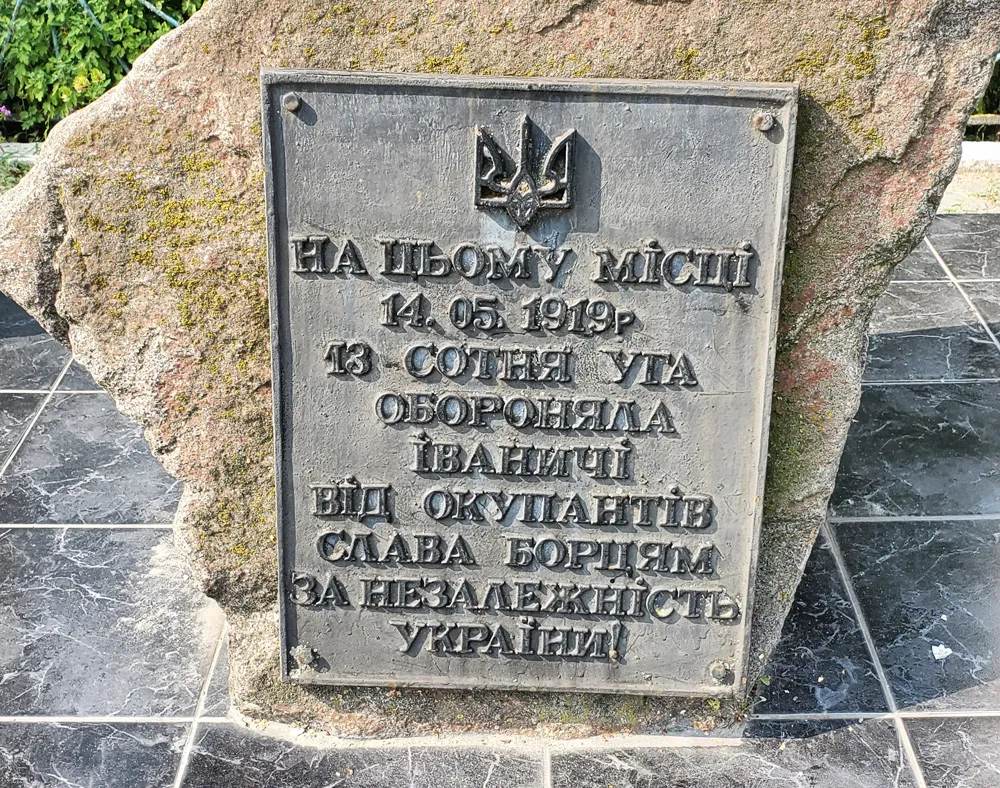
The church stands in the cemetery, which can be considered the main landmark of Ivanychi. A considerable part of the gravestones here are peculiar works of art, created or preserved by one local resident, Yevhen Petrov-Khvatov. He began working on gravestones and crosses back in the 1970s. He rescued and restored old wrought-iron crosses, and created plaques and epitaphs in which he preserved authentic expressions from the Volhynian dialect of Ukrainian. In addition, he made original monuments himself, which he installed in the cemetery and beyond, even in neighbouring villages. These were not necessarily funerary objects, but also simply memorial plaques and monuments, such as the one on the ruins of the church in the village of Starosillia blown up by the Communists in 1981, or at the site of the battle of the 13th company of the Ukrainian Galician Army in May 1919 (it stands near the railway station). He was an amazing man, Yevhen Petrov-Khvatov; almost single-handedly he created a whole tourist attraction in the settlement. We strongly recommend visiting the cemetery in Ivanychi, looking at the church and the monuments and, especially, reading the epitaphs. It is something else.
Text and photos by Roman Malenkov