Khoroshiv. Gemstone museum

· 2 min read
If you want to see the largest precious stone ever appraised on the territory of Ukraine, and in addition a heap of expensive and fascinating stones, you need to go to Khoroshiv, formerly Volodarsk-Volynskyi. The Museum of Gemstones and Ornamental Stones is located here; it is subordinate to the Ministry of Finance and is a tourist star, or tourist magnet, of Ukraine.
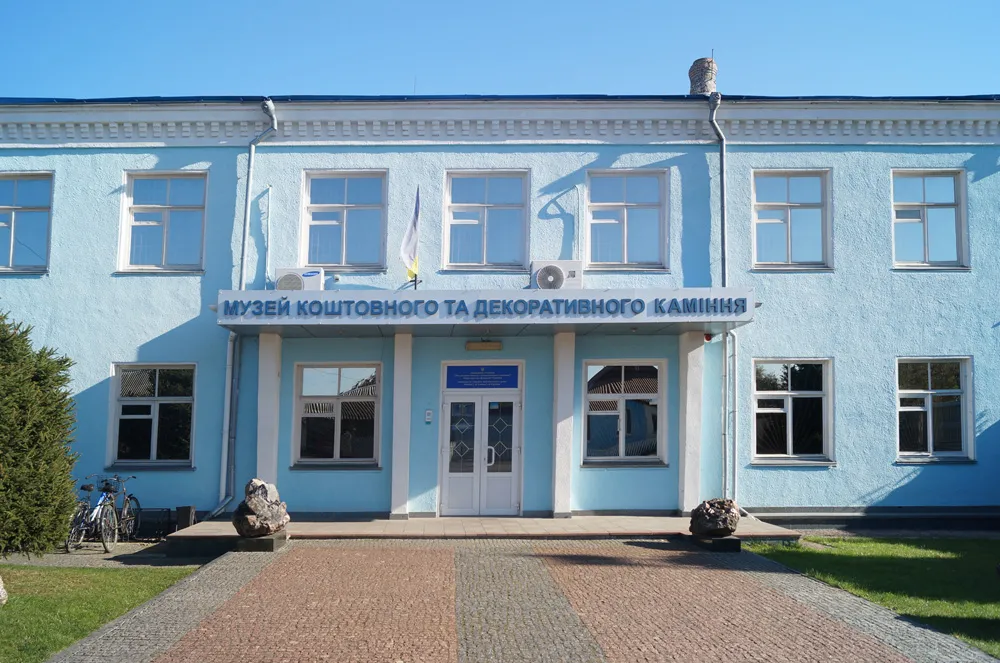
The museum was created on the basis of the Volodarsk-Volynskyi mineral deposit, the most valuable mineral of which was morion (piezoquartz), used in the military industry (somewhere in missile production, apparently). To extract this stone, which, I have heard somewhere, costs three times as much as a diamond, they broke up beryls and topazes, also precious stones but cheaper than morion and not as necessary for defending the Soviet people from numerous enemies.
Morion was mined in shafts. There were six of them, and they are now flooded. Local residents say that the Kyiv Jewellery Factory has bought two shafts and wants to mine beryl again. But I am not sure they know this for certain, whereas about the huge beryl Peter and Paul, which weighs more than 6 kilograms, and even the number of zeros in its value being a commercial secret, local residents do know.
At first the town was called Oleksandropil, after its founder Oleksandr Pronskyi. The first mentions date from 1585, and already at the beginning of the 17th century the town is called Horoshky, a name given by its new owners, the Sapiehas. Later it became Velyki Horoshky, and later still, in 1912, the settlement was renamed Kutuzivka, when it was remembered that Kutuzov lived here in 1802–1805, the hero of the war of 1812, which then marked its 100th anniversary.
In Soviet times, in 1921, the town was named Volodarsk-Volynskyi, after the Bolshevik Jewish figure Moisei Markovych Goldstein, killed by the Socialist Revolutionaries, who used the pseudonym V. Volodarskyi. In 2016 the town was subject to decommunisation. They did not want to return the name Kutuzivka, nor Horoshky either, and a new, umpteenth name appeared: Khoroshiv. In general, the history of Khoroshiv is chewed over in quite some detail by Wikipedia.
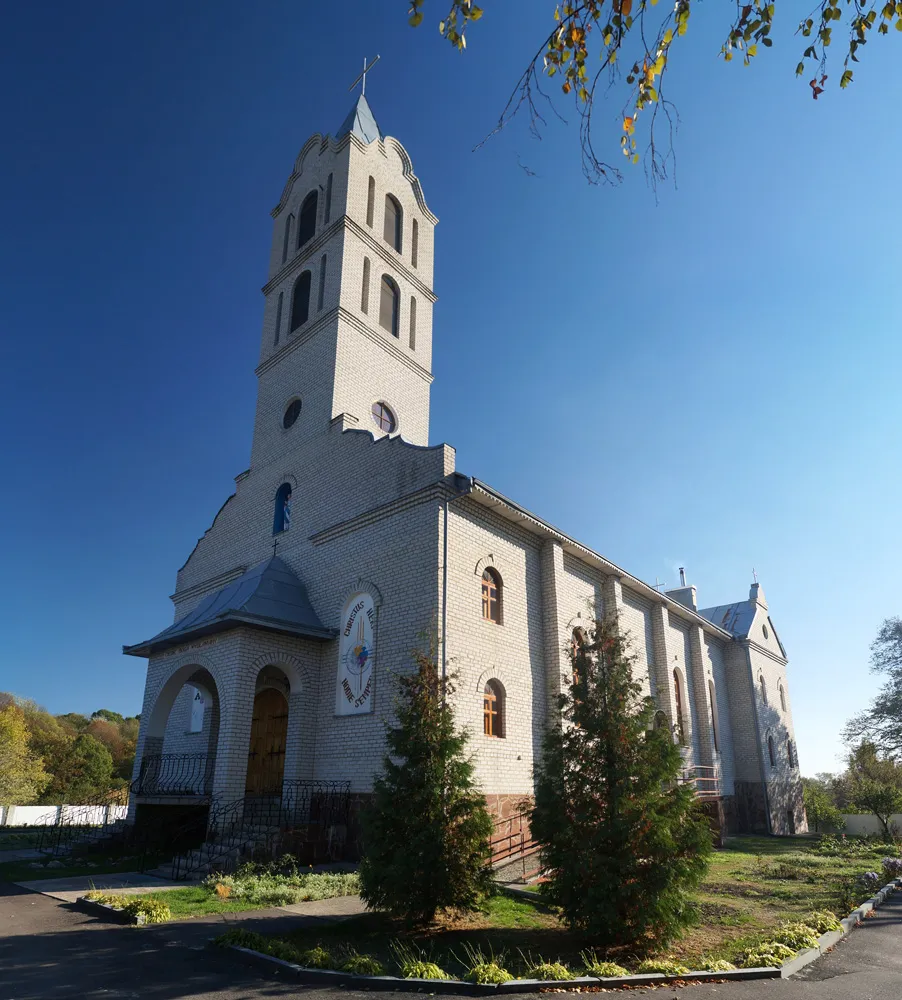
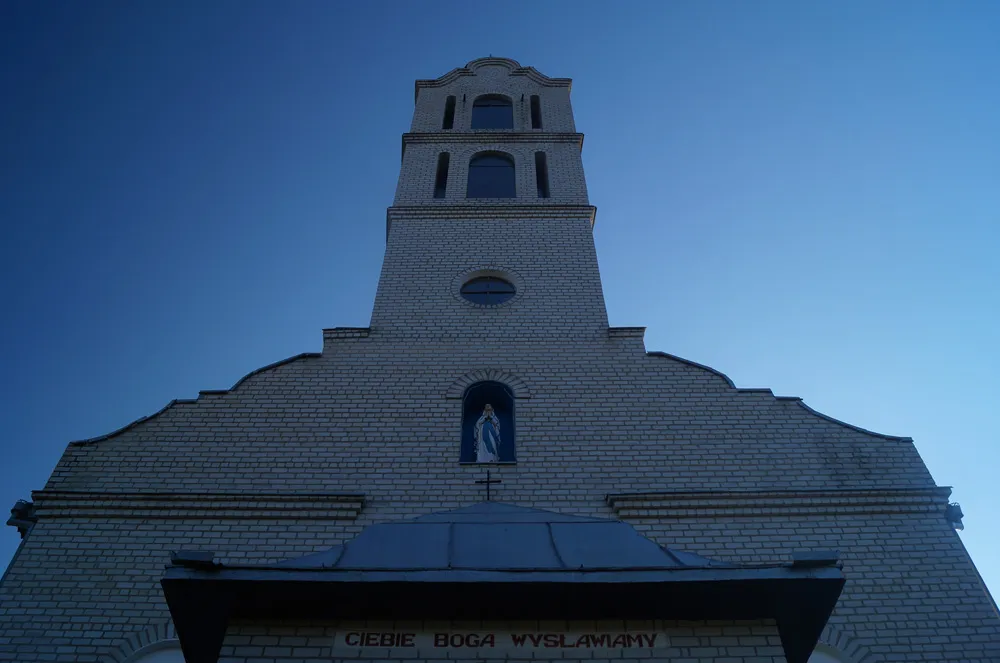
Apart from the Museum, Khoroshiv has practically no landmarks. Earthen ramparts, a Jewish cemetery, a few old houses from the early 20th century. I would also take a look at the Roman Catholic church, built of silicate brick in the 1990s, with a tall bell tower, beautiful from a distance. If only at least one of the shafts were opened for visitors, that would be an attraction. Together with the museum, it would do huge promotion for Khoroshiv. For now there is only the museum. By the way, photography is forbidden in the museum, so see the photos on its website.
Text and photos by Roman Malenkov and Serhii Shcherbii.