Bronka and Bronets castle

· 5 min read
As is known, the largest number of castles in Ukraine has survived, in one state or another, in Ternopil Oblast. Zakarpattia also had quite a few castles; the best known, preserved and visited are the castles in Uzhhorod and Mukachevo. There are a number of others of which only ruins remain.
I probably won’t be wrong if I say that few people have heard of Bronets castle, and as for visiting the ruins, only a handful have done so.
I recently managed to go there. I will say that it is quite an extreme challenge.
No excursions are taken there, and even excavations on the site have been considered inadvisable since 2008.
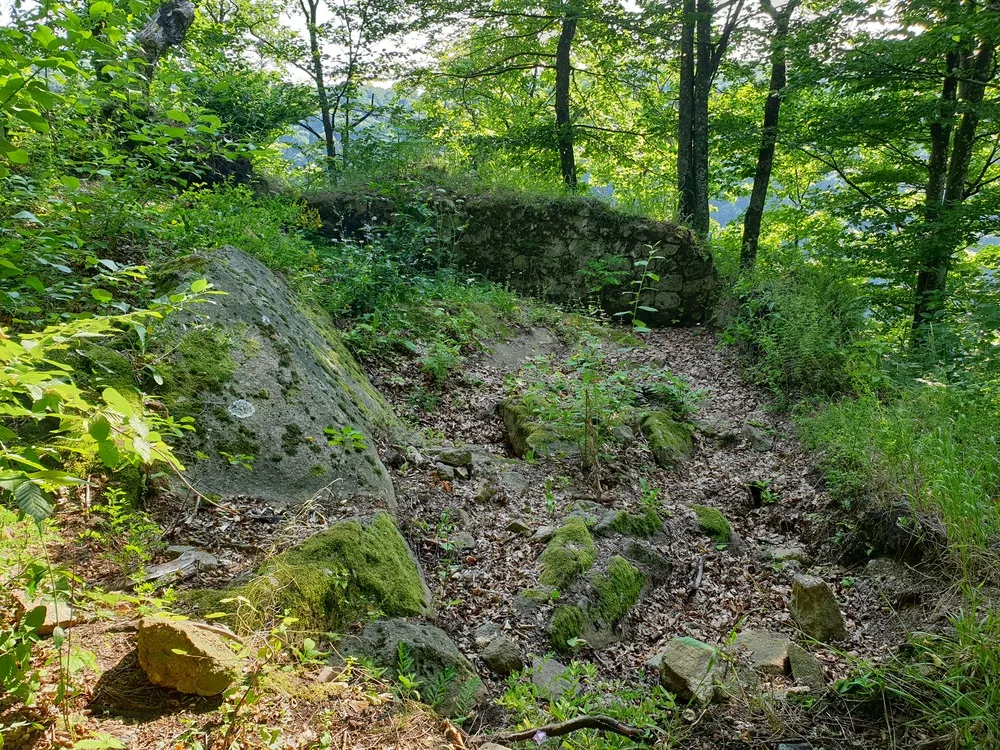
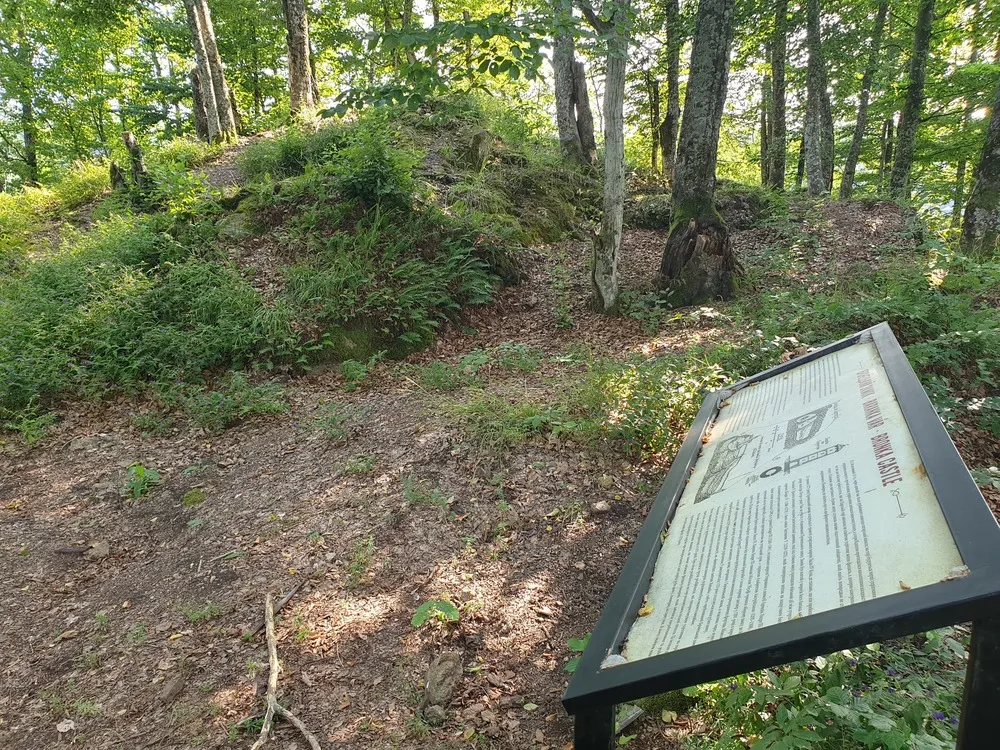
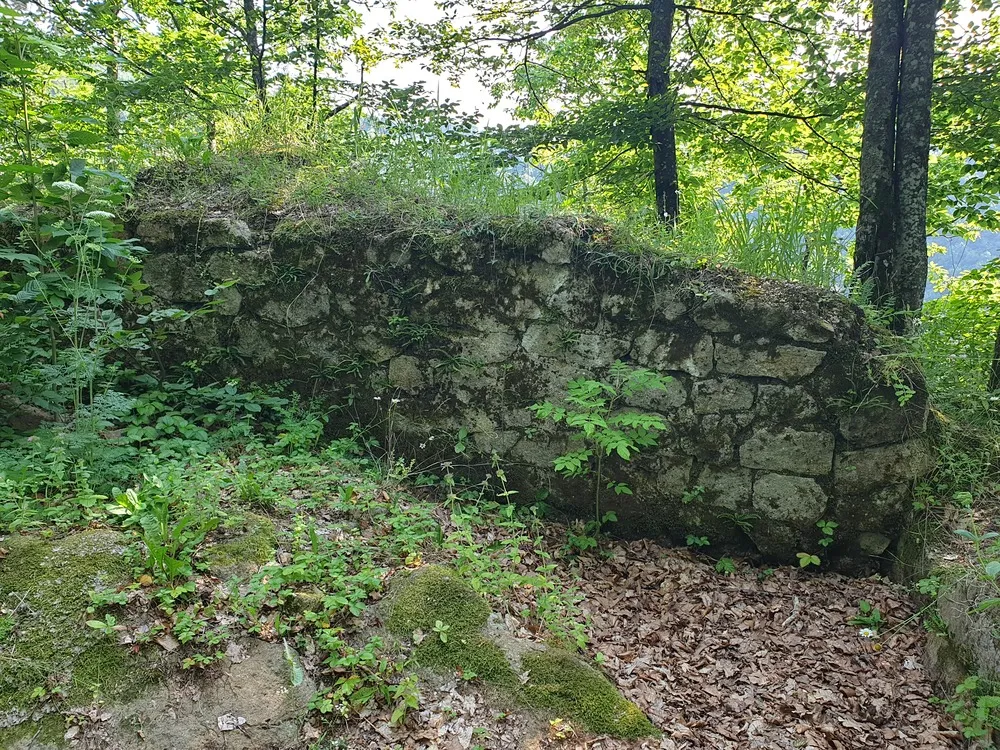
Strictly speaking, it is hard even to call it ruins any more: a heap of stones that used to be walls on the slopes of the mountain, and a few fragments of walls under a layer of earth at the very top. Well, what did you expect? The castle has been in ruins for almost 700 years.
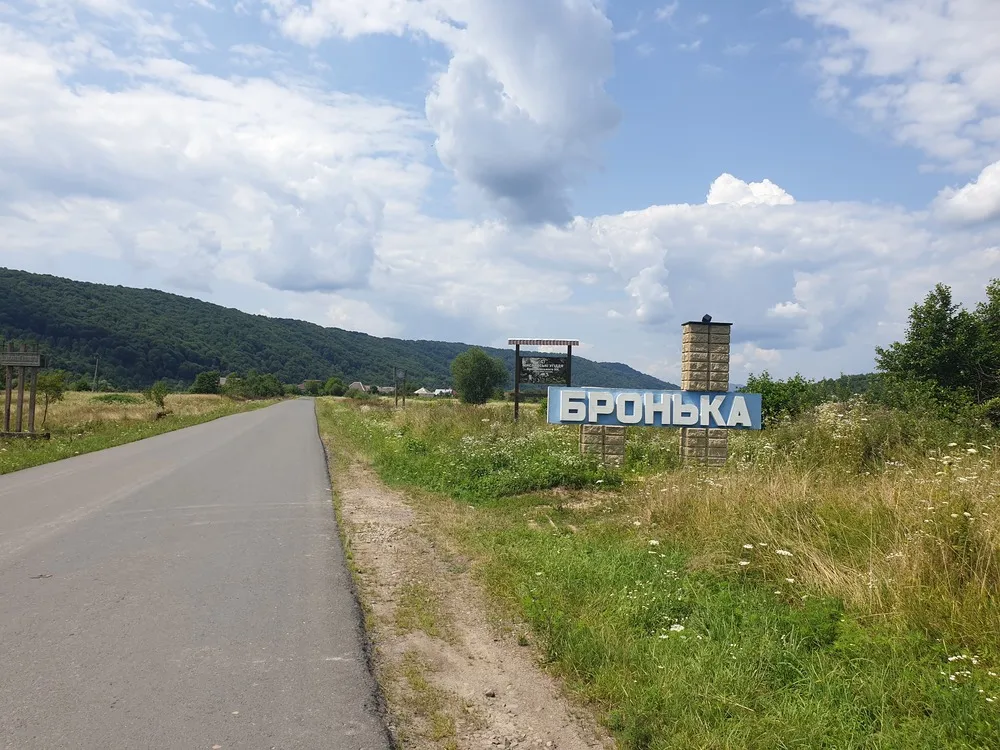
The castle really did stand on a mountain called Tsarska, between the villages of Bronka and Sukha, in the former Irshava district, now Khust district.
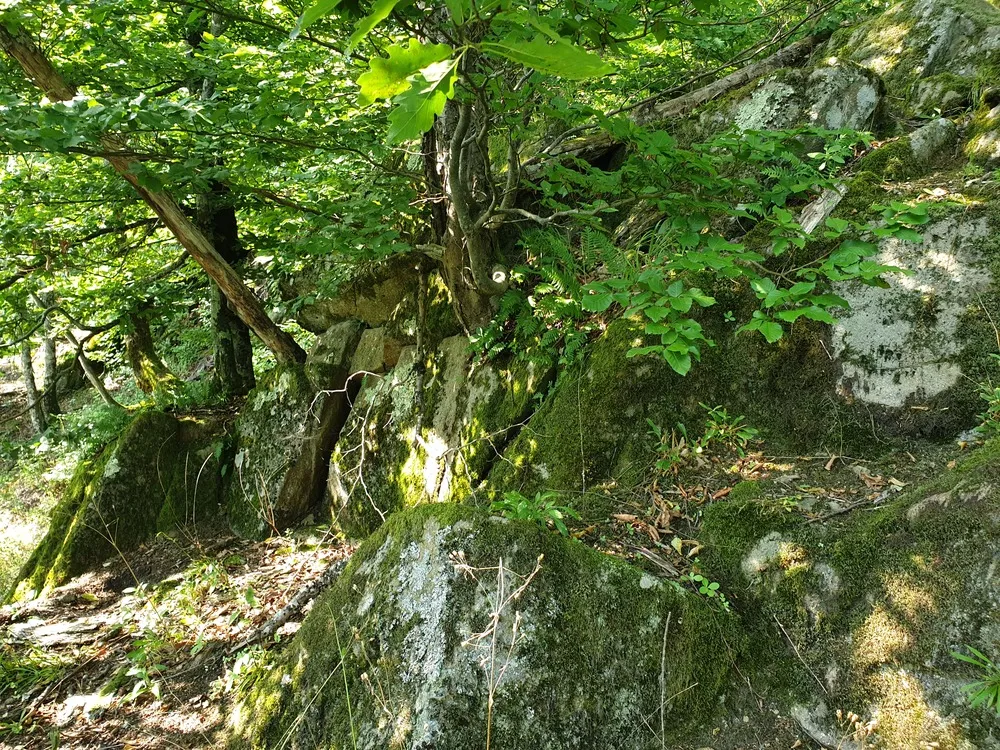
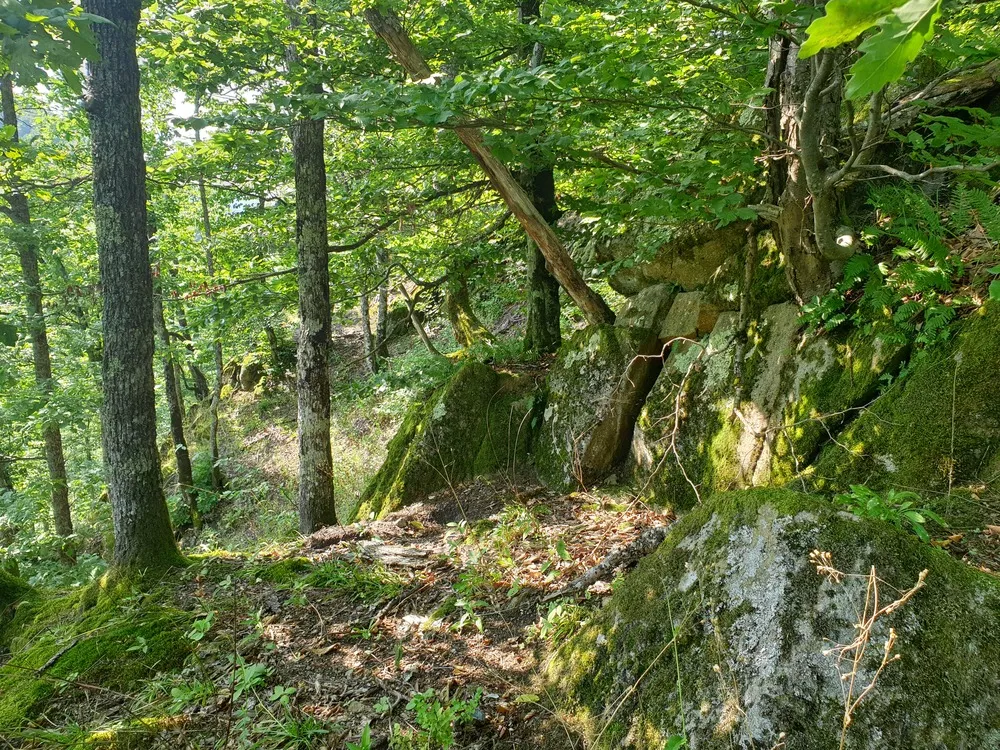
Getting to its foot is one thing, and the roads there are, to put it mildly, nonexistent. But then the truly extreme part begins, and quite a dangerous one. I will say right away that it is better not to go alone, though you realise this a little later. The path is hard to find, and it ends somewhere halfway to the summit. After that everything is overgrown and you have to climb straight up. And while the ascent involves more physical difficulty, the descent is more technical, which is much worse. Stones roll down, the leaves underfoot are slippery, most of the trees are already dead and dry, and you reach out to grab one to steady yourself, but it snaps right at the trunk. Quite exhausting.
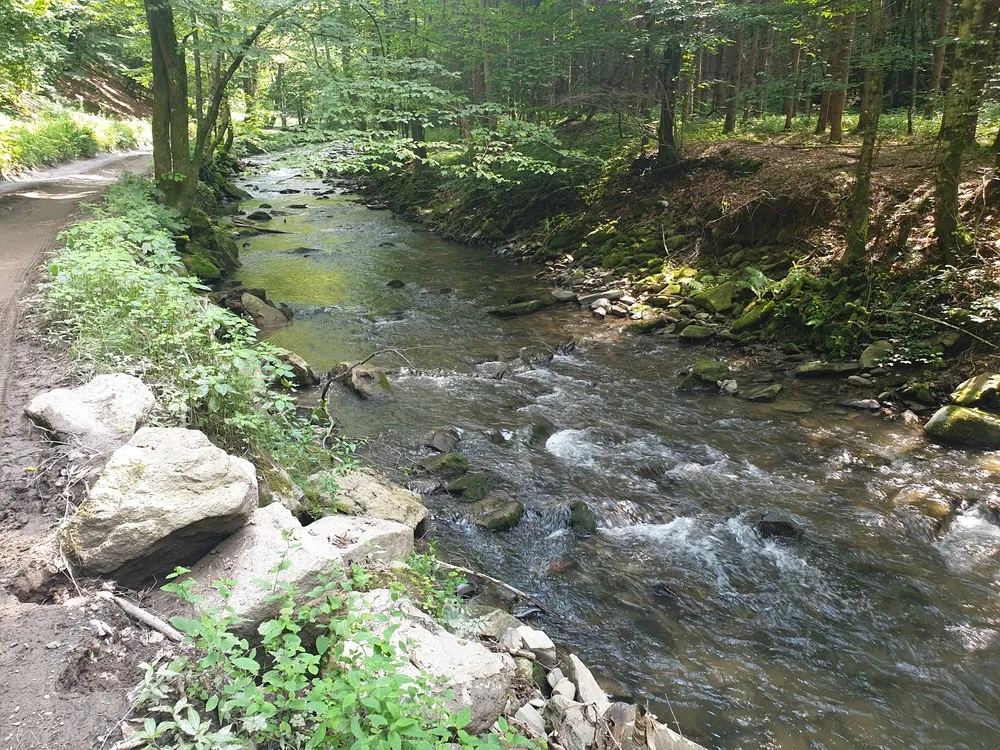
The mountain itself is gripped on three sides, like a noose, by the Bronka river and is rocky, and if you look from above, the castle site is as inaccessible as can be on the other side, bordering on a precipice.
As for the castle itself, there is no exact date of its construction. It is assumed that the first fortifications on the impregnable mountain appeared as early as the time of the Dacians; later, as defensive structures, they were part of the lands of Galician Rus. The castle itself is first mentioned in Hungarian chronicles in 1265, and later in a charter of King Ladislaus IV the Cuman (1273).
As for when the castle was destroyed, it happened sometime between 1292 and 1336; in the boundary descriptions of the area for 1336 it is already mentioned as the “destroyed Bronets castle”. The reasons for the destruction are also not known for certain. There are several suppositions. Some rest on legends, others on historical events that resulted in the castle’s destruction.
Some legends say the castle was destroyed by peasants because it was owned by a robber knight who engaged in plunder and banditry, and also because ghosts were seen near the castle. Others say the castle was destroyed and burned by the robber Vusach (“Moustache”) because its owner, King Andrew III, did not give him his granddaughter Gabriela in marriage after the condition had been fulfilled – to throw a stone from the foot of the mountain to the castle.
In general, there are many legends and tales about Bronets castle, like about no other: about the robber Brynda and his legendary three-legged horse Tatosh, who could leap from mountain to mountain, about the black devil with a beard who guards golden treasures, and many others – just type “Legends of Bronets castle” into Google.
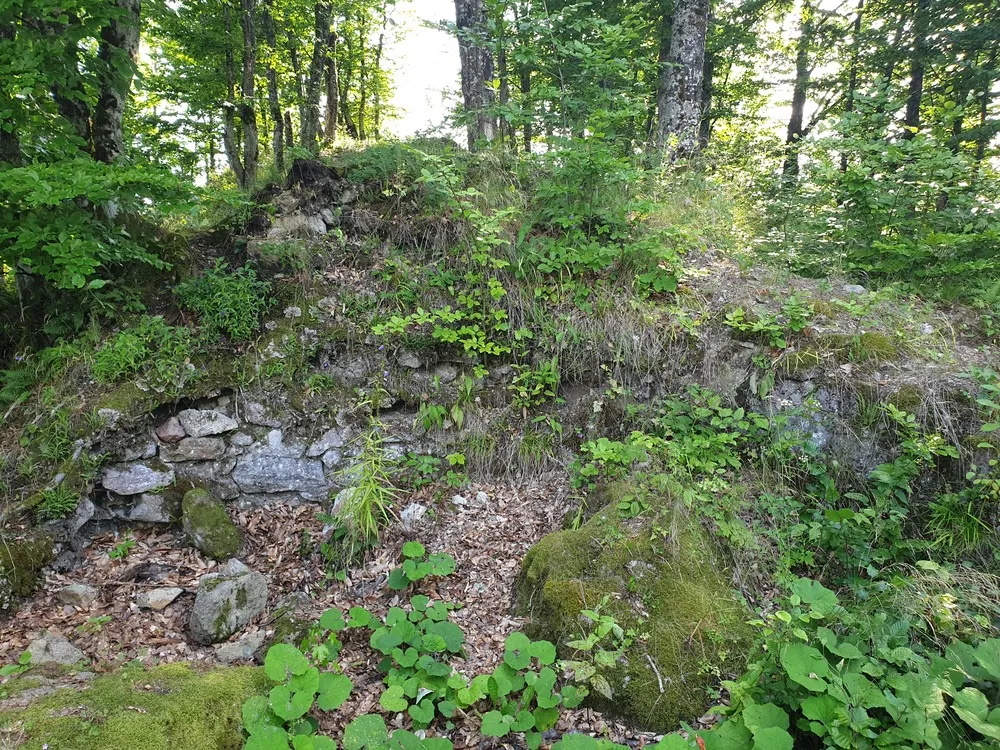
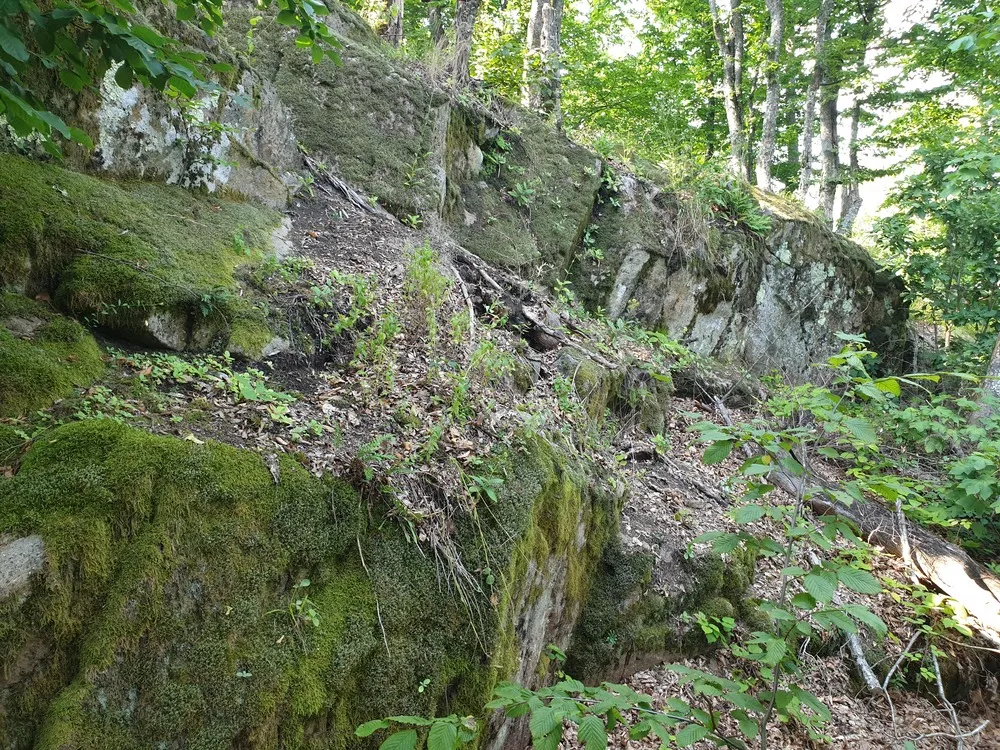
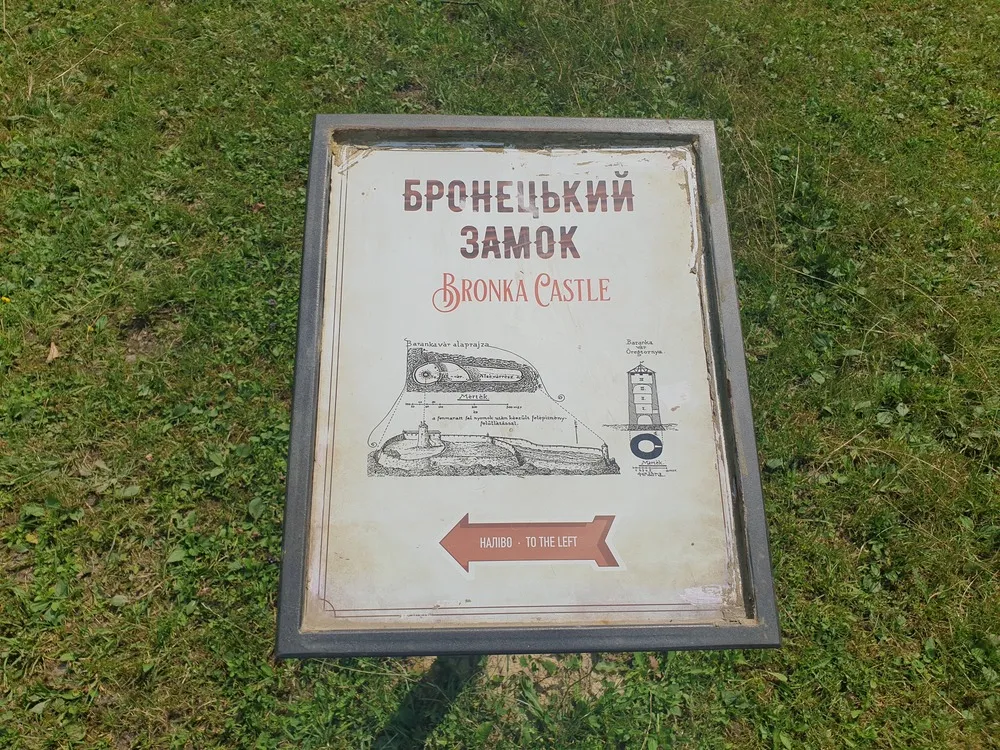
Still, the following, historical version is more probable.
At the end of the 13th century a struggle for the Hungarian throne was waged between Andrew III (1265–1301), the last king of Hungary of the Árpád dynasty, and Duke Albert of Austria (1255–1308). After a year of struggle, in 1292, the duke renounced further claims to Hungarian possessions and concluded a peace treaty with Hungary. But one of the terms of this treaty required Andrew III to destroy several border fortresses. It is likely that Bronets castle was among them.
After the castle was destroyed, and for almost 150 years, its ruins served as a refuge for bands of robbers, who, it is said, were finally crushed in 1471.
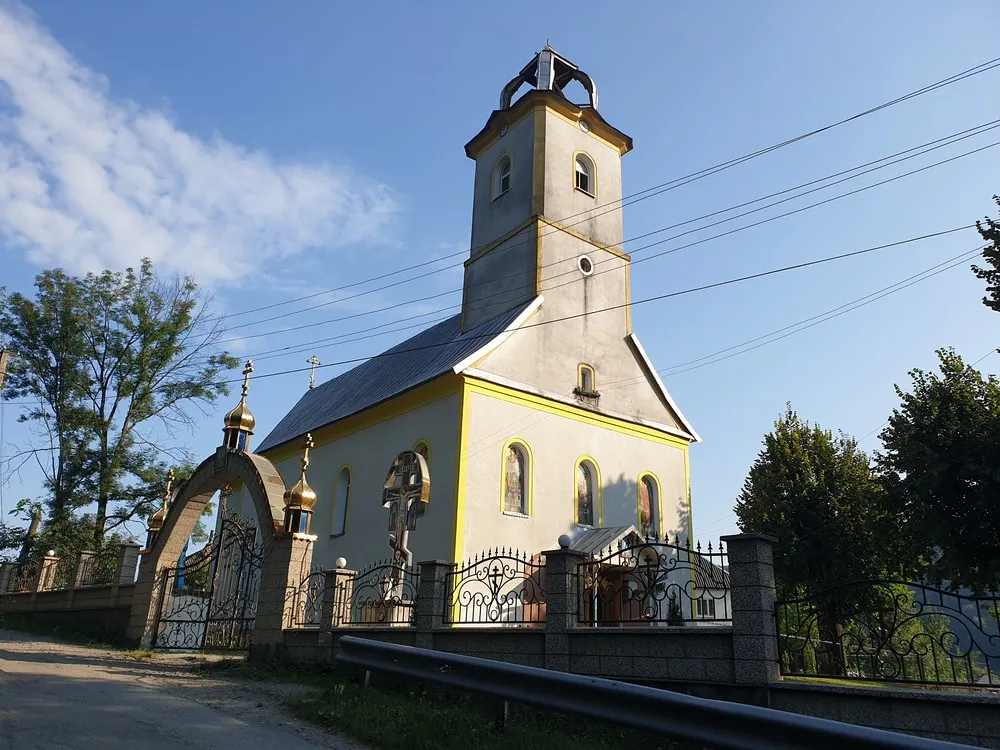
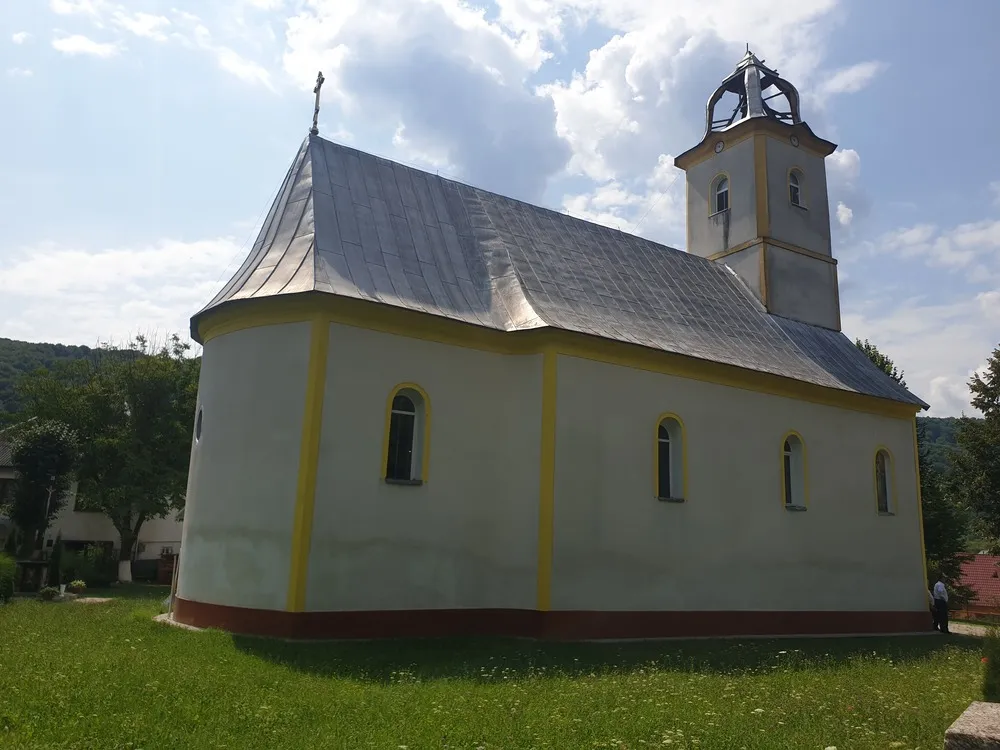
Written records about the village of Bronka itself appear somewhat later, in 1454. Among the landmarks in the village is the Church of the Ascension of the Lord, dating from 1847. According to documents of 1801, a small wooden church had earlier stood in the village cemetery. The new church was painted by the master Tovt, which was discovered in the 1970s when the murals were repainted. The walls around the church date from 1902 (possibly a little later).
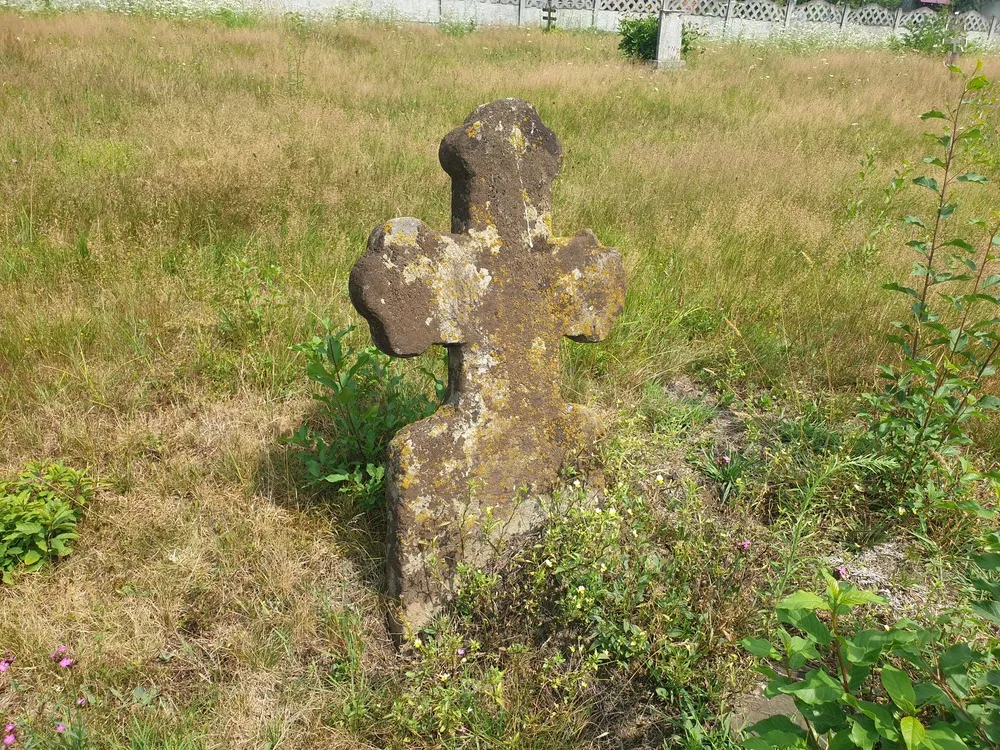
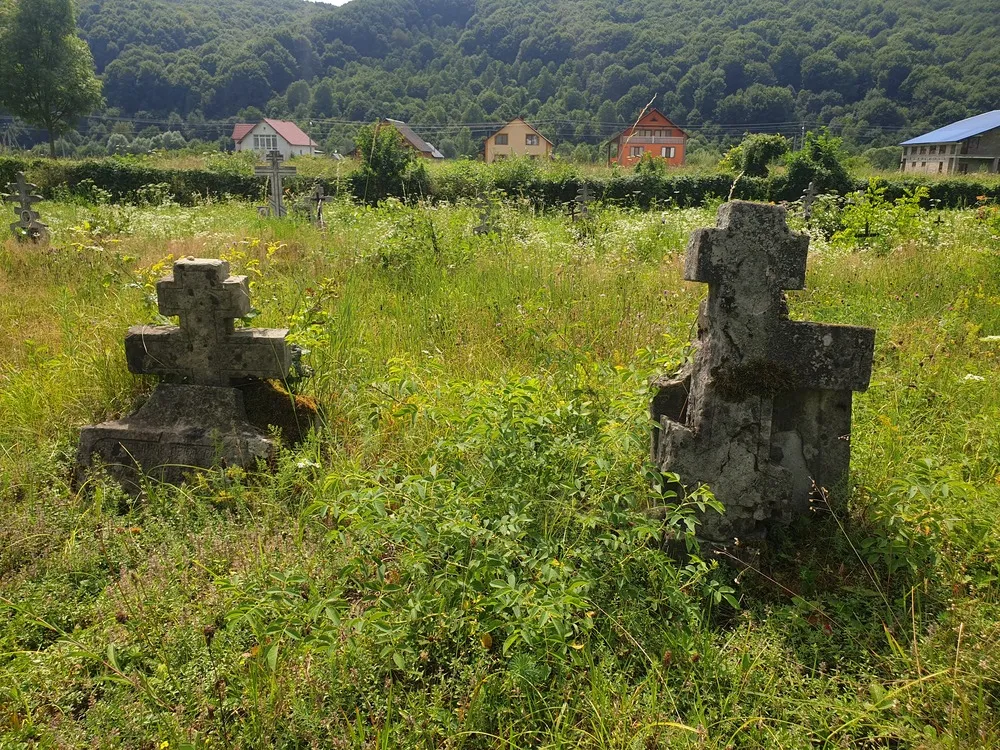
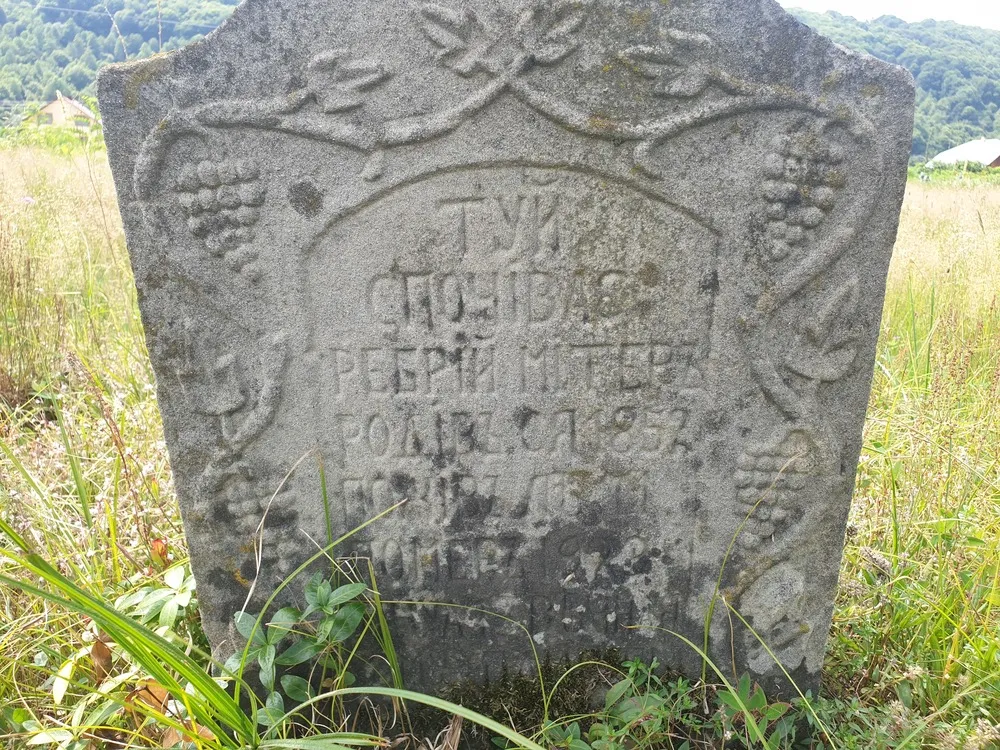
The village has an interesting cemetery with burials from the late 19th and early 20th centuries. It seemed interesting to me because in neighbouring Dovhe most of the crosses are the more usual four-cornered ones, while in Bronka some 80 per cent have eight corners, that is, three crossbars.
P.S. I had originally intended to visit the village of Sukha too, where there is also an old church, but after Tsarska mountain I no longer had the strength…
Text and photos by Ihor Dorozhko.