

Foça

· 2 min read
Foça, in Greek Phocaea (Phokaia), is named after the seals that live on the islands whose name sounds similar. They were depicted on the coins of this city. Interestingly, the Greeks from Phocaea founded the city of Massalia in 600 BC – today’s Marseille, now the main French port on the Mediterranean.
In Phocaea a new press for squeezing olives was invented, to obtain the oil that non-Greeks love so much too. It consisted of three heavy wheels, two of which turned on the third. Its inhabitants were also experienced sailors who founded several colonies in the western Mediterranean, including Marseille. How about that! Where the French port is, and where Foça is!
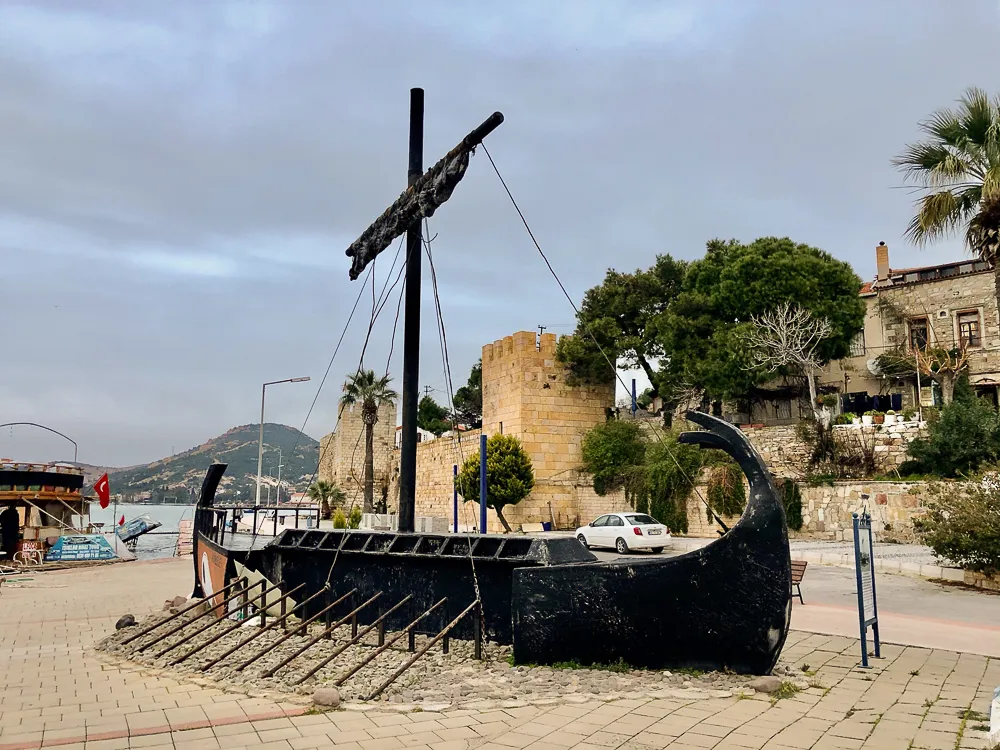
In 1275 the ubiquitous Genoese established here their main base for shipping to the island of Chios the minerals used for dyeing and tanning. Later they founded another town of the same name a few miles north of Foça, closer to the place of extraction; for this reason the old town is today called Eski Foça (Old Foça), and the new one Yeni Foça (New Foça).
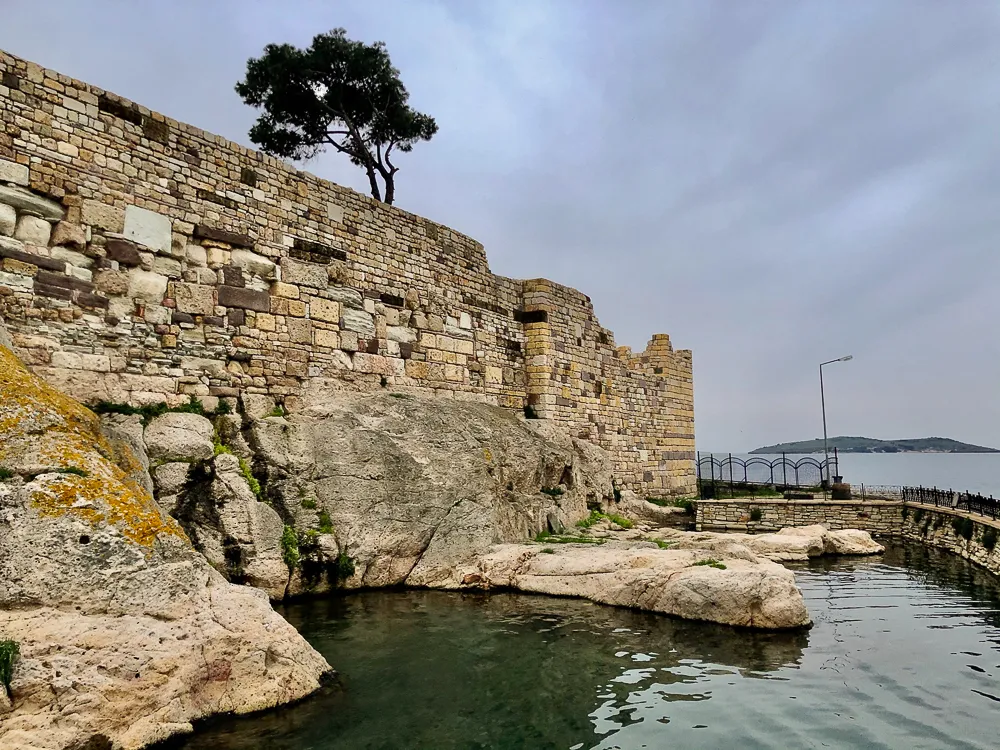
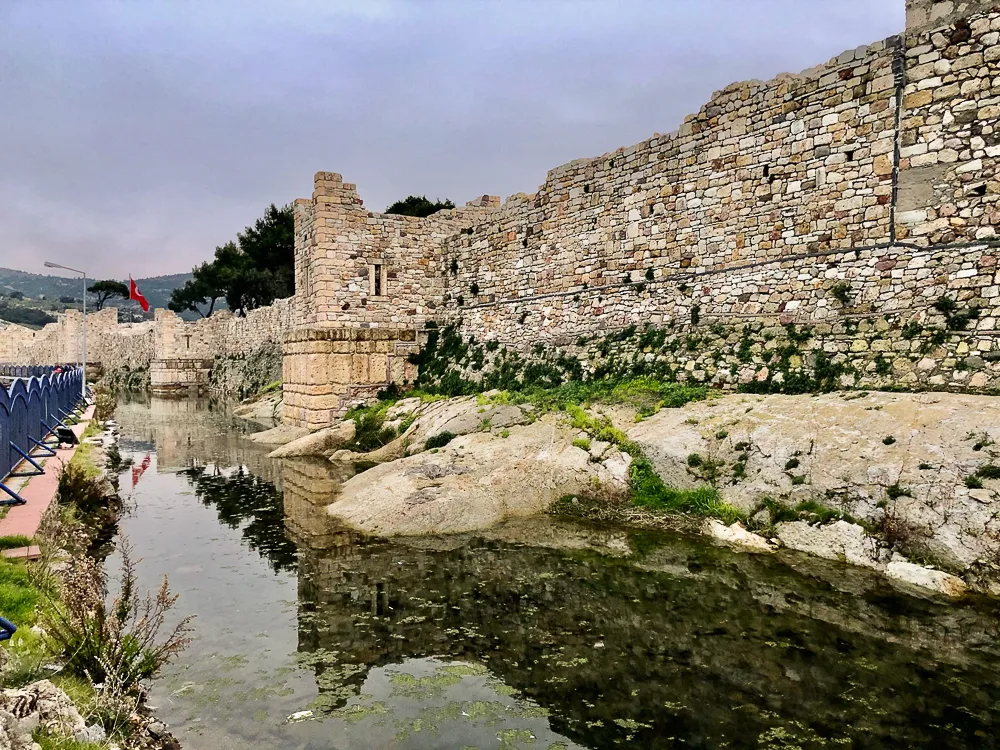
The town was fortified by the Genoese, but very little remains of the walls and towers that protected it. The Venetians attacked Foça in 1379, but the Genoese managed to hold the town until 1455, when it was conquered by Sultan Mehmed II.
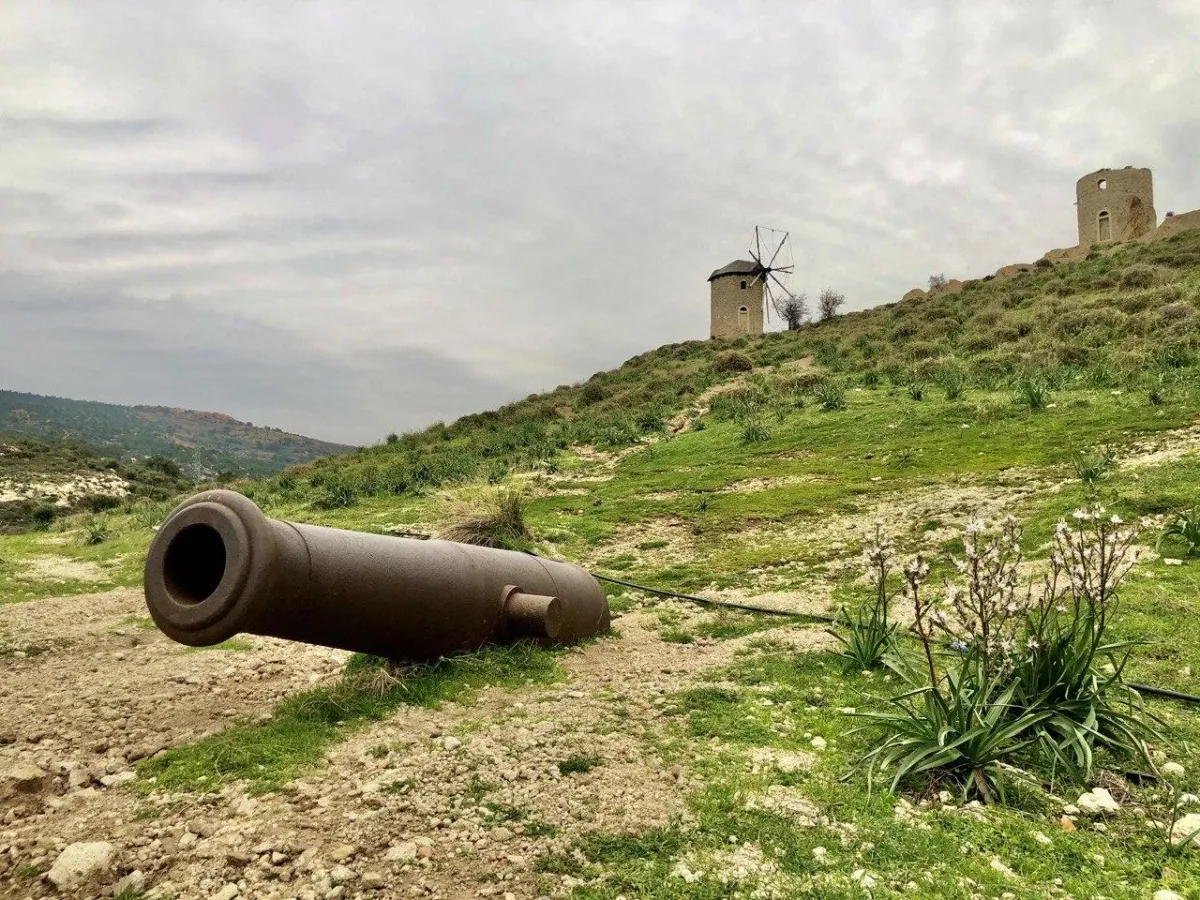
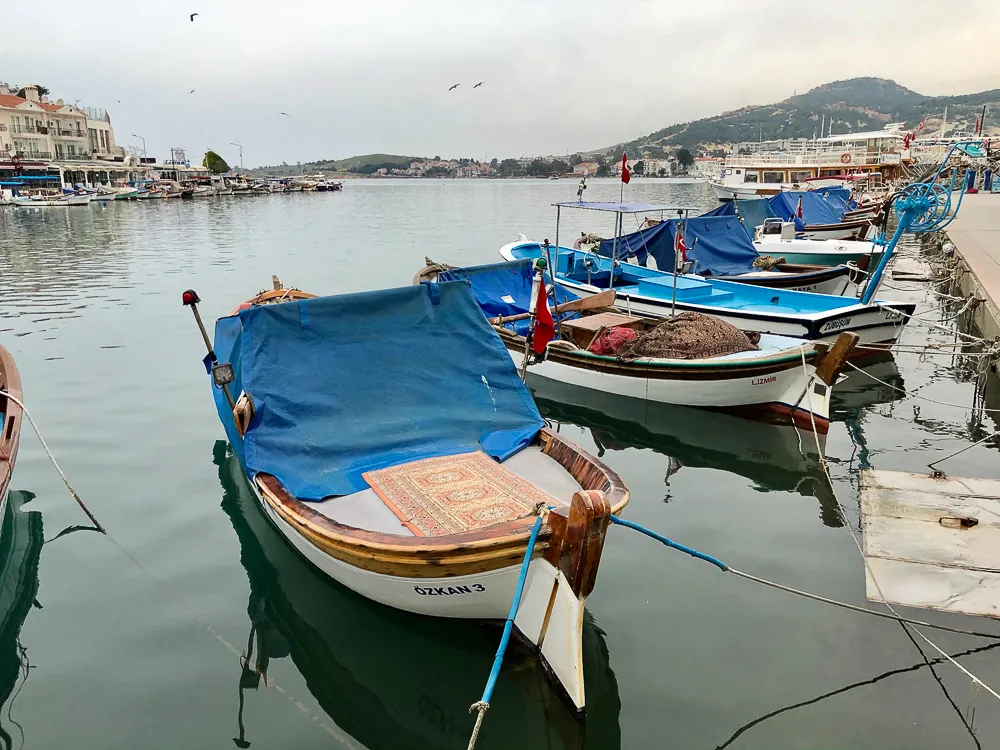
A much stronger fortress was built by the Ottomans on the cape at the southern end of the bay. Foça, together with Çeşme, was meant to guarantee that no one could attack the ships in the harbour. Despite the cannons in the fortress, in 1649 the Venetians attacked and even managed to enter the harbour. The Ottomans, fearing the Venetians might land and take the town, set fire to their own ships to defend the town.
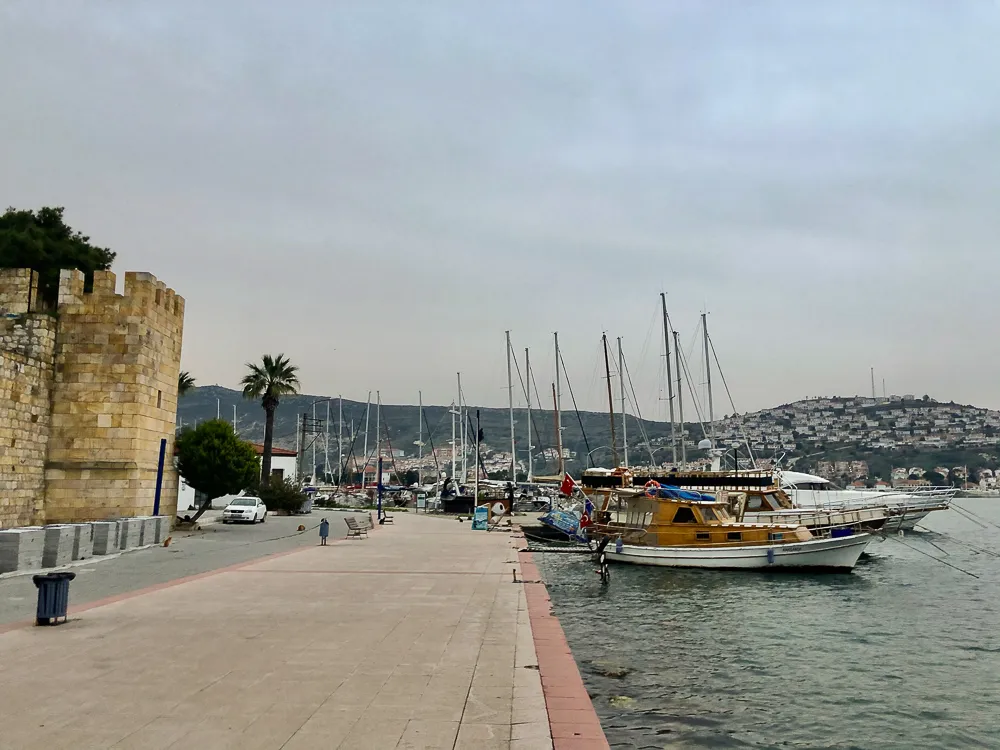
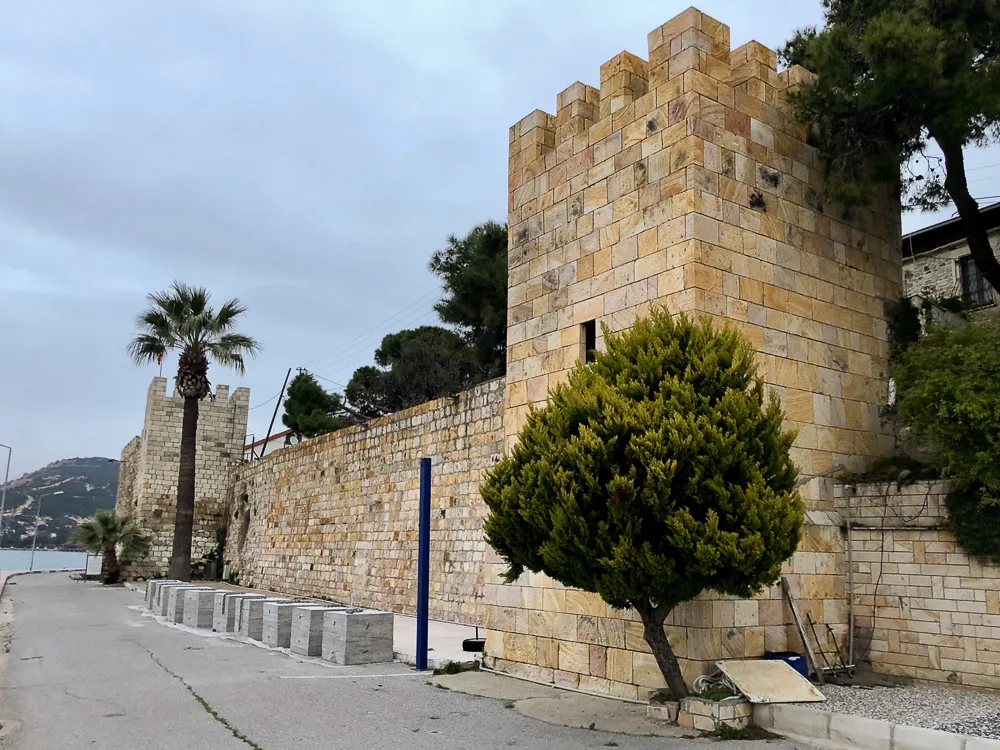
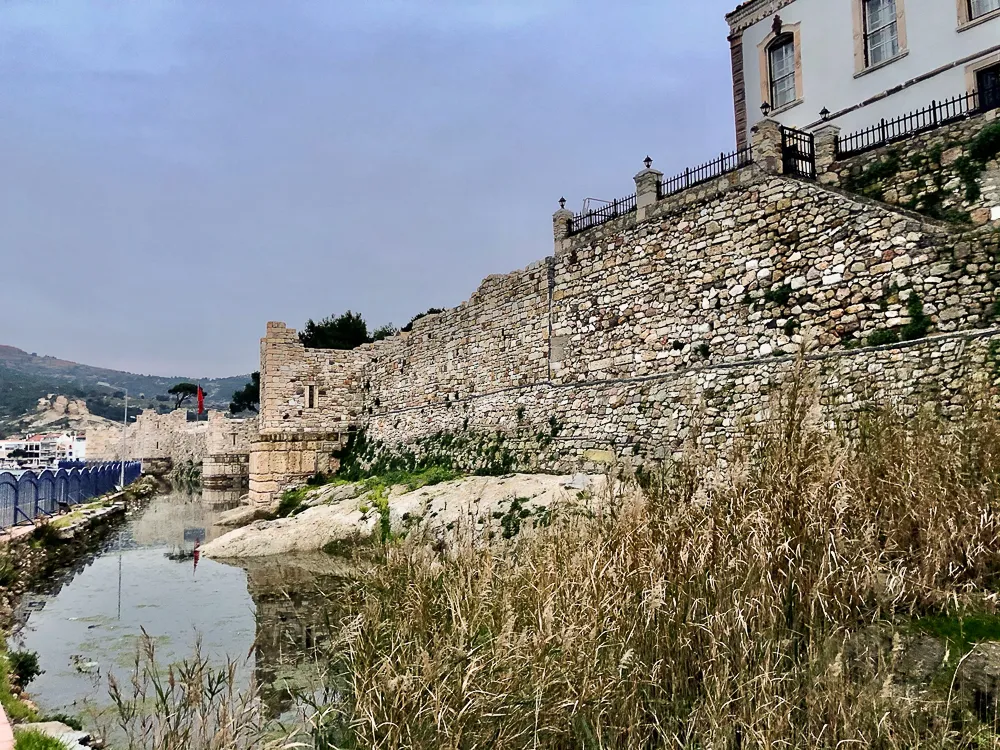
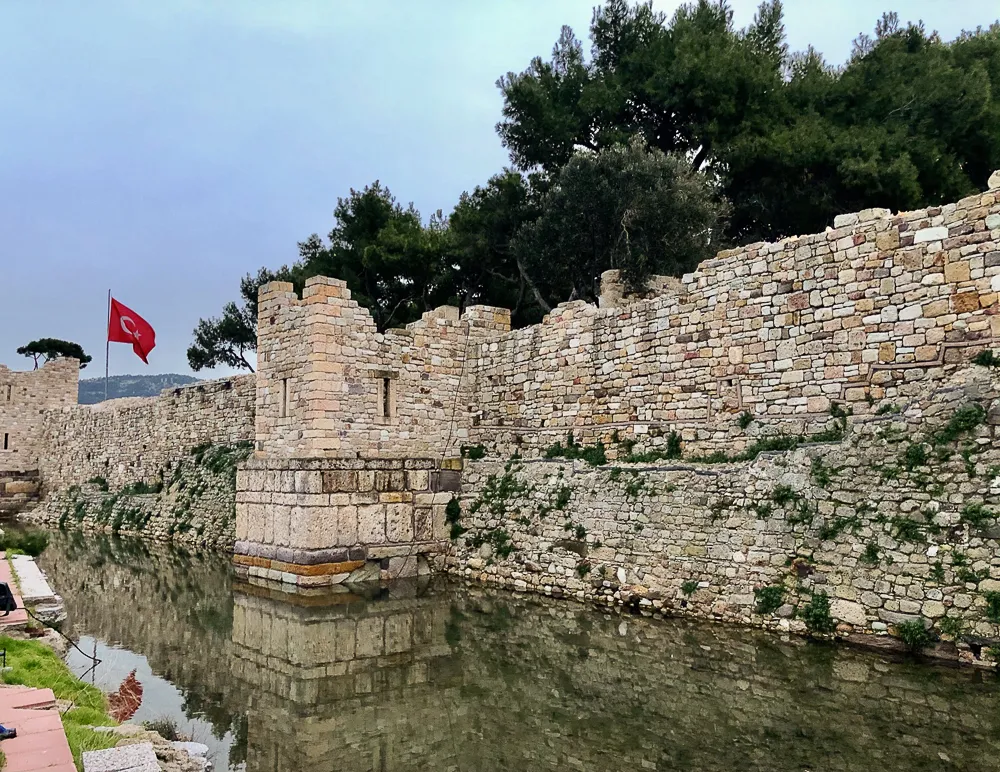
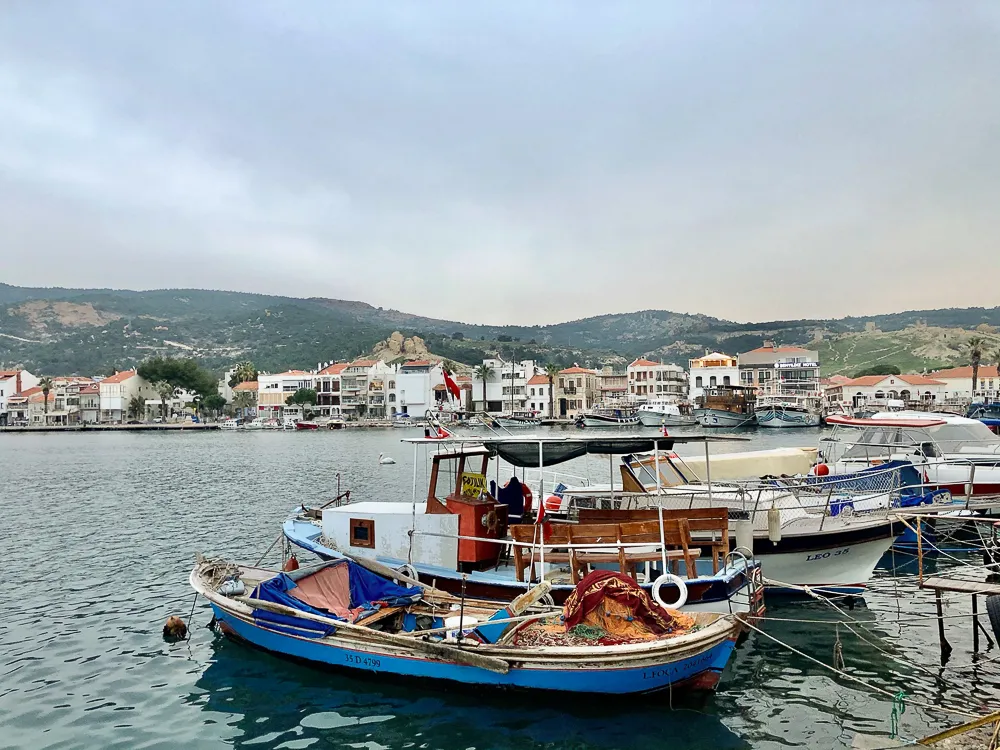
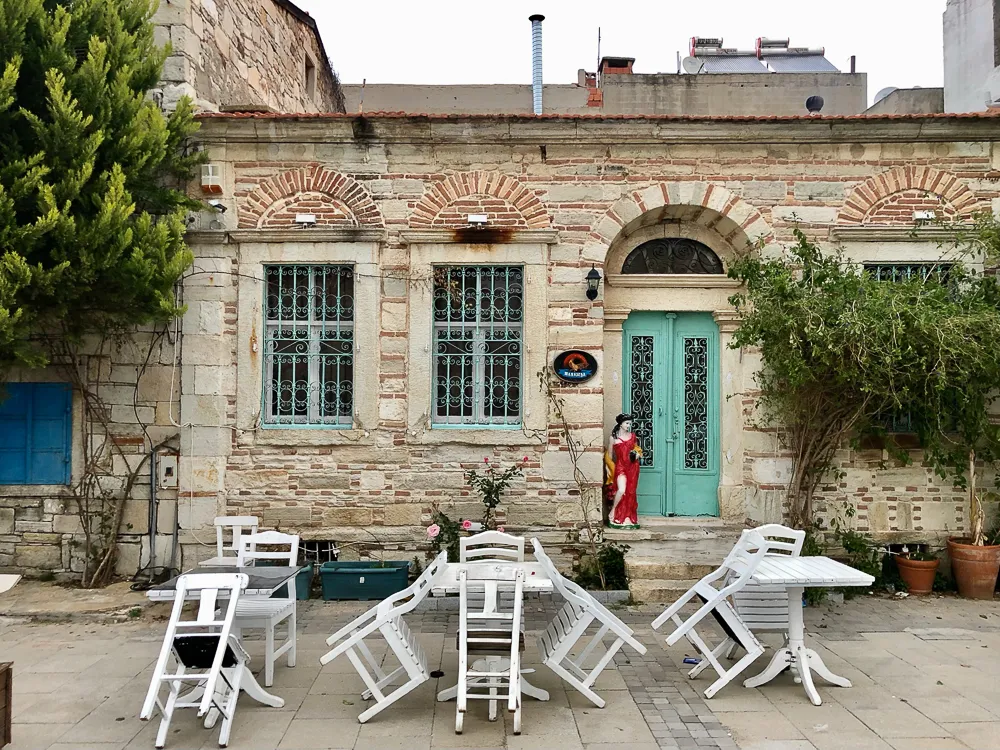
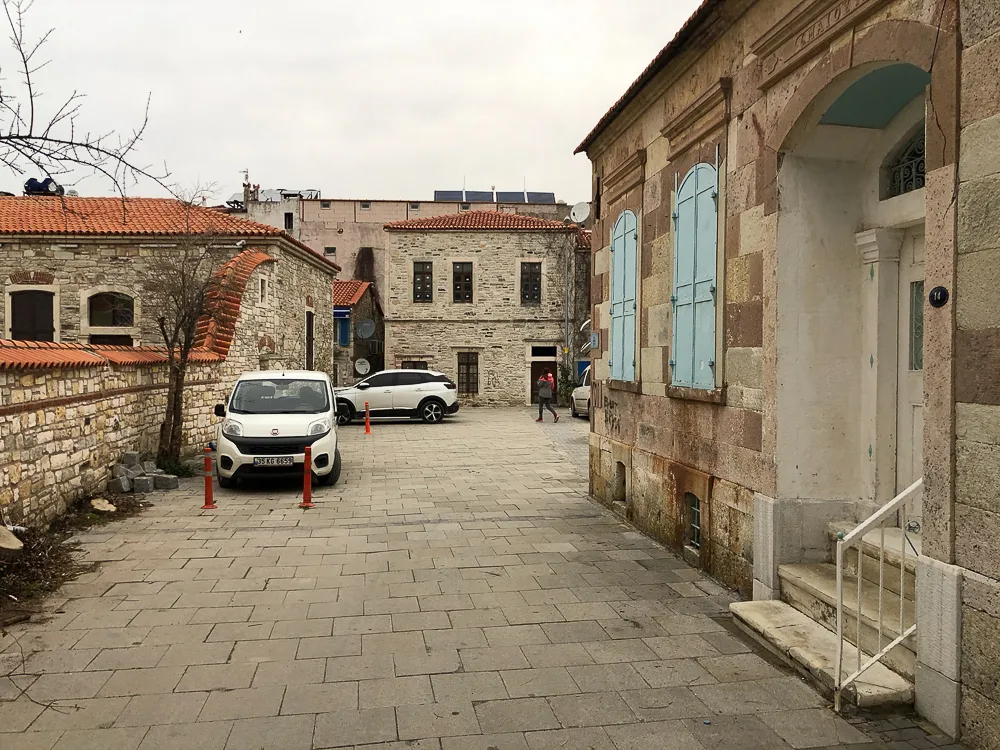
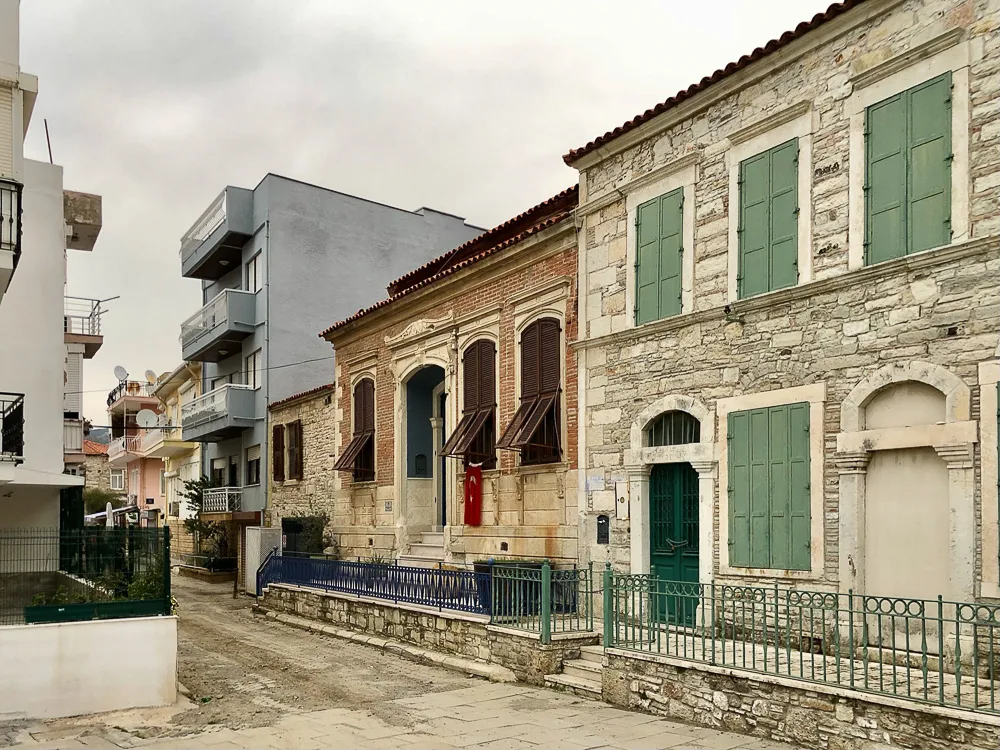
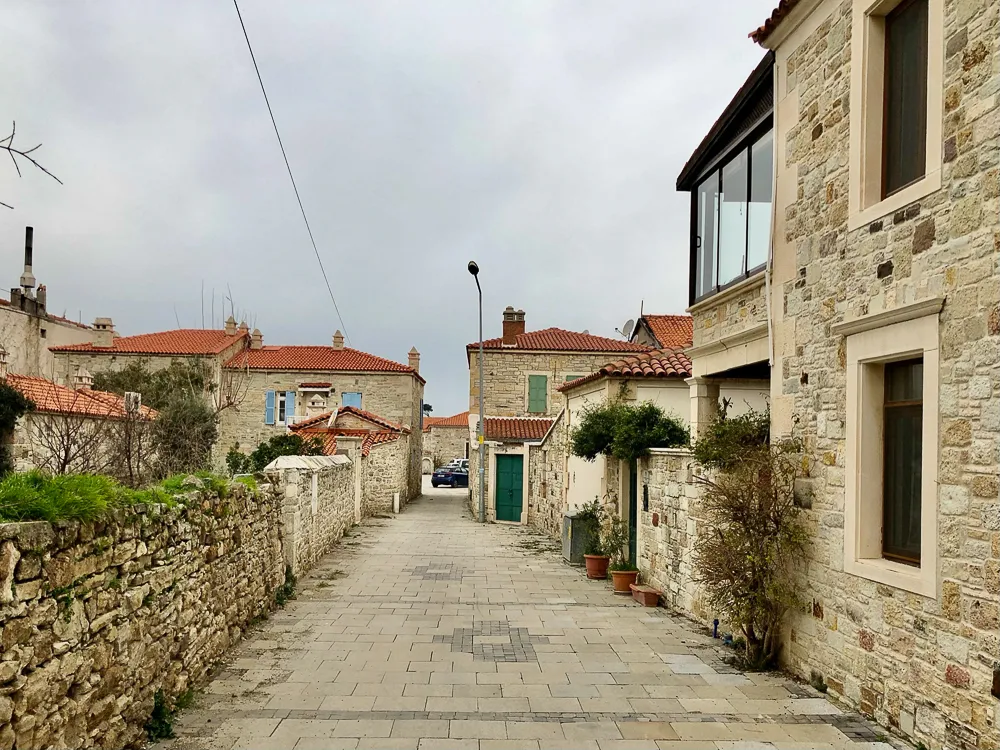
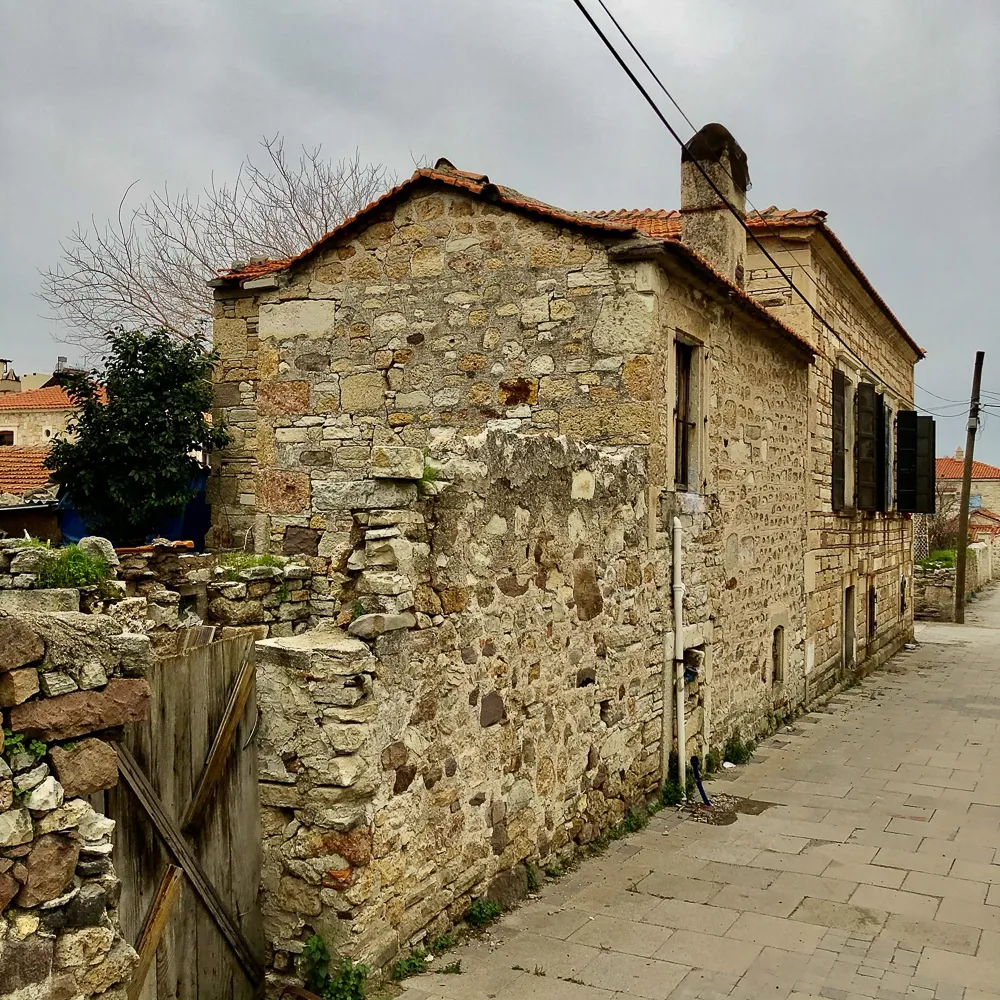
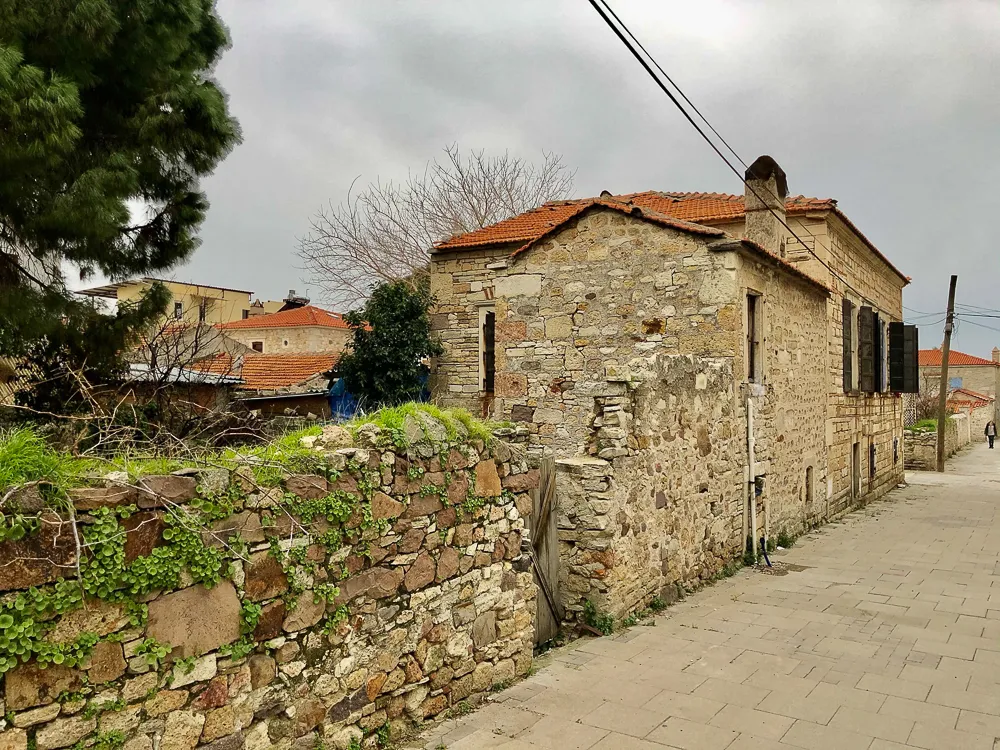
The large Greek community that lived in Foça had to leave the town when in 1923, at the end of a long conflict, the region remained under Turkish rule. The richest families lived in fine stone houses that were left to rot for many years. This is quite a common phenomenon in all the former Greek towns. Those that have not collapsed are now included in a conservation programme and are being restored. These characteristic Greek stone houses with shutters are very attractive.
Greece can be seen from the high hill. The ferry from here to the island of Lesbos takes two hours.
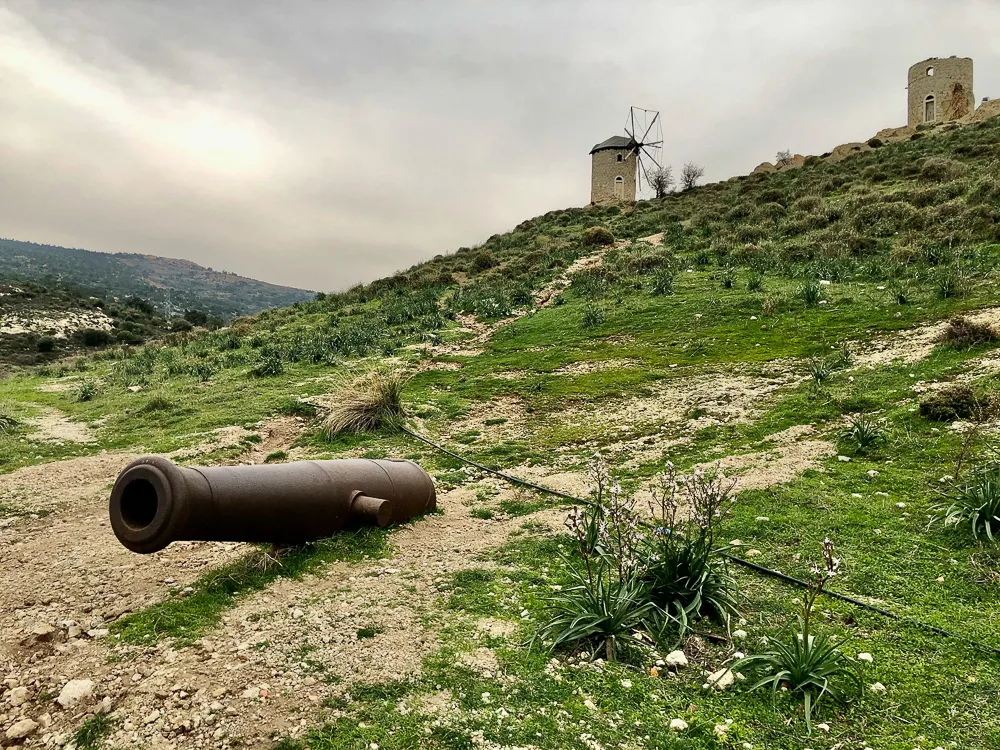
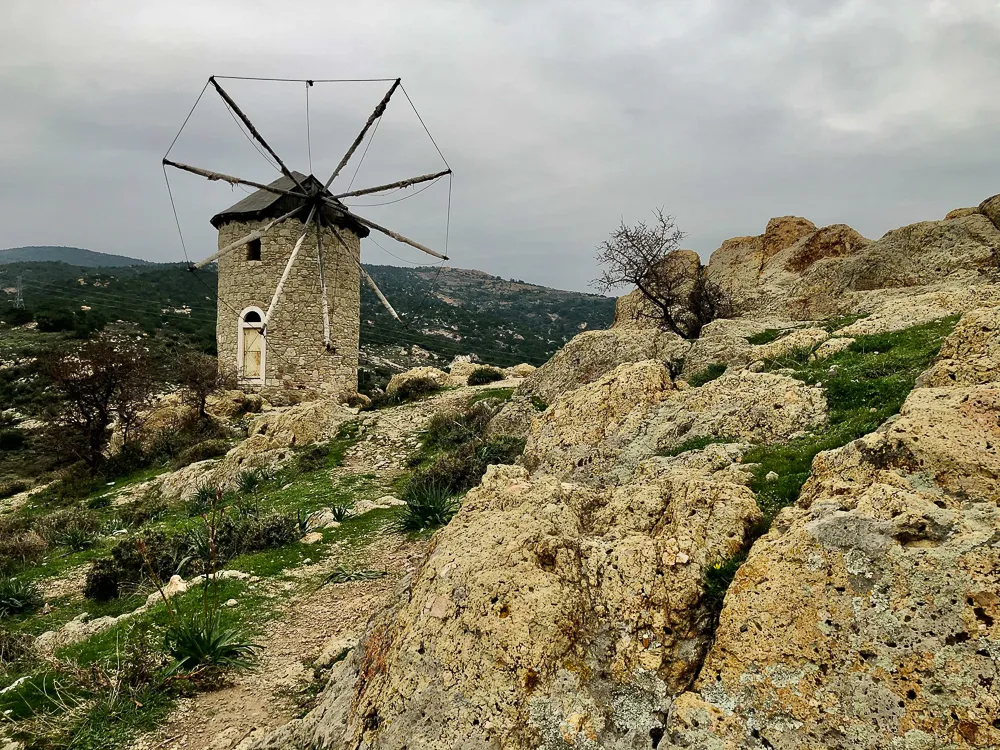
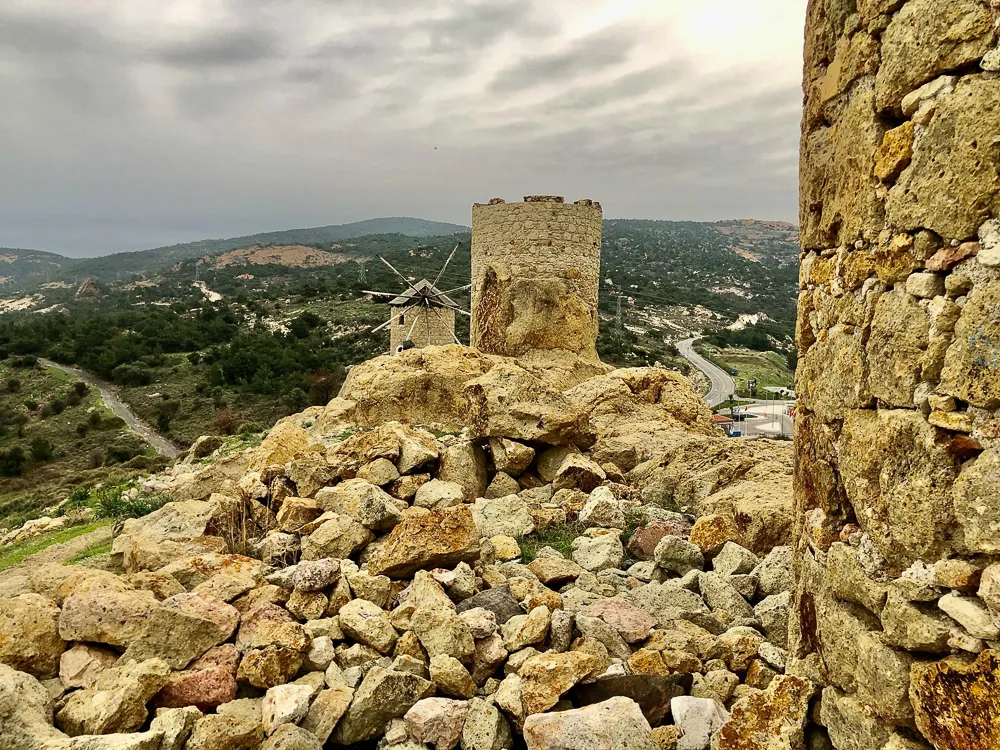
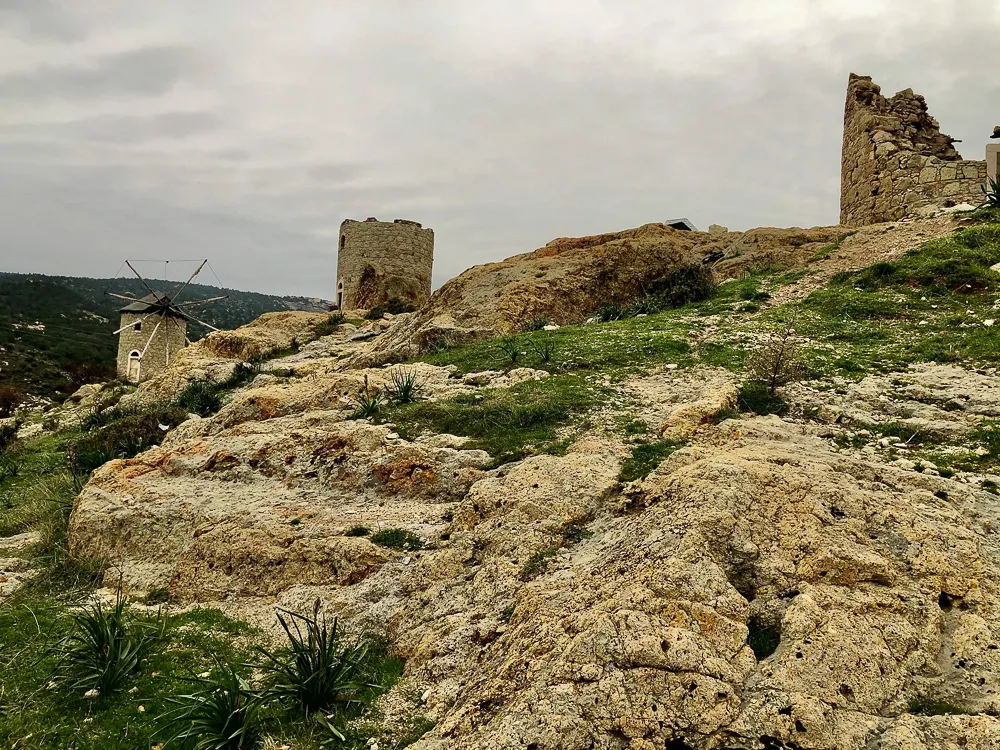
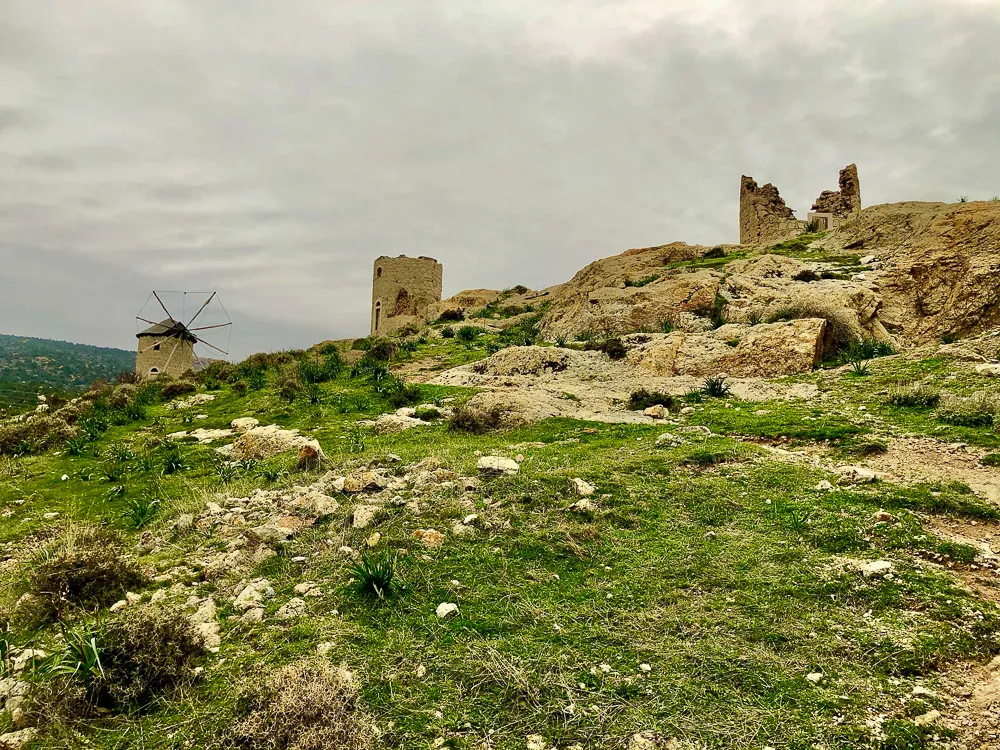
However, at the top of the hill we were able to see three surviving mills and enjoy the view of the bay and the modern town of Foça.
Text and photos by Serhii Shcherbii



