Greece. Methoni. The Venetian fortress

· 5 min read
Bourtzi is a small fortress on an islet a few hundred metres from the shore at Nafplio. It was built by the Venetians. In the town of Methoni, on the western edge of the Messenia peninsula, on an even smaller islet, there is a Venetian fortification of the same name. I thought it was an Italian word that the subjects of the Republic of the Doges used to denote island fortresses, but no – it turned out that the word is Greek and means “a brush”. A fortress-hand stretching out into the sea – logical. And it was precisely this that drew me, like a local-history and tourist magnet, to the very south-western tip of the Peloponnese – I had only to see the photographs in the LiveJournal of the travel blogger Alexander Lapshin. Cool, I have to go, I decided then. And I went, together with my family, in January 2020.
Methoni is the eye of Venice – I have already written about this in the story about another Venetian eye, the fortress of Koroni. The town and fortress of Koroni impressed me, but Methoni impressed me more, and especially this brush that ends the southern edge of the western eye of Venice. And if Methoni is the eye, then Bourtzi is the pupil – a watchtower and lighthouse that signalled to the defenders the manoeuvres of the enemy.
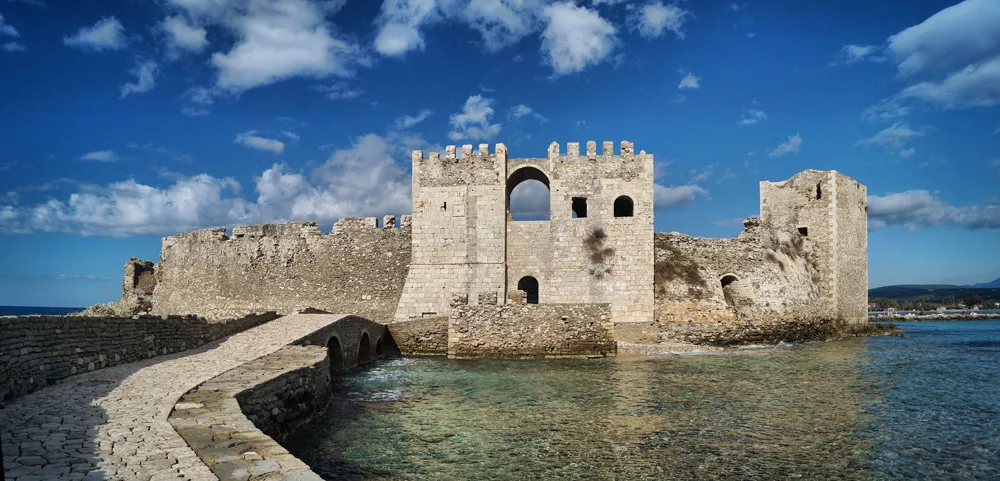
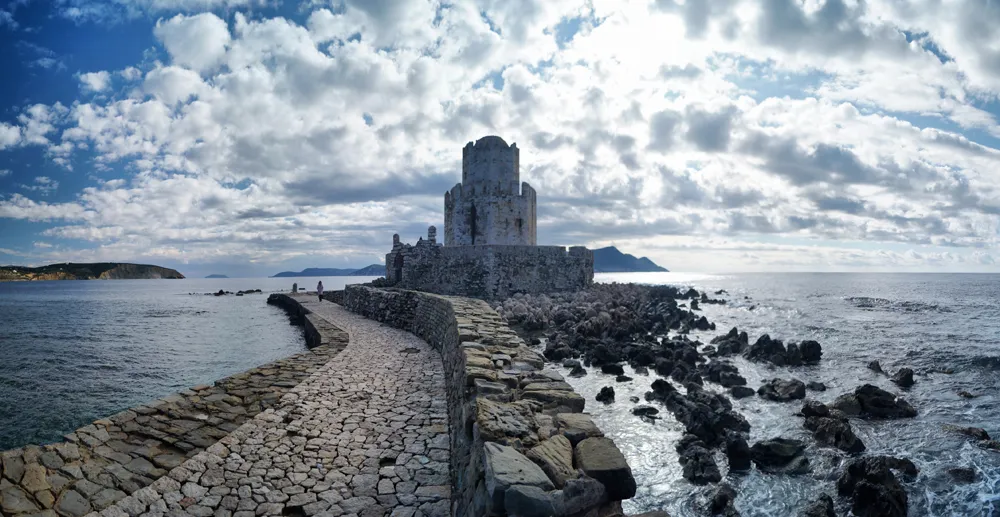
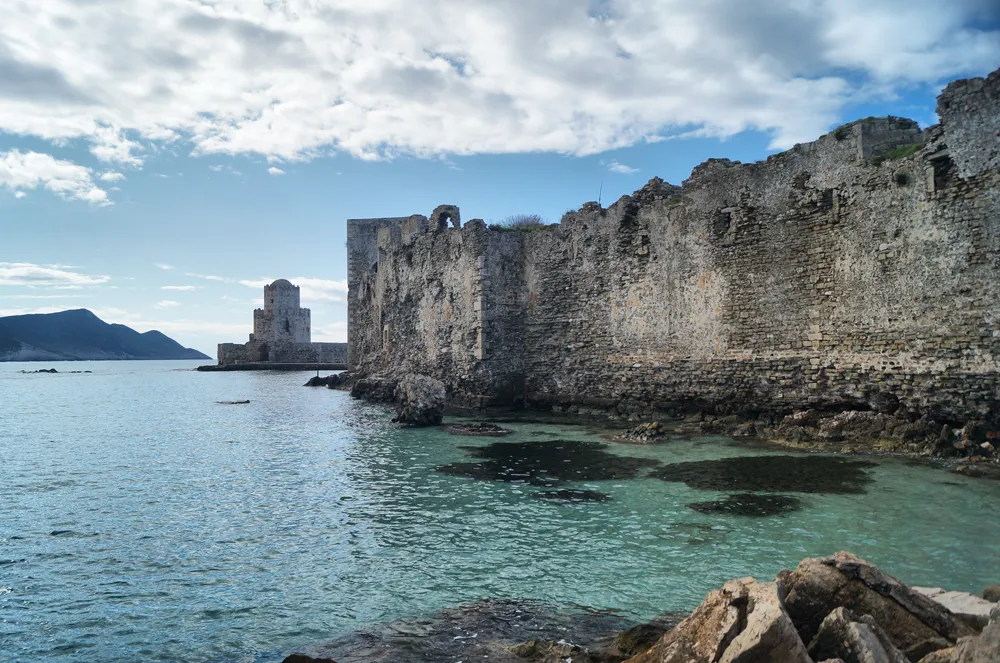
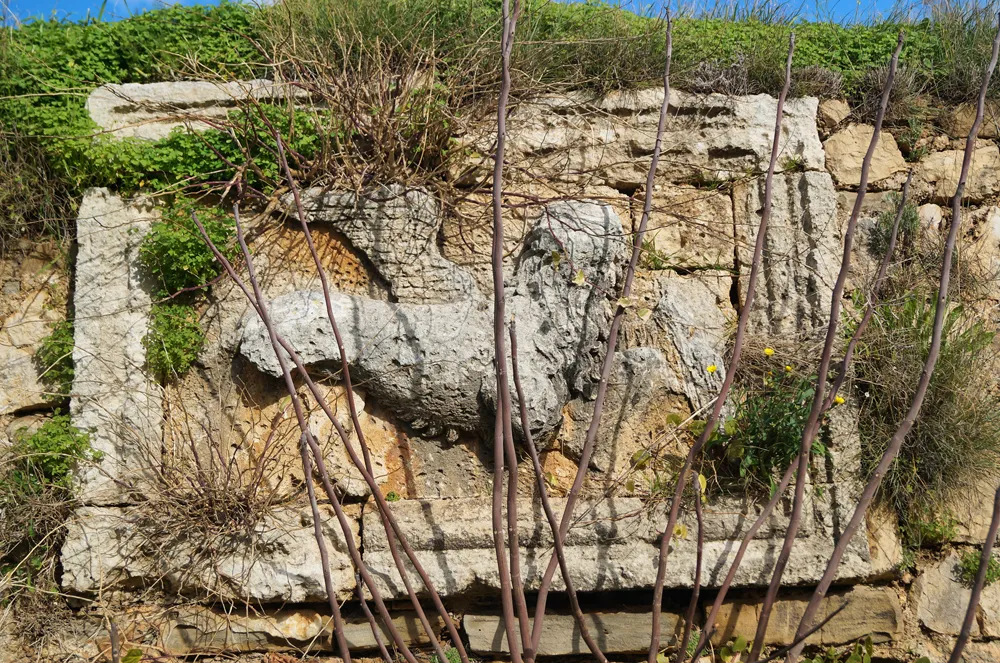
The engineering skill of the Venetians is worth envying – probably only the British built such a heap of visually attractive seaside fortresses. But Britain ruled the world, while Venice held only a piece of the Mediterranean. Piran and Koper, Zadar and Šibenik, Trogir and Split, Palermo and Butrint, Famagusta, Kyrenia and Nicosia are only a fraction of the legendary Venetian outposts I have seen in recent years. Fantastic. After this you begin to believe the versions of the alternative historians – the Venetians were helped by mythical titans; otherwise it would have been unreal to build such a heap of fairy-tale fortresses, castles, forts and entire towns in such a short time.
Methoni, together with its sister (or brother) Koroni, is on the UNESCO Tentative List, and they deserve to become World Heritage sites – the Greeks should carry out a quality restoration, since today the fortresses can hardly be called a model of preservation. Although they are in a state of slight ruin, and in the case of Koroni a not very slight one, they keep their grandeur and uniqueness. Especially Methoni.
The Venetians called the fortress Modon. I do not even know which name is more correct, Methoni or Modon, since the town on the island appeared long before the Venetians and long before the start of the new era. Then it was called Methone. There are suppositions that in 365 the town was destroyed by a tsunami, but this is not documented. It was rebuilt, and in Byzantine times there was already a powerful fortress here. The Venetians appeared at the beginning of the 13th century, and in 1209, after an agreement with the Franks, Methoni and Koroni became their possession. A period of prosperity began that lasted three centuries, until the arrival of the Ottomans – in 1500 the town was captured by Sultan Bayezid II. Together with Koroni and Pylos, Methoni was the last outpost of the Europeans in the Balkans.
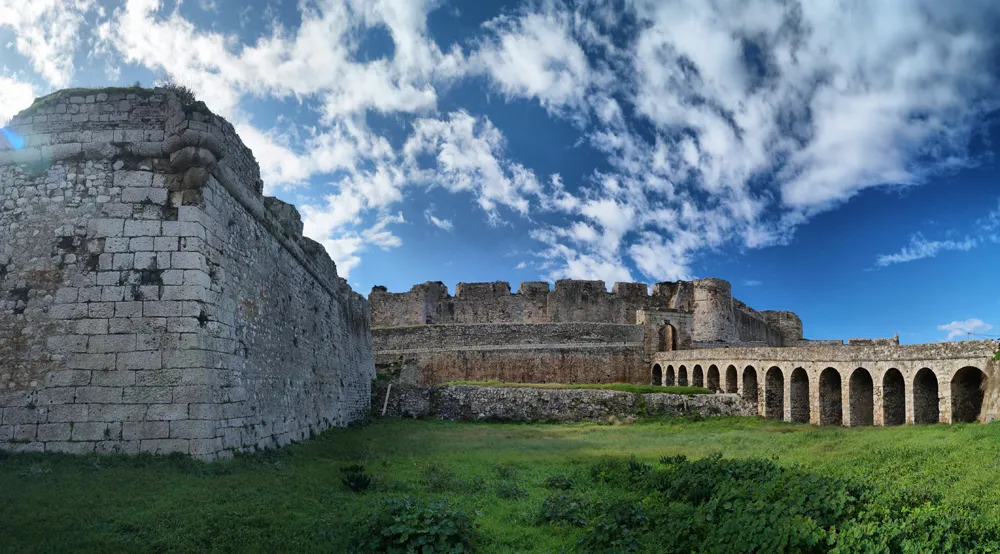
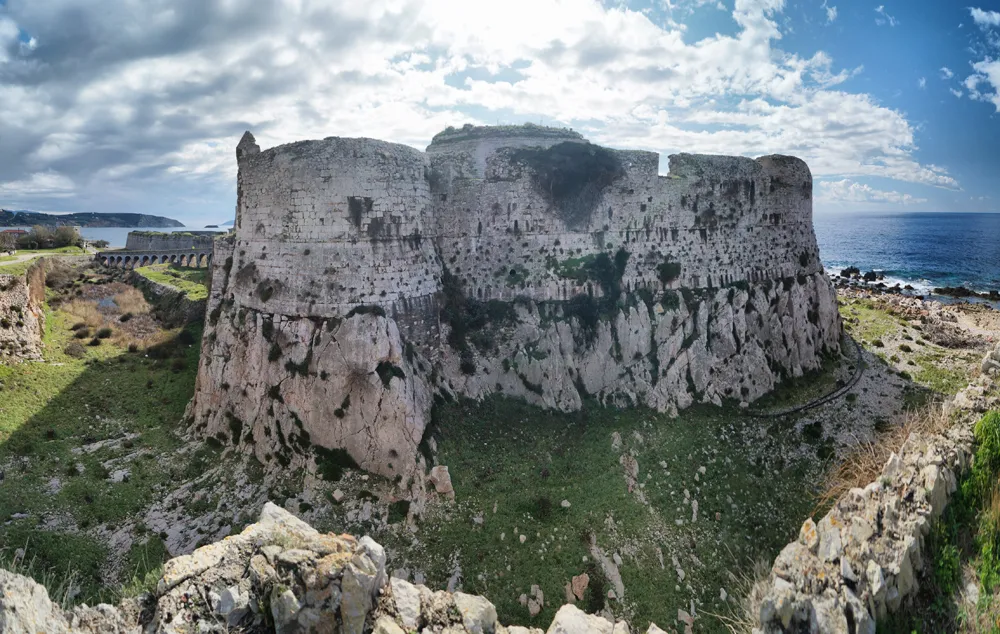
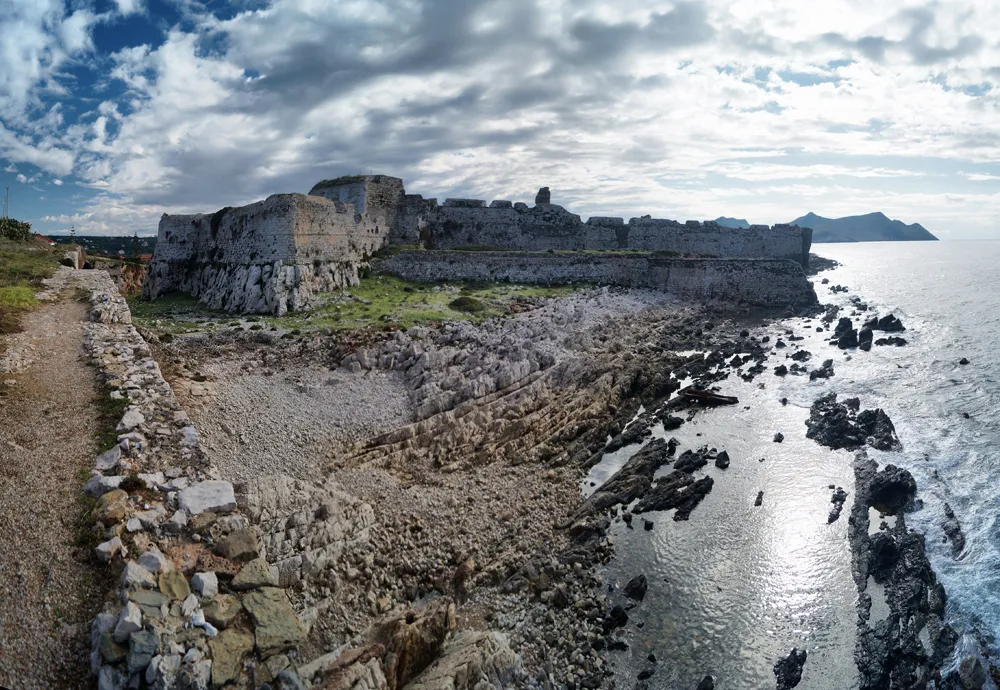
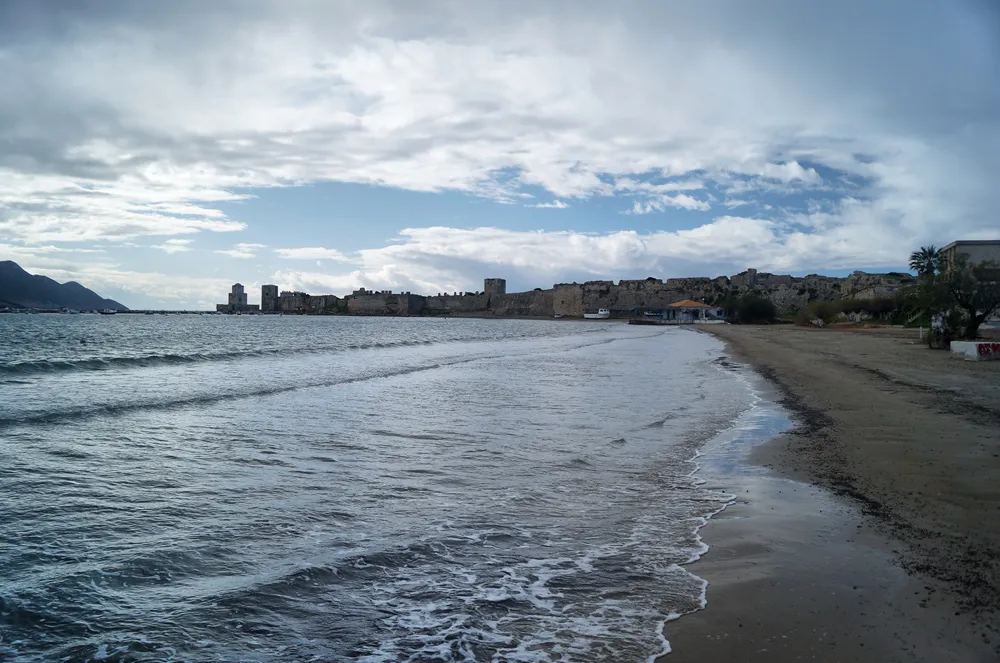
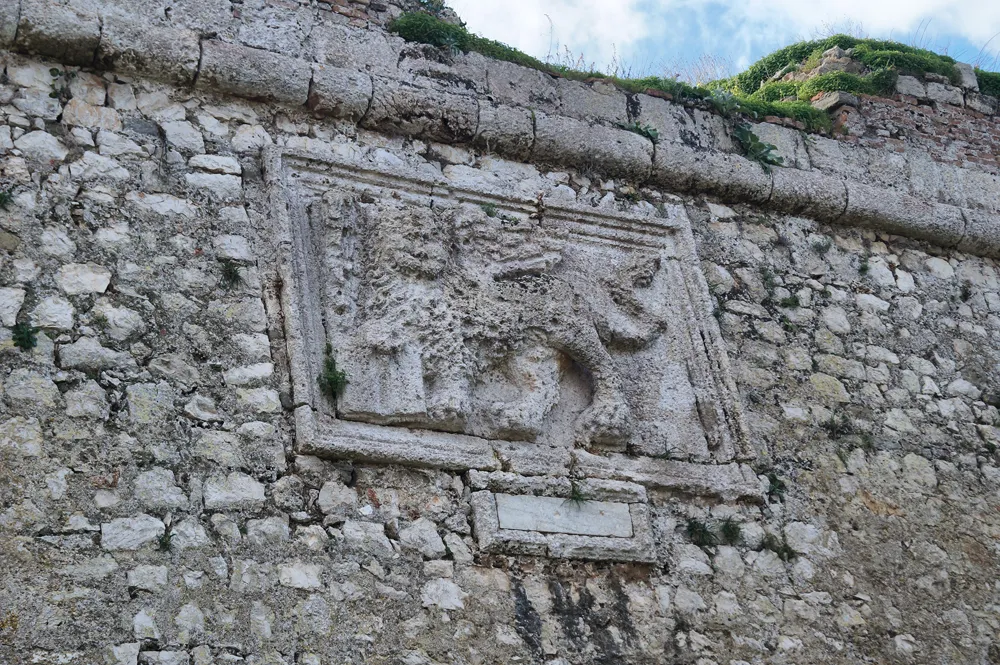
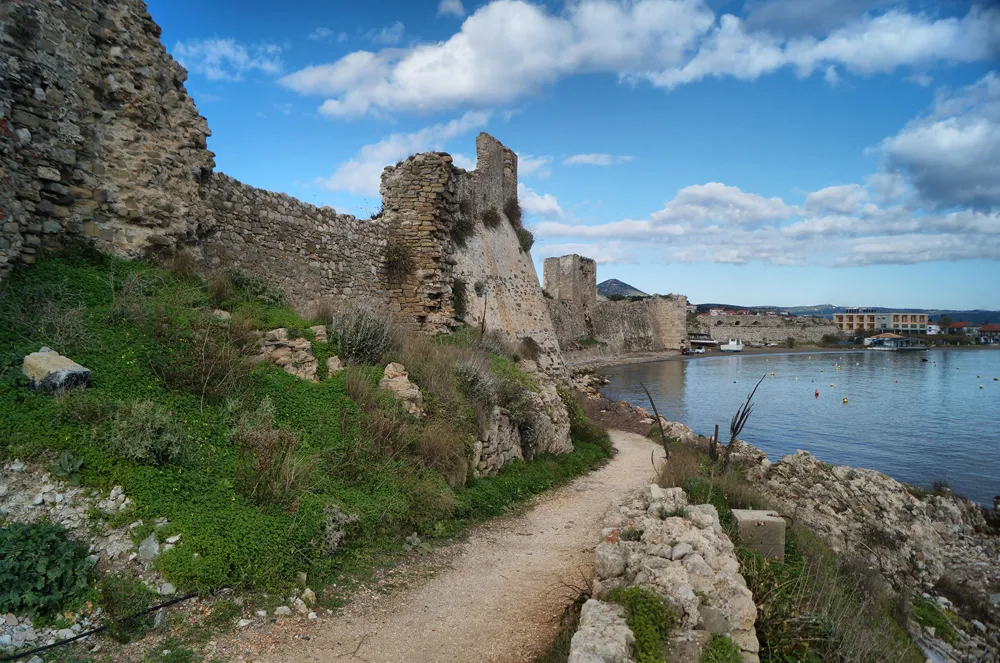
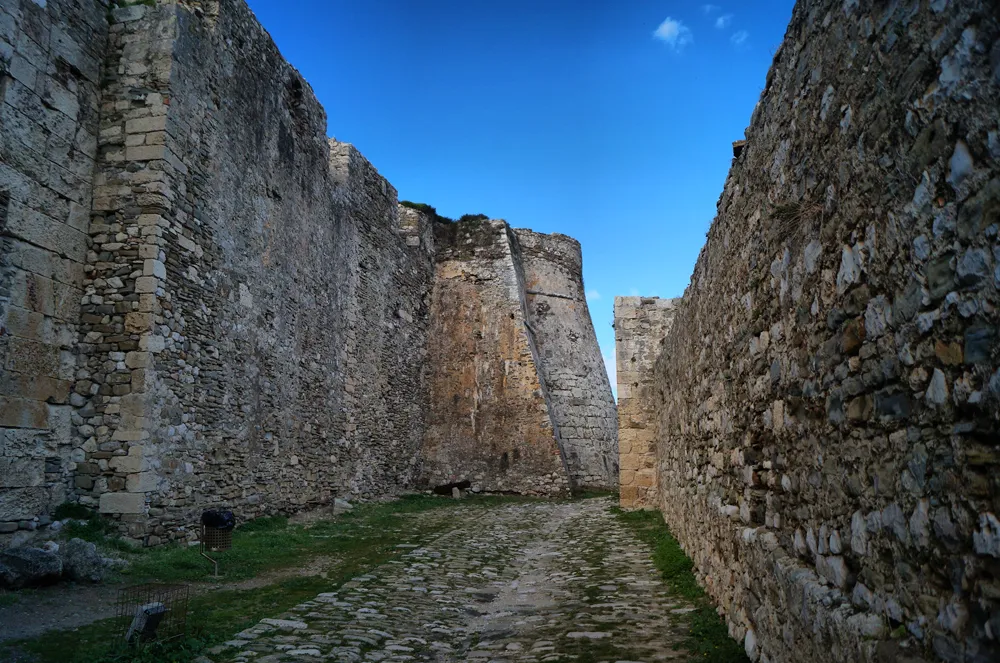
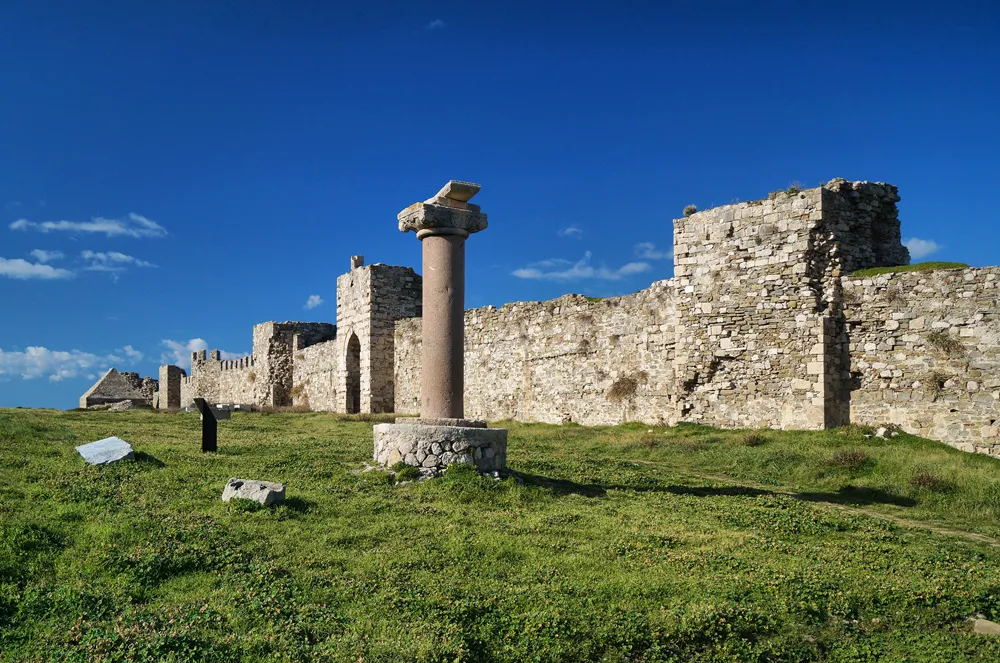
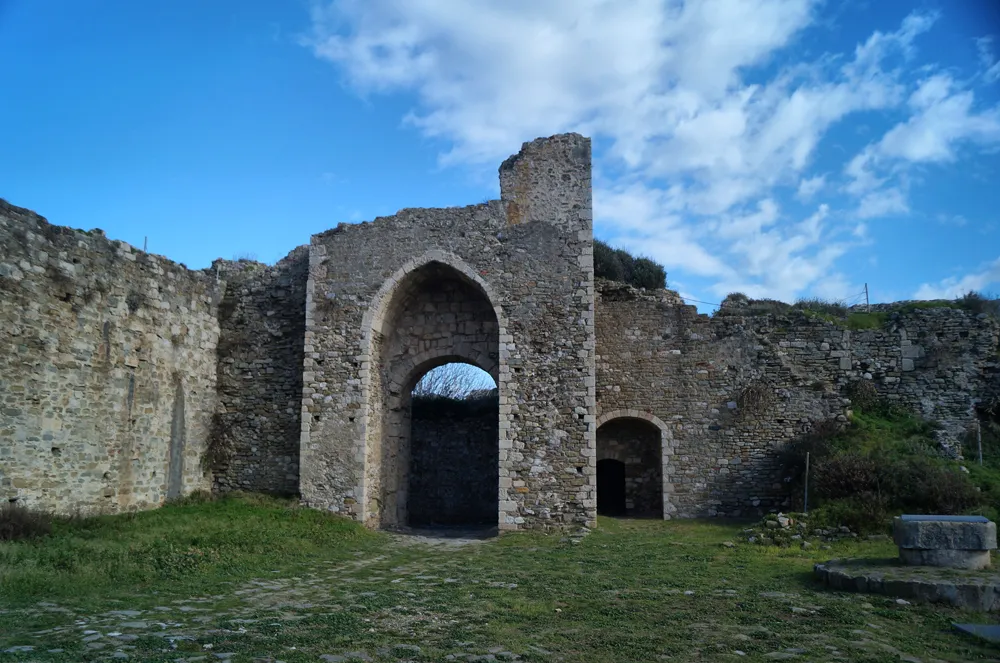
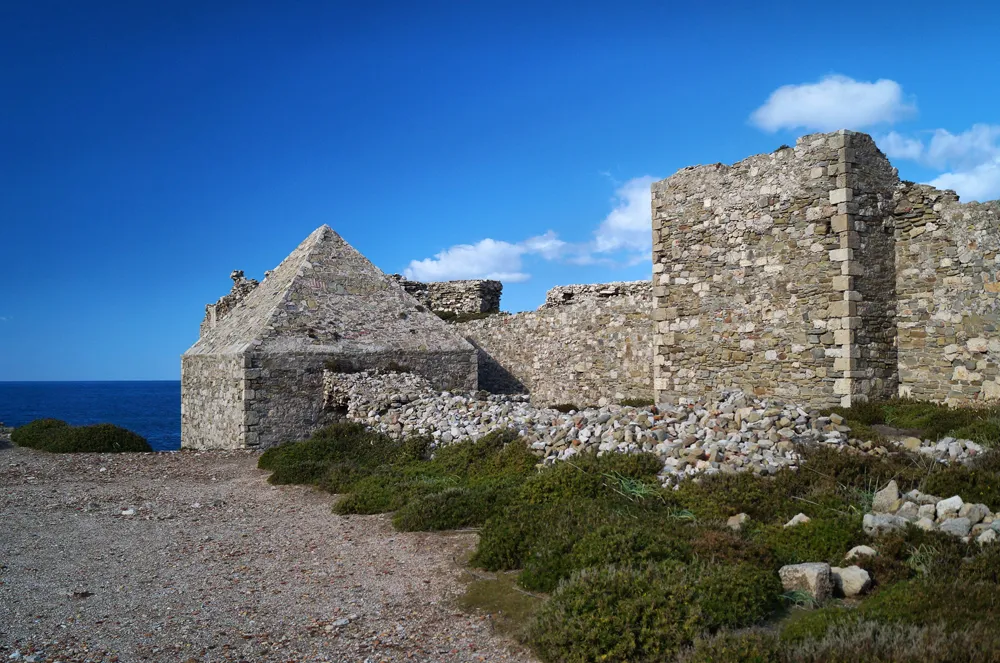
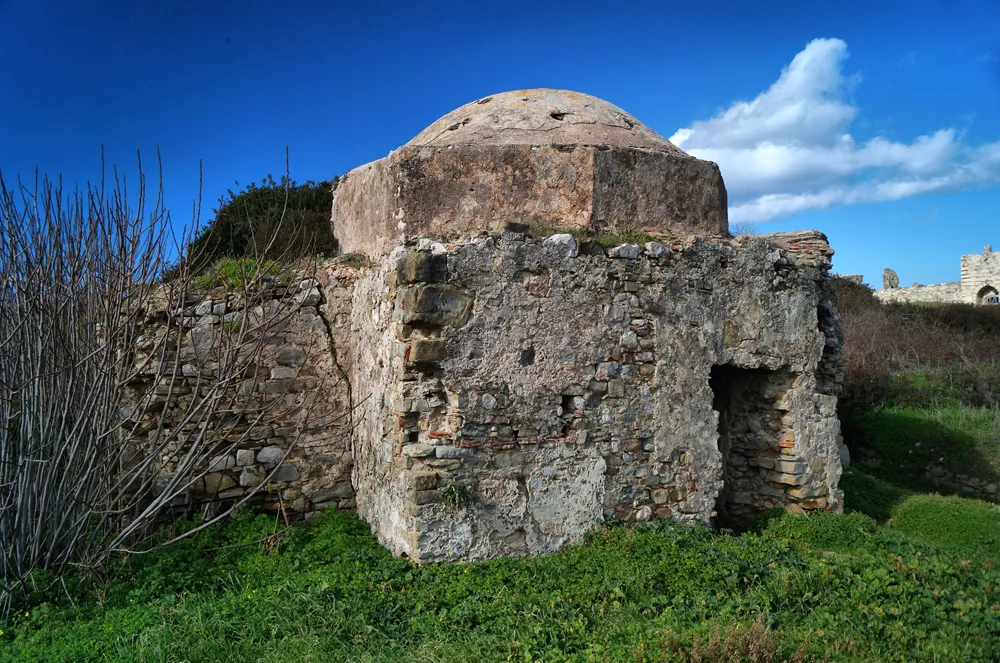
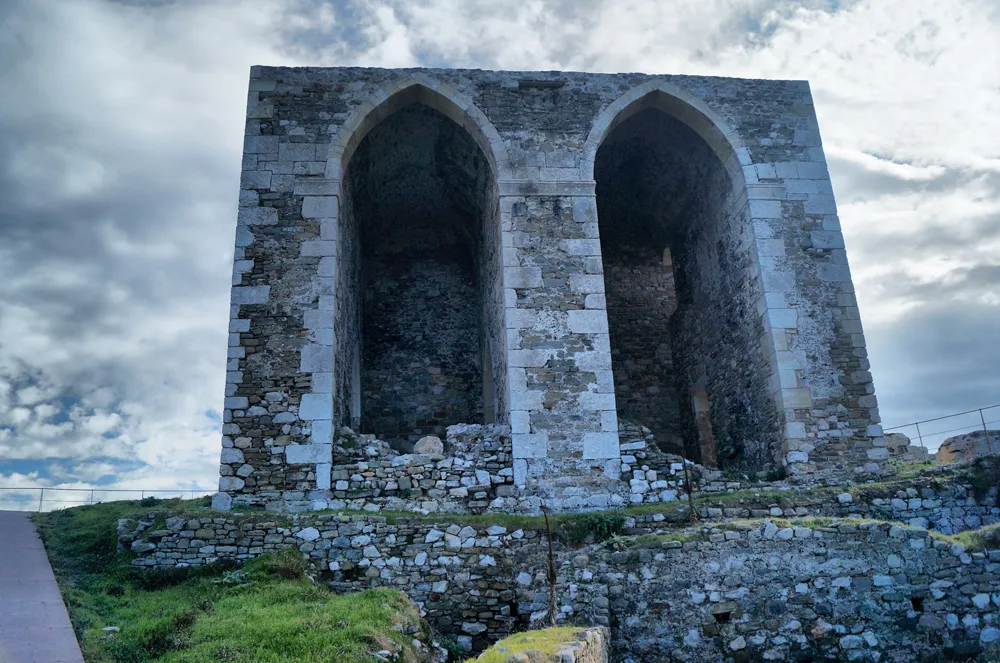
Images of Methoni from the Venetian period survive – a large fortress-town built up with stone houses. Today the territory of the huge fortress, where walls surround an island perimeter of about one and a half kilometres, is empty. Only isolated masonry buildings remind us that there was indeed once a town here. These are mostly remains of Ottoman-period buildings – türbe tombs, hammam baths, ruins of barracks. Almost nothing is left of the Venetians – everything was carted off for building material. But even without buildings, the fortress is impressive.
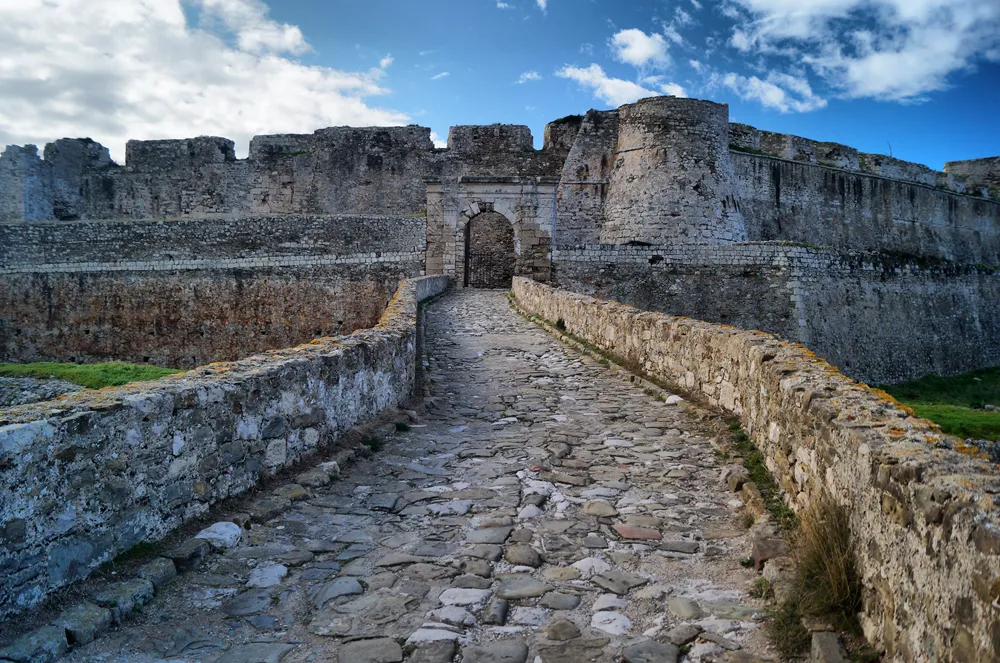
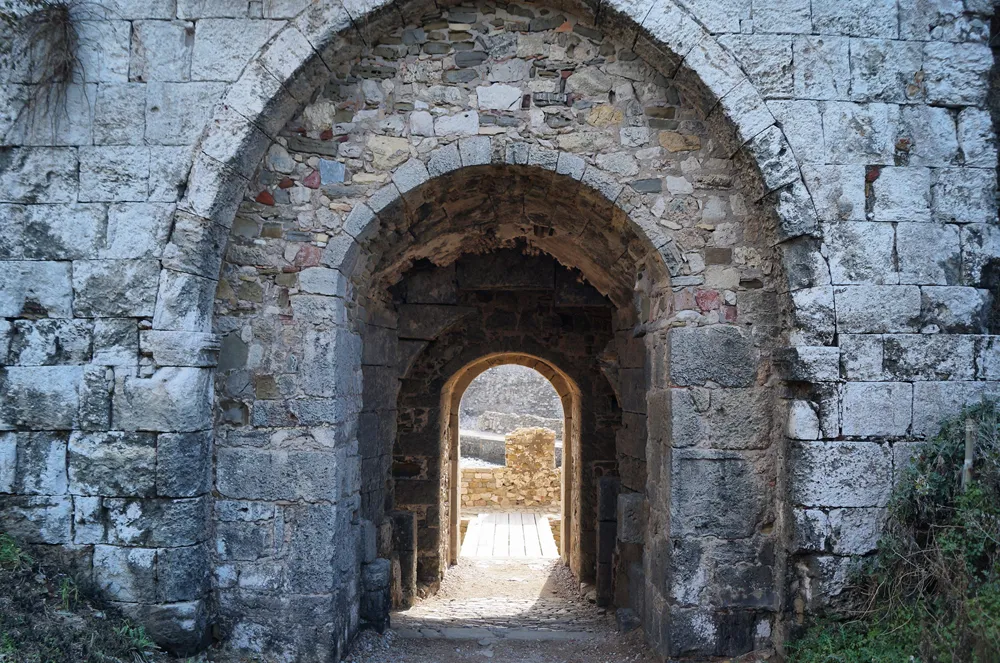
A stone pier-breakwater runs perpendicular to the walls. Large muzzles of Venetian and Ottoman cannons, probably found in the coastal shallows, have been thrust vertically into its embankment. I have never seen anything like it. The central entrance, situated in the north, on the town side, is reached by a 14-arch bridge built by the French after capturing the fortress in 1828 – at that time the French and the British were allies of the Greeks in the war of independence. Through the main gate you enter a semicircular stone pocket that leads to a second gate, and then comes a third – this is already the entrance to the residential zone of the fortress. At the southern end, some 400 metres from the northern wall, there is a gate fortified with towers, through which you can reach the island of Bourtzi – it is now joined by an embankment causeway, so no boat is needed. On Bourtzi, surrounded by a round wall, stands the lighthouse tower with which I began my story.
We met no tourists in the Methoni fortress. Not one. It seems that in January 2020 Methoni already had a quarantine and lockdown, although the fortress was open and tickets were sold at some symbolic price. Alexander Lapshin, who visited Methoni about ten years ago, describes a neglected state of the fortress, rubbish and the devastation of crisis-hit Greece. During our visit everything was not at all crisis-like; the fortress had been relatively repaired, and I did not see any rubbish anywhere near. A good road and good paths, lighting and information boards. Greece was no longer in crisis at all. How it will be after the quarantine, it is frightening to predict.
Text and photos by Roman Malenkov. From the book “10 Countries After the Quarantine”.