

Poland. Chełmno

· 3 min read
I learned of the existence of the town of Chełmno, which in German was called Culm, about three years ago. It was another surprise for me: how could I not have known about a town so rich in monuments? Moreover, Chełmno played a significant role in the development of European law, since from 1233 it had its own legal regime, one of the most progressive in the world at that time. It was based on the principles of Magdeburg law but was considerably broader. Chełmno law was introduced by the Grand Master of the Teutonic Order, Hermann von Salza. In the Middle Ages about two hundred towns of Eastern Pomerania and Mazovia (the territory of northern Poland) used this law.
The first written mentions of Chełmno (chełm means hill) date from the 11th century. It was located 4 kilometres south of its present site, where the village of Kałdus now stands. It was founded by the Piasts, the founders of the first dynasty of Polish monarchs. At first it was simply a wooden castle, but when the knights of the Teutonic Order came to these lands, they decided that the place was unsuitable for a full-fledged town, so they moved Chełmno, which they called Culm, to where it stands now, laid out the streets and began to build walls. This happened in the 13th century, and it was then that they introduced the law now called Chełmno law, although the Teutons themselves called it Culm law, Kulmer Recht.
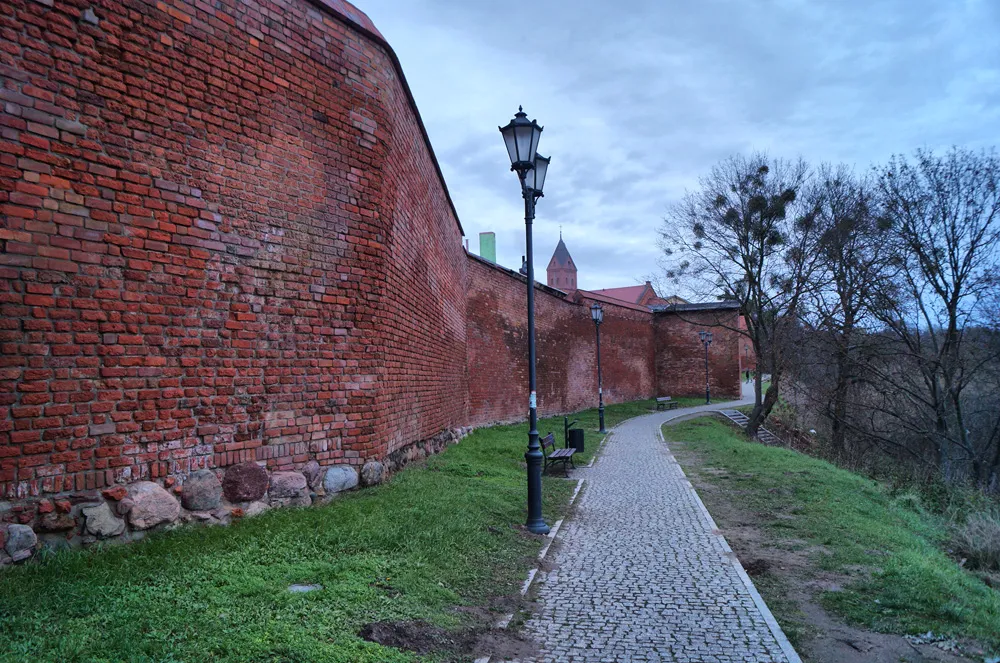
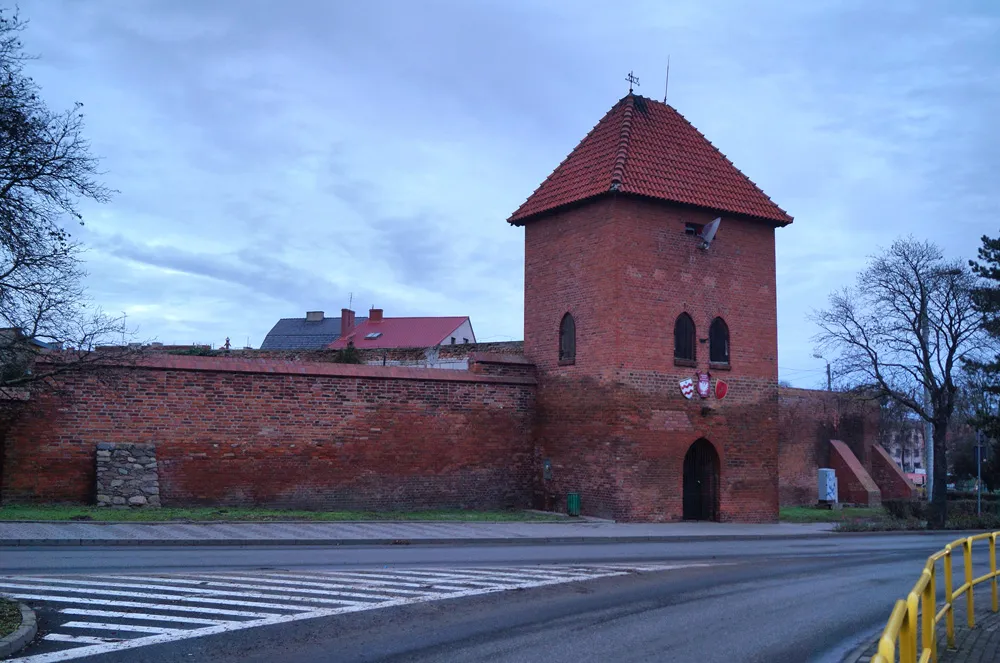
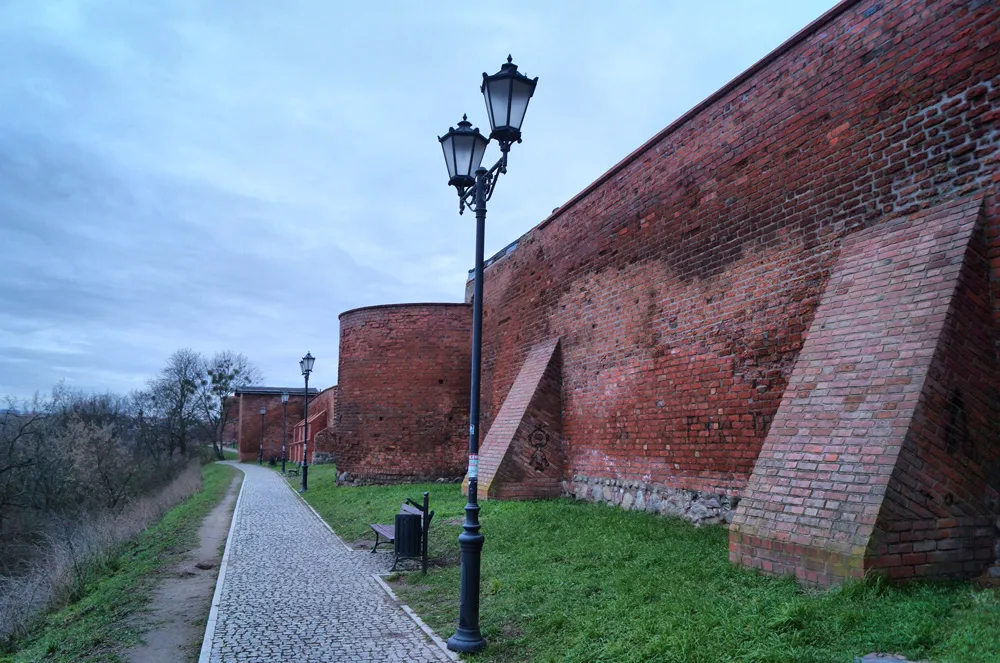
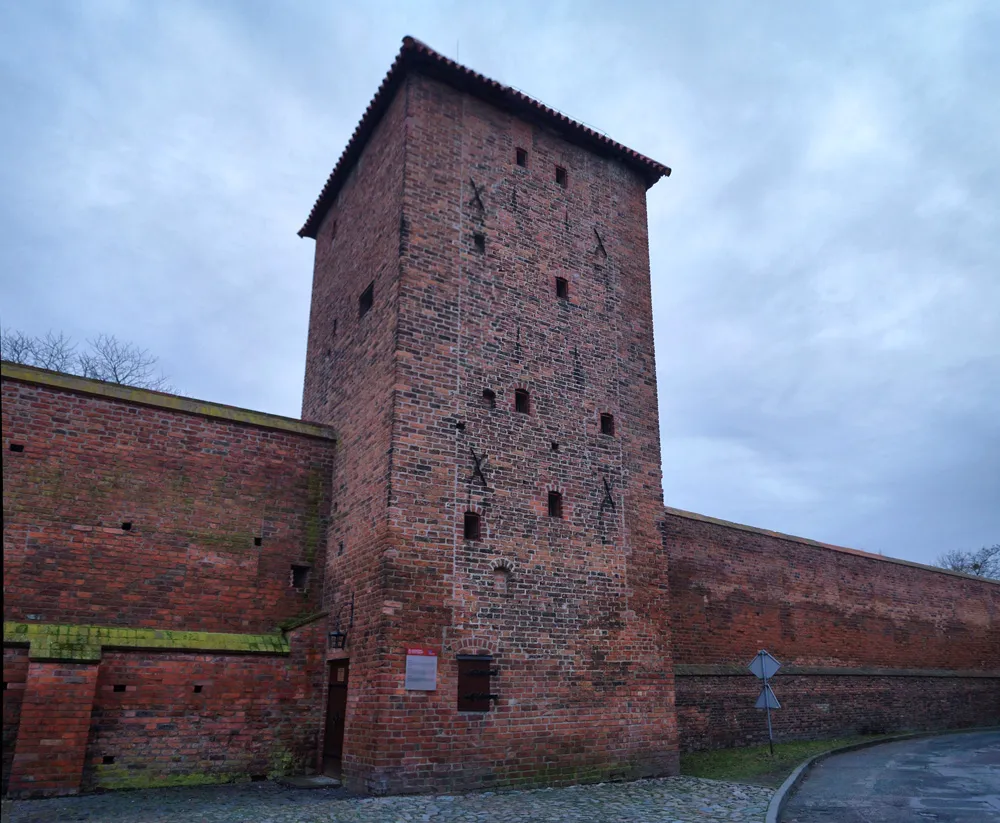
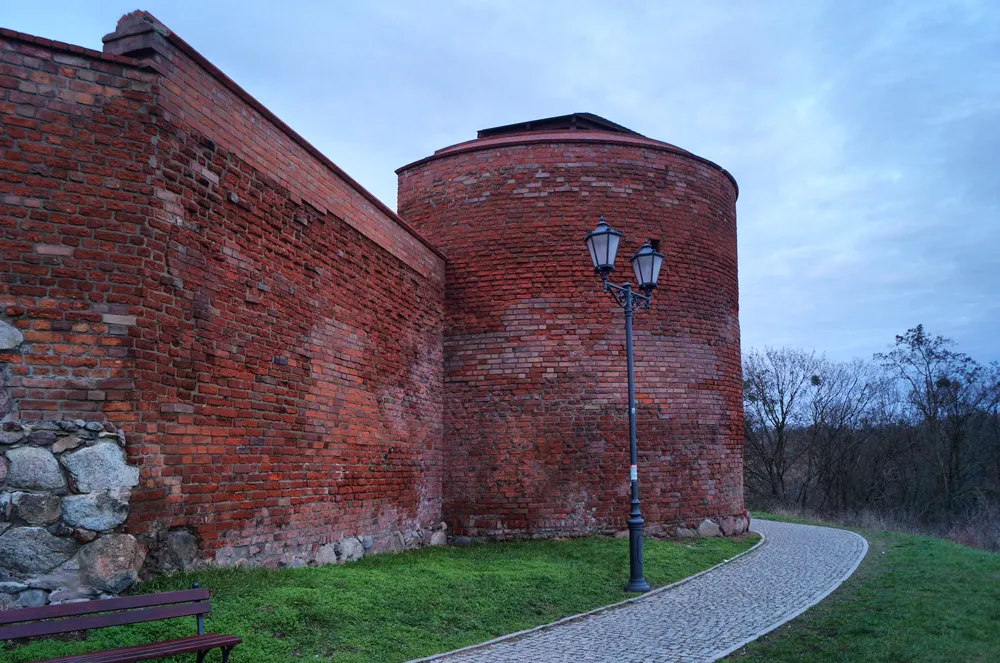
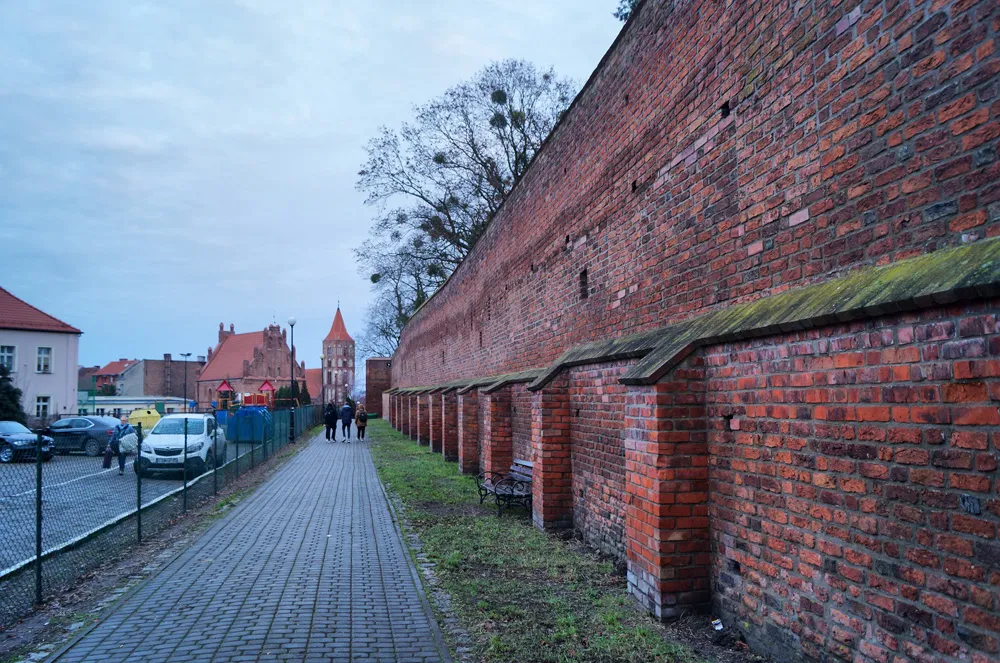
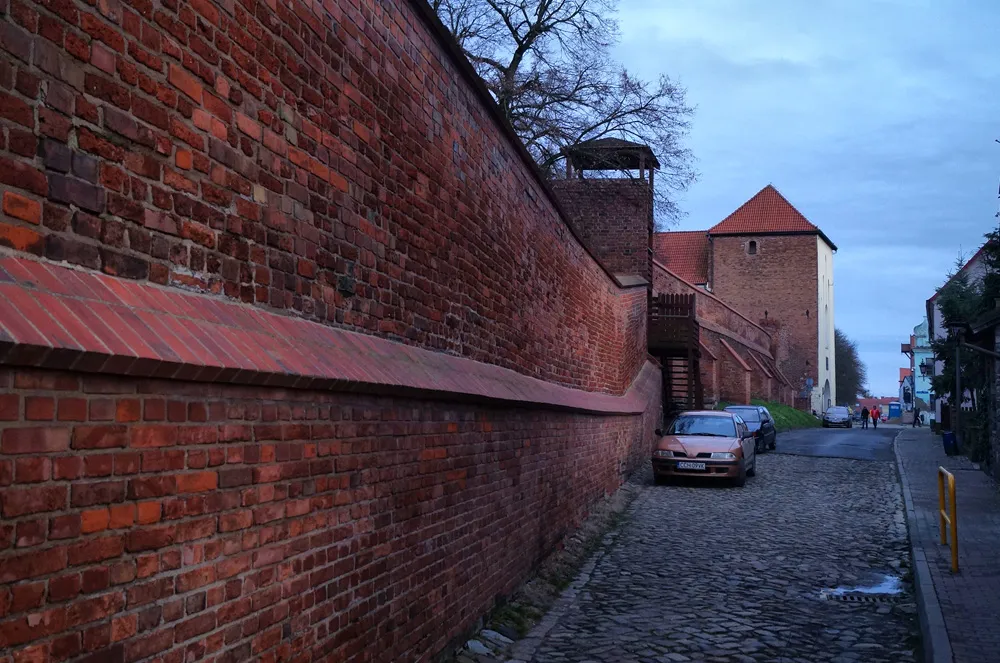
The town walls
In the same 13th century Chełmno joined the Hanseatic League, and a period of rapid development of the town began that lasted several centuries, interrupted only by wars.
The Teutons surrounded the town with fortress walls, which have survived to our time and are among the longest (2.3 km in perimeter) in Polish towns. Towers and gates were built into the walls, some of which have also survived. The town streets were clearly planned and built up with majestic churches, monasteries (which was very important for the Teutons), residential and administrative buildings, as well as shops and warehouses for goods; there were especially many spichlerze, granaries.
Chełmno was the centre of a commandery (region) of the Teutonic Order and one of its most important towns, but after the Order’s defeat at the Battle of Grunwald and its gradual decline, Chełmno passed under the rule of the Kingdom of Prussia. Later it was owned by the local Catholic diocese, and from 1792 until 1920 it was Prussian and German. It can be noted that for most of its existence the town was German, which is why it now looks so much like the towns of northern Germany: red brick and Gothic.
There is a huge number of monuments here, built at different times by different owners of the town. The most significant are the religious buildings, large, sometimes enormous Gothic churches, for which the town is included in the European Route of Brick Gothic, a large tourist route that includes Germany, Poland, Denmark, Lithuania, Latvia and Estonia.
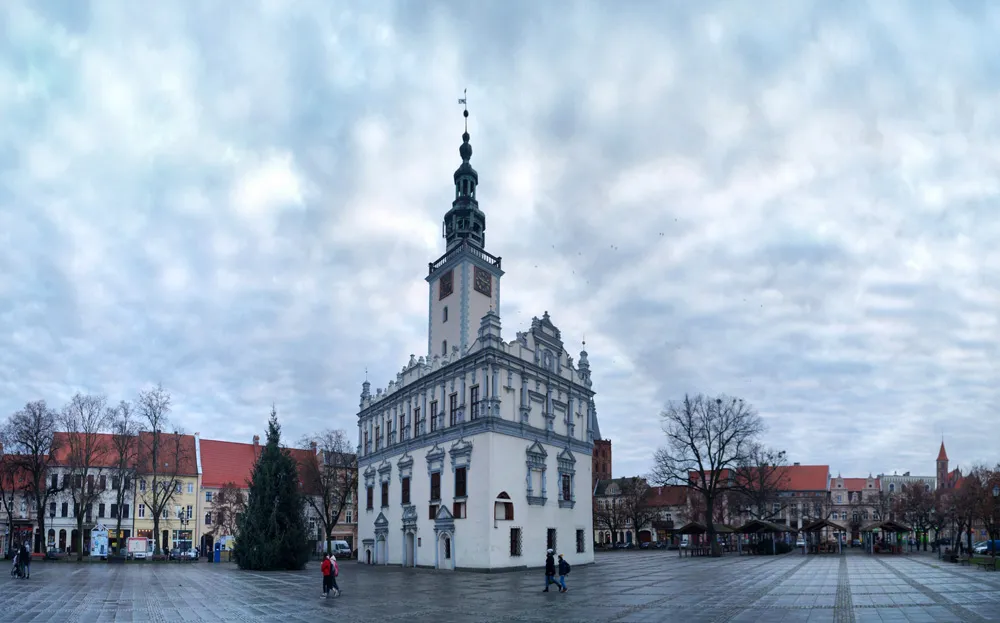
The town hall
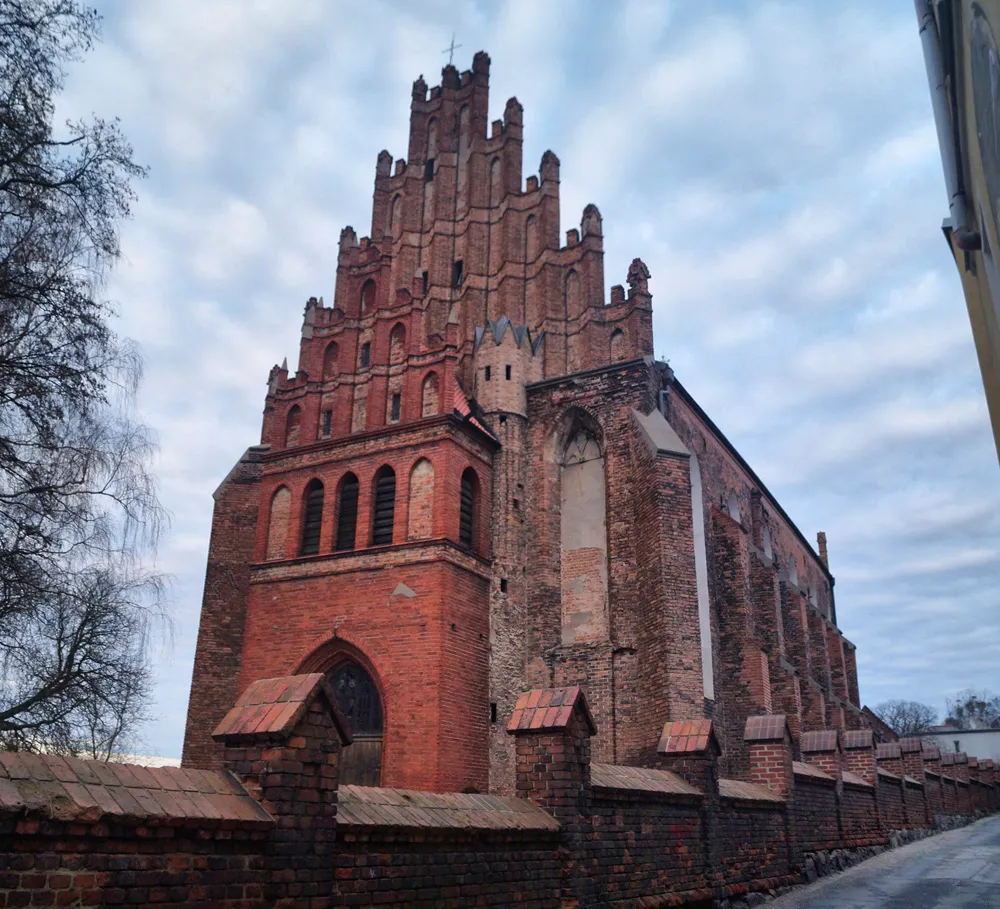
Church of Sts Peter and Paul
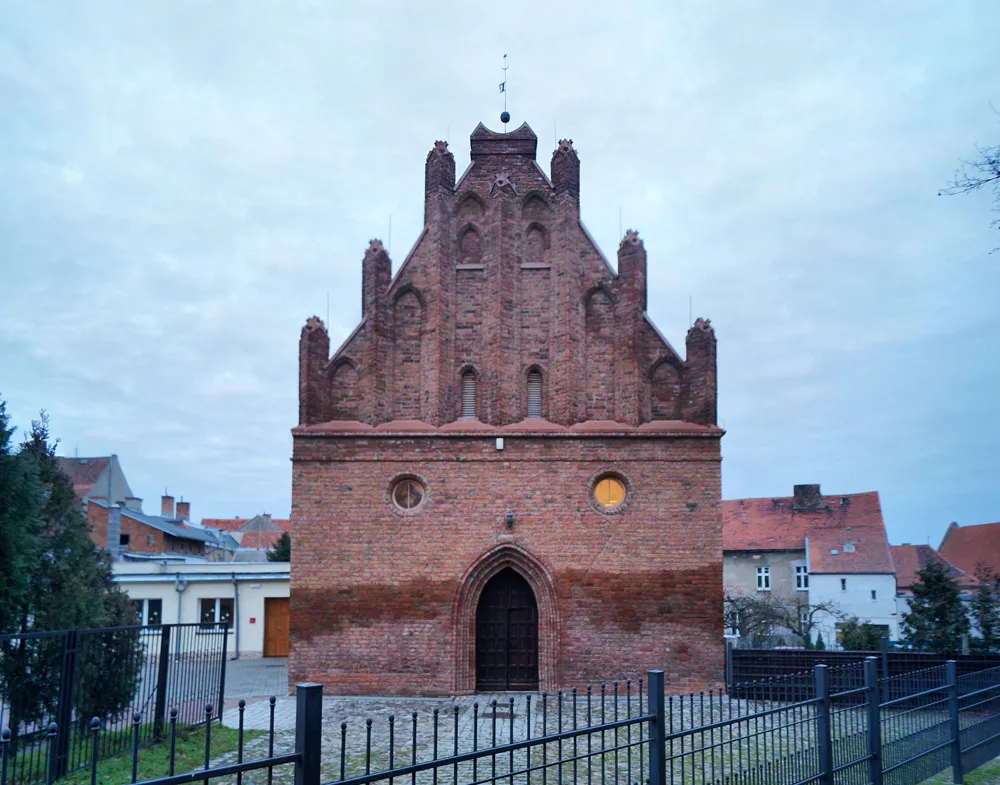
St. Martin’s Church
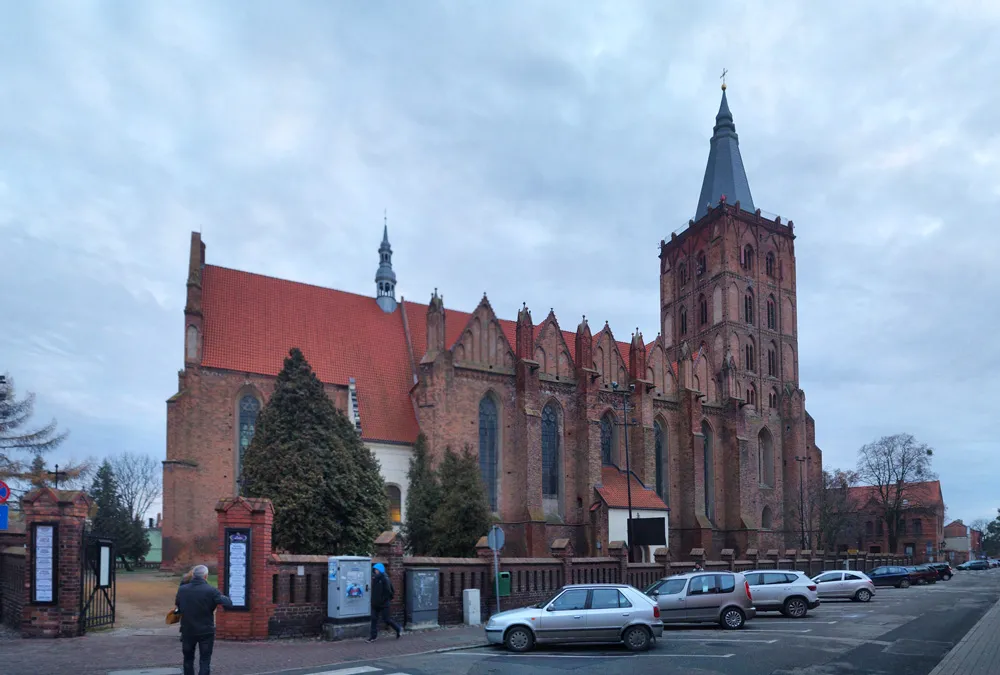
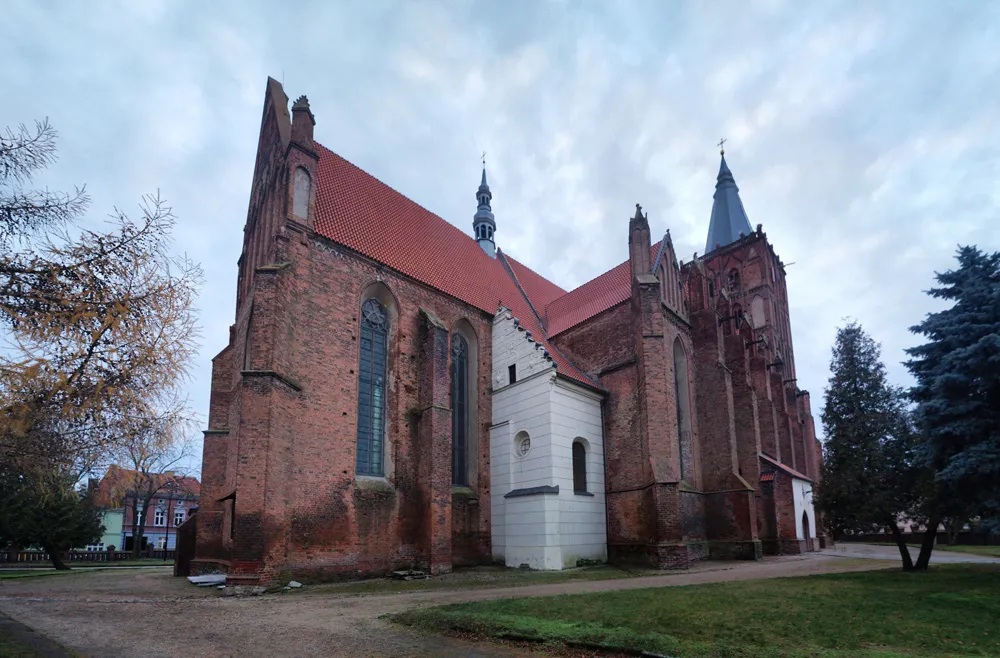
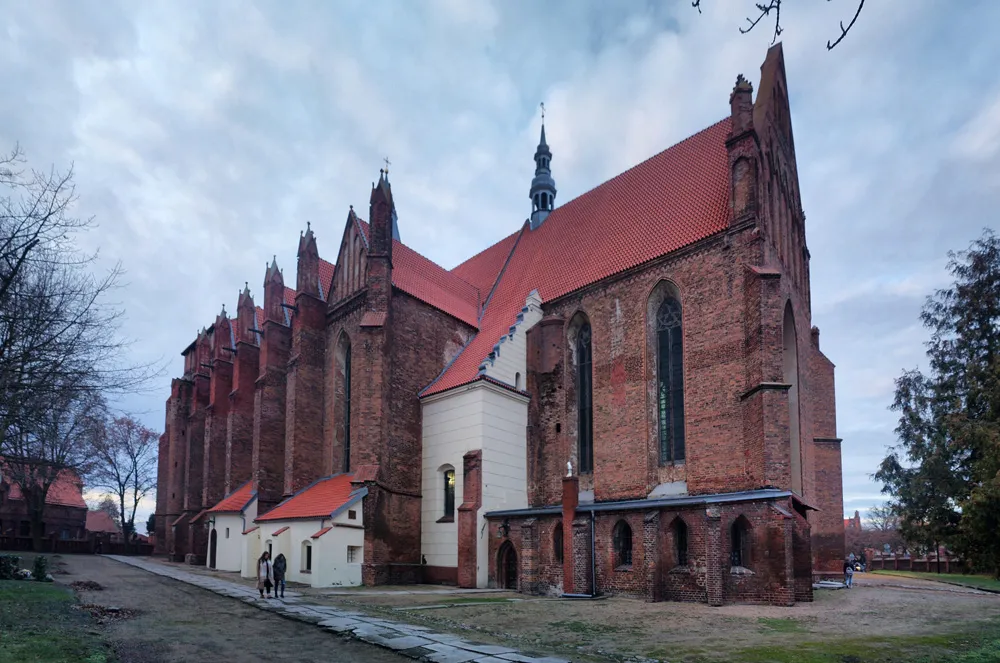
Basilica of the Assumption of the Virgin Mary
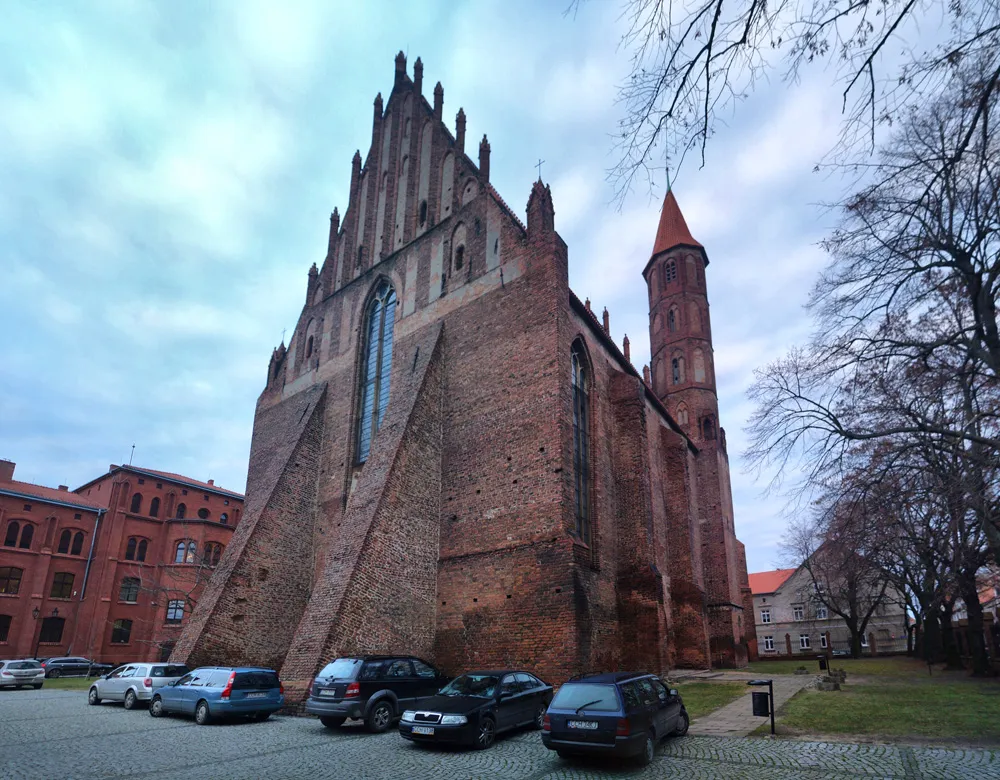
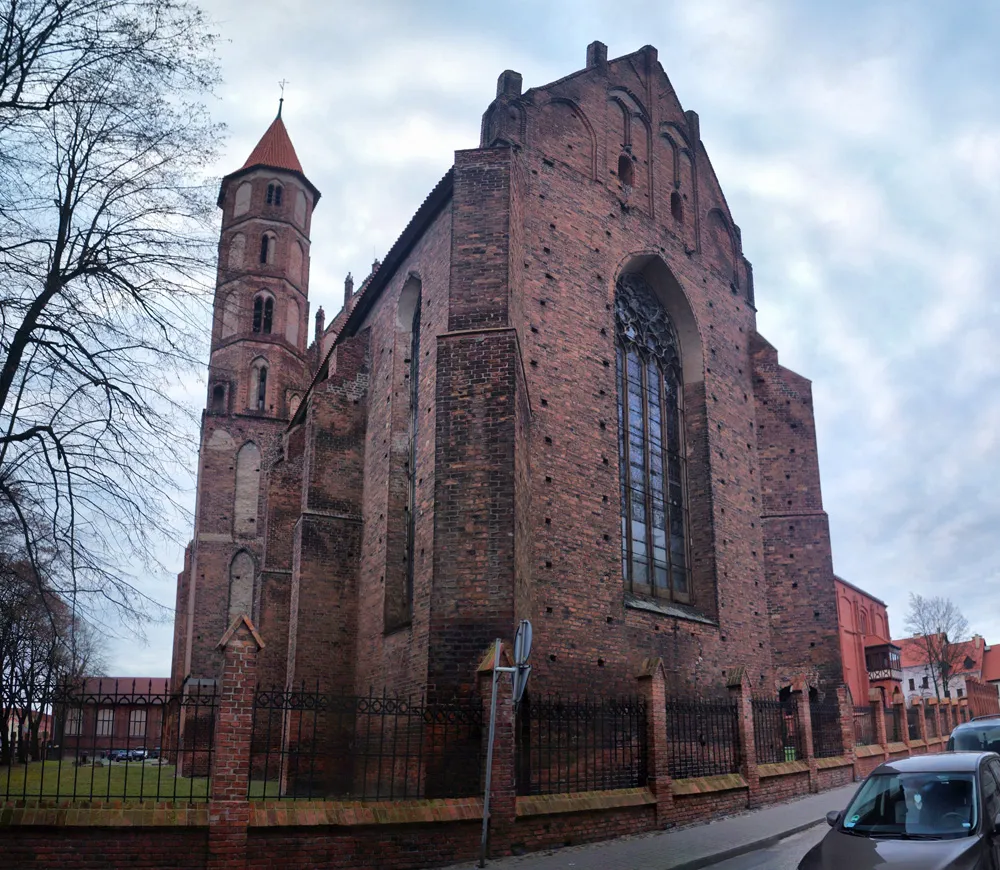
Church of Sts James and Nicholas
I would like to single out the Assumption parish church (1280–1320), the gymnasium Church of Sts James and Nicholas (13th–14th centuries), which was formerly Franciscan, the former Dominican Church of Sts Peter and Paul (14th century), the Church of the Holy Spirit (1280–1290) and a monastery complex of Cistercian nuns that is unbelievably large for relatively small Chełmno, built from the 13th to the 20th century.
Although one should begin a tour of Chełmno, like any Polish town, with the town hall rather than the churches. The town hall here truly deserves attention. It is a Renaissance building, erected in 1584–1596.
Chełmno can be seen in about three hours, at a gallop and out of breath, or you can stroll around the town all day, visiting and examining each monument in detail. Choose for yourself.
Text and photos by Roman Malenkov.
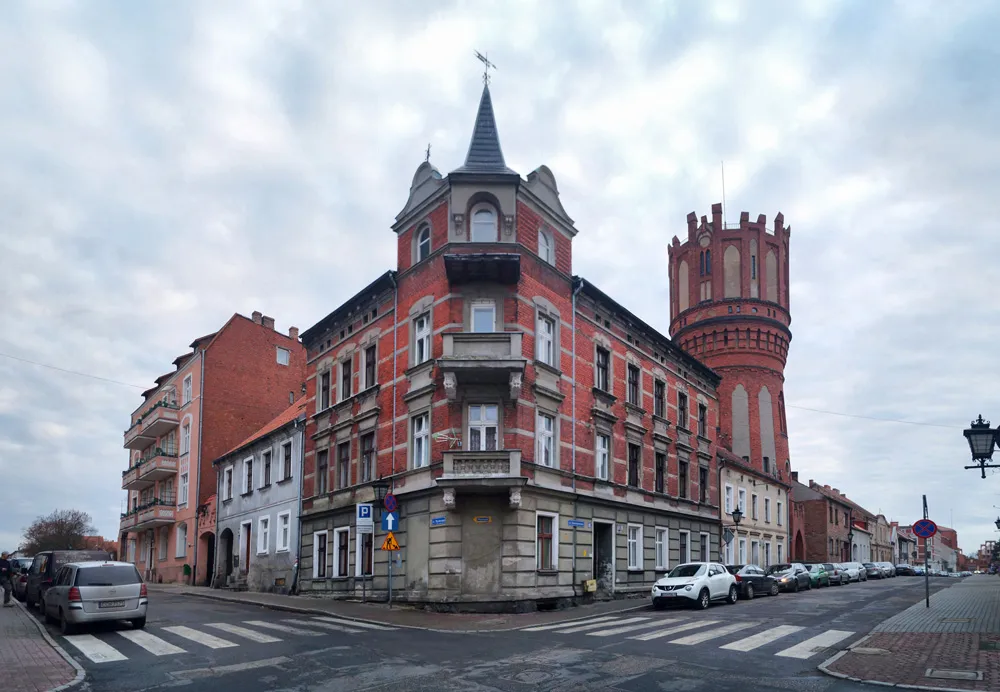
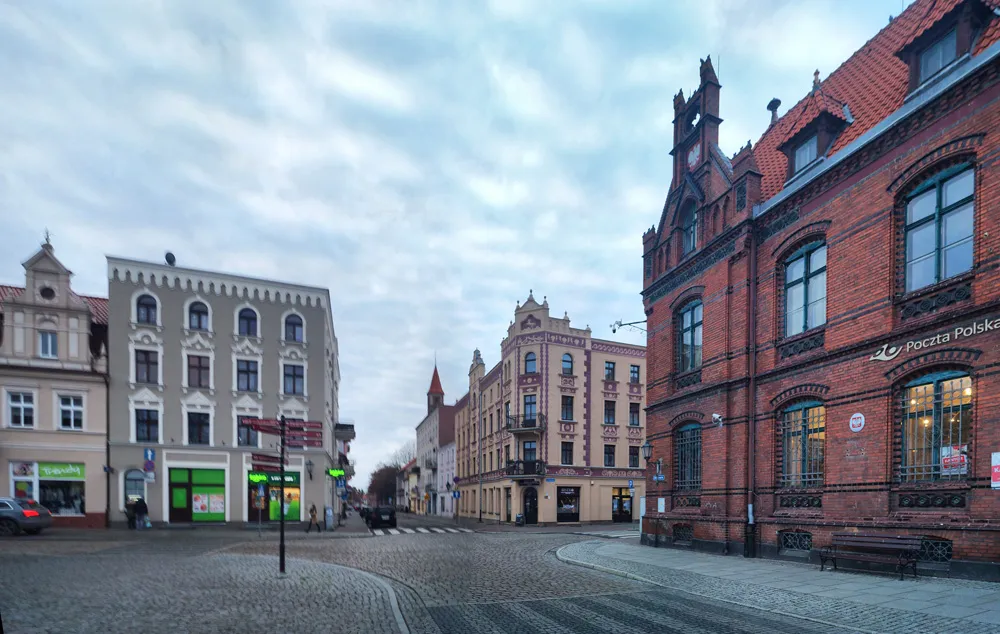
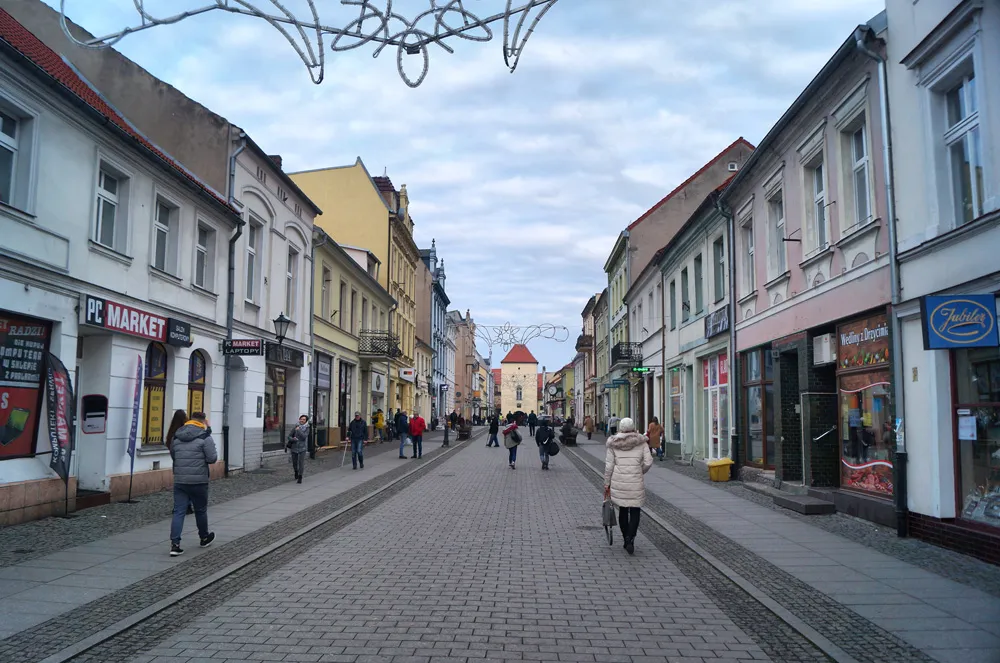
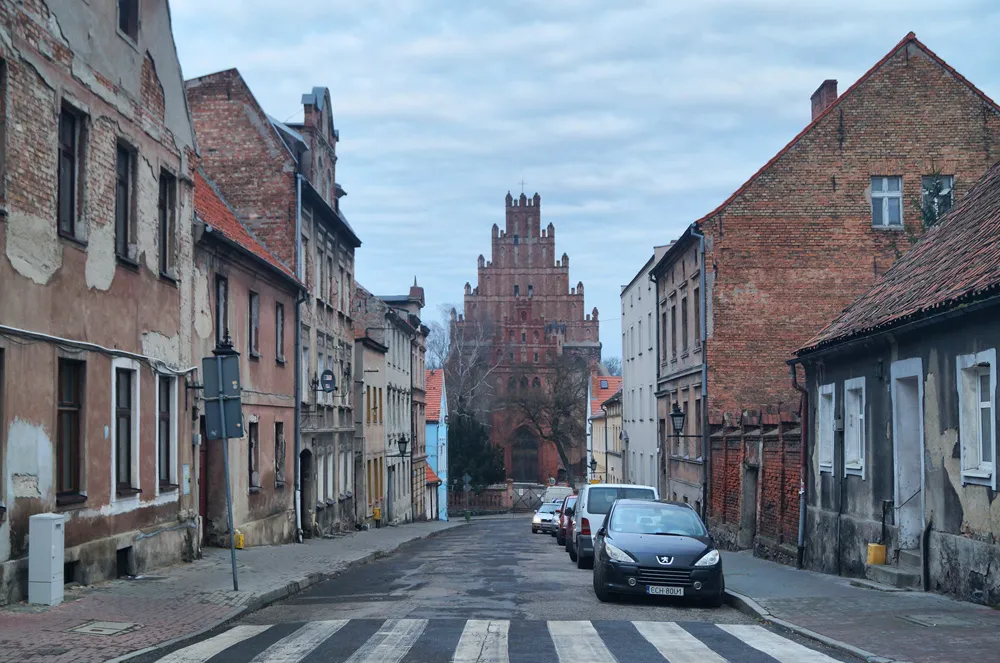
Chełmno Old Town
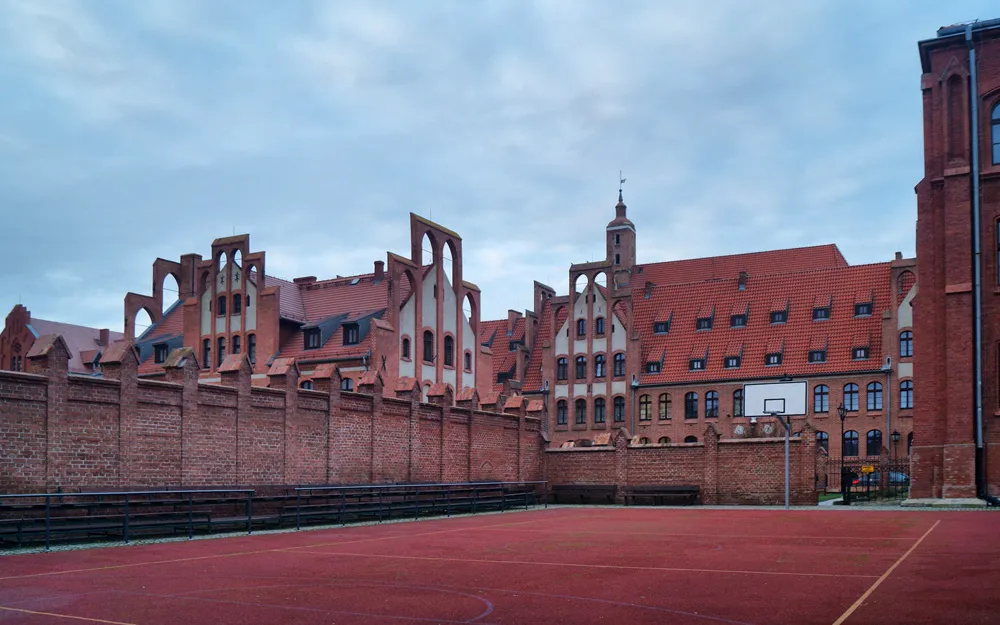
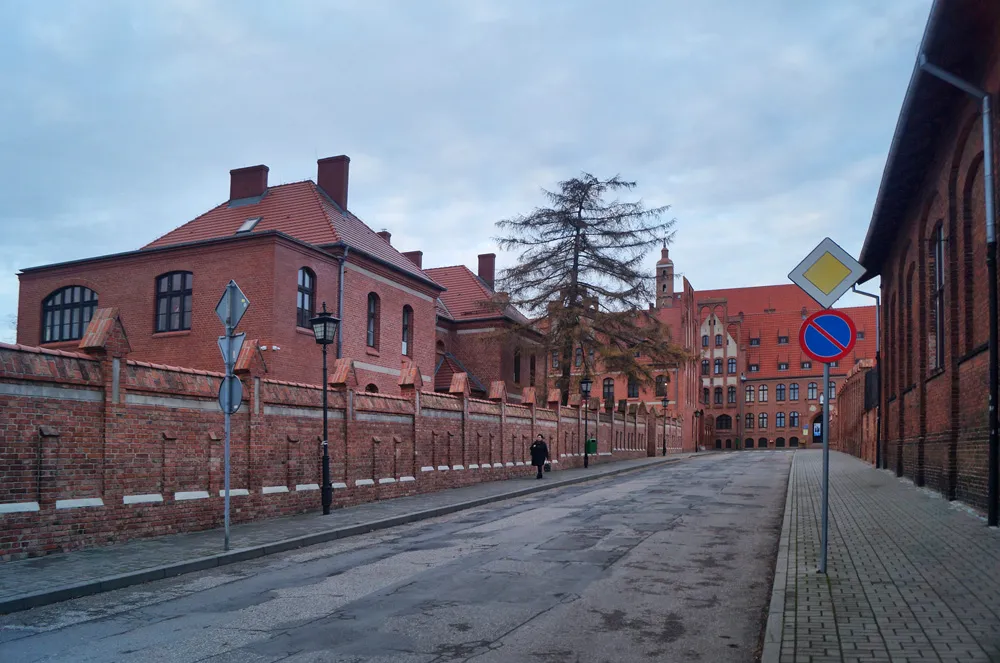
The monastery complex


