Poland. Białystok. The Versailles of Podlachia

· 3 min read
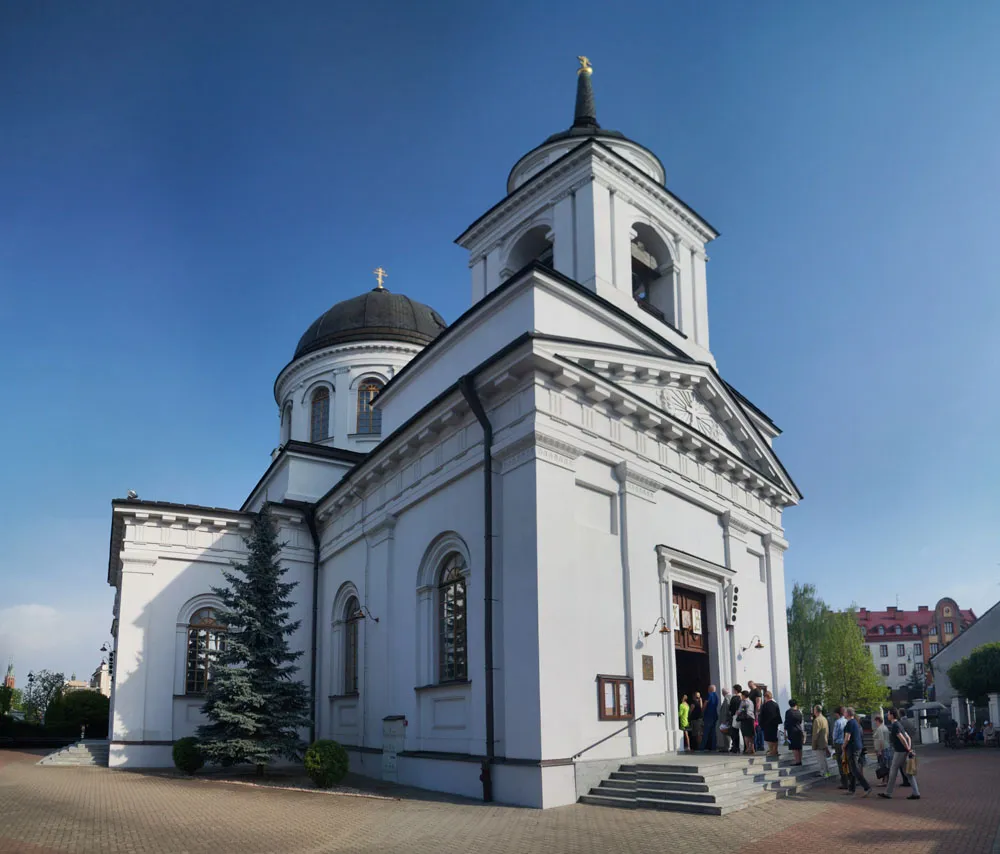
Białystok is the largest city in north-eastern Poland (300,000 inhabitants) and the capital of Podlaskie Voivodeship. It is a centre of the Belarusian diaspora and one of the largest centres of Orthodoxy; there is even an Orthodox cathedral here. In my opinion, compared with many other large Polish cities, Białystok cannot be called a spectacular tourist centre, but it has one of the largest palaces in the country, for the sake of which it is definitely worth coming.
From 1807 to 1915 Białystok was part of the Russian Empire, which is why it does not look like most Polish cities. Then in 1939–1941 it was part of the Byelorussian SSR and was even the centre of Białystok Oblast. That was very brief, of course, but it is clear that during the period when Austrian or Prussian buildings were going up in most cities of today’s Poland, Białystok was getting Russian greyness.
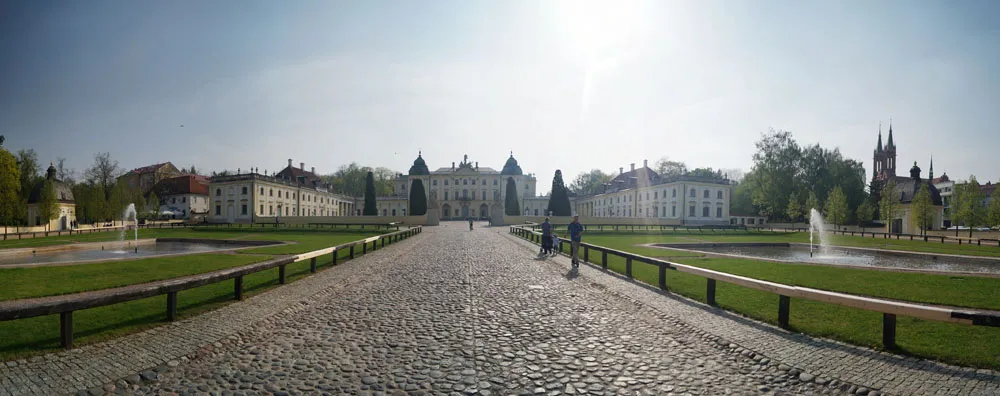
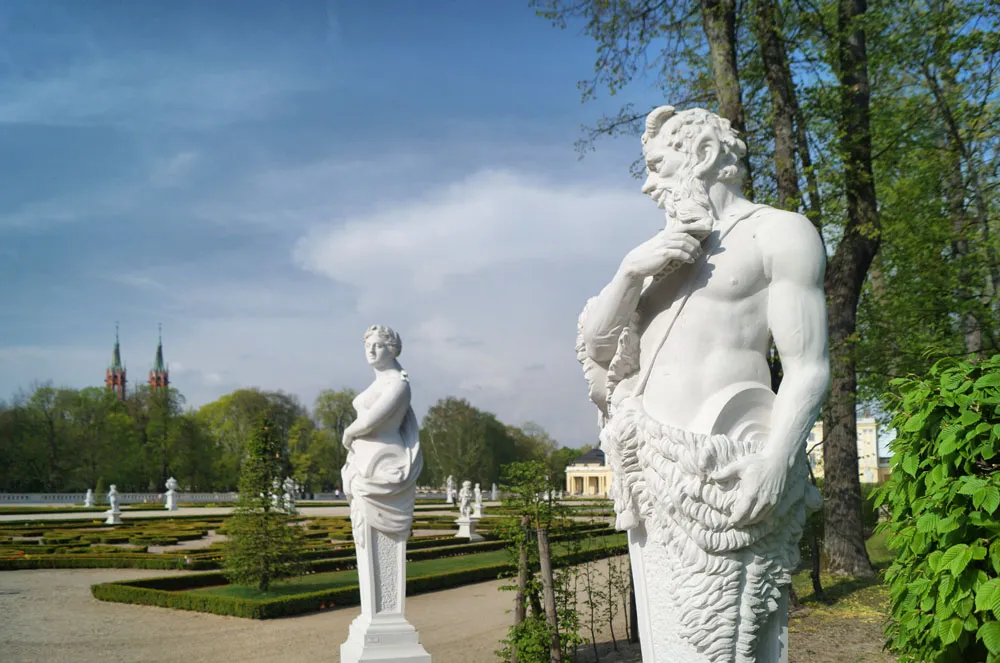
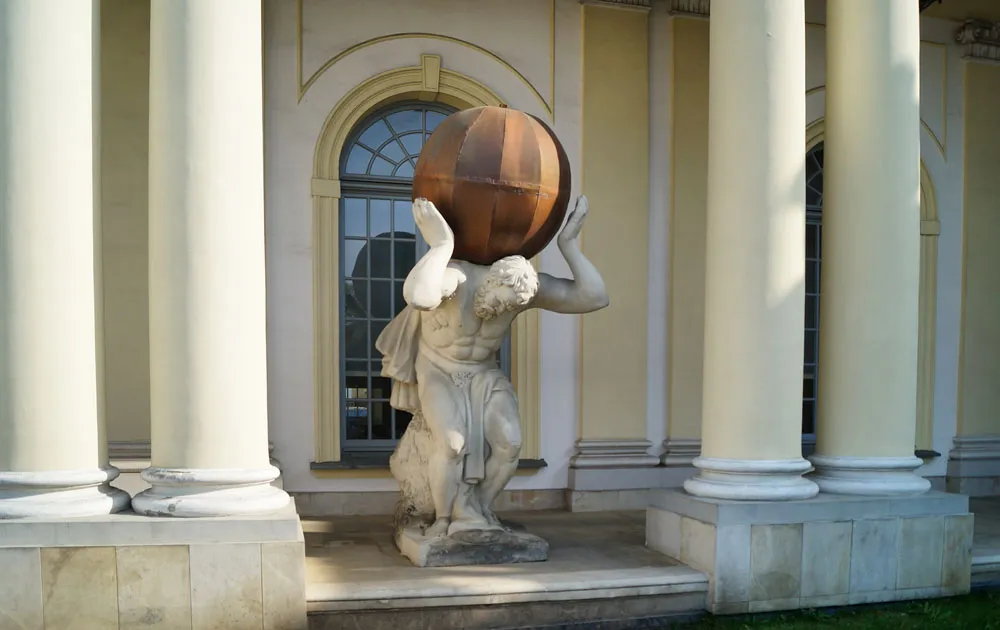
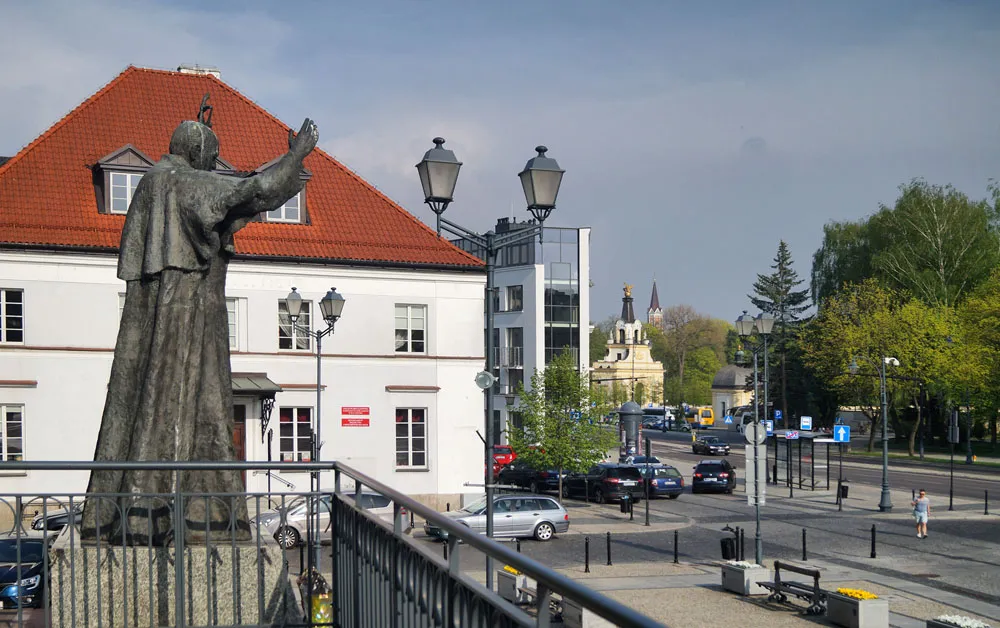
Białystok appeared as a settlers’ village in the 1440s. It remained an insignificant settlement, with a church and a tavern beside it, until it passed to the Branickis in the second half of the 18th century. Interestingly, these are not the Branickis who owned Bila Tserkva: this is an entirely different family, of the Gryf coat of arms. Stefan Branicki was voivode of Podlachia, and his son Jan Klemens, Grand Crown Hetman of the Polish–Lithuanian Commonwealth, made Białystok his residence and turned it from a village into a considerable town, which received Magdeburg rights in 1749.
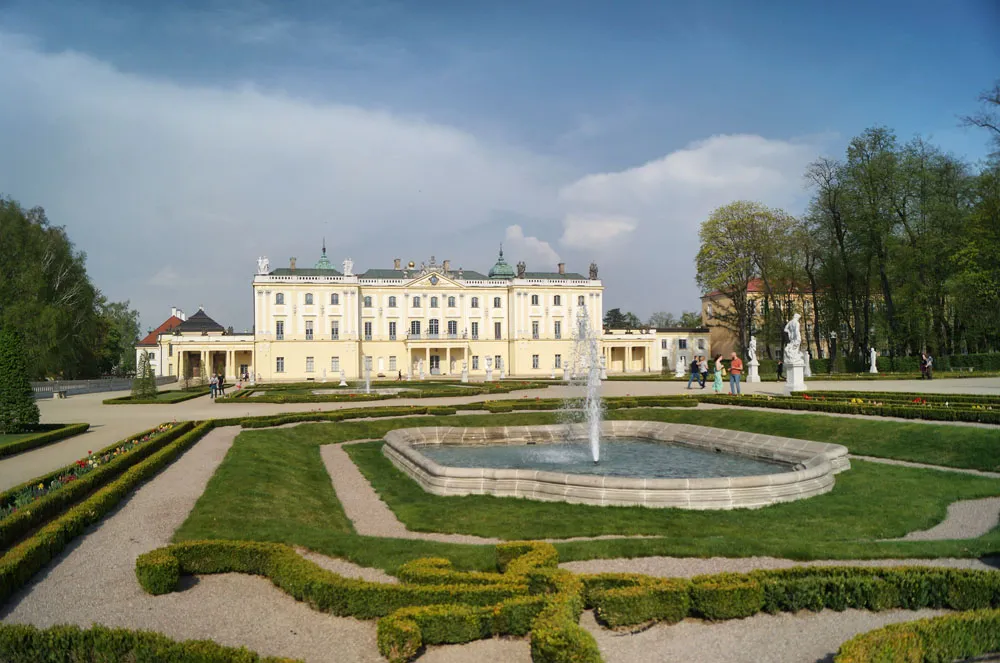
Jan Klemens Branicki built in Białystok a luxurious, huge Baroque palace that is called the “Versailles of Podlachia”. Although it is often written that he rebuilt a Gothic palace of the previous owners, the Wiesiołowskis, if that is so, only the vaults in the cellars remain of the Gothic.
After the partition of the Polish–Lithuanian Commonwealth, Białystok passed to Prussia. The impoverished Branickis sold the palace complex to the King of Prussia in 1802. And in 1807, under the Treaty of Tilsit, Białystok came under Russian rule and the palace became the property of Tsar Alexander I, who did not intend to spend much time in it; it is not even certain that he ever visited. Some of the park’s bushes and trees, as well as more than twenty park sculptures, were taken to Saint Petersburg. In 1826 the sculptures that decorated the attic were dismantled, and the Rococo ornaments of the façade and the Baroque helmets that decorated the roof were destroyed.
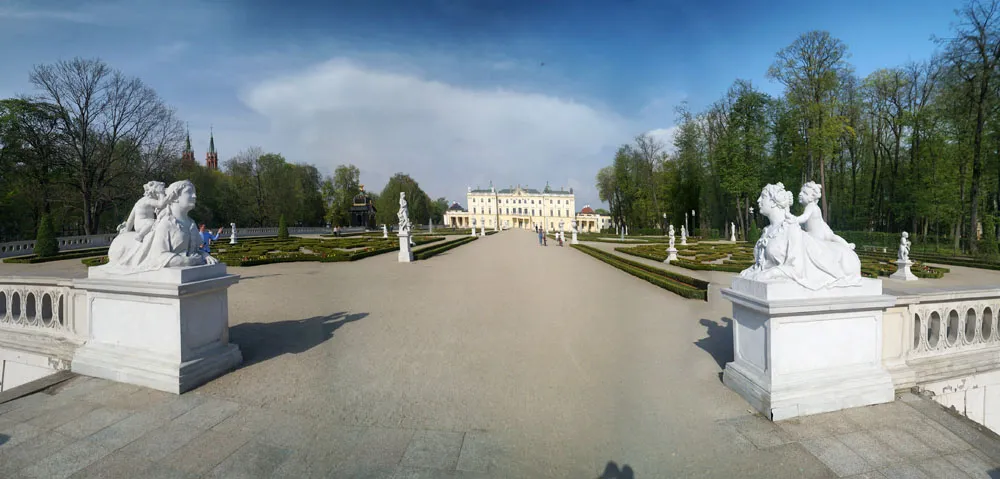
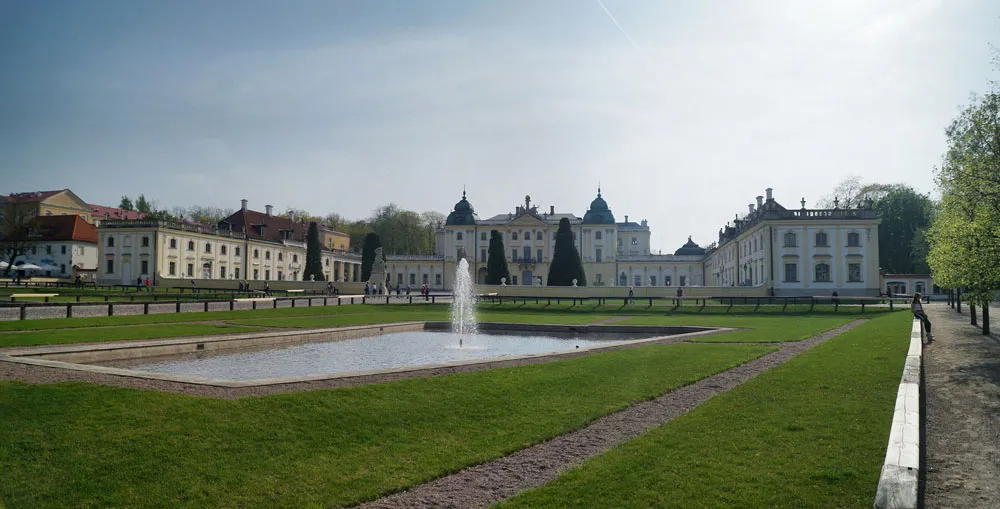
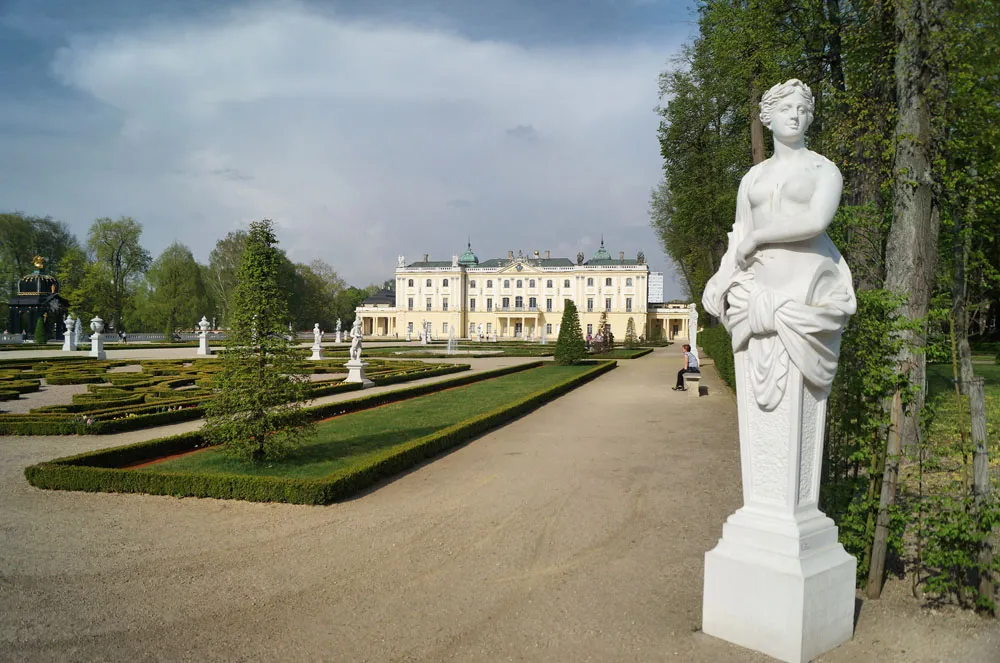
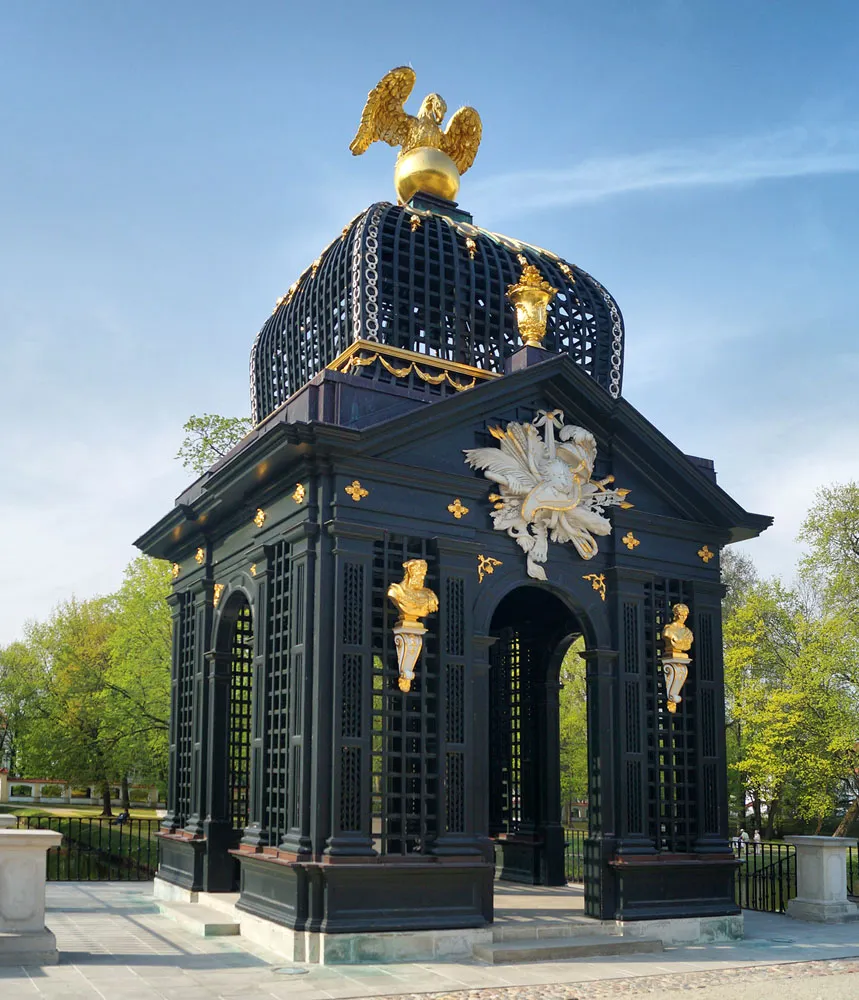
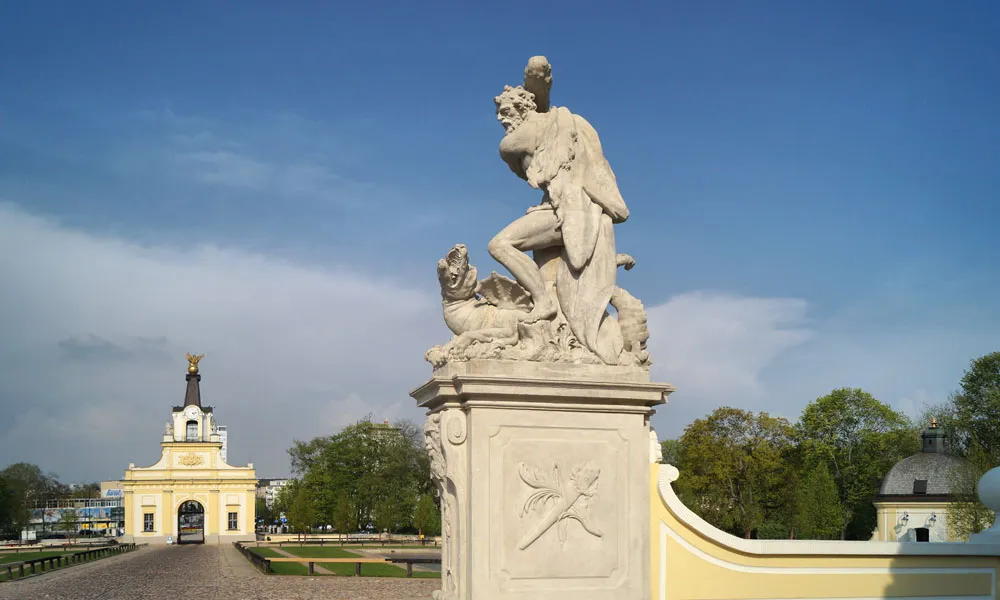
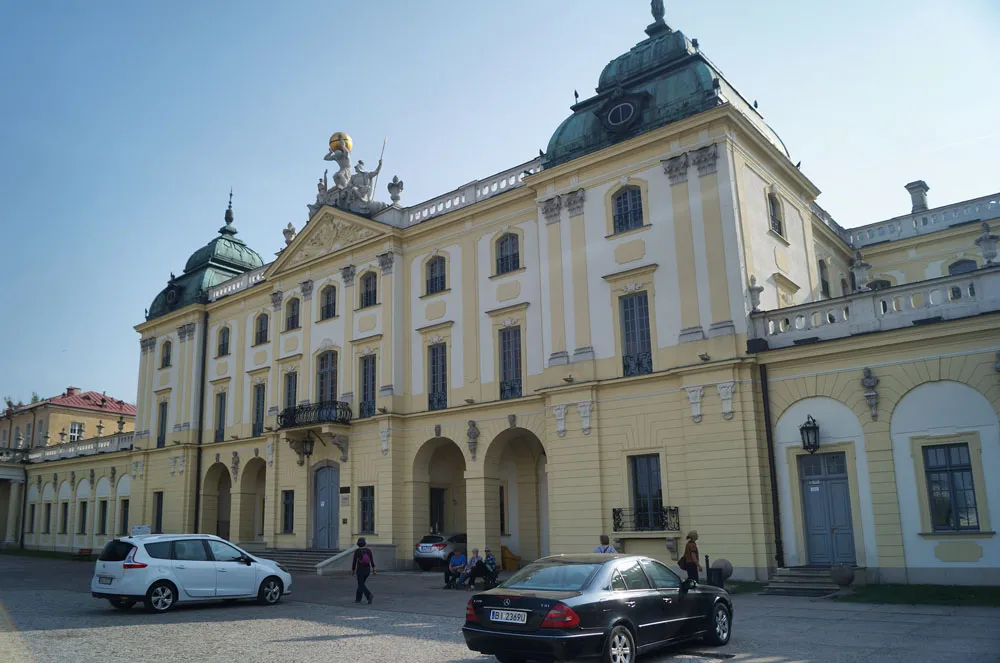
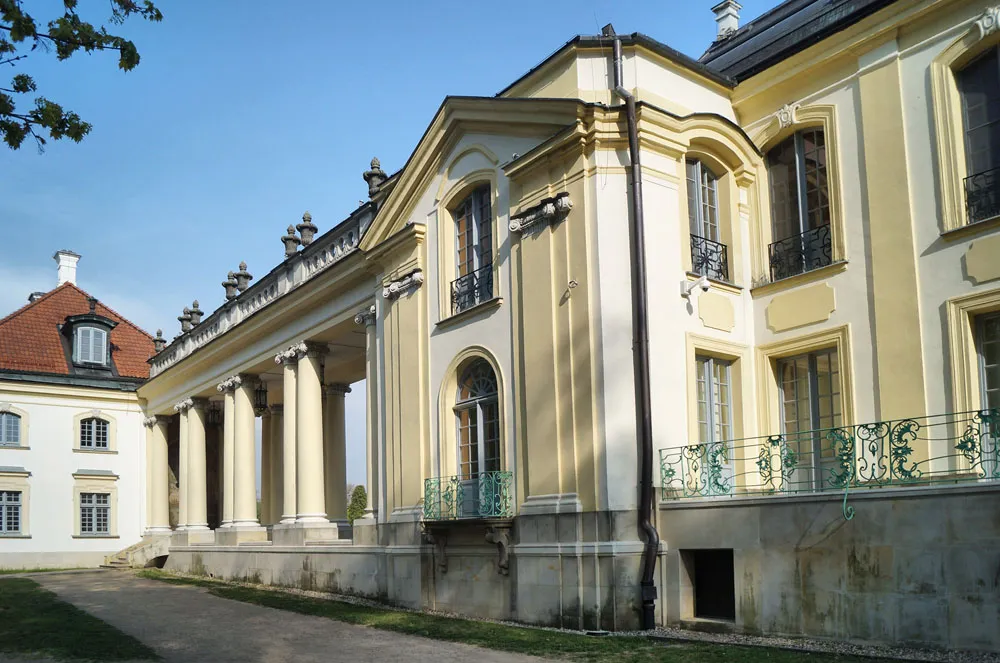
The palace and park complex suffered very badly in the Second World War and was restored in 1946–1960. Today it houses the rectorate of the Medical University of Białystok. I never understood whether one can go inside the palace to see the interiors, but you can walk around the grounds. It is really great here.
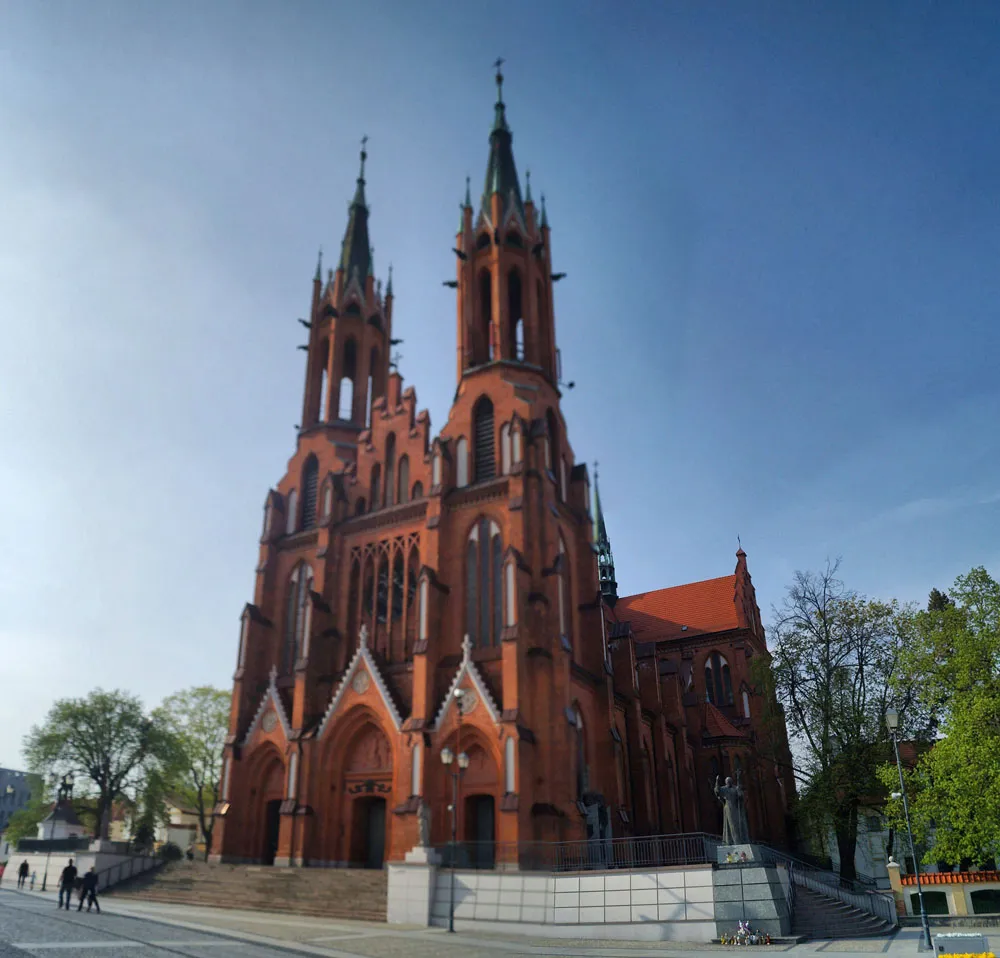
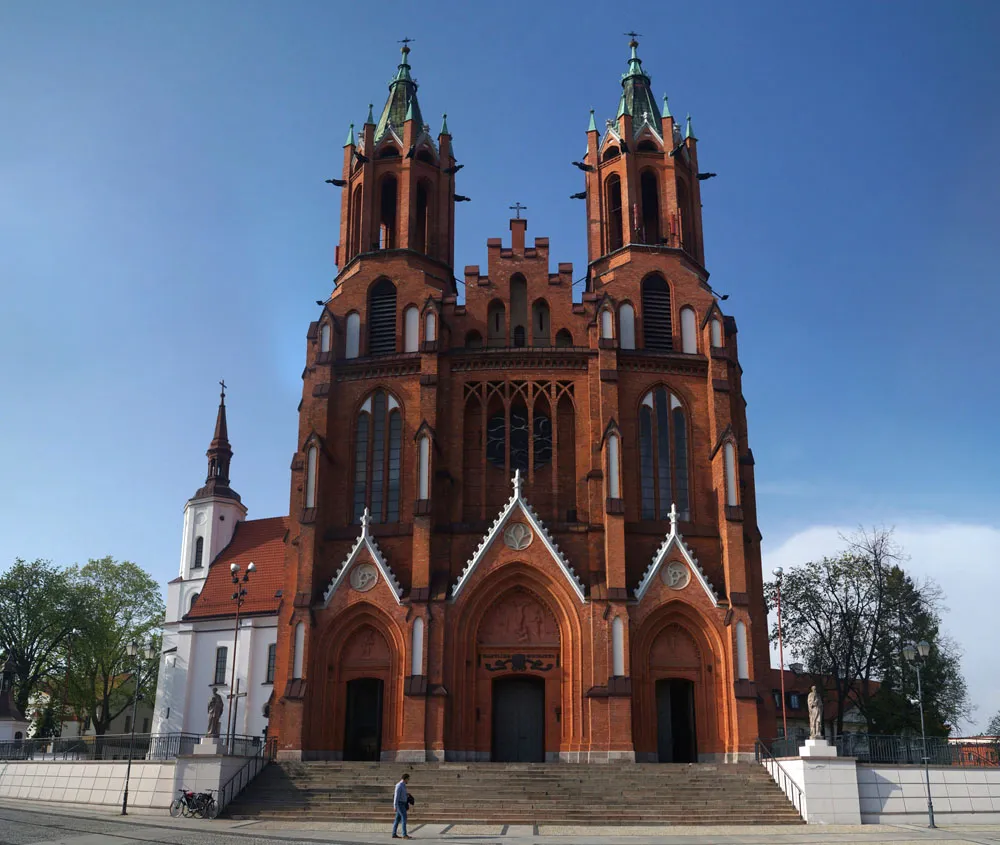
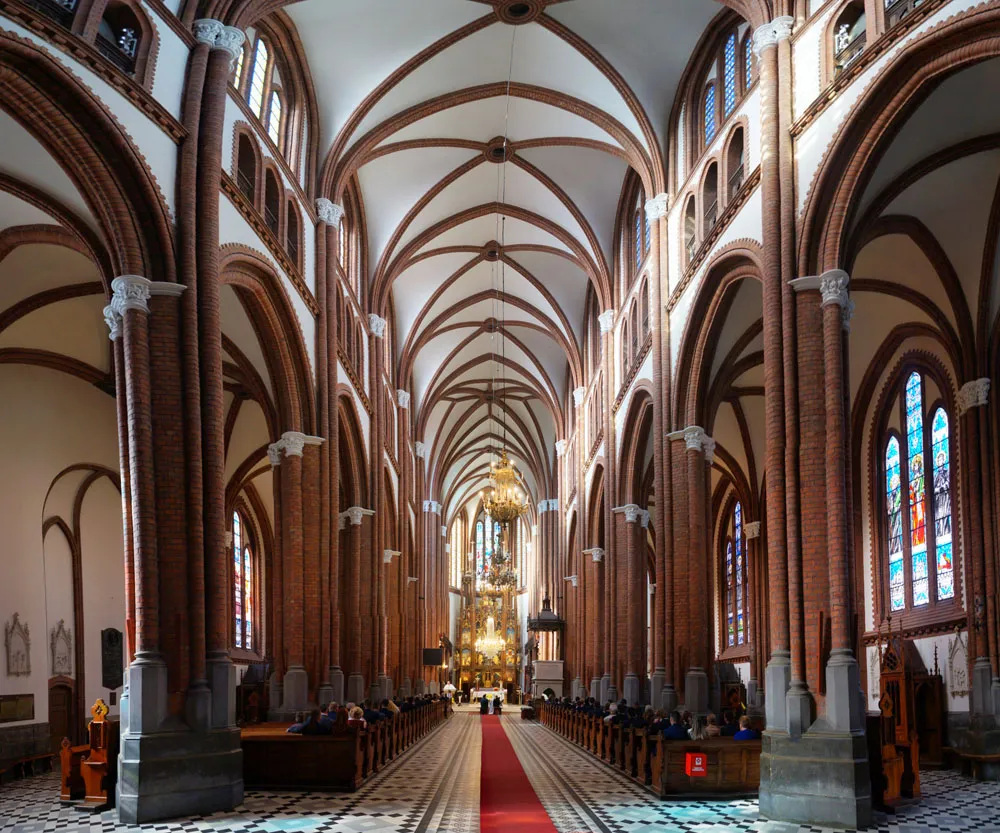
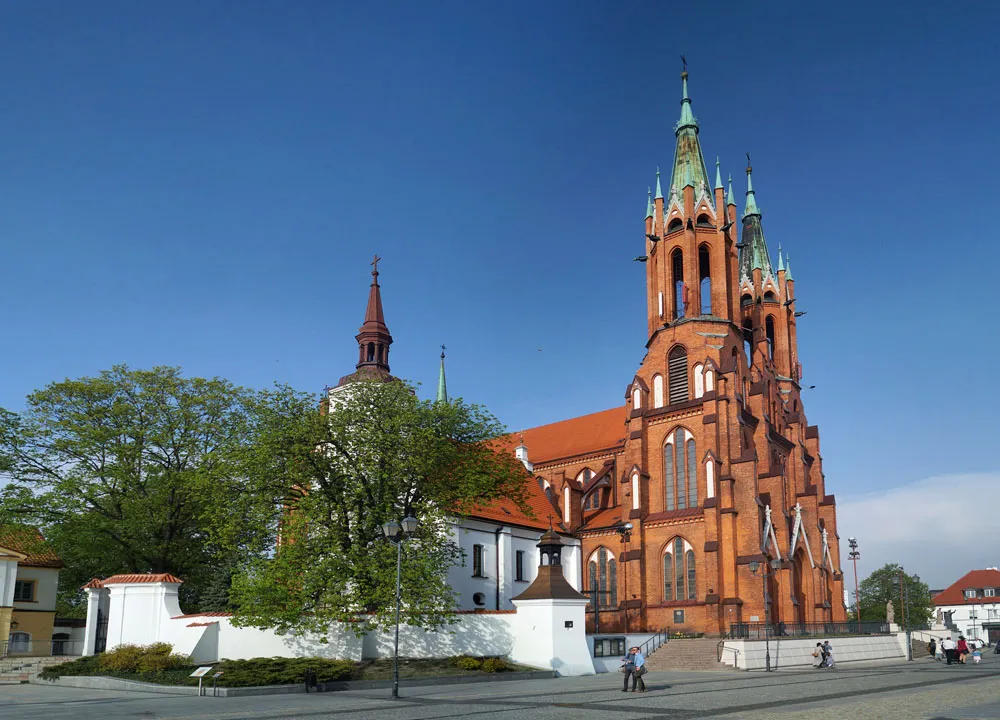
Another significant monument of Białystok is its pro-cathedral, which consists of two churches: the old one, built in the late Renaissance style in the early 17th century, and a much larger new one, Neo-Gothic, built in the early 20th century. The cathedral’s bell towers are 72.5 m high, and the newer part is 90 m long.
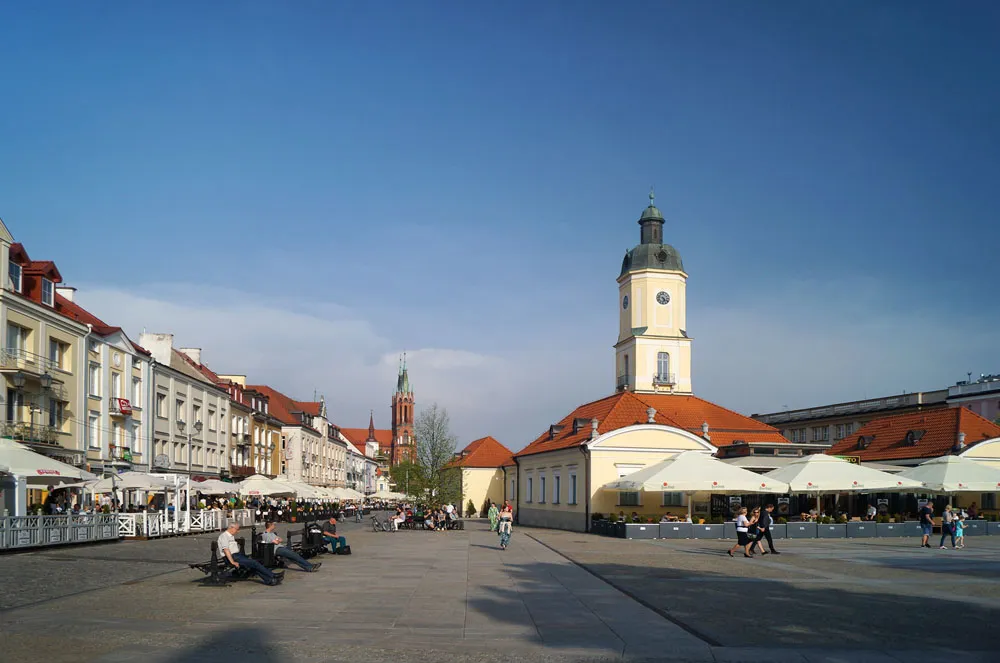
Białystok is quite a pleasant city with quite a few 19th-century monuments: merchants’ manors and townhouses, residential buildings, a railway station, several monasteries and parish churches. It is pleasant to stroll here in the evening; the city is very lively with many young people, but in my view it is much nicer to live in than to visit as a tourist.
Text and photos by Roman Malenkov.