Serbia. Smederevo

· 4 min read
After the capitulation of Yugoslavia in 1941, the Nazis occupied Smederevo. Captured Yugoslav ammunition began to be brought into the huge fortress, which railway tracks reached right up to; by June 1941 about a thousand wagons of it had accumulated here. 300 wagons held explosives, and on 5 June they blew up. It was possibly the most terrible non-nuclear explosion of the whole World War – the old town of Smederevo was destroyed. 2,500 people died in the city at once, another 500 died later of their wounds, and in all 5,500 people were wounded. Of the former capital only the walls remained.
Smederevo Fortress is one of the largest in Europe. The scale is impressive – 2 kilometres around the perimeter and 30 towers, in various states of preservation, about 20 metres high. In the north-eastern corner the fortress’s citadel, Mali Grad, has survived – its most interesting section, which operates as a separate museum, with interior rooms, galleries and the chance to climb the towers. If you are in Smederevo, be sure to visit Mali Grad.
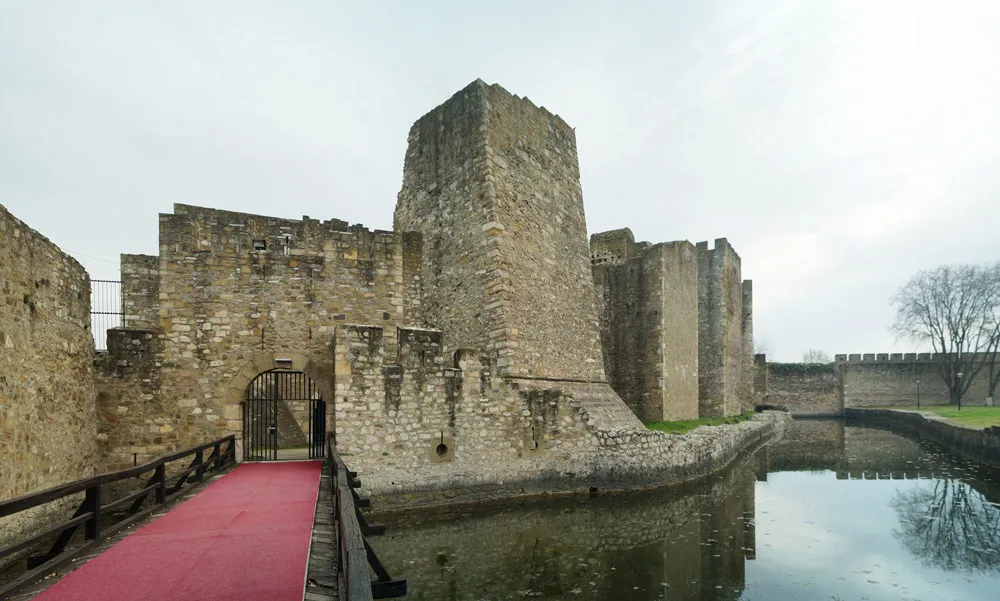
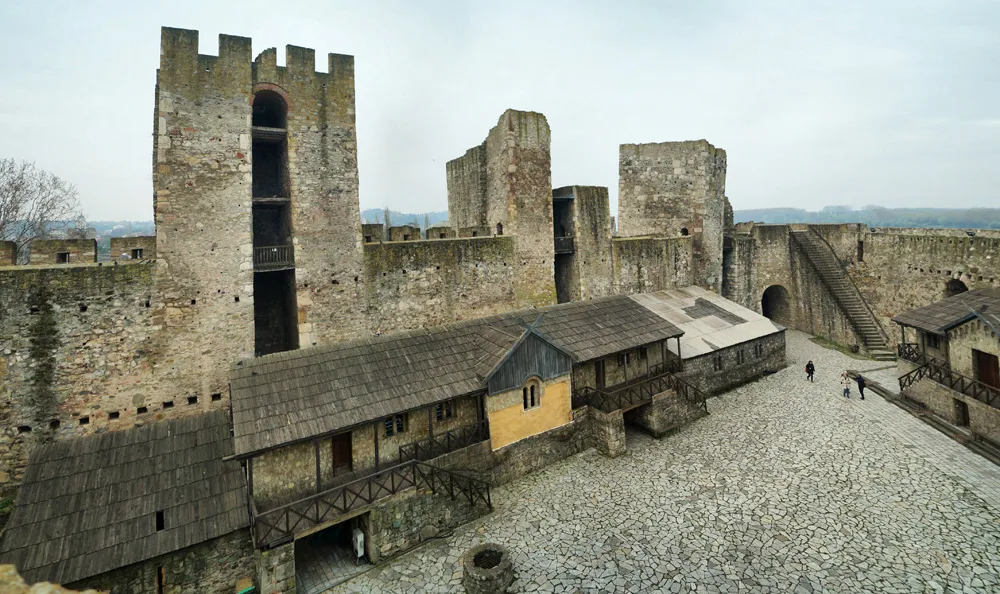
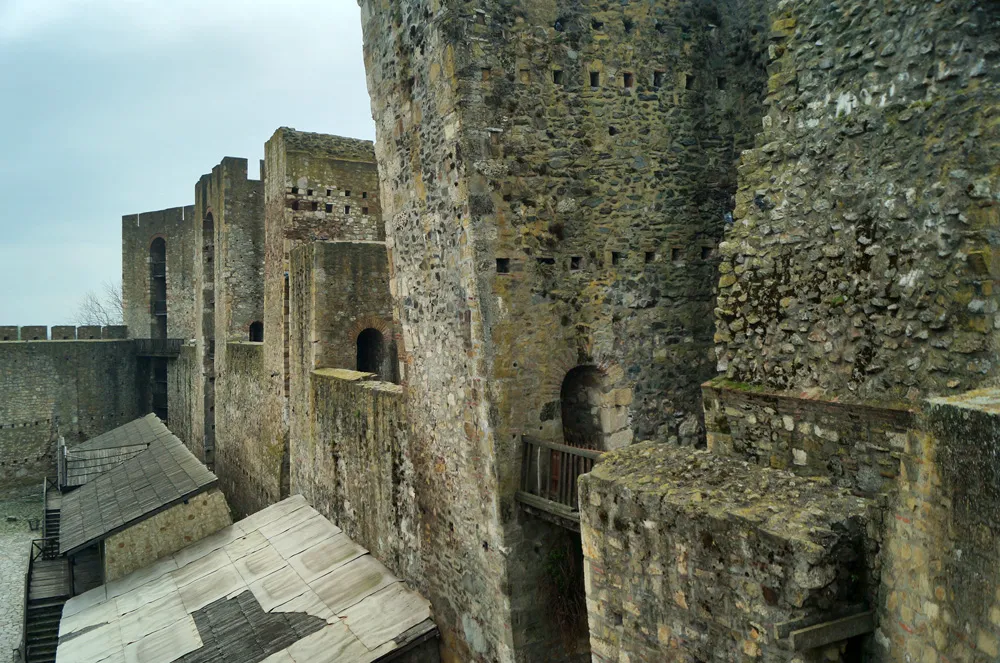
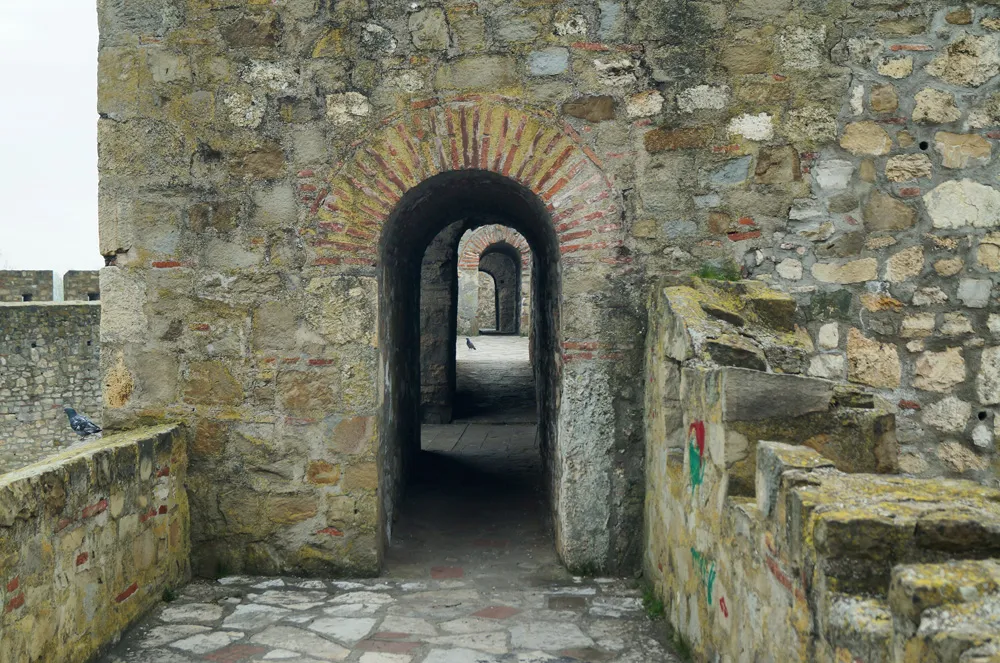
At the beginning of the 15th century the Serbian state, called the Despotate and ruled by despots, balanced between two powerful neighbours – the Kingdom of Hungary and the Ottoman Empire. Having lost a considerable part of their lands, the despots tried to hold on to their power and not lose the rest, so they periodically made peace, now with the Hungarians, now with the Ottomans. In 1403 Despot Stefan Lazarević accepted vassalage from the Hungarian king, the future Emperor Sigismund I of Luxembourg, and made Belgrade his capital. But after the despot’s death in 1427 he was succeeded by George (Đurađ) Branković, who had to hand Belgrade over to Sigismund under the earlier agreements. In exchange he founded a new capital of Serbia – Smederevo. On the bank of the Danube, between 1427 and 1430, a new, very powerful fortress arose.
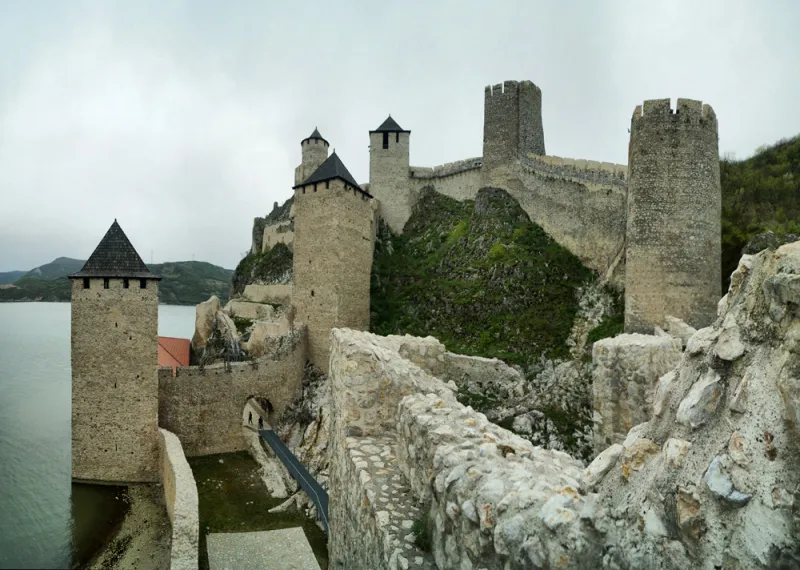
The most powerful fortress on the Danube at that time was Golubac, and logically it should have been made the capital. But the Ottomans laid claim to Golubac and the despot gave it to Sultan Murad II in 1427, so he was left with neither fortress nor capital. And the choice fell on Smederevo, located midway between Belgrade and Golubac.
Construction of the fortress in the new capital continued until 1439. Within the walls a new town grew up, with the despot’s palace, the houses of the Serbian nobility, shops and craft workshops. George Branković tried to pursue a slippery, accommodating policy, signing a pile of agreements with powerful states and arranging dynastic marriages. He even betrothed one of his daughters to the sultan, gave another to a Hungarian count, signed a treaty with Venice… But agreements with the Ottomans were no more reliable than with Russia – in 1439 a 130,000-strong Turkish army besieged Smederevo and, after a three-month siege, took the city. It is true that this was not yet the end of independent Serbia – under the Peace of Szeged the city was returned five years later… Independent Serbia disappeared in 1459.
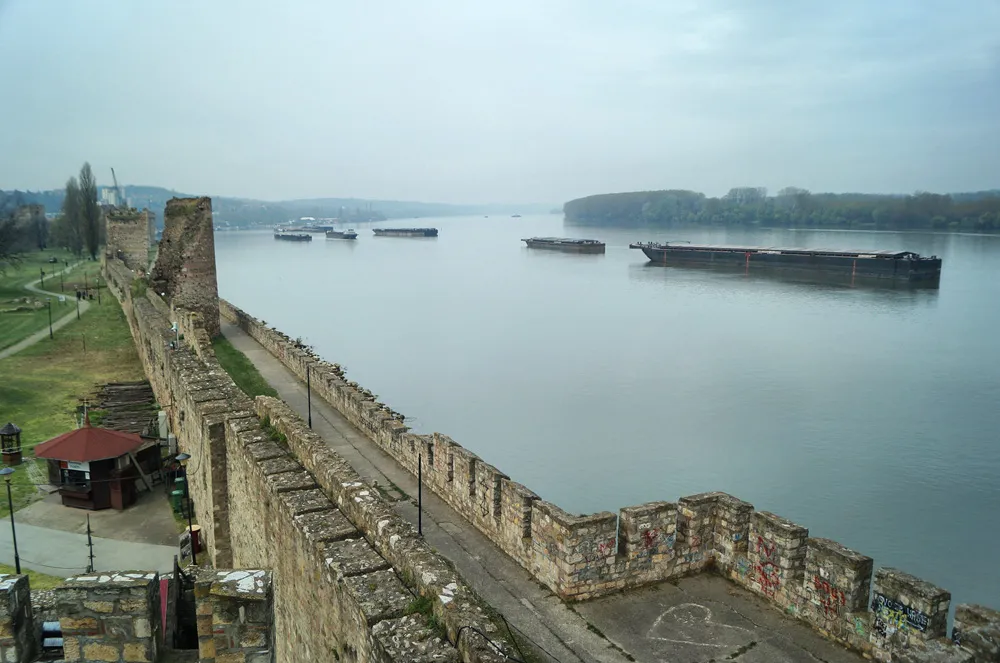
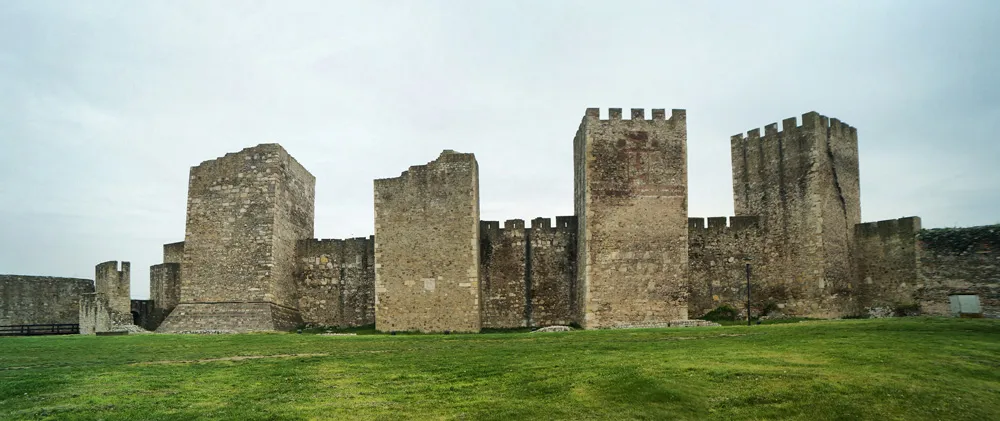
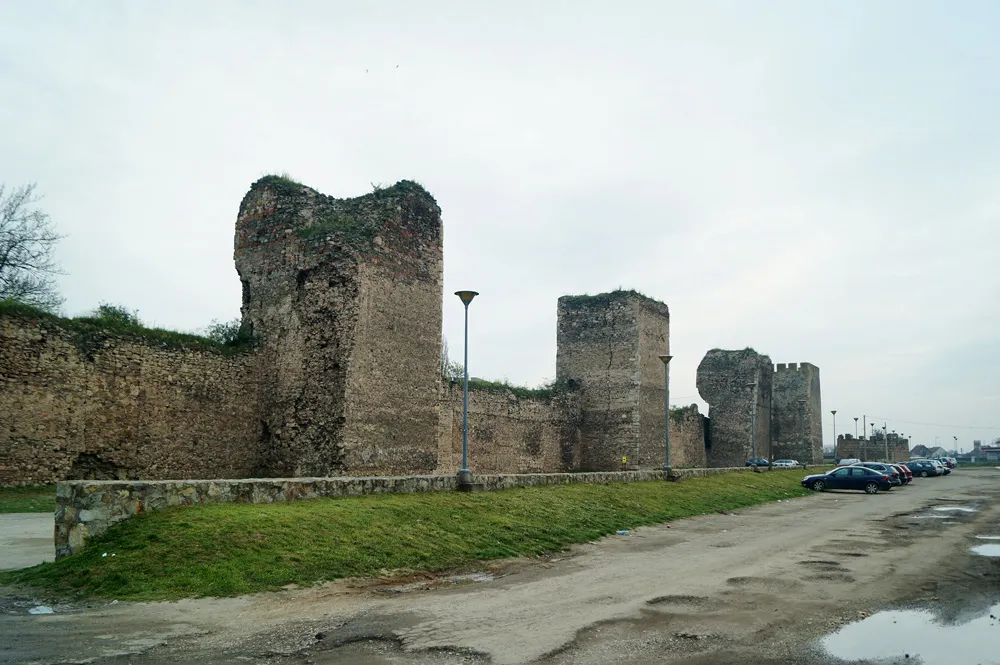
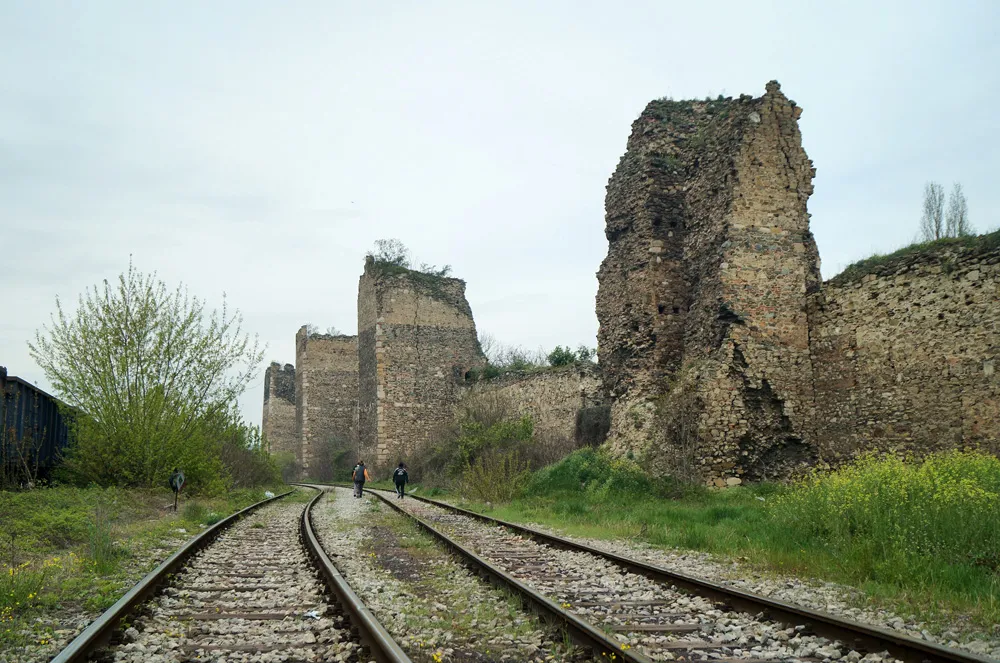
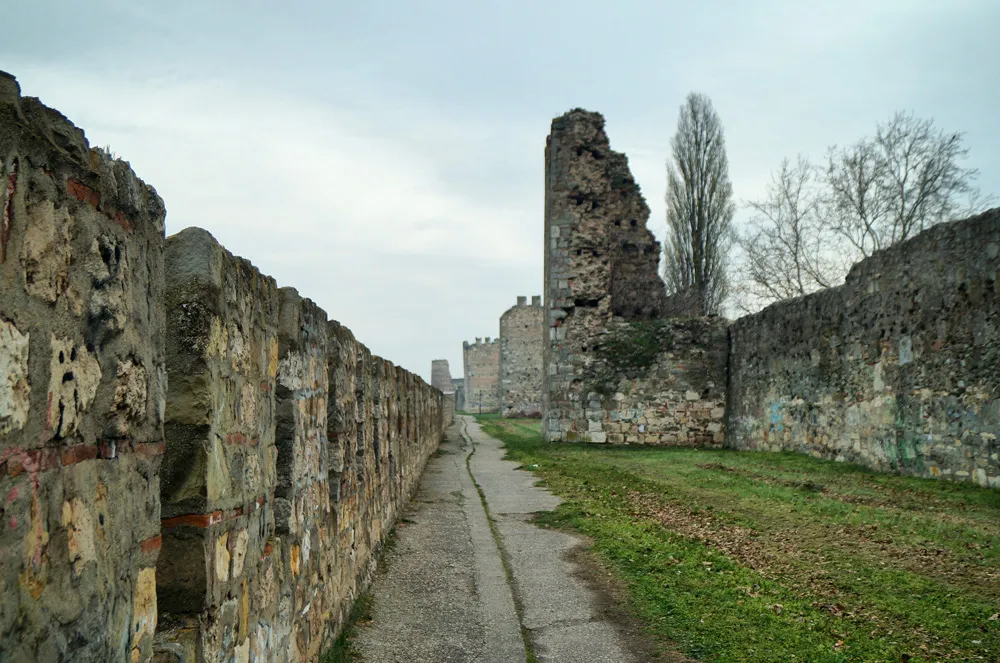
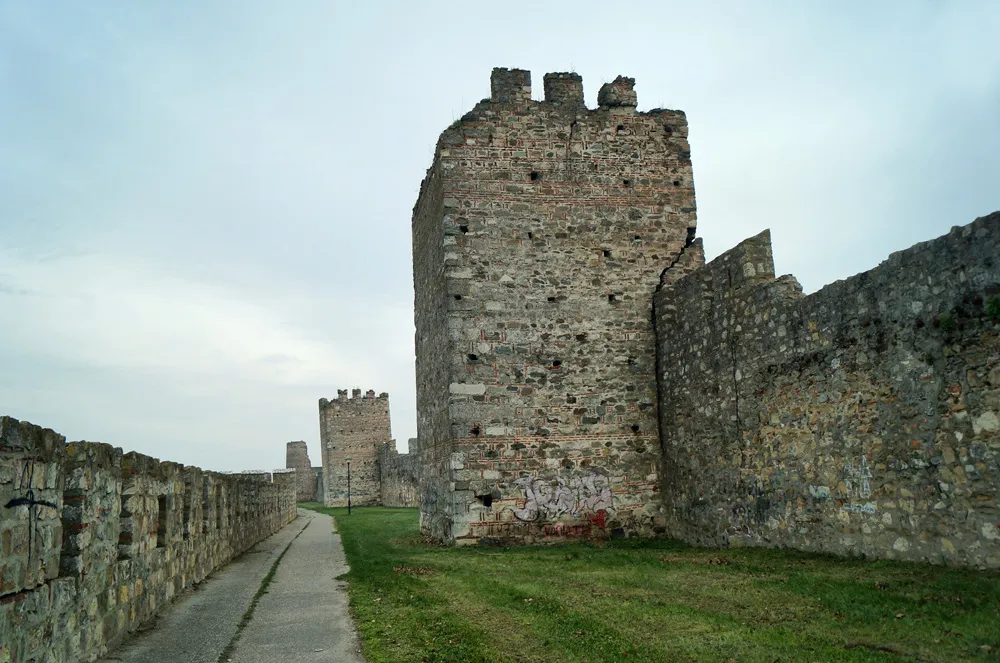
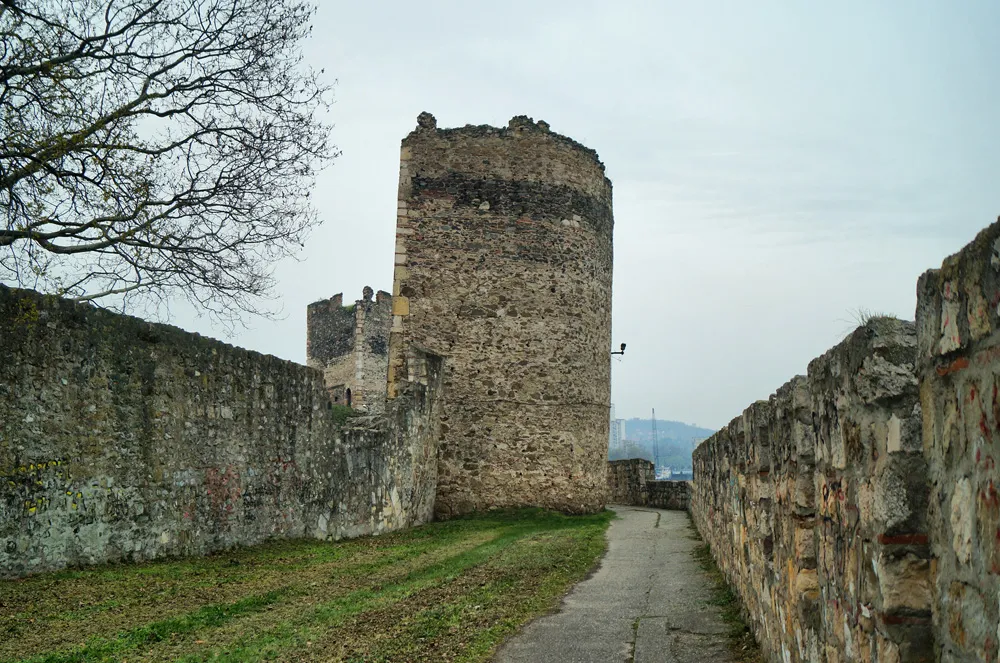
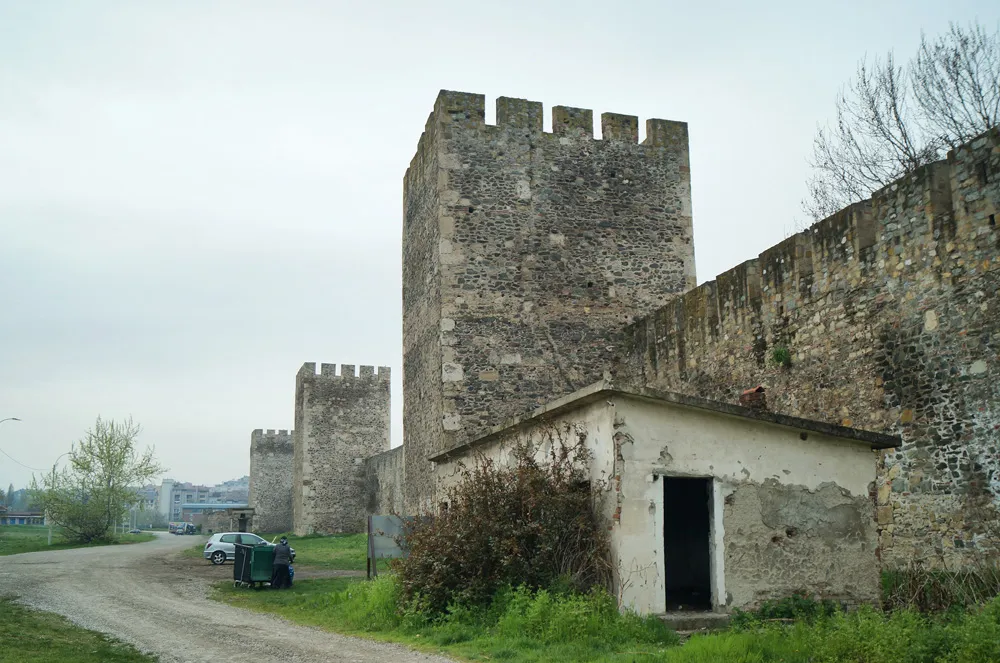
The fortress is empty now. There is a park and a stadium, and only in Mali Grad have buildings survived, which are now being actively restored. Branković’s throne hall, the palace and the commandant’s house were there. After the total emptiness, the railway tracks and the barges on the Danube, the fortress citadel really lifts the spirits. It is truly cool.
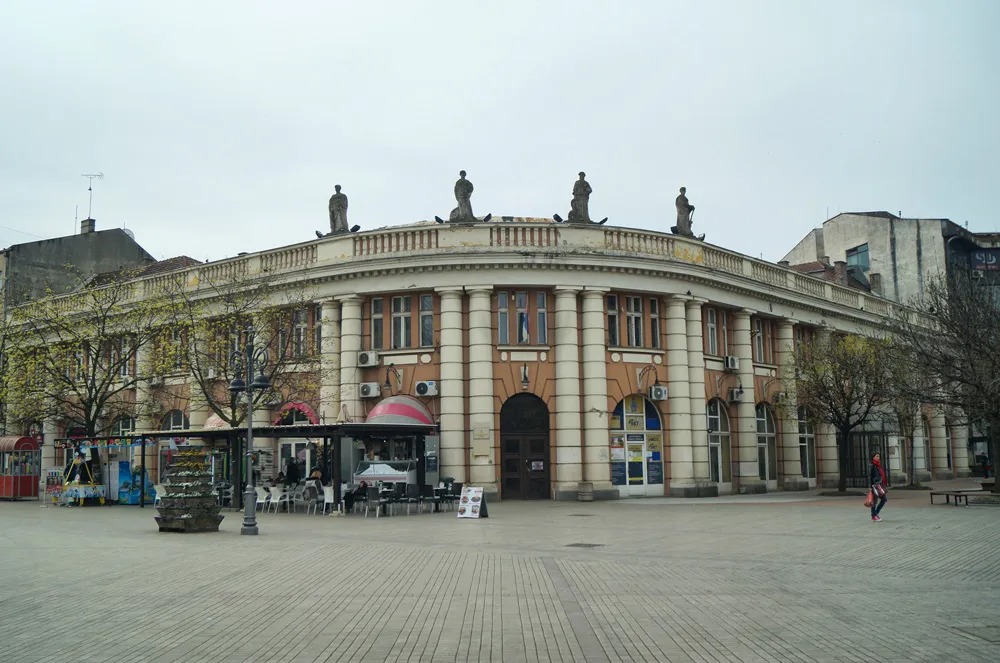
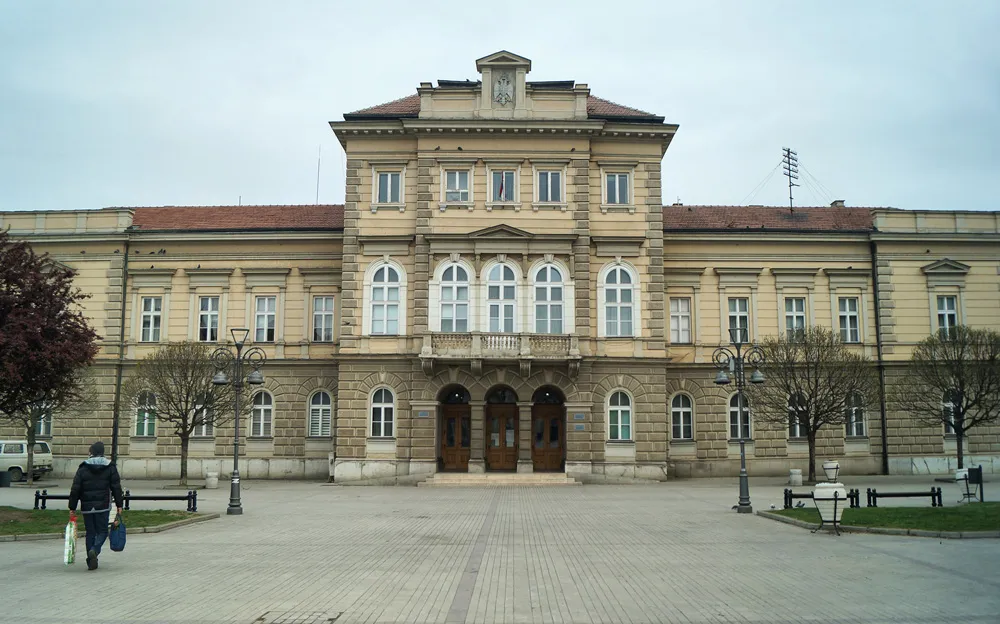
Not far from the fortress lies the historic centre of Smederevo – Republic Square. A poor centre, to be honest. The building of the Austrian court, the large Cathedral of St. George, built in 1854, and a few more structures of the late 19th century – that is all. But the town has one more significant tourist site – the Church of the Dormition, built in the early 15th century in the Moravian style, derived from the Byzantine. The church has simply incredible paintings and frescoes – this you must see. The church stands in a cemetery, a kilometre west of the centre.
Text and photos by Roman Malenkov.
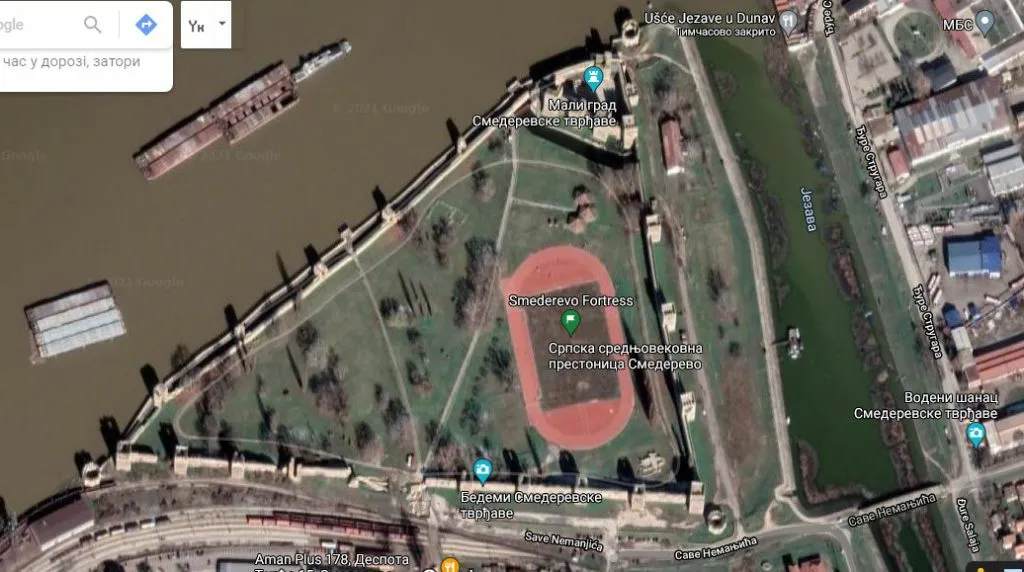
The fortress in a Google satellite image
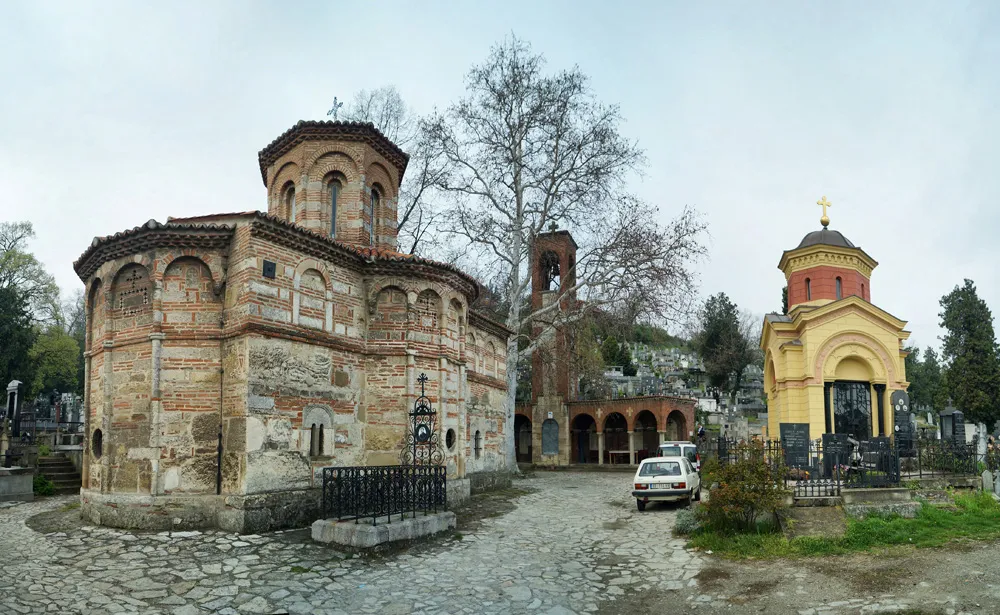
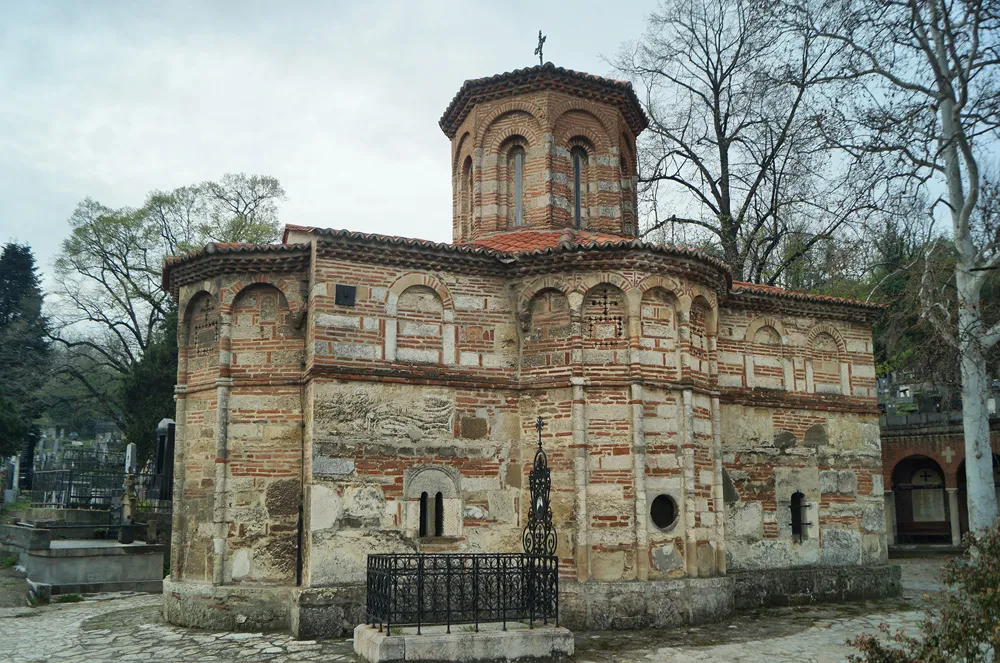
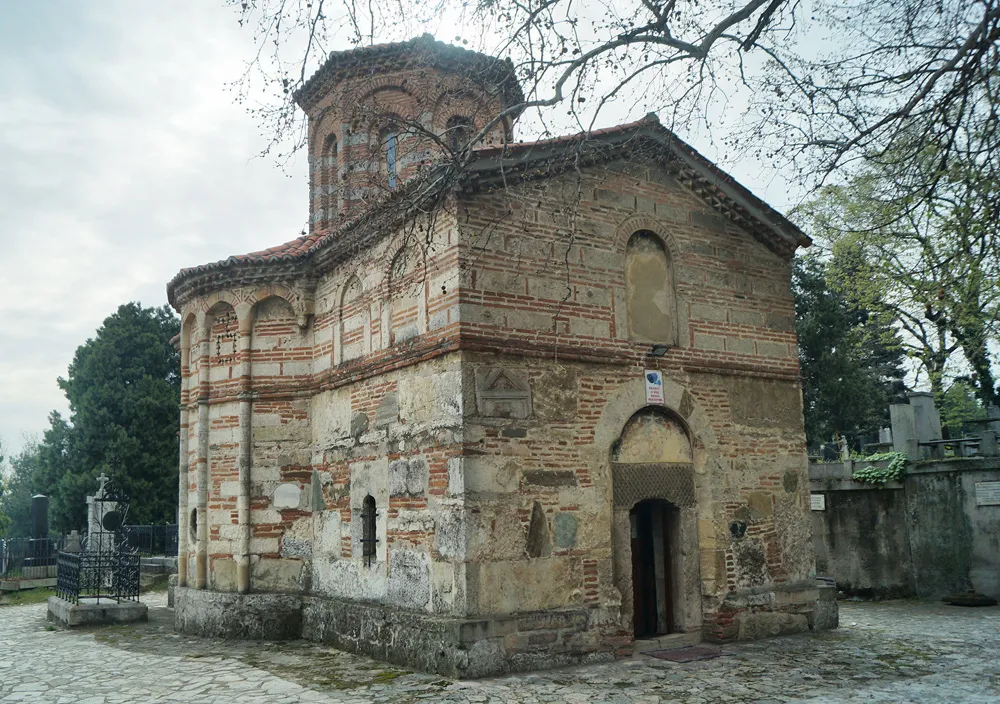
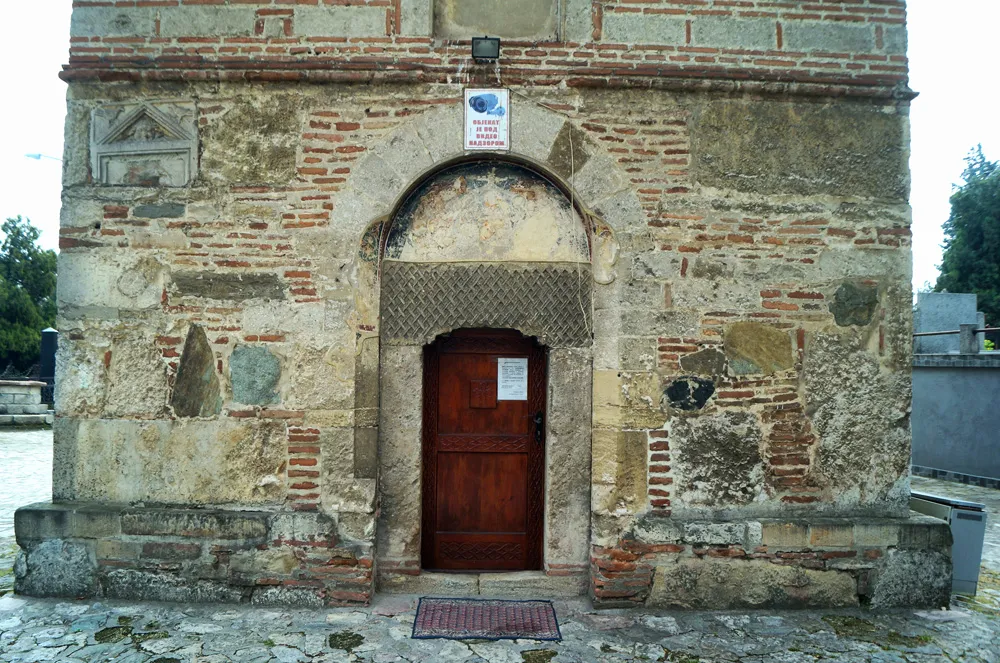
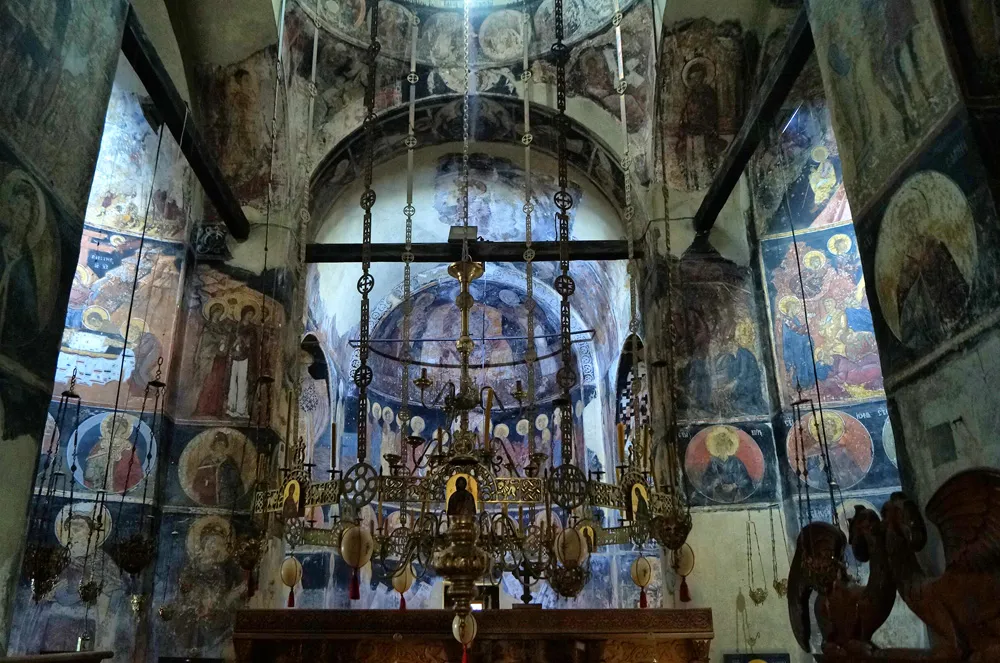
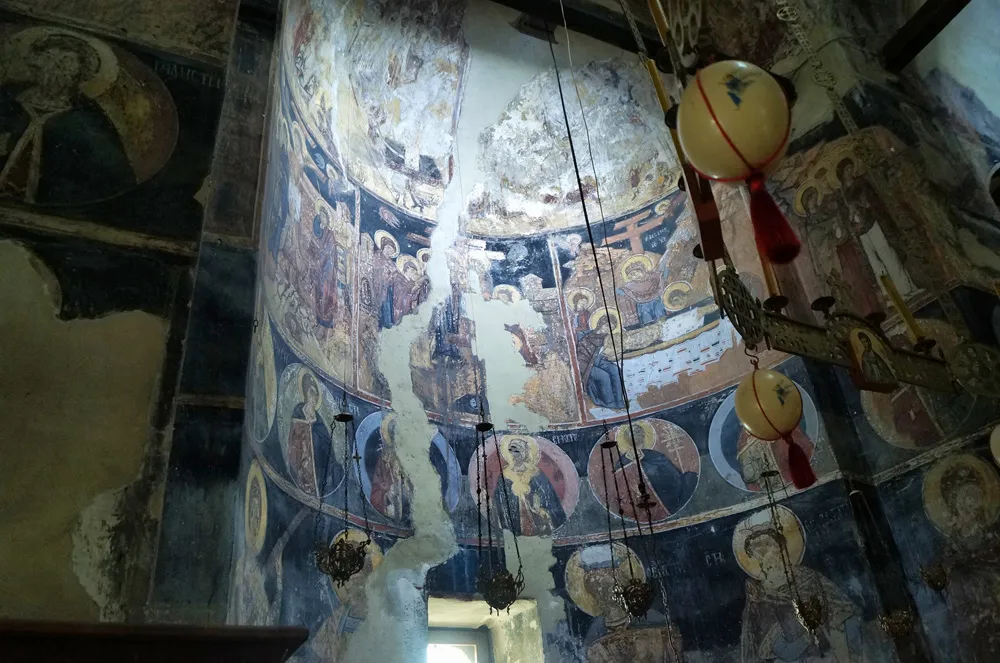
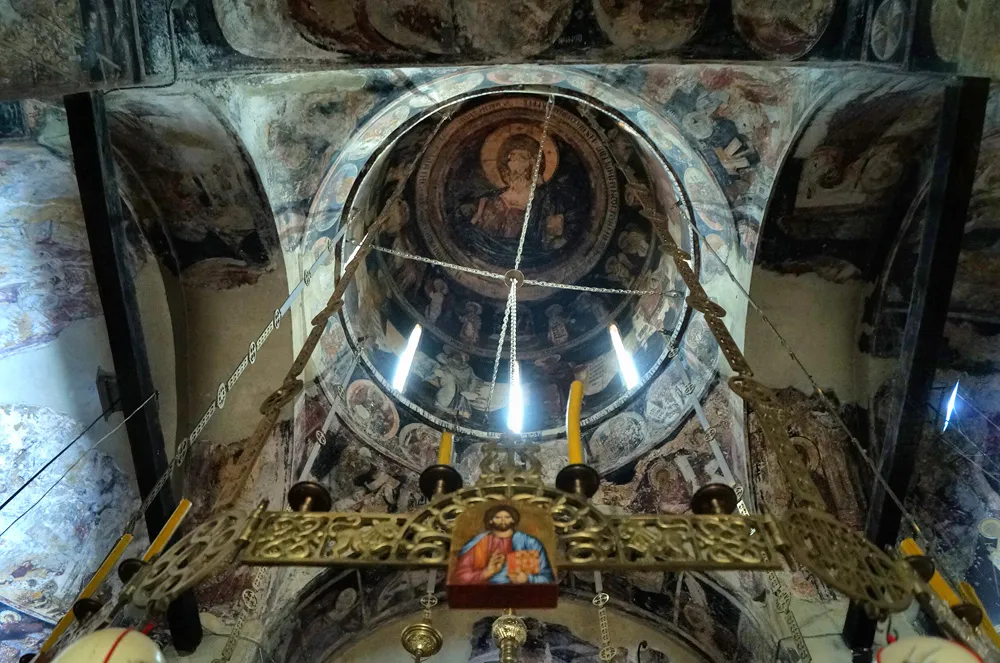
The Church of the Dormition
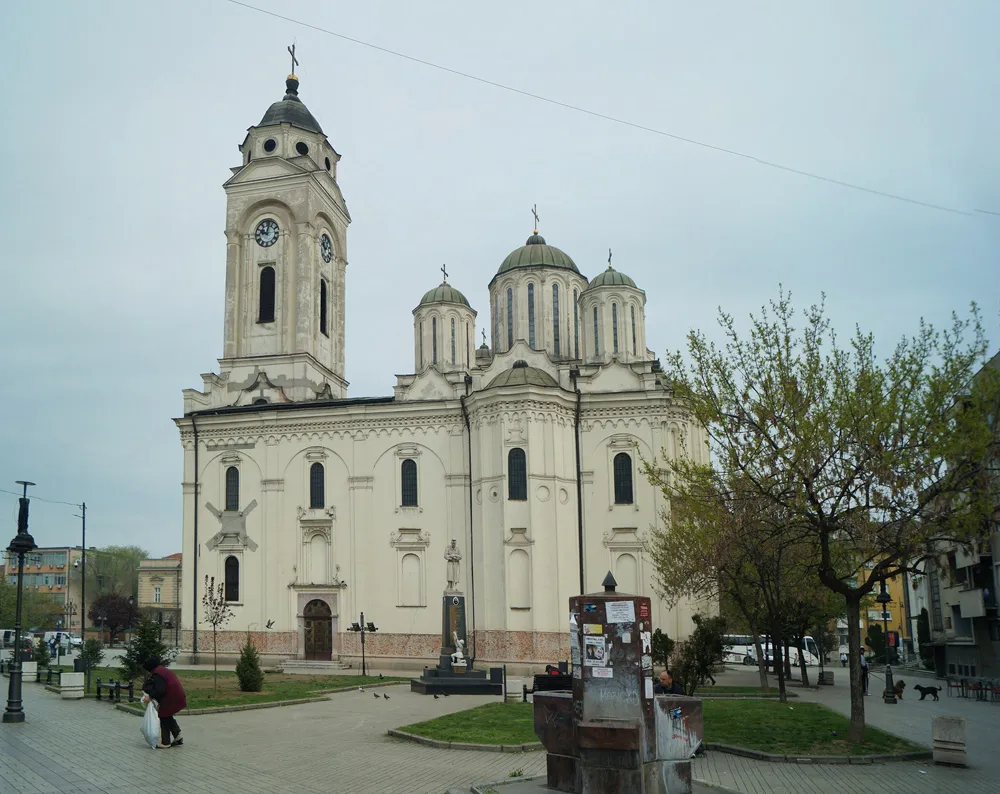
The Church of St. George