Turkey. Gevhernik (Ardanuç). An incredible canyon and castle

· 4 min read
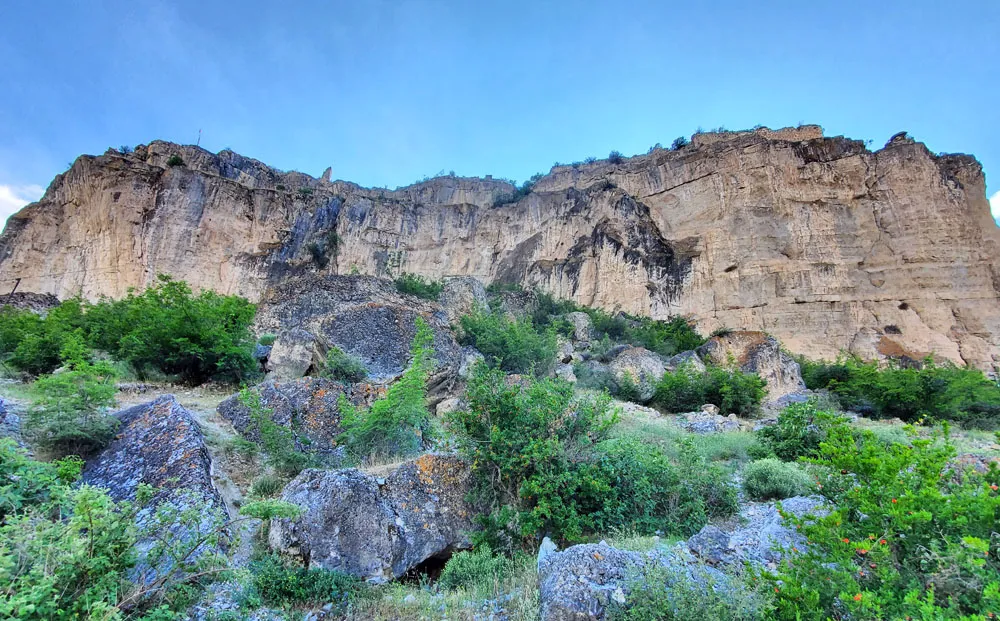
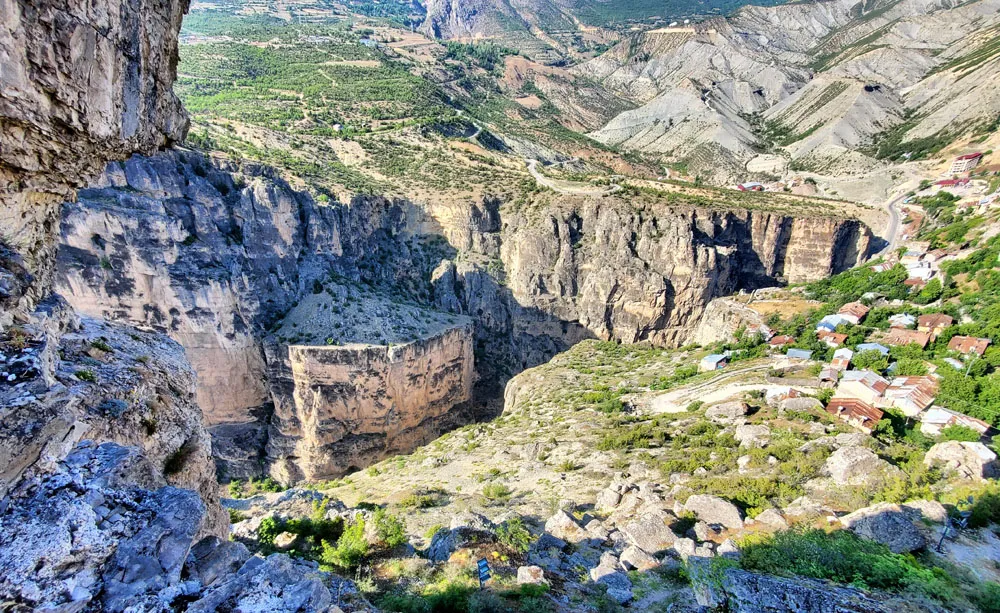
Forty kilometres from Artvin, up a very deep canyon and the valley of the Çoruh river, near the town now called Ardanuç, stand a castle and a canyon named Gevhernik. The castle is in ruins and it is not easy to reach: you have to climb to a considerable height along dangerous, loose paths, with the help of ladders and your own courage. But it is worth it, because the view from the mountain, especially of the fairy-tale canyon, makes up for all the inconvenience. This place is one of the most colourful, most mysterious and most majestic I have ever seen. And perhaps you will think so too. It is simply shocking, especially if you imagine that people once lived here.
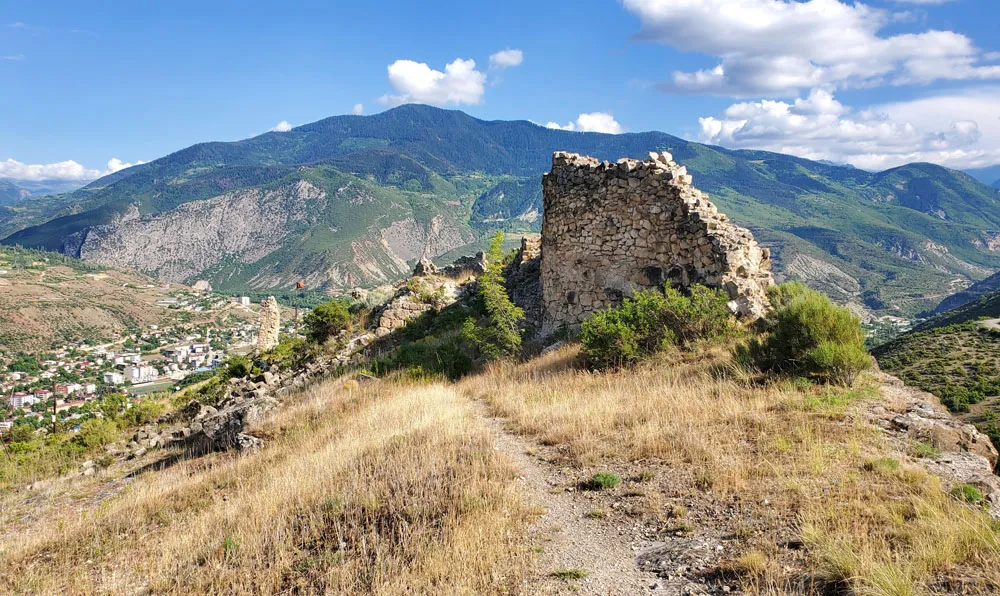
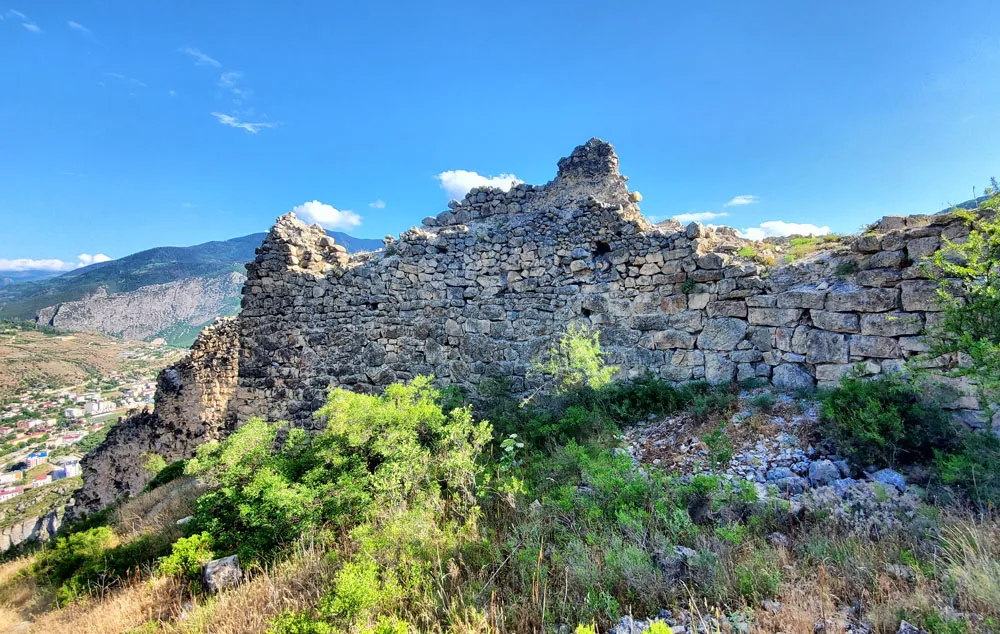
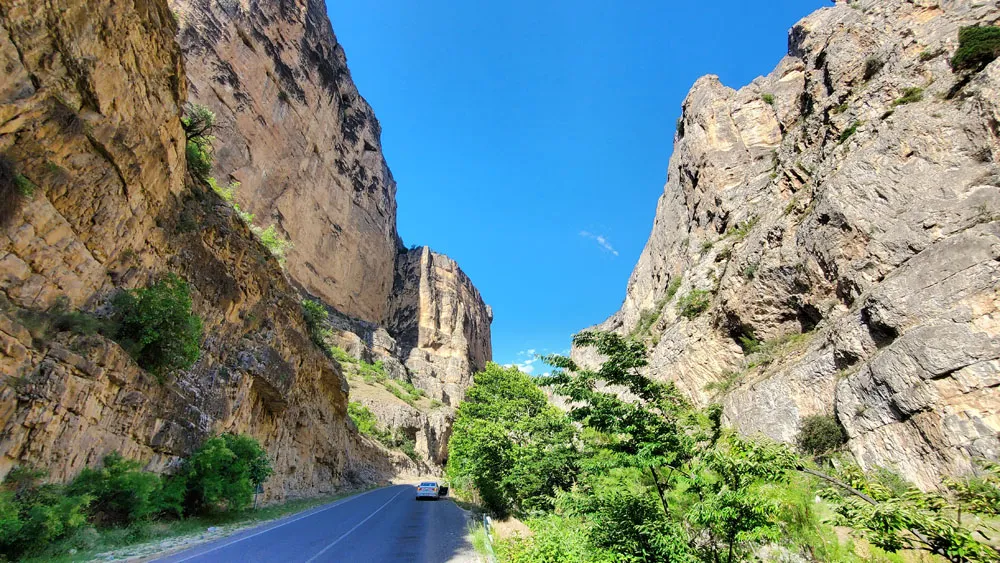
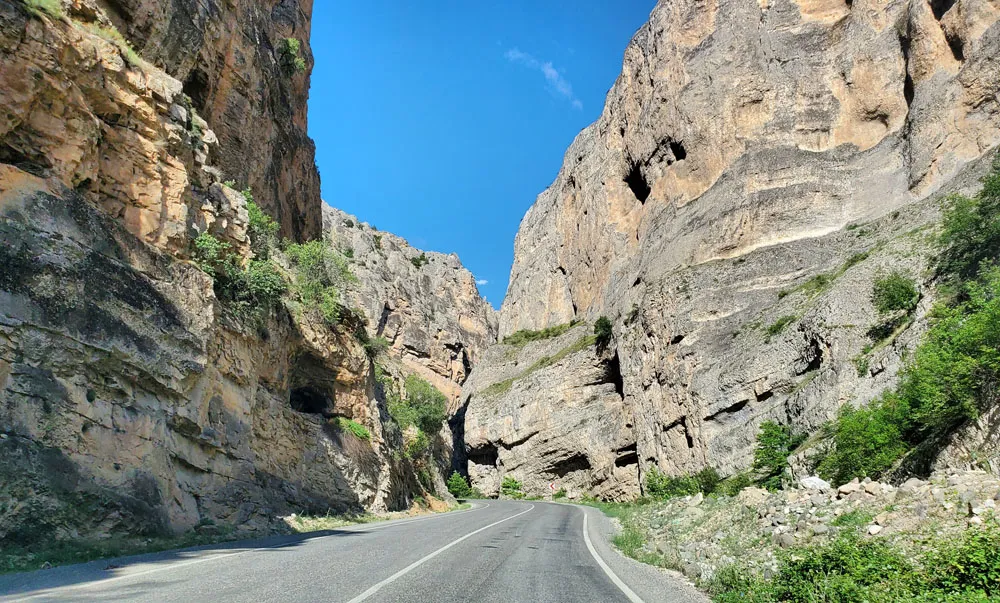
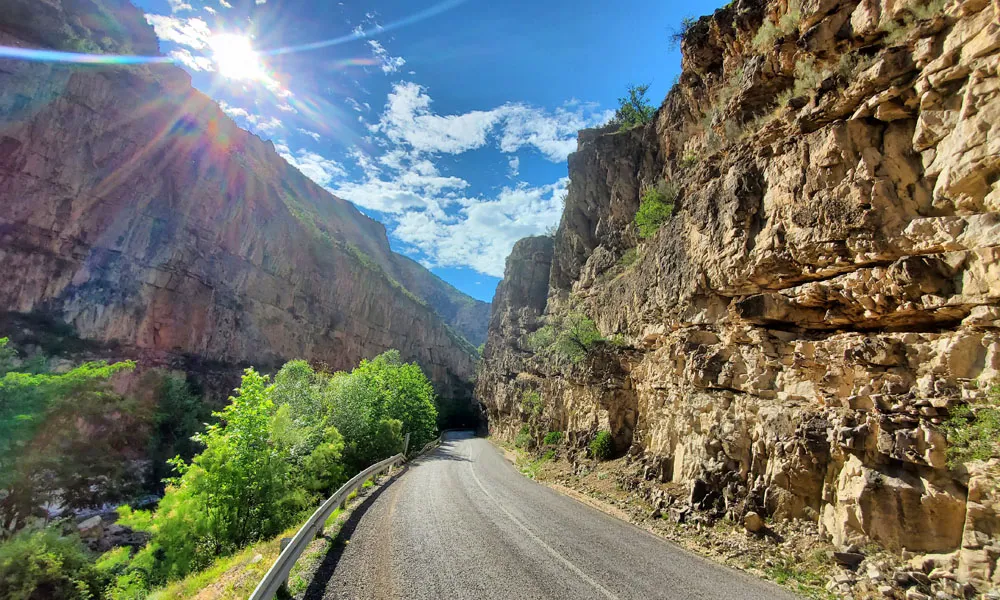
Heading to Ardanuç, you cannot miss the Gevhernik canyon. The road winds along a high terrace hewn above the Çoruh river when the reservoir was created, after the old road was flooded. And the old road was a historical route through a mountain massif that is a spur of the Caucasus. The name of the canyon comes from two words, Gevher and Nik, meaning mine and ore. In ancient times silver mines were located in this area, belonging to the Georgian kings of the Bagratid dynasty, as did the whole surrounding territory. And there was a castle, on a high, table-like rock with sheer sides. The castle controlled an important trade route and guarded the mines. At one time it even served as a residence of the Georgian kings, but in 1551 it was captured by the Ottomans, led by Suleiman the Magnificent himself. The rock on which the castle ruins now stand seems so impregnable that it is hard even to imagine how the Ottomans managed to take this stronghold. They badly damaged it then, but very quickly (1562) the castle was restored. The present ruin is the result of earthquakes and of the castle losing its fortification function. Artillery made such castles unfit for defence, and it was very inconvenient to use as a dwelling, so the inhabitants descended into the valley and abandoned the fortress.
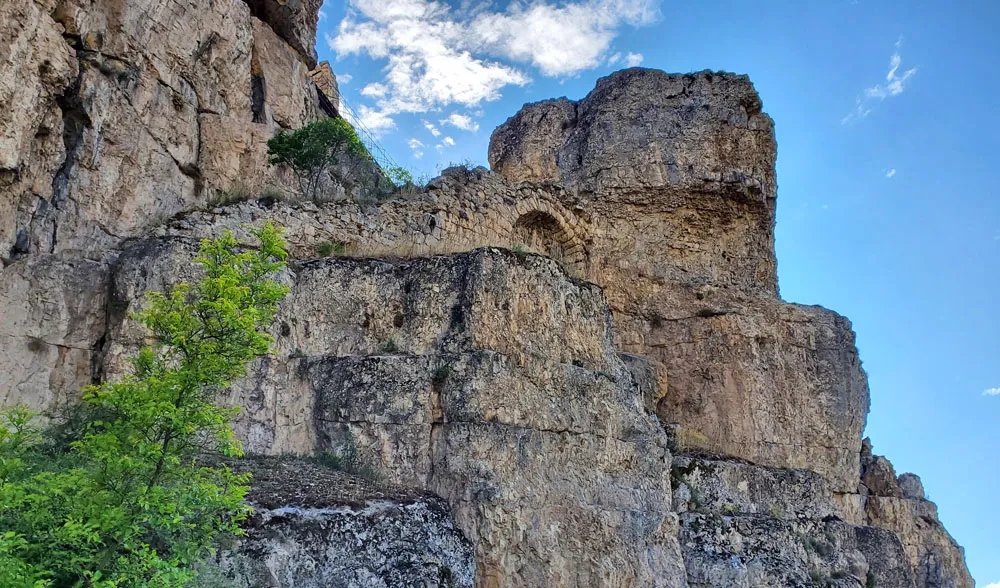
On the summit not a single whole structure remains, only fragments of stone masonry, sometimes sizeable pieces of walls and dwellings, but if you have the strength and suitable footwear, you should climb up here. The path is inconspicuous and begins in the Adakale area. It is marked with floodlights on metal poles. And keep close to the wall. Note that the path is quite loose, strewn with fine gravel, and going down it is much harder than going up.
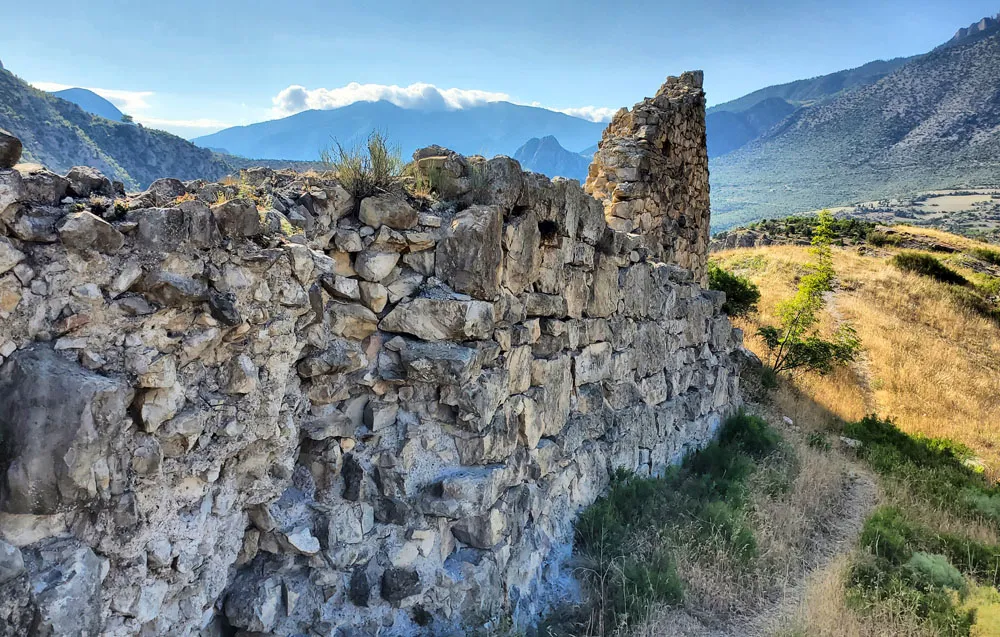
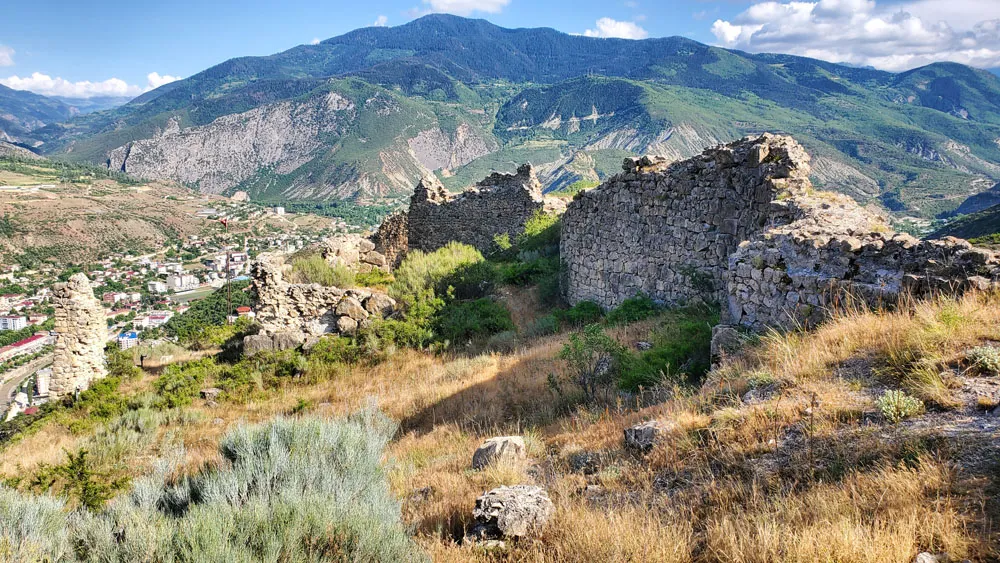
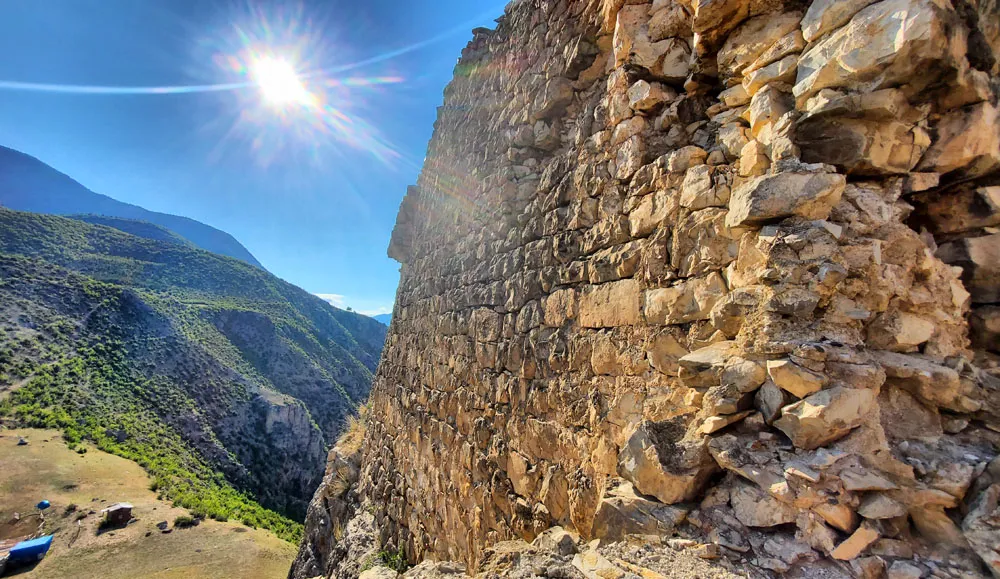
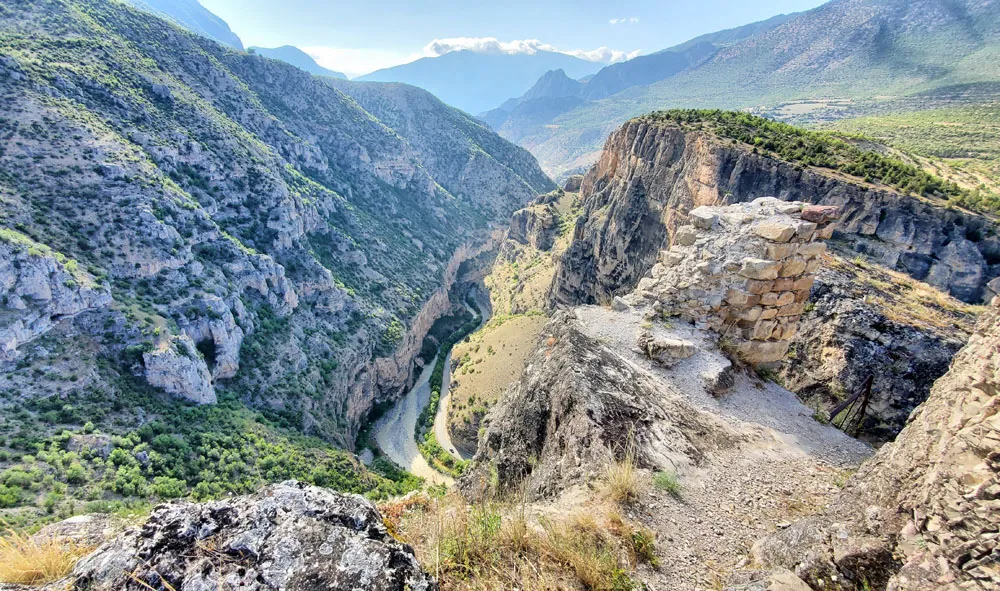
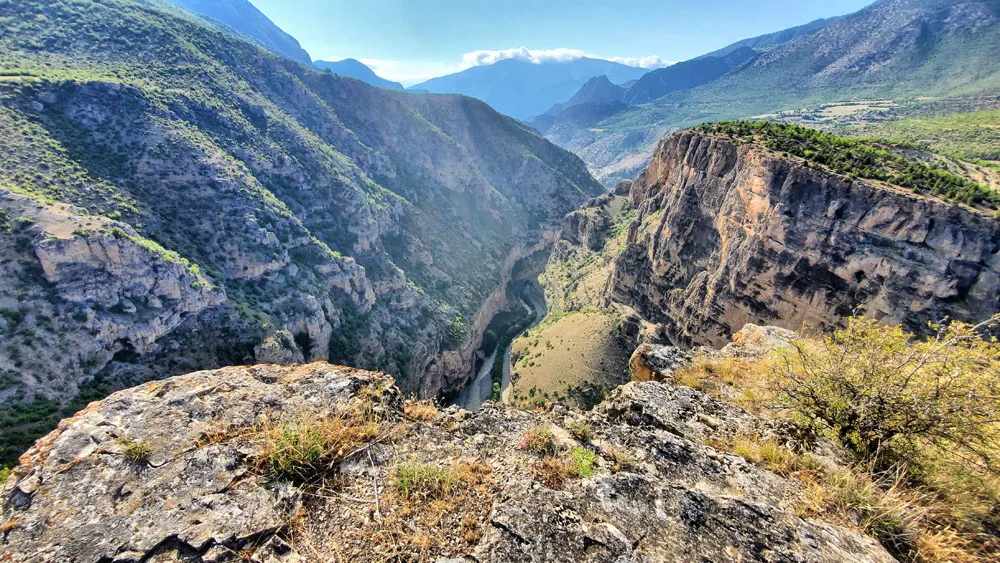
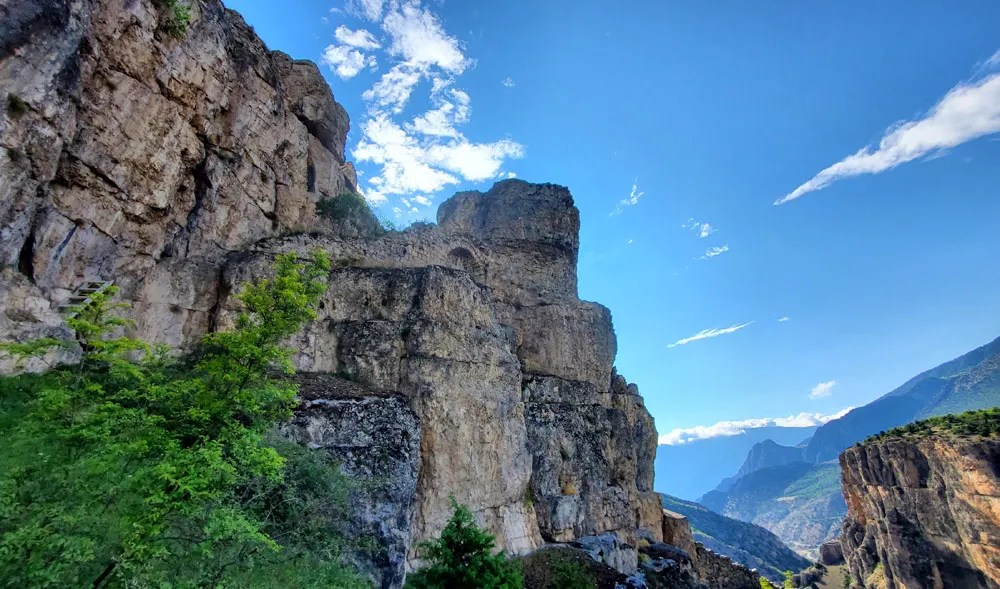
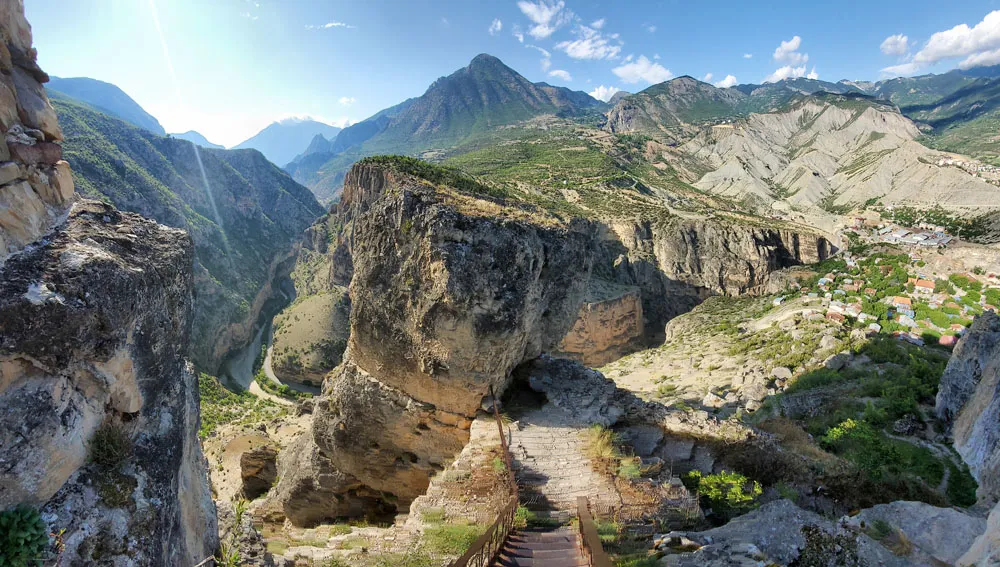
The path leads to a wooden ladder, and then to a metal one that seems to hang in the air over the abyss; as you climb it, better not look down if you are afraid of heights. But from this ladder you will see the grandeur of the Gevhernik canyon for the first time, and perhaps at its best.
The castle was built in the 5th century by the Georgian king Vakhtang Gorgasali. In the 7th century it was destroyed by the Arabs, and in the 8th it was restored by Ashot the Great, prince of Tao-Klarjeti, a principality that also extended over these lands. He probably built at the foot of the castle rock the town that the Georgians called Artanuji. In the 10th century the town’s real heyday began, helped by trade and silver mining.
After the town was captured by Suleiman the Magnificent, most of the Georgians migrated north during the 16th to 19th centuries. Armenians came in their place, and they were exterminated in the tragic year of 1915. No Christians were left in this area.
In 1877 Ardanuç, like the surrounding lands, was seized by Russia and became part of the Batum Oblast. At that time most of the town’s population were Armenians. Although, in the opinion of many modern researchers, these were Catholic Armenians who over many centuries had intermingled heavily with Georgians and spoke a half-Georgian language.
Today the Adakale area near the castle is home to the Lom people, an ethnic group close to the Gypsies (Roma), who came here from India. You can ask them the way to the castle.
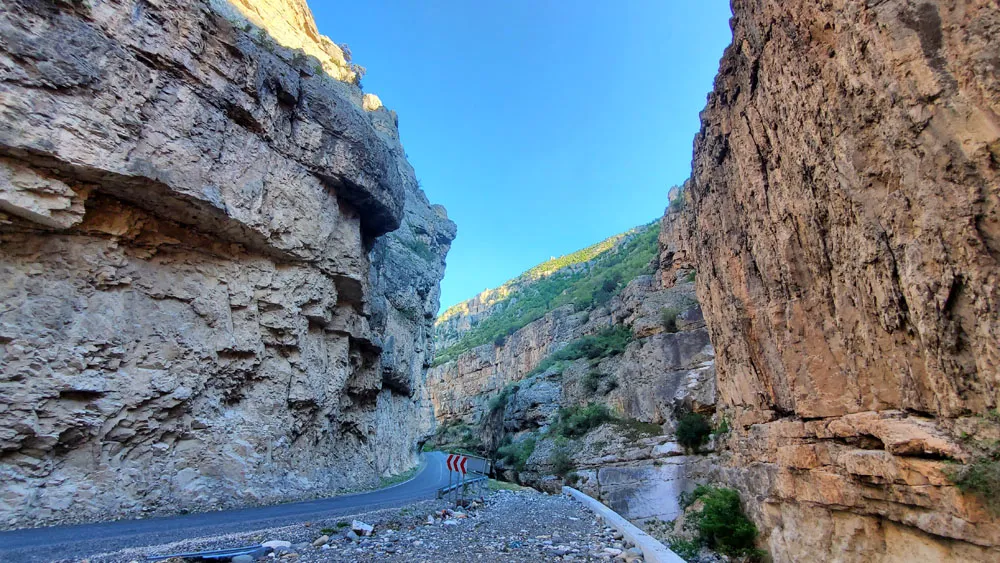
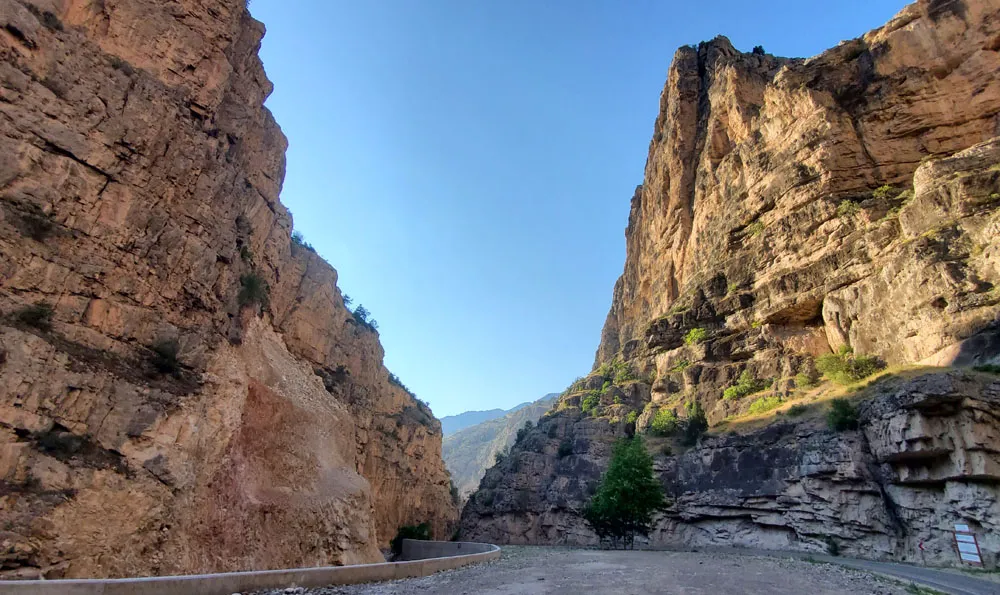
The Gevhernik canyon is a natural monument. From below, from the road, it looks no less majestic than from above, from the castle. The canyon walls are sheer and several hundred metres high. This place can be called one of the most attractive in Turkey, yet we did not see a single tourist here. While there are no crowds, hurry to see this fairy tale.
Text and photos by Roman Malenkov.