Turkey. Ancient Harran Ḥarrān. A city of beehive houses

· 2 min read
South of Şanlıurfa, almost on the Syrian border, among cotton fields whose fluff drifts over the roads like wool, lies the ancient city of Harran Ḥarrān. Let me say right away that tourists come here for the archaic beehive houses built of stone and clay. The tops of these houses are made as numerous cones; it is said that in antiquity, before air conditioning, this is how people fought the terrible summer heat: warm air rose up into the cone, leaving pleasant coolness below, in the living rooms. And not only dwellings were built this way, but also barns for livestock… I would not say there are very many such houses now, but they do exist. Many have been turned into museums and little guesthouse-hotels with souvenir shops. It was for these houses that we too went to Harran, on the way to Şanlıurfa.
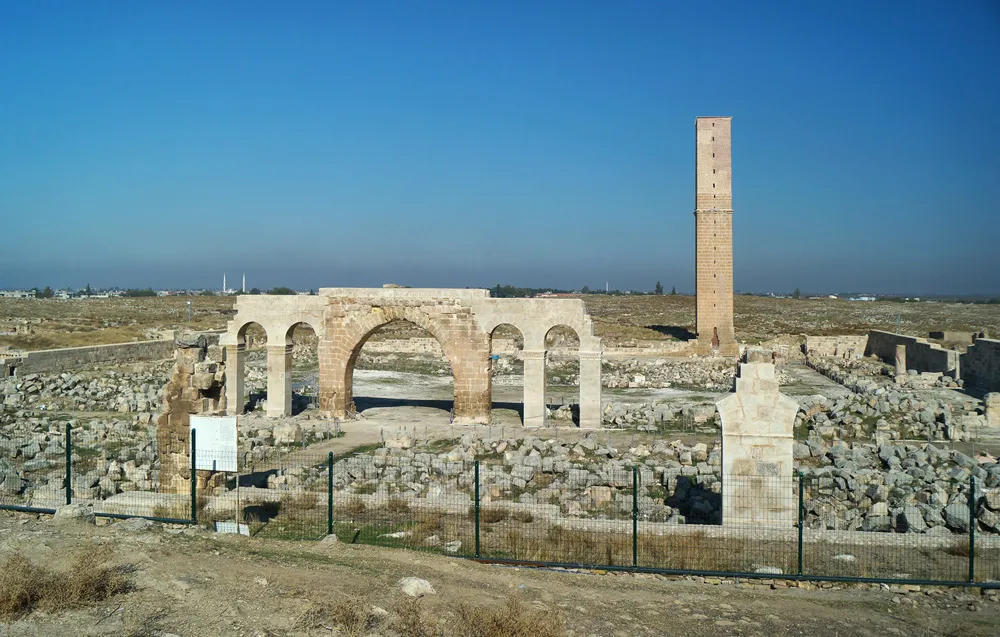
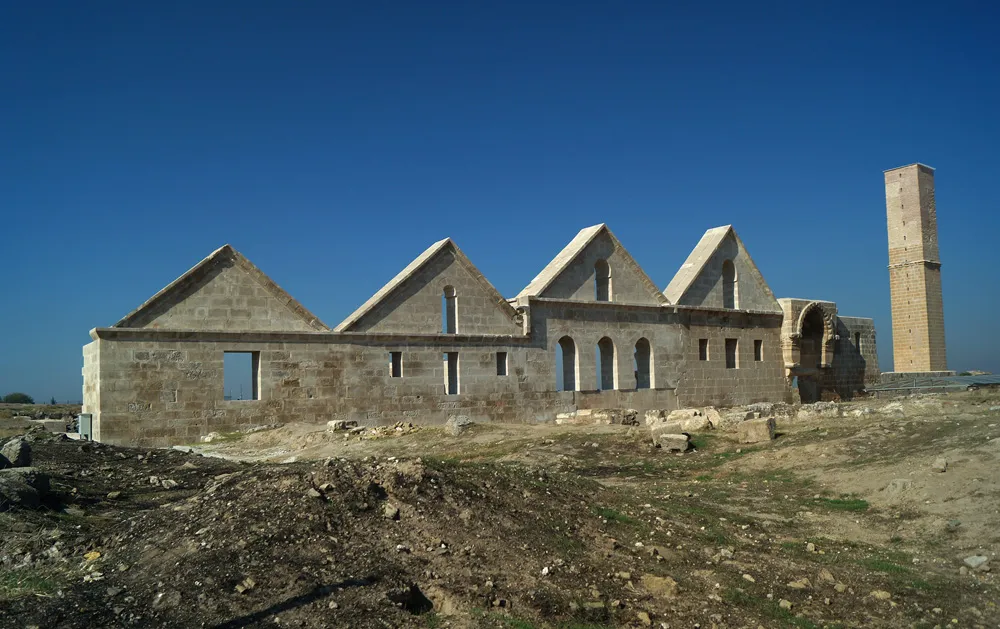
Besides the beehive houses, Harran has a castle, handsome from the outside but closed for long-term restoration, so getting inside is unrealistic. The castle stands right in the area of the beehive houses, and further north are the ruins of the oldest university on the planet: the foundations and remains of the walls of the teaching buildings, a mosque and a madrasa, and a tall rebuilt minaret. Next to the ruins is a huge archaeological site.
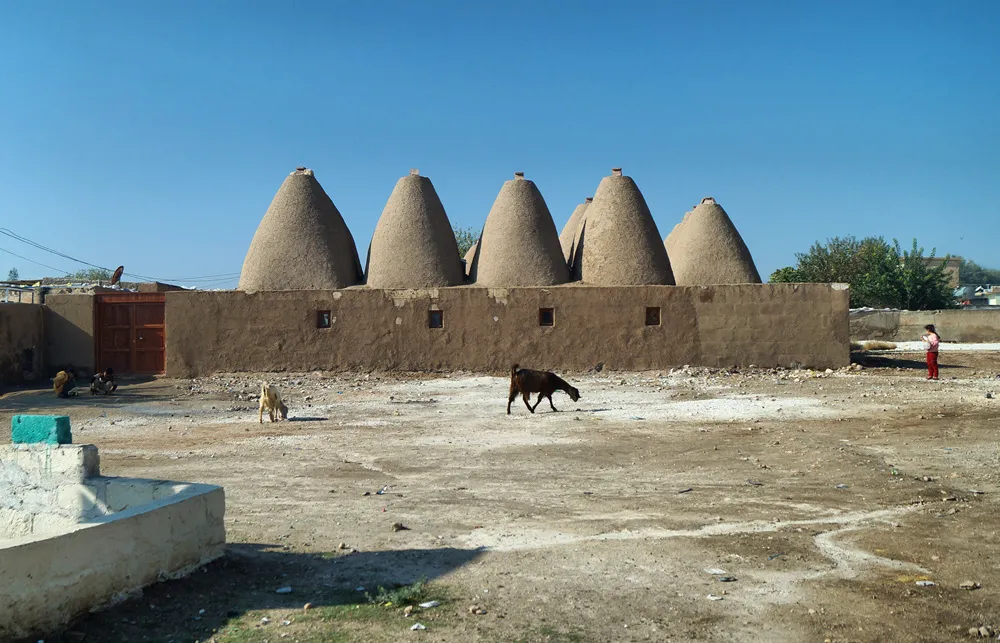
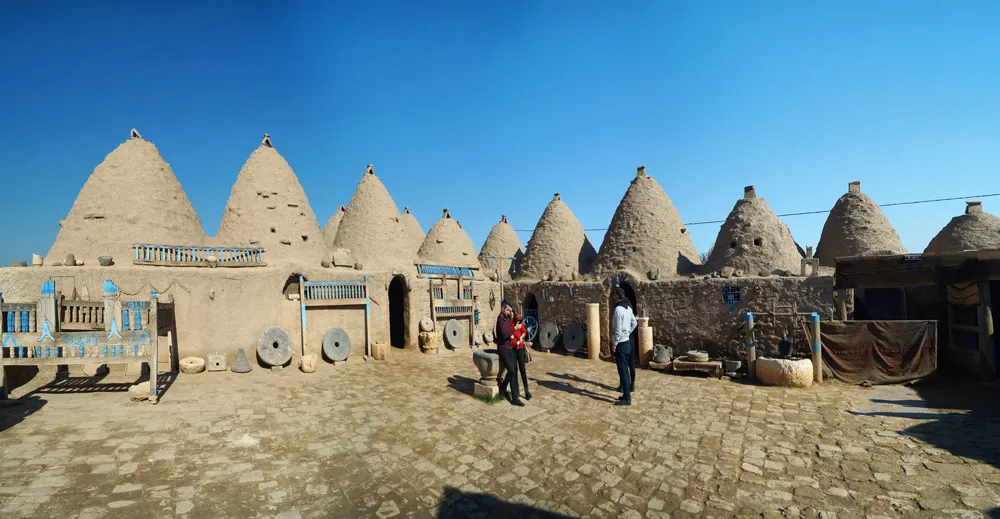
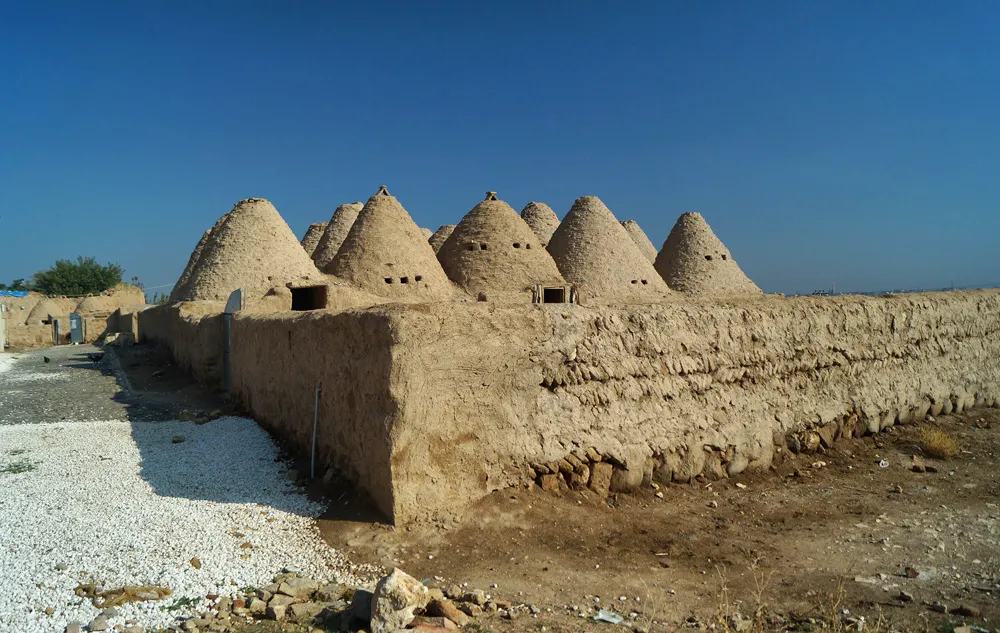
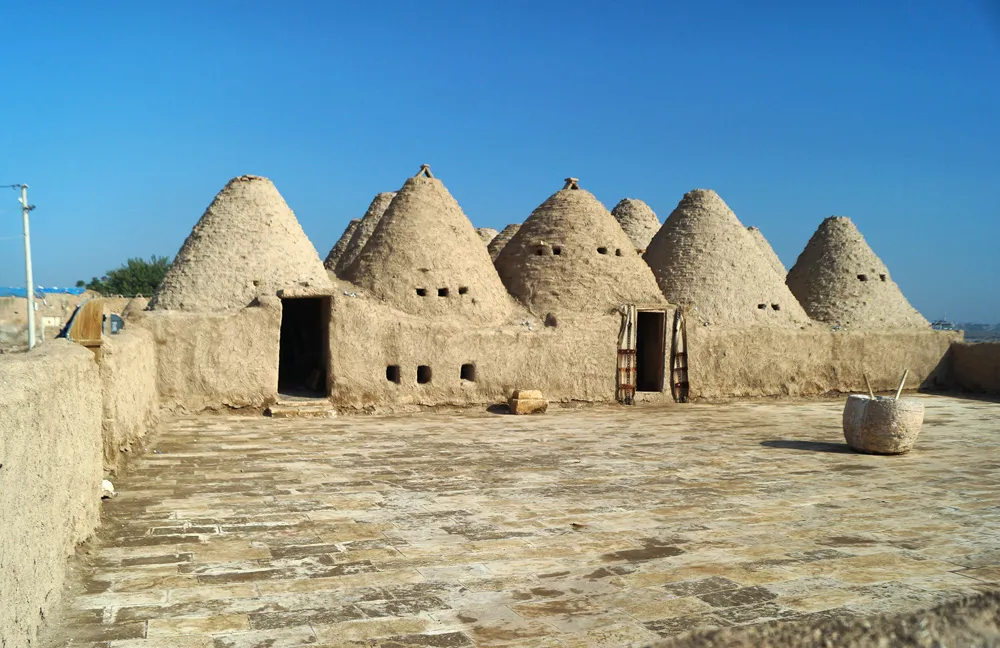
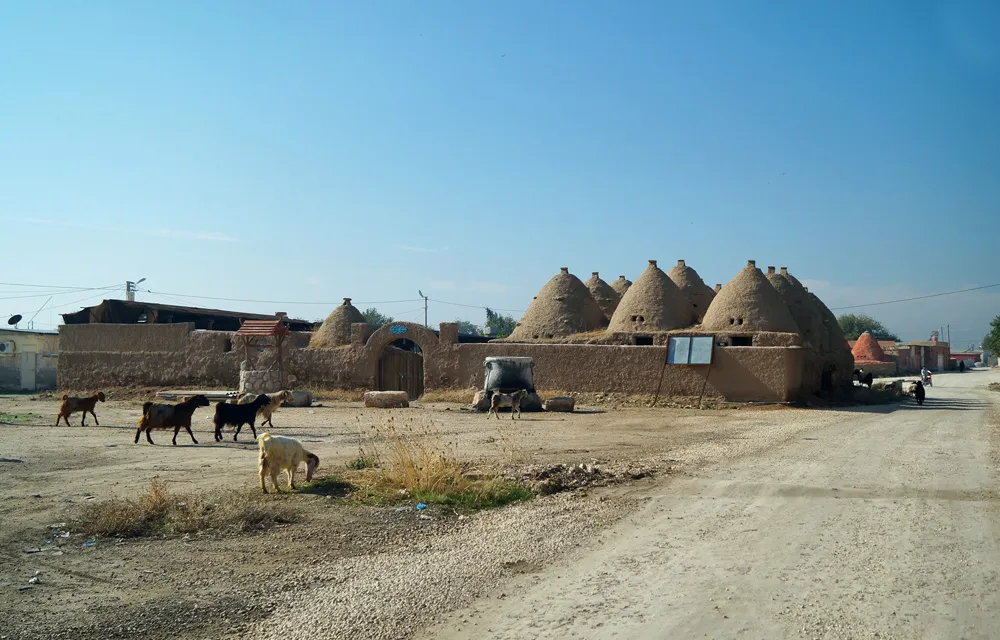
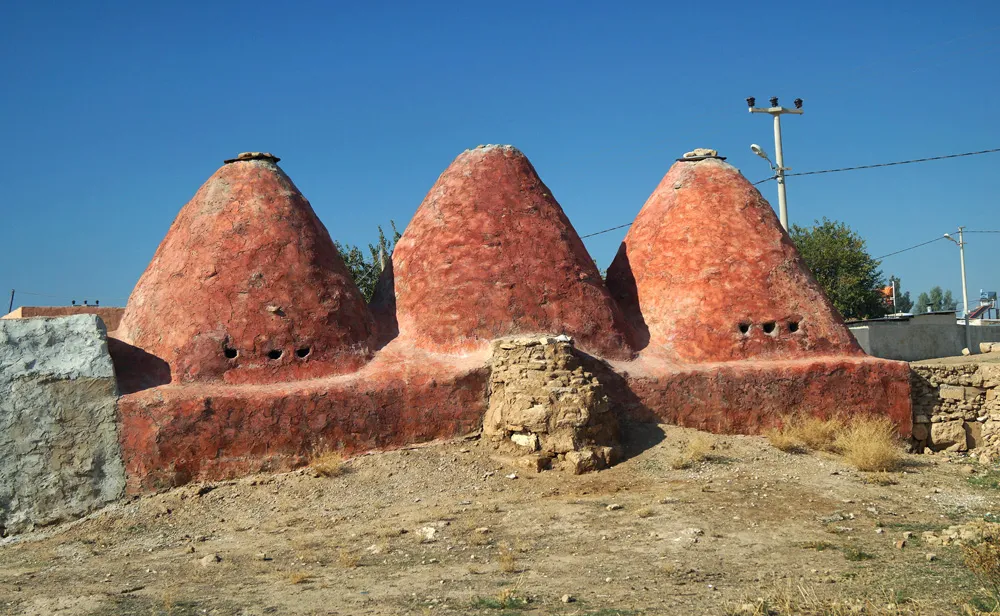
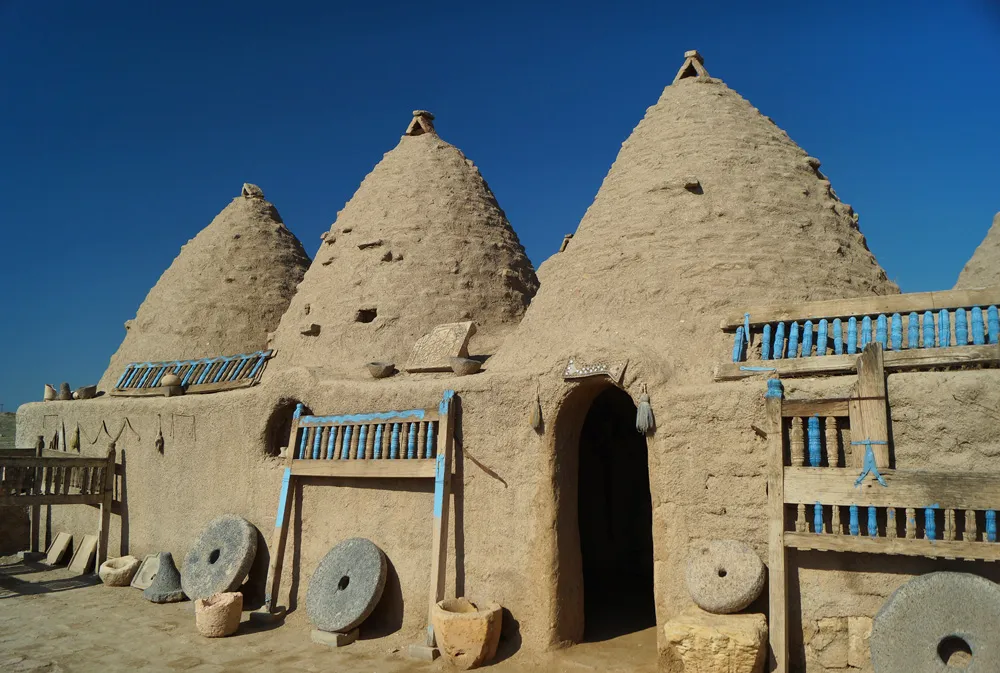
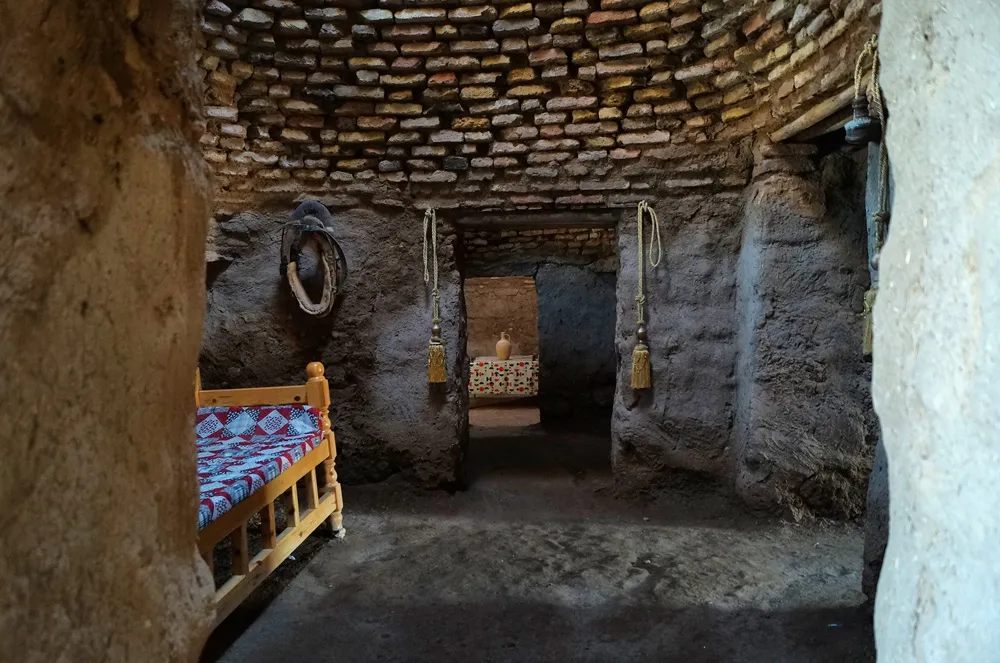
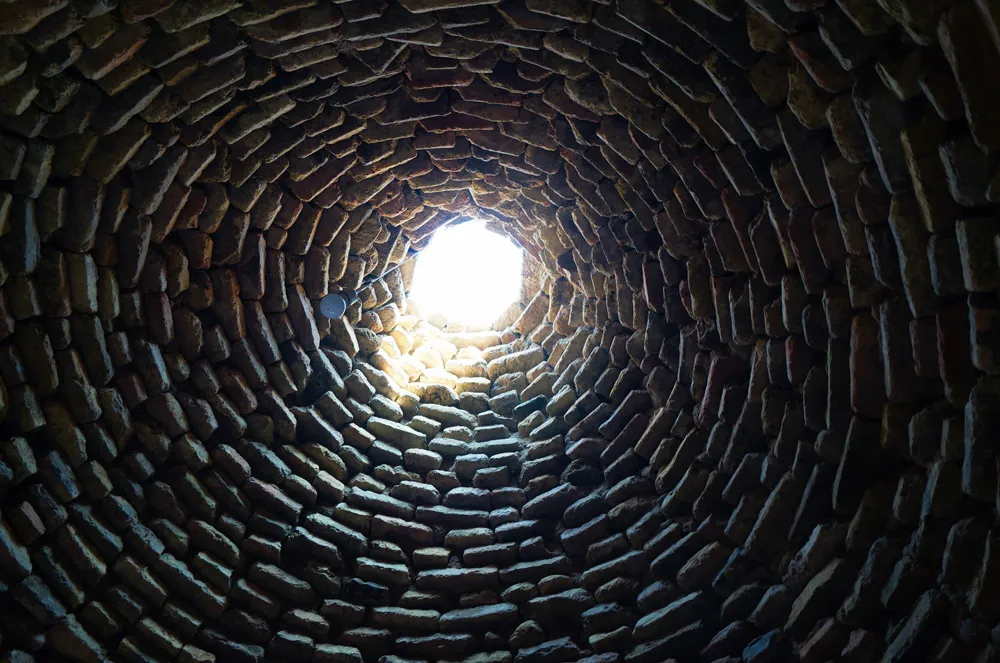
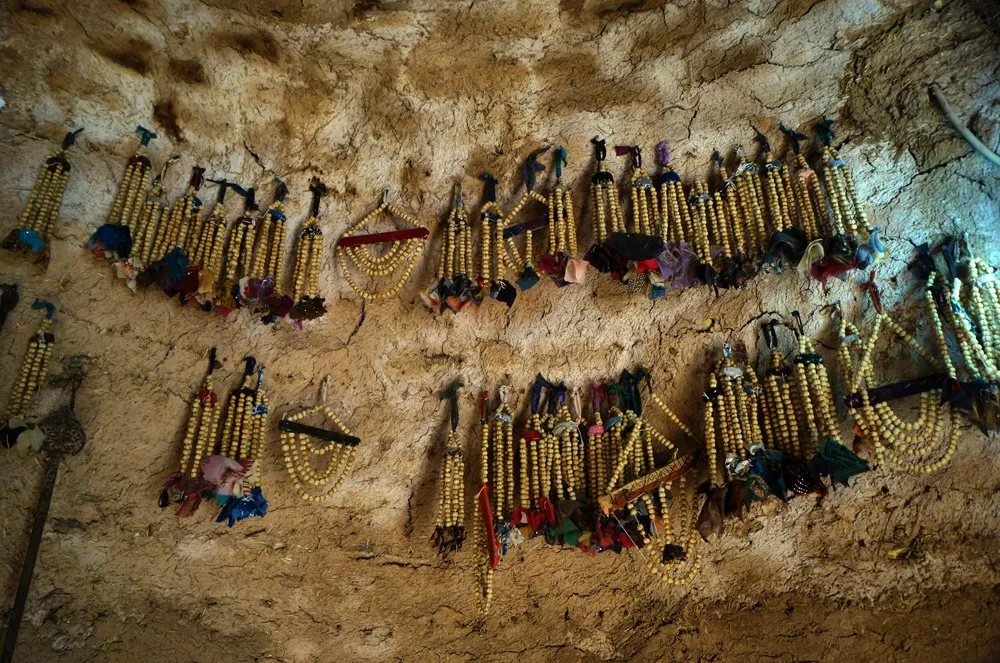
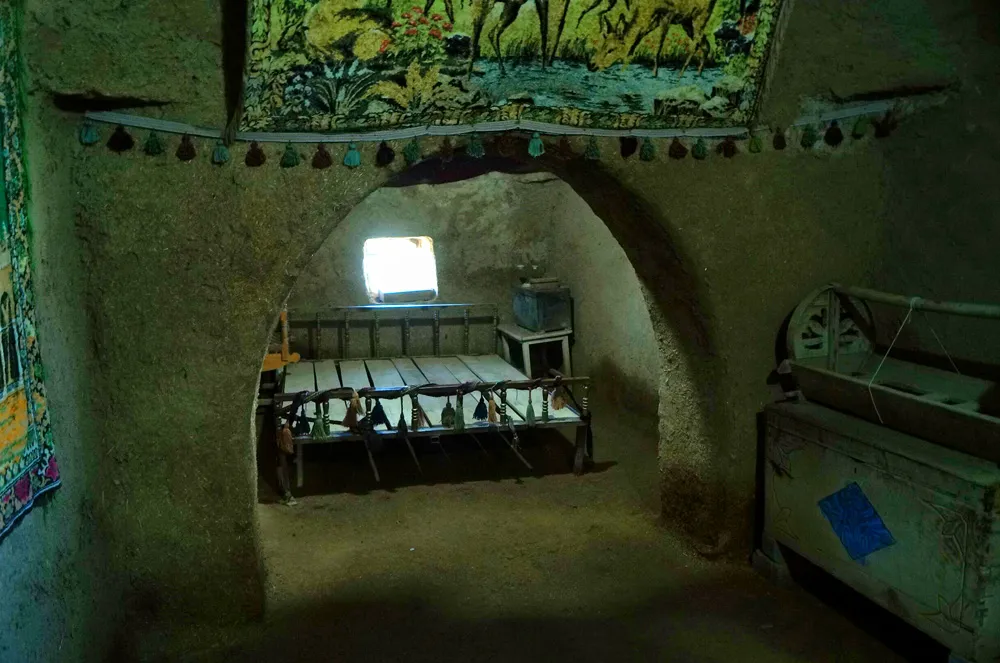
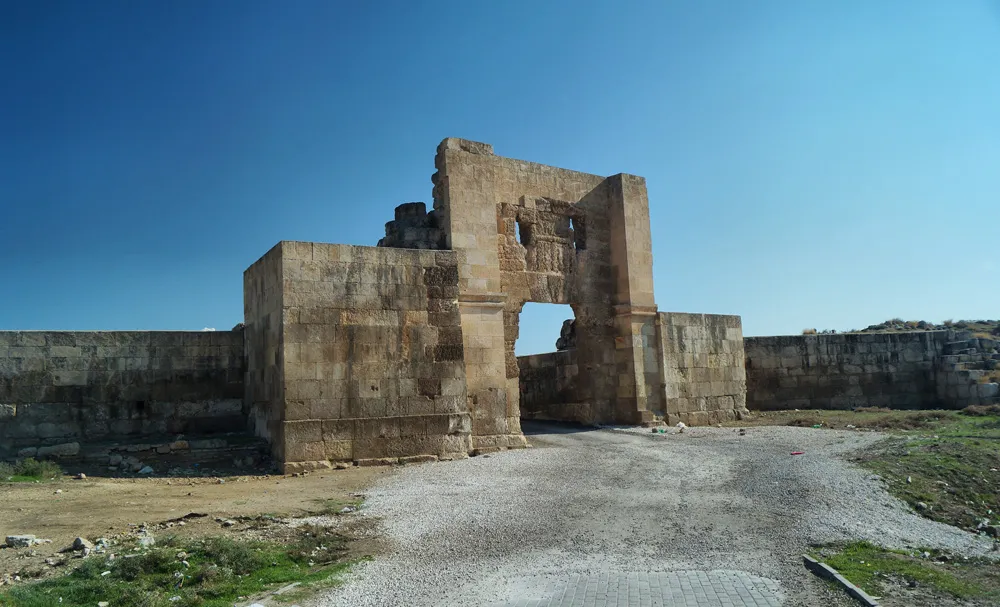
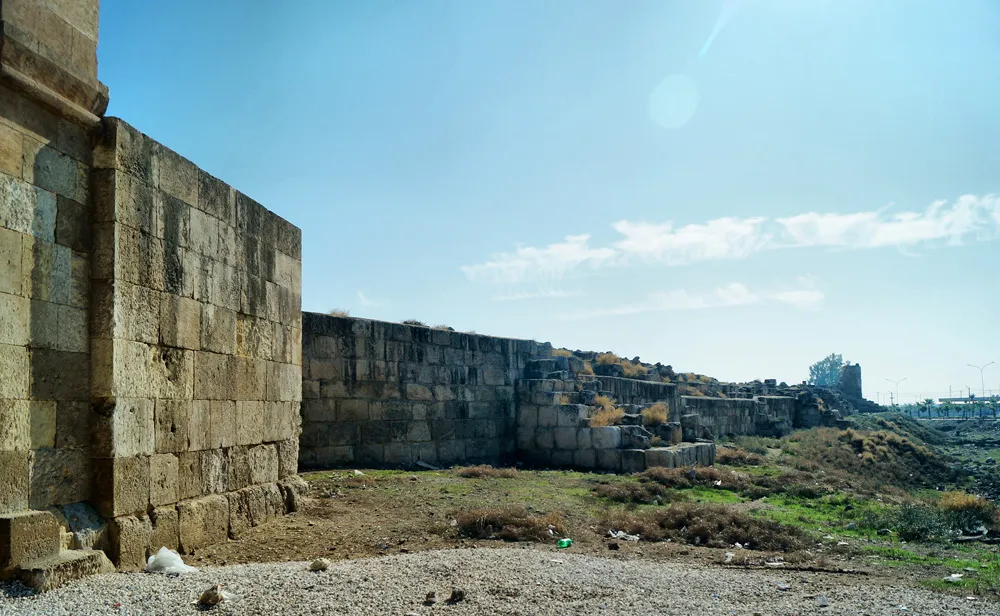
All of old Harran is surrounded by walls. You drive through an ancient gate, beside which there is now a tobacco market: everyone sells tobacco, which is probably grown somewhere nearby. The sellers pay absolutely no attention to the ancient walls or the archaic atmosphere; they want to push a three-litre jar of tobacco on you, the most essential thing for a tourist…
Harran appeared, as scholars have established, in 6200 BC, so it can be considered one of the oldest cities on the planet. In 3000-2500 BC, in the Bronze Age, Harran became a fortress city that existed as a separate state, with a king, a queen and a royal court. Assyrian-Babylonian gods were worshipped here, and the ruins of some temples of that time are being found by archaeologists today.
In the time of the Old Assyrian Empire Harran became a powerful trading centre, since it lay at the crossroads of the most important trade routes, whereas in the Hittite period, in the 14th century BC, the city was burned by the Hittites. And then there were again the Assyrians, Babylonians, Persians, Seleucids, Romans, Sasanians, Byzantines, Arabs, crusaders… Harran stewed in the cauldron of wars for almost its whole history. The Ottoman rulers settled Bedouins in Harran, whose descendants now make up the majority of the city’s population. It is they who live in the beehive houses, although the Bedouins did not invent these houses at all: the design is already three thousand years old.
Harran, together with Şanlıurfa, is on UNESCO’s Tentative List and is a candidate for inclusion in the World Heritage List.
Text and photos by Roman Malenkov.
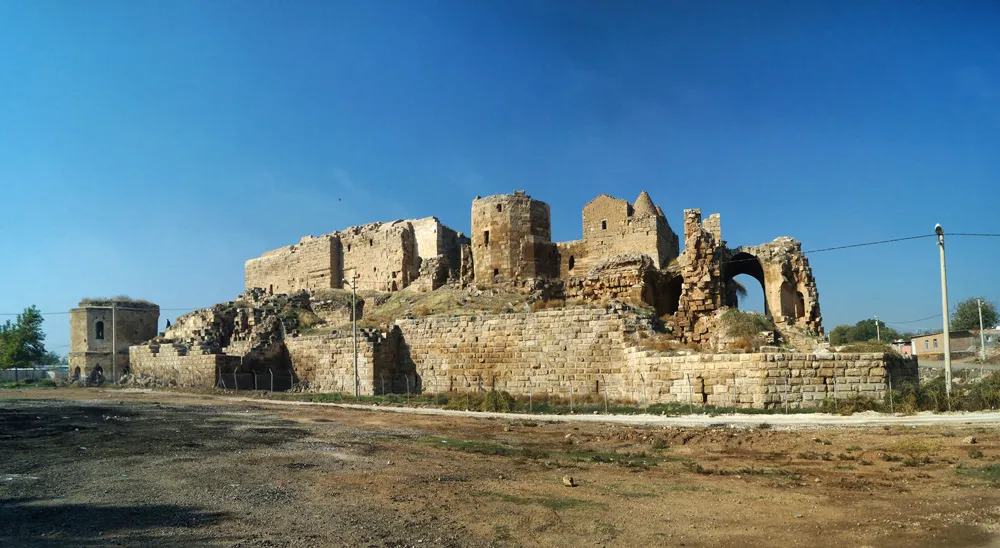
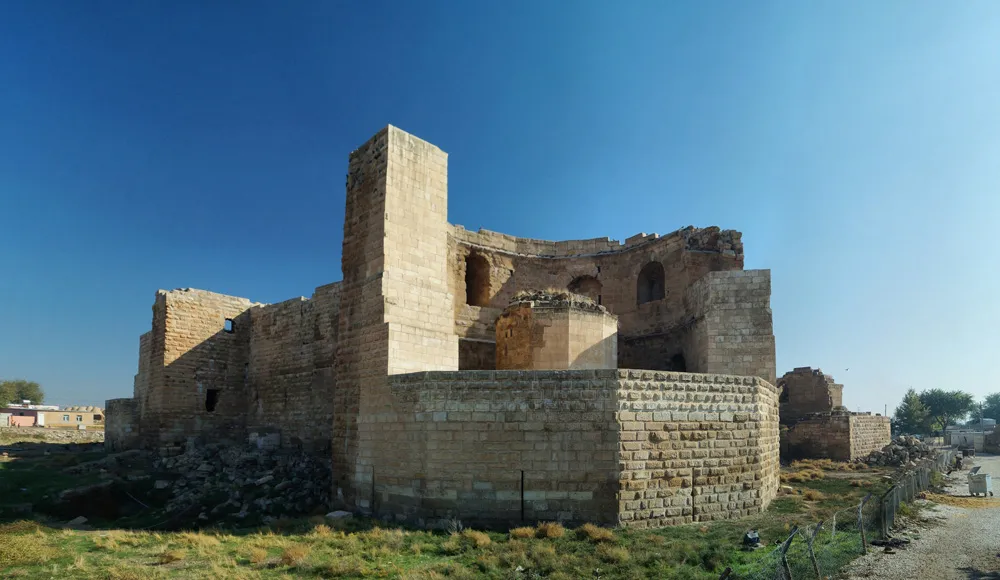
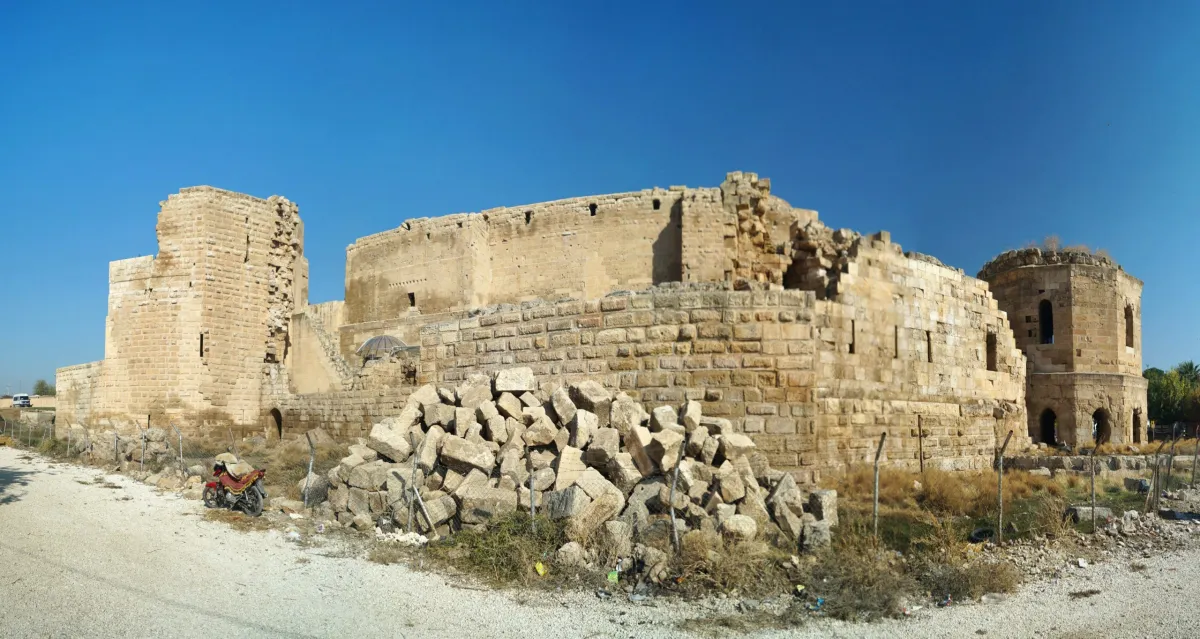
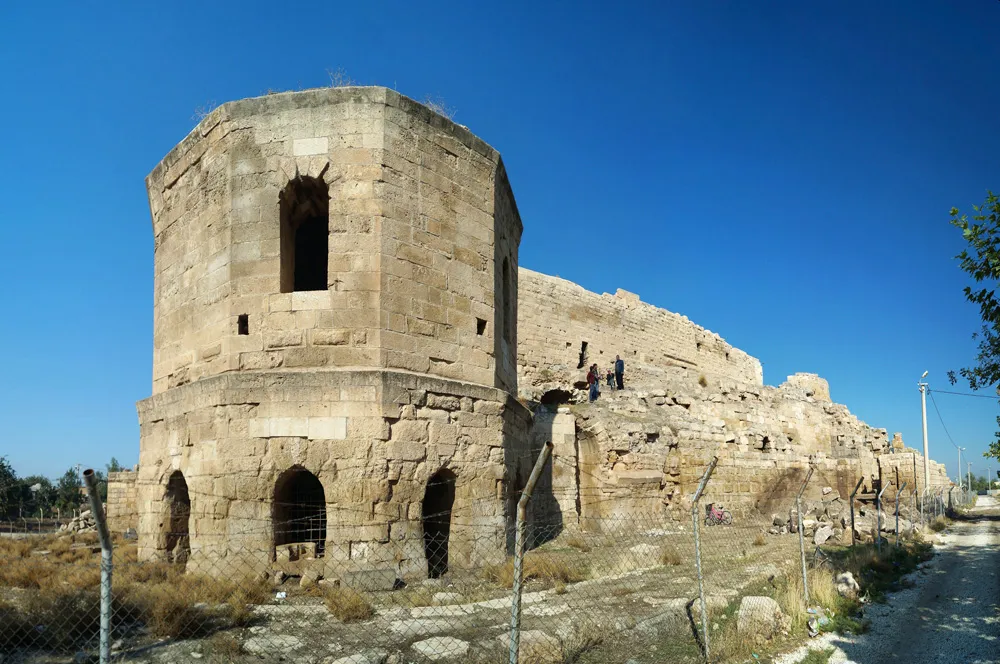
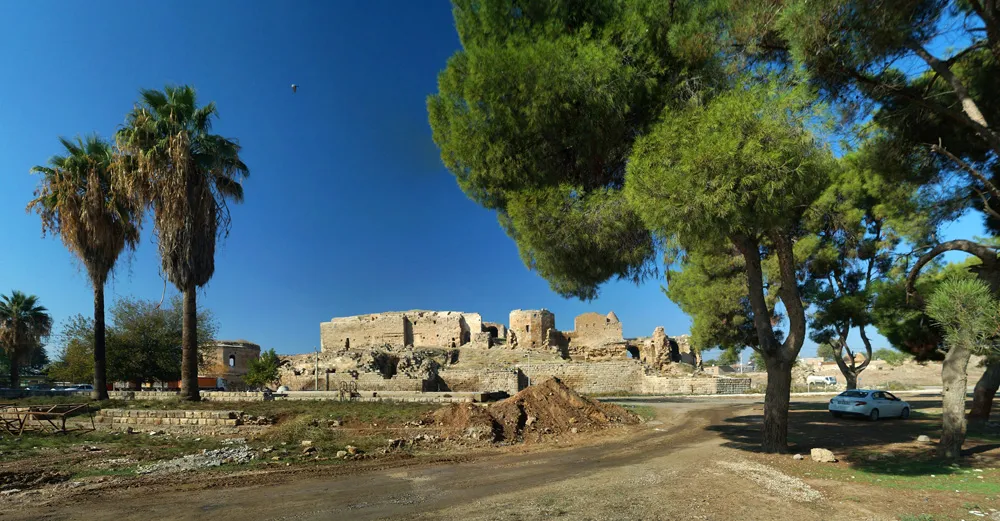
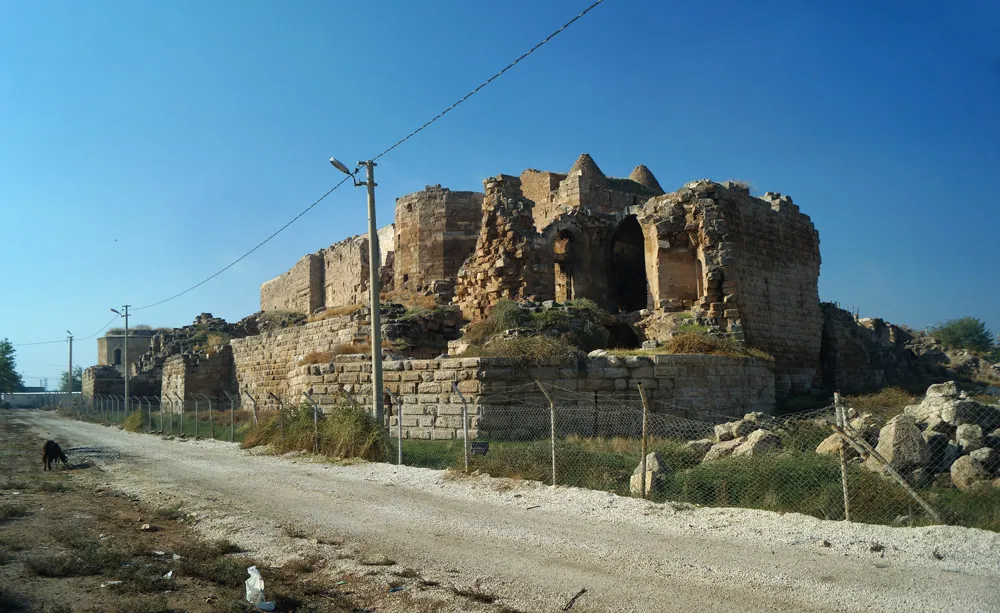
The castle