Turkey. Magnesia on the Maeander (Magnḗsĭa ad Mæándrum)

· 2 min read
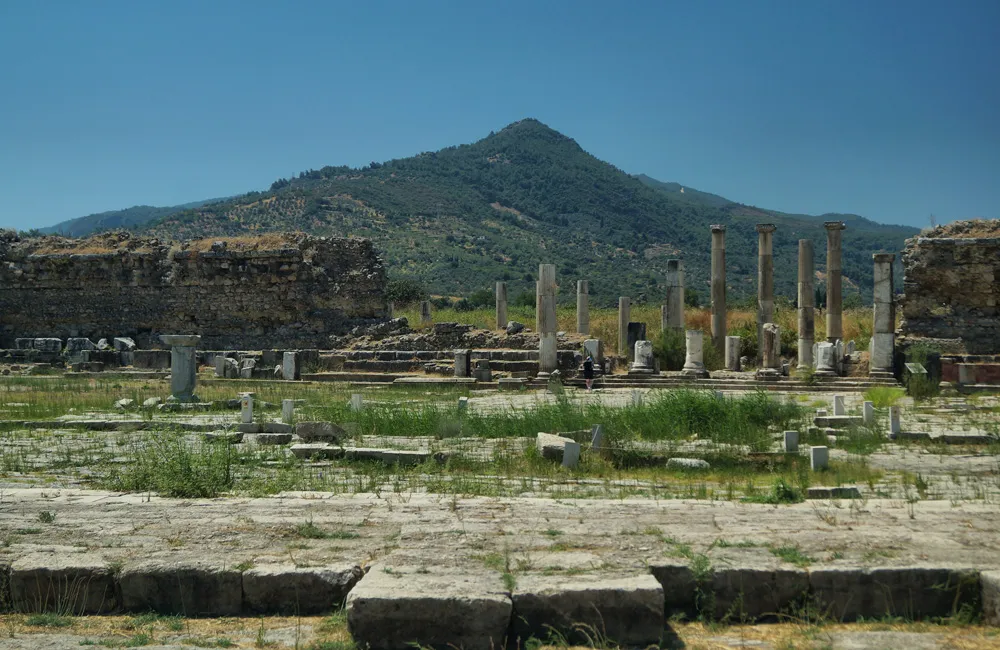
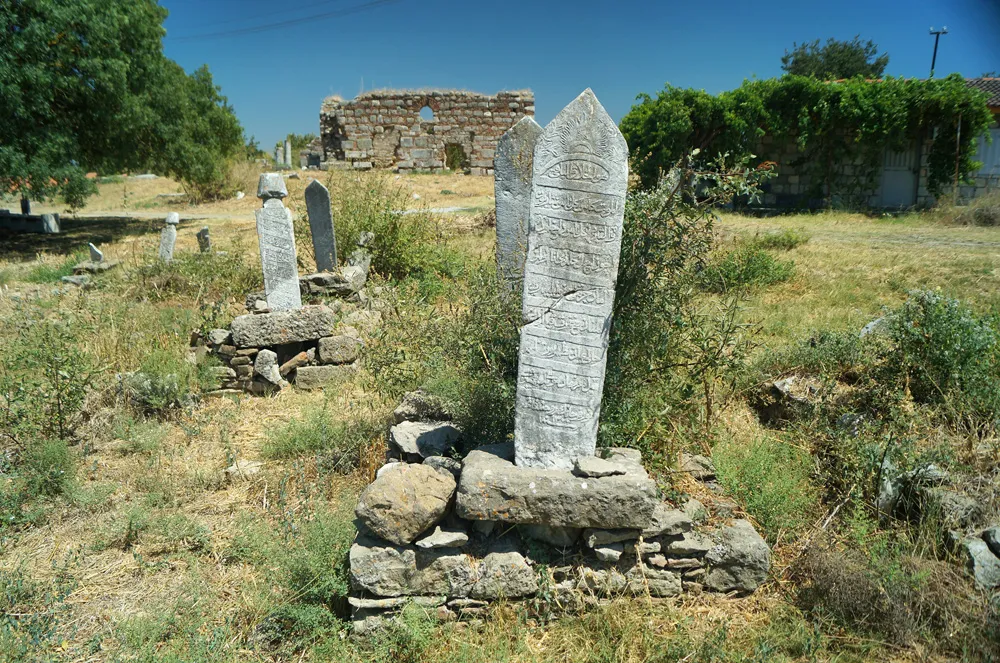
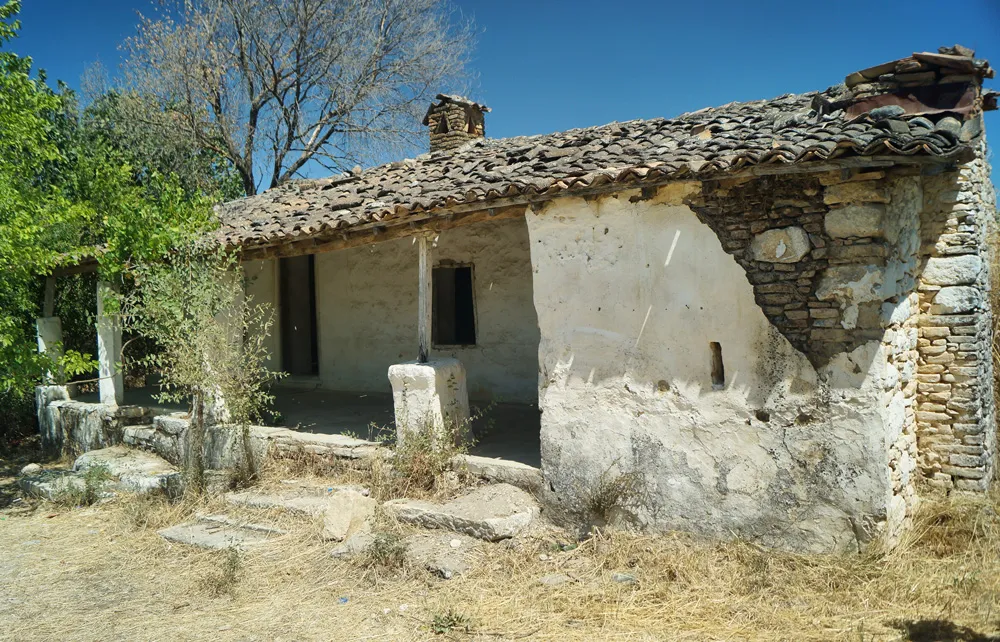
South-east of Ephesus, not far from Priene, lies the ancient city of Magnesia (Magnēsía), or Magnesia on the Maeander. I had only ever known a medicine of that name, which is injected for concussion, but one day I started studying Google Maps and saw yet another set of ruins. We should drop in, I thought. And we did. My best memory of visiting Magnesia is that I have never stuffed myself so much with something sweet as I did with figs, as sweet as jam. The thing is that the excavated remains of Magnesia are surrounded by a huge fig orchard, and we happened to be there in August, when the fruit was ripe. What a delicacy.
Magnesia on the Maeander was founded by Aeolians, natives of Magnesia in Thessaly. The city flourished until it was destroyed by the Cimmerians in 650 BC. Magnesia was rebuilt by the Lydian king Gyges I, then it was the residence of the Persian satrap Orontes, and in 460 BC the city was ruled by the outstanding commander Themistocles, exiled from Athens, who even minted coins here.
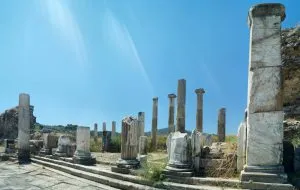
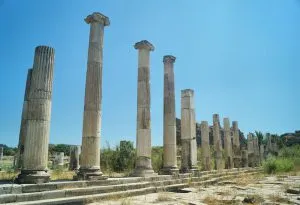
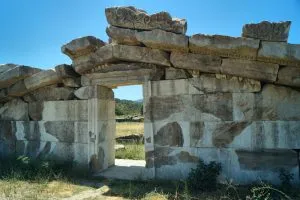
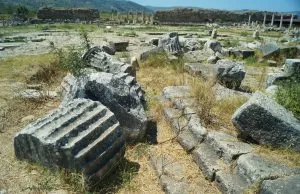
In the Hellenistic period Magnesia was rebuilt on a regular plan and became a large and important polis, whose citizens enjoyed political freedoms and were quite prosperous.
In antiquity magnetite was mined near Magnesia. It is said that the name of the city gave its name to the mineral, and from it in turn came the words magnetism and magnet.
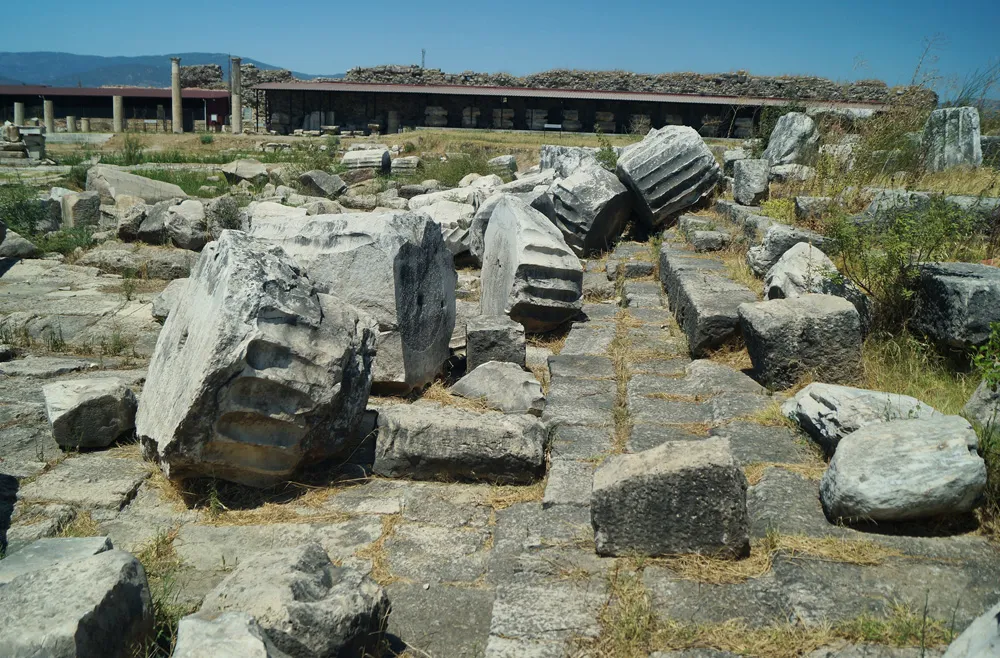
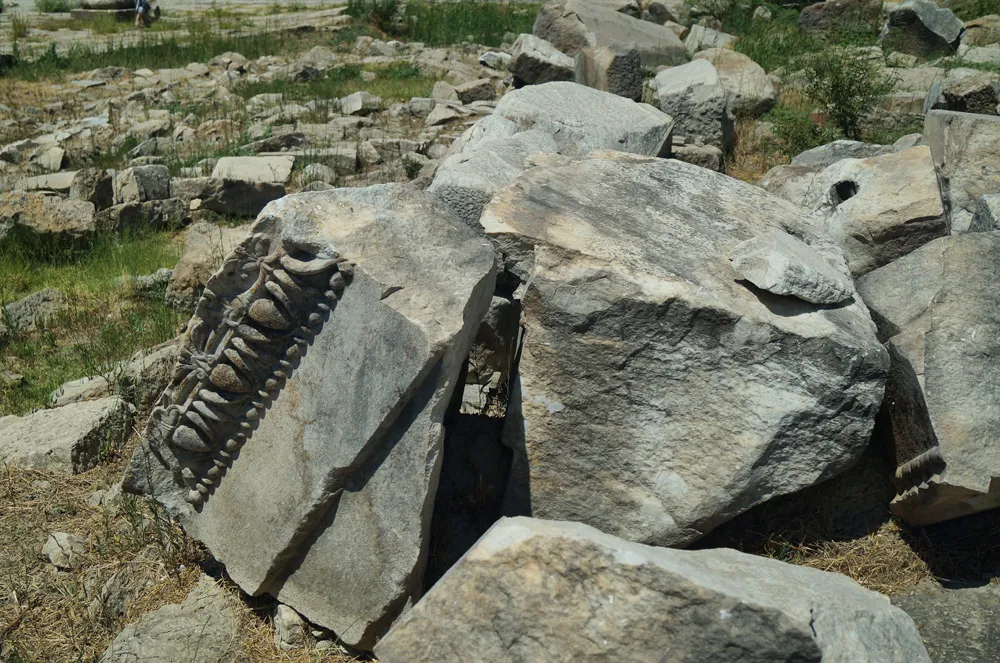
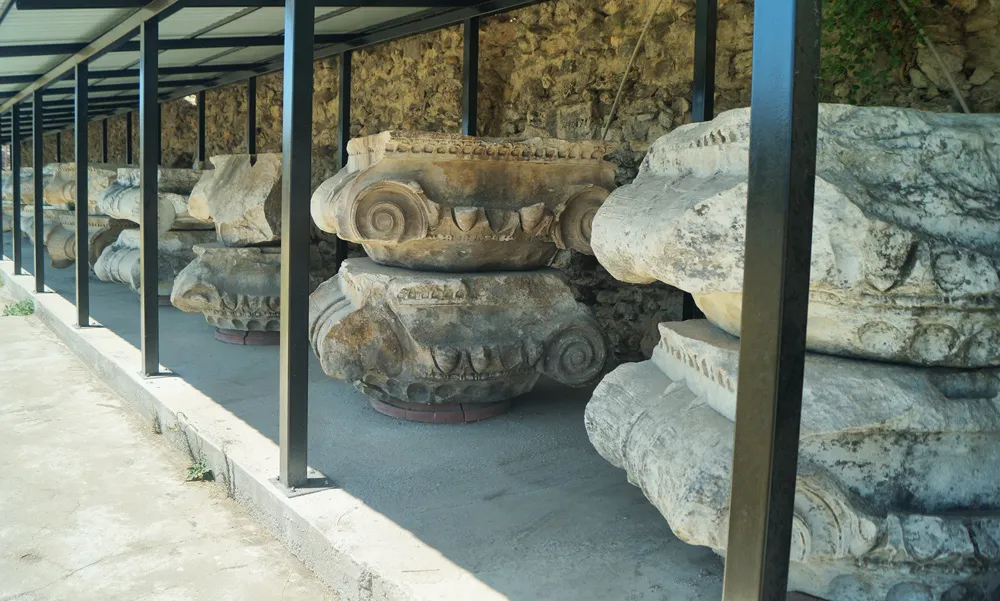
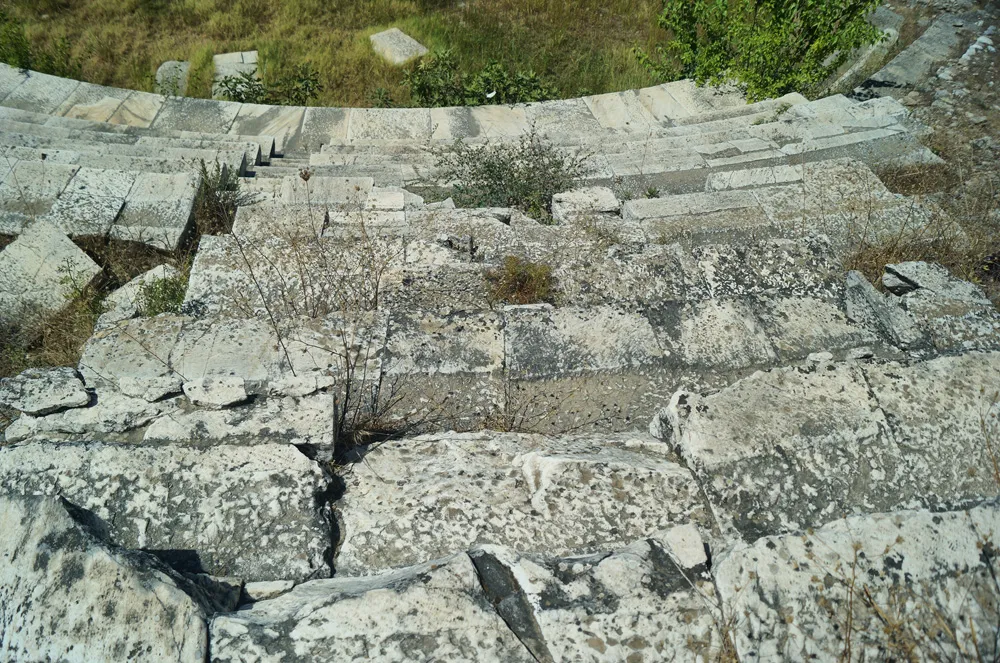
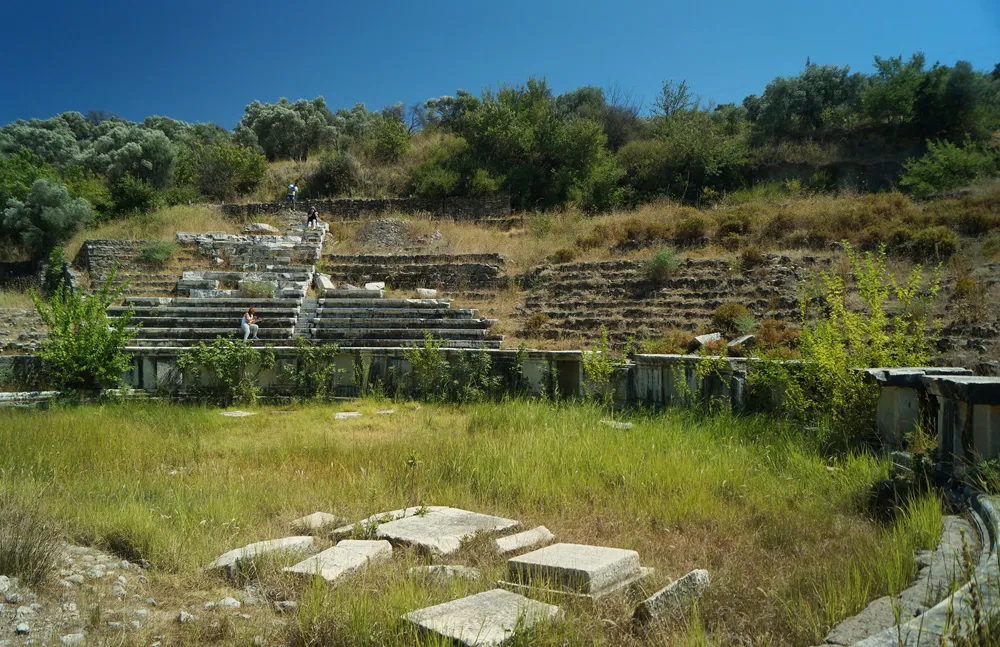
Magnesia was excavated in 1891 by the German archaeologist Carl Humann. He dug for as long as 21 months, and in that time uncovered the ruins of a theatre, an agora, and the temples of Zeus and Artemis. The entire façade of the Temple of Zeus was taken to Germany. Today it is exhibited in the Pergamon Museum, although the Turks protest about it. To no avail. It should not have been handed over.
Magnesia on the Maeander is a fine exhibit in the giant museum of ancient cities of Asia Minor.
Text and photos by Roman Malenkov.