Turkey. The Ihlara Valley near the village of the same name

· 3 min read
Cappadocia is as big as a separate country, such as Belarus; it is not just a patch around Göreme and Uçhisar. Interesting things are scattered across the whole territory of Cappadocia, not only in the valleys east of Nevşehir. For example, south of Aksaray there are interesting, sometimes incredible things no fewer than near Göreme, but they are less well known. The Ihlara Valley is the most interesting valley in Cappadocia, and few people know about it. And those who have been have seen only one piece, the most promoted and best equipped with infrastructure, precisely where the Ihlara Valley begins and where the village of the same name lies.
The Ihlara Valley is not a valley at all, it is a deep gorge. A canyon. It is 14 kilometres long and 100-150 m deep. From the village of Ihlara to Belisırma it consists of sheer cliffs that drop steeply to the bottom at an angle of 90 degrees. Such a canyon was gnawed over millions of years by the Melendiz river in volcanic tuff, the solidified lava of the Hasan volcano, and in its ash.
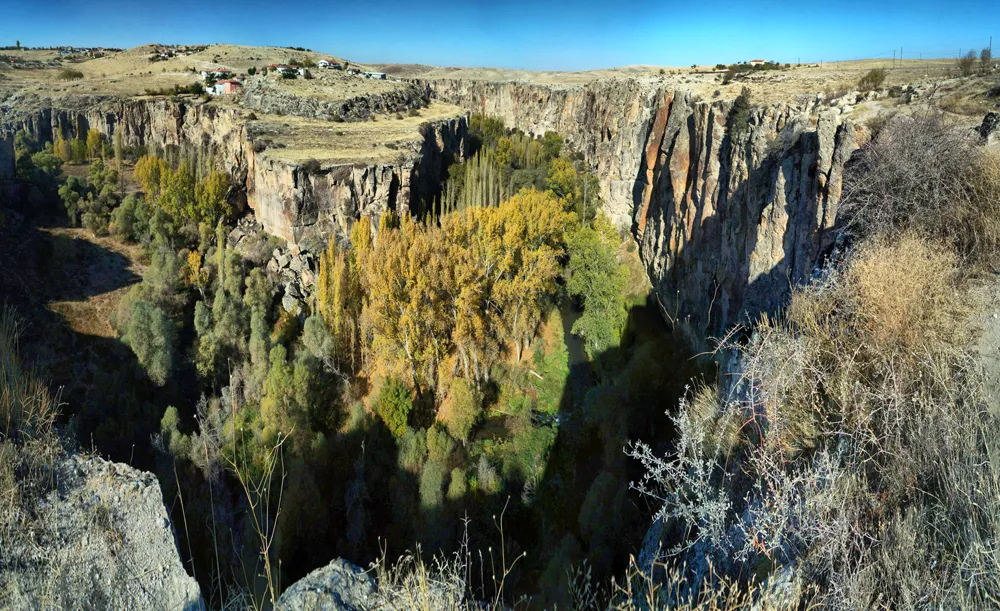
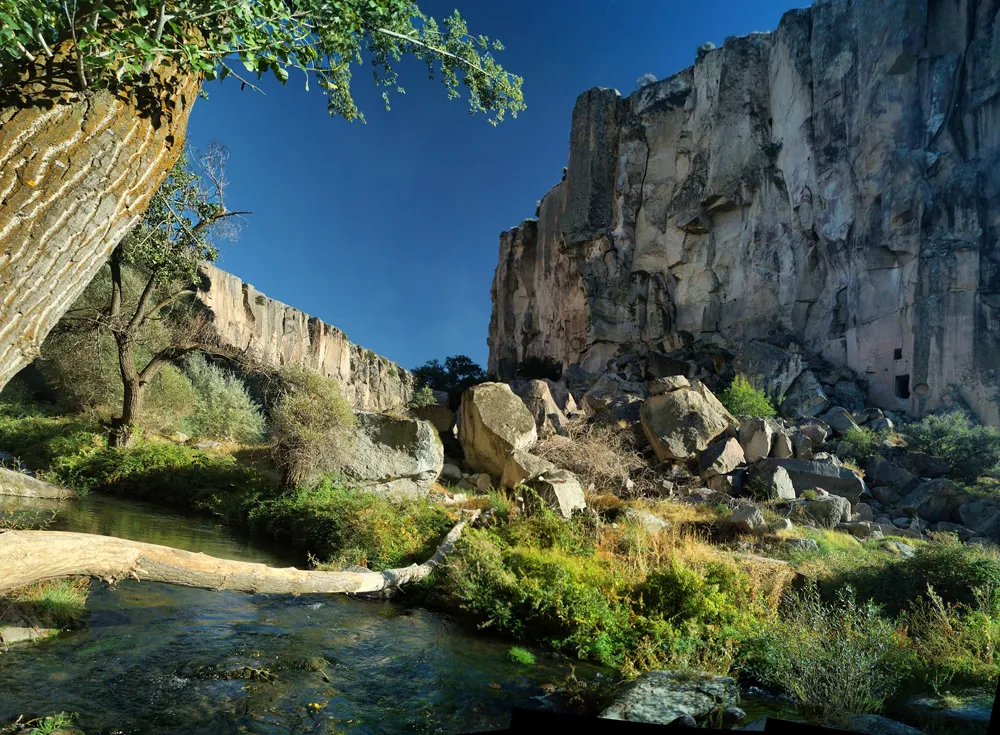
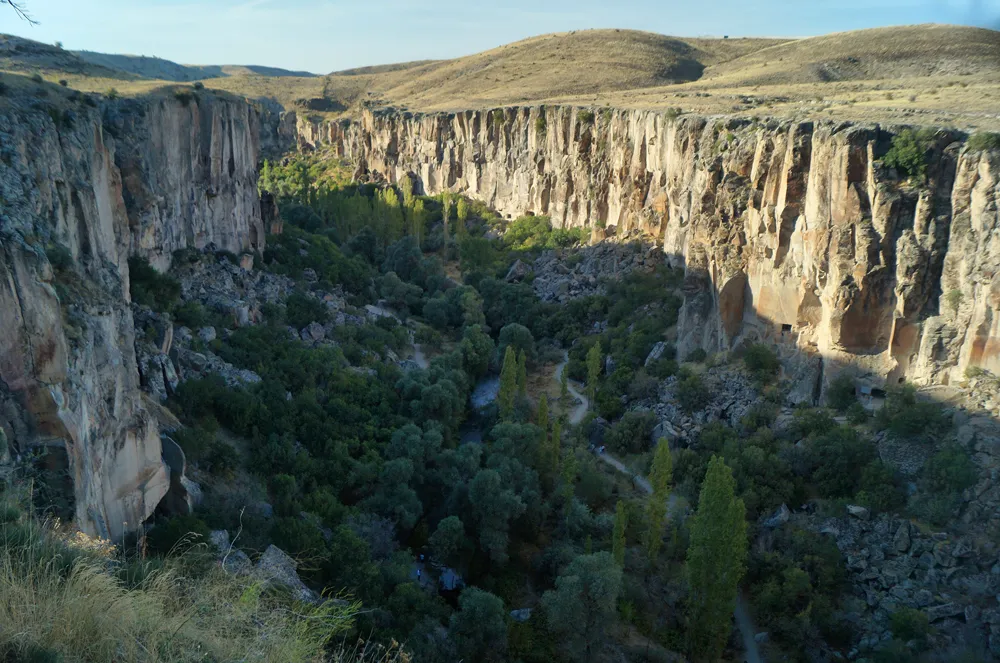
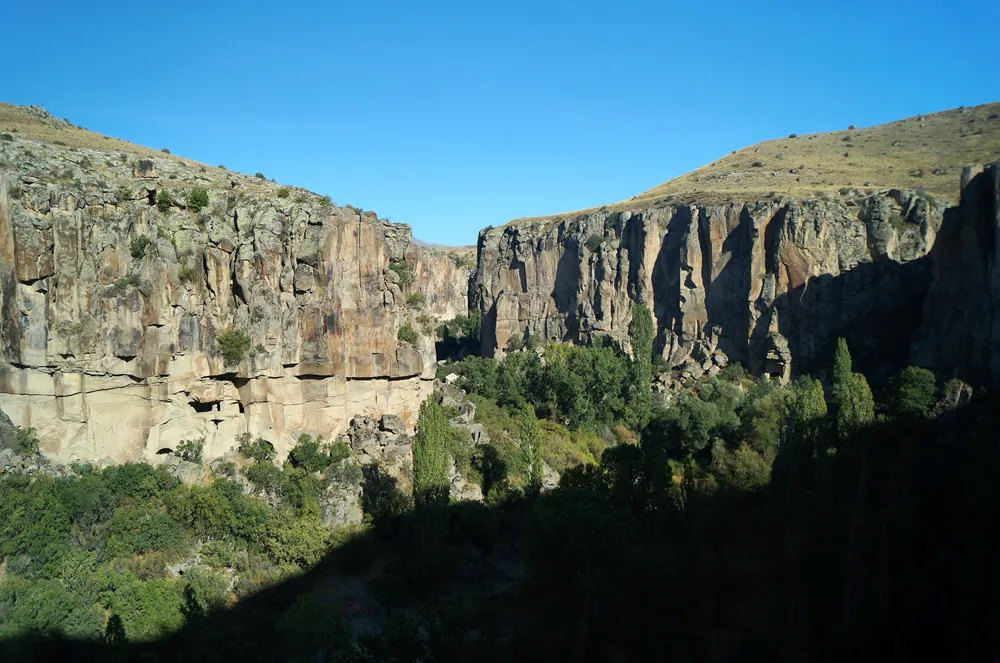
In the times of active persecution of Christians by the Romans, in the 4th century, masses of refugees went to Cappadocia, and very many of them came to Ihlara, where the microclimate formed by the Melendiz river is milder than on the surface. Whereas above there is dry steppe, furiously hot in summer and piercingly cold in winter, at the bottom of the canyon everything is different: the river softens everything, and everything here is overgrown with poplars…
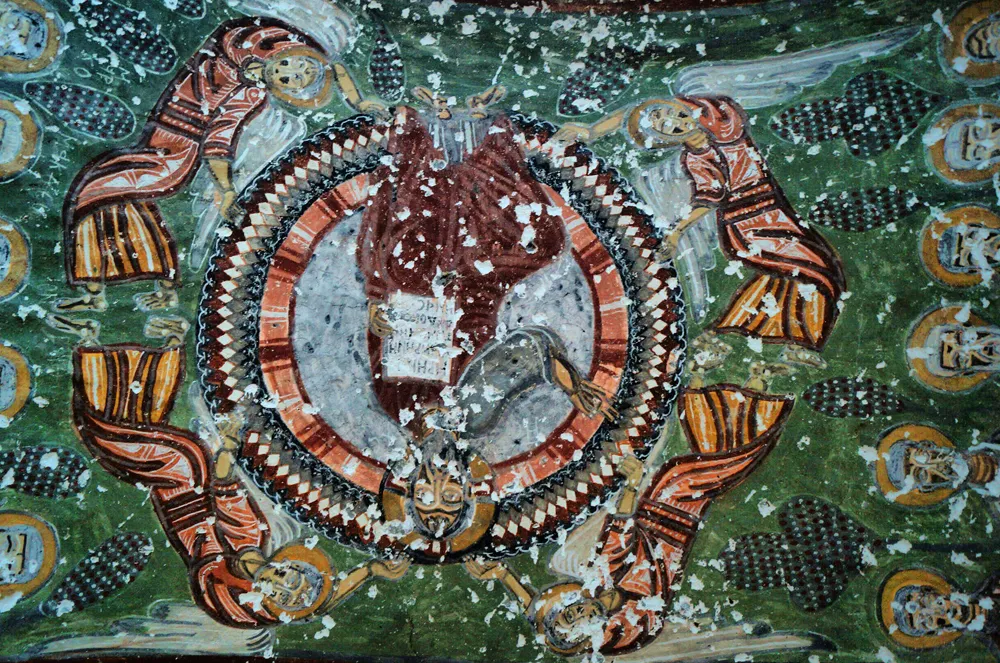
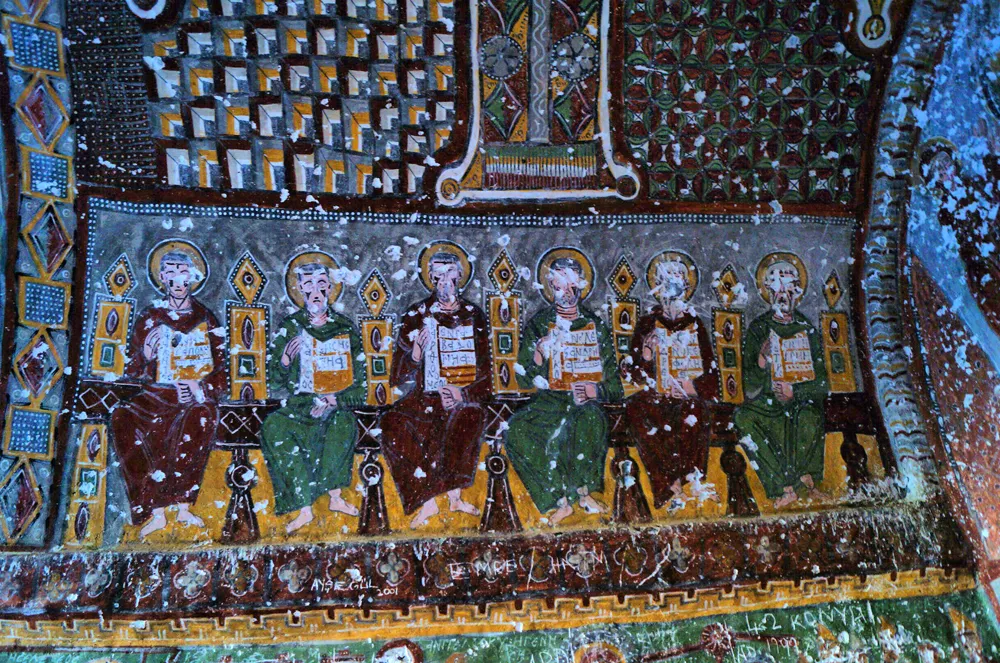
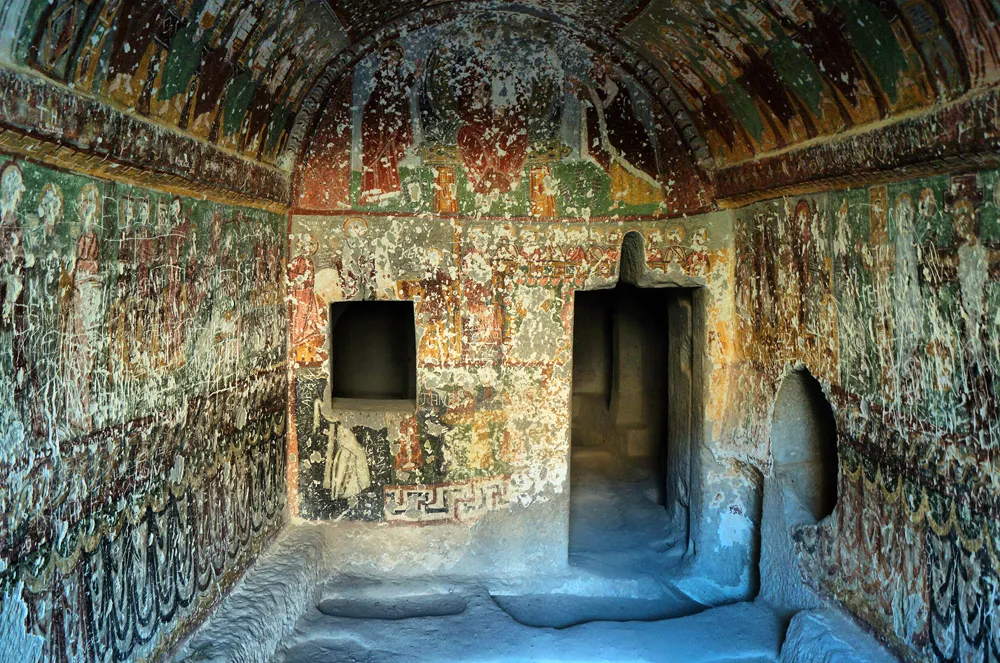
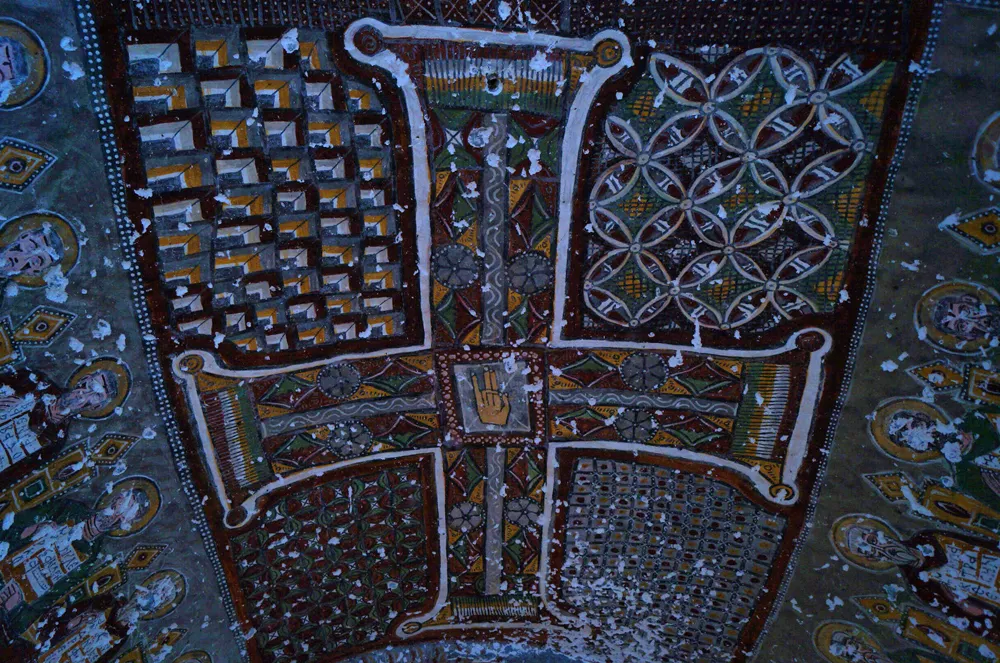
At the bottom of the gorge the Christian refugees began to carve out dwellings for themselves, and then churches. The churches were painted with frescoes, at first in a Near Eastern technique, unlike the cave churches of Cappadocia, which were painted in the Byzantine technique. More than a hundred such churches were created across the valley, and this is the largest concentration of cave churches in the world. Not all of them have survived (only 13 are open to visitors across the whole valley), but most have survived closer to the village of Ihlara, where access to the valley floor was most difficult. Most of these churches are world-class masterpieces. The paintings and the columns hewn in stone, the frescoes and the interior rooms take your breath away. They are fairy-tale-like, even though all are badly scratched: Muslims scraped off the depictions of faces.
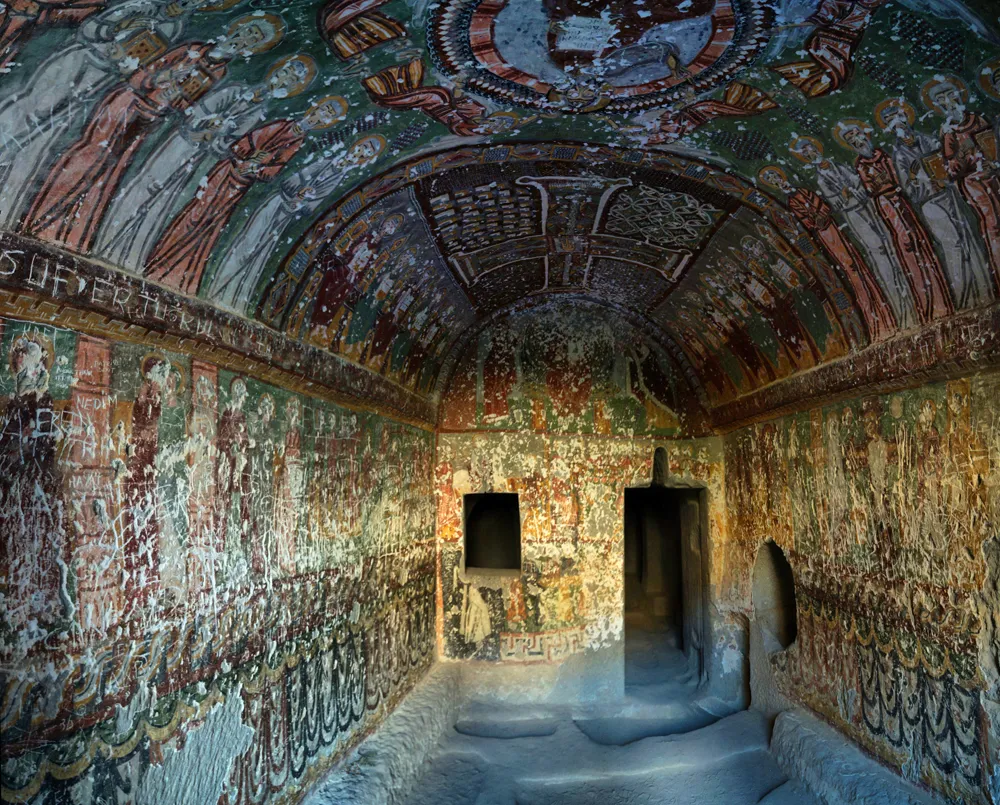
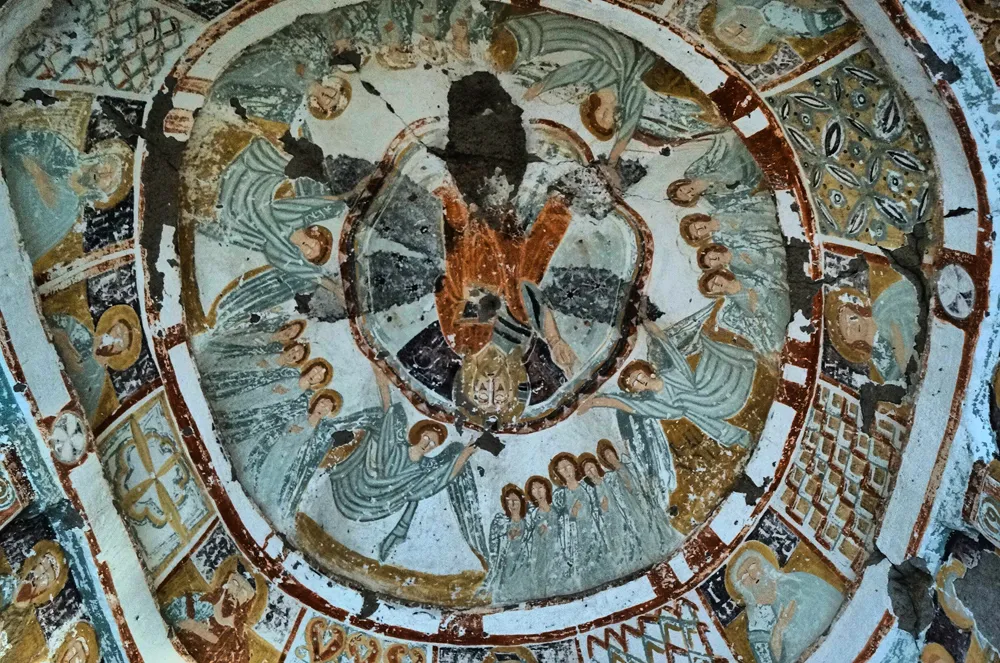
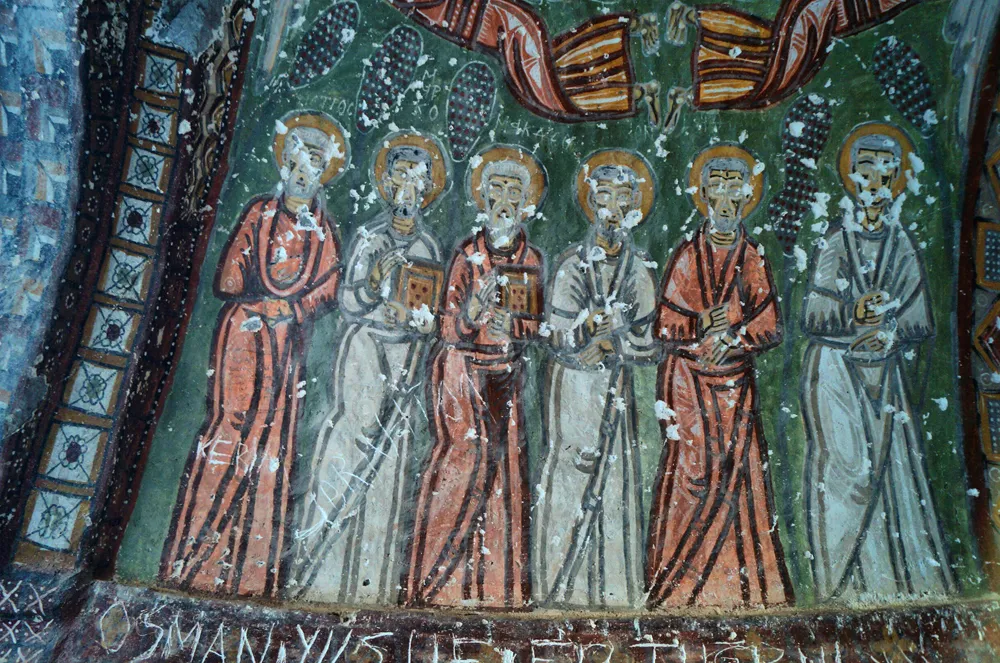
From the village of Ihlara, which you will find on the map without trouble, drive on following the signs; they will bring you to a large car park where a steep descent by stairs to the bottom of the gorge begins. Entry is paid, but there is one ticket for both Belisırma and the Selime monastery, which is also a must-see: possibly one of the most interesting cave monasteries in the world.
In Roman and Byzantine times, and even in the 20th century, the Ihlara canyon was called Peristrema. The Ottomans for some reason could not pronounce such a word, so they called it Belisırma.
The cave churches of Ihlara were painted in styles of painting close to the Egyptian-Roman and even Sasanian cultures. It is something incredible and unlike anything else. You will see such things in few other places. The Ihlara Valley is unique.
The churches of the gorge were hidden from the eyes of the numerous conquerors who passed through these lands, and that is why they survived. The rocks sheltered them like a fortress, so today we can see these brilliant creations of human hands. We must see them.
Text and photos by Roman Malenkov.