Pavoloch. A regimental town and a shtetl

· 3 min read
The village of Pavoloch, home to about 1,400 people, lies off the main roads, in a remote corner of the Popilnia district. And there is probably no other such village in Ukraine that was once a significant town, the centre of a large regiment, a renowned centre of Hasidism and of Jewish life in general. I even find it hard to explain the processes that turned such a town into a village. Of course, such things happen in history: among the regimental centres there are also present-day villages, Kalnyk and Kropyvna, but still, that is somewhat different, because Pavoloch was a town, with an urban street layout, a large square in the centre, and churches. Pavoloch was a typical Jewish shtetl, and now it is a village.
The name of the village comes from the old word “pavoloka”, which meant silk or, in general, a very valuable fabric. Who knows whether it was made or stored here, but apparently it was here. Laurentii Pokhylevych writes that Pavoloch was one of the most important Ukrainian towns. After the defeat at Berestechko, Bohdan Khmelnytskyi stayed in Pavoloch for six weeks; at that time there was a large earthen fortress here, a wonder, but its huge ramparts have survived to our time.
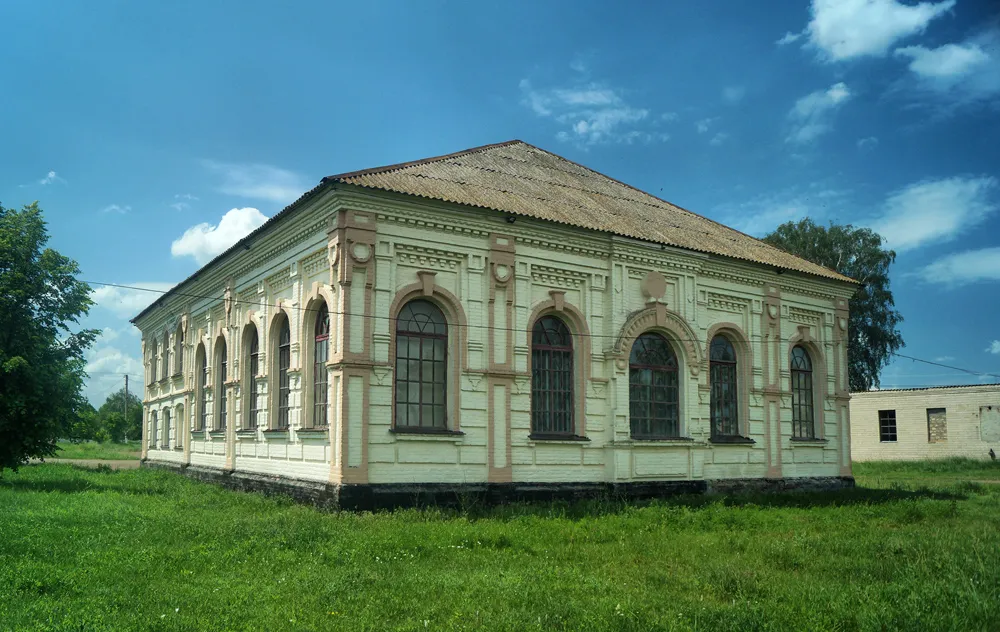
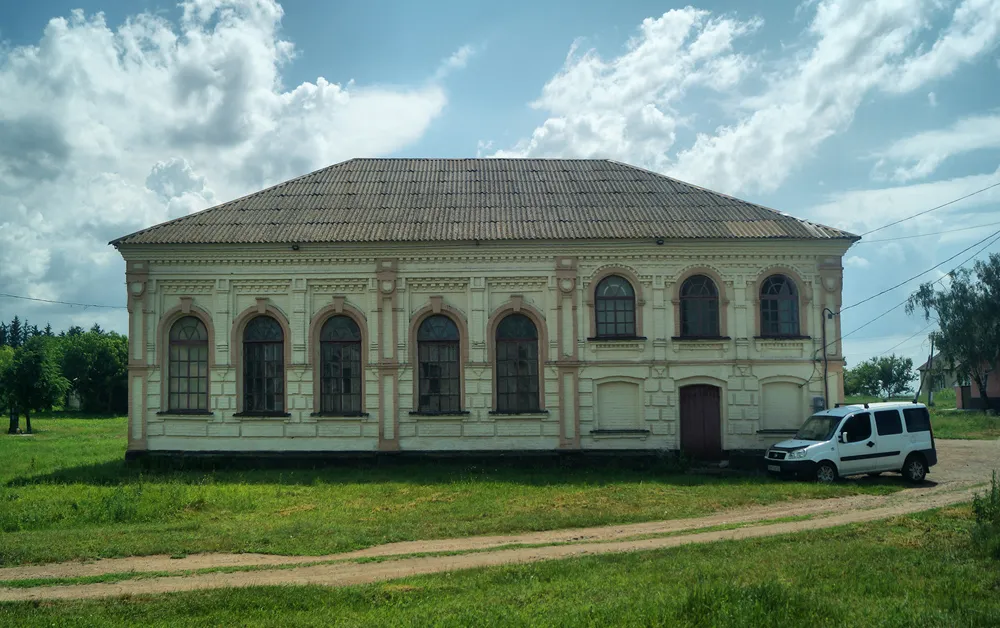
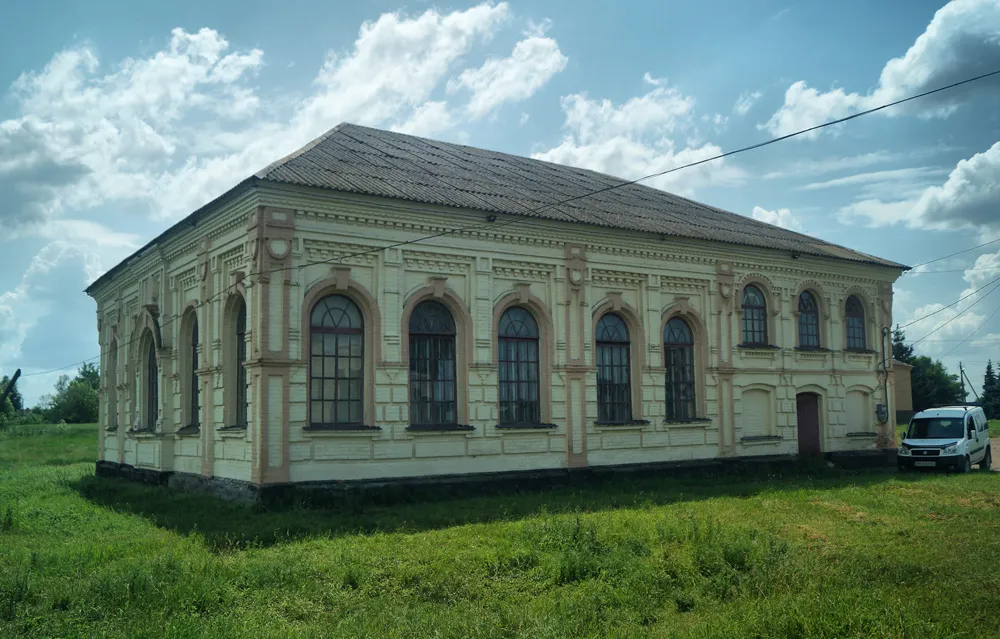
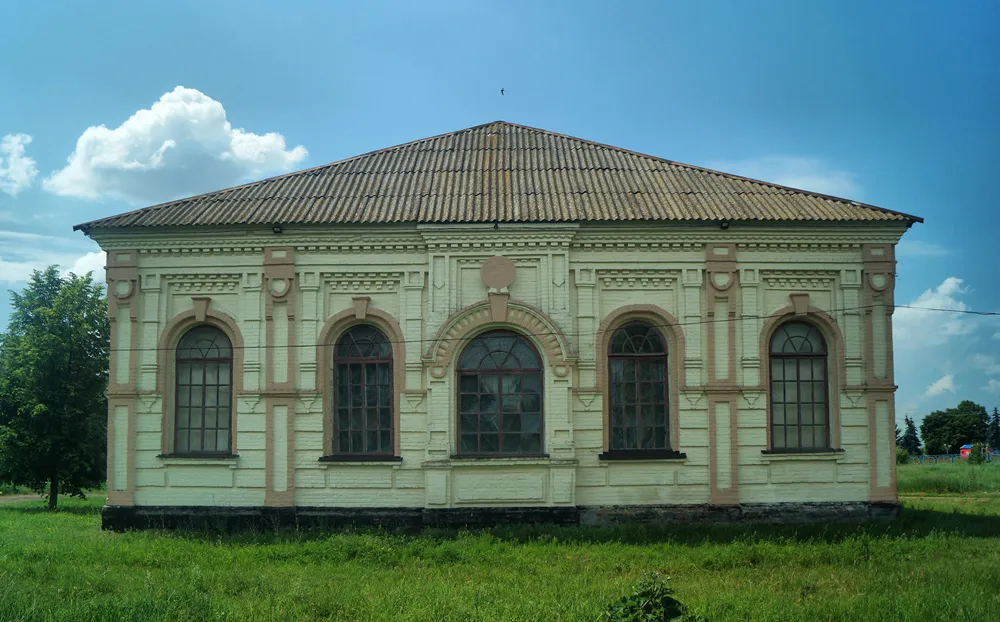
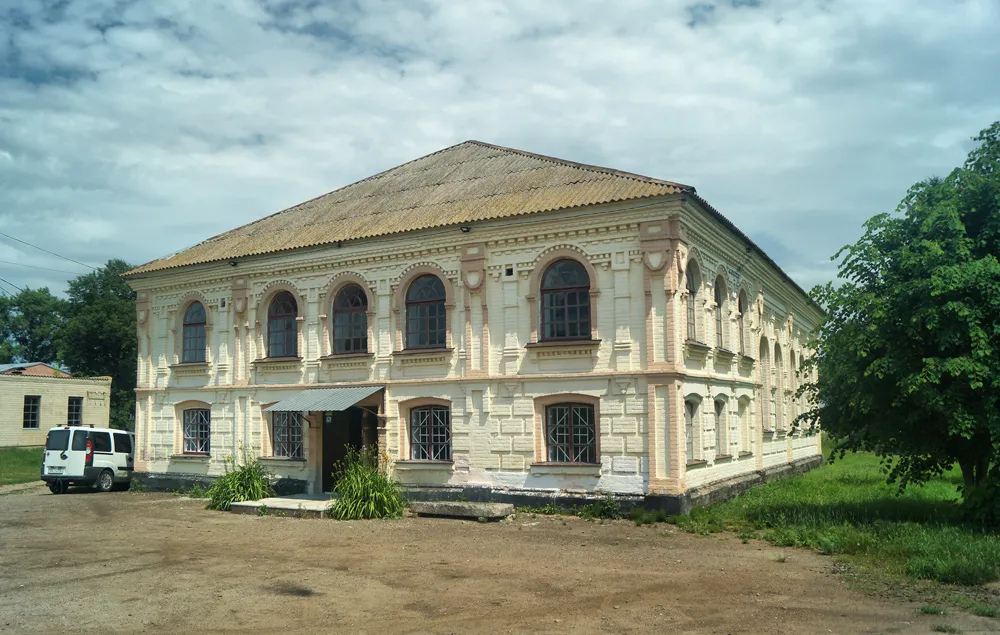
The Abramovych Synagogue.
In Pavoloch Khmelnytskyi met the local priest Shramko, whom he later made a colonel. Colonel Shramko lost a son in battle and was himself wounded several times.
Old Pavoloch was bounded by the Rastavytsia and Pavolochka rivers, and on the fourth side it was defended by a high rampart with a moat. In the 17th century a stone gate with a tower stood in the rampart. The castle of Pavoloch was wooden.
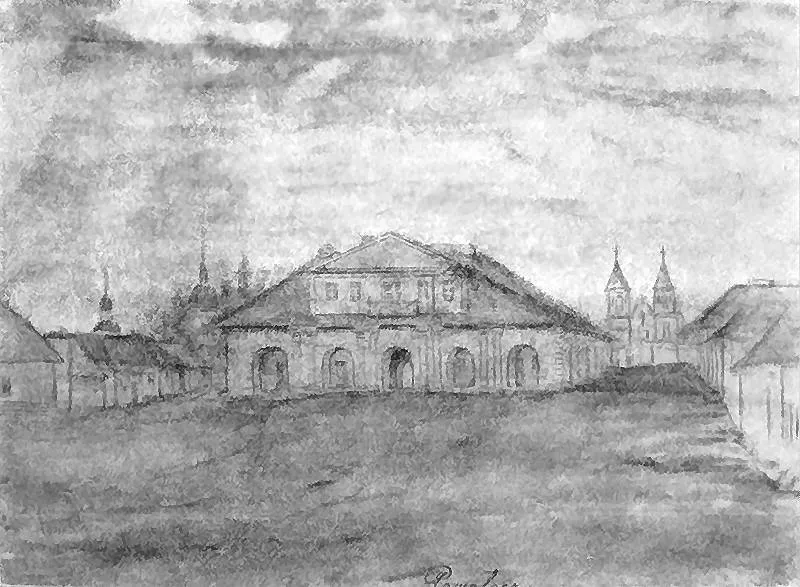
Pavoloch in a drawing by Napoleon Orda. The town hall, the Roman Catholic church and the church.

The Great Synagogue of Pavoloch. Destroyed.
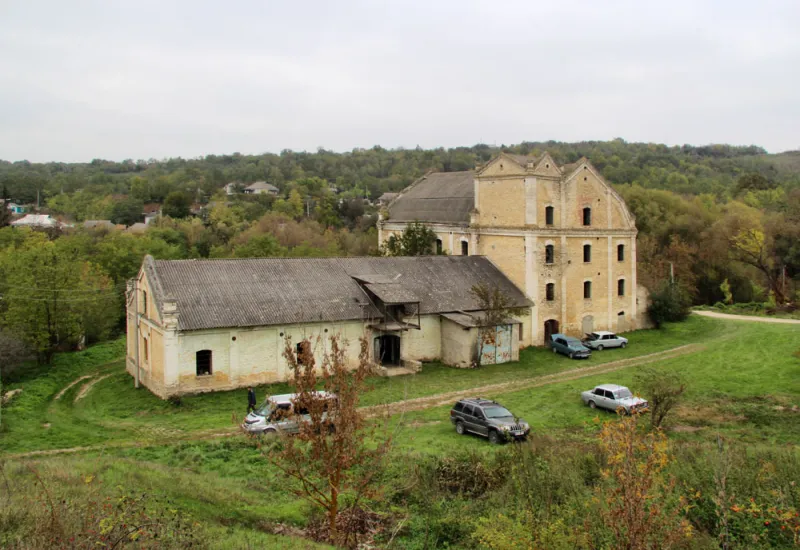
After changing a great many landowners (the Lubomirskis, Uvarovs, Diakovs, Morszkowskis, Radziwiłłs), in the second half of the 19th century Pavoloch ended up in the hands of the wealthy Jewish Abramovych family, in particular Stanisław Abramovych. In 1861 he built a brick synagogue here, and in 1963 a large water mill. Both buildings have survived to our time. The same Abramovych built the water mill in the village of Buky – the officially oldest water mill in the Kyiv region.
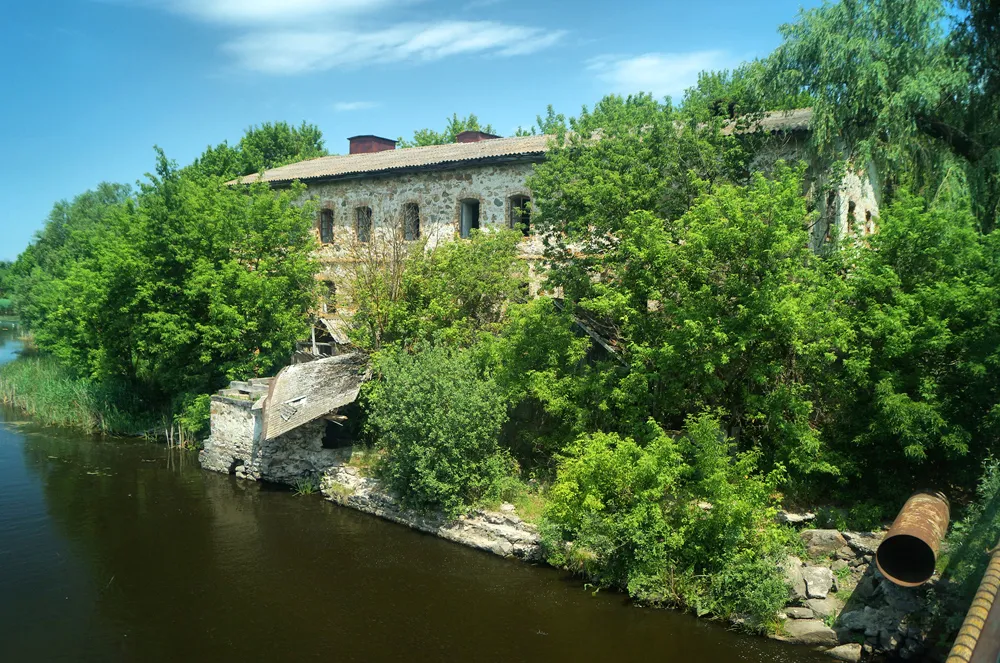
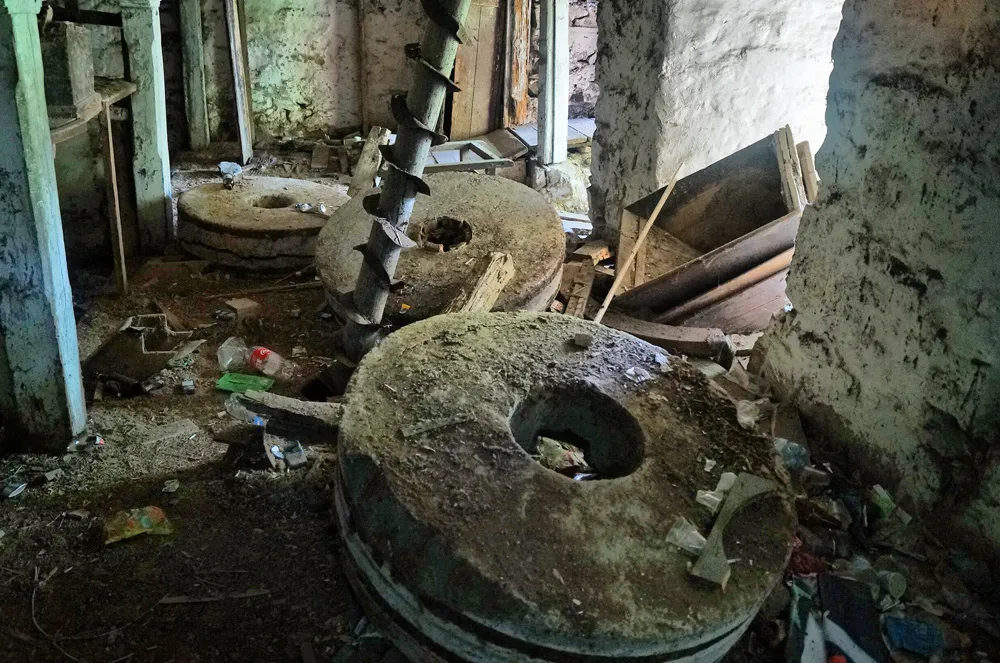
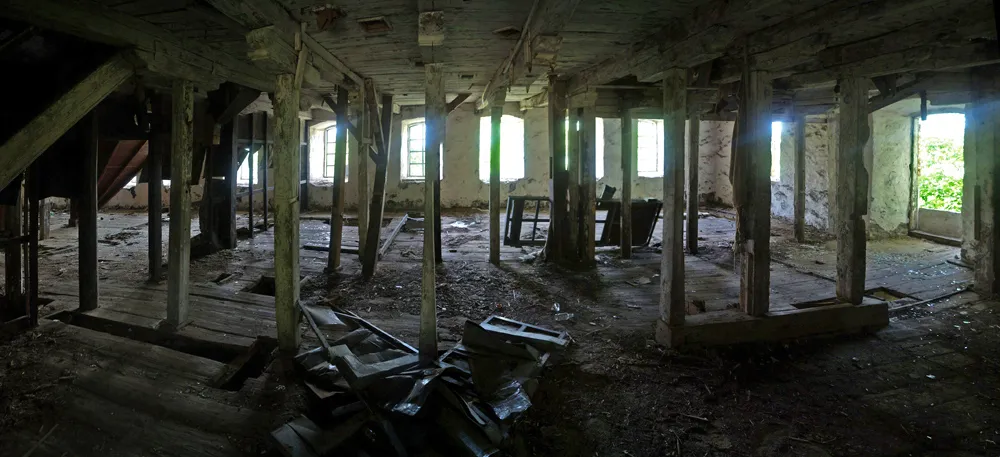
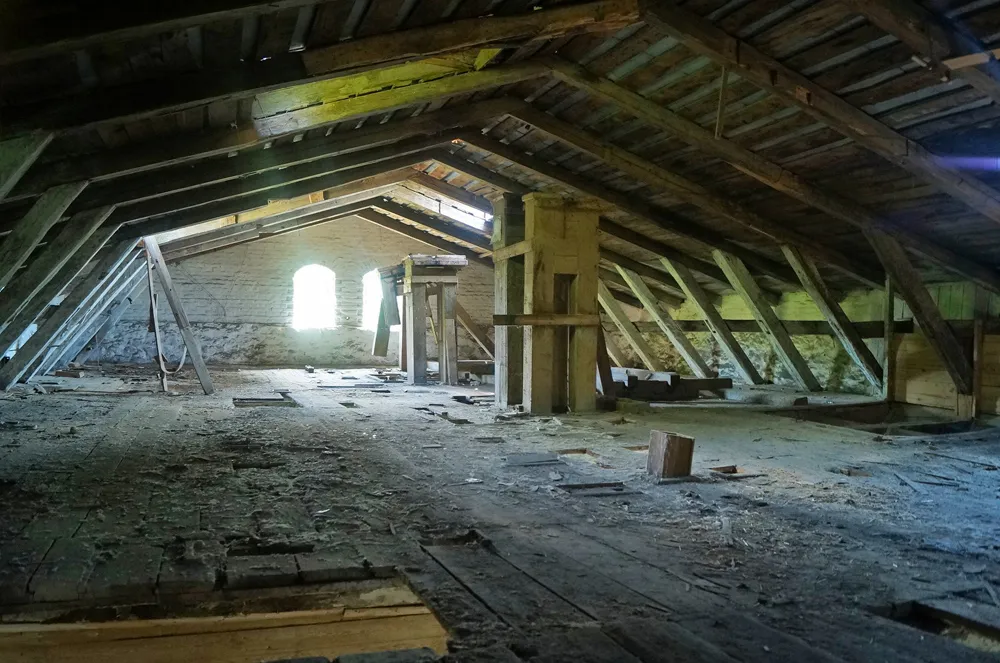
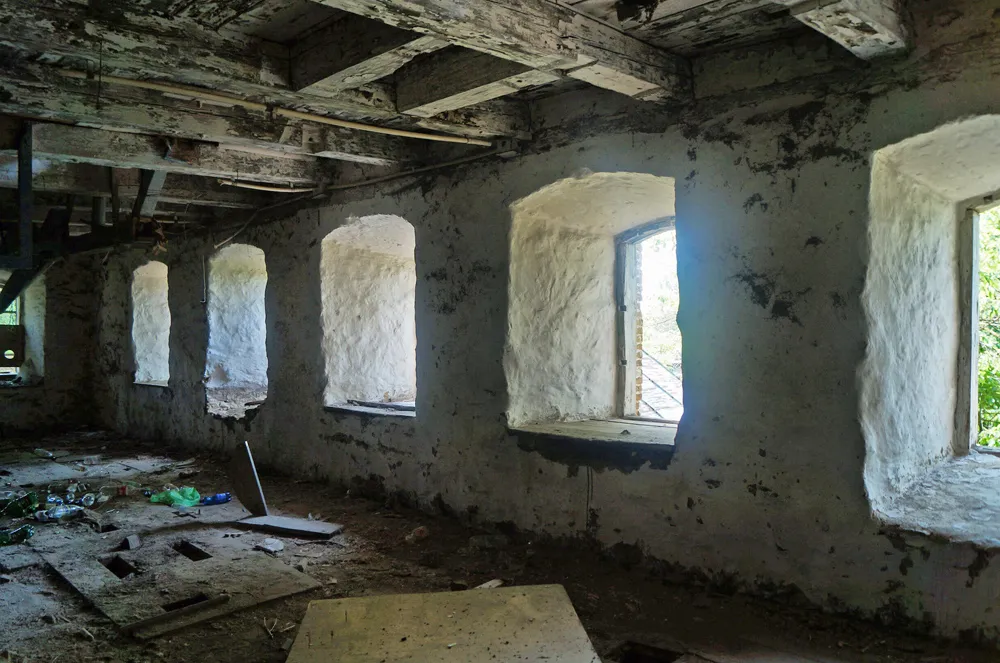
The Abramovych water mill, which he sold to the merchant Natanson.
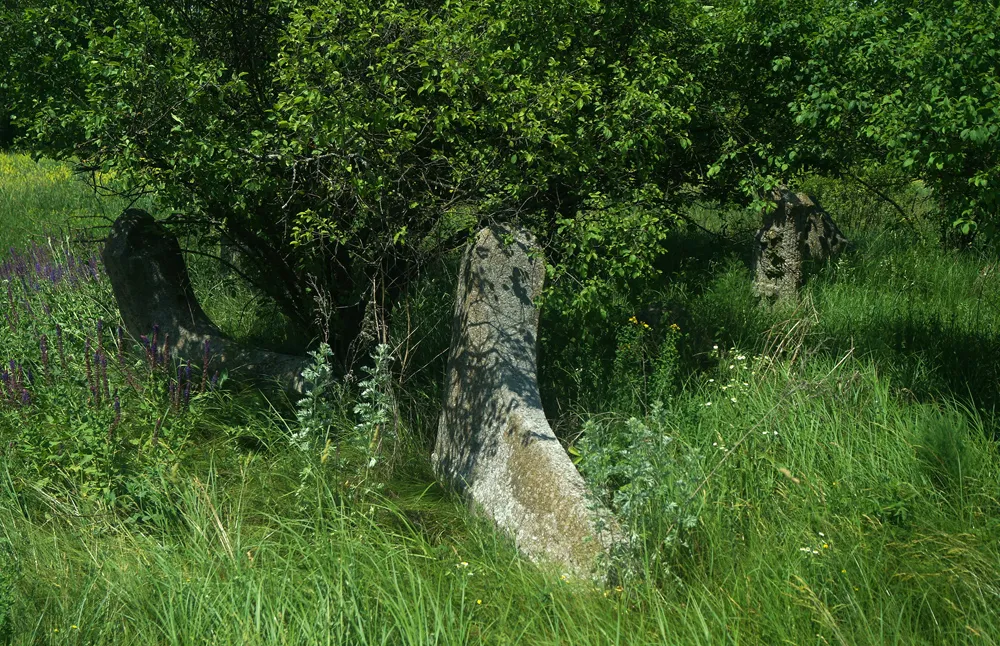
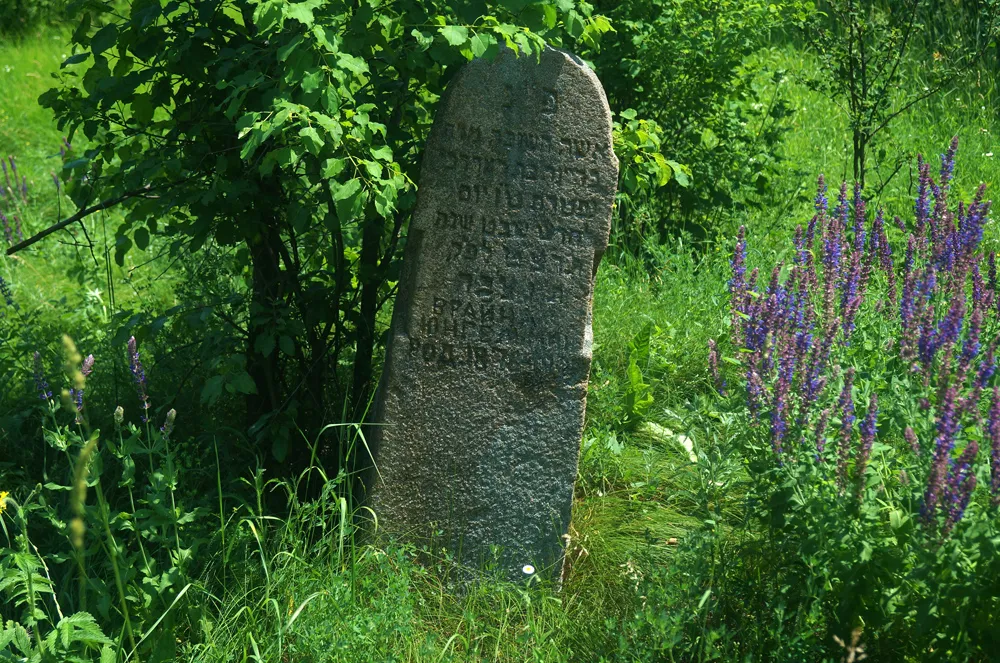
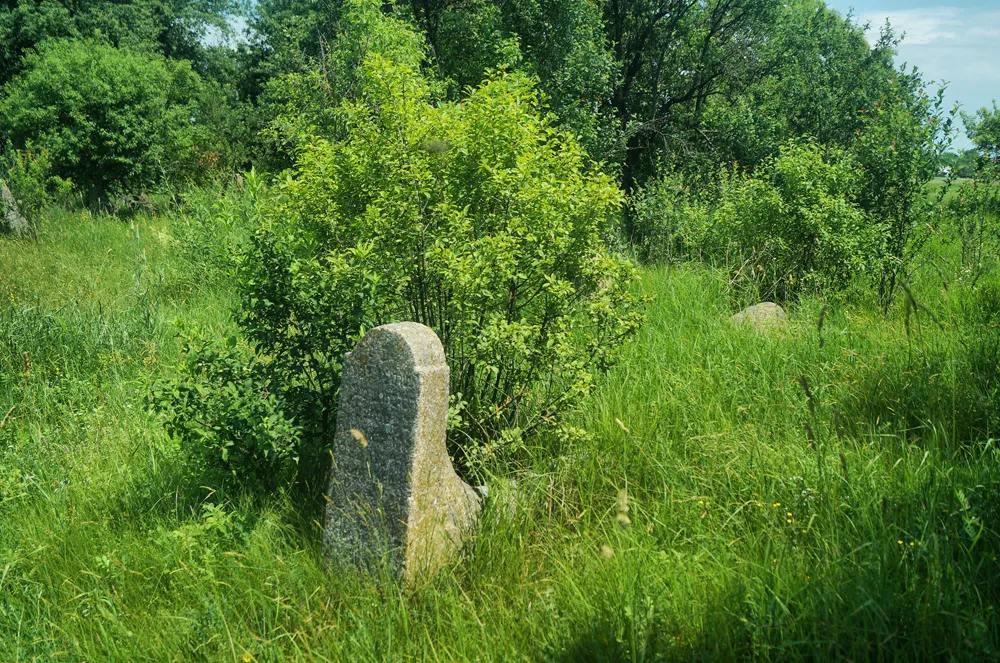
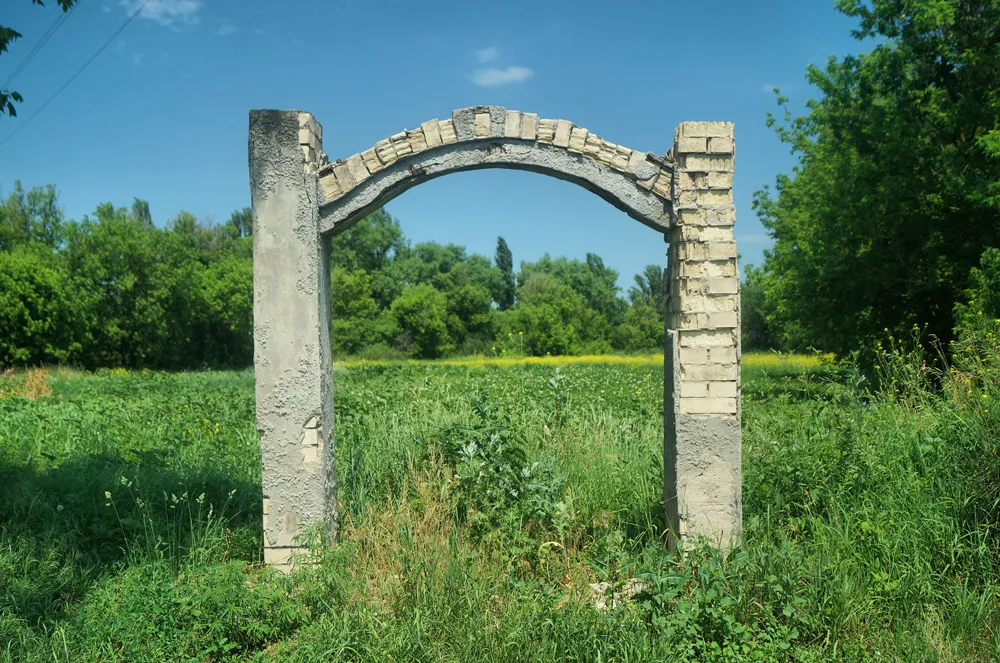
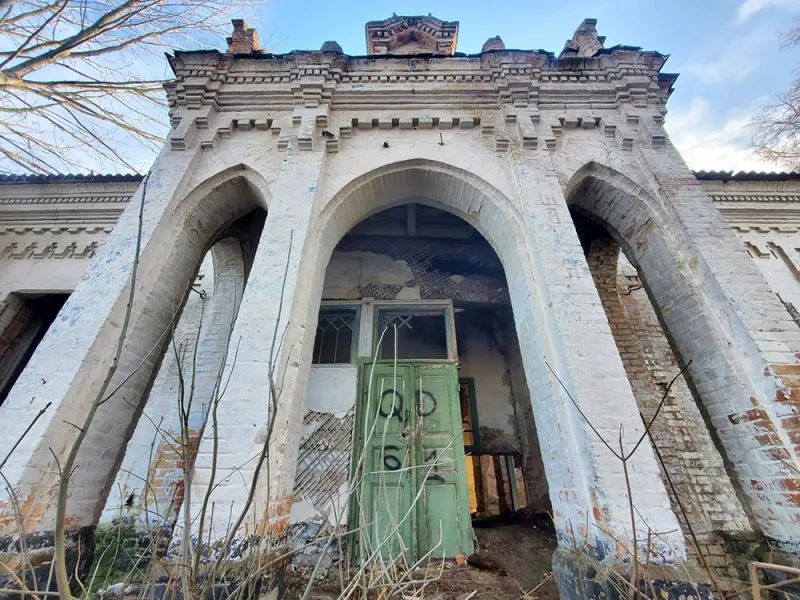
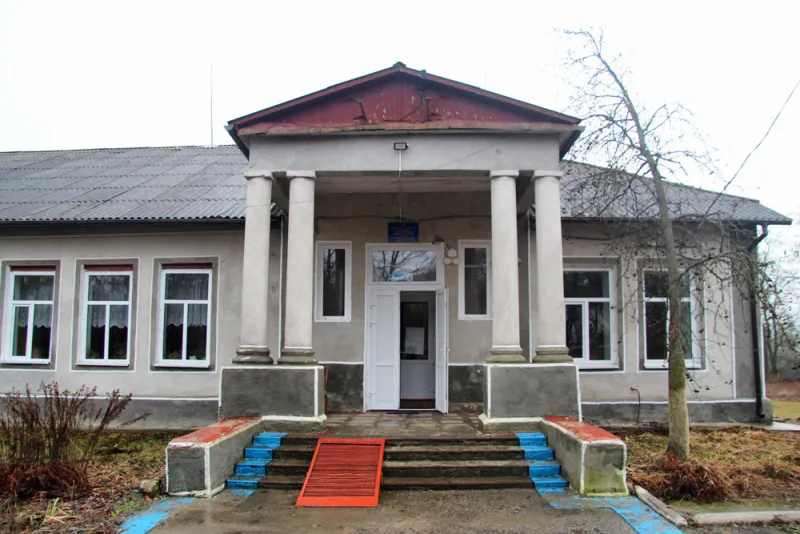
Of the old buildings in Pavoloch there are still the manorial storehouses outside the village, the remains of a manor and a half-ruined manor house. That is actually all. Although there is also the Jewish cemetery, the kirkut, the Cossack ramparts, which I have already mentioned, and the beautiful nature of the Rastavytsia valley.
If you want a more detailed history of Pavoloch, read it on Wikipedia. And I also want to mention the blood libel that took place in the town in 1753. The Catholic bishop Kajetan Sołtyk accused the Jews of Pavoloch of the ritual murder of a Polish boy, Stefan Studzicki. The trial took place in Zhytomyr. After being tortured, all the Jews admitted their guilt. They were given a choice: to be baptised and die quickly, or to die slowly. Some agreed to be baptised and were simply beheaded, and one family was even released. Those who refused to accept Christianity were tortured publicly for a long time and mocked (the Poles knew how to do that), then quartered and the pieces of their bodies were hung on stakes. This terrible event so angered the Jewish communities that even the Rebbe Besht, the Baal Shem Tov, the righteous man, founder of Hasidism and tzaddik number one, demanded terrible vengeance for this crime.
As late as the beginning of the 20th century Pavoloch was a significant Jewish town with several synagogues and a large community. Today only the brick synagogue built by Abramovych, which now houses a museum, and the kirkut at the entrance on the left remind us of the Jews.
Text and photos by Roman Malenkov and Serhii Shcherbii.
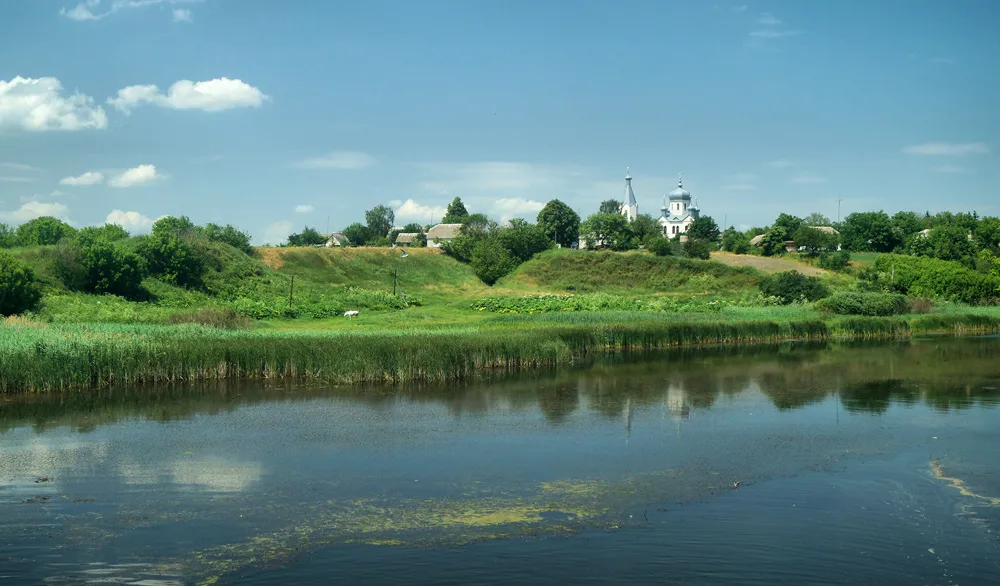
The ramparts of the old town.
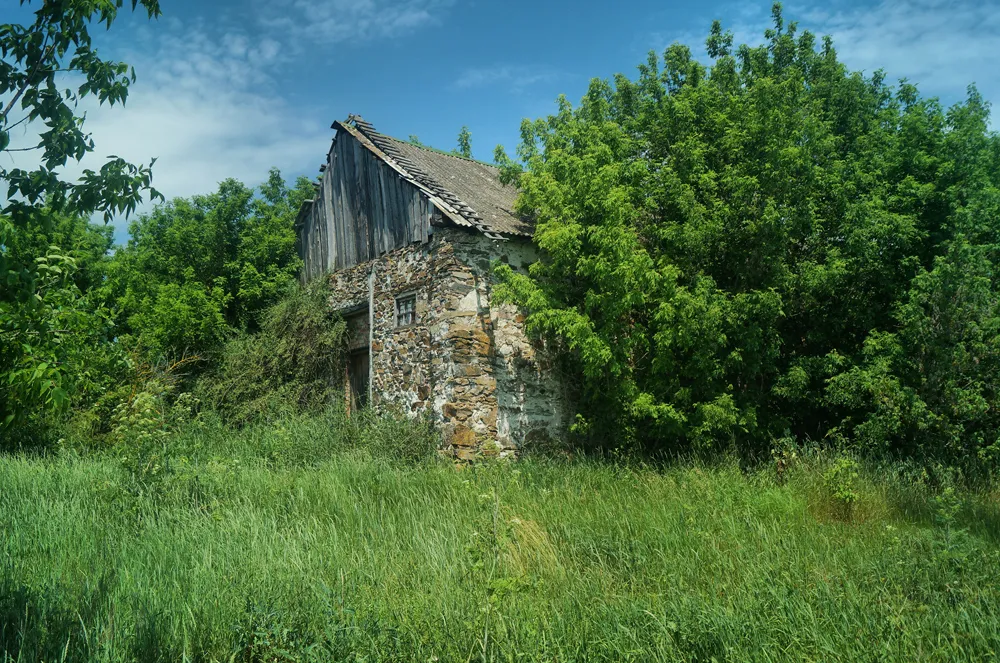
The storehouse.
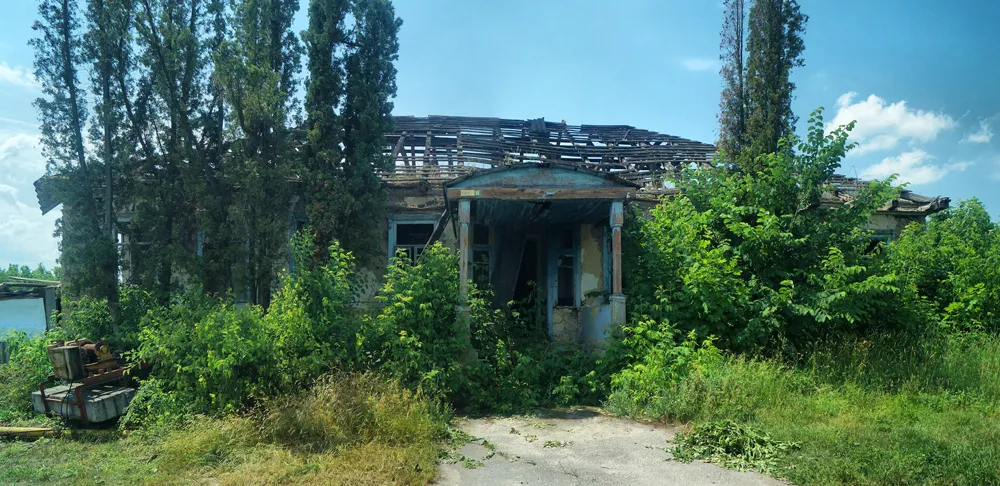
The manor house.