Stavky. The Dunin-Wąsowicz manor

· 3 min read
From 1924 to 2016 the village of Stavky was called Lenino. It puzzles me: how did such a hideous name stick to the village for 15 years of independence? What did the villagers call themselves, Leninians? Did they really not care at all?
History of Stavky (Wikipedia).
The first written mentions of the village date from 1415, when part of the village of Stavky was included in the list of estates of the Kyiv Pechersk Monastery.
The villagers took part in the uprising led by Semen Paliy (1702-1704), in the haidamaka detachments of rebels under Tesla, Mochula and Pysmennyi in 1750, in the Koliivshchyna in 1768, and in the detachment of Ivan Bondarenko, which seized Radomysl and the surrounding villages.
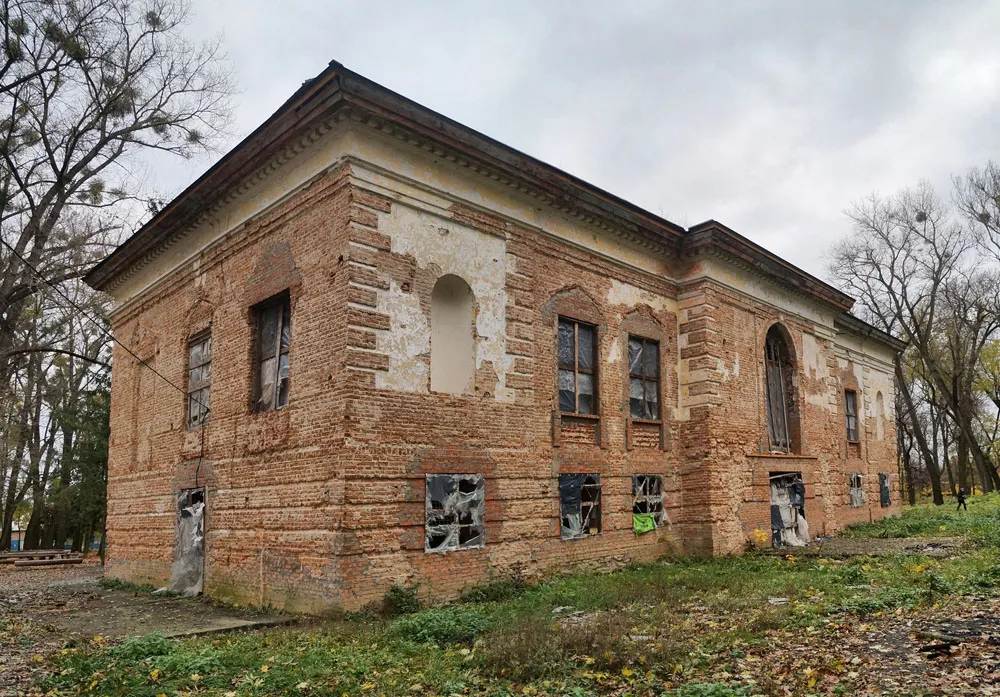
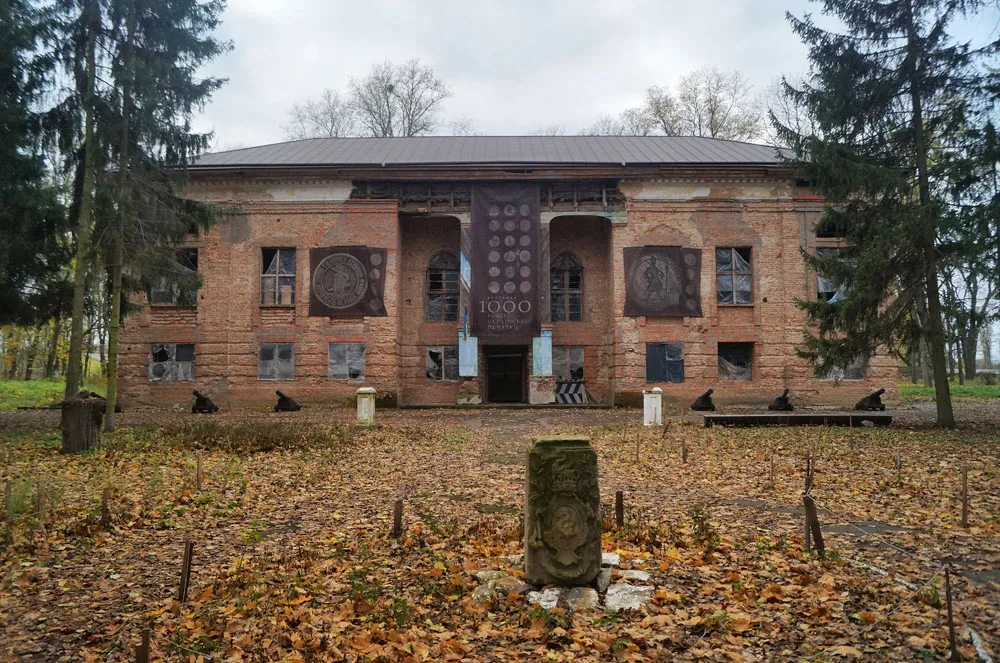
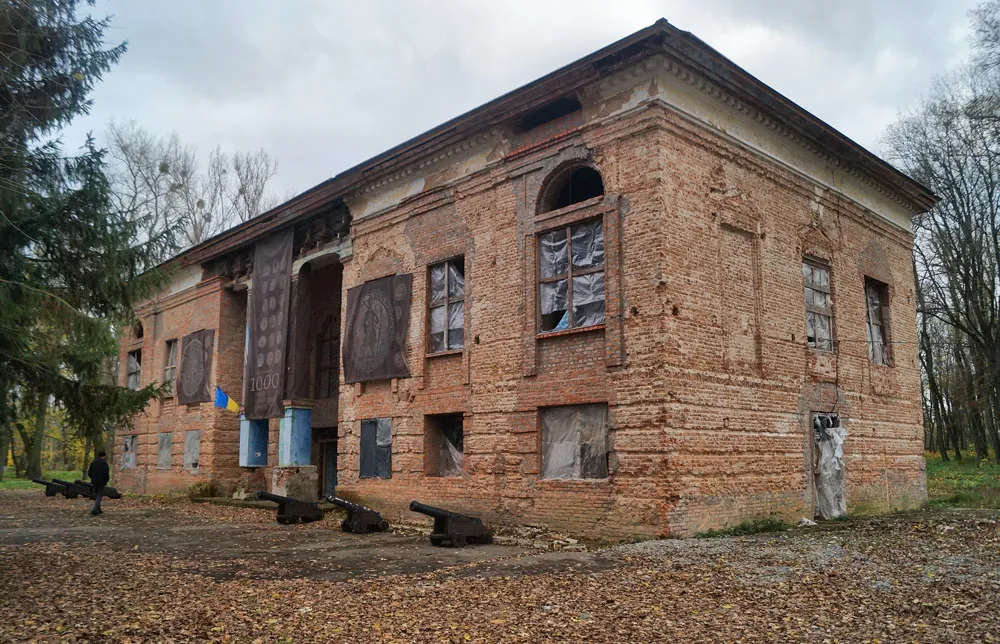
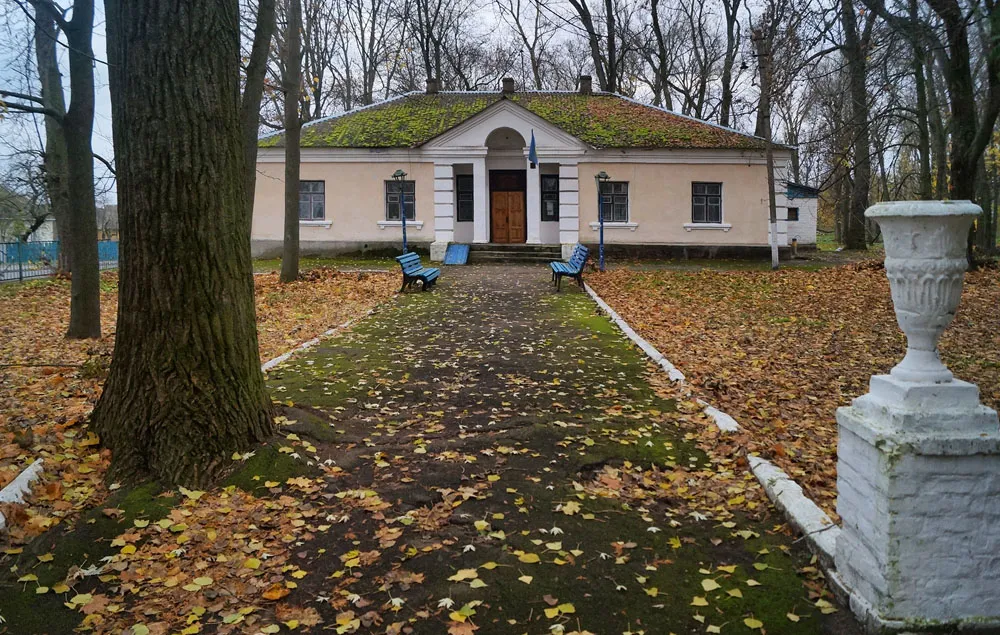
The Dunin-Wąsowicz palace.
In 1783 the village of Stavky had only 200 inhabitants in 60 houses. At that time the village belonged to Count Dunin-Wąsowicz, starost Dzierżkowski, who had bought the village from Havriil Prospura, the cup-bearer of Kyiv. Among the wealthiest landowners Bronisław Hasfort, a major (Lutheran), stood out, with 621 desiatinas of land and 97 peasants. In 1864 the population consisted of 916 Orthodox inhabitants, 35 Roman Catholics and 43 Jews.
In Stavky there were 2 ancient castle sites: one in the village itself, the other in the fields; both were almost destroyed at that time.
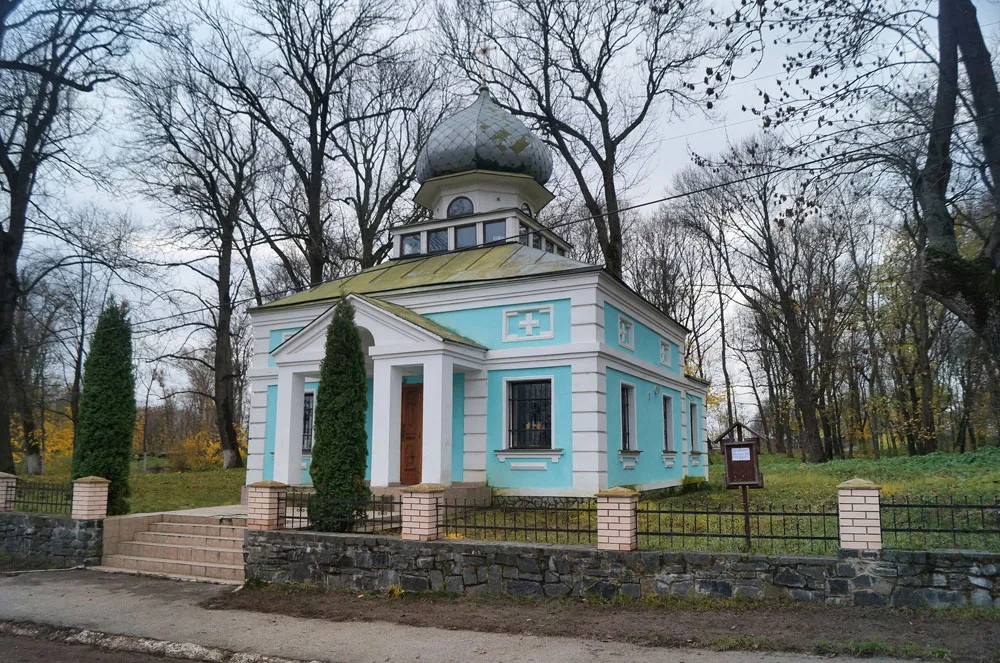
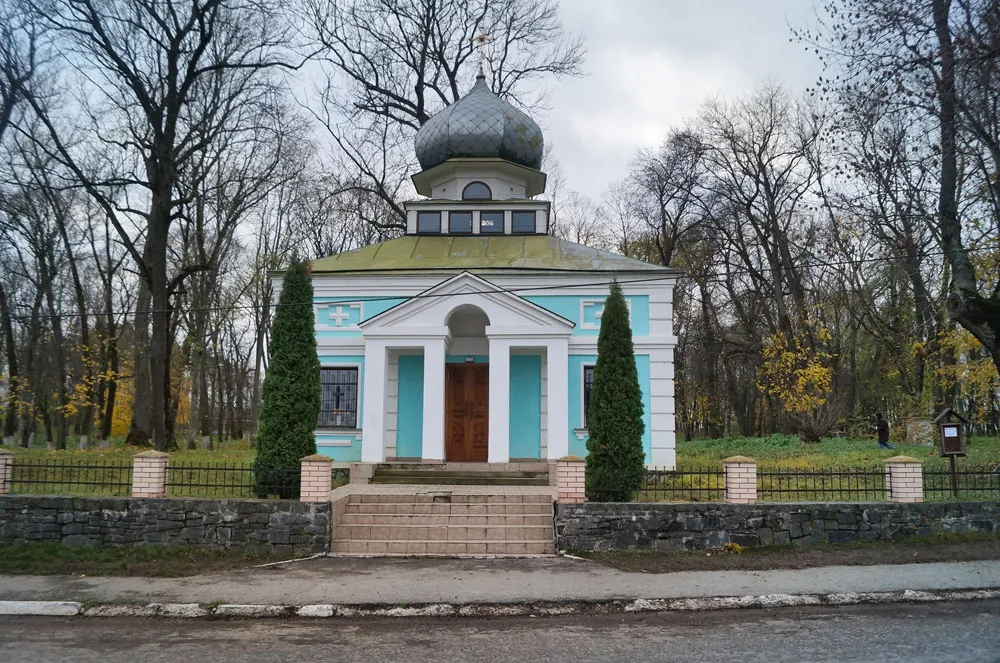
In the centre of the village stood a wooden church in the name of the Resurrection of Christ, built in 1740 on the site of an older one, classed in the 5th class by the staff register. An old wooden chapel was assigned to the church, on the road to Radomysl, built over a well half a verst from the village. From time immemorial a procession of the cross to this chapel and well took place on 1 August. There was also a Roman Catholic stone chapel, built around 1795, in which Latin services were held by visiting priests. The villages of Slobodka, Marianivka and Yurivka formed the Stavky Orthodox parish.
In 1924 the village of Stavky was merged with the village of Mynyne and renamed Lenine.
The palace of Count Stanisław Dunin-Wąsowicz, built in the 18th century, has survived in the village; in the early 20th century an agricultural school operated in it. (Text from Wikipedia)
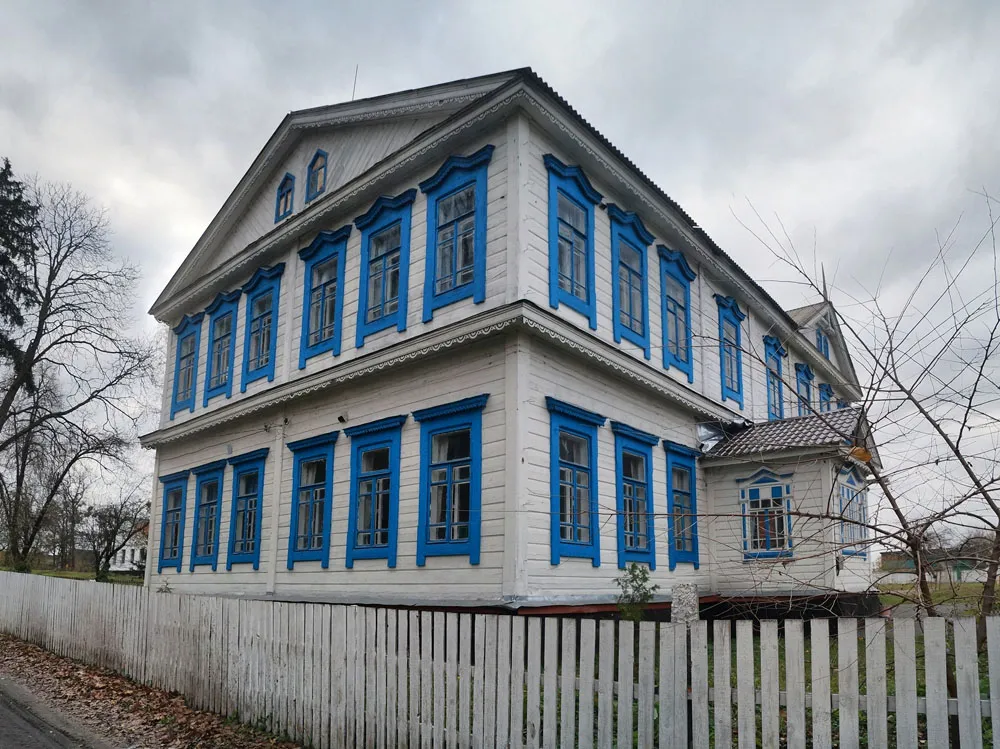
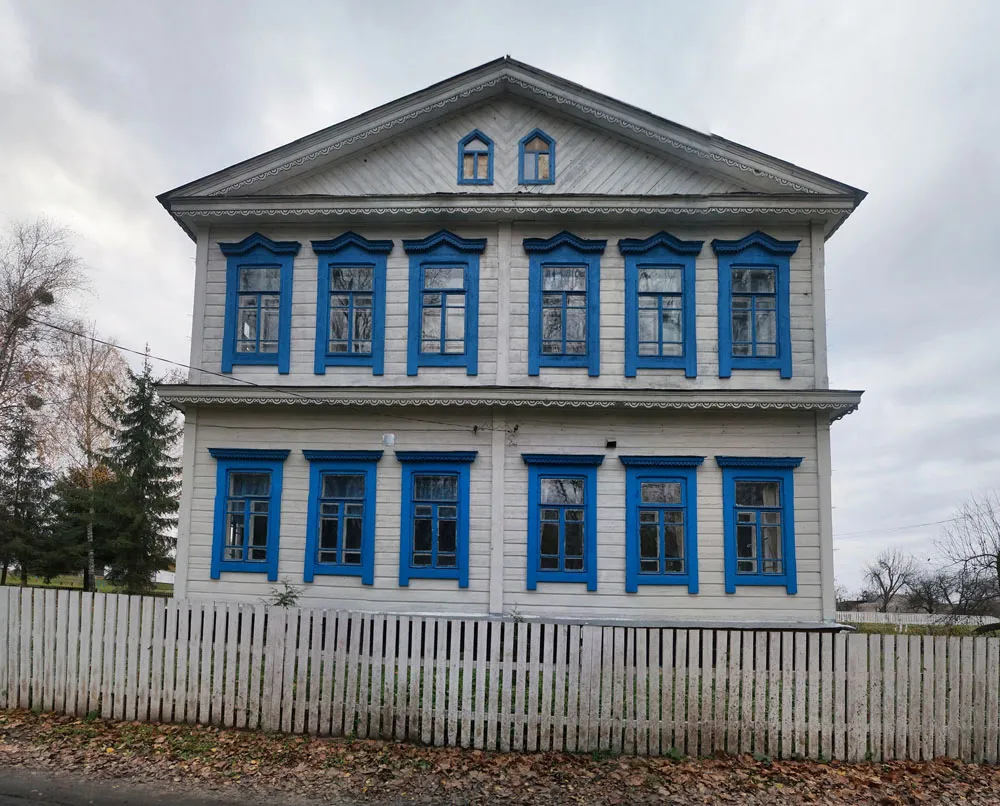
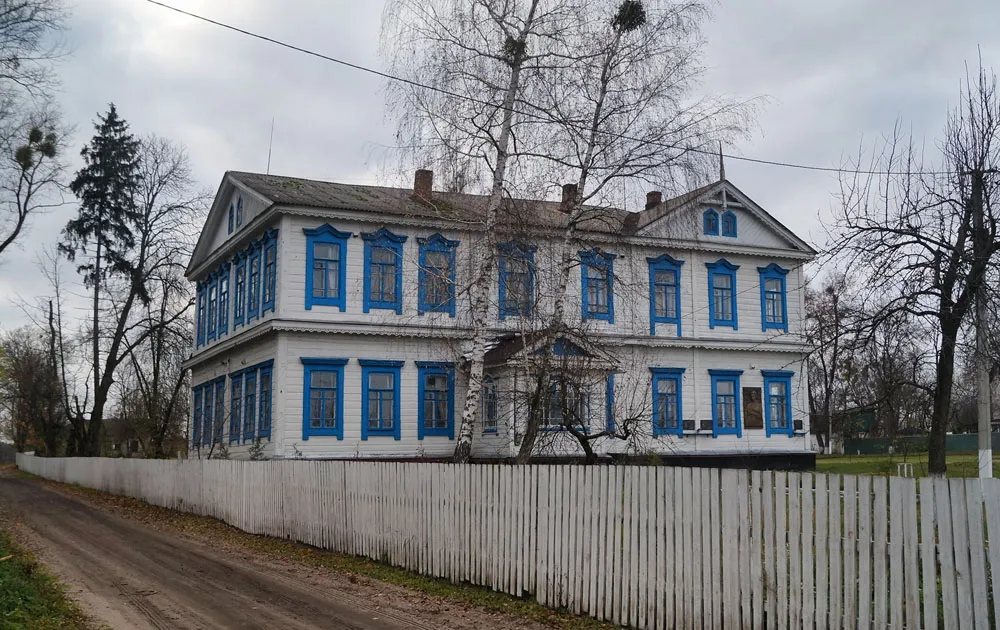
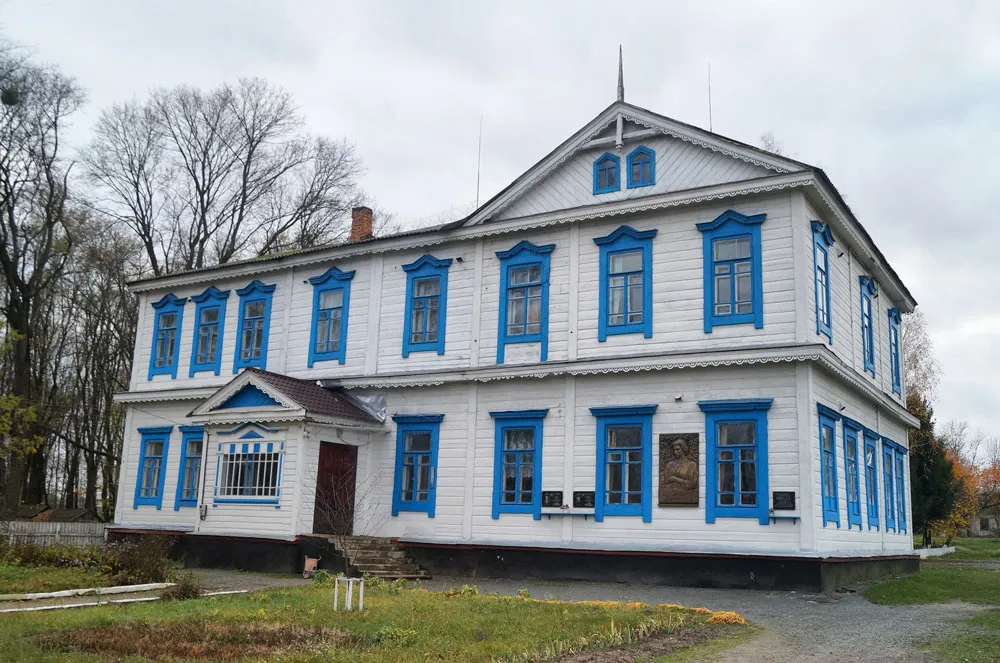
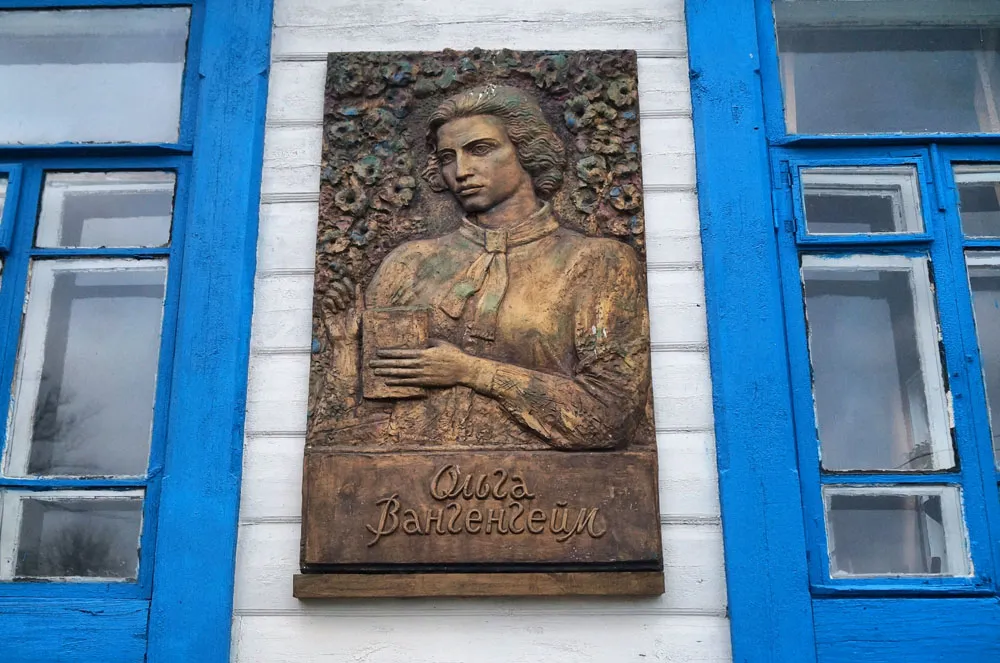
The teacher Olha Petrivna Wangenheim (of Dutch descent) built a two-storey wooden school in the village in 1903, which still operates.
The Dunin-Wąsowicz palace.
Built in 1792, the Stavky palace witnessed many historical events, but particular attention is drawn to the figure of the owner of the estate in the first quarter of the 19th century, Count Stanisław Dunin-Wąsowicz.
Stanisław Dunin-Wąsowicz (1785-1864) was a count of the Łabędź (Swan) coat of arms, a colonel in French service and a brigadier general of the Polish Army. On 4 July 1812 he was attached to the General Headquarters of Emperor Napoleon I as an interpreter and took part in the “Second Polish War” (the Russian campaign). On 5-18 December 1812 he accompanied the Emperor on his journey to Paris.
The stormy and heroic biography of this Polish aristocrat and soldier born in Ukraine, and the secret of his special mission at the side of Emperor Napoleon, are without doubt an excellent basis for holding cultural, artistic and military-historical events in Stavky that emphasize the commonality and intertwining of the historical destinies of Ukrainians, Poles and French.
Today, through the efforts of the collector and patron of the arts O. Sheremetiev, the palace and park complex is being reconstructed as the “Art Estate Stavky”, which has already become the venue of the annual regional festival of patriotic song “Chervona Kalyna” and other cultural and entertainment events. (Text from the website of the Radomyshl community)
You can also read about the estate in Stavky and its owners on the website “Radomyshl. A town from the depths of the ages”.