Hlyboke. The Cossack cemetery is being taken by Lake Sasyk

· 3 min read
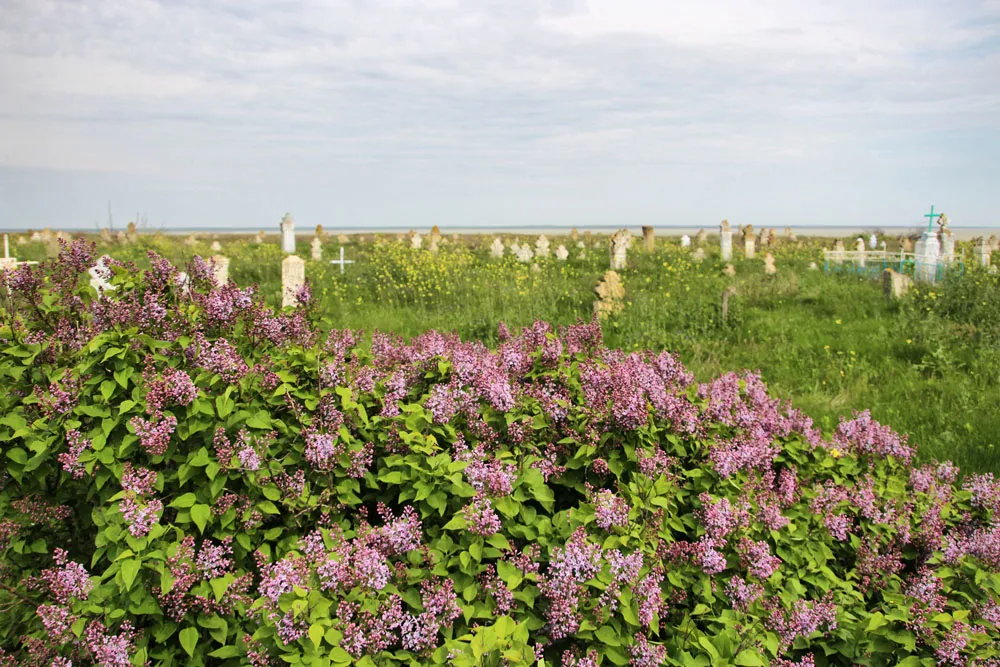
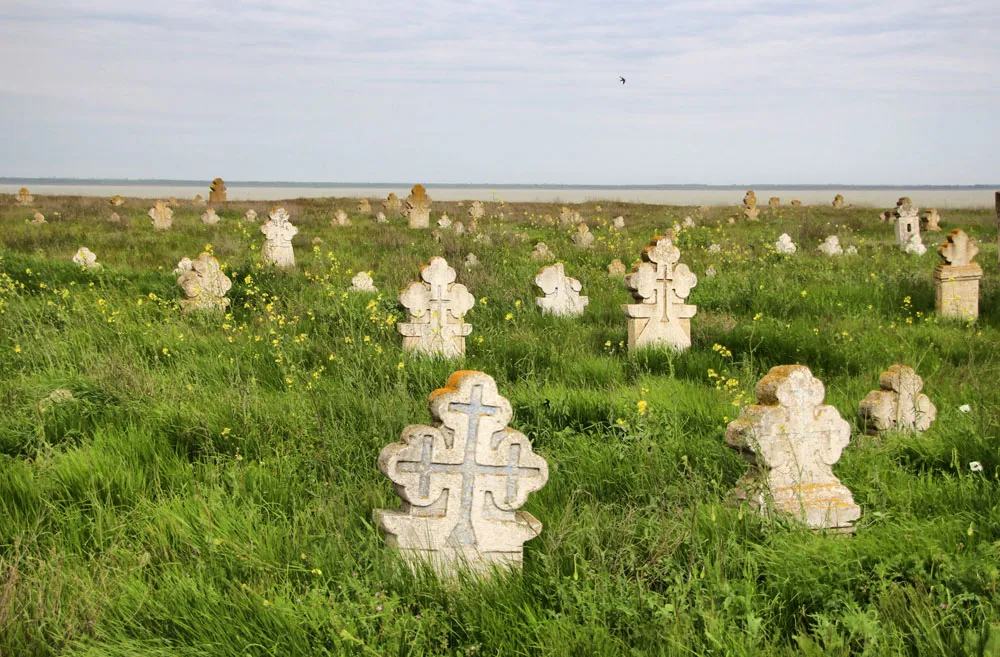
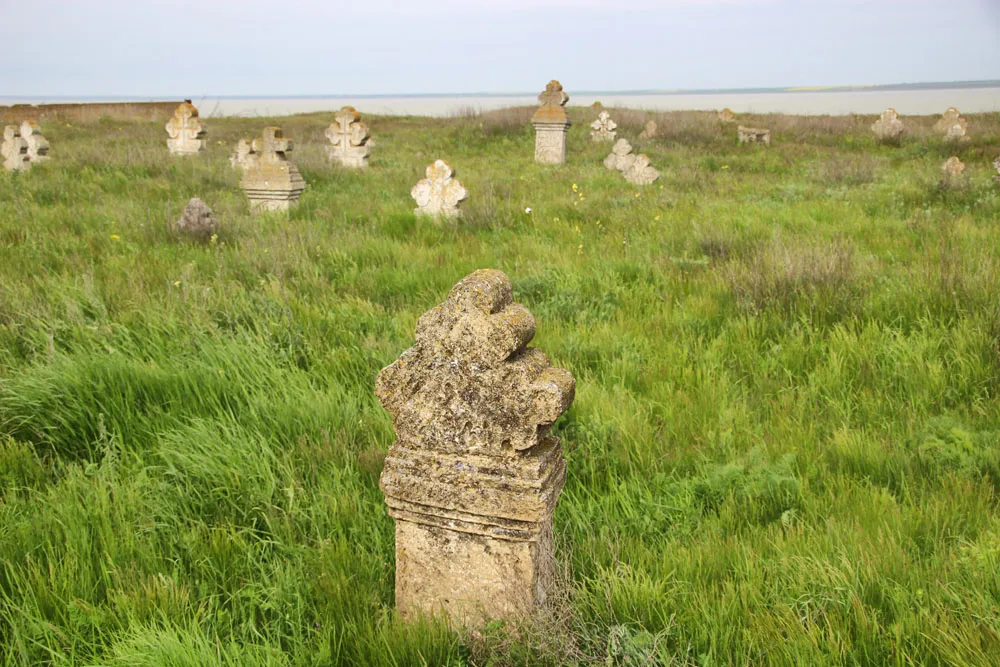
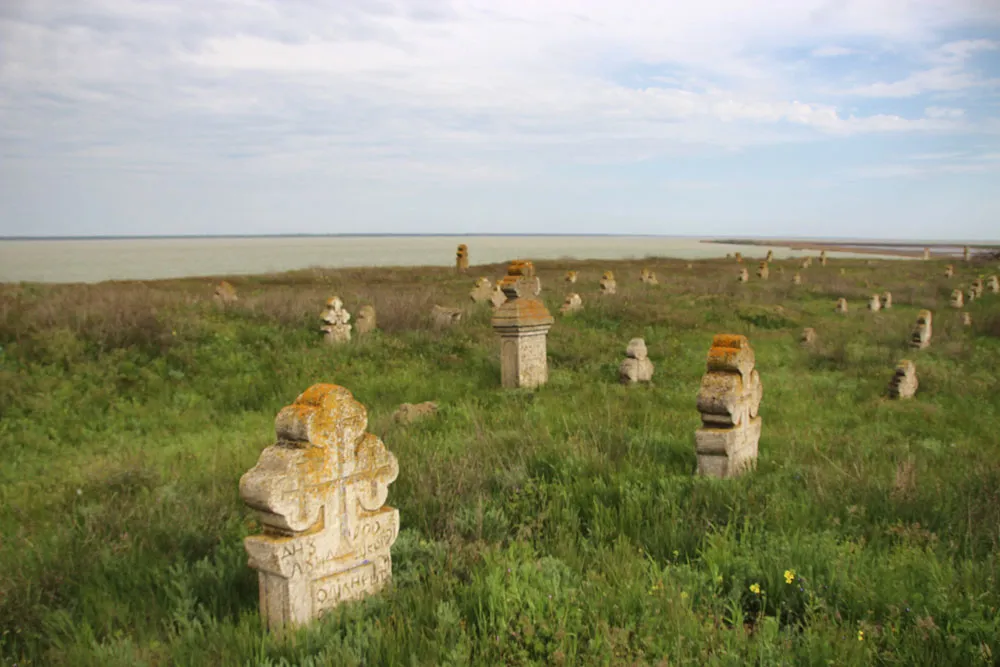
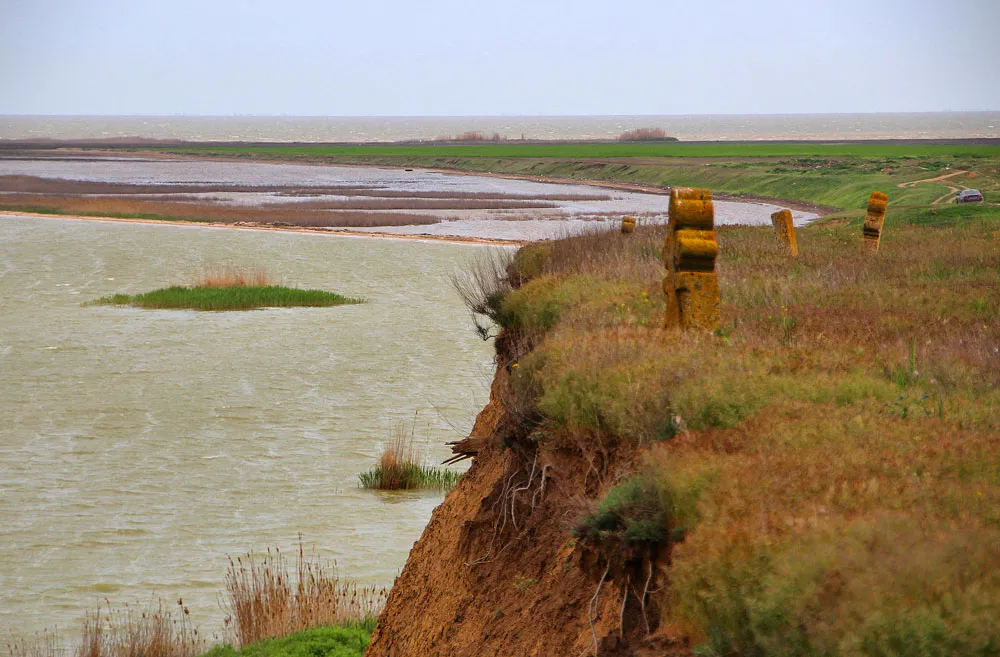
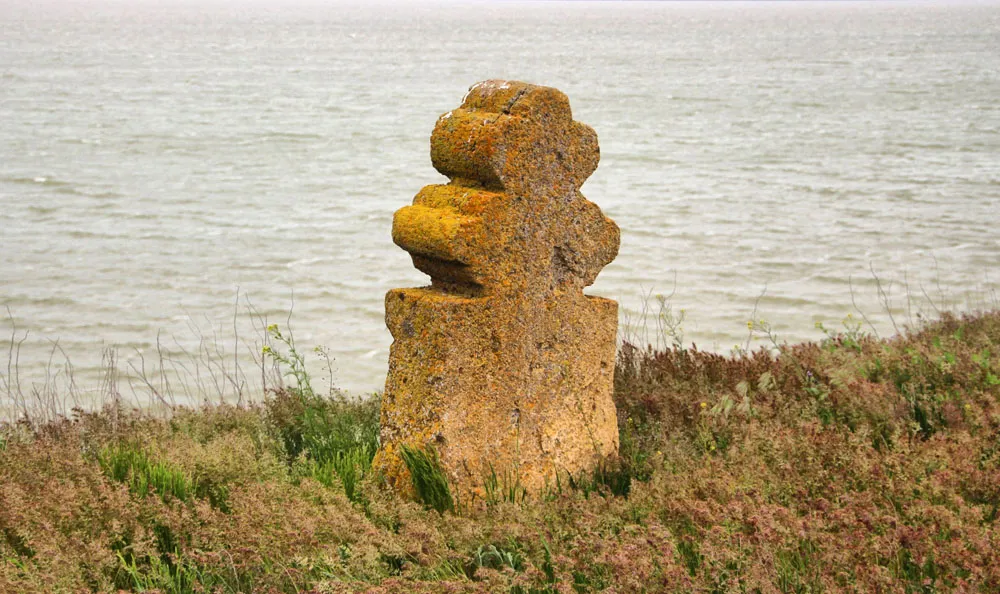
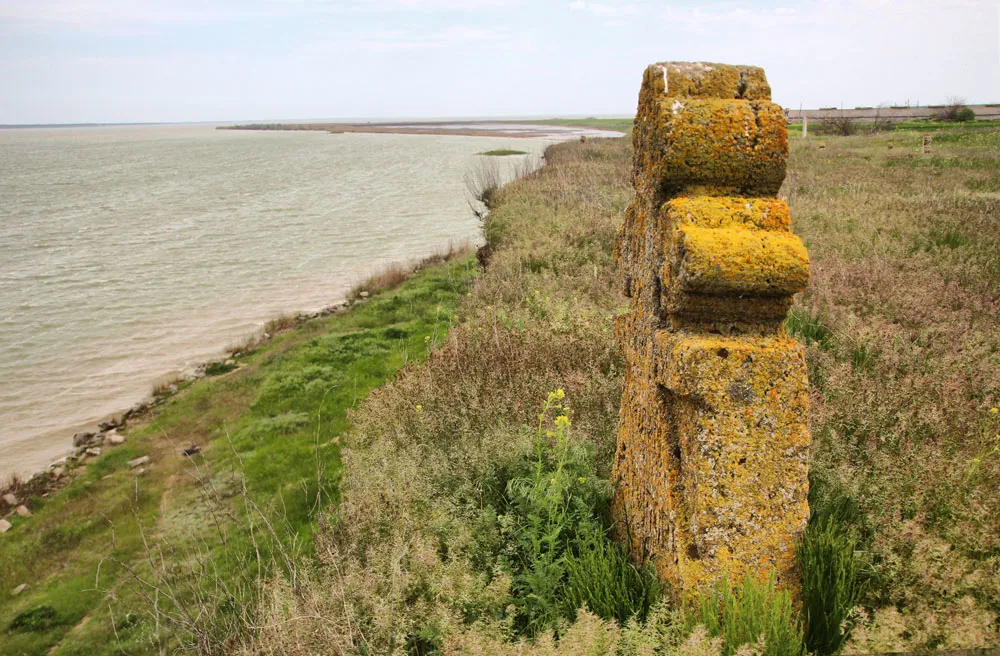
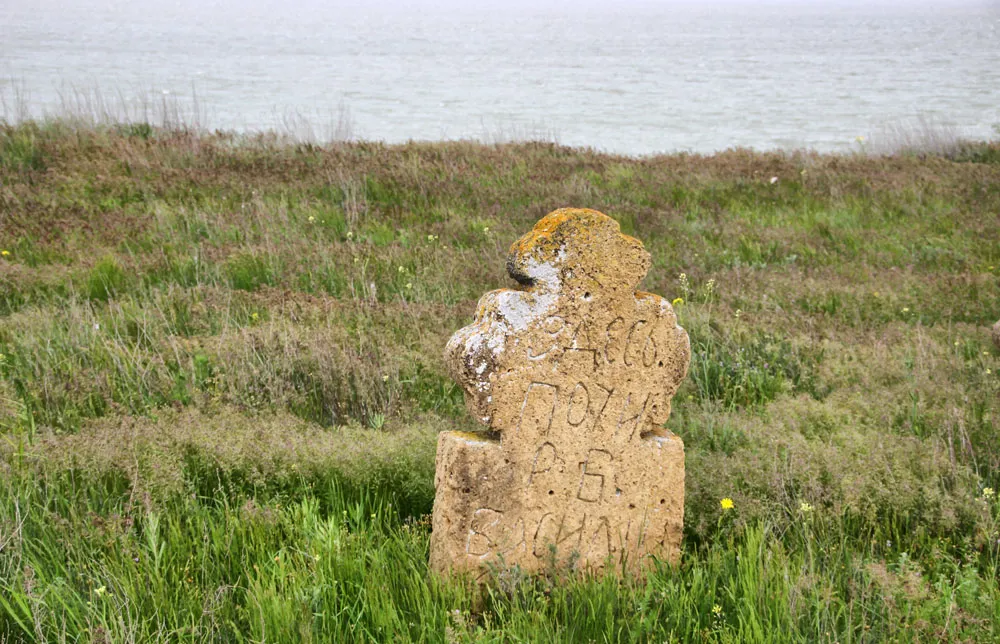
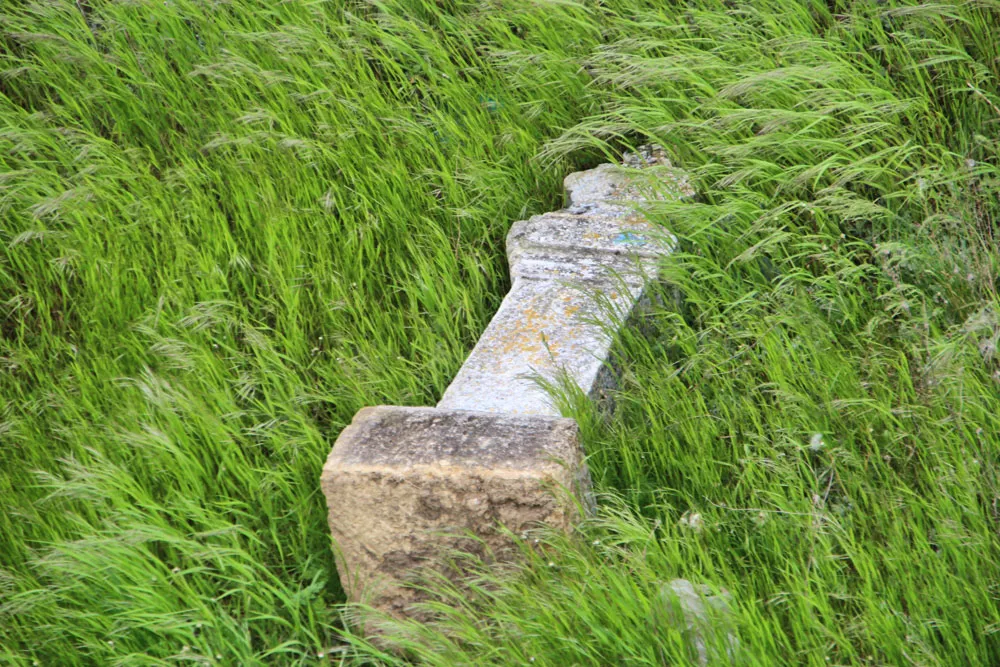
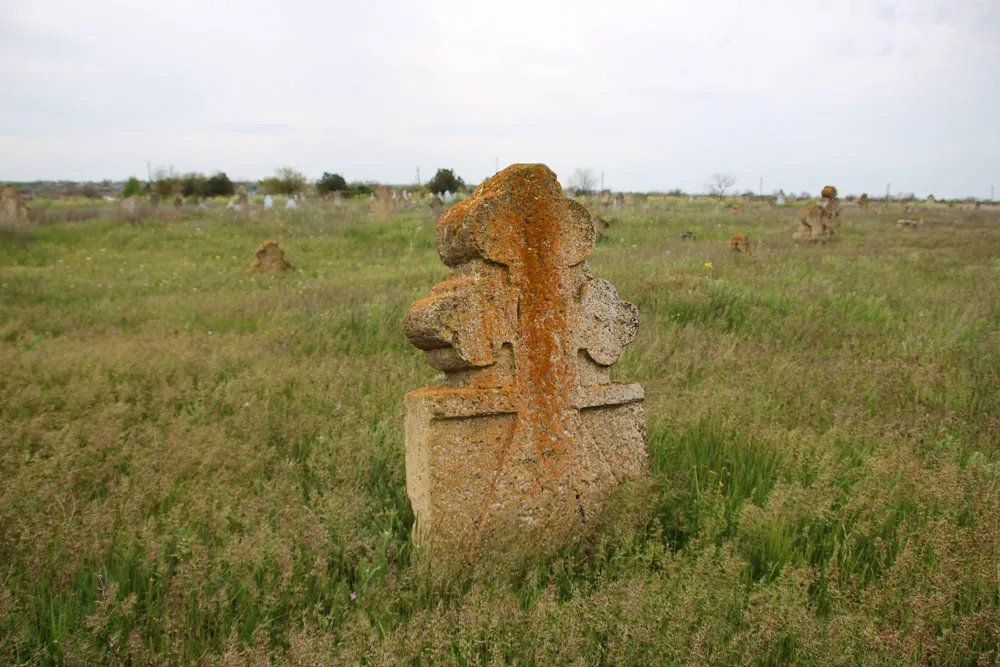
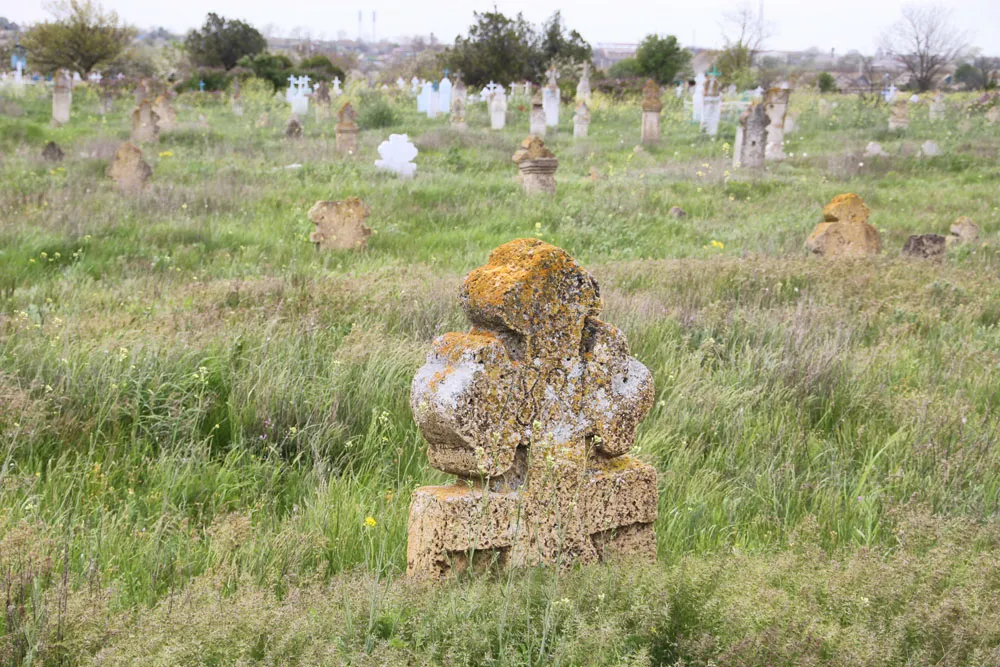
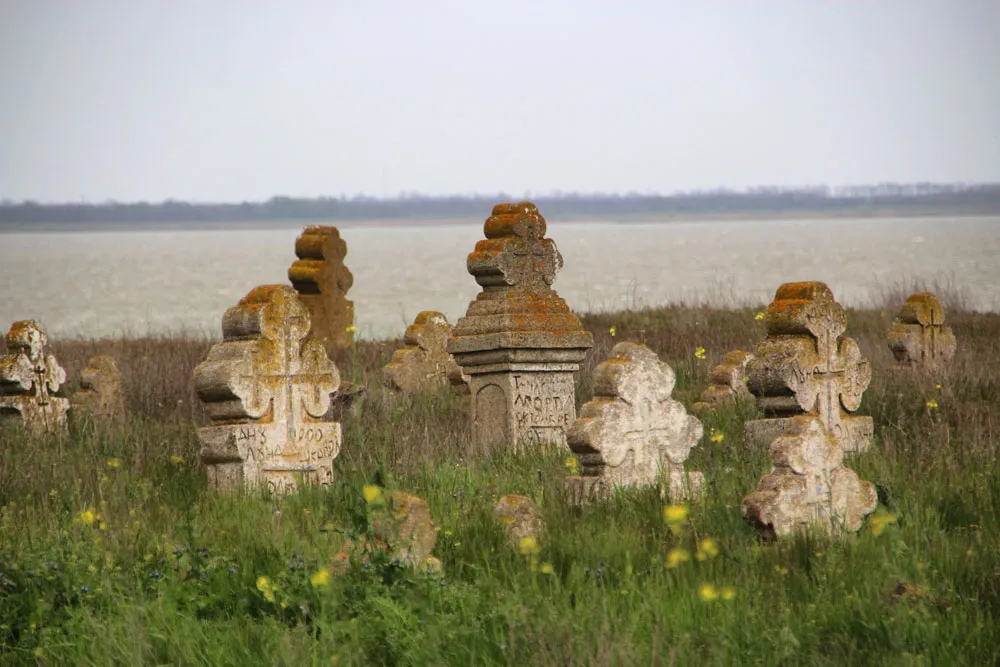
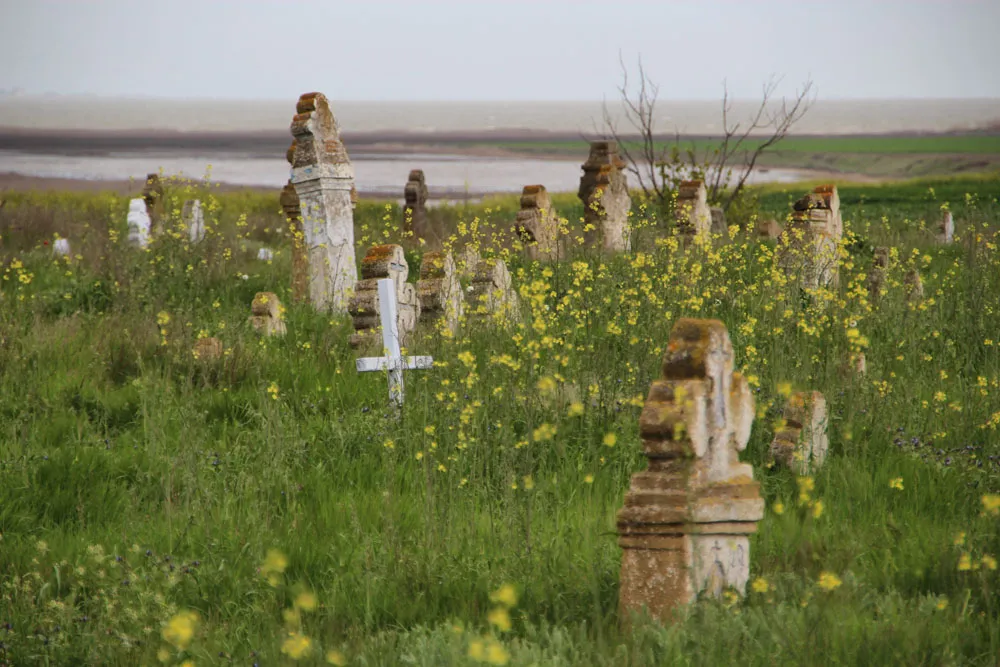
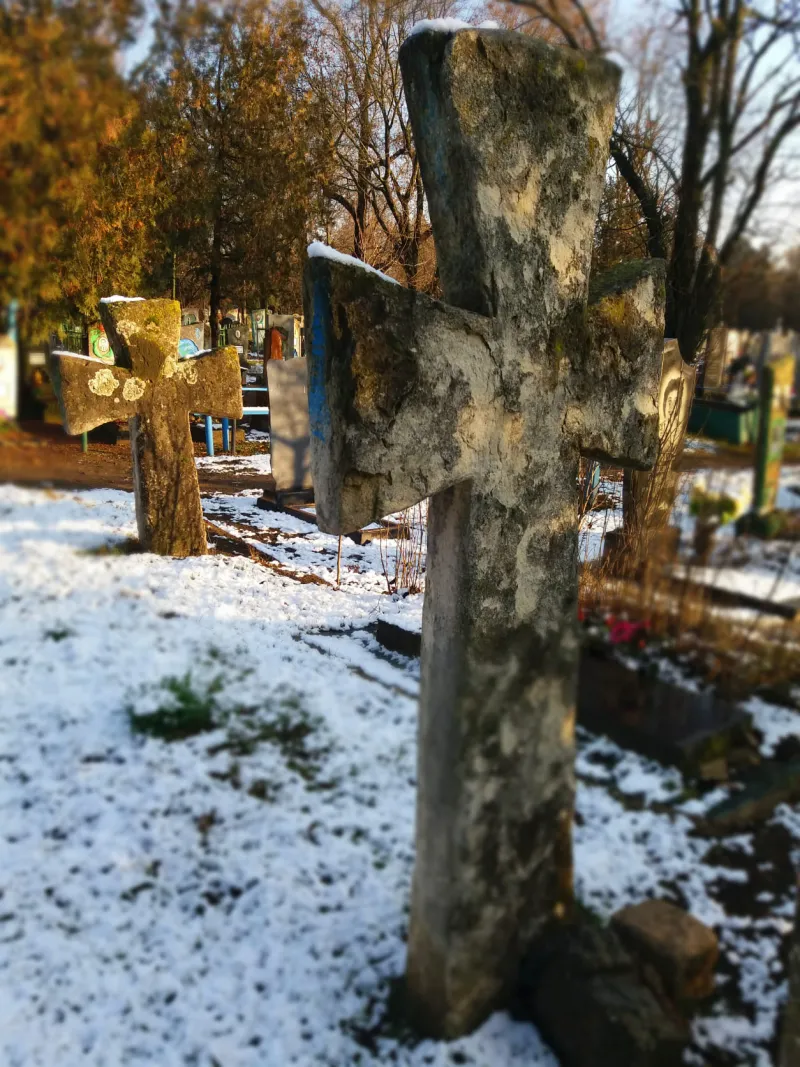
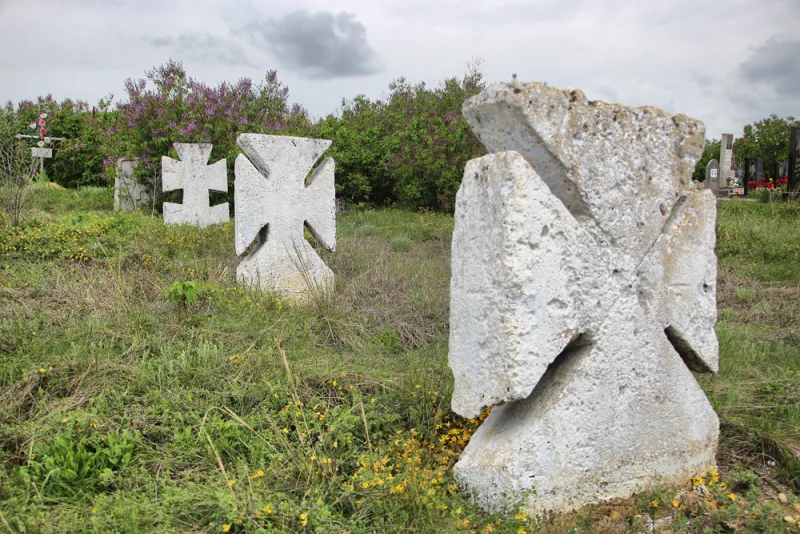
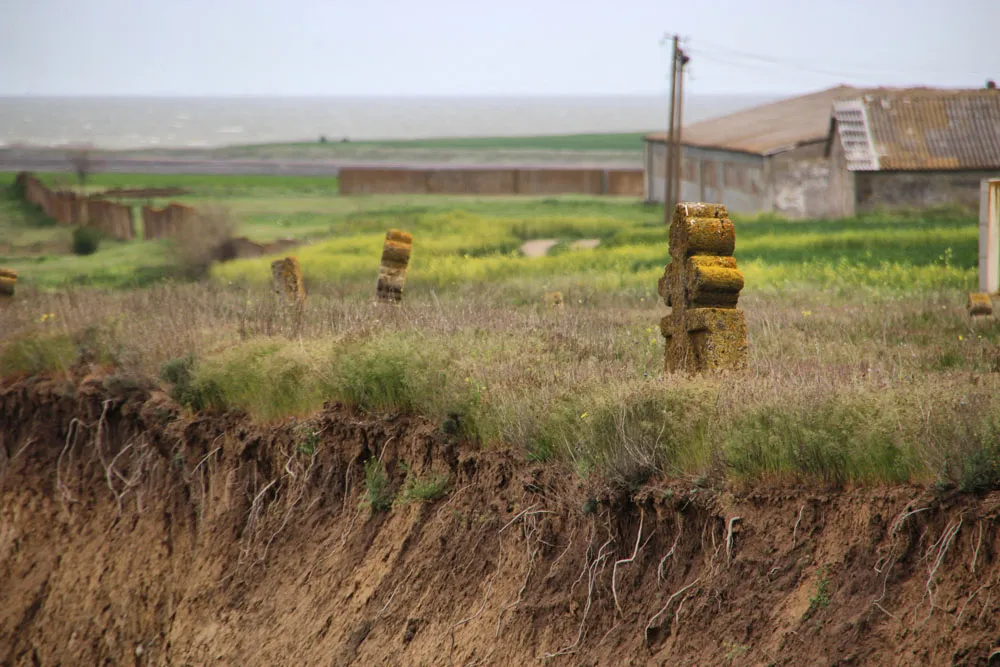
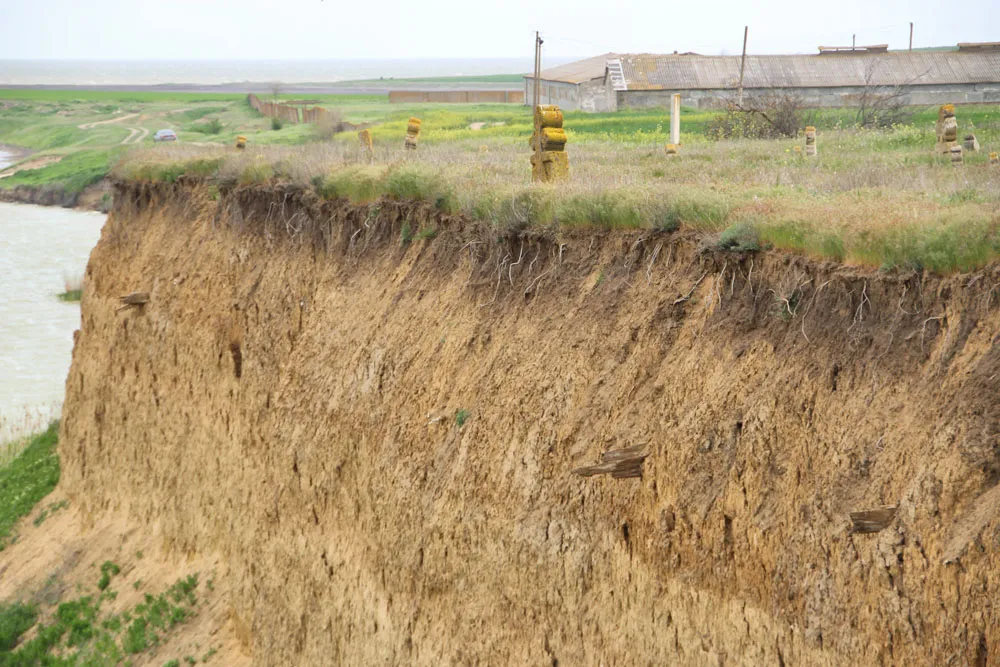
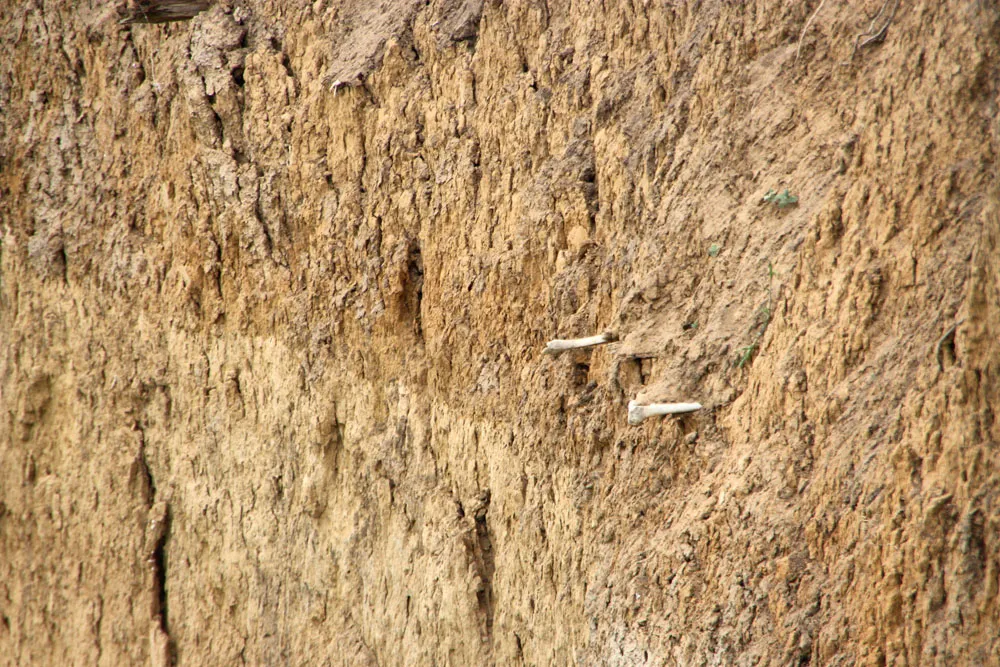
Fifteen kilometres south of Tatarbunary, on the shore of Ukraine’s largest lake, Sasyk, in the village of Hlyboke, lies a large Cossack cemetery… Or one could put it another way – on the shore of the Kunduk estuary, in the former Bulgarian village of Eskipolos, there is an old cemetery. A Cossack one. A cemetery that is being undermined and collapsing into the estuary, with human bones and old coffin boards sticking out of the steep clay bank. Ancient Cossack crosses are falling down…
The lake’s double name is the fault of the Turks, who called it both Sasyk and Kunduk. Before Bessarabia was seized by Russia there was a Tatar settlement here called Samsond. It was burnt by Russian soldiers, and in 1806-1812 there was the farmstead of Nestor Budetskyi here. Who this Nestor was we have not managed to find out – probably a Cossack fisherman-hunter (ukhodnyk). In 1822 Bulgarian colonists, who came from the settlement of Eskipolos, were allowed to settle here. They gave their colony the same name.
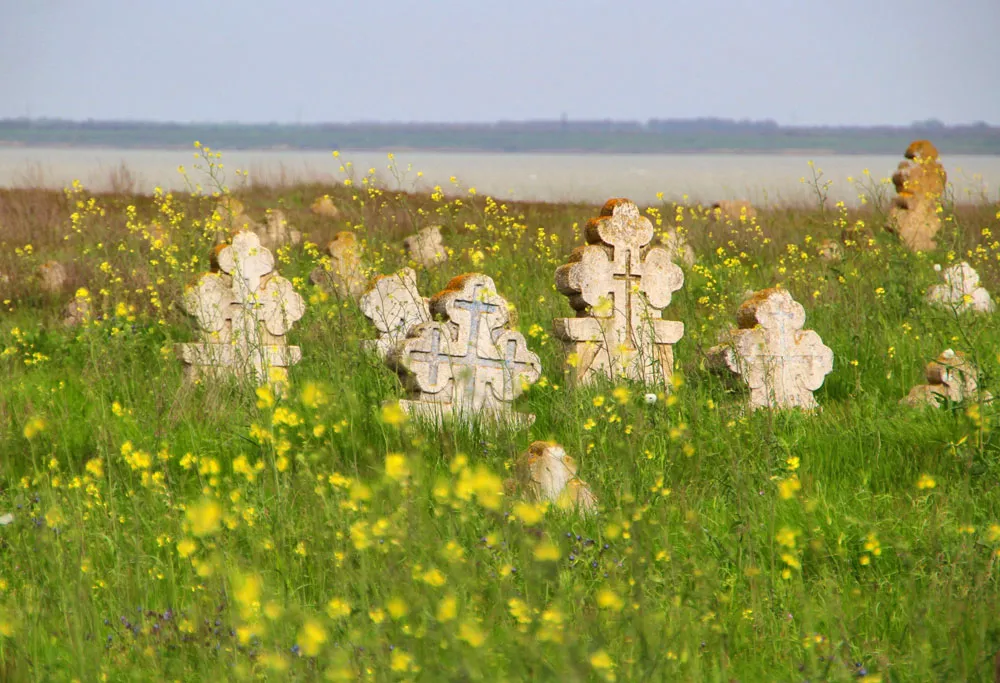
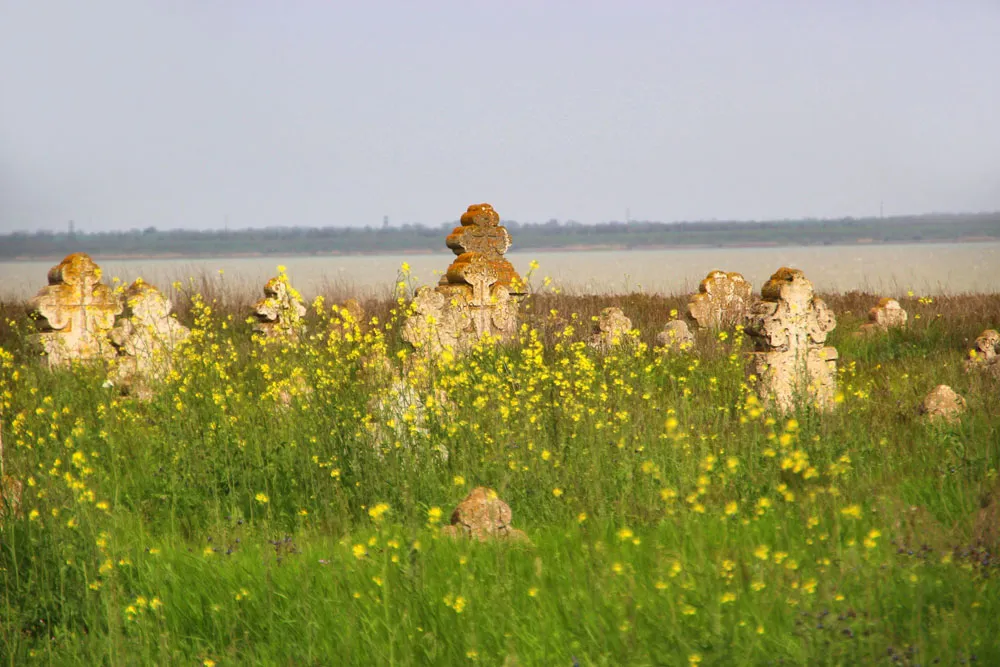
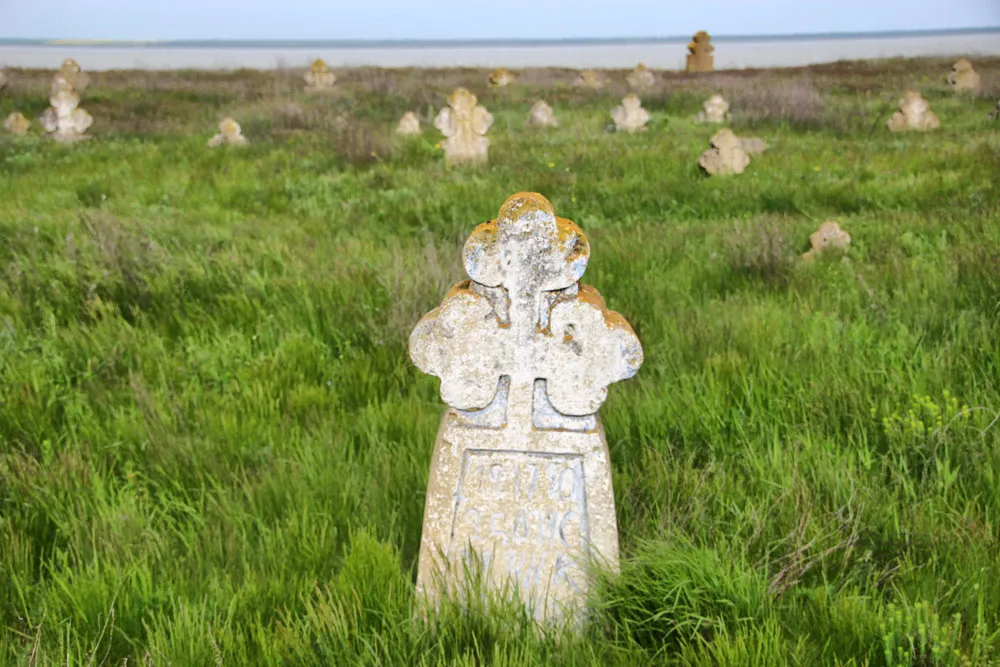
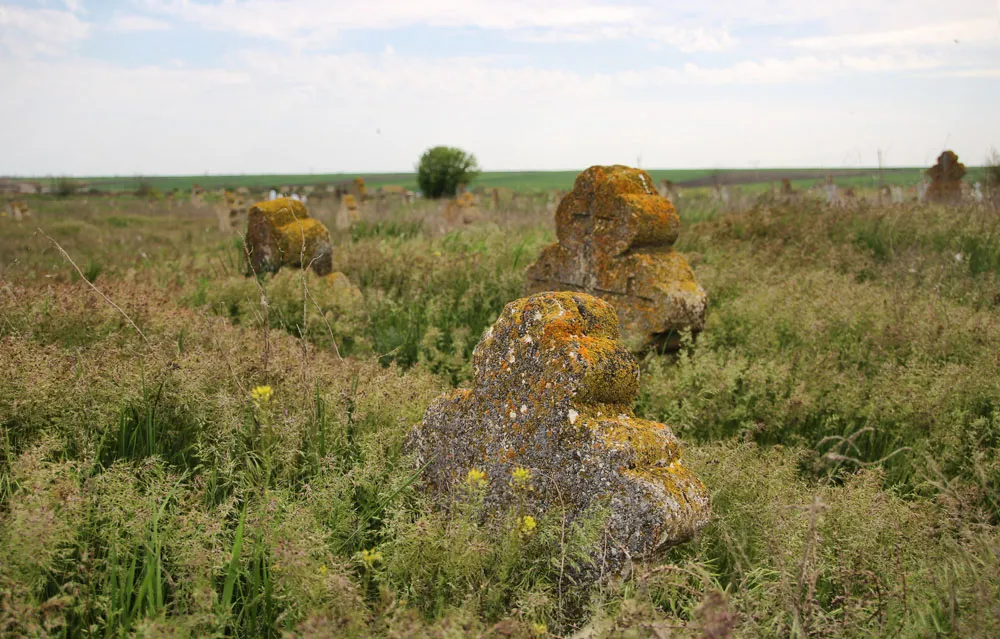
In 1856, after defeat in the Crimean War, under the Treaty of Paris Russia ceded Southern Bessarabia (up to the Danube) to the Principality of Moldavia, a vassal of the Ottoman Empire. The Bulgarians did not want to be under the Turks again and left the settlement – they went somewhere to Taurida. Moldovans and families of Budjak Cossacks settled in their place. It was then that the Cossack cemetery appeared – traditional for the southern regions of Ukraine, where there was almost no timber and gravestone crosses were hewn from limestone. The cemetery was placed on a high terrace above the northern freshwater part of Lake Sasyk. In those days the lake’s waters did not reach the slope of the terrace; the lake was divided into two parts – the larger, southern one was salty, but in 1978 Soviet experimenters decided to desalinate it – whether for fish farming or for irrigation. To do so they separated the lake from the sea with an earth dam. Canals from the Danube were brought to the lake, and they tried to wash the salt out of it. Nothing came of it, except a significant increase in area and the transformation of the lake into a salt estuary.
With an area of 215 square kilometres, Lake Sasyk (Kahul) is seemingly the largest in Ukraine, but most of its water surface is an artificial reservoir, so among natural lakes the largest in Ukraine is Yalpuh. Besides its large area, lack of outflow and the shallowness of many sections, the stench and the blooming of the water in summer, Sasyk has also begun to cause considerable harm to villages, undermining and destroying their shores. So in Eskipolis, renamed Hlyboke in 1947, the shore began to wash away and collapse, and with it the ancient cemetery.
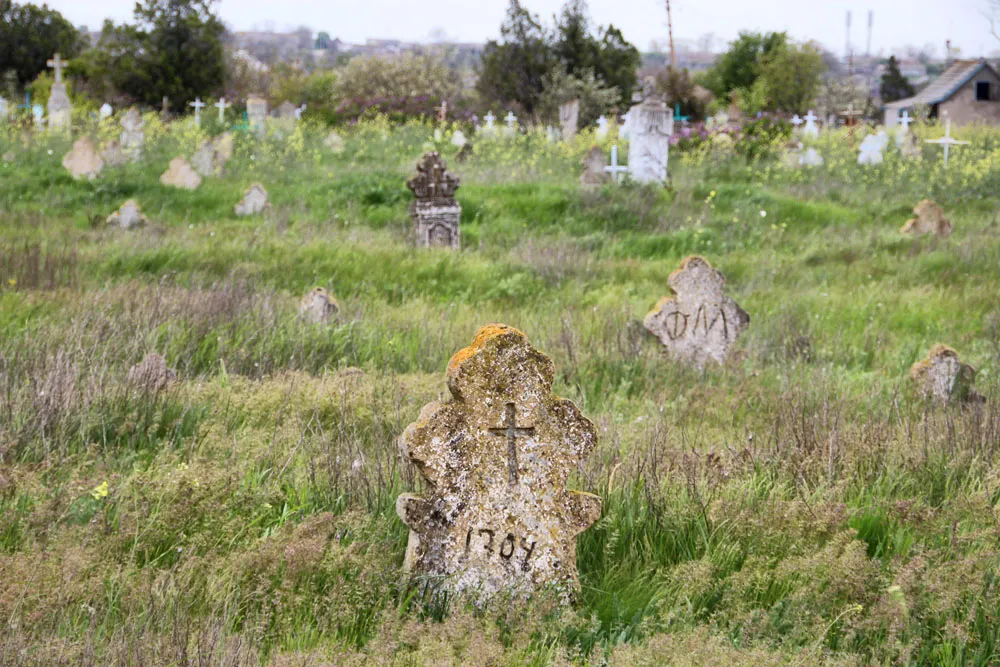
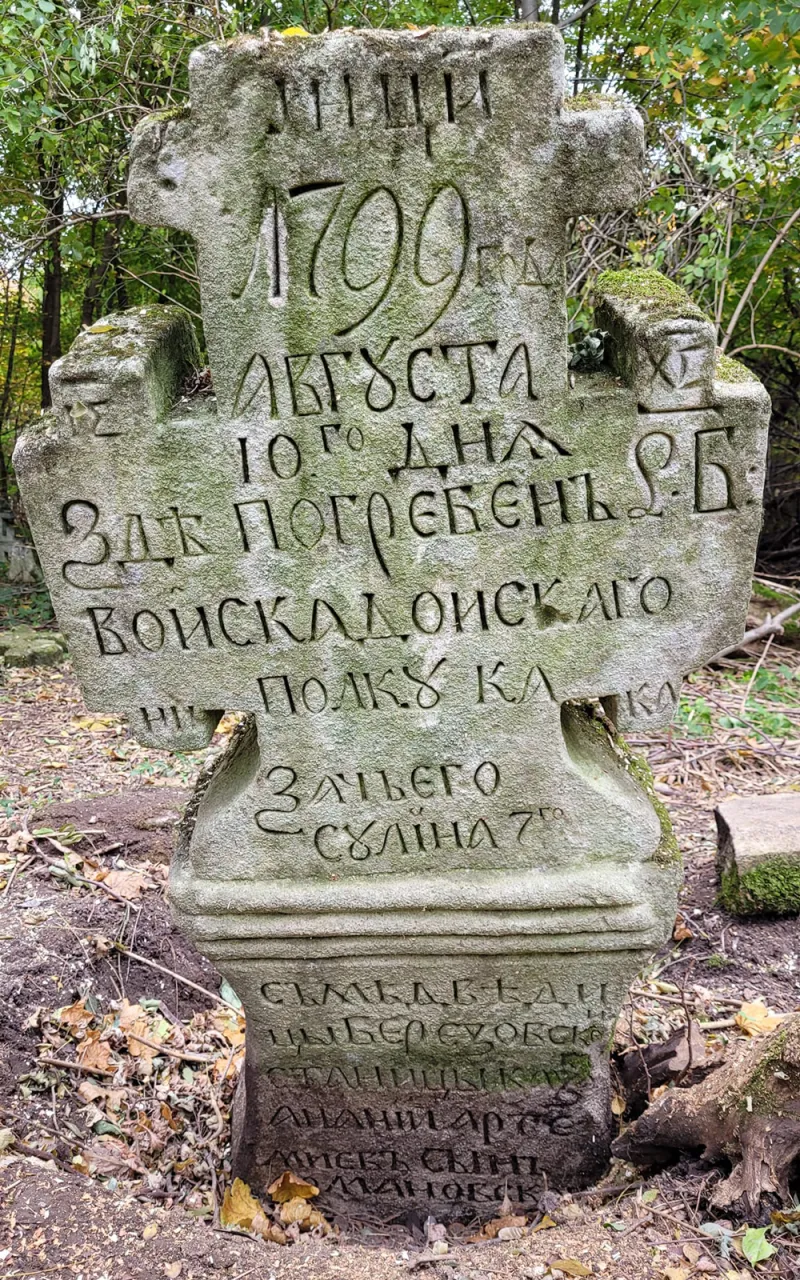
The cemetery is dated to the 18th-19th centuries, but this is probably a mistake, since in the 18th century Tatars lived here and there were no Christians. People probably began to speak of the 18th century after noticing the date “1704” on one of the crosses, but that is surely an error or a forgery.
The cemetery is quite large; it is a continuation of the modern village graveyard. Most of the stone crosses are more than a hundred years old, but the cemetery is not included in the Register of monuments. It is protected neither by the state nor by the local residents, although proposals to rebury the outermost graves have been voiced more than once… In recent decades the bank has been somewhat reinforced with stones and collapses have become rarer, but after heavy rain or sudden snowmelt they are still observed, and some of the crosses already stand at the very edge.
The road to Hlyboke from Tatarbunary is dreadful, so tourists hardly ever come here. And so a historic old Cossack cemetery is being destroyed.
Text by Roman Malenkov, photos by Maksym Nazarenko.