Chełm: the capital of King Danylo

· 6 min read
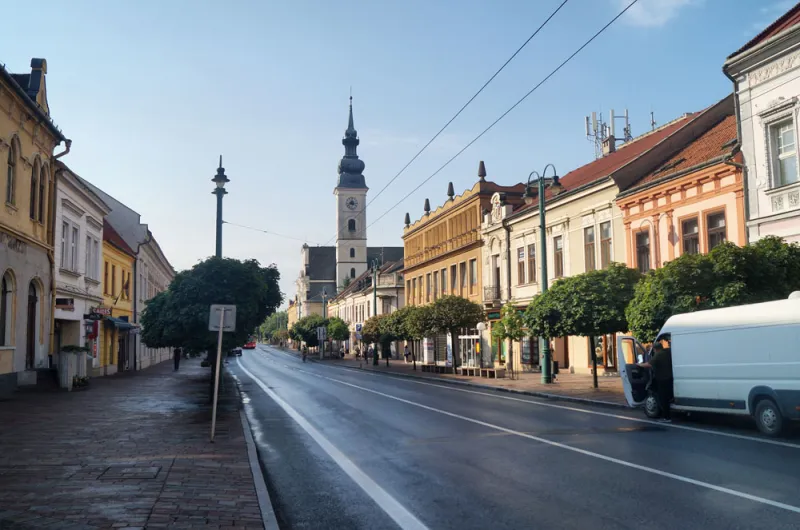
Chełm, unlike Przemyśl and Jarosław, has a rather provincial look. Most of the old houses in the old town have two storeys. There are no strongly pronounced architectural dominants in the centre of the town: a few Roman Catholic churches, Orthodox churches built under the Russian occupation, and small administrative buildings and merchants’ houses cannot take on that role. The most interesting attraction of the old town is a former chalk mine turned into a tourist underground. “Buy tickets to the underground,” we were urged at the tourist information centre, incidentally an invariable attribute of all Polish towns. “The most interesting thing in town,” the friendly women selling magnets and leaflets assured us. But I knew that the most interesting thing in Chełm is the monastery complex on Vysoka Hirka hill, on whose grounds King Danylo of Galicia is probably buried.
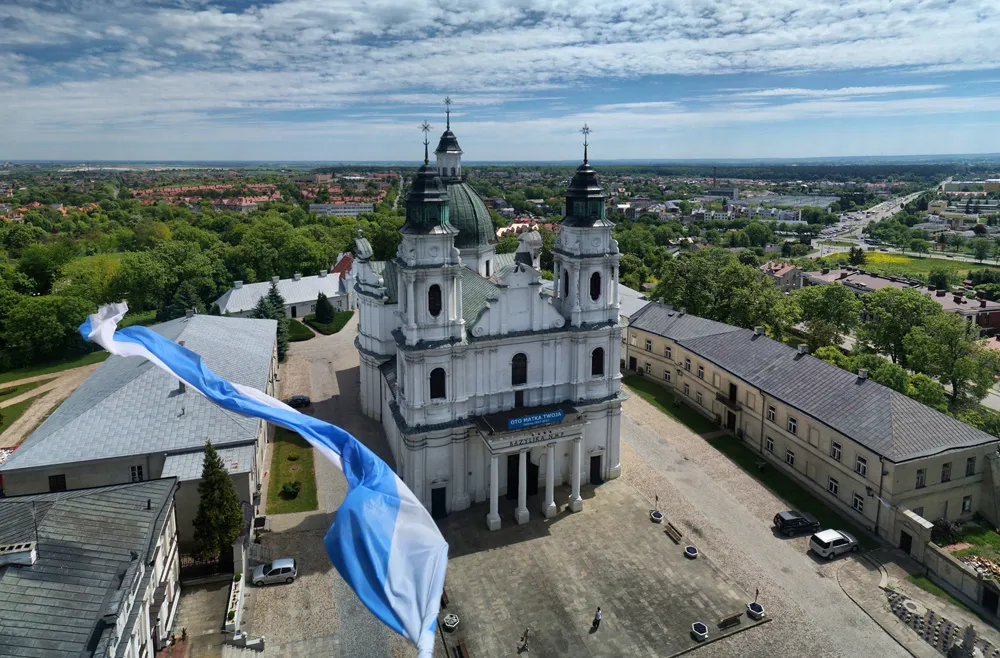
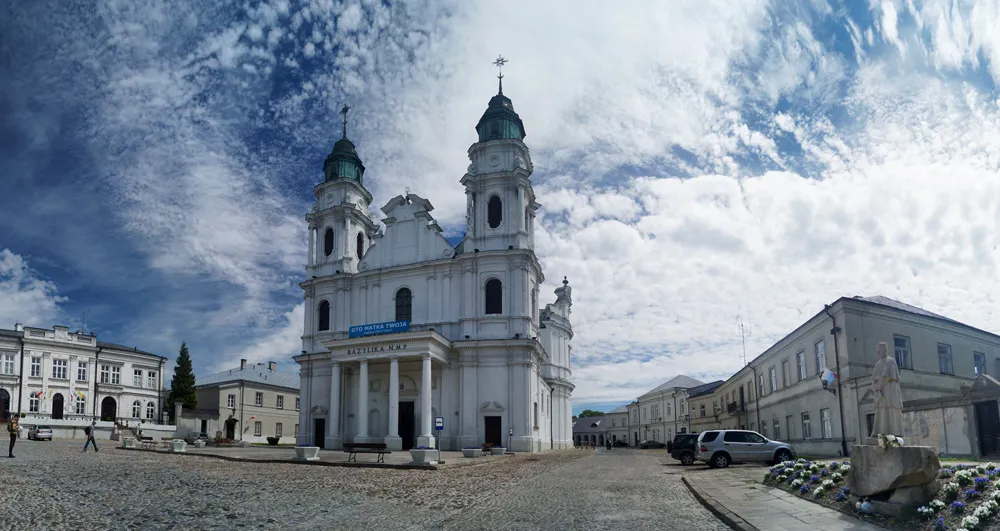
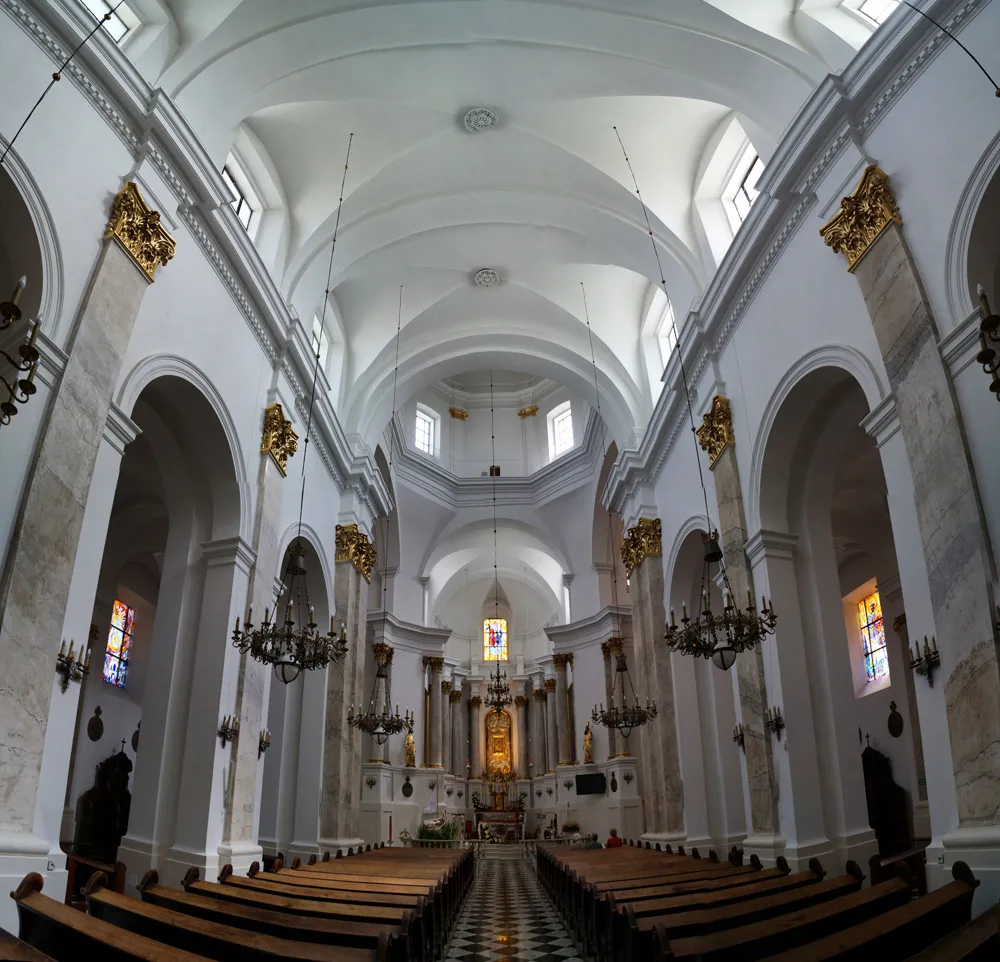
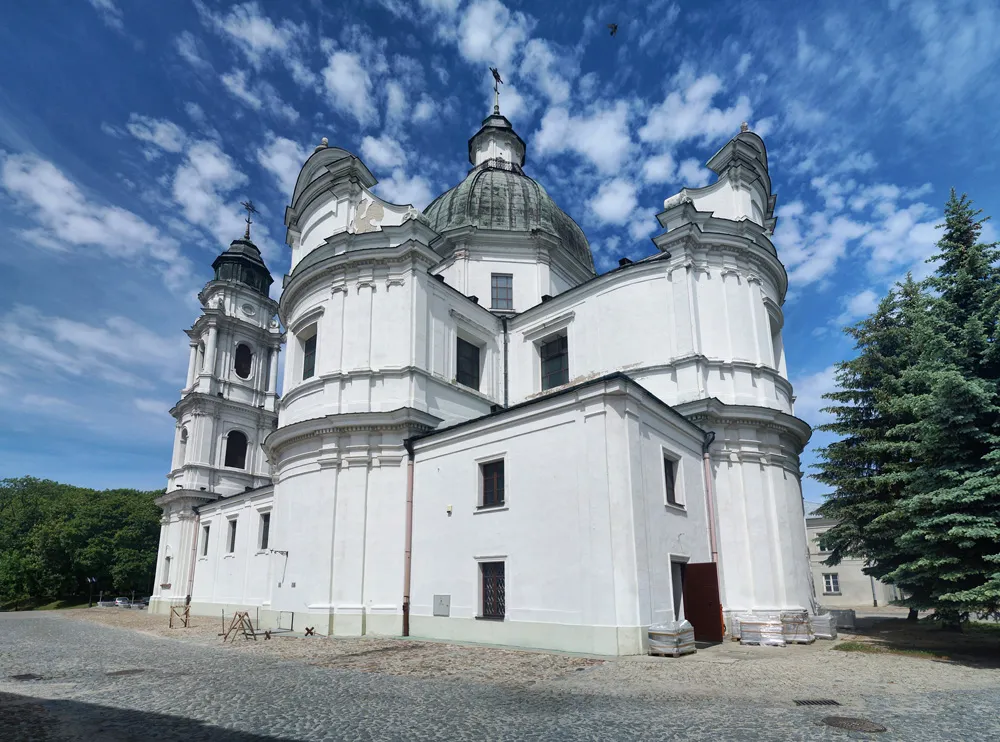
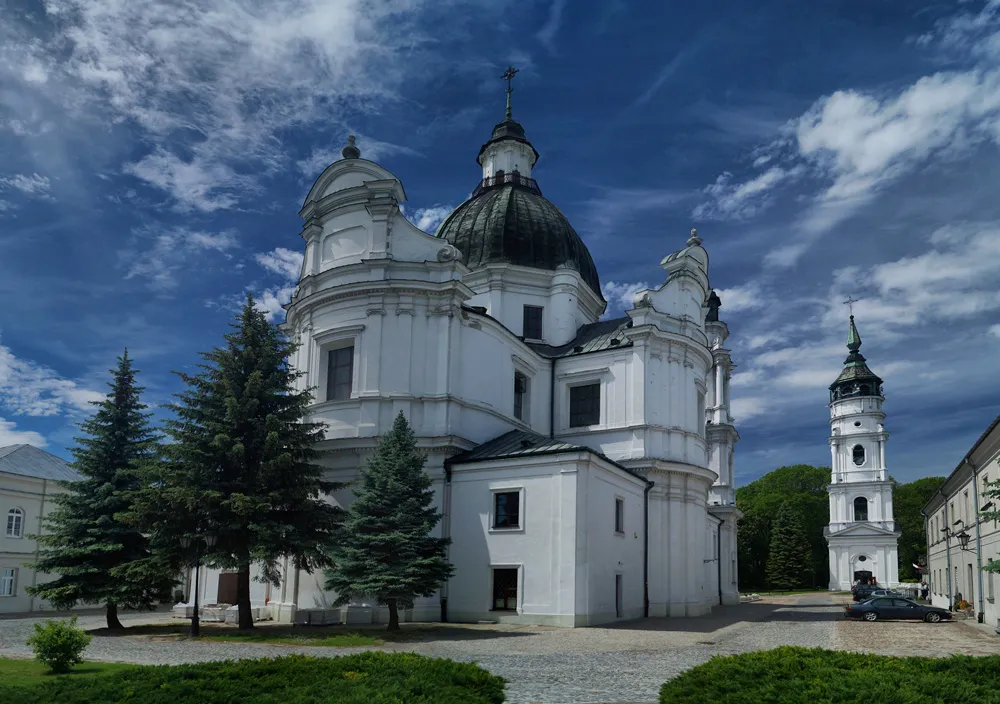
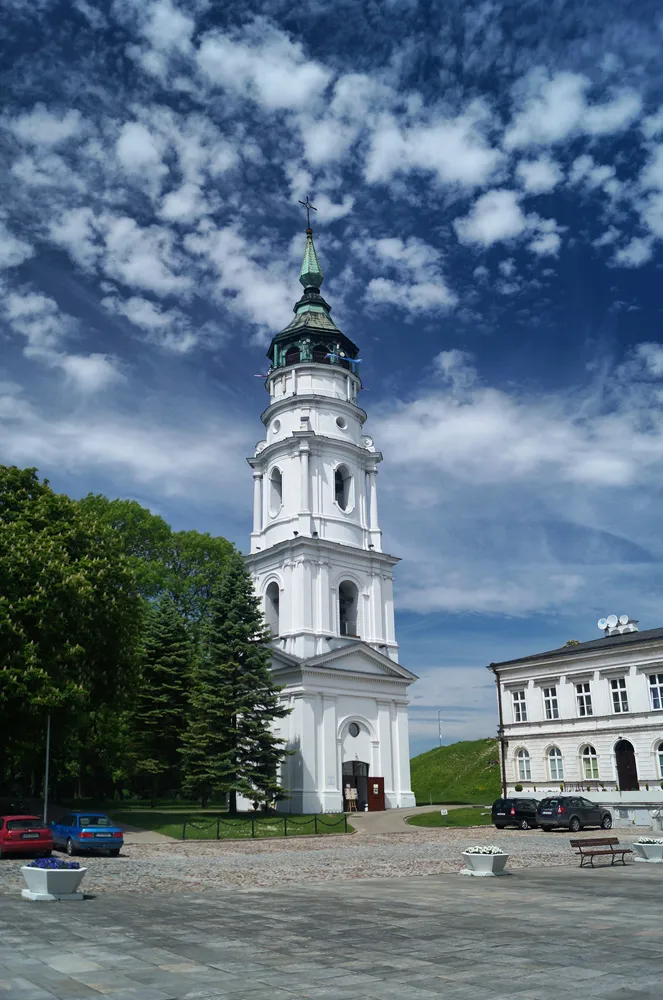
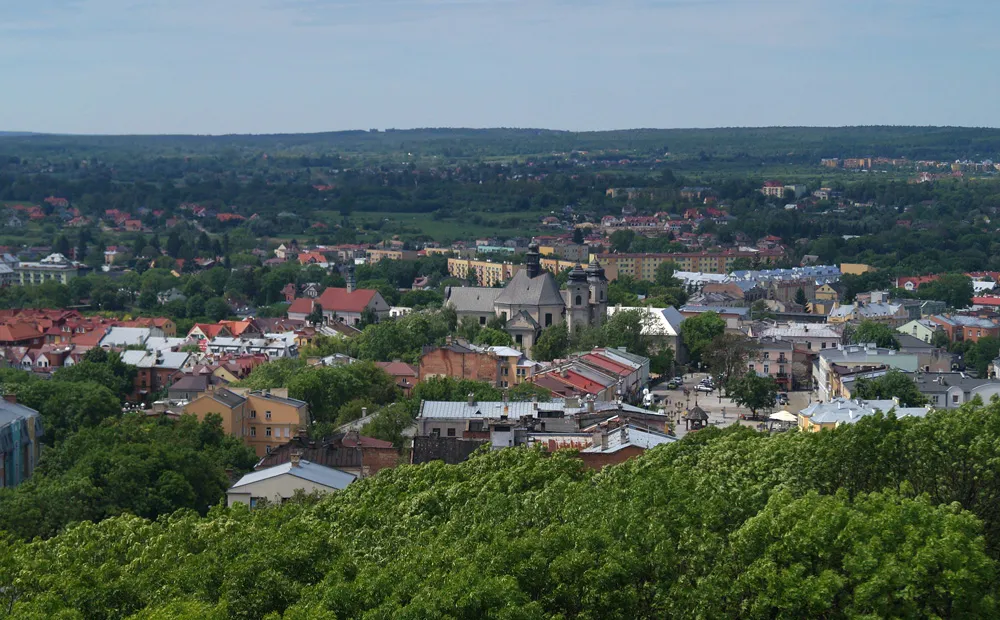
The monastery on Vysoka Hirka and a view of the town
Having passed the old town and the Hrushevsky house, we walked east and climbed Vysoka Hirka. Until 1944 this hill was called Danylo’s Hill, because this is where the residence of King Danylo Romanovych once stood, and it was he who built the first Cathedral of the Nativity of the Virgin. In the 16th century that church became the seat of the Greek Catholic bishops, and in 1735 it was dismantled. The present majestic Late Baroque cathedral was built in 1736-1756. In the second half of the 19th century the Russians handed it over to the Orthodox, in 1919 to the Roman Catholics, in 1940 it united the Orthodox and the Greek Catholics. Today it is Roman Catholic again.
From 1940, during the German occupation, the monastery on Vysoka (Danylo’s) Hirka was one of the main Orthodox and Greek Catholic centres of the Ukrainian-Polish lands. It was here, on 20 October 1940, at the Chełm Council of Ukrainian Orthodox bishops, that Ivan Ohiienko, an outstanding Ukrainian public and church figure, politician and scholar, was consecrated Bishop of Chełm and Podlachia.
One could write a great deal about Ivan Ohiienko. Bishop of the Polish Orthodox Church, primate of the Ukrainian Orthodox Church of Canada, expert on the Ukrainian language and educator, member of the Kyiv Society of Antiquities and Art, full member of the Shevchenko Scientific Society, first rector of the Kamianets-Podilskyi State Ukrainian University (today the university bears his name), initiator and chairman of the Ukrainian Scientific Theological Orthodox Society in Canada, rector of the Ukrainian People’s University founded in Winnipeg. These are only some of his posts and regalia. And it is also worth mentioning his role in the Ukrainian liberation struggle, for he was Minister of Education in the government of the Ukrainian People’s Republic and one of the authors of the plan for the de-Russification of the church.
The Cathedral of the Nativity of the Virgin is the main church of a fairly large monastery. Next to it stands a tall bell tower, the climb to which costs a symbolic couple of zlotys, and to the left of the entrance is a closed area of archaeological research. It is assumed that King Danylo was buried precisely there. They are searching. And from the bell tower, they say, on a clear day you can see the territory of Ukraine. I peered, but never worked out whether I had seen the lands of my native motherland. But I certainly saw the beautiful surrounding landscapes and the Cathedral of the Nativity of the Virgin. From above it is especially beautiful.
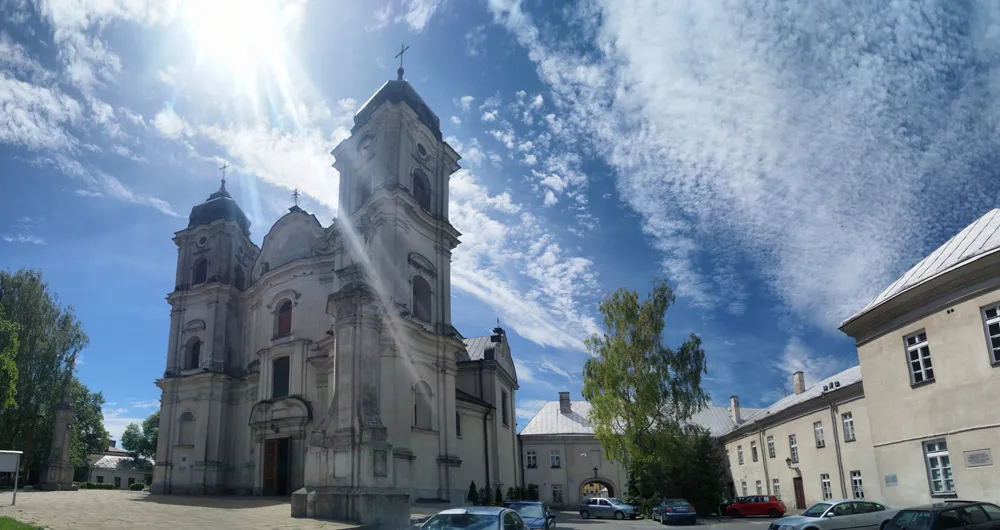
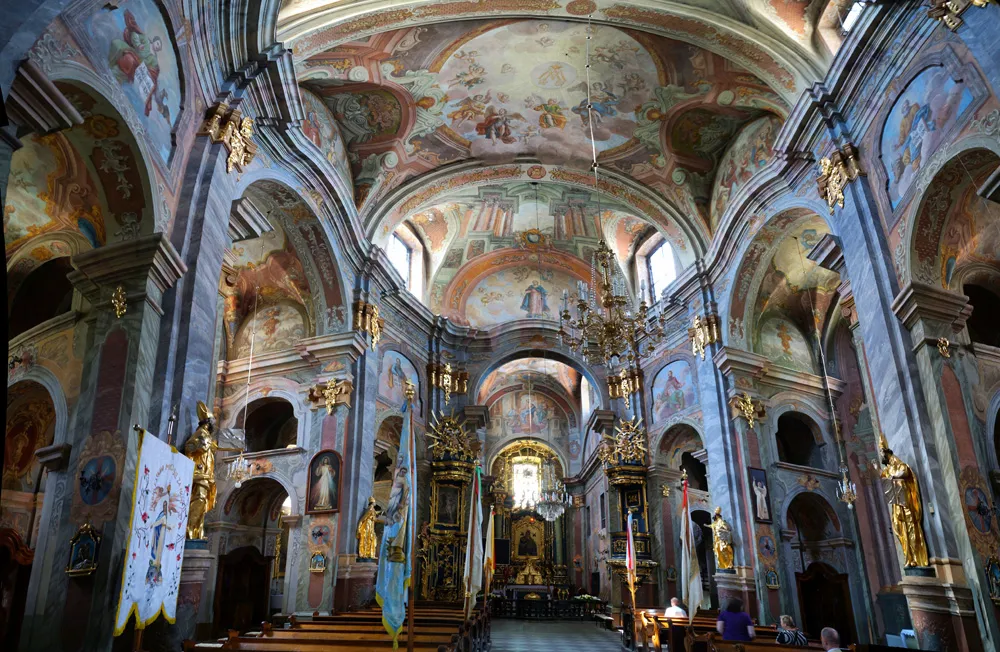
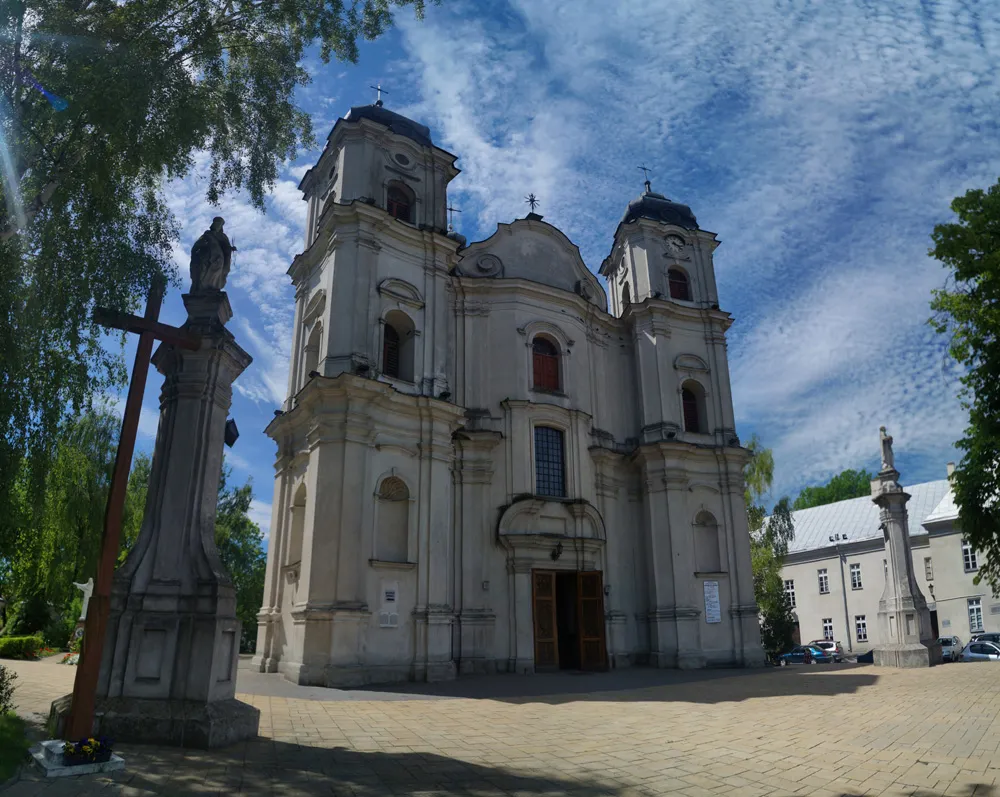
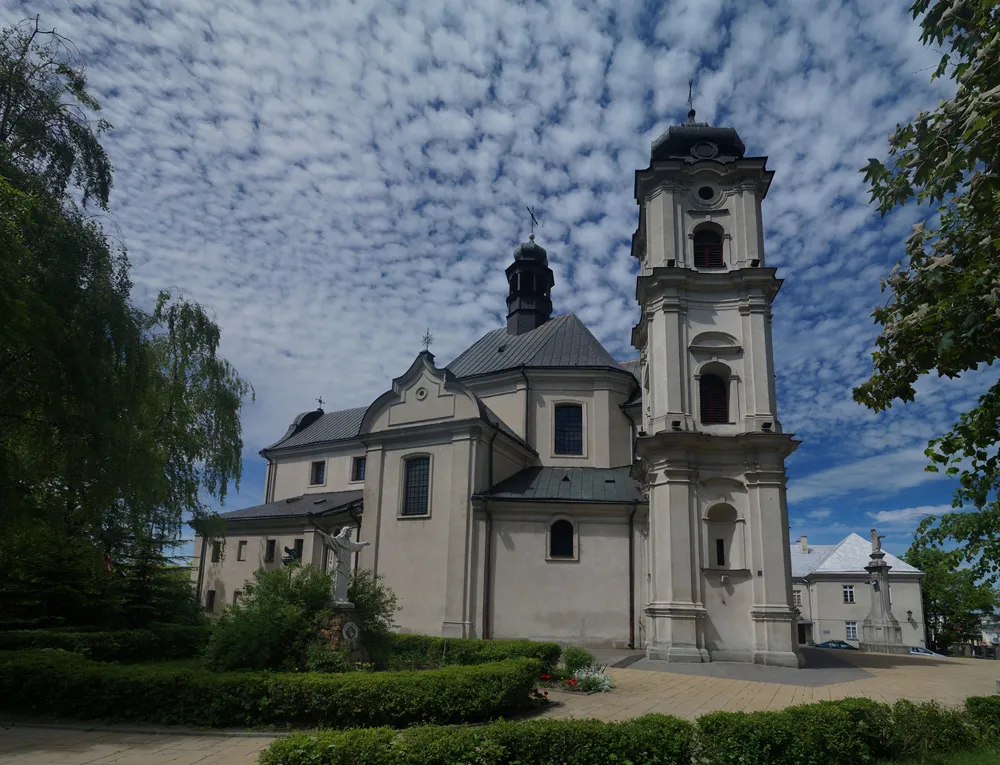
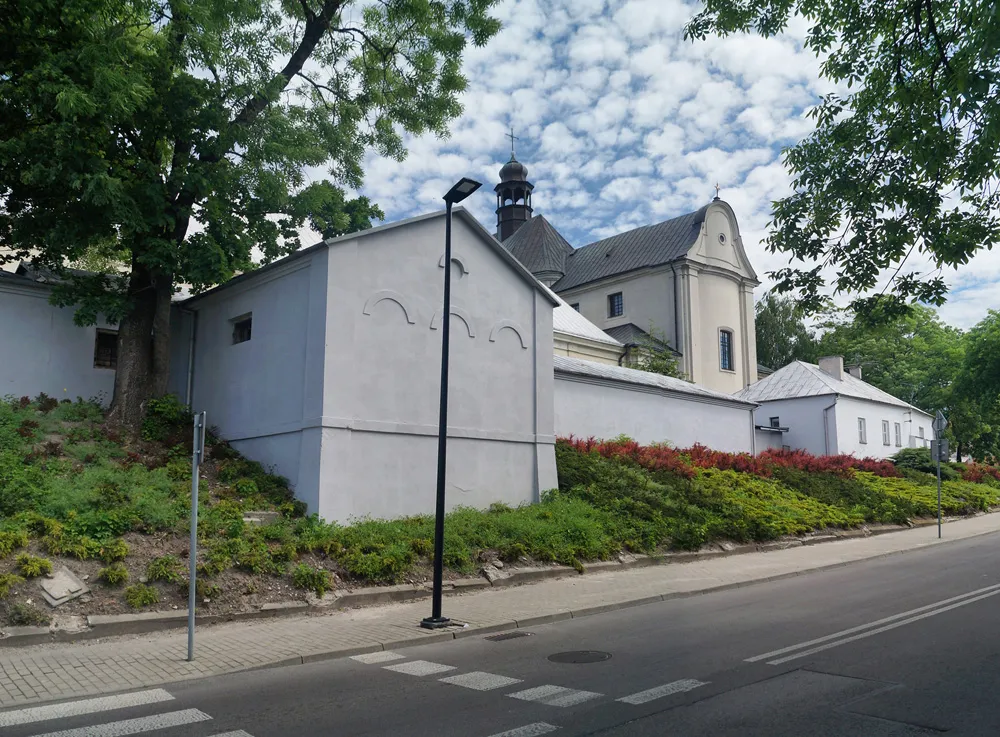
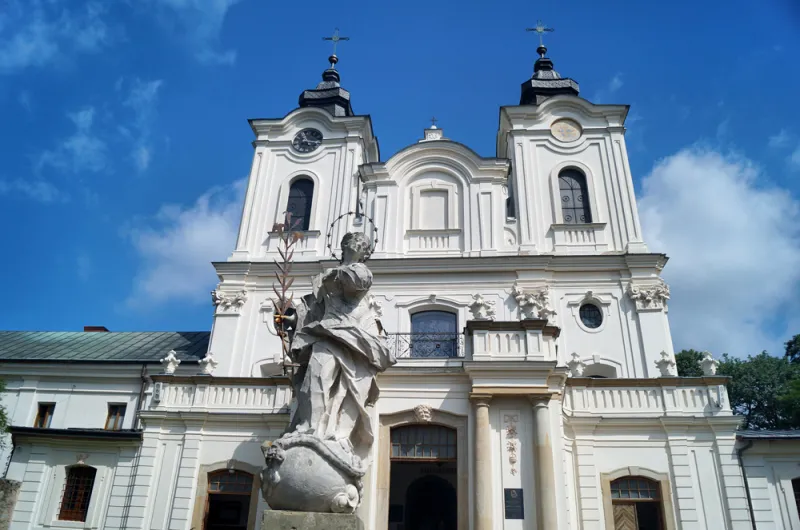
Church, parish and former monastery of the Mission of the Holy Apostles. The church’s architect was Paolo Fontana. 1753-1763
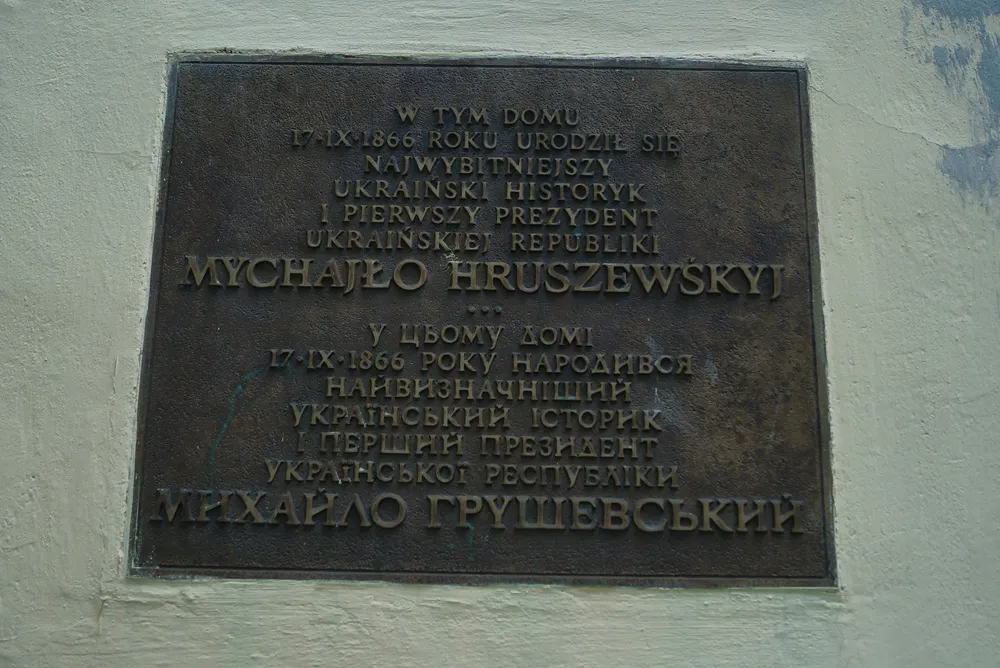
From Chełm, which the Poles call Chełm, to the border crossing with Ukraine it is twenty kilometres. There are quite a few large supermarkets and warehouses here, where Ukrainians do their shopping. But they rarely get into the town itself, especially its centre. Few of them know that Danylo Romanovych died here and Mykhailo Hrushevsky was born here. There is a memorial plaque on the house of the latter’s parents, and it is not hard to find: it is quite near the centre.
Archaeological finds prove that a settlement on the site of Chełm already existed in the 10th century. When it appeared is not known for certain. There is a legend in the town that in ancient times pagan nomads attacked the town, and defeat seemed inevitable, but from a cave beneath Vysoka Hirka a giant white bear came out and made the attackers retreat. What kind of white bear it was and where it went afterwards nobody knows, for it is only a legend, but this polar giant still adorns the town’s coat of arms today. I heard another version of the white bear’s appearance on the coat of arms: it was brought from the north by the Varangians.
In 1237 Danylo Romanovych built a fortified castle in Chełm and made it his residence. Not far from the town he placed stone watchtowers, one of which we saw in the village of Stolpie, standing all alone by the road from Lublin.
After Danylo’s death the residence in Chełm was held by his descendants, the princes Lev Danylovych, Andrii and Lev Yuriiovych, and Yurii II. In 1387 Chełm finally passed into Polish possession and lost any capital status, although it received Magdeburg law.
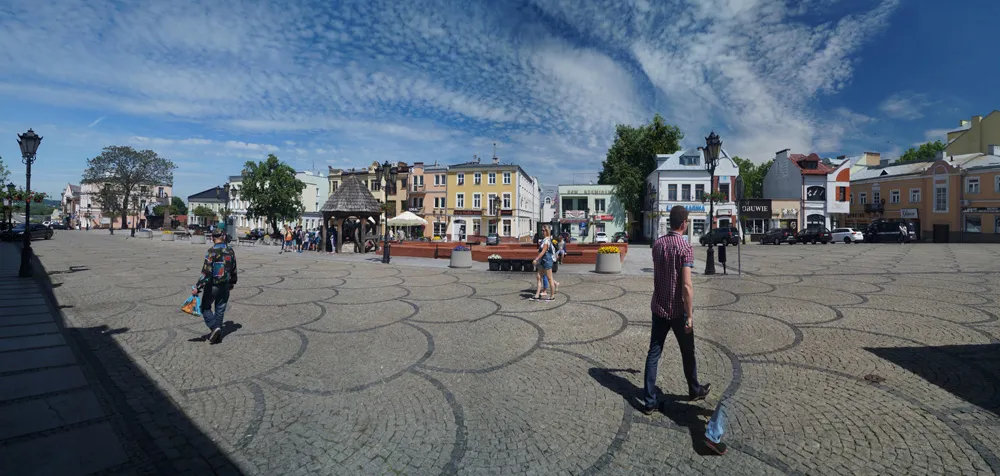
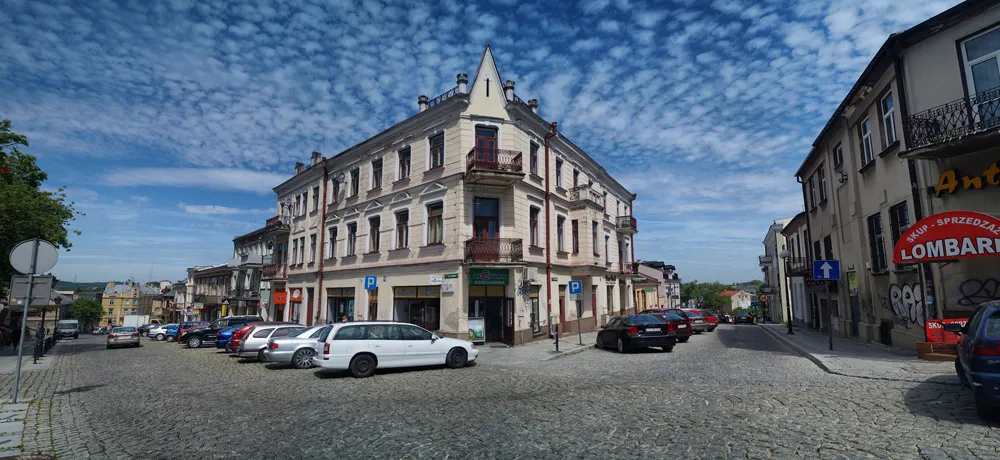
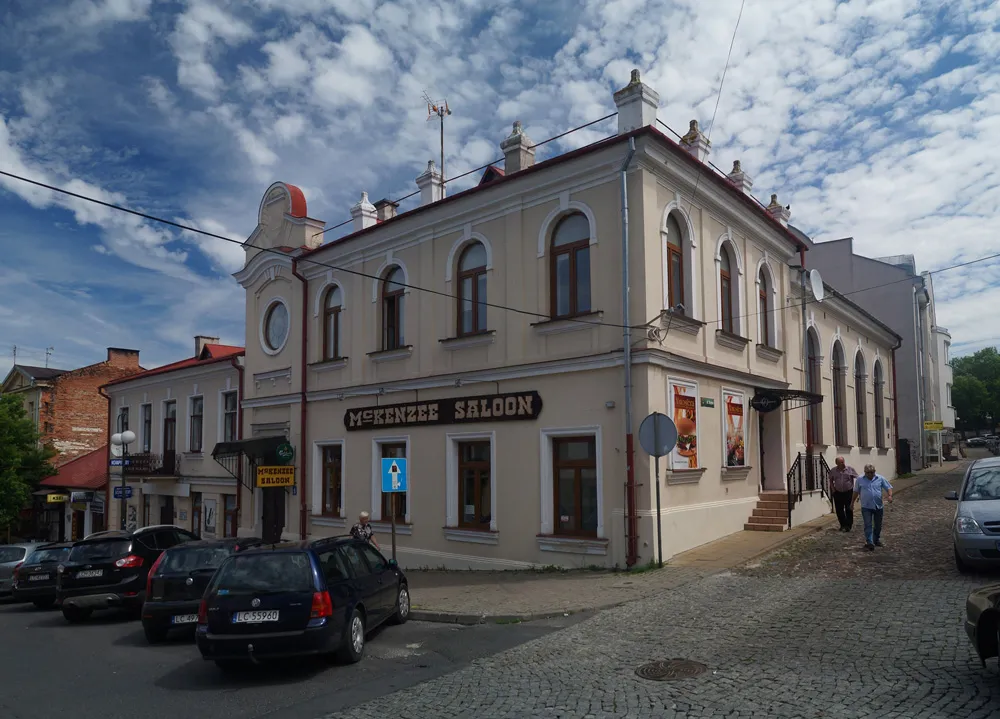
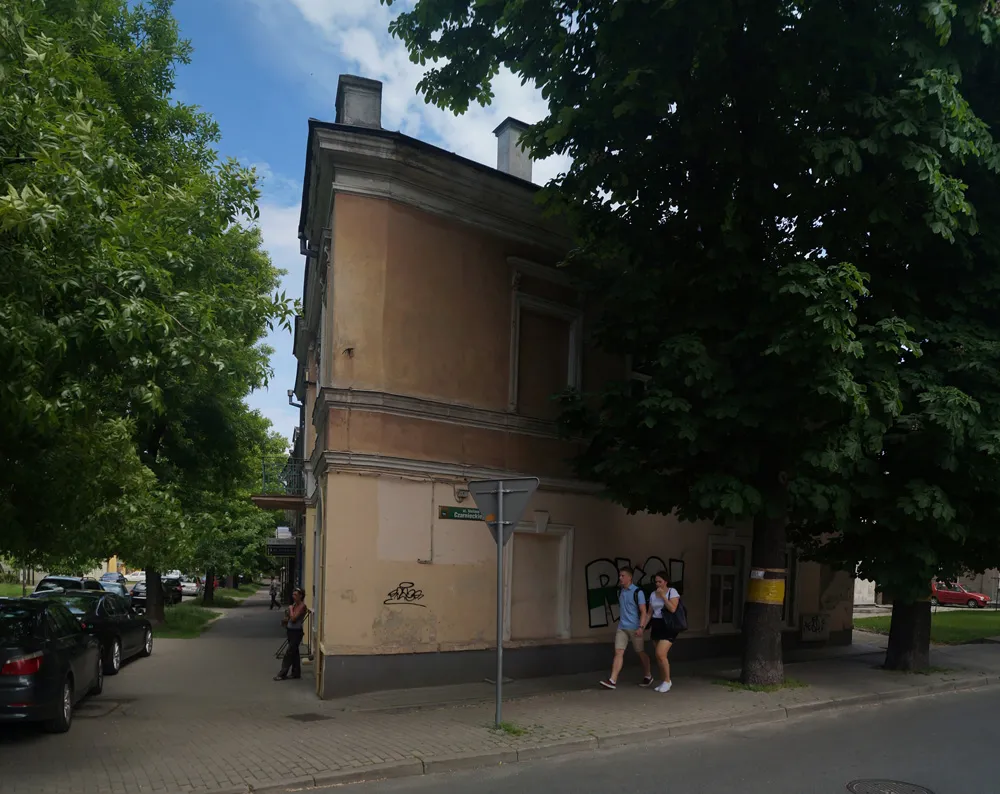
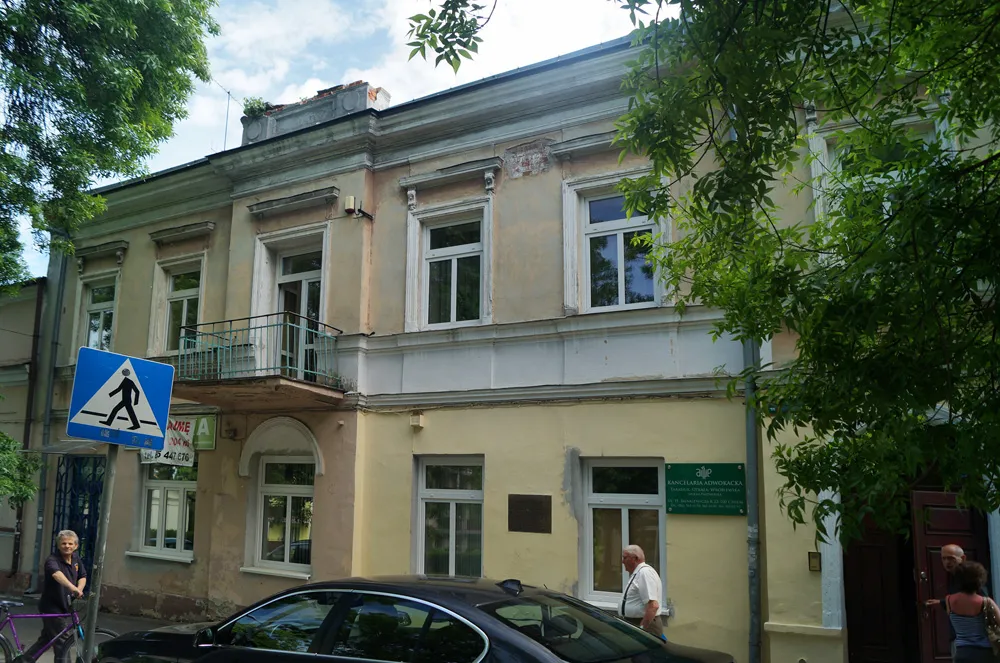
The centre of Chełm
From the 15th century Chełm, which was part of the Ruthenian Voivodeship, was a significant trading centre at the crossroads of several important routes. A considerable part of the population here consisted of Poles and Jews, but the majority were Ukrainians-Ruthenians, until the 19th century, and perhaps even the 20th.
From 1795 to 1807, after the partition of Poland, Chełm was held by the Austrians, then until 1812 by the French, and after them, right up to 1917, Russians ruled the Chełm region.
On 25 August 1917 a Congress began in Kyiv, attended by 296 delegates from the Chełm region. They proclaimed unity with the Ukrainian People’s Republic and elected eight of their deputies to the Central Rada. On 12 November of the same year the Central Rada, by its resolution, officially annexed the Chełm region to the Ukrainian People’s Republic.
In 1918 Hetman Pavlo Skoropadsky set up a separate Chełm Governorate. True, its capital was Brest-Litovsk. In November 1918 an infantry Chełm Regiment of the Army of the Ukrainian People’s Republic was formed here, but in the same month the Poles seized the town, and since then it has been part of Poland, except for the German occupation of 1939-1944.
Finishing on Chełm, I want to note that I understood why Chełm, like other small towns of the Polish-Ukrainian borderland (Hrubieszów, Tomaszów), seemed so provincial to me: because throughout the whole 19th century Russia reigned here. It is from Russia that come the lack of clear urban planning and cosiness, and the low-rise buildings.
Text and photos by Roman Malenkov
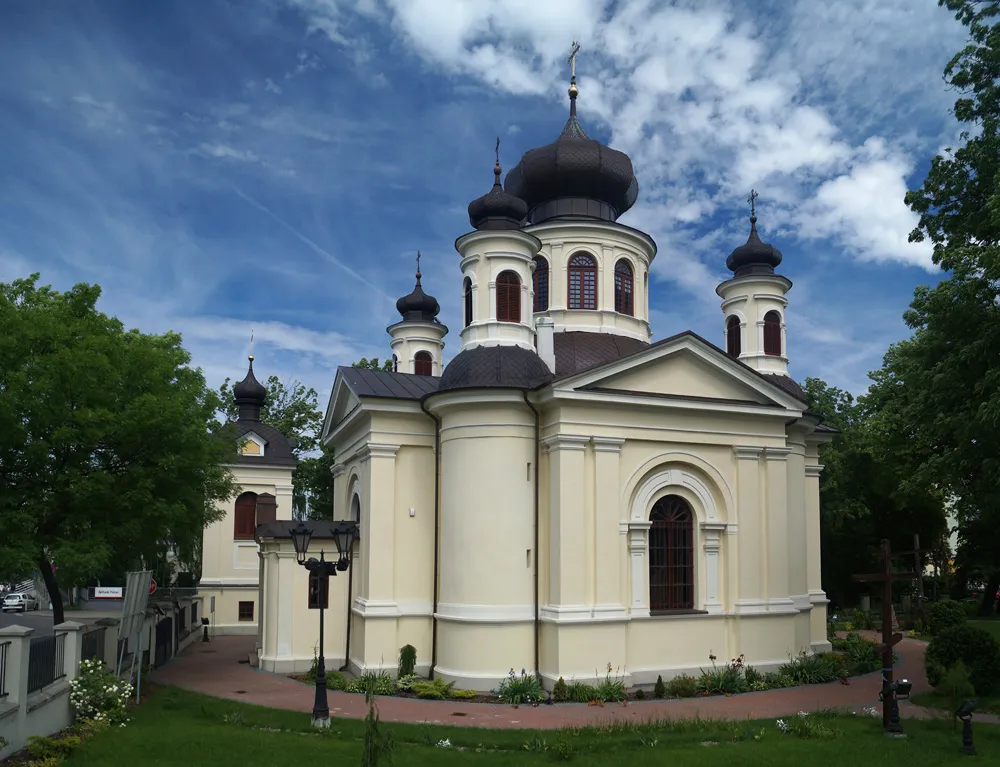
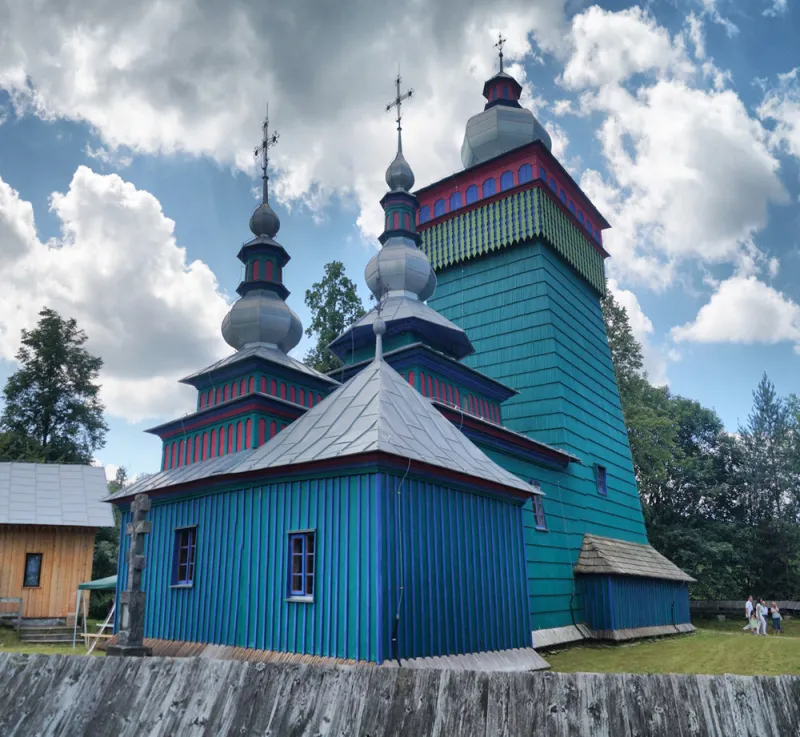
Orthodox Church of St. John the Theologian
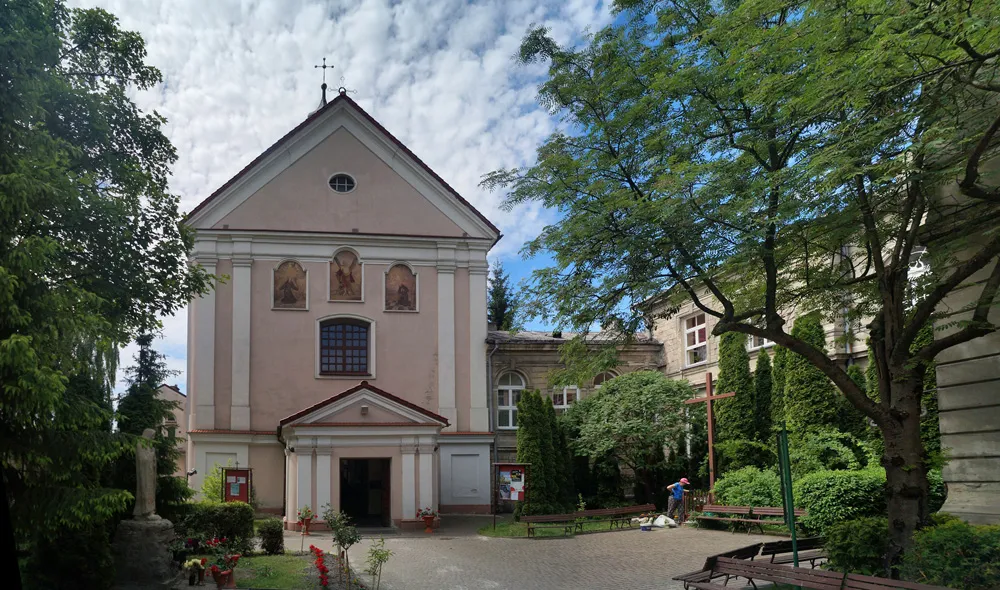
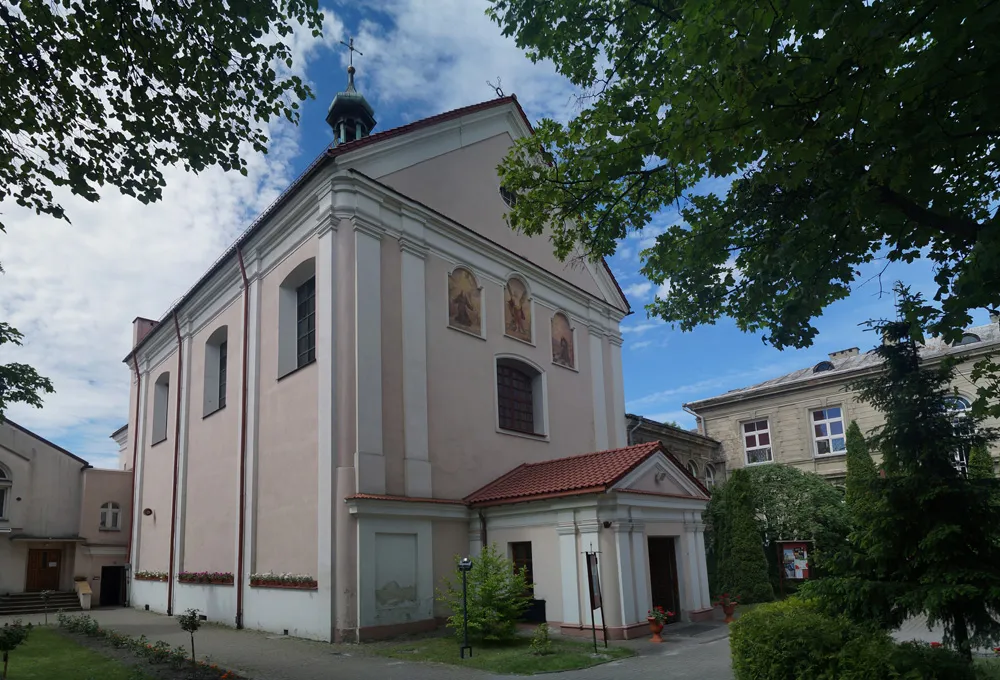
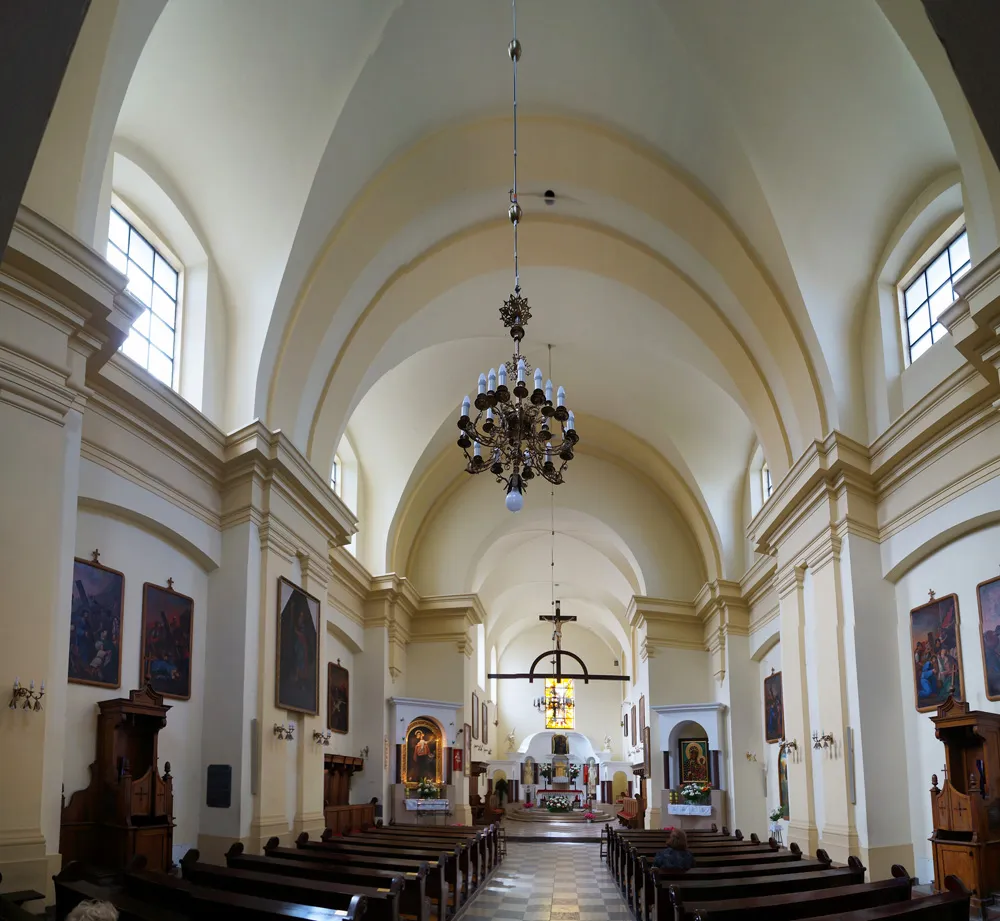
St. Andrew’s Church, built to a design by Paolo Fontana in 1750. It was formerly a Reformed church.