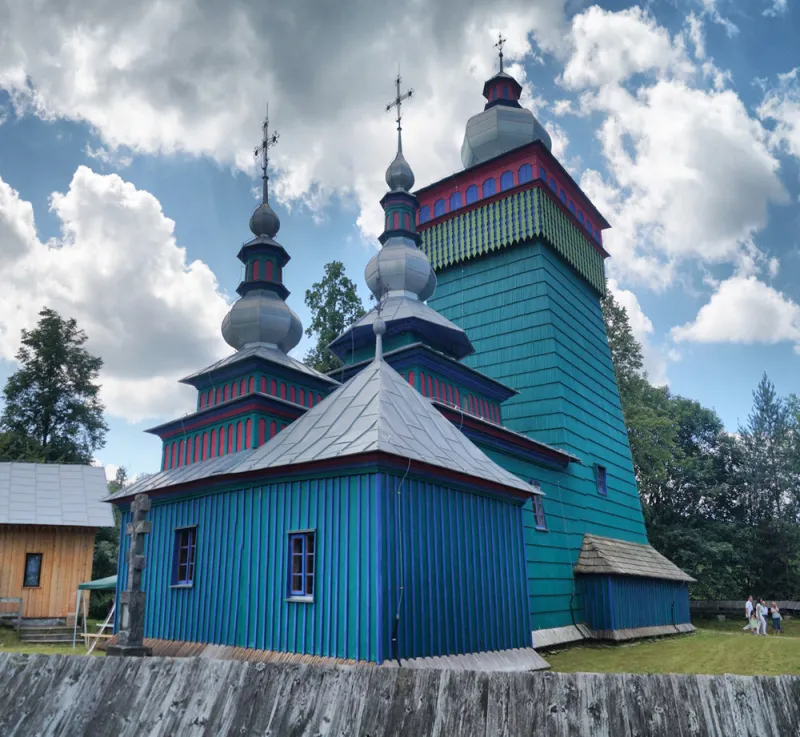
Dukla. God on a sleigh and the patron saint of Lviv

· 2 min read
God was born on a sleigh
in the Lemko town of Dukla.
The Lemkos came in their straw hats
and brought a round moon.
The night in a snowy whirl
spins around the thatched roofs.
In the palm of Mary
the moon is a golden walnut.
This is a legendary poem (later a song) by the Ukrainian poet Bohdan-Ihor Antonych, who, as a native of the Lemko region, left no little testimony about the life of the area. His parents first lived in the Sanok district and later, in 1919, moved to another well-known Lemko settlement, Medzilaborce, the very town from which Andy Warhol’s parents went overseas. We will talk about Medzilaborce in the Slovak part of the book; for now, about the Lemko town of Dukla, where, in Antonych’s words, God was born on a sleigh… Well, the poet was joking, but someone who really was born in Dukla is a Catholic saint, patron of Lviv, Poland, Lithuania and Rus: John of Dukla.
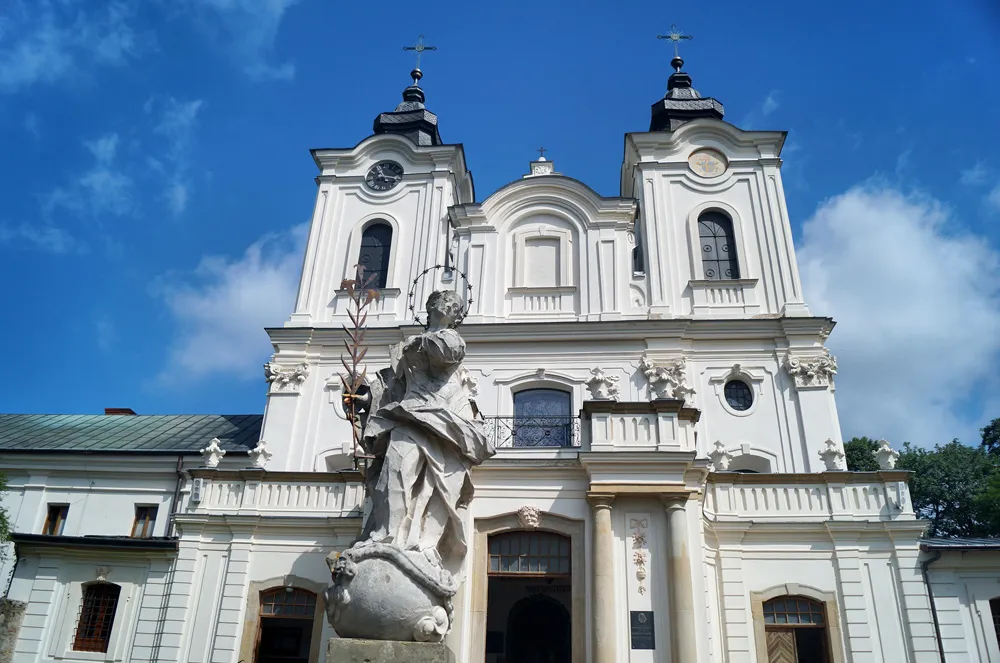
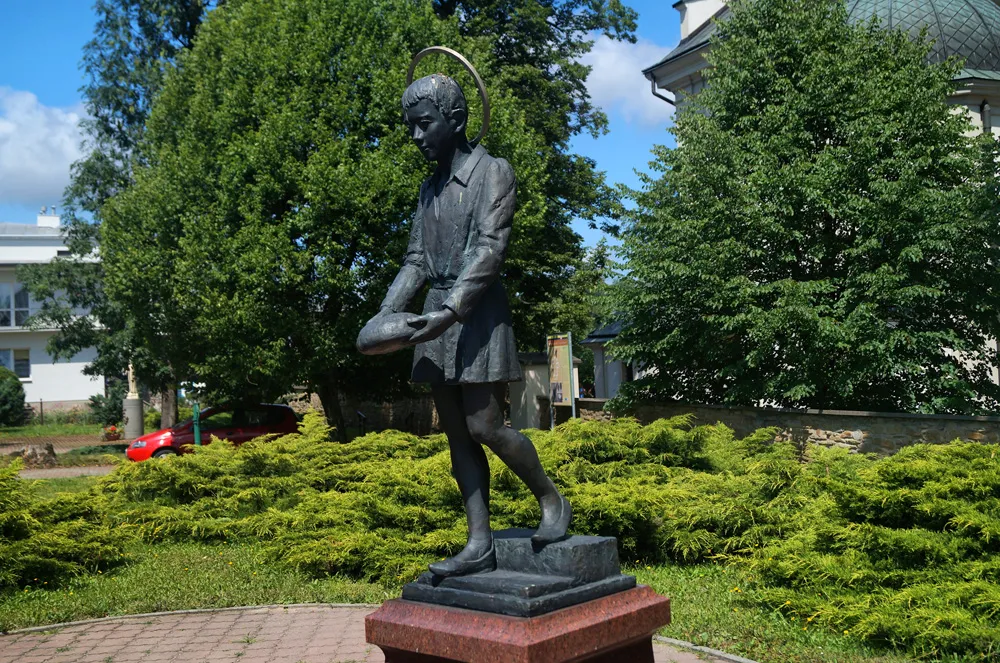
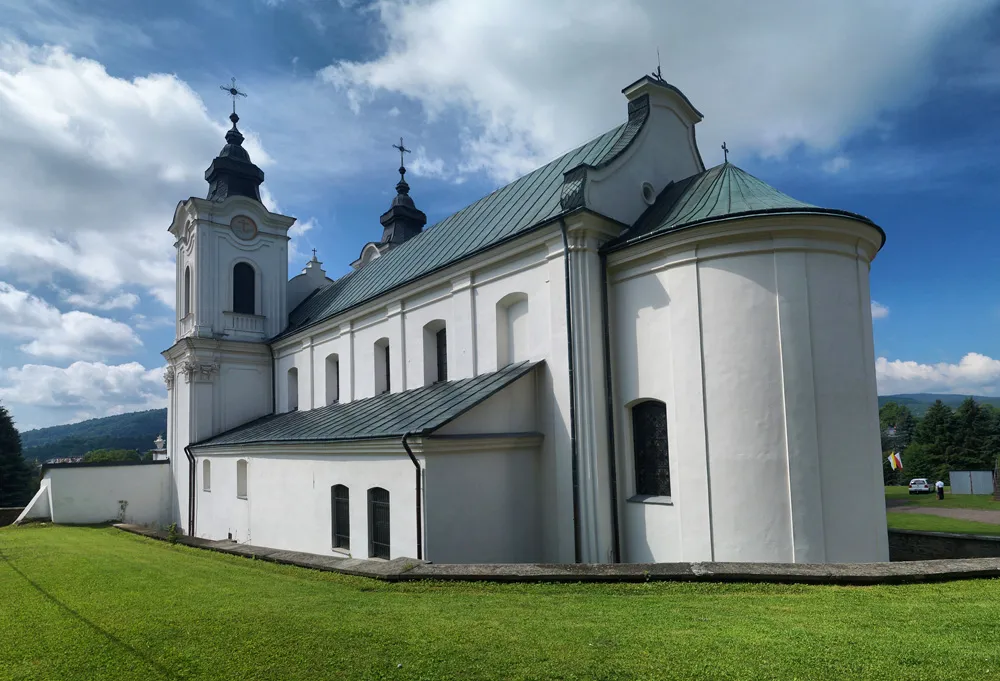
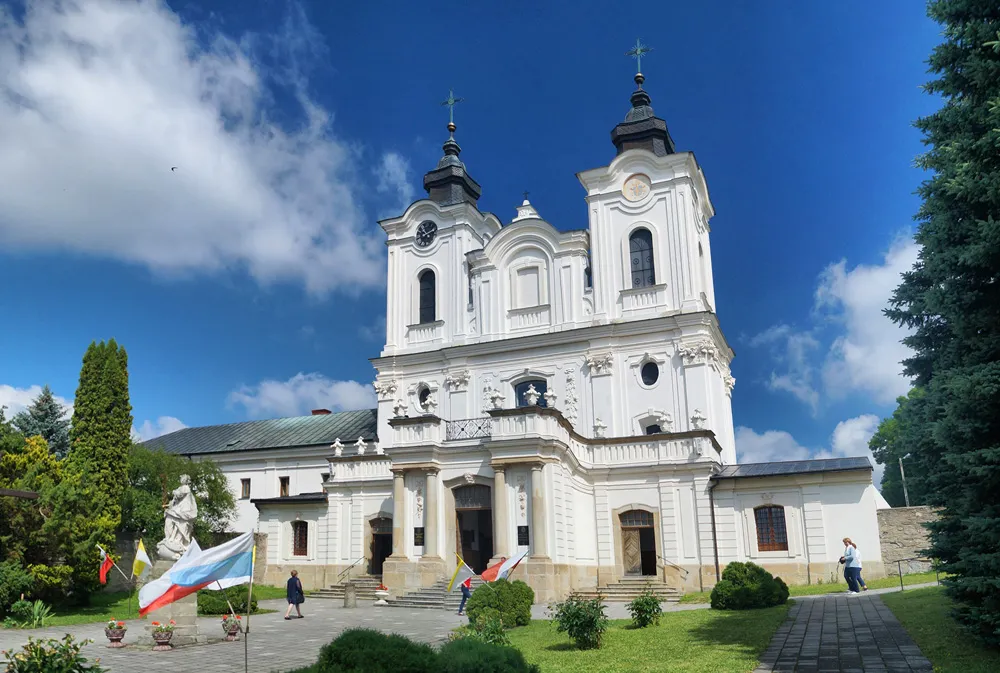
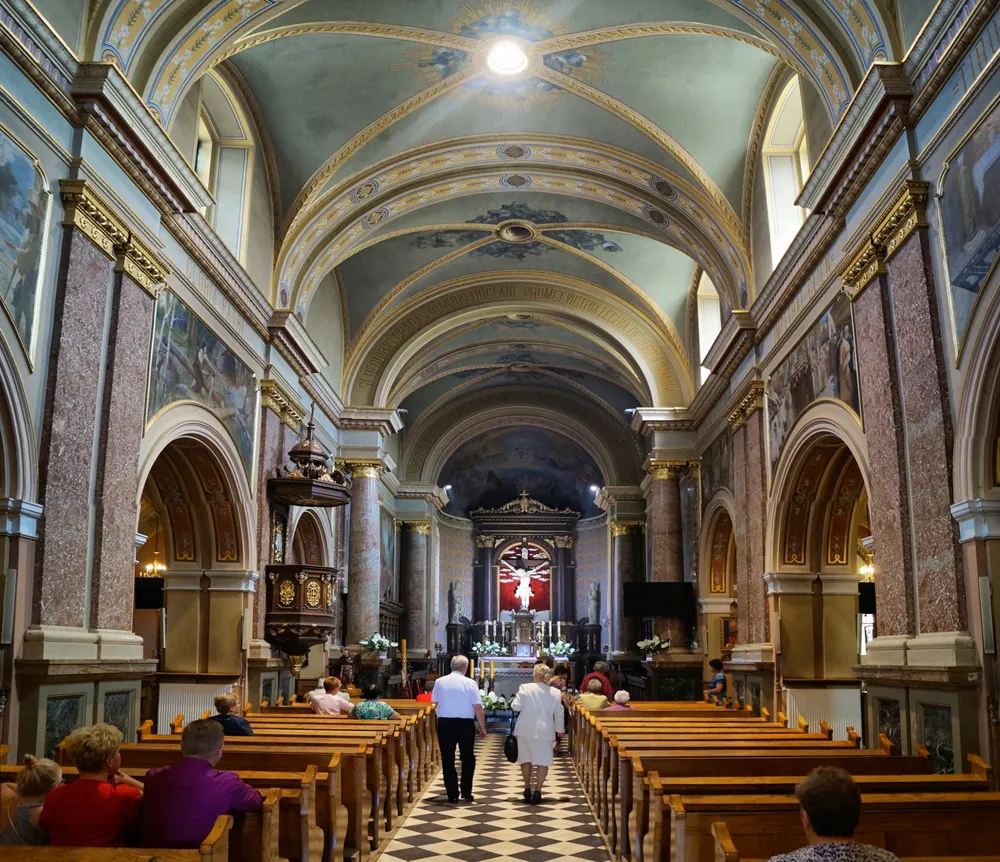
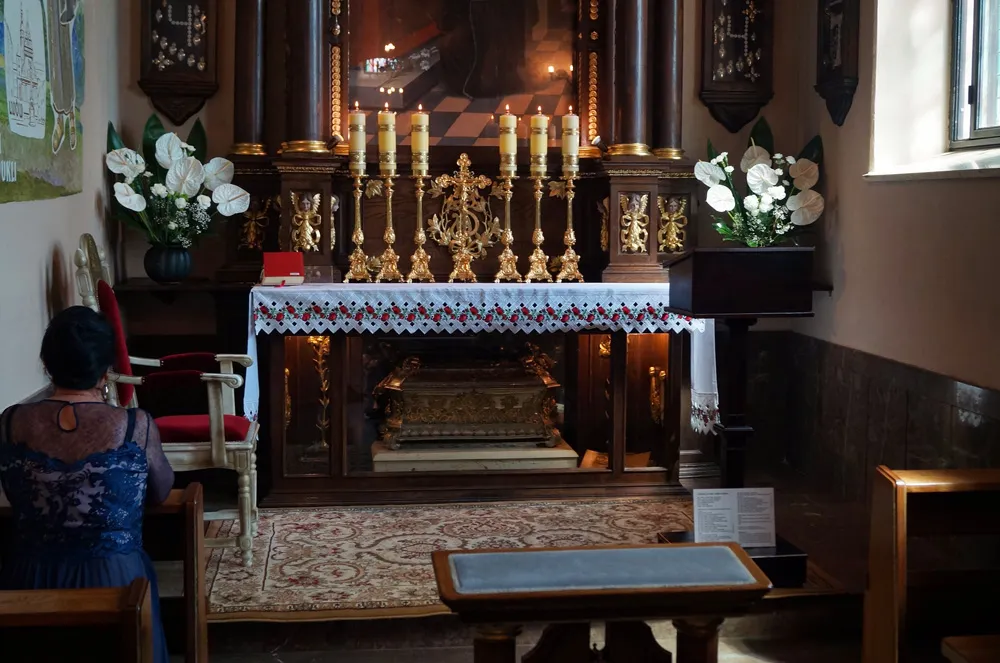
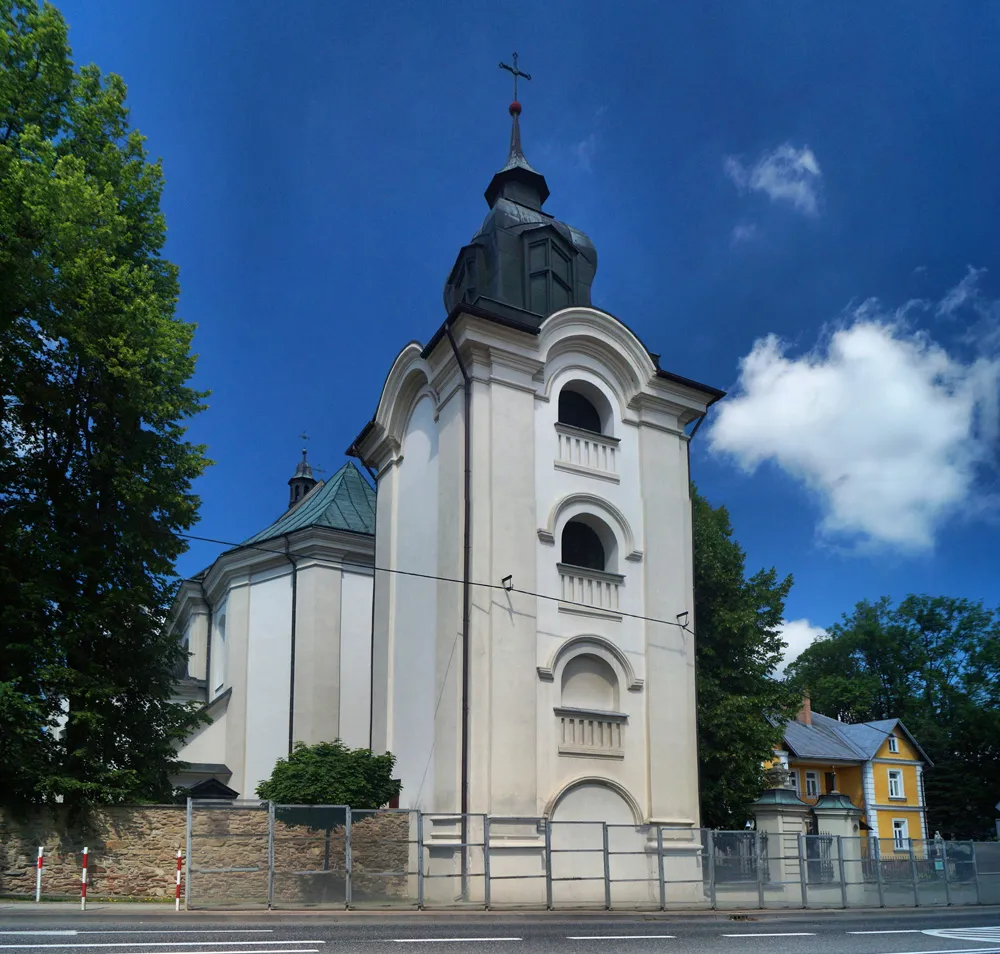
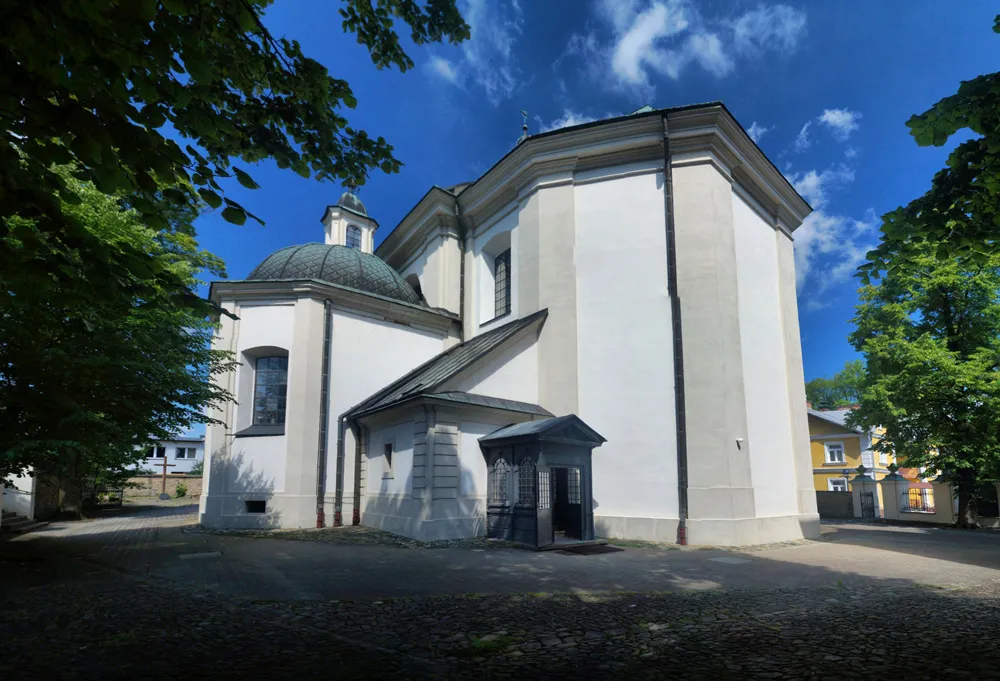
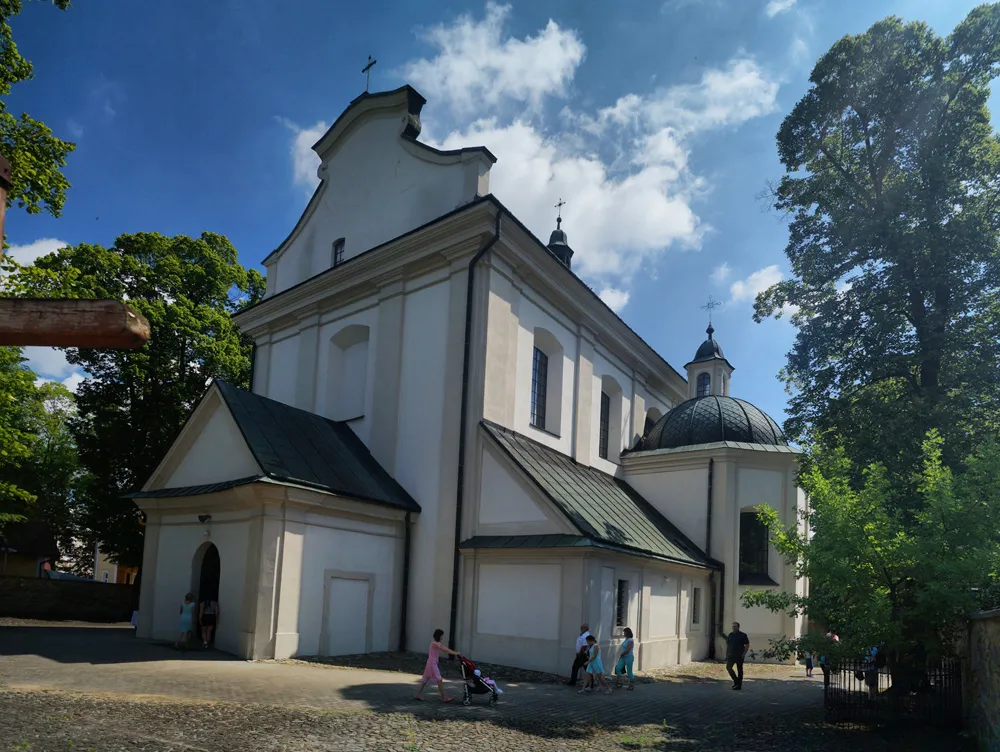
The Bernardine monastery. The relics of John of Dukla lie here
John of Dukla was canonised by Pope John Paul II in 1997, and since then there has been mass pilgrimage to Dukla, to the Bernardine church, where the saint’s relics are kept. When I heard about this, already in Dukla, standing before the reliquary, I immediately remembered that John of Dukla had been buried in Lviv, the city where he spent a large part of his life and died serving as a monk of the Bernardine monastery. There, in front of St. Andrew’s Church, stands the Column of John of Dukla… Later I found out that the reliquary with the saint’s relics was taken away by the Bernardine monks in 1948, when the Russians closed the monastery. At first the relics were moved to Rzeszów, and in 1974 they ended up in Dukla. So, people of Lviv, you need to go to Dukla: your patron saint has not been in Lviv for a long time.
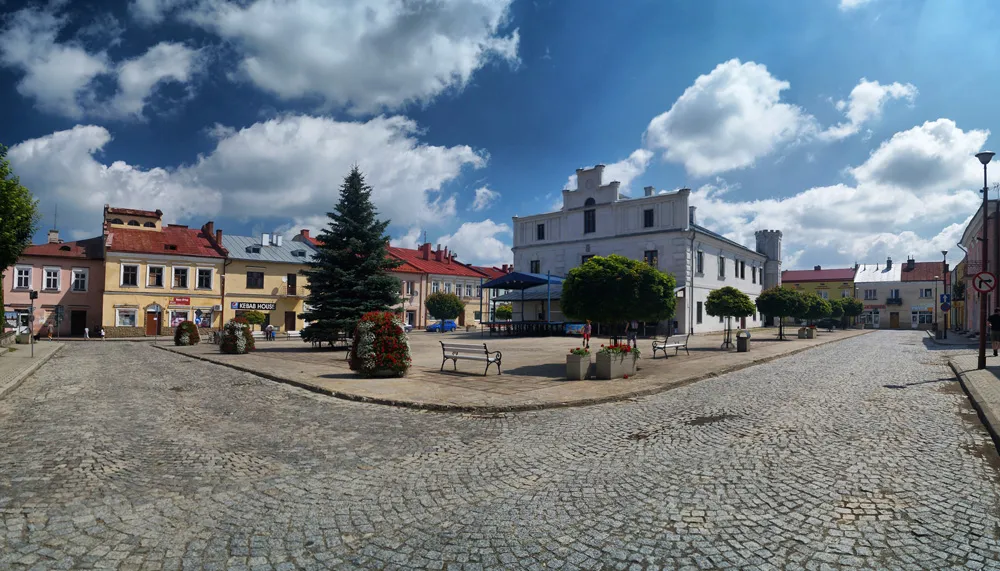
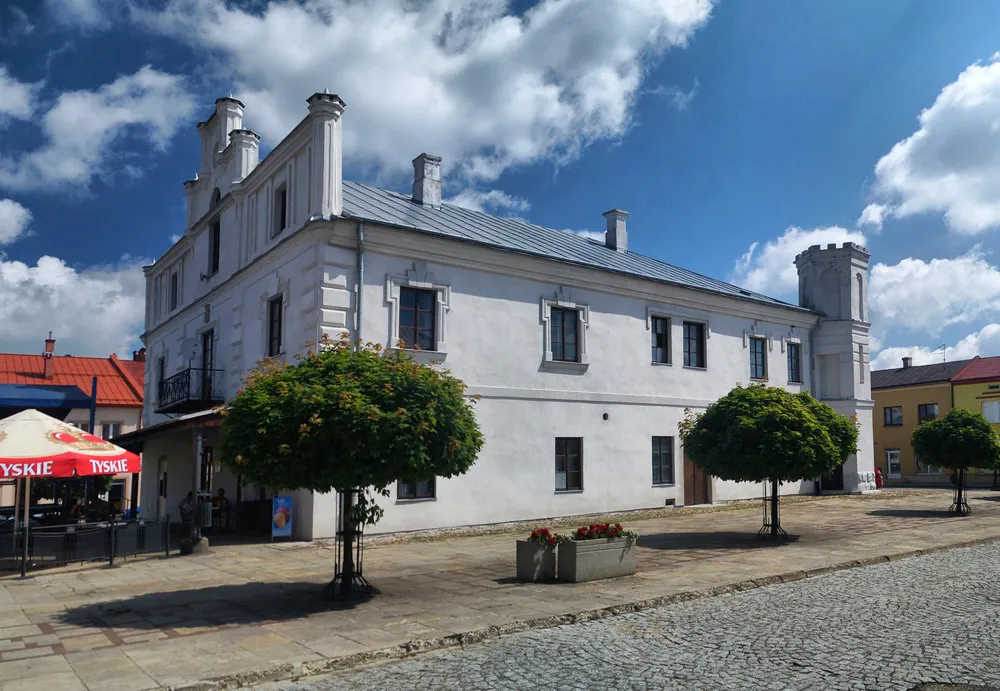
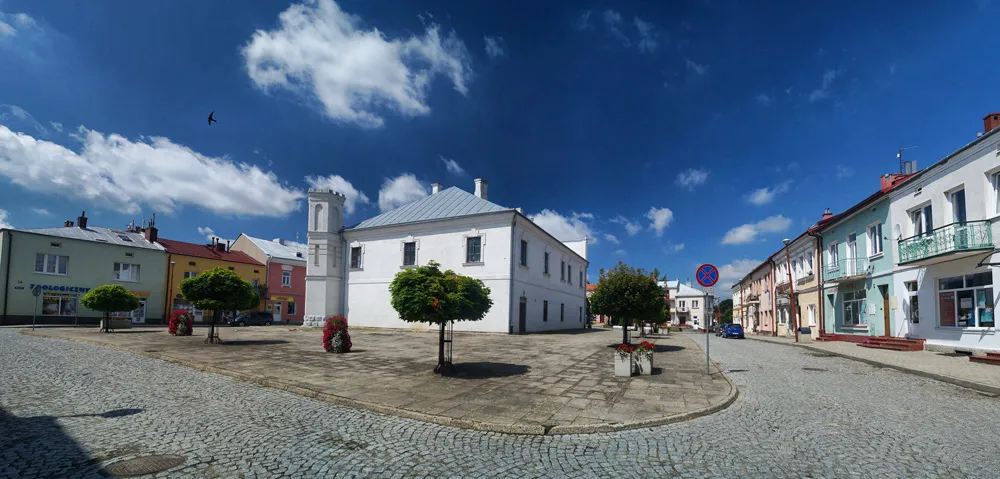
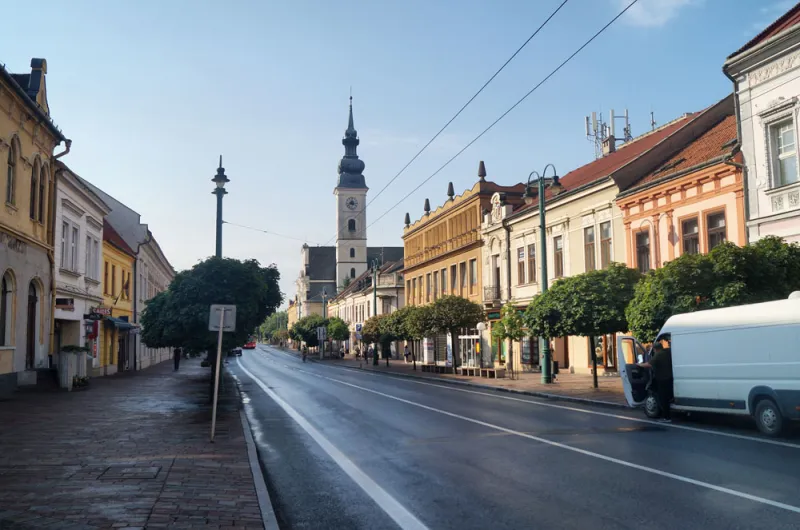
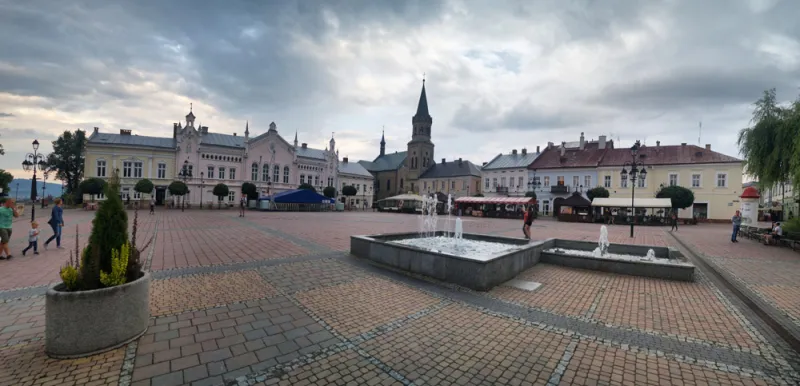
Market Square with the town hall
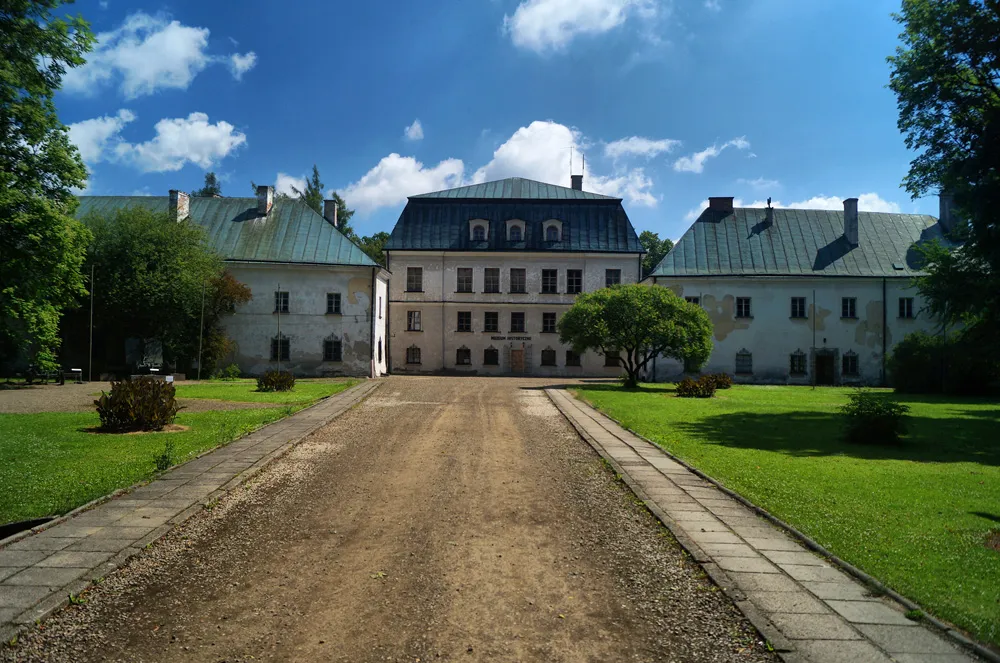
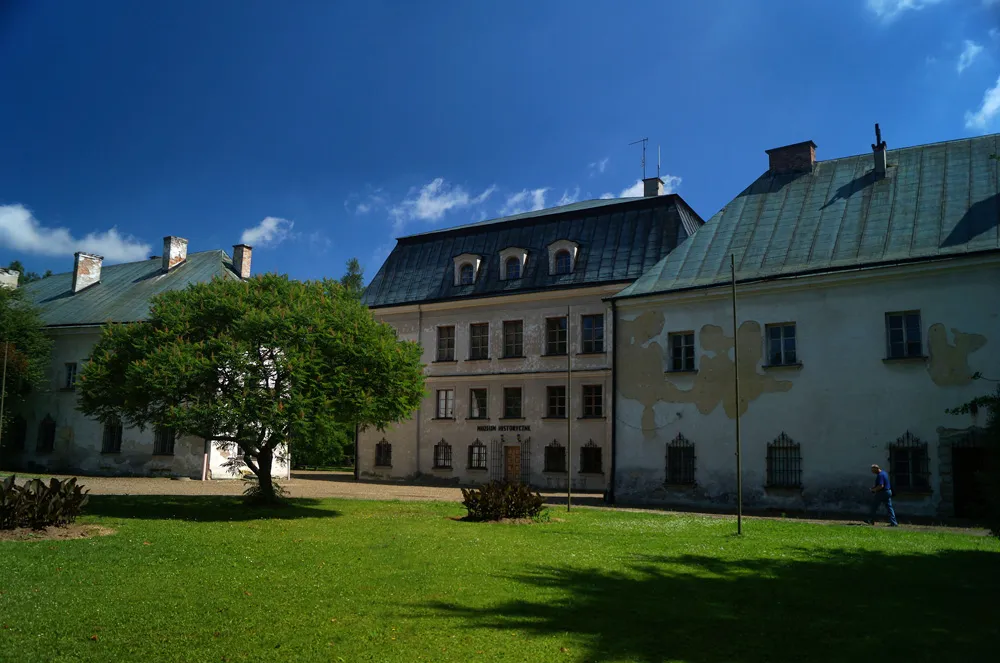
The Mniszech Palace
Dukla, first mentioned as a settlement in 1336, has more to see than the monastery with the reliquary of St. John. There are several more churches, a town hall, a few old townhouses, and the Mniszech Palace, where on 1 December 1774 one of the greatest weddings in Polish history took place: Józefina Amalia Mniszech married Stanisław Szczęsny Potocki, the very builder of the Sofiivka park, owner of Uman, Tulchyn and a huge number of towns, villages and lands in Ukraine and beyond. In her marriage to Potocki, Józefina bore eleven children, although not all of them were Potocki’s.
Before the Second World War Dukla had many more monuments. 85% of the town’s old buildings were destroyed in the fighting in 1944. Most of the town’s inhabitants were killed then too, since before the war almost 80% of the residents were Jews.
Text and photos by Roman Malenkov