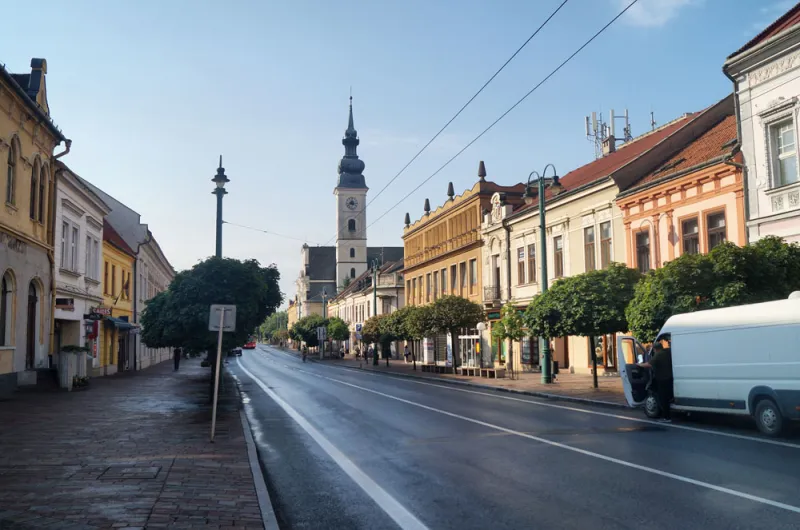
Sianok or Sianik, the capital of Lemkivshchyna

· 6 min read
Ancient Sianik is the unofficial capital of Lemkivshchyna. Probably the former one. But why Sianik and not Sianok? Because that is how it is written in Ukrainian on maps. Quite a few Ukrainian philologists say that the word “Sianik” is a pseudo-Ukrainianised form of the word “Sianok”, but the name has become established, so both toponyms are correct, Sianok and Sianik. Their origin is clear: from the name of the Sian River. It is here that our national anthem begins the Ukrainian ethnic lands. But it is slightly mistaken. More precisely, Pavlo Chubynskyi, who wrote the words of the anthem, was mistaken: beyond the Sian, to the west, there are still quite a few Ukrainian ethnic lands.
The times when Ukrainians made up the majority in Sianok are long past. In 1880 they were 18% here, in 1900 13.5%, and in 1939 11.5%. Polonisation was quite noticeable. But even though Ukrainians were not a majority in the town, they were an overwhelming majority in the surrounding villages, where they preferred to live, unlike Jews and Poles, so it was Ukrainians who supplied Sianok with food and many manufactured goods, they took a large part in trade, and the administrative institutions of the region were also here. So yes, the town was the biggest centre of Lemkivshchyna. This is indicated not only by Ukrainian but also by Polish sources.
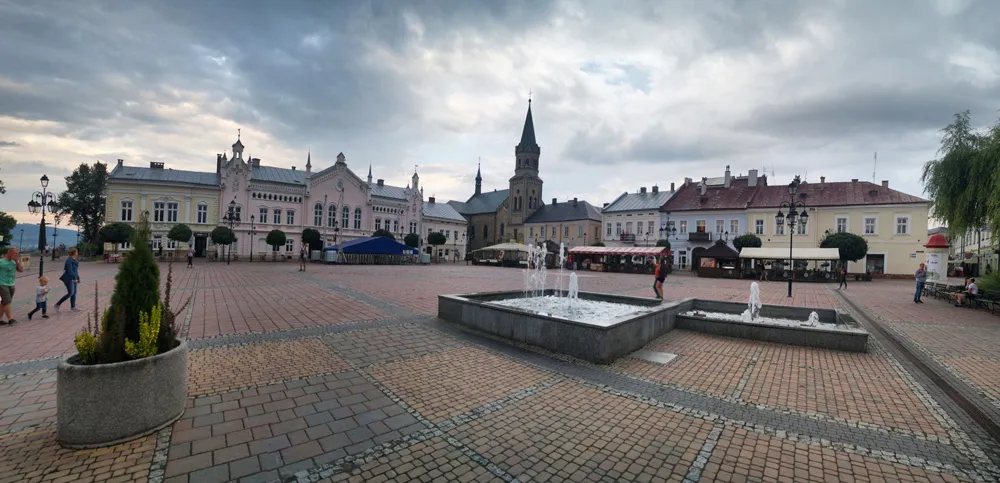
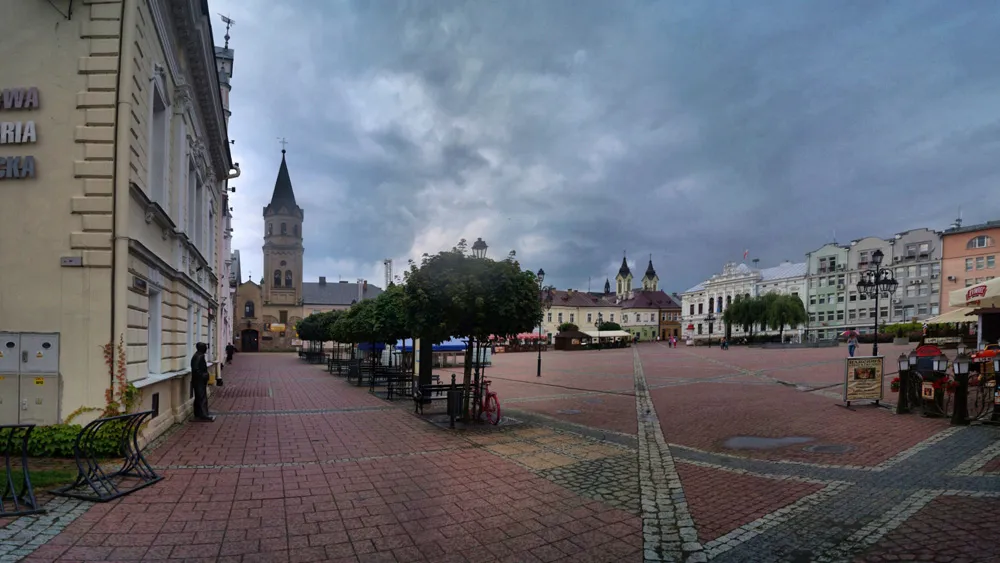
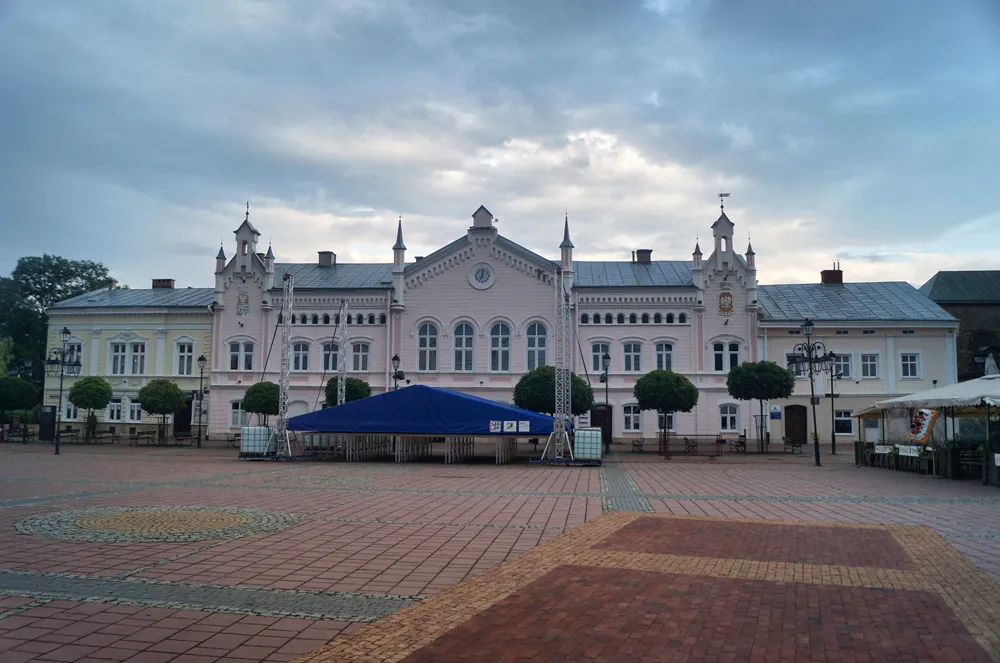
Rynek Square
Today there are very few Ukrainians in the town of forty thousand. How many, I do not have statistics.
For a long time historians dated the emergence of Sianok to the 12th century, with the first written mention dating from 1150. Quite recently archaeologists proved that the town already existed in the 10th century: during excavations they found the remains of two Orthodox churches and a cemetery, as well as seals of the Grand Prince of Kyiv Rurik Rostyslavych.
In pre-Mongol times the town stood slightly further north than it does now. Although the castle, part of which has survived to this day, already existed on a high hill above the Sian in 1150. Today the castle houses a museum of Lemko icons. Next to it a wonderful viewing platform has been built, which opens a beautiful view of the Sian valley. Incidentally, from the river one can see a wonderful view of the castle hill.
Sianok was one of the first Ukrainian towns to receive Magdeburg law: the corresponding charter was granted to it by the Rus’ king Yurii II in 1339. But immediately after the Magdeburg rights, in 1340, the town was seized by the Polish king Casimir the Great and incorporated into the Kingdom of Poland. Since then the Ruthenians have had no leading rights in the town, for Poles, Germans and later Jews came here in large numbers.
Three queens lived in Sianok Castle at various times: Sophia of Halshany (the fourth wife of Władysław Jagiełło), Isabella Jagiellon (a Polish princess, Queen of Hungary) and the legendary Bona Sforza, from whom the town’s coat of arms now takes a piece: a serpent swallowing a naked Saracen.
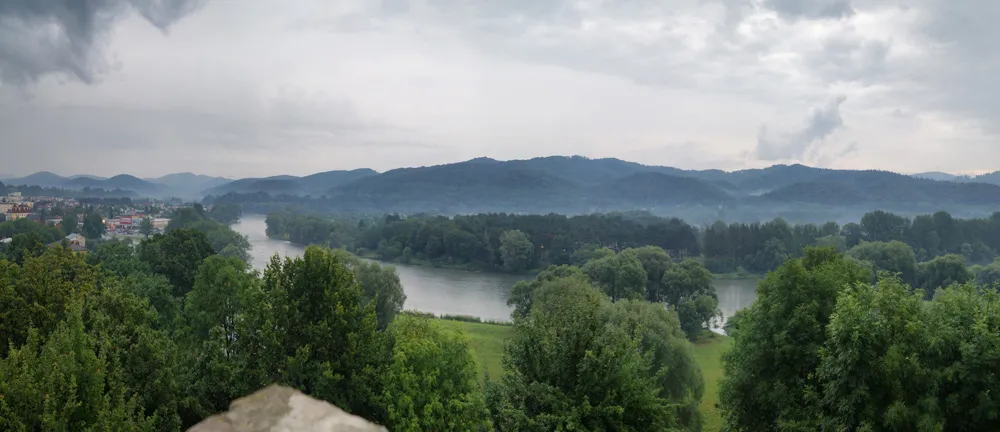
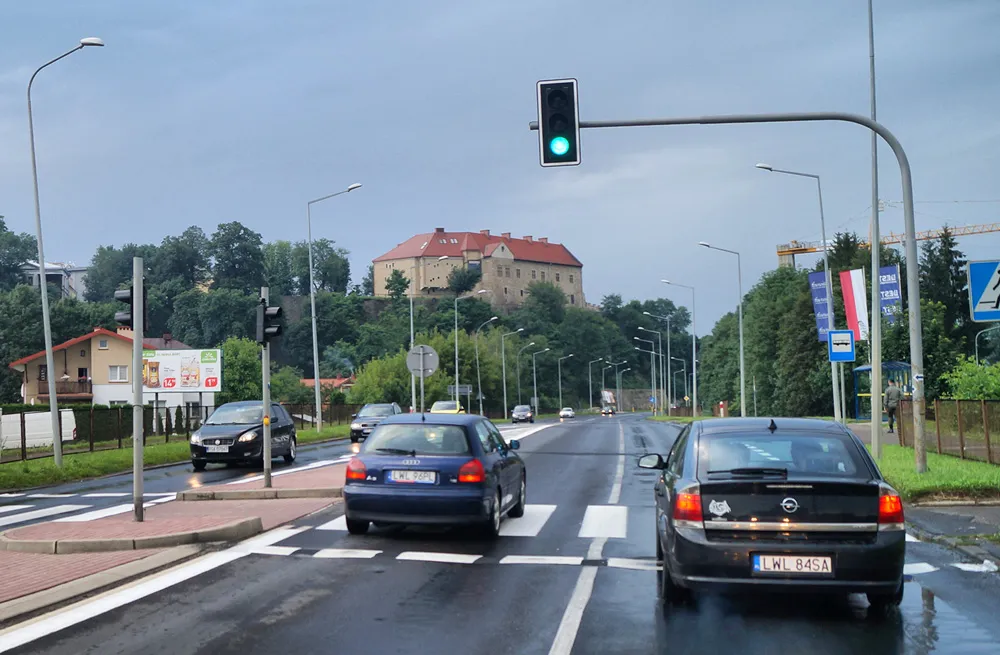
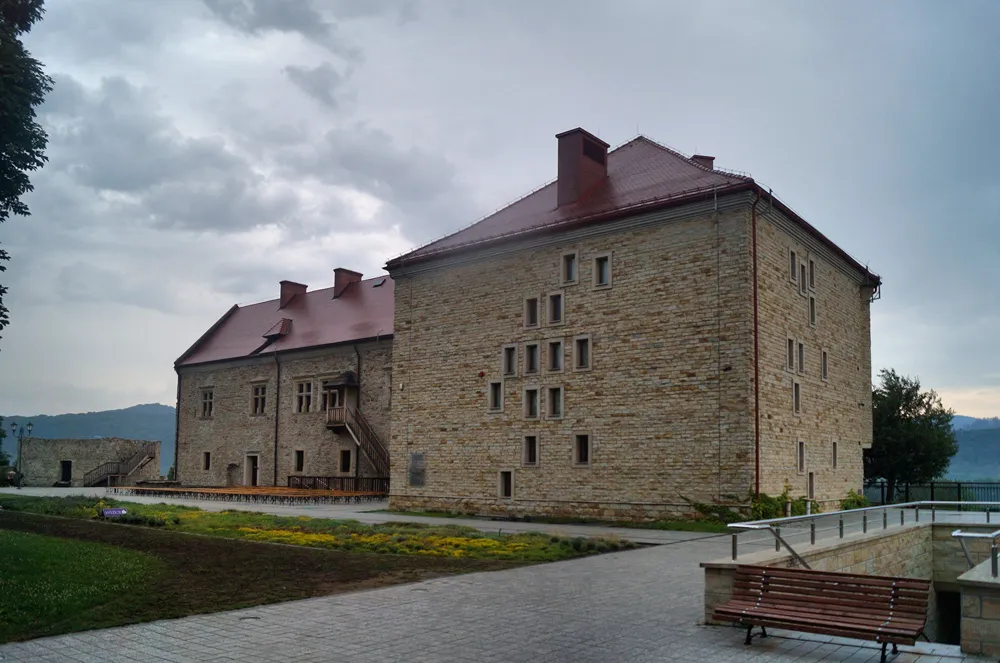
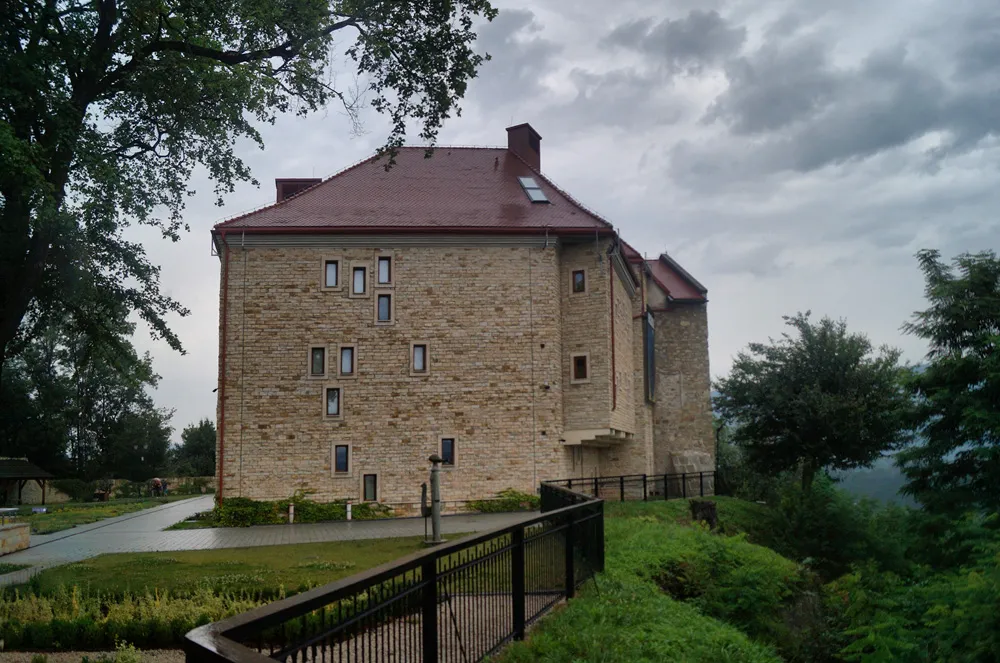
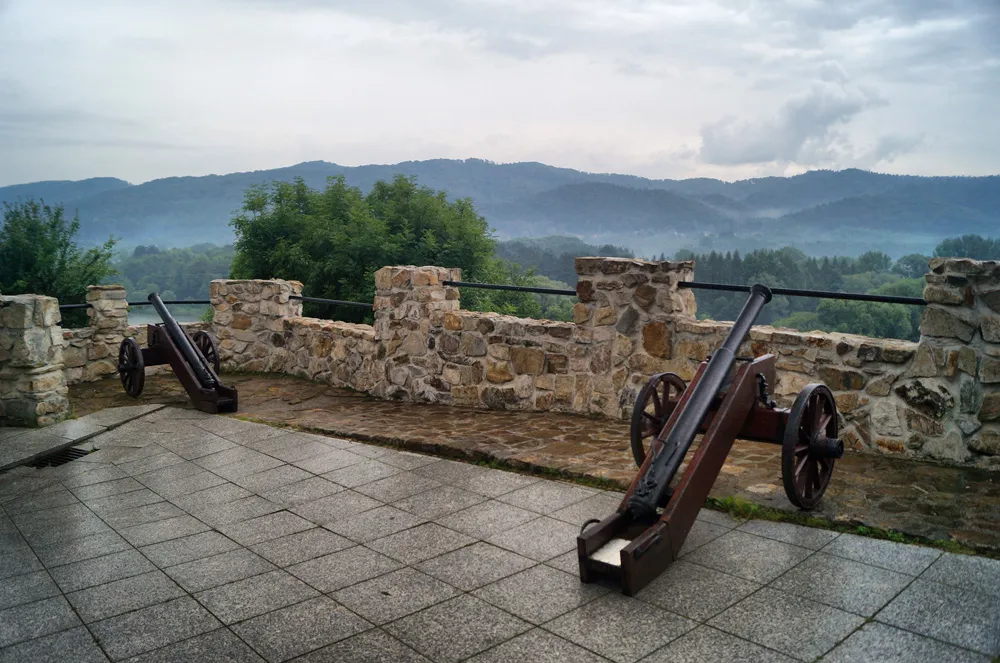
The Sian and the castle above it
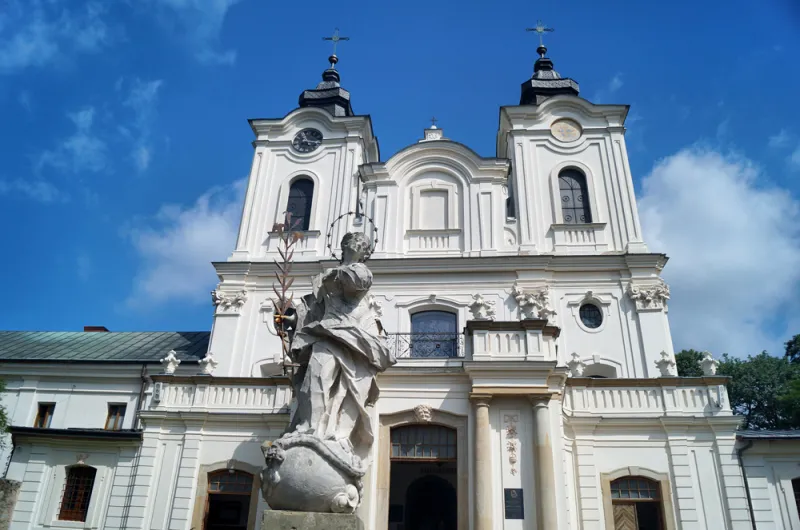
Until the 16th century Sianok was a flourishing, very rich town, but an end to its magnificent history was put by the catastrophic fires of the late 16th century, the last of which destroyed the town completely: only four houses, the castle walls and the Franciscan monastery remained. The latter was founded in 1384. Since then it has been rebuilt and extended many times. The last time the architecture of the monastery and church changed was in 1905, when the bell tower received two upper storeys and a tented top. I had taken that tent on the bell tower for Russian, but it turns out it has no connection with the Russian style at all, because the Russians were never here.
Another large church in Sianok worthy of attention is the Church of the Transfiguration, built in 1874–1886 in the Neo-Romanesque style. It stands on Grzegorz Street, about a hundred metres from the heart of the town, Rynek Square. The Franciscan monastery, on the other hand, borders on the square itself with one edge.
Rynek Square is not the most beautiful among the main squares of Polish towns, but one cannot bring oneself to call it ugly either. As always in Poland, it is cosy and tidy, with a town hall (without a tower) and the main merchants’ townhouses (or perhaps townhouses of merchants).
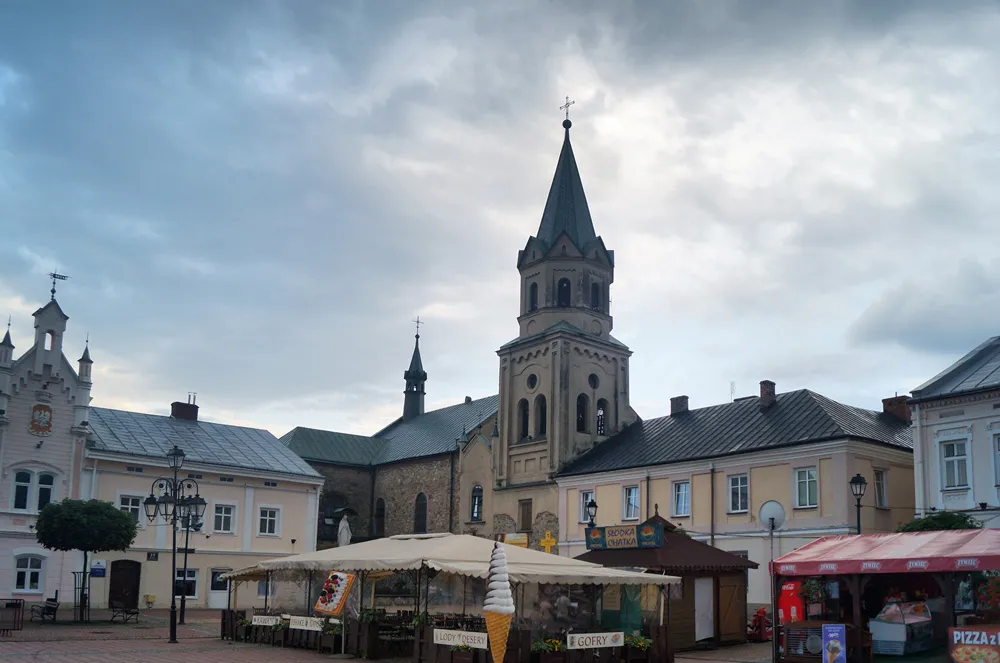
The Franciscan church
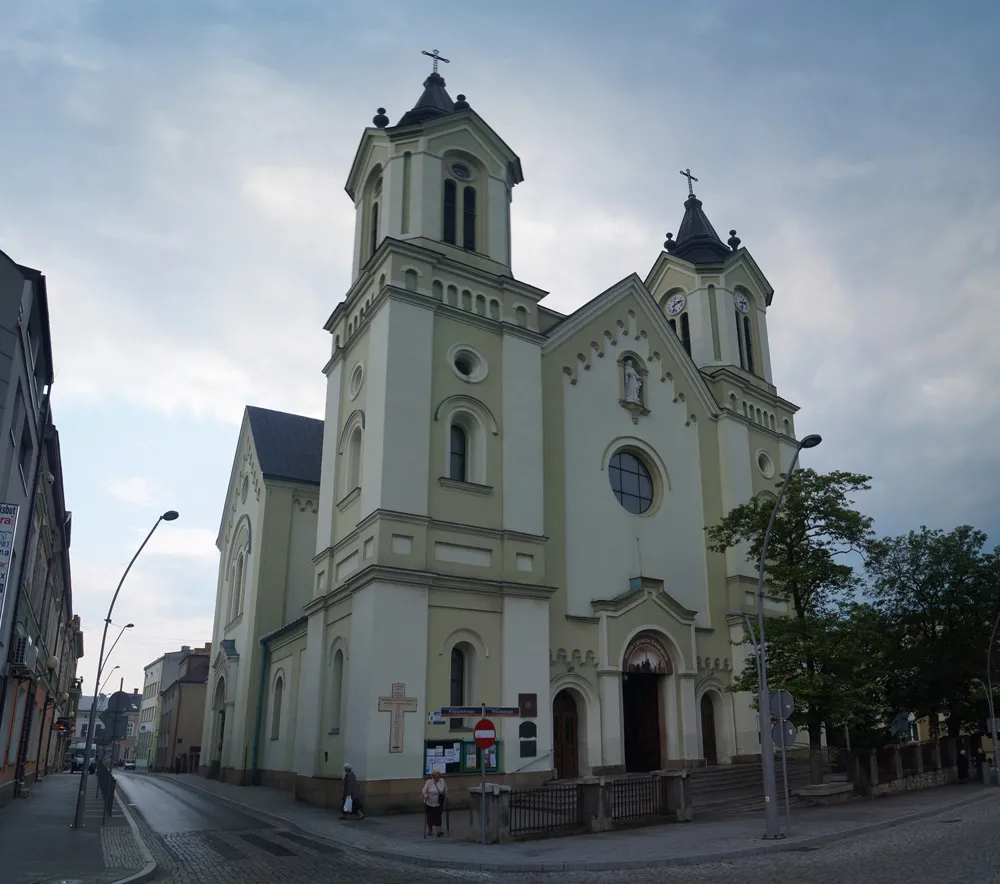
The Church of the Transfiguration
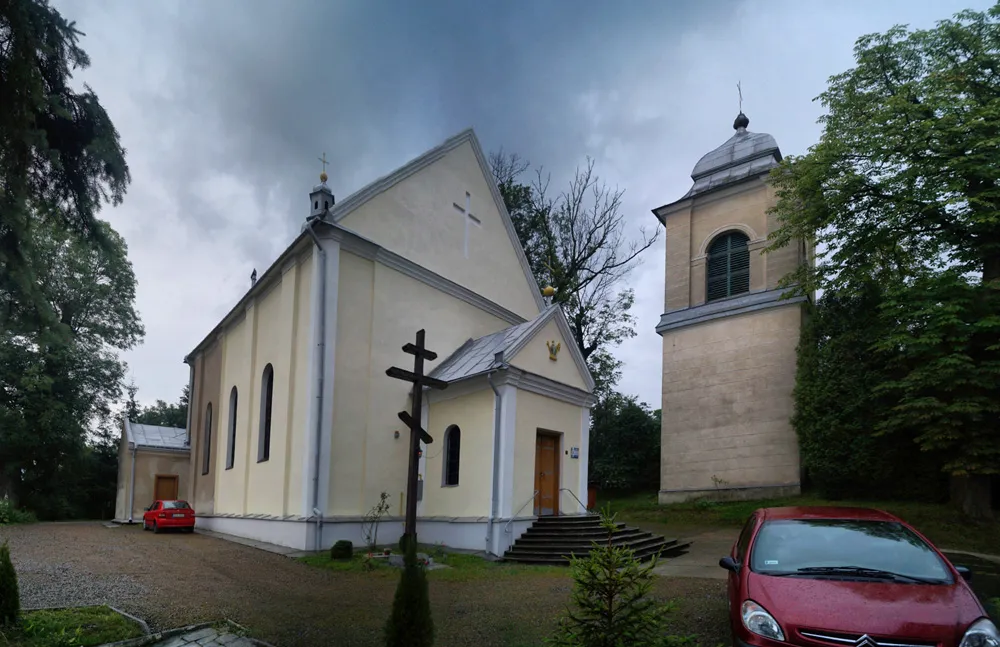
The Orthodox Holy Trinity Church
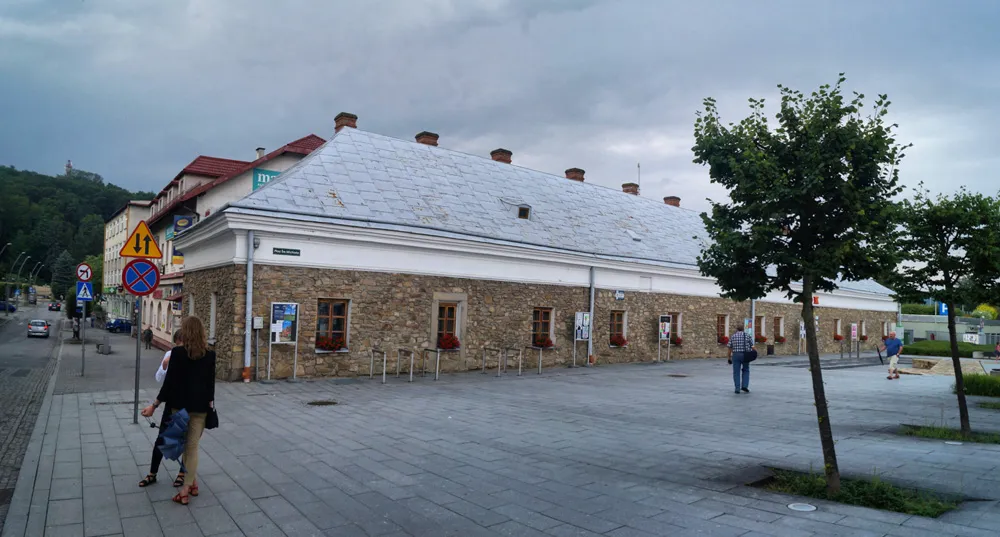
The former arsenal
From 1772, after the First Partition of Poland, Sianok found itself within the Austrian Empire. On 3 March 1918 the residents of the town supported joining the Ukrainian People’s Republic. But the UPR was here only very briefly: until 1939 the Polish Republic stood here, and then for two years Sianok was under Soviet occupation, as part of the Ukrainian SSR.
After the Second World War the composition of the town’s population changed greatly: 40% of the population (Jews in particular) was destroyed by the German occupiers, and all the Ukrainians were deported in 1946–1947. Since then only Poles have lived here.
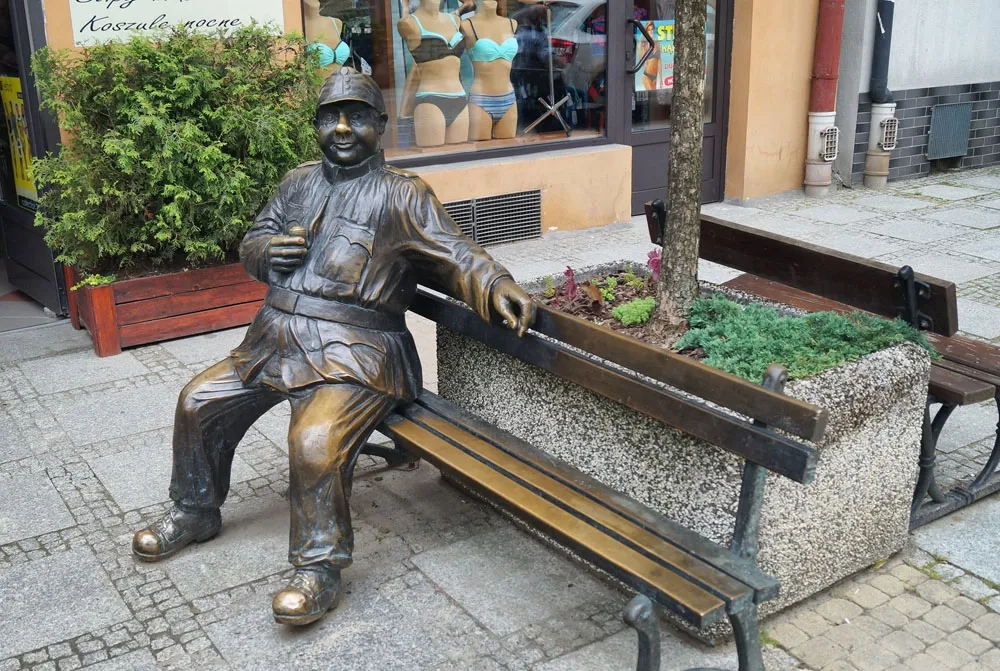
Some compare Sianok with Przemyśl, since the latter also lies on the Sian. But in my view the towns are quite unlike: the architecture of Przemyśl is much richer and the Sian there is different. Perhaps both towns have a bronze Švejk with a rubbed nose. But as for interest, I really would compare these towns, because Sianok has (on its outskirts) a Museum of Folk Architecture, the largest in Poland and the third largest in Europe. And it is extremely interesting, especially for Ukrainians.
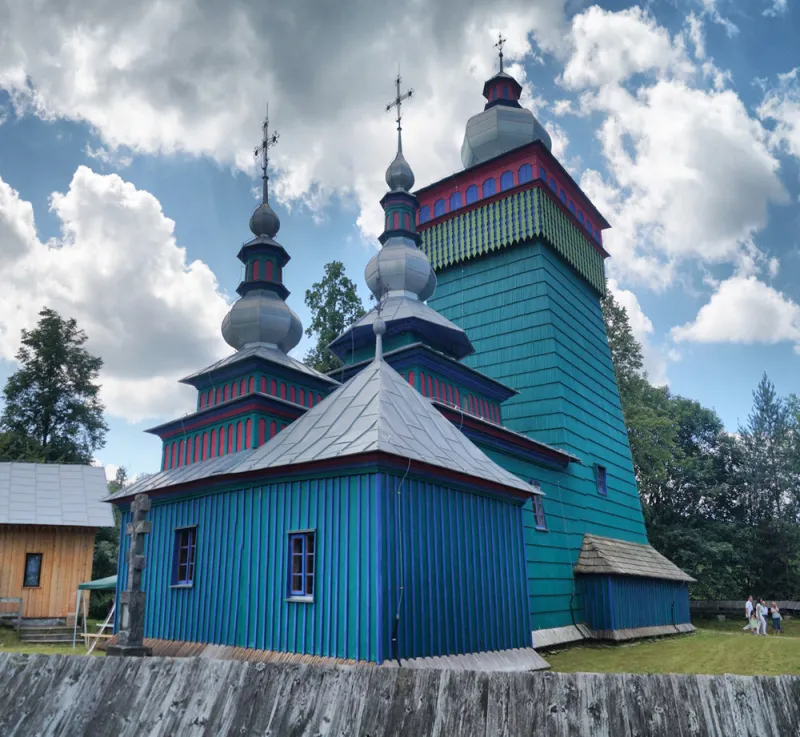
The museum’s exhibitions are divided into three parts: Boikivshchyna, Lemkivshchyna and Pohiria (Pogórze). Naturally, most of the buildings represent Ukrainian ethnic lands. It was created in 1958 and now covers an area of 38 hectares. There is everything here: wooden Boiko and Lemko churches, a wonderful wooden church, a wooden two-storey synagogue, the like of which I had seen only in old photos, and a typical market square with one-storey, mostly Jewish buildings. And of course plenty of authentic Lemko and Boiko houses. It is strange that the Poles did not hide their crime, the deportation of the Lemkos and Boikos, but created a kind of huge monument to these peoples: the open-air museum in Sianok. I recommend planning no less than three hours for a visit. And probably more.
Text and photos by Roman Malenkov
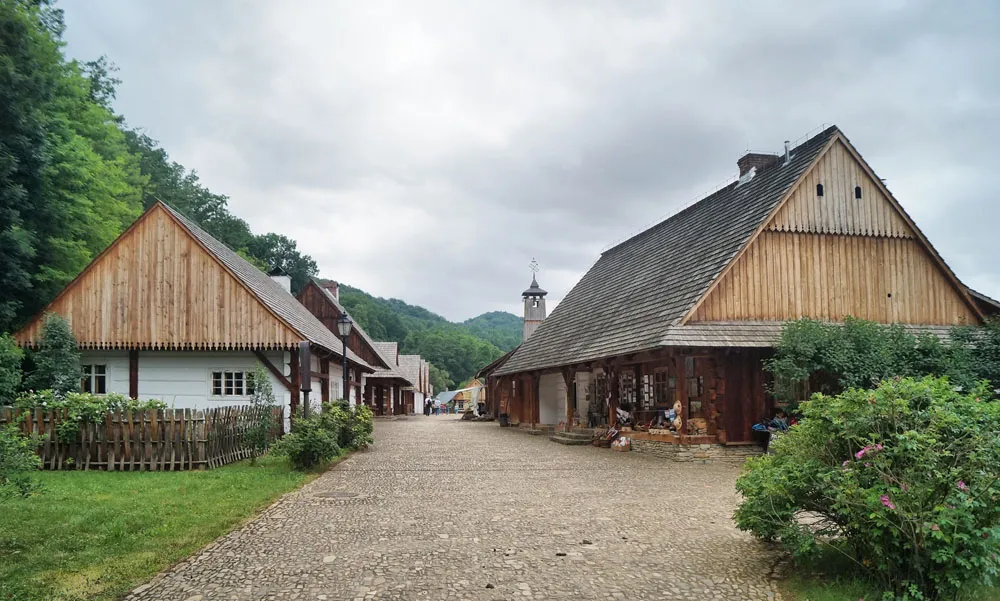
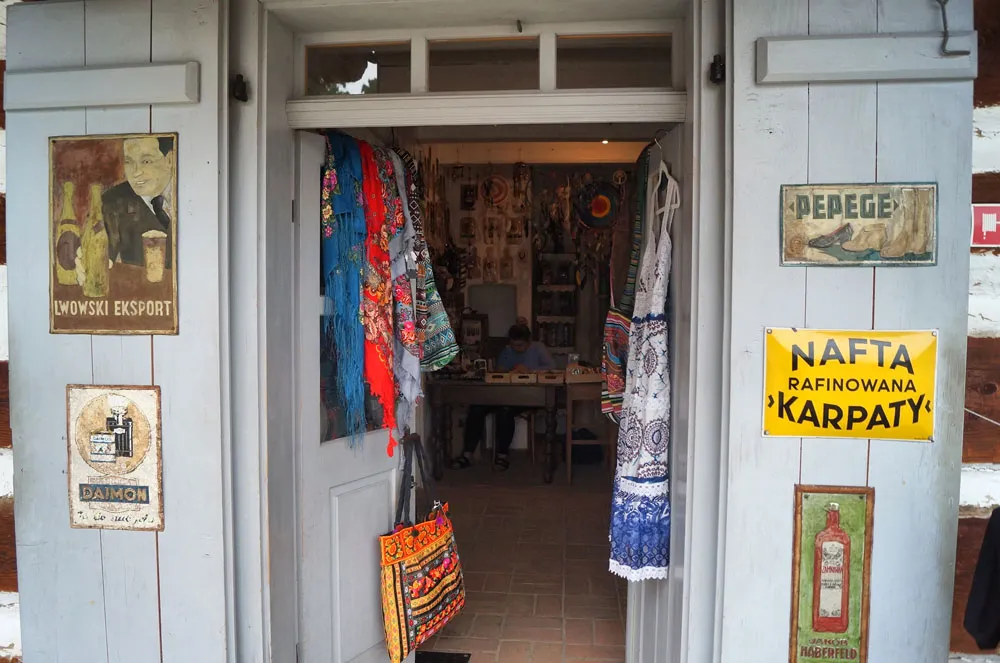
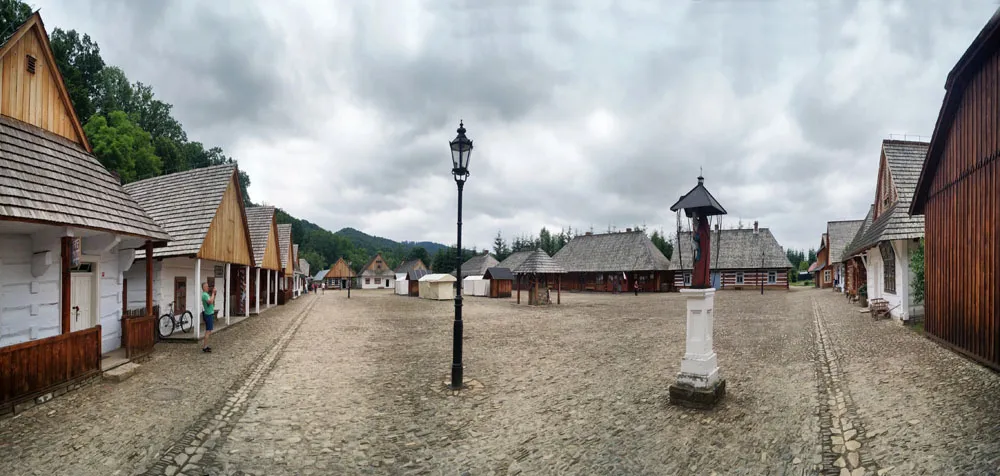
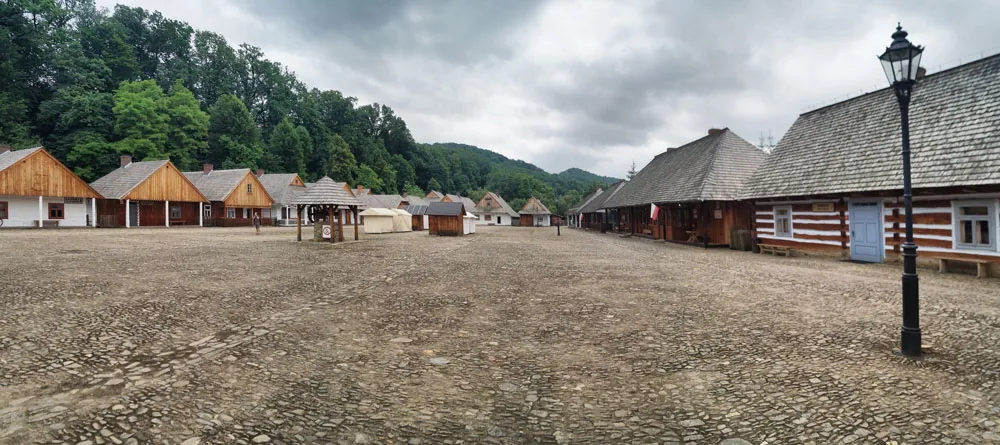
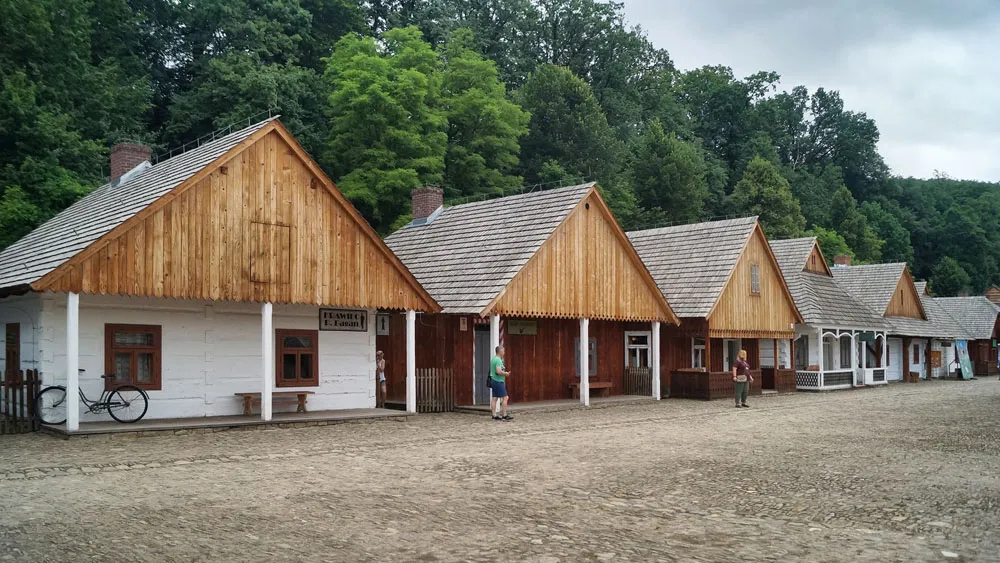
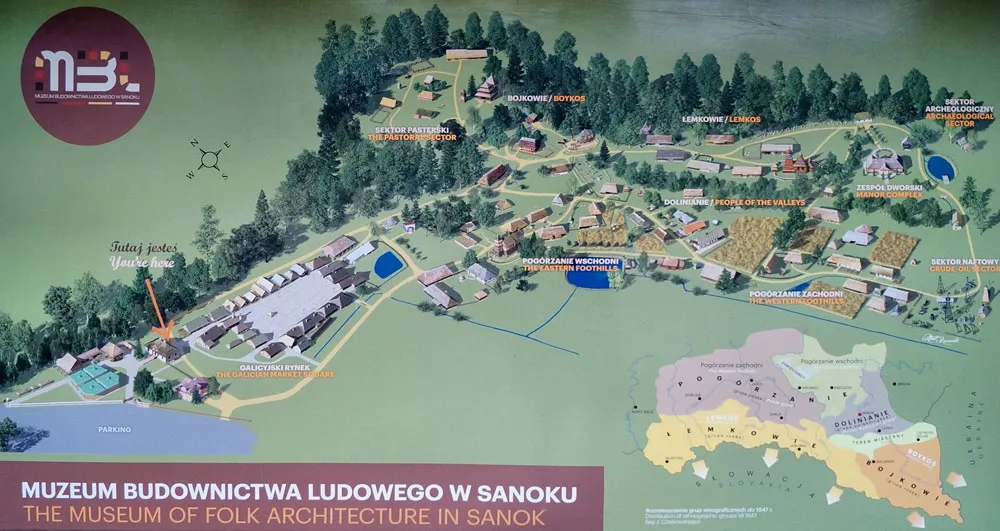
The Sianok open-air museum
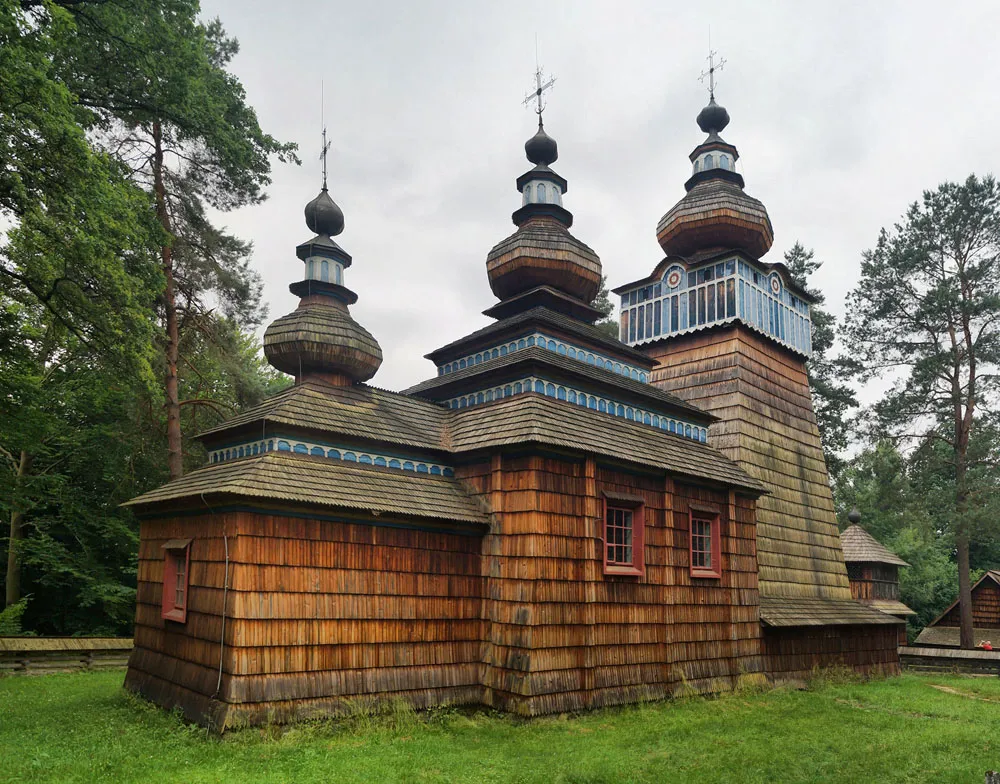
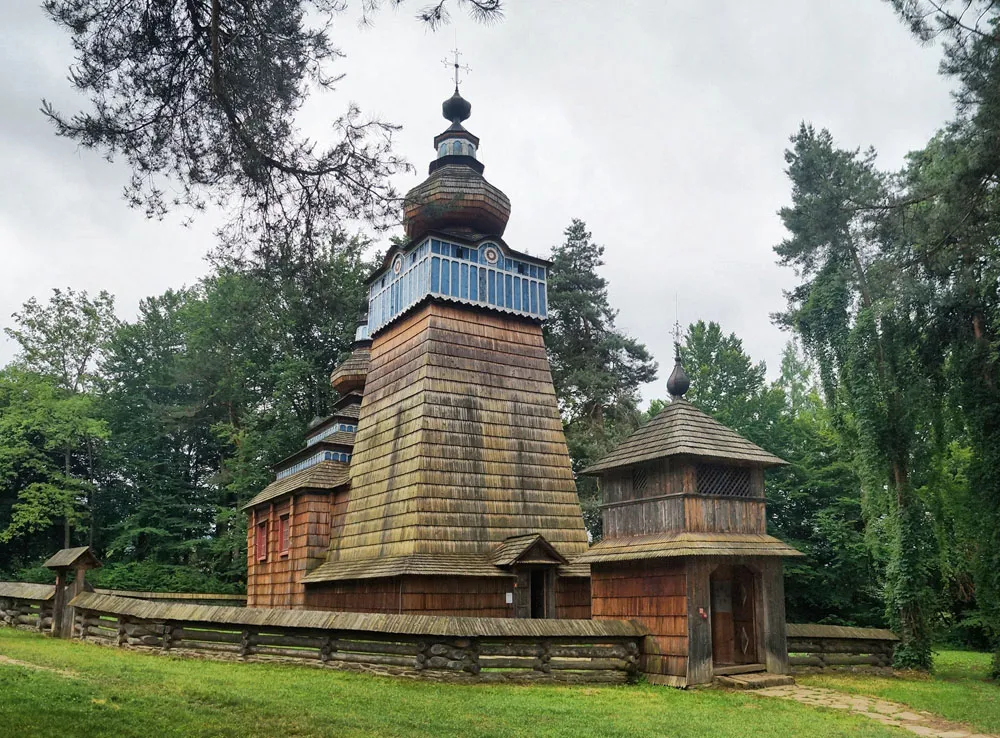
A Lemko church
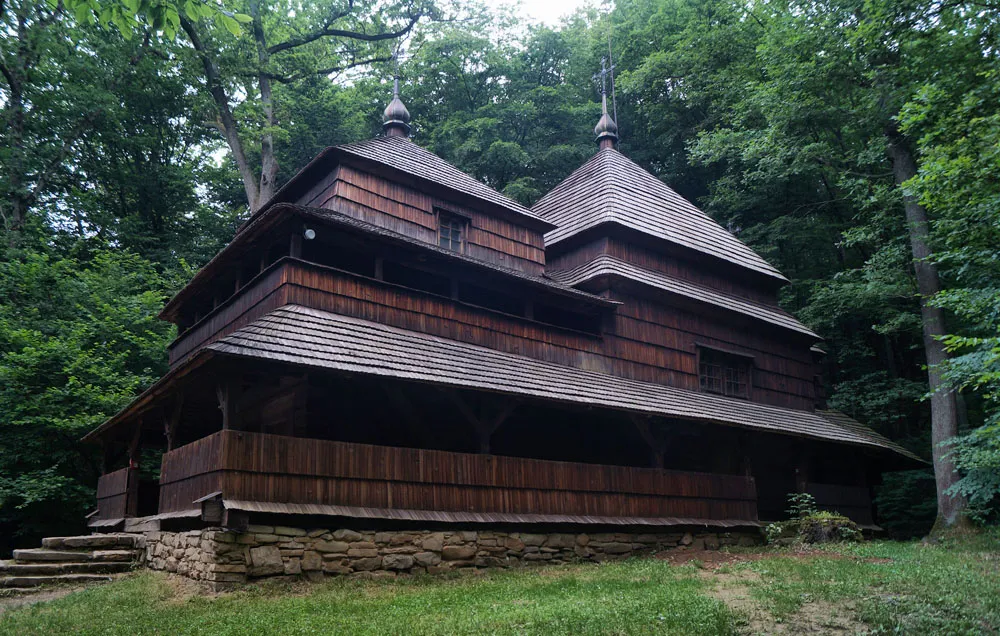
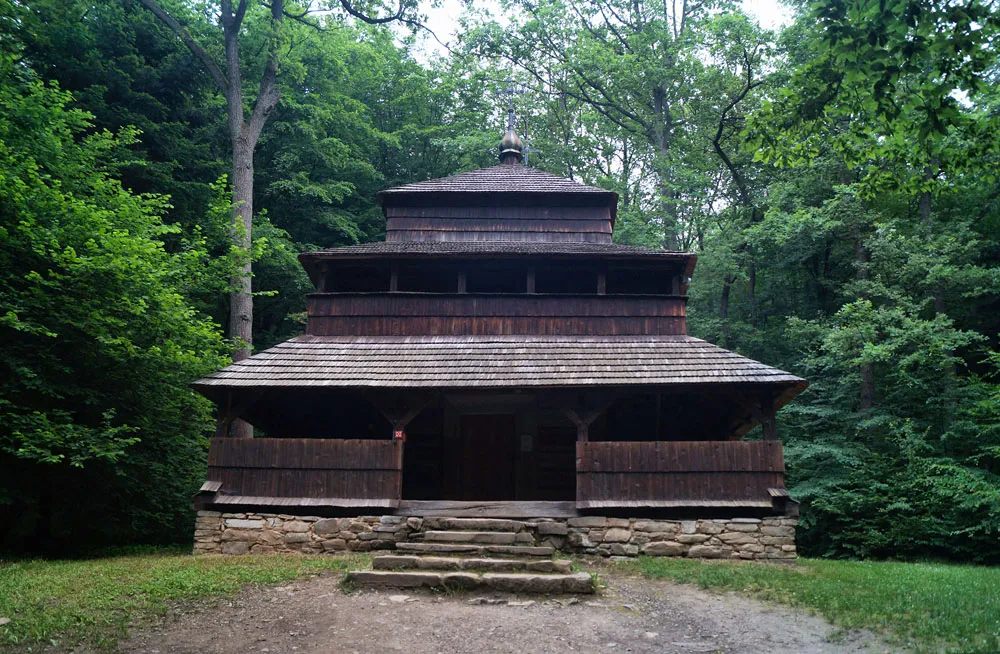
A Boiko church
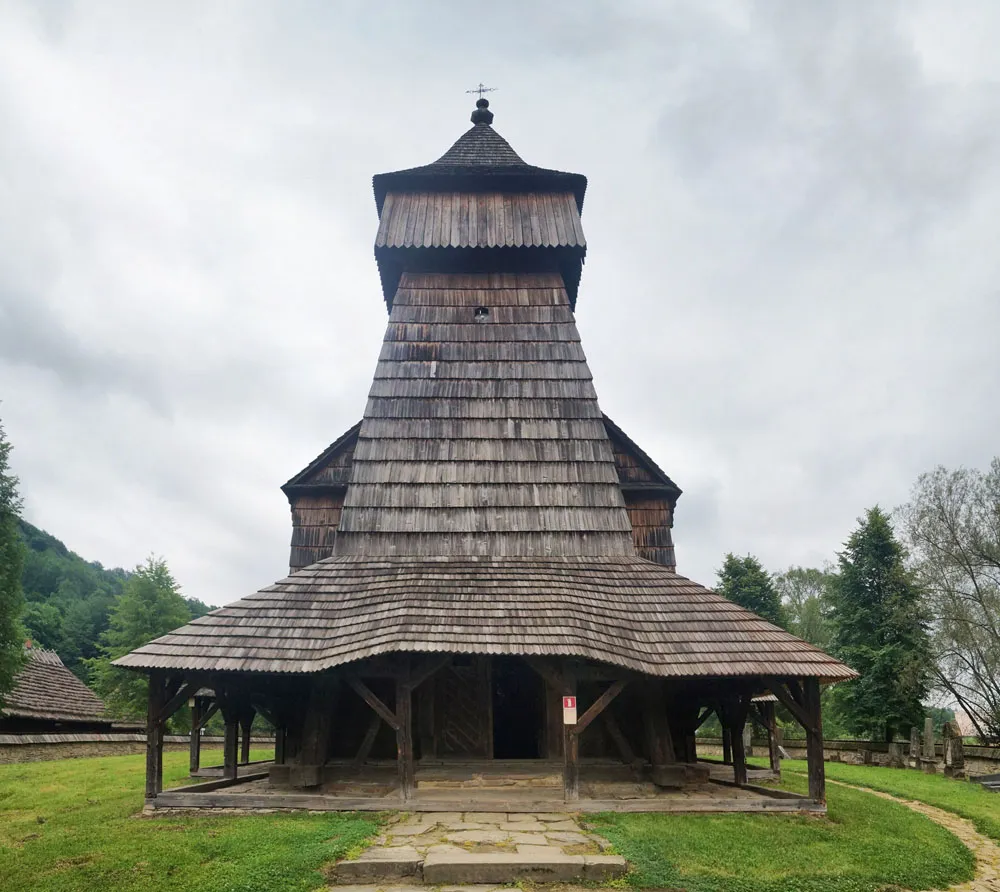
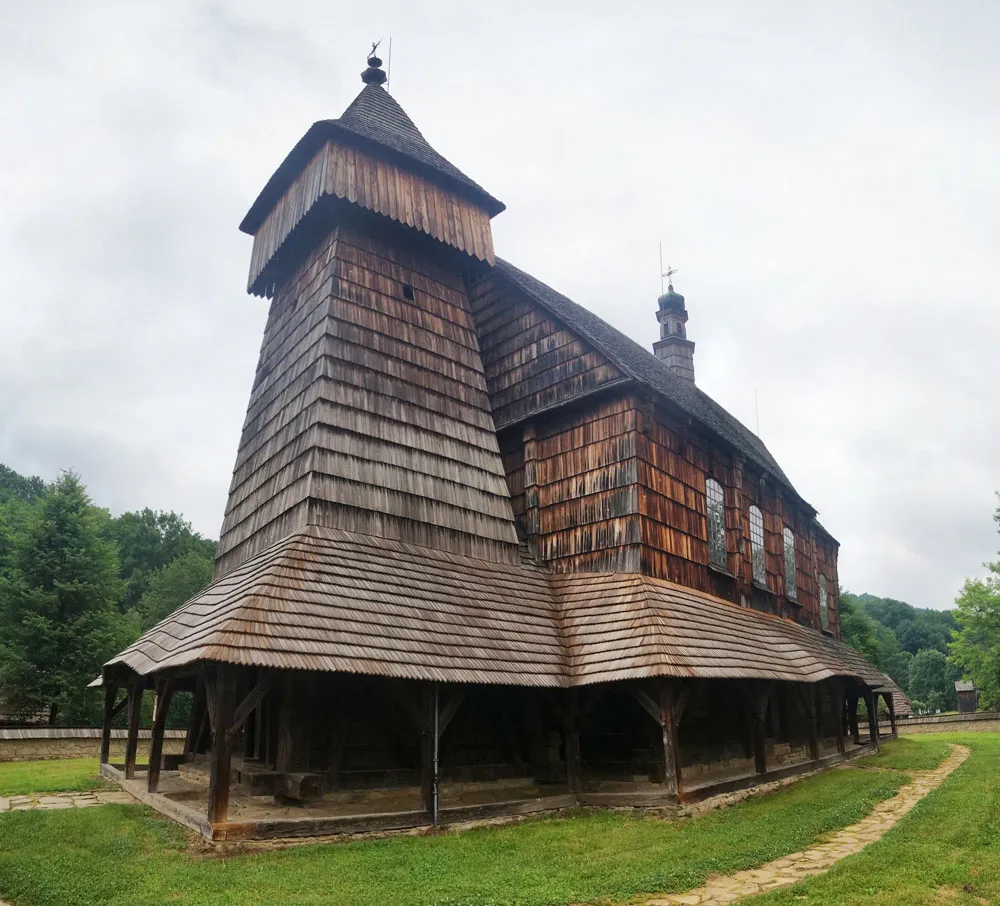
A wooden church