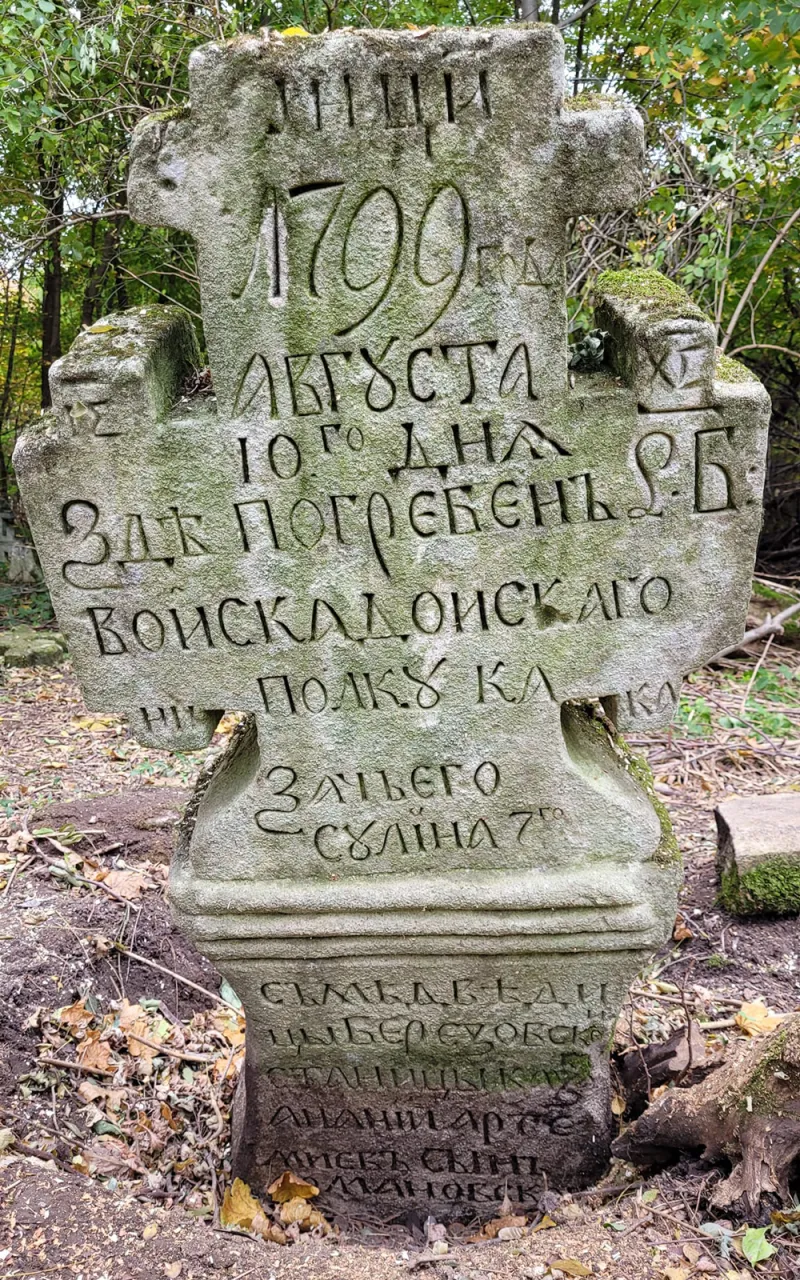
Kolodyste. An incredible Cossack cemetery

· 8 min read
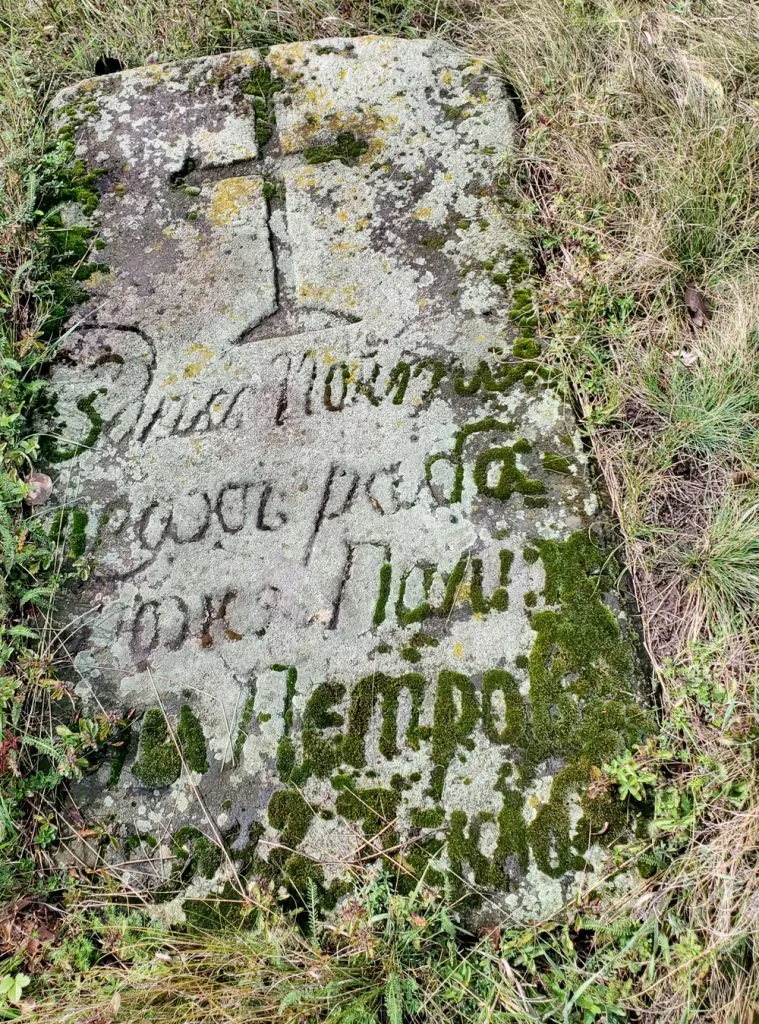
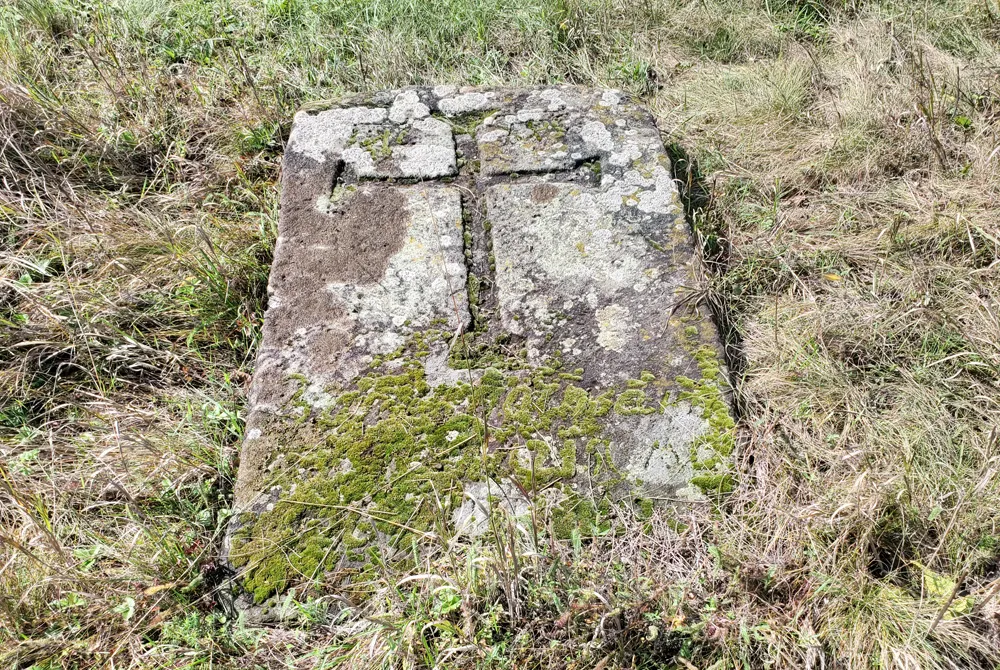
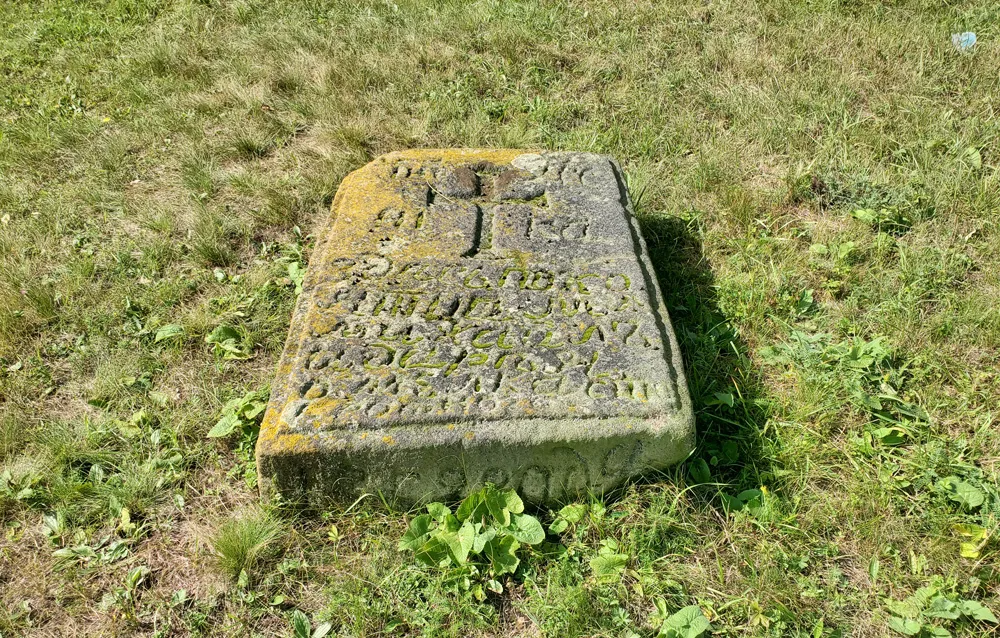
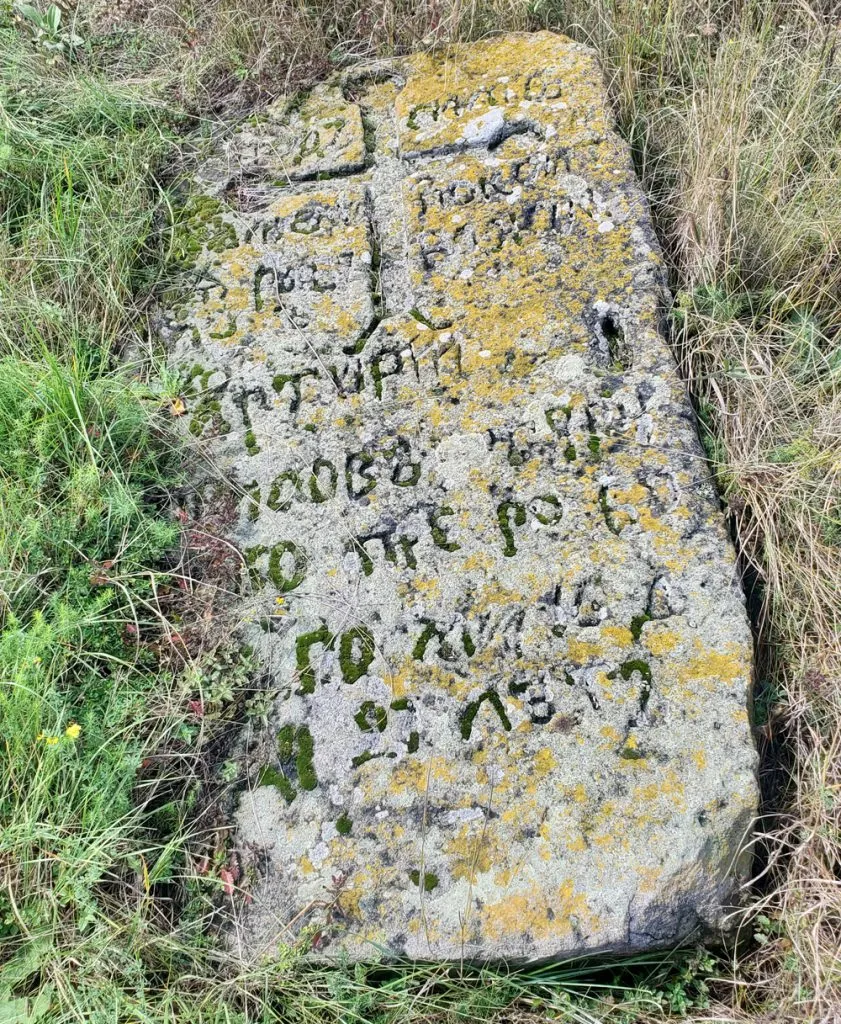
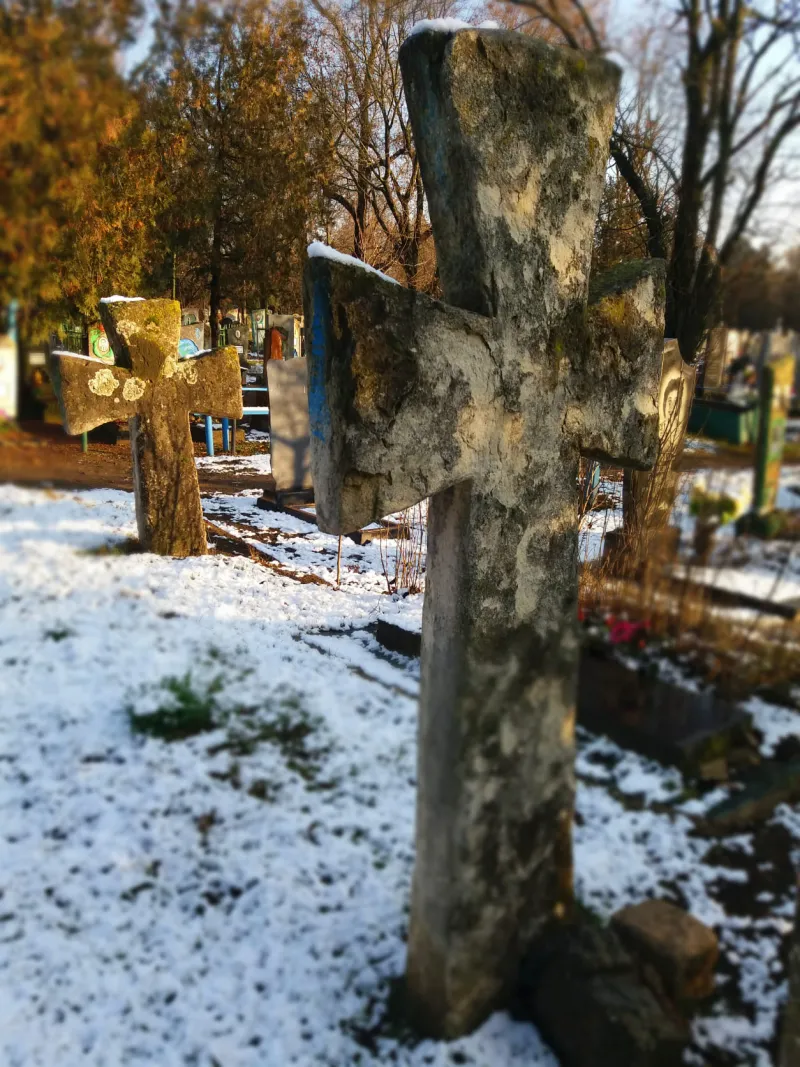
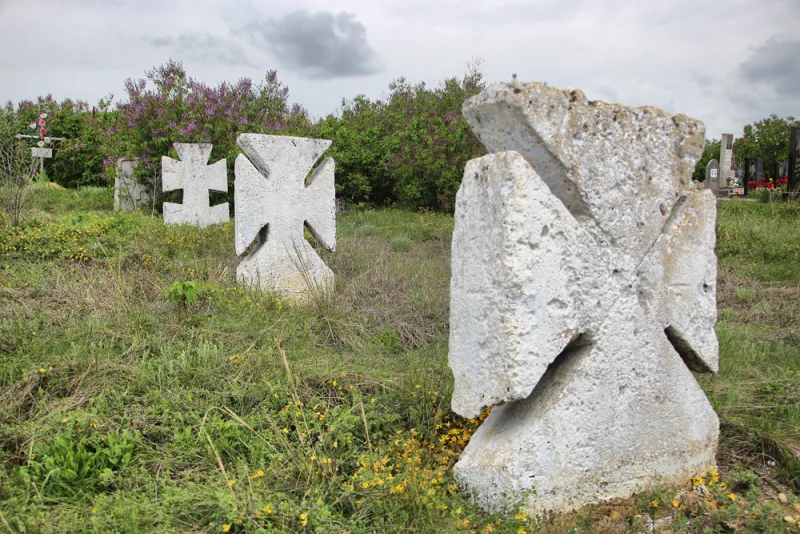
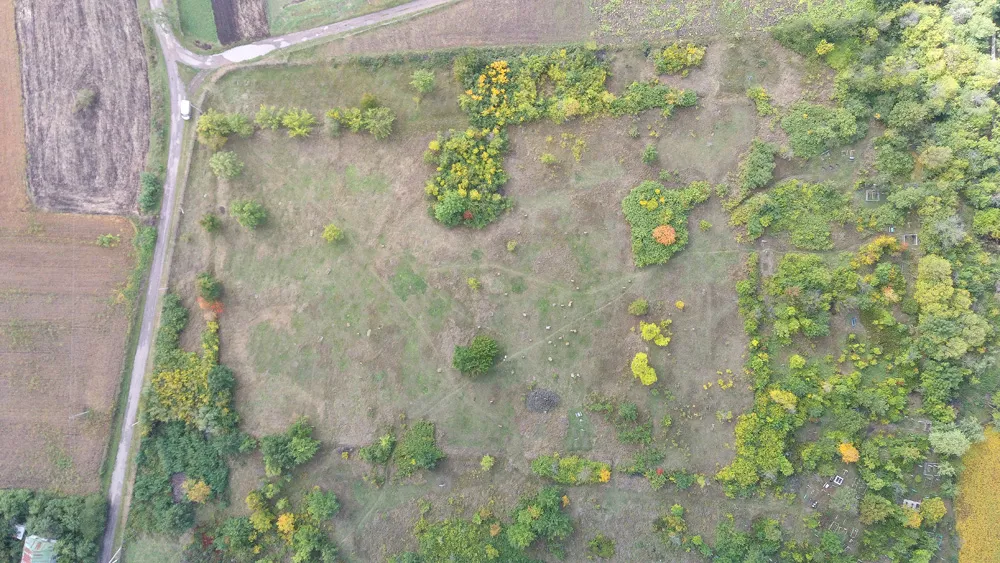
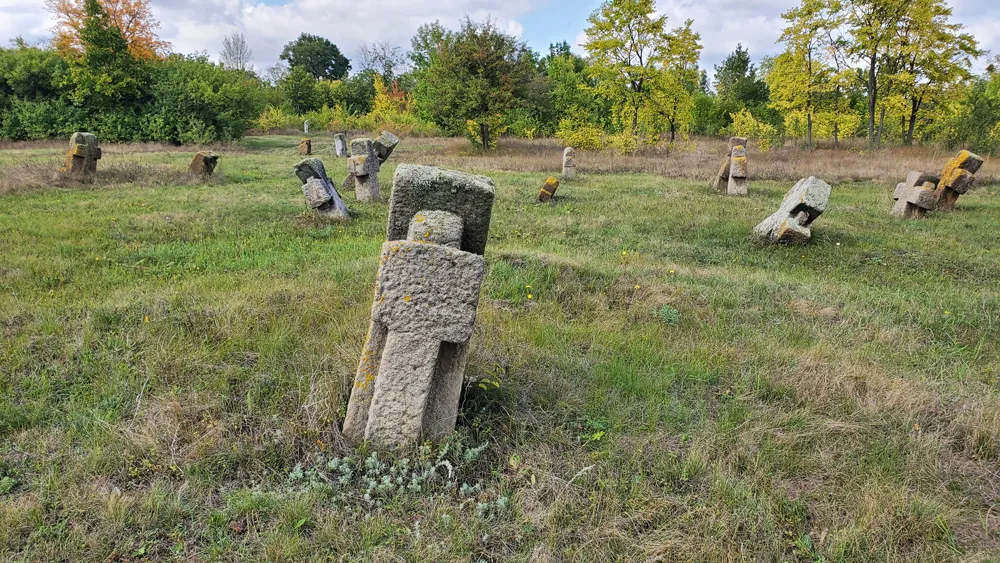
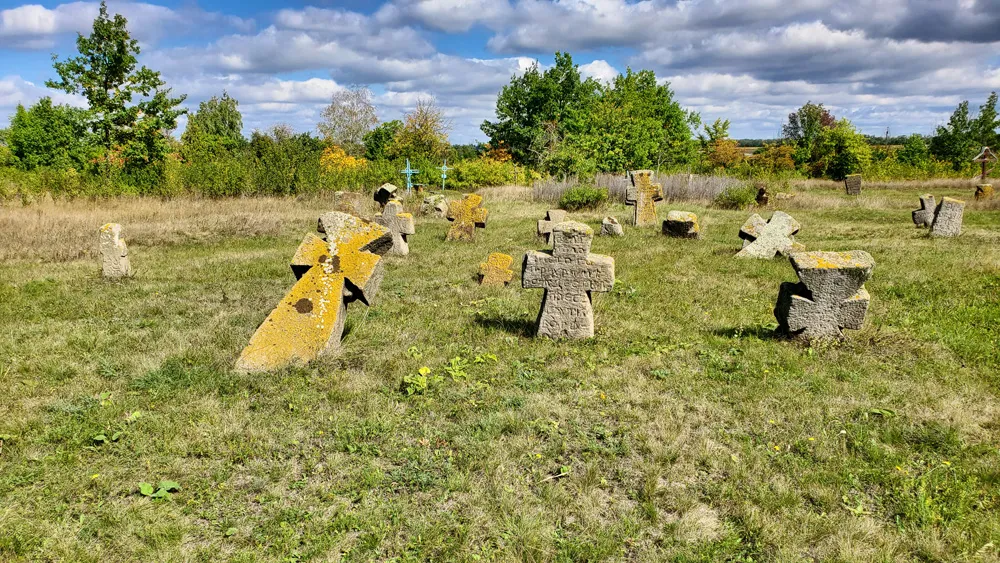
Let us say at once: the cemetery in Kolodyste is an extraordinary monument of history and art, an object of historical memory that has few equals in Ukraine in the level of its artistic perfection. The crosses of Kolodyste take your breath away. True, it is not a castle or a palace, not a church or a residential building, but the visual appeal of this old cemetery is no less than that of the most outstanding Ukrainian castles or churches. It is hard to believe that this is not somewhere in Germany or Ireland, that it was Ukrainians in Ukraine who carved and set up these crosses. And it is even harder to believe that for the Ukrainian state the Kolodyste cemetery is not even a monument.
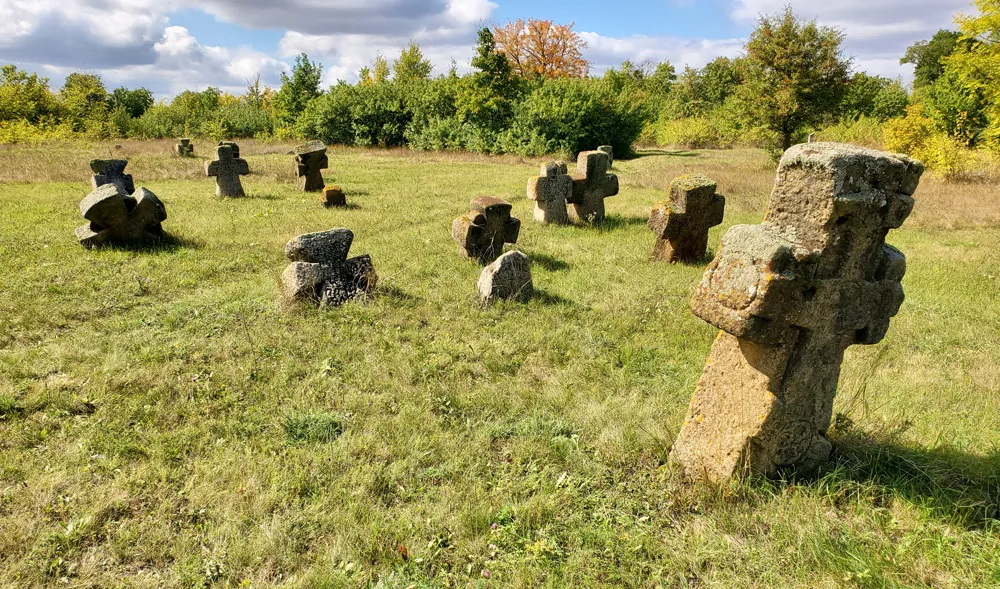
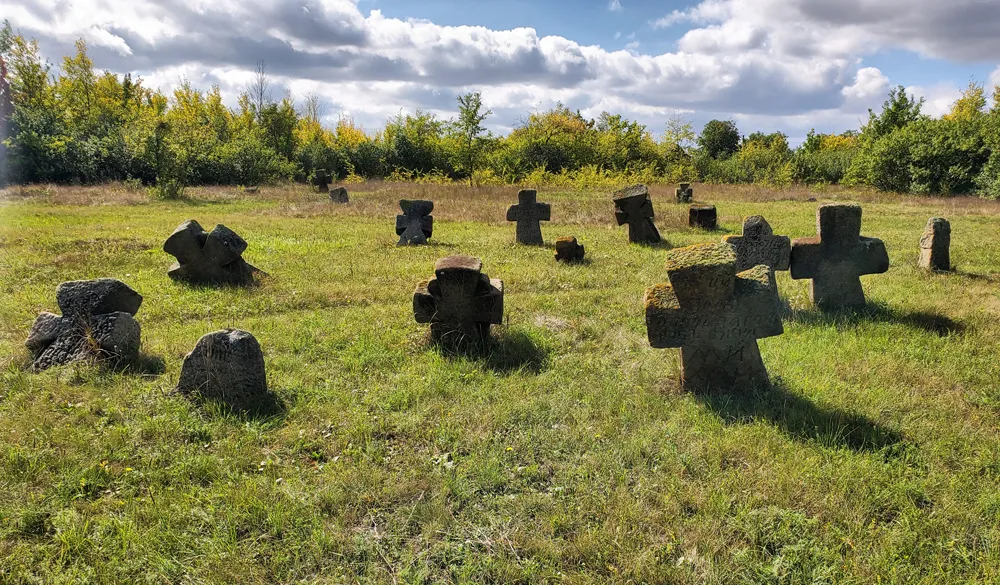
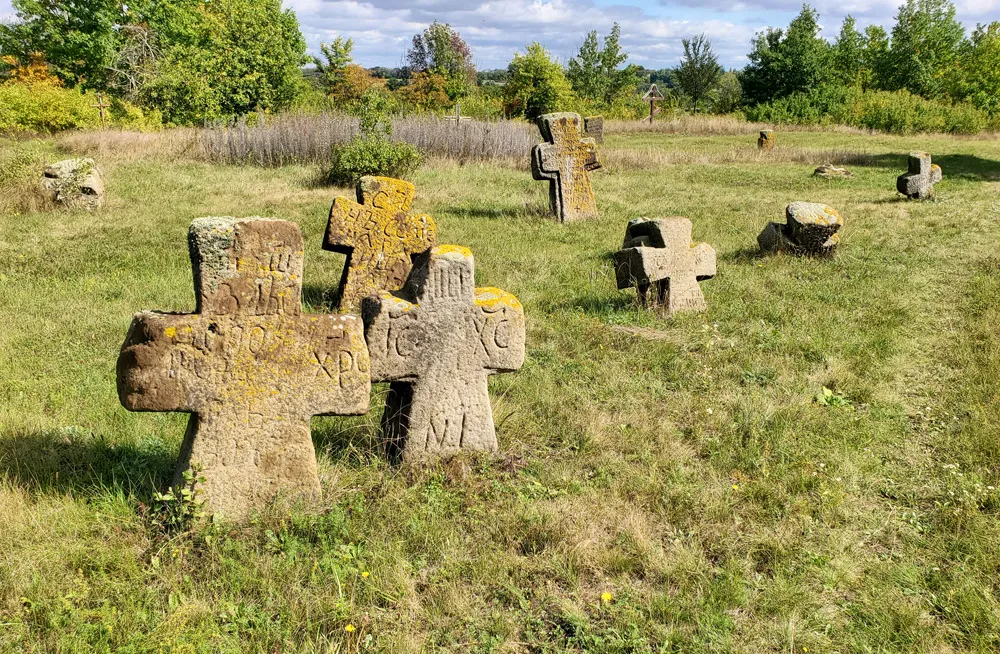
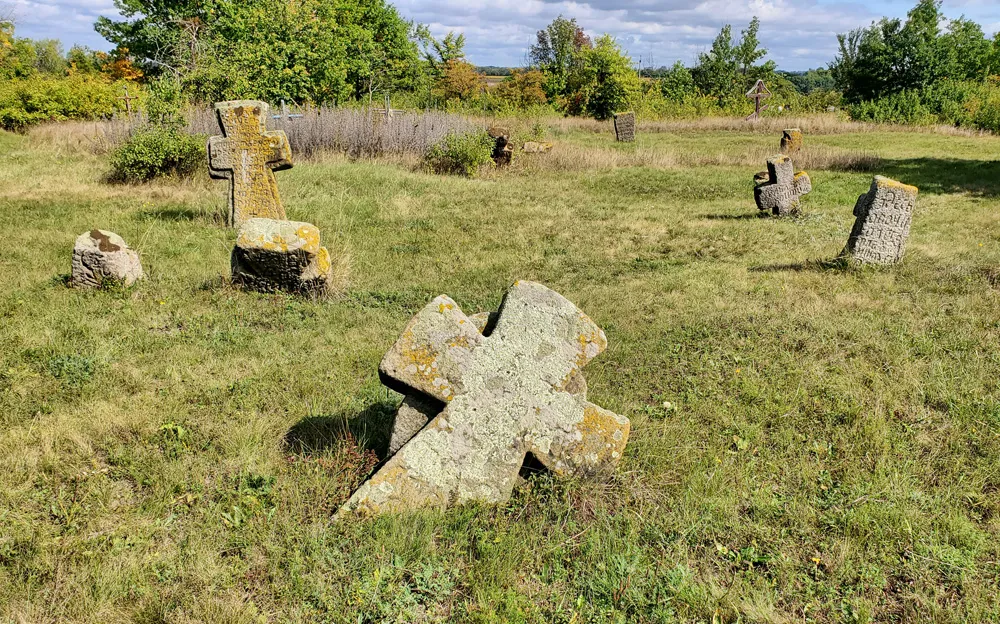
We are often reproached about the name “Cossack cemetery”: supposedly those buried here are not Cossacks, since there was no Cossack estate on the Right Bank in Russian imperial times, and no crosses or gravestones from the Polish-Lithuanian Commonwealth era seem to have been found here. The oldest gravestones whose inscriptions have survived date from the early 19th century, but the village was founded back in the 17th century, and it is unlikely that the cemetery was elsewhere in those times. And in the 17th and 18th centuries Cossacks certainly lived in Kolodyste, since it is only 7 kilometres from Kalnybolota (the former name of Katerynopil), a significant Cossack centre that had its own kurin at the Sich, was the centre of a palanka and had long been distinguished by strong Cossack traditions and customs. Local residents assure us that the village has always been Cossack and that there was never serfdom here. As for serfdom, they are completely right, since in Polish times the villages were starosty estates, in effect state-owned, inhabited by free people, and given that this was almost the border with the Wild Field, these people were armed. Starostas usually granted privileges to such villages, because they guarded the borderland, and of course, these were Cossacks.
When Russia seized the Right Bank, the starosty estates passed into state ownership; the residents remained effectively free and preserved Cossack traditions. Officially, without belonging to the Cossack estate, they continued to call themselves Cossacks, as, by the way, they did in Zalizniachka and in many villages of Zvenyhorodka county that in the 18th century were part of the starosty estate: Kalnybolota, Yurkivka, Stebne, Huliaipole, Yerky, Shestakove, Novoselytsia and others. And in all of these villages Cossack stone crosses have survived in old cemeteries, but the most of them have survived in Kolodyste, and they are the largest of all here.
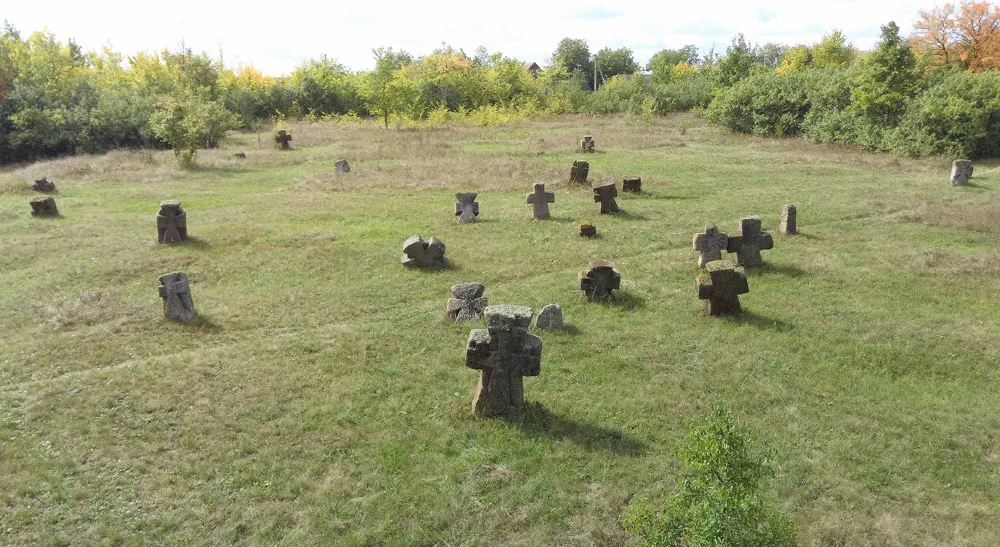
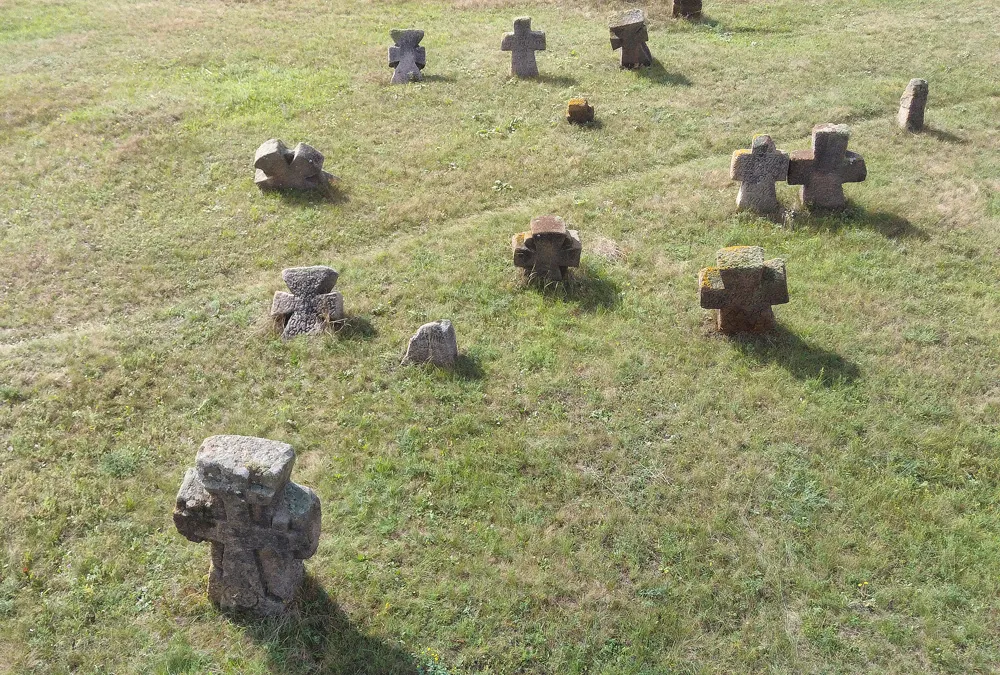
So in the 18th century Cossacks (Zaporozhian and registered) were buried in the Kolodyste cemetery, and in the 19th century their descendants, who had become state peasants but continued to consider and call themselves Cossacks. According to the “Geographical Dictionary of the Kingdom of Poland”, in the mid-19th century Kolodyste had 1,350 inhabitants: 50 Jews, and the rest Ukrainians (Orthodox). One of the peasants’ main occupations was quarrying and working sandstone, which was extracted from a local deposit. Incidentally, we found the remains of that quarry. Stonemasons made millstones and gravestones, which they sold to a considerable number of villages. Judging by the size, colour and aesthetics of the crosses in Kolodyste, one may assume that the stonemasons kept the largest and most beautiful stone crosses for themselves. Another assumption is that the residents of Kolodyste were quite wealthy people, if they could afford such large and masterfully made gravestones. At the beginning of the 19th century such a cross cost on average 25 roubles, a huge sum that peasants had to save for more than a year. One can understand that putting up a big and beautiful gravestone was prestigious, especially for a Cossack stonemason.
Extracting a large sandstone monolith in order to carve a cross from it is a very difficult task. Researchers write that the technology of extracting such monoliths was learned by masters of Kyiv Governorate from the stonemasons of the Dniester region, who in turn were taught by masters from Italy.
Art historians have suggested, in order to avoid disputes, calling the stone crosses of Ukrainians, including Cossack ones, “Old Ukrainian”. One can, of course, also refer to the shape of the cross with flared (cross-ended) arms, which derives from the cross of the Templar order. Such crosses are called Cossack and are now widely used in Ukrainian heraldry and symbolism, but the term “Old Ukrainian” cross will probably be correct as well.
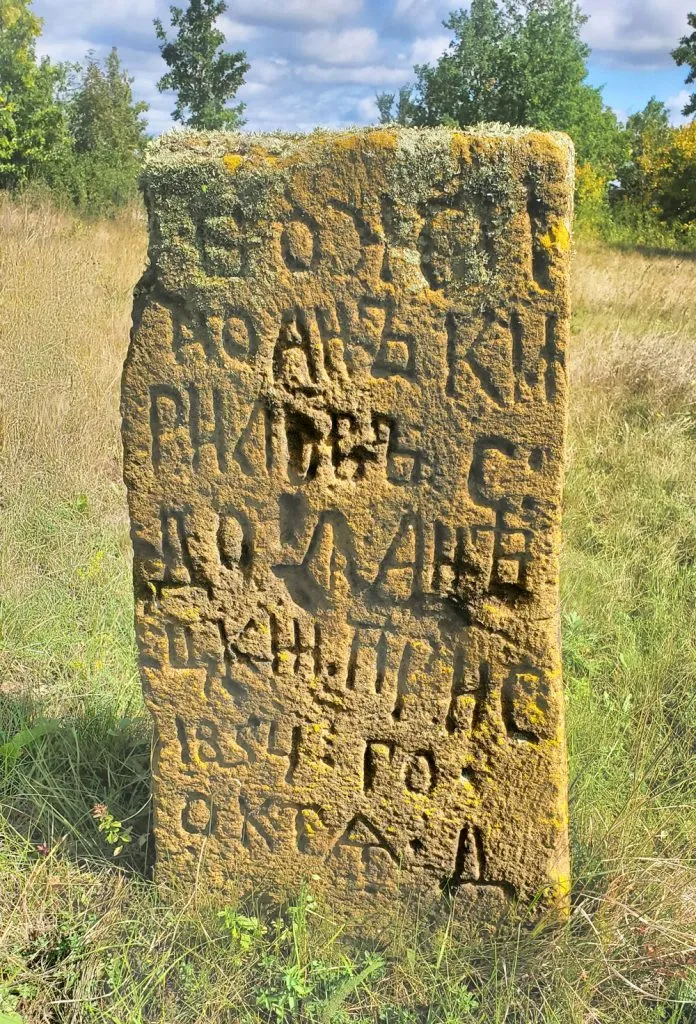
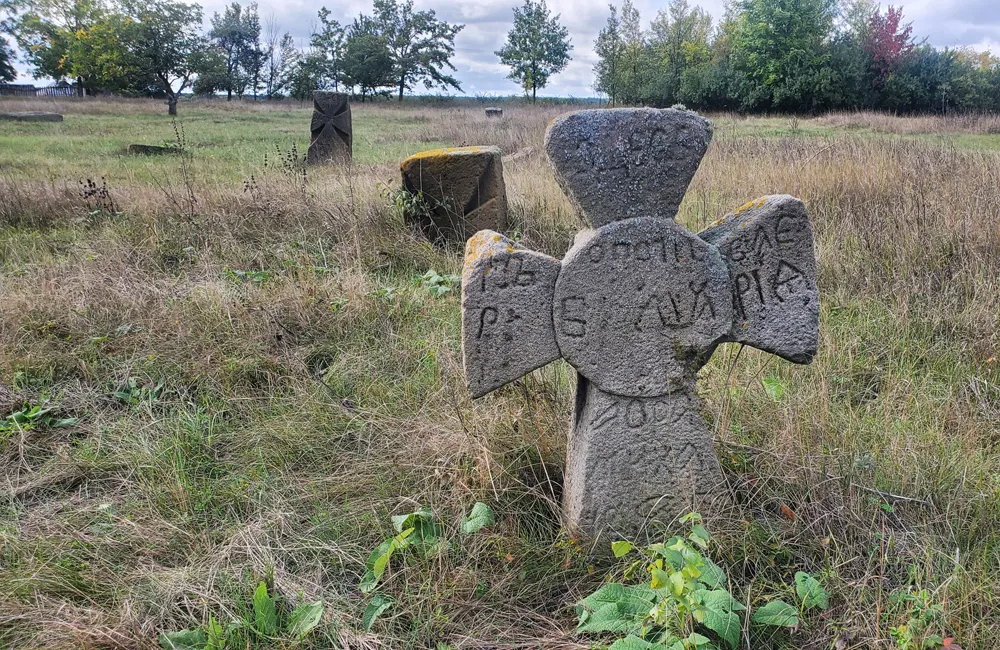
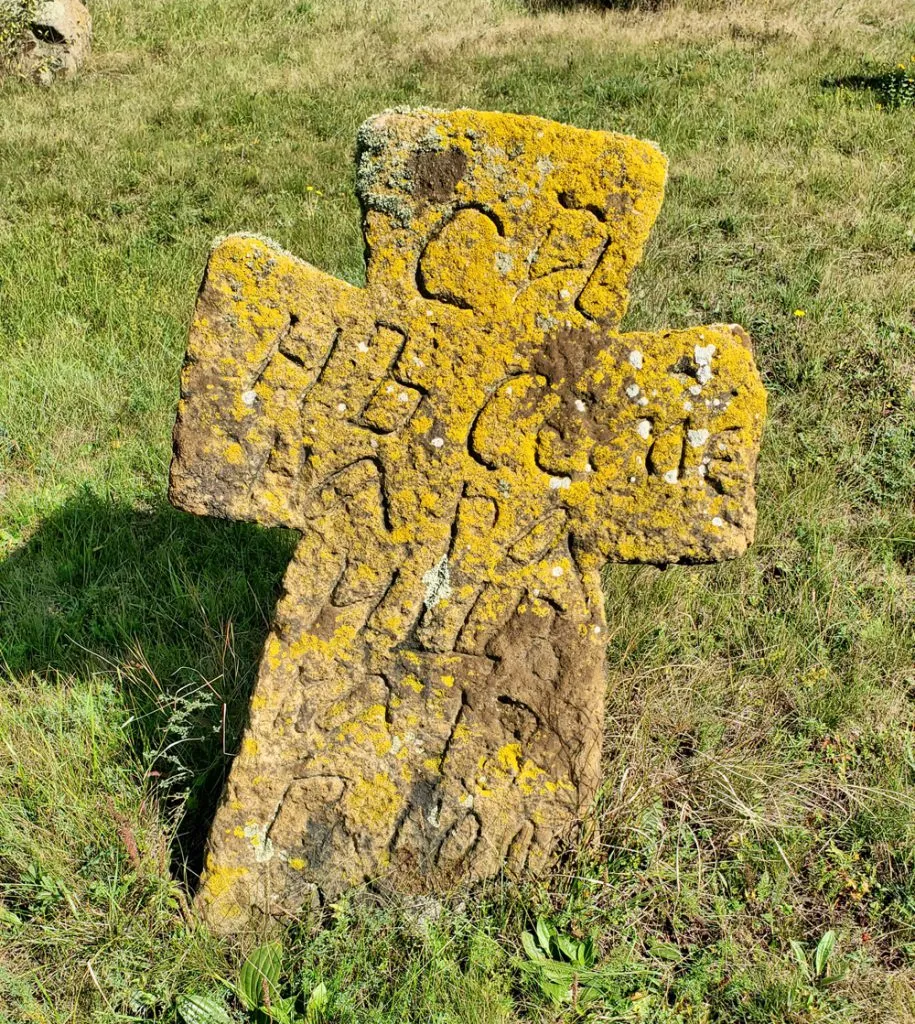
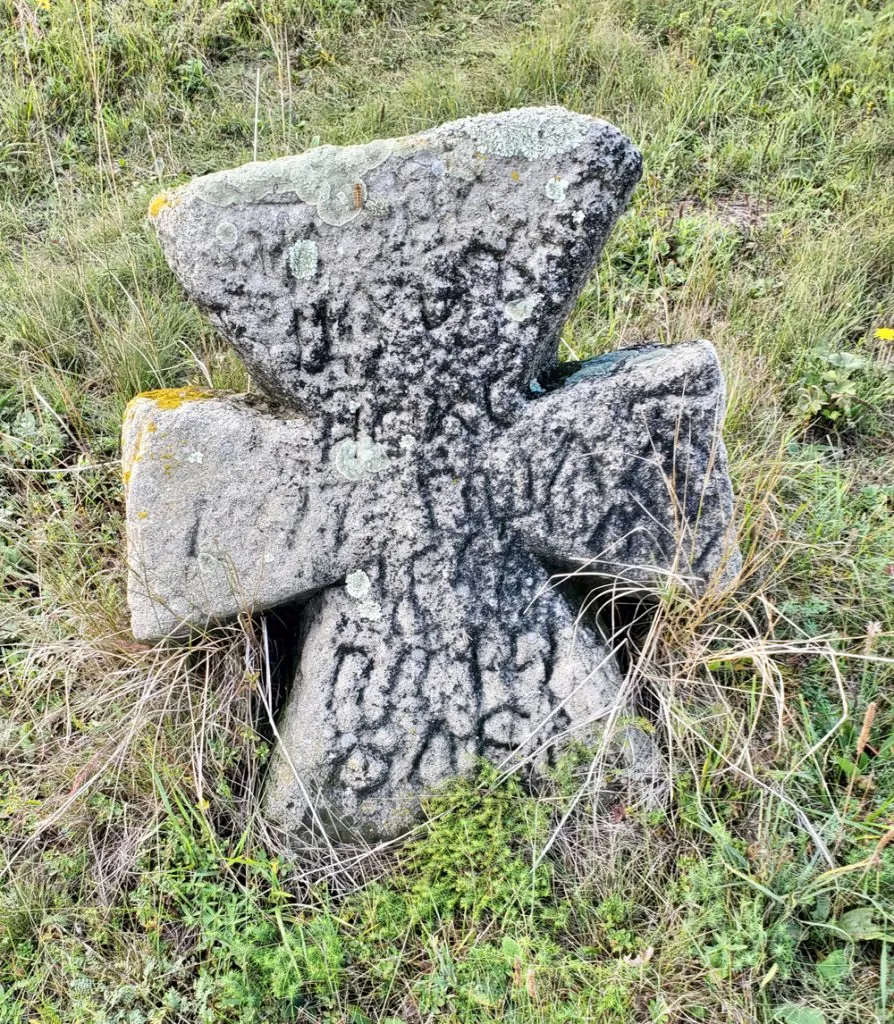
The name Kolodyste, according to legend, comes from the old forest that once densely surrounded the village. Probably during storms many ancient trunks, “kolody” (logs), fell. Today no forest is left at all.
Kolodyste is part of Zvenyhorodka district of Cherkasy Oblast. About seven hundred people live in the village. Be careful and do not confuse it with Kolodyste in Uman district.
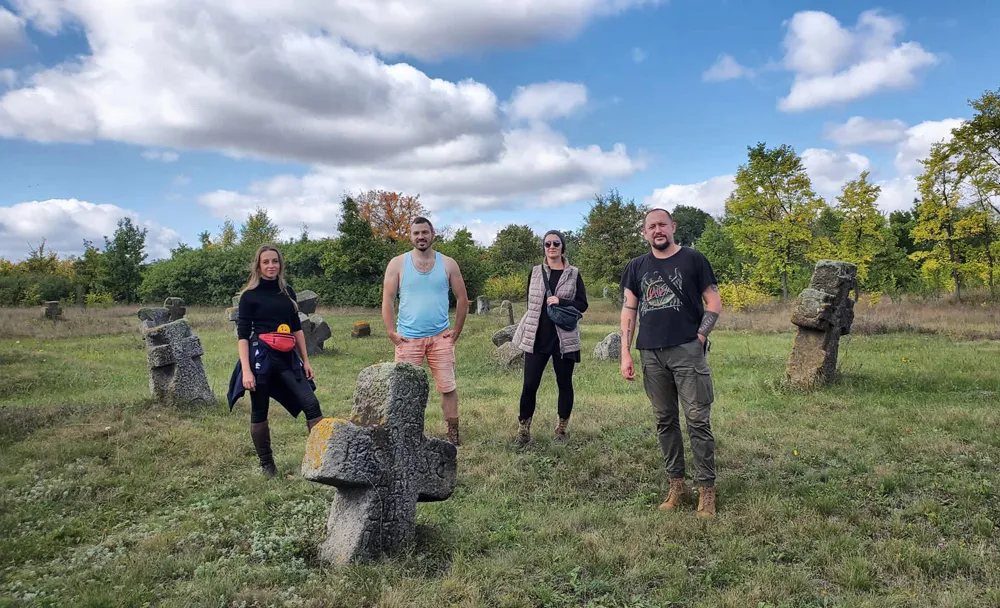
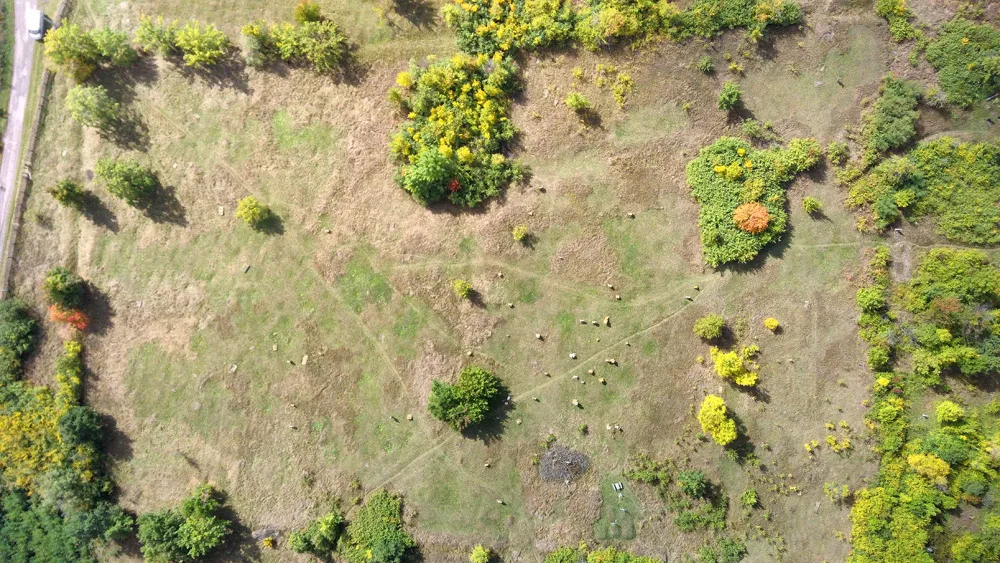
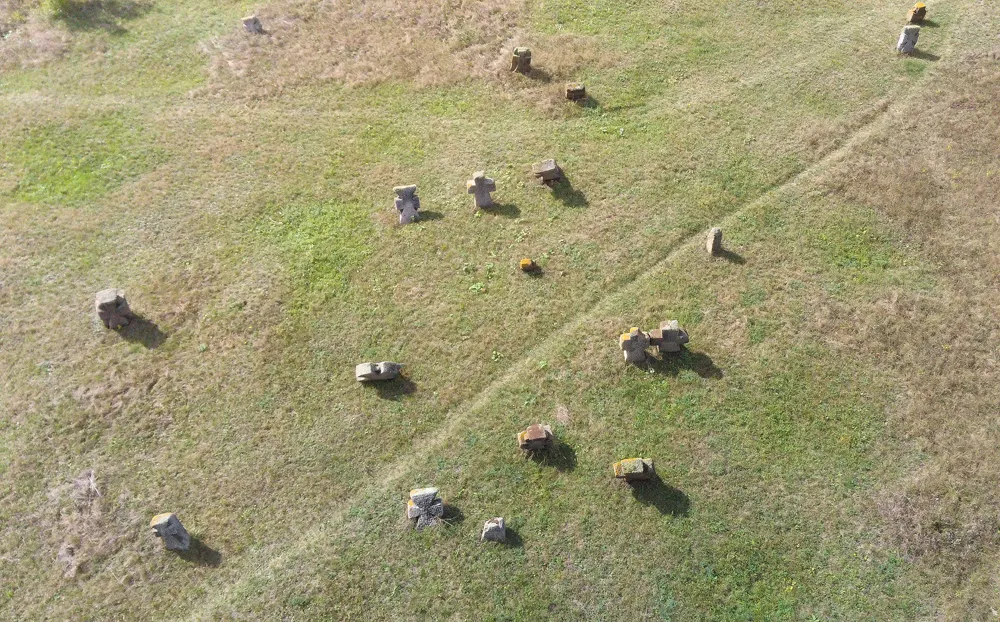
Local residents told us about the existence of the old cemetery in Kolodyste in 2021. In February 2022 a team of the NGO “Ukraine Incognita” visited the cemetery and photographed the stone crosses and tombstones. We visited the site again in September 2022, examined the crosses and slabs, photographed them again, took aerial shots (from a drone), and recorded the coordinates of the cemetery’s extreme points:
48.881738, 30.875846
48.882147, 30.877069
48.880920, 30.877809
48.880623, 30.876779
The area of the old cemetery is 13,286 sq. m, its perimeter 473 m.
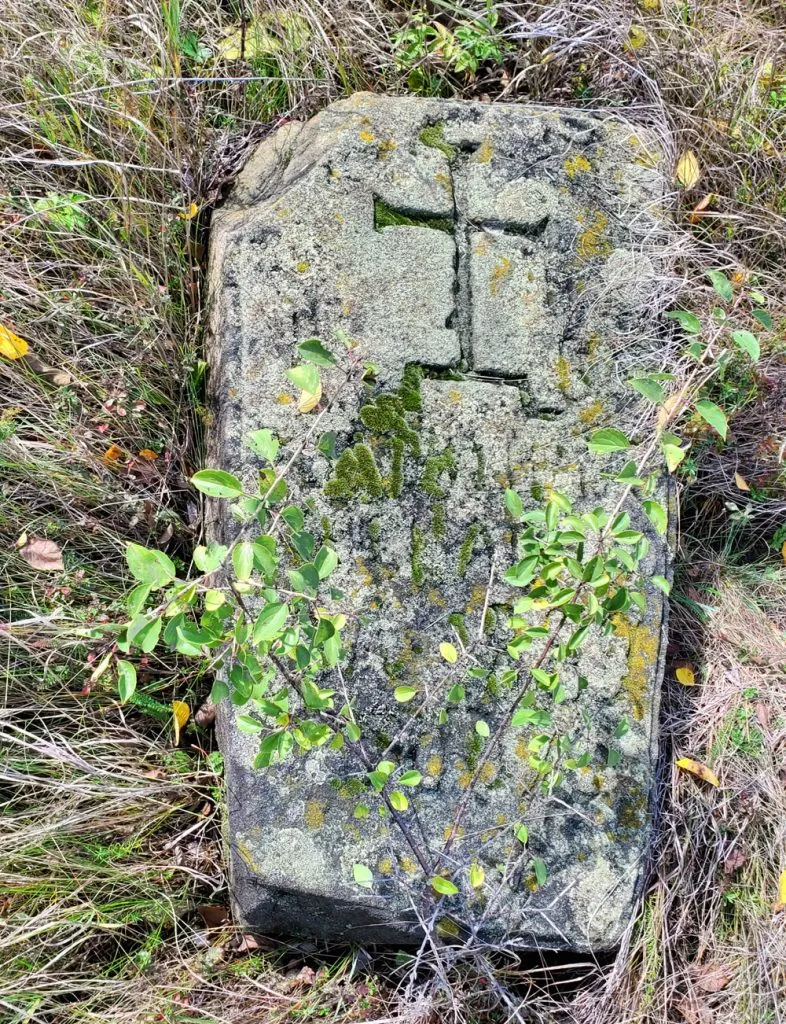
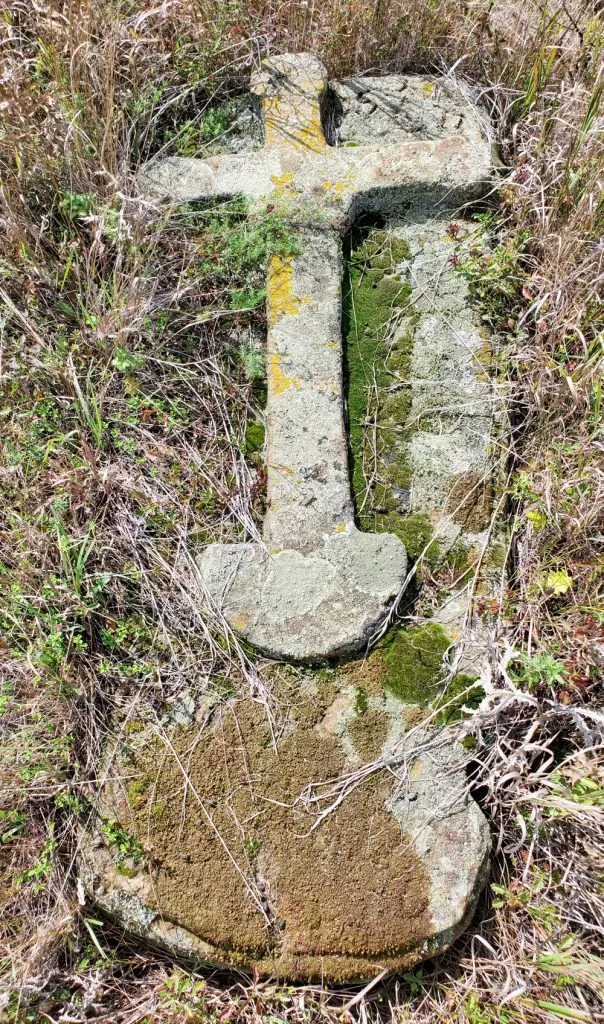
In the cemetery we counted 45 old stone crosses, the oldest of which probably date from the end of the 18th century (local residents told us this, but the inscriptions are already hard to read), and almost 150 large 19th-century grave slabs lying horizontally. One can assume that there are more crosses and slabs, since some of them have probably already been covered by a layer of turf and soil.
The Kolodyste cemetery is a unique monument, but it is not entered in the Register of Monuments. The NGO “Ukraine Incognita” has collected information and submitted a request, as well as a card of a newly identified monument, to enter the cemetery in the Register, and is preparing materials and looking for funds for the cemetery’s restoration.
Incredible stories of crosses. The Kosoblyk cross
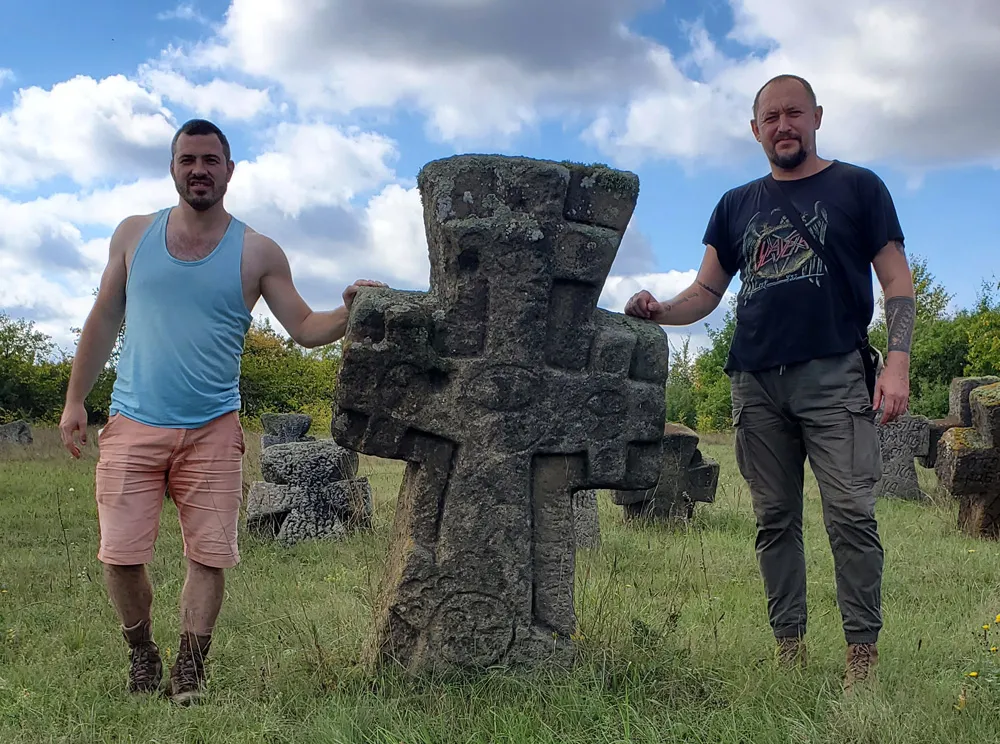
The largest and most colourful cross in Kolodyste (Cherkasy Oblast, Zvenyhorodka district) seemed to us a real mystery. Until we did a photogrammetric survey, created a three-dimensional model and then printed it on a 3D printer, it was hard for us to read the epitaph. Roman Zakharchenko-Ushalieuski helped us with this: one of the best archive researchers and trackers of all those we know.
The result is a real historical detective story.
----
Under the cross lies Vasyl Kosoblyk (Kosoblik), judging by the cross a man who was far from poor. Such a cross cost as much as a herd of cows. Vasyl died in 1810 (the date on the cross). Roman found documents stating that in 1795 Vasyl Kosoblyk was 80 years old, so he died at the age of 95. Imagine: a man was born in 1715 and lived through the whole of the 18th century. Who was he? The documents indicate that in 1795 he was a peasant, as in 1810 when he died. But Roman drew our attention to the fact that his wife was 30 years younger, and she bore him 5 children. Probably these children put up the cross for their father. Interestingly, the eldest son was born when Vasyl was already over 40. Where was he until then? Probably not in the village, for how could he have lived half a century (almost) in a village in those times without a wife? Where did he get the money? Big money, with which he raised and made rich the family that put such a cross on his grave after his death. There are plenty of options, but the first thing that comes to mind is that Vasyl was a Cossack and was at the Sich, where Kalnybolota, the town nearest to Kolodyste, had its own kurin. There is no documentary evidence, and all of it could be called fantasy. Roman, as a professional historian (now he is in the Armed Forces), asks us not to pile up fantasies, but we are entitled to voice our hypotheses. So in our opinion, it is most likely that Vasyl Kosoblyk was indeed a Cossack, saved up “Cossack bread”, and in his old age (at 40 in those times a person was already old) came to Kolodyste. With considerable money. He took a young (very young) wife, who bore him five children, developed his farm and, probably, worked stone, like many Kolodyste residents. He made millstones, troughs and crosses. He lived a very long life, unbelievable for those times.
We should note that in parish registers and revision lists of that time mistakes in determining age are common: seventy-year-olds were often lost or added. Even if a dozen years were added to Vasyl’s age, it still does not affect our logical assumption, even if he was older than his wife not by 30 but by 20 years.
----
Friends, a question for you: where did Vasyl get such wealth, and where was he until the age of 35–45, when he came to Kolodyste and started a family? Where does a simple peasant get such wealth?
----
PS. If you need to research your own family tree or find some historical roots, contact Roman Zakharchenko-Ushalieuski, a master and fan of his craft, although now he is, first of all, a serviceman. Highly recommended.
Text and photos by Roman Malenkov