Kysylyn. A huge church and a tragedy

· 4 min read
Once we ended up in the Roman Catholic church of the settlement of Torchyn: a recent building, but very pleasant and full of character. The local priest, telling us about the surrounding parishes, mentioned a huge church in Kysylyn, saying that they would very much like to restore it, but without help from Poland or the Vatican it was unrealistic, as the building is too big. Wow, I thought, I have to go there. And so, via Kholopychi and Zhuravets, we drove to mysterious Kysylyn, about which I then knew little. The road to the village (in 2021) is a dirt track, periodically topped up with crushed stone. It is a bad road: tourist buses certainly will not drive along it, and tourists, sadly, will not see the majestic monuments of Kysylyn, now a small village but in the past a town.
The first documentary mentions of Kysylyn date from 1451, when the village came into the hands of members of the Lithuanian-Ruthenian-Polish magnate family of the Mylski, of the Kirdeja coat of arms. Their descendant Jerzy Czaplic-Szpanowski, in Kysylyn in 1638, when it was already a small town, sheltered exiled Socinians, Protestants who denied the dogma of the Trinity and who for this were called Arians in Poland, after a long-vanished Protestant movement that also denied the Trinity. An Arian school and congregation were opened in Kysylyn, and the congregation drew crowds of Protestants three times (in 1638–1640); then, by a decree of the Volhynian sejmik, the school and congregation were closed, and Czaplic-Szpanowski was made to pay a large fine. The congregation building was turned into a Roman Catholic church, and Carmelite priests were assigned to serve in it.
Interestingly, between the first owners and Czaplic-Szpanowski, Kysylyn was an estate of the well-known Kisiel family, from whom it received its name. The Arian school and congregation were opened precisely by Ostafi Kisiel, who then sold Kysylyn to Czaplic-Szpanowski.
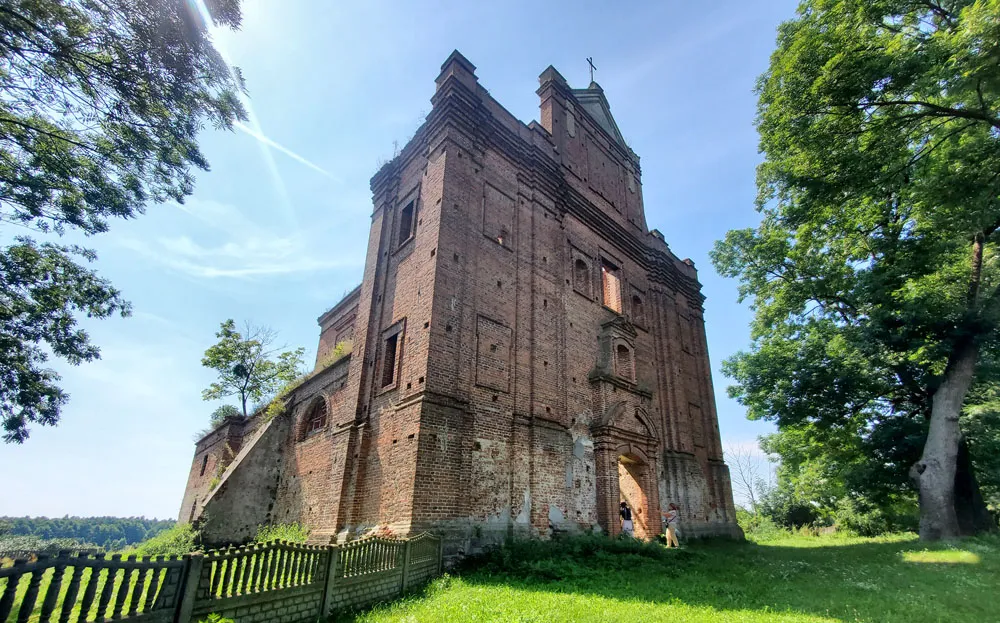
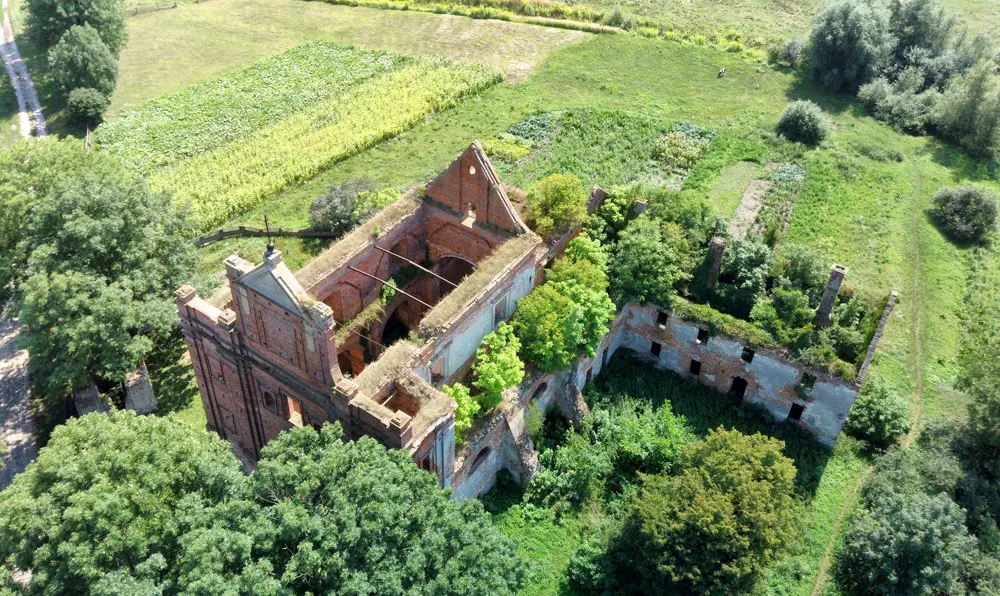
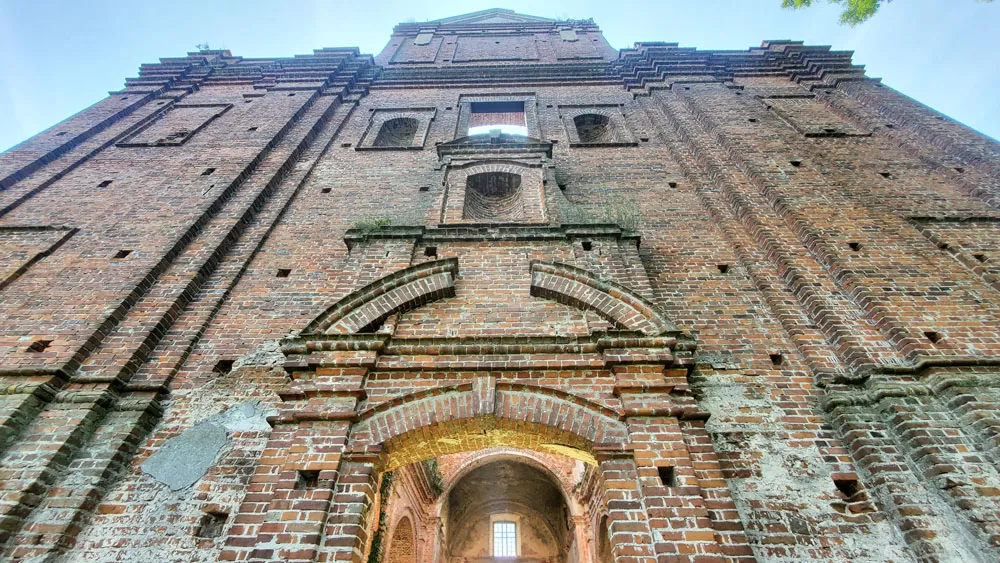
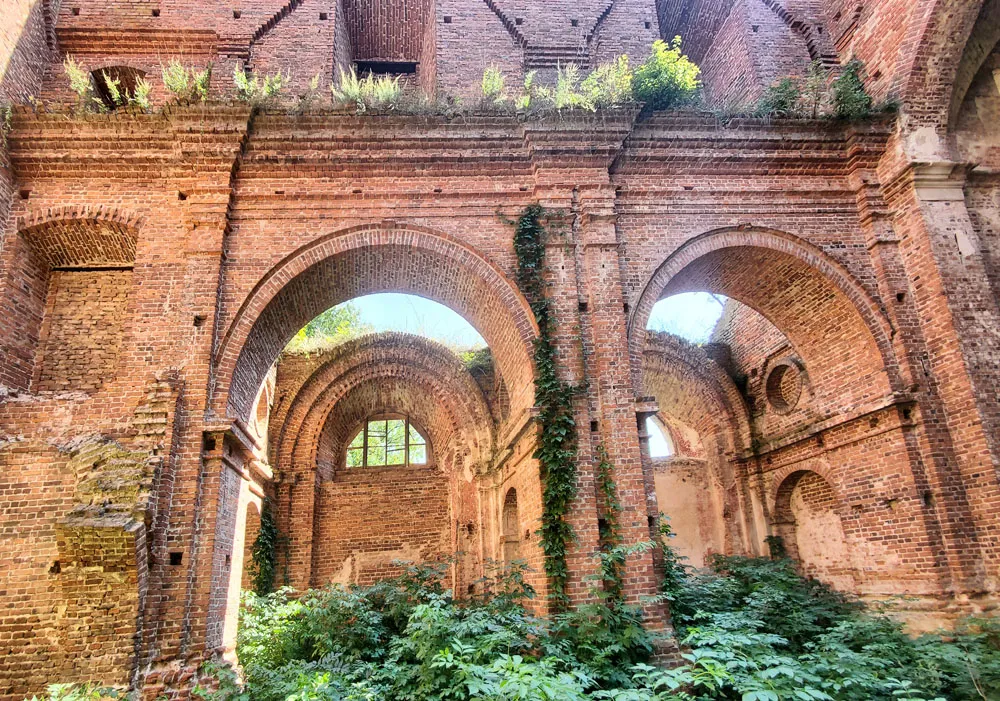
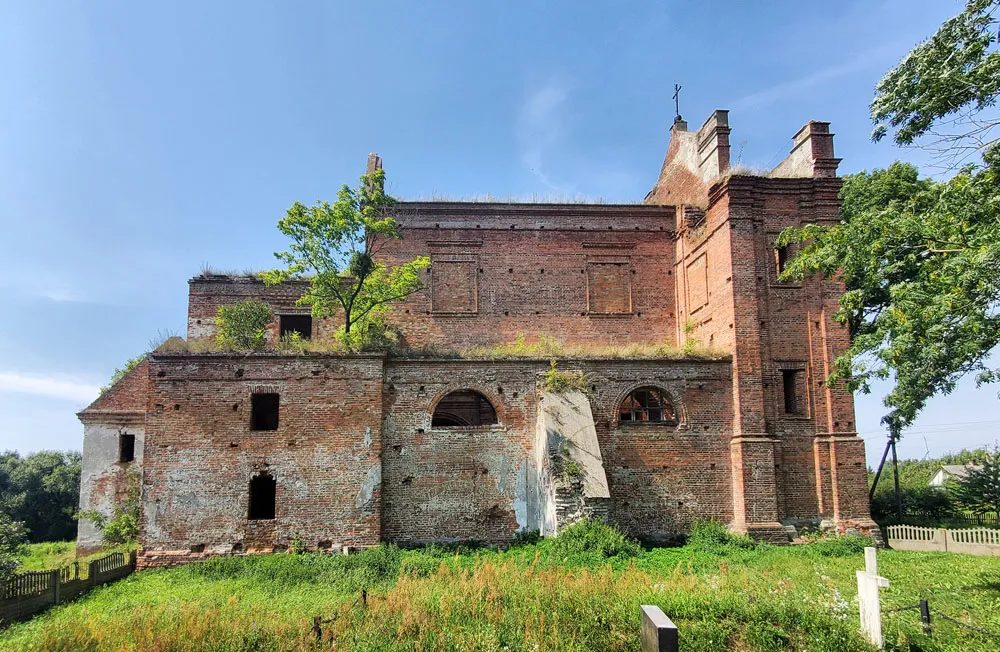
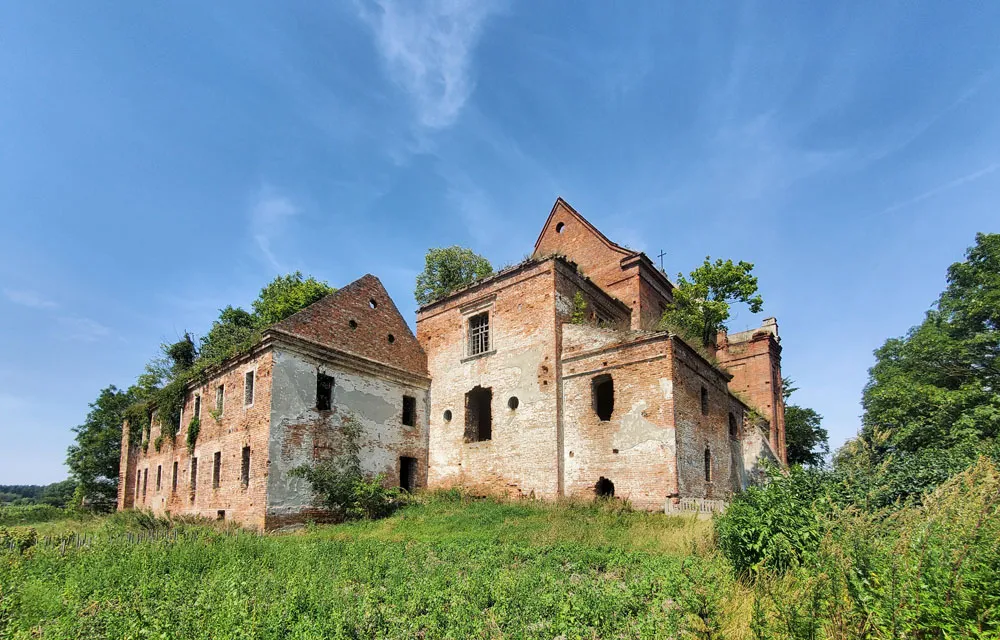
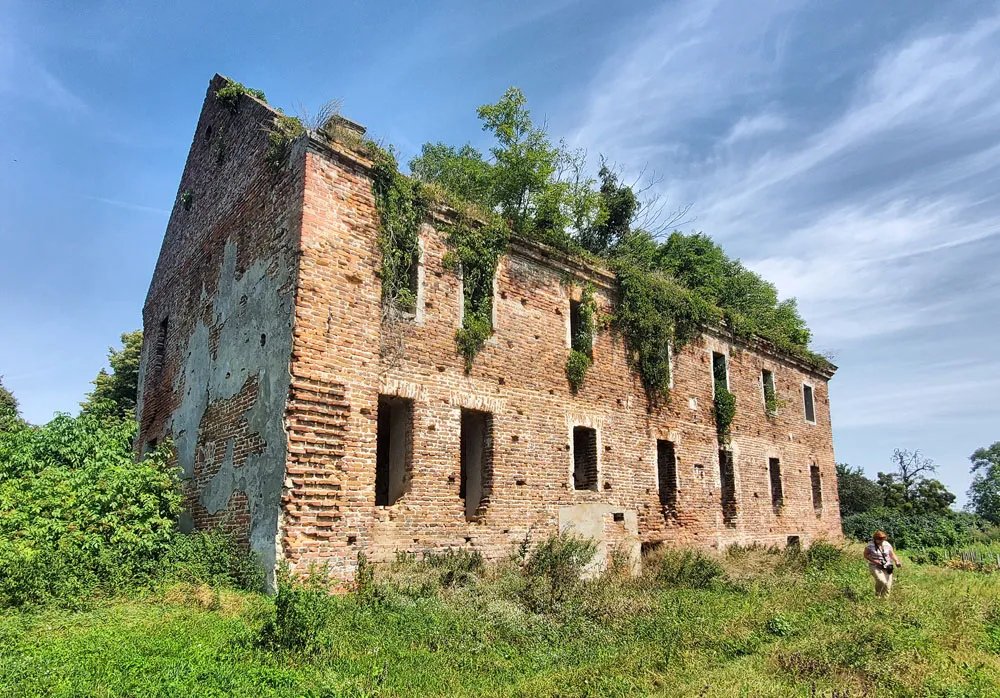
Former Carmelite monastery
Kysylyn has an active Orthodox church, the Church of St. Michael. It was built in 1777 and was probably Greek Catholic from the start, but after Russia came to Volhynia the church passed to Orthodoxy. The style of the church is Baroque. It is small but very interesting in its forms. They say its walls are more than a metre thick and that it could also have served a fortification function. Quite often the Internet says that St. Michael’s Church was built in 1645. In fact that was its wooden predecessor.
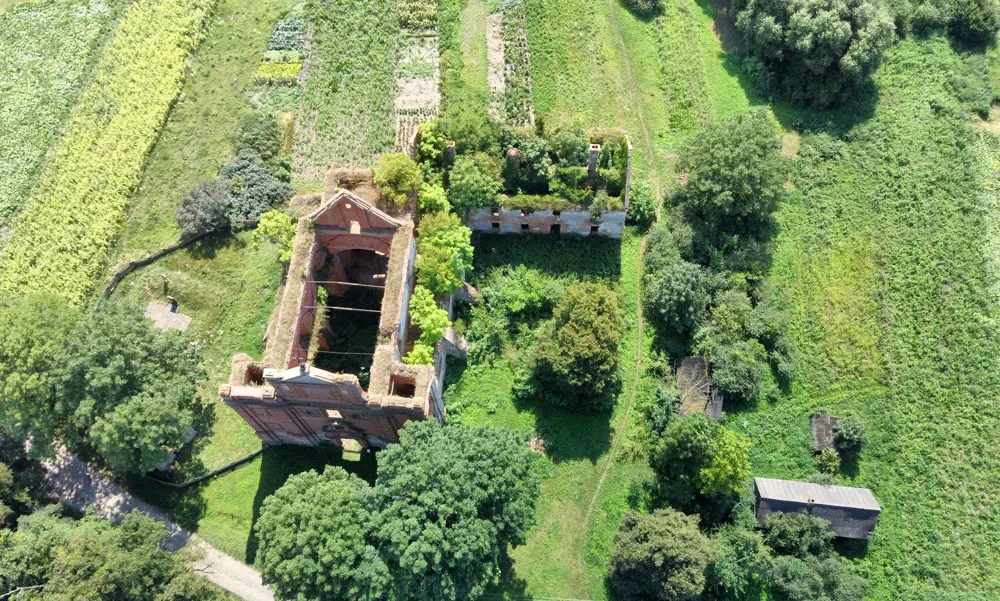
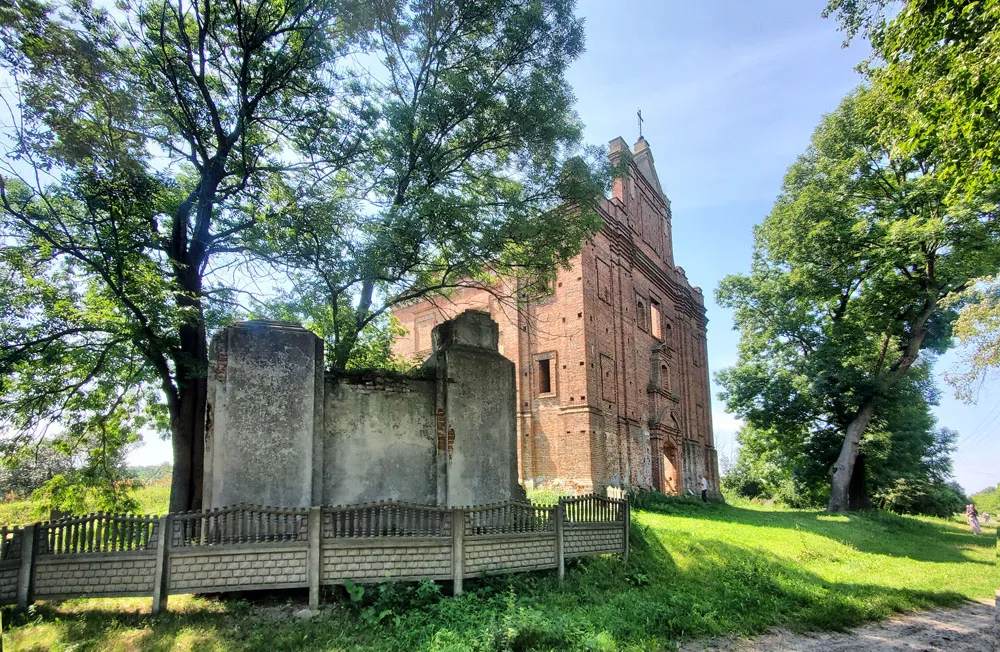
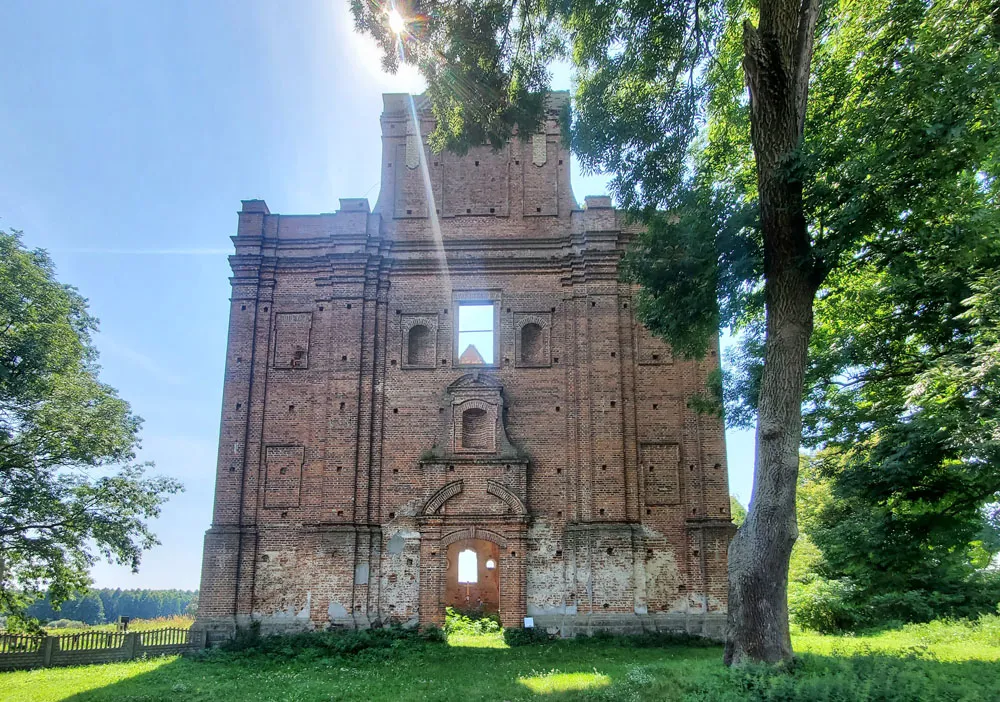
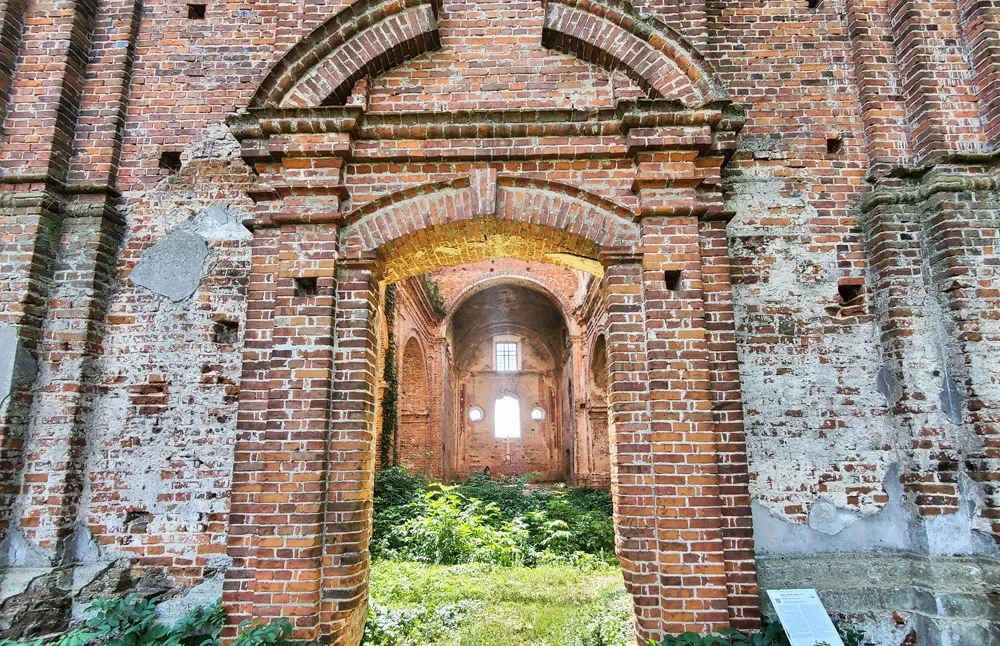
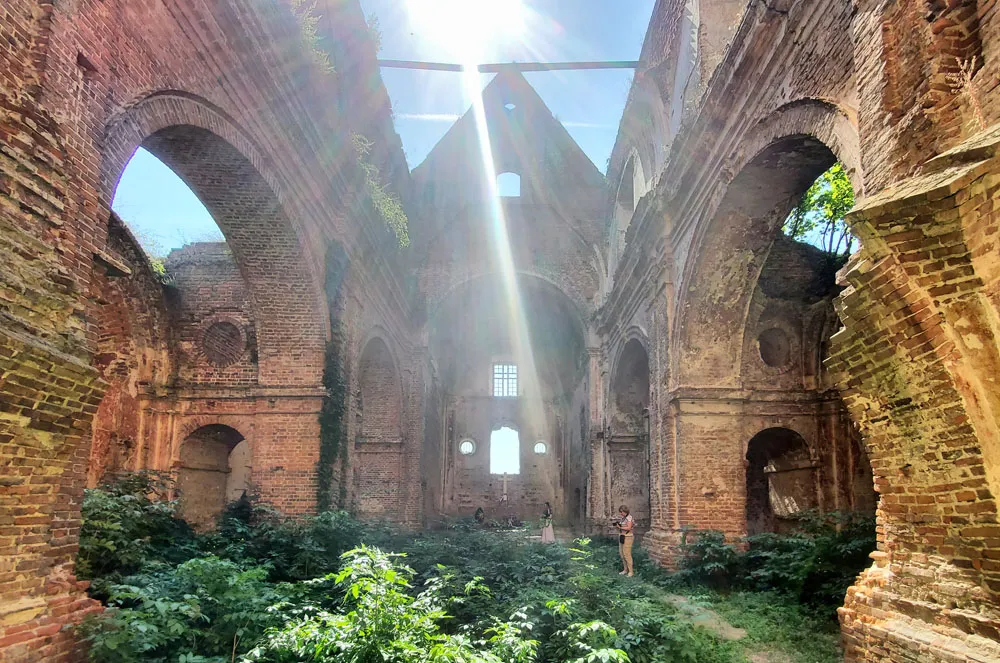
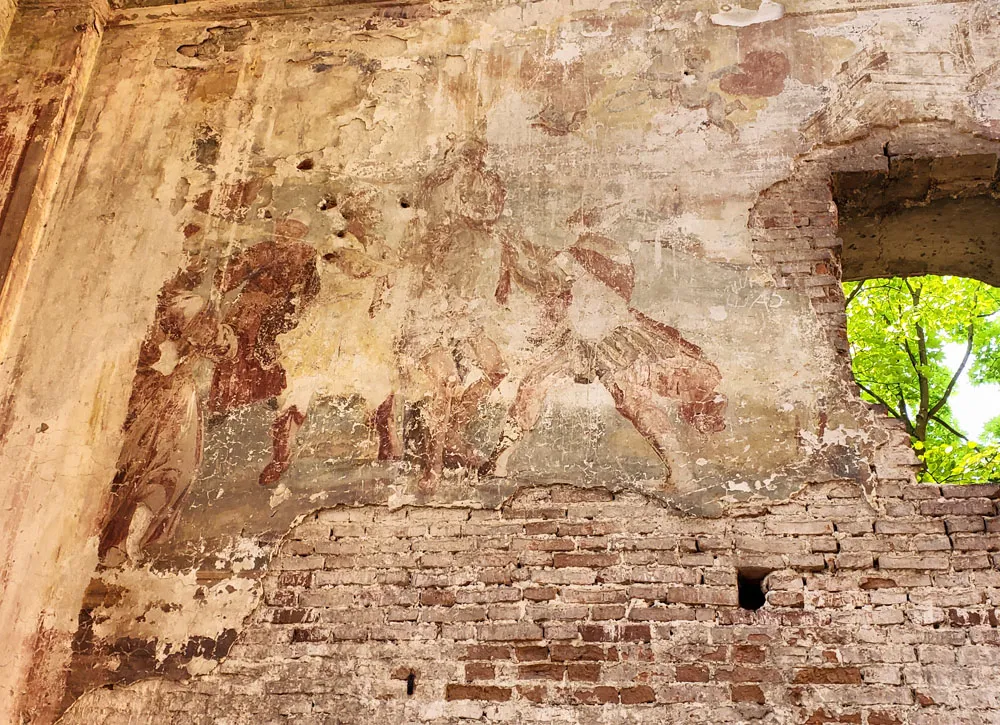
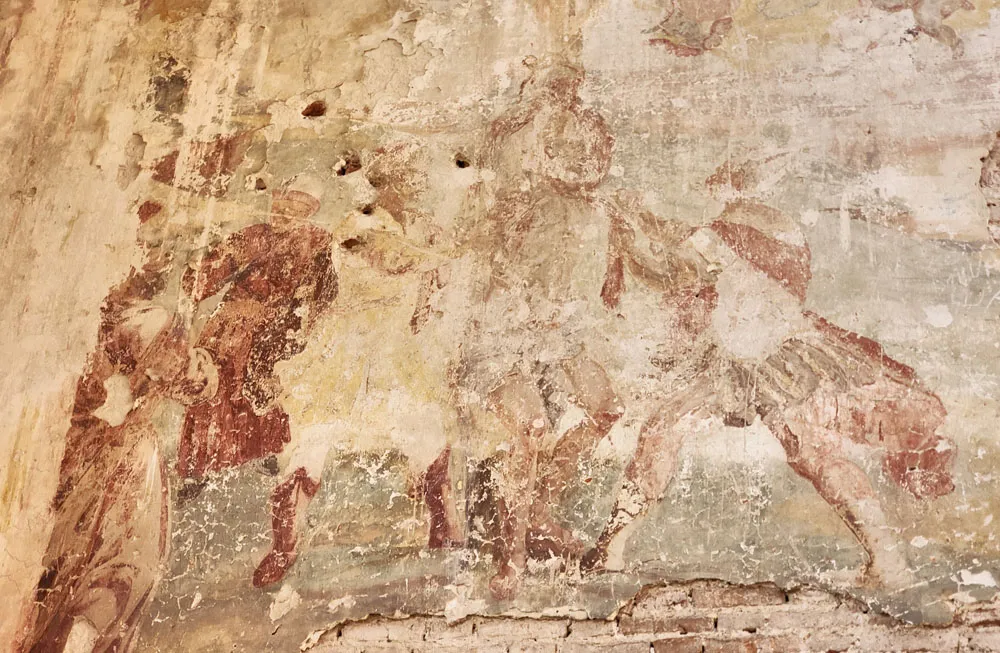
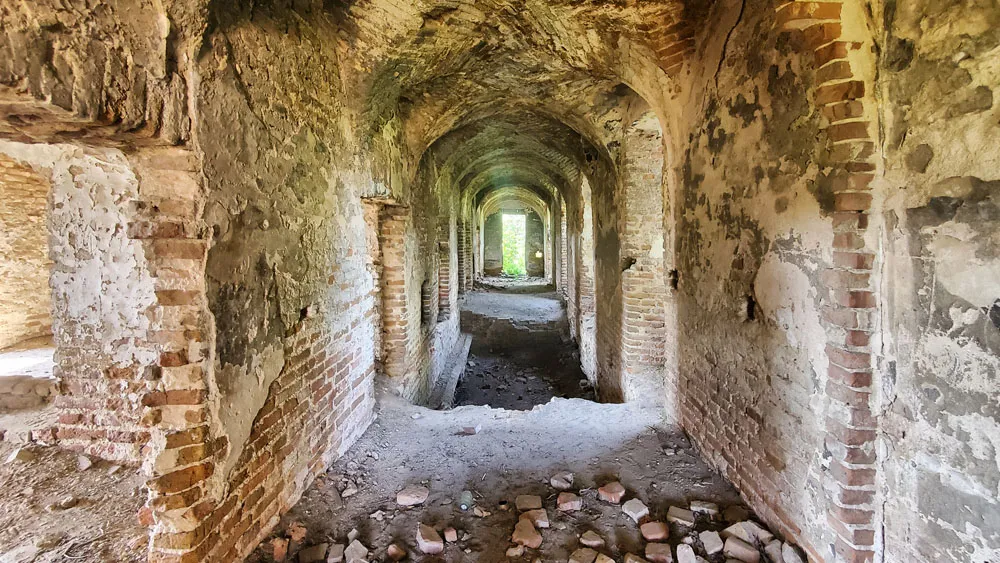
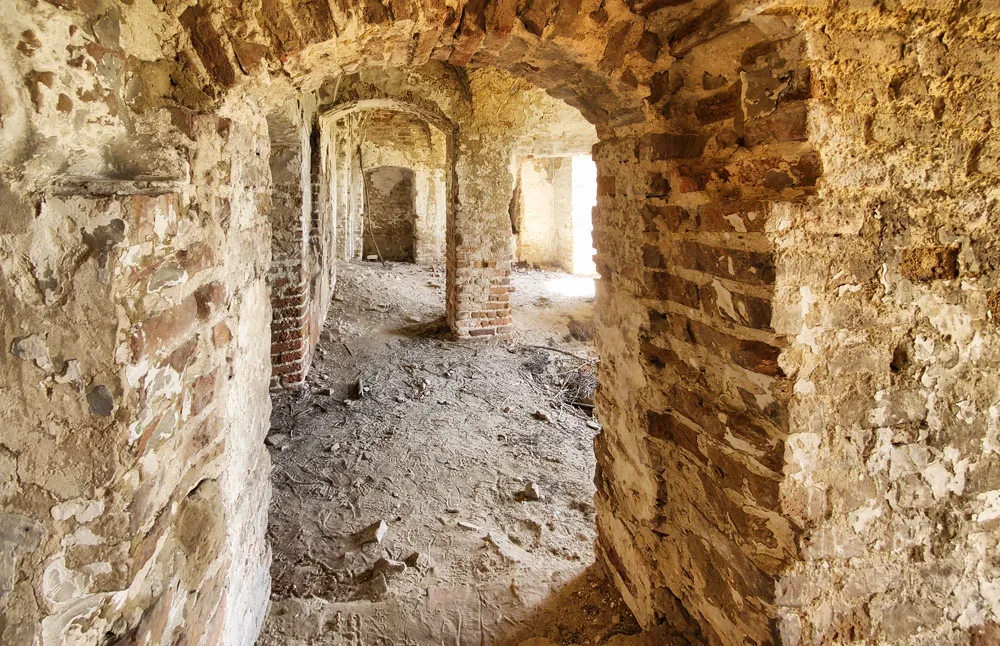
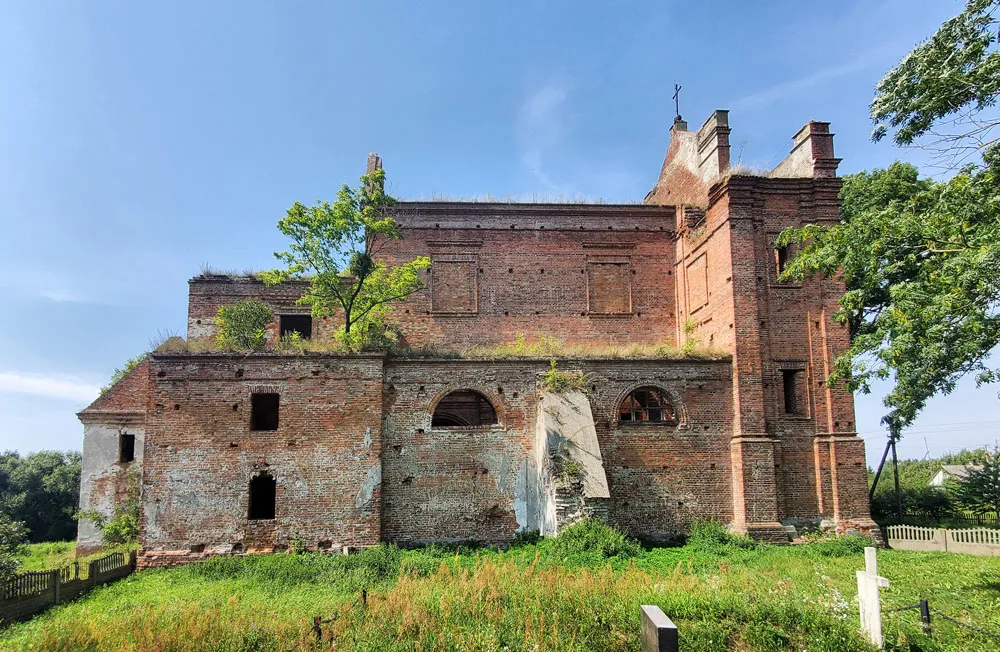
The main monument of Kysylyn is the former Carmelite monastery with the huge Church of the Immaculate Conception of the Mother of God. This is the very building the priest in Torchyn spoke about. Incredible. In summer the monastery looks like some temple of the ancients in the jungle. There is no roof or floor, and no windows or doors either. The underground passages, probably dug back when the Arian congregation was here, were filled in long ago, but the large vaulted cellars have survived, so there is somewhere to wander and clamber. The church was once covered with beautiful paintings, and here and there on the walls they can still be made out today.
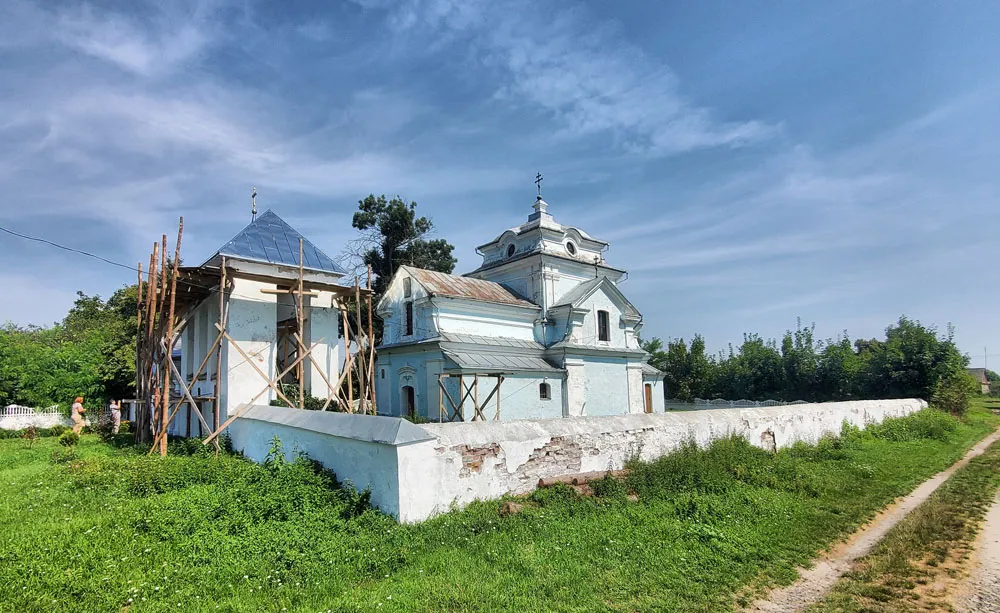
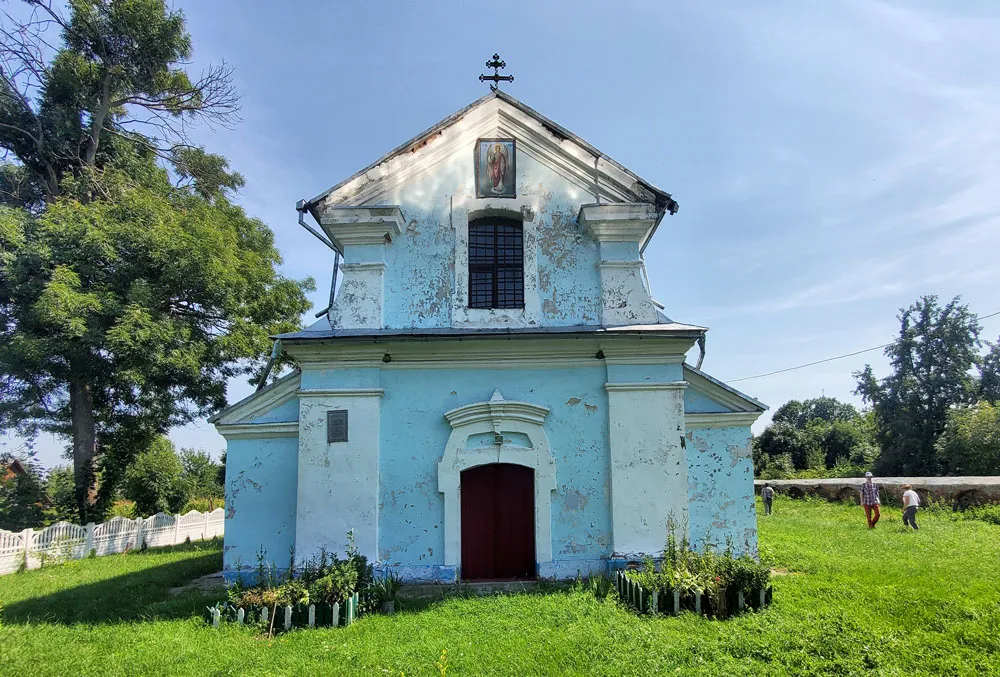
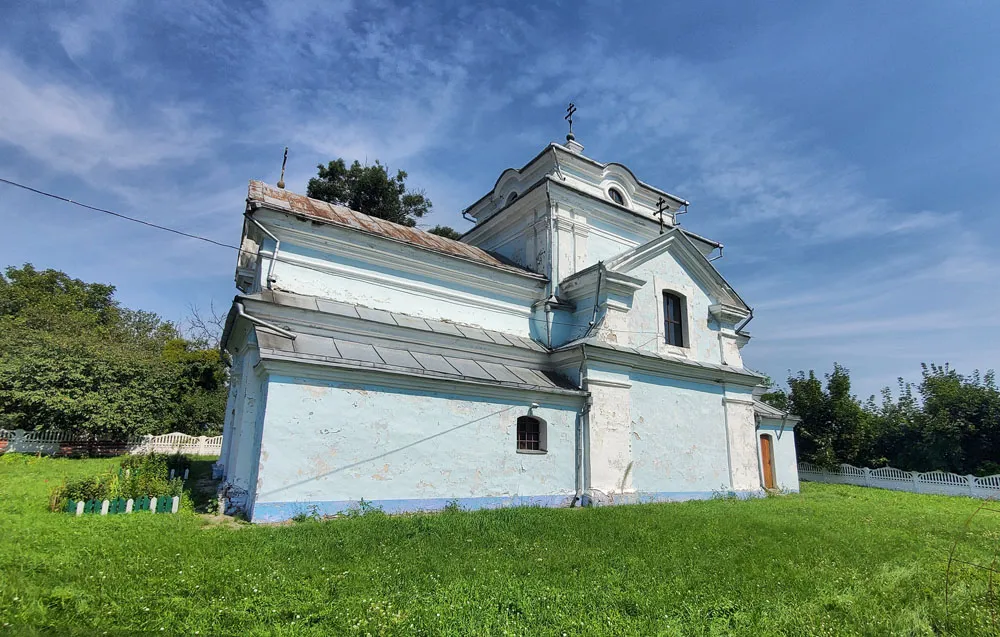
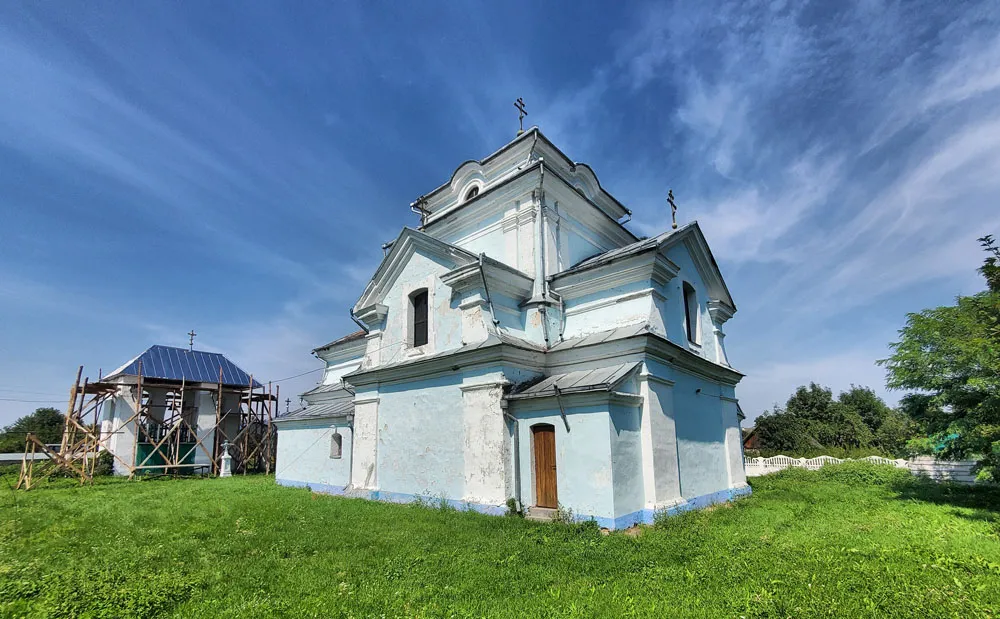
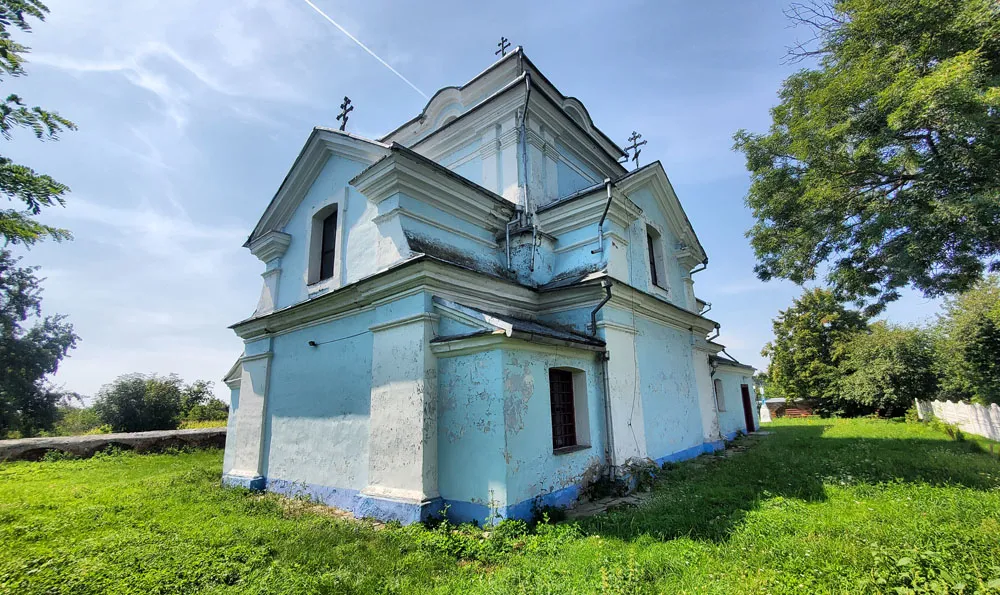
St. Michael’s Church
The monastery was dissolved in 1832 and became a parish church.
During the First World War the monastery buildings and the church suffered badly. In the interwar period, under Polish rule, the monastery was restored, but in the Second World War it suffered even more. In the post-war period workshops for processing flax and hemp were set up here, and then a fire turned the incredible church into ruins.
A sad event, called the Kysylyn tragedy, is connected with the Church of the Immaculate Conception. To describe this event I want to quote a text from a local website, so that no one can accuse me of inventing anything.
The black day of 11 July, which fell precisely on a Sunday, deserves to be called the Kysylyn tragedy. A UPA unit, with the participation of some local Ukrainian peasants, surrounded the Poles who had gathered for a service in the church and shot them with machine guns.According to Polish estimates, between 60 and 90 people died, but according to the testimony of fellow villagers who lived in Kysylyn at the time, the number of victims was no more than 30.
Those who survived (about 200 people, according to various sources) fled to the presbytery and barricaded themselves there for eleven hours. According to the Ukrainian historian Ivan Pushchuk, there may have been fighters of the Polish Home Army among them.After the UPA soldiers left, local Ukrainian peasants carried the Poles’ bodies out of the church and buried them. A small cemetery is located a few metres from the church. It is almost deserted; only from time to time do locals mow the grass there.
They say Kysylyn was unlucky with its location, being far from the main transport arteries and so on. But one cannot let such a majestic monument as the former Carmelite monastery disappear. At the very least, a road should be built here.
Text and photos by Roman Malenkov.