Malynivka. Ratsulove. A Cossack cemetery and Meskhetian Turks

· 3 min read
There is very little information about Malynivka on the internet; practically none at all. Only that the population here is 420, that the former name was Ratsulovo, and that 70% of the population consider Ukrainian their native language, 4.29% Moldovan, and 1.19% Gagauz. Many questions arise at once: why was the village called Ratsulovo until 1945, and why was it renamed? The Soviets renamed names of foreign-language origin; that was the rule. So “ratsul” is something foreign-language, but I did not find such a word in Google Translate. And why are there no residents who consider Turkish their native language? Oh, I am getting a little ahead of myself.
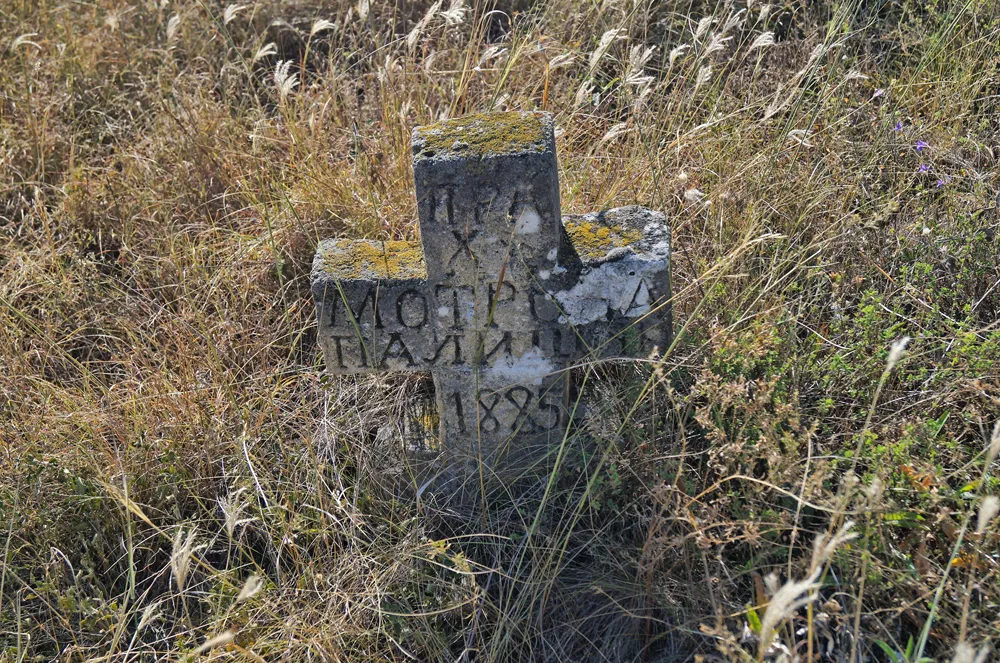
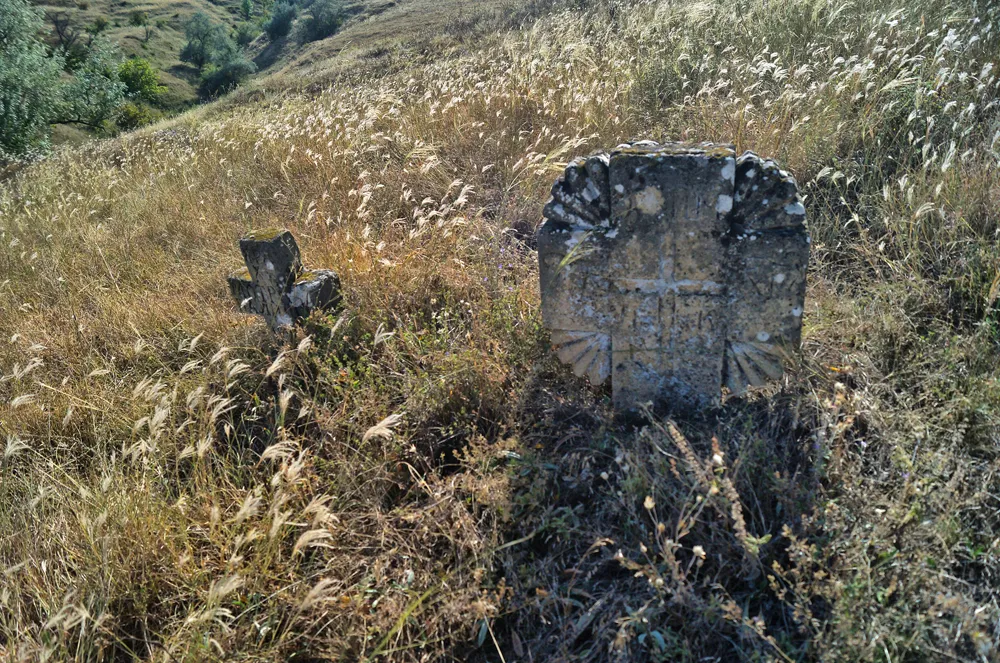
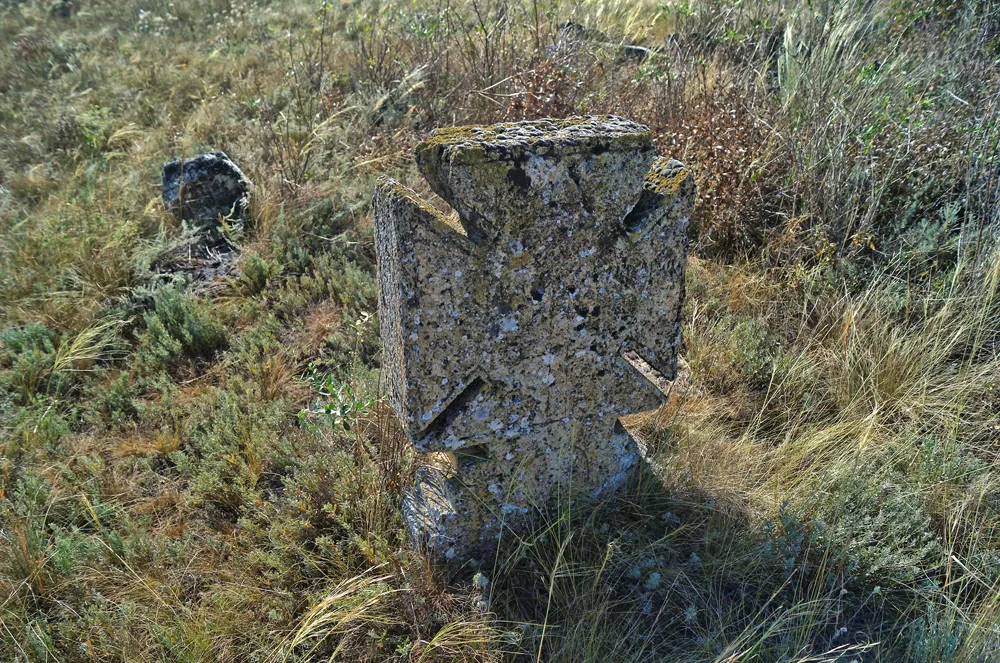
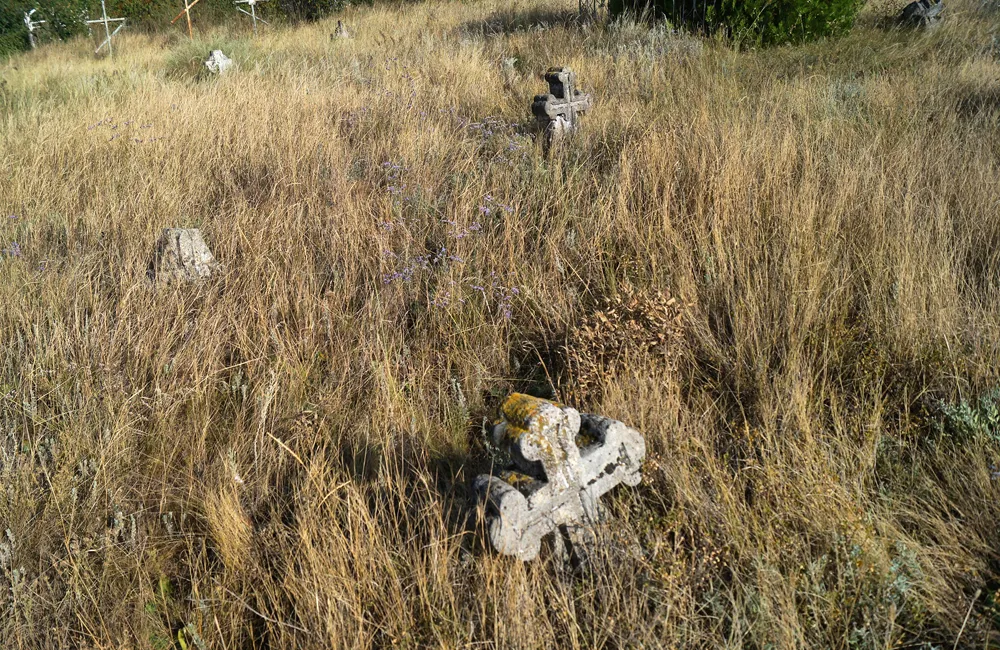
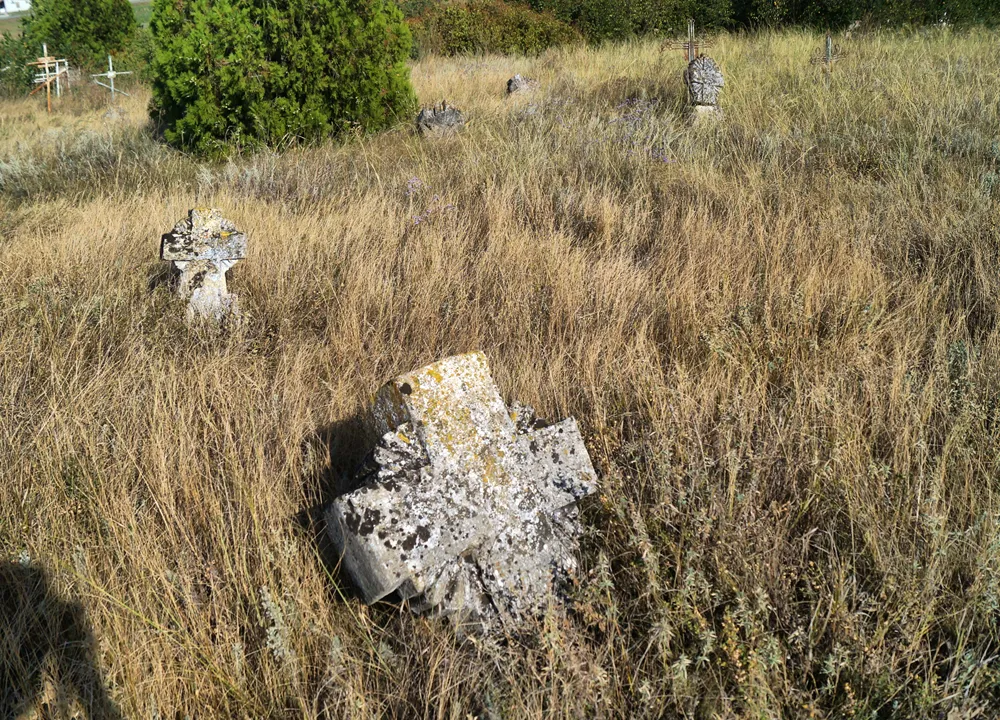
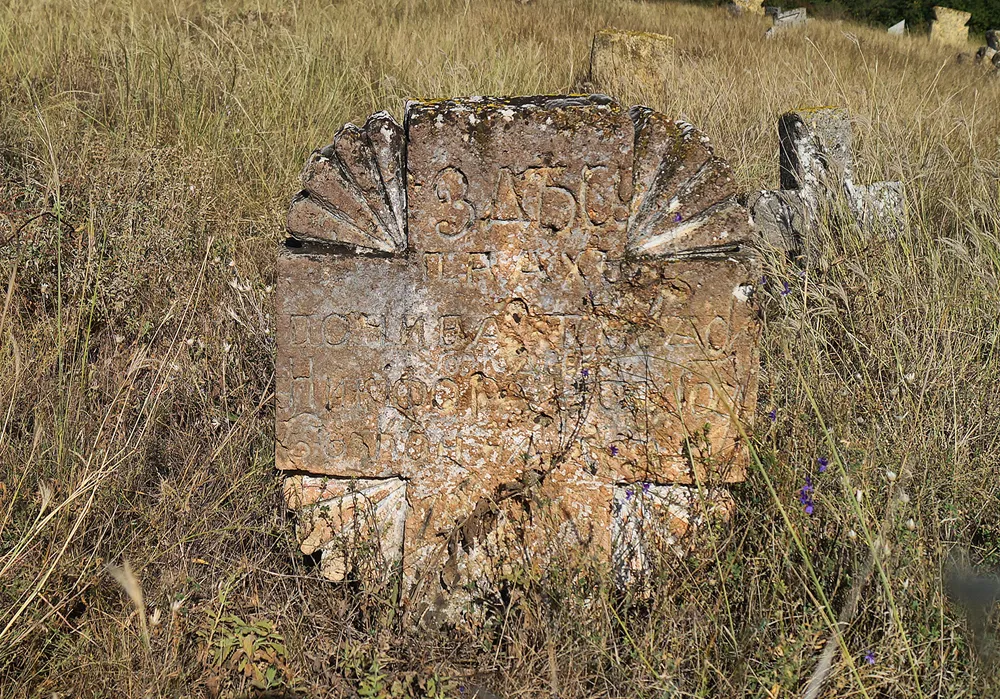
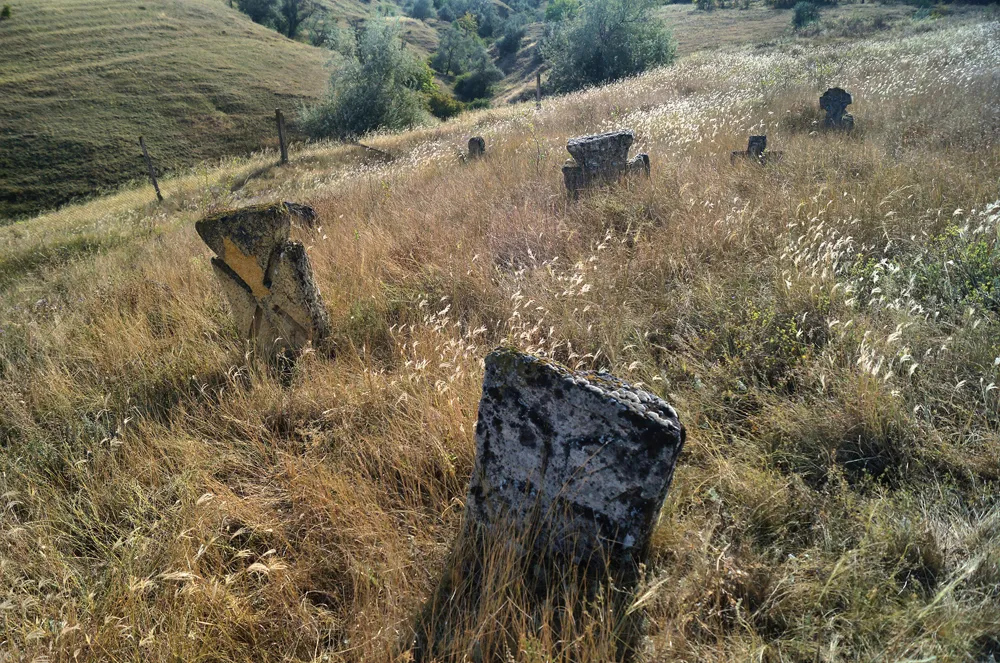
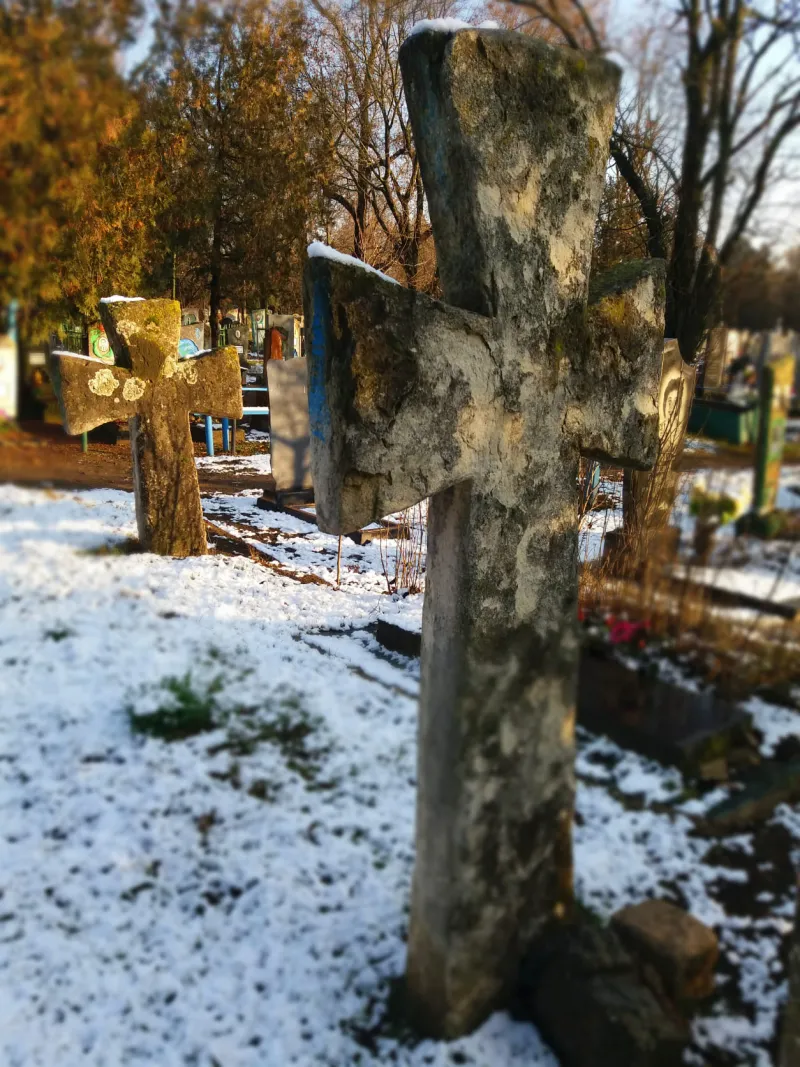
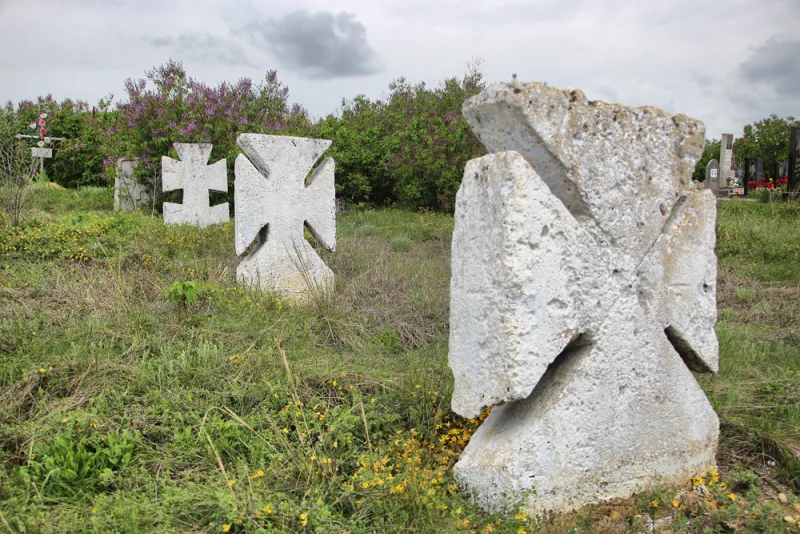
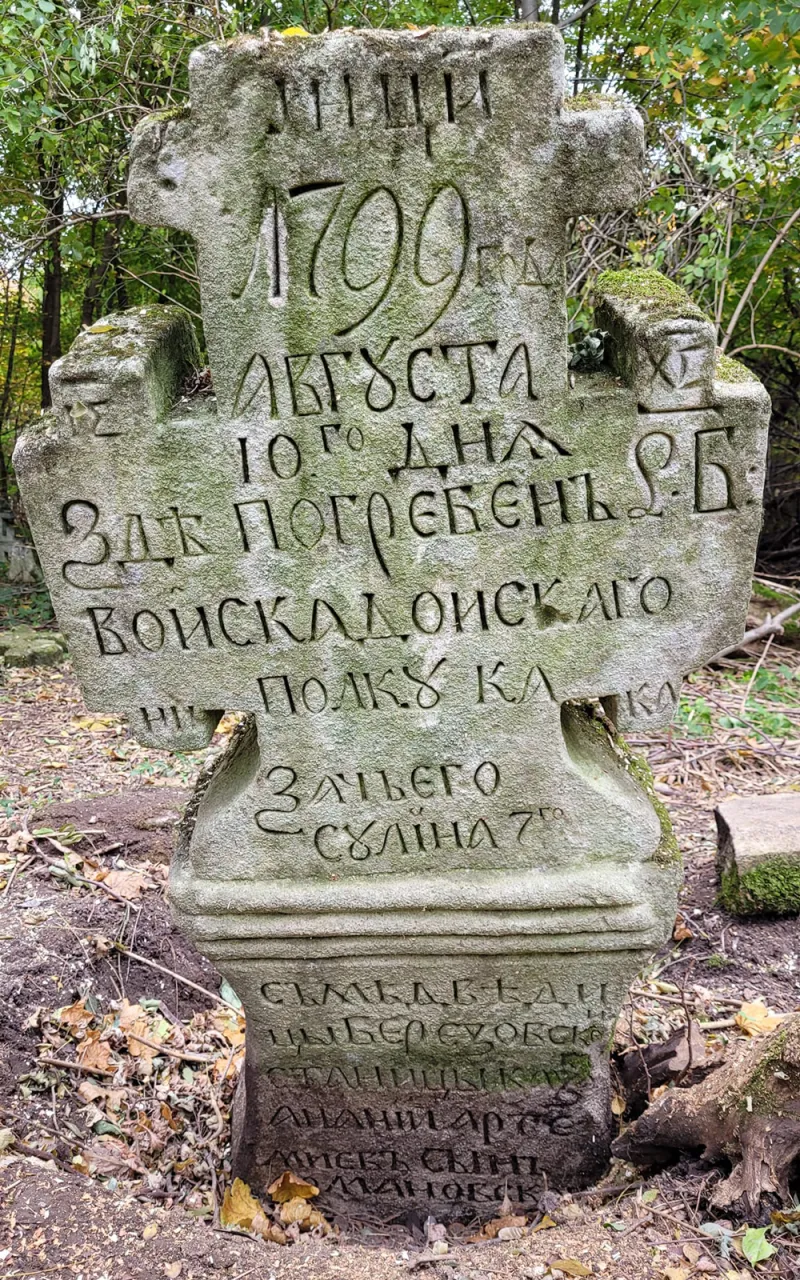
We got to Malynivka quite by chance, on the way to Baranove, or rather from it. Having noticed nothing special, we headed towards the Odesa highway, when someone said that stone crosses could be seen on a hill beyond the village. An old Cossack cemetery. What a find. In Odesa Oblast, in fact, the largest number of Cossack cemeteries with stone crosses has survived. Cossacks settled here after the destruction of the Sich, and there was no timber for crosses. So they carved their grave crosses from stone. The largest Cossack cemetery is Sotnykivska Sich; we have already written about it, it is something incredible, but the cemetery in Malynivka, abandoned, in weeds on the slope of a high hill, looks no less colourful.
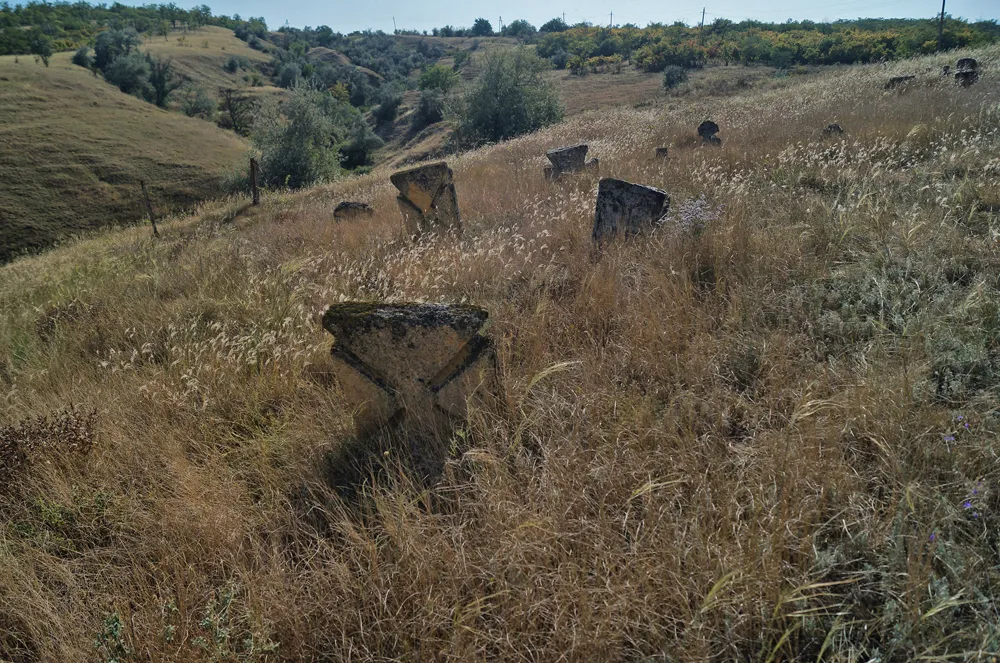
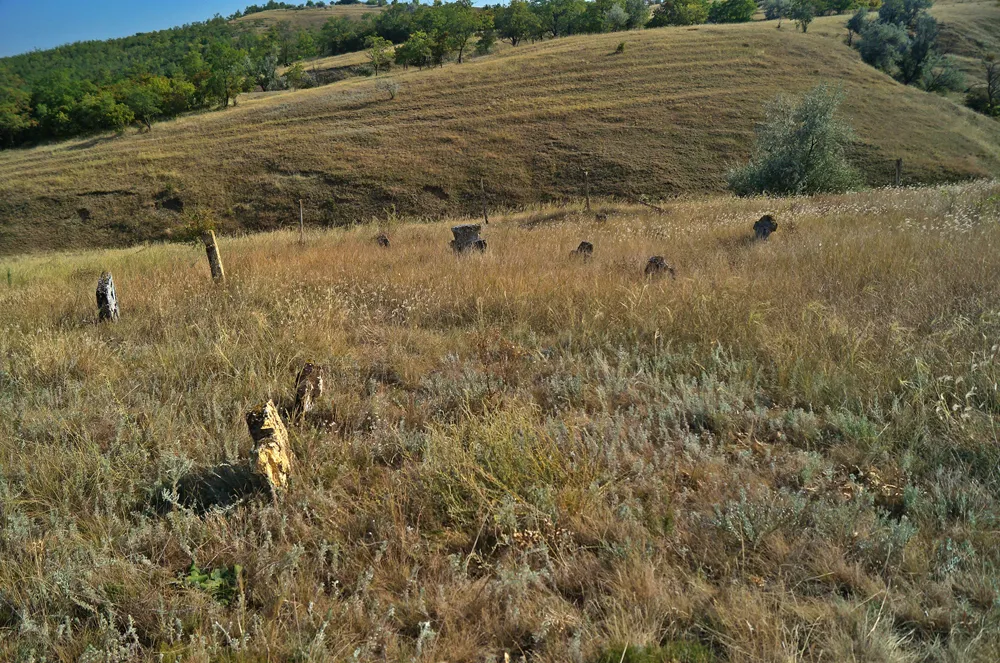
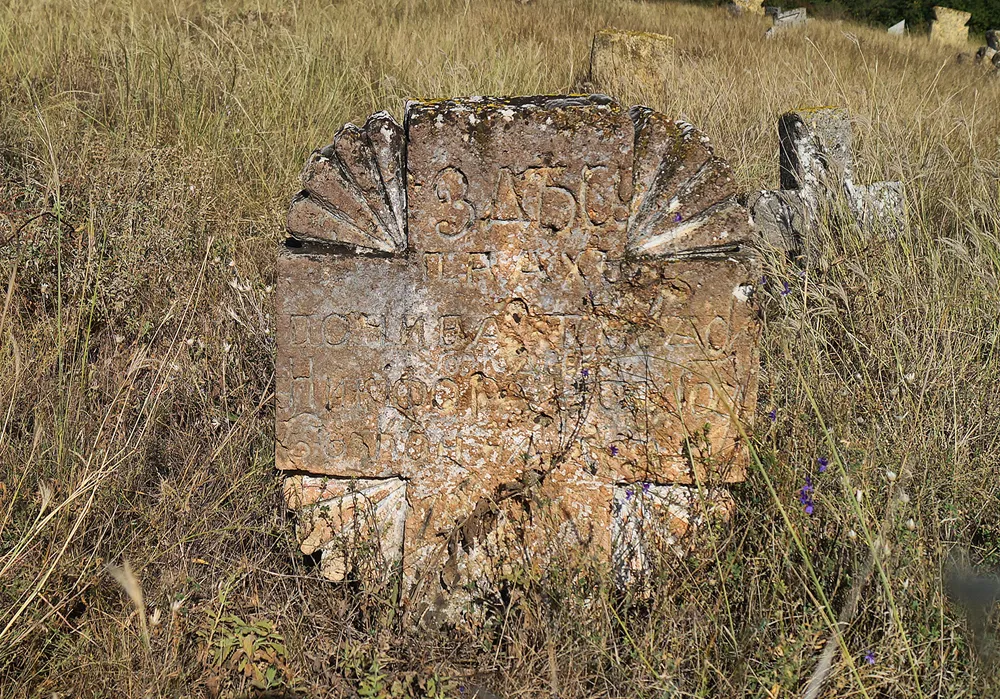
Most of the crosses, judging by the inscriptions we managed to make out, date from the second half of the 19th century. I do not know whether there were Cossacks in Ratsulove at that time (the Cossack estate was abolished only in 1917), but even if there were no Cossacks any more, the Cossack tradition lived on, since many of the crosses resemble Maltese ones, which were also held in honour at the Sich. Most of the surnames on the crosses are Polishchuk. Perhaps a considerable part of the settlers came from Polissia. The cemetery is not guarded at all, is not a monument, and nobody cares about it. Some of the crosses have been thrown into a pile; perhaps for foundations, for anyone who wants to take them? How can this be: history breathes here, and they dig up and throw things on a heap. Barbarians.
We decided to return to Malynivka and ask around a little. We learned nothing about the cemetery: it is ancient, they said, it was there back in the days of Tsar Pea.
In the village we came across a few houses of completely non-Ukrainian architecture, more like German: elongated, under tile roofs. Or perhaps Moldovan. Old, definitely built before the Second World War. We found a fine building that was probably a manor house, although there is not a word about it on the internet. Or it may have been a school, but of very atypical architecture for the Russian Empire.
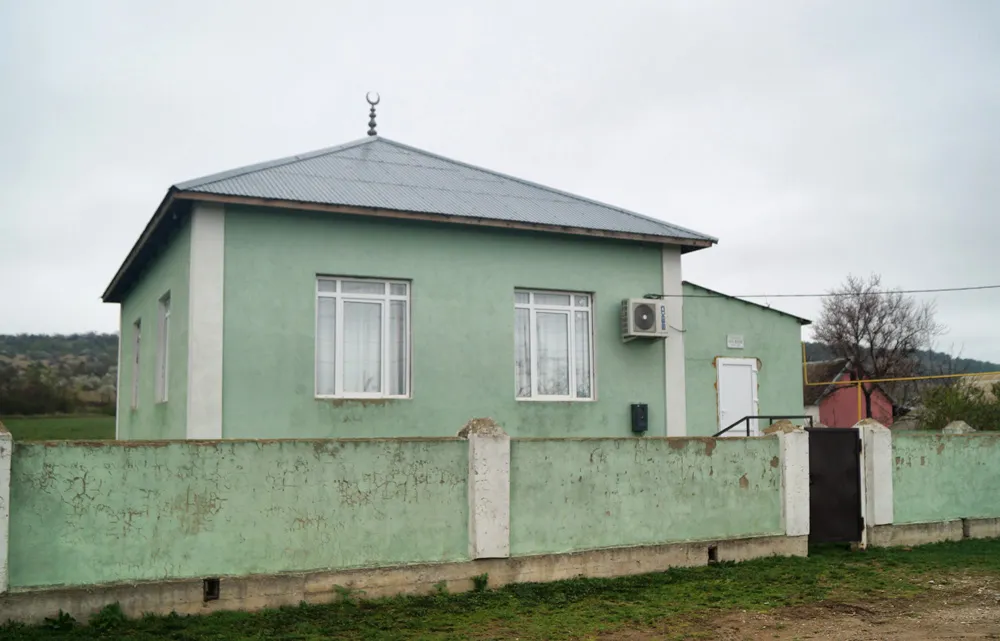
And we also came across… a mosque. Ebu Bekir Camii. Modern, made from an ordinary house, but a mosque. We asked the locals. It turns out that a community of Meskhetian Turks lives in Malynivka, deported here from the Caucasus in 1945. The deportation was carried out for the following reason (data from Wikipedia):
The deportation was carried out “on the grounds that a significant part of the population was linked by kinship with residents of the border regions of Turkey and displayed emigration sentiments, on charges of aiding enemies, engaging in smuggling and serving as a source for Turkish intelligence bodies to recruit spy elements and plant bandit groups”, and under State Defence Committee of the USSR decree No. 6279 of 31 July 1944. In all, 115.5 thousand people were deported. (quoted in translation)
We were not told how many Turks live in Malynivka now, but they have their own corner and their own mosque.
Such is unexpected Malynivka. It keeps a great number of secrets, and does not want to reveal them at all.
Text and photos by Roman Malenkov.
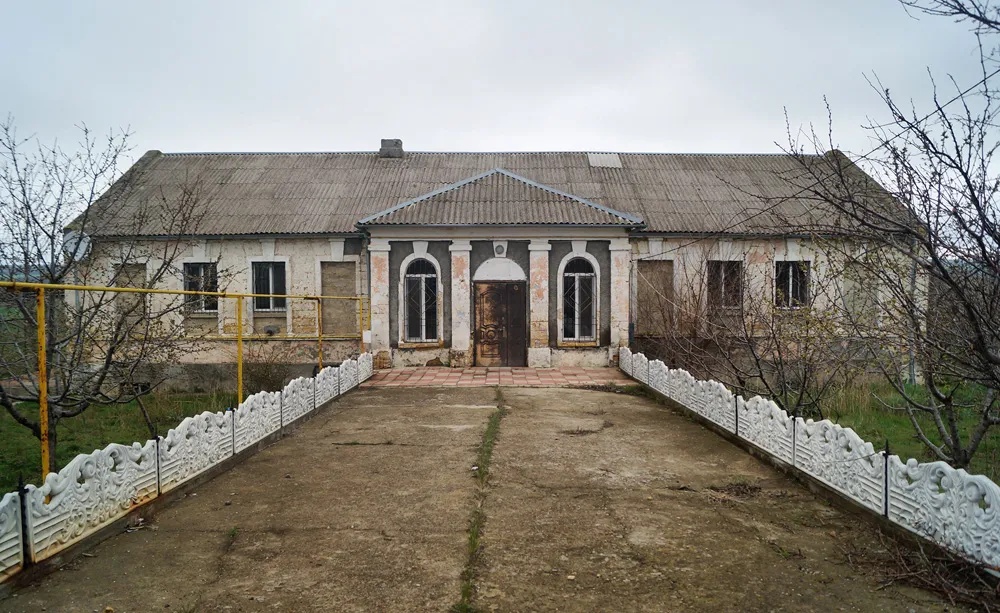
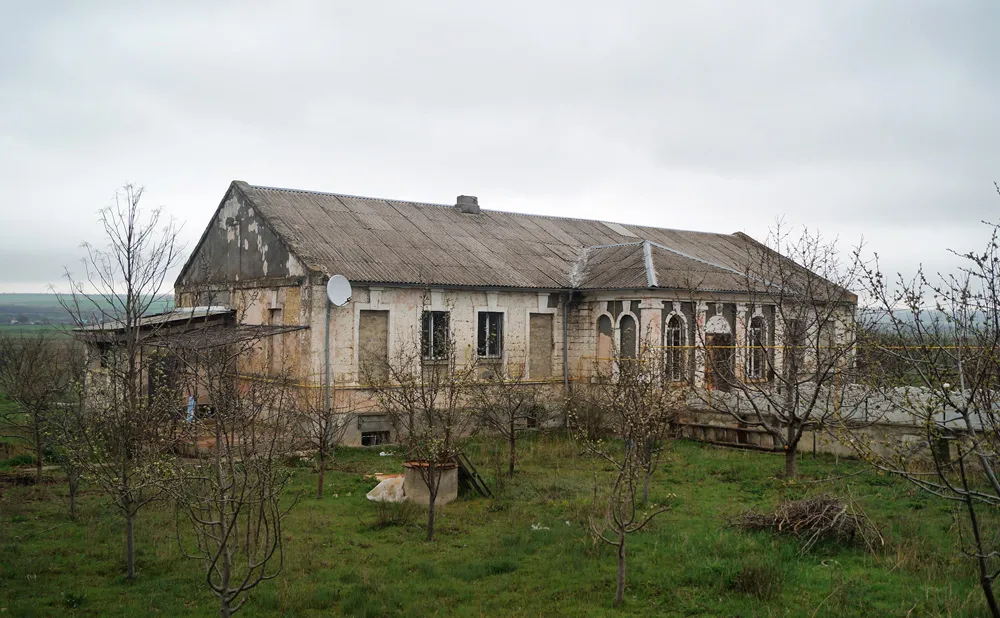
A manor house or a zemstvo school.
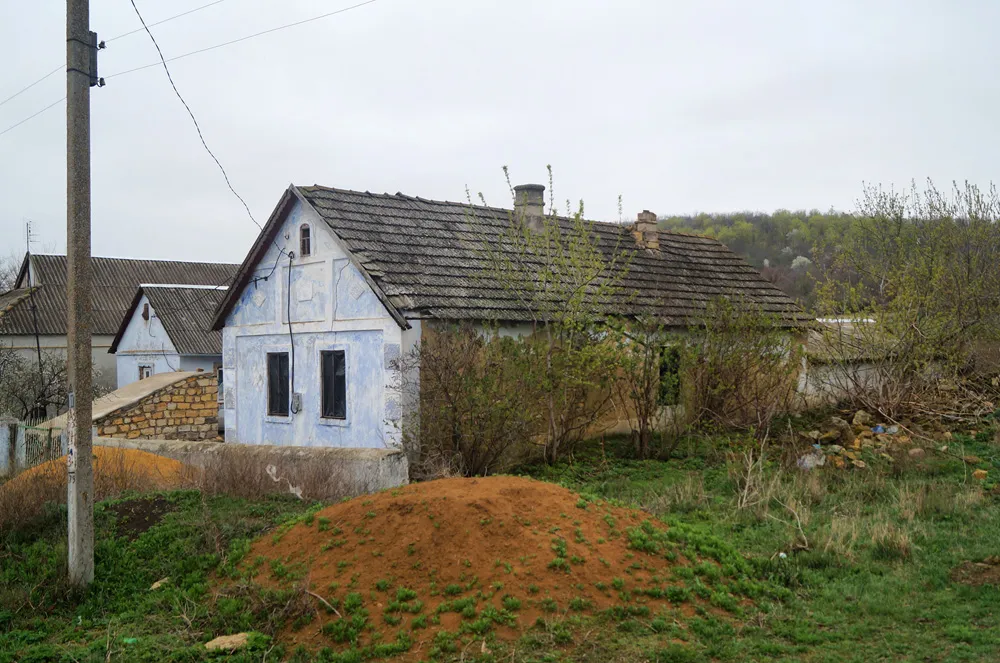
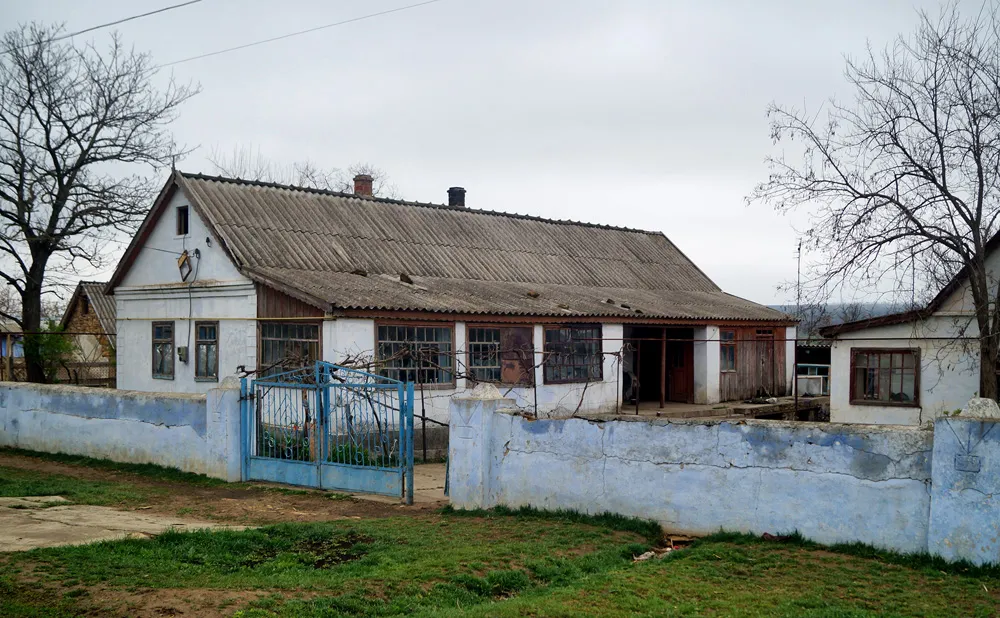
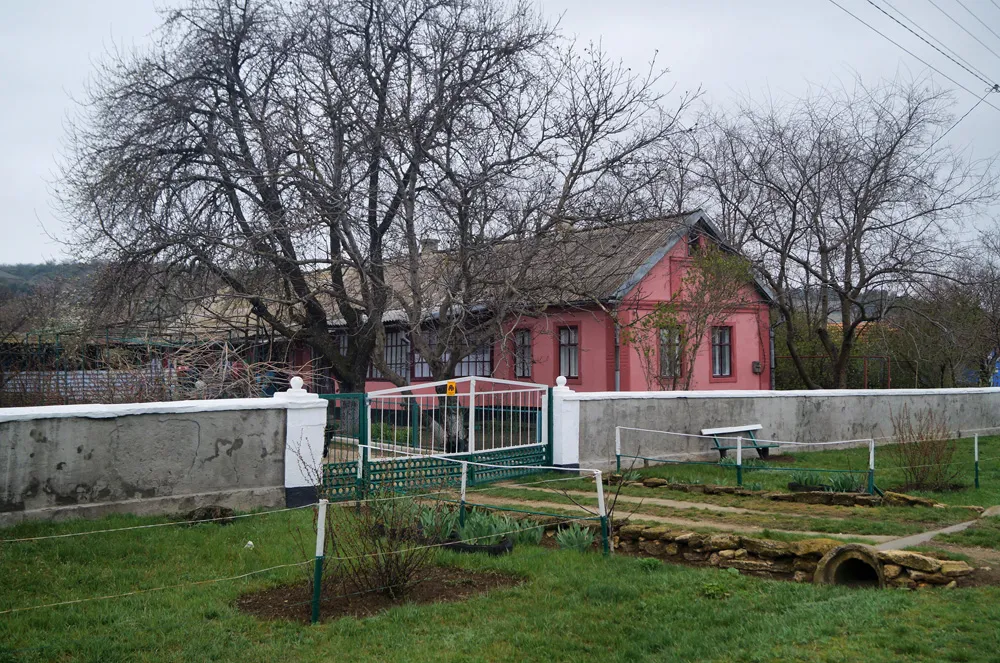
Old houses in Malynivka.