Mykolaiv. Capital of shipbuilders

· 5 min read
They say people have lived here since time immemorial, but that can be said of any patch of dry land, except perhaps Antarctica and high mountains. In the 14th century a real town appeared here – Vitovka, named after Prince Vytautas, who founded it. It is hard to speak about the size of this town, but it is known that at the beginning of the 15th century it carried on lively trade with the Genoese trading posts of Crimea, and with the Tatars as well. As for the fortifications of Vitovka, it is also hard to say anything – in any case it must have been fortified, for those were times when a town could not survive without a fortress.
Historians write that in the 15th century, during the heyday of the Grand Duchy of Lithuania, the lower Dnipro and Southern Buh were actively settled by people from the Middle Dnipro region, but nobody can give any figures – how many people there were, or how many settlements. Vitovka lost its leading role after the fortress of Dashiv – present-day Ochakiv – was built. In the 18th century a shipyard was built on the site of Vitovka, and it grew into a large city after Ochakiv was destroyed.
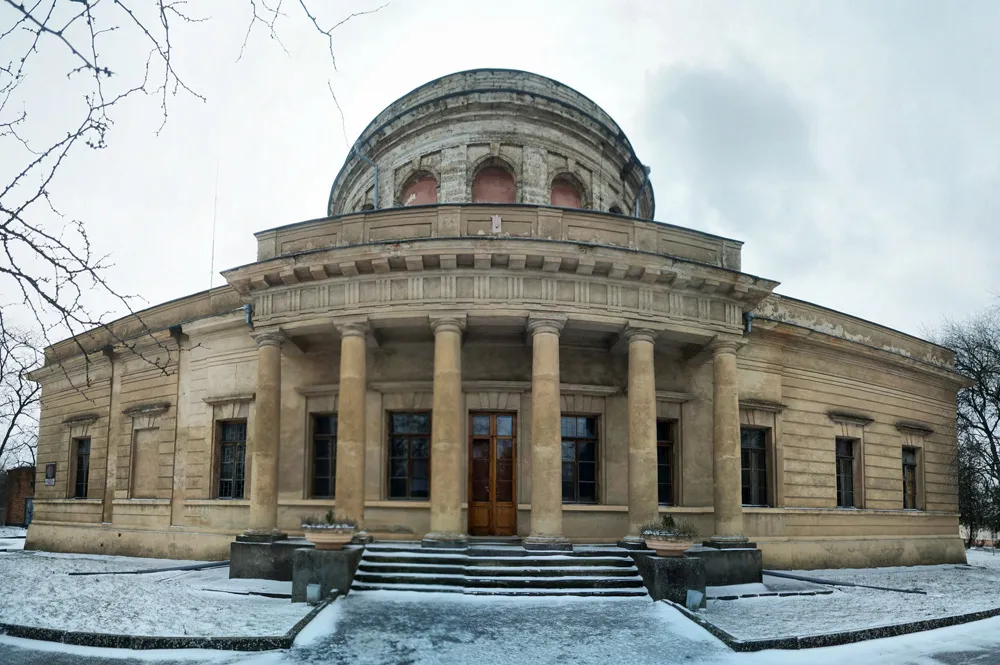
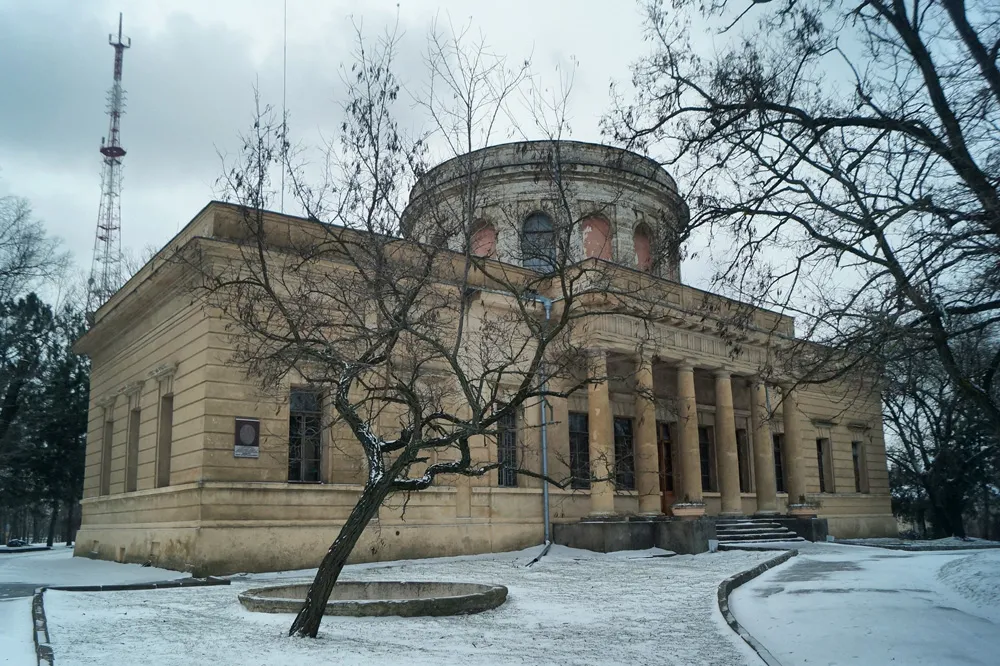
The astronomical observatory
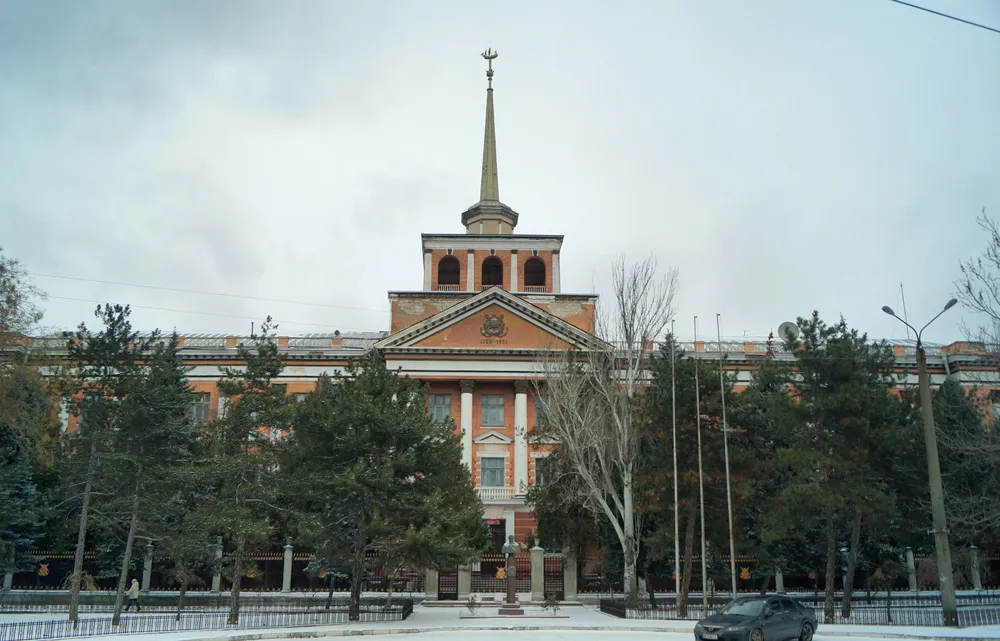
The Admiralty (1788–1840)
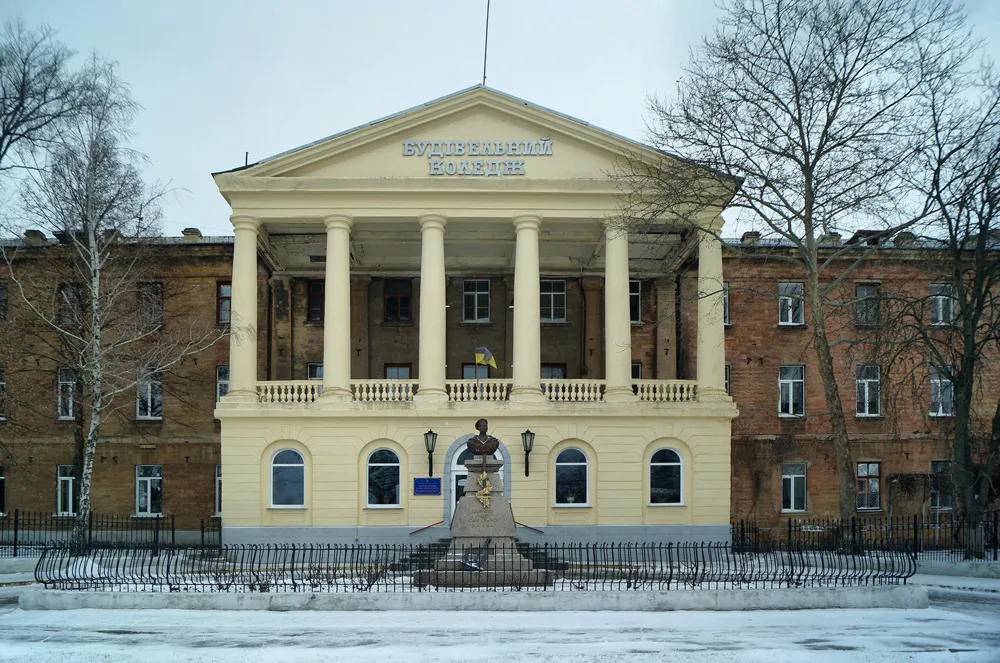
The former Old Fleet Barracks
It would be wrong to say that the Russian rulers founded a new city, since even when the shipyard was being built the settlements here were Cossack slobodas. And Vitovka still existed – in 1789 Potemkin renamed it Bohoiavlensk, having built the Epiphany Church there. The same year the city of Mykolaiv was founded. It was named in honour of St. Nicholas, on whose day the fortress of Ochakiv was taken. The first ship to leave the newly built shipyard here was also named “St. Nicholas”, as was the first church in the city. It still exists today – the Cathedral of St. Nicholas.
Mykolaiv was built as a naval and shipbuilding city. Its entire existence over two centuries was tied to shipbuilding. In time it took over the functions of the centre of the Kherson Governorate and developed faster than neighbouring Kherson. Today it is the largest city in southern Ukraine after Odesa. Up to half a million people live in Mykolaiv.
I do not know whether it is pleasant to live in Mykolaiv, but for a tourist the city is quite pleasant. There is the embankment of the estuary, plenty of old buildings, significant architectural monuments that turn up along the way, and plenty of greenery. The colourful streets of the old town, lined with one-storey old limestone houses, would be far cosier if not for their width. From the start this was a large-scale imperial project, in which the streets were built very wide for the 19th century, with pavements for pedestrians and rows of trees that gave pleasant shade in summer. But the width of the streets and the trees make it impossible to visually form a street ensemble – the houses cannot be seen behind the trees, so I would not call Mykolaiv very cosy or photogenic. Even one of the city’s main churches – the Cathedral of the Nativity of the Virgin, which took 28 years to build (from 1800) – is problematic to photograph well: there are trees on all sides, and inside is a Russian church, where photographing “is not blessed”.
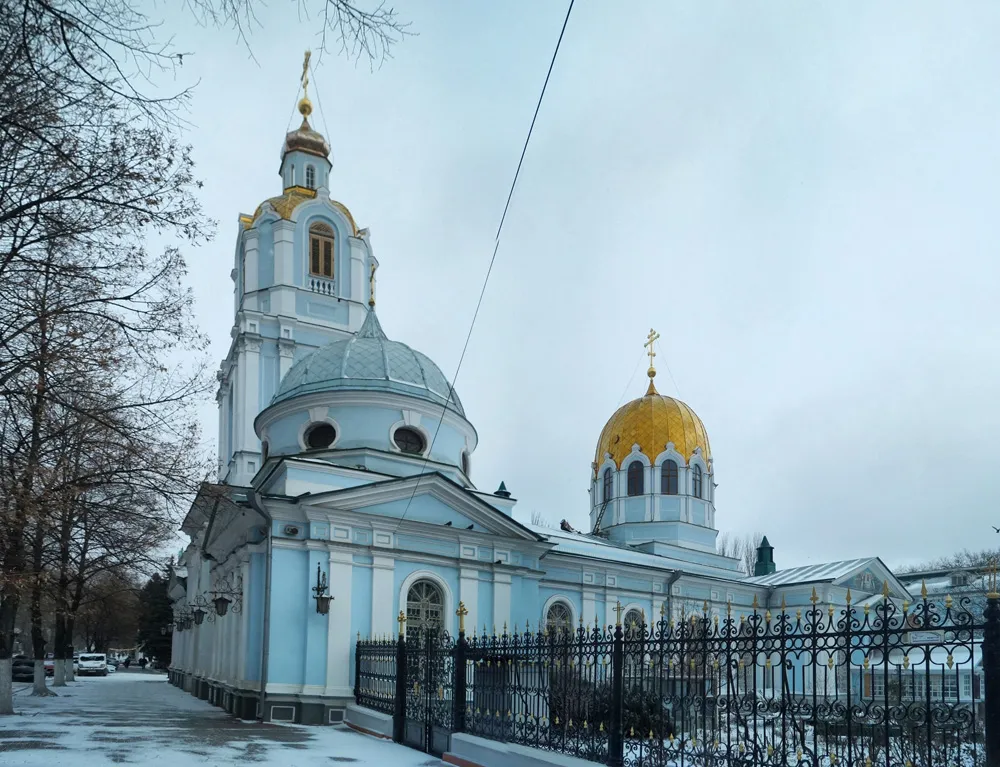
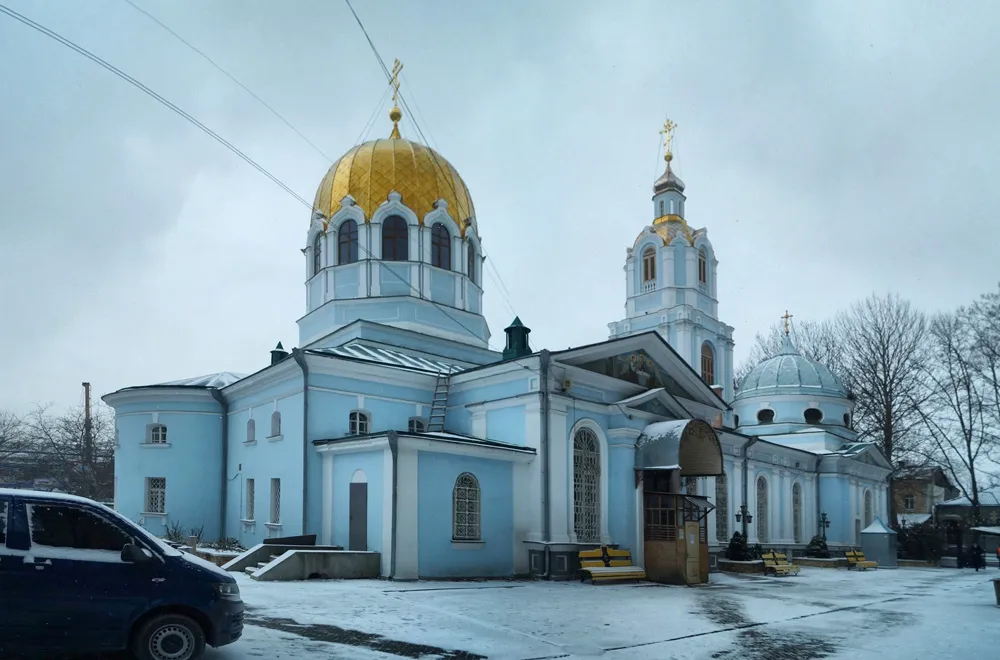
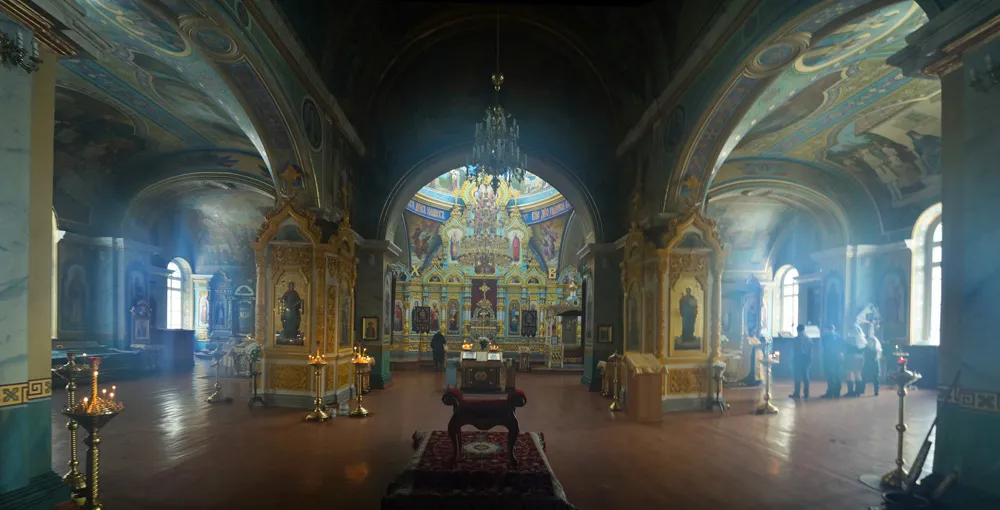
The Cathedral of the Nativity of the Virgin
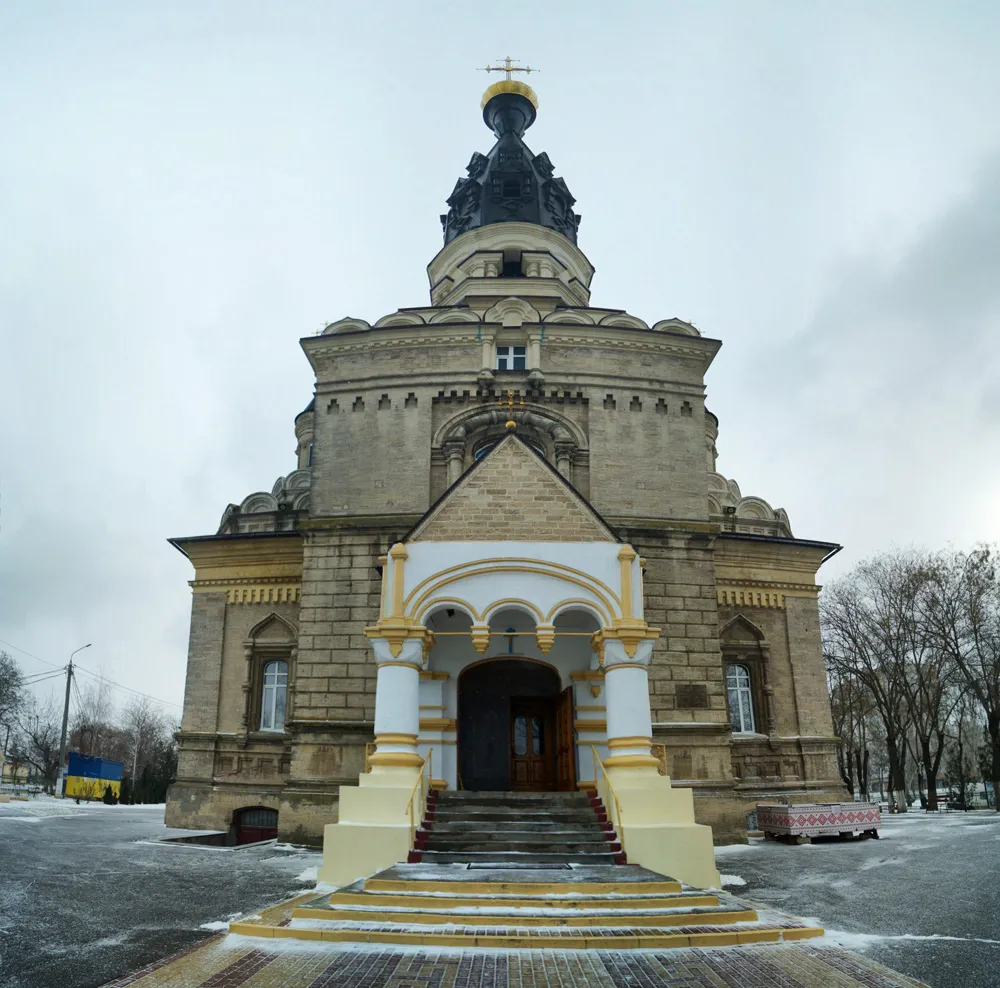
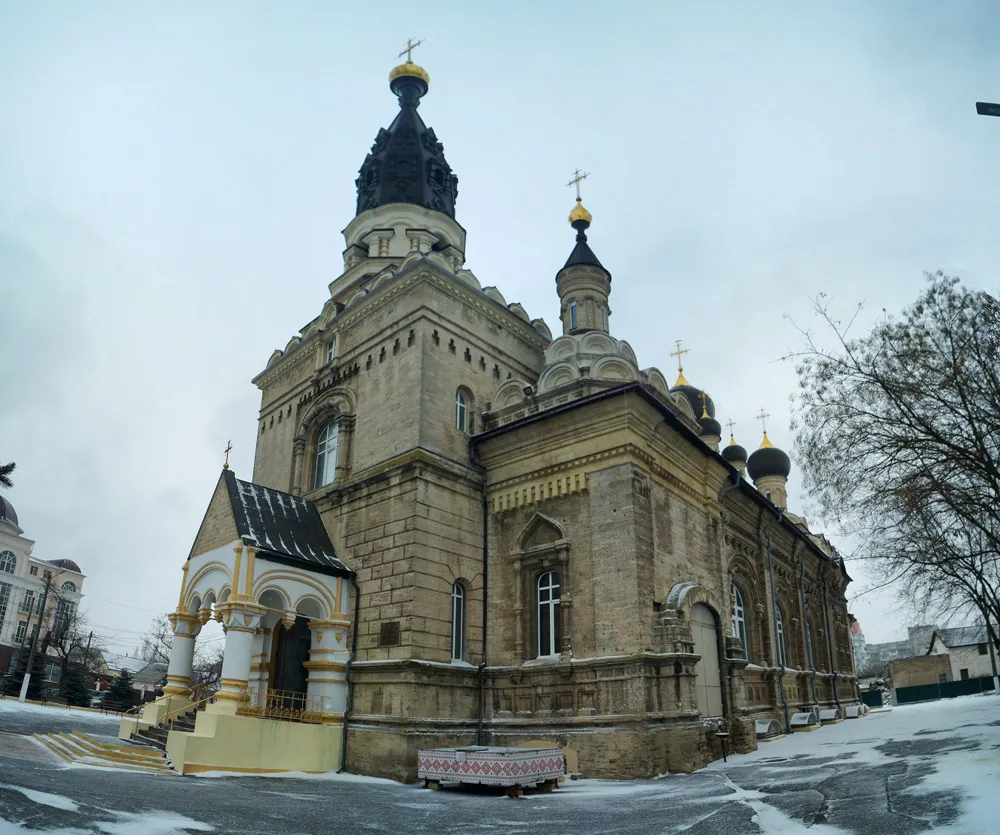
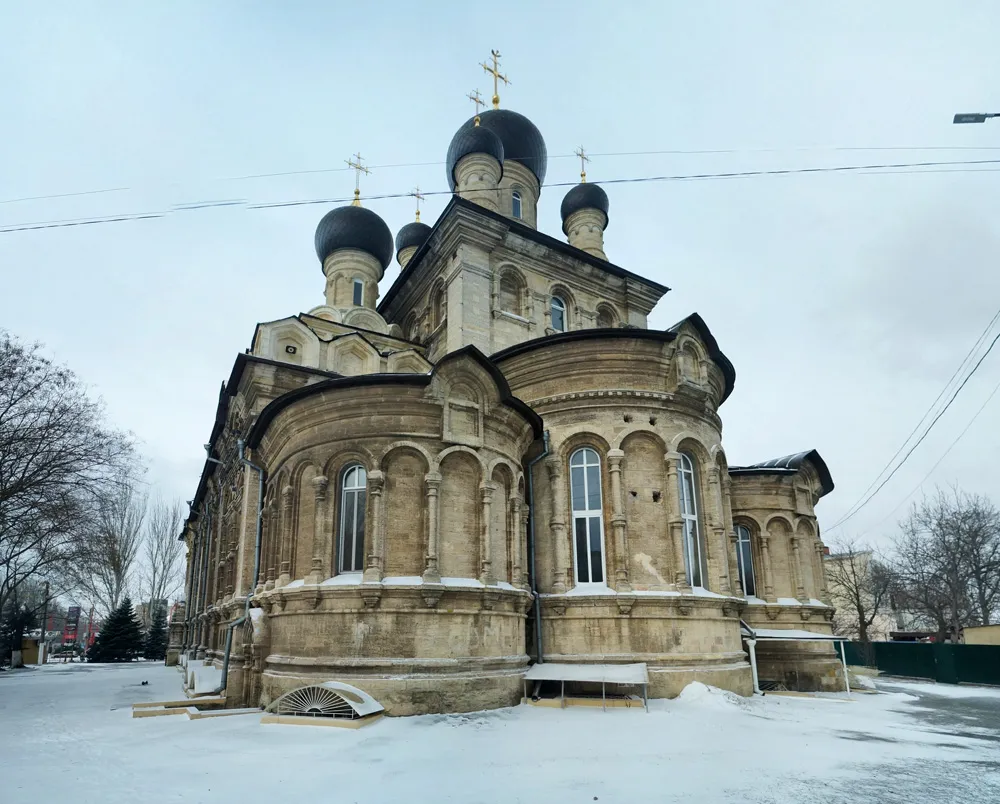
The Cathedral of the Kasperivka Icon of the Mother of God. OCU
In my opinion the most beautiful Orthodox church in Mykolaiv is the Cathedral of the Kasperivka Icon of the Mother of God, built at the beginning of the 20th century (1908–1916). It was built by the architect Yevhen Shtukenberh, to a design by Fedir Eppinger. The church has a basilica form and is in luxuriant brick Art Nouveau, and even the “kokoshniks” do not spoil it. In Soviet times a shipyard club was here.
Officially, the main historical, cultural and architectural monument of Mykolaiv is the astronomical observatory. It is the oldest in Ukraine and is on the UNESCO World Heritage Tentative List. It was built in 1821 on the highest hill in Mykolaiv. You can read in detail about the history and distinctions of the Mykolaiv observatory on Wikipedia .
The main architectural monuments of Mykolaiv traditionally include the Headquarters of the Black Sea Fleet commander (1792, now the Museum of Shipbuilding and the Fleet), Wikipedia; the complex of Naval Department buildings, which includes the gate and walls of the shipyard (1849), the boys’ gymnasium (1850) and two blocks of the Old Fleet Barracks (1850), read more on Wikipedia ; the yacht club (1889) – the oldest in Ukraine, built in the Neo-Renaissance style, Wikipedia.
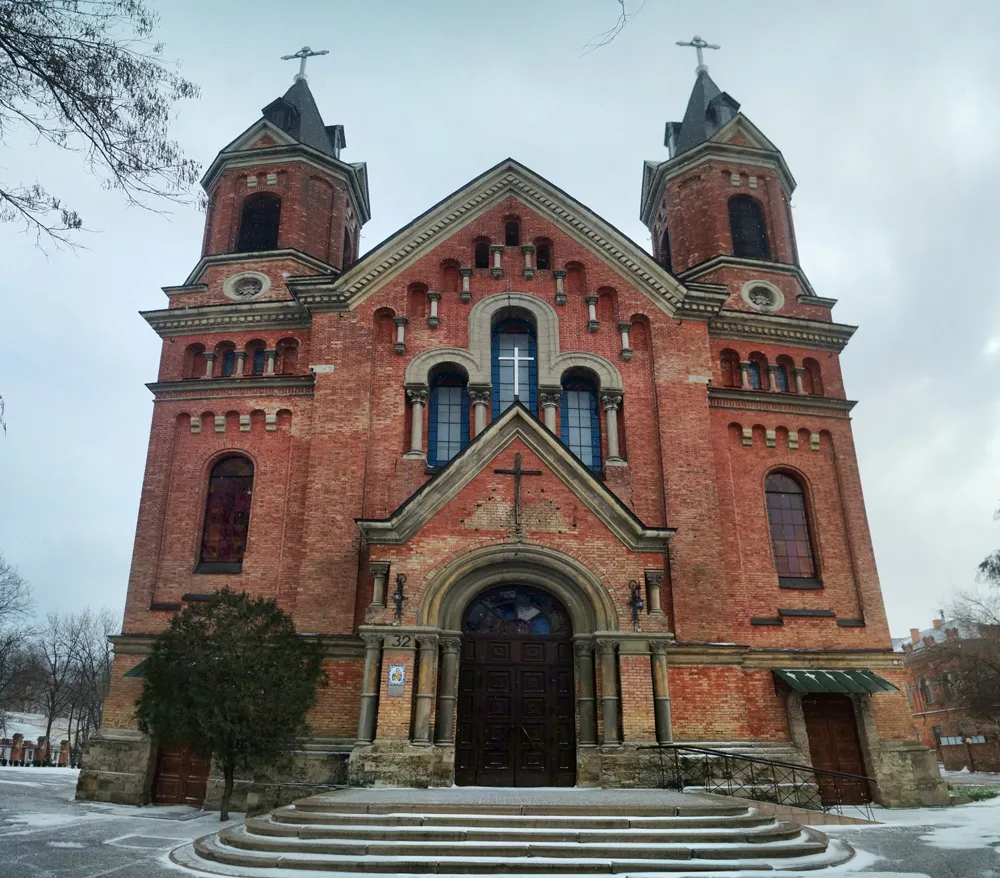
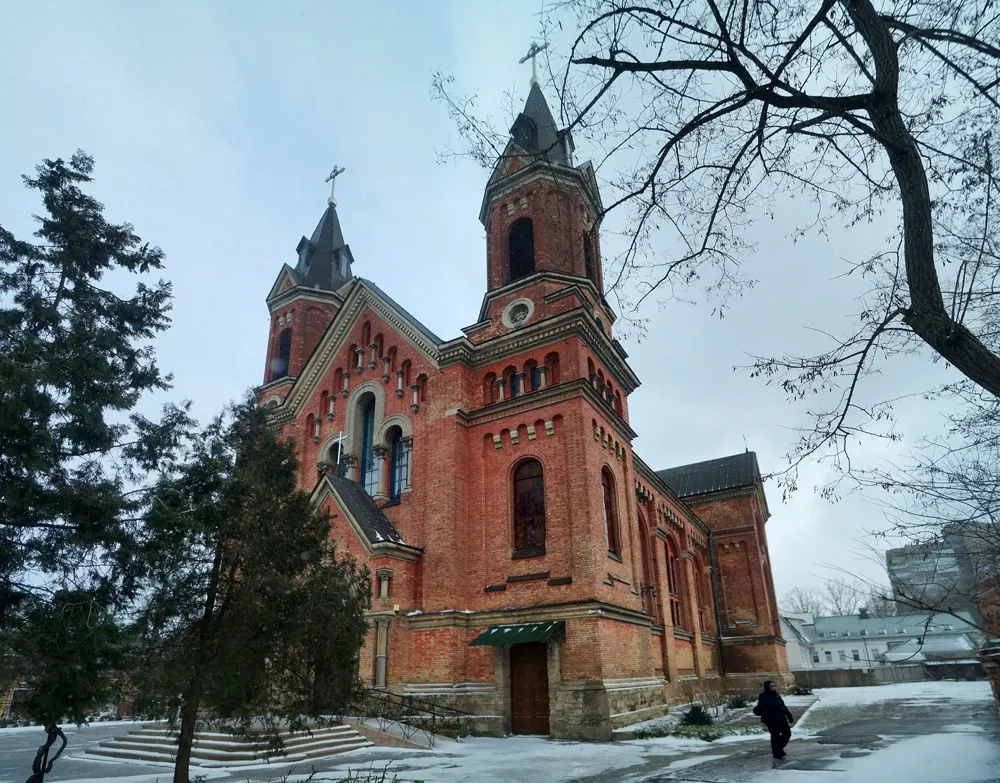
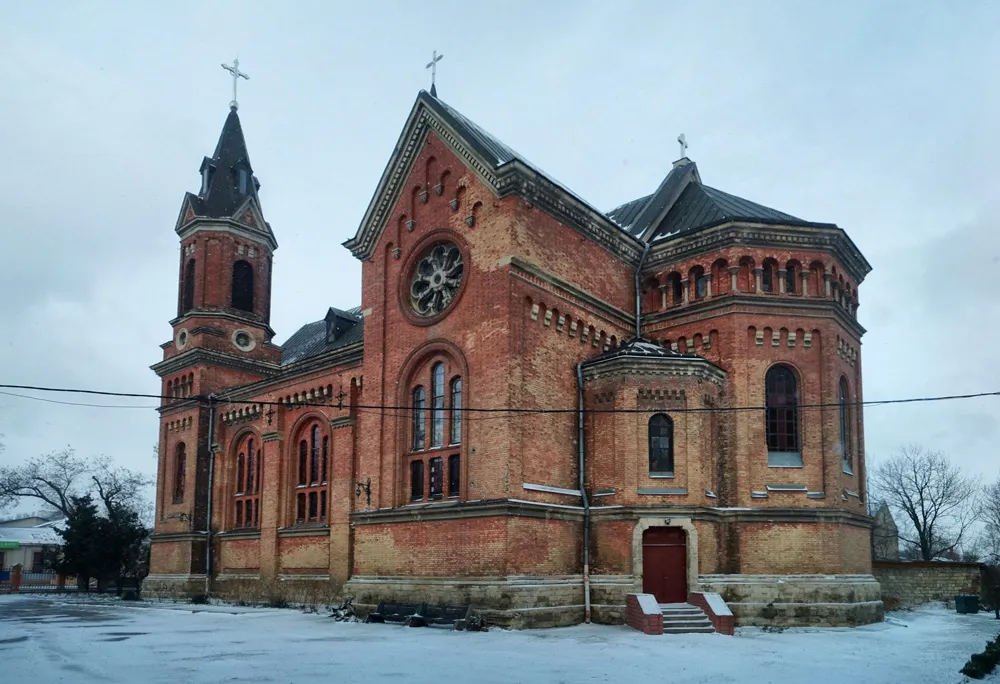
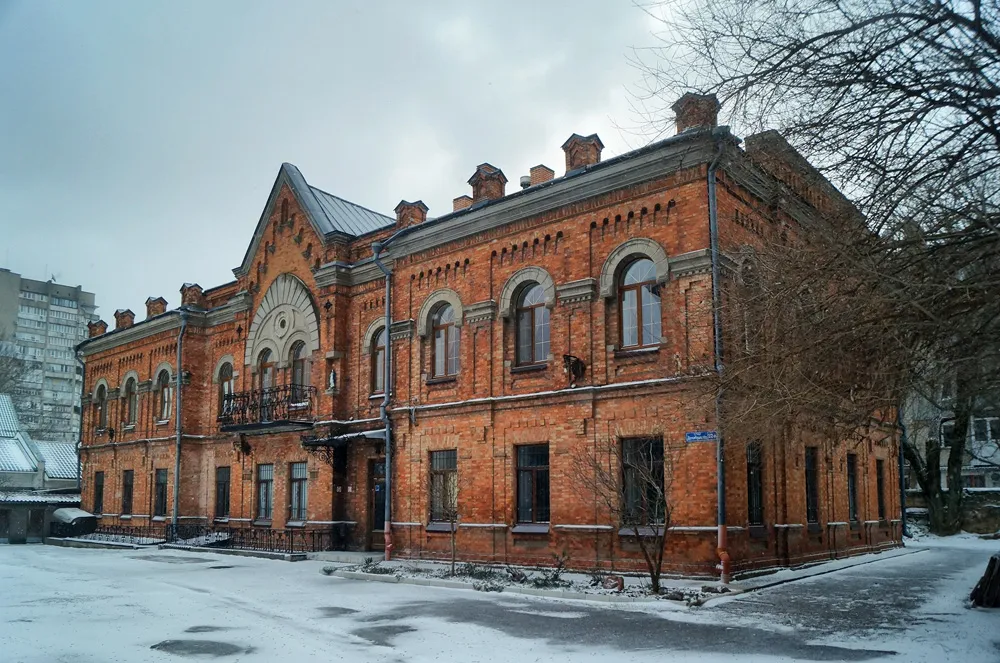
St. Joseph’s Church and the presbytery
The city also has pompous buildings of the Soviet period, from the 1930s, 1950s and 1970s. There are quite a lot of them – walk along the central streets and you will certainly see them – but personally I paid attention to St. Joseph’s Church, the church of Mykolaiv’s Catholic community, built in 1891–1895 in the Neo-Gothic style with Neo-Romanesque elements. Today the church is in good condition, and in the courtyard there is also a Neo-Gothic presbytery. The two bell towers of the church can be seen from afar, so you will not miss it.
In 1848–1852 the Lutheran community of Mykolaiv built itself a Lutheran church, small but quite attractive. Also in the Neo-Gothic style. It is also active today and nicely restored.
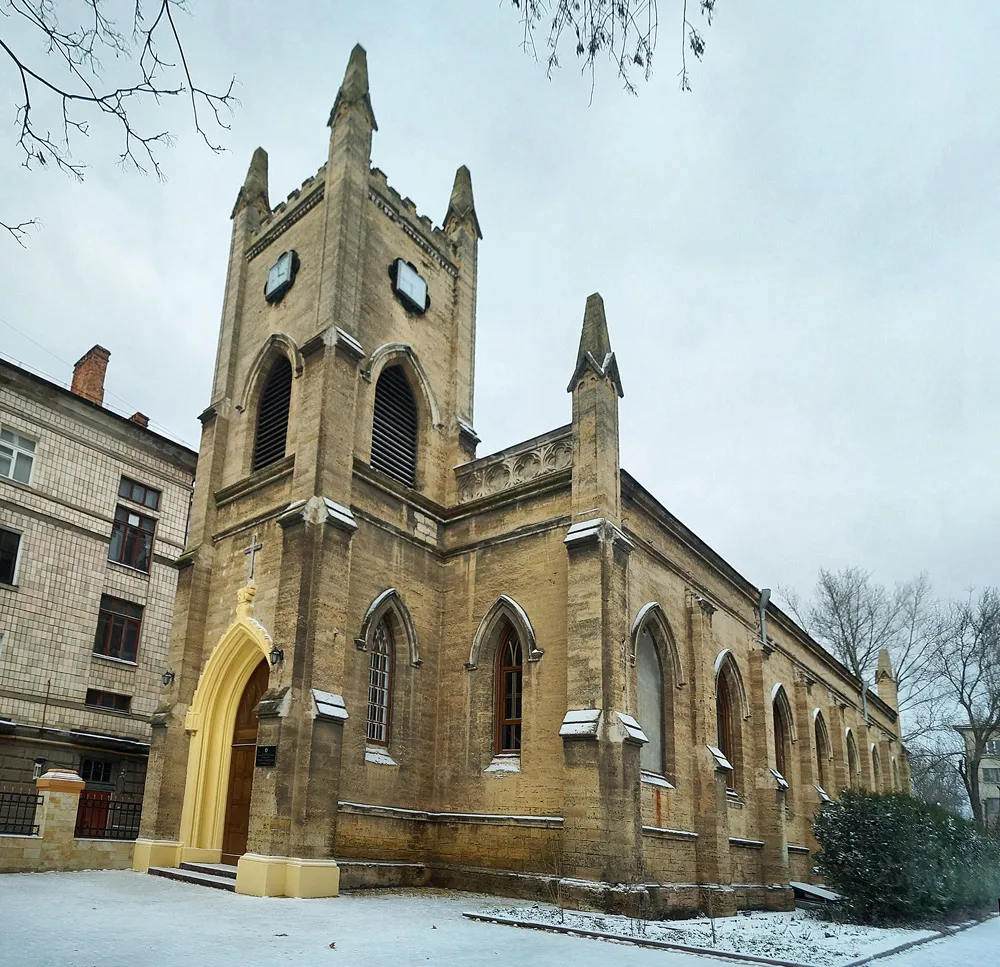
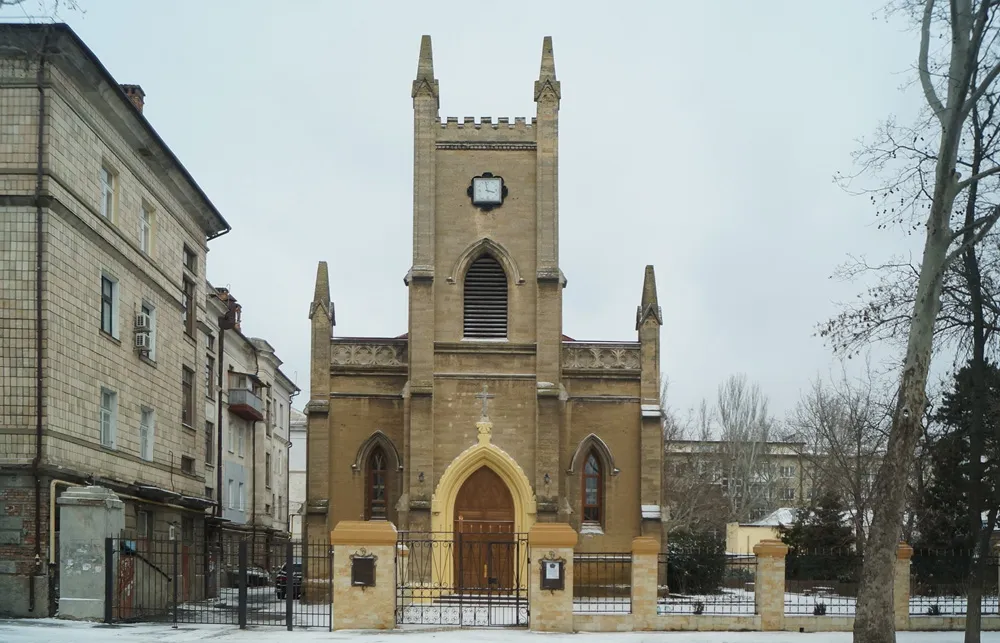
The Lutheran church
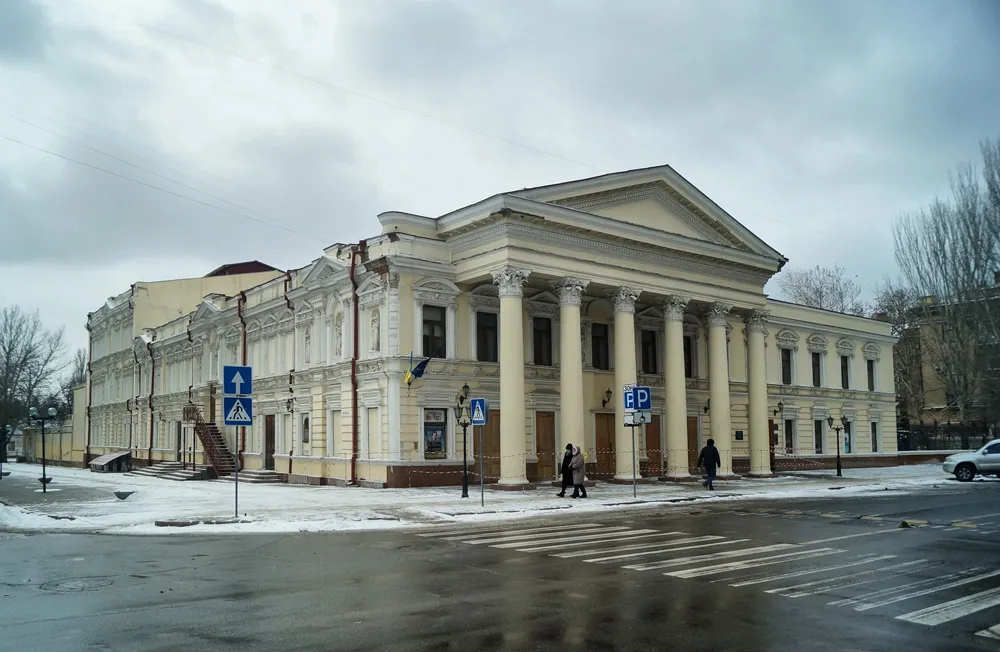
The Academic Russian Drama Theatre (1880)
Mykolaiv also has a Karaite kenesa (1847) and a synagogue (1877) – Jewish-faith monuments of completely different peoples. The kenesa building now houses some shops; whatever it was not under the Soviets – a House of the Godless, a Teachers’ House, a cinema, a warehouse, a registry office. The synagogue, however, is active today.
Throughout the Soviet period Mykolaiv developed as a city of the proletariat. Nobody here thought about tourists, just as in any Soviet city. And only now has the city begun to see real transformations – restorations and reconstructions. Only the roads in the city are terrible – among the worst of the regional centres of Ukraine. But there is no need to pay them much attention – Mykolaiv is interesting. When you get the chance, be sure to visit.
Text and photos by Roman Malenkov.
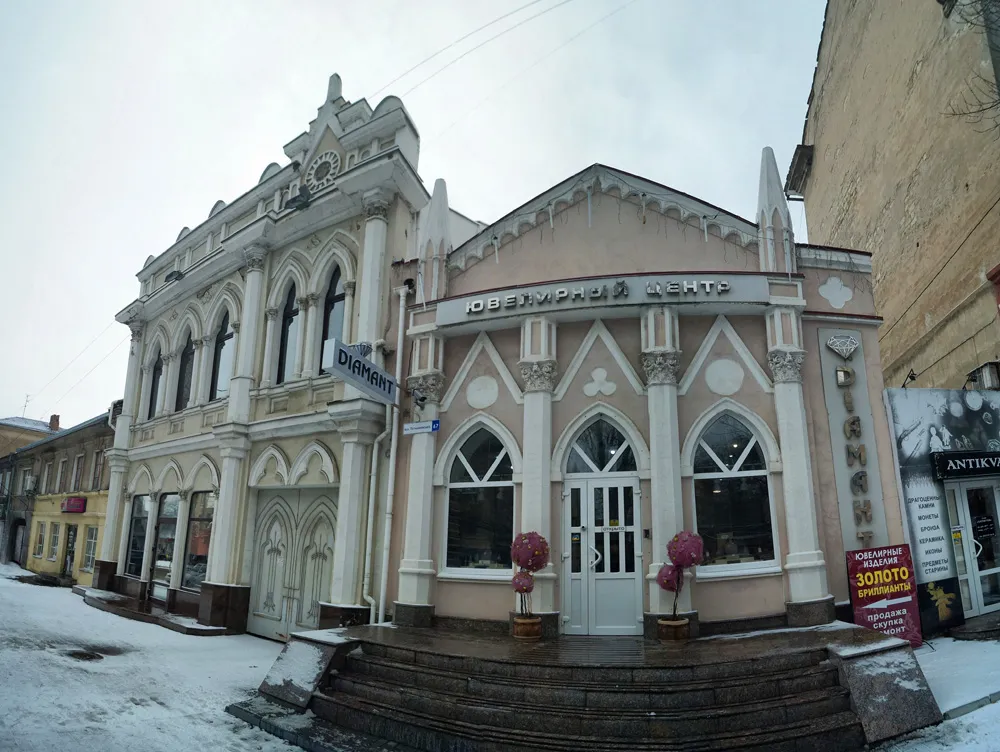
The Karaite kenesa
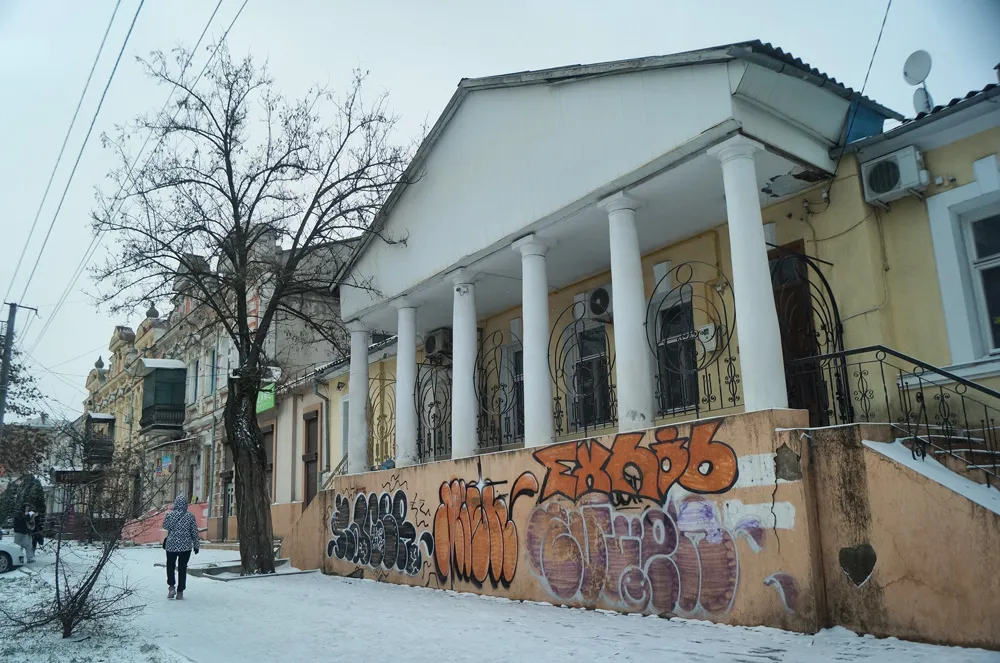
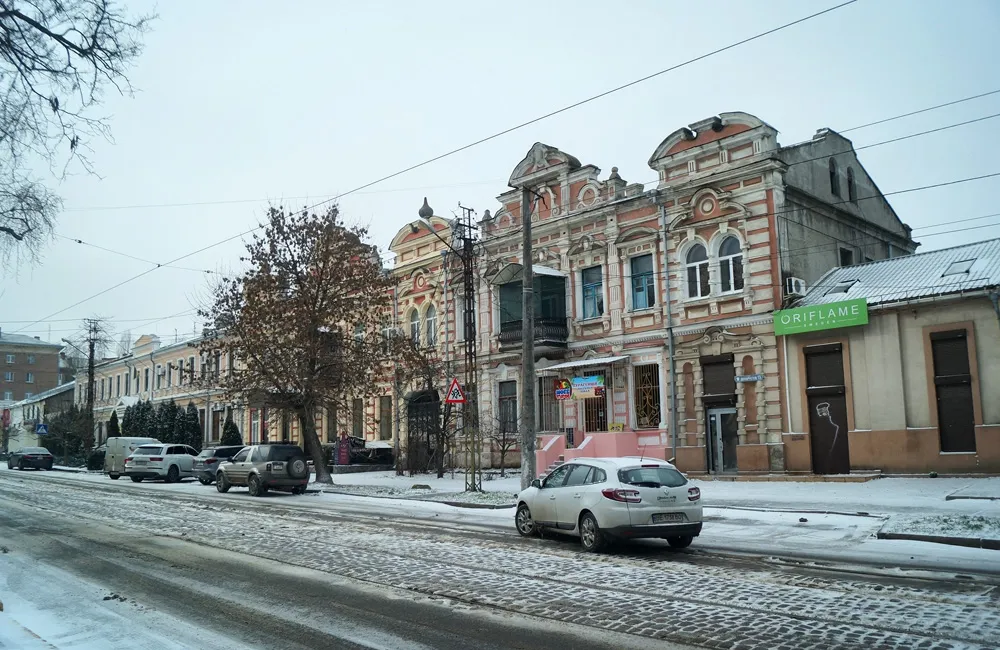
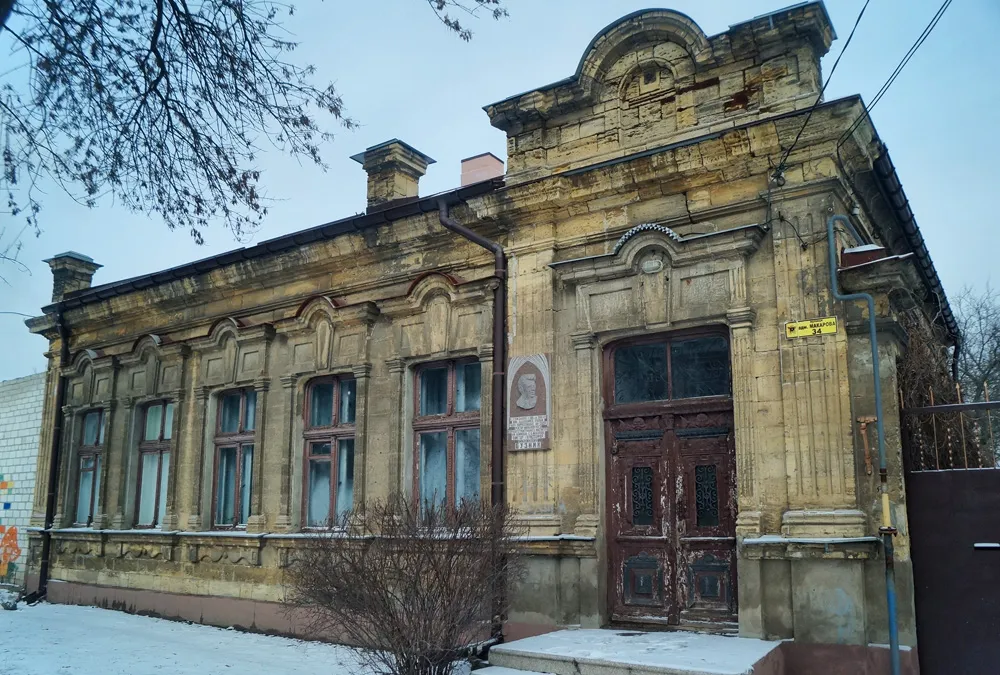
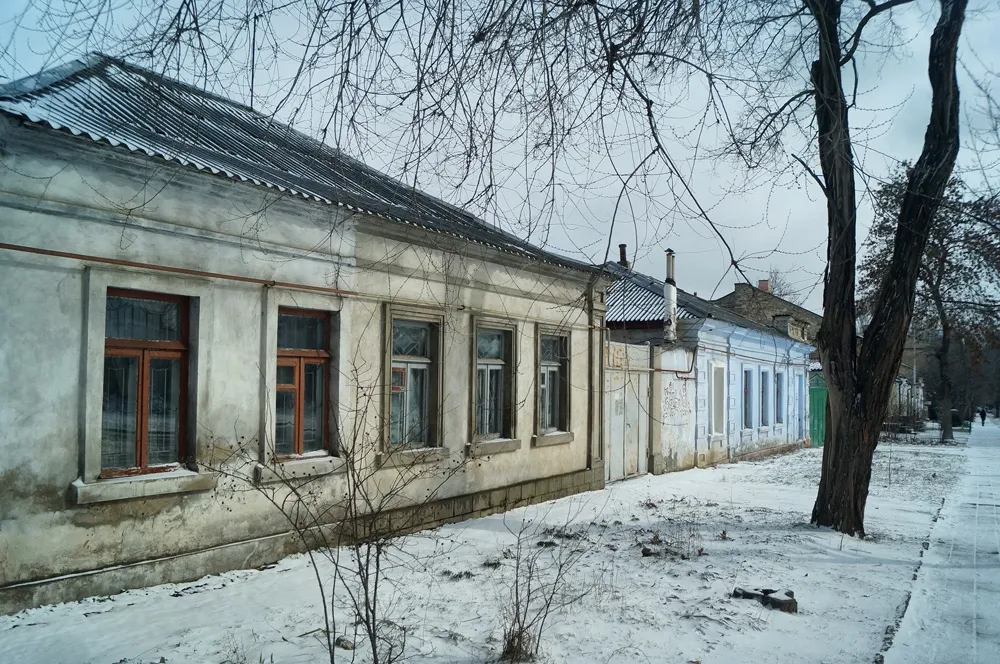
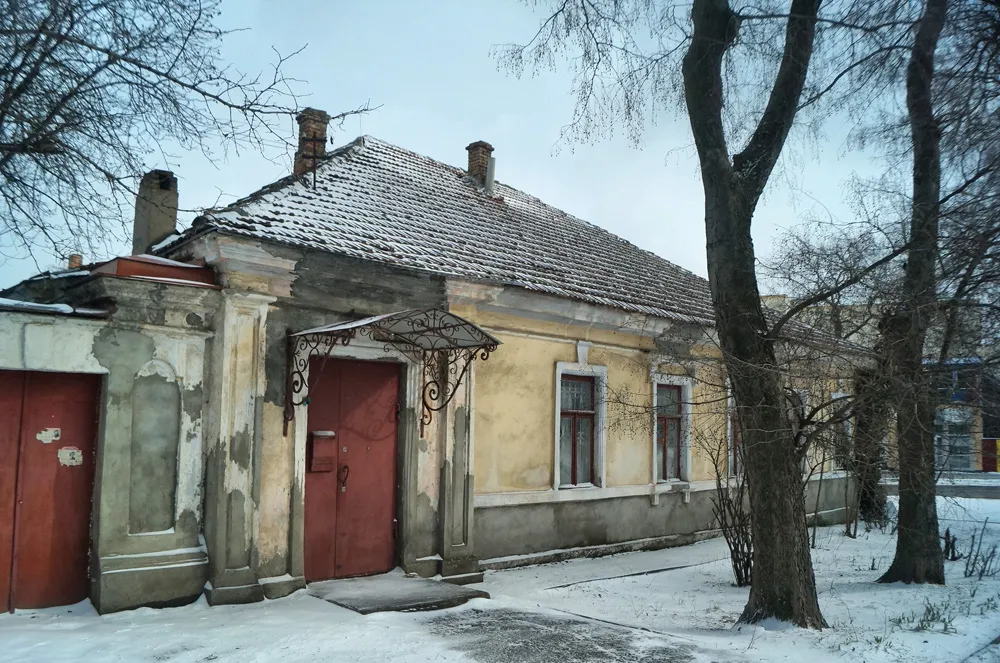
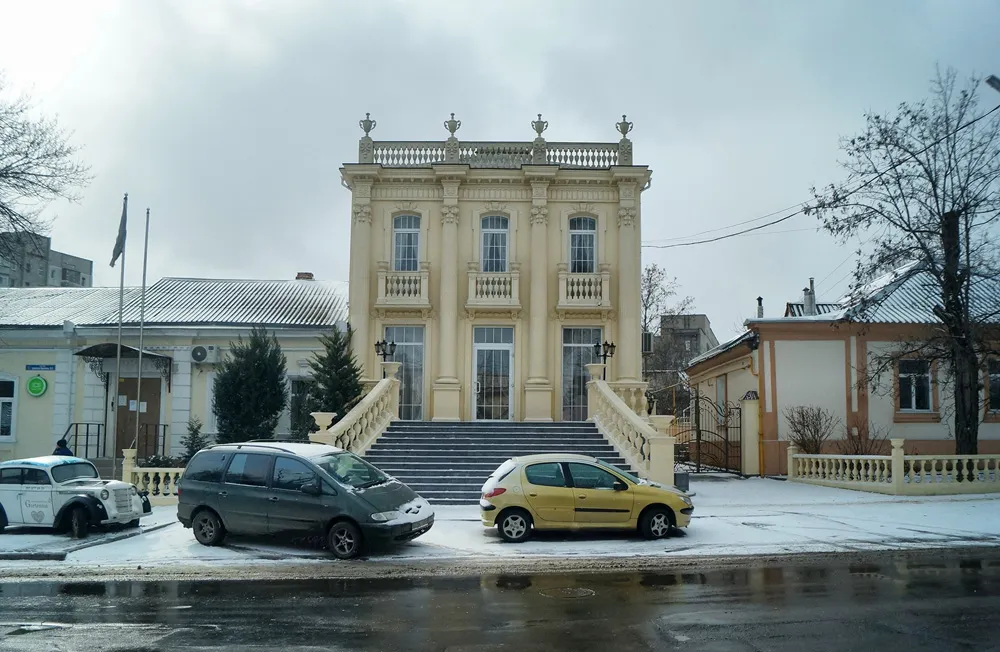
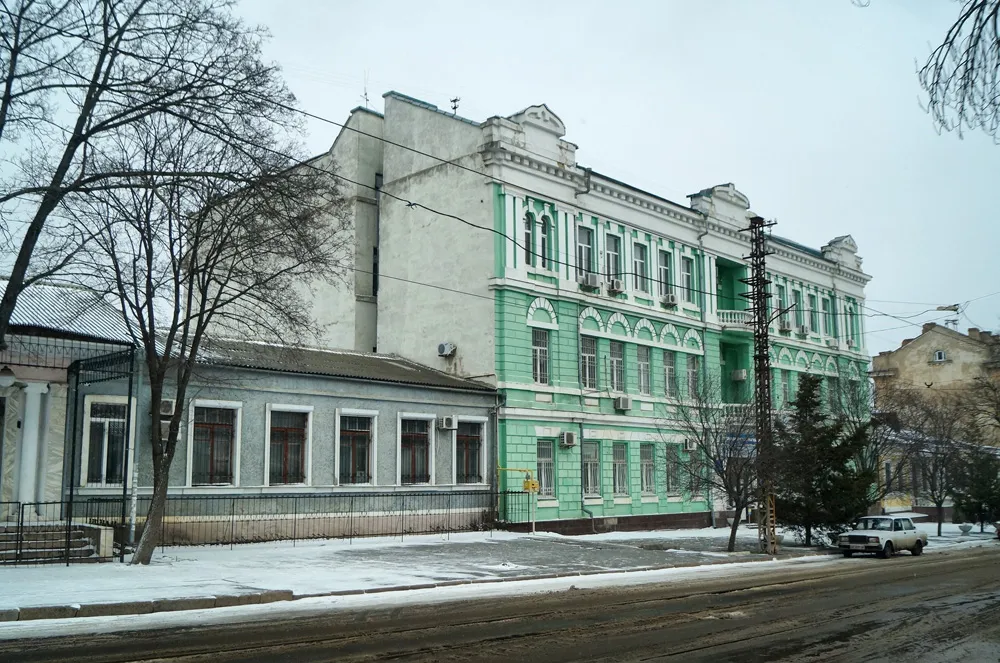
Buildings of the imperial period. The last photo shows the gymnasium
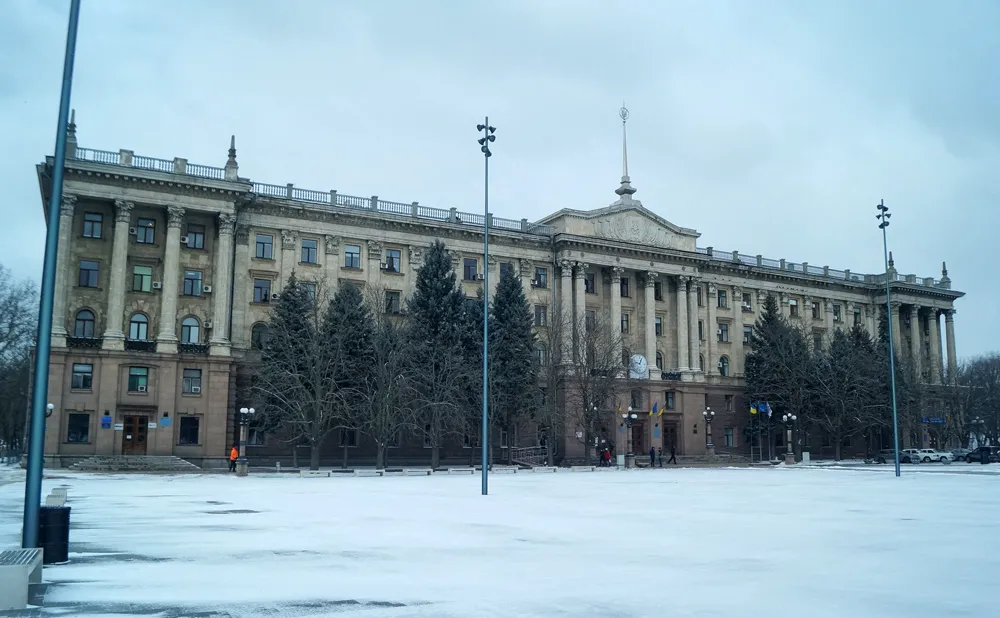
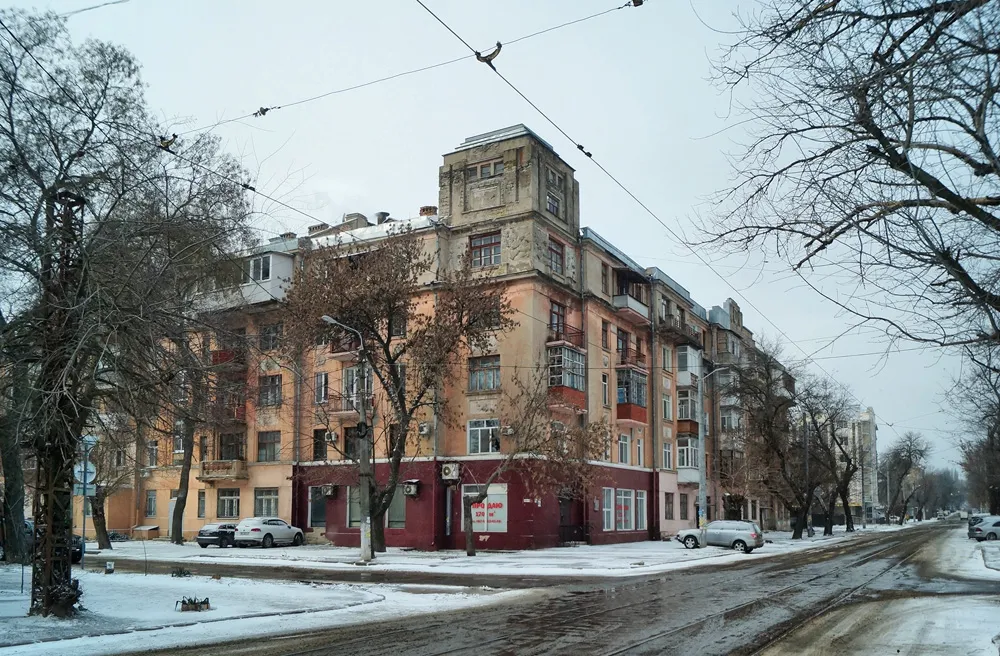
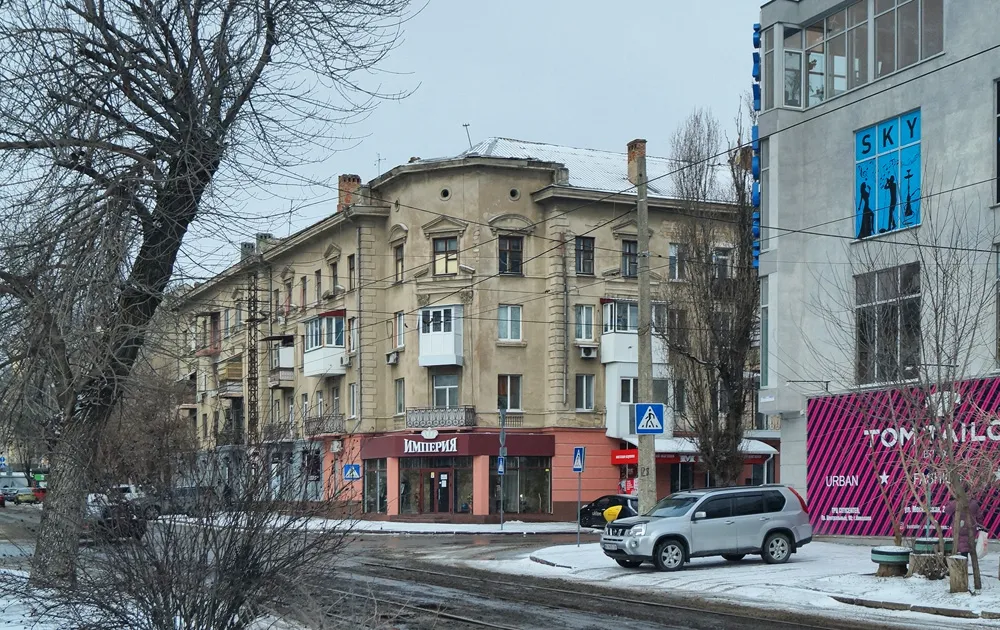
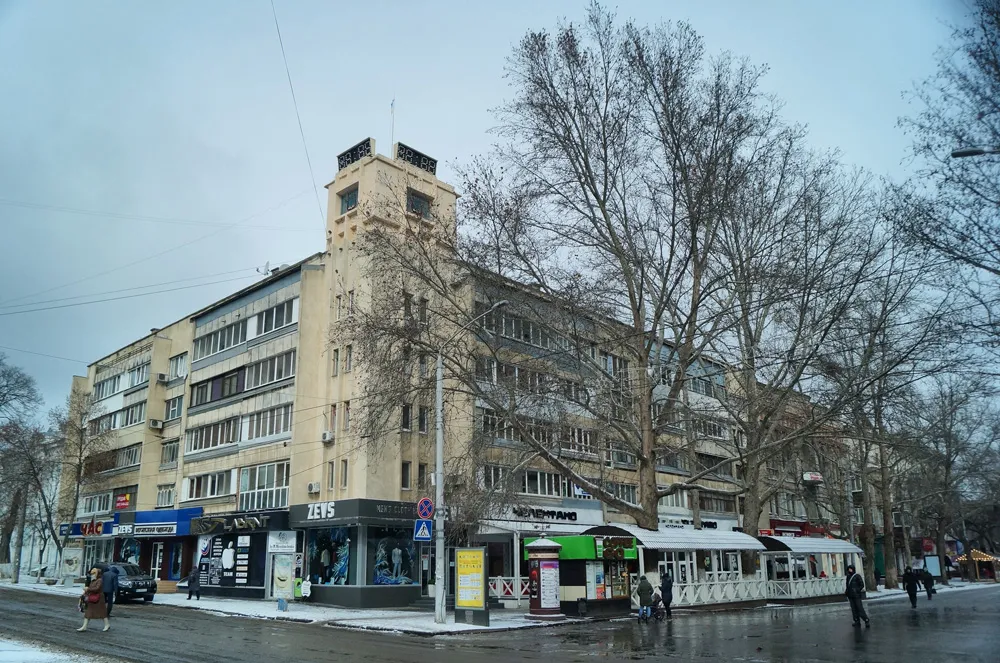
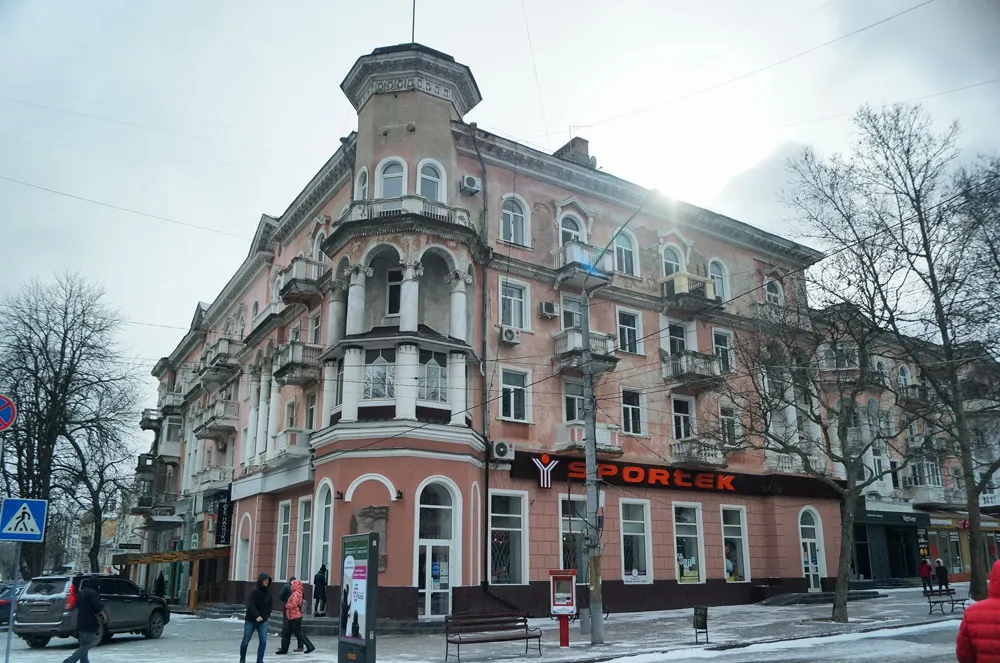
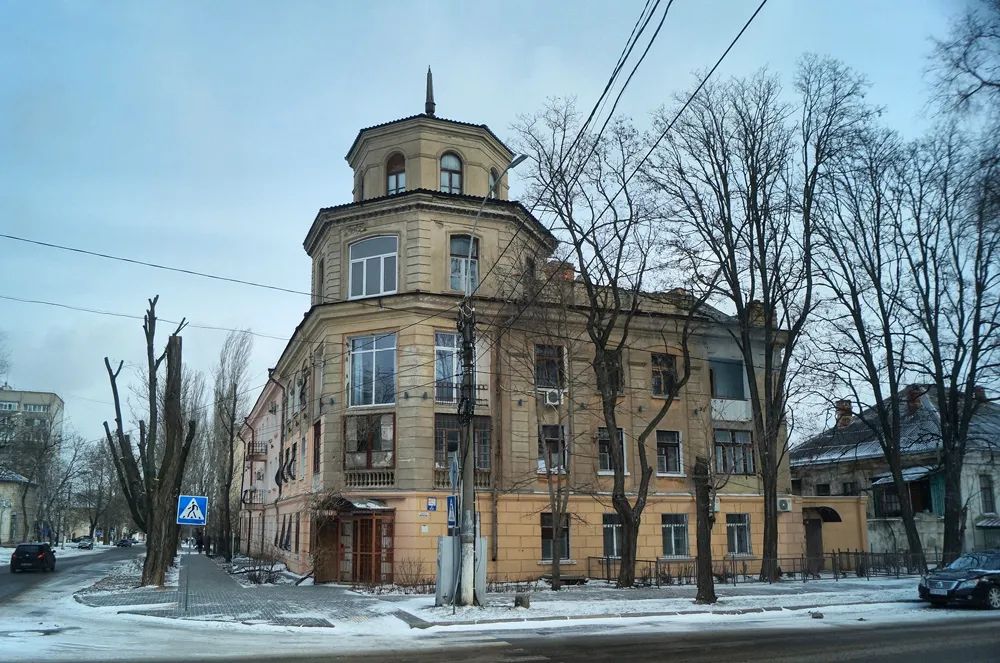
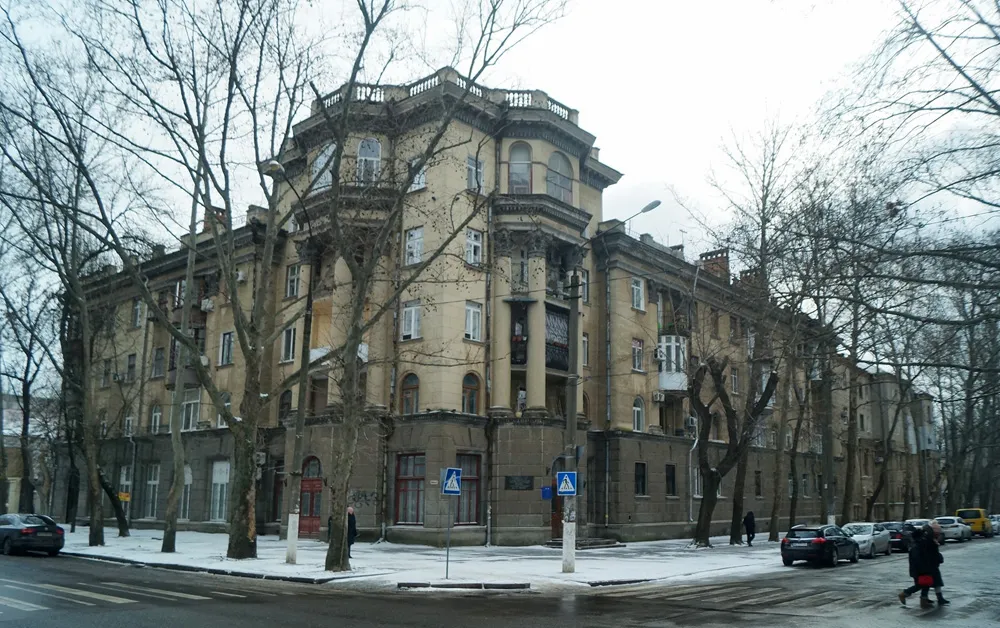
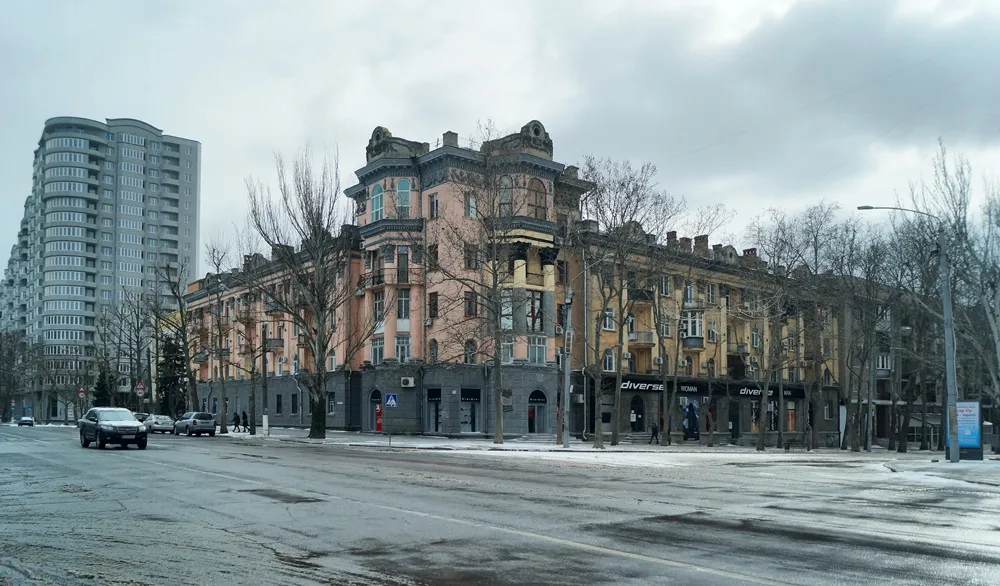
Buildings of the Soviet period