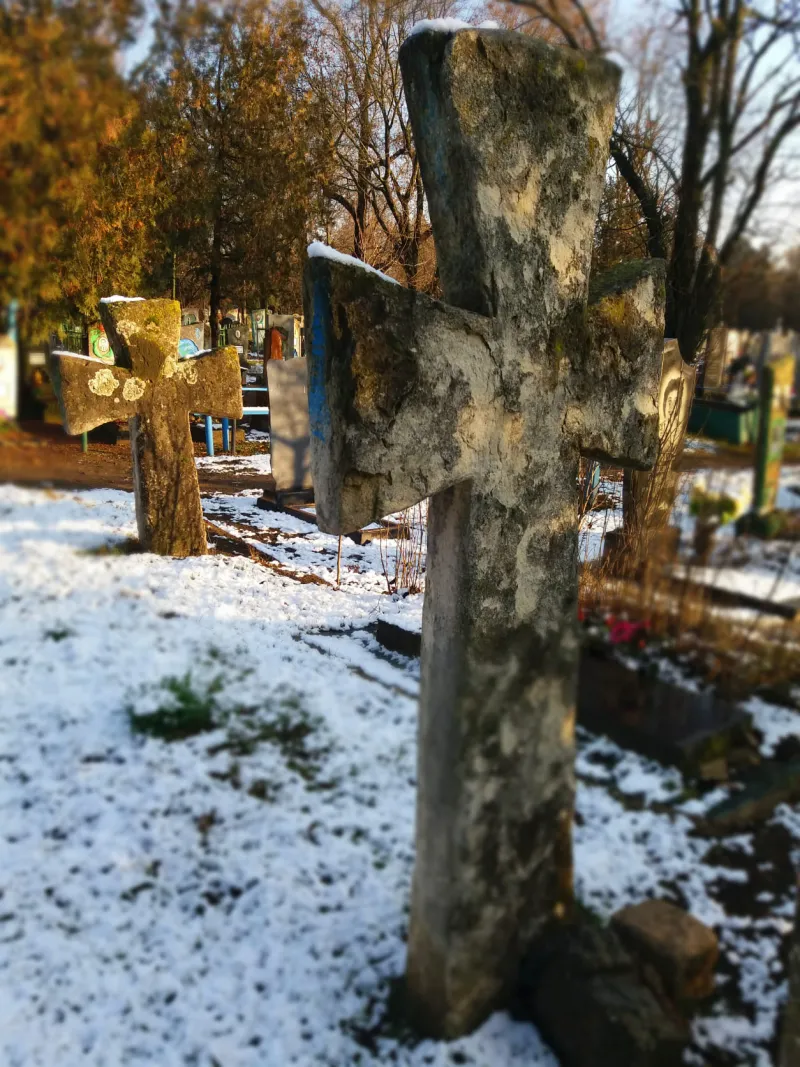
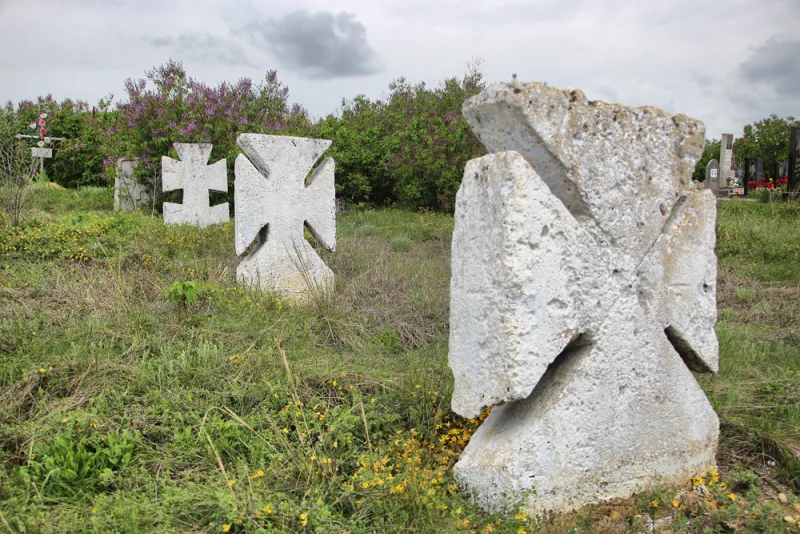
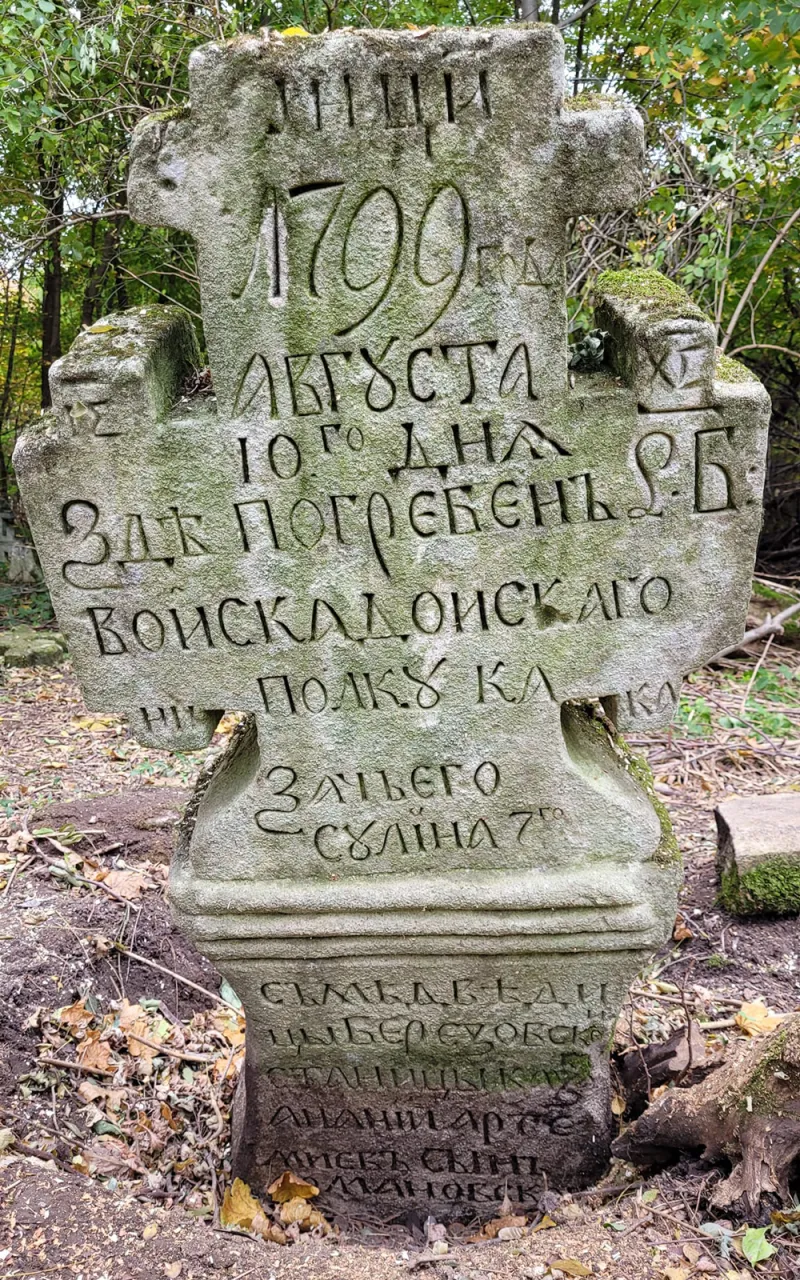
Novoselytsia. Mysterious Cossack crosses in the cemetery

· 3 min read
We found this cemetery almost by accident. Knowing that there are stone crosses in the neighbouring villages — Katerynopil (the former Cossack town of Kalnybolota) and Kolodyste (where the largest and most spectacular cemetery is) — we decided that Novoselytsia, which has “grown into” Katerynopil and has a direct road to Kolodyste, where there is a large sandstone deposit, might also have ancient Ukrainian Cossack crosses. Once in the village, we asked local women, who told us that there are stone crosses in the old part of the cemetery. But the day before we had heard the same in Stetsivka and Iskrene, and old cemeteries there supposedly exist, but they are so overgrown that the crosses cannot be seen. So we doubted that we would see crosses in Novoselytsia.
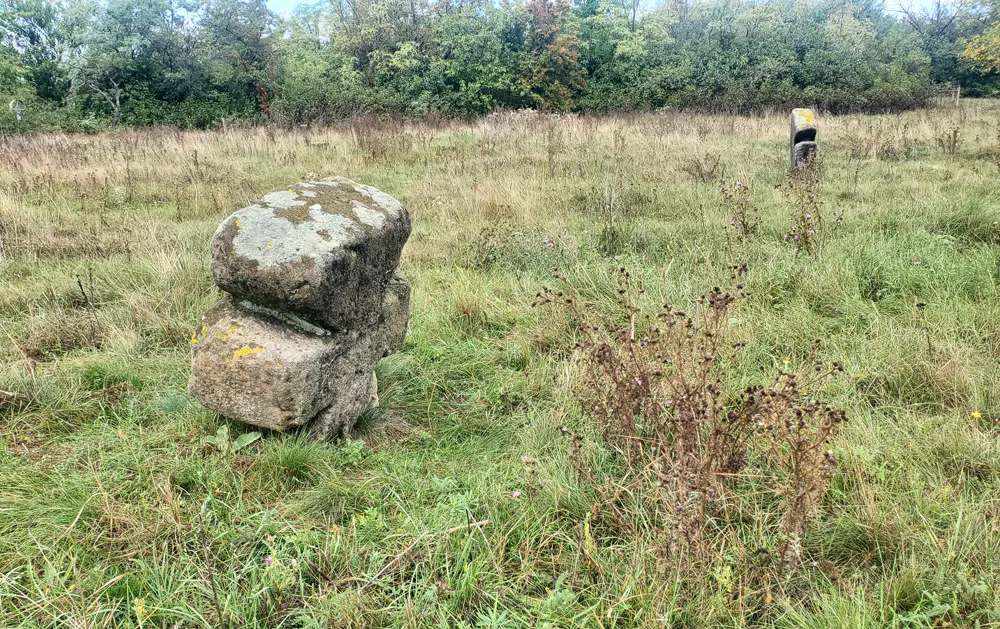
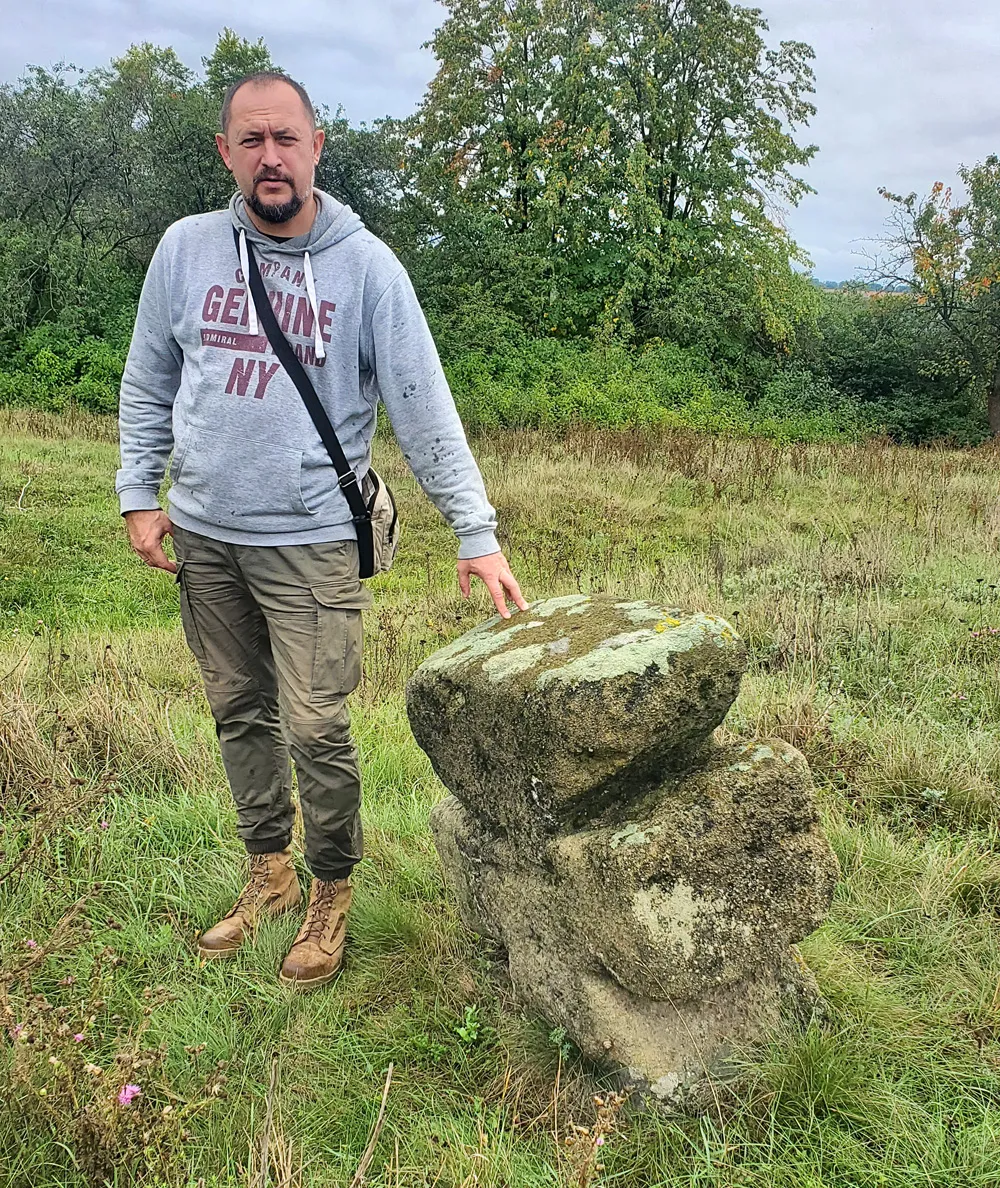
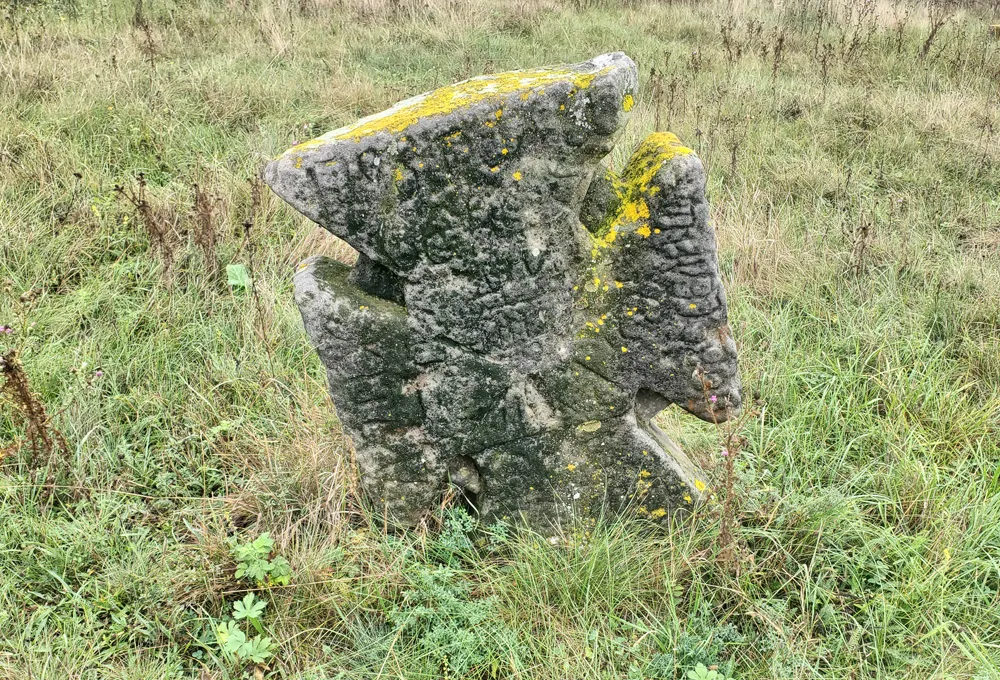
So, from the new part of the cemetery, along barely noticeable paths, we went into the thickets, in effect a jungle, and were almost sure that we would not get through the undergrowth without a machete and a chainsaw. But our pioneer (not to be confused with the Soviet kind) Maksym Nazarenko, somewhere far ahead, cried out joyfully: “Found it!”…
In the middle of the solid impassable jungle lay a large open area without a single tree. We saw the same in Zalizniachka, where local residents told us that trees do not grow here. They also said that Cossack kharakternyky (warrior-sorcerers) used to cast spells on such cemeteries. Well, we do not believe such things yet, although we do not understand why trees do not grow in cemeteries laid out as early as the 18th century, even when villagers do not mow anything for years. We saw this in Yerky, in Kolodyste, in Velykyi and Malyi Bukryn, and in many other places.
When Novoselytsia was founded is not known for certain. Ukrainian Wikipedia says that the village was founded in 1921. This is a mistake, because Pokhylevych, in his Accounts…, tells that in 1753 a wooden church of St. Nicholas was already built in Novoselytsia, so the village already existed then. Judging by the name, one can assume that it was founded by Cossacks from Kalnybolota, and it was they — logically — who were the first to be buried in the Novoselytsia cemetery. That is why we call the Novoselytsia cemetery a Cossack one. We did not see any 18th-century inscriptions on the Novoselytsia crosses, but judging by the archaic and very large forms of the crosses, the same as in Zalizniachka only 10 km from here, we can assume that the crosses whose inscriptions have already worn away were erected in the 18th century.
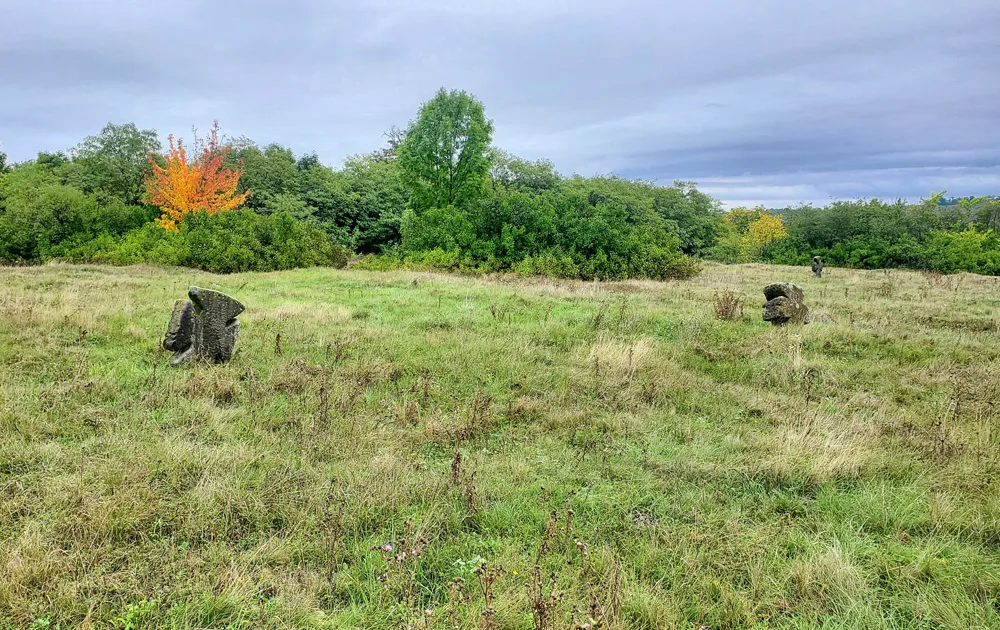
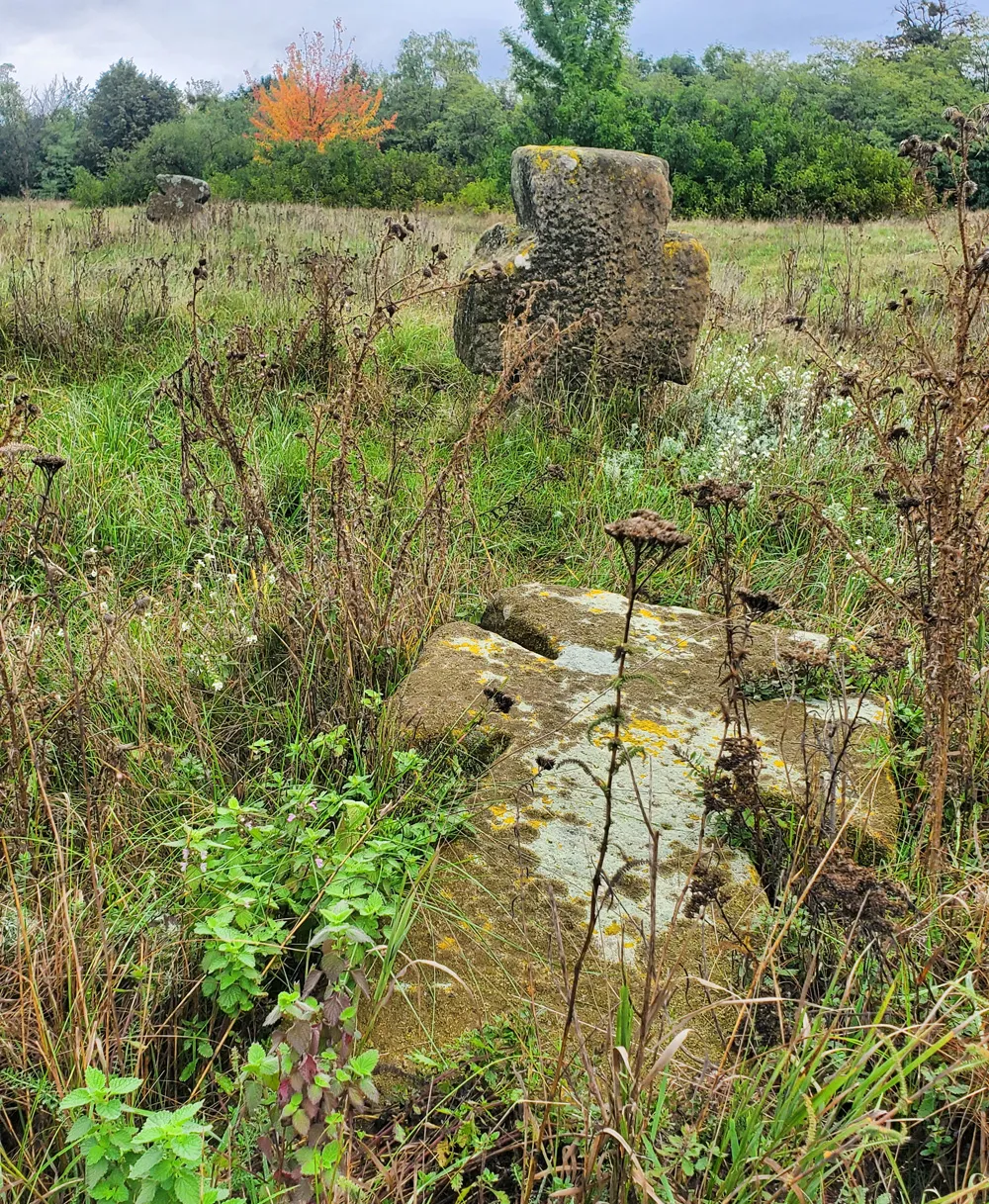
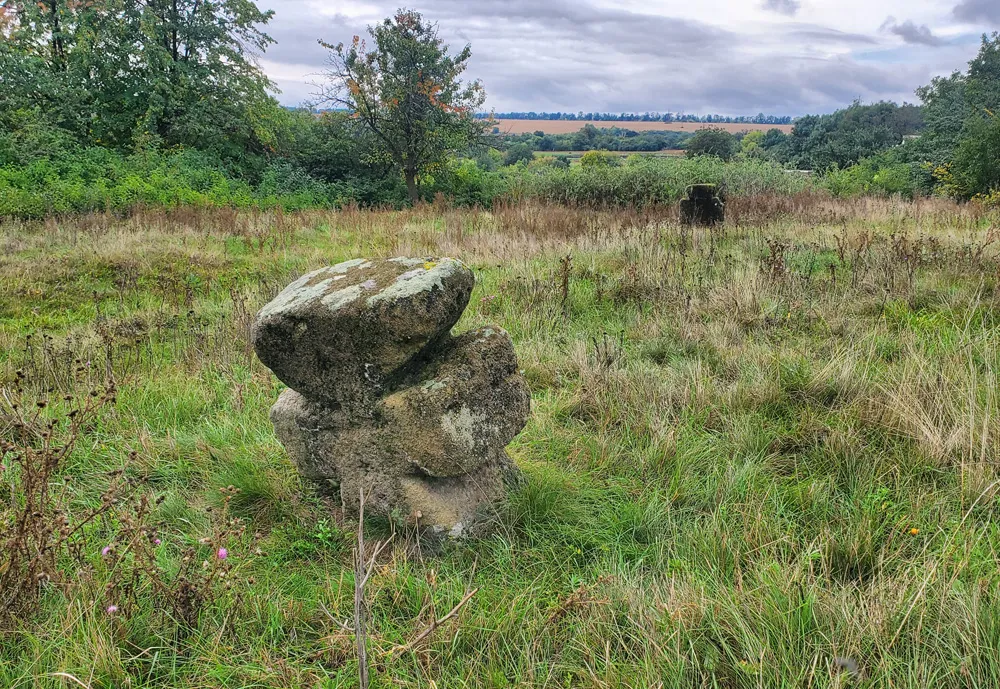
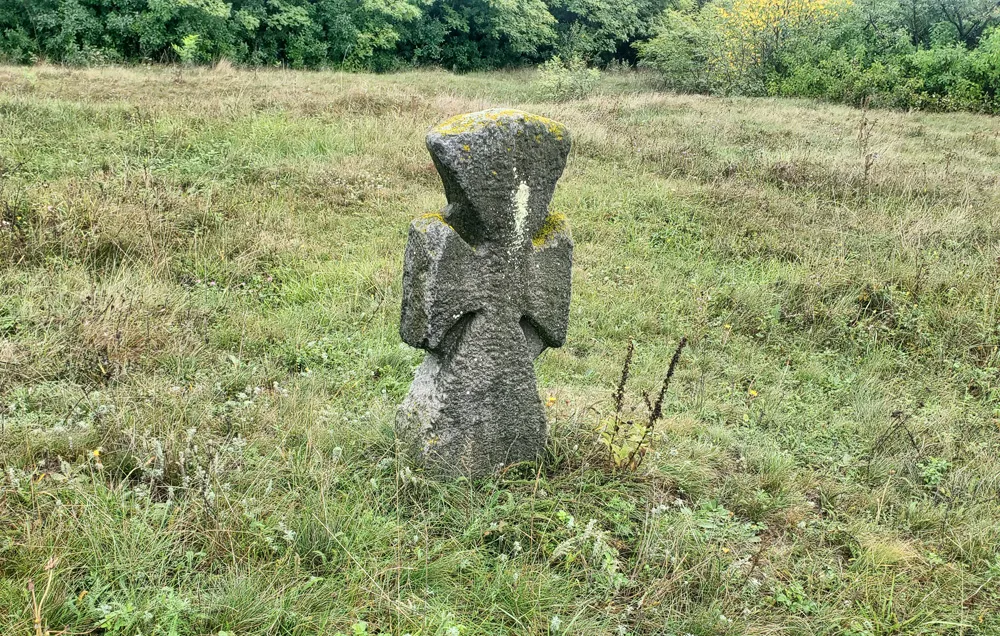
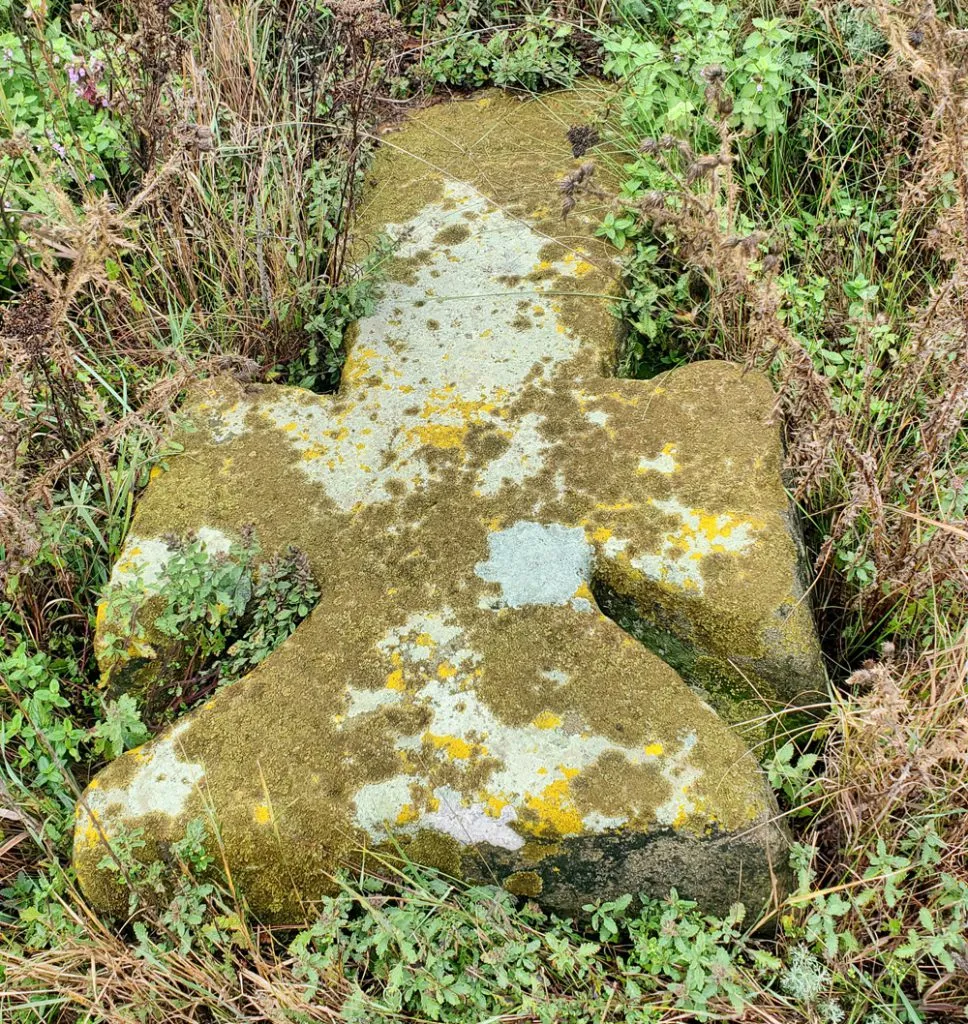
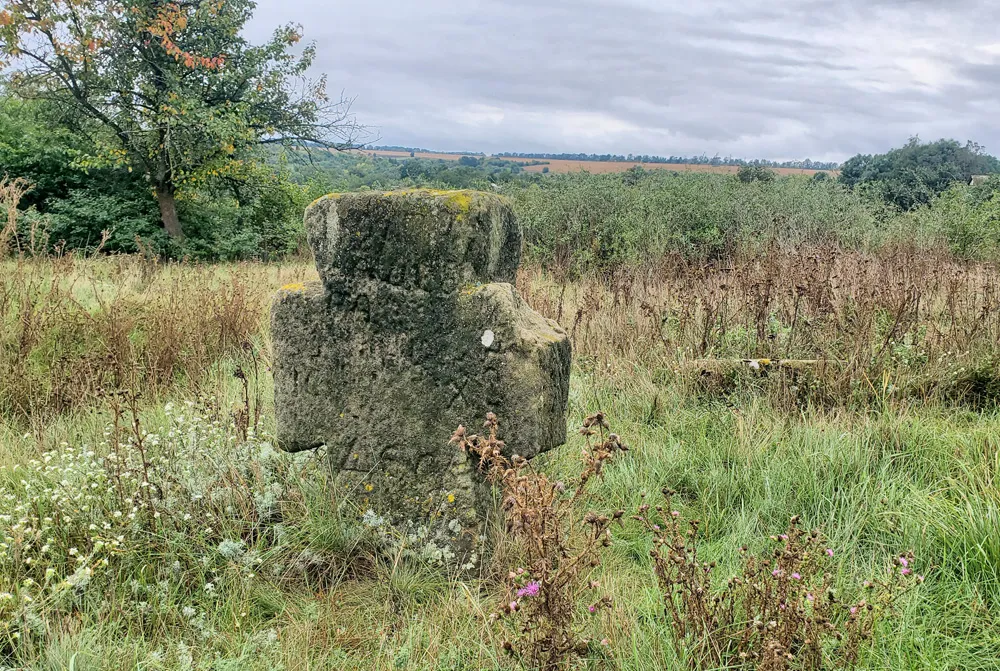
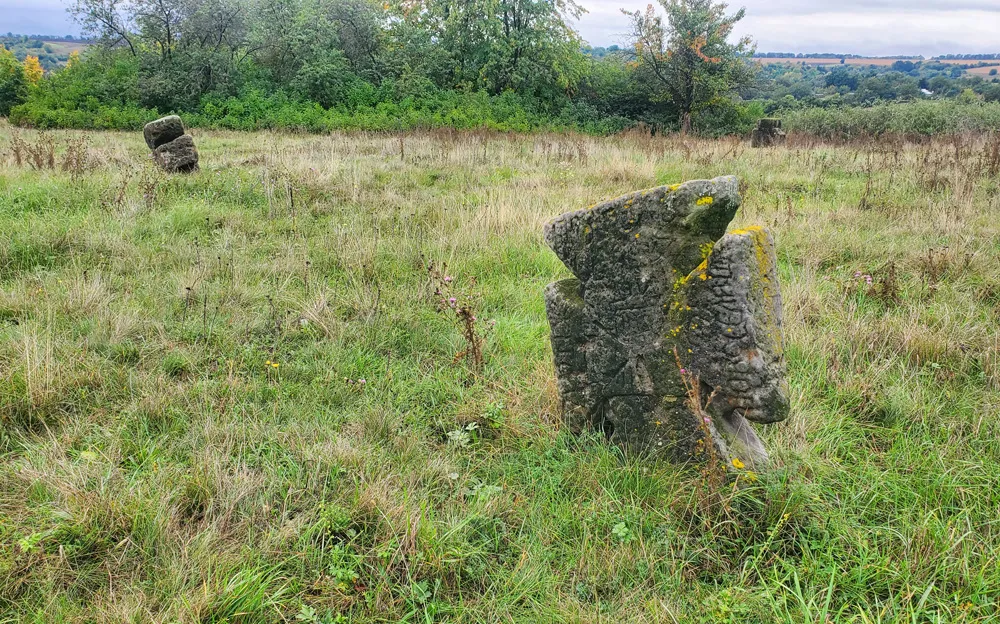
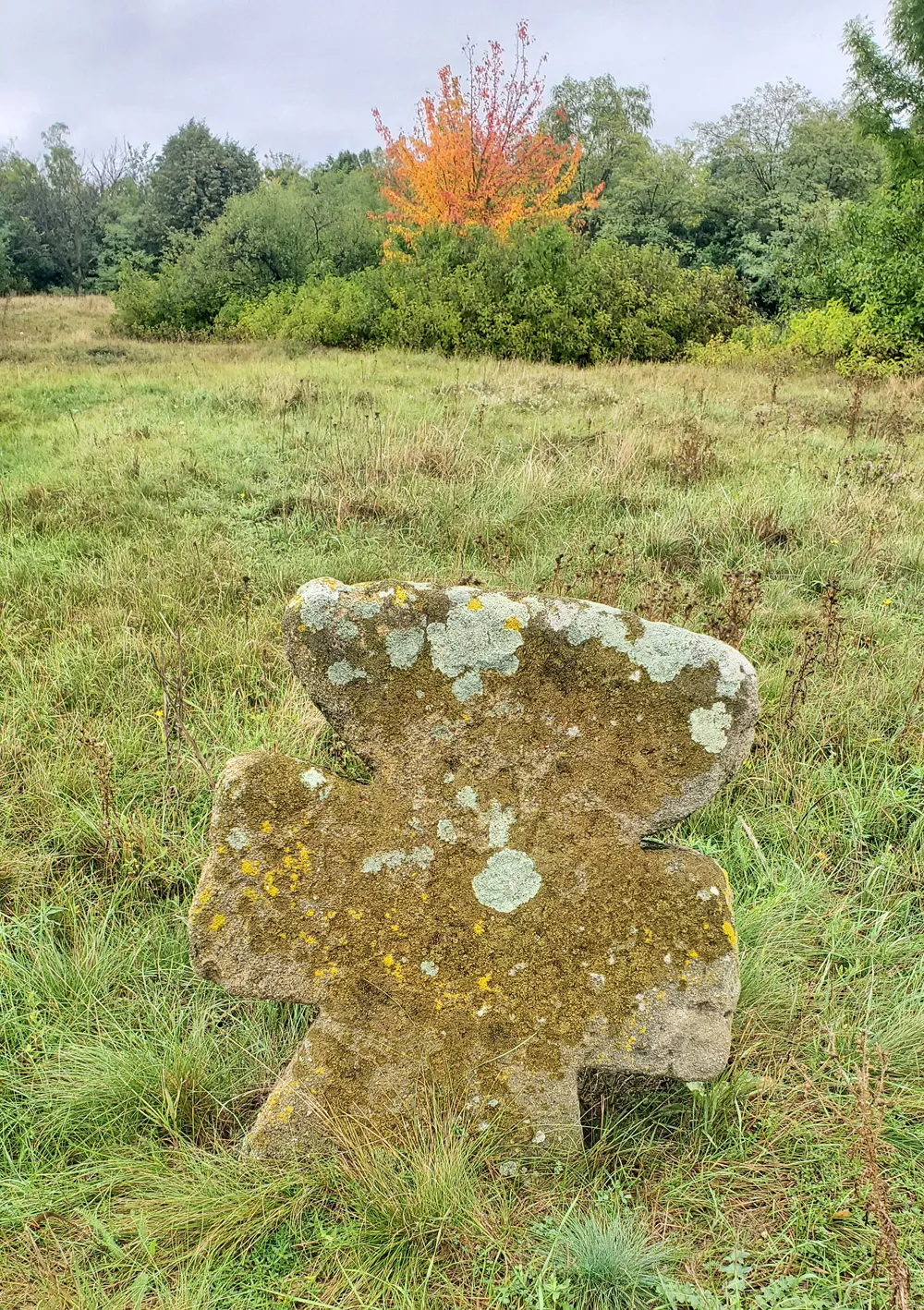
Of course, the cemetery in Novoselytsia, like those in the neighbouring villages, needs further research and must be entered in the Register of Monuments — until now the state has ignored the value of this incredible monument. I would also like to note that Novoselytsia was never a serf village: in the 18th century it belonged to starosta (and thus state) estates, and in the 19th it was a state village of the Russian Empire. In the 18th century Kalnybolota Cossacks lived here, and in the 19th their descendants, who were free state peasants, professed Cossack traditions and called themselves Cossacks.
Text and photos by Roman Malenkov.