Russia’s occupation of eastern Ukraine. 1926. Starodub region. Ukrainian Baroque

· 3 min read
Russia’s occupation of eastern Ukraine. 1926. Starodub region. Ukrainian Baroque.
----
Have you ever thought how large Ukraine once was? The map in the last photo – keep scrolling – it really was big. When? For example, in the time of the Ukrainian People’s Republic. Neighbours later carved a lot off it; even the modest Belarusians chipped in – the Brest region is definitely not theirs. Poland, Slovakia, Hungary, Romania, Moldova all got a little, but guess who got the most. Right – the Wild Lands behind the wall, Russia. The Kuban, eastern Sloboda Ukraine and the Starodub region. Let us begin with the last.
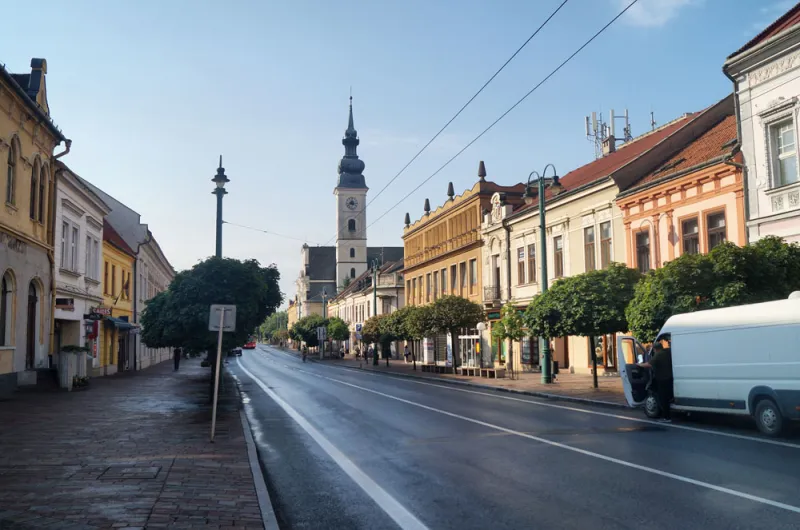
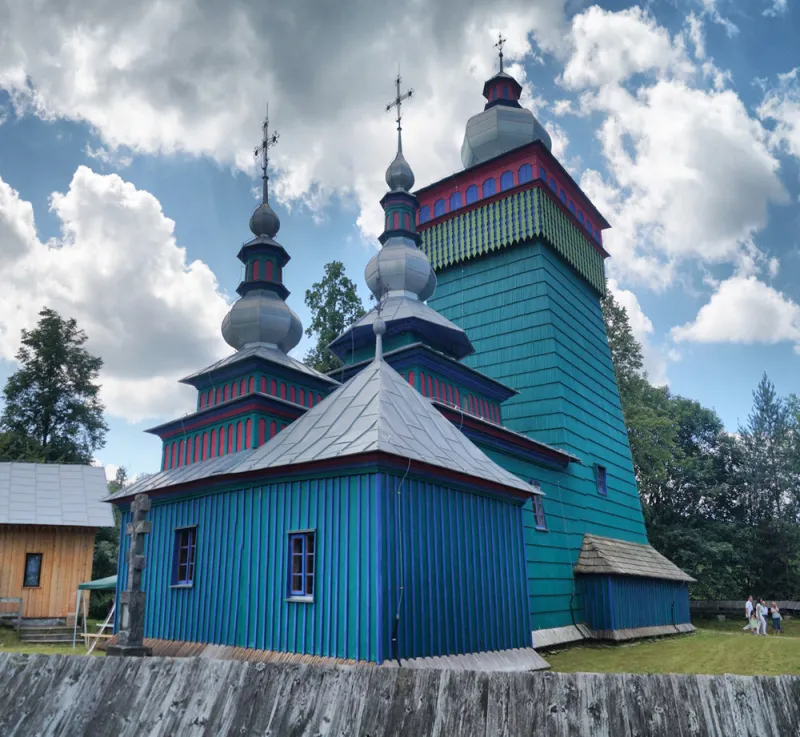
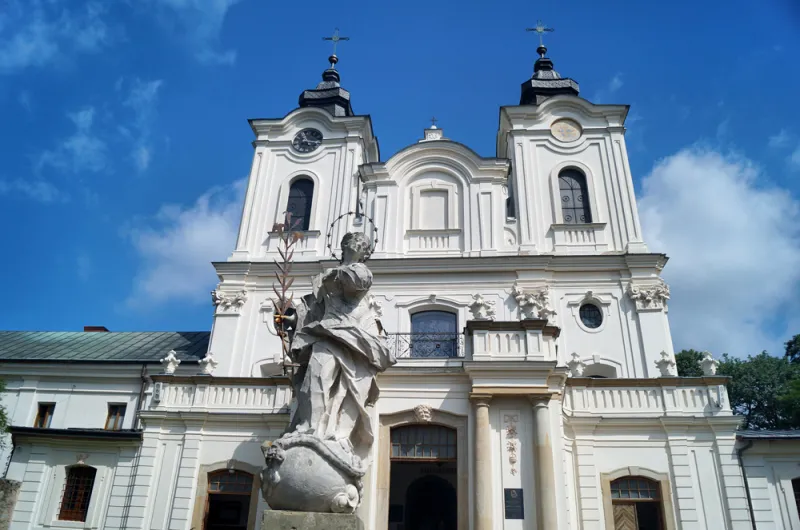
The Starodub region. Judging by the churches in the photos, do you doubt that this is ethnic Ukrainian land? From time immemorial it was part of the Siverian land and the Principality of Chernihiv. In Cossack times the largest Cossack regiment by area was located here, led by the famous colonel Mykhailo Myklashevskyi, one of the builders of the Vydubychi Monastery in Kyiv (where he is also buried). The Kosach family (the father of Lesia Ukrainka) and the Mikluhas (the family of Miklouho-Maclay) came from here. Here the Chronicle of Samovydets, an outstanding monument of Ukrainian literature and history, was written. Here the Cossacks built their Baroque creations, and here, even today, a Ukrainian accent can still be heard in the villages.
Under the terms of the Treaty of Brest-Litovsk, the Starodub region was clearly fixed within the borders of the Ukrainian People’s Republic, and Russia agreed to this, putting its signature to it. But the lies of this country know no bounds – it lies to everyone (itself included) always. In 1926 the Starodub region was incorporated into the Bryansk Governorate of the RSFSR; only the Semenivka district somehow ended up within Ukraine. The total area of the districts of the Starodub region that Stalin included in Russia is about 15,000 square kilometres – more than the Zakarpattia and Chernivtsi oblasts. Quite a few monuments of Ukrainian architecture have survived within the Starodub region. Incredible monuments.
Text by Roman Malenkov
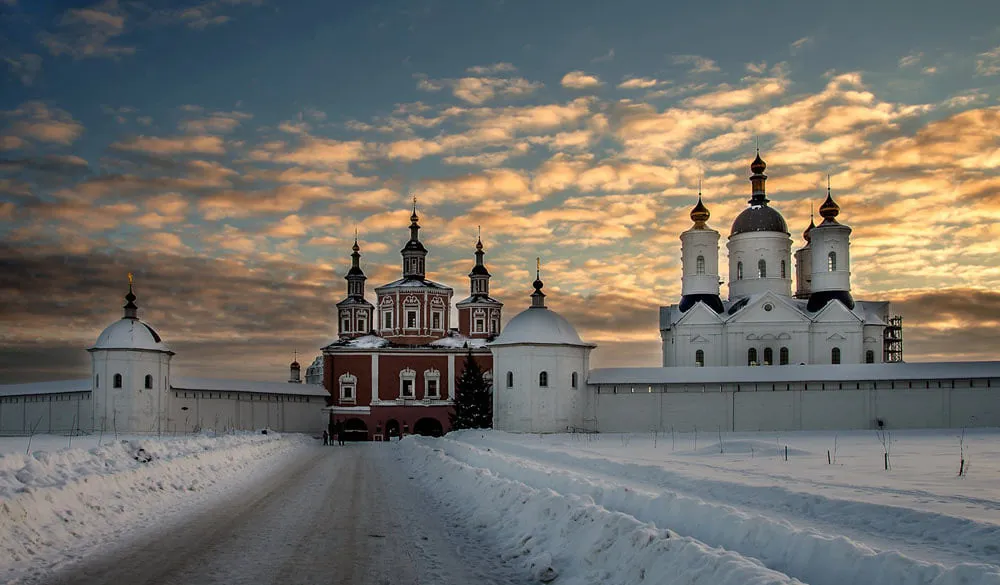
Sven Monastery. Bryansk Oblast, Suponevo. The churches were built in the Ukrainian (Sloboda) Baroque style. The largest church was destroyed in the 1930s. The main church is dedicated to Anthony and Theodosius of the Caves. From 1681 to 1786 it was attached to the Kyiv Pechersk Lavra. Source: Wikipedia
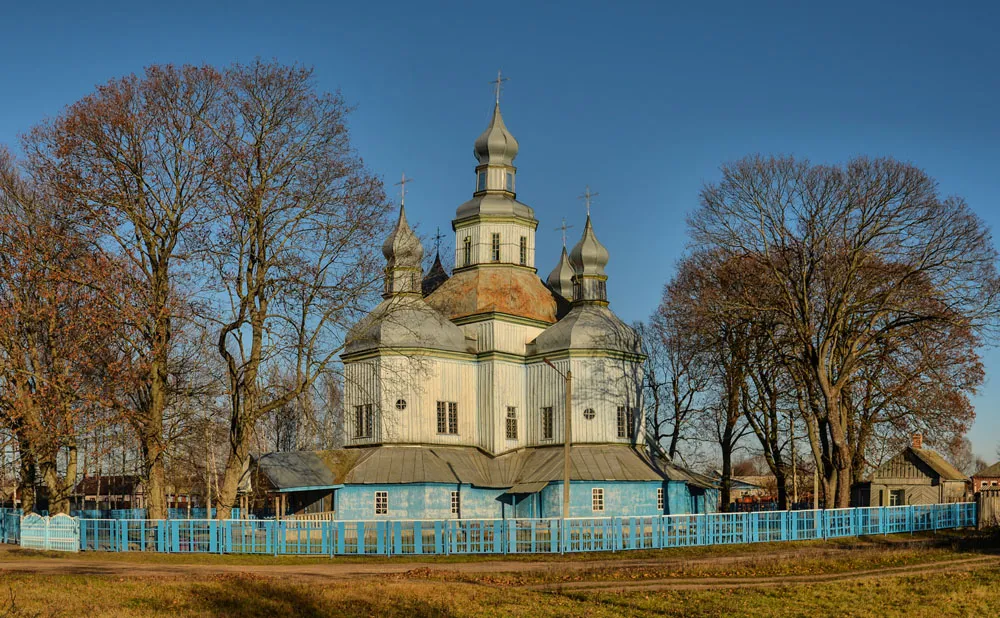
Church of St. Nicholas the Wonderworker. Cossack Baroque. Bryansk Oblast. Novyi Ropsk. Source: Wikipedia
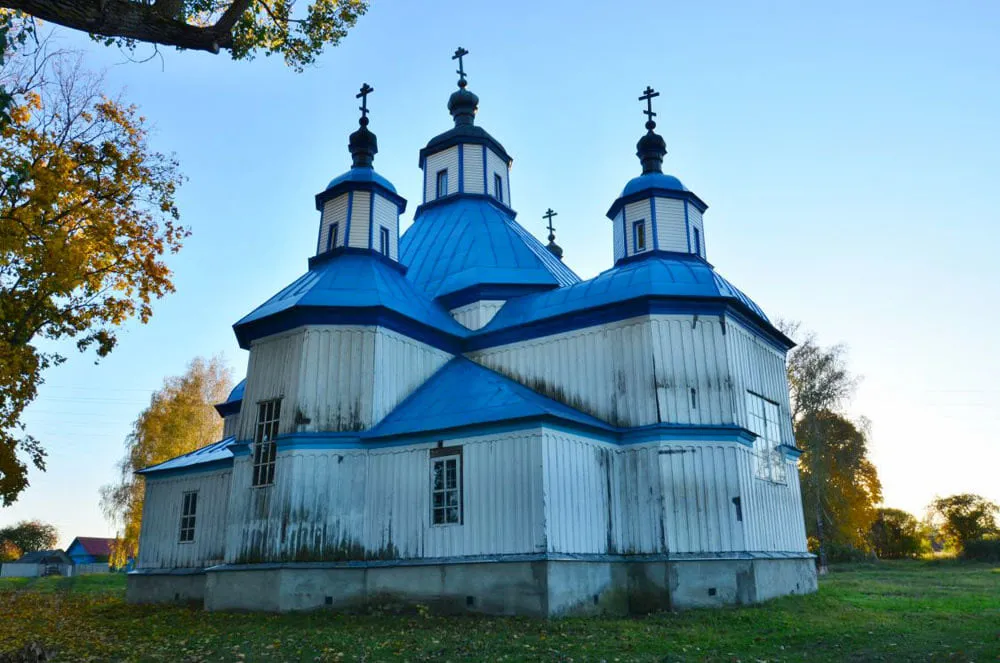
Church of the Nativity of the Mother of God. Cossack Baroque. Bryansk Oblast. Staryi Ropsk. The church was built in 1730. Source: Wikipedia
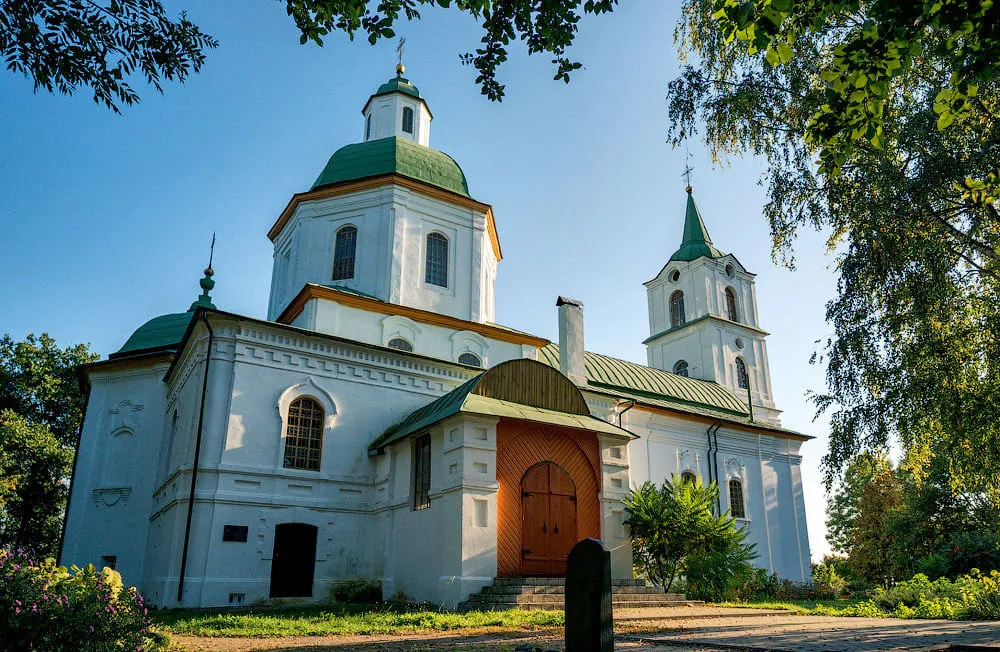
Trinity Cathedral in Trubchevsk. The first masonry church in northern Siverian land. Its construction began in the late 12th century under the appanage prince of Trubchevsk Vsevolod, “Buy-Tur”, brother of Prince Ihor of Novhorod-Siverskyi, the hero of “The Tale of Ihor’s Campaign”. The model for this brick church was the Church of St. Paraskeva Piatnytsia in Chernihiv. The cathedral in Trubchevsk was destroyed after the Mongol-Tatar invasion, and on its foundations a new Trinity Cathedral was built in the 16th century. During Trubchevsk’s time in the Polish–Lithuanian Commonwealth (1616–1644) the church was rebuilt as a Roman Catholic church. In Cossack times it acquired features of Ukrainian Baroque. Source: Wikipedia
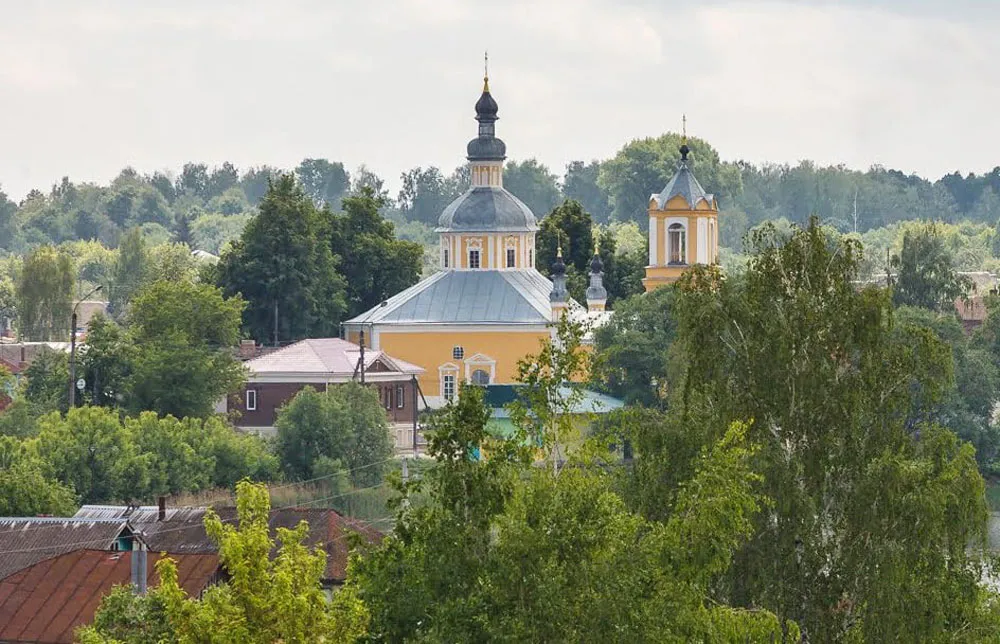
Epiphany Church in Starodub. Bryansk Oblast. Ukrainian Baroque, 1789. Source: Wikipedia
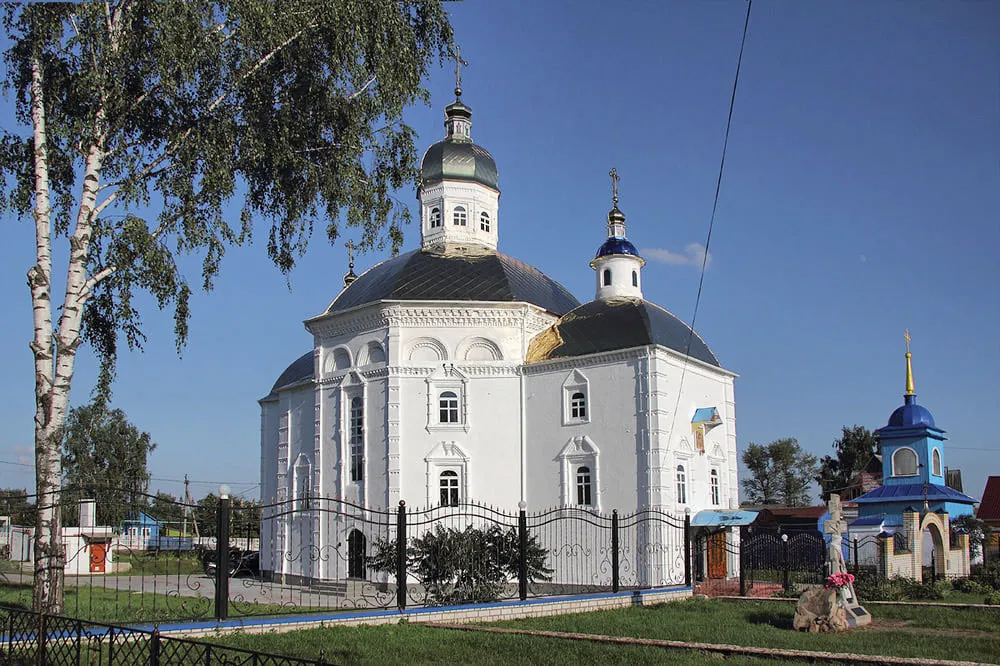
Regimental Cathedral of the Nativity of Christ in Starodub. 1670s. Ukrainian Baroque. Source: Wikipedia
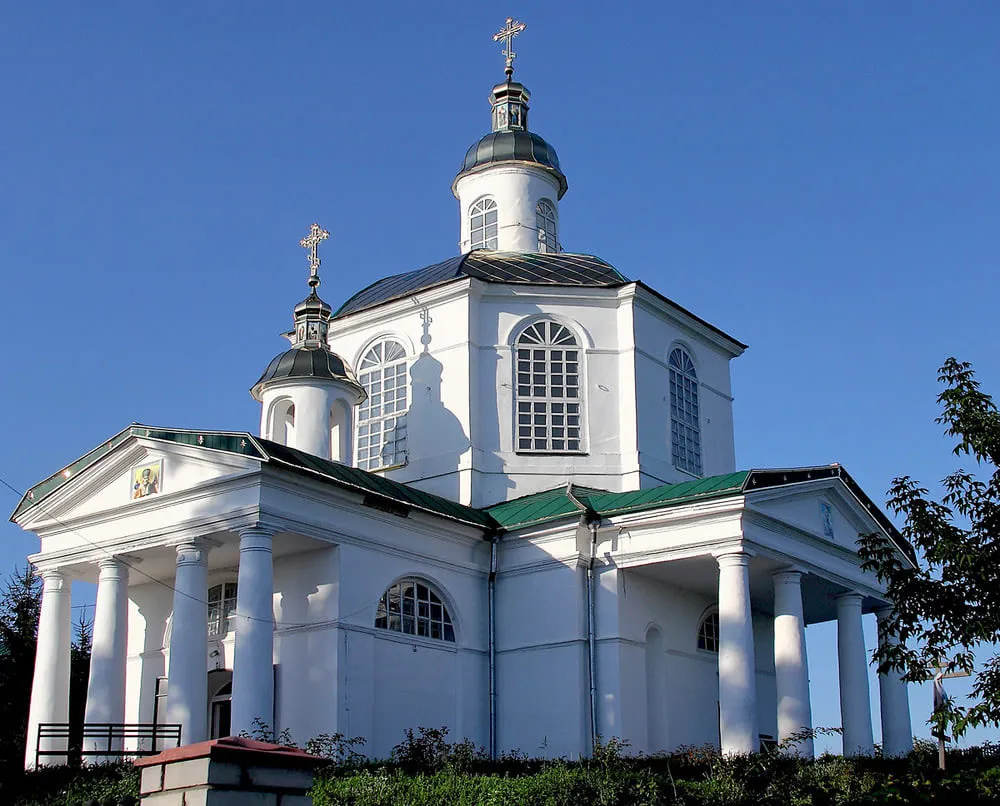
St. Nicholas Cathedral in Starodub. Bryansk Oblast. Classicism with elements of Ukrainian Baroque, 1803. Source: Wikipedia
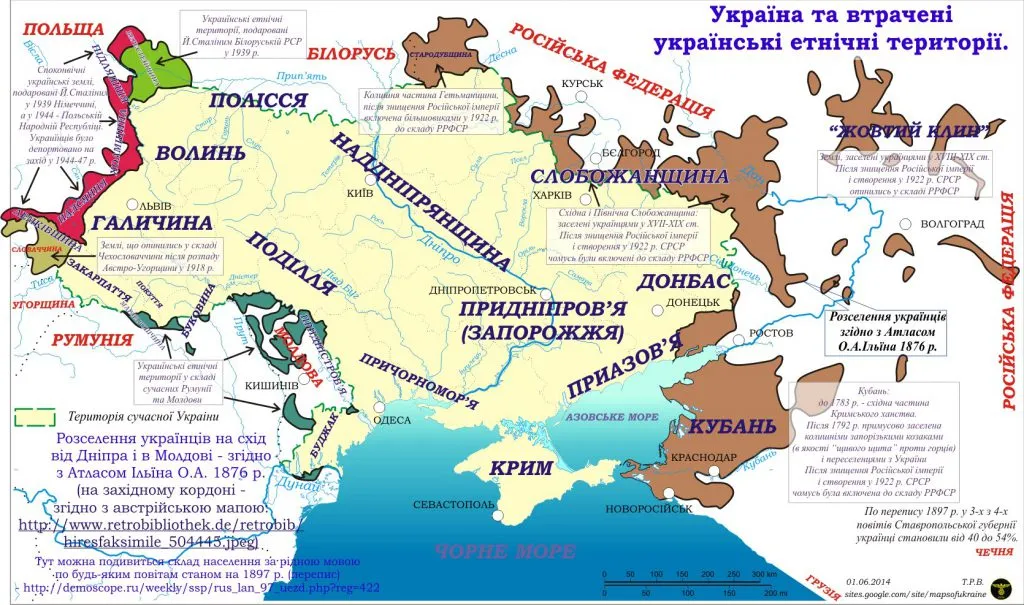
Source: Maps of Ukraine