Poland. The Boyko village of Hoshiv (Hoszów)

· 1 min read
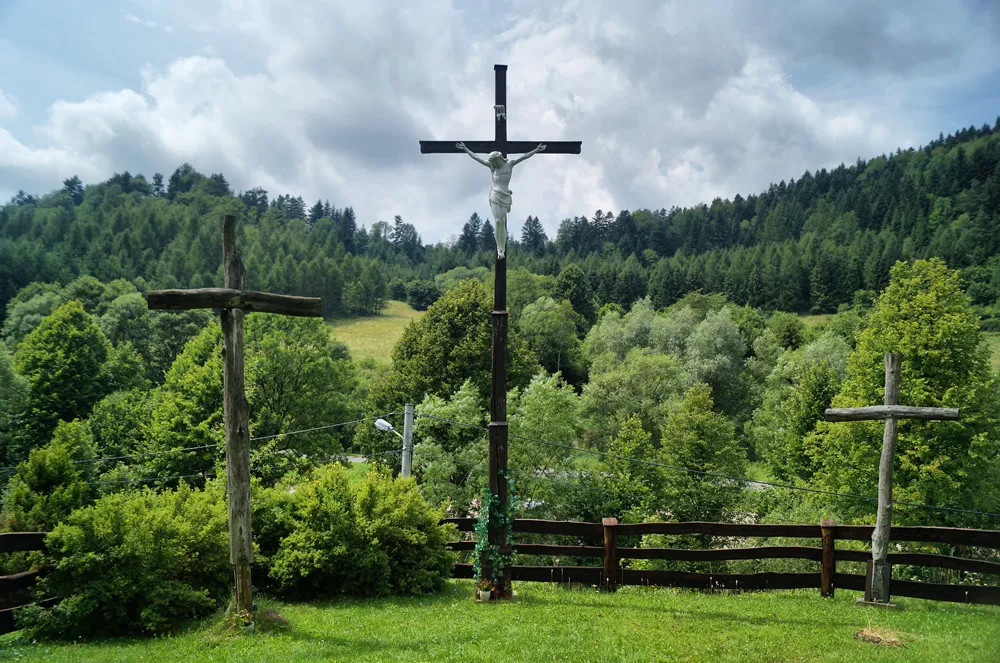
The village of Hoshiv (Hoszów) lies 6 km from Ustryky Dolishni (Ustrzyki Dolne) and 5 kilometres from the border with Ukraine. In the past it was a Boyko village, but in 1951, during Operation Vistula, all the Ukrainians were deported.
The village was founded in 1420. From 1772 to 1918 it was, together with the whole region, part of Austria-Hungary, and then became part of the newly created Poland. In 1939 the Subcarpathian territory was annexed to the Ukrainian SSR and incorporated into Drohobych Oblast, Hoshiv included. And in 1951, under an agreement between Poland and the USSR on the exchange of territories, the village returned to Poland, while the villagers were forcibly resettled to the village of Starovarivka, Stalino Oblast – in the Donbas.
At all times the population of Hoshiv was predominantly Ukrainian: in 1182 the village had 308 inhabitants, 281 of them Ukrainian Greek Catholics. And as of 01.01.1939 the village had 550 inhabitants, of whom 480 were Ukrainian Greek Catholics, 40 Ukrainian Roman Catholics and 30 Jews. That’s how it was.
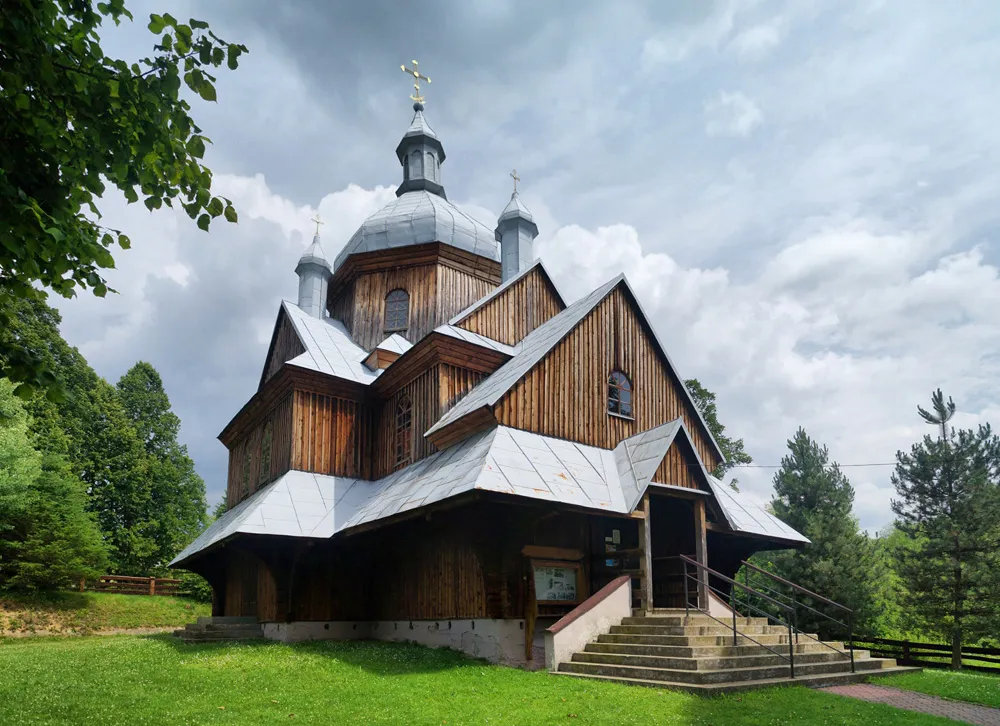
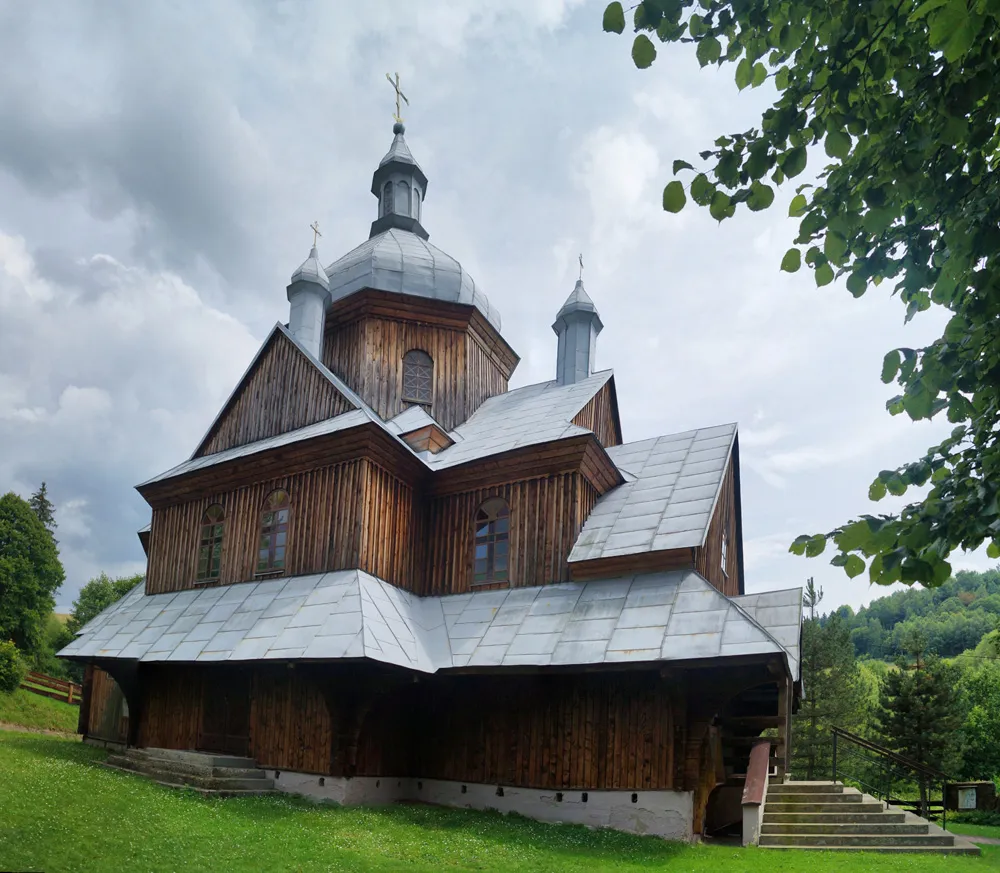
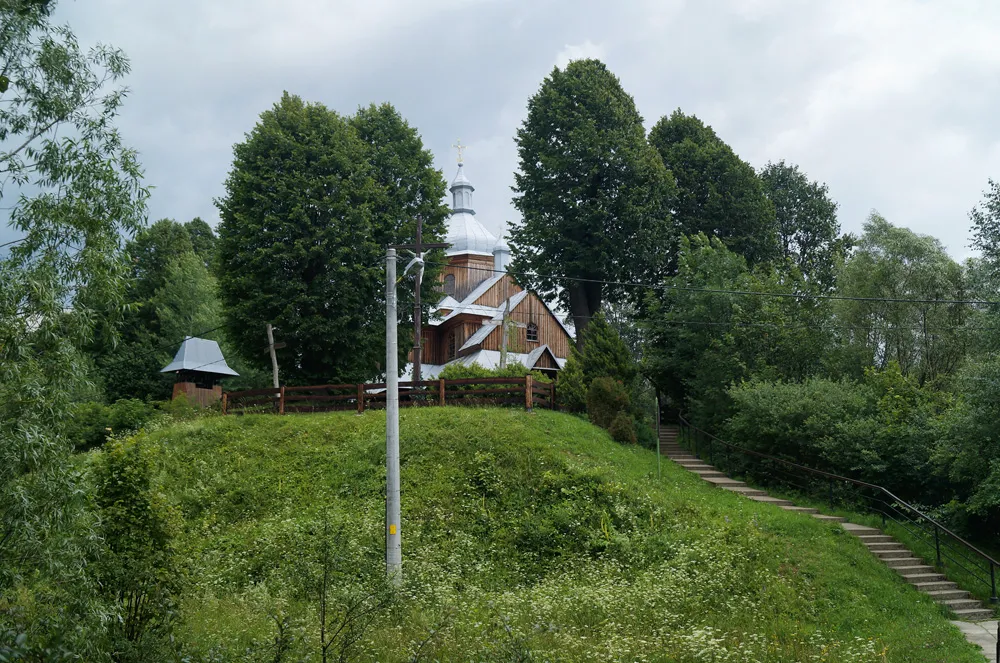
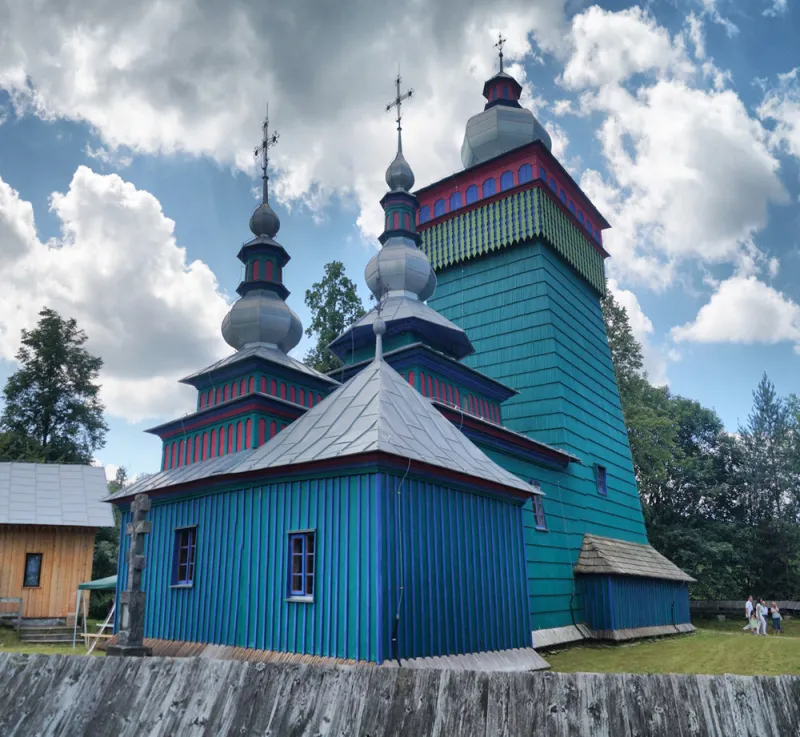
In the village stands the wooden St. Nicholas Church, built in 1939. It was erected on the site of, and from the material of, the previous 18th-century church. During the Second World War the church was still unfinished and was used as an ammunition store. Construction was finally completed in 1947–1948. After the Ukrainians were expelled the church stood empty until in 1971 it was adapted as the Church of Blessed Bronisława, which it remains today.
Text and photos by Roman Malenkov. Based on Wikipedia.