Poland. Kwidzyn. The castle with a toilet

· 2 min read
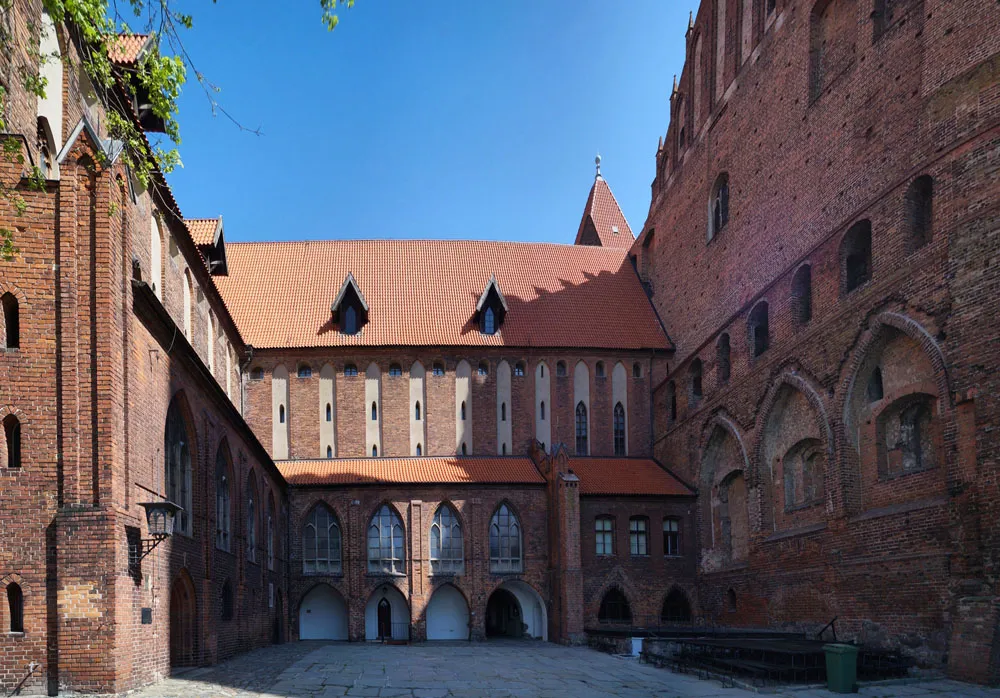
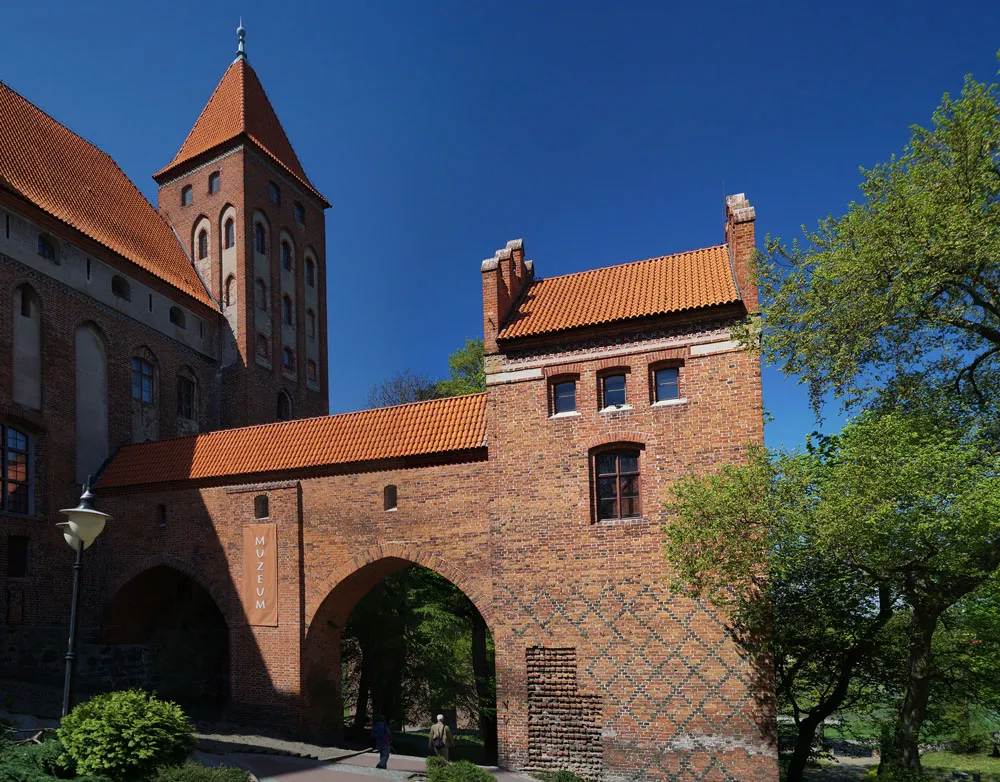
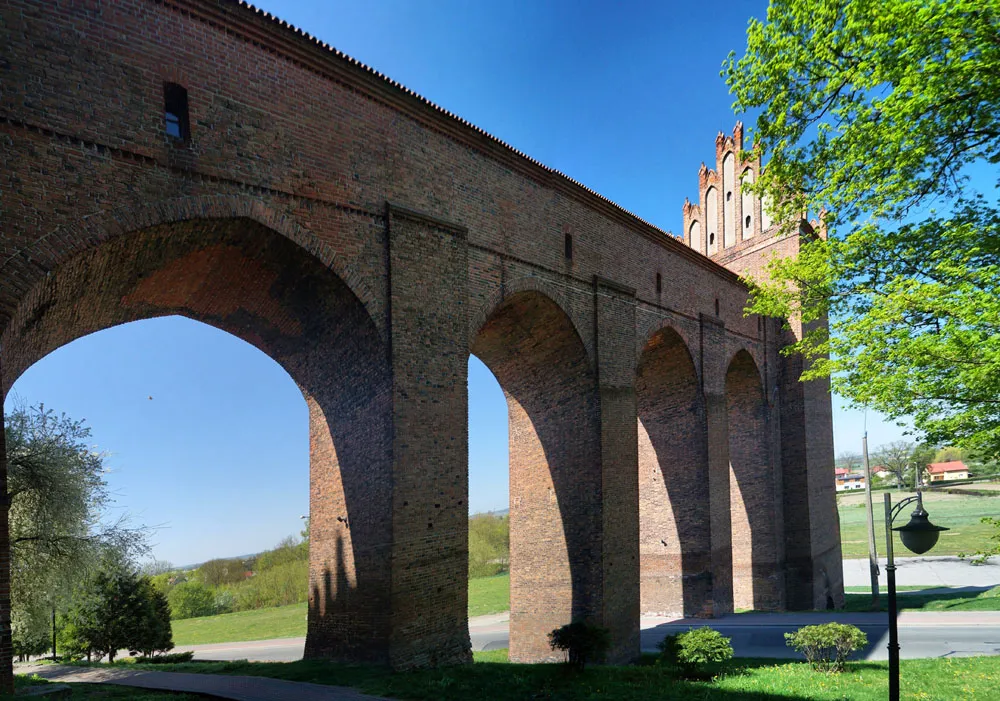
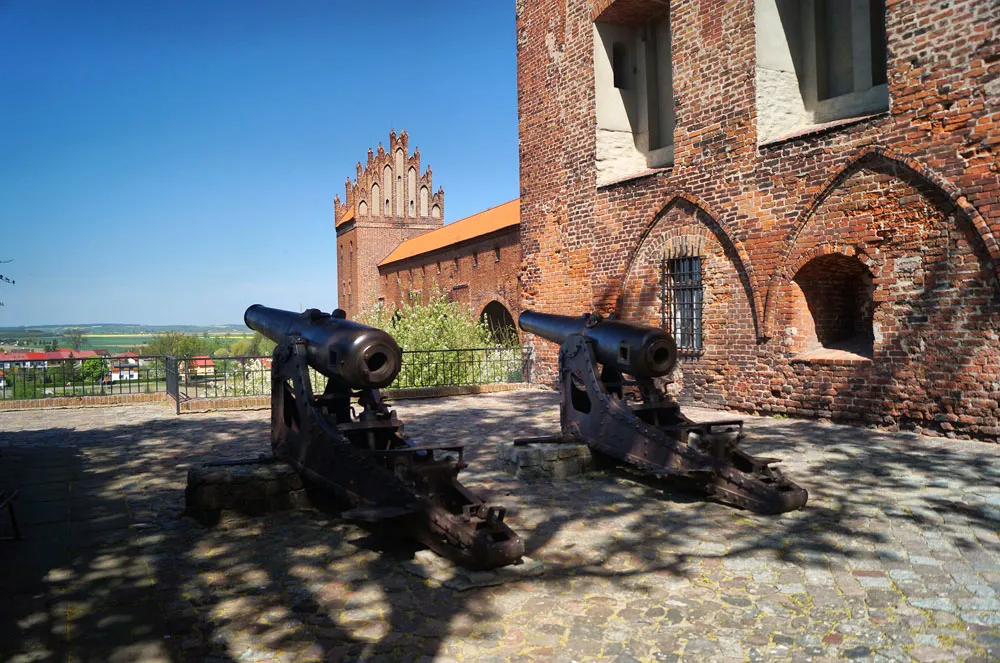
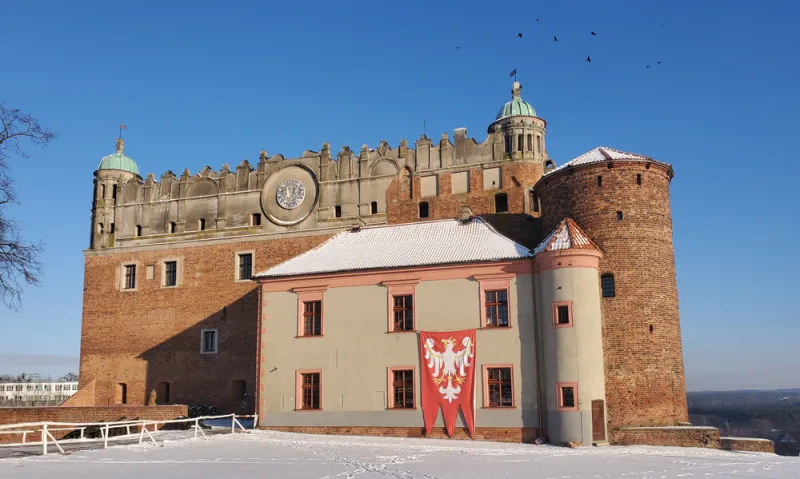
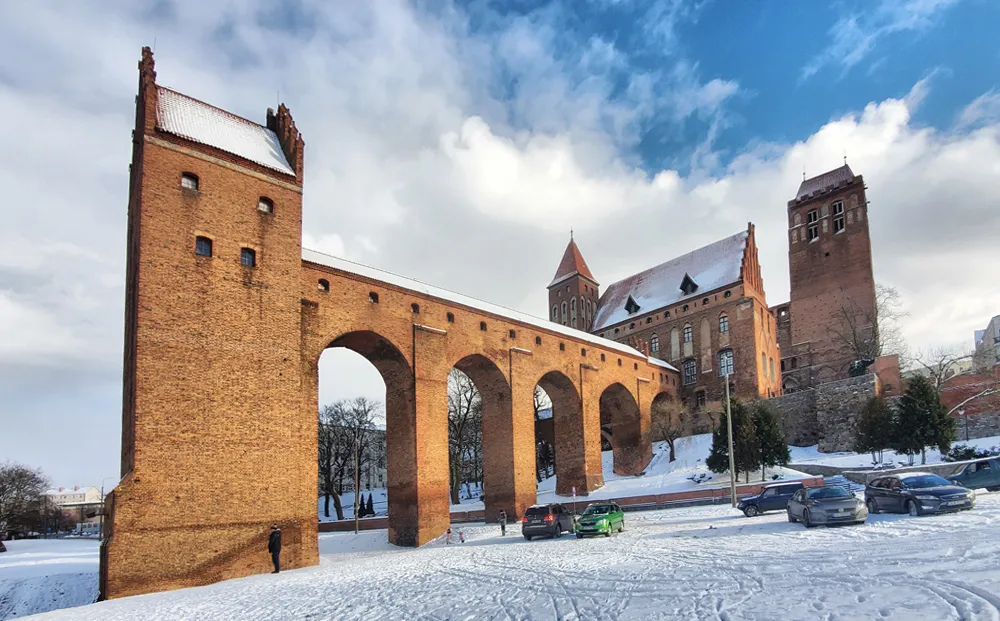
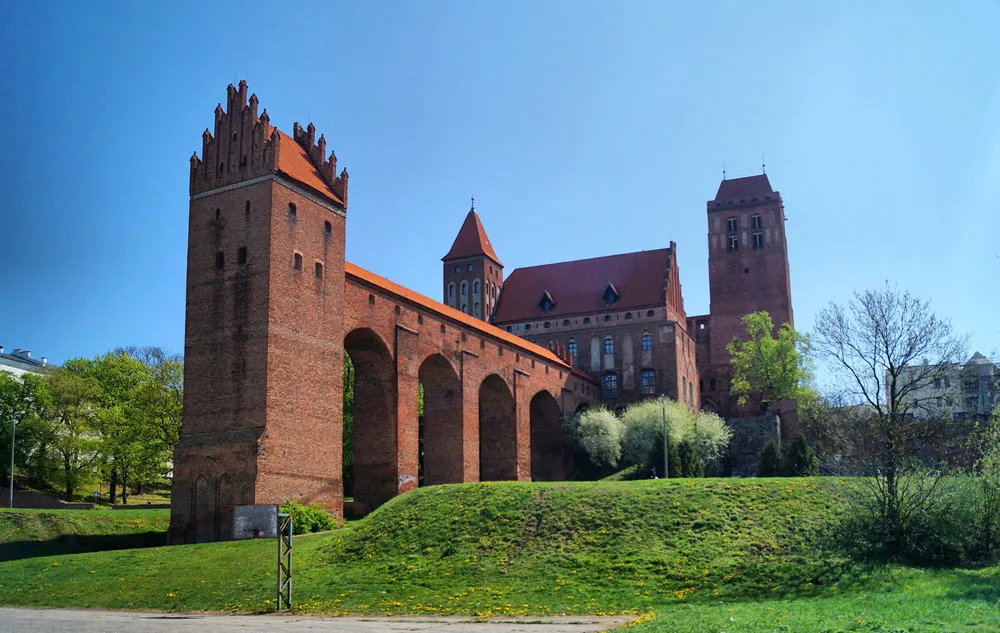
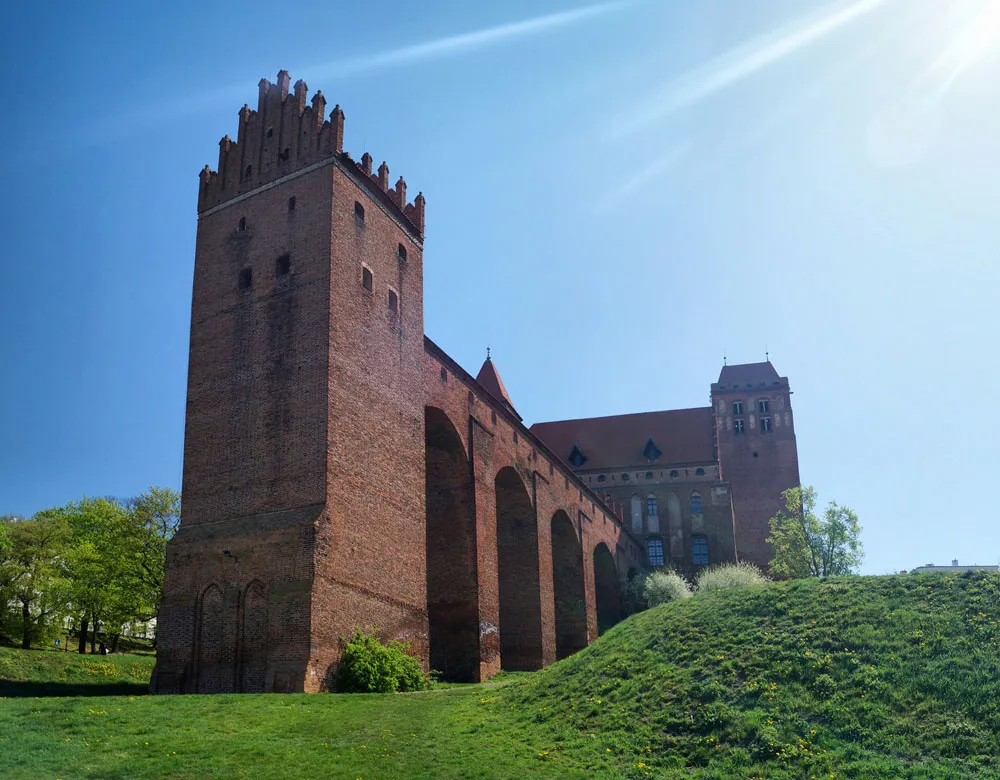
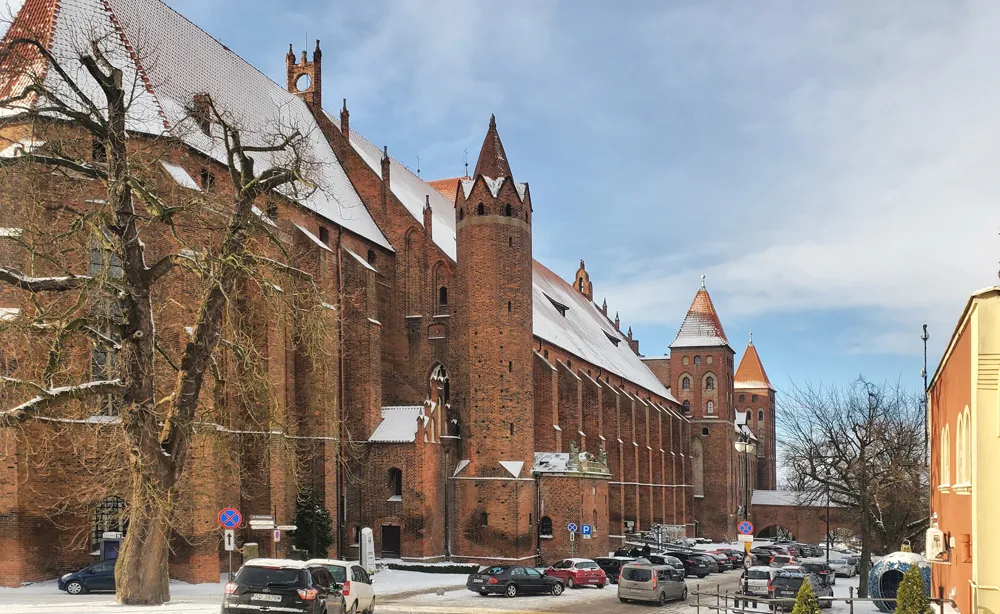
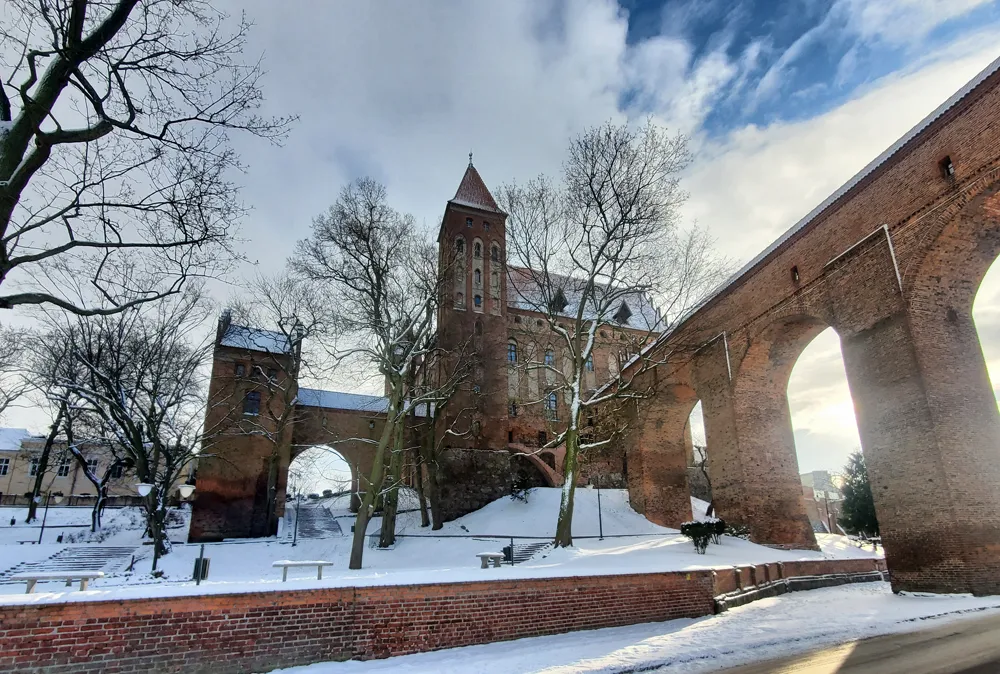
Kwidzyn is one of the best-known Teutonic castles, at least judging by images on the internet. It is a Gothic castle with the biggest gdanisko I have seen, a toilet tower. It looks like something out of a film. But I would not say that Kwidzyn is wildly popular with tourists: they do come here, of course, but not as often as to Malbork (well, that is a monstrous giant); during our visit there were almost none here.
Until the end of the Second World War, for a very long time this town was called Marienwerder, because this was the territory of Prussia and Germany, although the town was founded by Slavs as early as the 11th century. In the chronicles the town’s first name appears as Queden. In 1232, in the small town that Queden was then, the knights of the Teutonic Order founded the town of Ordensburg. At that time the town was populated mainly by Slavic Masurians. It was the residence of the bishops of Pomesania.
In 1525, after the last Grand Master of the Teutonic Order converted from Catholicism to Lutheranism, Kwidzyn became part of the Duchy of Prussia. From then until 1945 Kwidzyn was part of Prussia and Germany, although a considerable part of its population consisted of Polish-speaking Masurians.
In 1871 Marienwerder was incorporated into the German Empire. From then on the number of Poles in the town began to decrease. In 1910 they made up 35%.
During the Second World War Marienwerder did not suffer much, unlike many towns of the Polish Baltic coast; the Allied carpet bombing did not touch it. In 1945 it was incorporated into Poland. Some of the buildings of the old town were dismantled to rebuild devastated Warsaw.
The present Kwidzyn Castle was laid down in 1322 on the site of an older fortification. The main part of the work was completed in 1340–1350. The enormous toilet tower, called a Danzker in German and gdanisko in Polish, was the last to be finished, in 1380. It was connected to the castle by a gallery.
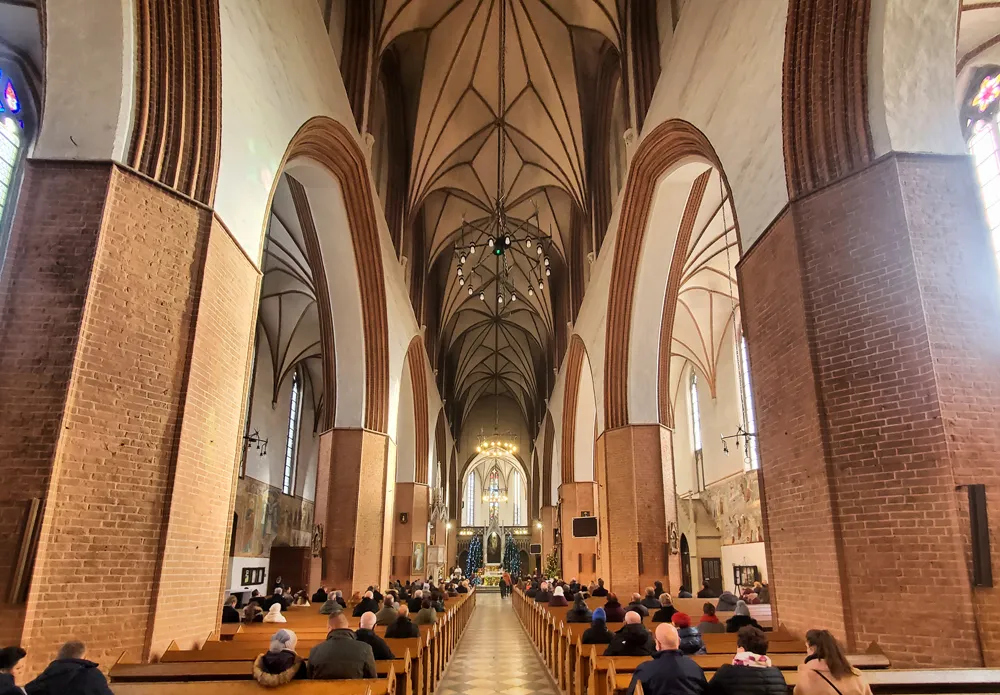
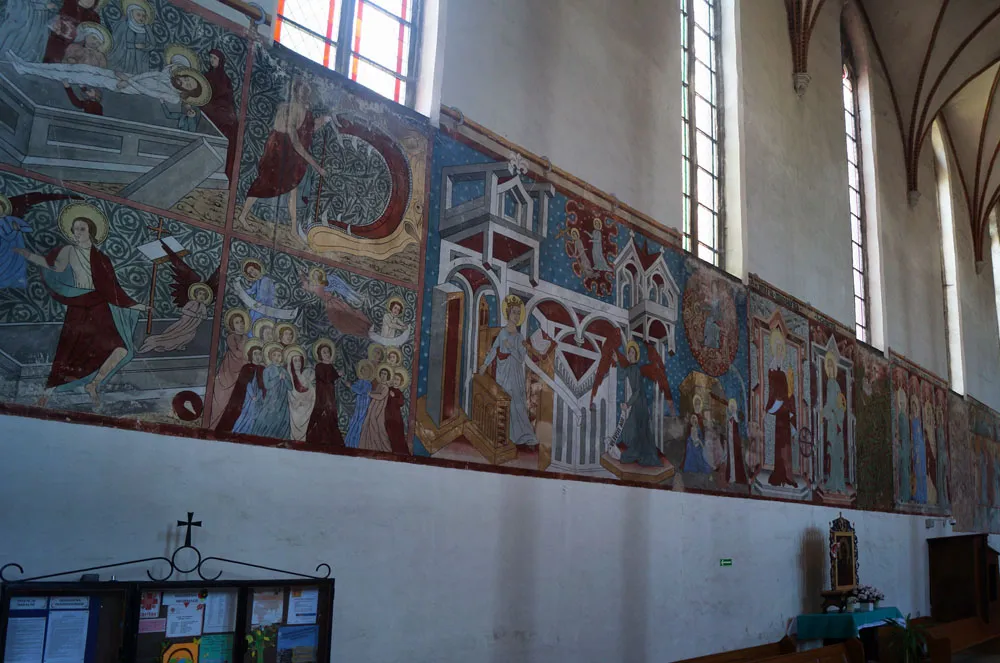
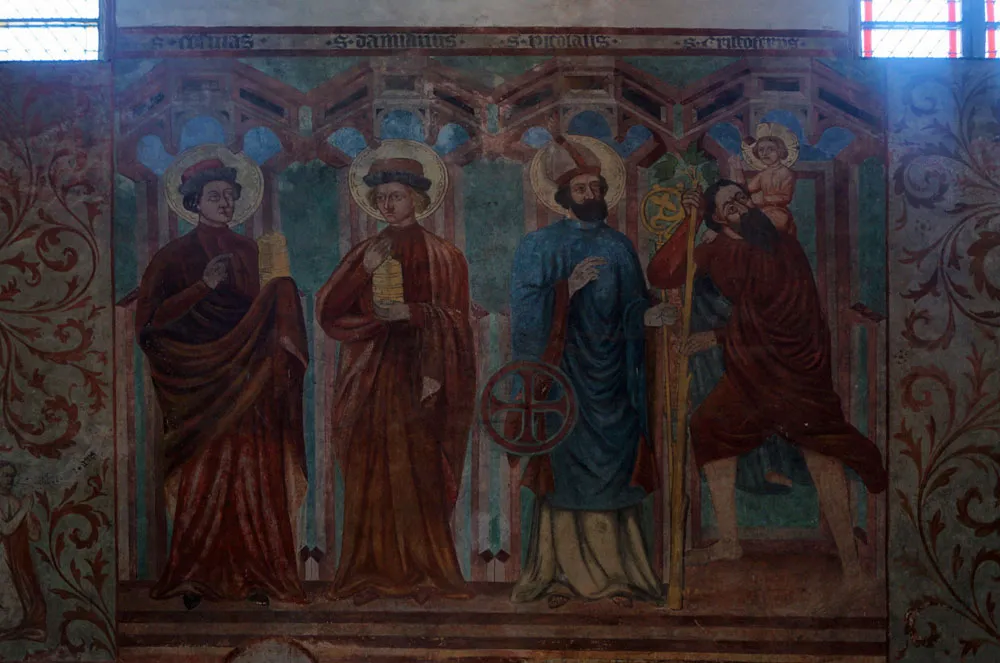
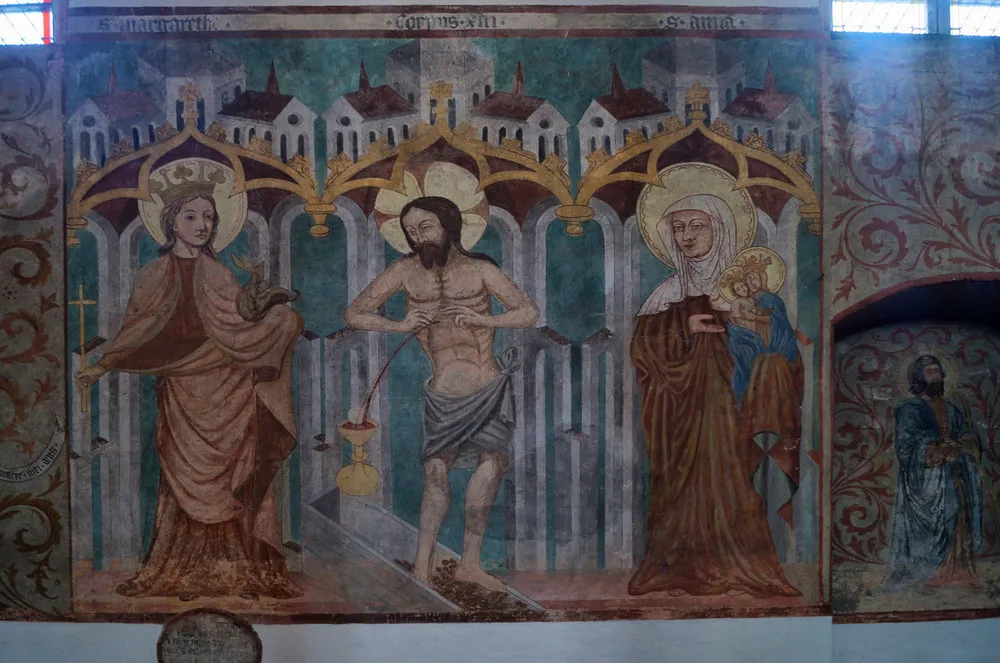
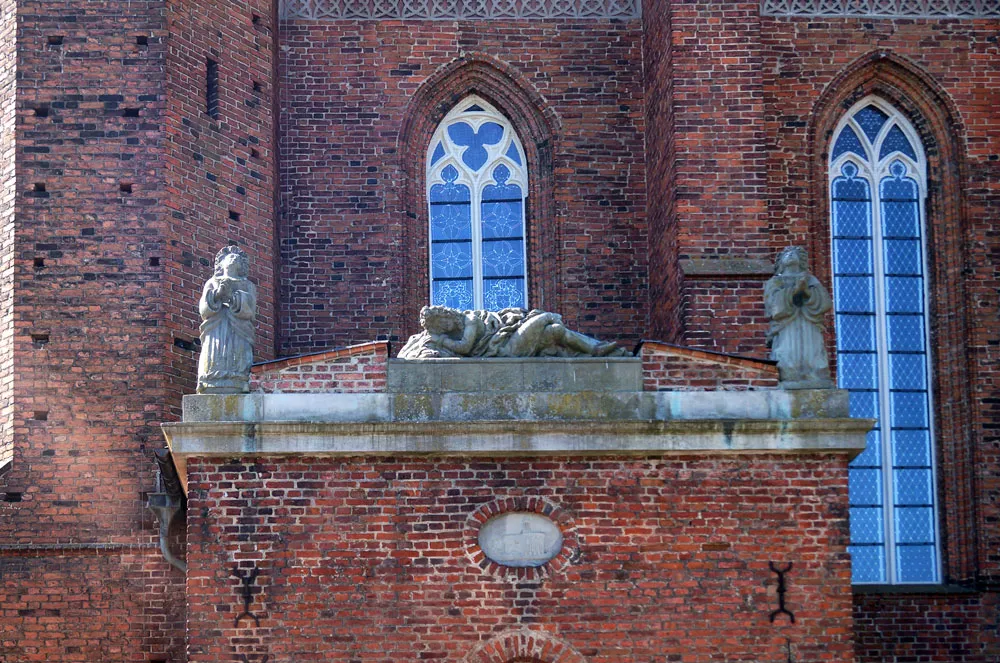
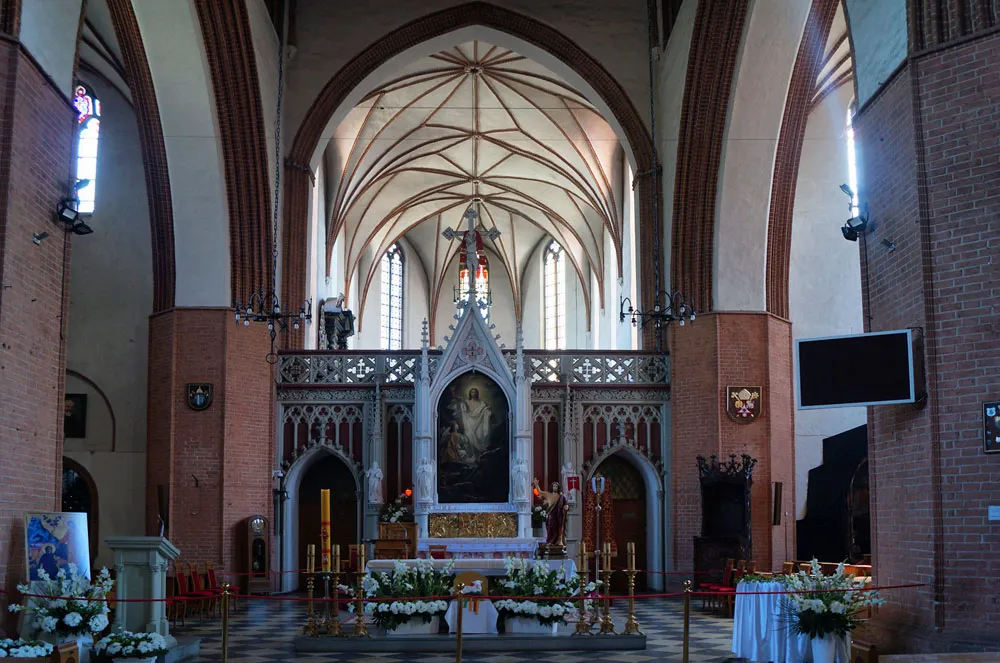
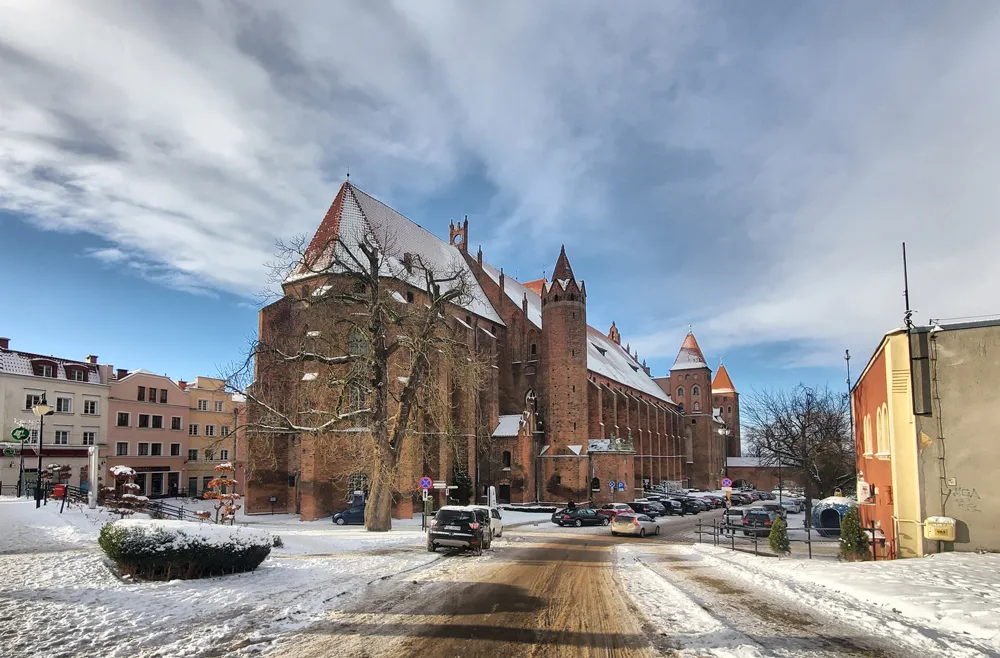
After the bishops’ residence was placed in the castle, a large Gothic cathedral of the defensive type was built here, completing Kwidzyn’s unique castle and sacred ensemble. The cathedral was consecrated in honour of St. John. All this has survived to our time. Be sure to visit Kwidzyn if you are in these parts.
Text and photos by Roman Malenkov.