Poland. Golub-Dobrzyń. Castle and town

· 2 min read
Golub-Dobrzyń is not the best-known Polish town for Ukrainian tourists, which is strange, because the castle here is really cool and the town itself has a rather interesting history. A border history. For almost the entire period of the town’s existence — until 1941 it was two separate towns — there was a border here.
Two small towns lived side by side — Golub and Dobrzyń, on different banks of the Drwęca River, in different countries. In 1231–1454 these were the Teutonic Order and Poland, in 1772–1918 Prussia and Russia. And it was Germany — the Third Reich — that merged the two towns into one, during the occupation, in 1941.
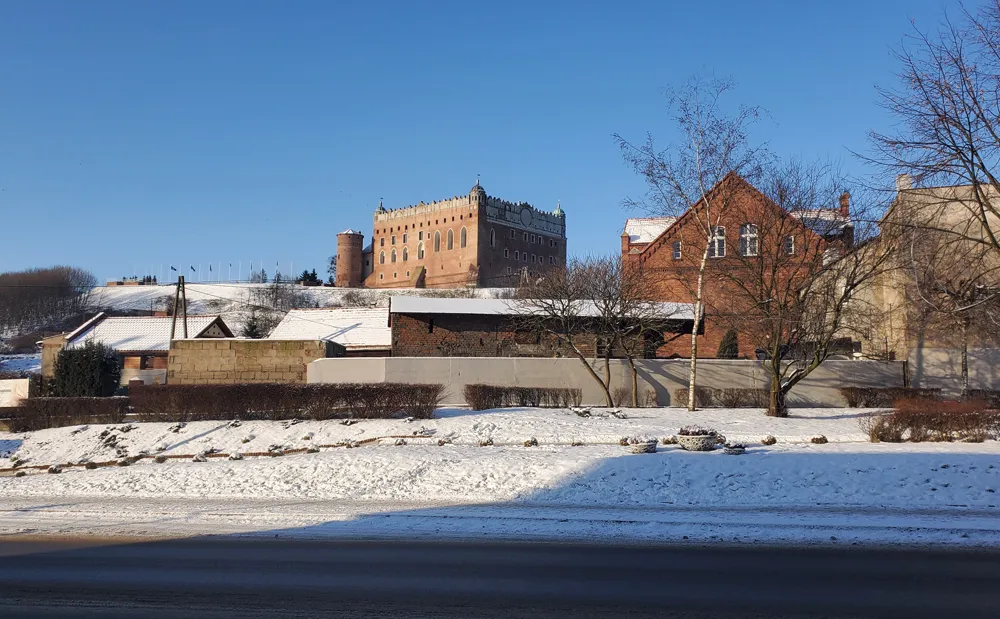
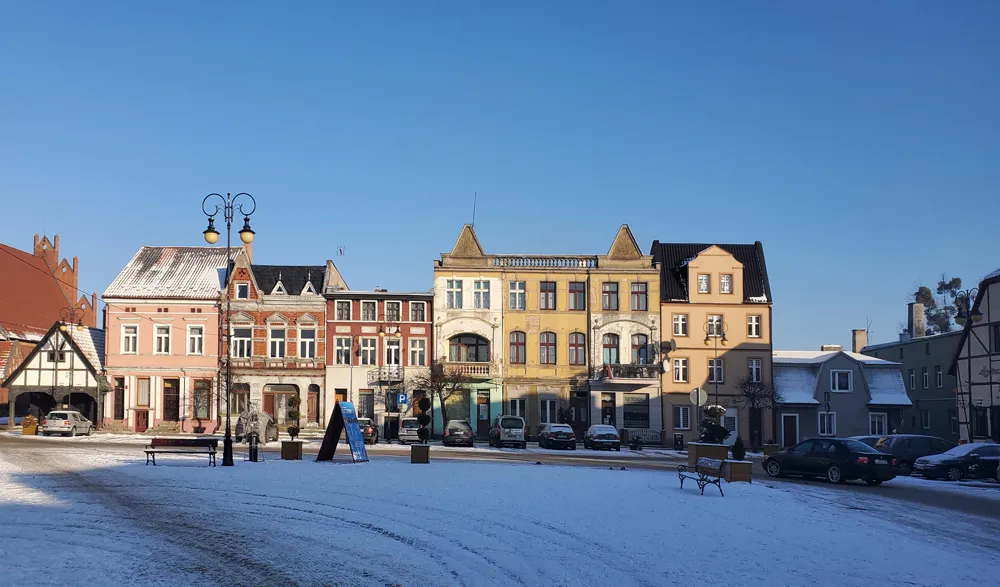
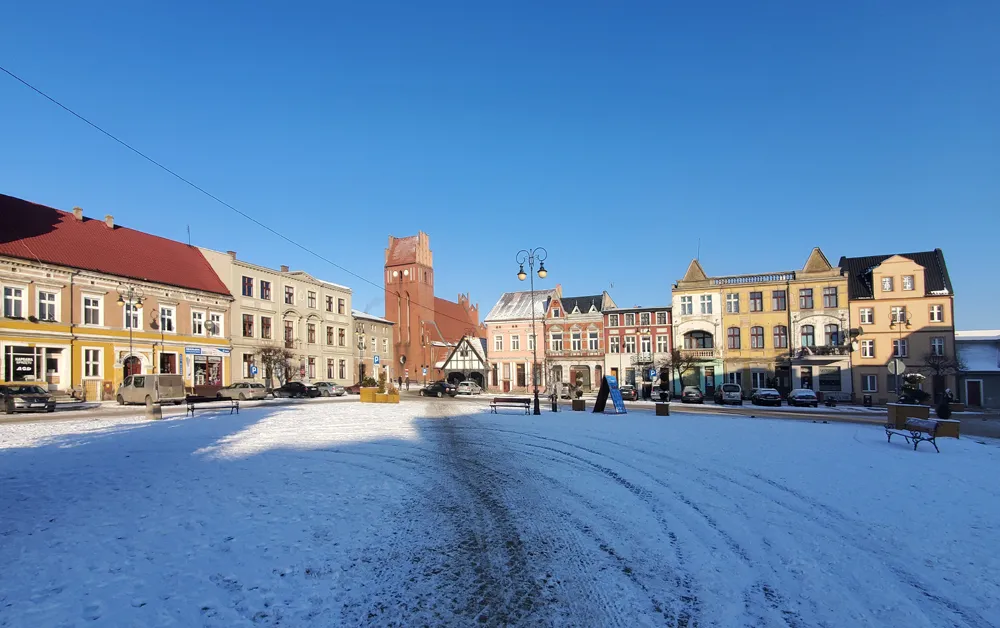
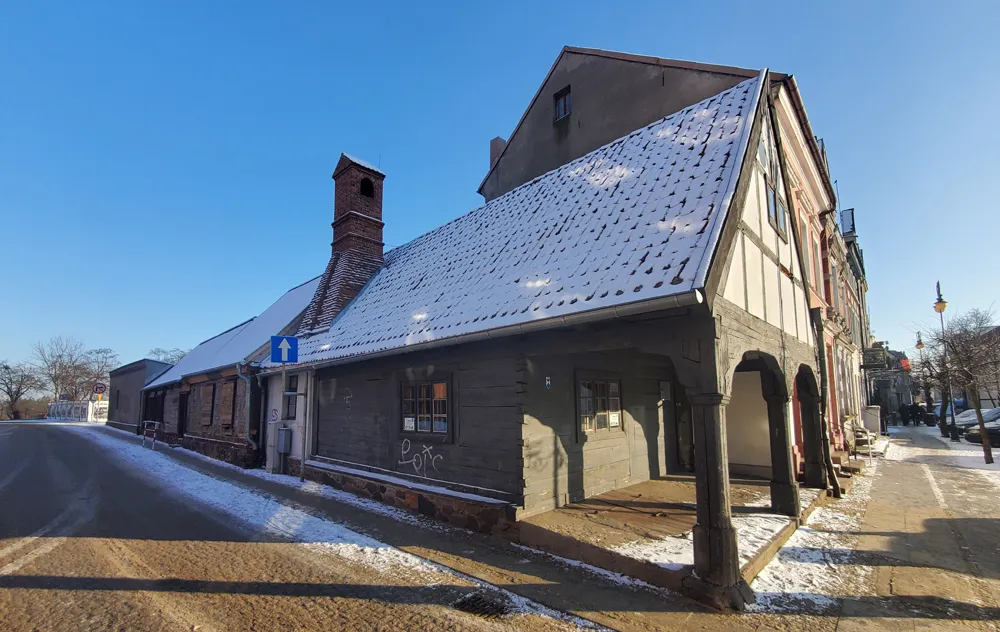
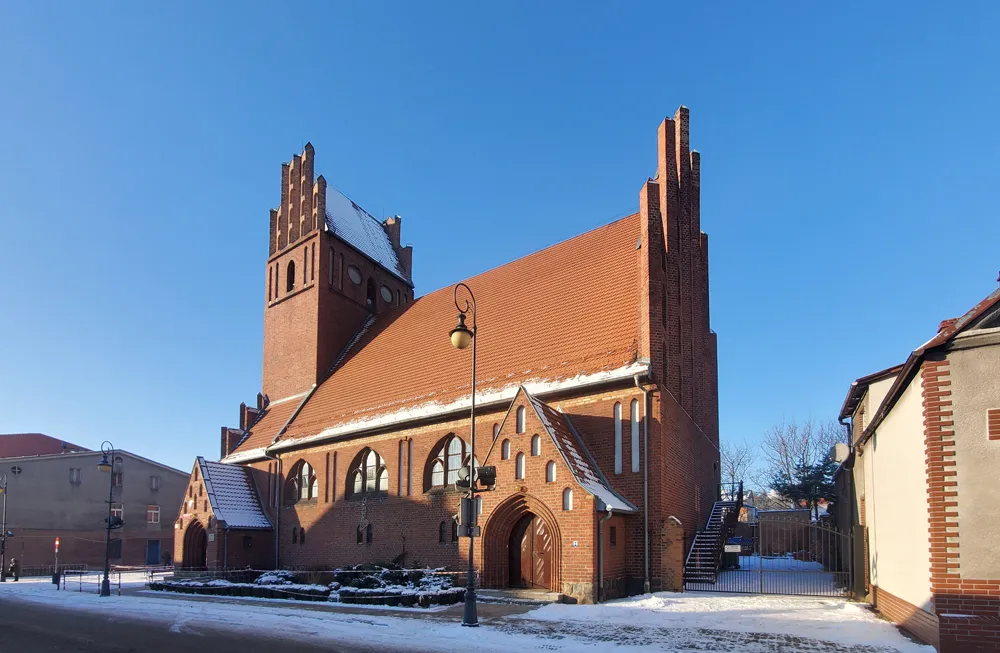
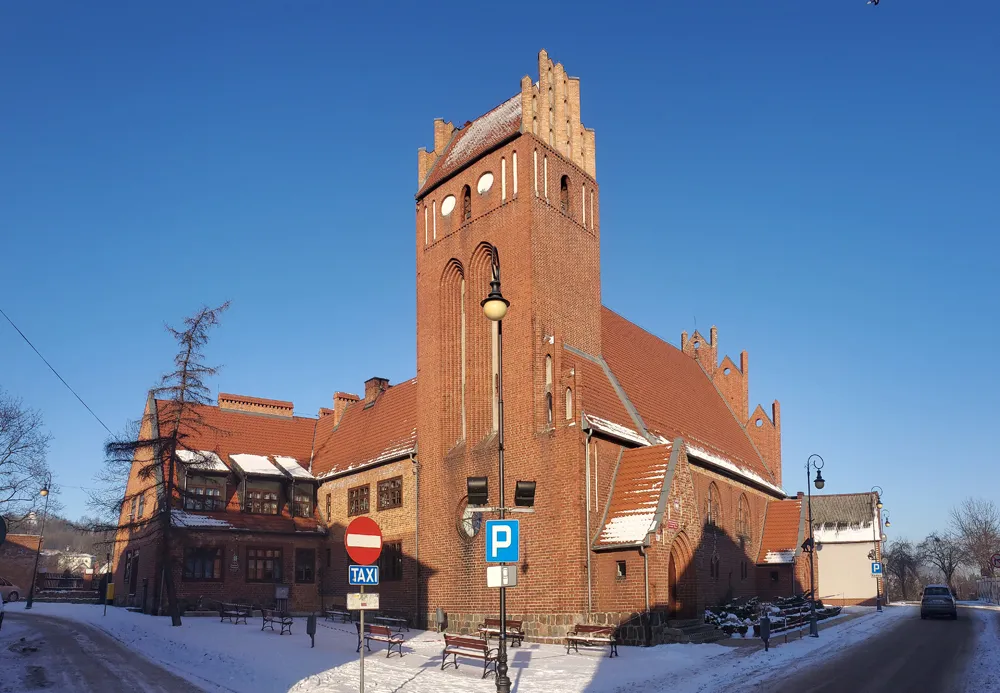
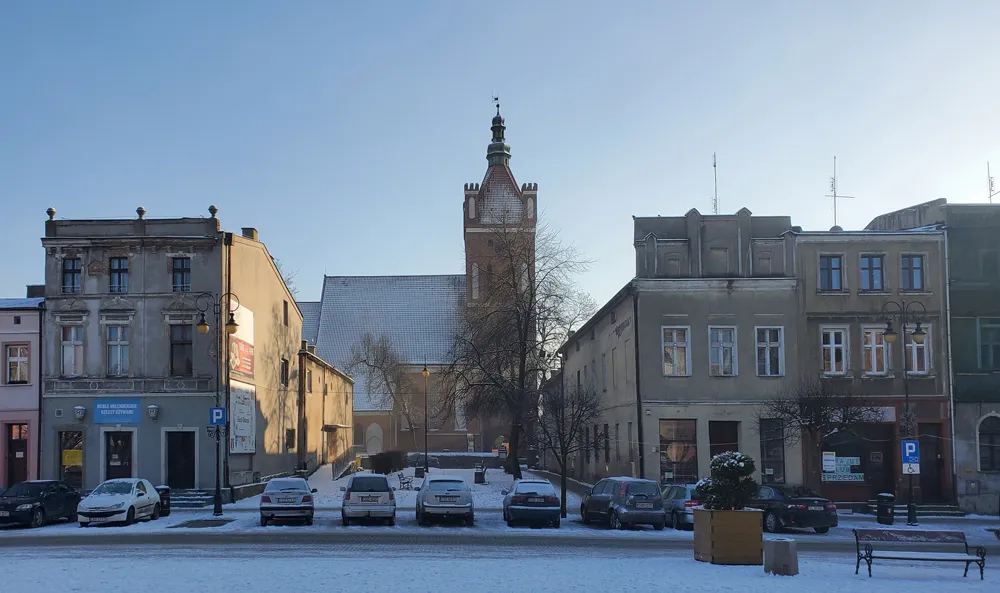
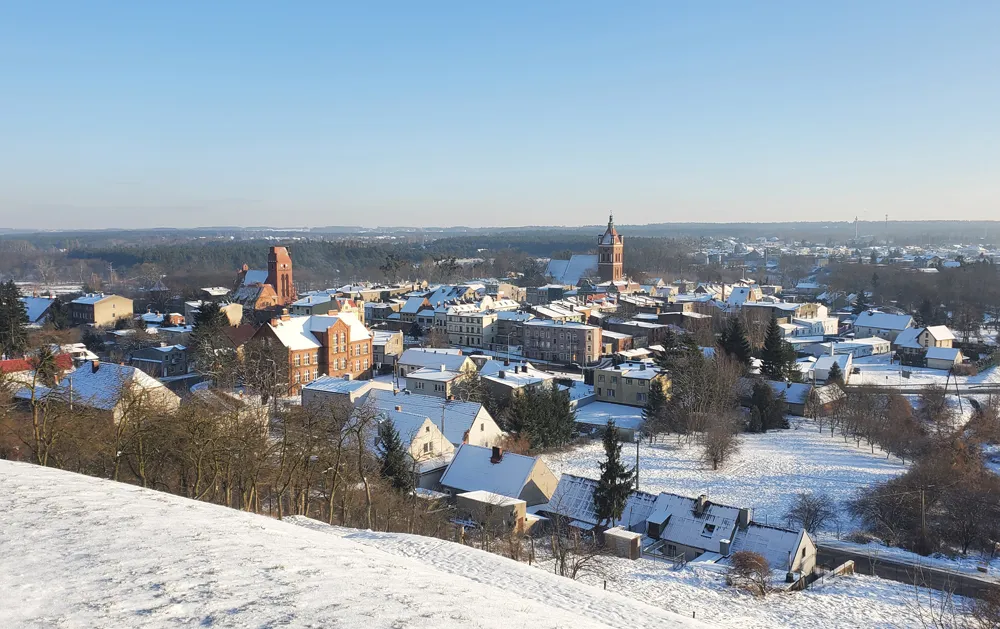
The parts of the town differ quite strongly. Golub was under Prussia, and it has a beautiful old town with a Market Square, two steep Gothic churches and remains of the fortress wall, while Dobrzyń, which was under Russia, has nothing except a modest Roman Catholic church and supermarkets.
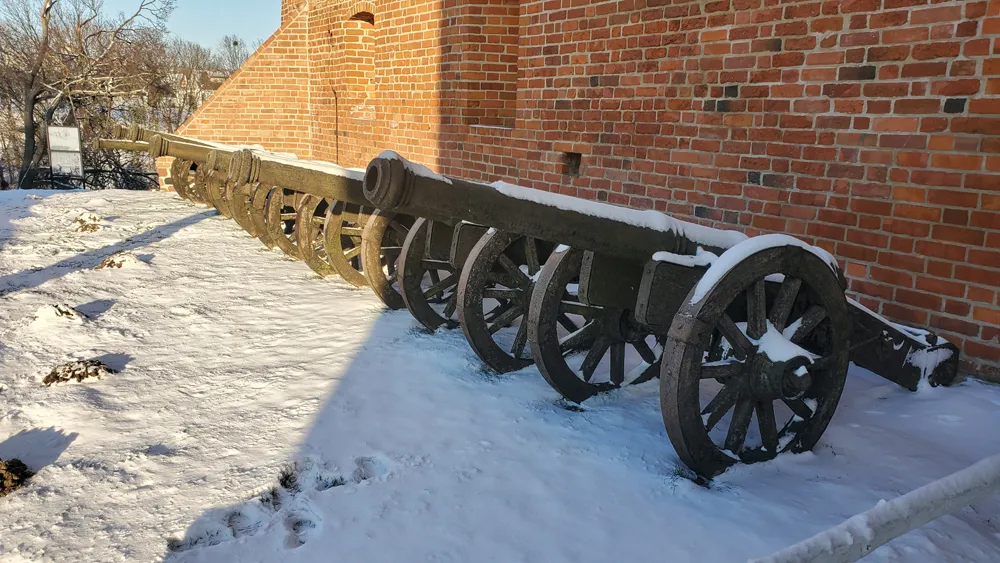
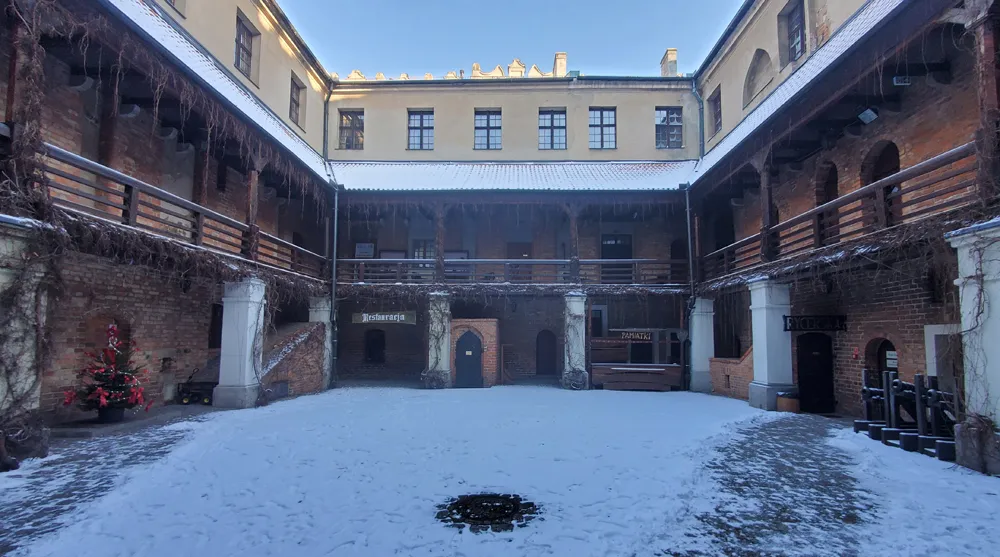
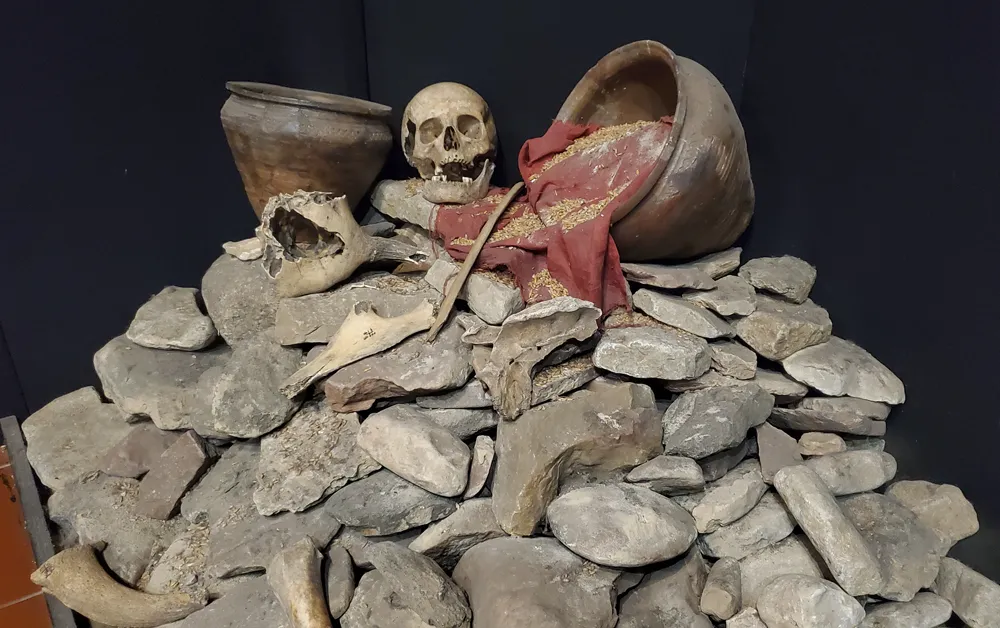
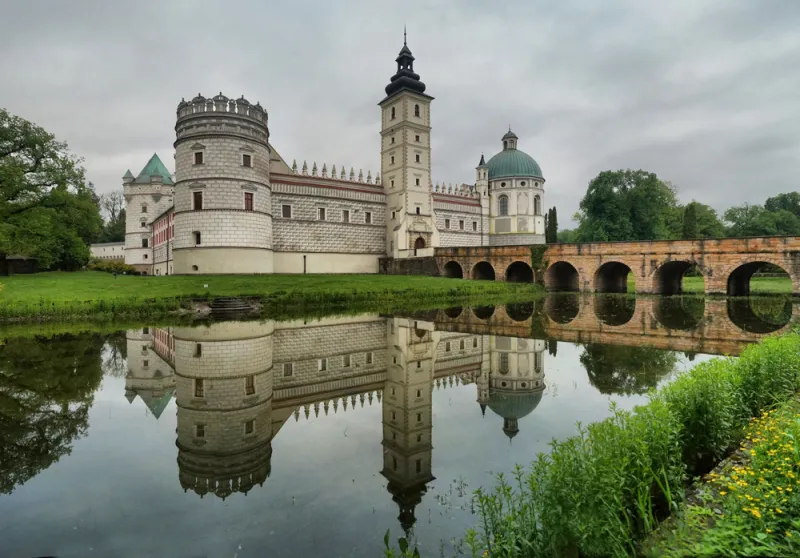
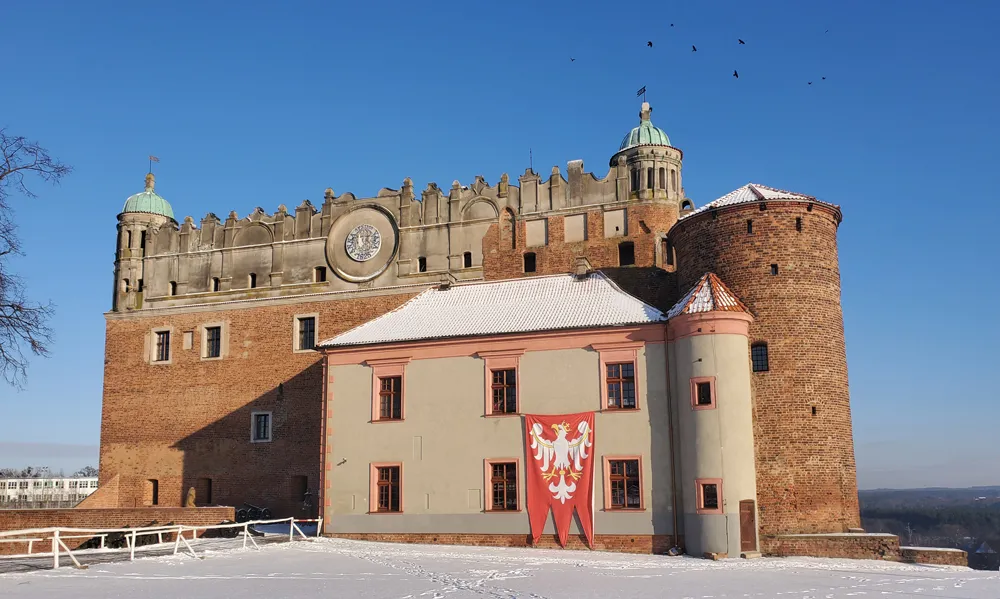
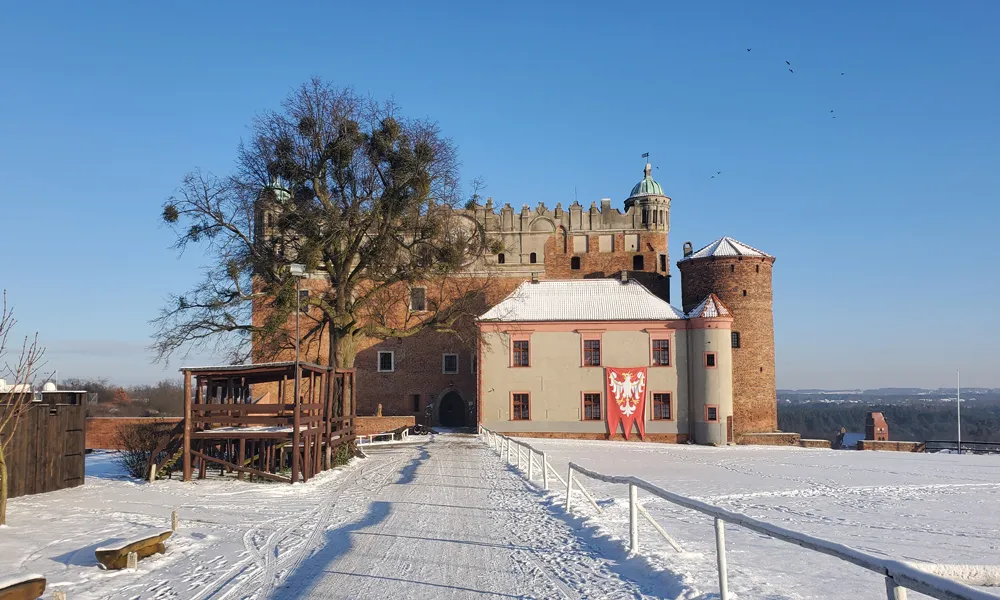
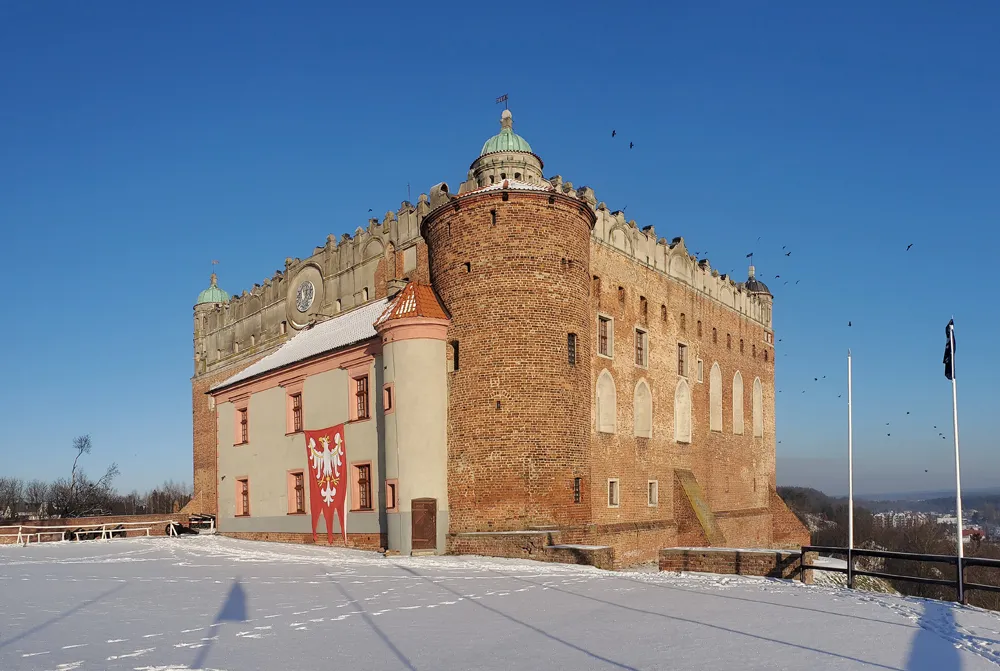
The main adornment of Golub-Dobrzyń is its castle. Located on a high hill, it is visible from everywhere. Now privately owned, the castle serves as a hotel, a restaurant and a museum. When we visited, at Christmas, the restaurant was closed and the hotel on the upper floor admitted only guests, so we saw only the museum, which is what we wanted anyway. We liked it very much — I recommend it to everyone, especially the collection of cannons that were used in various historical films. Some of the cannons are enormous.
As early as the 13th century a wooden fortress stood here, guarding the crossing of the Drwęca. After the Teutonic Order came to these lands, in 1304–1306, the castle was built of brick. For a long time it was a military base for the knights. During the famous Battle of Grunwald, the Teutonic troops gathered here and then marched on to Grunwald, to their doom.
Changing owners and enduring sieges and assaults, the castle made it to the 17th century, when its owner became Anna Vasa, sister of King Sigismund III. The castle was then rebuilt and acquired the beautiful Renaissance forms that we see today.
The castle in Golub-Dobrzyń is a well-known centre of historical reenactment in Poland. It was the first where, as early as 1977, knightly tournaments began to be held.
Text and photos by Roman Malenkov.