Poland. Przemyśl. The Ukrainian gate of Poland

· 11 min read
Przemyśl. On our first visit, judging by reports on the internet, we planned two hours for this city. It was a disastrous mistake: we realised that a proper tour of Przemyśl and its fortifications takes several days. So later, perhaps half a year on, we came back here, arriving by Intercity train from Kyiv, which had only just begun running on this route.
First of all we decided to inspect the Molotov Line bunkers, of which many were thrown up here after 1939, and the nearby forts of the Przemyśl Fortress, built at the turn of the last century.
The bunkers turned out to be no more interesting than ours near Kyiv: absolutely typical, mostly two-tiered, with three or four machine-gun embrasures. Some of them are cut into the earthen forts of an older defensive line. There are many of them in the city, on the bank of the San River.
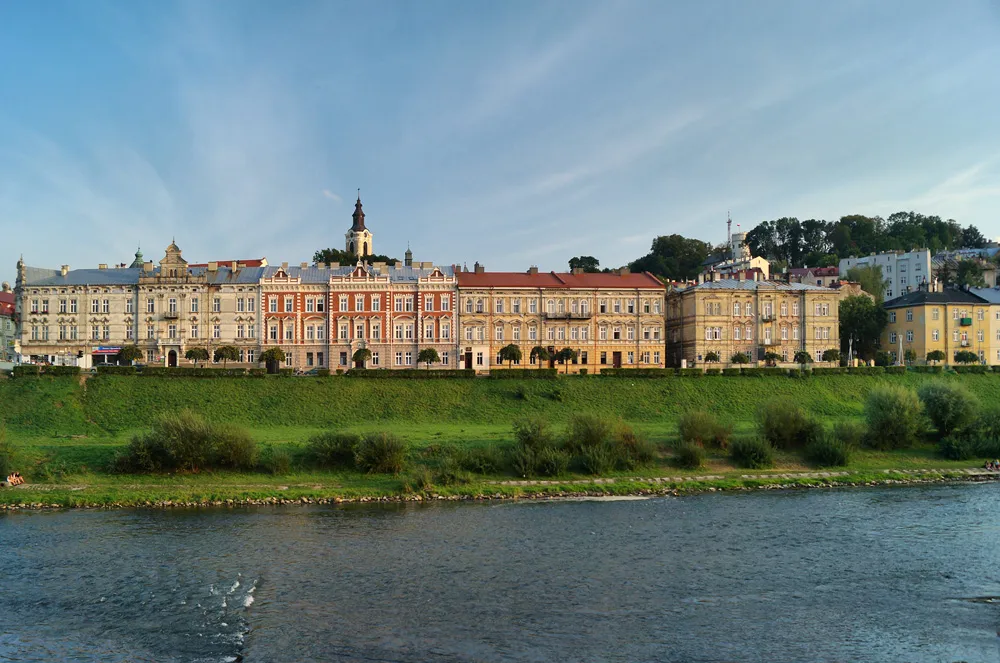
The San is a large right tributary of the Vistula. It is 444 kilometres long and begins in Lviv Oblast, near the Uzhok Pass. True, very little of it lies on Ukrainian land, and a somewhat larger stretch flows along the border. Earlier we had more of the San, and Ukraine began right here. But let us not recall it and grieve.
Przemyśl is surrounded by a ring of forts built of earth and concrete: this is the Przemyśl Fortress, which in the early 20th century was among the three largest fortresses in Europe. That was already a period when fortresses looked nothing like what we are used to seeing in films. The era of high walls and towers had long passed; in the new fortresses earth reigned everywhere. Forts were built of stone or brick, and in the early 20th century of concrete, and covered over with earth. Earth was a more reliable protection than brick during bombardment by large-calibre guns. The forts were built relatively close to one another to allow more effective fire on attackers.
The Przemyśl Fortress was built from 1850 to 1875 and then completed with the advent of concrete in the 1900s. The construction of the fortress significantly influenced the development of Przemyśl: many builders came here, including highly qualified ones, as well as engineers and administrators. In 1860 only 10 thousand people lived in Przemyśl, but by 1910 there were already 56 thousand, of whom 25 thousand were Roman Catholics (mostly Poles), 12.3 thousand Greek Catholics (Ukrainians) and 16 thousand Jews.
At the beginning of the First World War 128 thousand people gathered in the fortress: soldiers and workers who were preparing the forts for defence. About a thousand guns and countless machine guns were installed on the forts… The first siege began on 23 September 1914 and lasted 21 days. A huge Russian army ringed the fortress. Merciless bombardments and several assaults brought no result. Given the huge losses, the Russian army, in which tens of thousands of Ukrainians served, withdrew. And on the other side, in the Austrian army, thousands of Ukrainians also served…
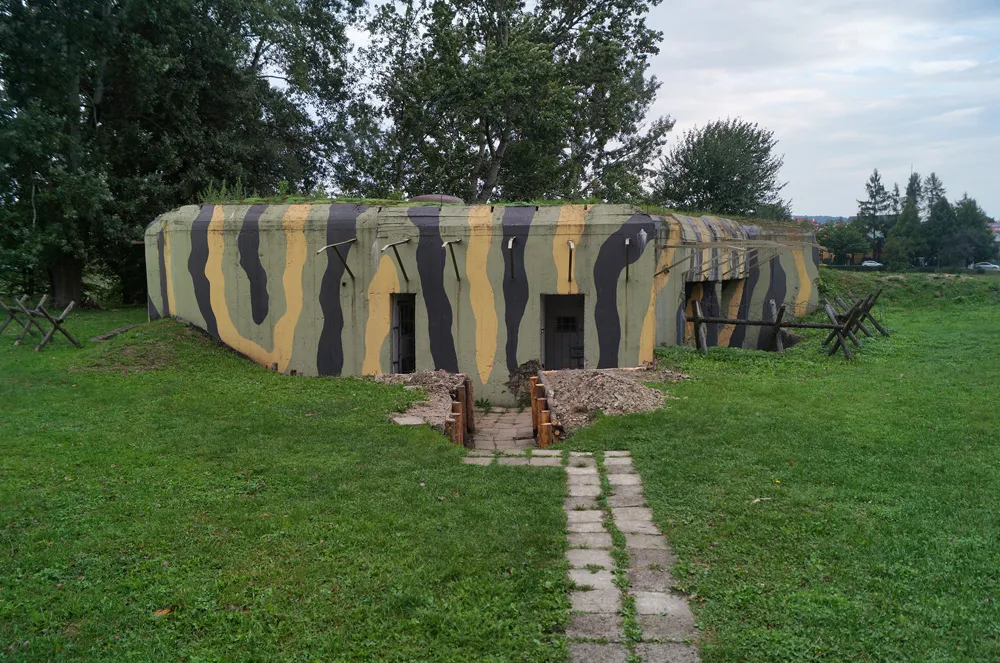
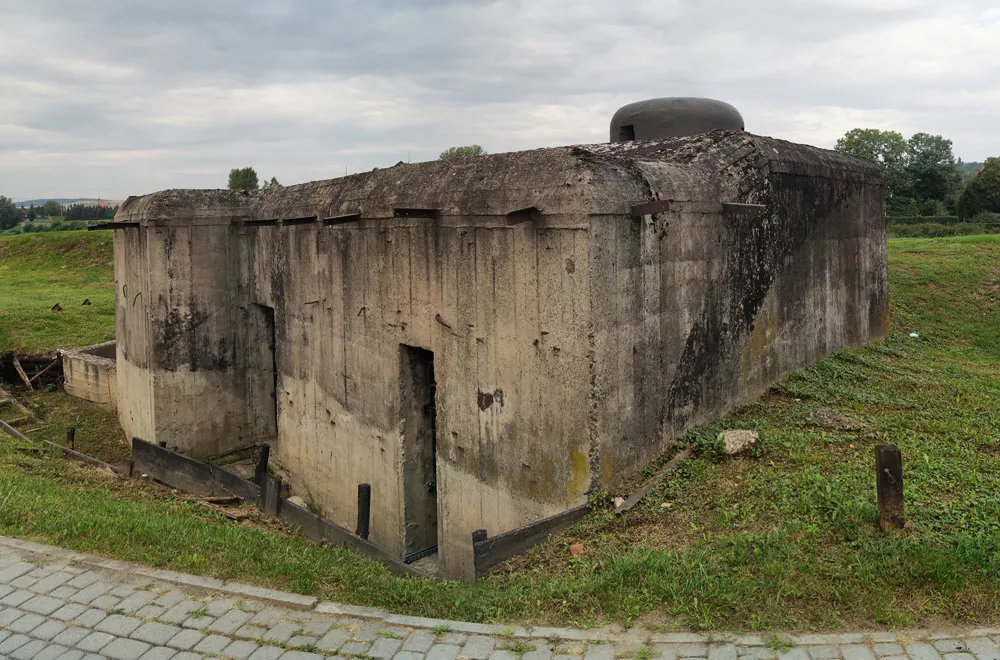
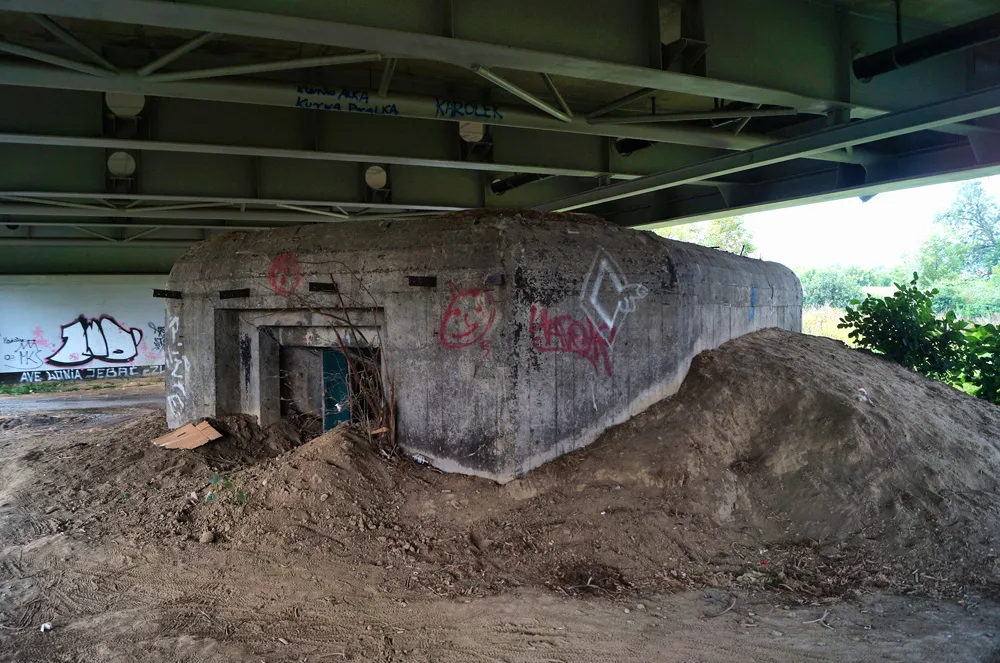
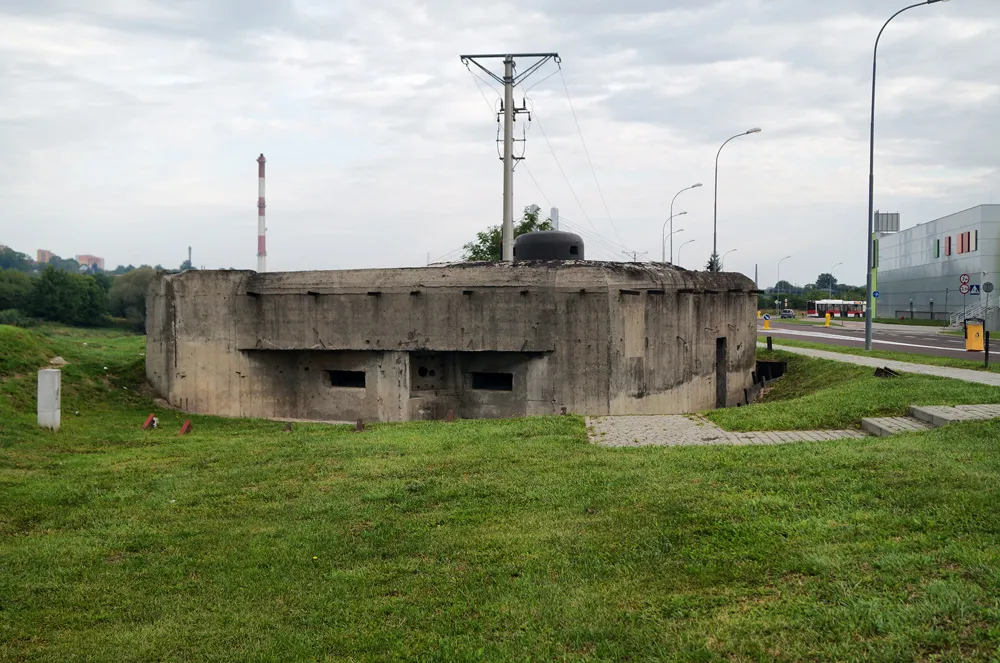
Molotov Line bunkers along the San
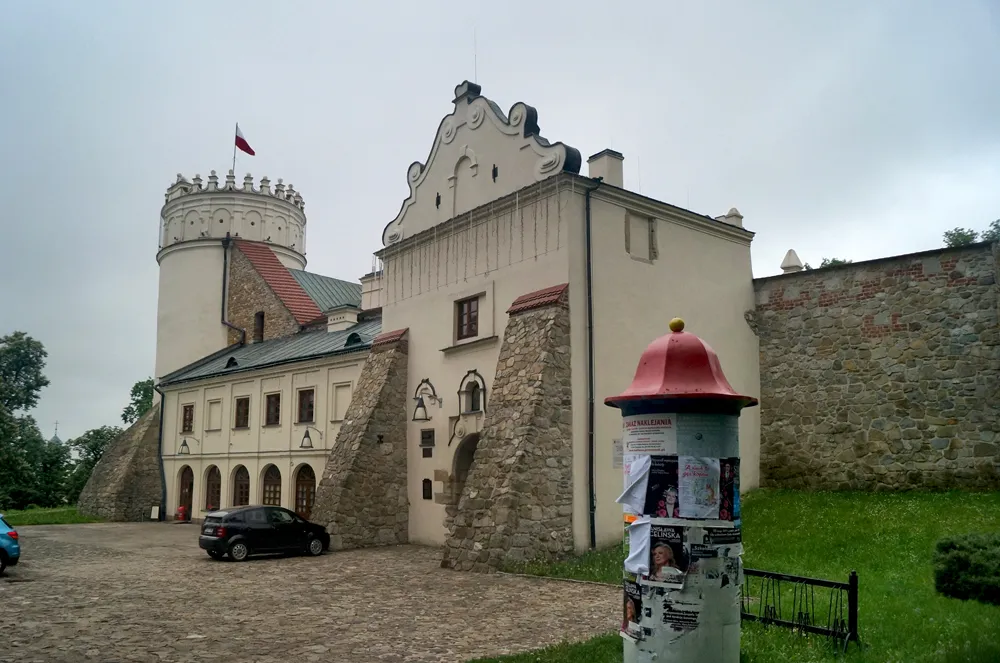
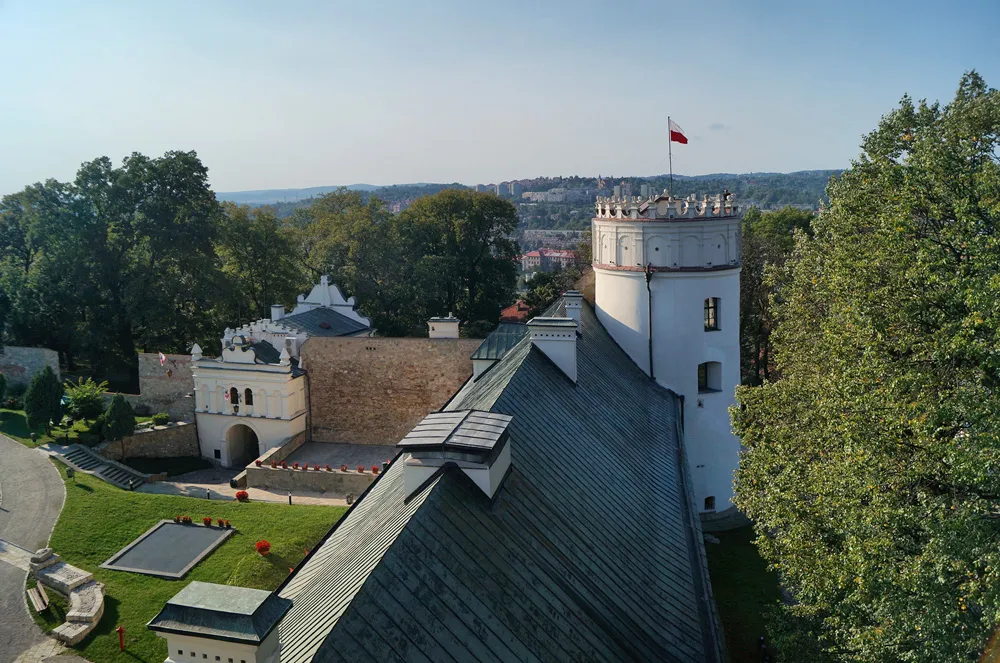
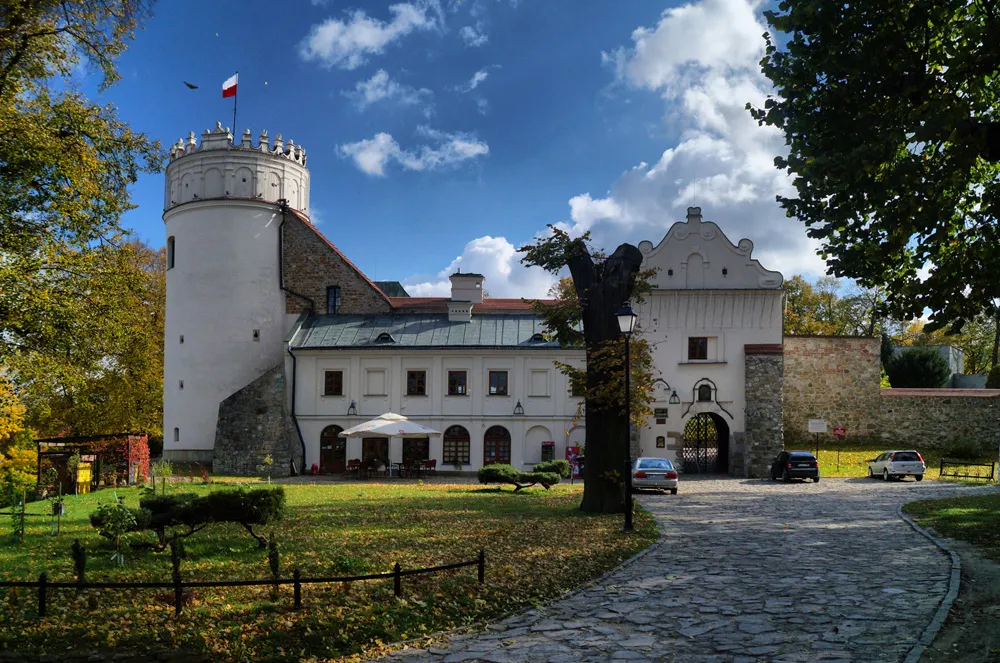
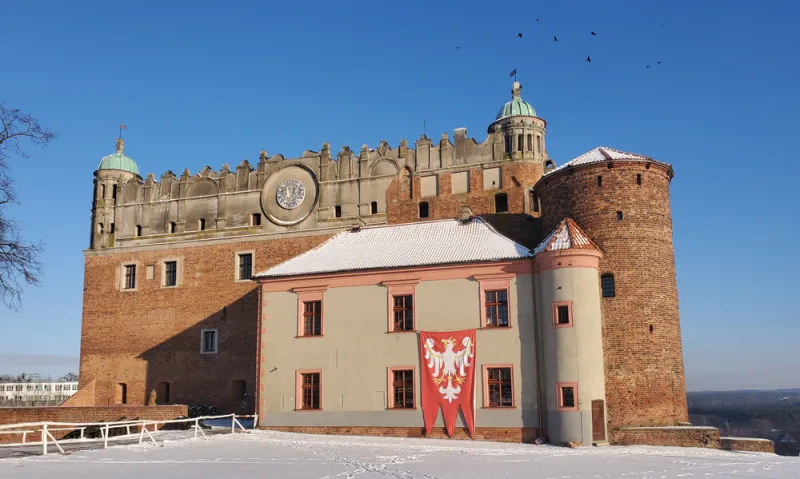
Przemyśl Castle
On the whole, the advantage in the war of 1914-1915 lay with the Russian side. Austrian troops were retreating along the whole front, so on 3 November 1914 the starosta of Przemyśl ordered the compulsory evacuation of city residents not connected with the army and the defence of the fortress. On 9 November Russian troops again approached the forts, and the second siege of Przemyśl began, lasting 122 days. On 22 March 1915 the fortress garrison, exhausted by hunger and disease and numbering as many as 119 thousand people, capitulated to the Russian troops and surrendered.
There was also a third siege, in which the sides swapped places: the Russian army sat in the fortress, and the Austrians stormed it. On 3 June 1915 the Russian garrison left Przemyśl and retreated. The Russians stayed in the fortress for less than three months.
In 1939 Przemyśl, together with the whole of the Zakerzonnia region, was occupied by Soviet troops and became part of Drohobych Oblast. But to be precise, it should be noted that the border between the USSR and Germany ran along the San, and half of the city, its newer part on the north side of the river, went to the Germans. Soviet builders immediately began fortifying their bank, turning it into a concrete wall and erecting numerous concrete long-term fire points – bunkers. Large military units were stationed in the city: a border detachment, units of a rifle division and an NKVD regiment; sharing one city with the Germans was no joke. And they did not prepare in vain, for it was Przemyśl that first received the blow from the Third Reich on 22 June 1941. Surprise did its work: the Germans quickly crossed the San on pontoons and rubber boats and within a few hours captured almost the whole city. But the Red Army men recovered and launched a counterattack: within a few hours the Germans were driven out of the eastern part of Przemyśl and thrown back across the San… Soviet troops defended Przemyśl for five days. On 27 June they left the city, but the defence was by no means hopeless, with counterattacks: the Przemyśl garrison proved to be the best prepared for war.
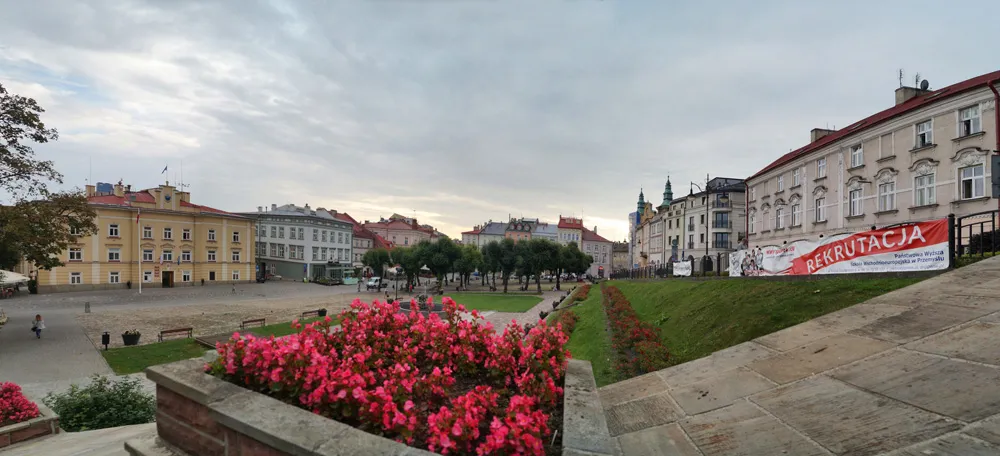
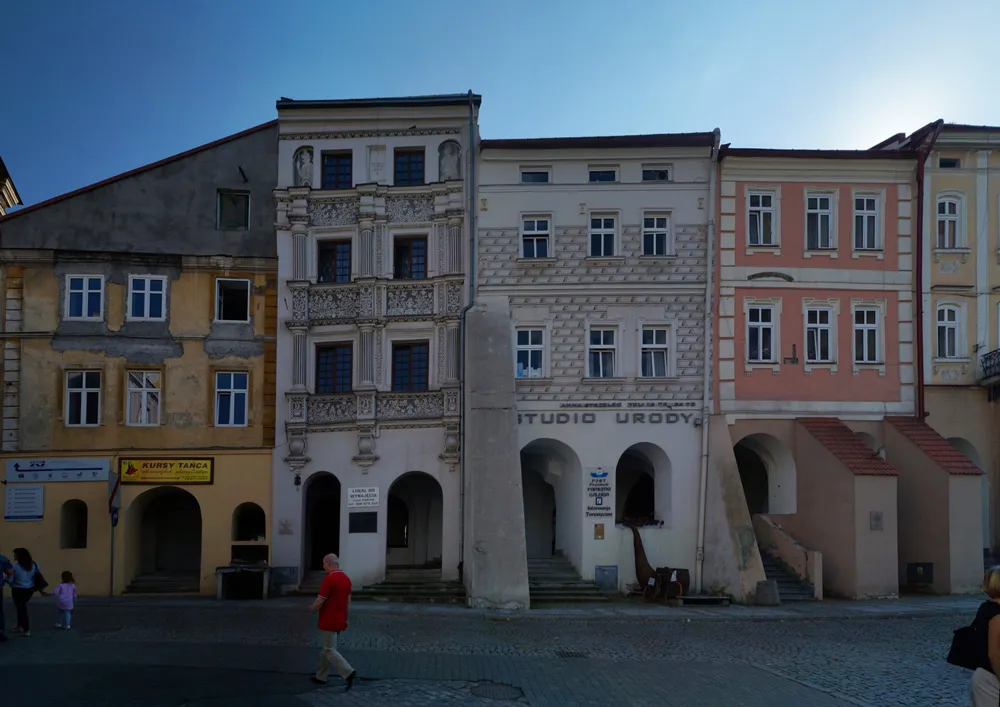
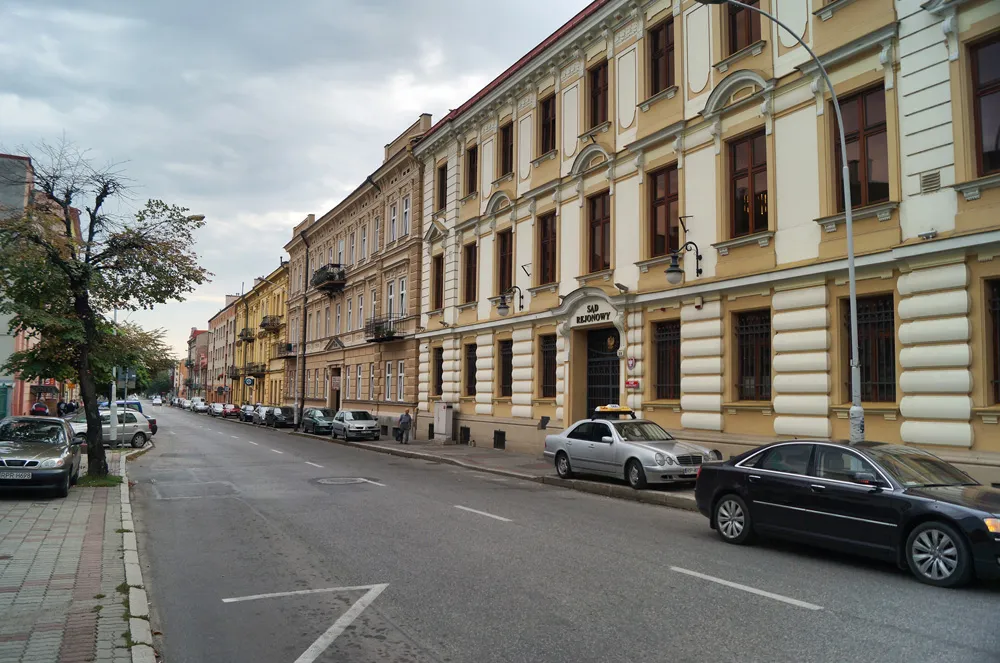
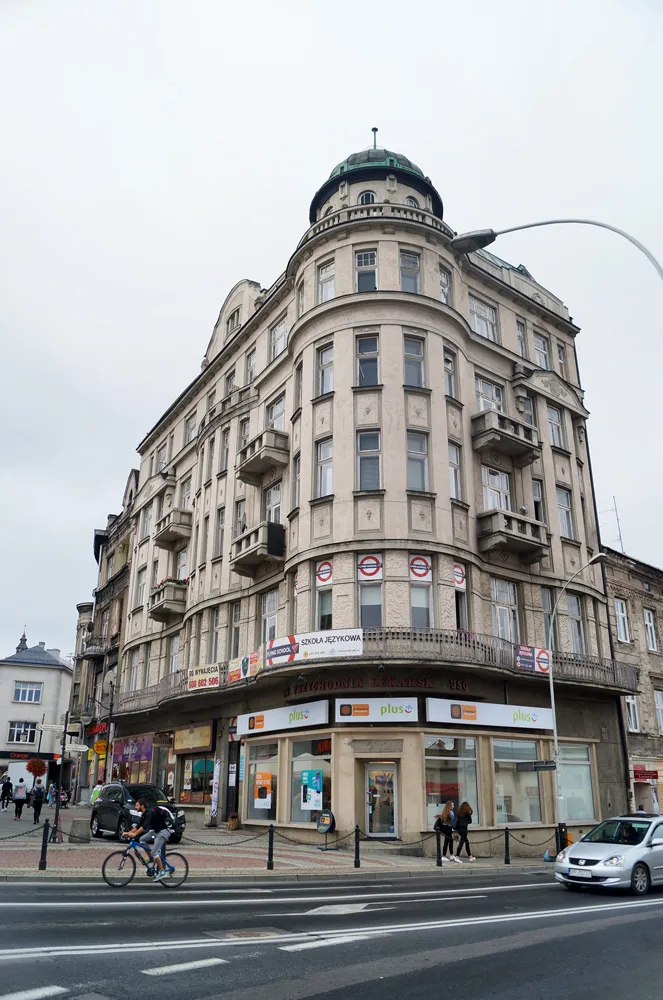
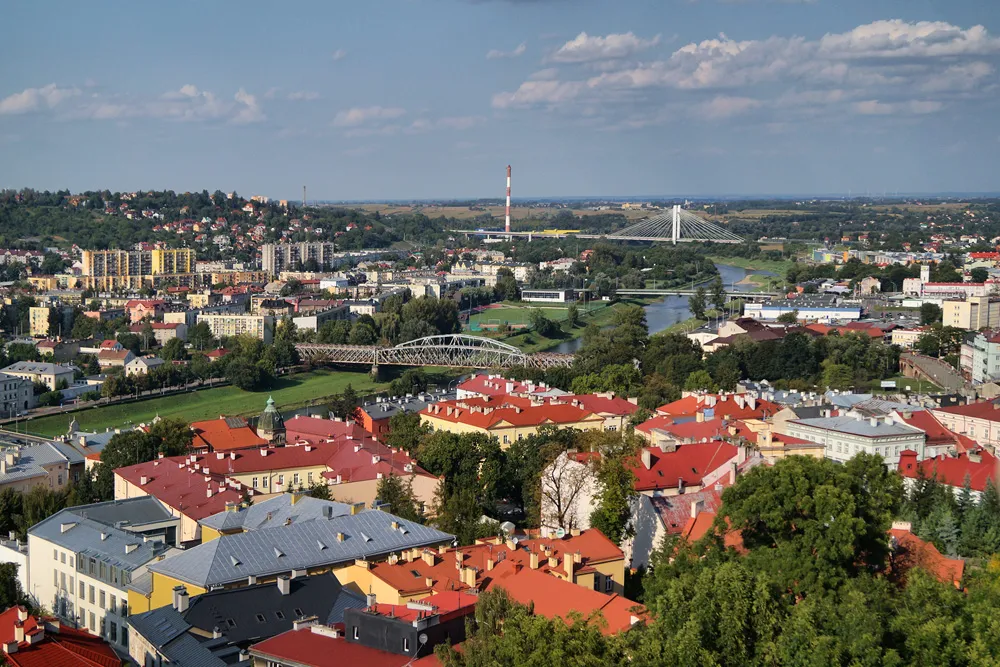
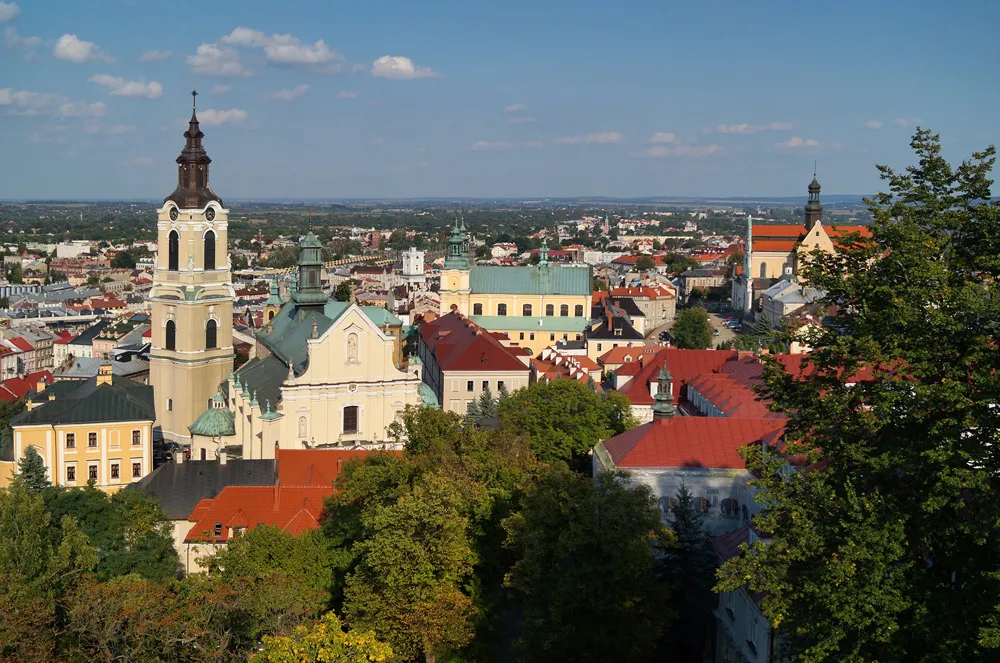
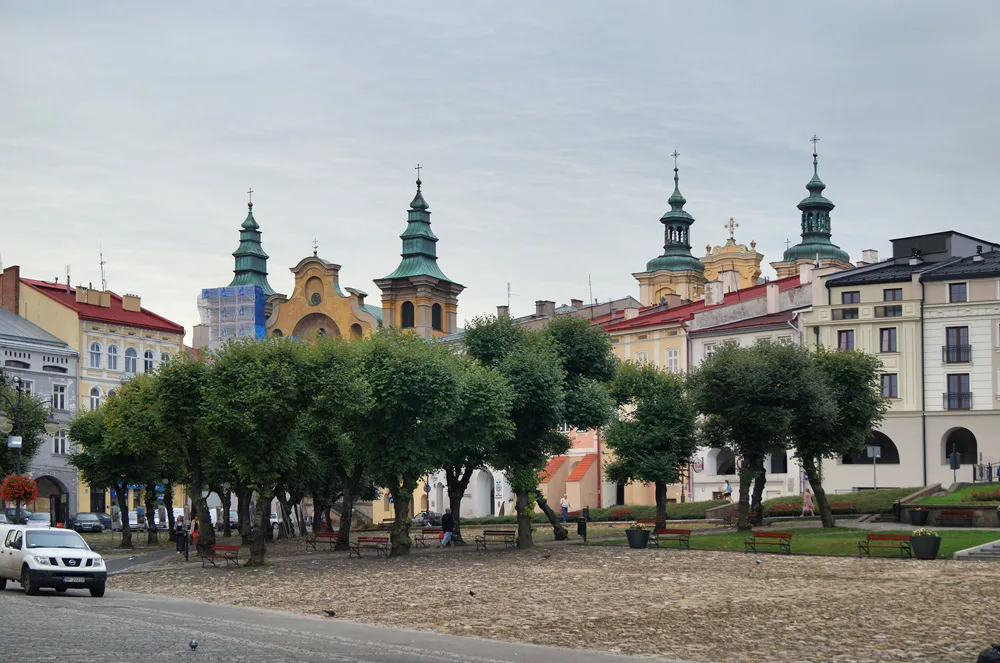
From Przemyśl to the Ukrainian border it is ten kilometres. It is Poland’s main trading centre for Ukrainian “shuttle traders”, who daily flood the large wholesale warehouses, depots and supermarkets built here en masse specially for them. What they buy and sell there is hard to understand, but the queue at the Shehyni – Medyka border crossing never ends. There are very few tourists in that queue: our tourists do not favour Przemyśl, although a convenient train has been laid on for them, leaving Kyiv in the morning and arriving here by lunchtime. But most tourists immediately change to a train to Kraków or Warsaw, ignoring the ancient city on the San. A mistake. Besides fifty or so forts – not very colourful, to be honest – Przemyśl has plenty of genuine architectural curiosities: dozens of churches, streets with multi-storey tenement houses, a castle on a hill, equipped underground passages. We began our tour of the city’s sights with the Lubomirski Palace, which is located not in the centre but in Bakończyce, one of the suburbs a few kilometres from the centre. A rather interesting building, restored quite recently. Then we moved towards the centre from the east, looking at the old buildings – mostly houses of the late 19th century and the interwar period – reached the city centre and came out on Independence Square. Here stands the clock tower, the first clear trace of Przemyśl’s Ukrainian past. It was built in 1776-1777 at the expense of the Greek Catholic bishop Atanasii Sheptytskyi. It was meant to be the bell tower of a future Greek Catholic cathedral, but there were not enough funds for the cathedral; the bell tower was left alone and later turned into a clock tower. Today it houses the Museum of Bells and Pipes and a wonderful viewing platform.
About 500 metres south-west of the tower there is an even better viewing platform: the towers of Przemyśl Castle. Only two of them remain, so the castle does not look like an ideal medieval stronghold, but the museum there is excellent, as are the surviving buildings, the gate and the underground passages. Scholars cannot establish exactly when the first castle fortifications were built, since they were repeatedly destroyed and rebuilt. It may be the tenth century, or it may be the fourteenth. The Poles call the latter more probable, saying the castle was built by Casimir the Great, like most castles here. But no one denies that already in the eleventh century the Rus’ prince Volodar Rostyslavovych built an Orthodox Church of St. John the Baptist of masonry on the castle hill. It was dismantled in 1460. According to tradition, the stones of the church were used to build the Roman Catholic parish church. First the stones were hauled to the San, where they were washed “of the sins of the schismatics”, and only then laid in the wall of the new church.
In 1616 the Przemyśl starosta Marcin Krasicki, owner of Krasiczyn, commissioned the architect Galeazzo Appiani to rebuild the castle in the Renaissance style, which was done. But not completely: the starosta’s death interrupted the construction. For a long time the castle was in decline, a half-ruin, until it was completed by the last Polish king, Stanisław August Poniatowski, at the end of the 18th century. The castle’s present appearance is his doing.
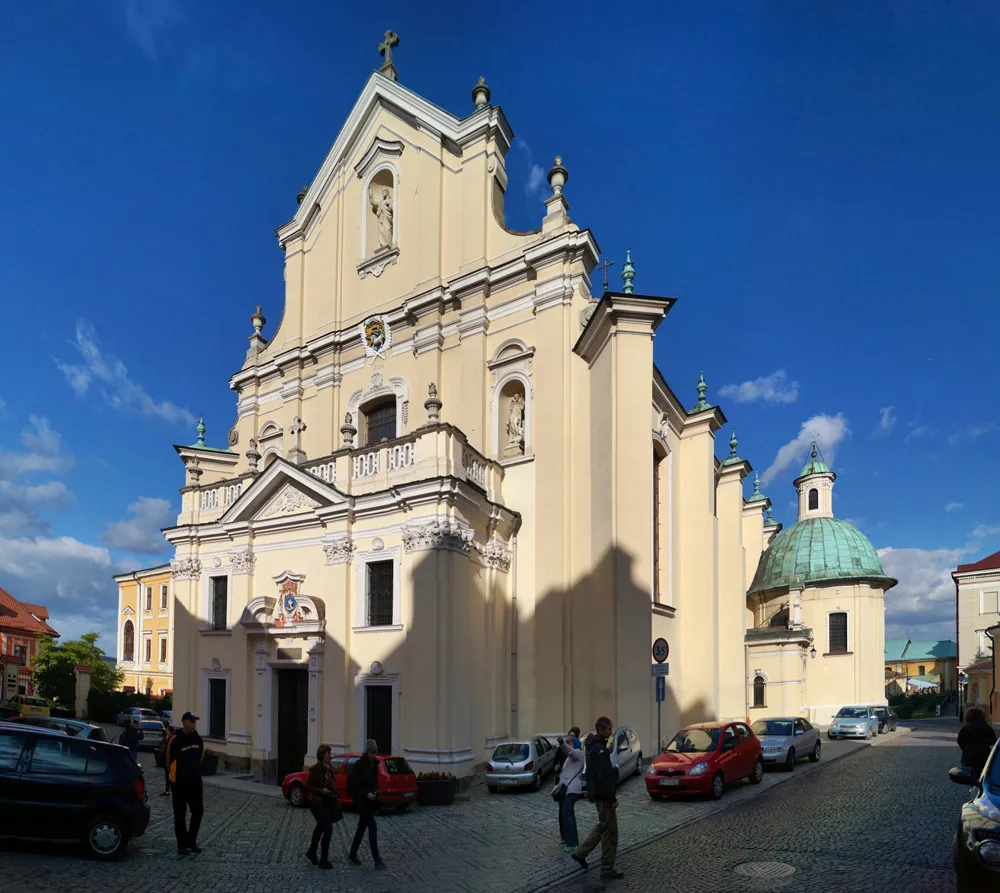
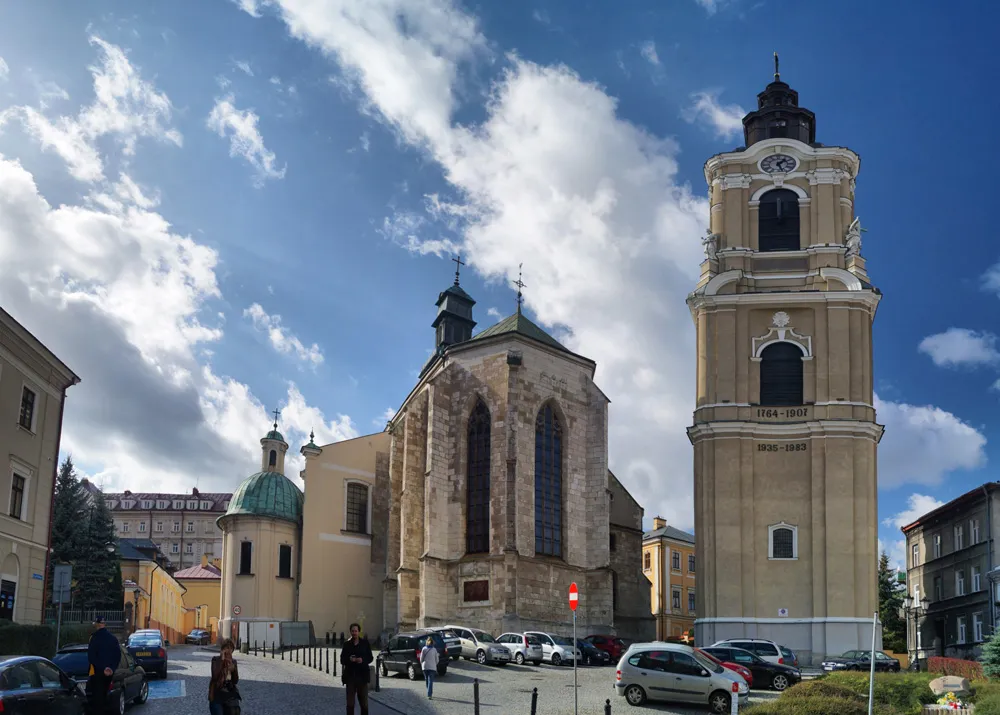
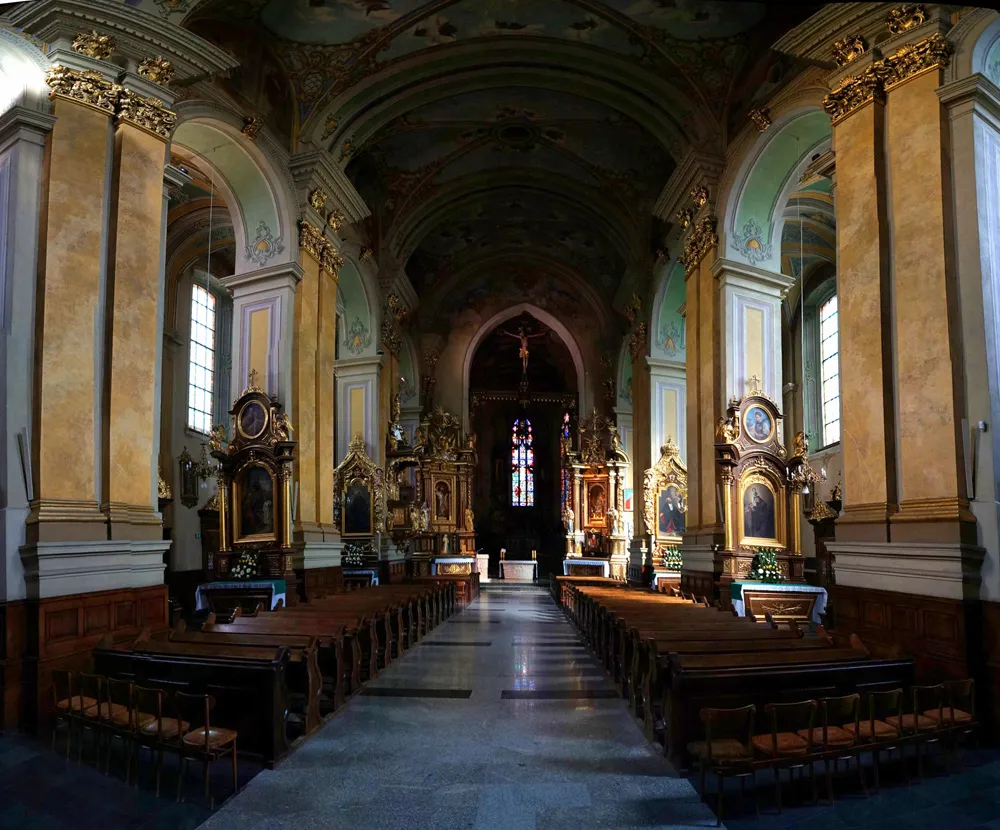
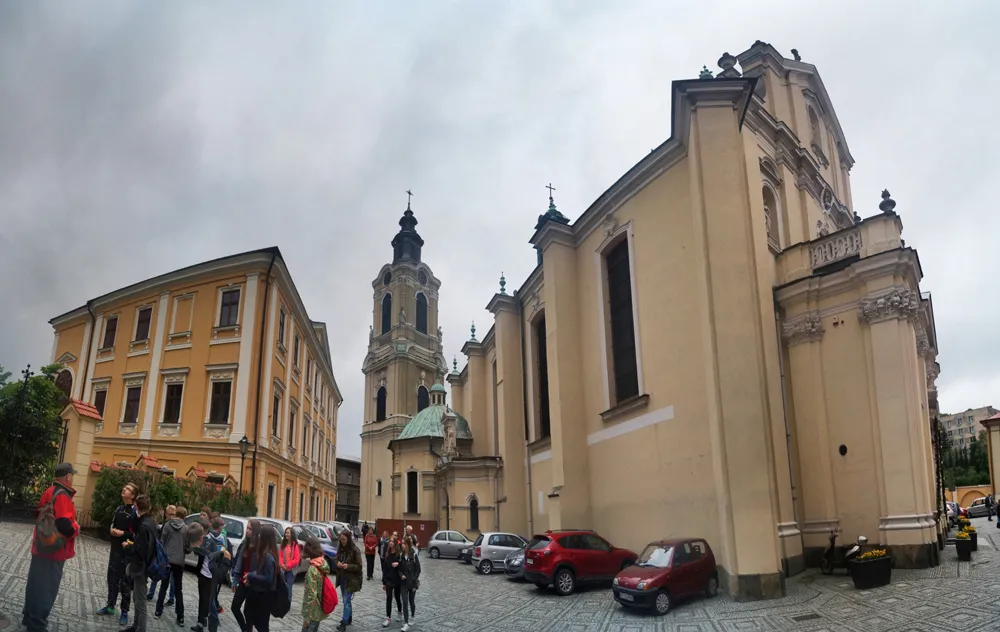
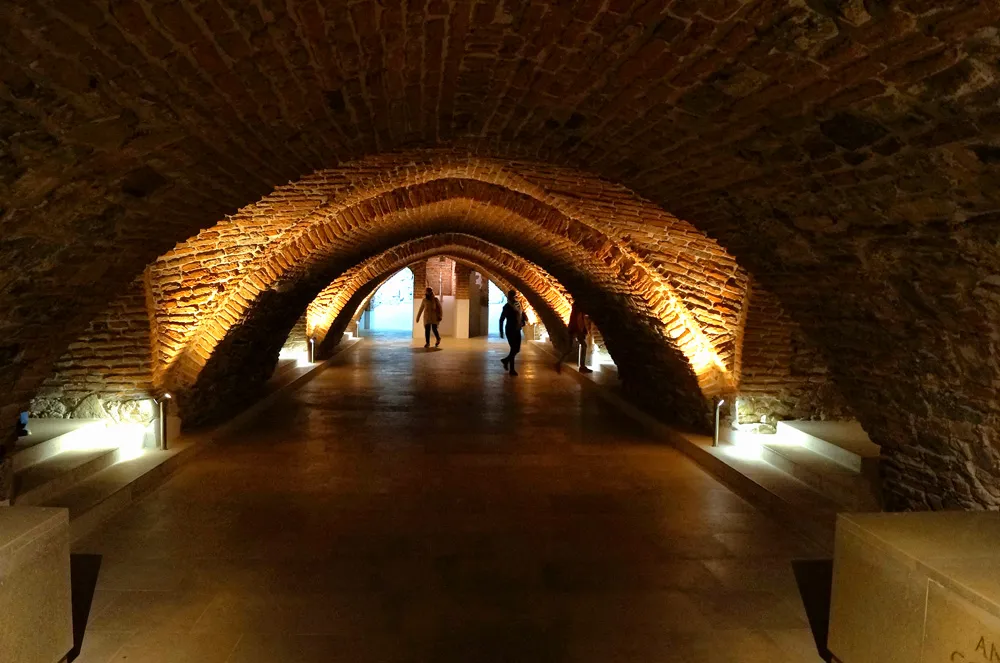
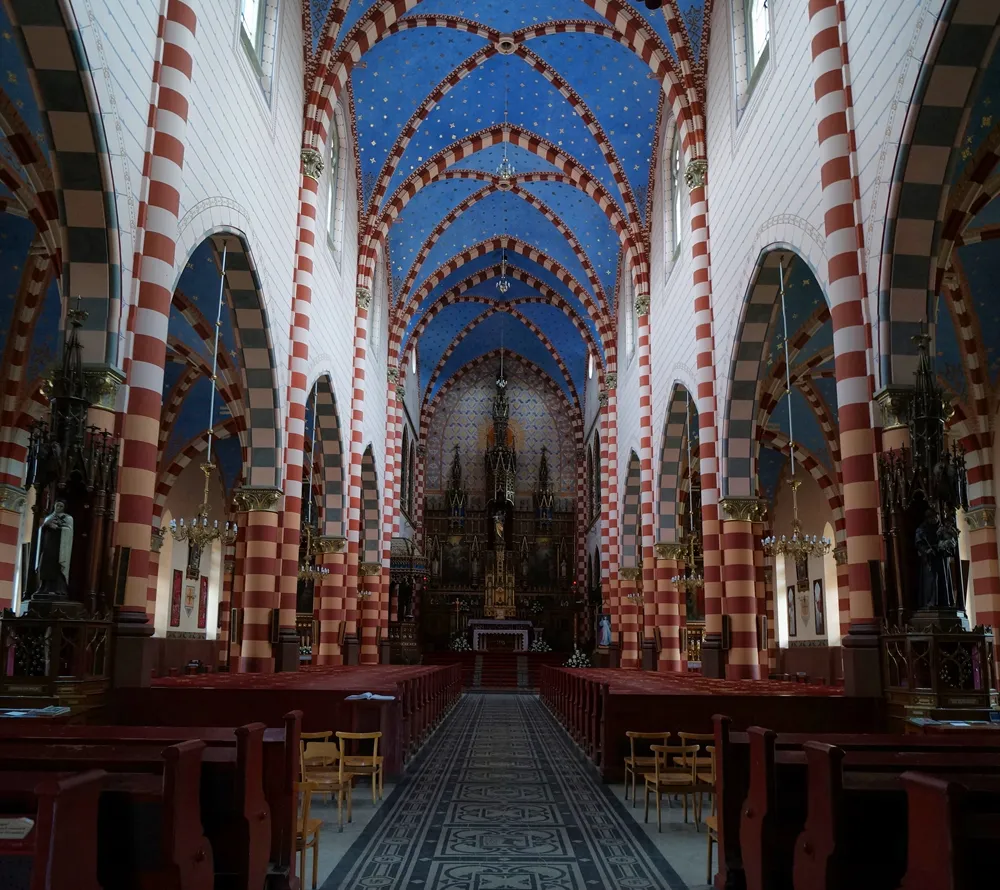
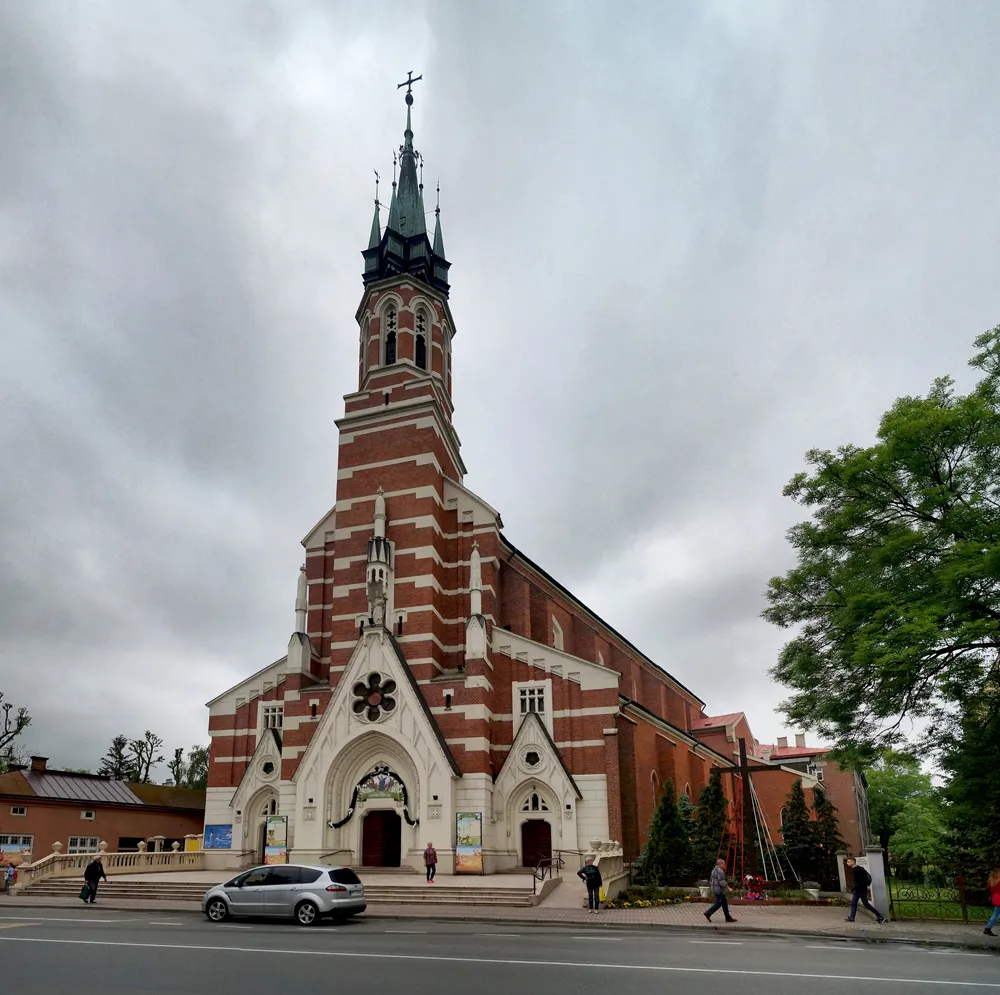
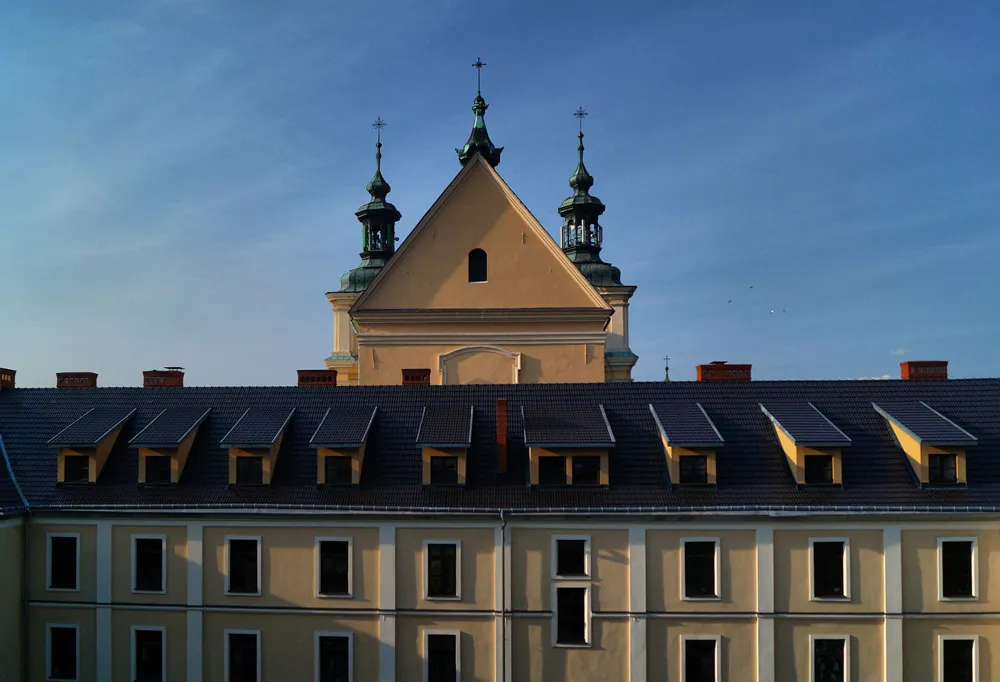
The Latin cathedral
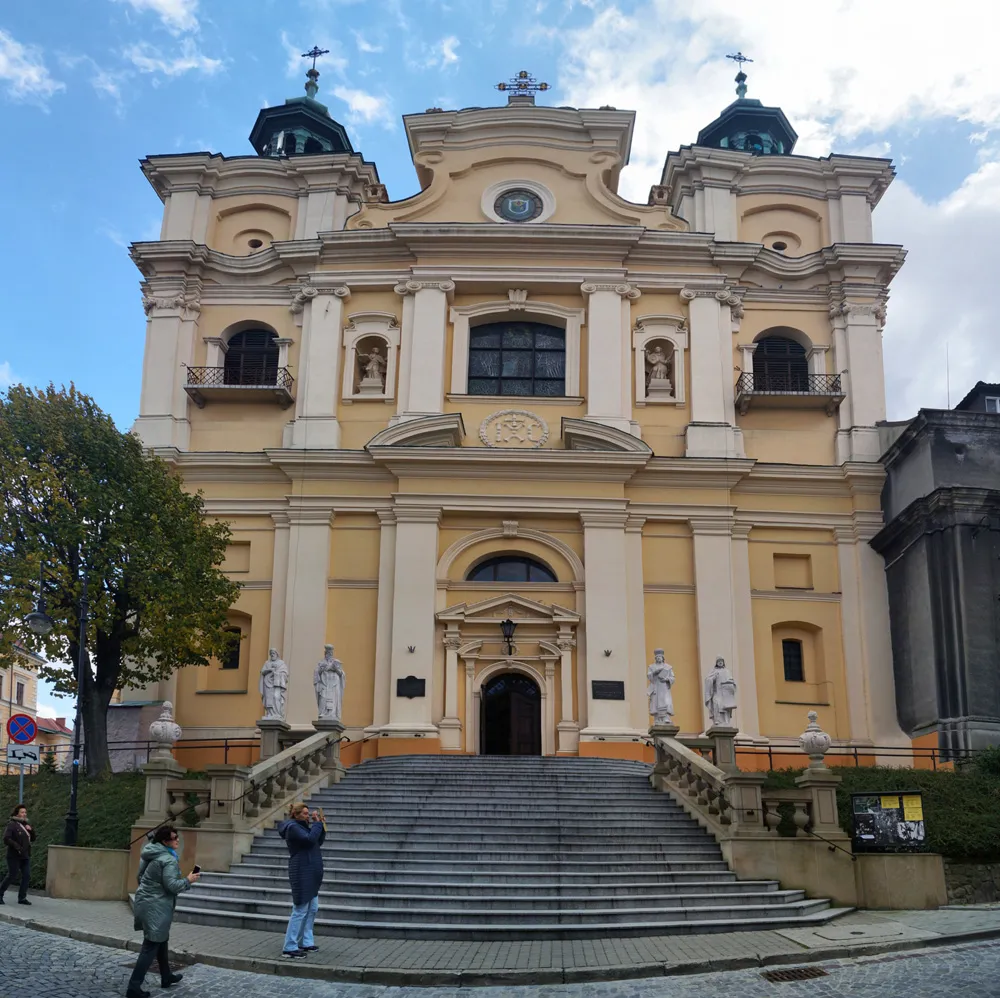
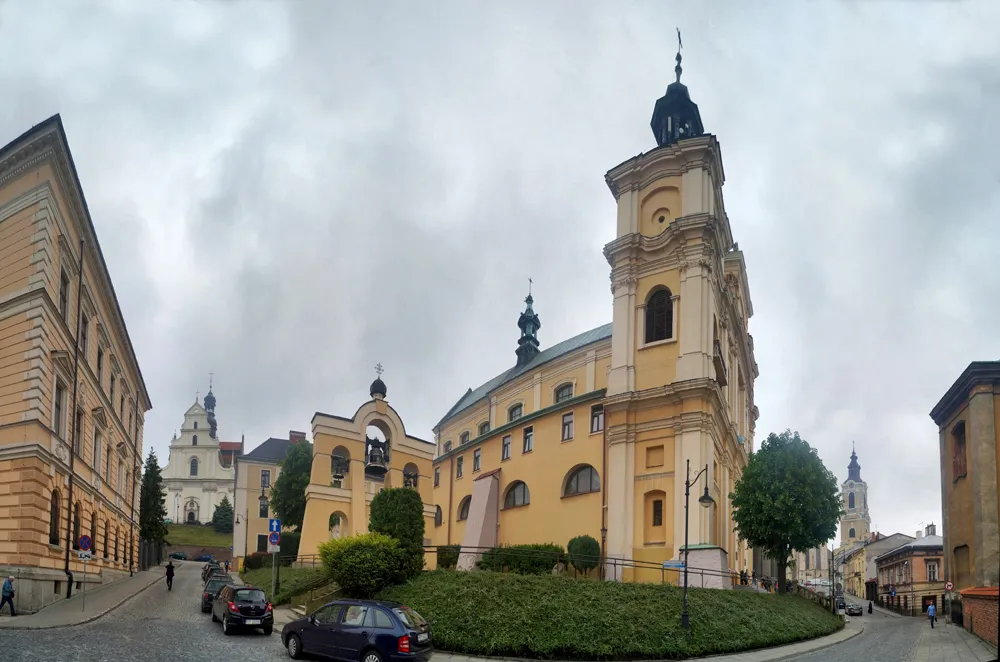
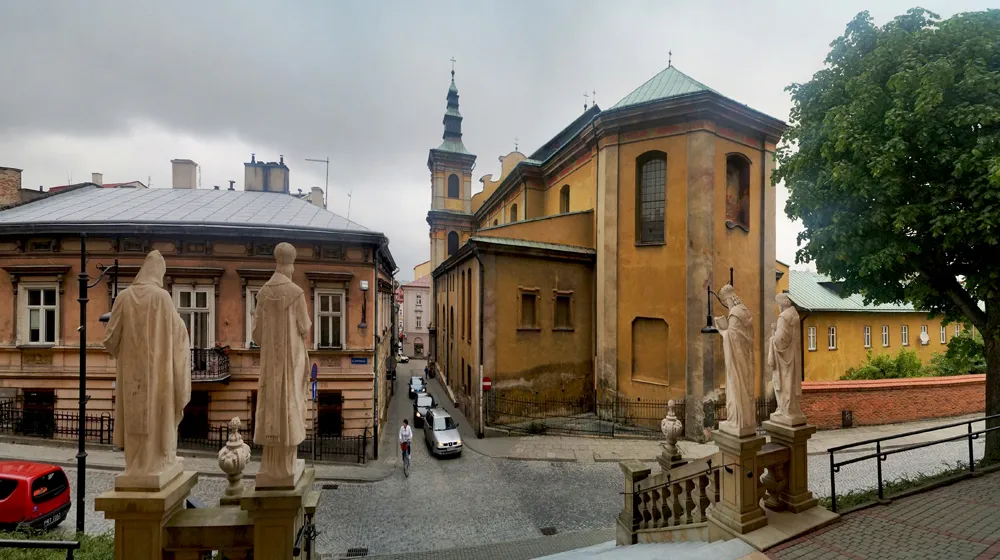
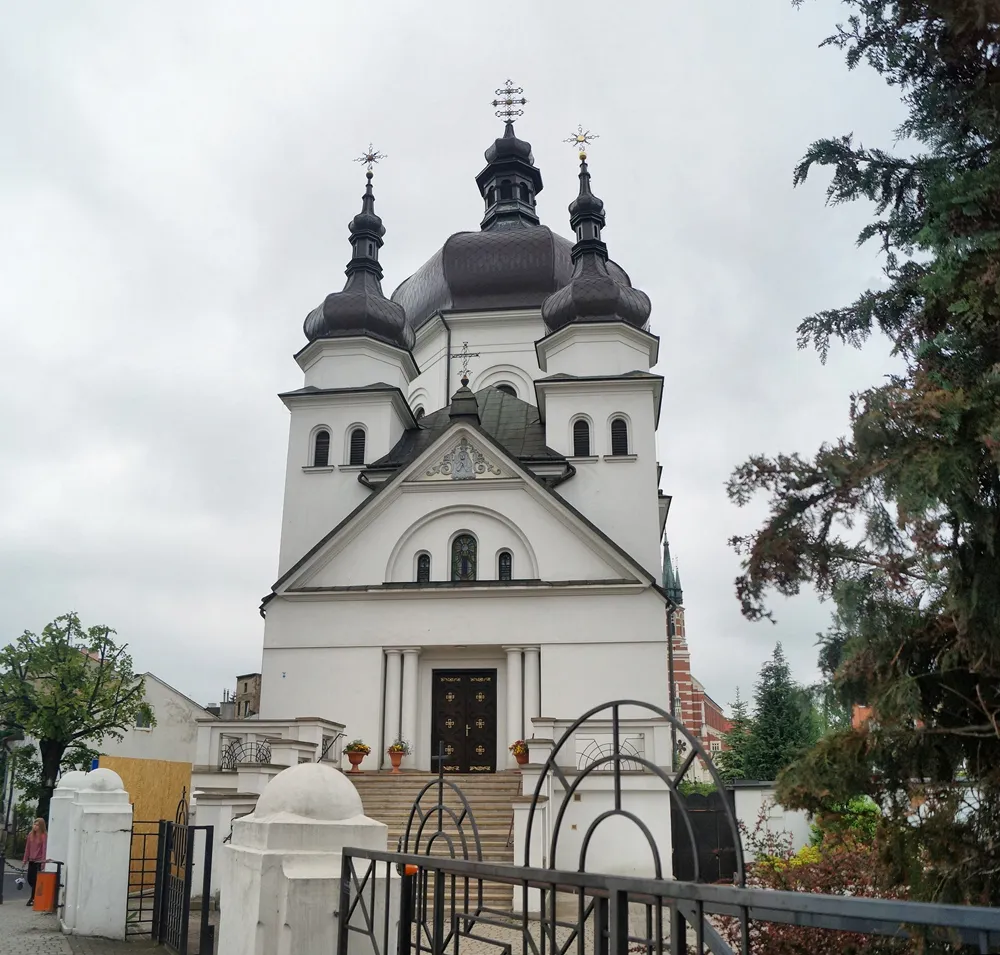
The Greek Catholic cathedral
The first written mention of Przemyśl dates from 981, but the city was founded earlier. Scholars suppose that it was a significant centre of the Dulebes and White Croats who lived in this territory until the 10th century. Later the city was the centre of the Przemyśl land and one of the main centres of the territory that the Poles later began to call Red Ruthenia.
In 1084 Prince Rostyslav Volodymyrovych created the Principality of Przemyśl. True, it did not exist for long, until 1141, when Prince Volodymyrko Volodarovych united all the appanages into a single Principality of Galicia.
From the beginning of the 13th century Przemyśl was the centre of an Orthodox eparchy subordinate to the Kyiv Metropolis. It was one of the first episcopal sees of Galicia and probably lasted the longest, since most Galician and Volhynian eparchies passed to Greek Catholicism immediately after the Union of Brest in 1596, while the Przemyśl eparchy held out until 1691, and this despite being the westernmost and suffering the greatest oppression from the Polish authorities, beginning with King Jogaila.
After the cathedral Church of St. John the Baptist was dismantled by the Poles (1460), the Orthodox residents of Przemyśl built a wooden cathedral within the city walls. It burned down in the terrible city fire of 1535. In the same year construction of a masonry church began and was completed five years later. In 1693 the Cathedral of St. John the Baptist became the main church of the Przemyśl Greek Catholic eparchy.
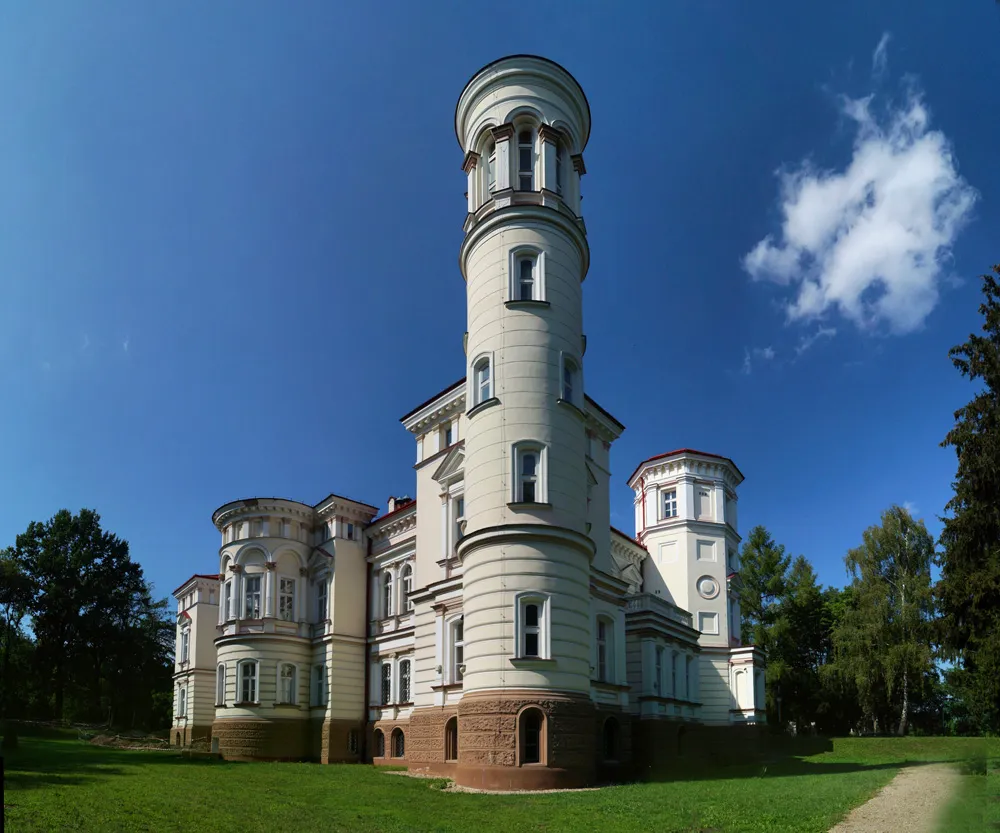
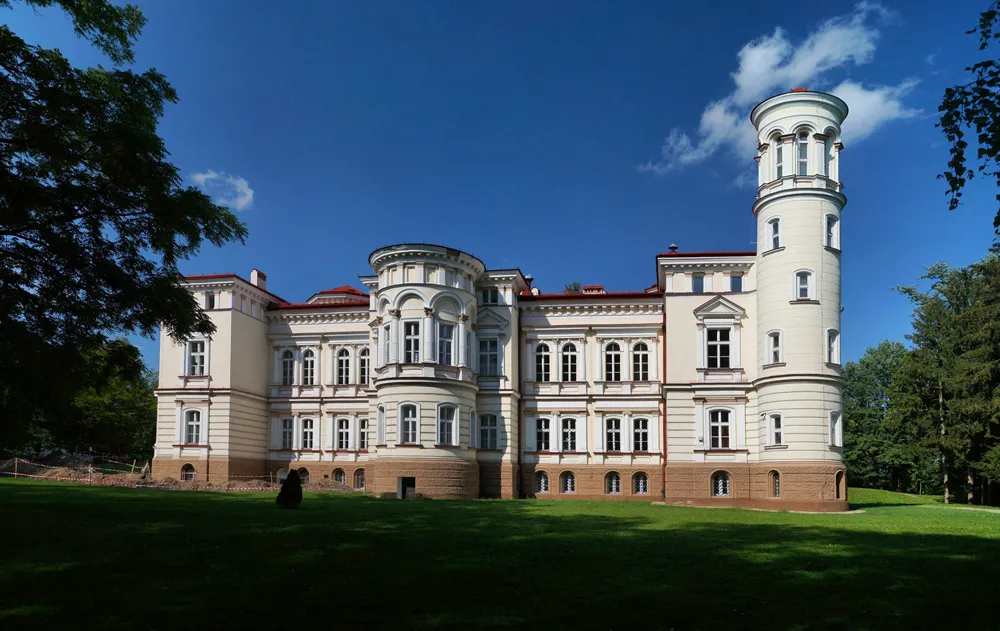
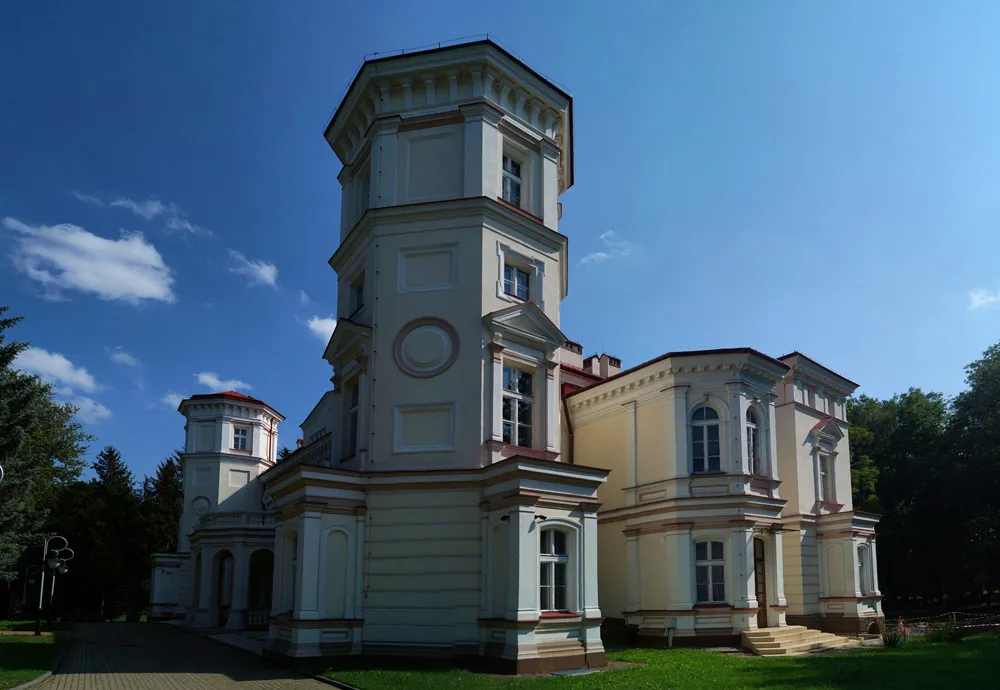
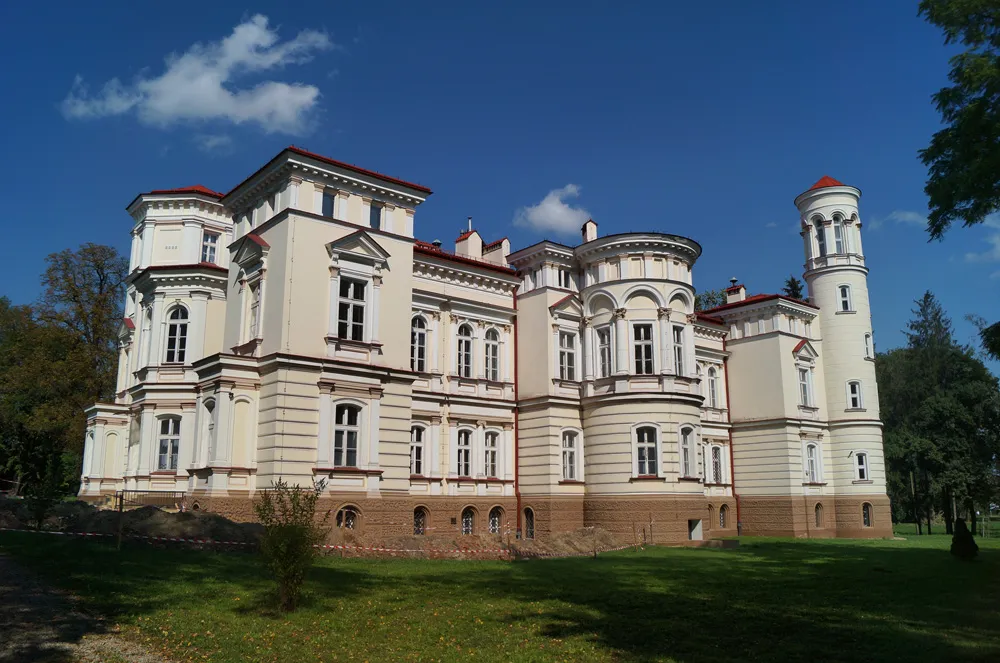
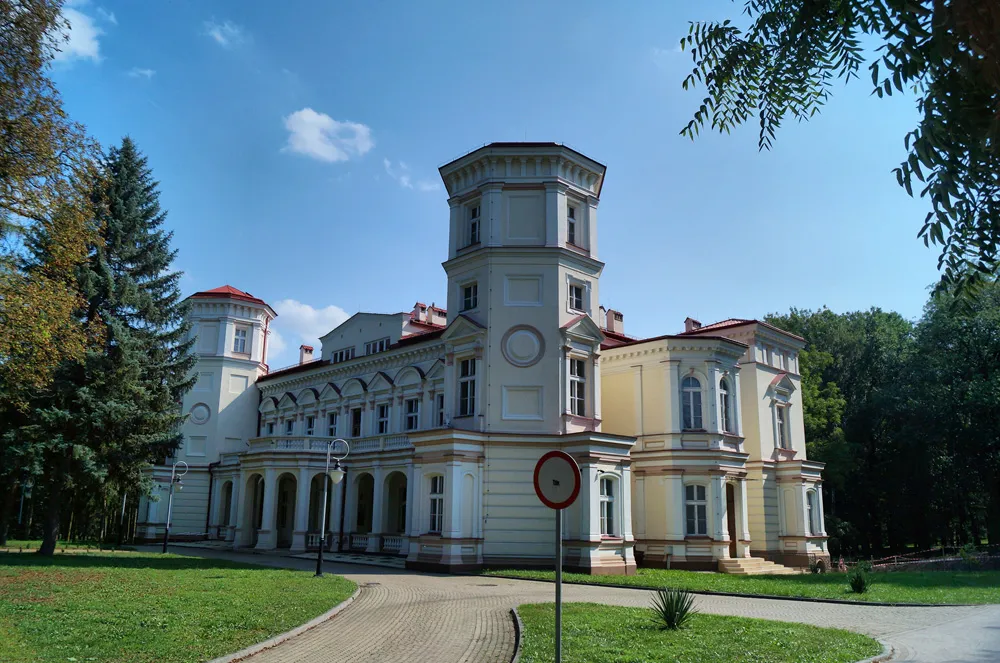
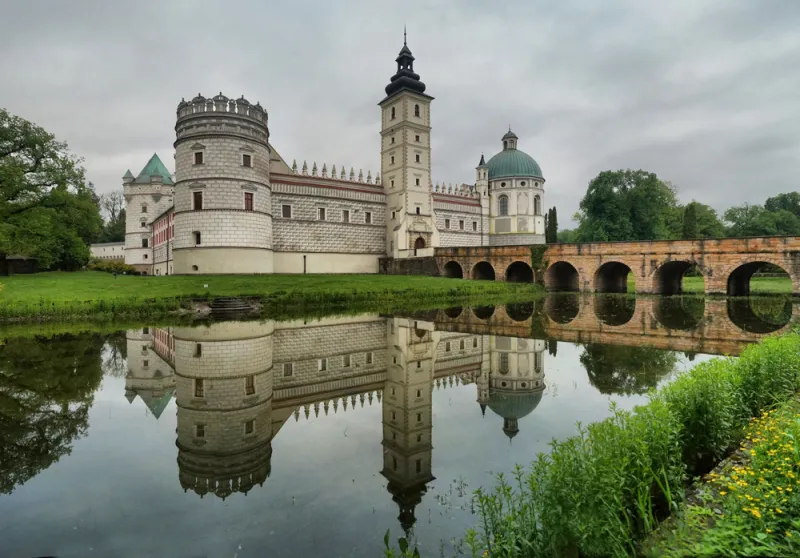
The Lubomirski Palace in Bakończyce
Whether the Greek Catholics of Przemyśl lacked the funds to maintain a large cathedral, or there were some other reasons, in the mid-18th century the church was in disrepair, and the then bishop of Przemyśl, Atanasii, a representative of the legendary Sheptytskyi family, allocated funds for building a new cathedral, but they were enough only for the bell tower, in which the Museum of Bells and Pipes now stands. The old cathedral was closed in 1779 because of its disrepair, and a year later dismantled.
In 1784 Emperor Joseph II gave the Greek Catholics of Przemyśl the former monastery of the Carmelite order. The main monastery church was consecrated in honour of St. John the Baptist – for the fourth time already – and until 1946 served as a cathedral. Then the Greek Catholics were expelled from their native city, deported, and so the need for their cathedral disappeared. The church, built in 1630 to a design by the Italian Galeazzo Appiani, was handed over to the Roman Catholics.
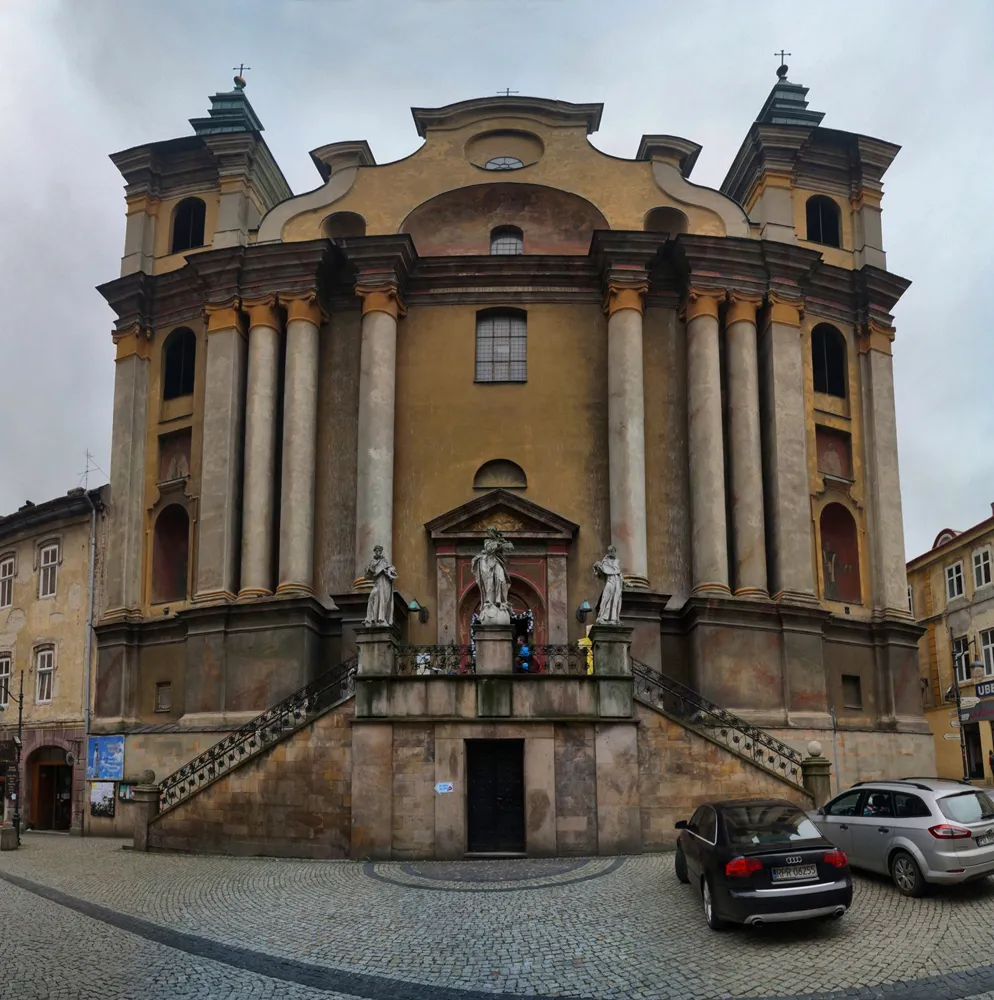
In the 1970s Ukrainian Greek Catholics began returning to Przemyśl. They held services in adapted premises and over time, more and more intensively, asked the Pope for their own cathedral. And they got it: in 1991 John Paul II gave the Greek Catholics of Przemyśl the former Jesuit church located in the very centre of the city. This large church was built in 1626 in the Early Baroque style. In the Austrian period it was closed (in 1820) and served as a military warehouse. Today it is in excellent condition, but it is not the main church of the city, which the Poles have considered theirs since the 14th century: the main Roman Catholic cathedral is here.
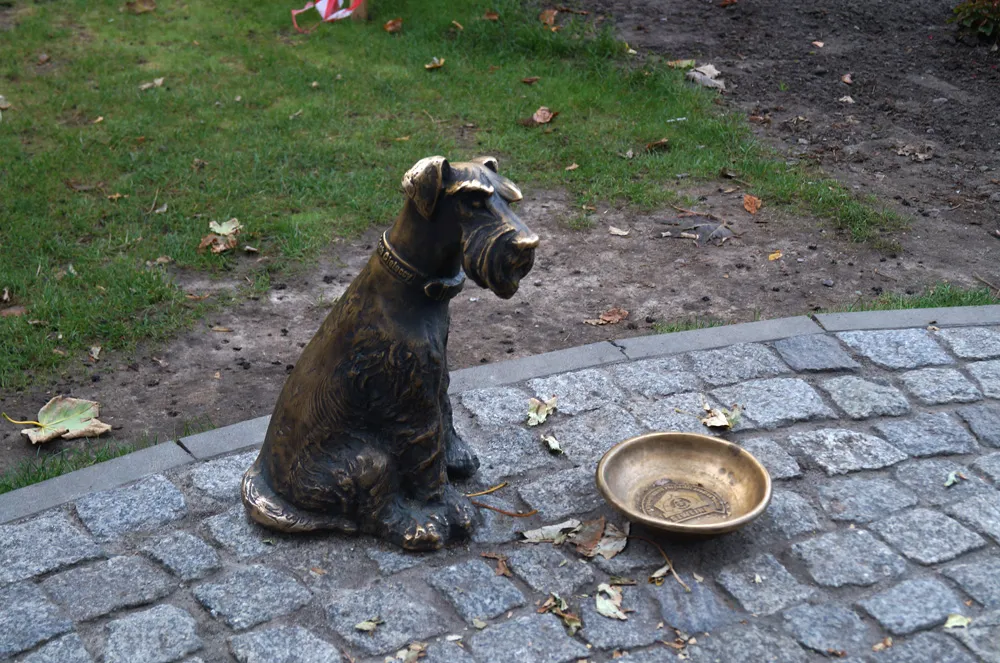
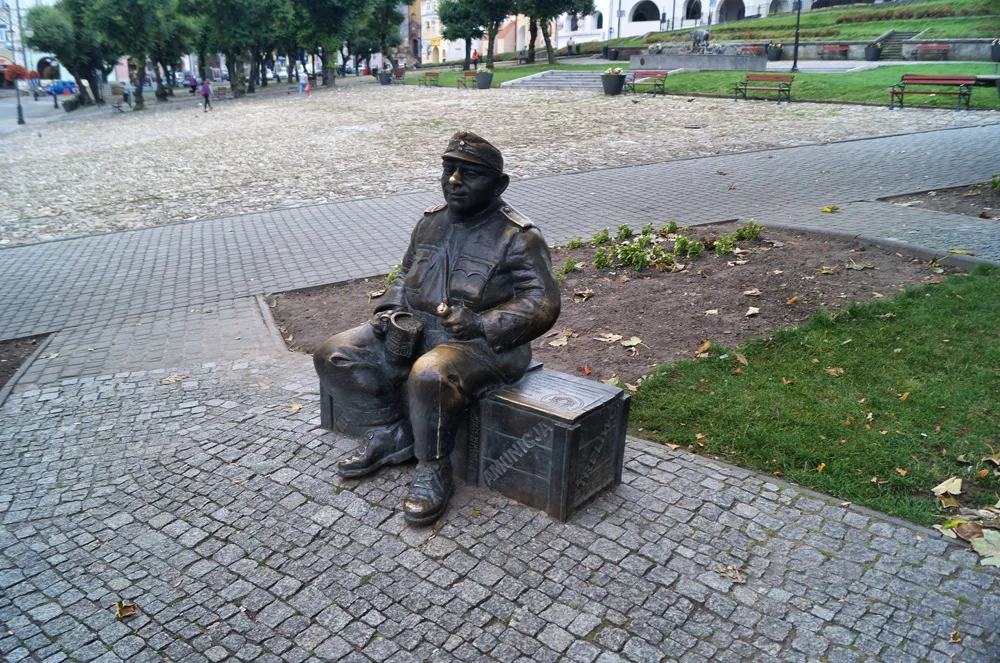
Przemyśl has a Ukrainian cultural centre, the Ukrainian House, and a Ukrainian school, one of four in Poland. Ukrainian musicians and cultural figures, painters and sculptors often visit. Przemyśl looks quite welcoming to Ukrainians. There are still many monuments here; I will not tell about all of them. Go and see. I strongly recommend descending into the crypts of the Latin cathedral and the city’s underground passages, climbing the castle towers, eating a casserole on the Market Square, and rubbing the nose of the bronze Švejk. And for those who find the casserole not enough, find the bar “Rubin”: it serves national dishes – żurek, flaki, bigos.
Text and photos by Roman Malenkov.