Poland. Owczary. A Lemko church on the UNESCO list

· 2 min read
The village of Owczary was called Rychwald until 1946, and this name was constant and very old, appearing in official documents from 1404. But the name was German, so after the war the village was renamed at once.
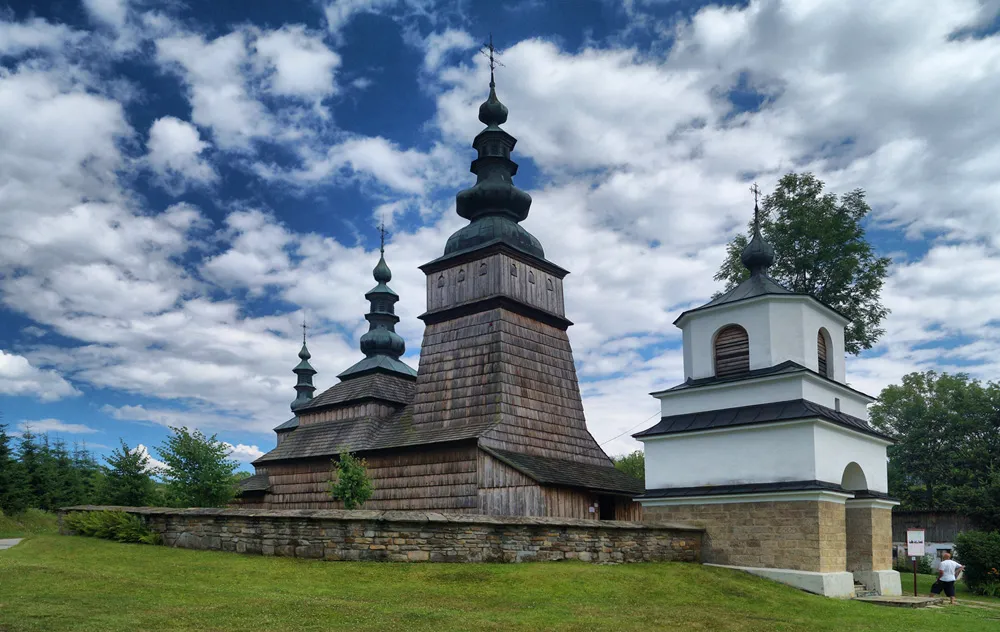
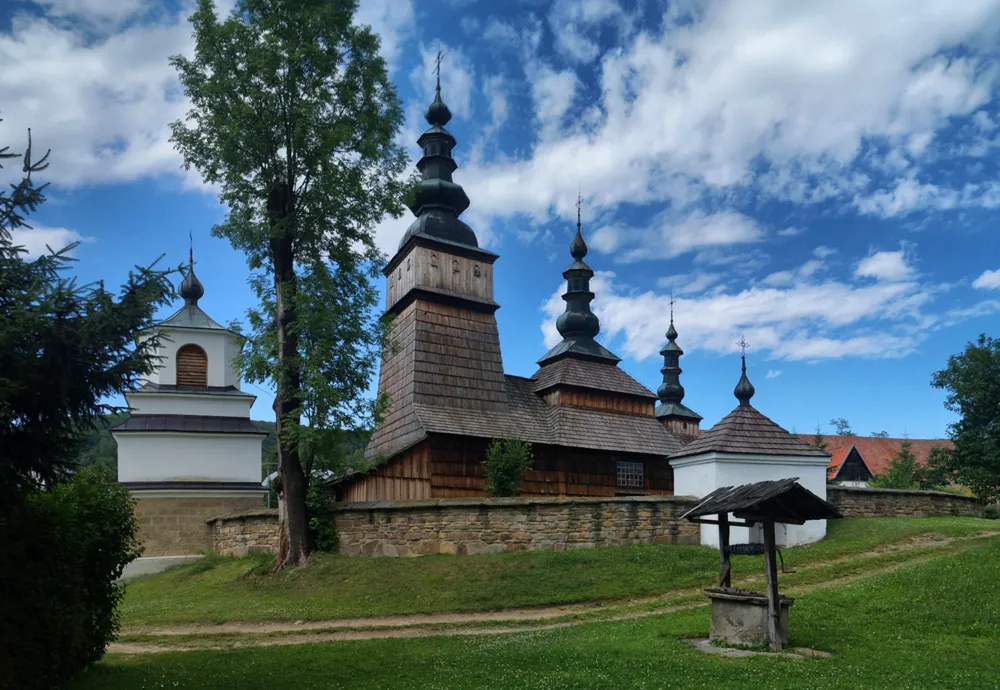
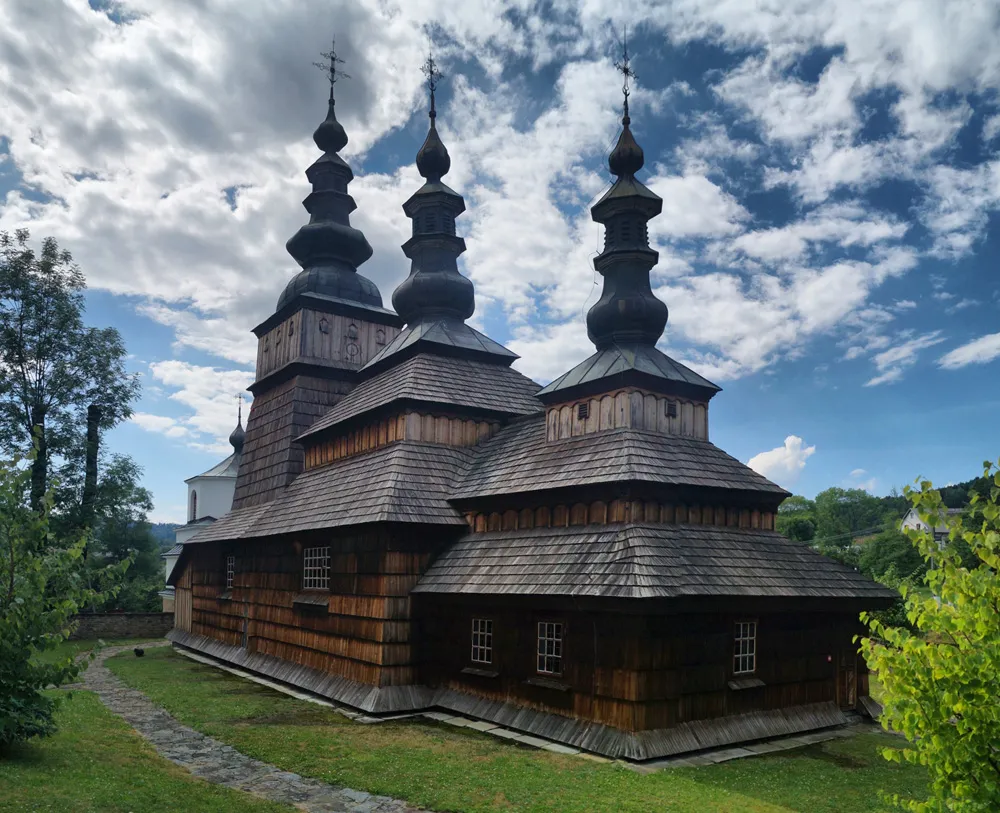
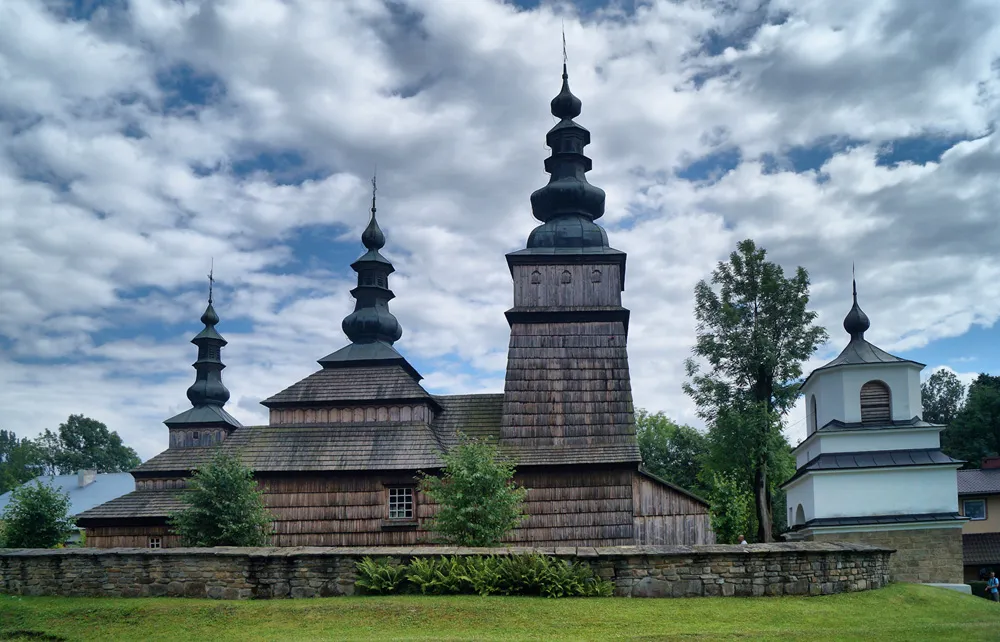
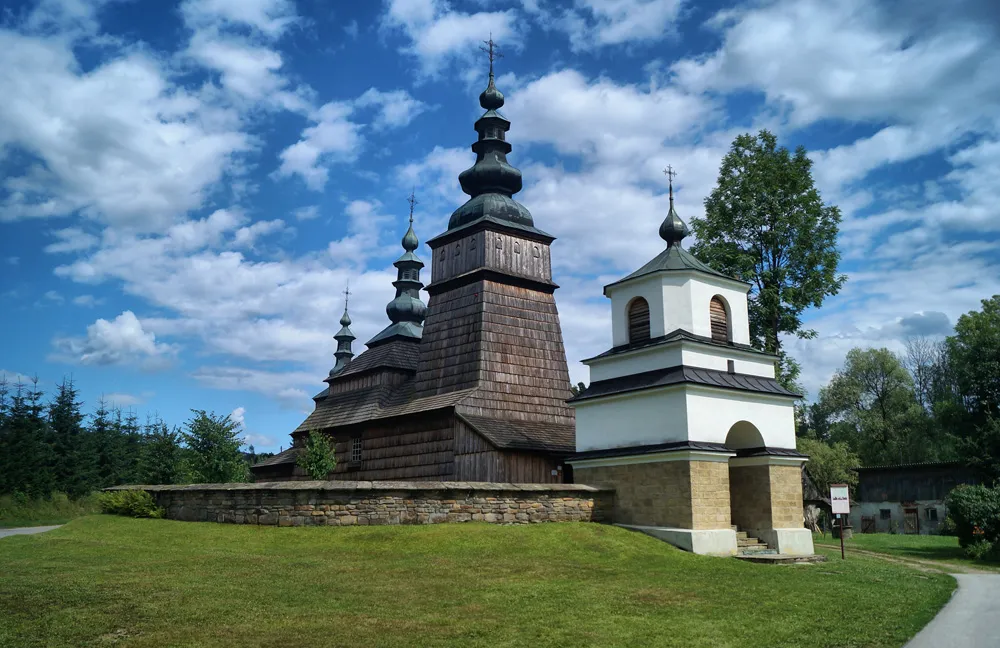
Owczary lies in Gorlice County of the Subcarpathian Voivodeship. It is 130 km from here to Ukraine, but these lands can be considered Ukrainian ethnic territory, since before Operation Vistula the overwhelming majority of the population here were Lemko Ukrainians. In Owczary, for example, of 1,160 inhabitants, 1,120 were Ukrainians. And they, of course, had their own church, which has survived to our time. Not merely survived: the Church of the Intercession is a UNESCO World Heritage Site. It is a masterpiece of Lemko architecture and one of the models of the classical Lemko style.
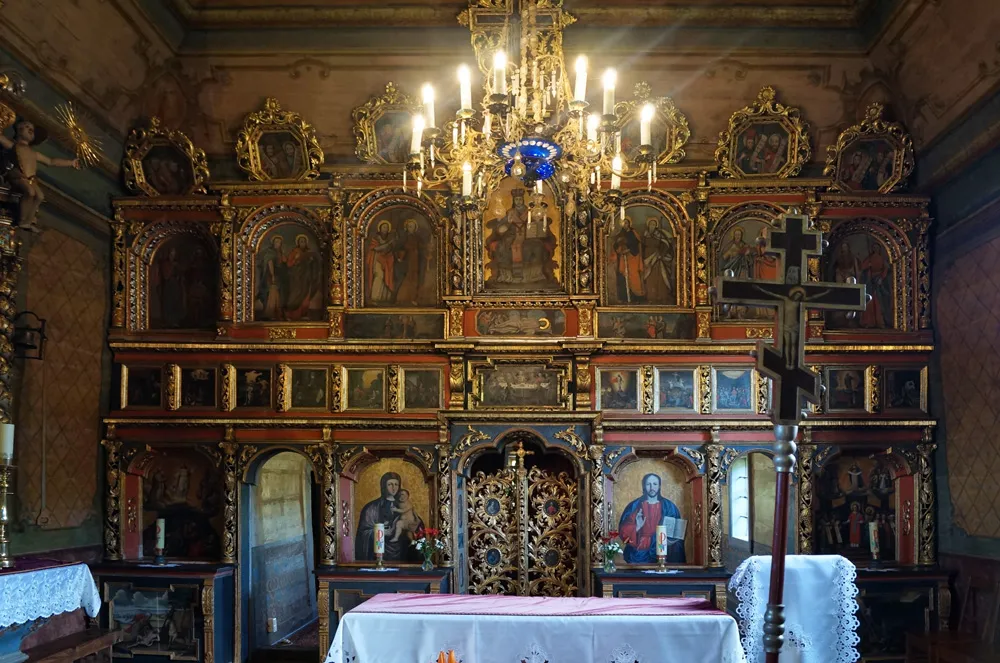
The church was built in 1653. Judging by everything, it was originally a single log room, which was later extended: the sanctuary was added in 1701, and in 1783 the tower, which served as a bell tower until a masonry bell tower was built next to it. In 1938 the church was painted with polychrome murals.
In 1948, after the deportation of Ukrainians from their lands, the church was handed over to the Roman Catholic diocese, but in 1956 part of the Ukrainians returned. They petitioned for the church to be returned to the Greek Catholic confession. As I understood it, the church was not returned, but services were merely permitted in it, and since 1998 it has been in joint use by the Greek Catholic and Roman Catholic communities of Owczary.
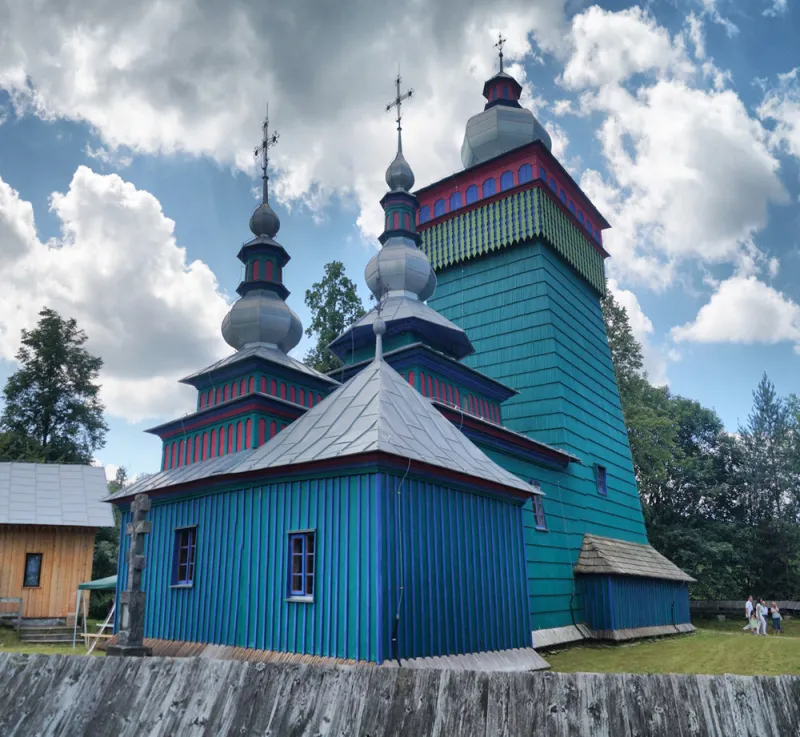
In 1995 the Church of the Intercession in Owczary received the international Europa Nostra Prize for its state of preservation. And in 2013 it, together with 15 other churches in Ukraine and Poland, was inscribed on the UNESCO World Heritage List under the collective name Wooden Tserkvas of the Carpathian Region. These are churches in Ukraine in Potelych, Matkiv, Zhovkva, Drohobych, Rohatyn, Nyzhnii Verbizh, Yasinia and Uzhok; and in Poland in Chotyniec, Smolnik, Turzańsk, Kwiatoń, Brunary, Radruż and Powroźnik. Ukraine Incognita has not yet been to the last two, but we will certainly put that right, once the borders are opened after the quarantine.
Text and photos by Roman Malenkov.