Roksolany: an old Cossack cemetery

· 5 min read
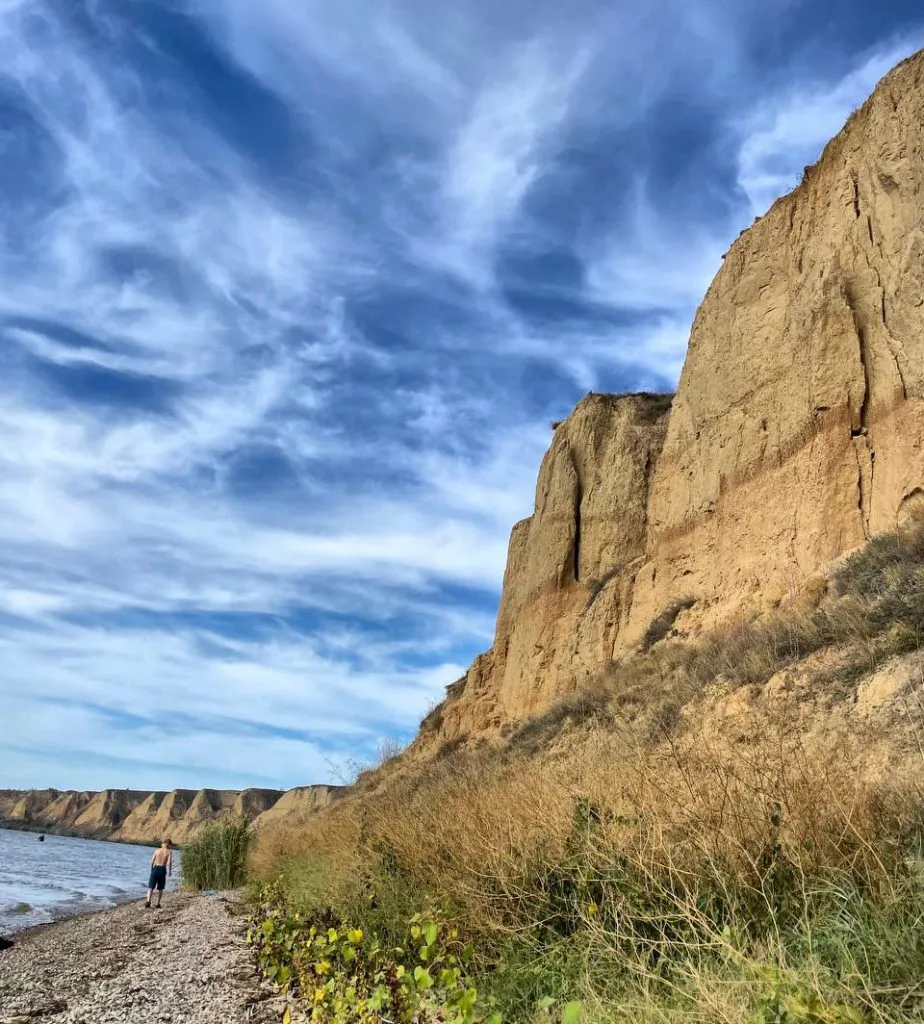
Not far from Ovidiopol in Odesa Oblast, on the left bank of the Dniester Estuary, lies the beautiful village of Roksolany.
These picturesque banks, which drop sharply to the water, were liked already by the ancient Greeks, who founded the city of Nikonion here in the 6th century BC.
In its time this archaeological discovery of the 1840s made a small stir among local historians. The marble bull and the beautiful amphora in the Odesa Archaeological Museum were found right here.
Today only a stone marker speaks of the ancient city, but the views themselves are worth coming here for: go down to the estuary and walk a little further along the narrow strip of shore to the places where cormorants nest. The landscape is simply incredible.
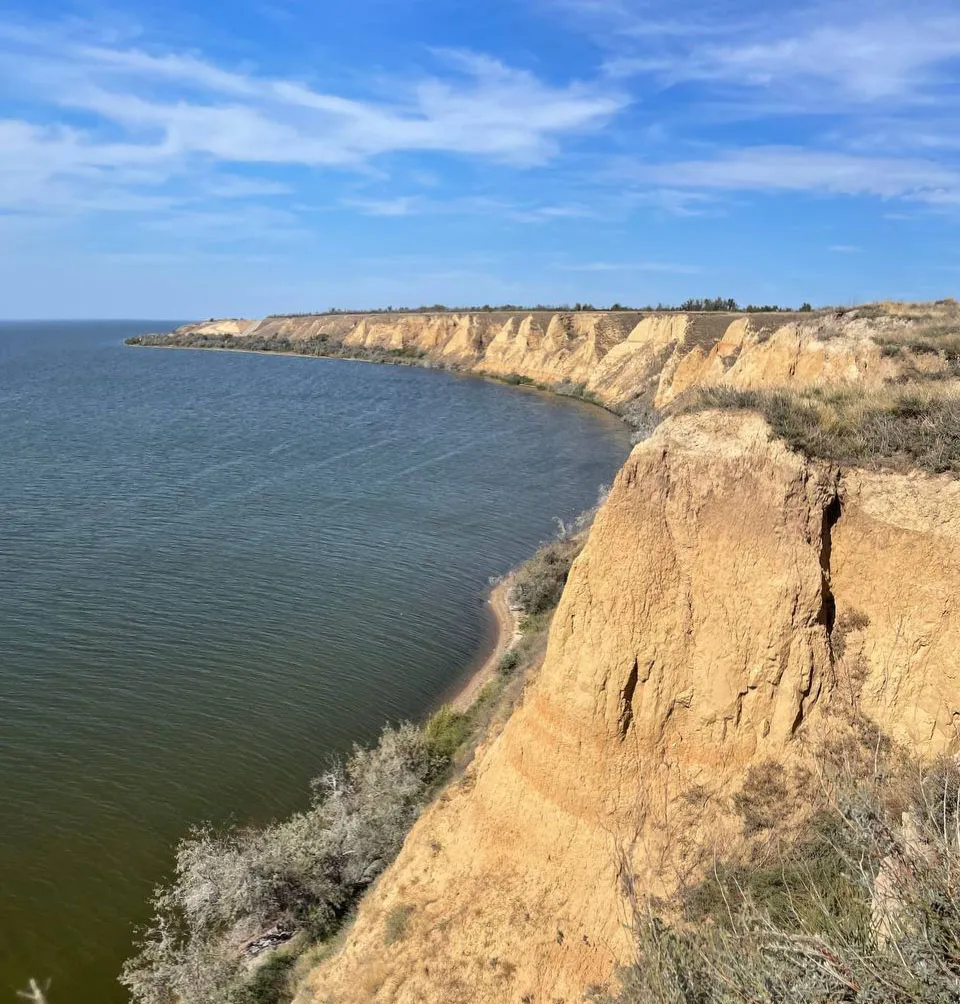
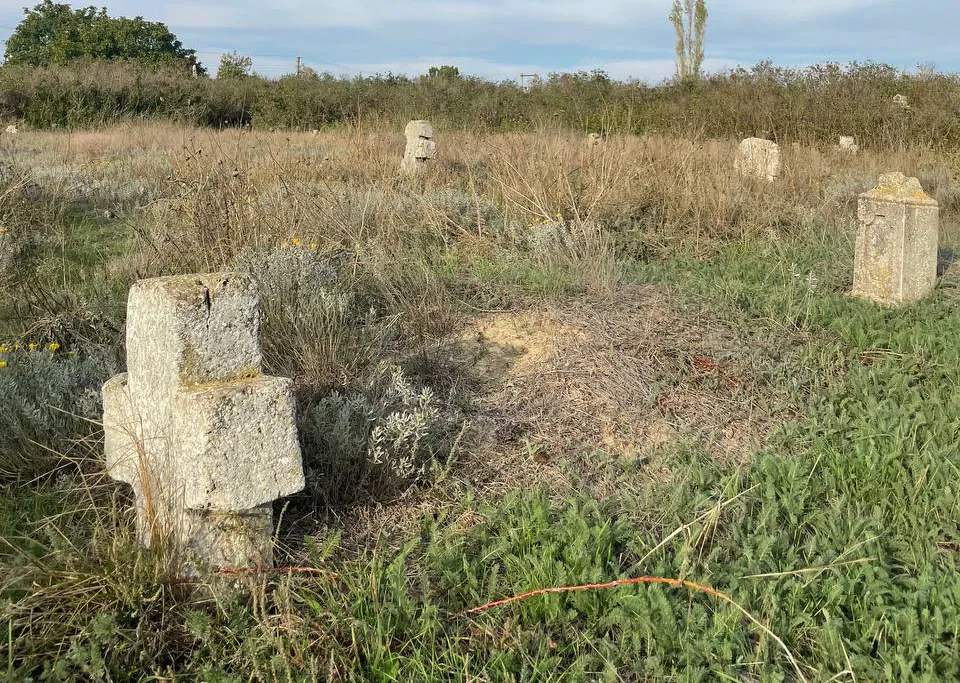
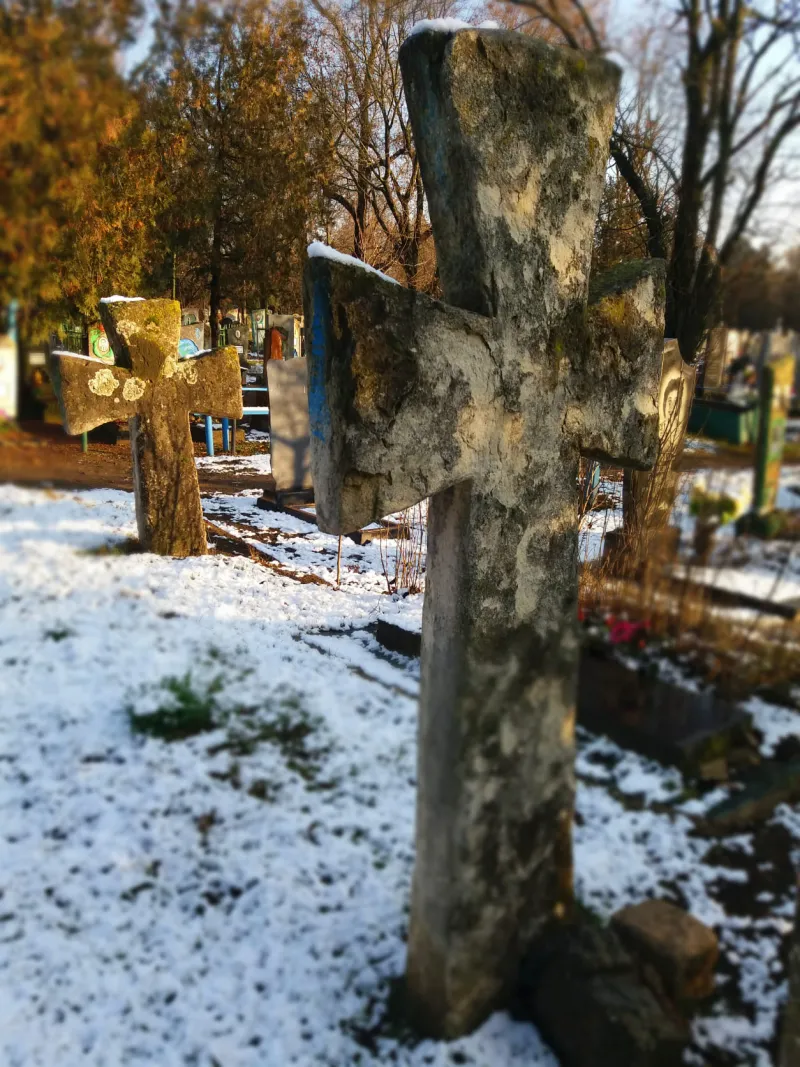
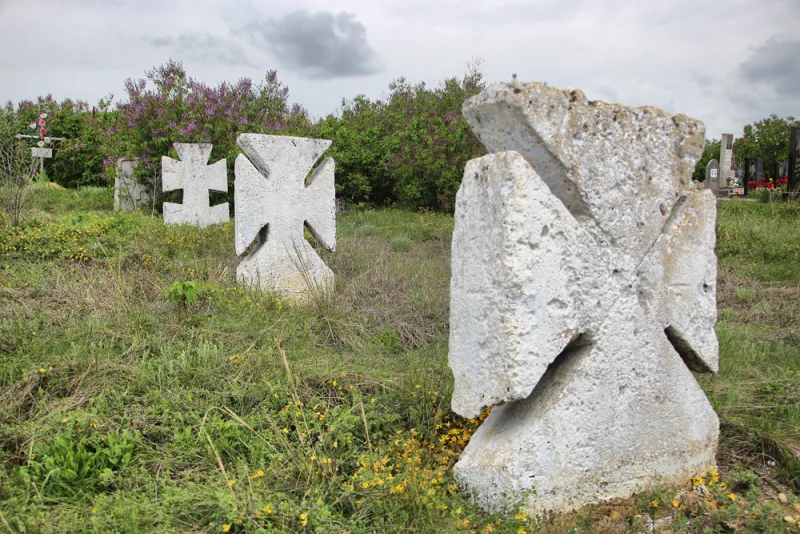
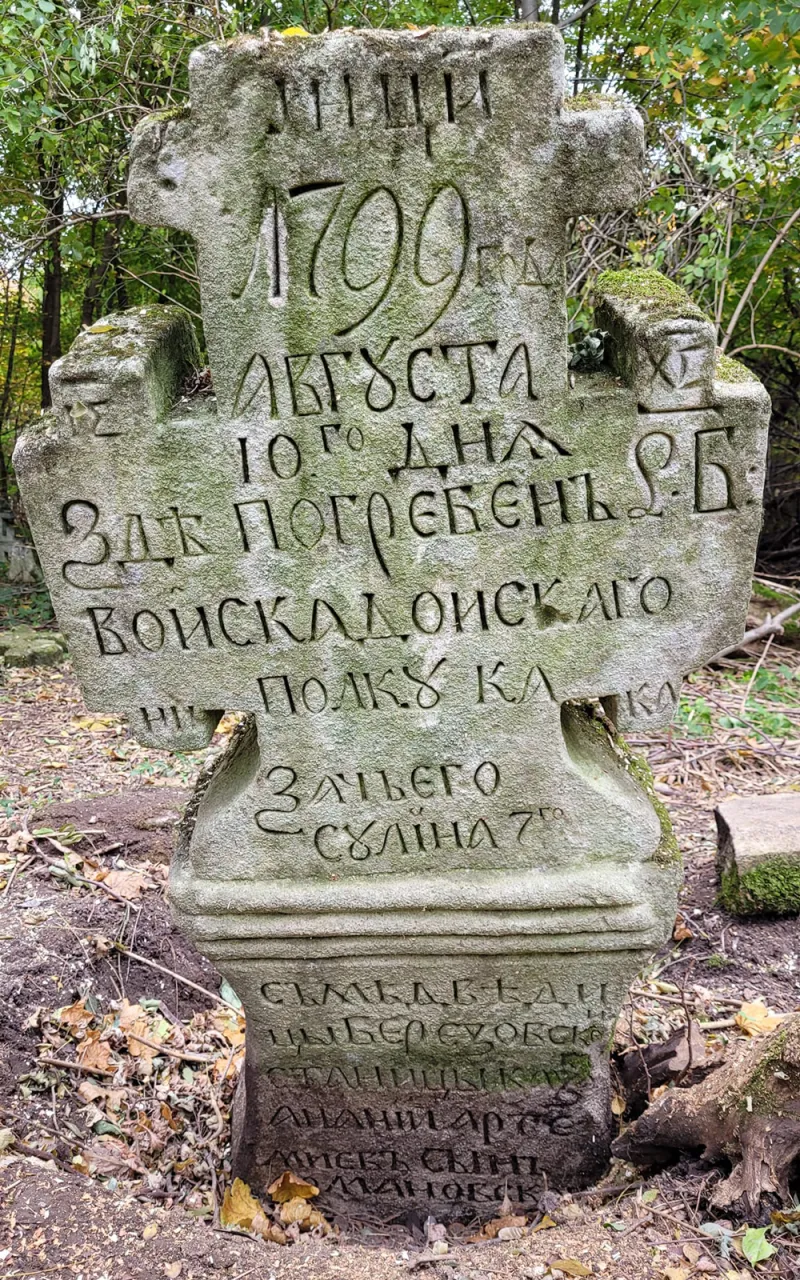
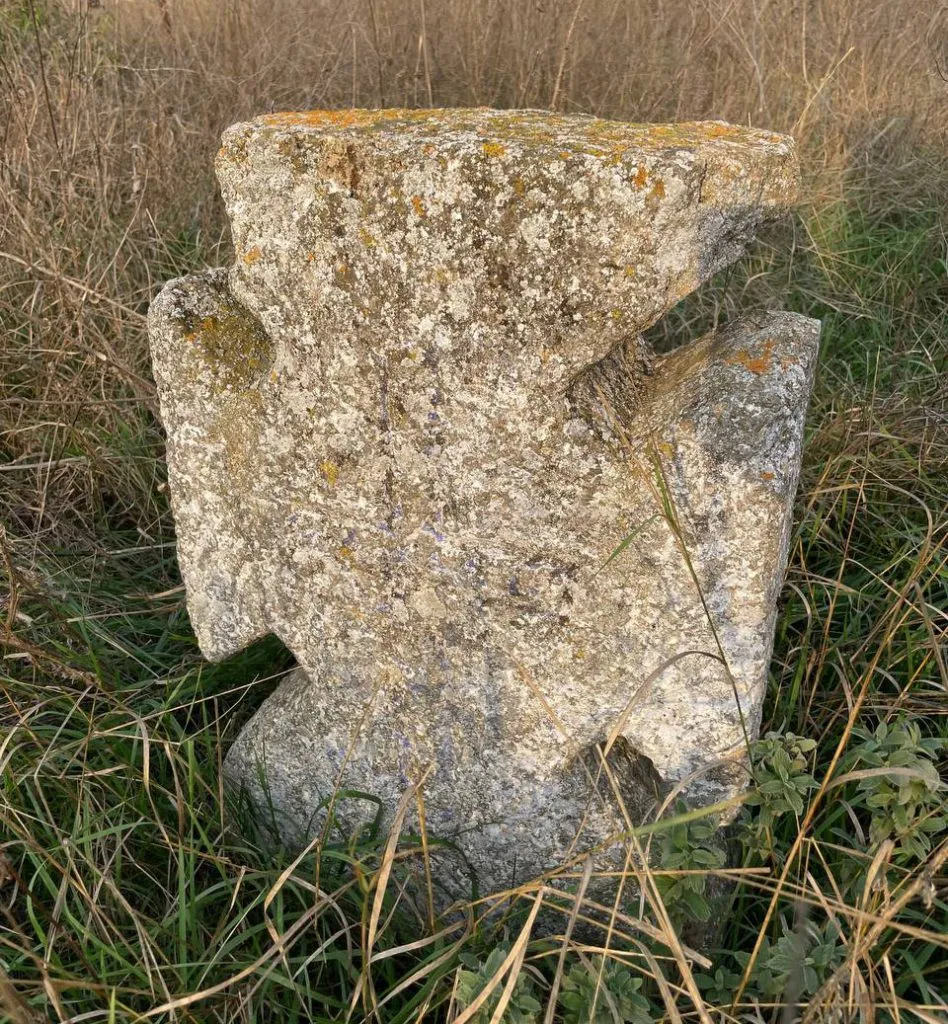
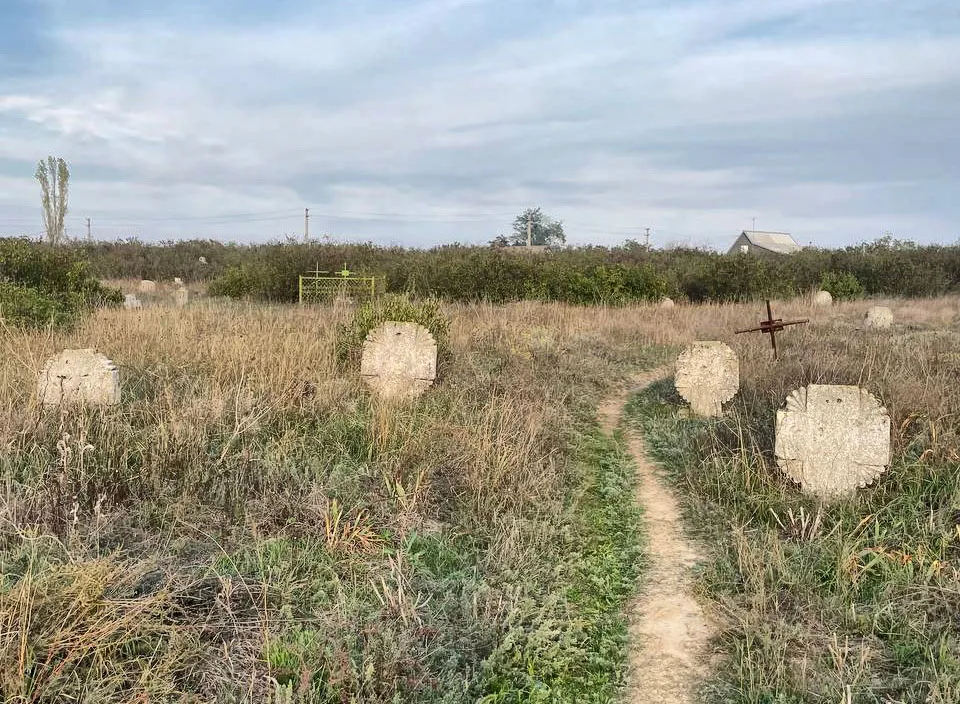
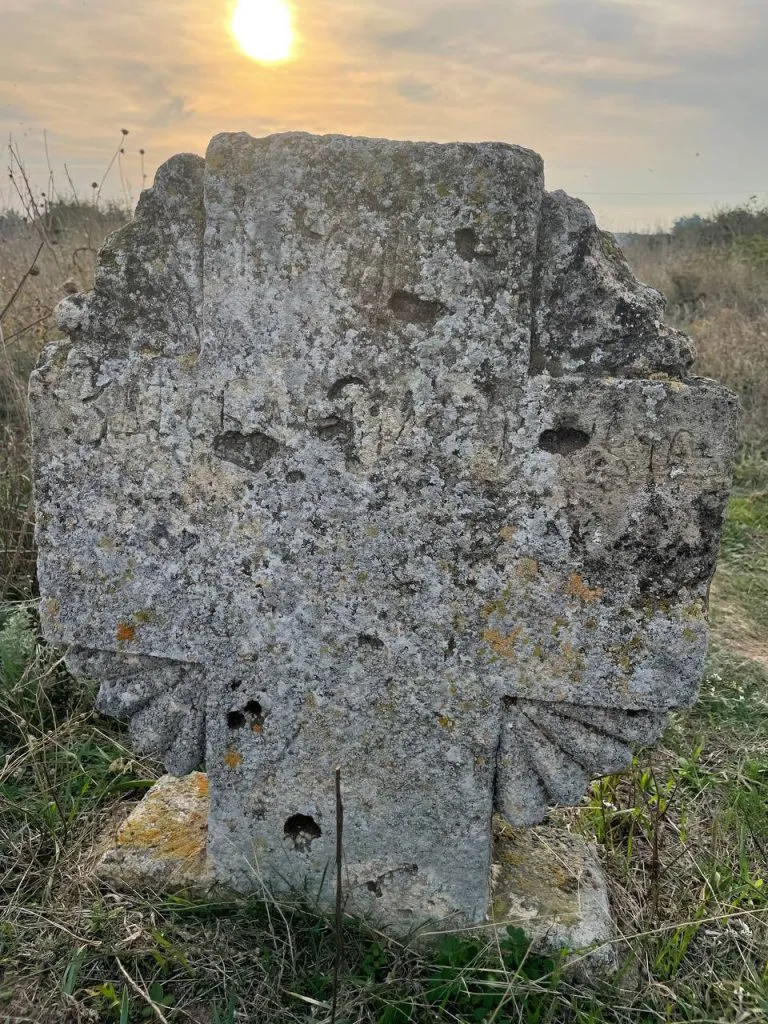
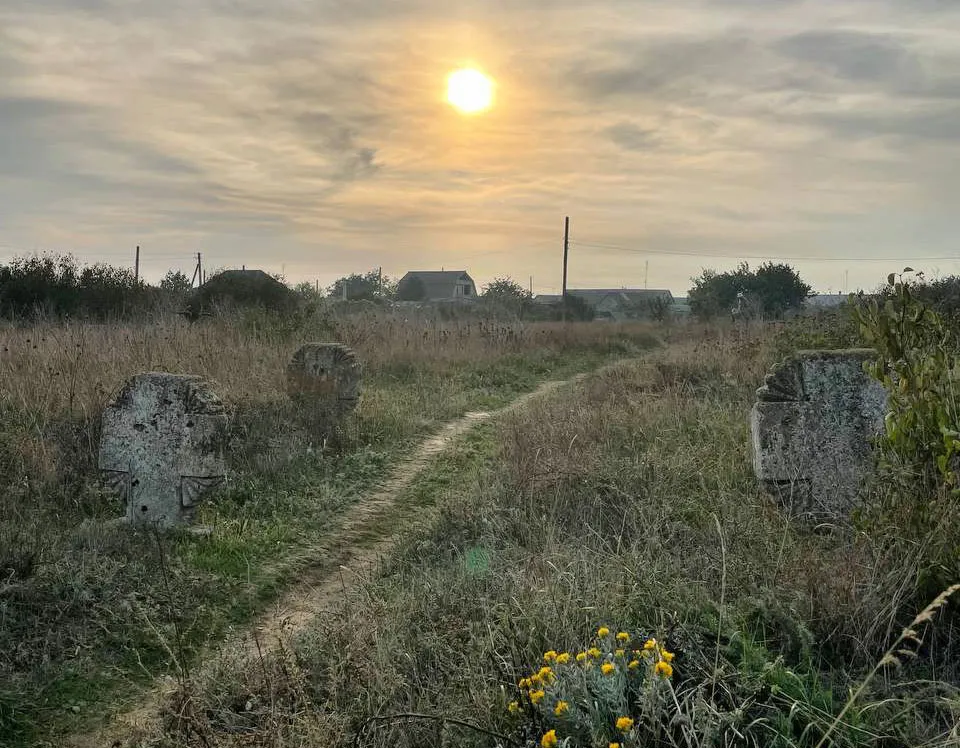
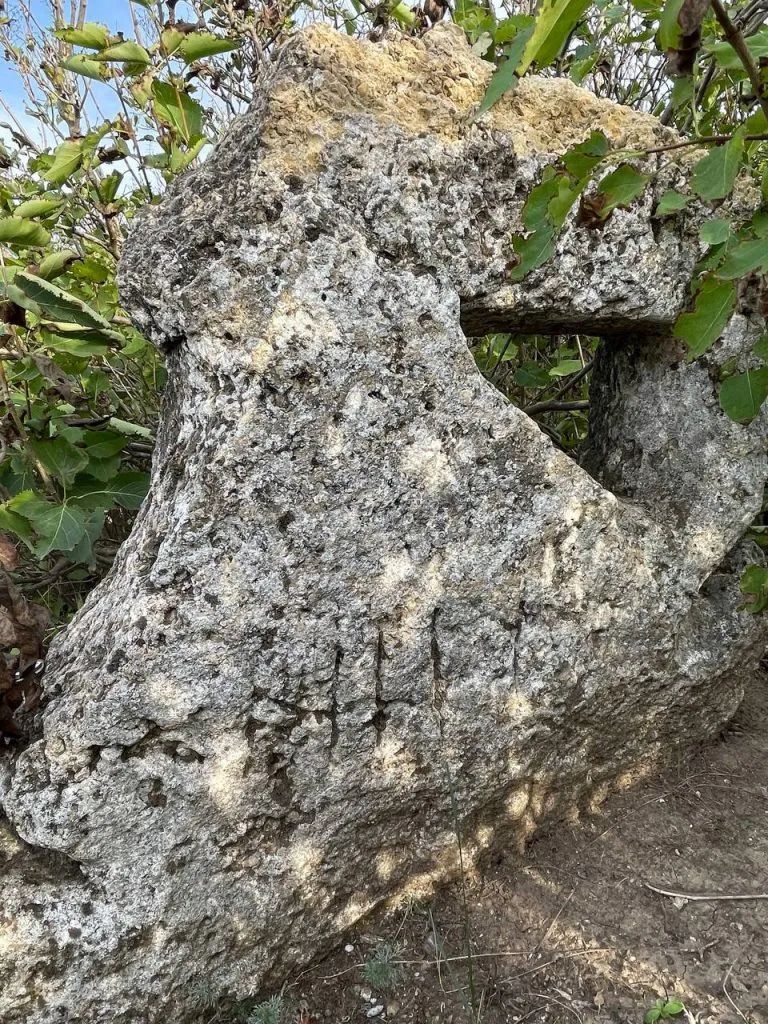
And in the centre of the village, on Shevchenko Street, there is an old cemetery that old-timers call the Cossack one. Here we see stone crosses similar in shape and material to those at the Sotnykivka cemetery.
Many will object: where would Cossacks come from here, if until the arrival of Catherine these lands had been held by the Turks since the 15th century? Very close to the Turkish settlement of Hadjider (Ovidiopol) and practically opposite the Turkish stronghold of Akkerman.
Understanding that the cemetery itself belongs to a much later time, let us start from a little further back.
The Turkish traveller Evliya Çelebi, in his “Book of Travels”, describes his stay in the lands of “the ill-fated Rus from the country of the local Cossacks” between the Dniester and the Danube in 1657:
“… through these places runs the main route of ships going from Akkerman to Ochakiv and on to Crimea. The Cossacks, gathered in a band, wait near places convenient for mooring vessels, and none of the travellers is safe from being caught and taken captive. God forbid, it is a very dangerous road.
…Since Sultan Bayezid Khan Veli conquered Akkerman, this area [the tract of Ot-yaryk] was settled and became a rear area after a strong fortification was built at the crossing. After some time the accursed Cossacks seized this fortification and razed it to the ground. To this day the remains of the structures can be seen here. The wild and desolate places here are very dangerous. On that night in question, out of fear of the Cossacks we were deprived of sleep and rest. For in this place stands a wooden fortification of the Cossacks.”
“May Allah have mercy on us! Those who have not seen this people, even great interpreters of religion cannot know what kind of soul these enemies of the community of Muhammad and of other peoples have. Having entered their country in the middle of the month of Muharram 1068 (end of October 1657), we travelled through it with prayers: ‘O Lord, save us from their malice! Amen!’”
I do not know why, but I found reading these testimonies very funny))
Especially funny when the comments say that before the arrival of Russia the Cossacks never lived on these lands, and even if they did, it was only as subjects of the Turkish sultan. Yeah right)))) They feared him and always saluted Turkish ships at the crossing of the Dniester Estuary. What is more, they so respected Islam that they prompted those infidels to pray to Allah one more time.
After the destruction of the Zaporozhian Sich (1775) some of the Cossacks managed to escape the siege by boats: via the Dnipro and the Black Sea they went up the estuary to present-day Ovidiopol and decided to settle in the vicinity. Later, under the convention of 1779, the Turks “asked” them to move beyond the Danube.
And in 1789-1792 the territory of present-day Roksolany was part of the Dniester palanka of the Black Sea Cossack Host. According to the military engineer de Volan, 5 Cossack families lived here, engaged in fishing. There is even information about two fish factories belonging to Kharko Chupryna and Huba.
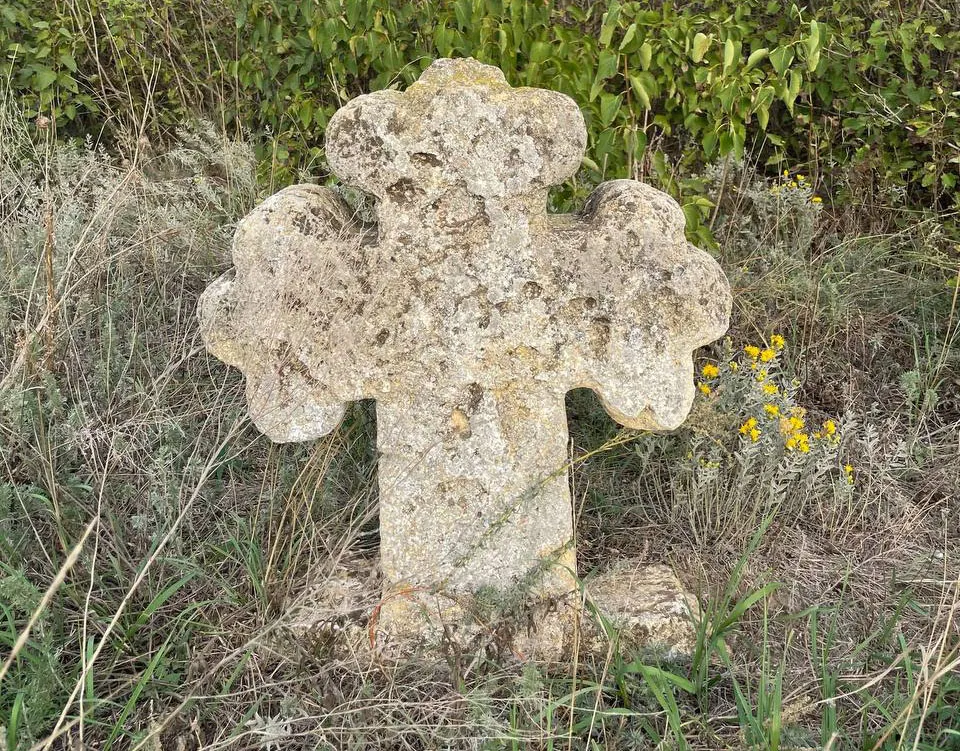
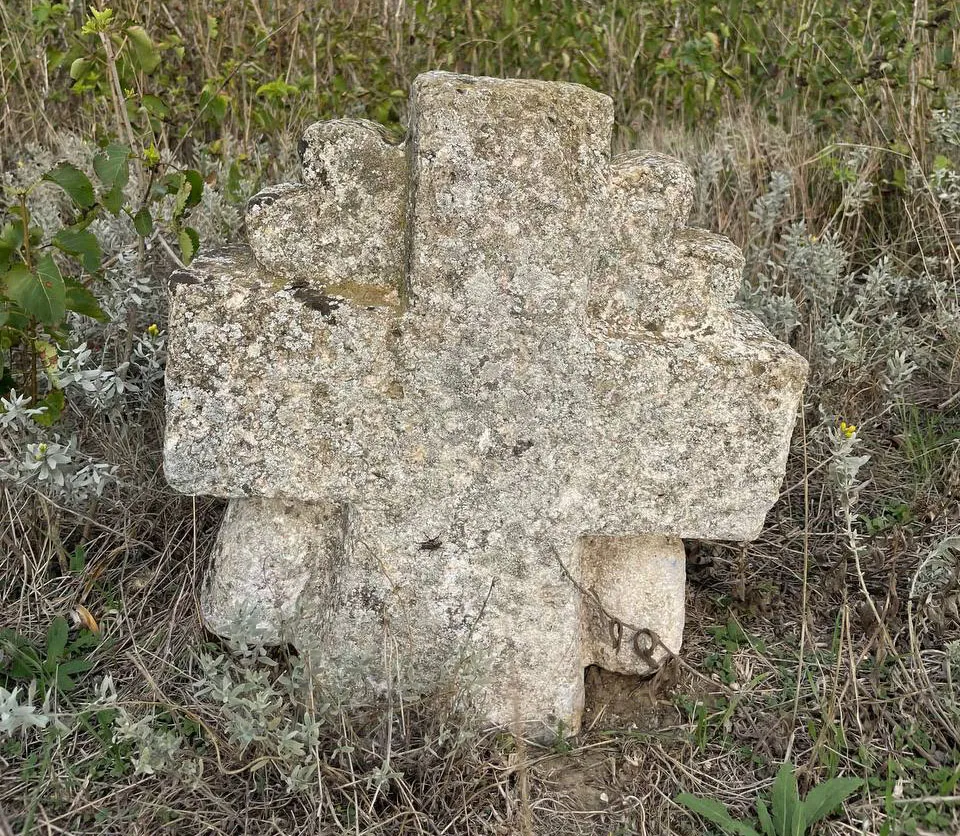
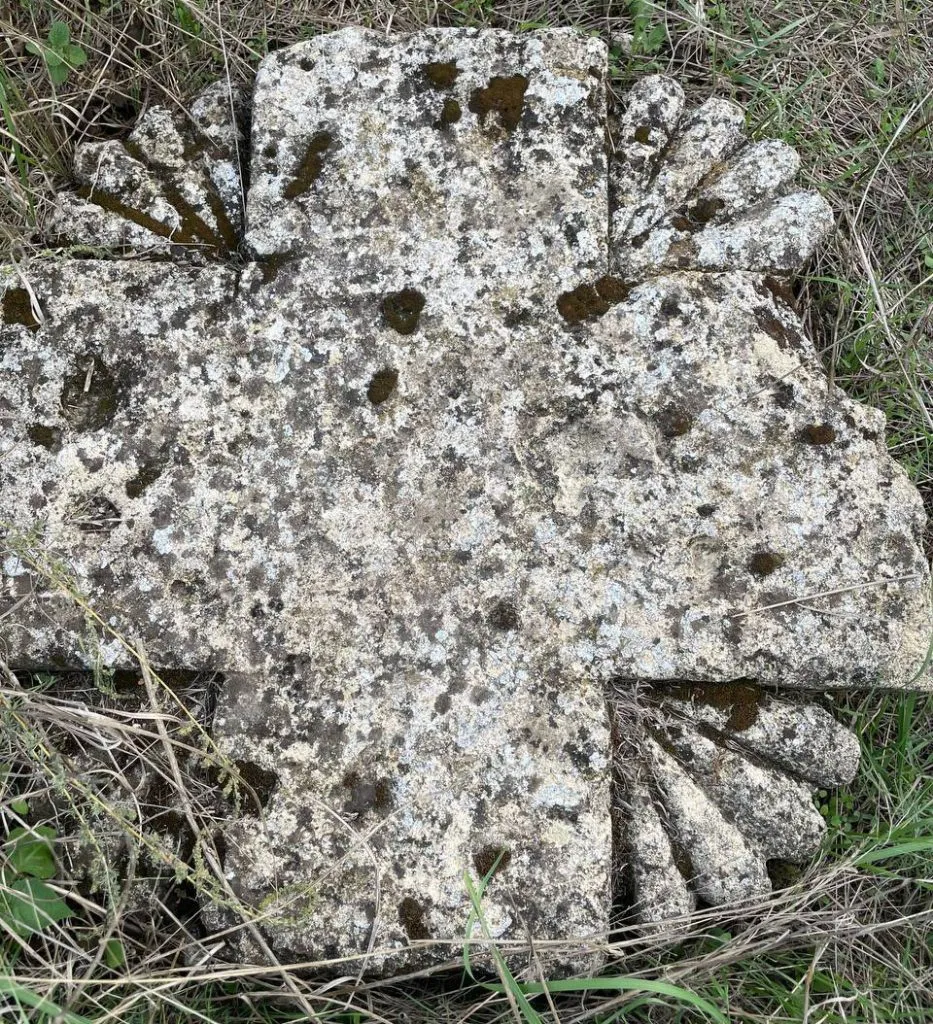
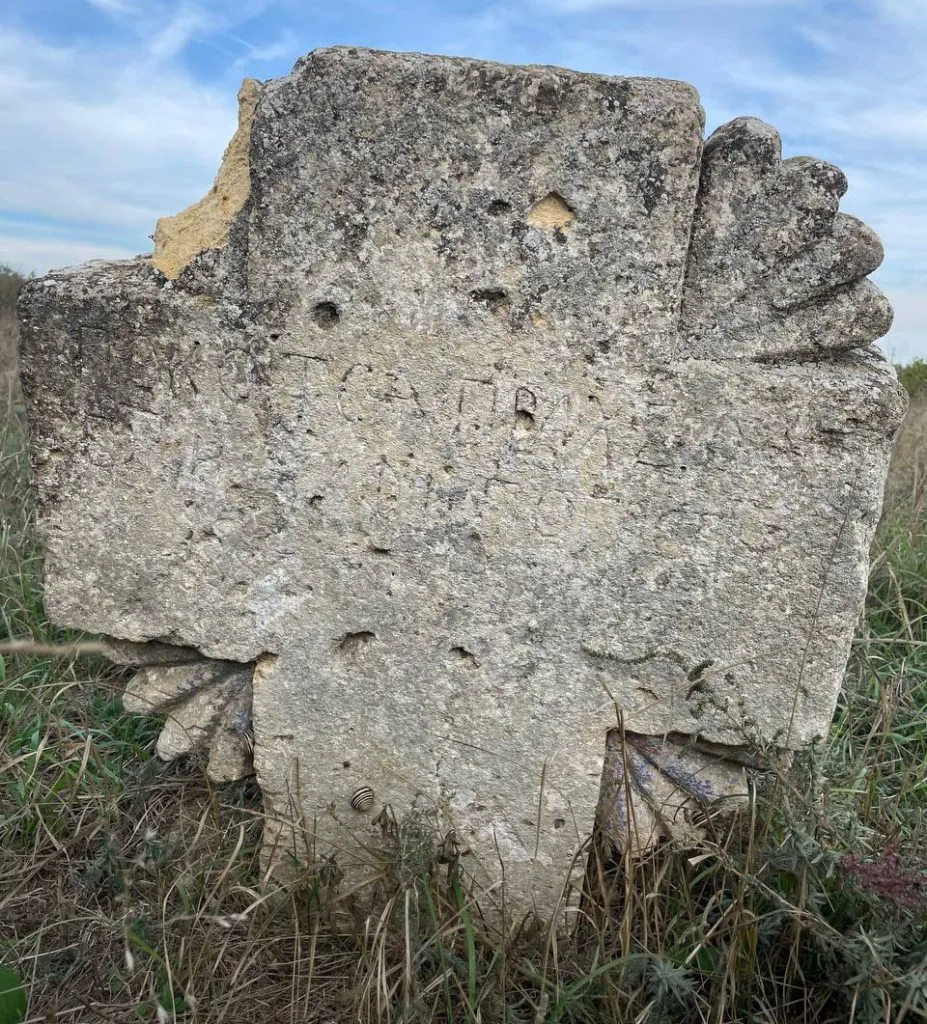
From the beginning of the 19th century the population of the village was replenished by so-called tithe peasants (those who worked the landowner’s land for a tenth of the harvest). These were mostly fugitive serfs and former Zaporozhians.
So the presence of Cossacks and their descendants in the village does not need to be proved.
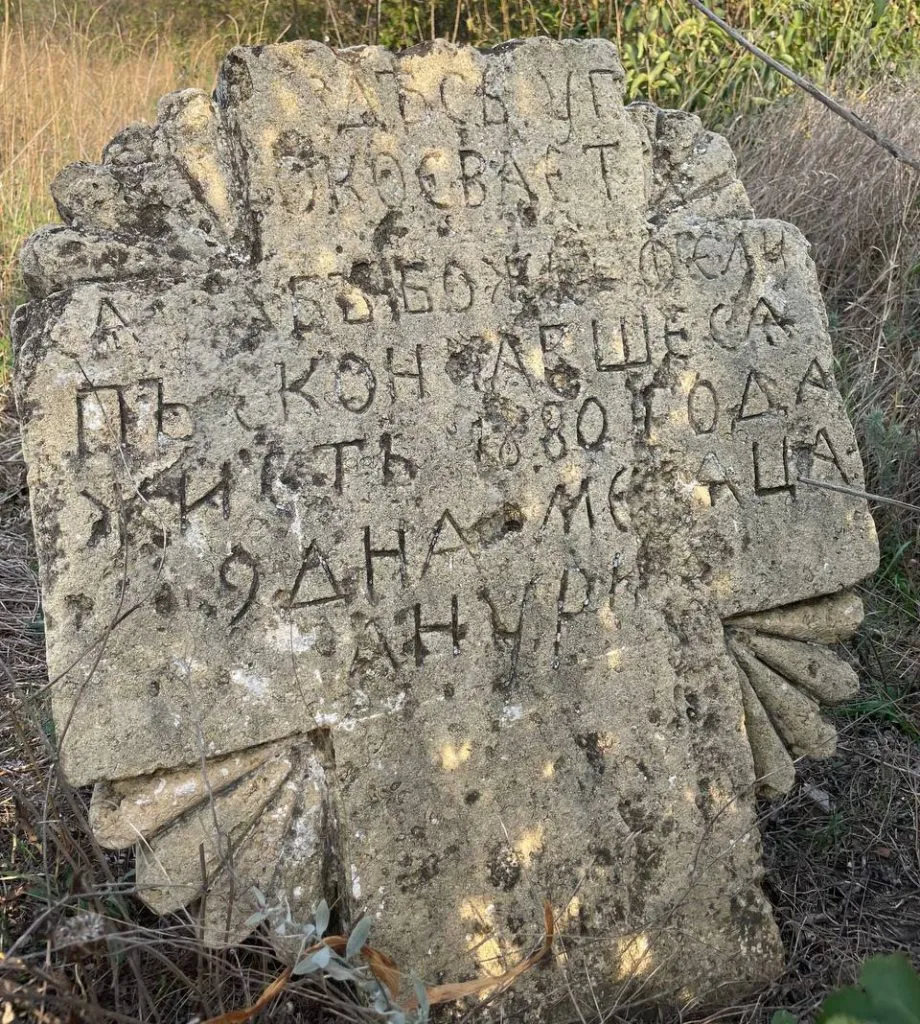
Only some 40 years ago (as locals say) inscriptions could still be read on these crosses. And even then the villagers understood that these graves were at least 120-150 years old.
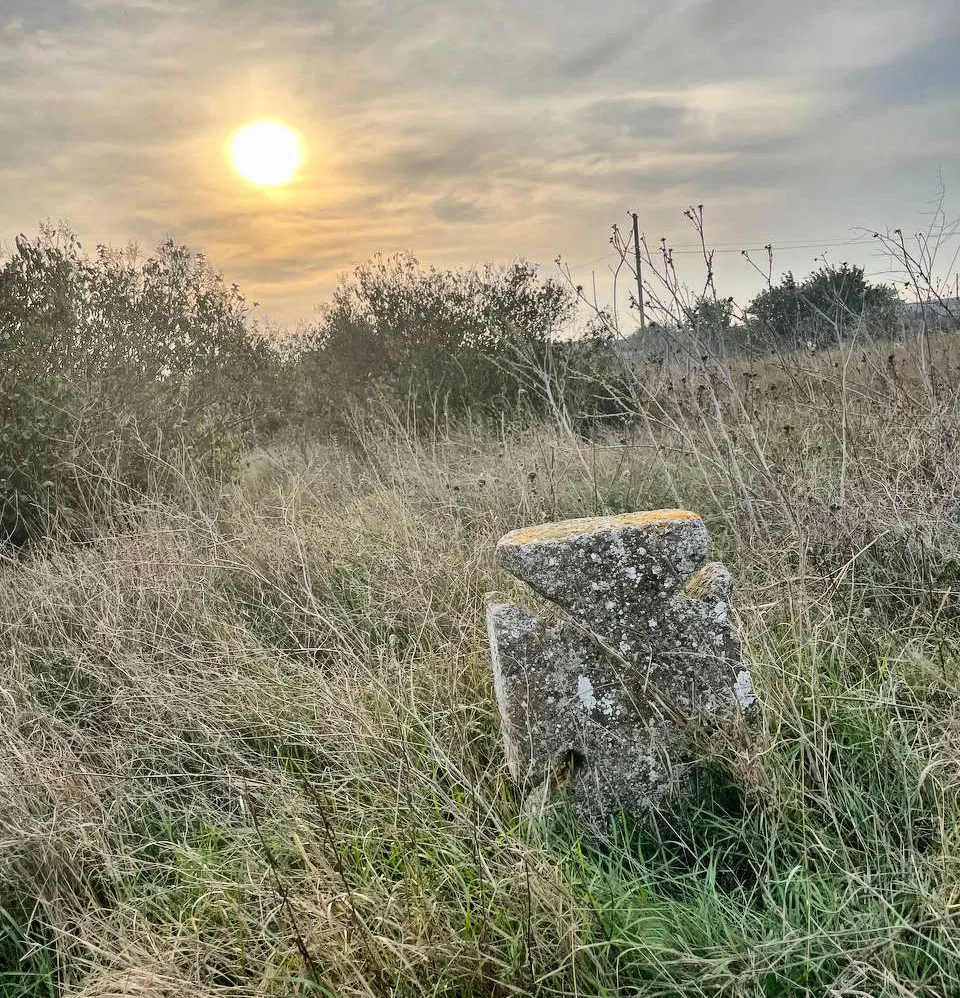
Today these ancient Cossack crosses stand in thickets, some hidden in dense lilac undergrowth, and they urgently need to be cleared.
Many now write that such work is “not the time” and can wait until victory. In fact it cannot.
The old Cossack cemetery is crumbling before our eyes. And the first thing that must be done is to get these monuments taken under state protection.
The last photograph shows the place where victims of the Holodomor were buried. Their memory is honoured today by an ordinary, decrepit wooden cross, which has broken and fallen.
We are not archaeologists, not specialists. We are simply caring people. But we want to draw attention to this subject and make an effort so that such priceless monuments do not vanish from the face of the earth and tell our descendants what kind of people we come from.
Text and photos by Iryna Baisak