Turkey. Diyarbakır. The unofficial capital of Turkish Kurdistan

· 7 min read
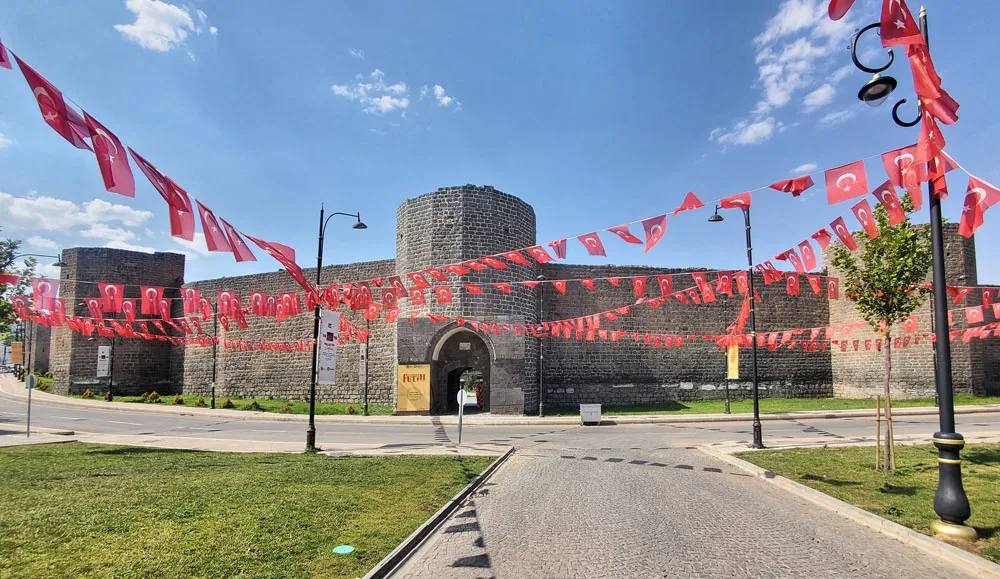
More than once, from acquaintances who had visited Mesopotamia, I heard that there is nothing special to see in Diyarbakır, except the walls. Except? For the walls alone, which stretch for 5,800 metres and have 82 towers, which are a UNESCO World Heritage Site and are probably the largest in Western Asia, I would go to Diyarbakır. It turned out that the city is extremely interesting, and besides the walls there are plenty of churches, while the streets of the old town have preserved part of the ancient buildings. They spread like a web between the walls, hundreds of them, crooked and tangled, and the streets are full of people wandering as if without any system, and children shout “Abi, hello, money”. We saw such colour on such a scale only in Şanlıurfa. Although there too the scale was smaller.
Having arrived in Diyarbakır, I decided to head straight to see the legendary walls, but on seeing a narrow cobbled street I could not help diving into it… My first wandering through the streets of old Diyarbakır took about two hours and ended with a visit to the Ulu Cami, a mosque unlike any I had seen in architecture. A synthesis of a basilica, with incredible Roman colonnades, Arabic inscriptions, pagan patterns on the columns, Ottoman fountains, a very large courtyard and a huge prayer hall, it placed this complex, for me, in the same row as the most outstanding Islamic places of worship that I have seen.
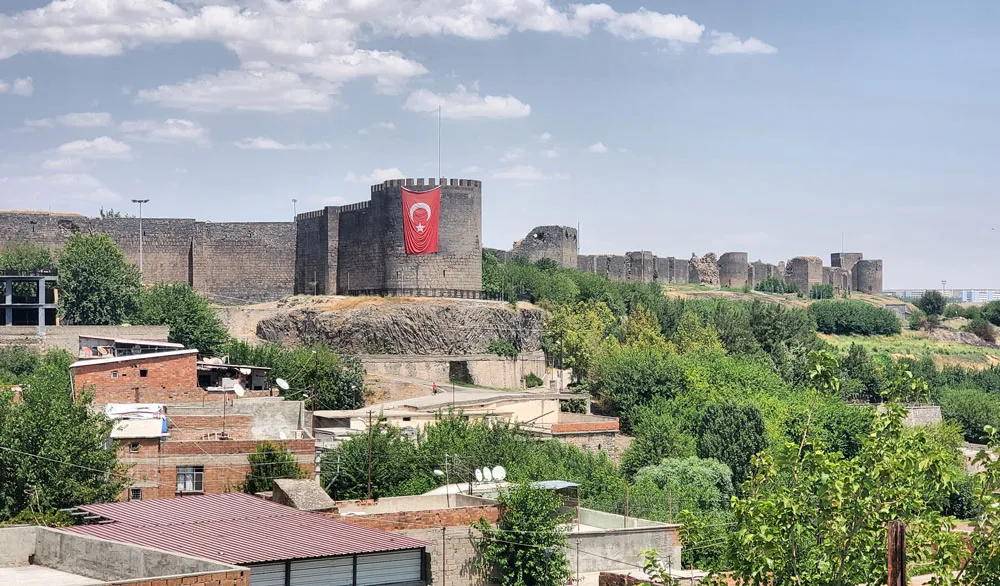
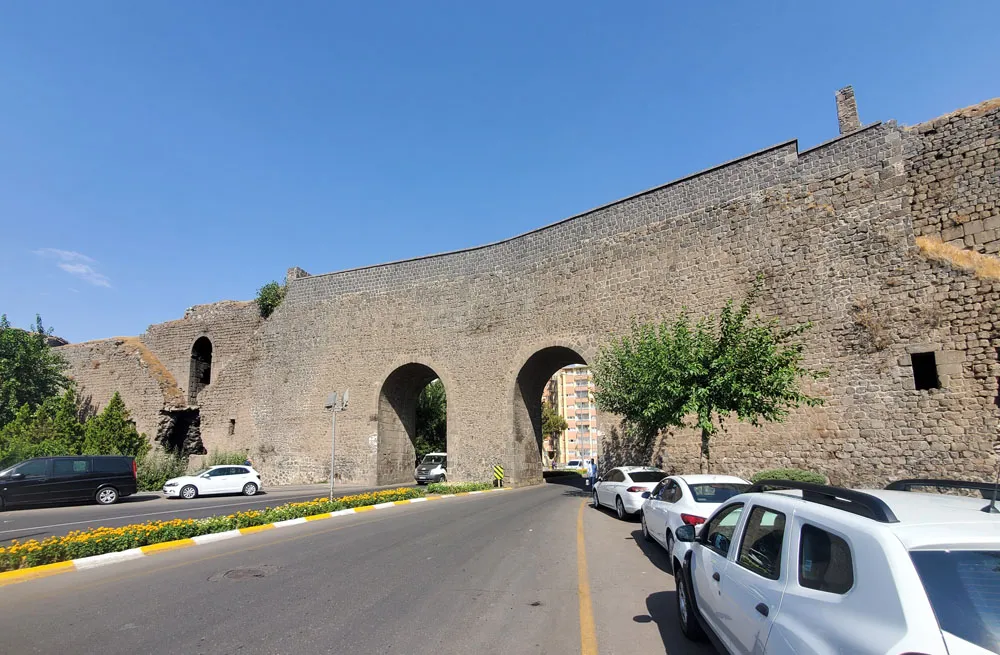
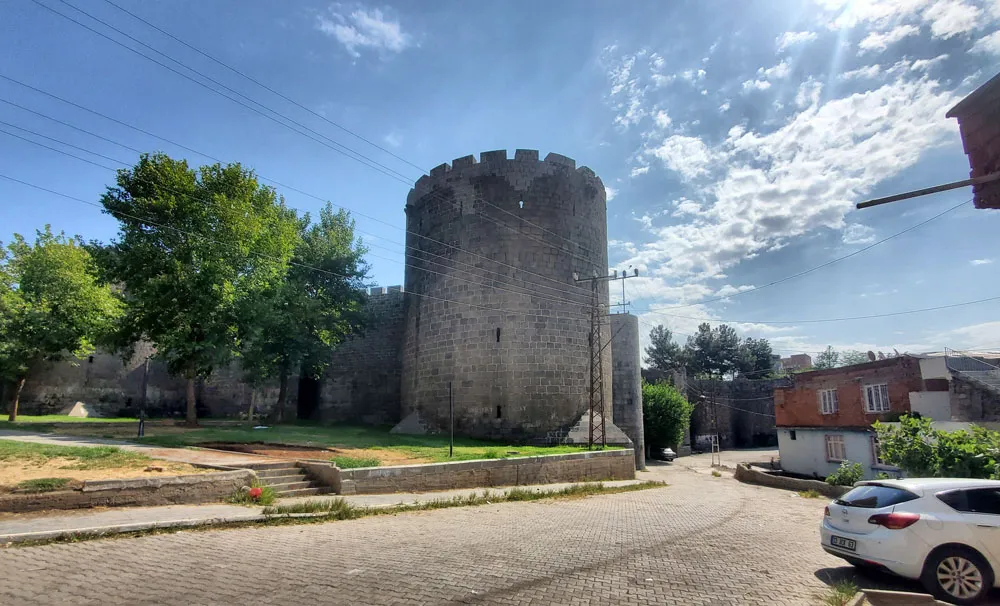
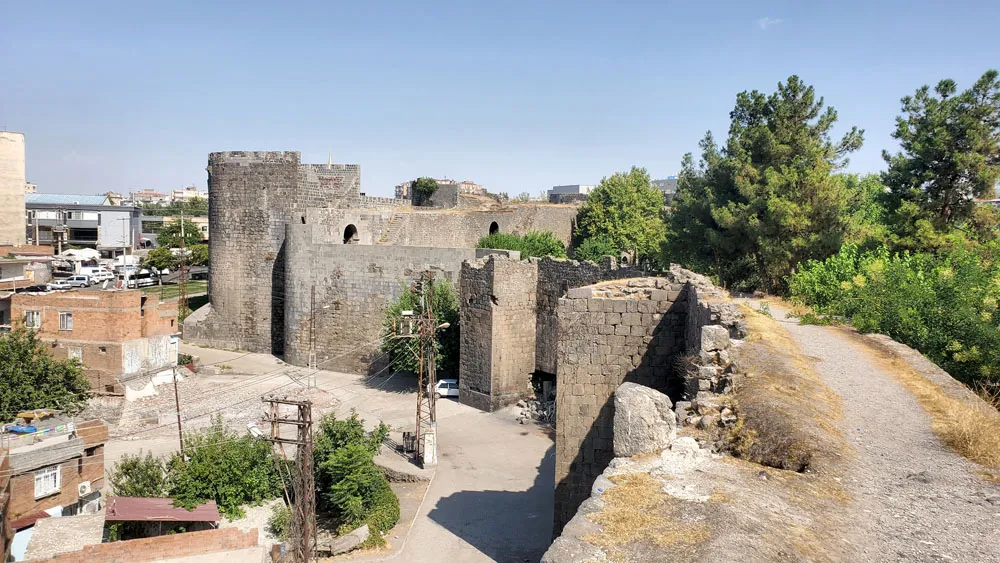
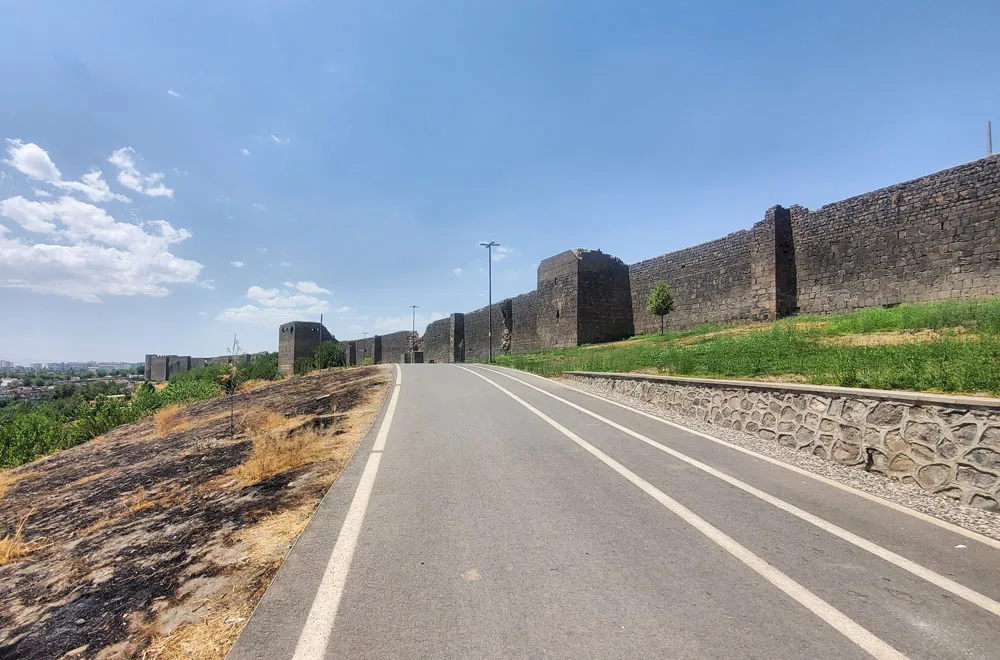
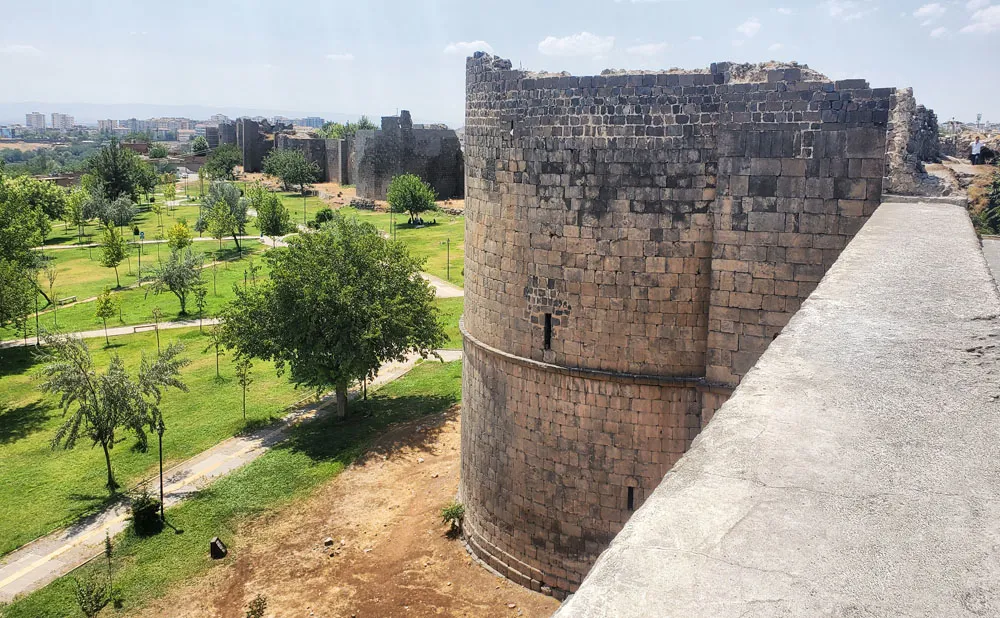
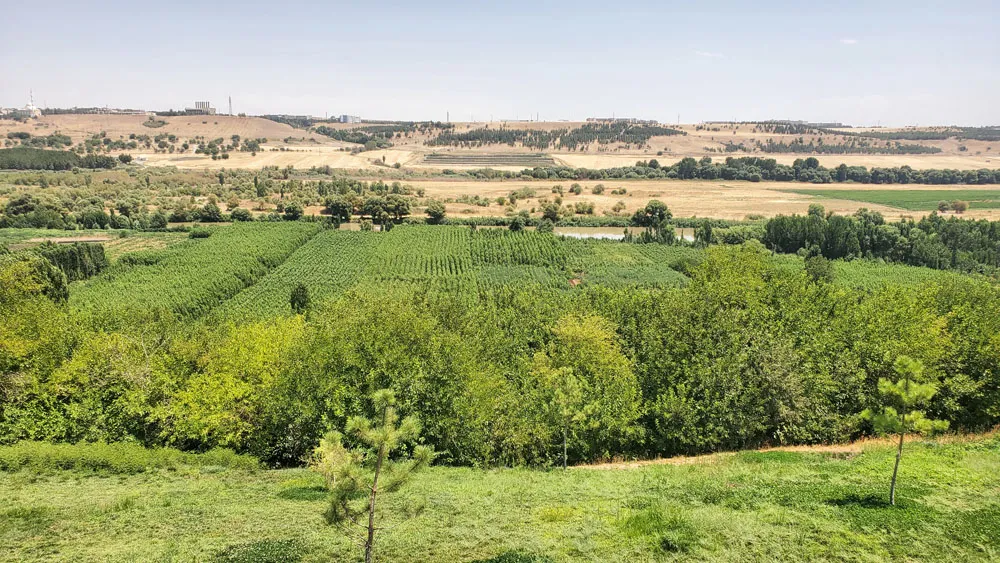
City walls and gardens, UNESCO World Heritage Sites
The Ulu Cami was built in the 6th century by Arab conquerors, although a fairly widespread version holds that it was rebuilt from a Christian church. And in 1091 the Seljuk sultan Malik-Shah began another reconstruction, the results of which we see today. The mosque is considered one of the oldest in Turkey. In front of the mosque is a large square, on the other side of which is a large caravanserai, now turned into a complex of cafés and restaurants.
Scholars claim that a city existed here from the 7th century BC. No buildings from those times have survived, and the oldest structures of Diyarbakır are the grey basalt walls erected by Emperor Constantius II in the 4th century. The walls are 3–5 metres thick and 10–12 metres high. They are built along the edge of a flat hill bounded by the rocky precipice of the Tigris valley. In the valley itself is another UNESCO site, the Hevsel Gardens, a unique, extremely fertile area in the Tigris floodplain between the city walls and the riverbed. Scholars do not know exactly who planted them, but the first descriptions of the gardens were made 3,000 years ago.
At the time the walls were built the city was called Amida, or Amed. The Kurds still call it that today. In 359 the city was seized by the Persian shah Shapur, apparently when the walls were still unfinished. Later it was won back by Emperor Justinian I. He was the one who completed the walls. In the 6th century Amid was seized by the Arab tribe of Bakr, who renamed the city Diyar Bakr.
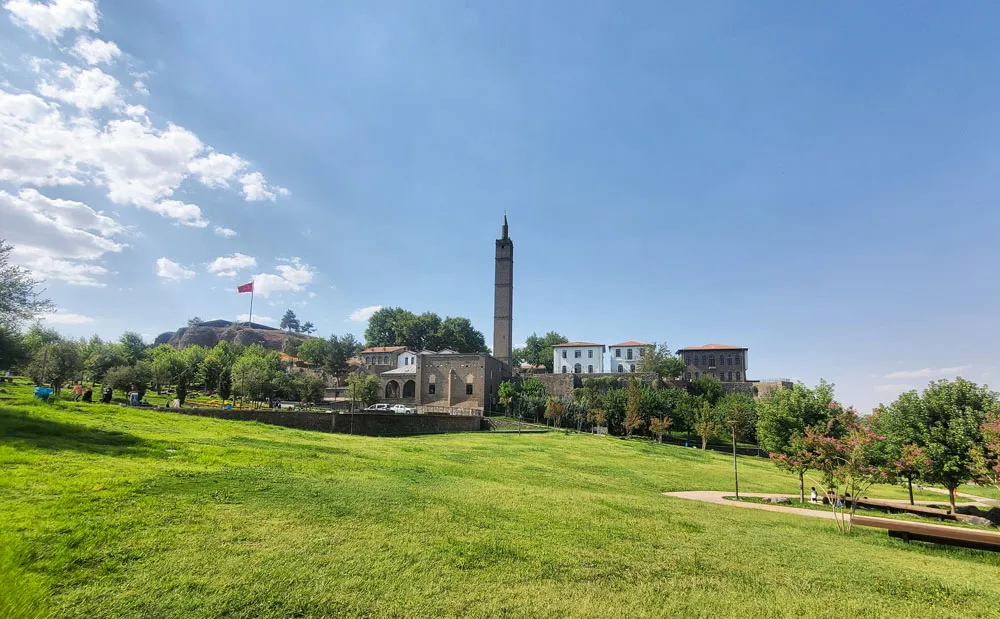
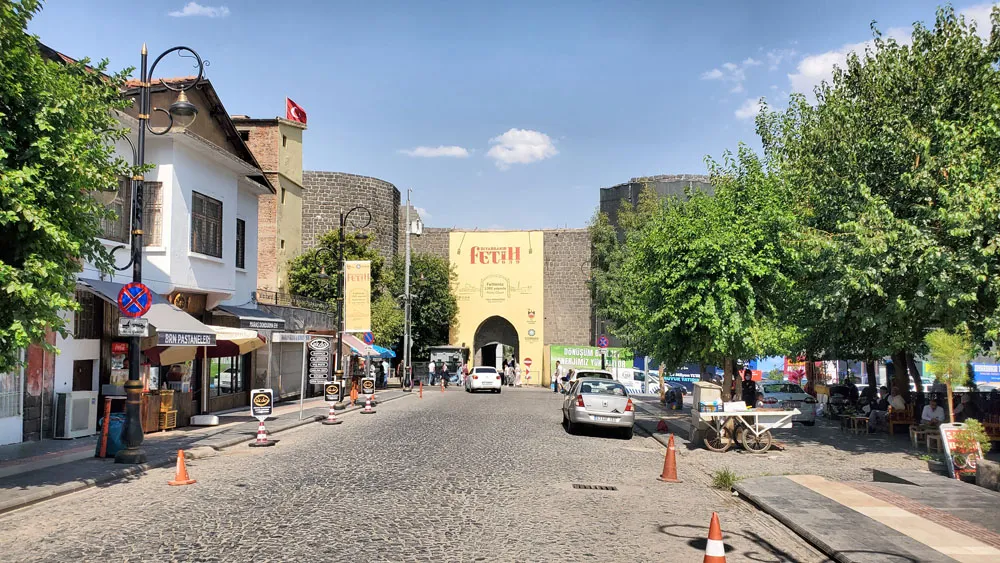
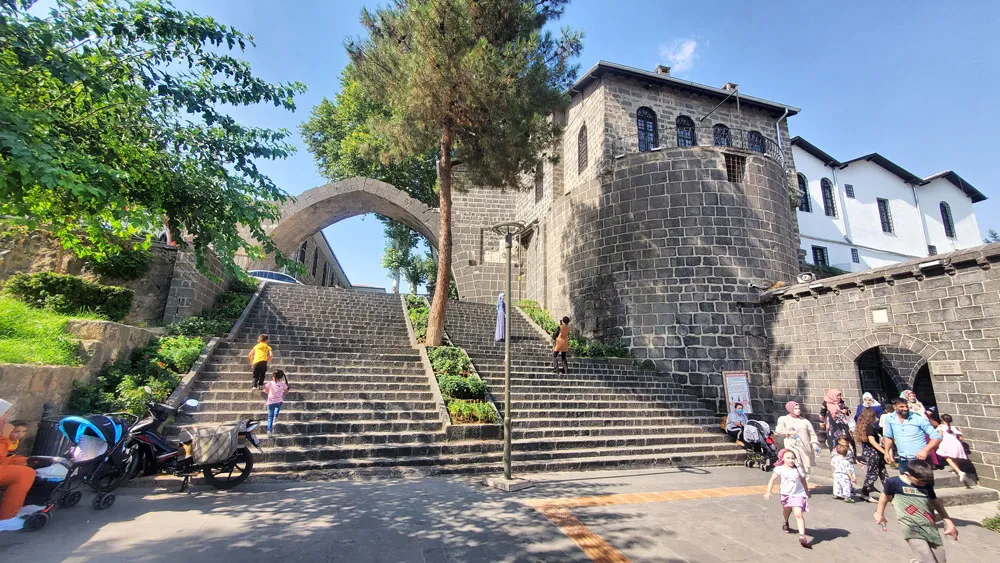
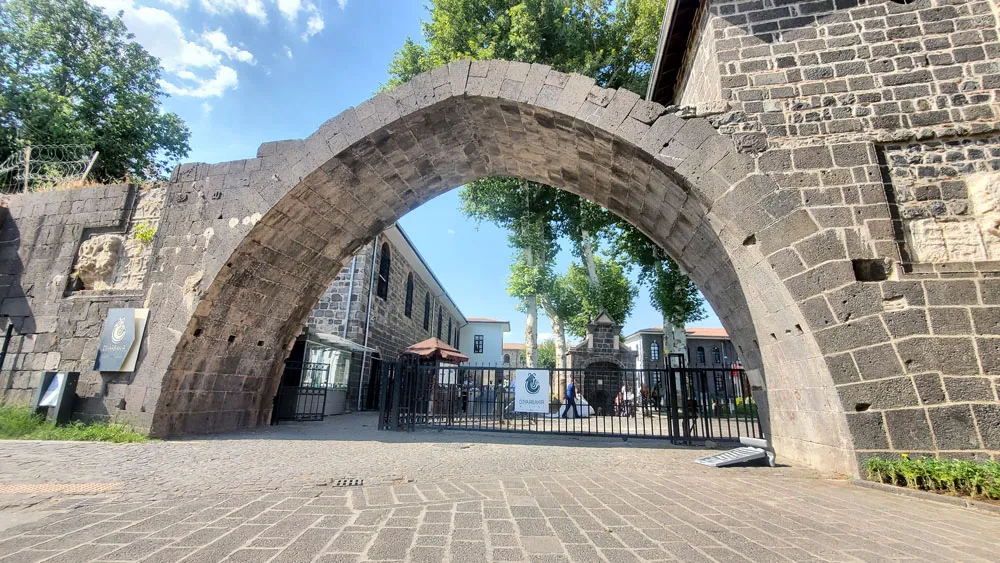
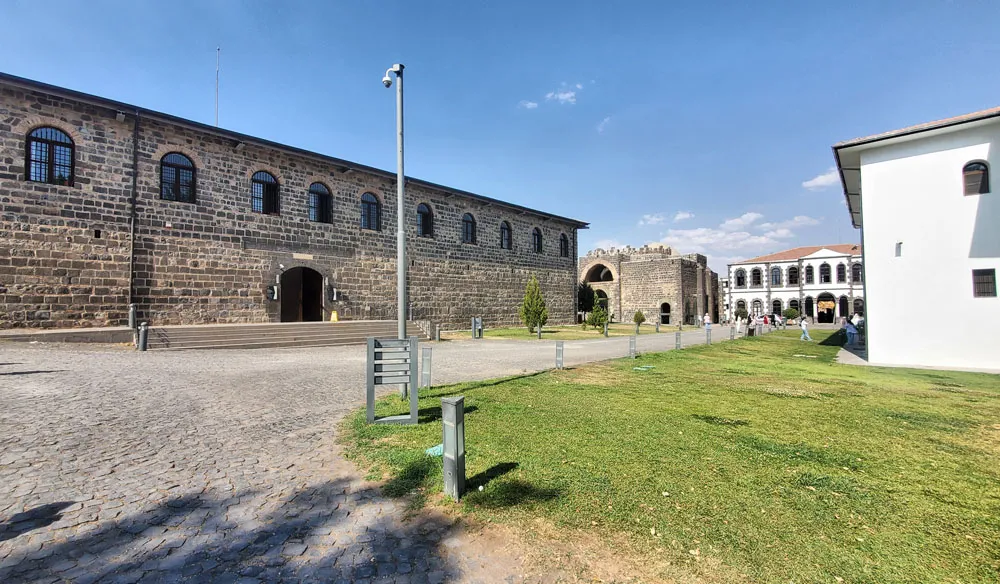
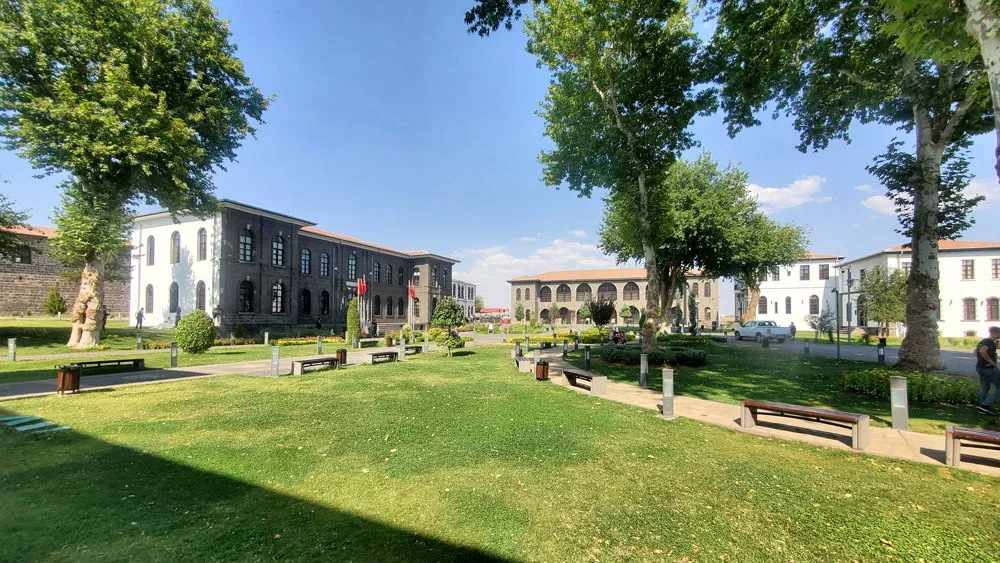
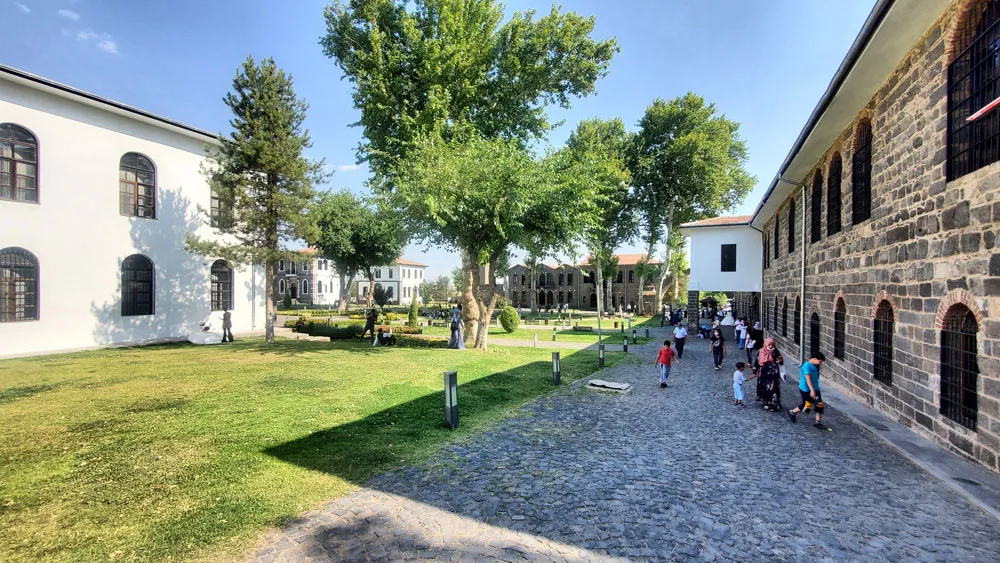
The İçkale citadel
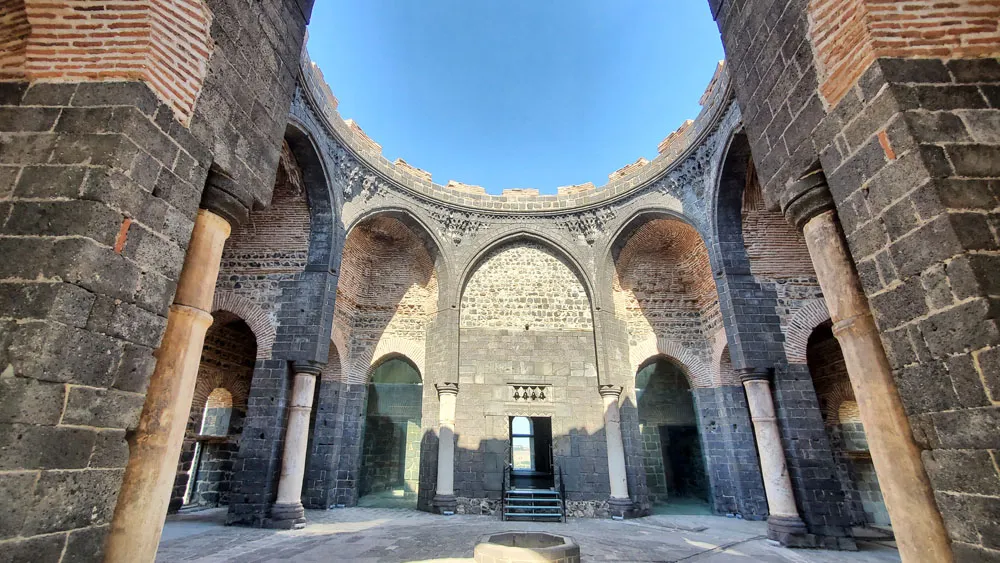
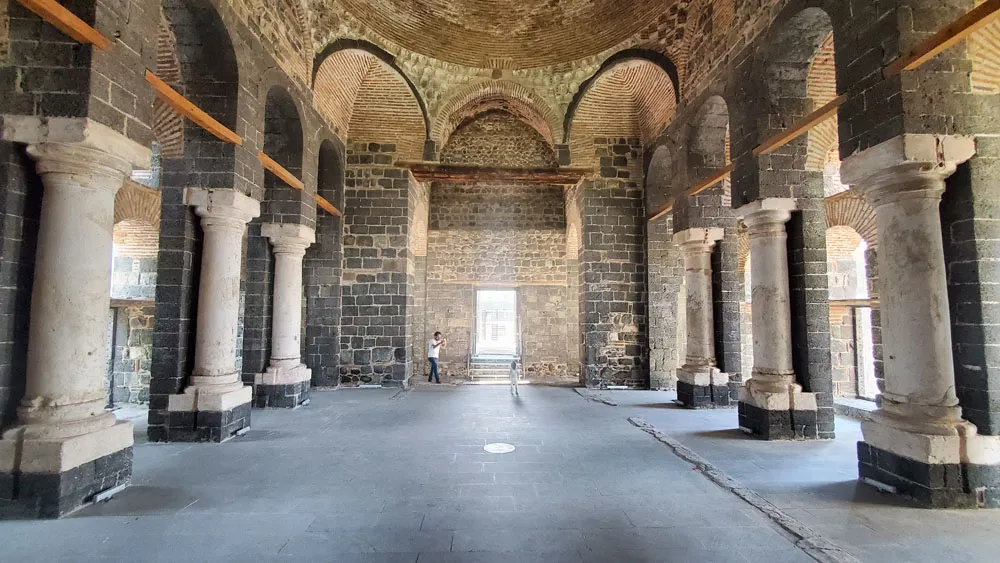
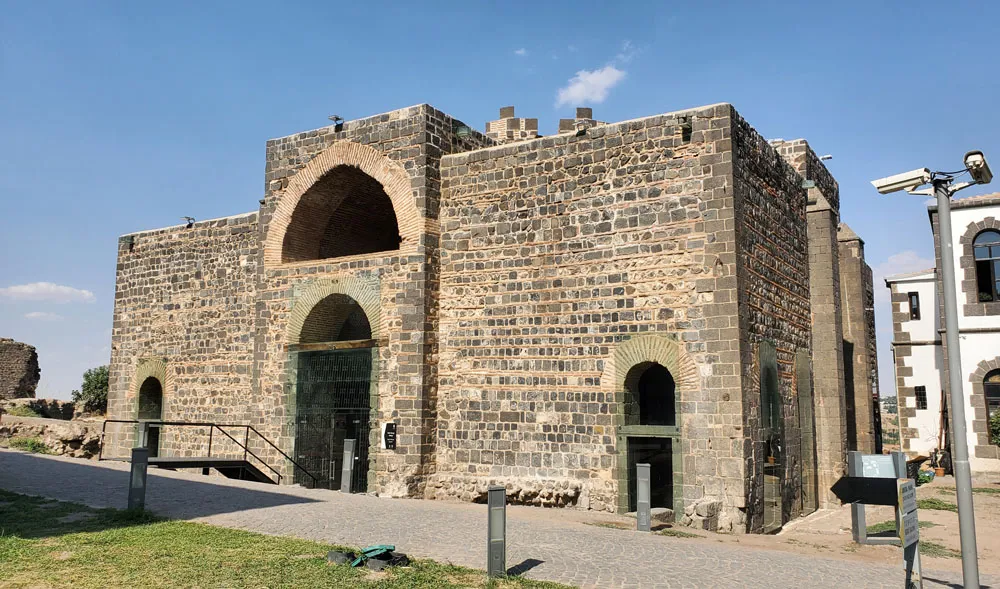
Church of St. George
In 958 the Byzantines took the city again, but not for long, because in 1001 it was seized by the Kurdish Marwanid dynasty. Since then Diyarbakır has been associated with the Kurds, although only in the 20th century, after the destruction of the Armenians and Assyrians, did the Kurds begin to form a majority in the city.
According to Turkish statistics, today (2021) about 1.7 million people live in Diyarbakır, and over 75% of them are Kurds. They regard this city as a symbol of their self-identification, although until 1915 over 50% of the population were Christians, and another significant portion were Turks.
After the conquest by Suleiman the Magnificent, Diyarbakır long remained in Ottoman hands, right up to the time of the Republic of Turkey. The present name was approved by the creator of the new country, Kemal Atatürk. In it “bakır” means copper.
From 1981 to 2003 Diyarbakır was a city closed to tourists: clashes and fighting took place here constantly, as the separatist Kurdistan Workers’ Party tried to create an independent Kurdistan out of a large piece of Turkey. In 2016 there was another flare-up, but Erdoğan stopped it all, and now Diyarbakır is absolutely safe, or rather, no more dangerous than, for example, Istanbul. During our visit the greatest danger came from children who, it seems, are taught from birth to beg at the sight of tourists. Busy with their street games, these children instantly switched to us, trailed after us and asked for money.
The walled city is called Sur. This is the official name of the city district. Since the last street fighting, its western part has been fenced with barbed wire and marked on the map as a military territory. But we found out that it is in fact a huge construction site: a new elite two-storey district is being built here, adjoining the main architectural attraction of Diyarbakır, the İçkale citadel, on whose territory stands the Mosque of the Prophet Hazreti Suleiman with a very tall minaret, the burial place of Islamic saints, thirty-two Arab leaders who died during the first conquest of Diyarbakır by the Bakr tribe. I have not seen another mosque like it anywhere; it reminded me of the Gothic churches of the Teutonic knights, built inside castles and adapted for defence.
The Suleiman Mosque was built in 1155–1160 by the Seljuks. The Ottomans renovated it somewhat in the 17th century.
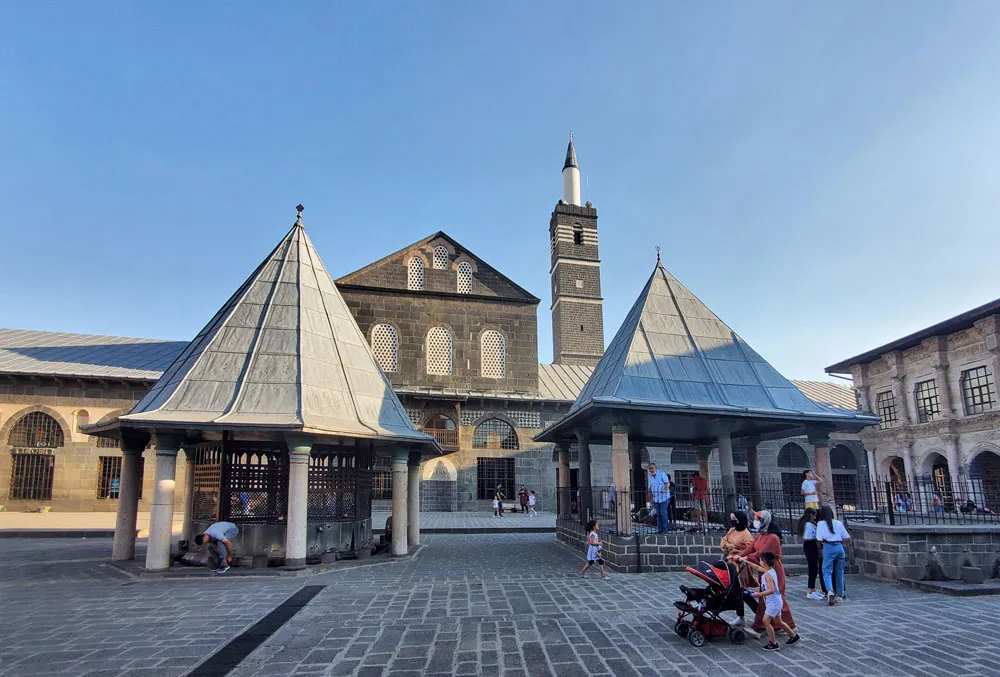
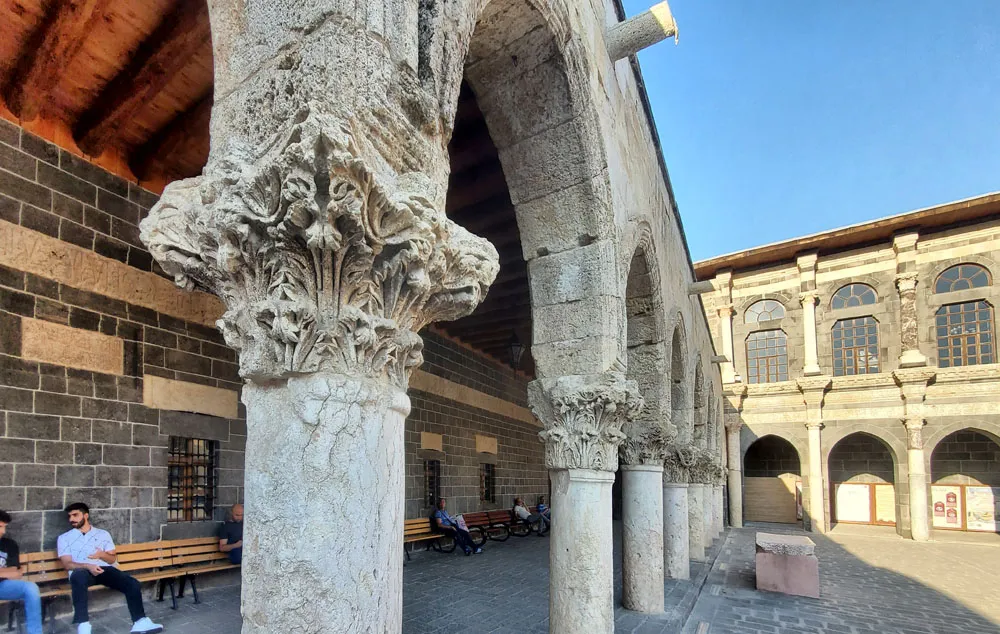
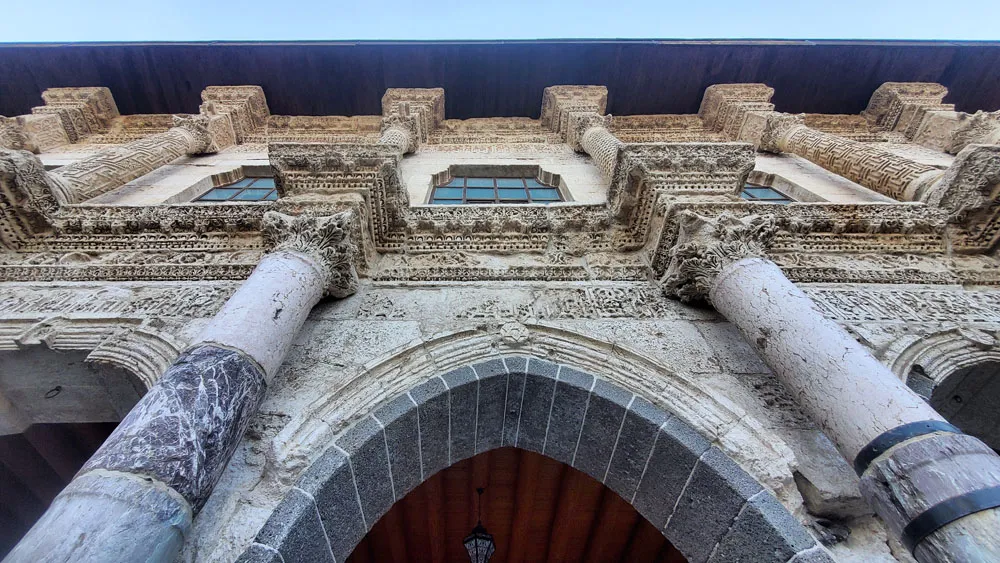
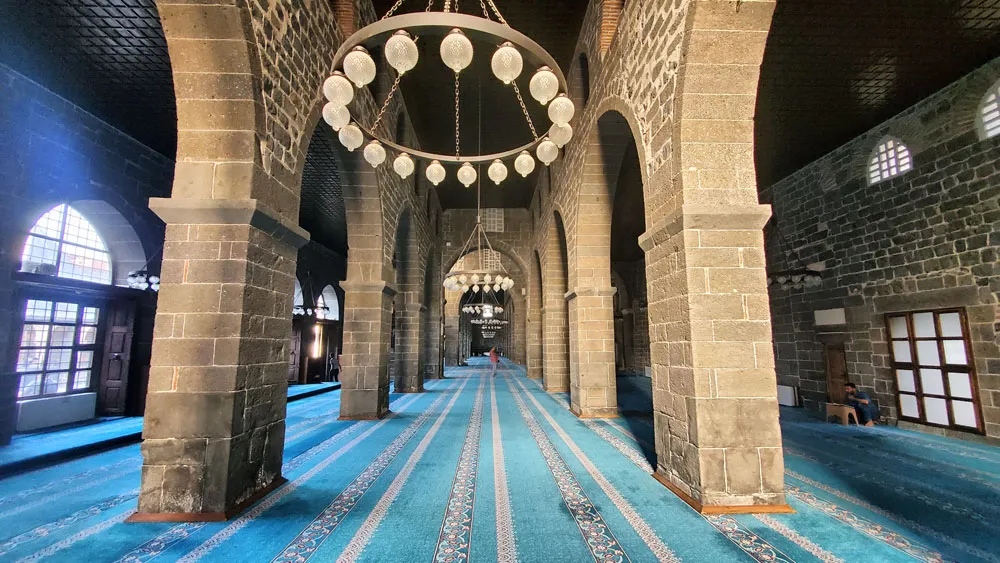
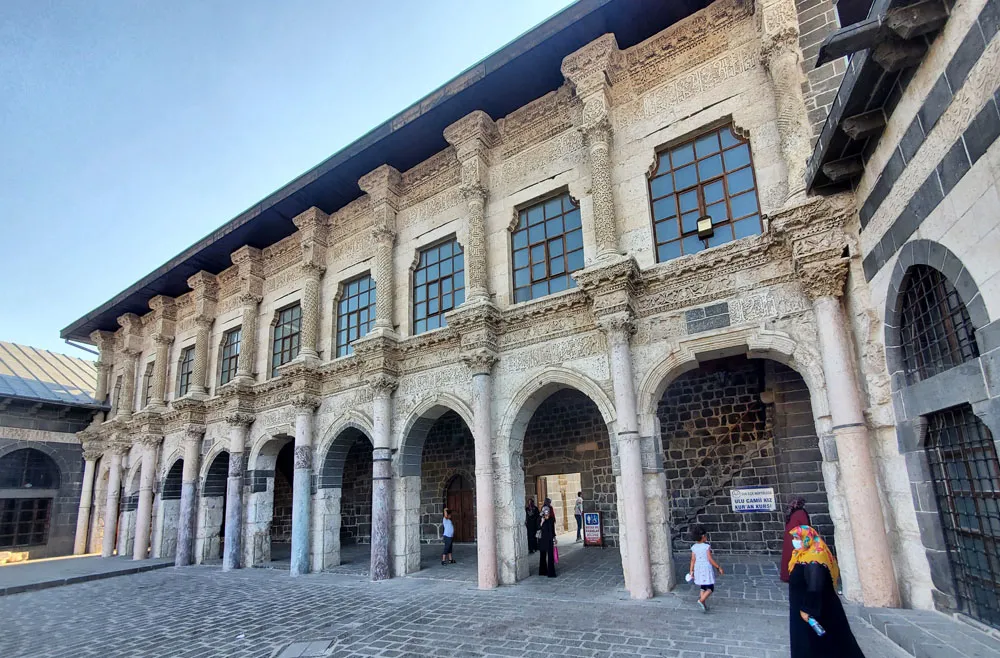
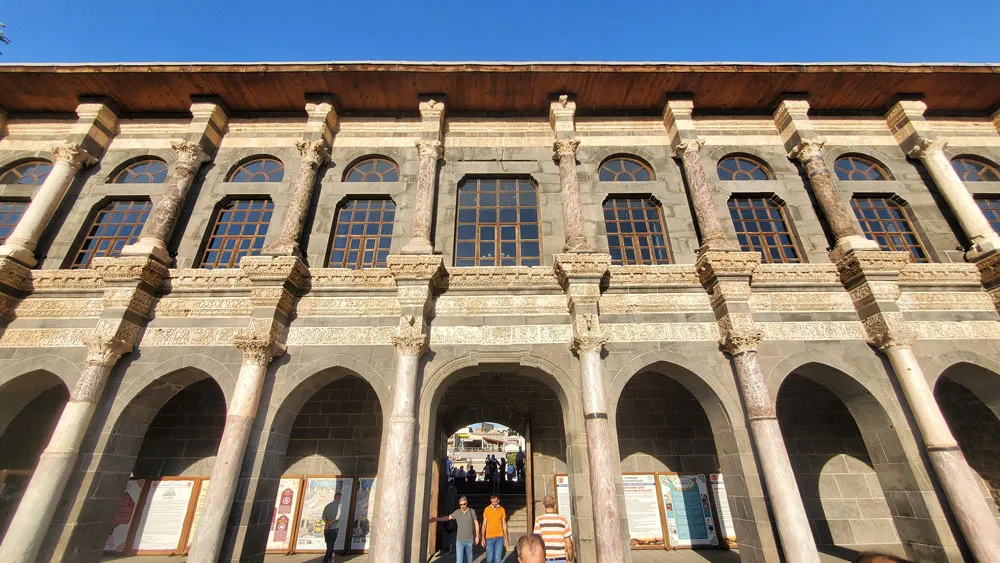
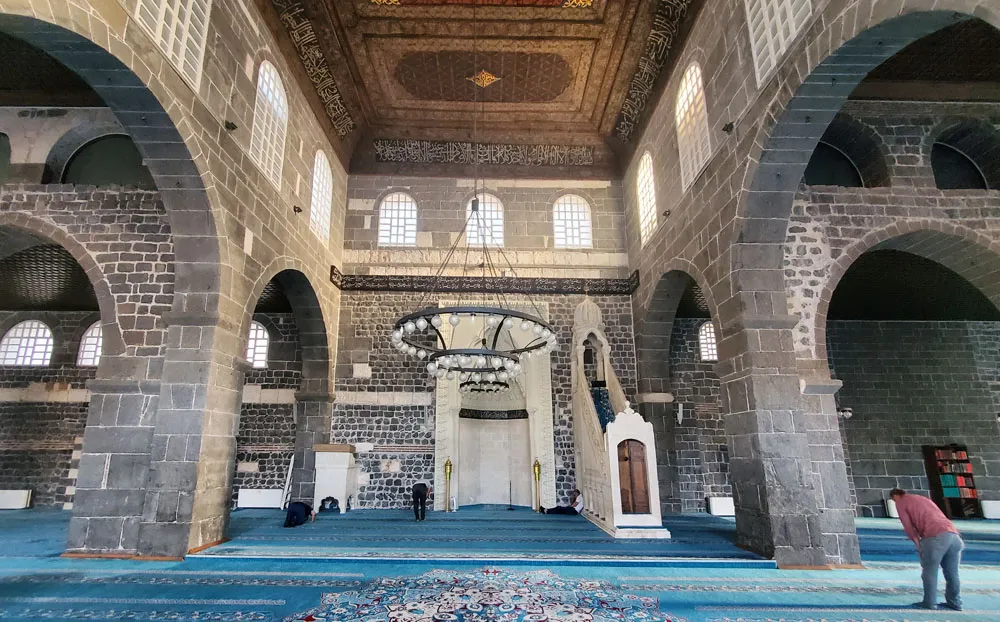
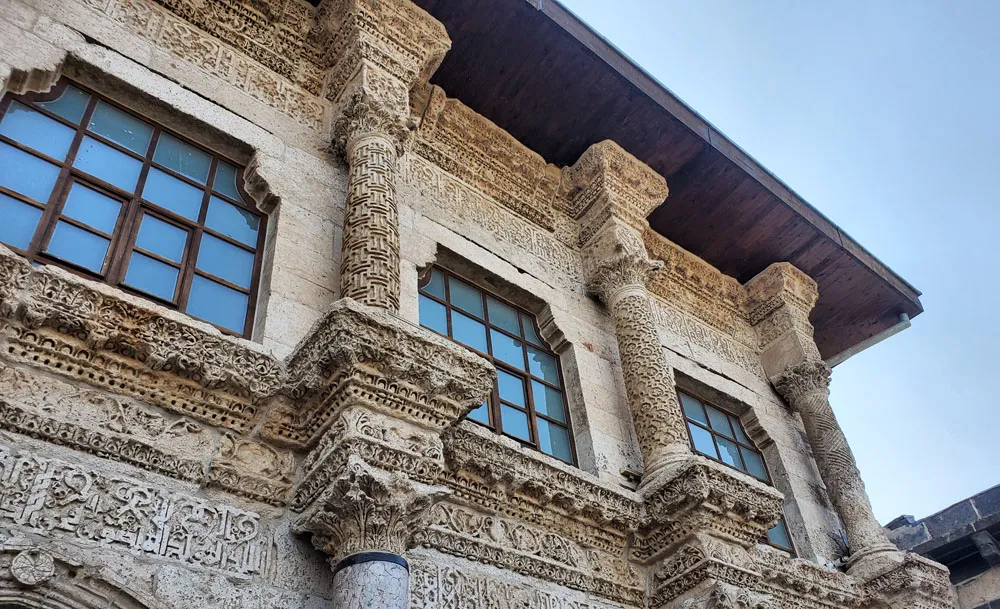
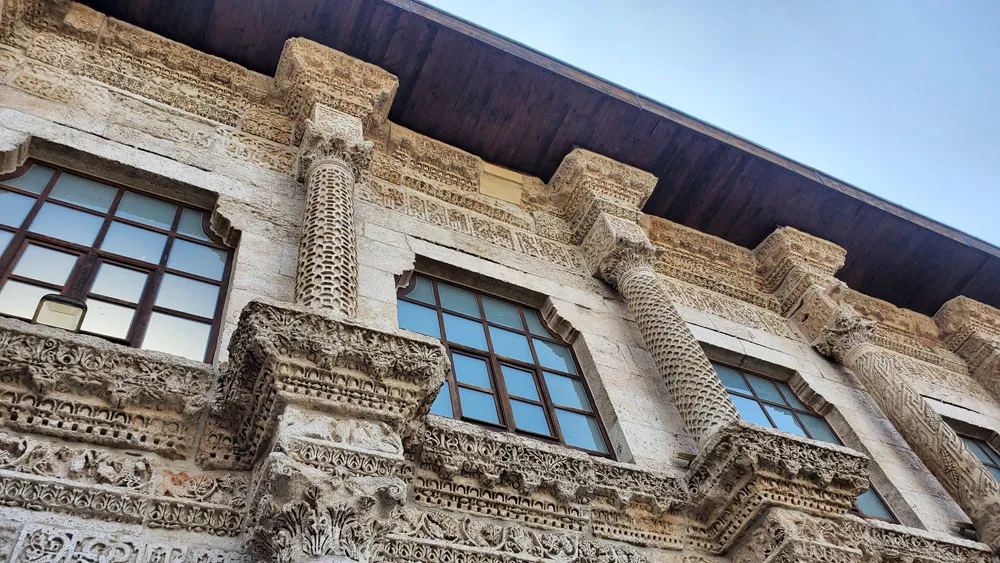
The Great Mosque, Ulu Cami
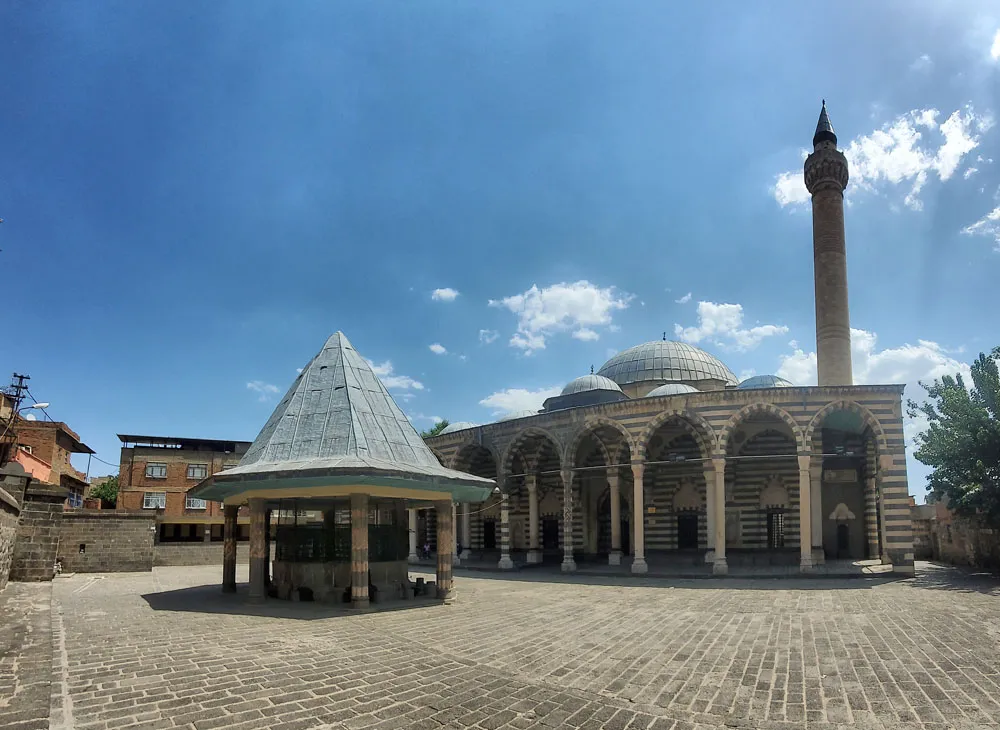
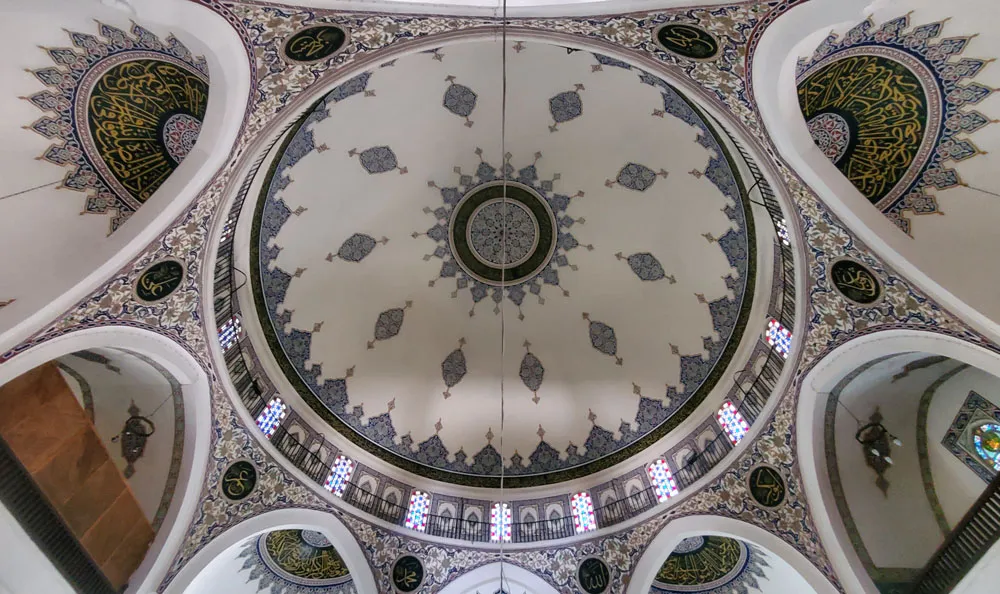
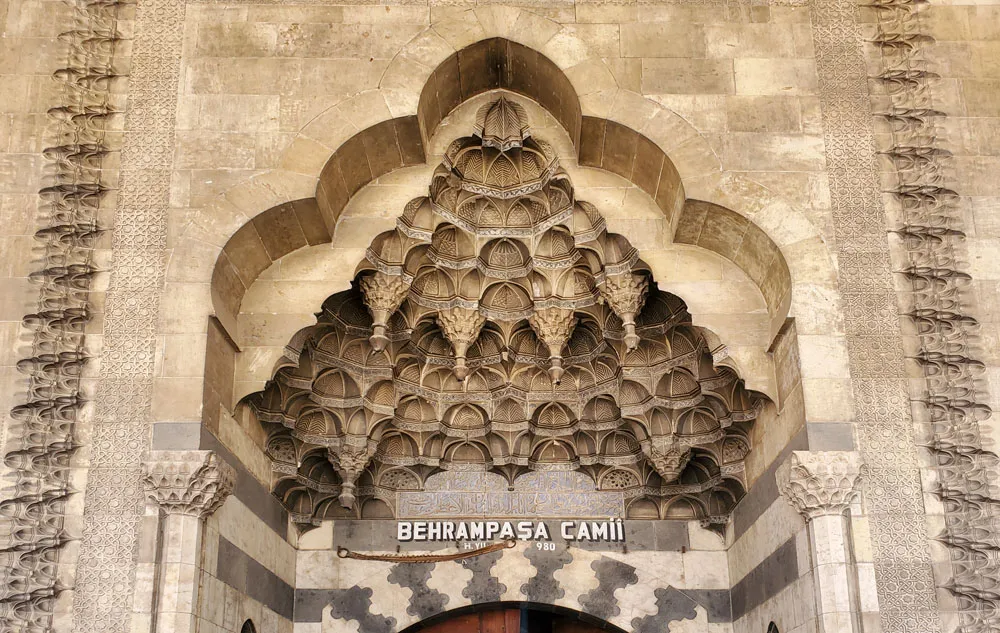
Behram Pasha Mosque
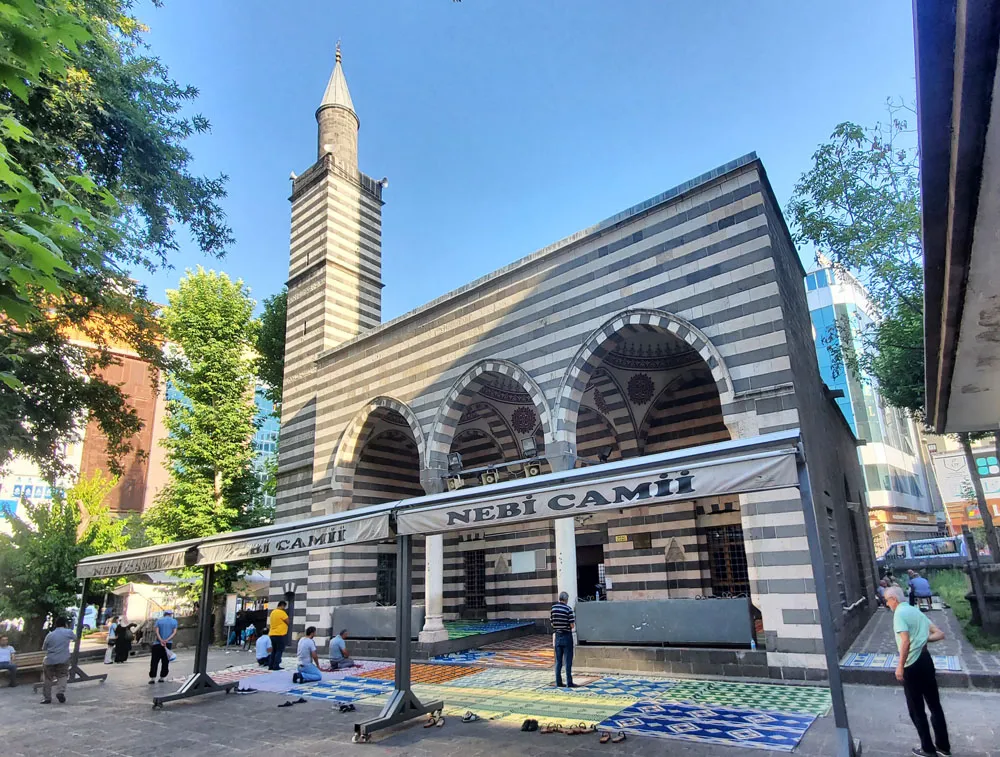
Nebi Mosque
İçkale is the first fortress of Diyarbakır and in fact the place where the first settlement appeared. İç Kale means “Inner Castle”. One edge of it is attached to the outer city wall, and it has 16 towers and 4 gates. Here is the palace complex of the rulers of Diyarbakır: the palace proper, the government building, the court and some other luxurious buildings, now museums. There is also a unique Church of St. George, built in the 2nd century. It was a pagan temple in Roman times, a hammam in Ottoman times, and is now a museum exhibit and art gallery. An incredible building.
İçkale is the best-kept and most restored part of historic Diyarbakır. There is always a crowd of people here: tourists, locals, wedding parties.
At the beginning of the 20th century most of the churches of Diyarbakır were Christian. After the destruction and expulsion of the Christians, Armenians and Assyrians, the Christian churches vanished too. A few have survived, and even those are closed. Some are in ruins, such as the Armenian Surp Sarkis Cathedral, built in the 16th century: beautiful arches and columns, walls with buttresses, and all of it without a roof, doors or windows. There are also the Church of St. Peter and an Armenian Catholic church, both in a closed area. In photographs we also saw the Armenian Surp Giragos Church, a beautiful church built in the 16th century. We did not find it.
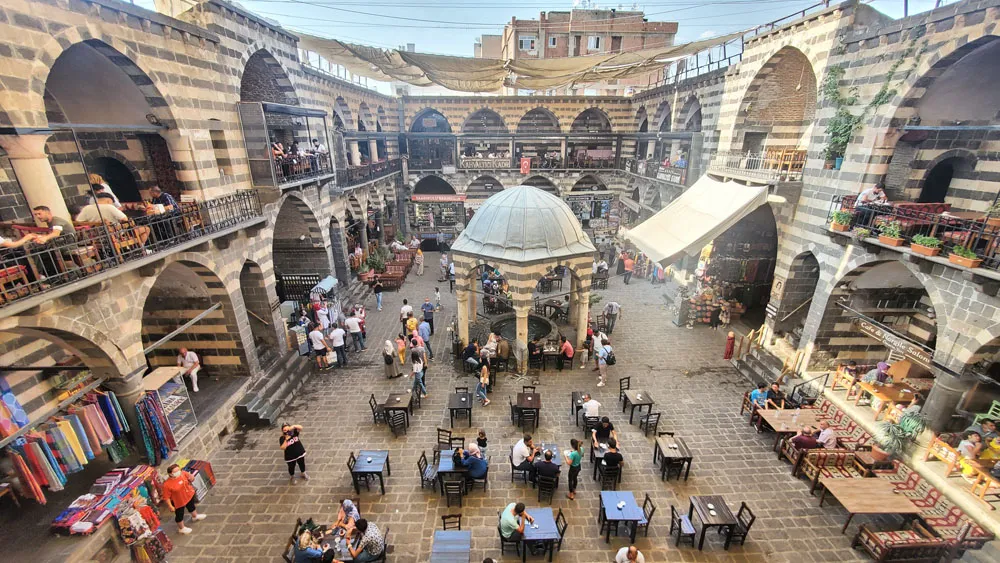
Caravanserai
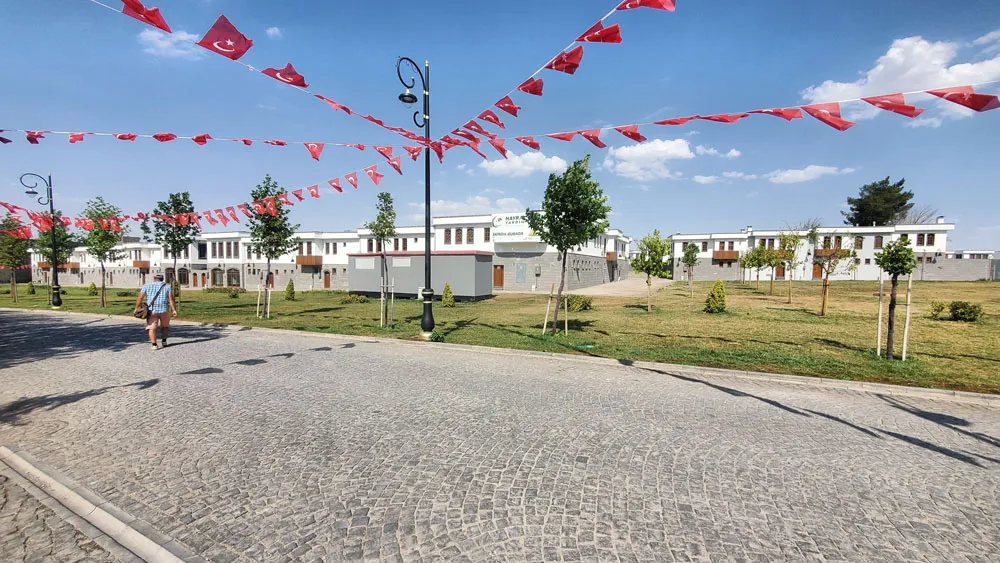
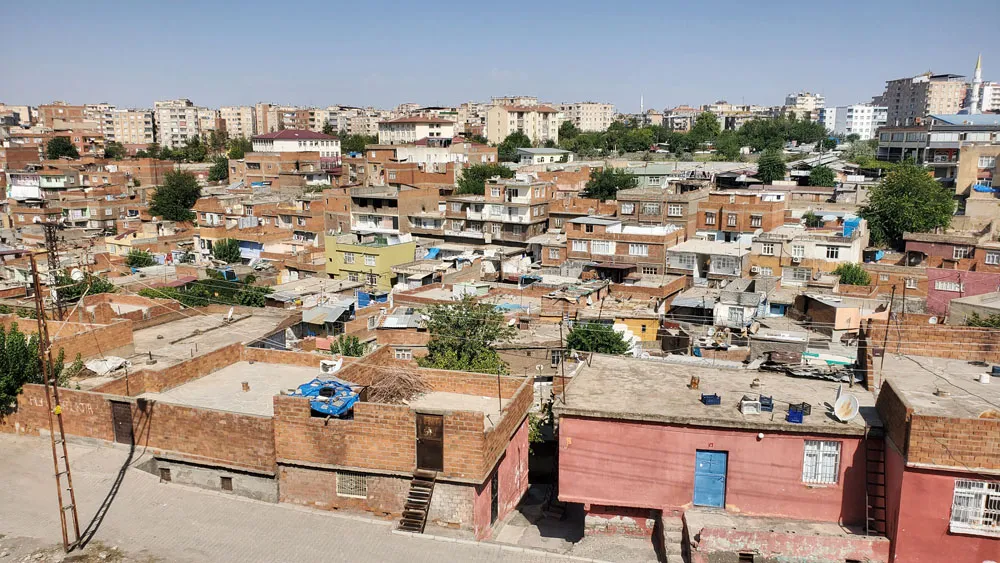
The new district and slums of Diyarbakır
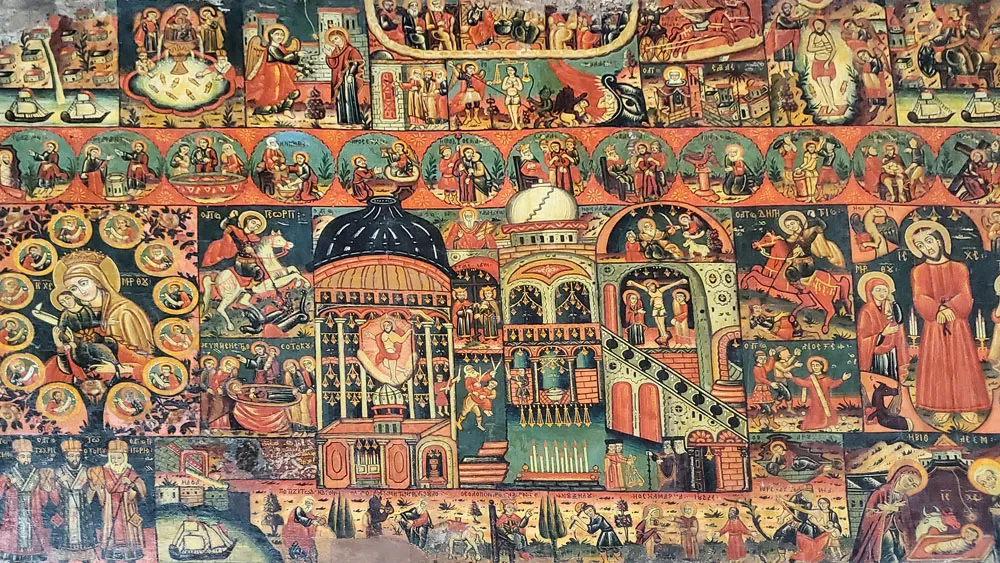
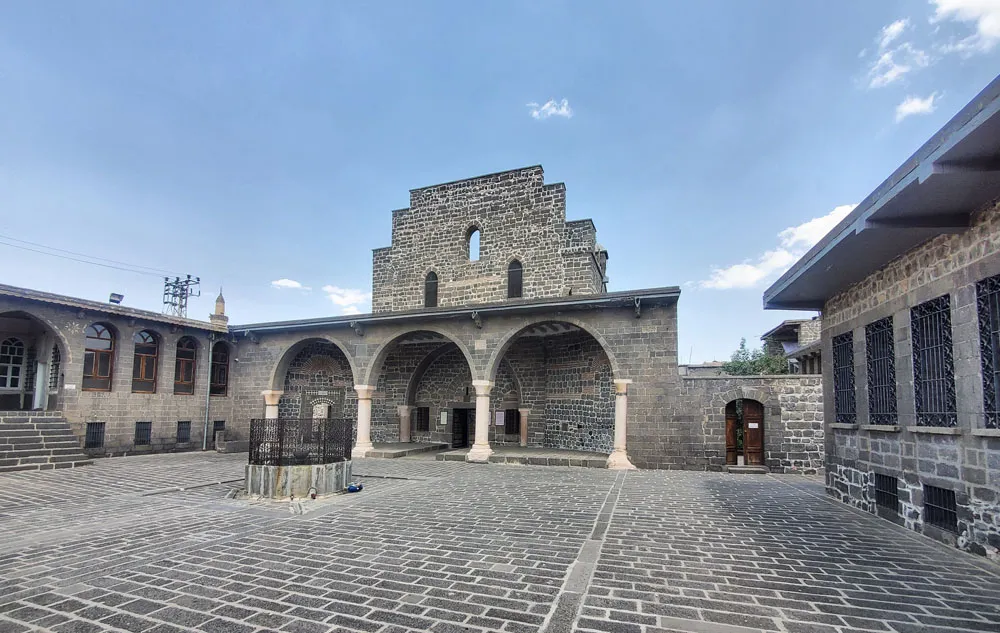
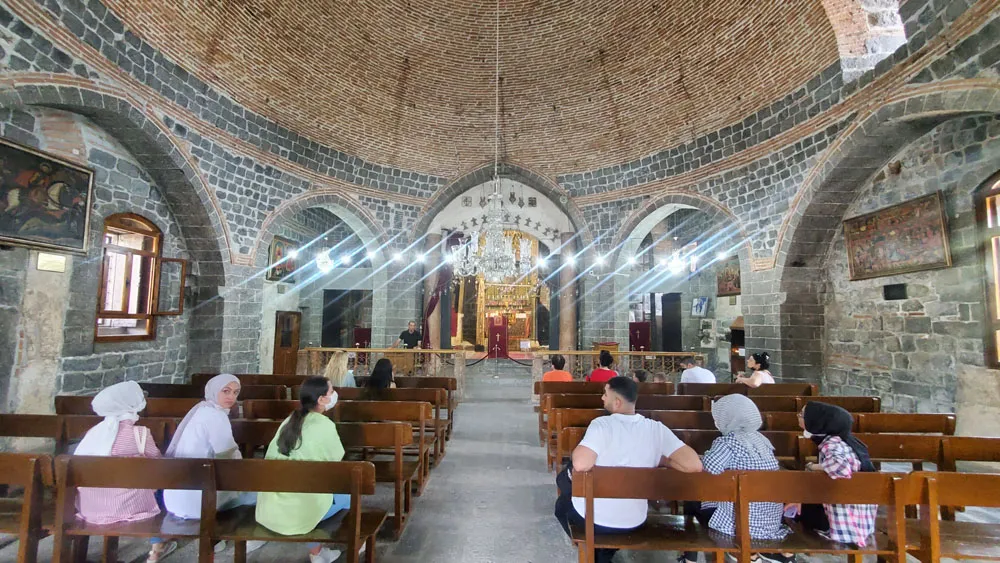
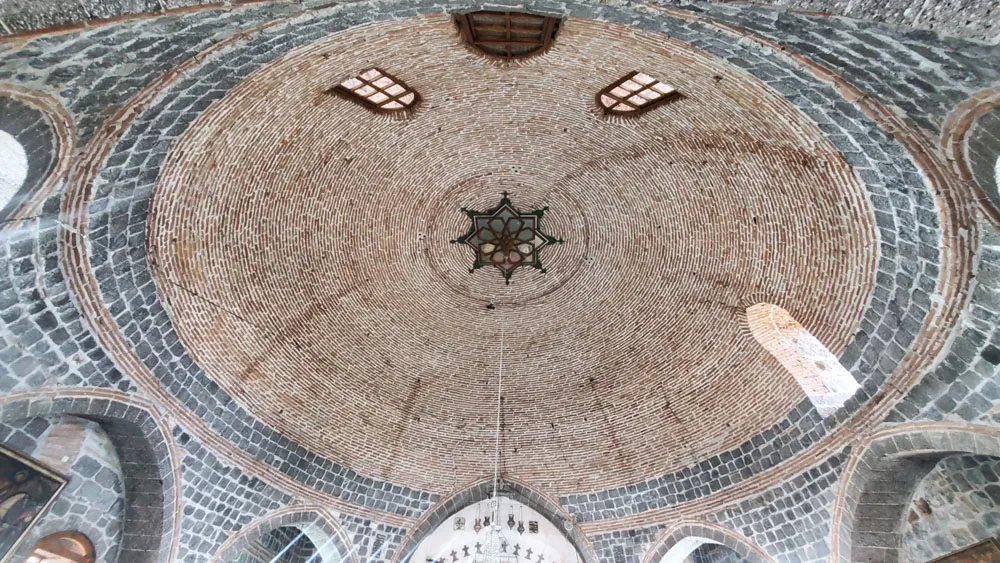
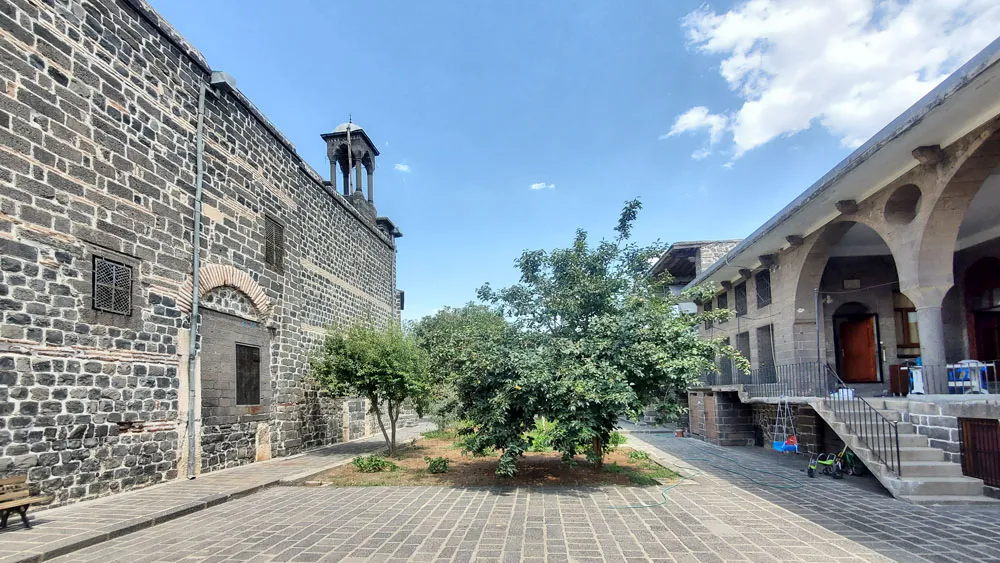
Syriac church
The present main Christian church of Diyarbakır is the Syriac Orthodox Church of the Virgin Mary. It is not just a church: it looks more like a monastery, with many additional buildings and thick walls behind which nothing can be seen from outside. Entry to the church is paid. Be sure to visit this shrine, built as early as the 3rd century. Everything here is steeped in history, from the stone masonry to the icons. There is also a Protestant church, new and active. It is called the Church of Diyarbakır.
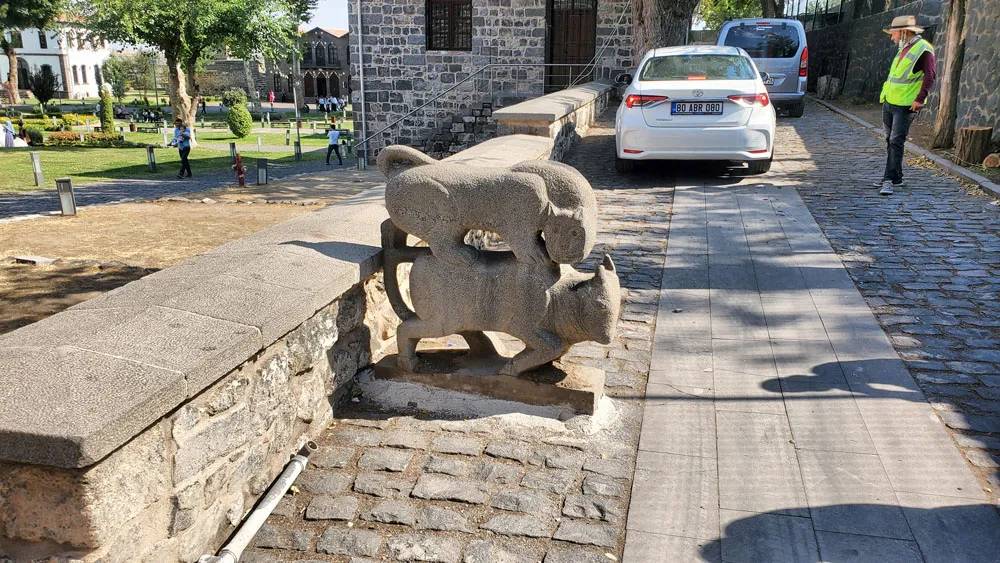
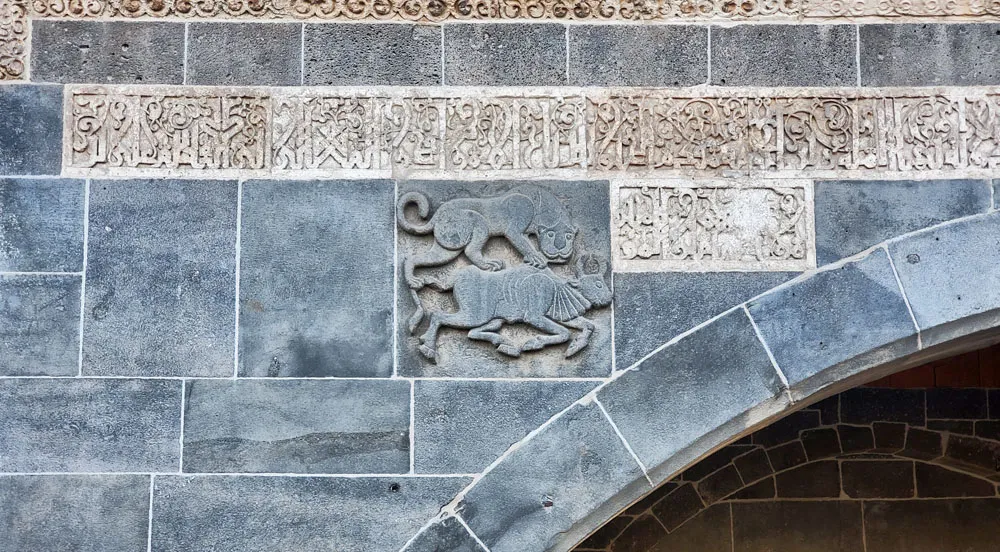
Armenians identify Diyarbakır with Tigranakert, one of the ancient capitals of Armenia. But no evidence for this has been found. Although the symbol of the city, a lion on a bull’s back, strongly reminded me of Armenian symbols. But there are no Armenians in the city any more. It is Turkish and Kurdish. Extremely interesting.
Text and photos by Roman Malenkov.
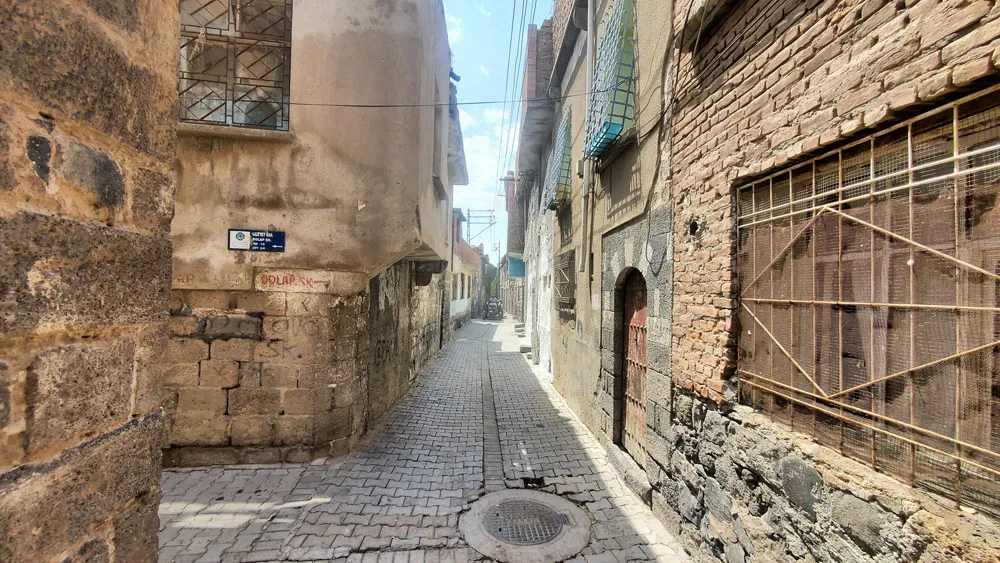
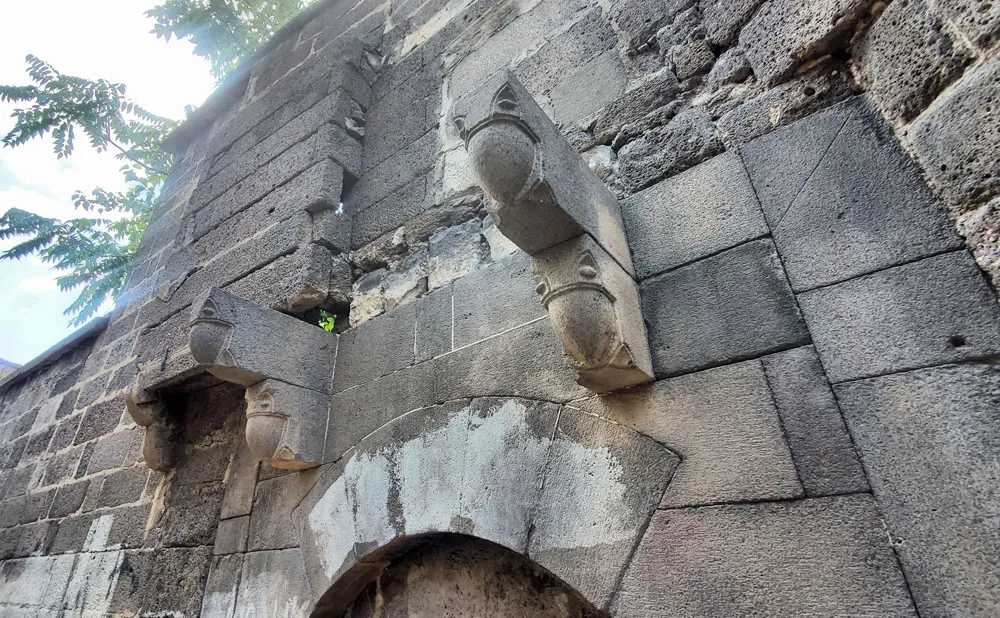
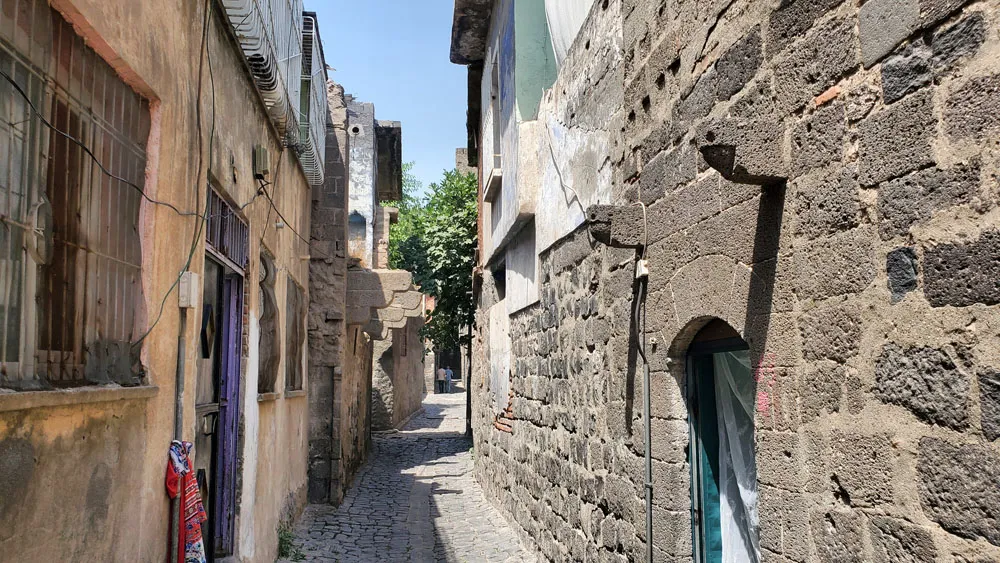
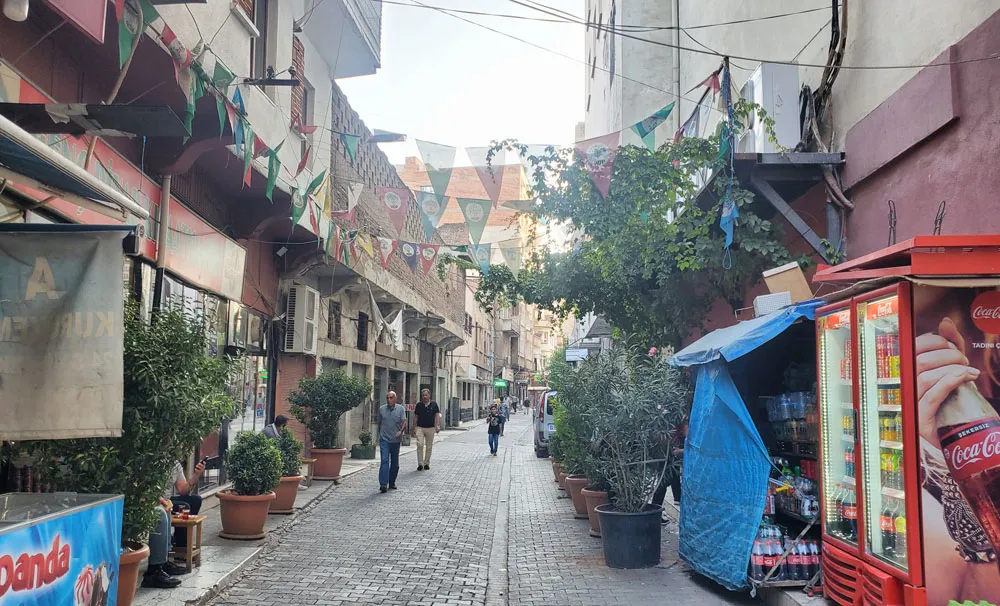
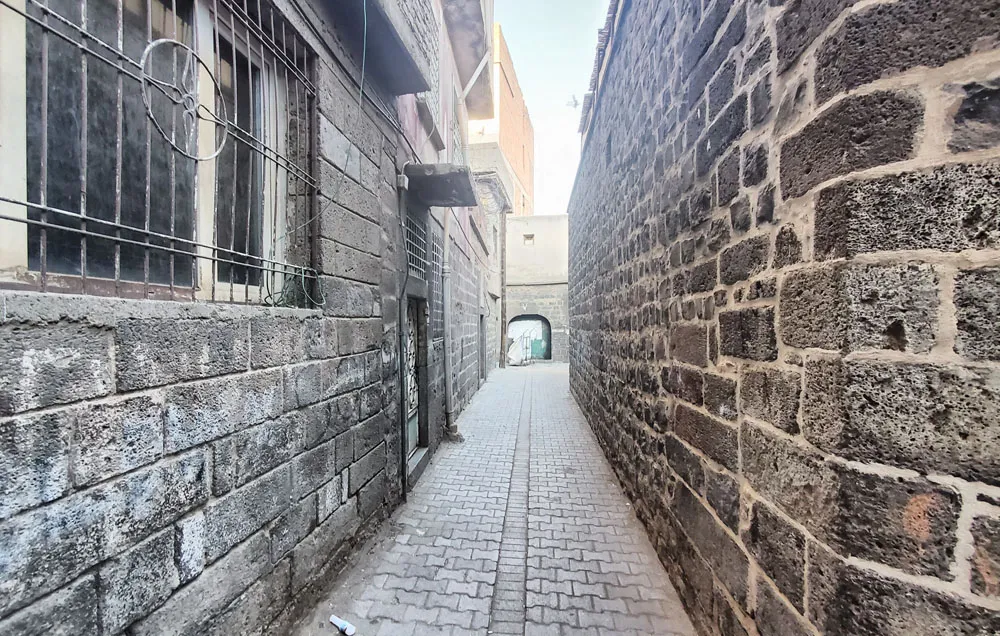
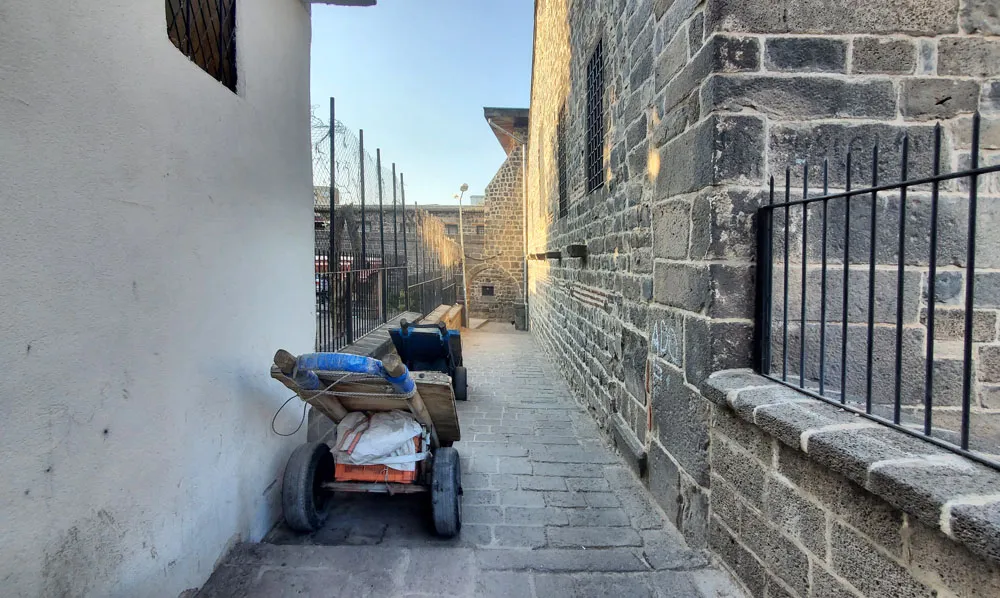
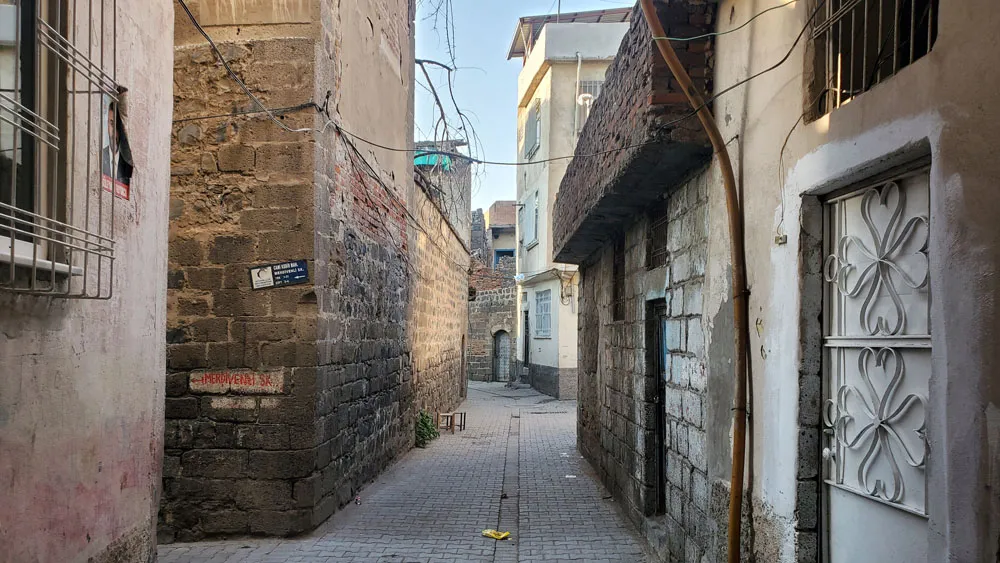
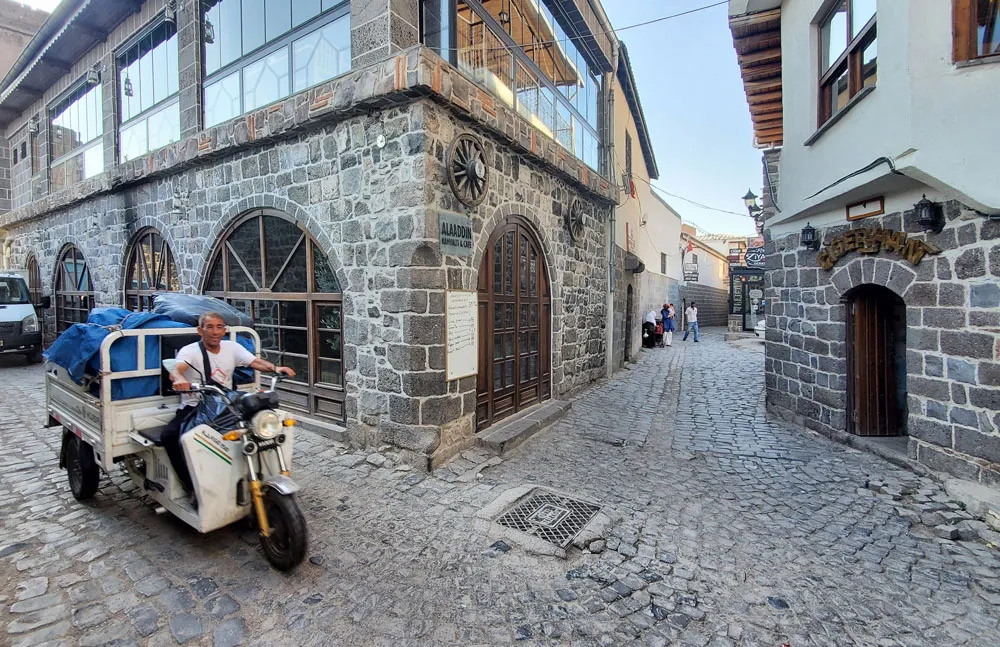
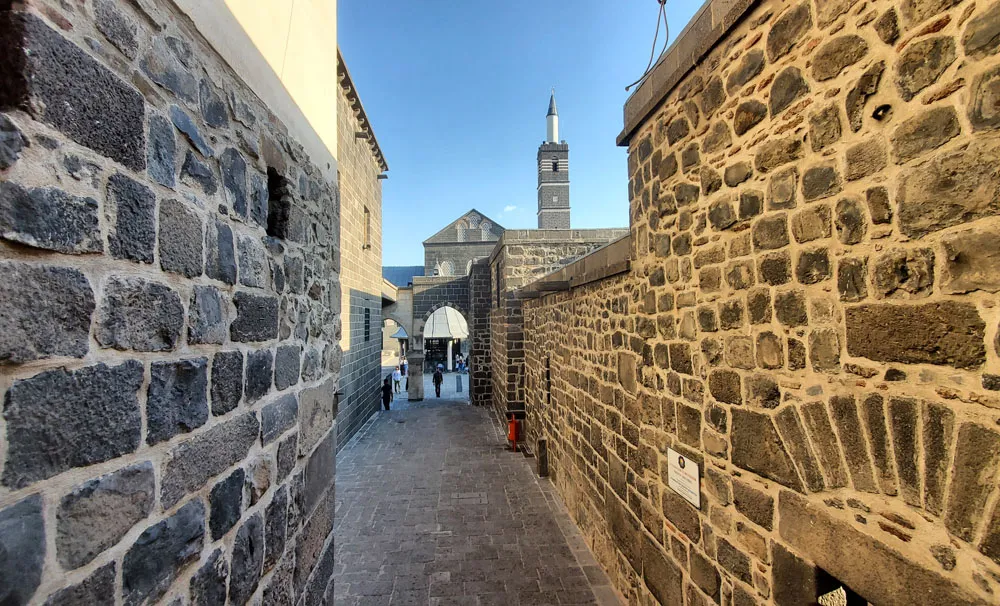
Streets of the walled district. Sur