Turkey. Pasinler. Hasankale Castle

· 2 min read
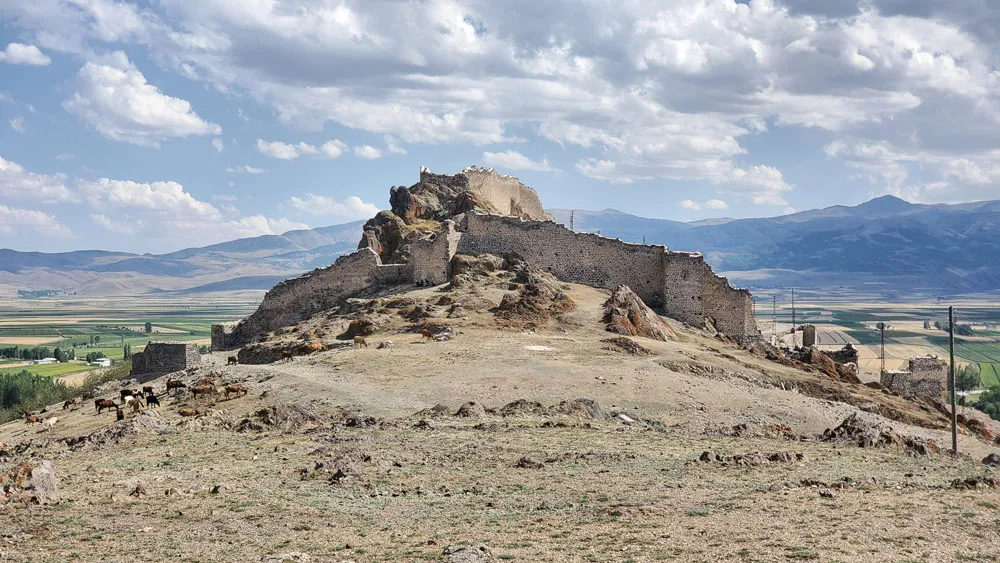
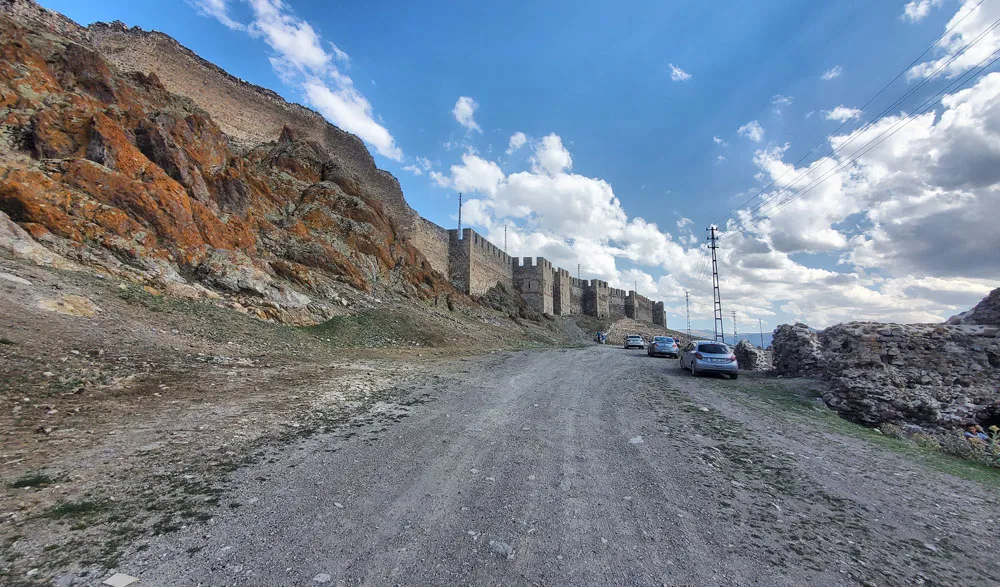
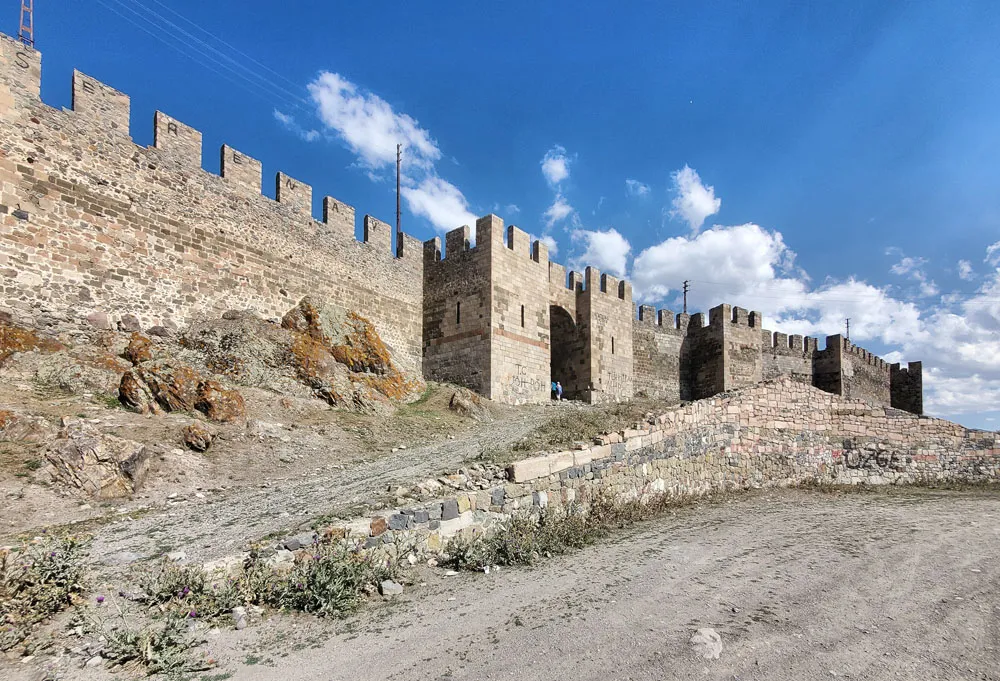
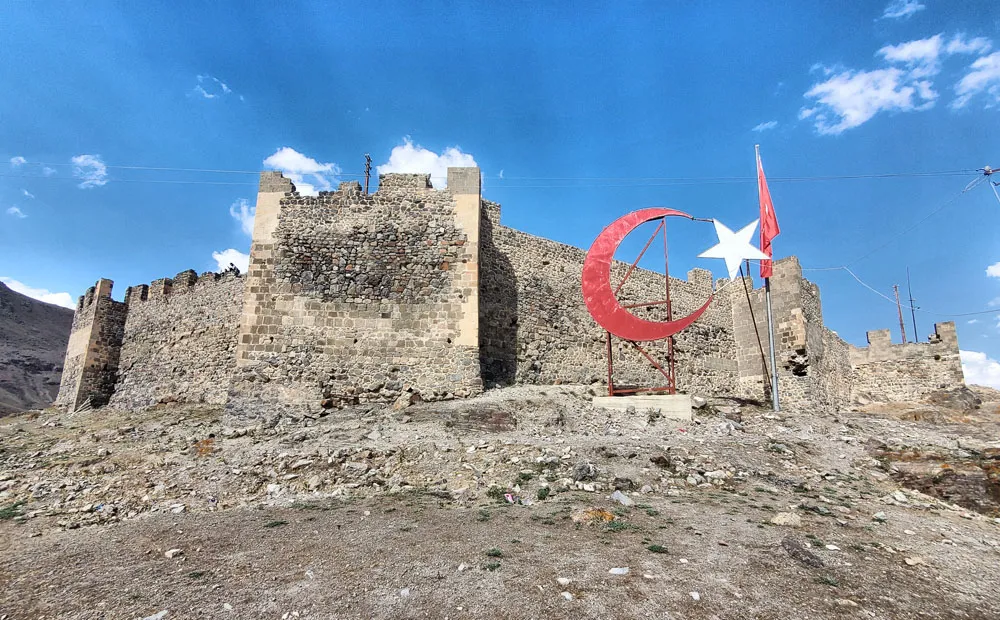
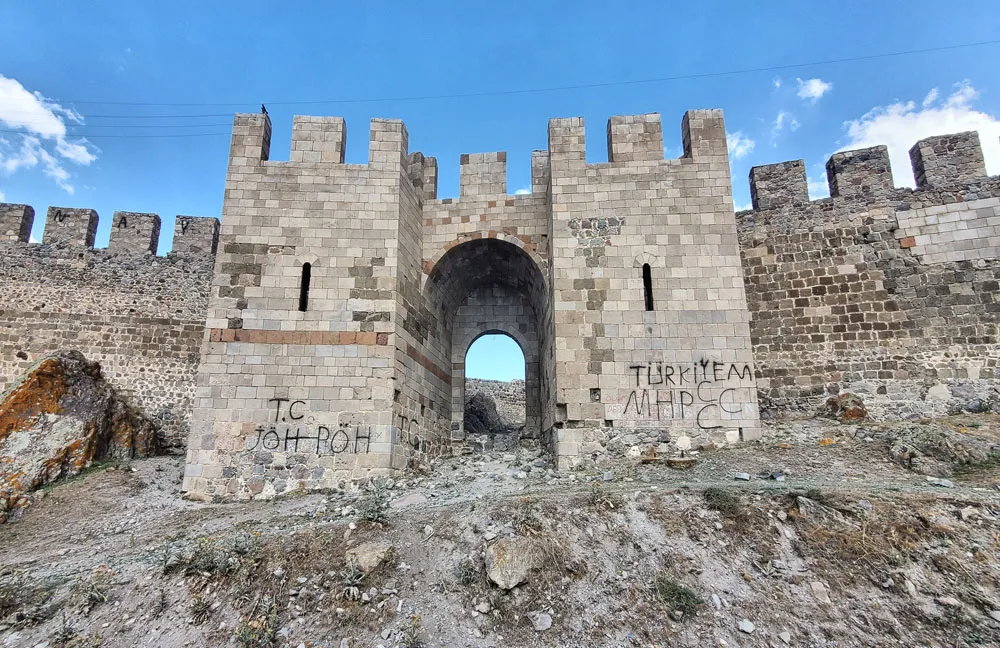
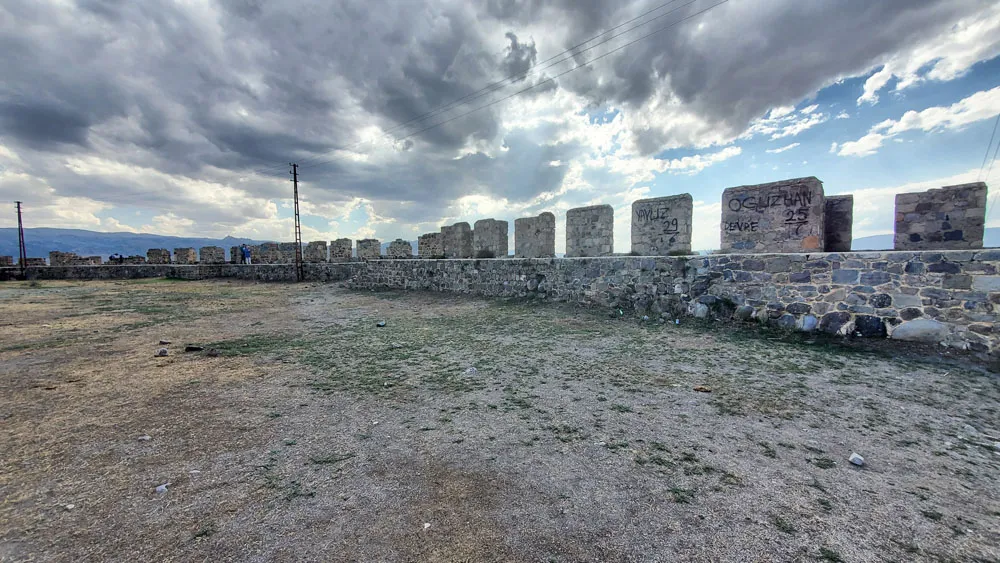
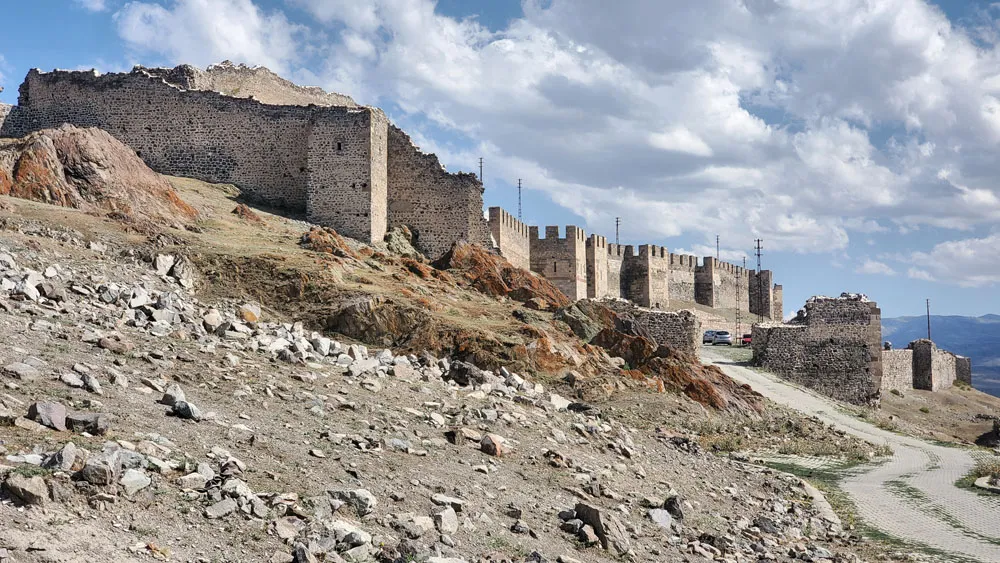
Forty kilometres east of Erzurum, on a high hill beside the road to Kars, in the town of Pasinler, stands Hasankale Castle. No buildings have survived inside the castle, only the walls. But the walls are quite interesting and photogenic. To get to the castle you have to drive through the narrow streets of Pasinler. Entry is free.
The name Pasinler comes from the name of the tribe of the Phasiani, which once controlled this territory. In Greek it was called Pasiane, in Georgian Basiani, in Armenian Basean, and the Turks twisted it a little. The castle’s name, Hasan, is connected with the local ruler who governed the castle in the 14th century, Uzun Hasan. He also rebuilt it. Although in Turkish sources we encounter the name Ak Koyunlu Hasan, a ruler of the 15th century.
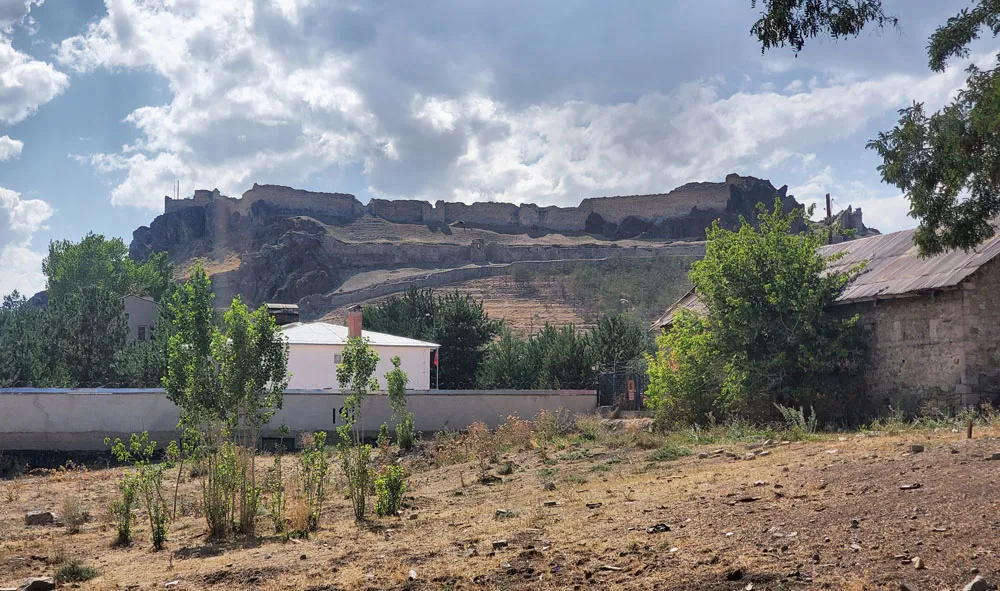
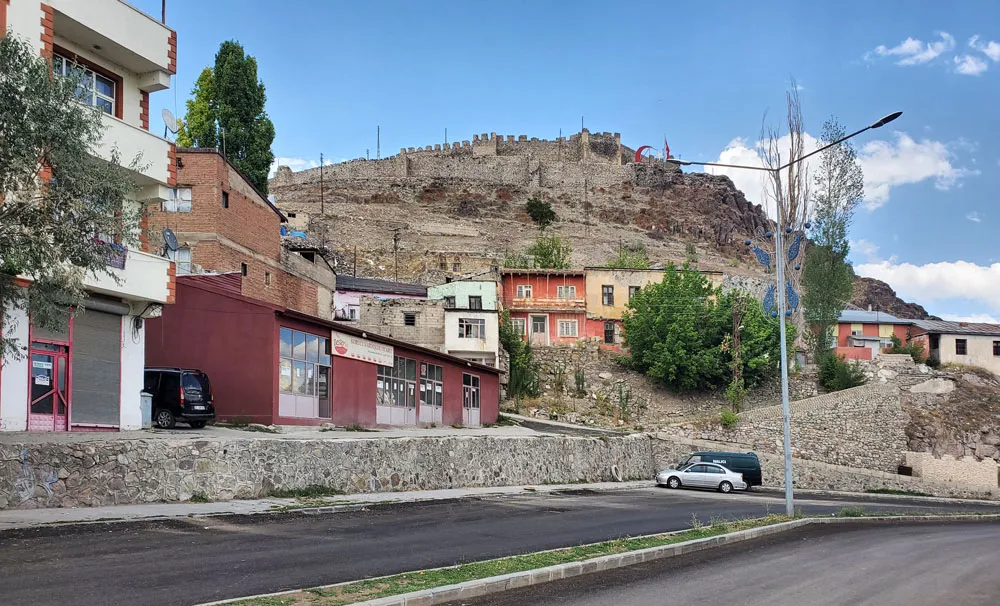
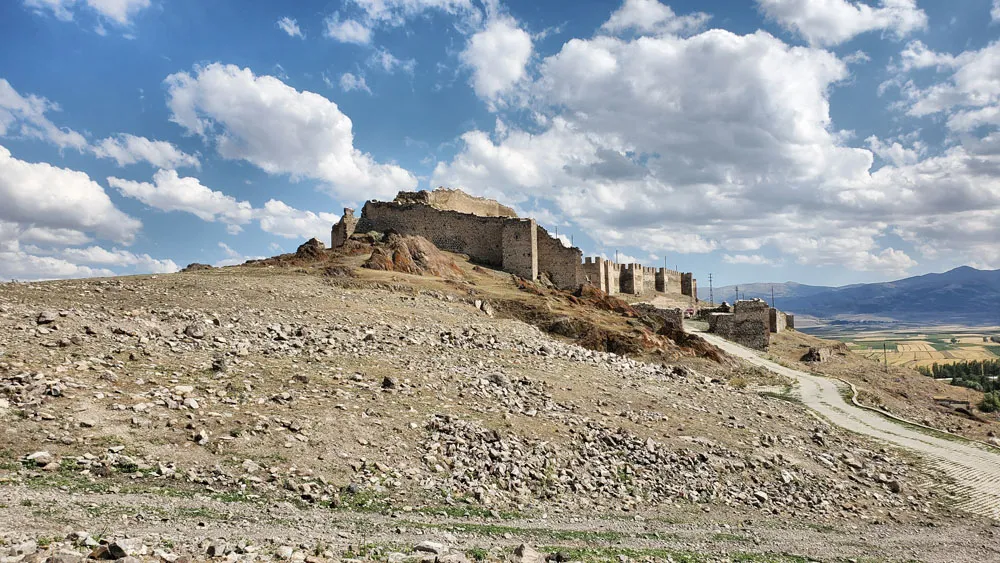
The first castle on this hill was built by, guess who, the Urartians, of course; they are credited with building all the castles here. But what the first one looked like is unknown, because the present castle is already Armenian: the Armenians held this area from the 4th century BC to the 5th century AD. Then the city was called Basean. Armenian chroniclers indicate that the city and its surroundings belonged to the Orduni clan.
Later the Sasanians invaded, and later still the Arabs, who held Basean until the 9th century, until they were driven out by the Georgian Bagratids, who were in turn replaced by Byzantium.
In the 11th century Basean (Basiani) was seized by the Seljuks, and in the 13th century the Georgians defeated and expelled them. The city belonged to Georgia until 1545, when the Ottomans came and the changes of rulers ended. True, in the 19th and 20th centuries the Russians came here three times, but those were short periods.
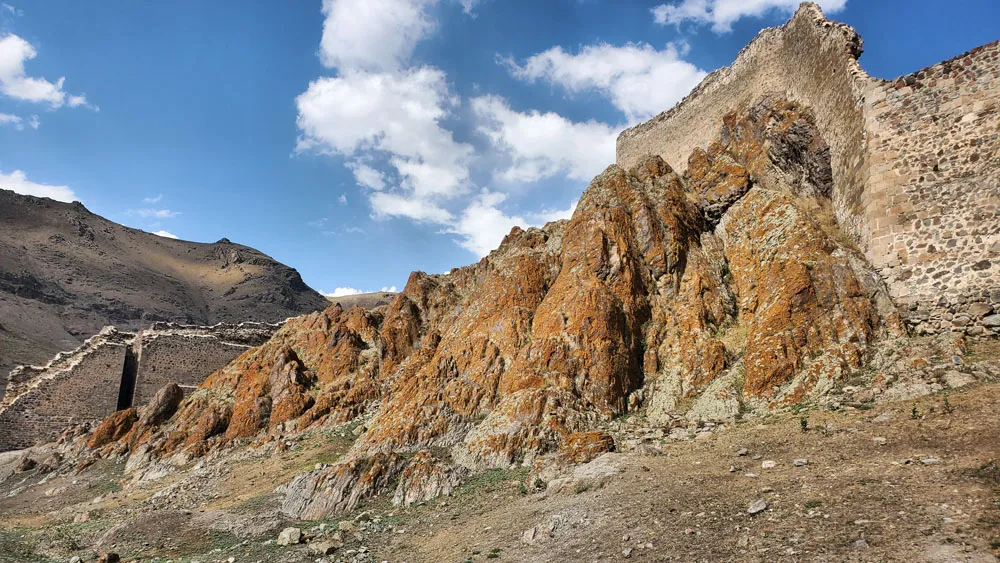
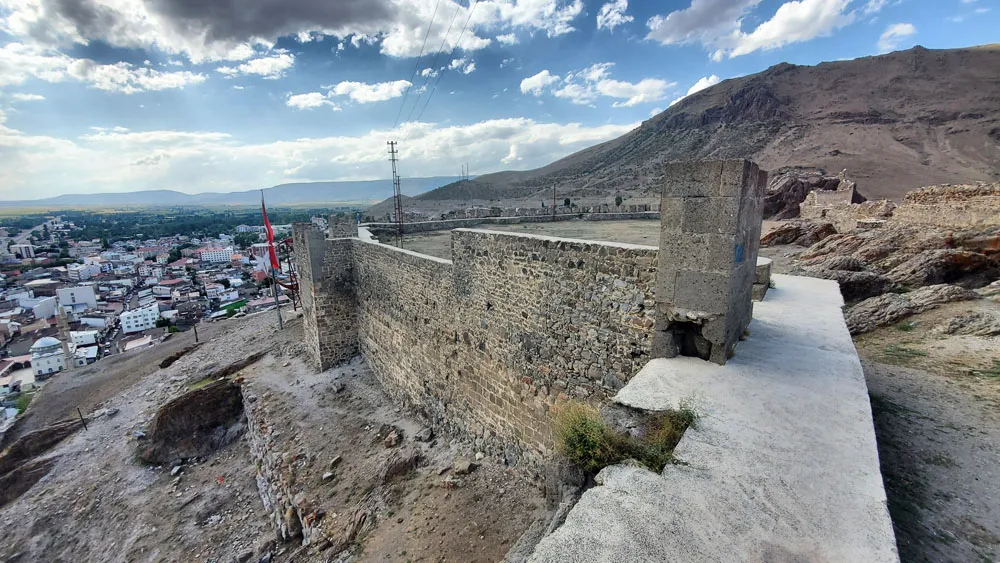
Hasankale Castle is triangular in shape. It is 125 metres long and 20 metres wide. The walls are raised on the edge of a steep rock, so there is no moat. The top of the rock lies right inside the castle, and the walls are adapted to it.
The castle is much more interesting from the outside than from the inside, but its walls offer wonderful views, so it is definitely worth visiting.
Text and photos by Roman Malenkov.