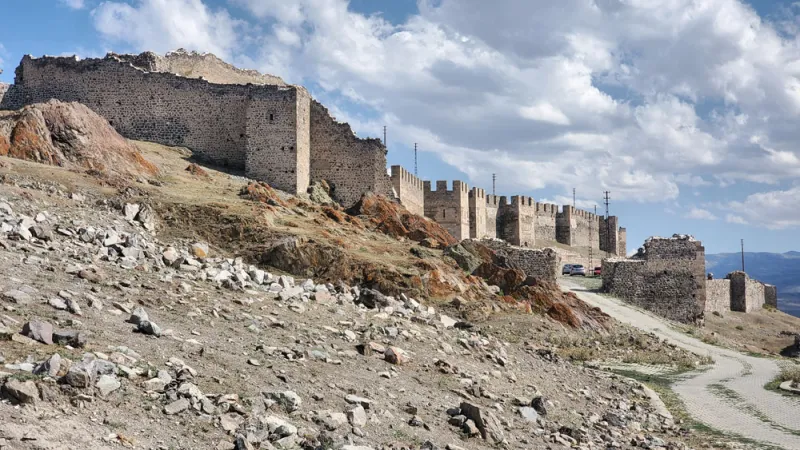
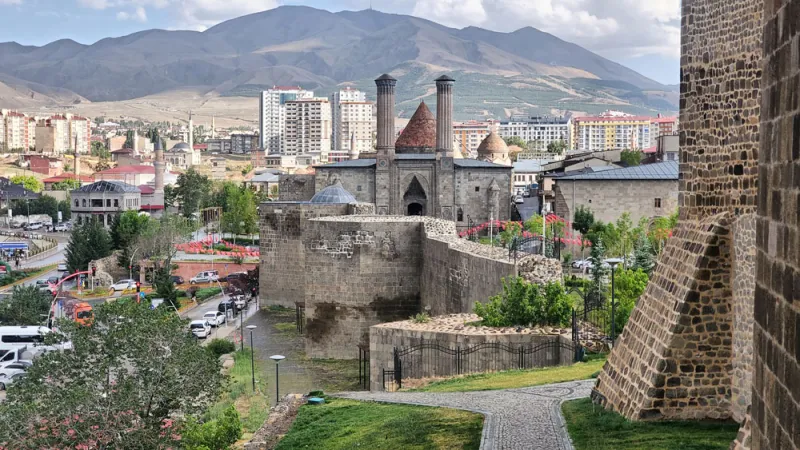
Turkey. Şeytan Kalesi, Kajistsikhe, the Devil’s Castle

· 2 min read
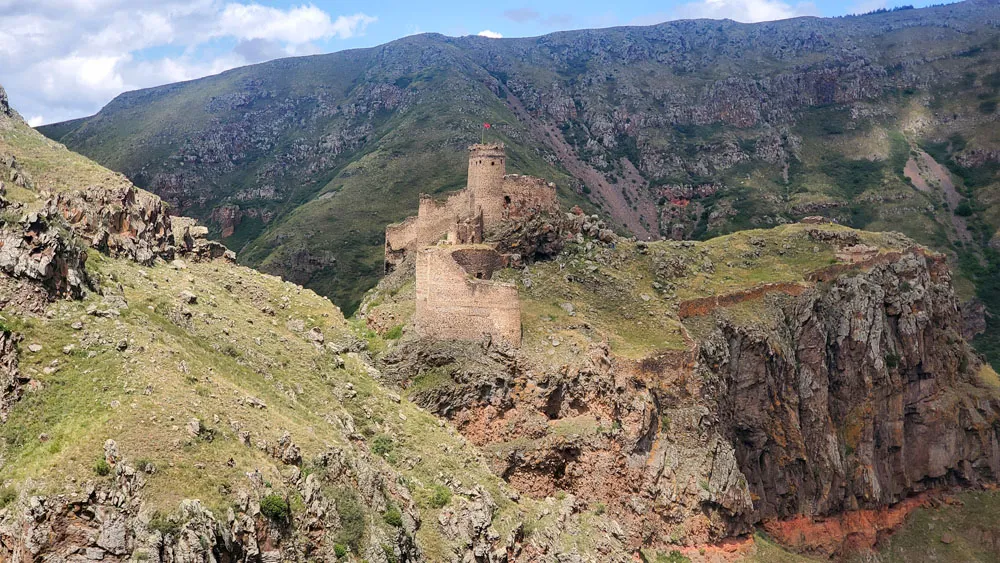
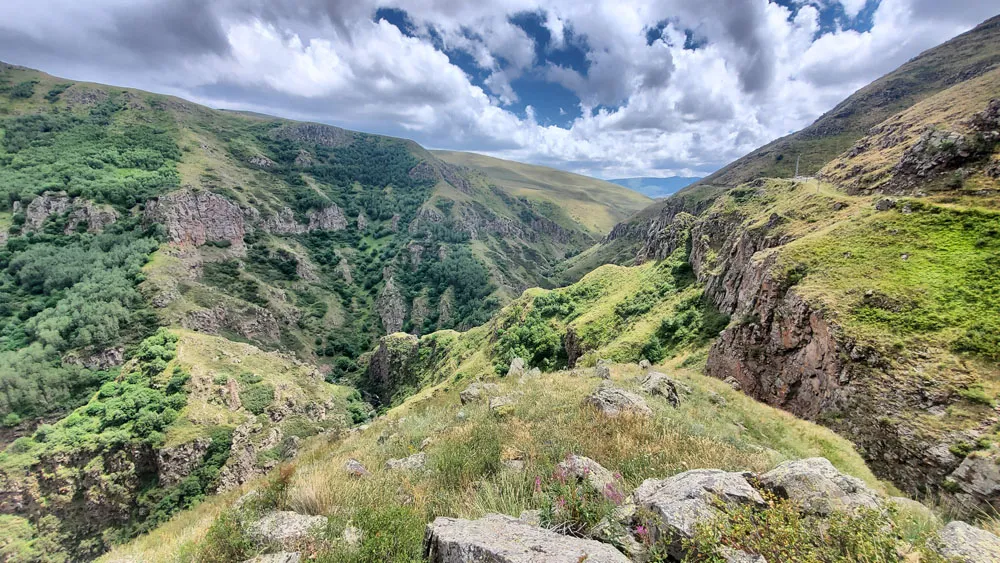
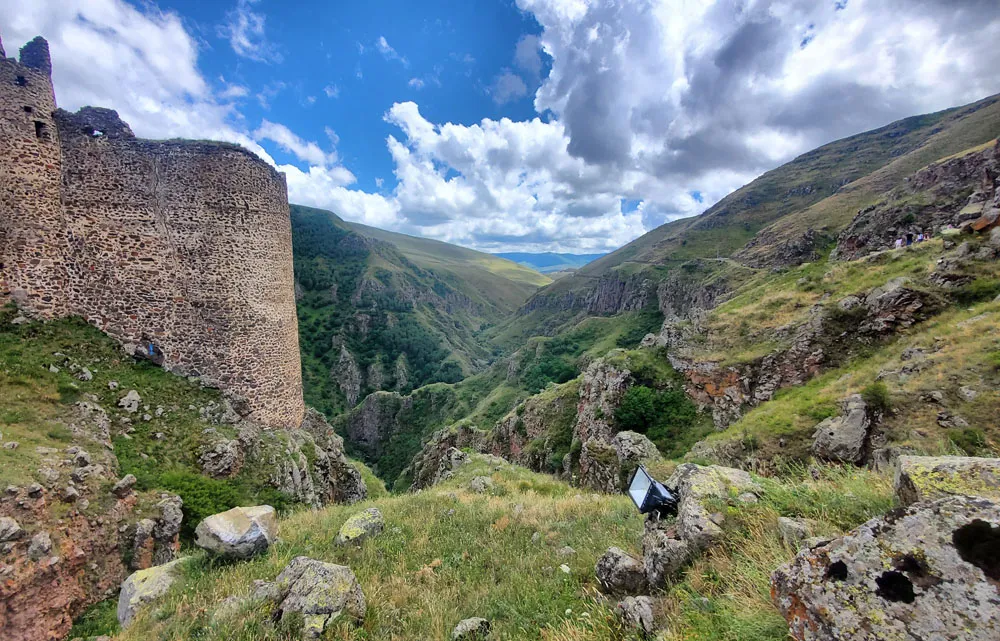
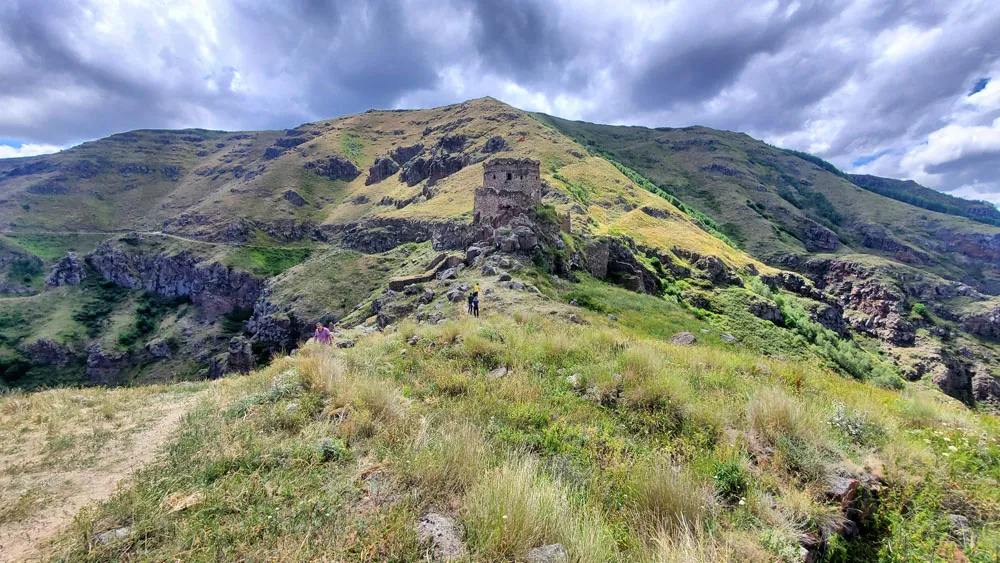
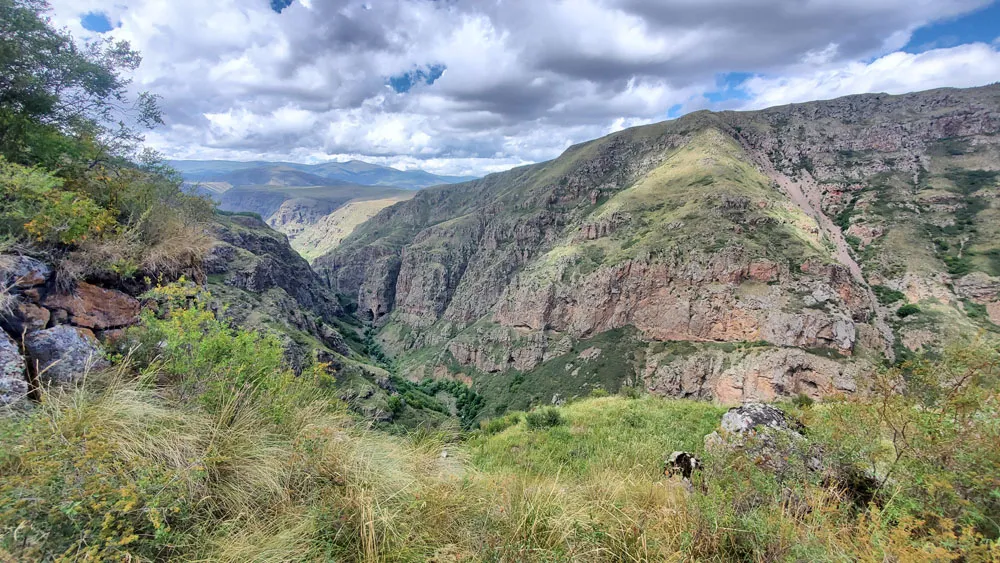
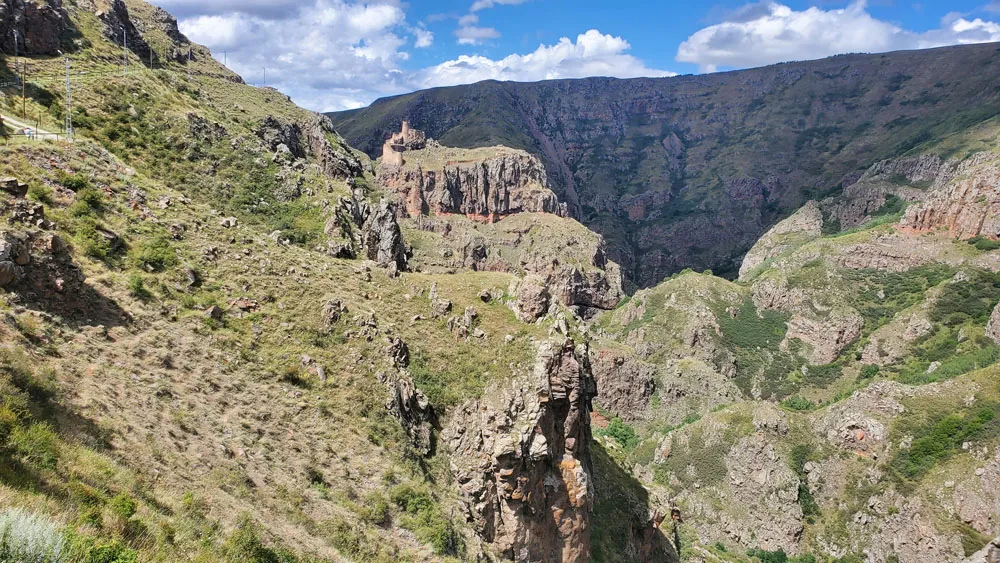
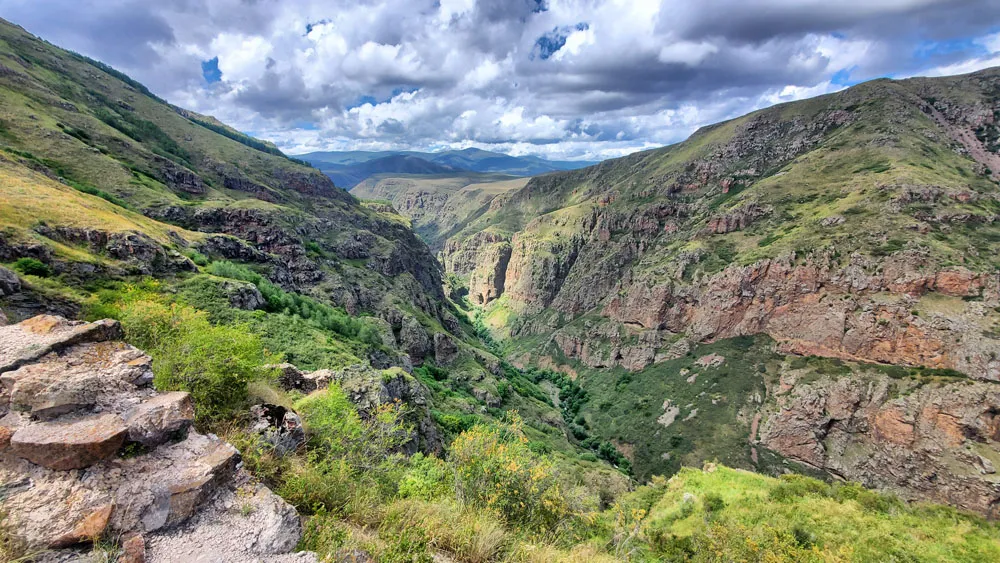
I will say honestly: the Devil’s Castle — Şeytan Kalesi — is cinema in real life. Never and nowhere have I felt so strongly that I had ended up on the other side of the screen, and in “The Lord of the Rings” at that. The fantasy mountains here are no worse than the New Zealand ones from Peter Jackson’s blockbuster, a broad valley stretches towards the castle, its rocky stretches alternating with areas covered in greenery — bushes and grasses. The local landscape differs quite strongly from the mountains around Kars, less than a hundred kilometres away, which without vegetation look unwelcoming and desert-like. It is no accident that in the past these were different countries — Kars was Armenia, and Kajistsikhe — that is the real name of the castle, which in translation from Georgian means the same thing, the devil’s castle — and the town that once stood around it were Georgia. They say that the legendary Shota Rustaveli took Kajistsikhe as one of the castles in his work.
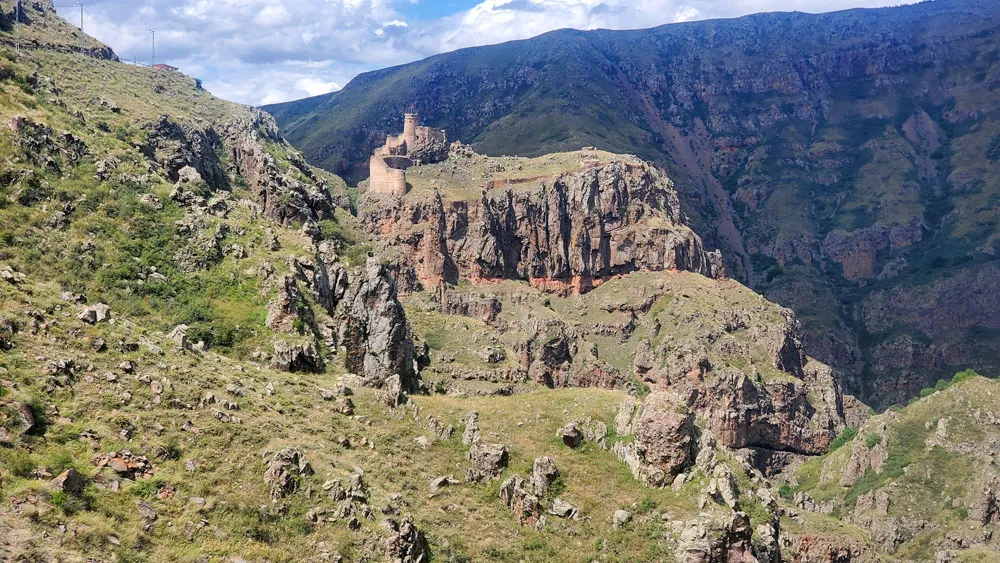
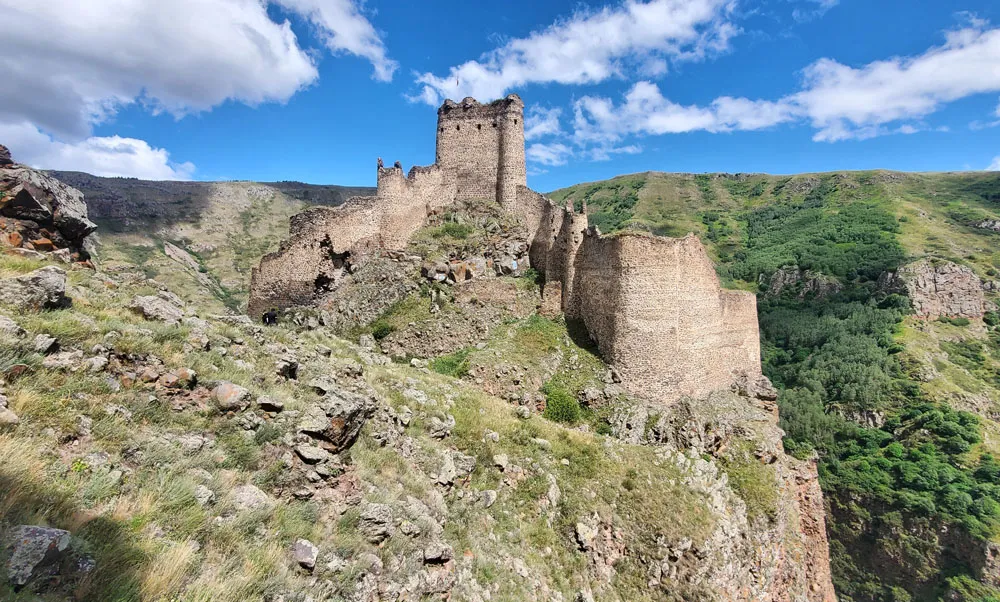
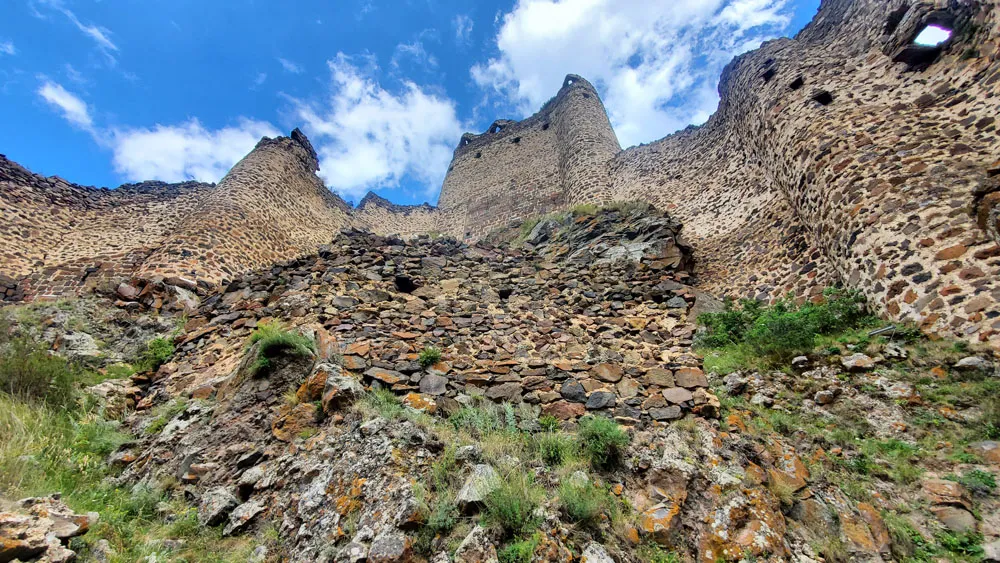
This region of Georgia was once called Erusheti, and today it is the Çıldır district of Ardahan Province. The Turks named the stronghold the Devil’s Castle after the conquest. According to legends and tales, either the devil (shaitan) was seen here, or he helped the defenders hold back the Ottoman onslaught in 1578. It did not help. Kajistsikhe was captured. And later it was abandoned.
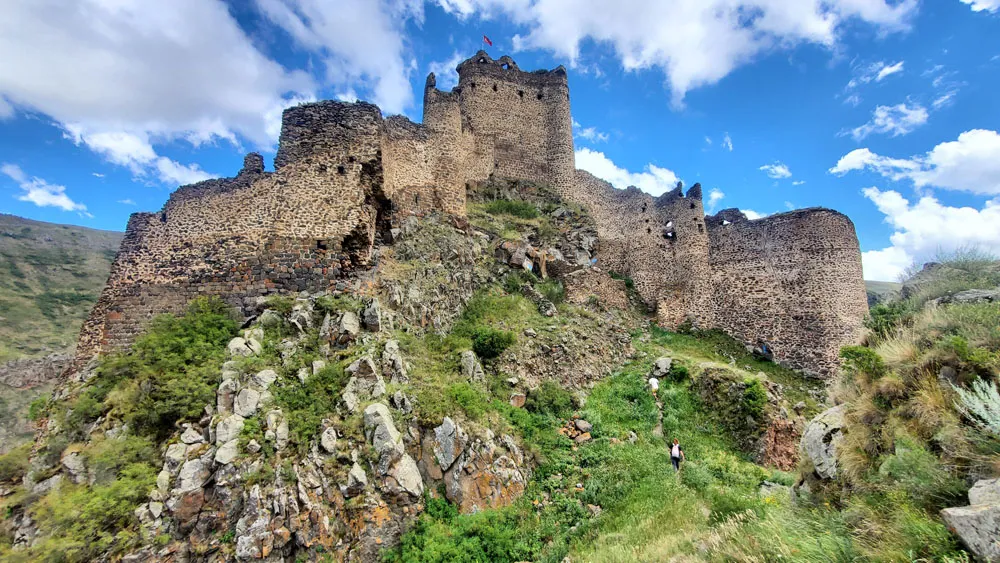
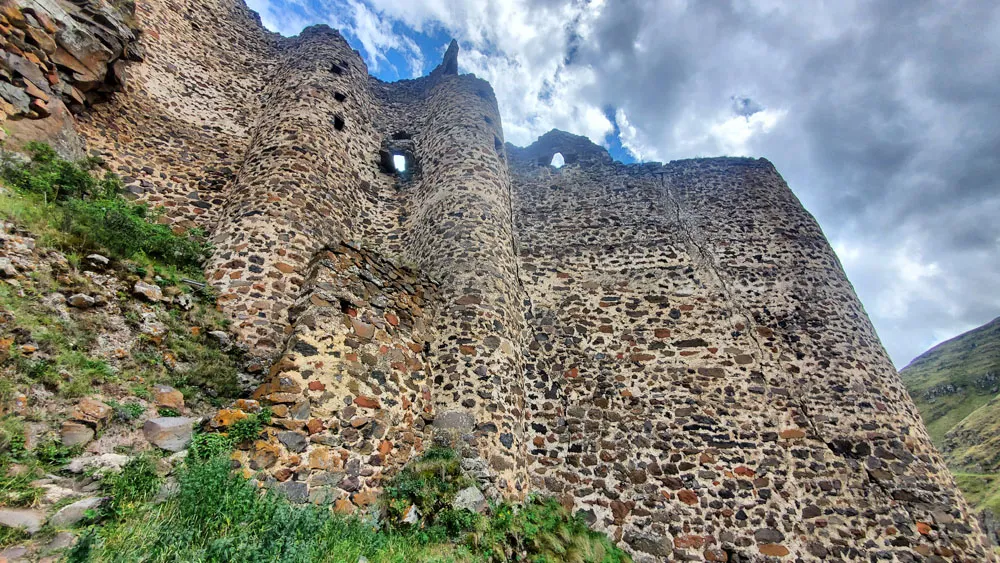
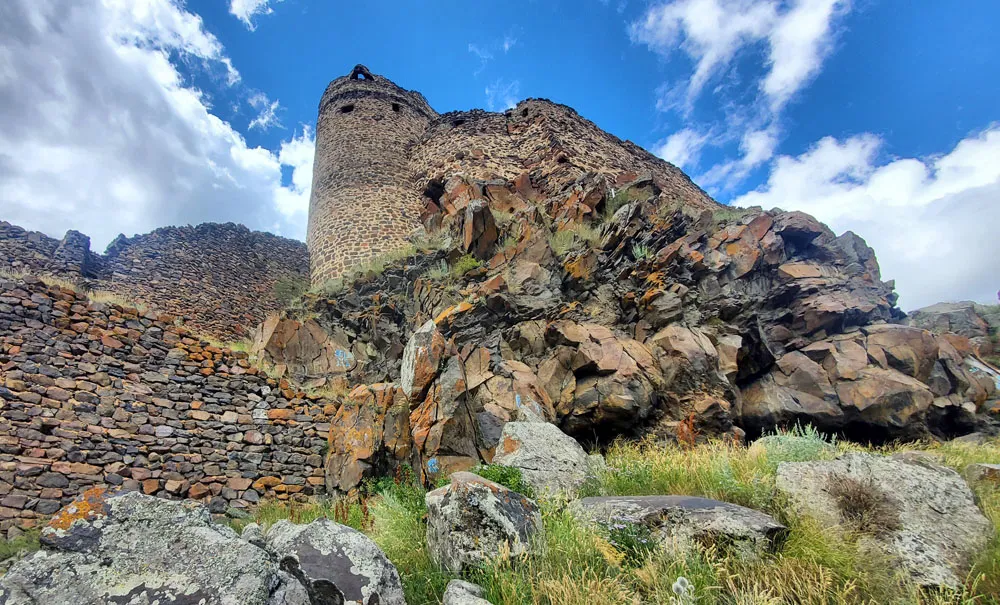
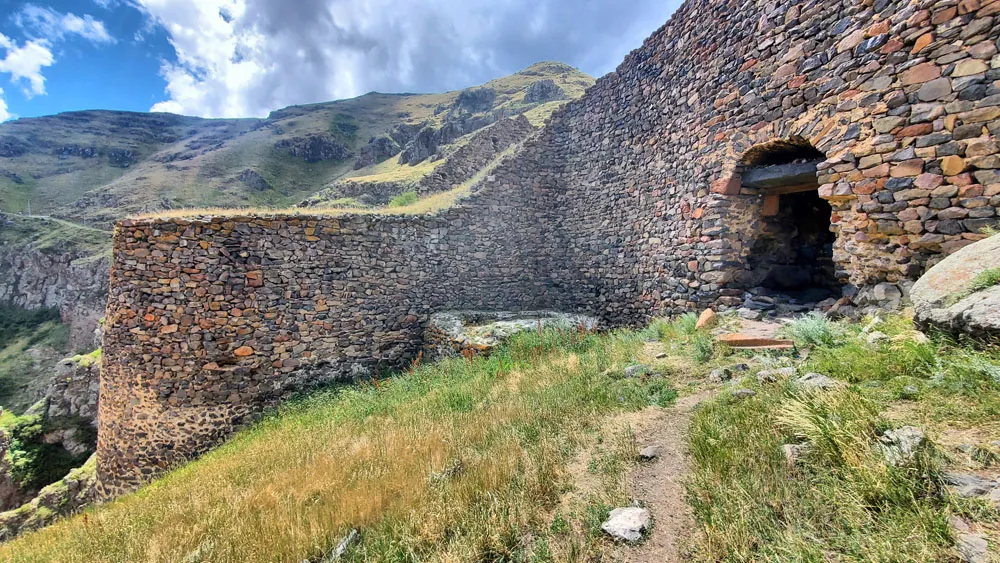
The beginnings of the Kajistsikhe castle were laid back in the Urartian period — in this area there are few castles that were not built then. Later a small village grew up around the powerful and impregnable castle, and in the time of the Georgian kingdom it turned into a town, with churches and a market. Nothing is left of the market; there are the remains of a church — four walls — and steps hewn into the rock that lead down to a stream. In defensive terms, for the Middle Ages, the structure is flawless, even now — sheer cliffs, a keep tower, two smaller towers and walls. Looking at the surrounding precipices, it becomes clear why this castle was so hard to capture. But at the end of the 16th century, when artillery was already popular, the Ottomans took the castle, though even then it put up resistance.
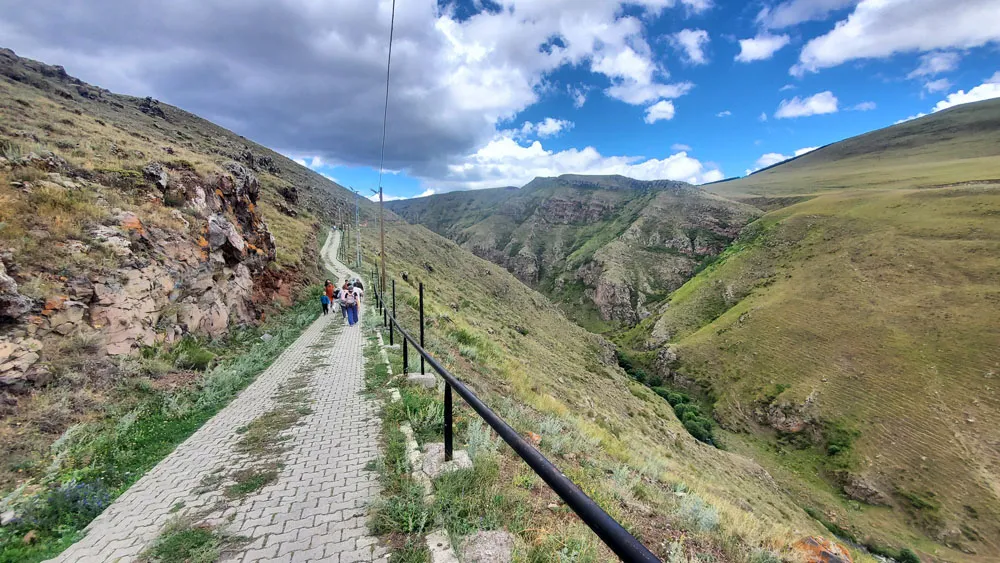
You can reach Şeytan Kalesi from the village of Yıldırımtepe. Bear in mind that from the car park you will have to walk 1.5 km, but quite recently a wonderful footpath was built here that runs along the mountainside at one level (almost without ascents and descents). The views here are simply incredible, so no one complains about having to walk. Şeytan Kalesi stands at an altitude of 1,900 m above sea level.
Text and photos by Roman Malenkov.