Mykhailo-Laryne

· 1 min read
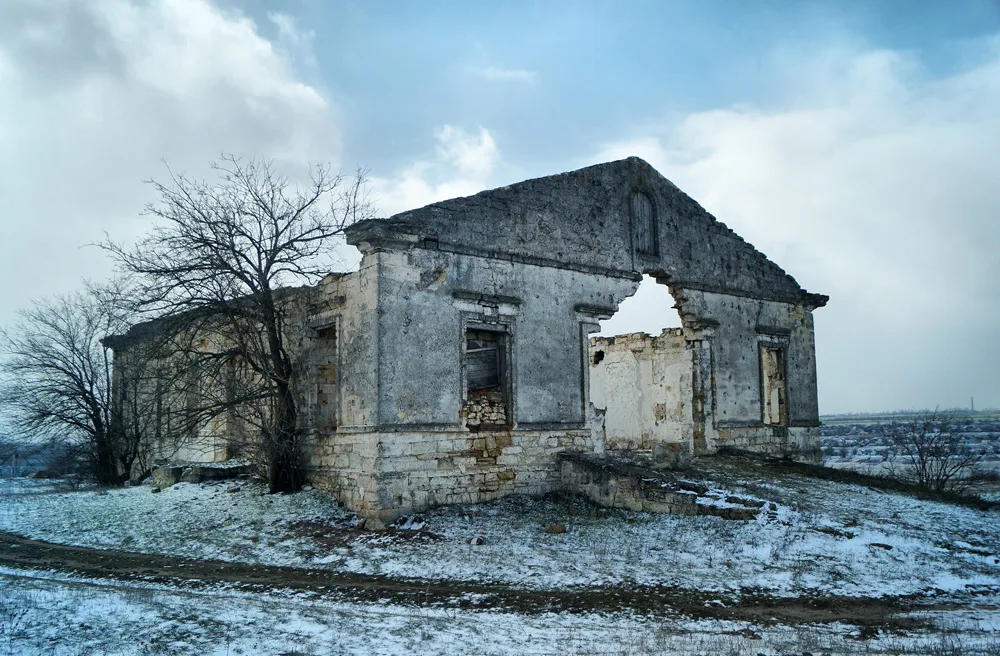
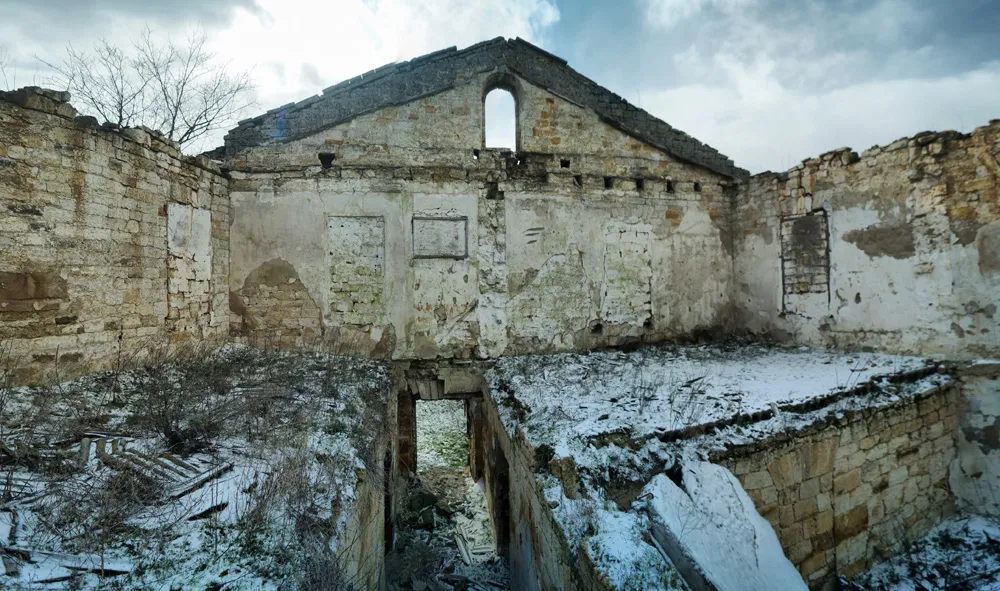
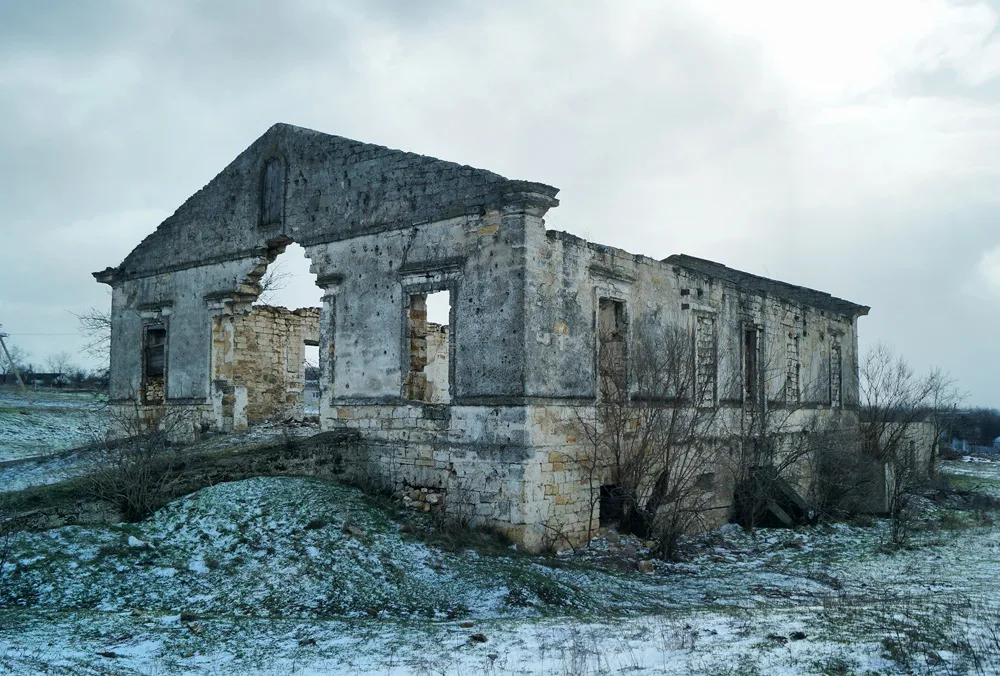
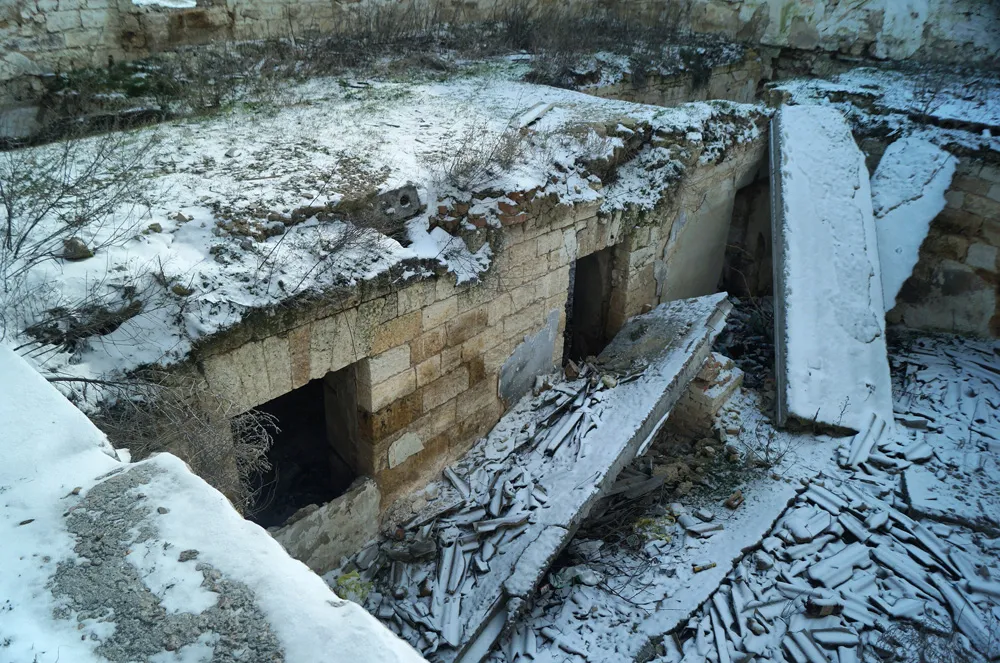
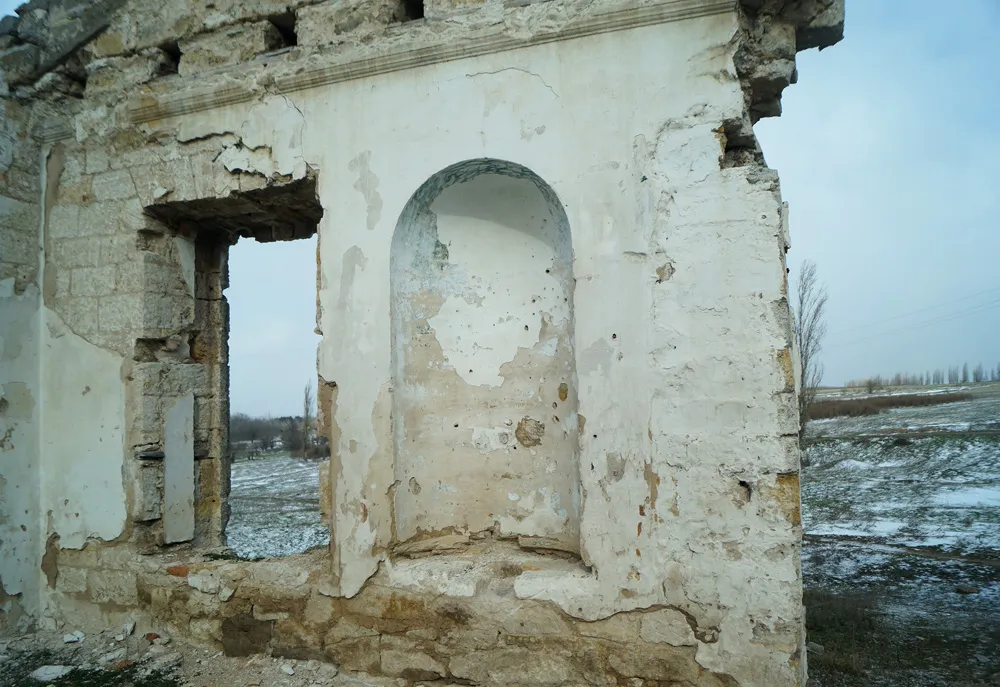
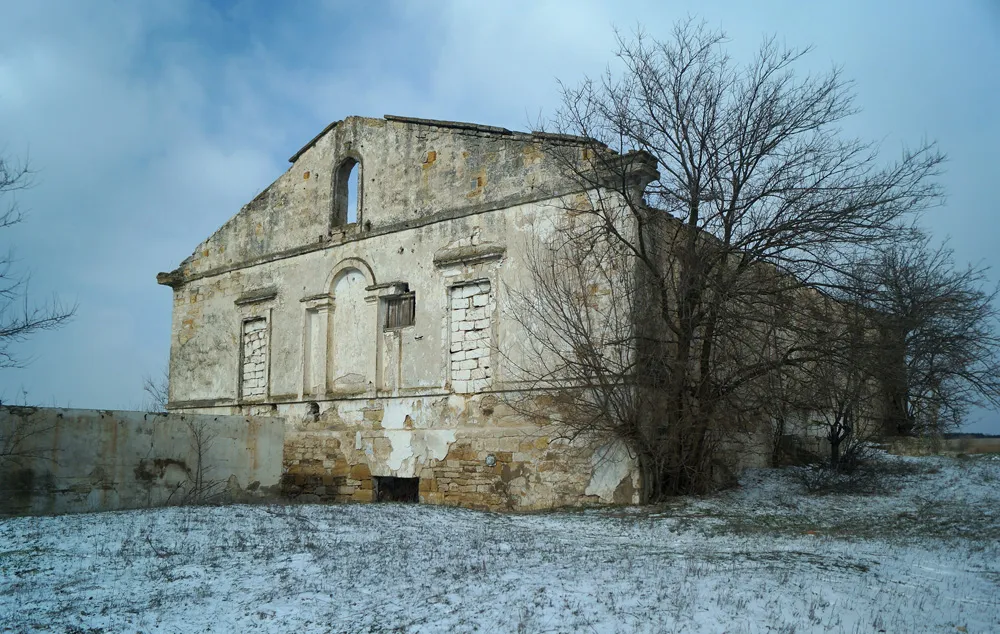
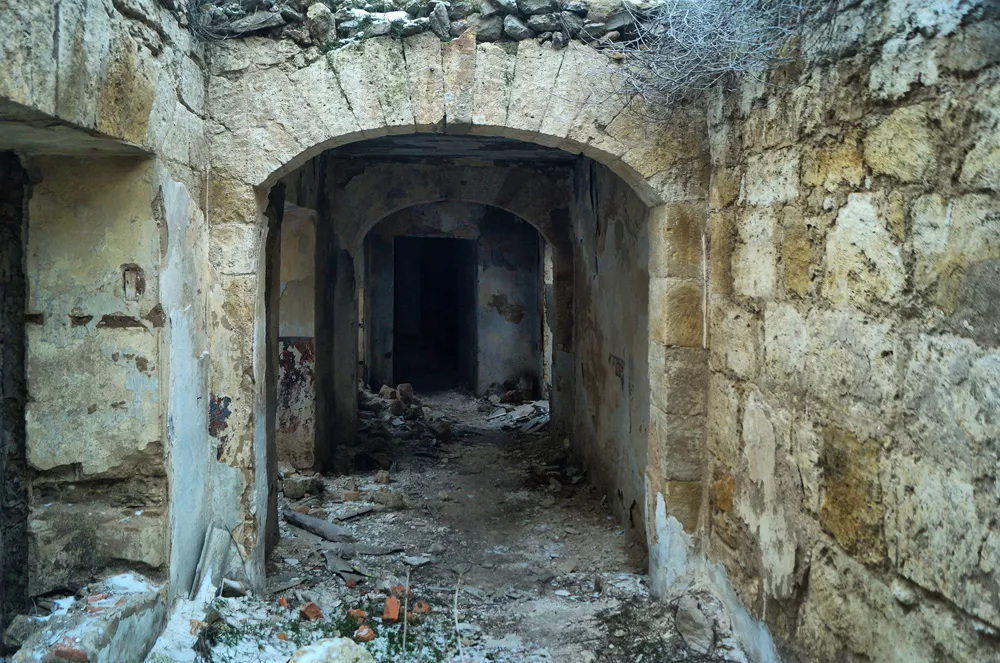
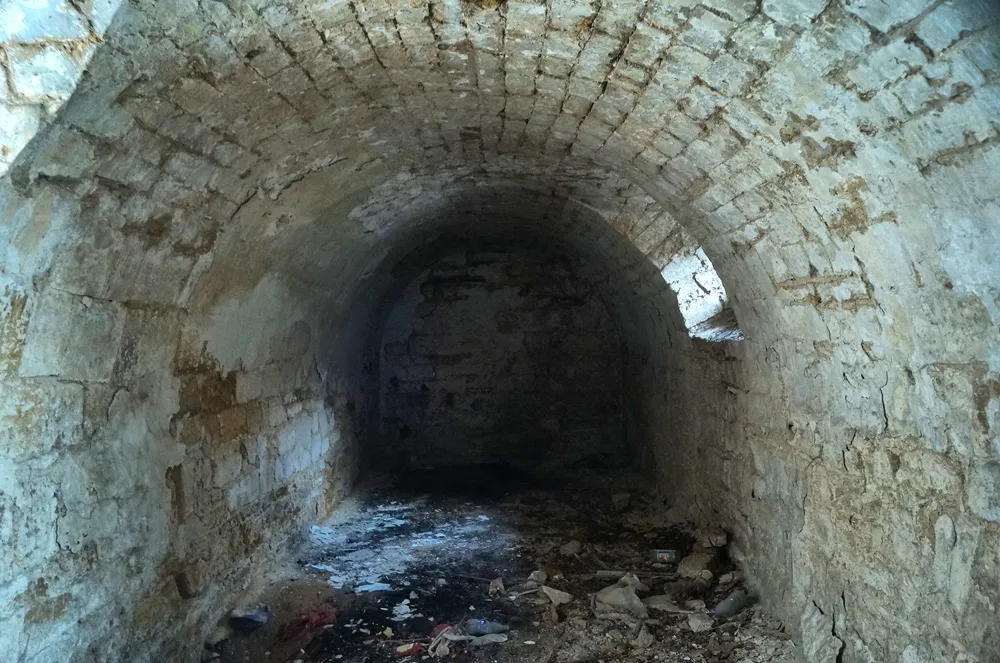
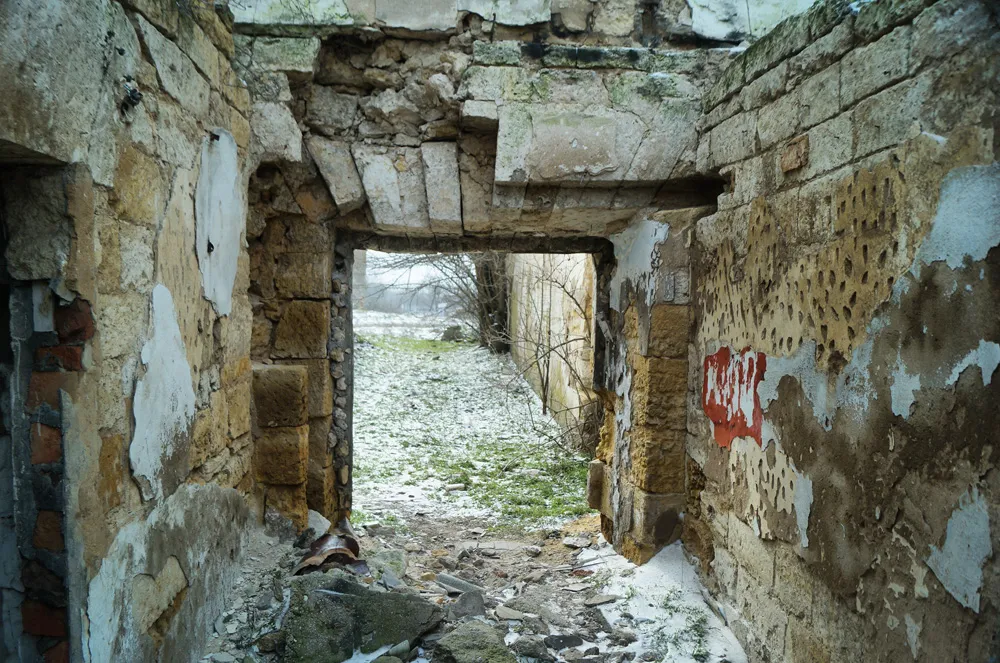
We noticed these ruins by chance, from the Bashtanka – Mykolaiv road. At first we did not understand what it was – abandoned collective-farm barns, or perhaps something more interesting. And even when we drove closer, it took us a while to realise that these were the remains of a manor house – walls and cellars. A closer look made it clear that the building was quite old and, most likely, had once been Neoclassical.
Some locals happened to ride past on a motorcycle with a sidecar. They told us that it had once been a landlord’s house, then a collective-farm stable, and then the villagers had carted it all off as “property shares”, since it was, after all, collective-farm property. Most of the village’s monuments suffered from this “property sharing” – the collective-farm property was divided into notional parts and everyone took his own – Ivan the slate, Stepan the doors, Semen the windows, and so on. It was outright barbarism, but what can you do.
The village of Mykhailo-Laryne was founded in the late 18th century. More precisely, the village of Mykhailivka appeared first, and a little later Petro Lariy bought the neighbouring plot and founded a village too – Lariivka. Somewhat later he bought Mykhailivka and added it to his estates, and later still the villages effectively merged.
In the east of Lariivka, right on a hill above the picturesque valley of the Inhul, the Lariis built a luxurious, as they write, manor. Those ruins are the shameful greed of the local peasants. And you can read about the history of the village on Wikipedia – there is plenty there.
Text and photos by Roman Malenkov.