Hlukhiv – a centre of necropolis studies

· 1 min read
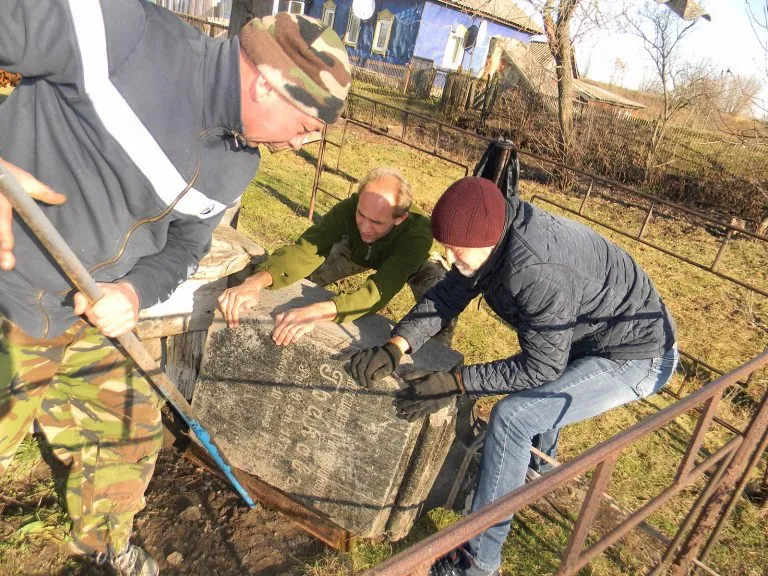
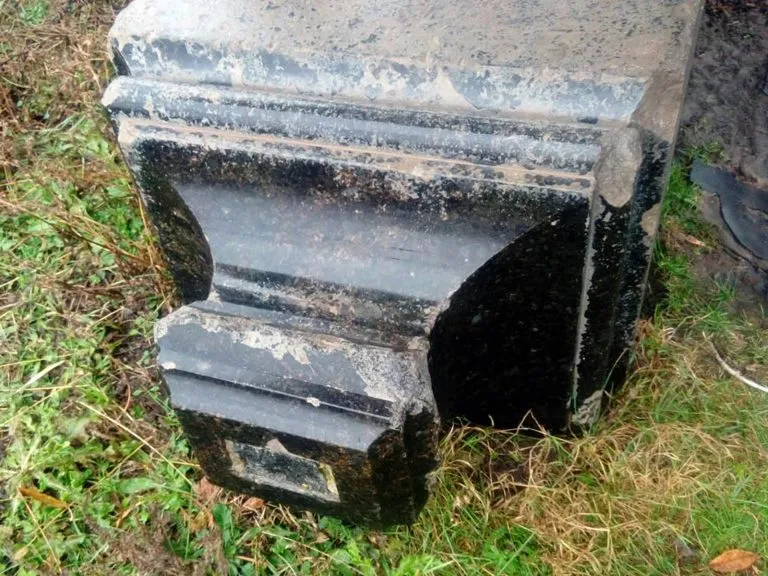
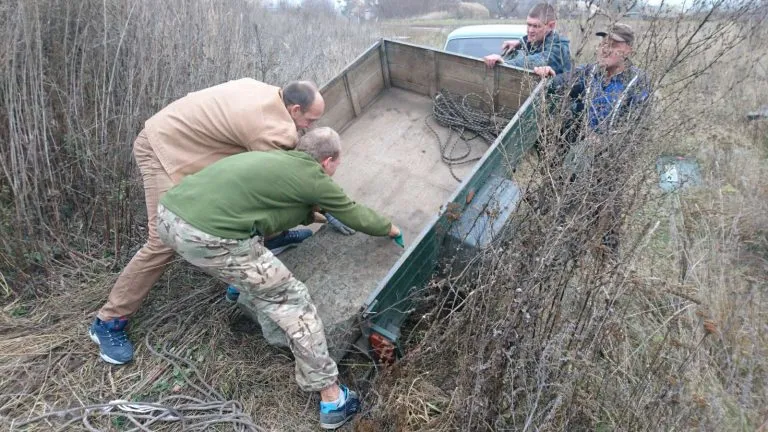
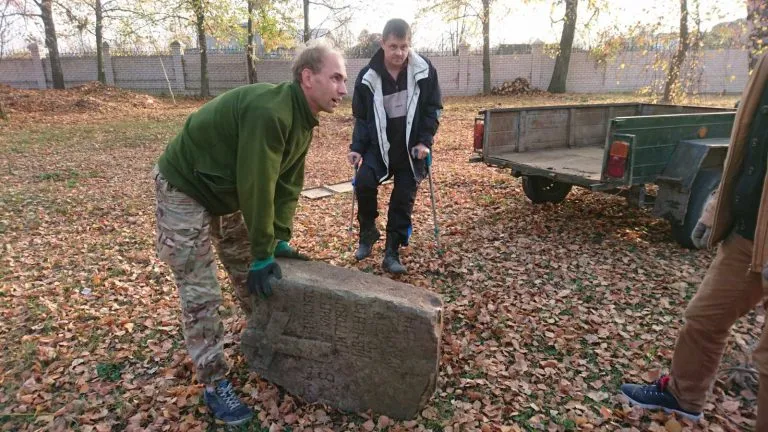
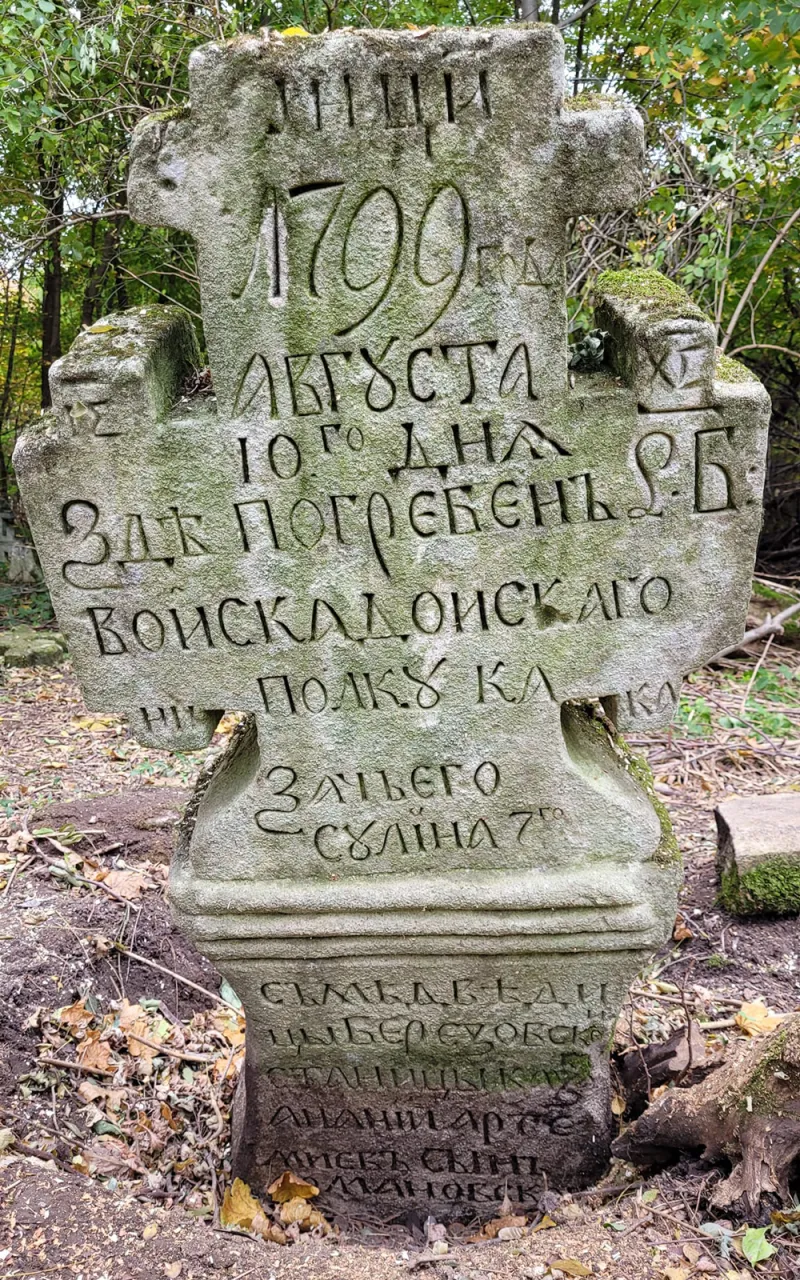
Since 2013 the Hlukhiv National Reserve has been the centre of necropolis research in the region. Scholars survey old Orthodox and Jewish cemeteries, bringing hundreds of 18th – early 20th-century gravestones into scholarly circulation. On the grounds of the Hlukhiv Archaeology Museum a lapidarium has been created, which shelters stone crosses, slabs and obelisks removed from their burial places.
In parallel, work is under way to find biographical data on the people to whom the gravestones belonged. In 2019 the Reserve revived the scholarly conference “Ukrainian necropolis studies in the context of the modern historiographical process”.
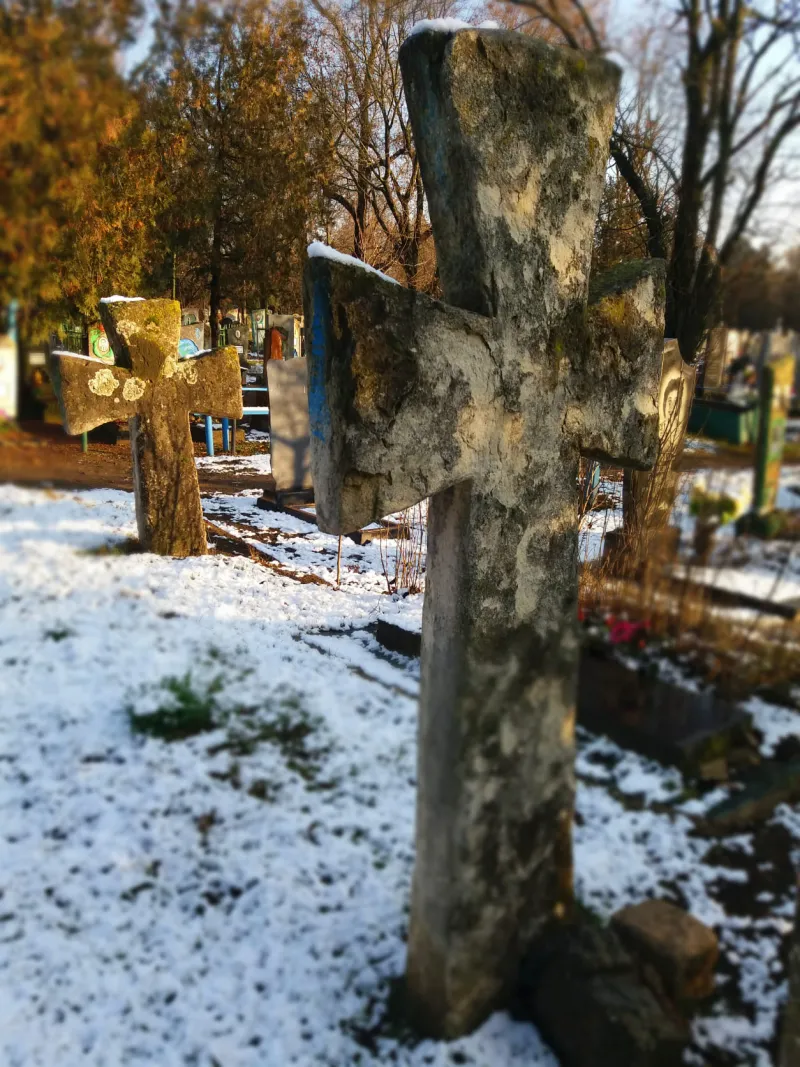
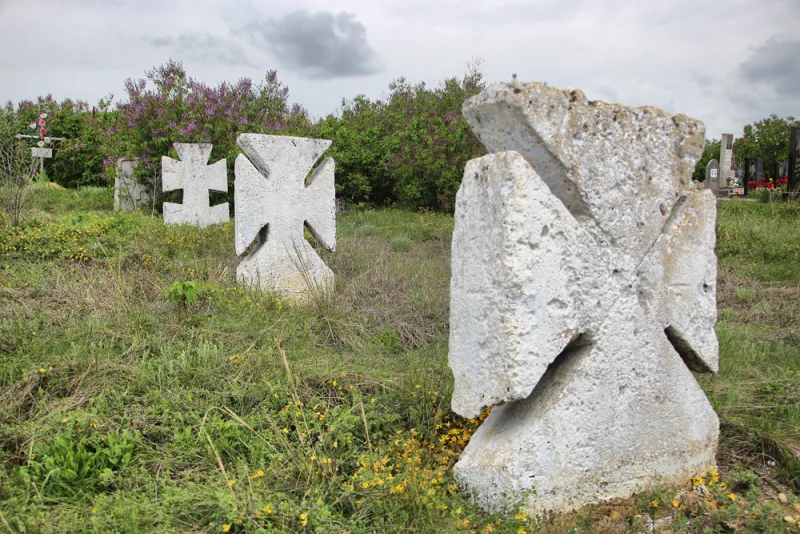
A characteristic feature of the urban and rural cemeteries of northern Sumy region is the abundance of stone crosses and slabs made of sandstone, varied in form and style. This is primarily due to the presence of powerful stone deposits and the appearance of dozens of quarries where people were engaged in
cross-making. Artistic stonemasonry was not destined to live long. In the early 20th century the building materials market was enriched with cement products, and stonemasonry became a “dead” craft. We are working on creating a single database of the funerary monuments of the 18th – early 20th centuries that have survived in our region, popularising the most significant sites through the mass media, organising volunteer clean-ups and installing information stands.
Text by Oleksandr Miroshnychenko, photos from the reserve’s website.