Yaroslavets. Kochubey manor

· 4 min read
The village of Yaroslavets in the Krolevets region begins its history as early as the time of Kyivan Rus.
According to the chronicles, as early as 1196 Yaroslav Vsevolodovych, Prince of Chernihiv, together with his brothers, rose against Vsevolod, Prince of Vladimir, building two fortified towns in the process. It all ended without bloodshed, they parted in peace, and Yaroslav, in honour of this, built a church in one of the towns; the settlement grew and received the name Yaroslavets.
In 1239 the settlement was ravaged by the Mongol-Tatars. But the surviving population rebuilt it, keeping the name. By 1552 Yaroslavets was already a fairly significant settlement, since in Moscow’s Kazan campaign, alongside the “boyar sons” of Novhorod-Siverskyi and Putyvl, there were also some from “Little Yaroslavets”. After the Truce of Deulino, Yaroslavets became part of the Polish-Lithuanian Commonwealth. During the Khmelnytskyi uprising many of the peasants became Cossacks and were assigned to the Hlukhiv company of the Nizhyn Regiment, taking part in battles against the Commonwealth.
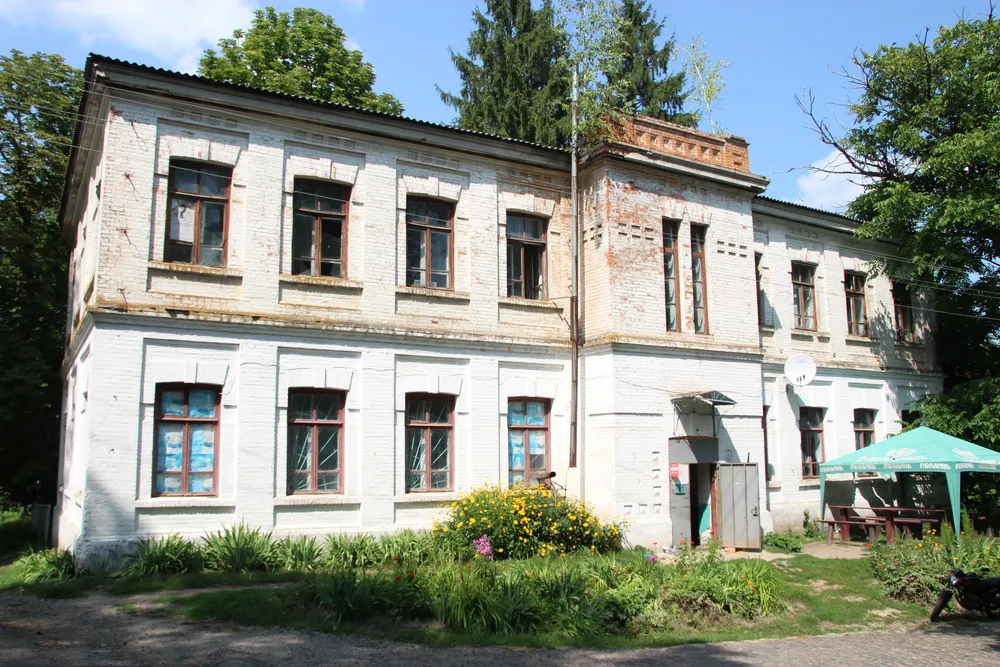
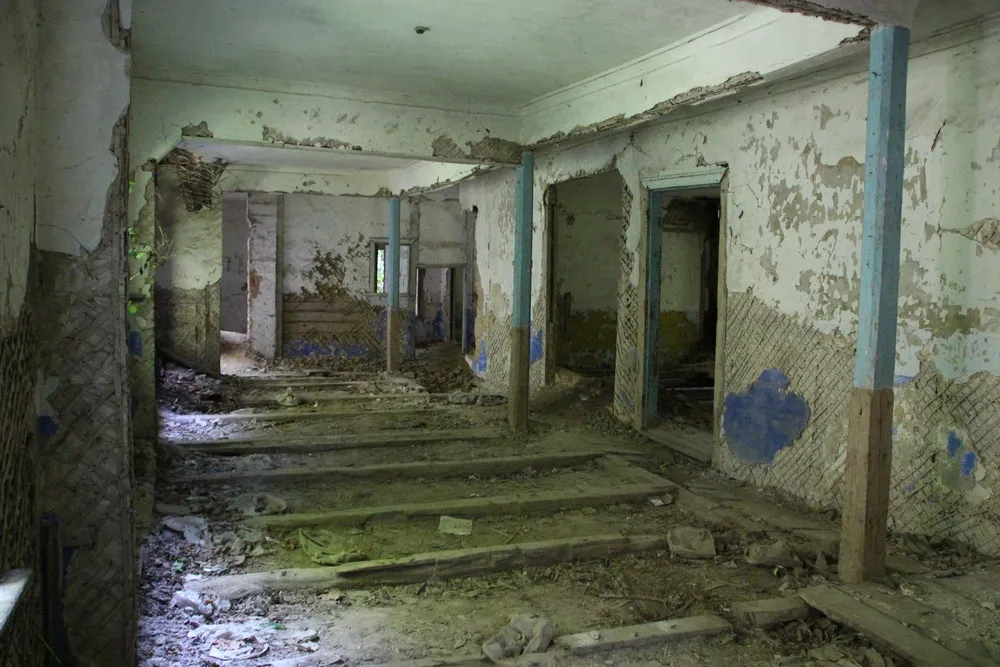
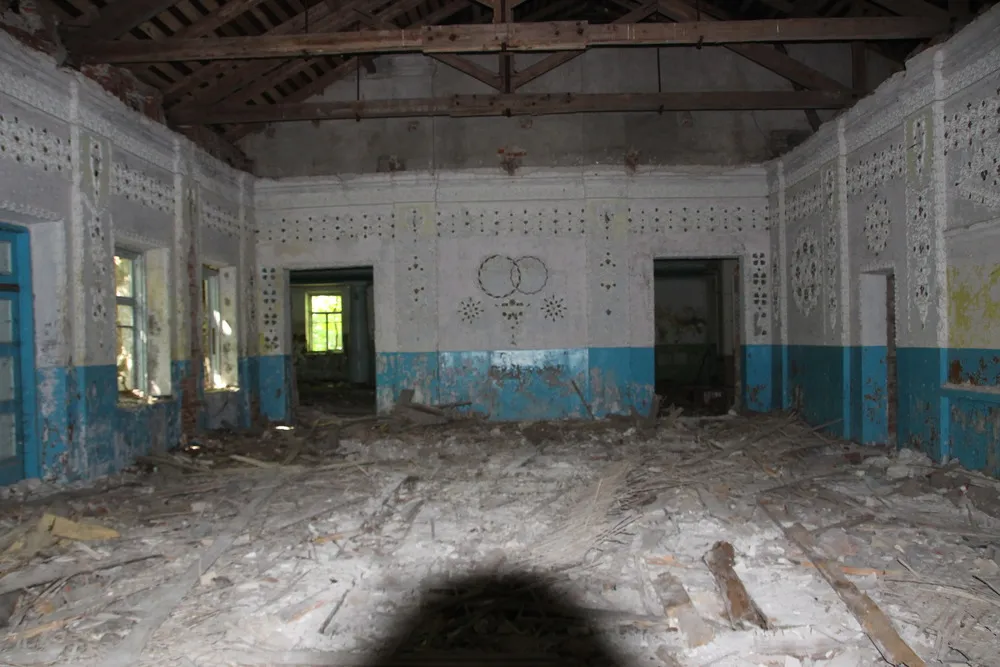
During the rule of Hetman Ivan Mazepa, Yaroslavets was given into the possession of the then General Secretary, and later General Judge of the Zaporozhian Host, Vasyl Leontiiovych Kochubey (1640?-1708). On 28 April 1688 he received the tsar’s charter for this possession. Vasyl Kochubey and his descendants owned Yaroslavets for 230 years. And not only Yaroslavets, but also many estates in today’s Chernihiv, Sumy, Poltava and Kyiv oblasts.
After the execution of Vasyl Kochubey in 1708 (this is a separate story, both tragic and instructive), in 1710 the possession was transferred to his son, the bunchuk comrade
Fedir Kochubey (?-1728), who built the lord’s and service buildings on the estate. The further history of the village is connected with the life and activity of Vasyl Kochubey’s descendants.
During the ownership of the estate by his grandson, Vasyl Vasyliovych Kochubey, Yaroslavets reached its greatest flourishing; in 1781 it had a formal garden, an orangery, a two-storey manor house with 15 rooms, two brick outbuildings, quarters for girl pupils, a guest house, stables and other farm buildings, its own hospital and a music school.
The adornment of the estate was the court Annunciation Church, built in 1796 by special permission, where a family relic was kept – the bloodied shirt of the grandfather, V. L. Kochubey, in which he was executed.
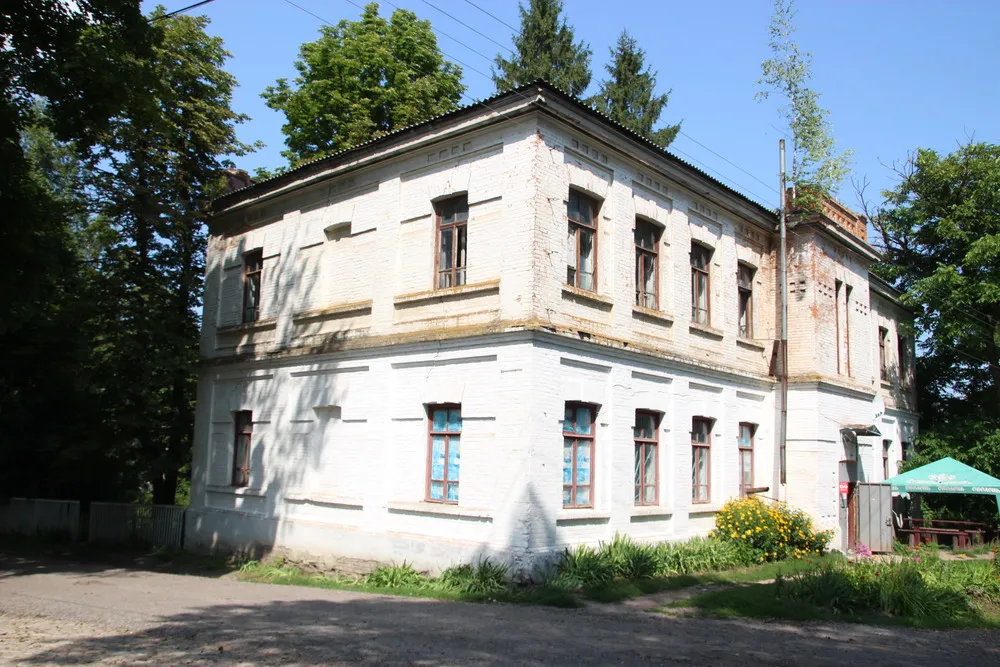
Around the middle of the 19th century Demian Kochubey built in the village a family burial vault, an outbuilding and a manor house. The residential outbuilding has survived to this day, while the manor house was completely looted in 1918. In addition, a large English park of 20 ha (other data say 30 ha) was laid out and a luxurious fountain installed.
The local Kochubeys were also patrons and benefactors.
The first school in the village was opened in 1848 by Demian Kochubey. Under Vasyl Arkadiiovych Kochubey a school for boys (1887) and a school for girls (1895) were opened, as well as a zemstvo school building (1897).
He also built and opened a hospital on the outskirts of the village in 1893 (in 1960 a 25-bed Home for Labour Veterans opened in the premises of the former Kochubey hospital).
After her husband’s death the work was continued by Mariia Oleksiivna Kochubey-Kapnist, who built a new brick zemstvo school building at her own expense in 1912.
The last owner of Yaroslavets was Petro Vasyliovych Kochubey (1880-1918). At that time the estate had two farms, a drying house, an oil mill, and brick, sugar and spirits factories in neighbouring farmsteads. The Yaroslavets Kochubeys also owned the largest paper mill on the Left Bank, in the settlement of Retyk, founded in 1842. In all, they owned 3,500 desiatinas of land.
In 1918, because of the well-known events, Petro Kochubey was forced to leave for Kyiv with his family, but there he was arrested and killed by the Bolsheviks. Petro Vasyliovych is buried at Askold’s Grave. His wife, Liubov Oleksandrivna, emigrated abroad with the children and from 1924 lived in Belgium.
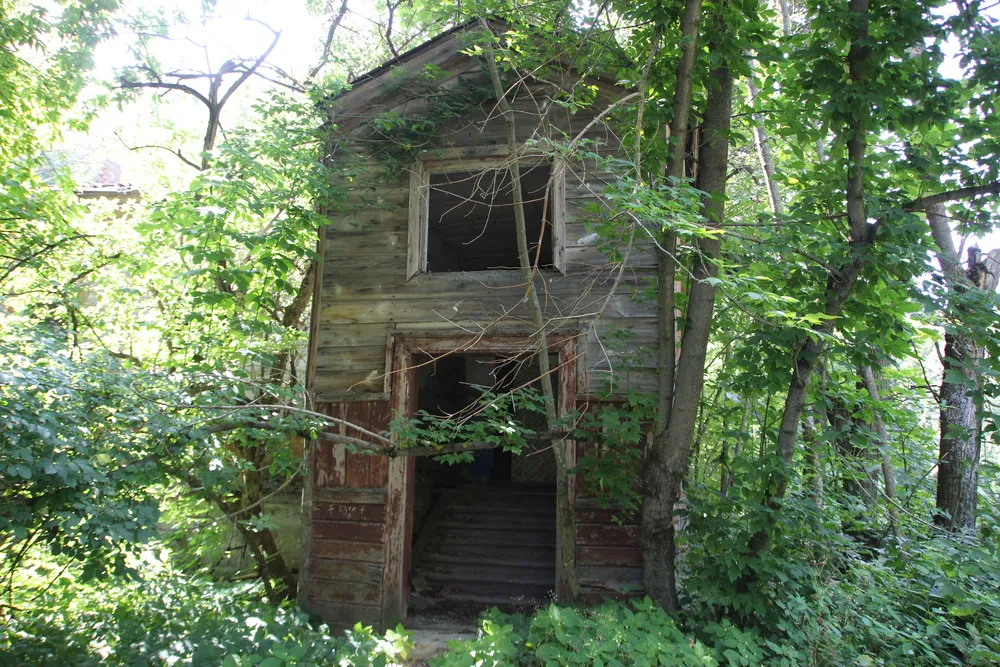
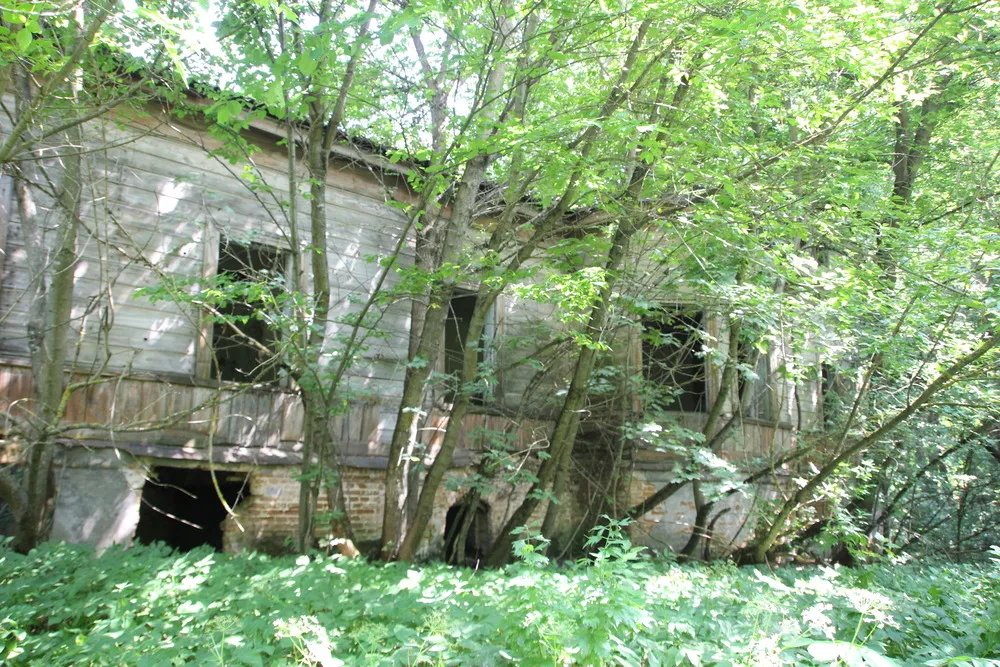
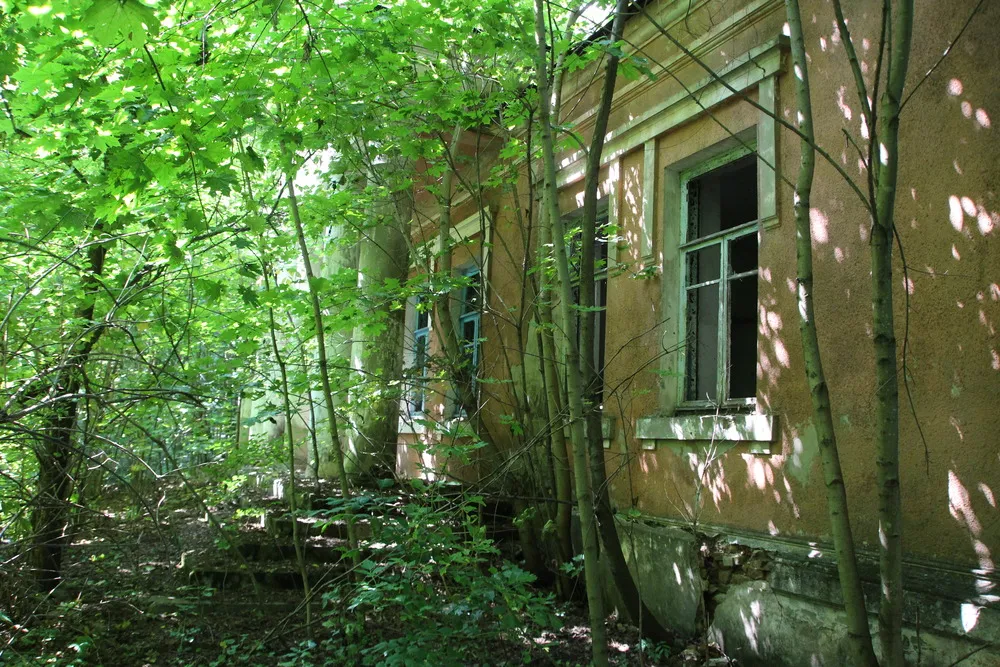
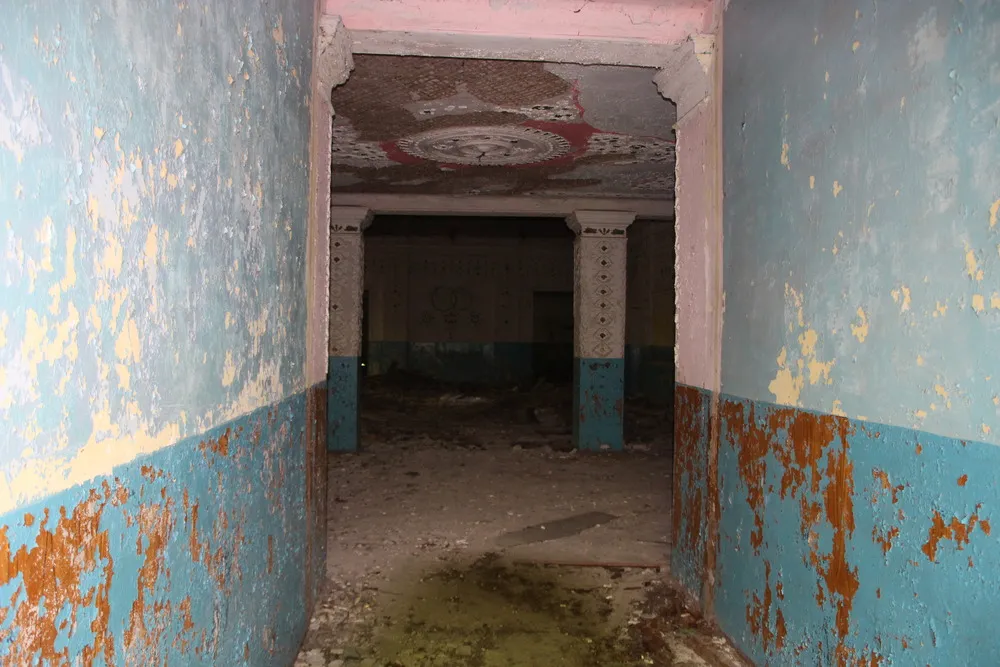
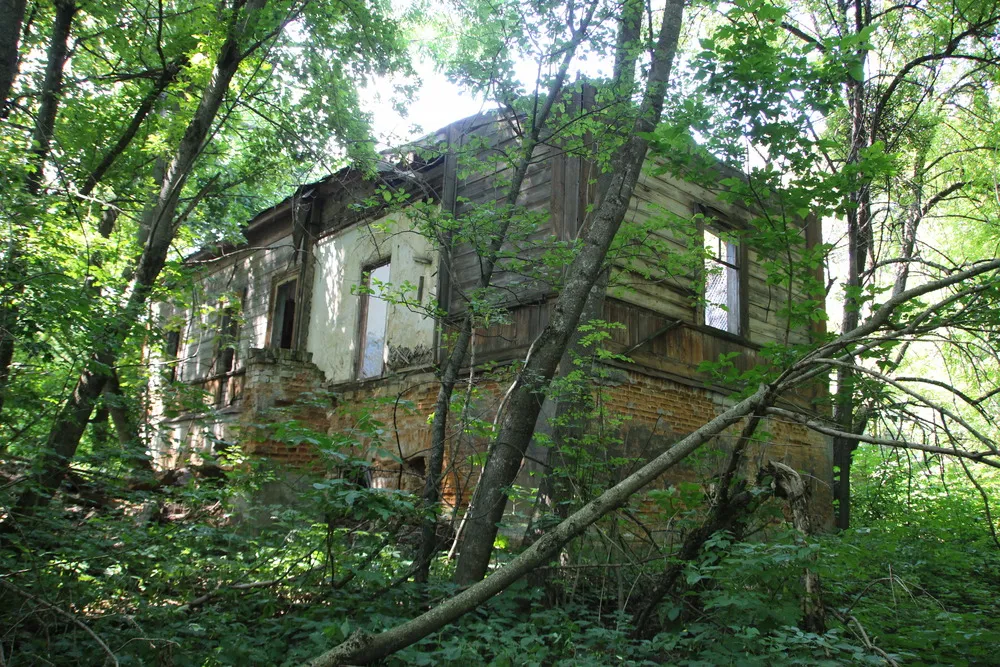
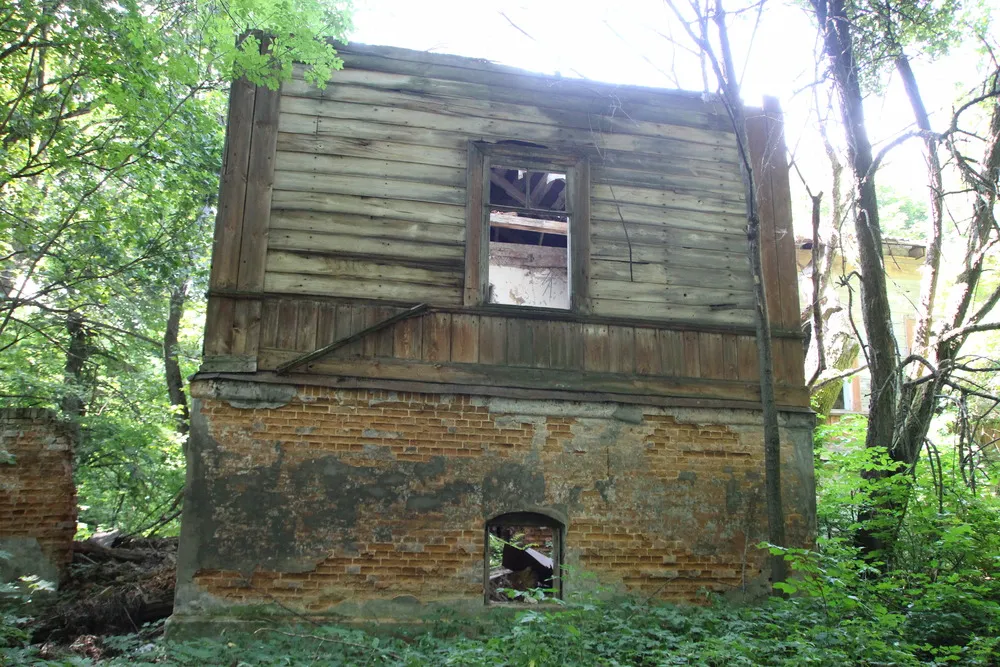
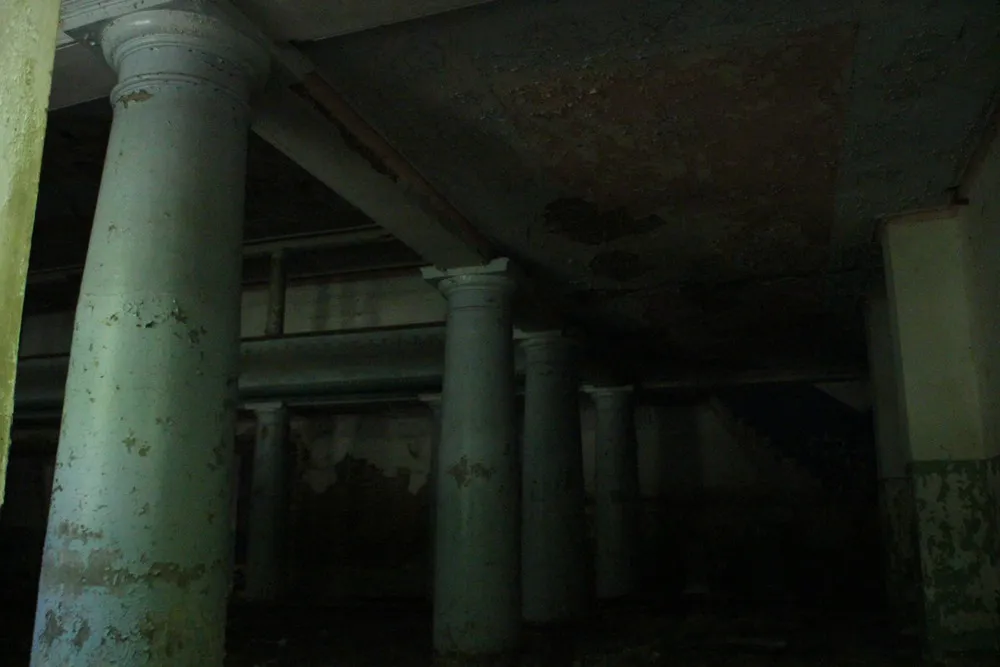
Today the territory of the Kochubey estate houses a school and a kindergarten; the school has a museum room where some surviving items and documents are kept. Two of the estate’s buildings remain. These are the former outbuilding, rebuilt as we said, and the wooden house of Vasyl Arkadiiovych Kochubey’s wife, M. O. Kochubey-Kapnist, which is half-ruined but still has surviving columns and in places remnants of decoration and stucco.
Text and photos by Ihor Dorozhok, Oleh Hodyna and Maksym Nazarenko.