Monastyryska. Not only the church

· 4 min read
Among the landmarks of Monastyryska there is not only the Roman Catholic church, now the Church of the Dormition of the Most Holy Mother of God. Several others survive that are worth a look. So, about the other sights of this rather interesting town. Since we arrived from the direction of Pidhaitsi, we will mention them in order along this route.
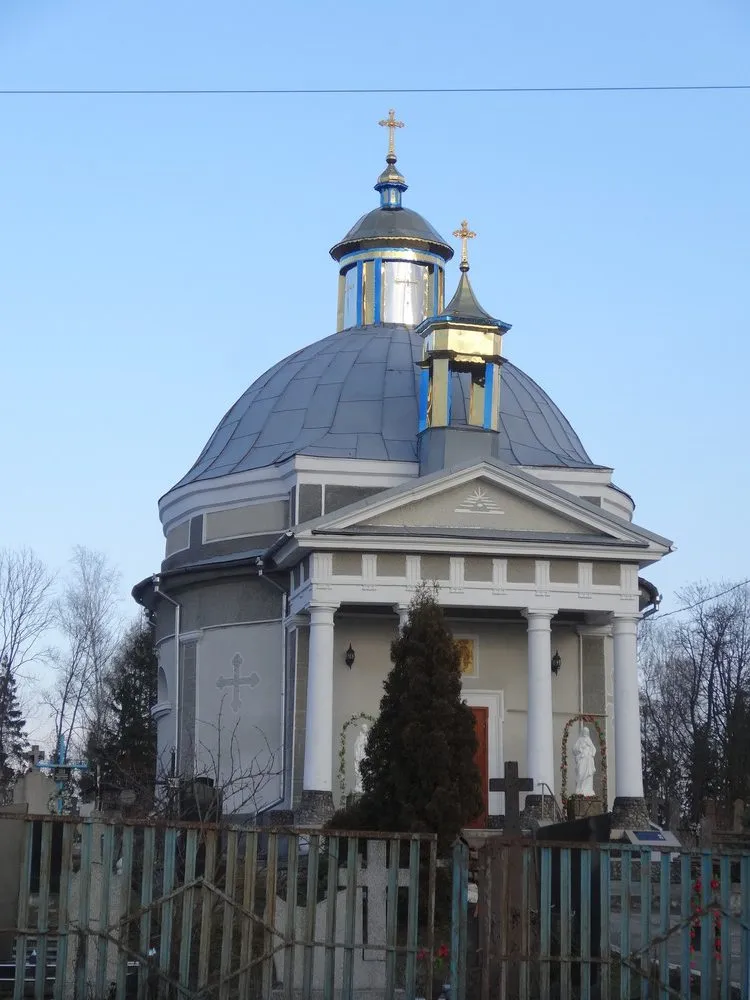
The first one we met in the cemetery was the Potocki chapel-mausoleum, in the form of a rotunda. The Potockis owned Monastyryska from the end of the 17th century for about 150 years.
Then we drive along the park. I would not call it a park, given its size and the fact that almost the whole area is paved; it is rather a public garden than a park. It has several interesting monuments. A very fine and apt row of busts of figures who took part in building Ukrainian statehood: Volodymyr the Great, Yaroslav the Wise, Dmytro Vyshnevetskyi (Baida), Petro Konashevych-Sahaidachnyi, Bohdan Khmelnytskyi, Ivan Mazepa, Mykhailo Hrushevskyi, Symon Petliura, Stepan Bandera.
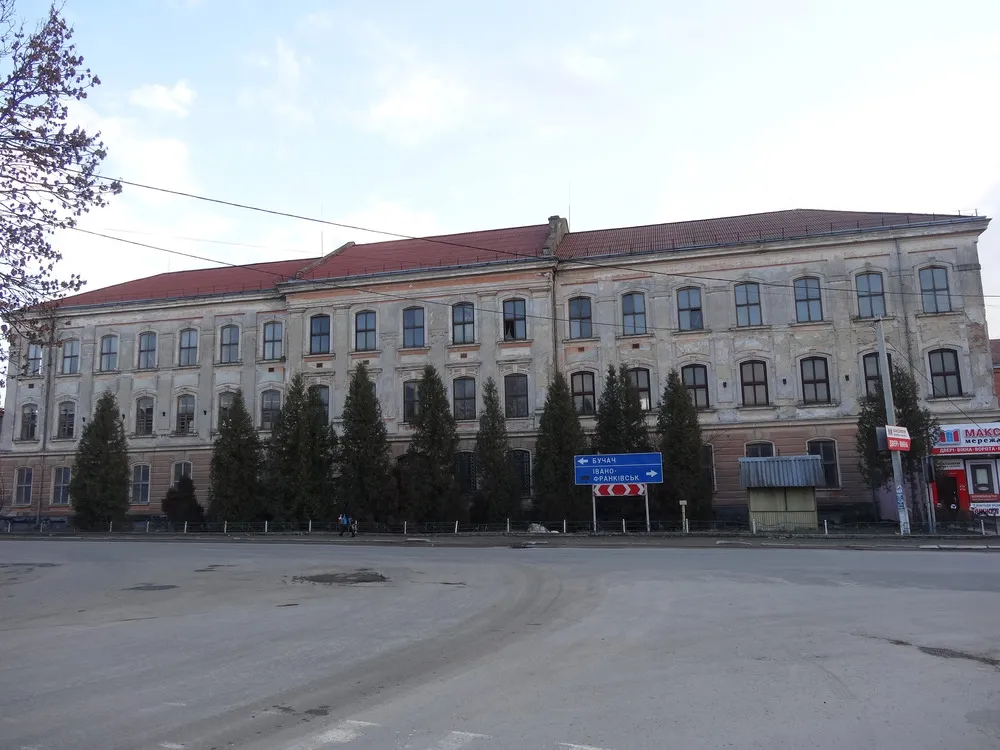
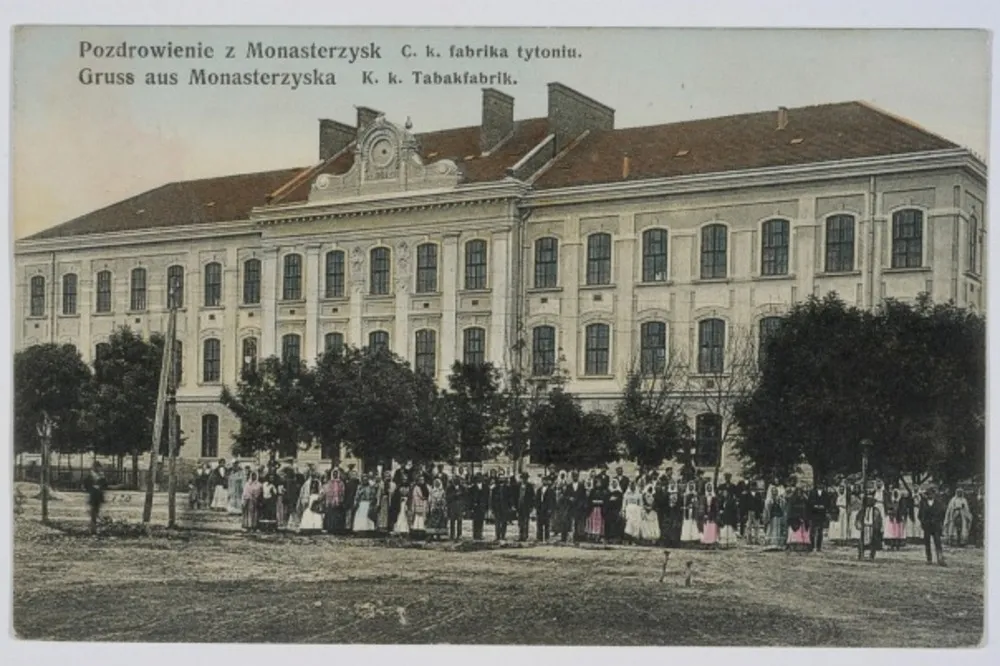
Next, already on the main street, rises the huge building of the tobacco factory. It was founded as early as 1797 by the Italian nobleman Karl Bako de Hette (incidentally, the owner of Monastyryska from 1844 to 1867), as the State Tobacco and Cigarette Factory (the first in Galicia).
Although in 1812 the factory was moved to Sniatyn, four decades later it was restored in Monastyryska. And at the end of the 19th century an Institute for supervising tobacco growing was even established. The factory mostly employed women; for example, before the First World War 1,114 people worked at the factory, including 229 men and 885 women. Not only local tobacco was used; raw material was also bought from the USA, Turkey and Hungary. The factory had a hospital, kitchen, bathhouse and library. The 3-storey production building, where the factory still stands, was built, according to different sources, in either 1862 or 1904. During the 20th century the factory suffered wartime destruction, restoration and numerous reorganizations (it was a plant, a combine and a component of a production association). There was no time to enquire on the spot, and the internet says in one case that the factory no longer operates, and in another that up to 200 people still work there.
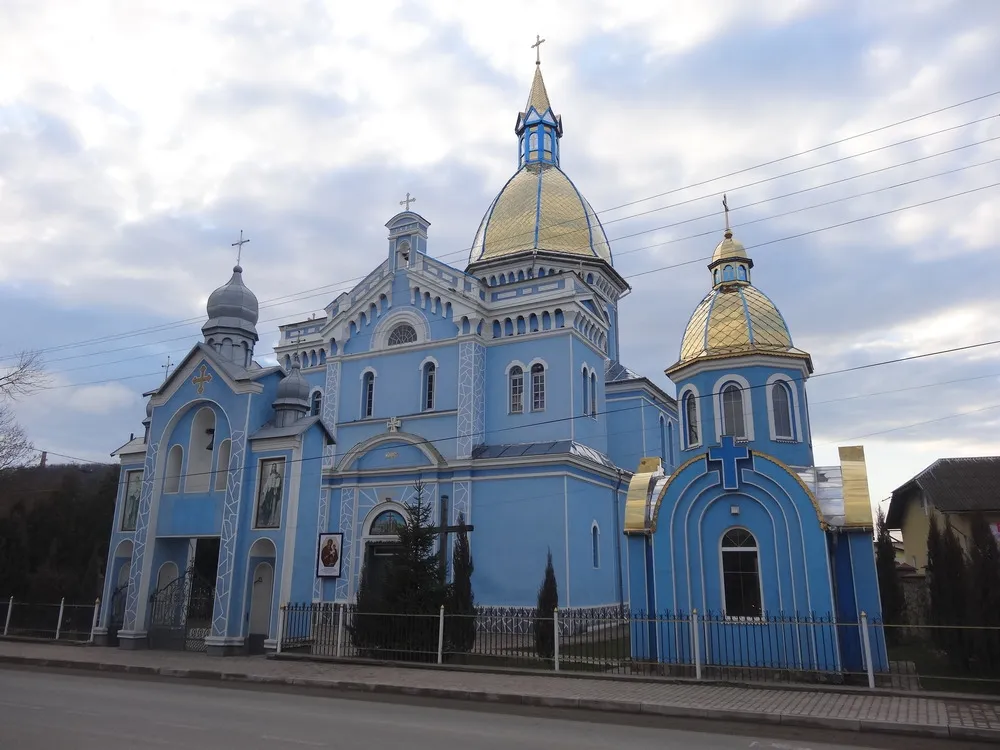
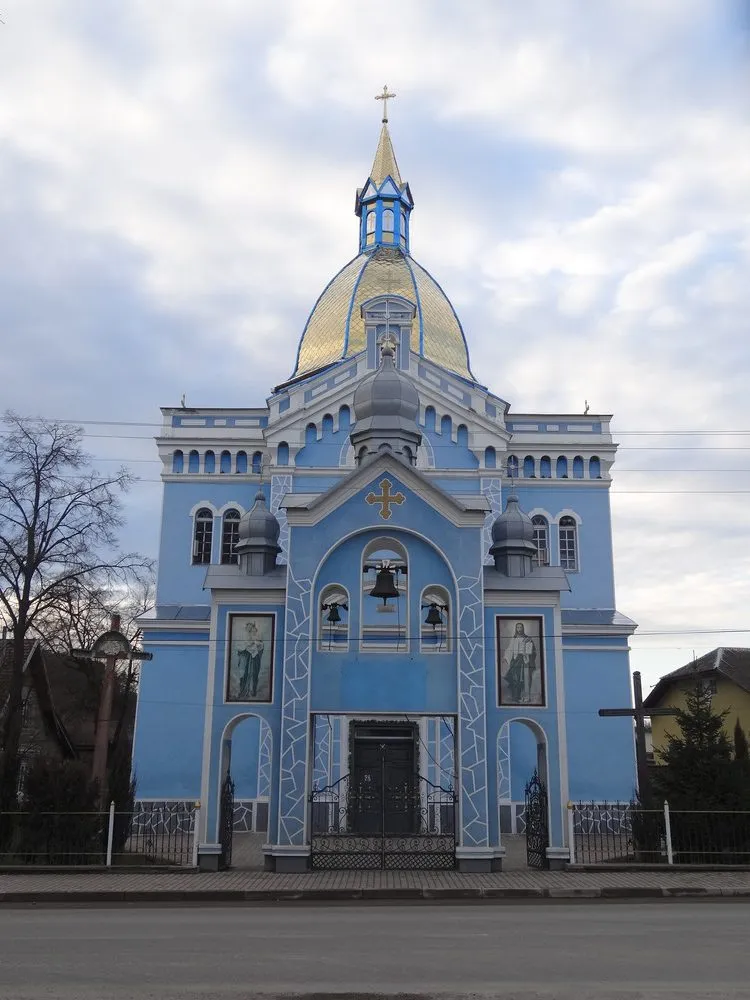
Church of the Exaltation of the Cross
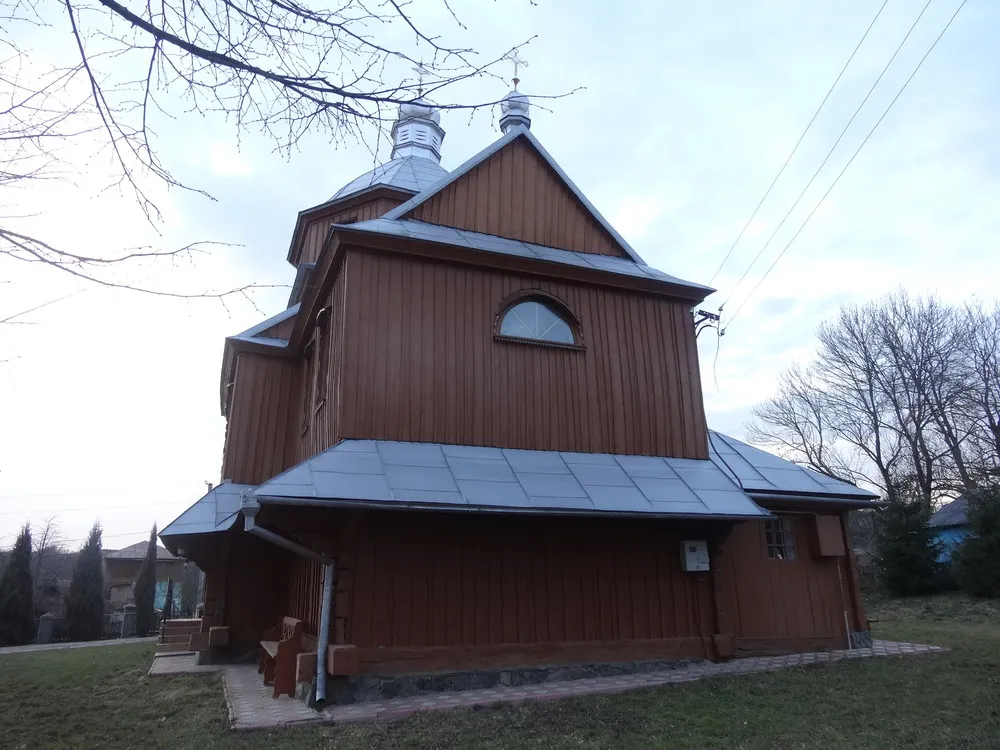
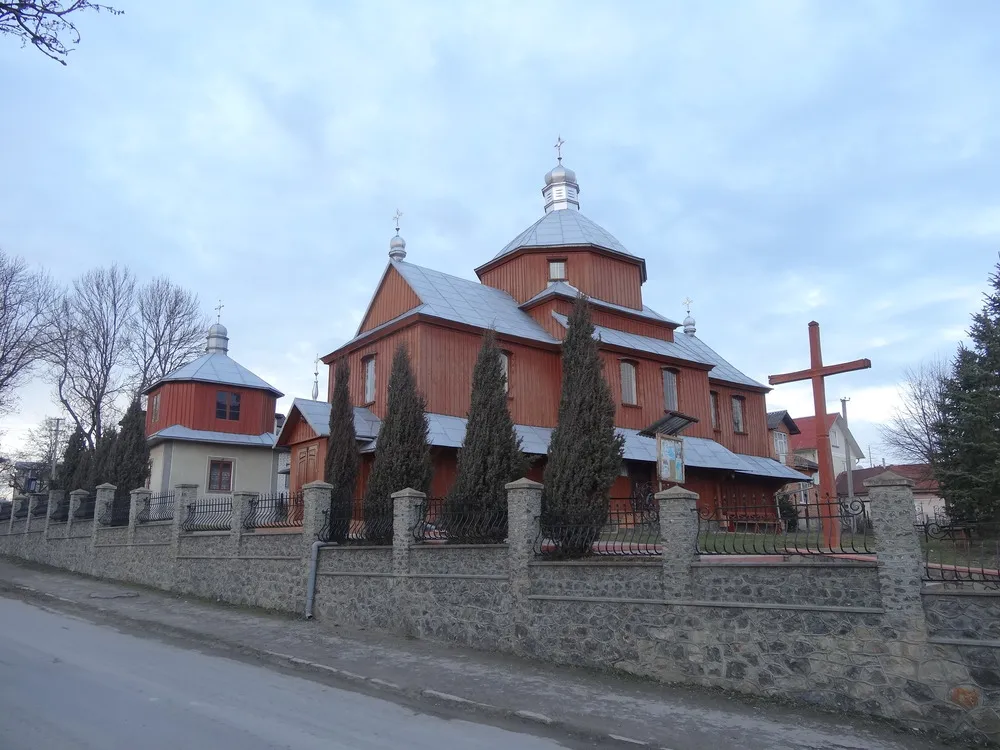
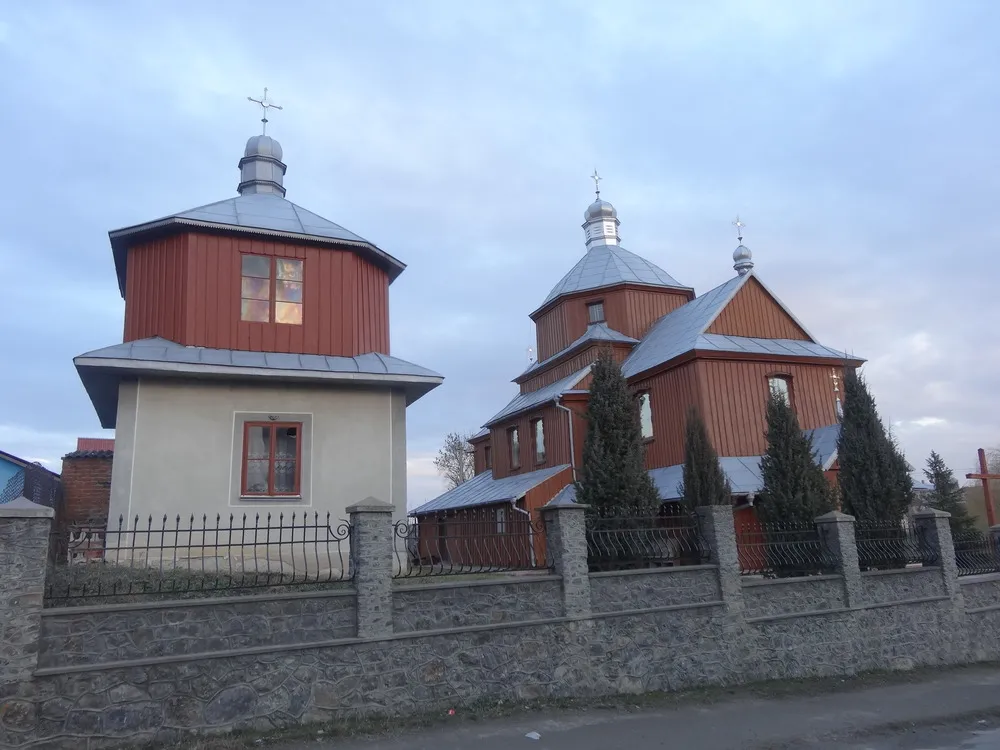
Church of the Presentation
The factory stands on the site where there used to be a castle, then the Potocki palace, and later still, in the third quarter of the 18th century, the palace of other owners, the Młodecki family. The castle itself was built by Viktoryn Seninskyi in 1600. During the 17th century the castle was repeatedly destroyed: first Bohun defeats the Poles, then the Ottomans seize the castle, then the Poles drive the Ottomans out.
We continue along the main street, Taras Shevchenko Street. On the right stands the main architectural landmark – the Roman Catholic church, built by Józef Potocki when they owned Monastyryska. Enough has been written about it, so we drive on, noting only that next to the church there is one more landmark, a botanical one: ash trees more than 160 and 210 years old.
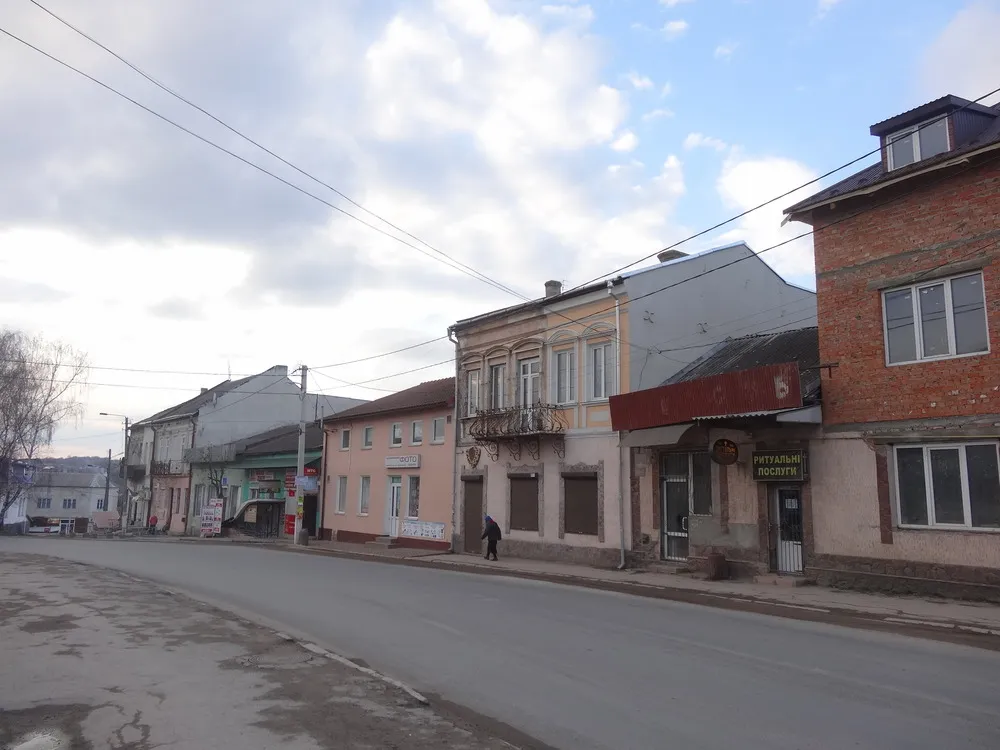
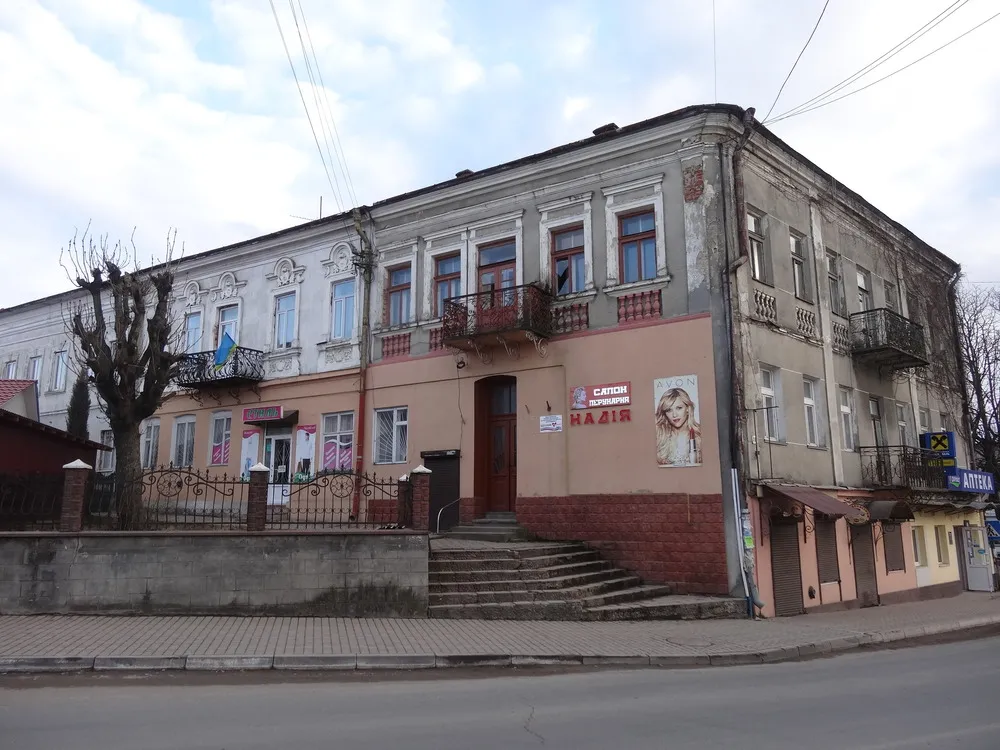
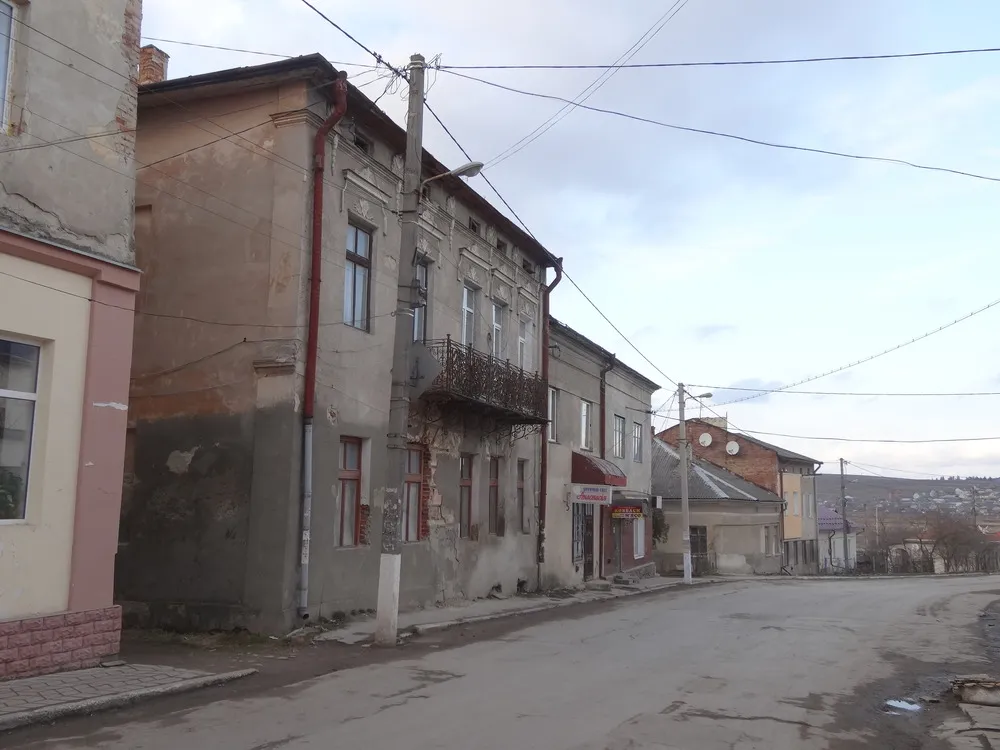
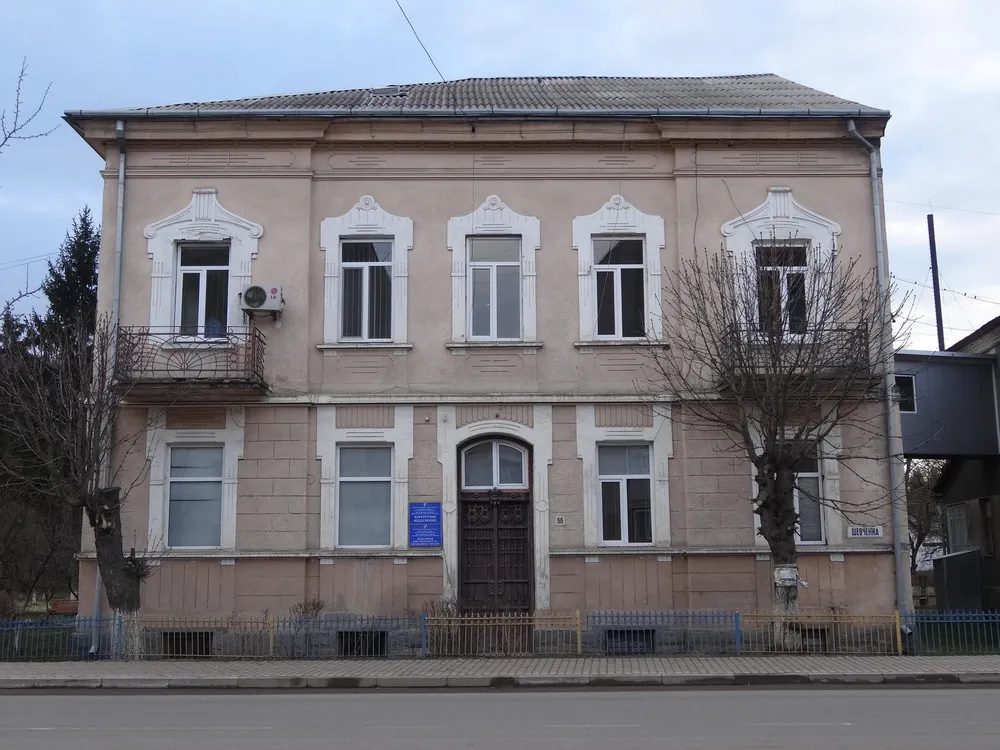
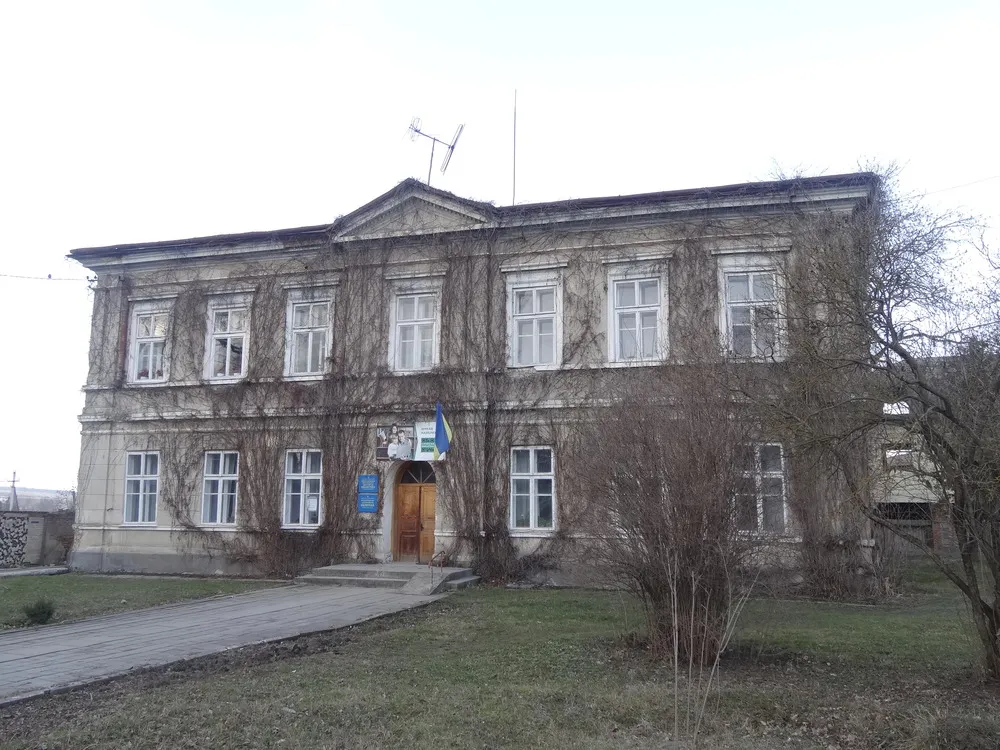
Right next to it, along the street, is an interesting building overgrown with grapevines. Now it is a children’s library, but the building was originally erected as a People’s House. Then come a few more houses of old buildings left from the days of the Market Square, and we turn sharply left. We will return to this spot, but for now our way is to the Church of the Exaltation of the Holy Cross (1892, restored 1925). It was built on the initiative of parish priest Fr. Zakhariia Podliashetskyi with funds from the family of Count Młodecki. In the grounds is a common grave of Fr. Zakhariia and another priest, Yurii-Adalbert Halibei, who from early 1919 served as chaplain of the Ukrainian Galician Army. Both were brutally murdered by Polish soldiers the same year.
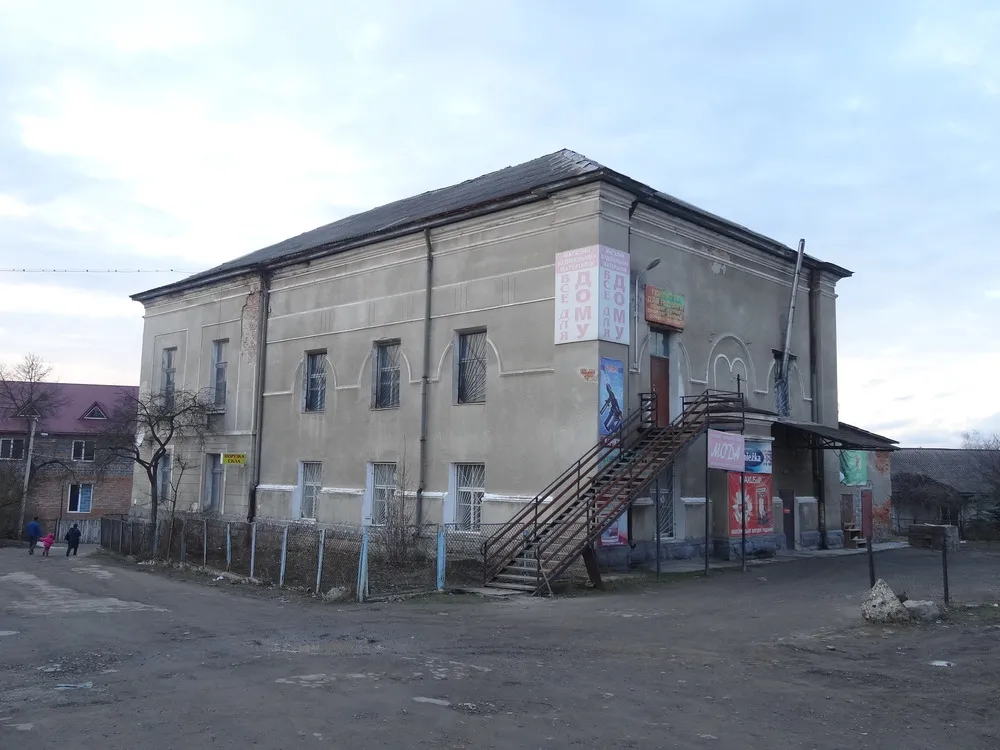
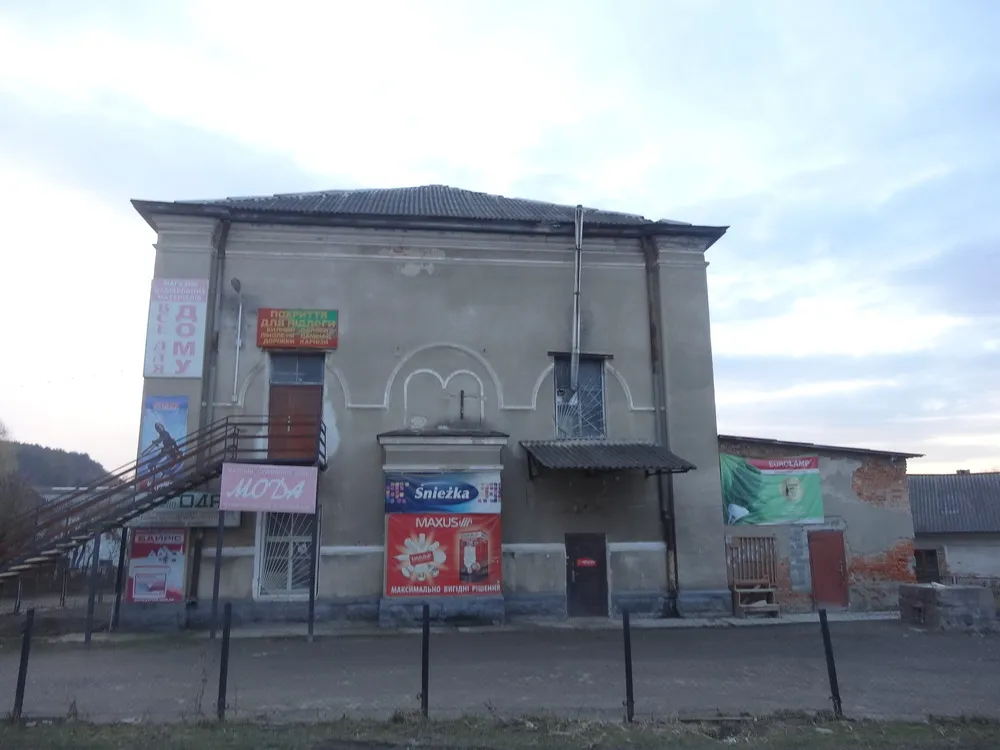
Synagogue
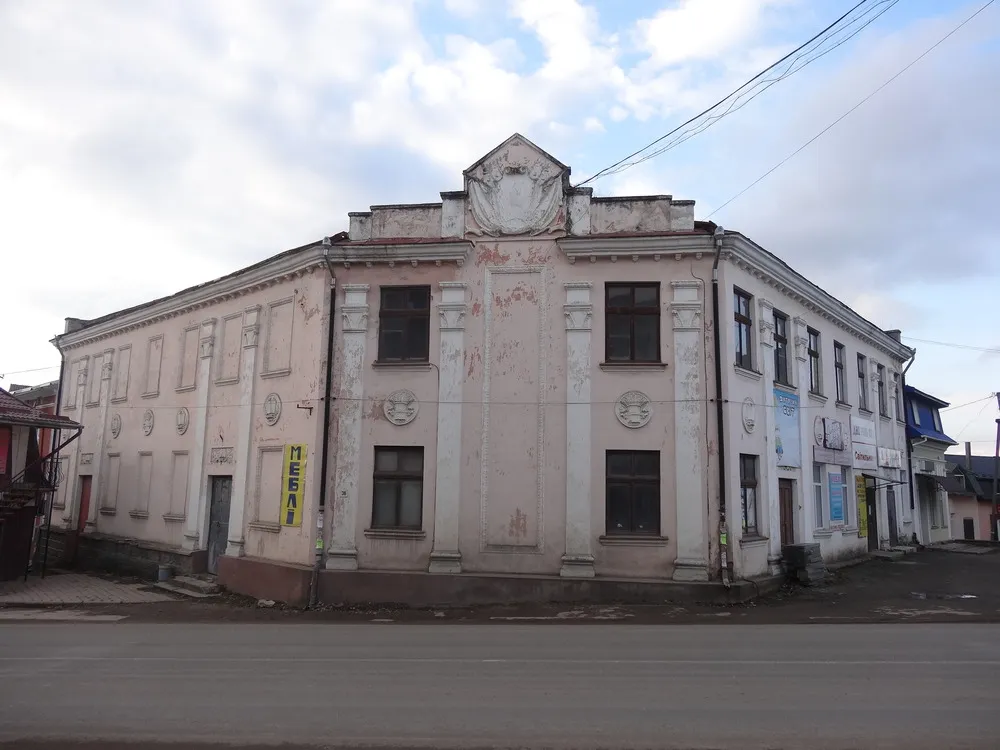
We go back; we need to get to Pidhirska Street. First we look at the synagogue, a laconic rectangular building. The first synagogue in Monastyryska was built in the mid-17th century; by 1910 there were 4, and of them only this one, from 1904, has survived to this day. At the end of the 19th and the beginning of the 20th century about half the town’s population were Jews, and most of them were Hasidim.
And finally, not far away stands the wooden Church of the Presentation of Mary at the Temple (1871 or 1873).
So when you pass through Monastyryska, do not forget that there is something to see here too, and you can stop for half an hour to an hour.
Text and photos by Ihor Dorozhok.