Poland. Szlachtowa. The border of Rus’-Ukraine

· 3 min read
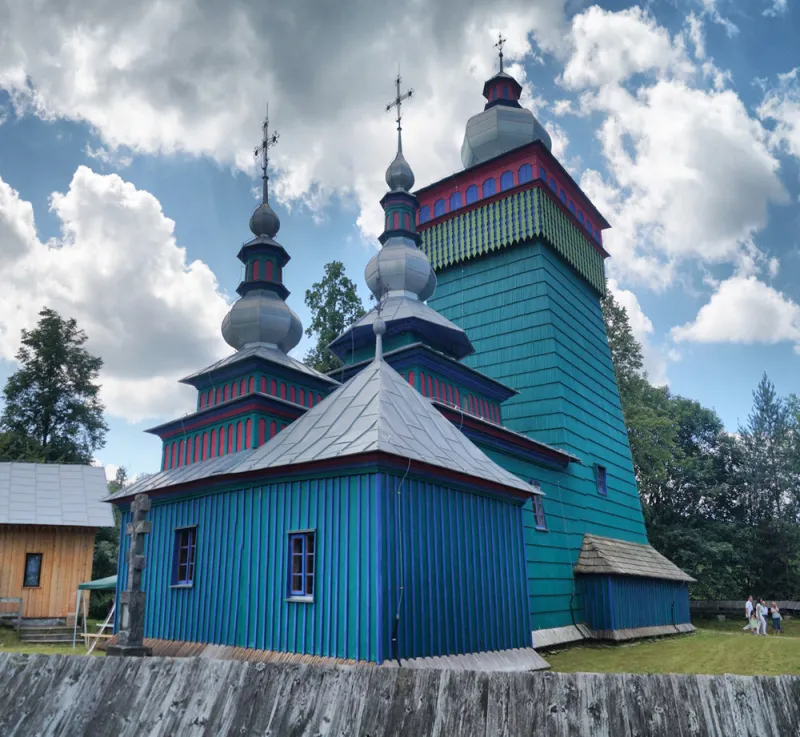
In the distant, gloomy Middle Ages, the East Slavic Rusyns, whom we now call Ukrainians – our ancestors – like most peoples of the time, tried to move deeper to the west. The soils there are less fertile, and the mountains are high and unwelcoming, but they are farther from the dreadful steppe winter frosts and, above all, farther from the nomadic tribes of the Wild Field. And they went very far – I might not have believed it had I not visited the Polish village of Szlachtowa, which is 60 kilometres from the famous resort of Zakopane and 115 from Kraków, the former Polish capital, but as much as 230 from the Ukrainian border, to the nearest checkpoint at Smilnytsia. And this is a village where Ukrainians lived, a village founded by Ukrainians. Ivan Nechui-Levytskyi visited here on his travels through the west of the Lemko region, and it became the basis for his description of the way of life of the Lemkos of Spiš.
In the past the village was called Rus’ Szlachtowska, and earlier still Ruthenia Szlachtowska, and the neighbouring villages of Jawiorki and Biała Woda, also formerly Ukrainian, like the Slovak villages 5–10 kilometres from here, are Rusyn. There is even a river here, now called Grajcarek, that was once called the Rus’ Stream – at least Nechui-Levytskyi wrote so.
“Having crossed the Rus’ Stream, we climbed onto the first terrace. A pointed peak rose before us, and on it stood a tall eight-armed cross, black against the sky: this peak is the boundary of the Szlachtowa field and, at the same time, the boundary of Rus’-Ukraine in the far west of the Carpathians.”
From Szlachtowa, to the east, it is 900 kilometres to Kyiv, 1,400 to Kharkiv, and 150 to Bielsko-Biała, where the German ethnic lands begin. I give these figures so that you, together with me, can understand how huge Ukraine was at a time when it did not yet exist. So that you can understand just where the western border of Rus’-Ukraine lay.
There are no Ukrainians in Szlachtowa now – they were deported in 1945–1947. Villages that had existed here for five centuries were effectively destroyed in two years. In 1939, of 690 inhabitants, 640 were Ukrainians; in 1947, none. We will recall the barbaric act of the deportation of Ukrainians more than once. Later.
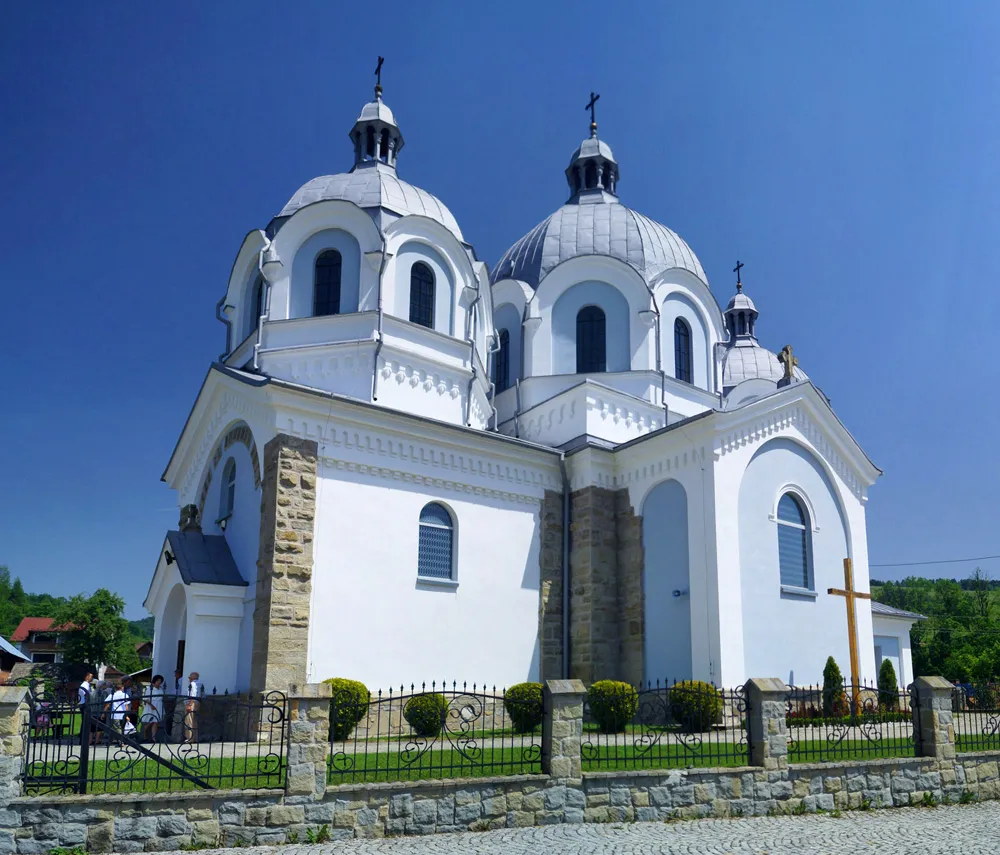
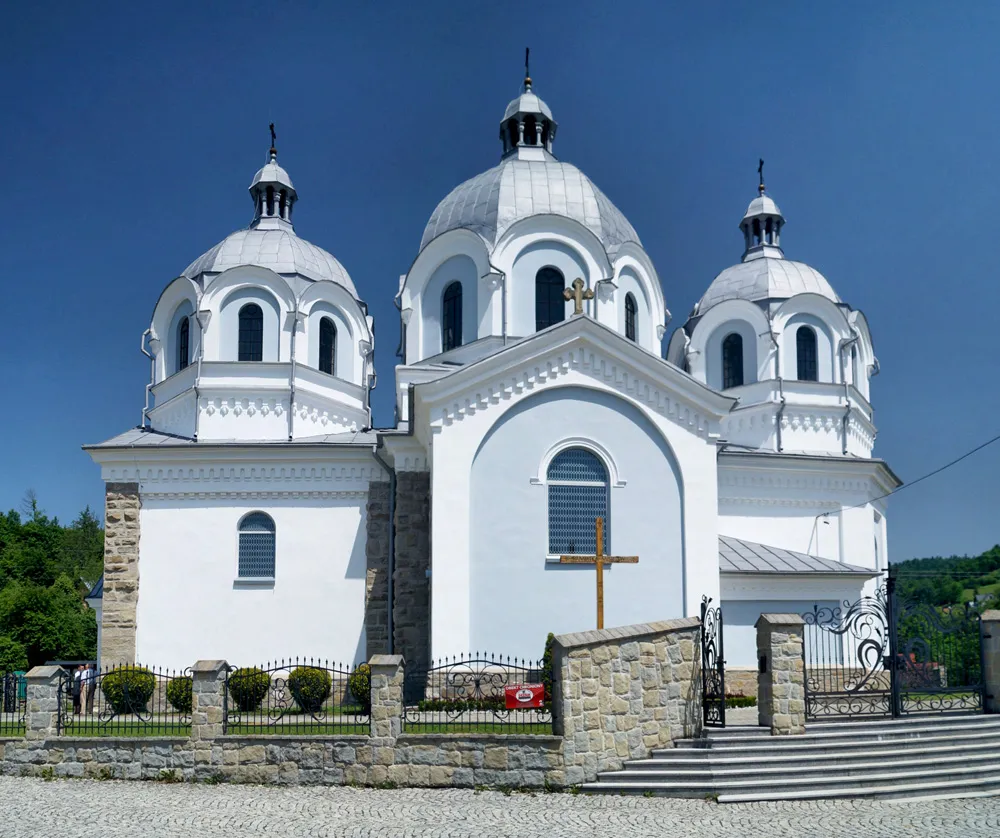
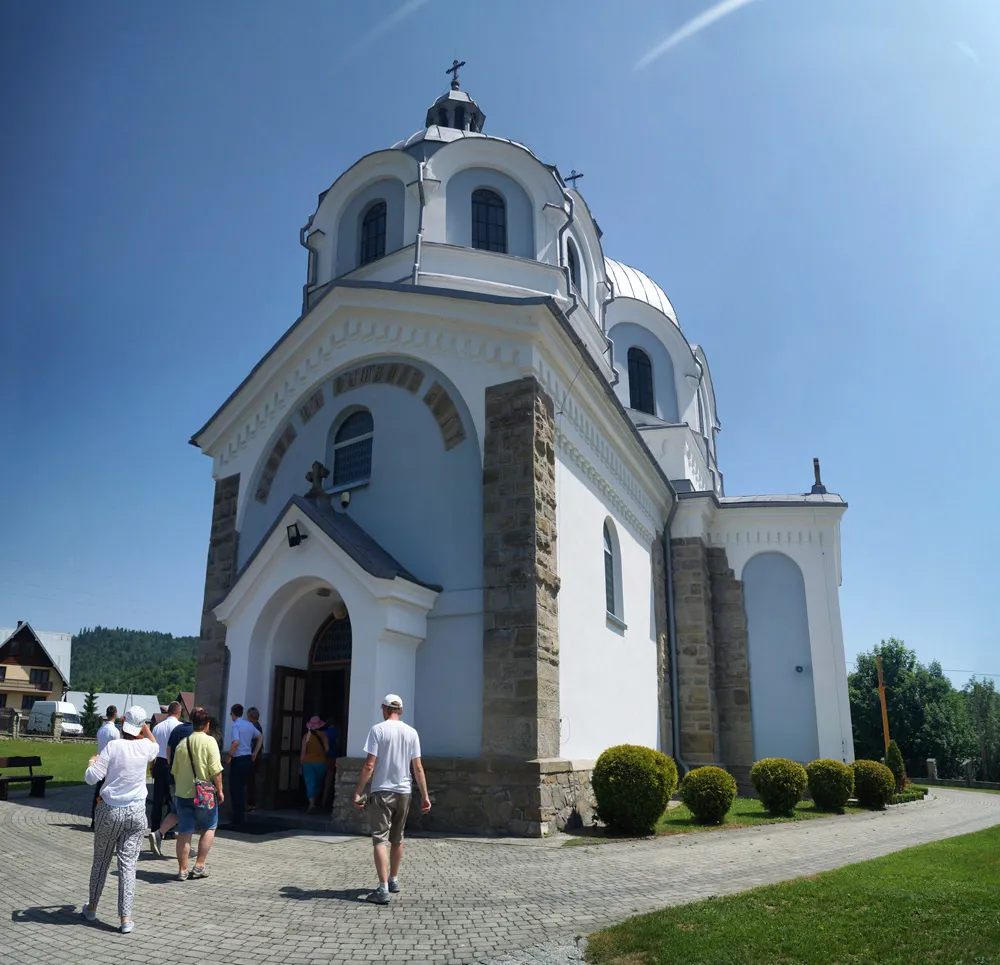
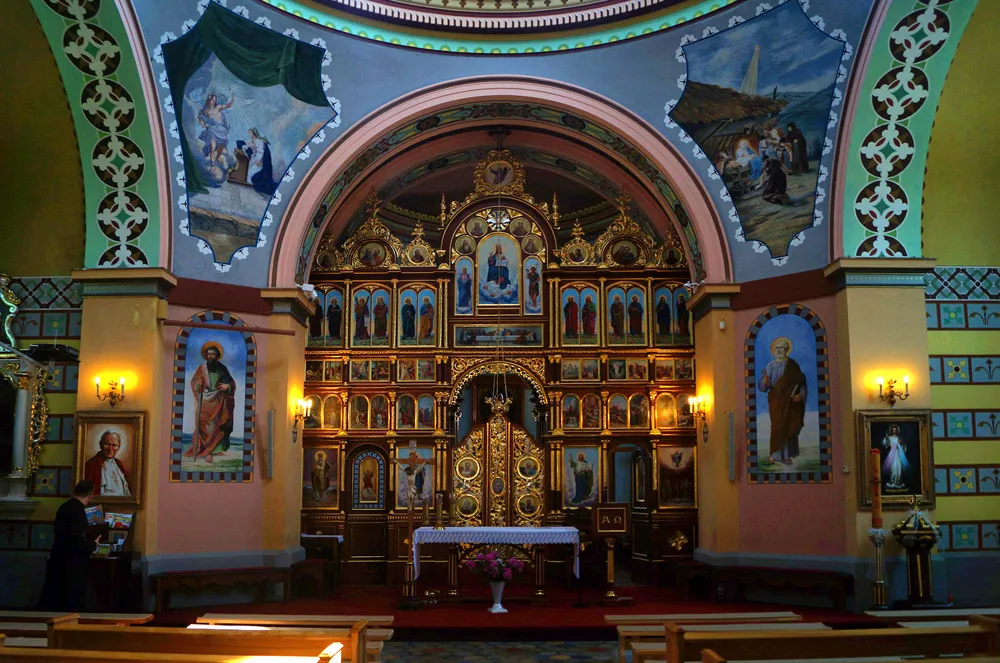
Szlachtowa has a church built in a style rare for this area, Neo-Byzantine. This stops looking strange if we leaf through the pages of the church’s history and recall that the Church of the Intercession of the Mother of God was built in 1909 as a Greek Catholic church, and the design was made by the master of Neo-Byzantine style in Galicia, the outstanding architect Vasyl Nahirnyi. While still a student he visited Kyiv and was captivated by the grandeur of Neo-Byzantine eclecticism, in particular St. Volodymyr’s Cathedral. That is why his churches, and later the churches by his son Yevhen, were built mostly in this style. And so, in the distant lands of Lesser Poland, at the commission of the Ukrainian Greek Catholic community, just such a church appeared.
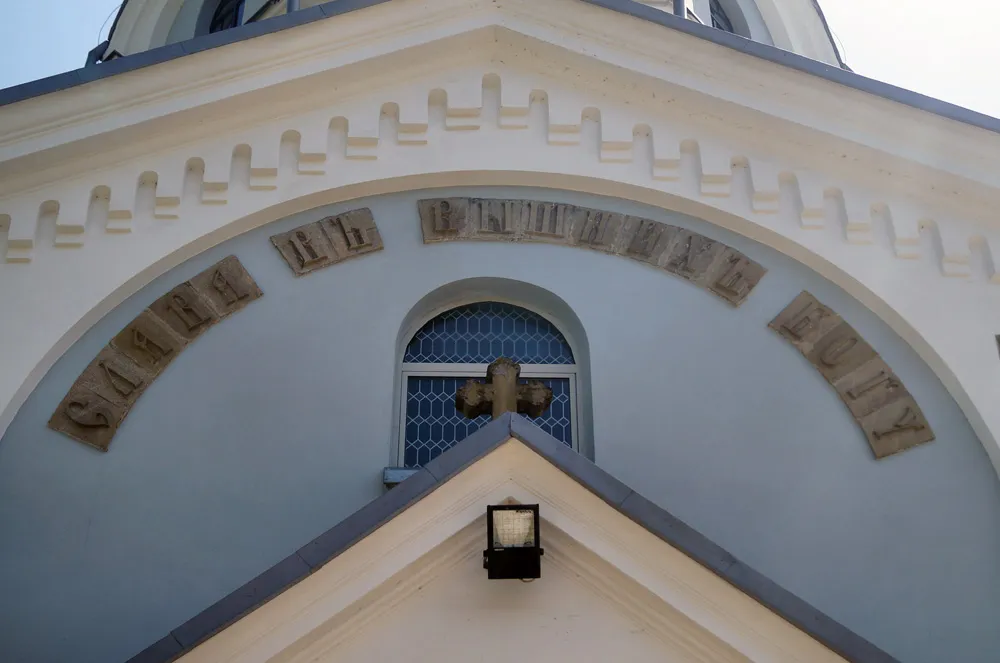
After the deportation of the Ukrainians from Szlachtowa, the village was settled with Poles and the church was converted to Roman Catholicism – it became a Roman Catholic church. Yet above the entrance portal an inscription in Cyrillic still hangs: “Слава въ вышнихъ Богу” (Glory to God in the highest). The same fate befell all the Ukrainian villages of Poland.
Text and photos by Roman Malenkov.