Poland. Nidzica Castle

· 3 min read
It took me quite some effort to understand that Niedzica and Nidzica are two different settlements, and the confusion was compounded by the fact that both have castles, and beautiful, well-preserved castles at that, though not in the least alike. Nidzica in the north of Poland is a town founded and developed by Germans, while Niedzica is a village in the south of Poland, and in the past also a town, founded and developed by Hungarians. Now I will tell you about Nidzica.
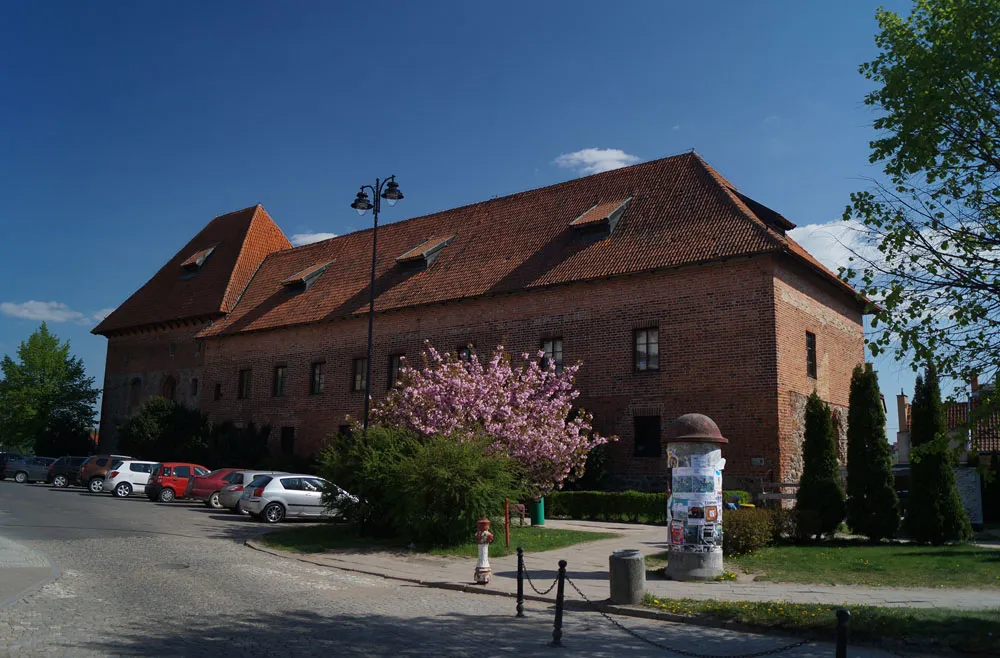
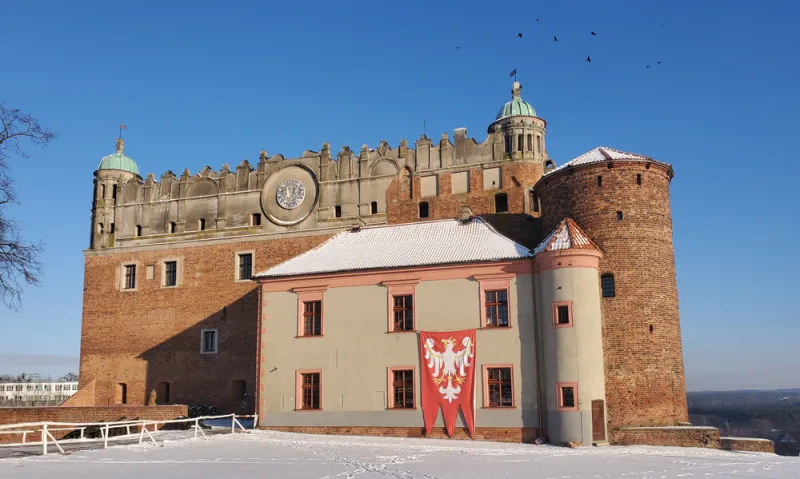
In photographs the castle of Nidzica looks small, like most German (Prussian or Teutonic) castles of the Baltic plains. Red brick, towers with tented tops, a regular rectangle in plan measuring 50 by 30 metres on a low hill. How it was defended is anyone’s guess. The walls are very powerful and the towers quite tall, but there is no impregnable strategic height, no island, no river. About 500 metres from the castle flows the Nida River, which gave the town its name; probably one of its tributaries once flowed by the castle and later disappeared beneath urban development.
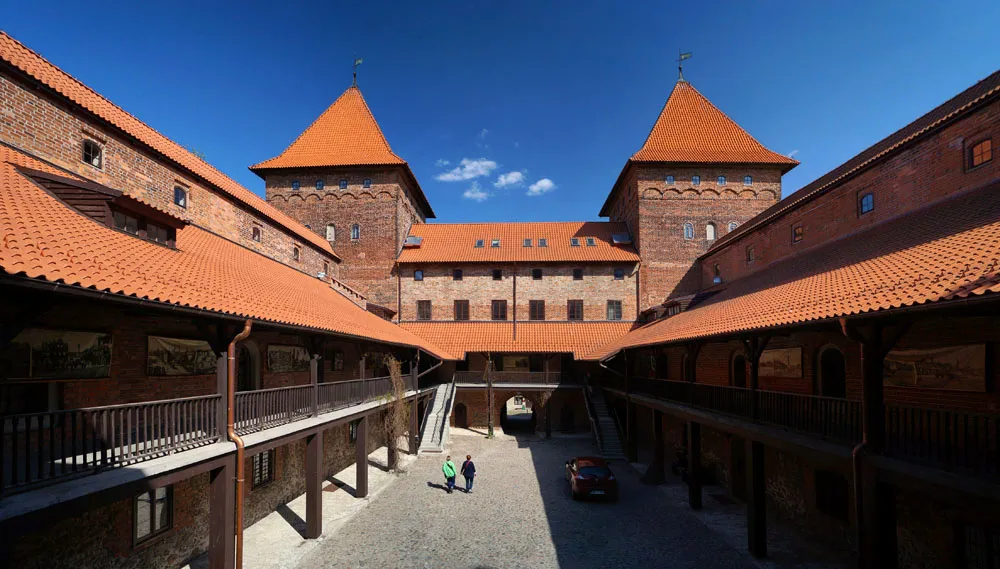
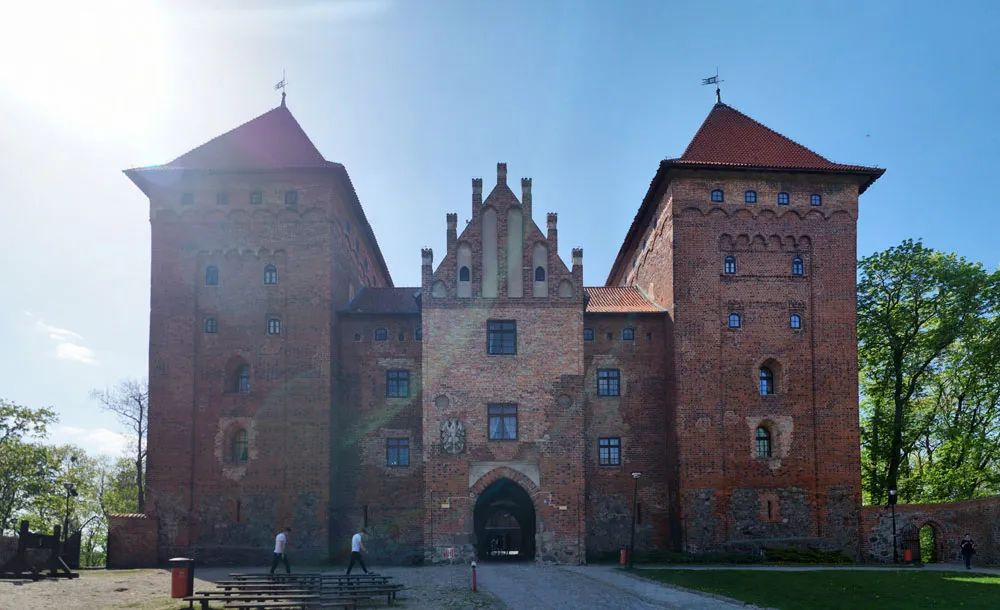
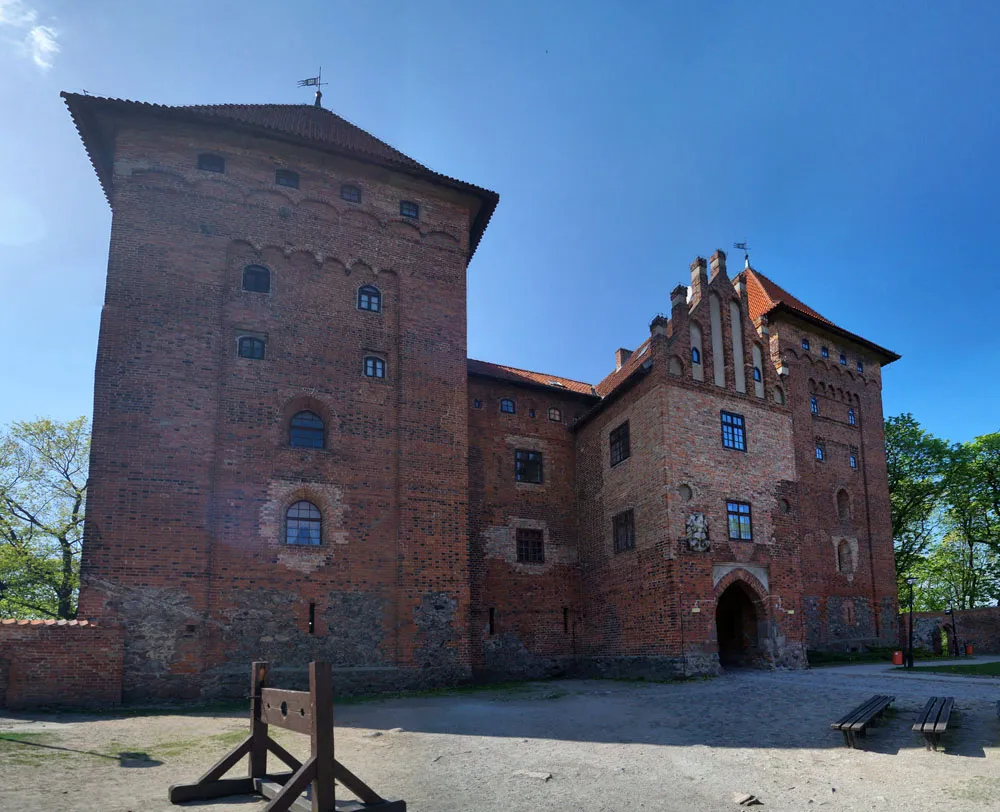
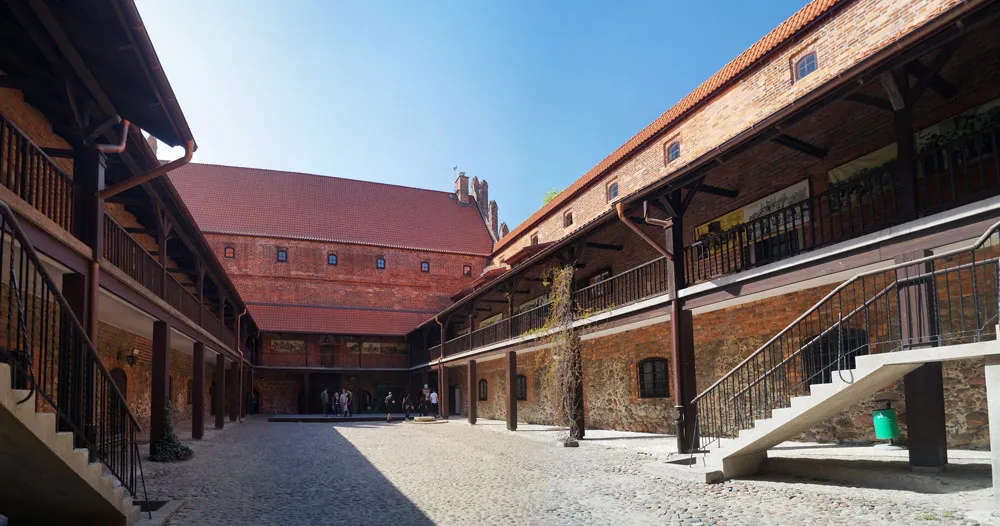
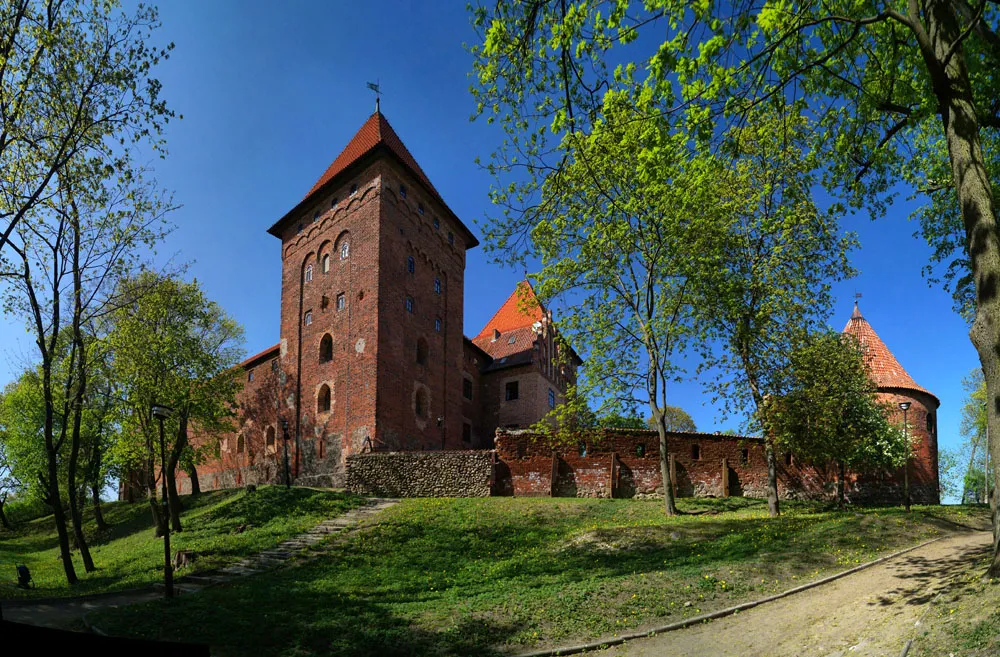
In ancient times there was another ring of walls with towers around the castle. In the 19th century the walls were dismantled and only two towers remained.
In person the castle in Nidzica looks much more powerful and brutal than in photographs. It was built by the Teutonic Knights around the 1370s. In 1409 a Teutonic procurator lived here, and a year later the castle was captured by the Polish army. There followed numerous changes of ownership — Teutons, Poles, Prussians, Czechs and even the French (in 1812). In the 19th century it was turned into a prison, and today it houses a prestigious hotel and restaurant.
The town was founded by the German Teutons in the 14th century. After its founding it was called Neidenburg, and the Prussian name sounded like Nidaspils. Later, after a considerable number of Poles appeared in the lands of East Prussia in the 16th century, the names Nidbork and Nidzica arose, which were unofficial. The official name Nidzica appeared in 1946, when the town officially became Polish. There was a period, from the 1520s to 1657, when Nidzica was part of the Polish–Lithuanian Commonwealth; the rest of the time Germans ruled here.
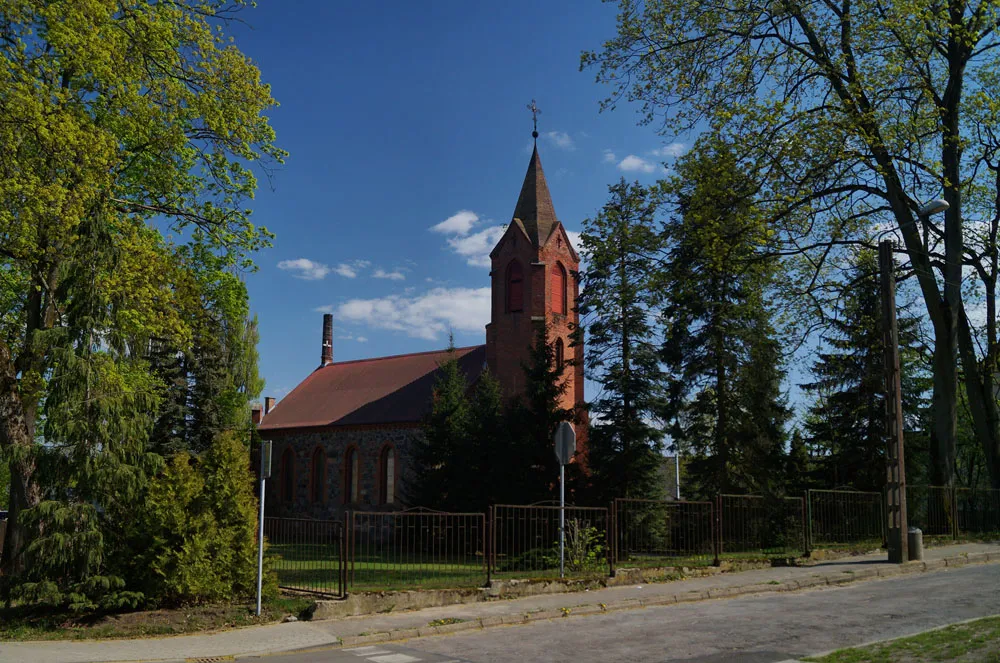
Among the German buildings the Church of the Immaculate Conception of the Virgin Mary and St. Adalbert stands out in particular. It was built in 1381 as a Roman Catholic church; in 1525 it passed to the Protestants — it was then that Protestantism became the dominant confession in Prussia — and in 1945 it passed back to the Catholics, although its interior remained typically Protestant, and this is precisely what makes the church so striking. Outside it is Gothic-Renaissance; inside almost nothing of the Gothic remains, and Baroque forms are added to the Renaissance decoration. The hall has huge galleries, traditional for Protestant churches, and polychrome paintings.
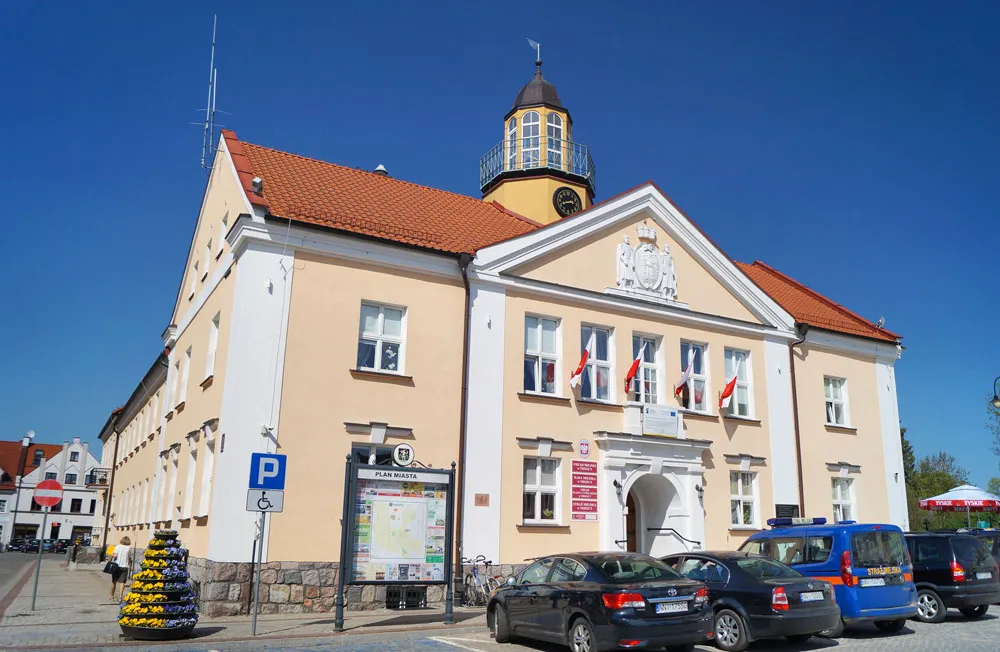
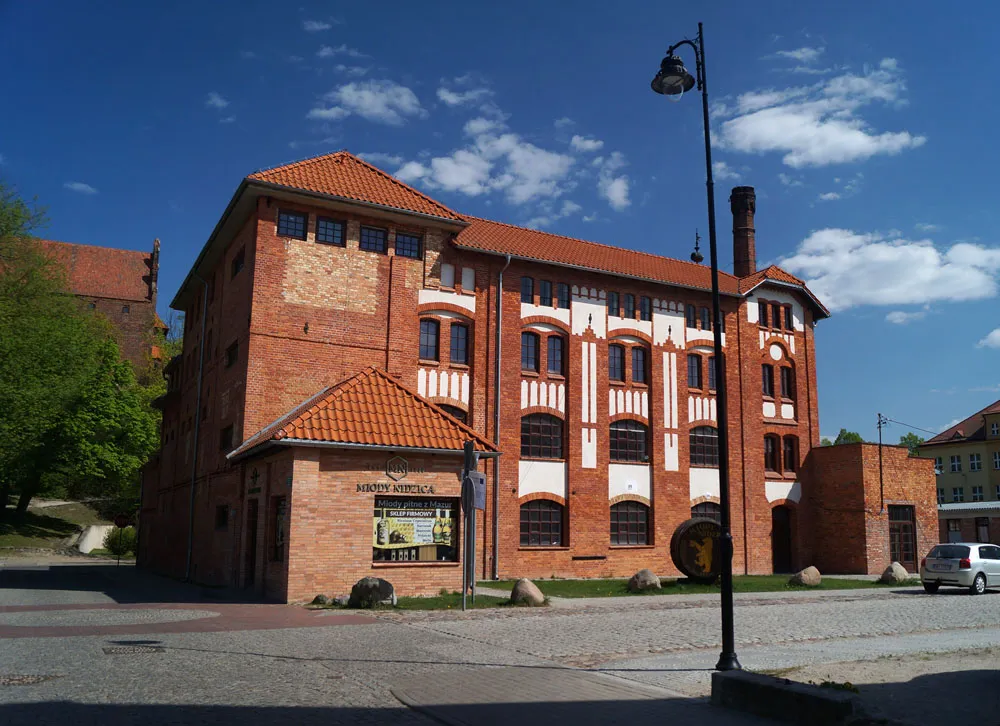
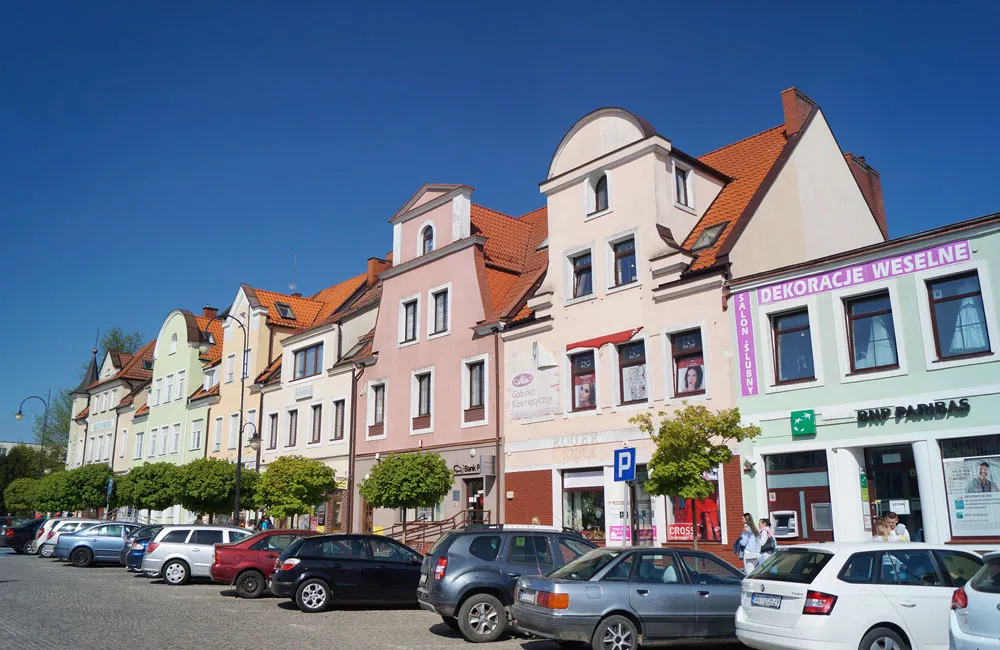
In Nidzica, as in most towns in the formerly German territory of Poland, there are many old townhouses, but given the heavy Soviet bombing and destruction during the Second World War, no integral architectural ensemble has survived, which is probably why few tourists come to the town. Or perhaps many do, and it is just that when I was there there were few.
Text and photos by Roman Malenkov.
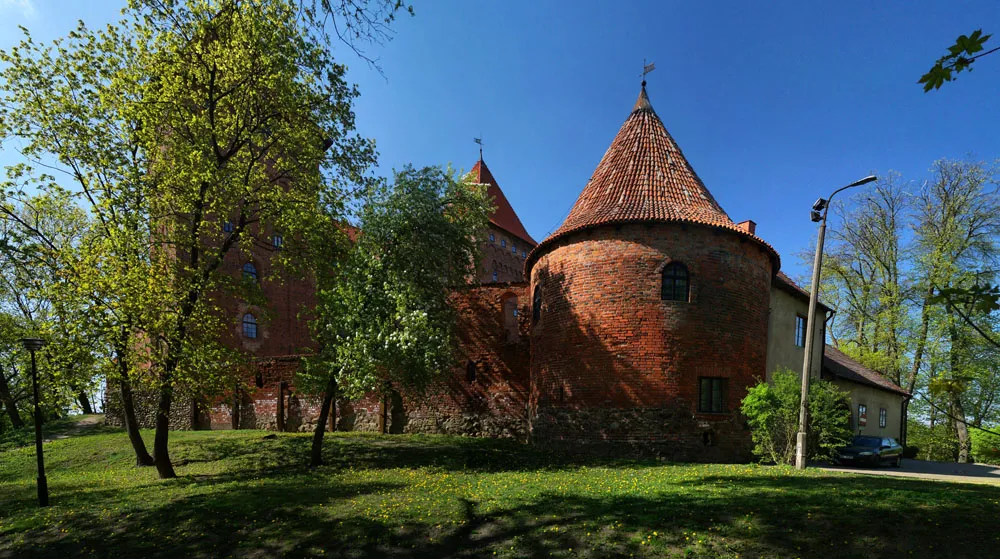
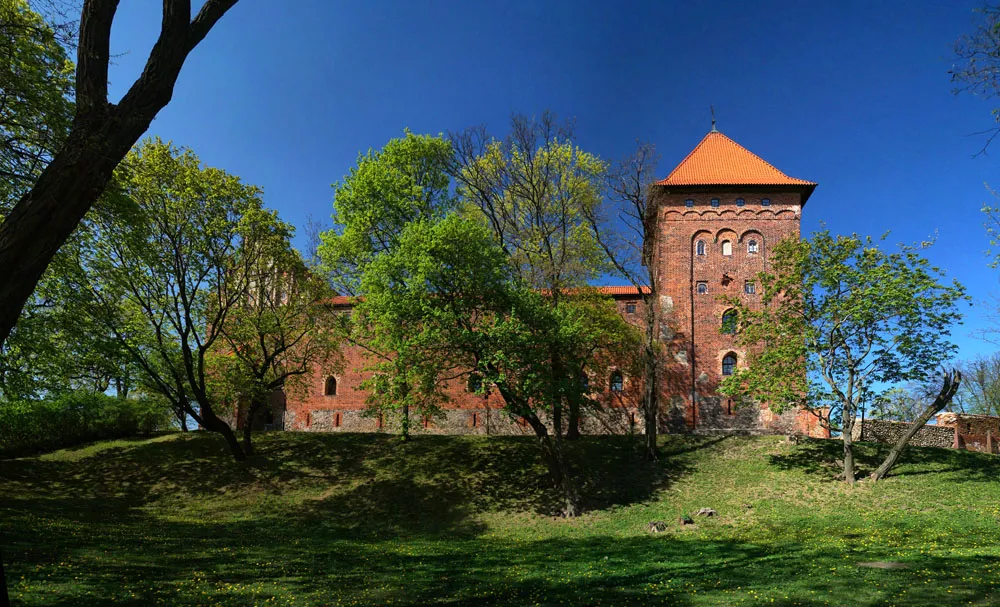
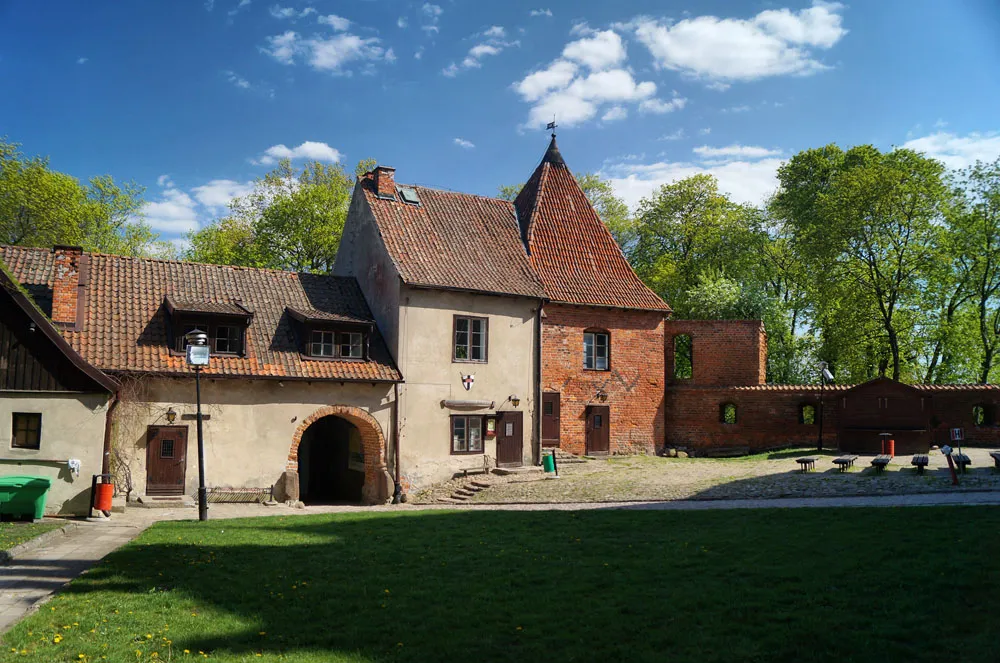
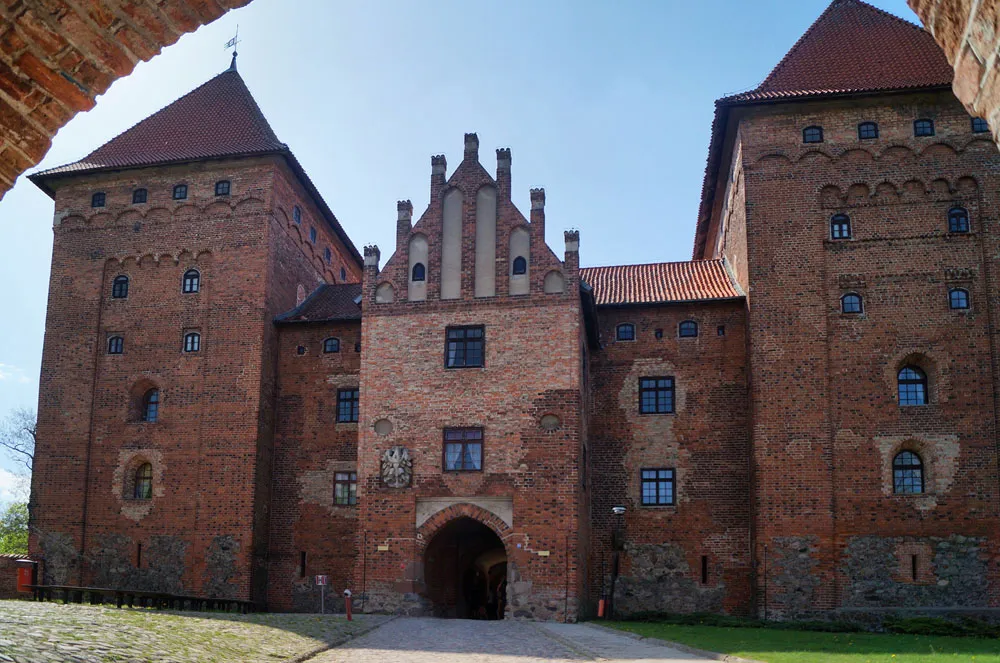
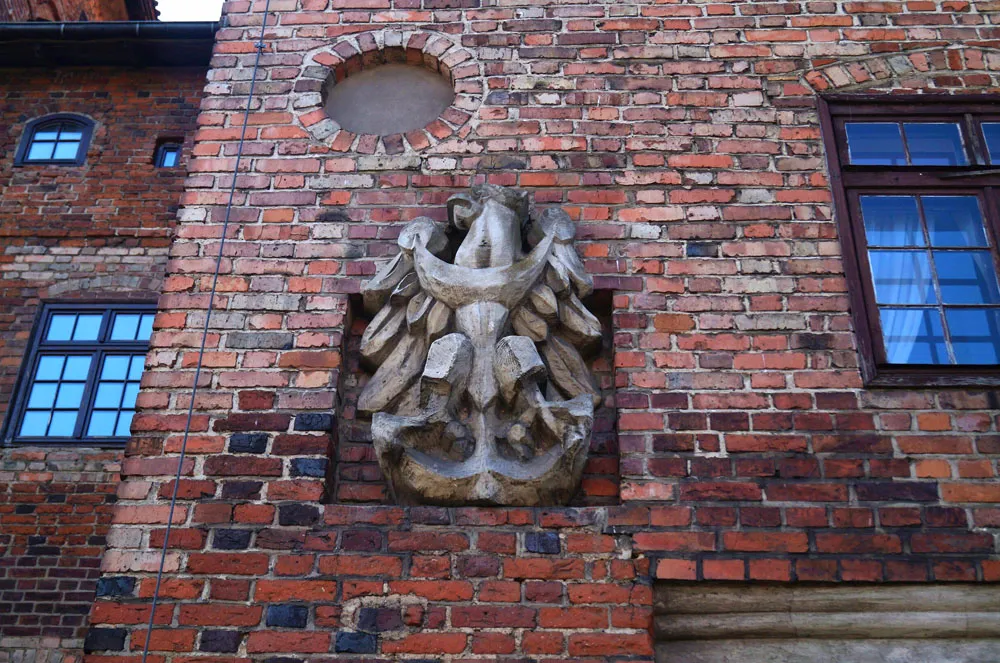
The castle
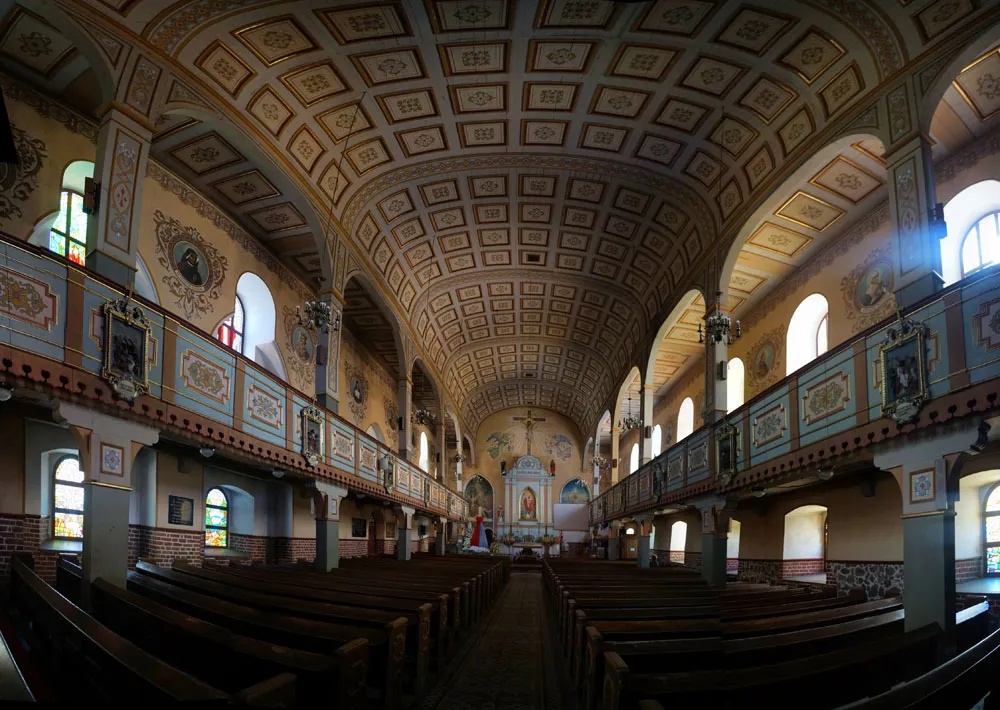
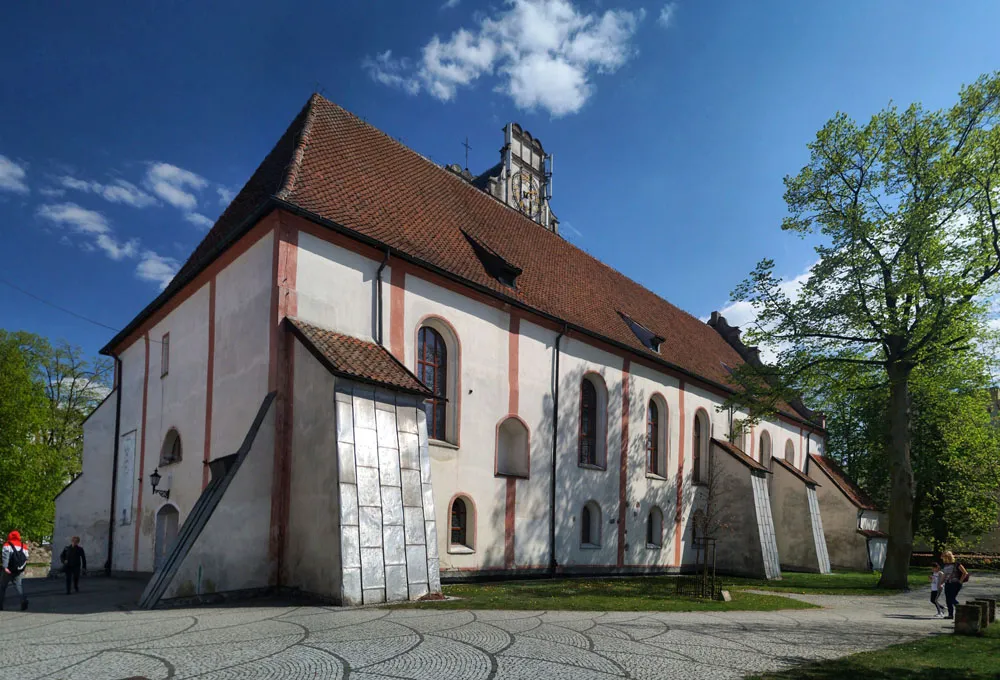
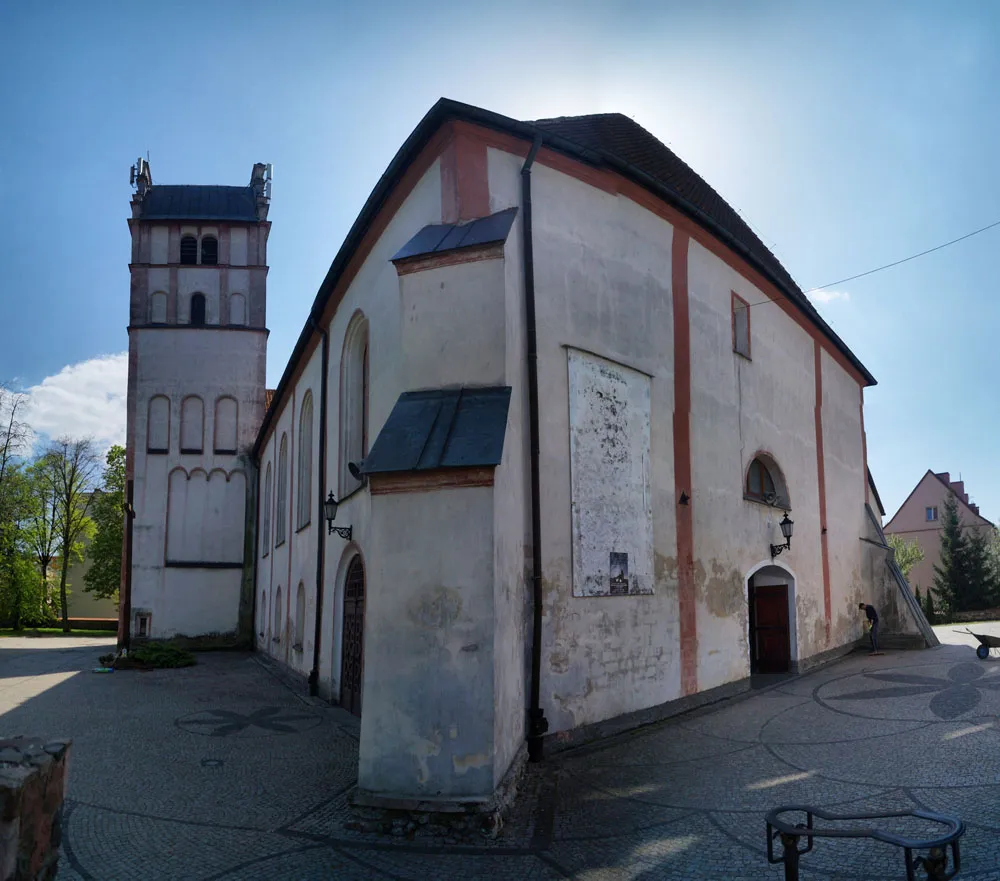
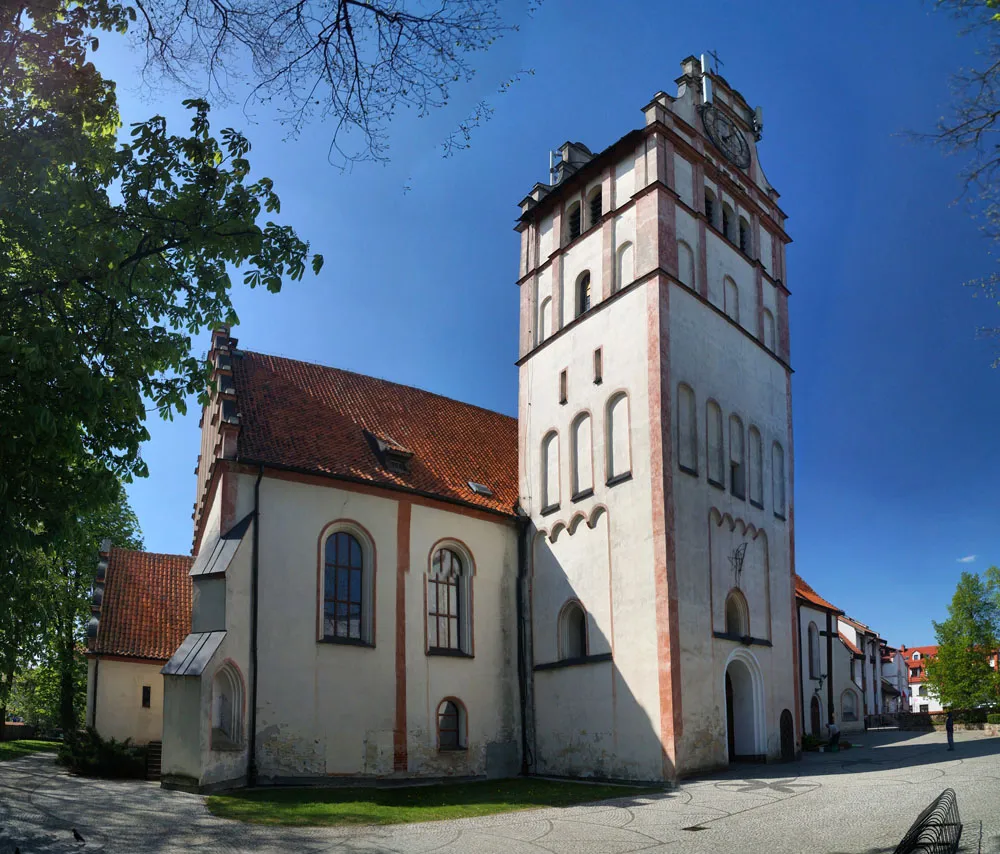
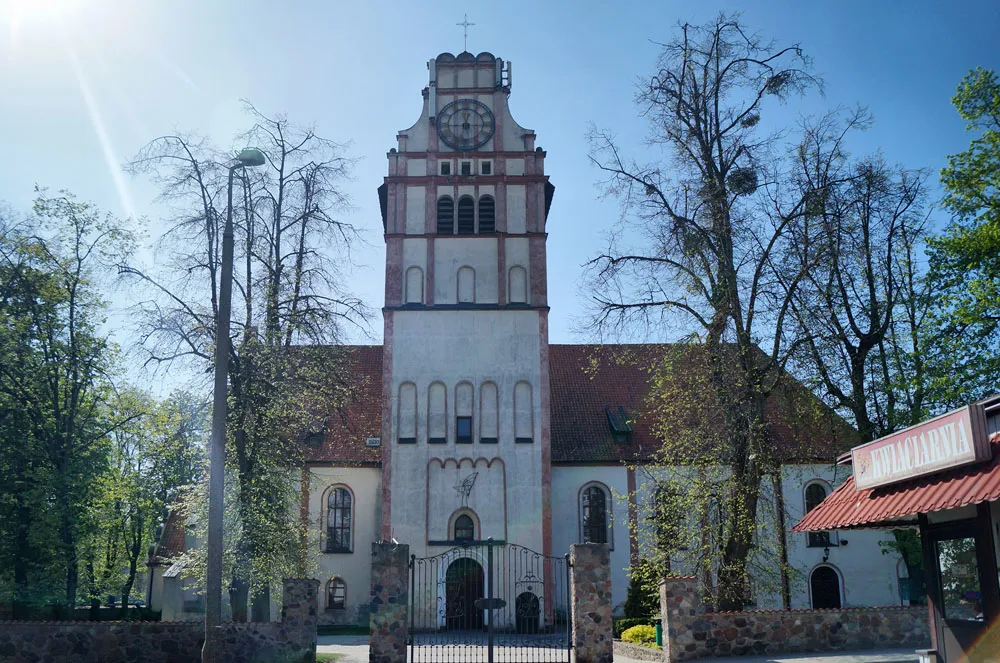
Church of the Immaculate Conception of the Virgin Mary and St. Adalbert