Romania. Lugoj. Ukrainians here too

· 4 min read
We came to Lugoj on the way from Timișoara to Sibiu. There was little information, but there were a couple of interesting photos on the internet, so why not drop in. Actually I thought Lugoj was in Transylvania, but later found out that the town belongs to the province of Banat, whose capital is Timișoara, and it is 60 kilometres west from here to the edge of Transylvania.
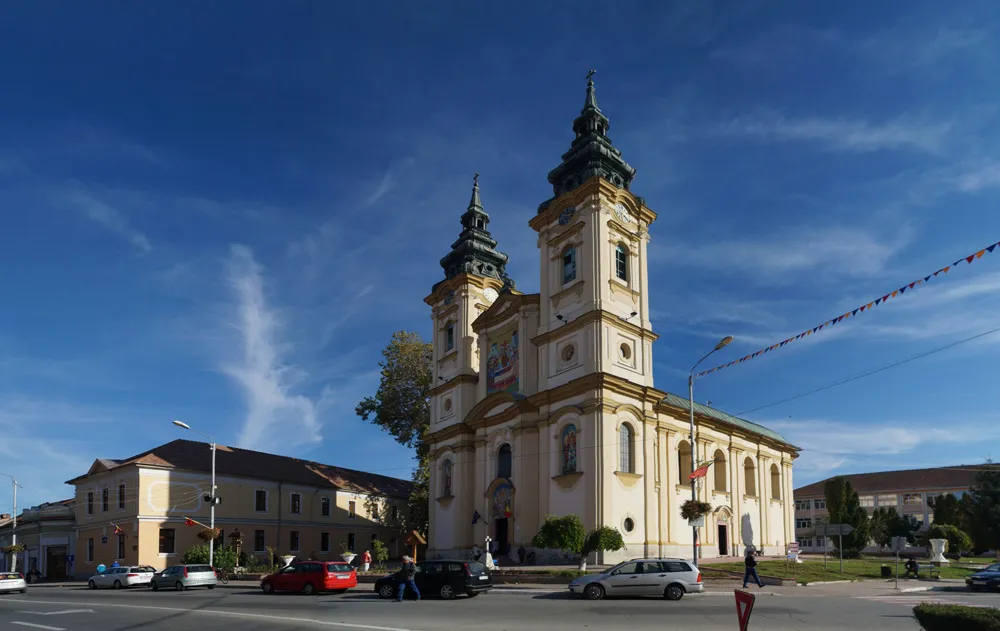
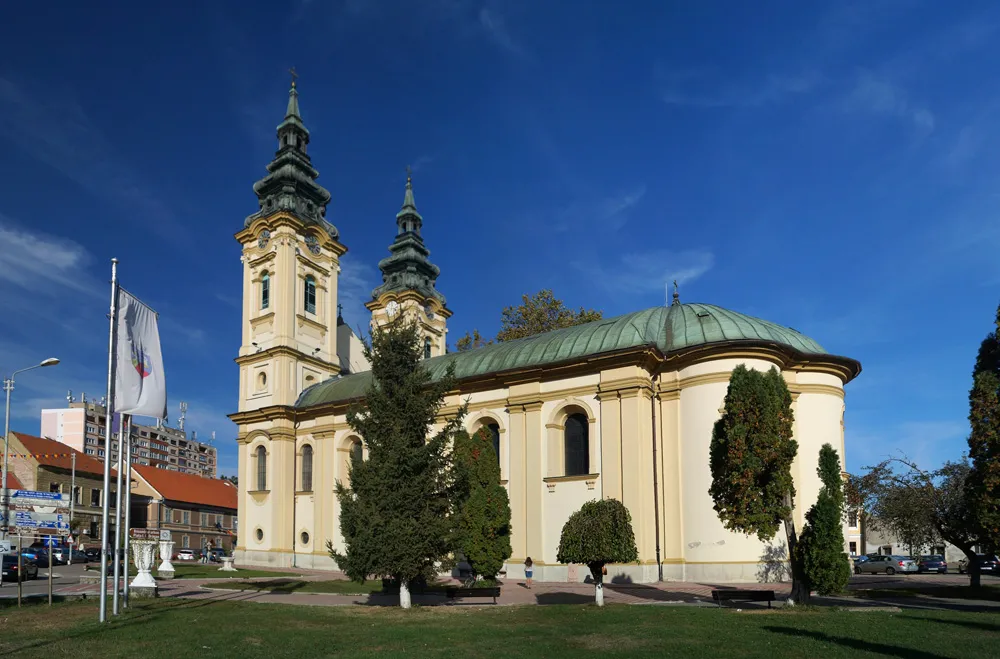
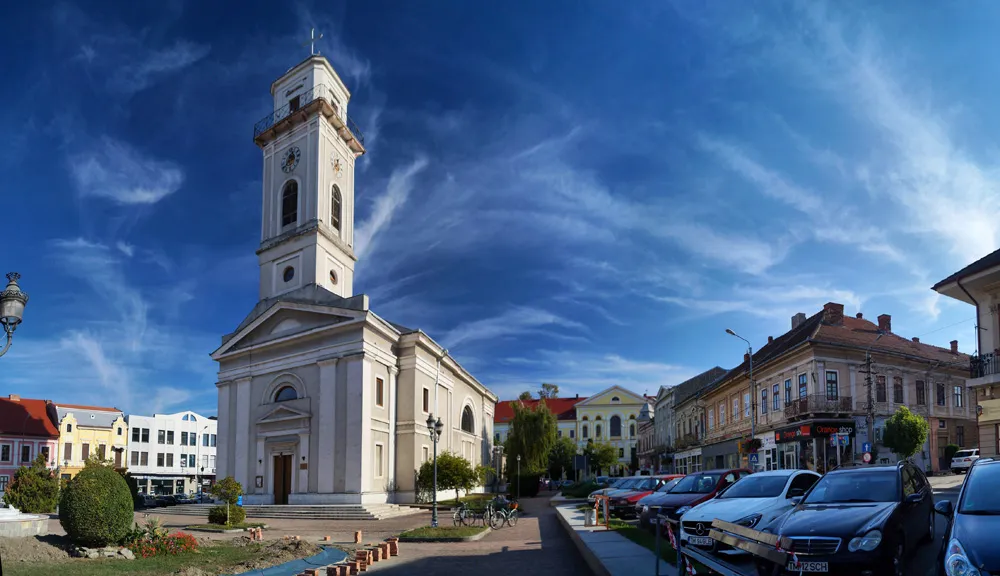
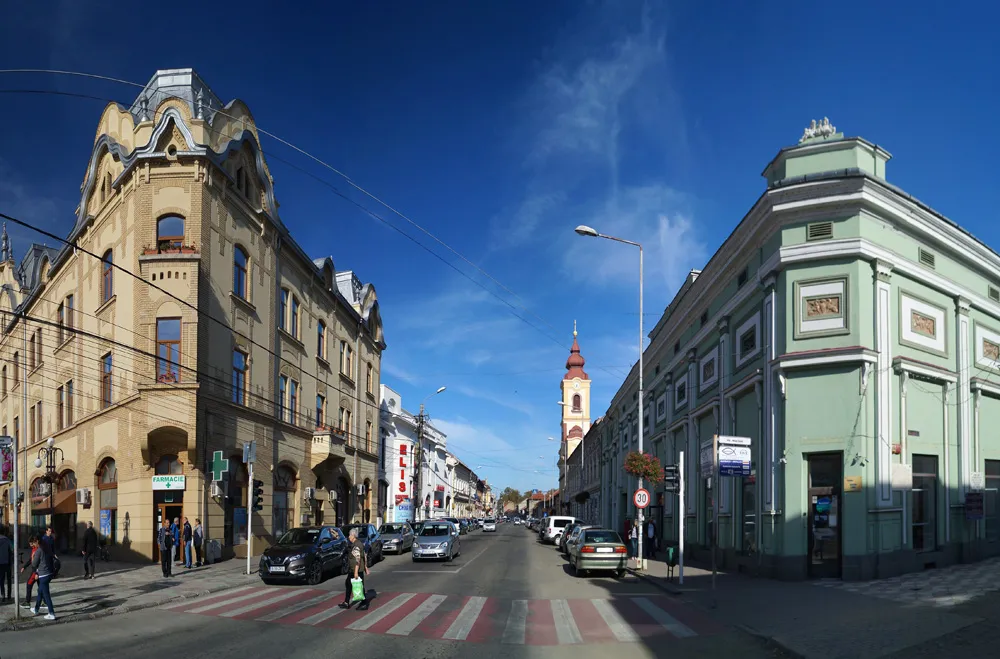
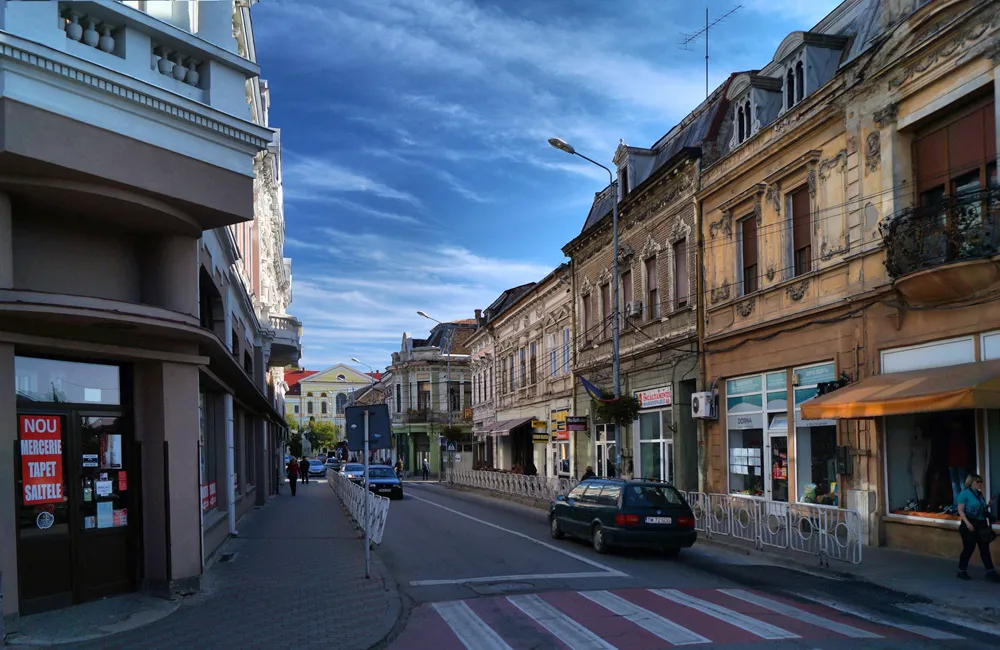
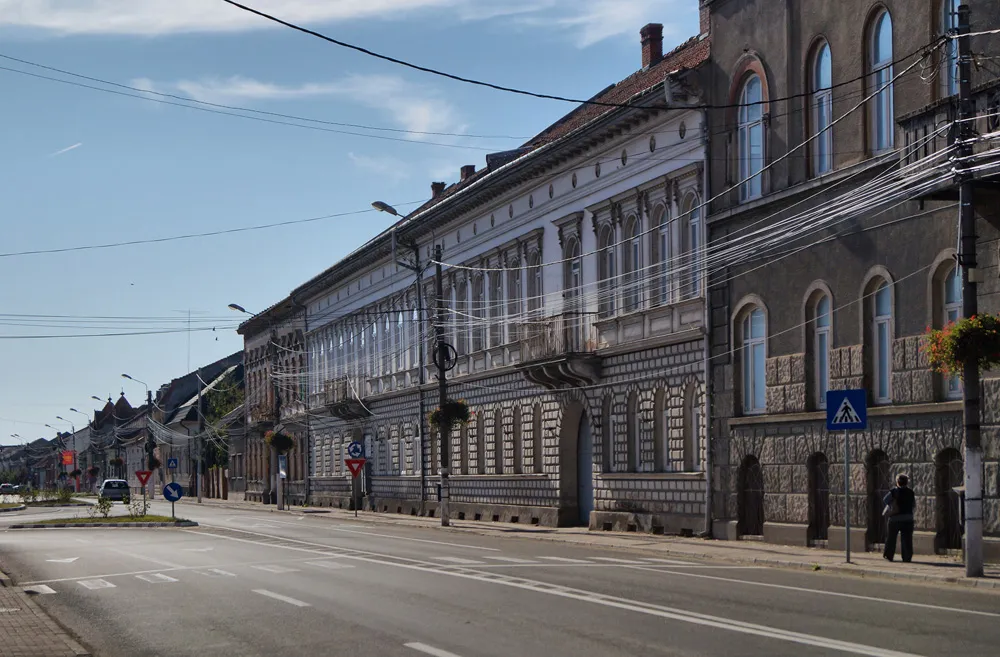
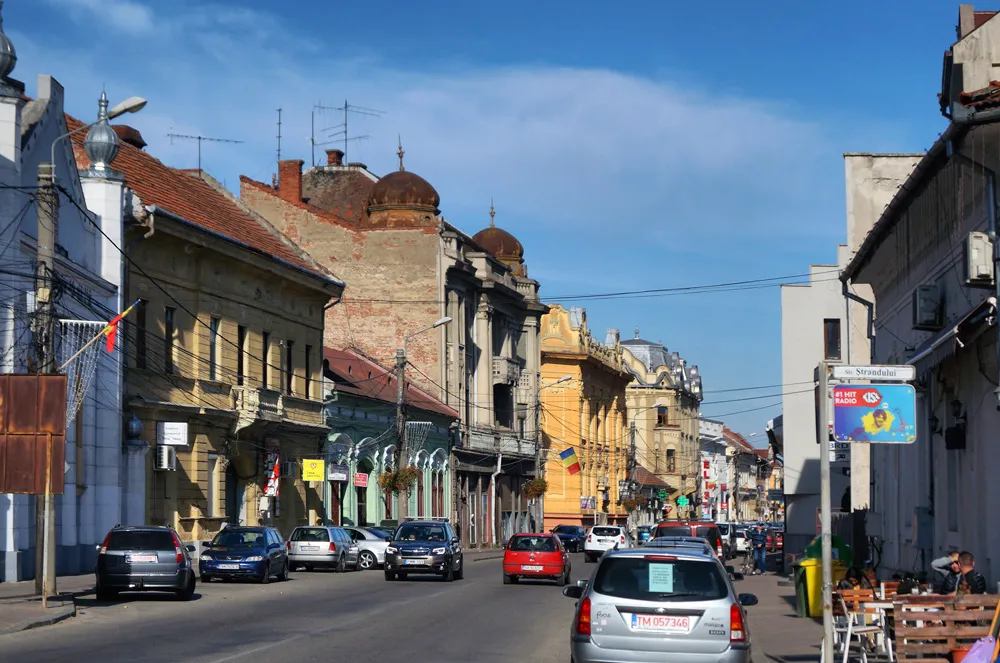
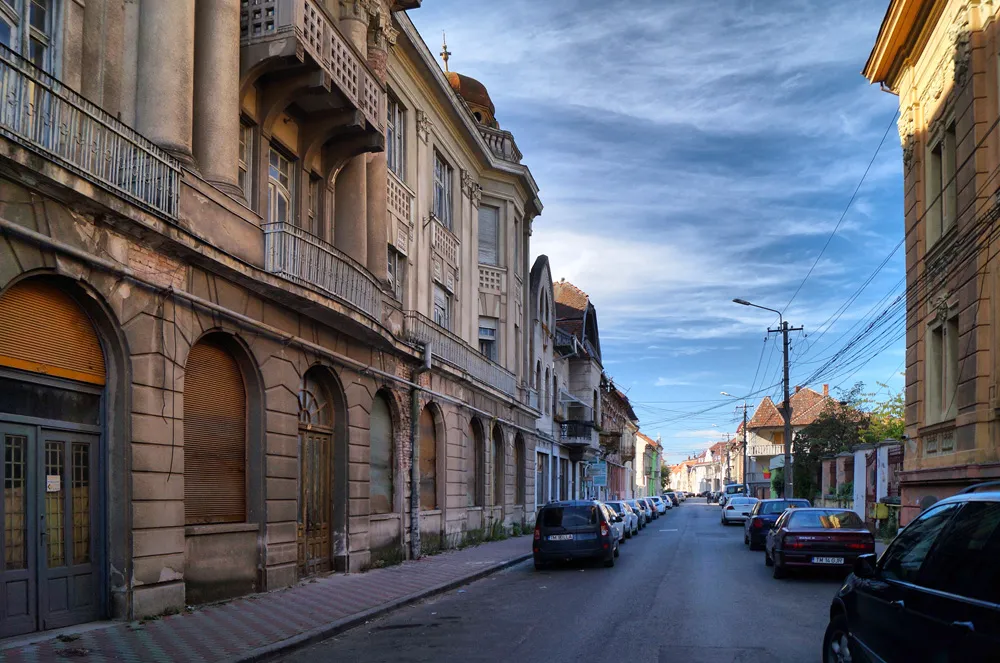
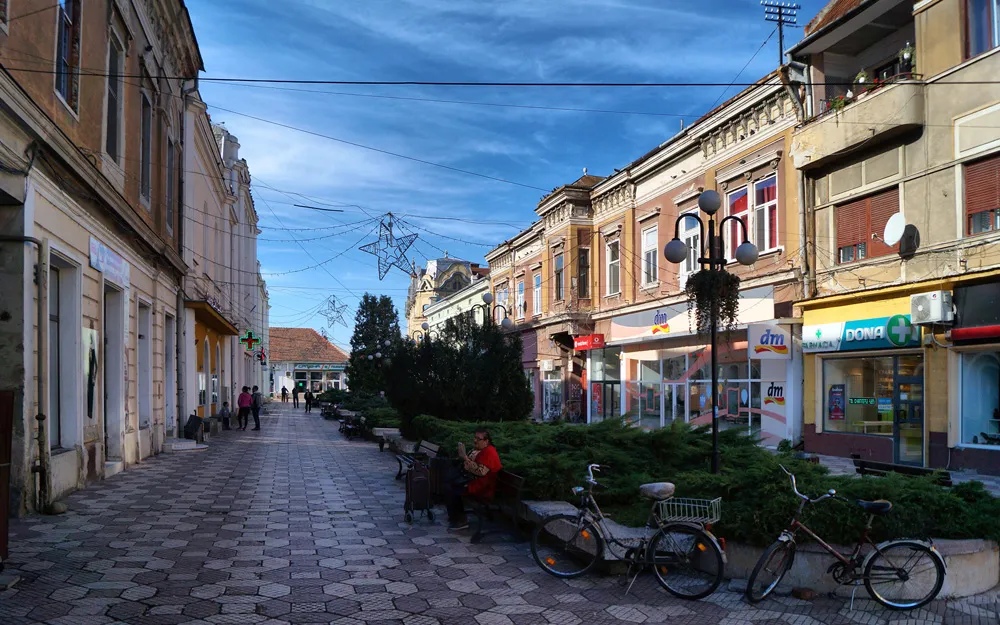
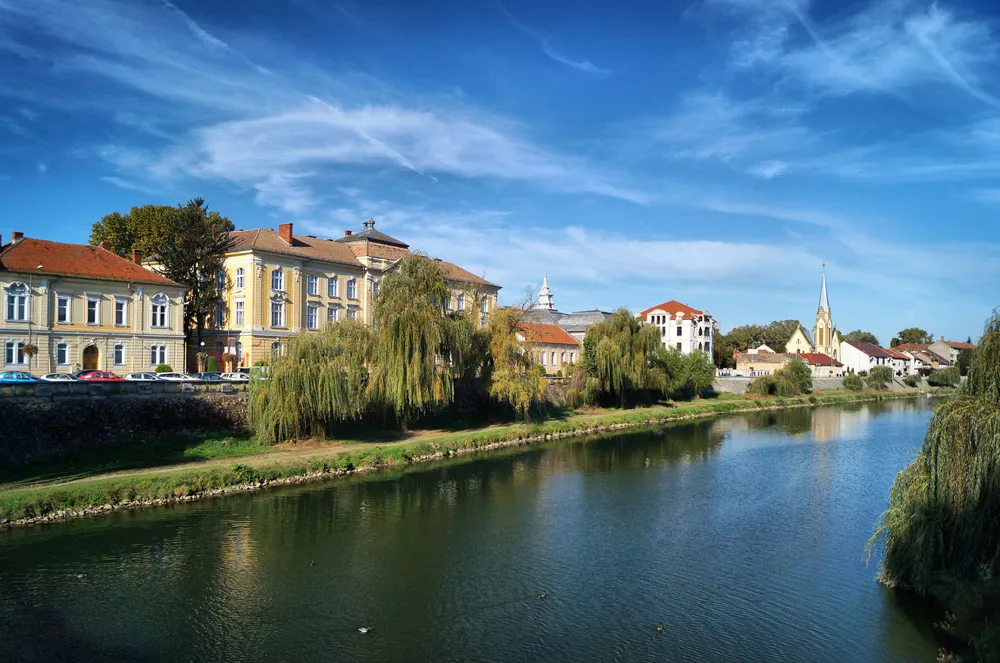
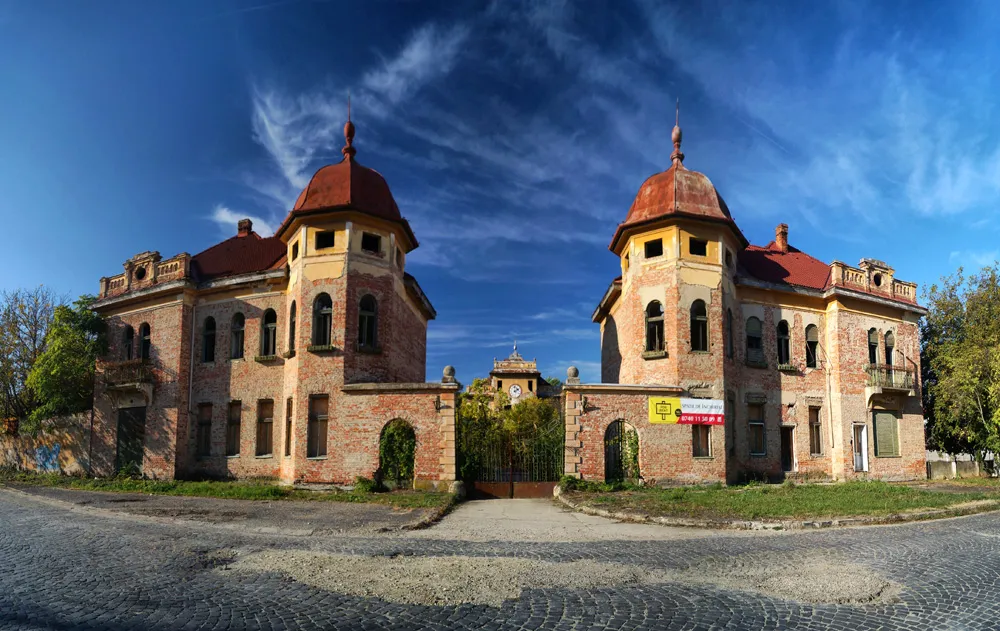
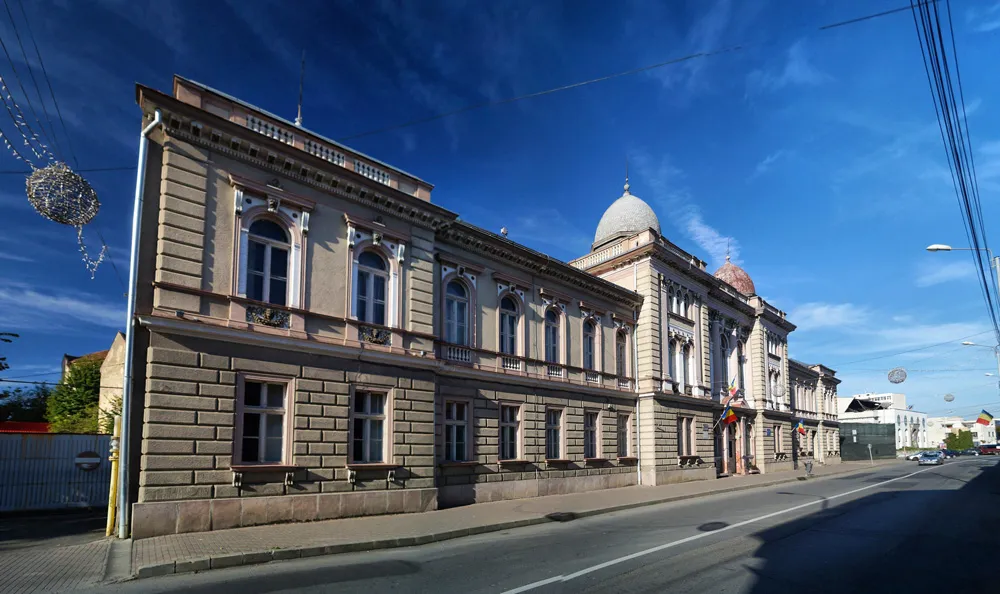
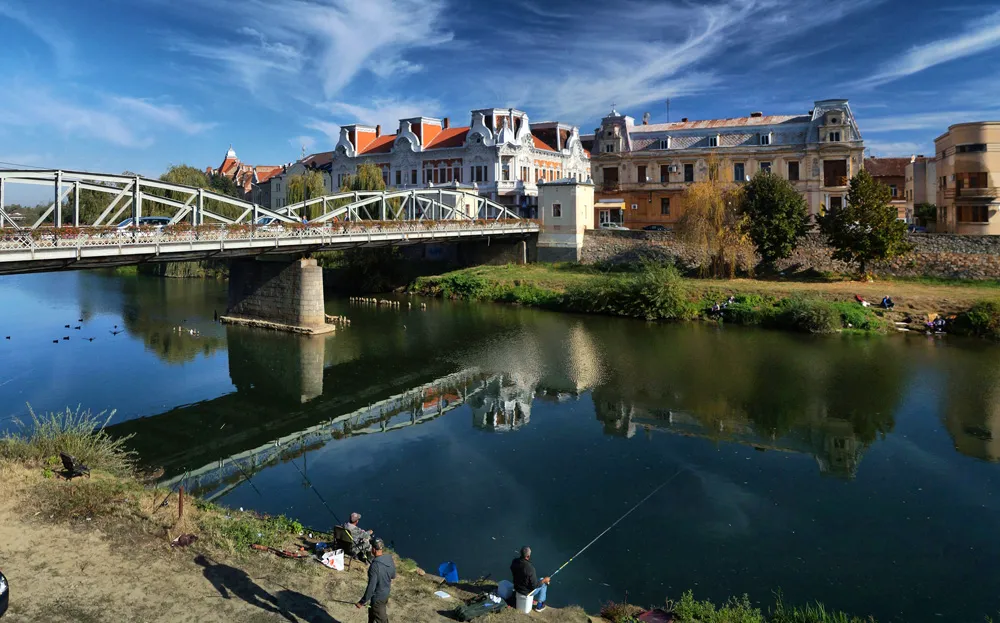
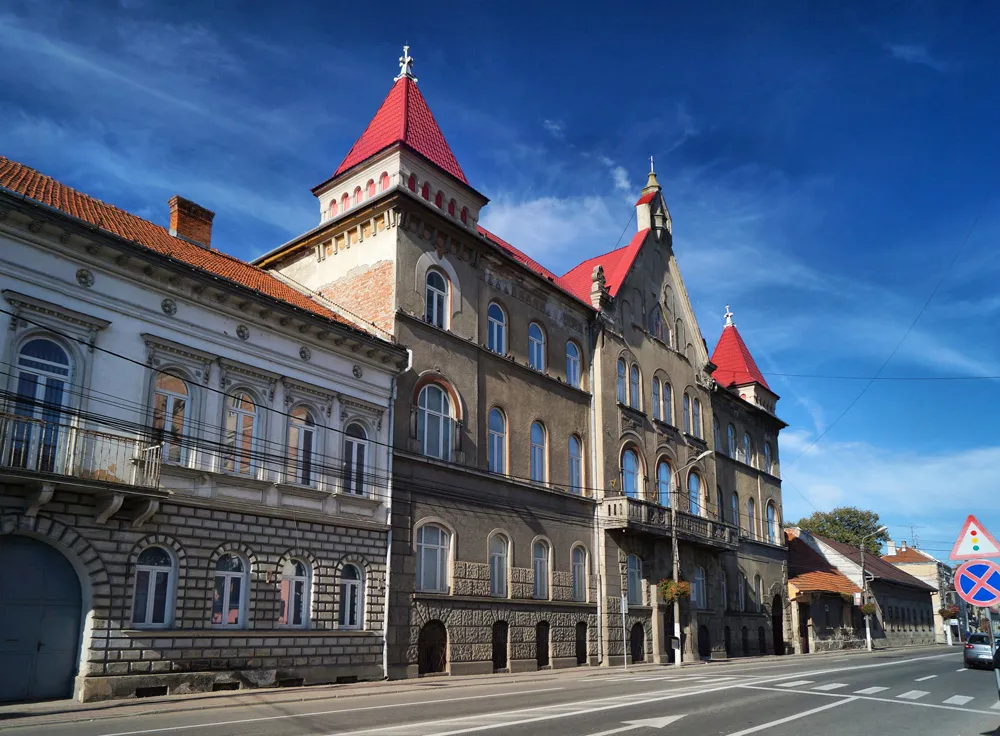
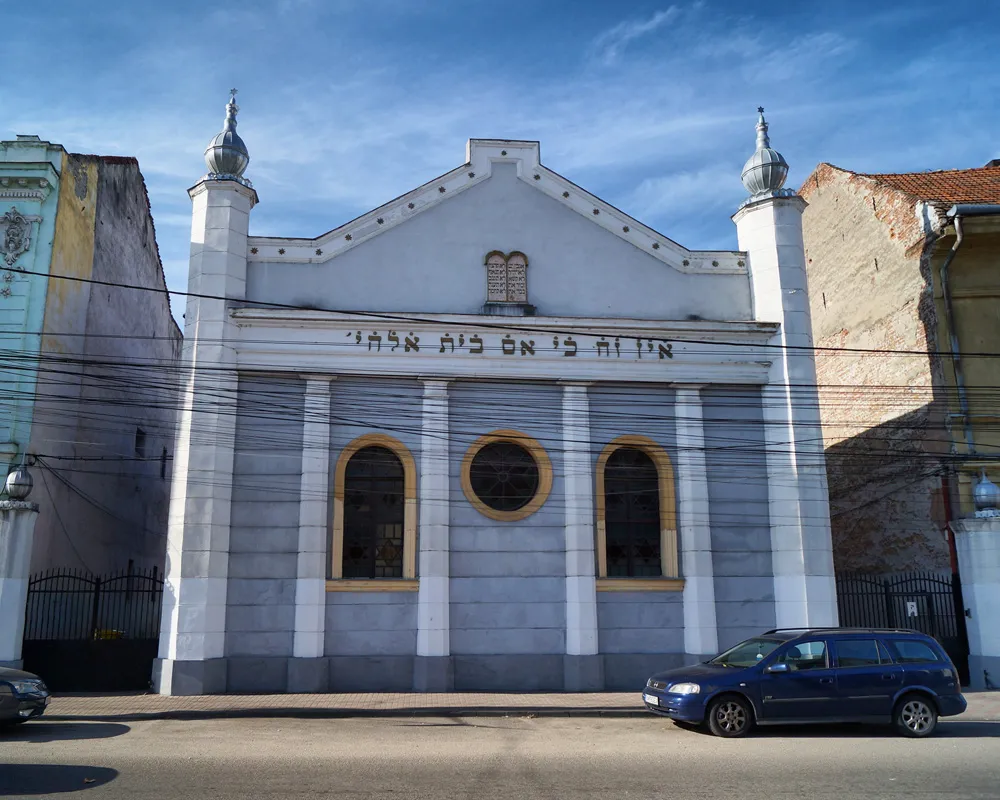
We looked around the town: it is interesting, and you can see it was once rich, with churches, Catholic churches, a synagogue and a beautiful embankment along the Timiș River, but I am not sure I would remember this town so fondly if not for the Ukrainians, and if not for Taras Shevchenko…
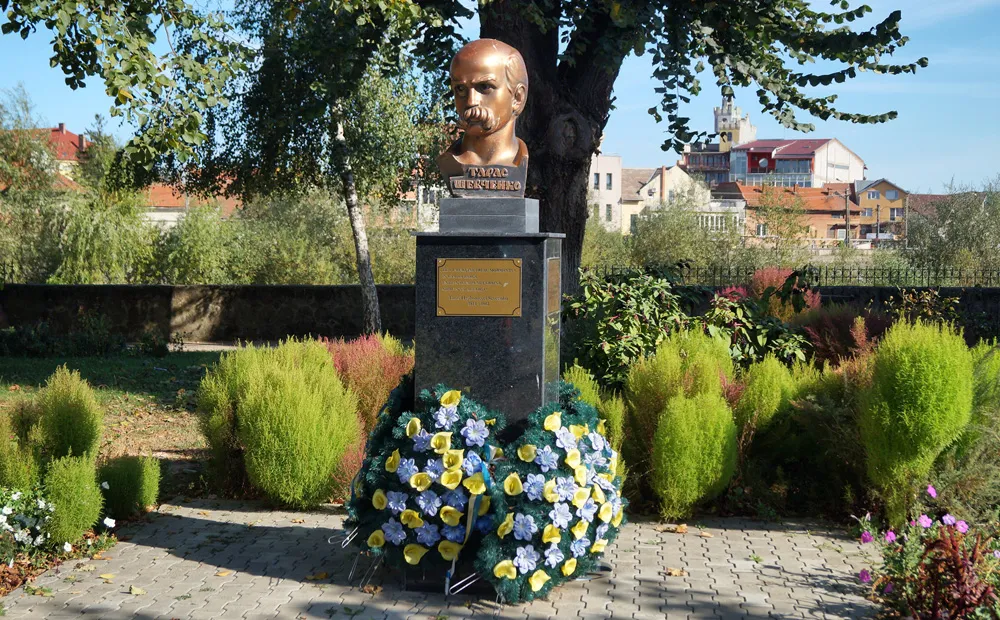
Taras Shevchenko and the Church of St. Volodymyr
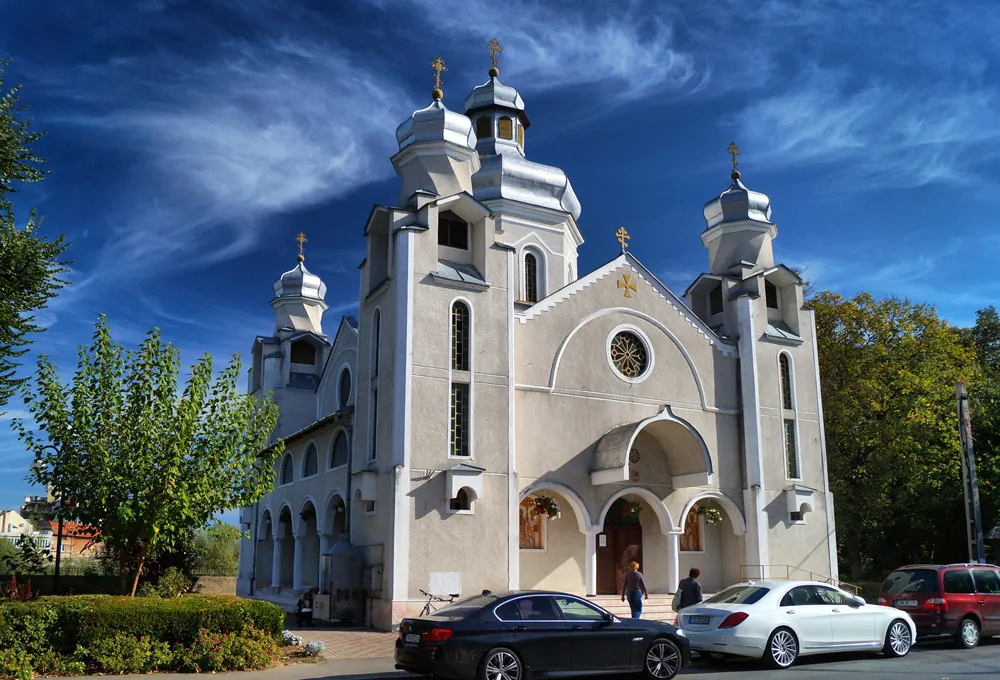
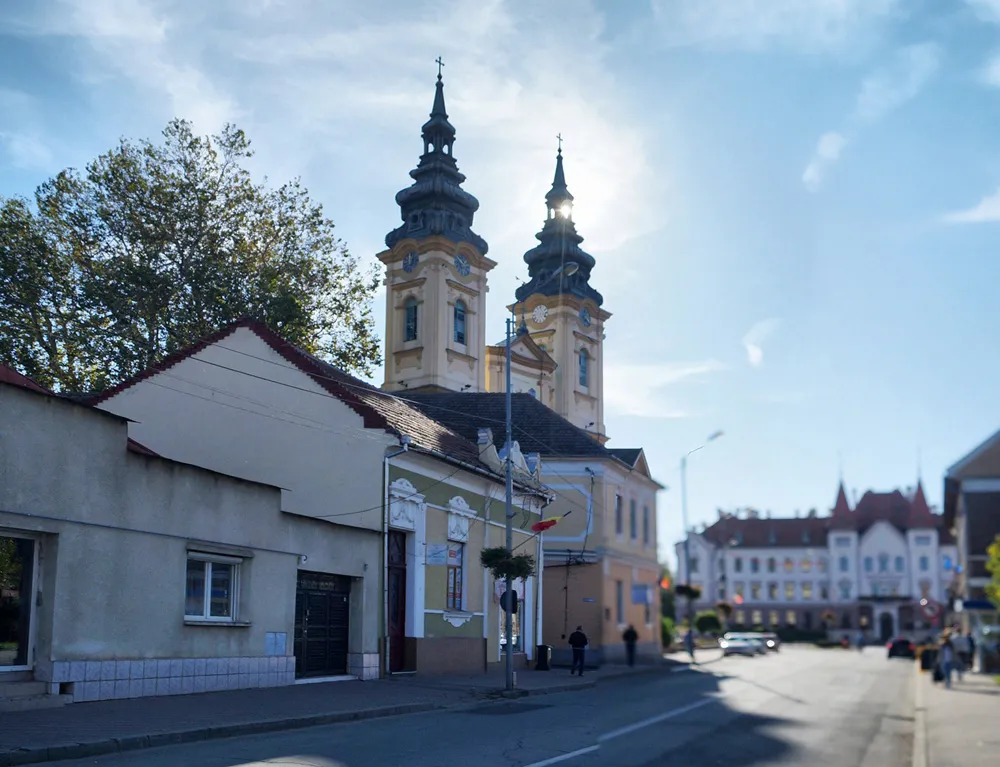
Having seen all the sights we were already heading to the car, but something drew me to one more street that stretched along the river. I remember what it was: crosses. Where there are crosses there is a church, and it may be an interesting one. Next to a pleasant five-domed church, not without an architectural gem (in the form of twisted drums under the four side domes), stood a monument, a bust. But it is Shevchenko, I recognized him from afar.
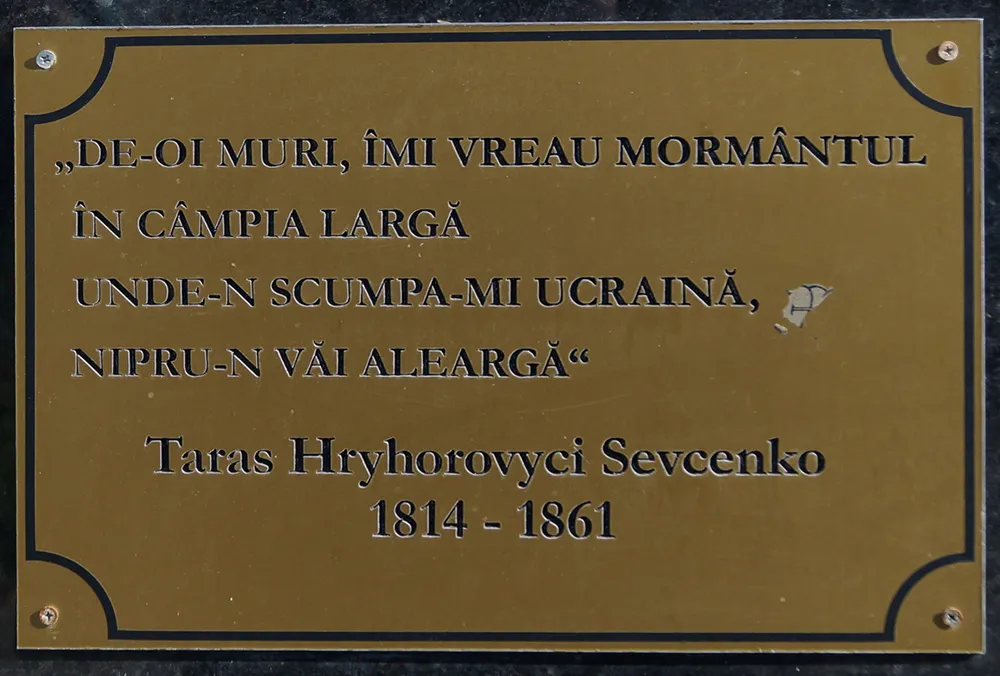
The monument had a plaque with a piece of the “Testament” in Romanian (to understand it I used Google Translate):
De-oi muri, îmi vreau mormîntul
În cîmpia largă
Unde-n scumpa-mi Ucraină,
Nipru-n văi aleargă.
The church looked well kept and alive. An older woman came out of it and began to look suspiciously at the strangers photographing themselves by Shevchenko. I was about to say “bună ziua”, but for some reason I said in Ukrainian:
– Good afternoon!
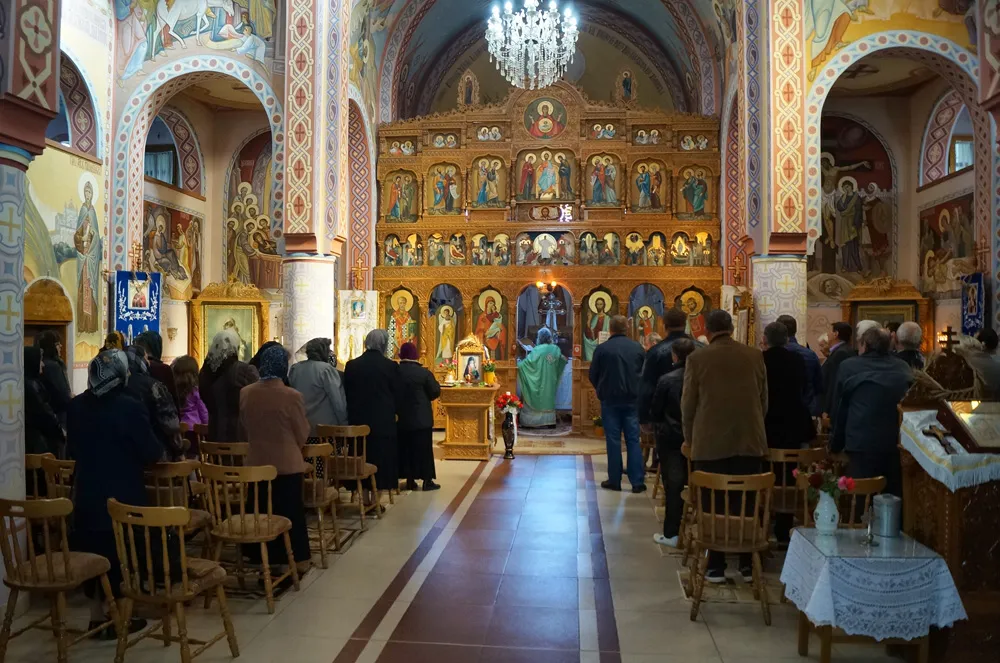
The woman positively lit up… It turned out that she speaks Ukrainian, that the church is Ukrainian and is consecrated to St. Volodymyr and the hierarch Peter Mohyla (wow), that the service in the church had just ended, the priest was giving his sermon, and we were invited in.
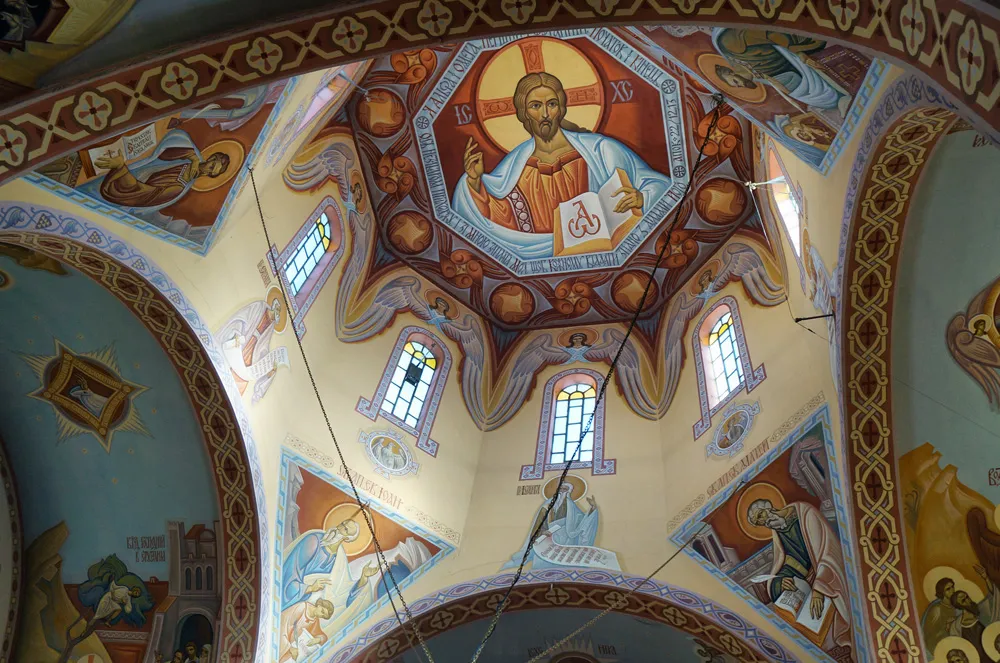
The church was bright and full of Ukrainians. Everyone greeted us and was delighted. Strange, I thought then, did Ukrainian ethnic lands really stretch all the way here? From here to the border in a straight line it is about three hundred kilometres.
We were told that the Ukrainians came here after the First World War. About ten families from Transcarpathia, from somewhere near Mizhhiria, laid out their vegetable gardens and their farmstead here, on the outskirts of Lugoj. In time this farmstead became part of the town. Today about four hundred Ukrainians live in Lugoj, most of whom have never been to Ukraine, but know the language, consider it native, and read and revere Shevchenko. They built their own church… How ashamed I felt of our Kyiv “what’s the difference” types.
Later I found out the details of how the Ukrainians came to be here. It went like this: a wealthy Ukrainian landowner named Huzar, a cavalry commander during the war, bought himself a large piece of land near the present village of Pădureni and founded the village of Husarka, to which he invited peasants from the Carpathians (today’s Transcarpathia and Ivano-Frankivsk region). The largest number of colonists came from the village of Studene (now the village of Studenyi, Mizhhiria district), where there was almost no land. They created their own colony in Husarka, which later began to be called Pădureni, and some settled on the outskirts of Lugoj. These lands cannot be called ethnically Ukrainian, but how many of them there really are…
Lugoj has been known in historical documents since the 13th century. It was a powerful Hungarian fortress on the nomads’ route. Later it was used by the Transylvanian voivodes in the struggle against the Ottomans. At the end of the 17th century Lugoj found itself in the possessions of the Habsburgs, who could not hold the territory of Banat for long: after a defeat right near Lugoj in 1695 they yielded it to the Ottoman Empire.
In 1701, under the Treaty of Karlowitz, the Ottomans destroyed the town walls of Lugoj, and the fortress effectively ceased to exist. And in 1718 the Ottomans were driven out and the Habsburgs came for a long time, bringing new German colonists with them. The Germans settled on the left bank of the Timiș River and built a beautiful stone town, which until 1795 was considered a separate settlement with its own magistrate.
In the 19th century Romanian and German Lugoj was already a single town, a large trading centre on the route from Banat to Transylvania. A great number of fine residential and public buildings were erected here. And in 1902 an iron bridge was built, which is now one of the symbols of the town.
I would not call present-day Lugoj a tourist gem: it is absolutely not geared to tourists, many buildings stand somewhat neglected, but the town, given the number of architectural monuments and the harmonious ensemble of its centre, has very great potential. For Ukrainians it should be especially interesting.
Text and photos by Roman Malenkov.