Turkey. Gaziantep. The largest mosaic museum

· 5 min read
Gaziantep is an extremely interesting city; you should absolutely not believe people who say there is nothing to see there – there is, and plenty. And do not trust Wikipedia’s population figures for Gaziantep – it simply cannot keep up with its growth: the Ukrainian Wiki gives 2012 data – 1.3 million people, the British one gives 2019 data – 2 million. But on the sign at the entrance to the city, “nüfus”, it says 2.2 million, and that is the most accurate information. The populations of Turkish cities grow by leaps and bounds, and Gaziantep is no exception, especially given the proximity of the Syrian border and the considerable number of refugees, official and unofficial.
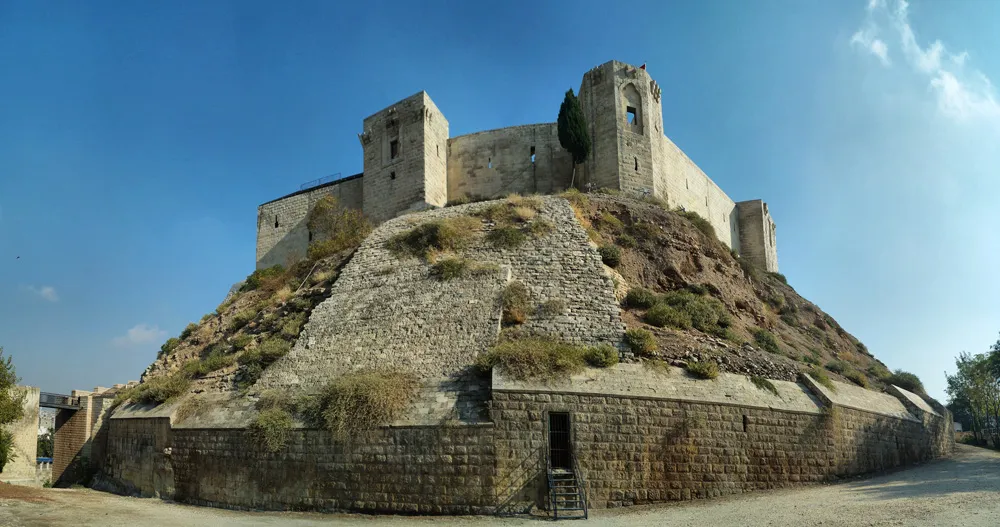
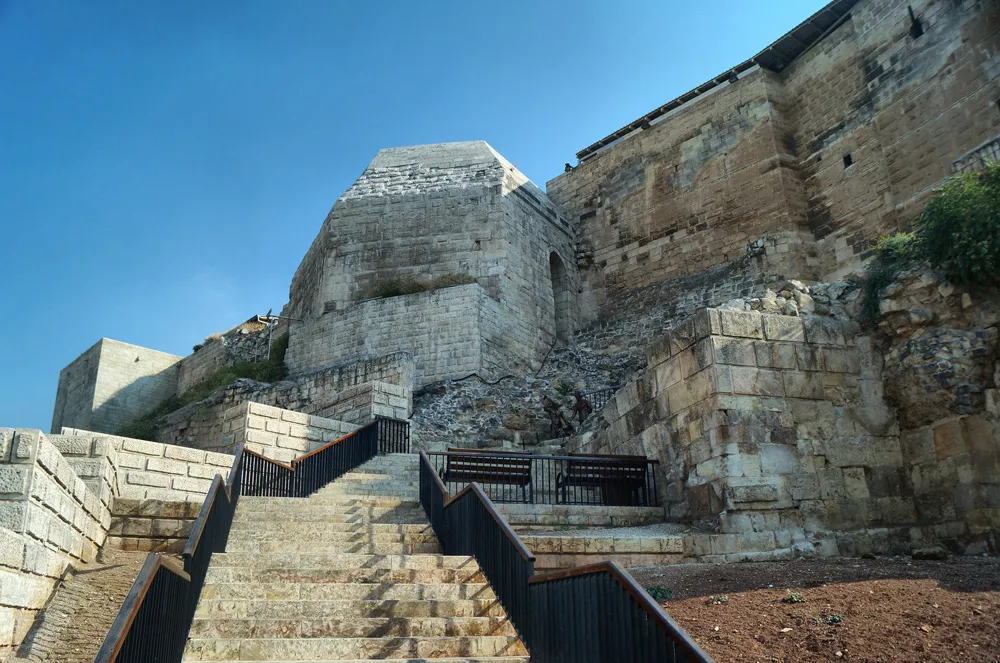
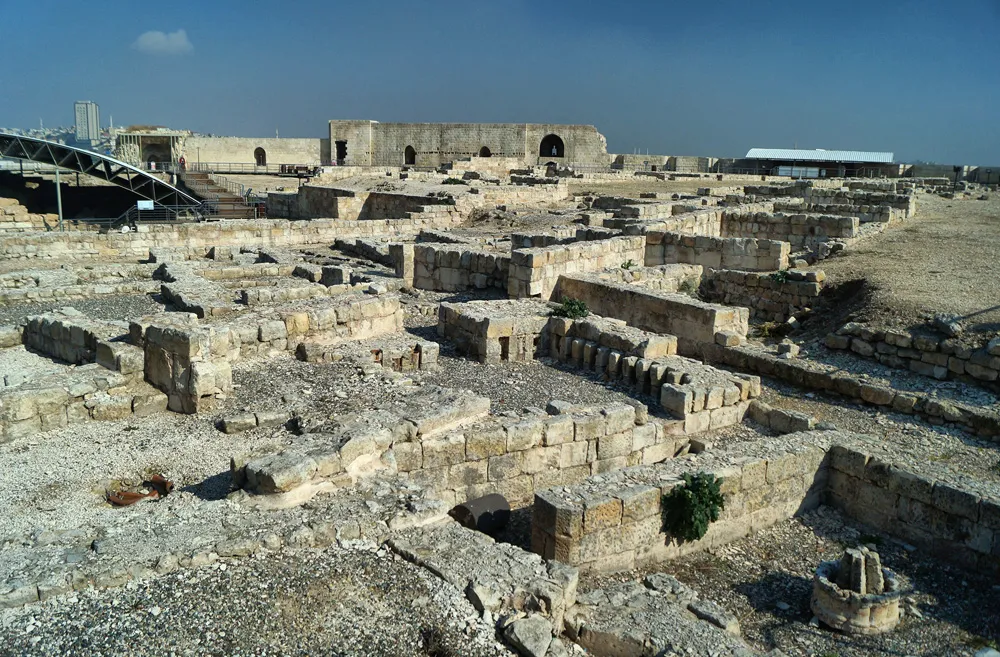
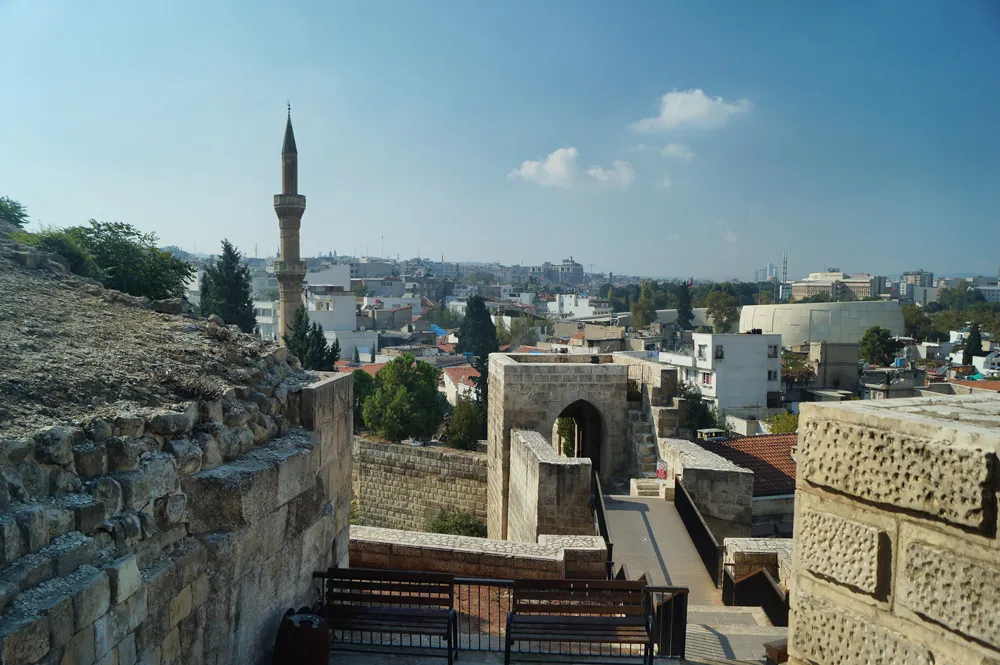
Until 1921 the city was simply called Antep, but after its resistance to the French troops who entered southern Turkey from Syria, “Gazi” was added to the name – something like “hero” – and Antep became heroic Antep – Gaziantep. The events of that war, the atrocities of the French and the heroic actions of the Turks are told by an incredible memorial exhibition in the Antep Castle. The castle itself is the second site I would advise visiting in the city. Who first built it on this spot is not known for certain; the present structure is the work of the Byzantines, completed by the Crusaders and the Ottomans. The castle, with the Ravanda citadel, stands in the very centre of the city. Around it is what you should visit fourth in the city – establishments serving the local cuisine, which together with that of Hatay is called the best in Turkey; it is even protected by UNESCO as an object of intangible heritage. There is a whole heap of original dishes, of which I tried three – tripe soup (the Romanian ciorbă de burtă is a little tastier), the local kebab, quite similar to other Turkish kebabs, and ciğer – very original lamb liver, with fat (right on top of it), grilled, very tasty, served with vegetables. And of course a million sweets.
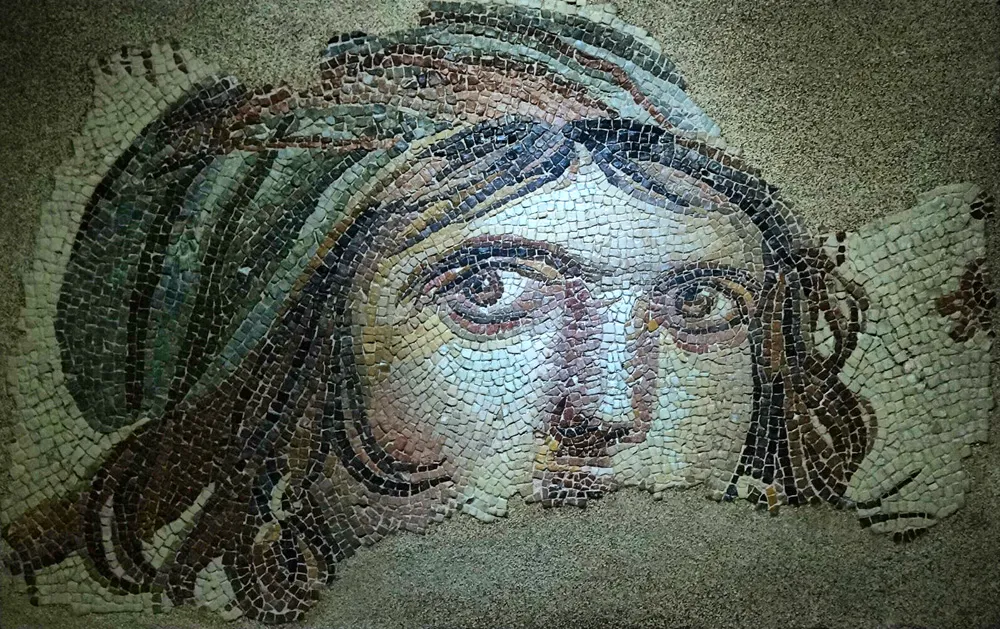
Zeugma Mosaic Museum. The Gypsy Girl
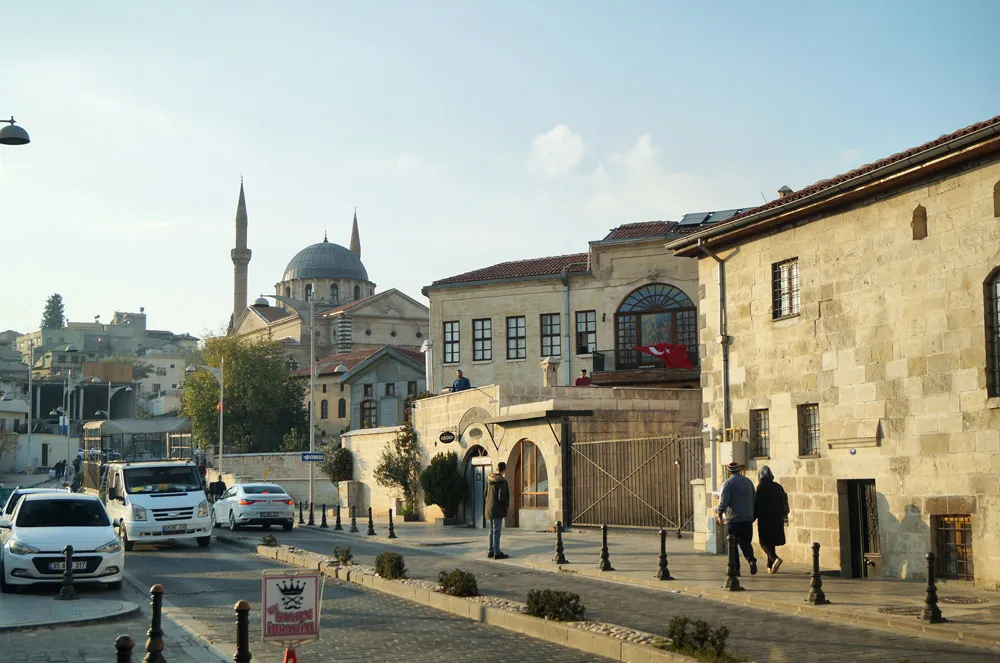
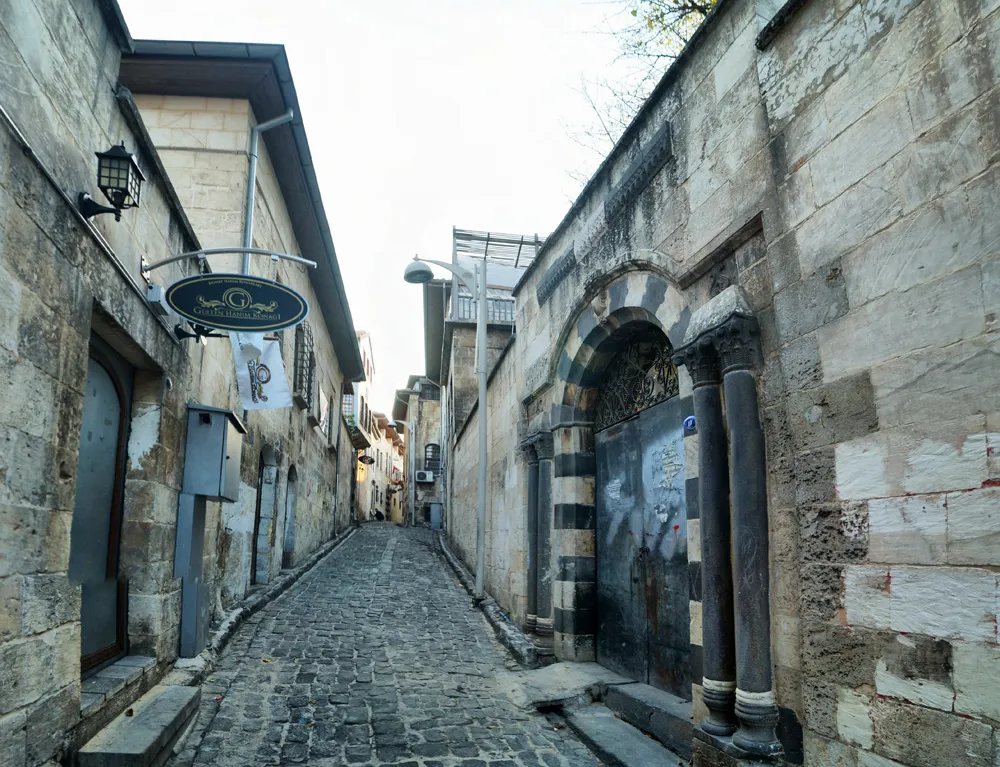
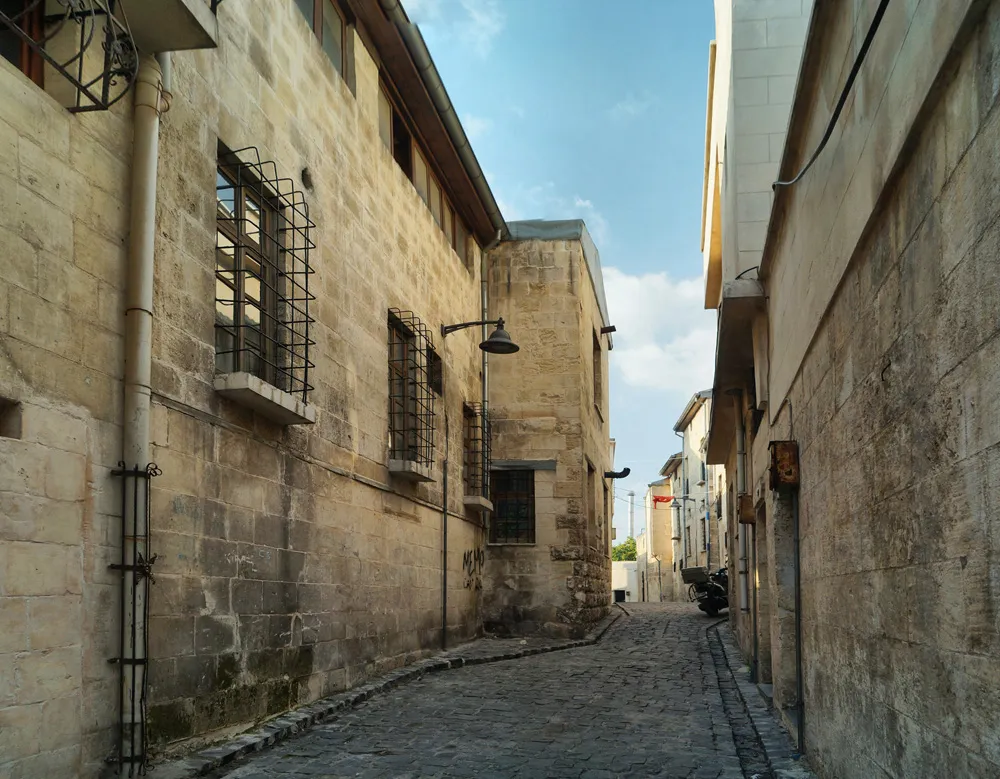
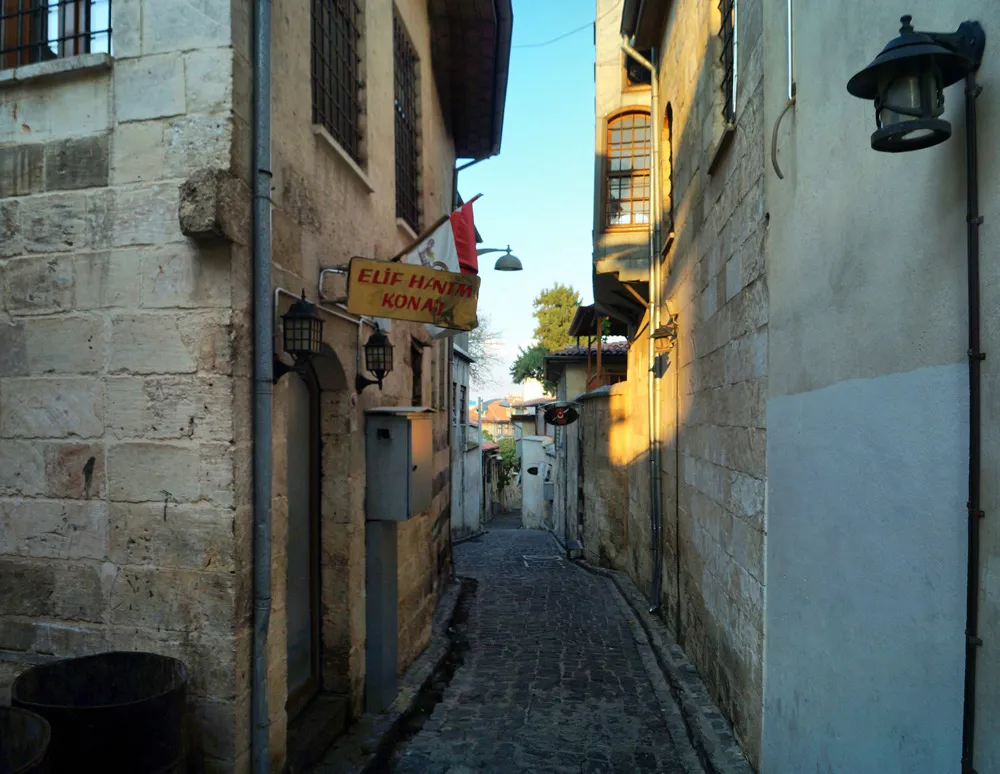
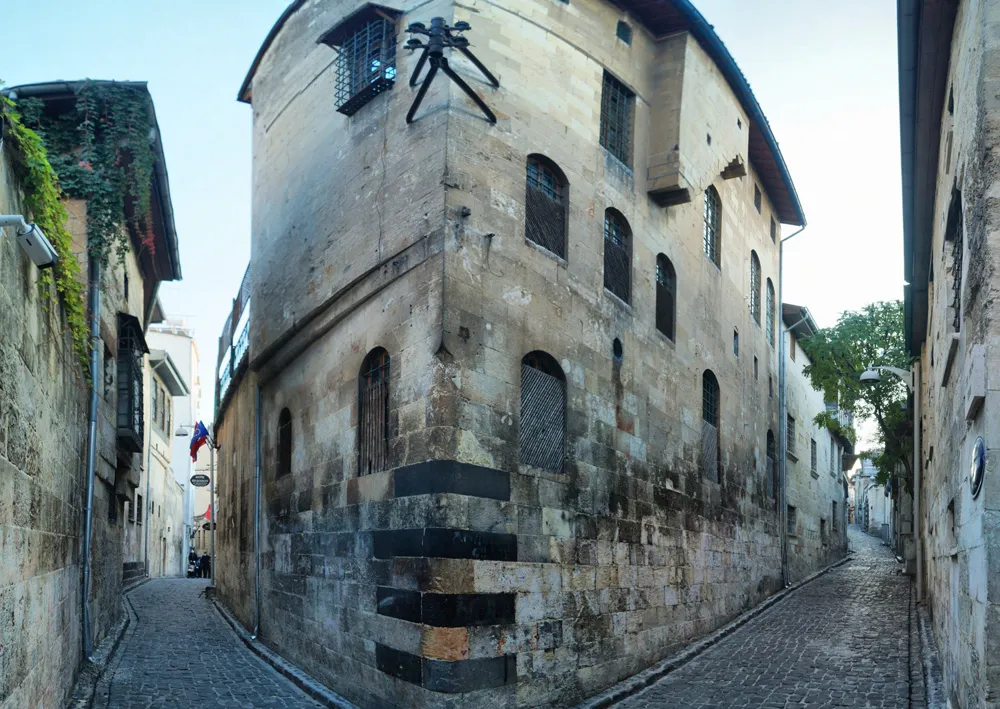
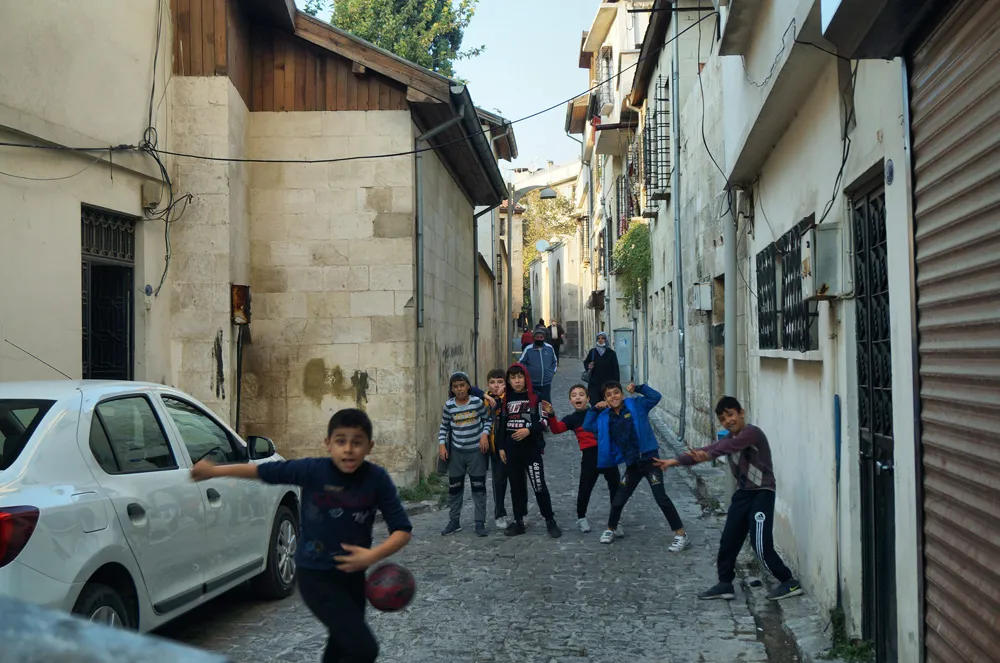
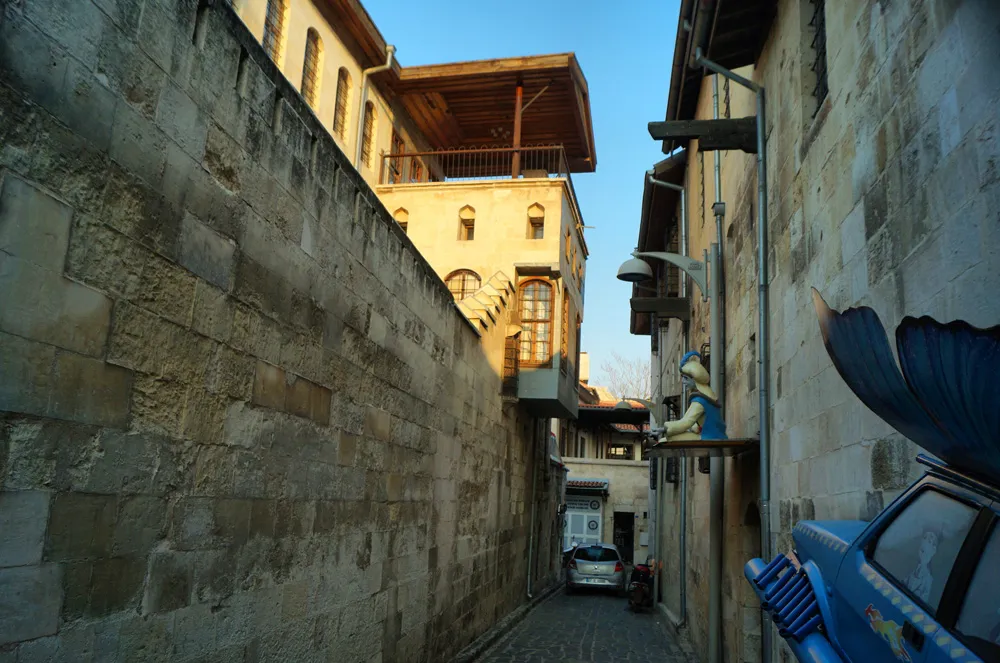
Armenian quarter
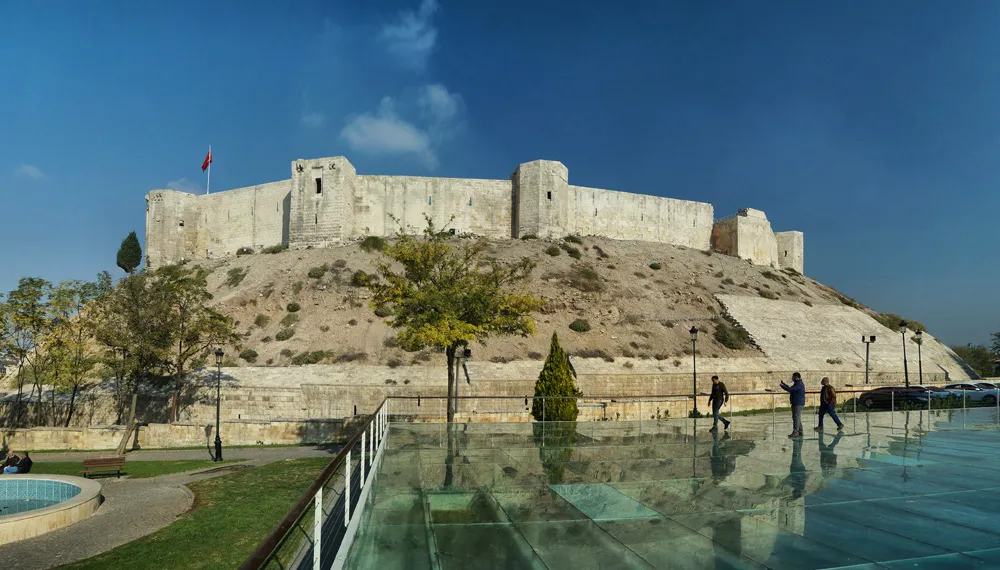
The castle
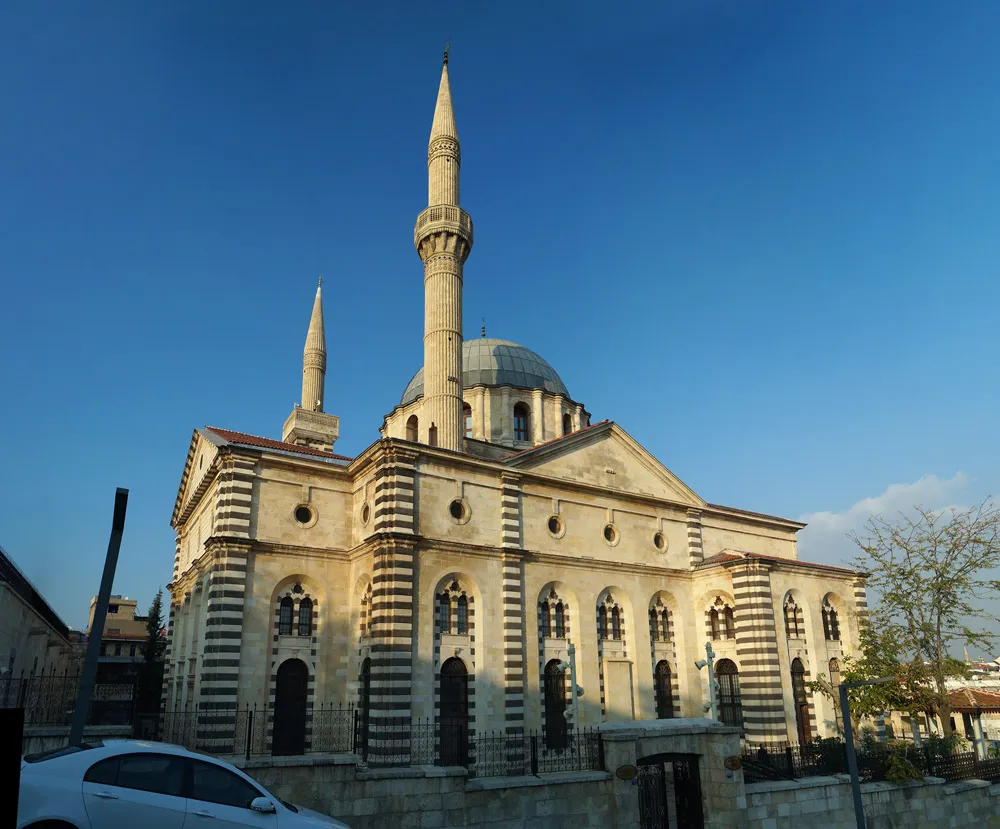
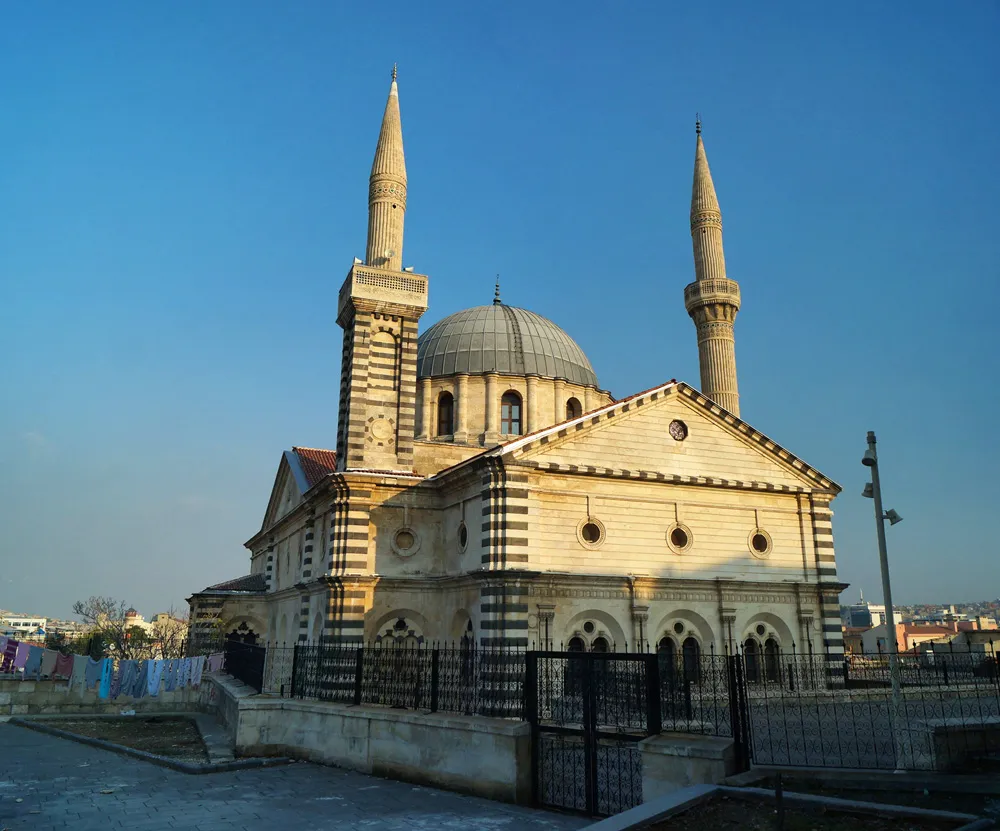
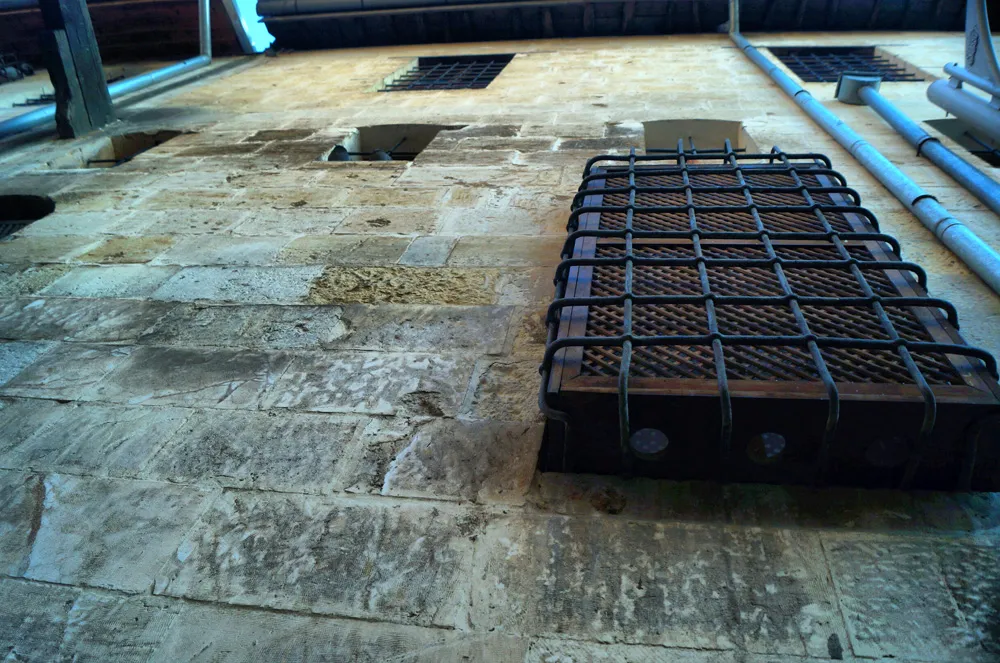
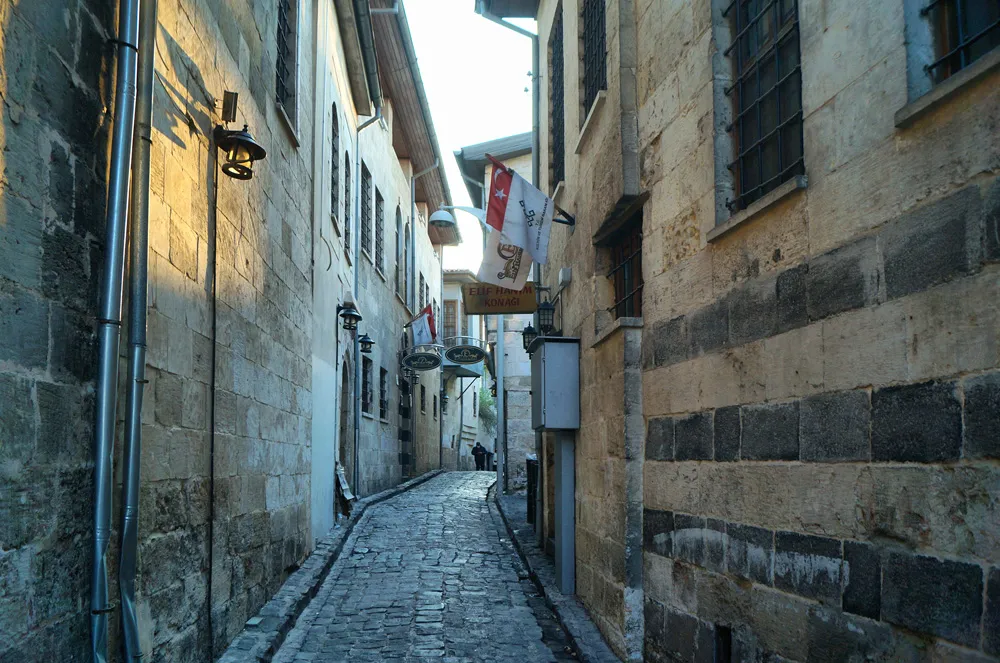
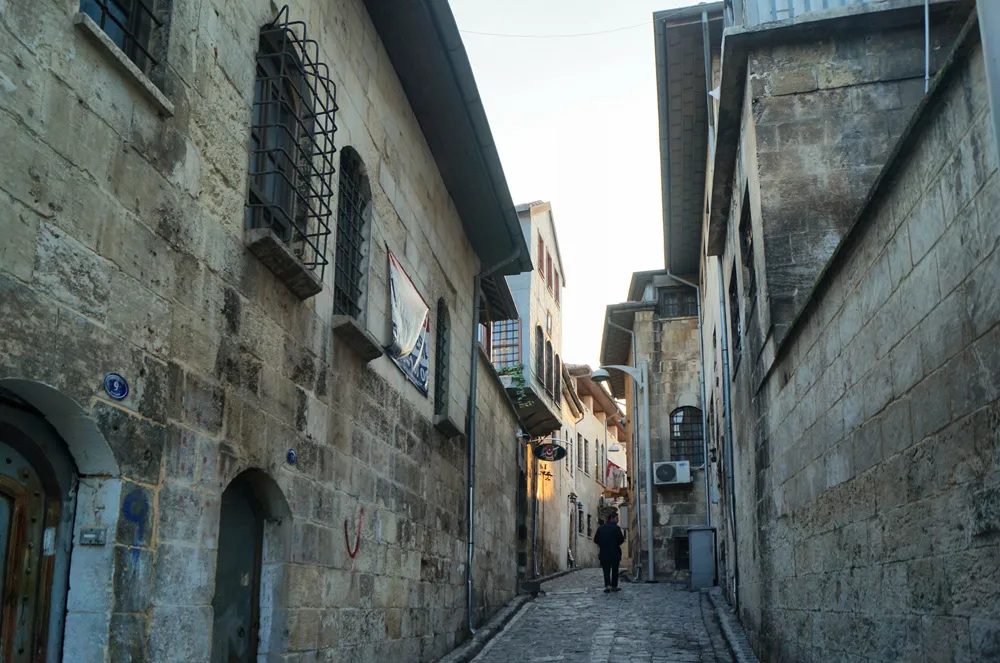
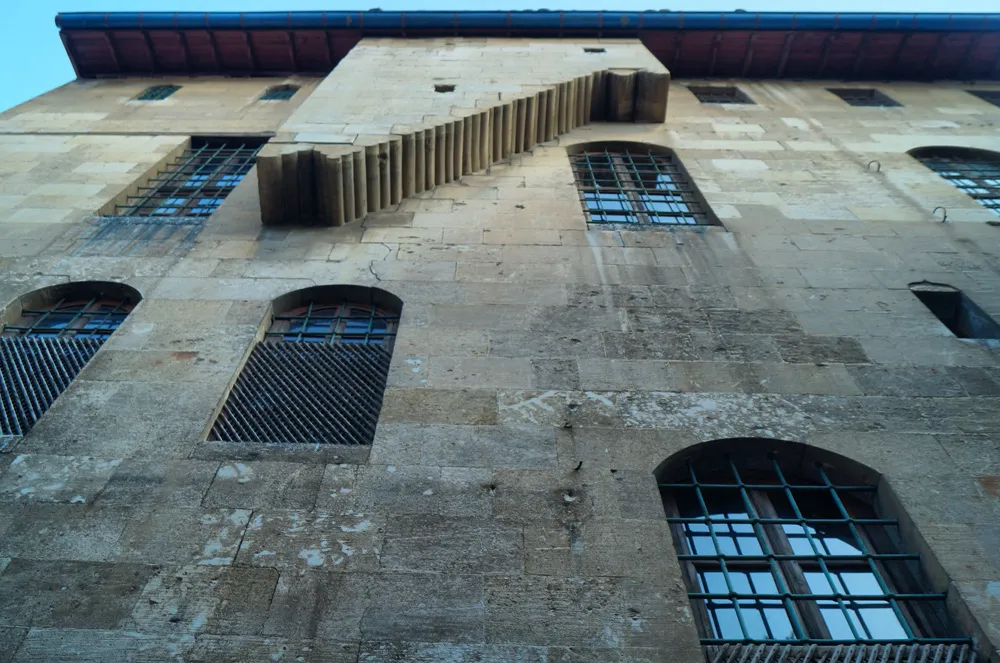
The third site in Gaziantep is the old Armenian quarter – until 1915 the main one in the city – with an Armenian cathedral, now turned into a mosque, and administrative buildings, schools and shops. These are incredibly narrow, cosy streets with houses decorated with lavish stone ornament – a peculiar synthesis of European residential architecture with Assyrian. I spent several hours photographing these streets and the houses where Armenians no longer live – they were killed or deported in 1915.
Gaziantep’s main tourist attraction is the fairy-tale Zeugma Mosaic Museum – the largest museum of ancient mosaics in the world. It all began with yet another reservoir: the waters of the Euphrates were to flood a considerable area, but before the flooding significant archaeological research was carried out. A huge number of floor mosaics from the very rich Roman city of Zeugma were found. A grand international project made it possible to move the mosaics to museums, including European ones, but mostly to the newly created museums of Gaziantep and Şanlıurfa.
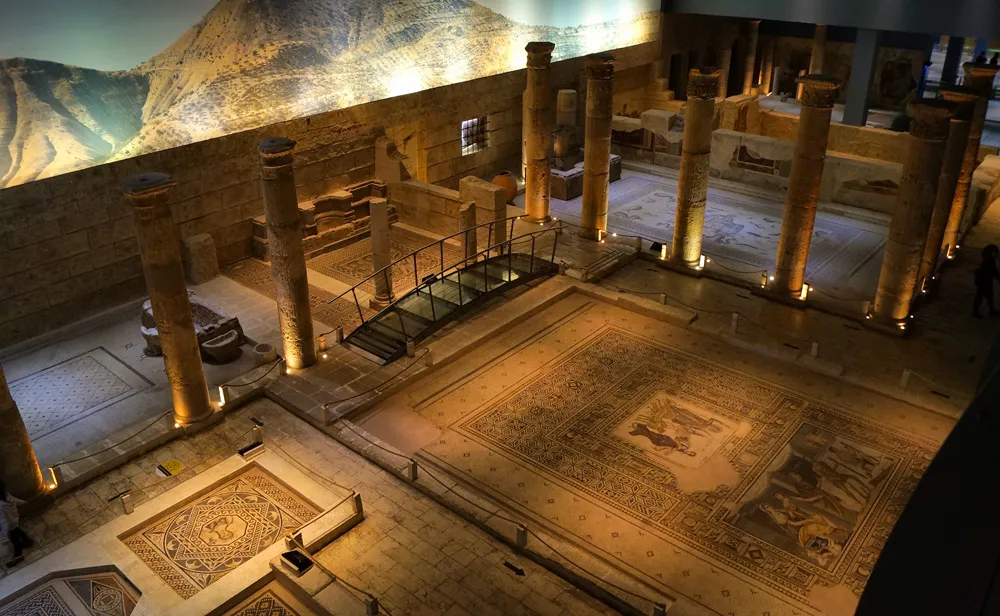
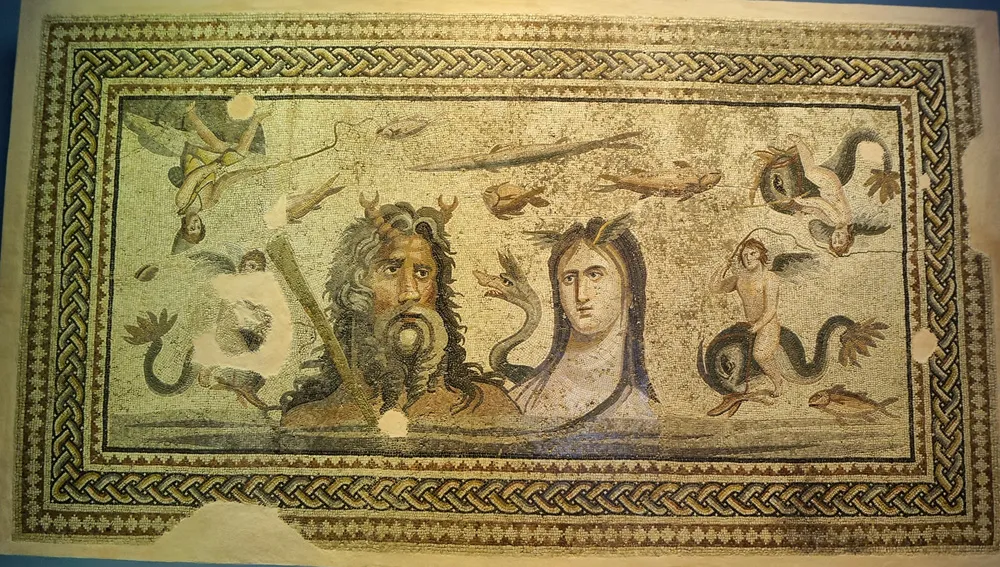
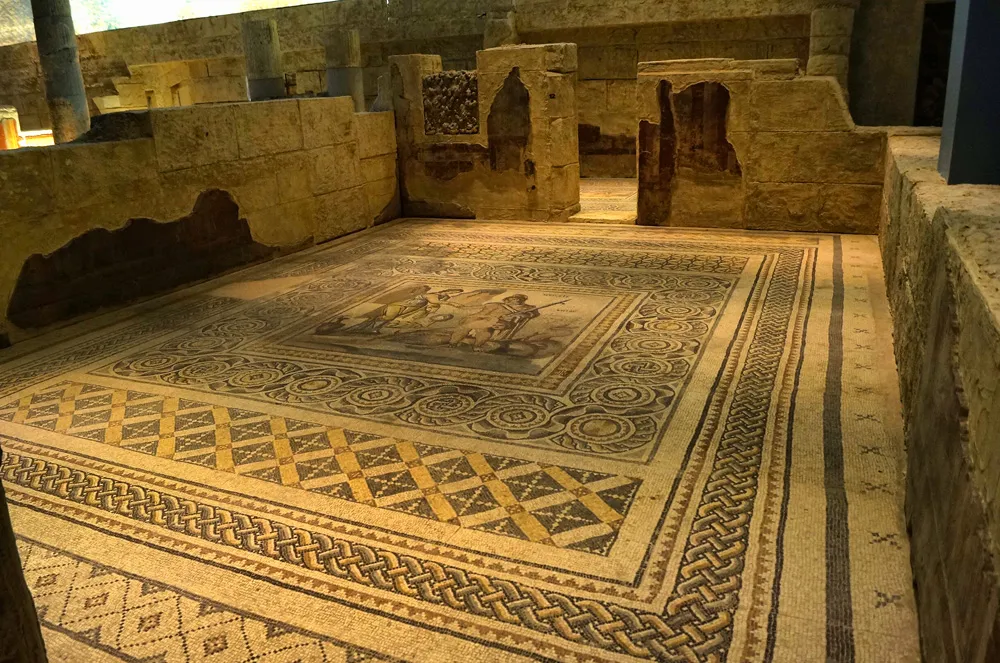
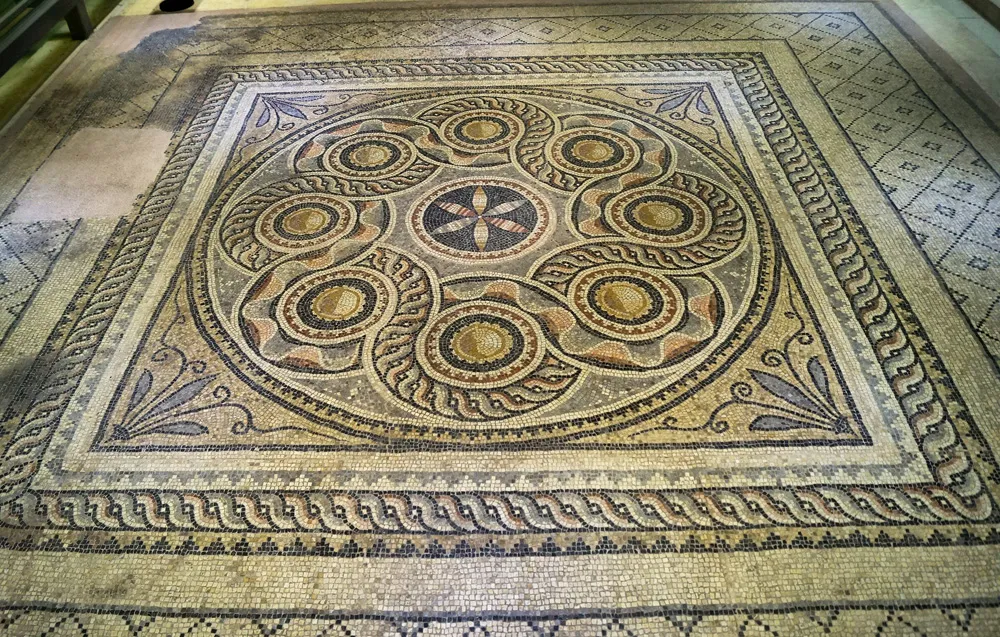
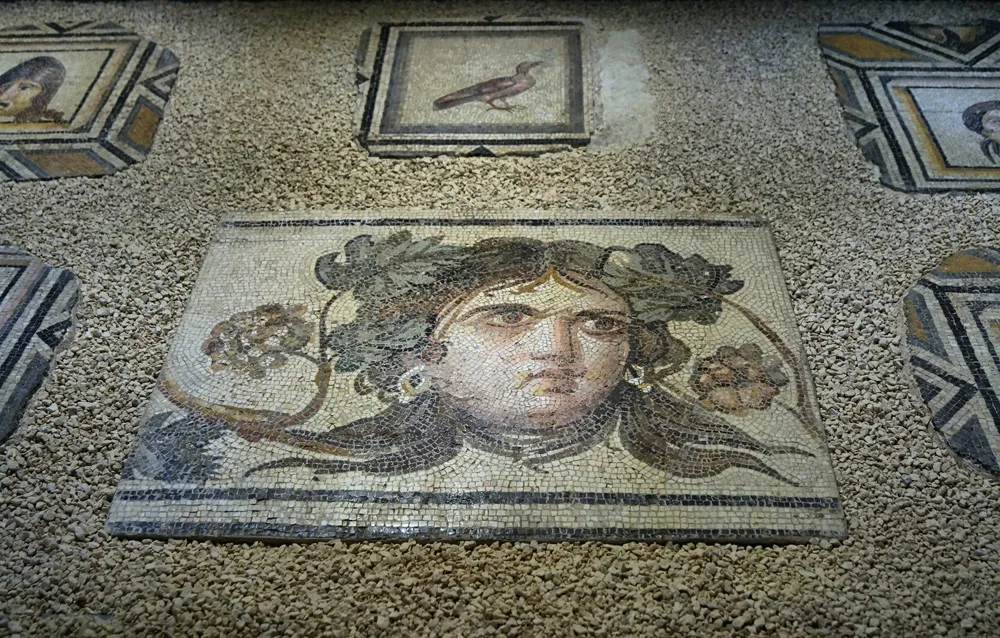
The Zeugma Mosaic Museum is absolutely modern and extremely interesting, even for those who are indifferent to museums. Huge halls, large mosaics, a variety of subjects, great lighting. The modern Mosaic Museum is included in UNESCO’s Tentative List. It was created in 2005 on the basis of the archaeological museum. The archaeological museum now operates separately and is also very interesting, but the mosaic museum is the real star; in 2019 it was visited by 340,000 tourists. The mosaic “The Gypsy Girl” is impressive – everyone goes to it first.
It is believed that in the Hellenistic period the city of Antiochia ad Taurum (Antioch in the Taurus Mountains) stood on the site of Antep. It is hard to list all the rulers who held this city: Greeks, Romans, Byzantines, Arabs, Crusader knights, Armenians, Seljuks, Ottomans, Turks – that is a short list. The name Aintab, from which the word Antep derives, is of Armenian origin, since the lands of Greater Armenia extended this far – from the Caucasus to the Black Sea.
In 1516 the city was captured by the troops of Sultan Selim I, and since then, with short interruptions, it has been part of Turkey. In the Ottoman period it was called Ayntab and was the centre of a sanjak and quite a large trading city. At the end of the 19th century 45,000 people lived in Ayntab, two thirds of them Muslims, with a significant share of Arabs. The Christian third of the city consisted mostly of Armenians, most of whom were killed by Muslims in 1915, and those who were not killed were deported.
During the First World War Antep was captured by British troops in December 1918, and in November 1919 the city was handed over to French legions, among which was the Armenian Legion. In April 1920 Antep was besieged by Turkish militia, who spent 10 months trying to take the city but could not – the French were victorious.
Under the terms of the Treaty of Ankara, in December 1921 the French left Antep, which began to be called Gaziantep – the city’s inhabitants had fought so well that, in Atatürk’s view, they deserved the addition “Gazi”, but I have already said that.
Text and photos by Roman Malenkov.
Below in the photo: the Armenian cathedral (now a mosque) and the Armenian quarters