Turkey. Pertek Castle on the Euphrates

· 2 min read
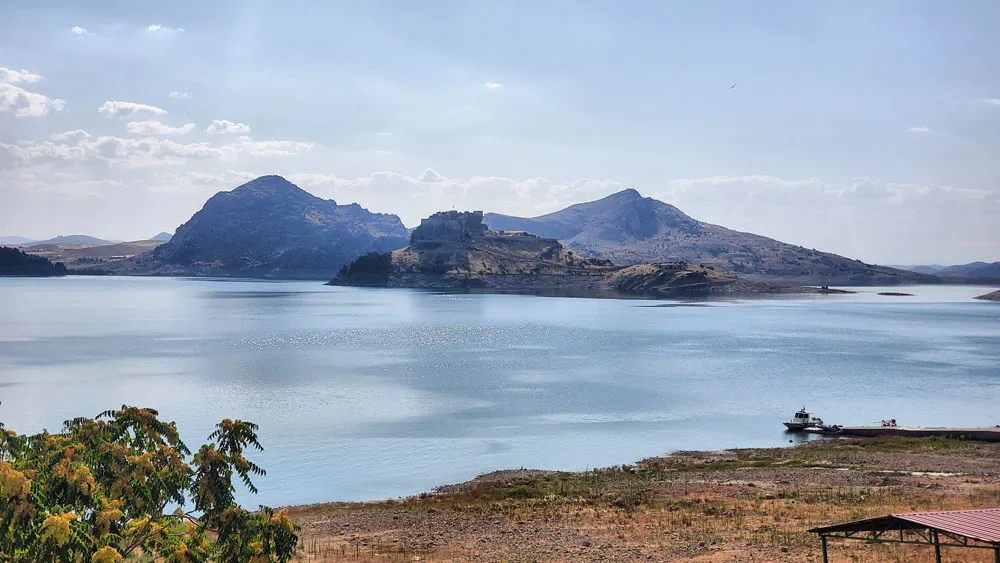
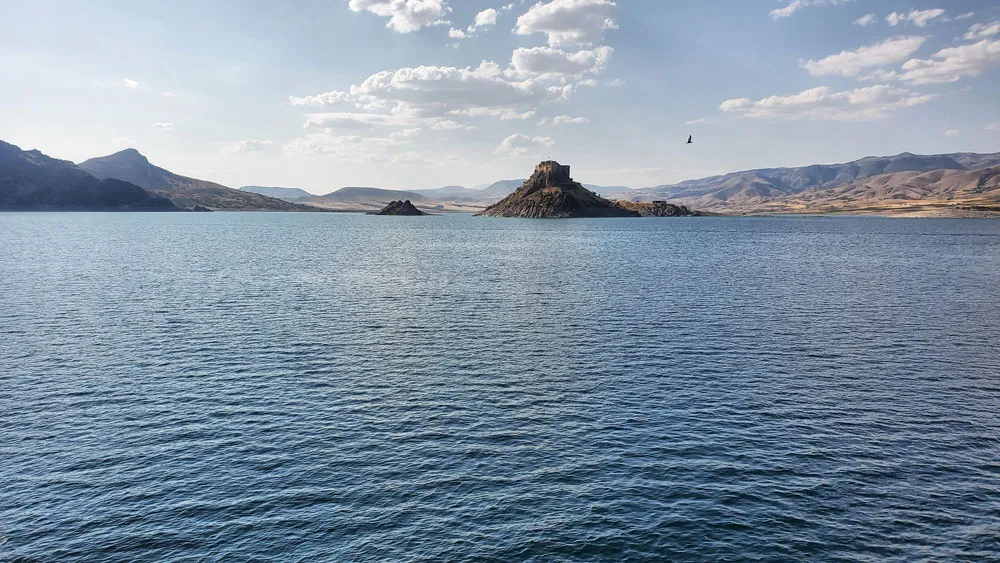
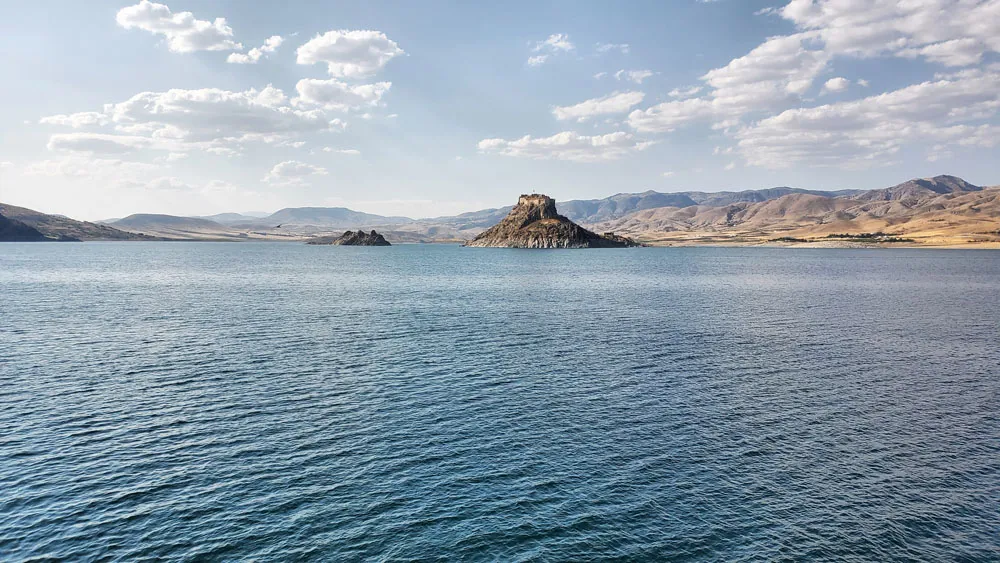
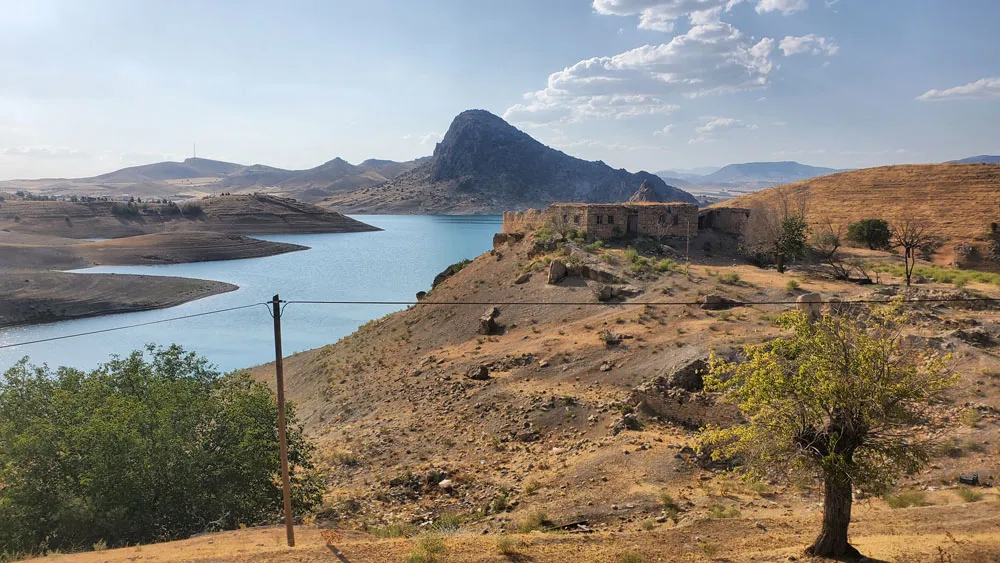
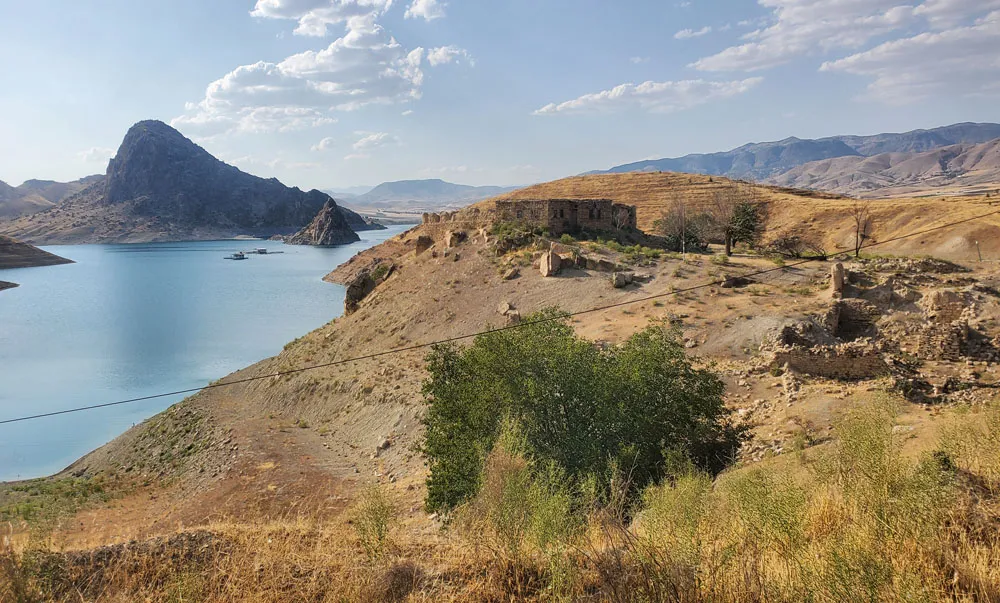
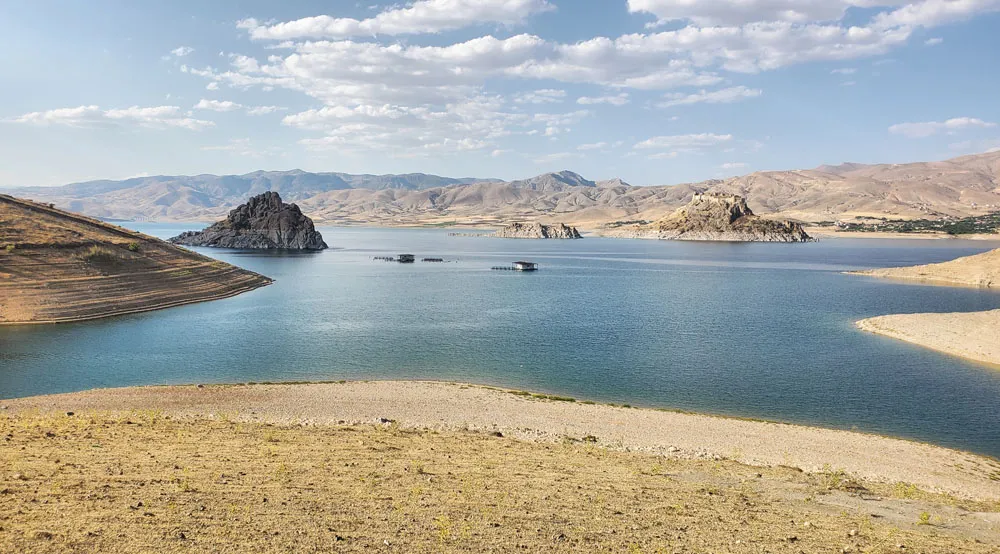
After reservoirs were piled up on the Euphrates, it became hard to understand where the channel of this great river now is. It became even harder to understand where the channels of the Euphrates’ source rivers – the Murat and the Karasu – are, because by building a dam in 1974 the Turks created a huge reservoir, which they call Lake Keban. The Murat – a large river that is the main source of the Euphrates, begins near Ararat and is 722 km long – merged with the Karasu into a single mass of water. And the hills that once rose above the Murat floodplain turned into islands. On one of these islands stands the fairy-tale Pertek Castle.
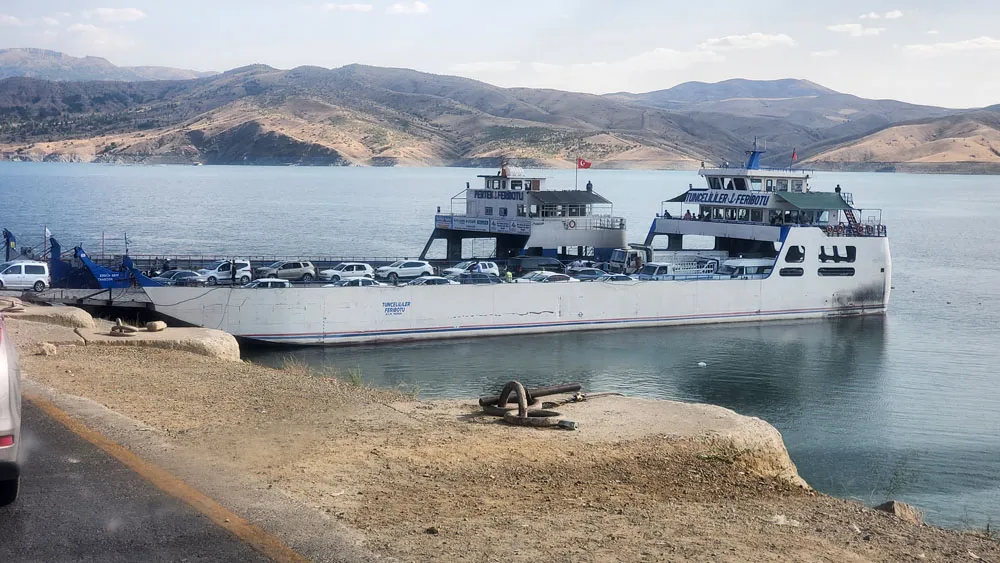
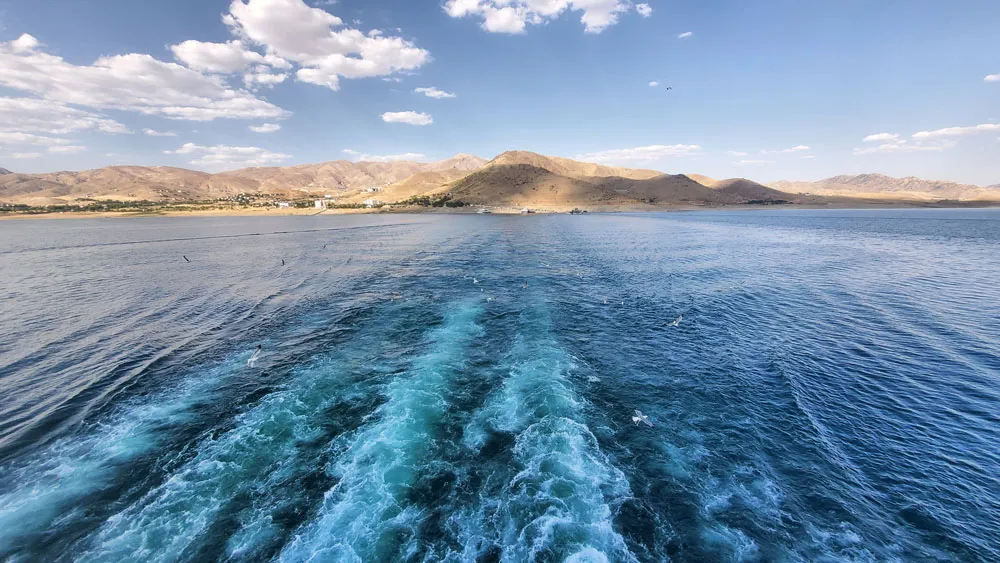
Crossing the Euphrates–Murat–Karasu by ferry, we saw remarkable beauty. Lake Keban, though an artificial reservoir, with its numerous shore hills and islands creates a romantic illusion of a sea coast, and Pertek Castle strengthens it.
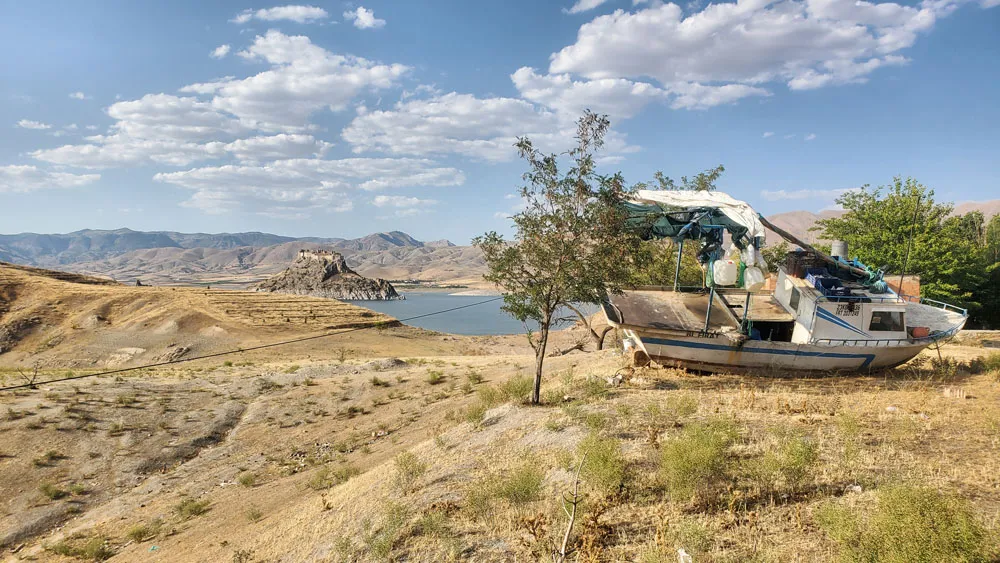
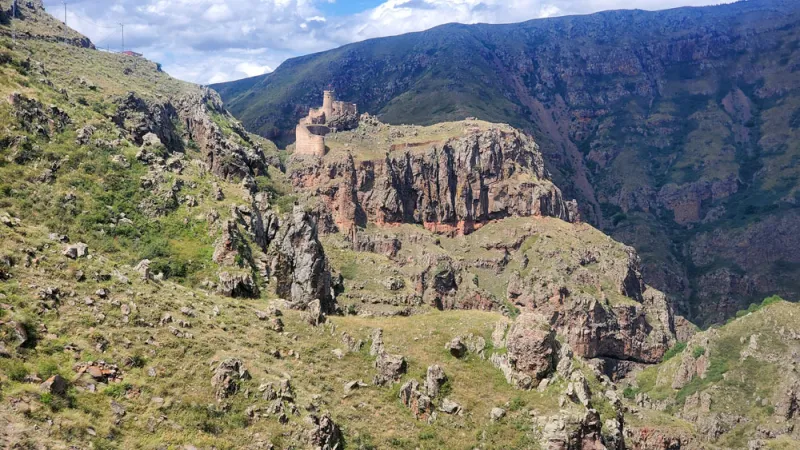
Unfortunately, during the quarantine period the private boatmen who used to take people to the castle on the island disappeared somewhere, or if they did not disappear we did not find them, so we photographed the castle only from afar. It is good that even from afar it looks cool.
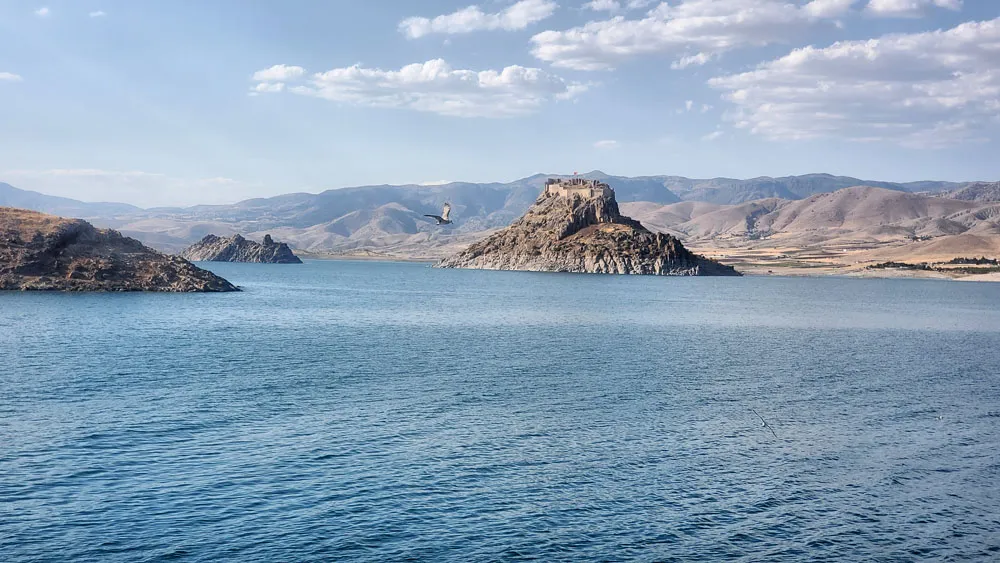
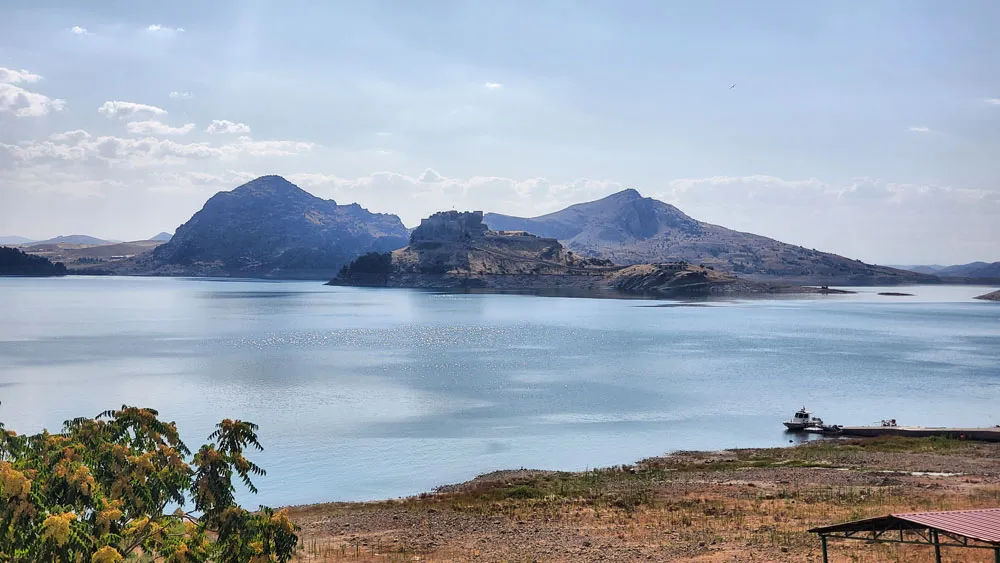
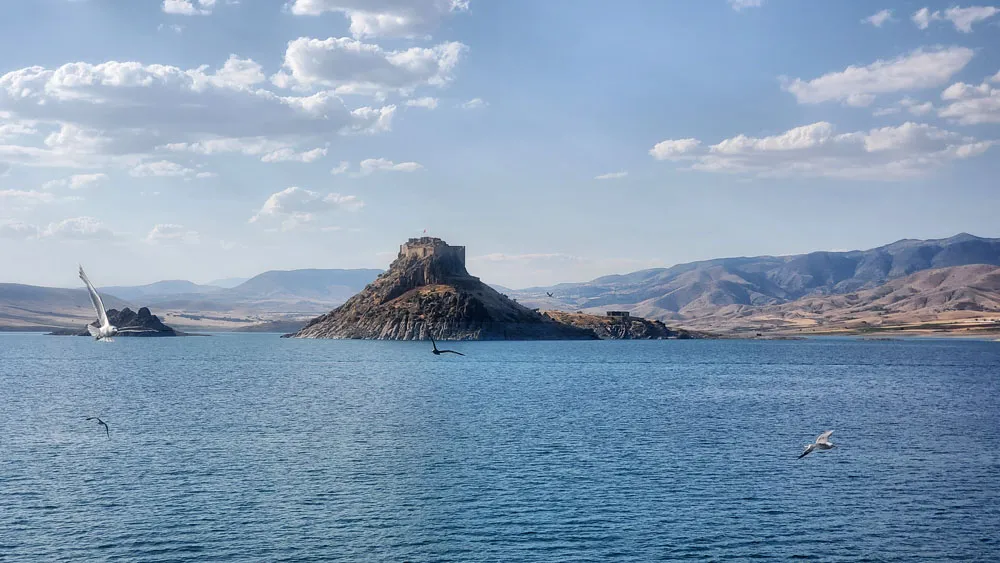
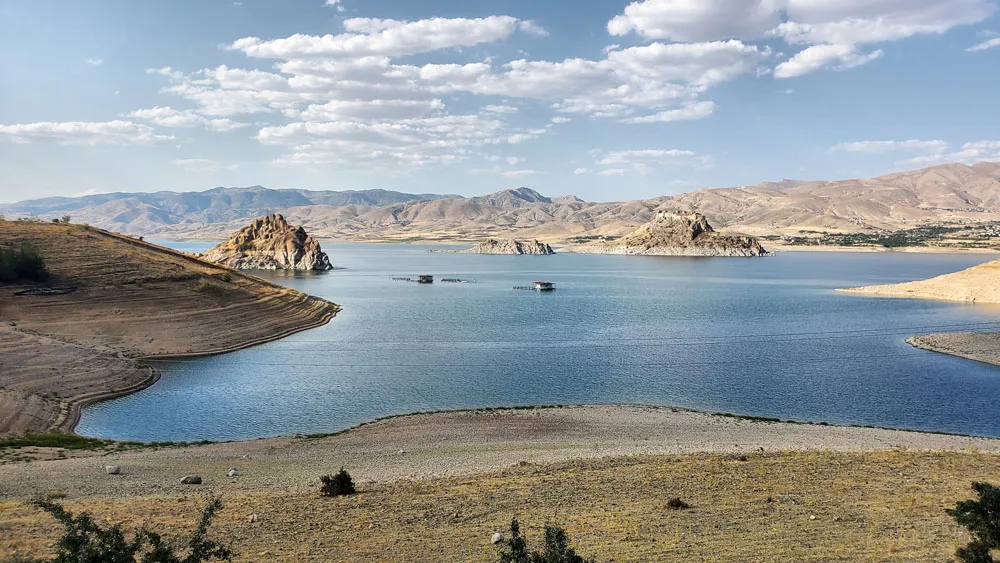
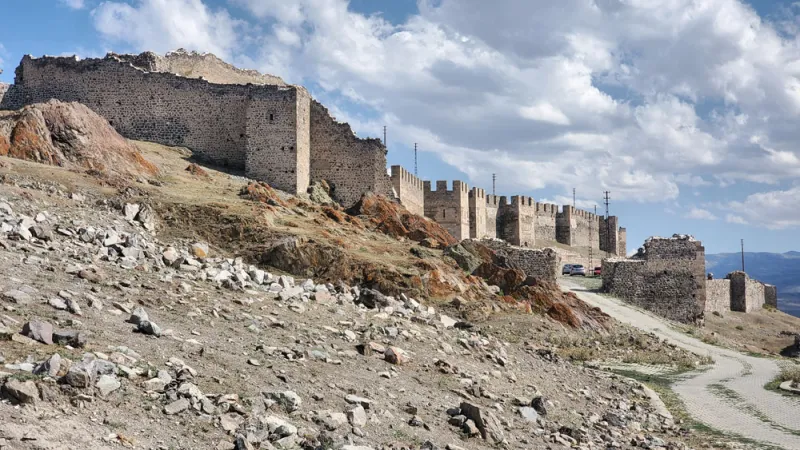
Scholars suppose that the first castle on Pertek hill was built in the time of Urartu – the Urartians built a stronghold to protect the copper mines located nearby. Then the stronghold belonged for a long time to the Armenians, though Turkish sites do not mention this. Even the name Pertek comes from the Armenian word բերդակ – pertak. And in the 11th century, after the territory was conquered by the Seljuks, the castle was rebuilt. The Ottomans rebuilt it once more in the 16th century, and since then it has looked as it does now. Its walls are made of large stone blocks, sometimes decorated with clinker brick and blue tiles, but this, unfortunately, we did not see. A reason to come again.
The castle is located by the crossing of the Euphrates (although in fact of its main tributary, the Murat), 25 kilometres from the large city of Elazığ.
Text and photos by Roman Malenkov.