Prymorsk

· 3 min read
Present-day Prymorsk is a small town (about 12,000 inhabitants) on the shore of the Sea of Azov. It is 180 km from Zaporizhzhia. Until 1961 the town was called Nohaisk.
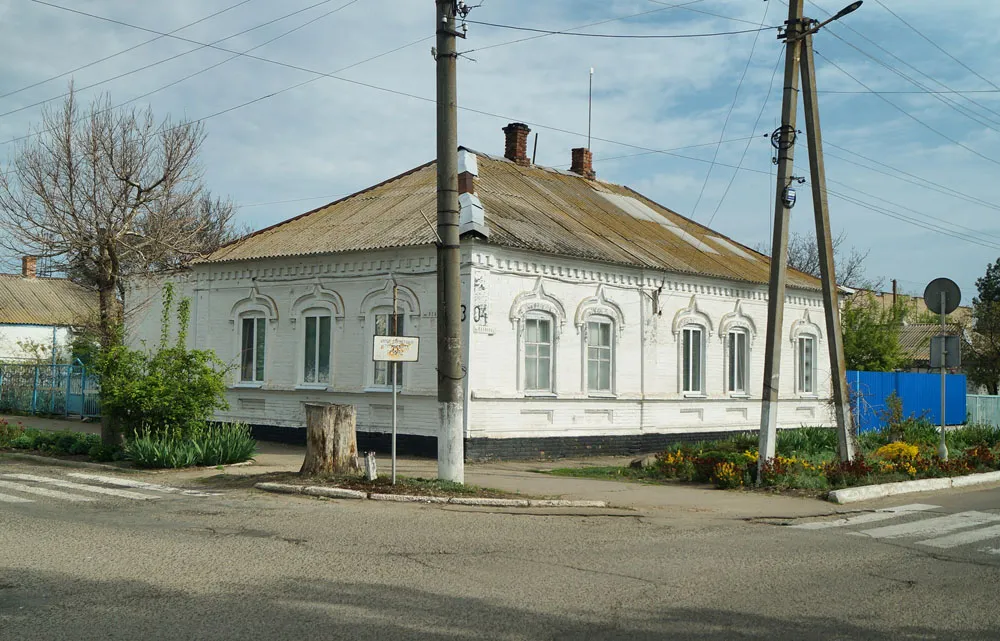
The town is quite interesting, as it has preserved its original street layout, a large number of old buildings and the provincial flavour of a southern seaside town, with its market and measured, quiet life.
These were once the lands of the Nogai Horde. After the Russian Empire seized the Azov region, large land allotments began to be handed out to Russian landowners. In 1800 Count Orlov-Denisov received 11,300 desiatinas of land on the shore of the Sea of Azov; he brought his serfs from the Ryazan Governorate and settled them on the bank of the Obytochna river. The village (derevnia) was also named Obytochna.
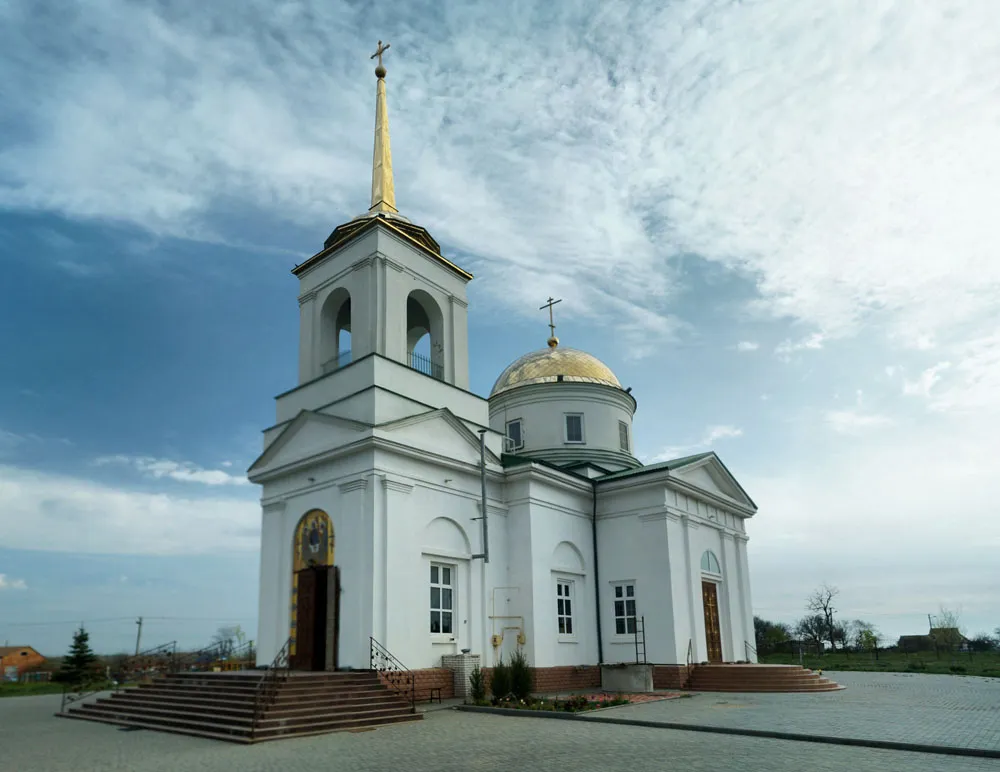
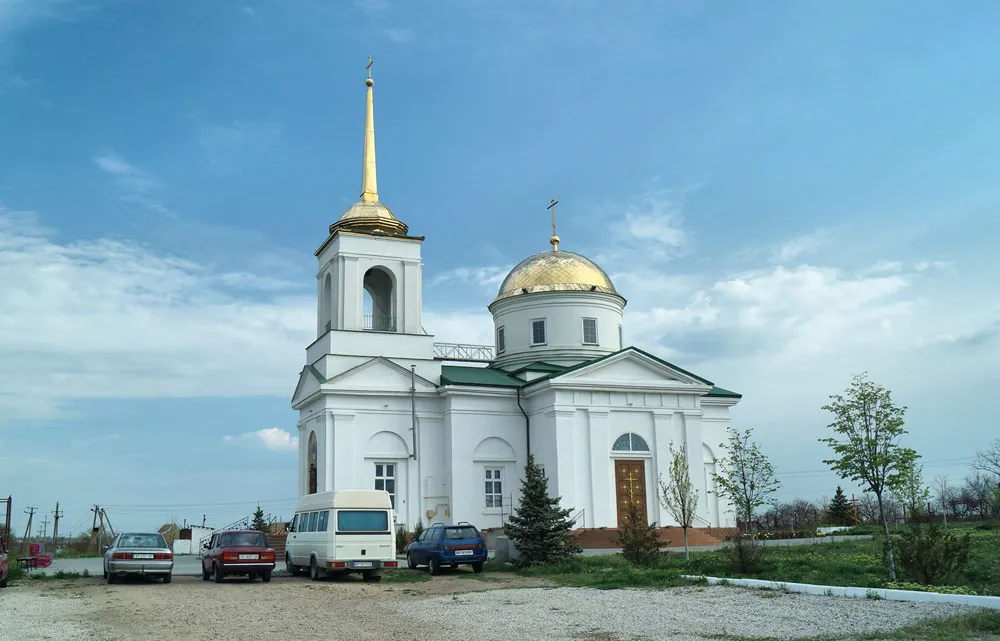
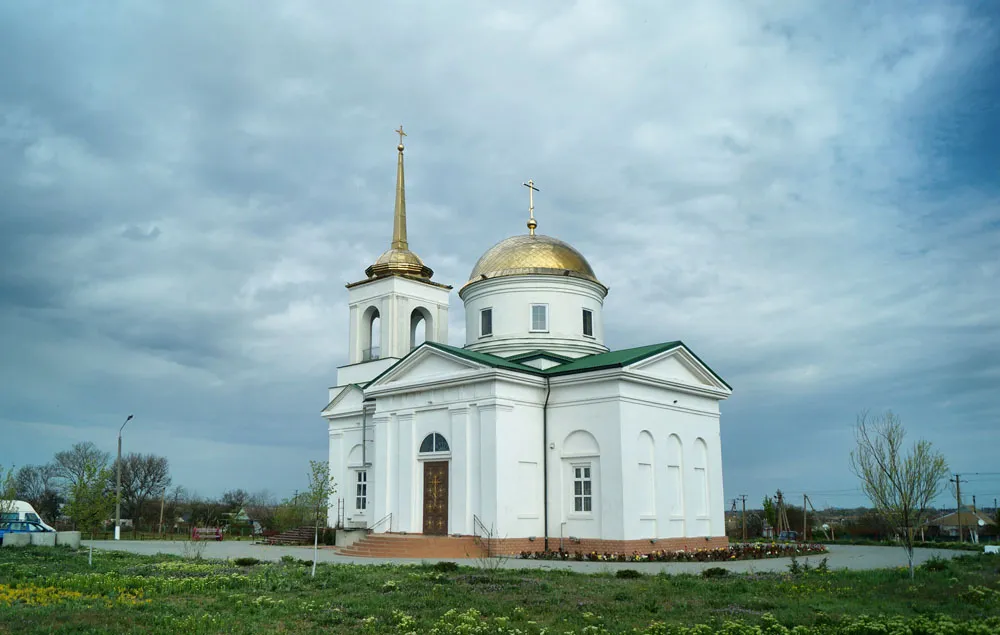
Trinity Church
The Ryazan peasants did not till the land; they engaged in cattle breeding. They say it was quite successful, as some owners quickly grew rich and carried on brisk trade. In 1814 they began building the Trinity Church, which was completed and consecrated only in 1838. The church was built in the Late Classicist style with elements of Empire style – a spired bell tower. True, in the 1930s the bell tower was destroyed, but after the collapse of the Union it was rebuilt.
In 1821 Obytochne, which by then had grown considerably and turned into a small town, was renamed Nohaisk. It is said that 24 Nogai families lived here at that time, but there is a suspicion that there were many more; they were not poor, engaged in trade and probably lobbied in some way for the new name.
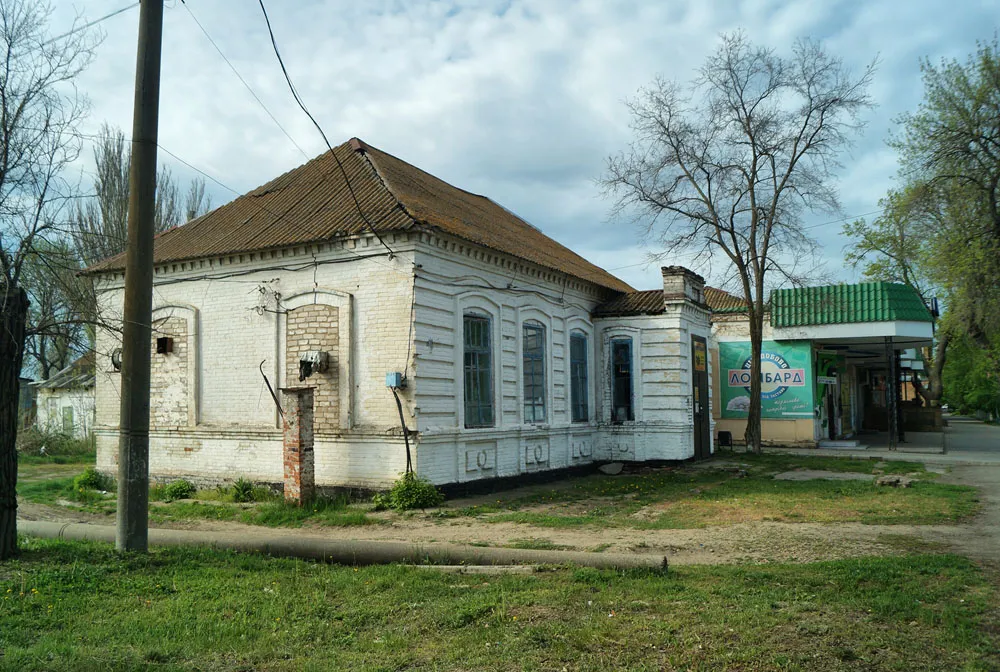
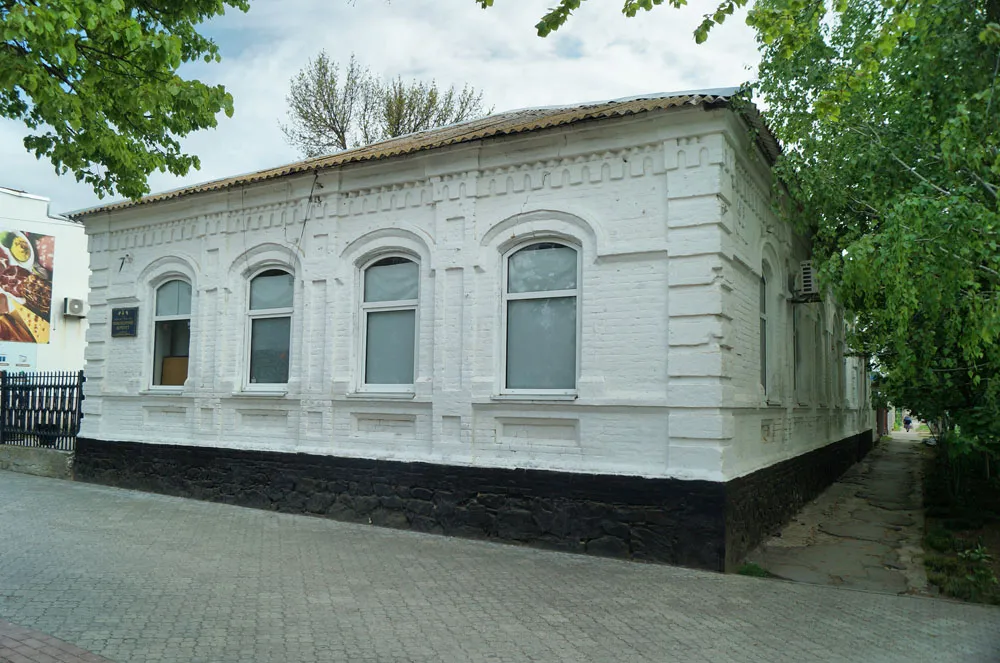
Nohaisk lay on a busy trade route from Crimea to Taganrog, so it had a good weekly market, and large fairs were held twice a year. Merchants grew rich and built stone houses, some of which have survived to this day. There were several steam mills – one, much altered, still exists today, but is not in operation.
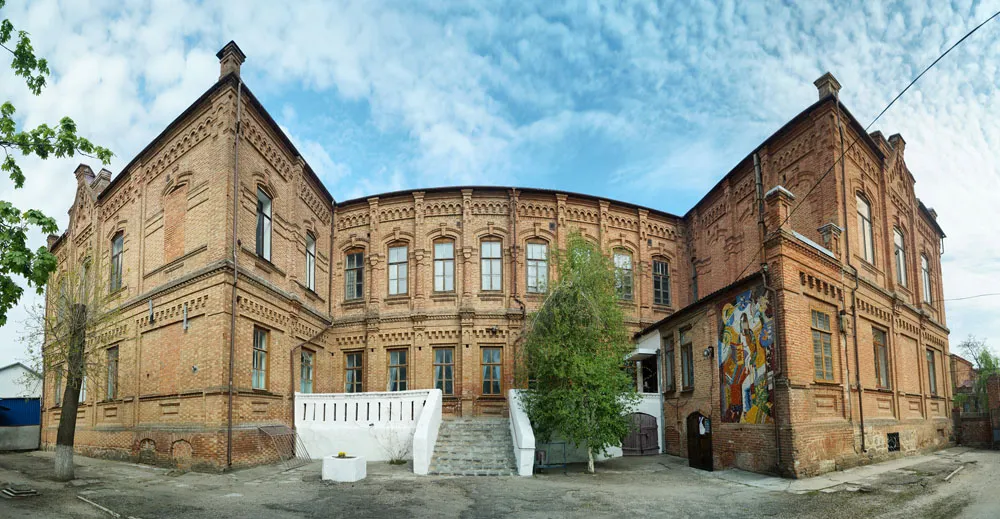
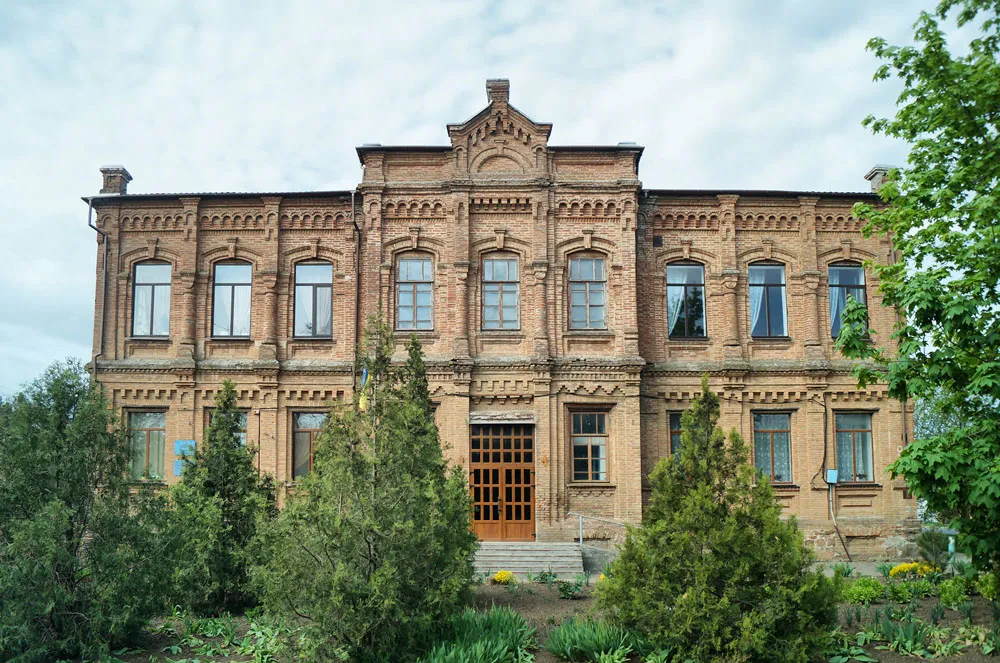
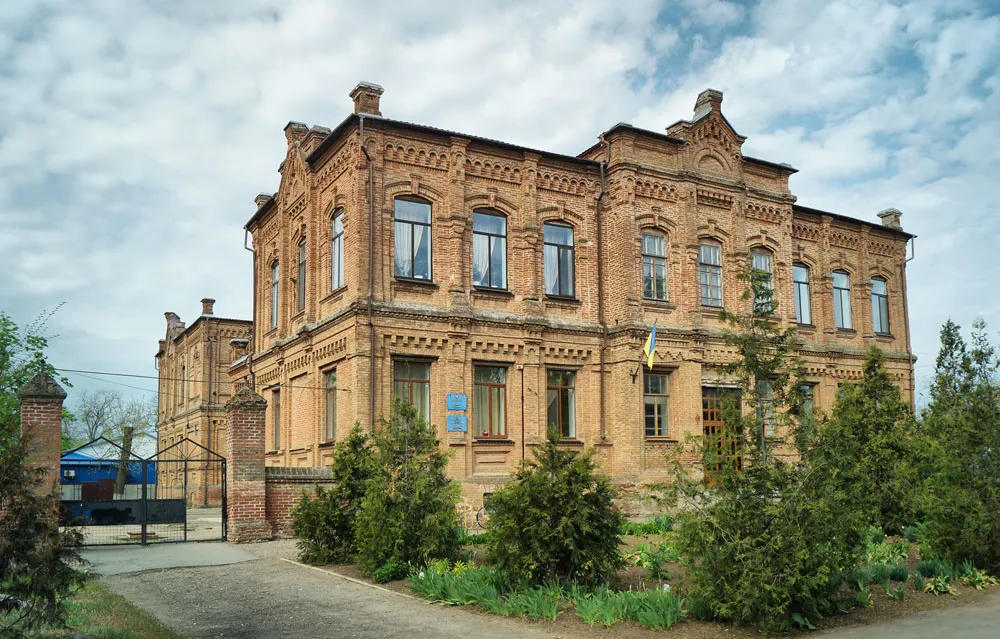
Real school
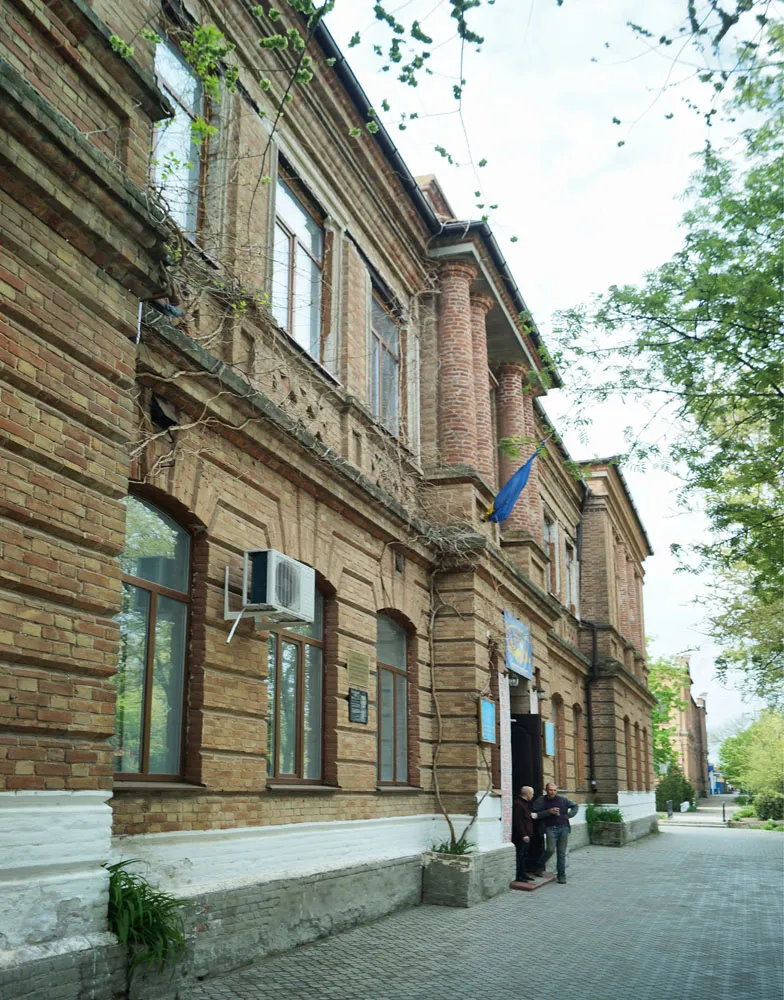
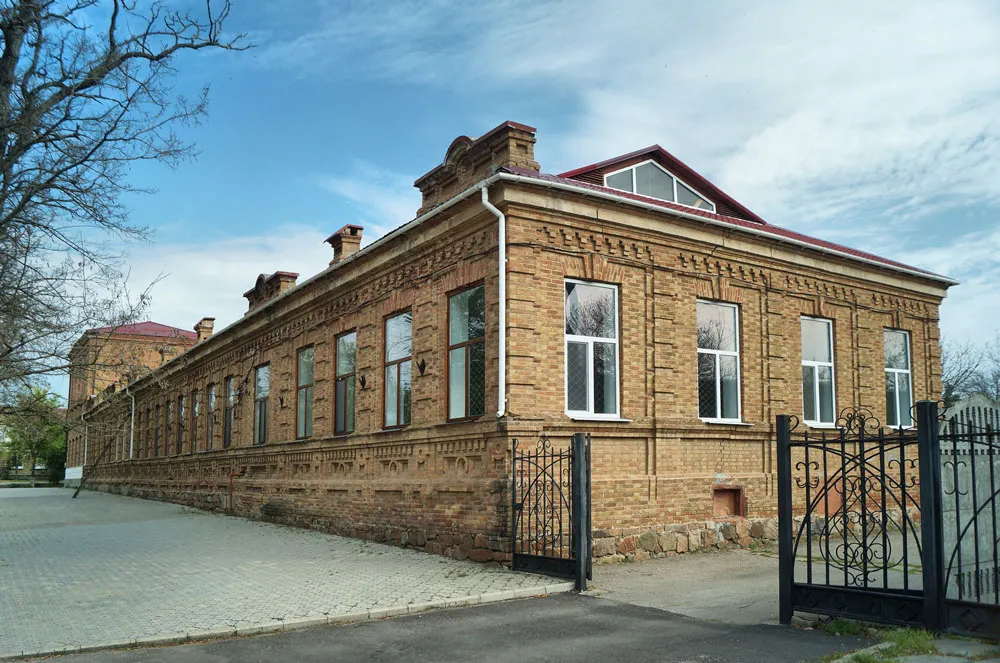
Gymnasium
The development of trade and crafts drew many active people to Prymorsk. Thus in the 1850s the Slastion family moved here from Zolotonosha; in 1855 their son Opanas was born – the legendary Ukrainophile, artist, architect and ethnographer. Opanas spent his whole childhood in Nohaisk and went from here to study in St. Petersburg.
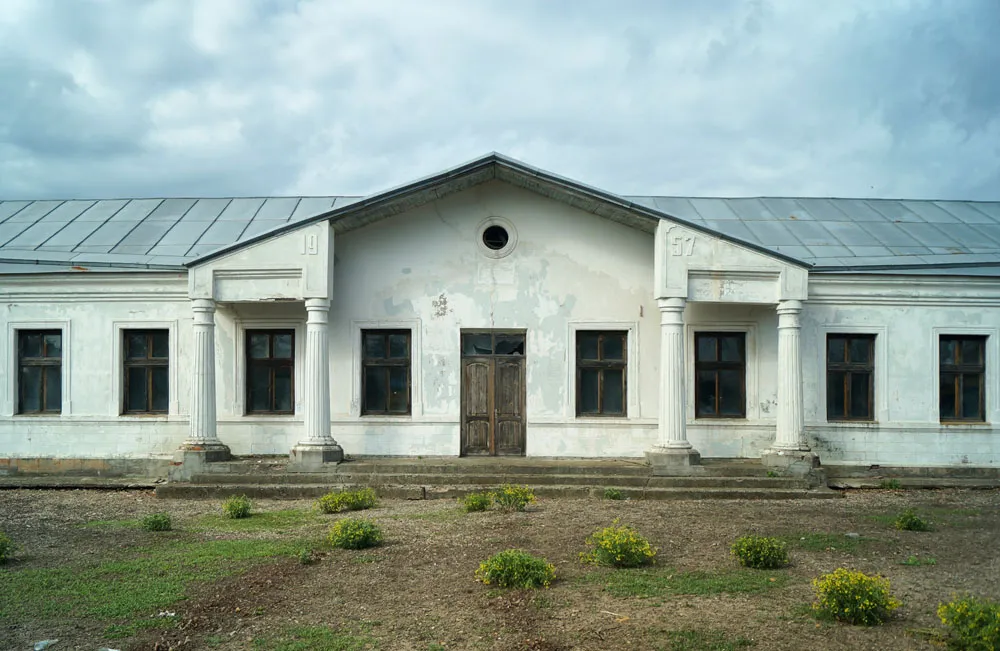
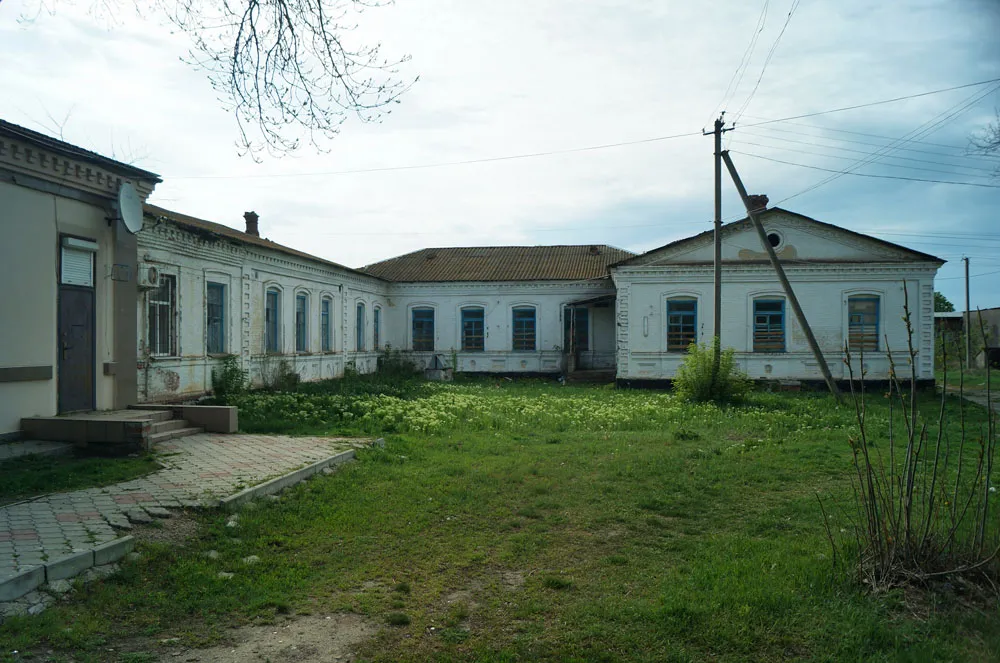
By the end of the 19th century about 4,000 people lived in Nohaisk – not many, it seems, but the town was prosperous enough, as shown by the architectural monuments that have survived from the early 20th century – examples of brick Art Nouveau: the girls’ and boys’ gymnasiums (early 20th century) and the real school (1905).
Everyone draws attention to the building of the real school, which is called a true architectural pearl. Indeed, the building, which now houses the district library, is really very beautiful. The school was opened in its time exclusively for boys from noble, merchant and priestly families and from the families of well-off peasants. They were to study here for seven years – quite a lot for those times.
We spent more than an hour in Prymorsk, but we were in a hurry – we had to continue our local-history exploration of the Zaporizhzhia region. Those who are not in a hurry may note that this is also a resort town. There is the sea, there are parks and gardens, a few hotels and private guesthouses.
Text and photos by Roman Malenkov.
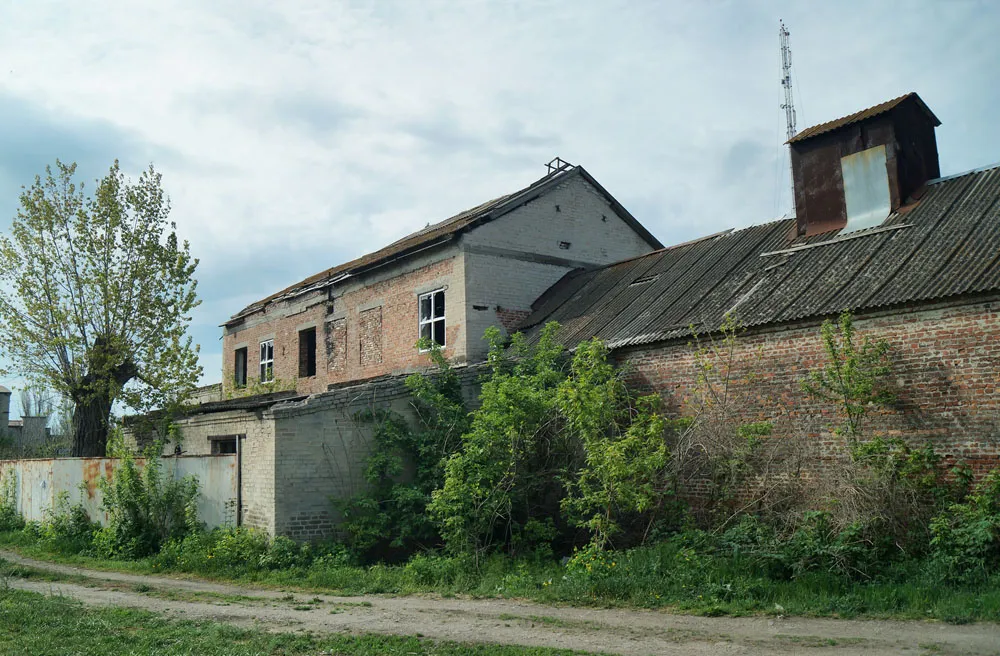
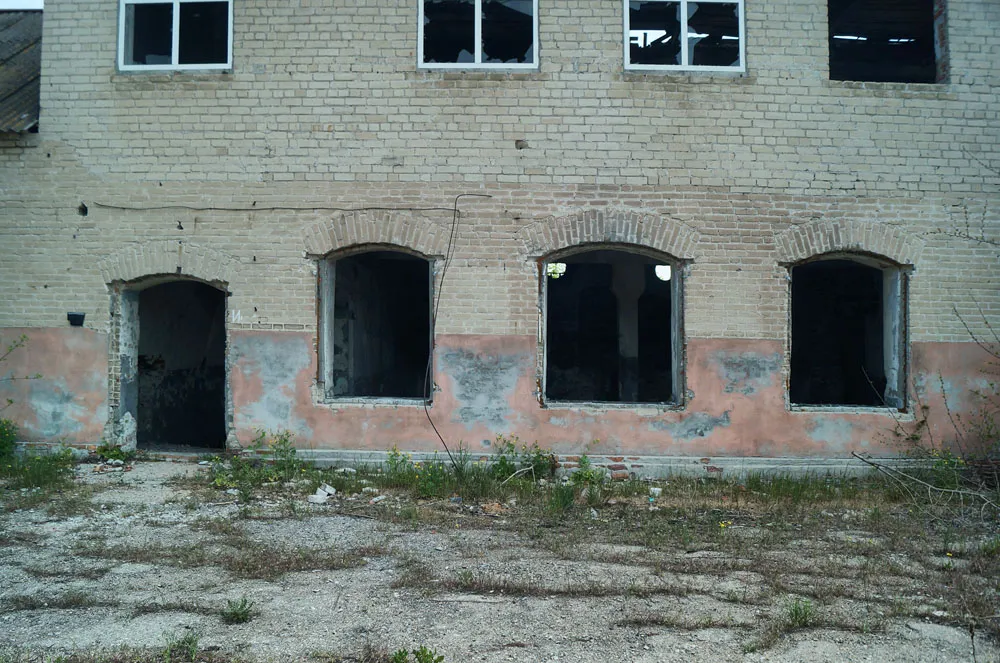
Former steam mill
Pr