Stetsivka. Water mill and old cemetery

· 1 min read
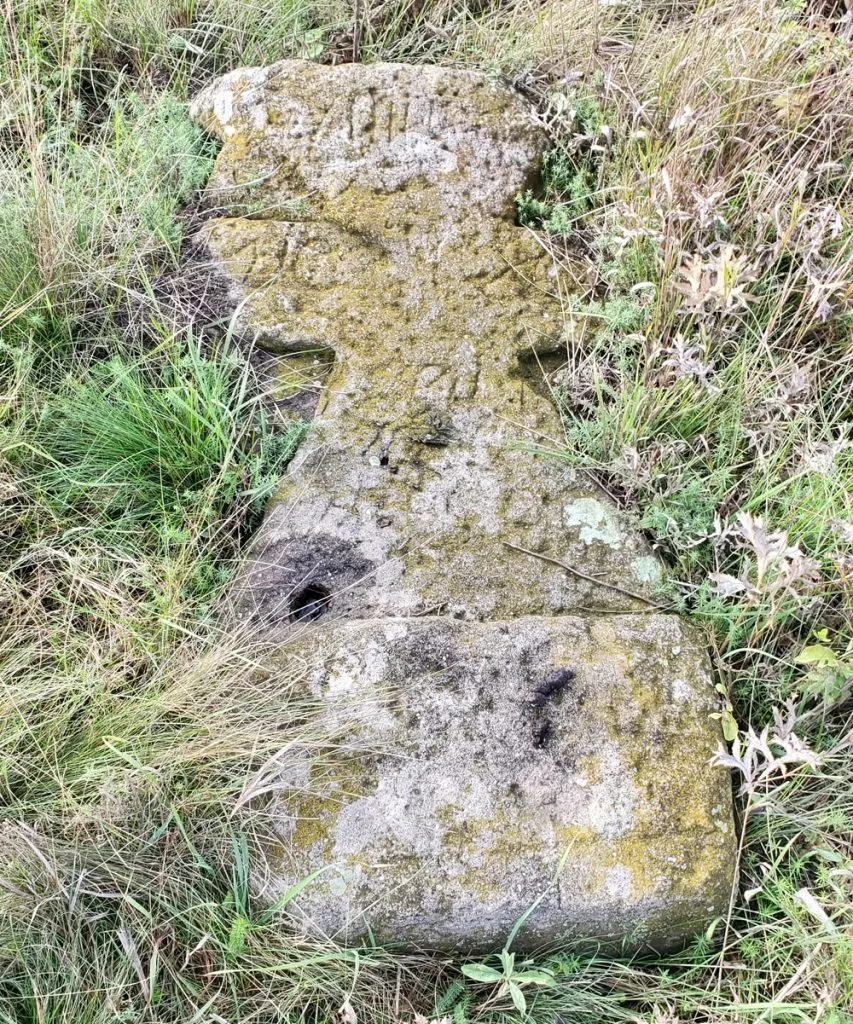
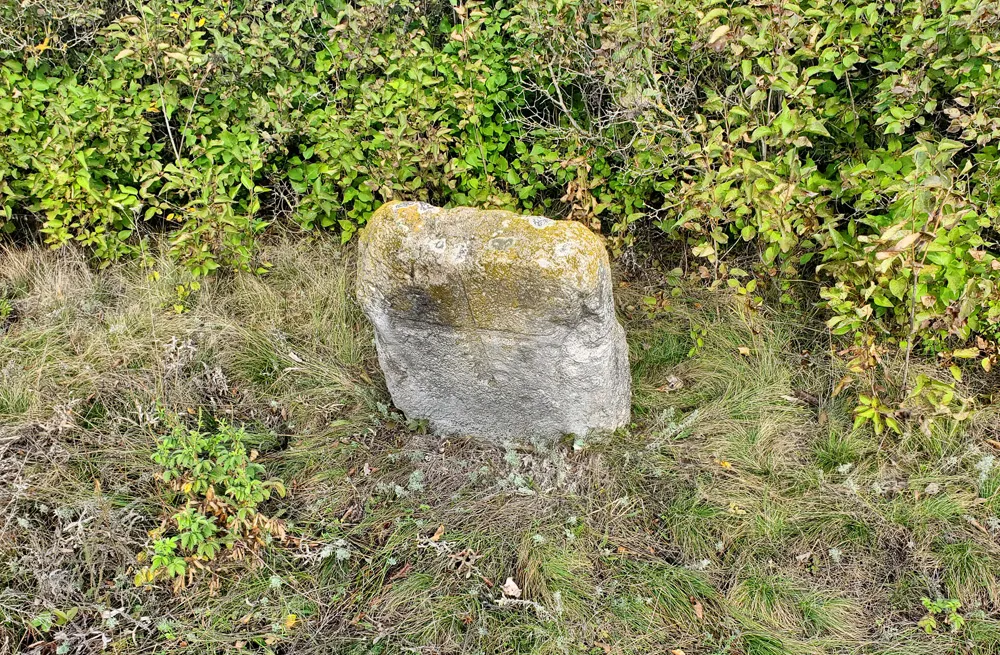
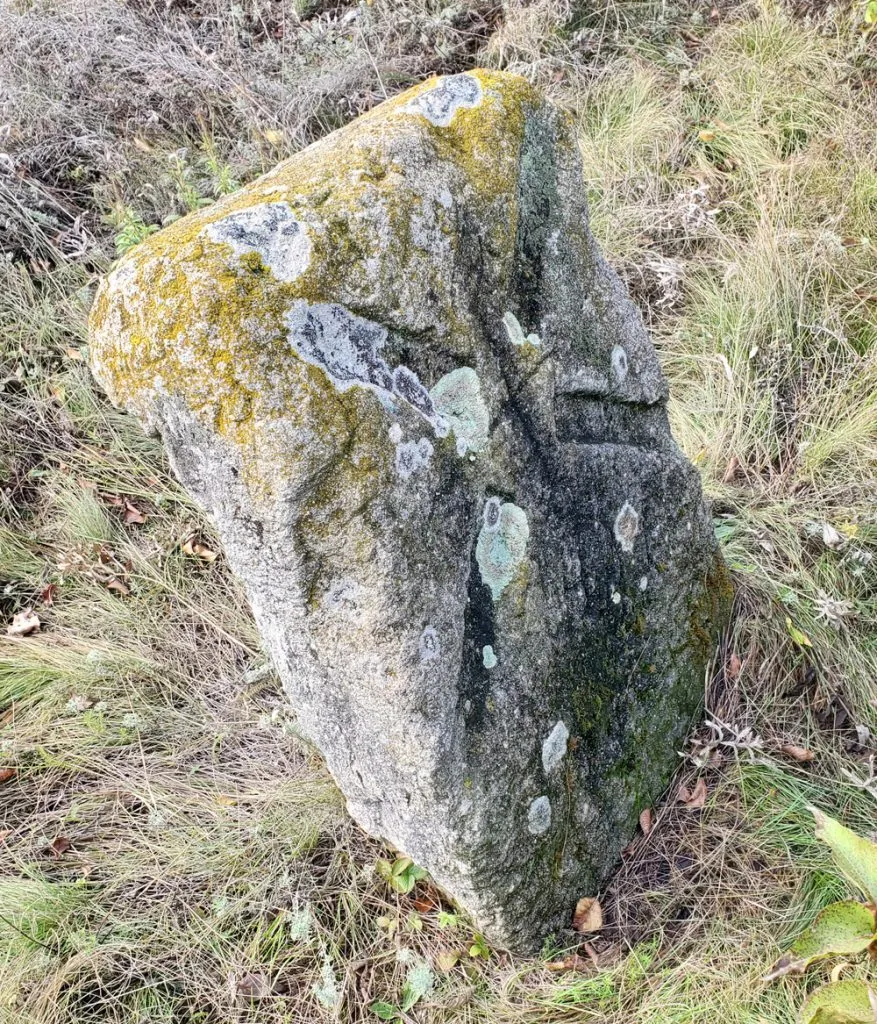
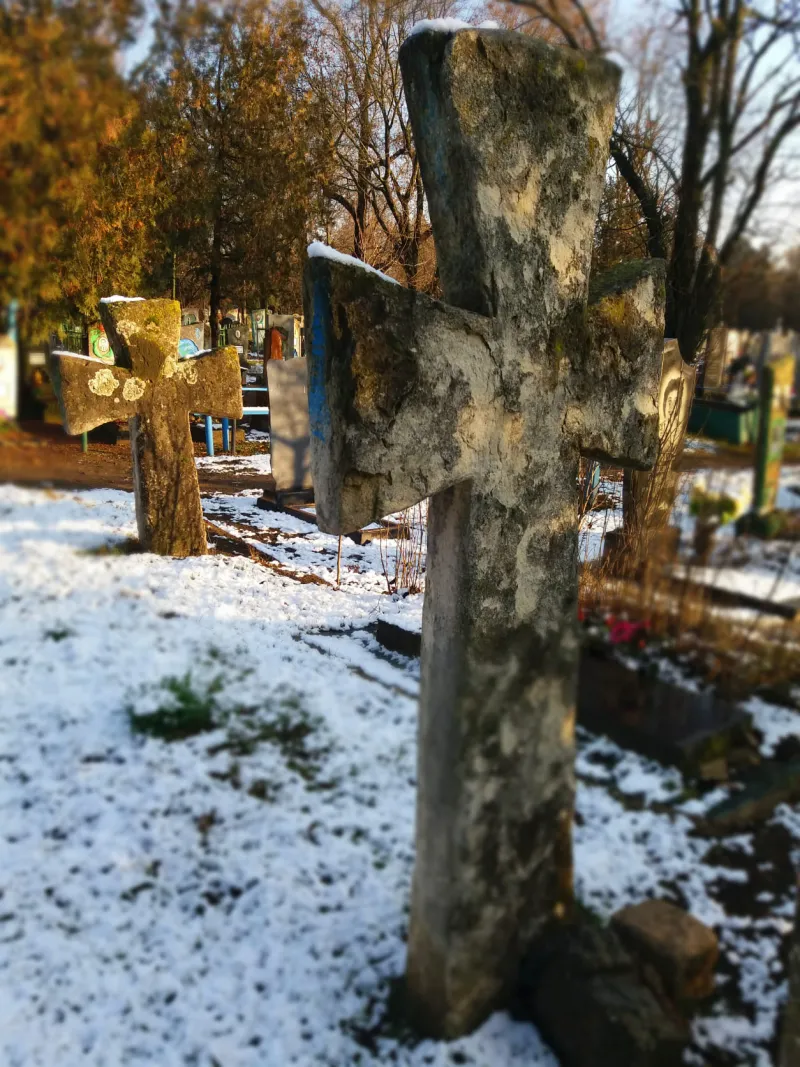
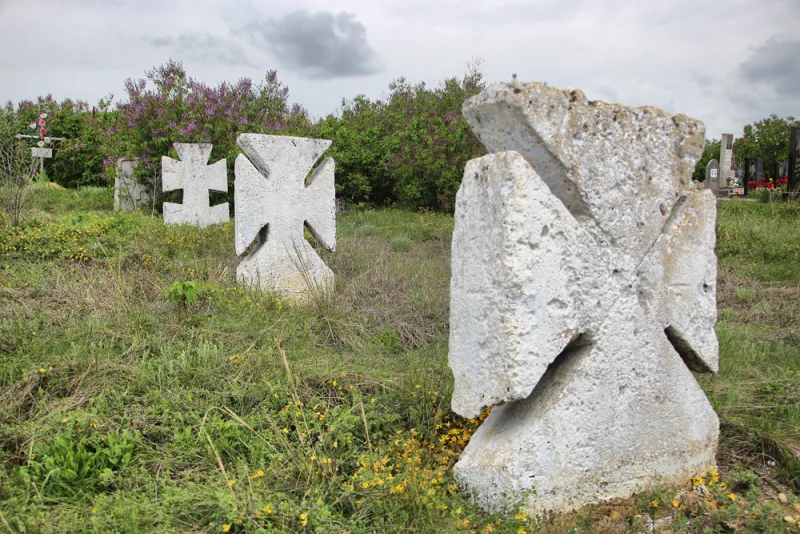
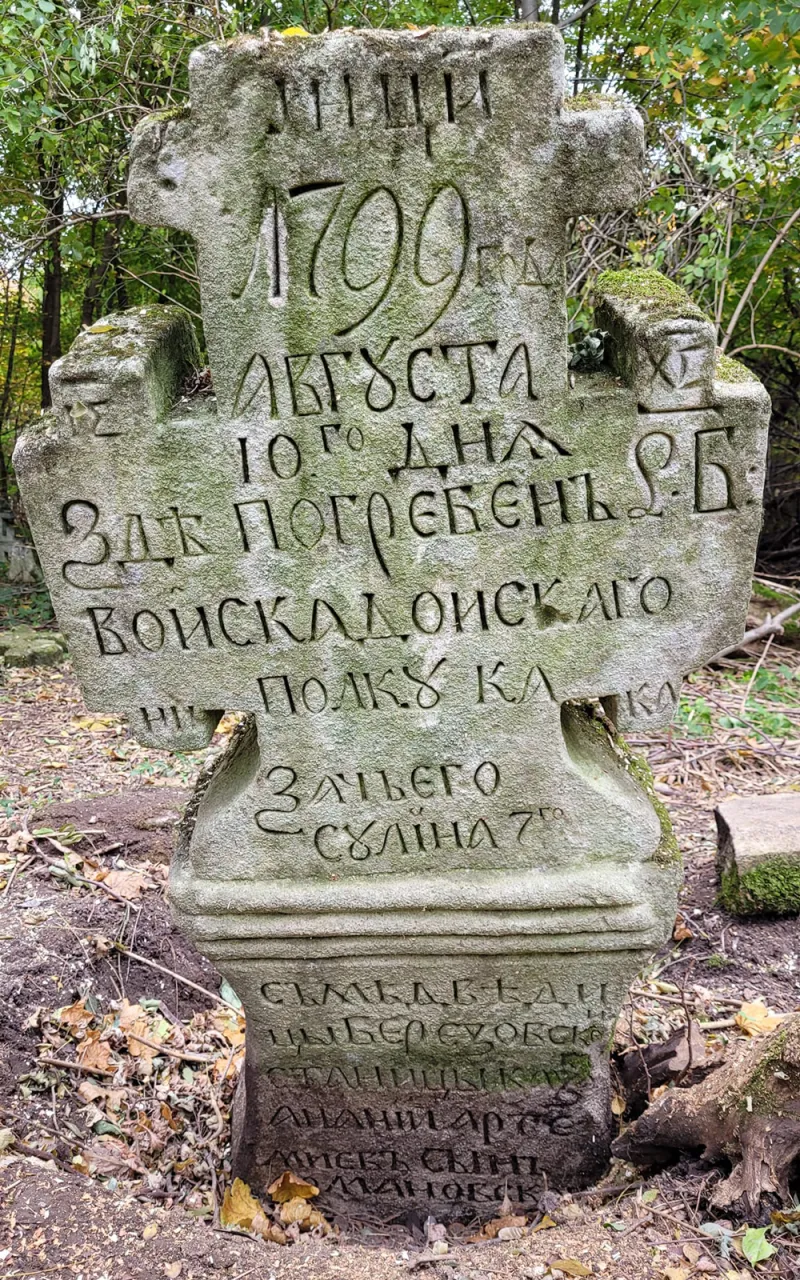
Researchers believe that Stetsivka was founded in the 16th century. The first settler was a certain Stets, probably a Cossack, hence the name. In the 18th century the villagers were enserfed by the Poles, and later by the Russians. In the mid-19th century Stetsivka had almost one and a half thousand inhabitants and was the centre of a volost. It belonged to two landowners, Fedir Protopopov and Kateryna Krytska. It is hard to say whether there were free single-homestead peasants in the village or whether all of them belonged to the landowners. This question interests us because of the old cemetery with stone crosses. Stetsivka does have such a cemetery, but in 2022 we were unable to explore it, as it is overgrown with dense lilac. Having walked all the way around the plot and found no way into the cemetery, we found two stone crosses at its edge, which confirmed that it really is an old cemetery, as local residents had told us.
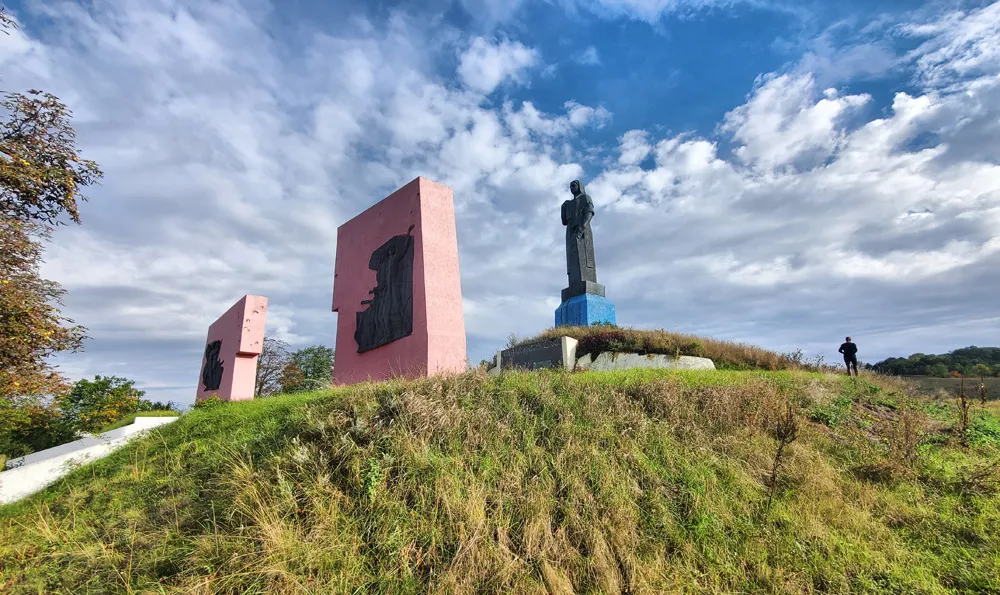
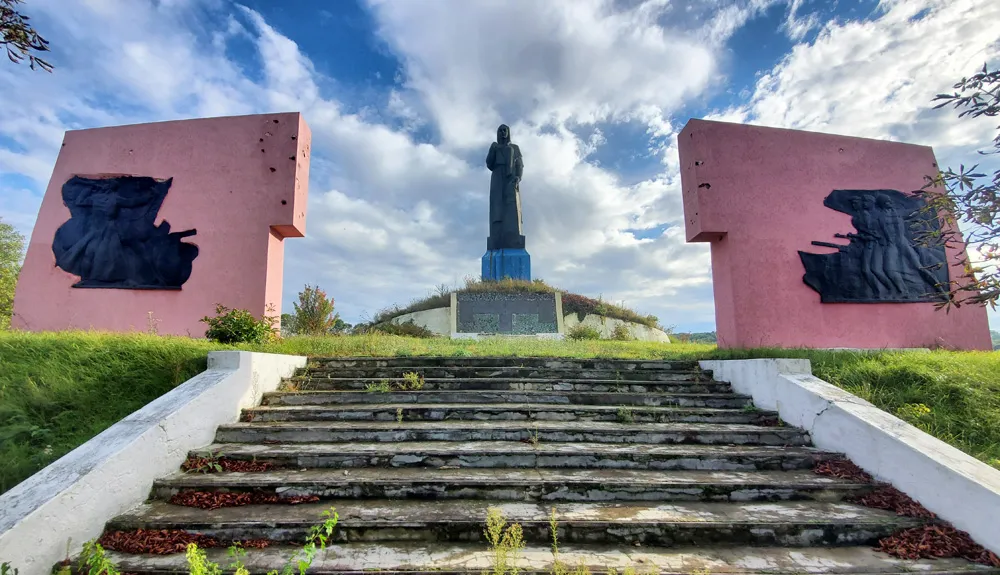
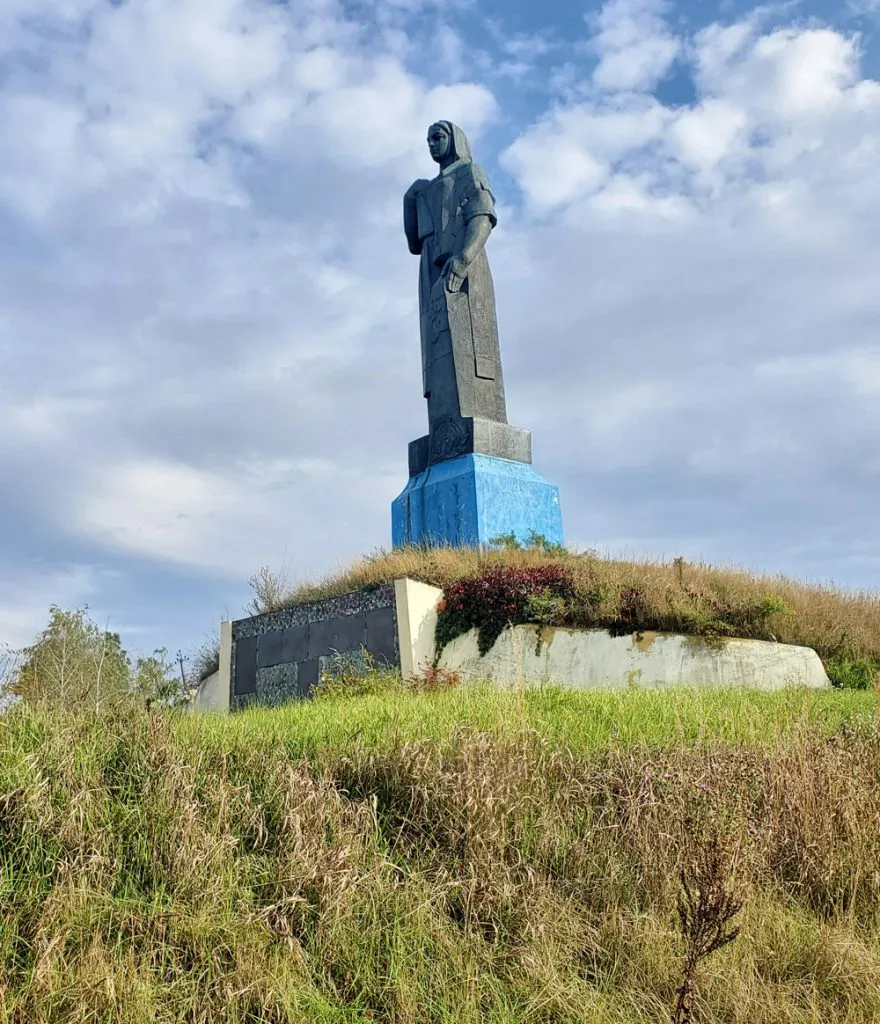
The cemetery is located next to a large monument that the villagers called a memorial to the Holodomor, though it looks more like a monument to fellow villagers who died. The monument itself, a woman, is some 8–10 metres high; it is very large.
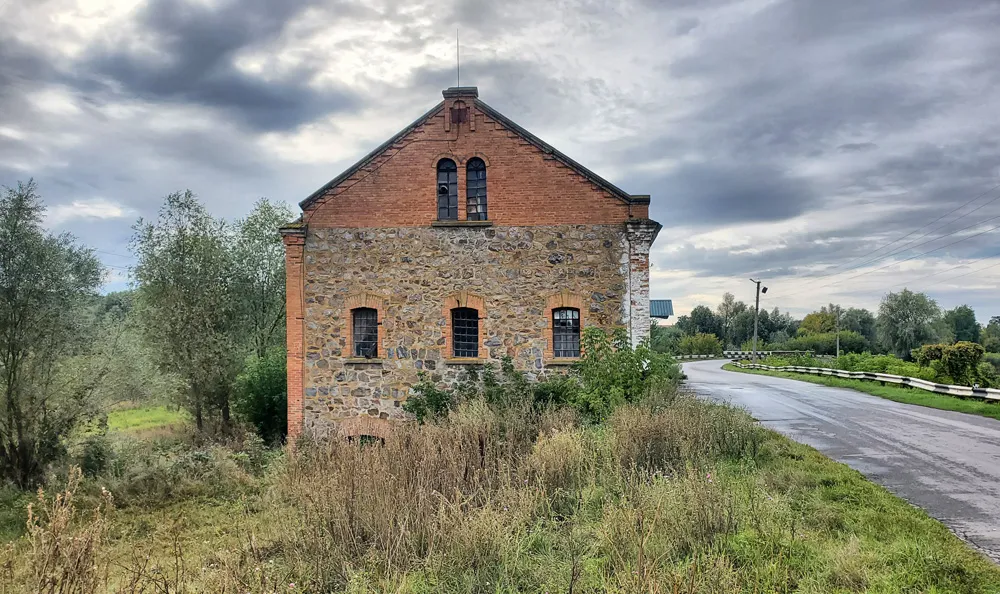
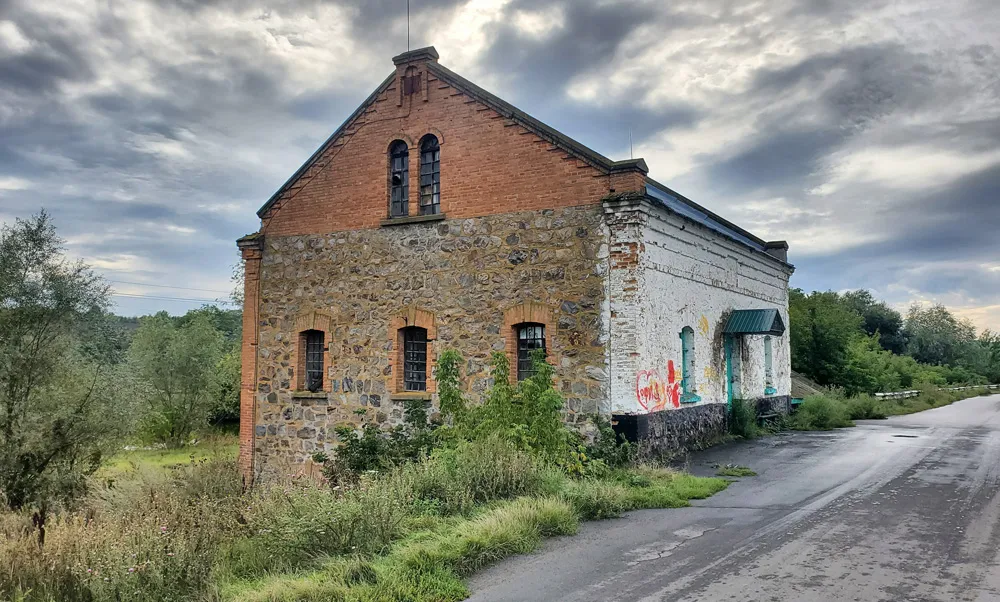
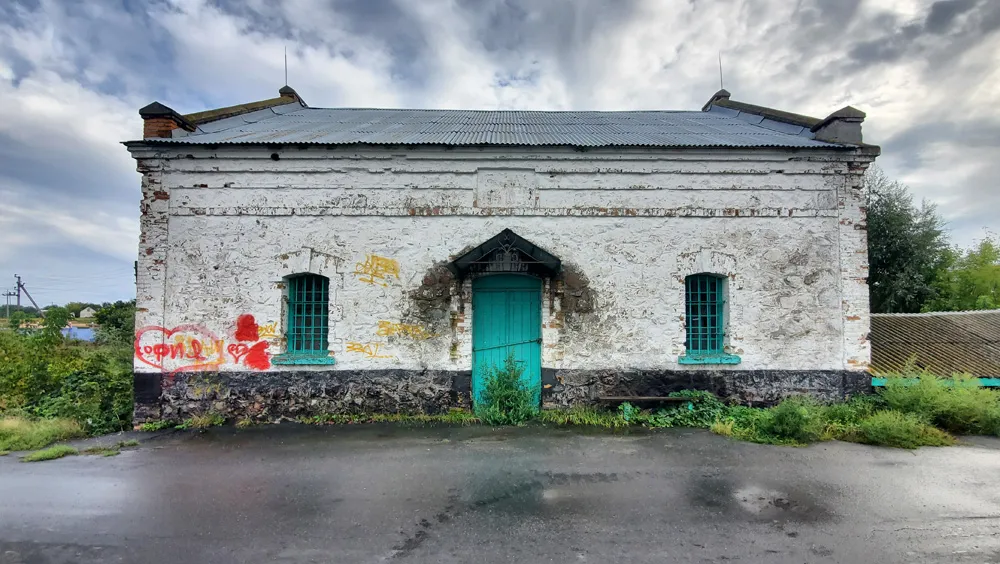
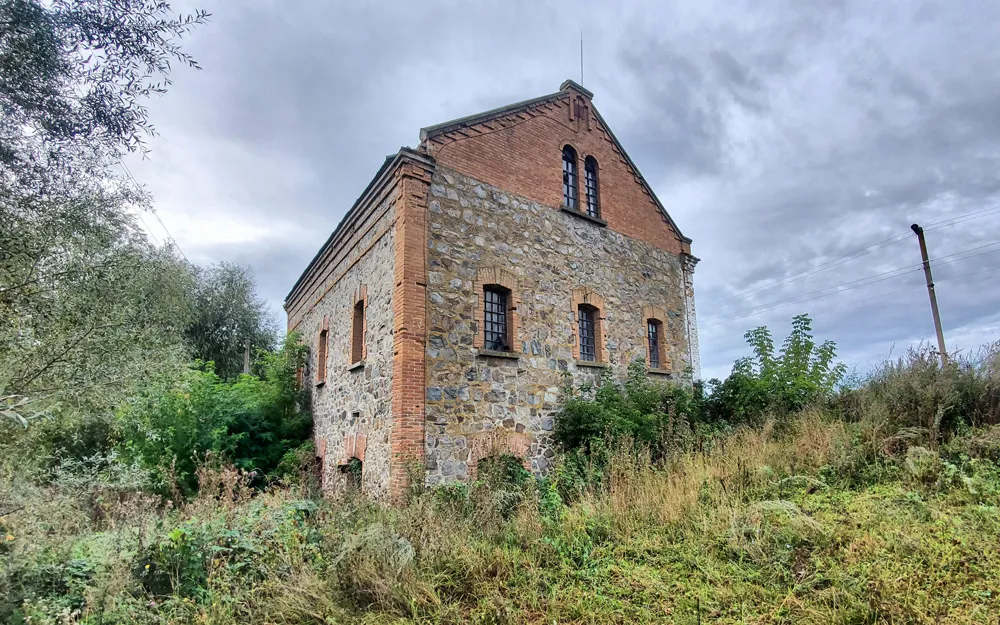
Another landmark of Stetsivka is a water mill on the Shpolka River, built in 1909.
Text and photos by Roman Malenkov